
Recessed Lighting in the Dining Room: Layout, Spacing & Everything You Need to Know
Summary›
- Should You Put Recessed Lights in a Dining Room?
- The Ultimate Recessed Lighting Dining Room Layout Guide
- How Many Recessed Lights Do You Need?
- Combining Recessed Lighting and Chandelier in Dining Room Designs
- What Type of Lighting Is Best for a Dining Room?
- The Latest Trends in Recessed Ceiling Fixtures
- How Far Apart Should Recessed Lights Be in a Dining Room?
- Conclusion: Creating Your Perfect Dining Room Illumination
Designing the perfect dining room requires attention to how light shapes your space. Recessed lighting in the dining room has become increasingly popular among homeowners seeking a clean, unobtrusive look that combines functional illumination with modern aesthetics. Whether you're renovating an existing space or building new, understanding how to properly layout and space your recessed ceiling fixtures can make the difference between harsh, uneven lighting and the warm, inviting ambiance that defines Scandinavian-inspired interiors.
At Skonne, we believe great lighting tells a story. This comprehensive guide will walk you through everything from spacing formulas to the latest canless recessed lighting trends, while showing you how to pair these subtle fixtures with statement chandeliers for truly layered dining room illumination.
Should You Put Recessed Lights in a Dining Room?
Before diving into measurements and placement, let's address the fundamental question: are pot lights in a dining room actually a good idea? The answer is a qualified yes—when executed thoughtfully.
Recessed lighting excels at providing ambient illumination throughout your dining space. Unlike pendant lights or chandeliers that concentrate light downward, recessed fixtures distribute illumination evenly across the ceiling plane. This creates a sense of openness and height while eliminating shadows in corners where ceiling and walls meet.
However, recessed lighting alone often falls short of creating the intimate, gatherings-worthy atmosphere that dining rooms demand. The Scandinavian design philosophy embraces layered lighting—combining multiple light sources to serve different purposes throughout the day. This approach allows you to transition seamlessly from bright morning coffee to soft, ambient evening dinners.
The Ultimate Recessed Lighting Dining Room Layout Guide
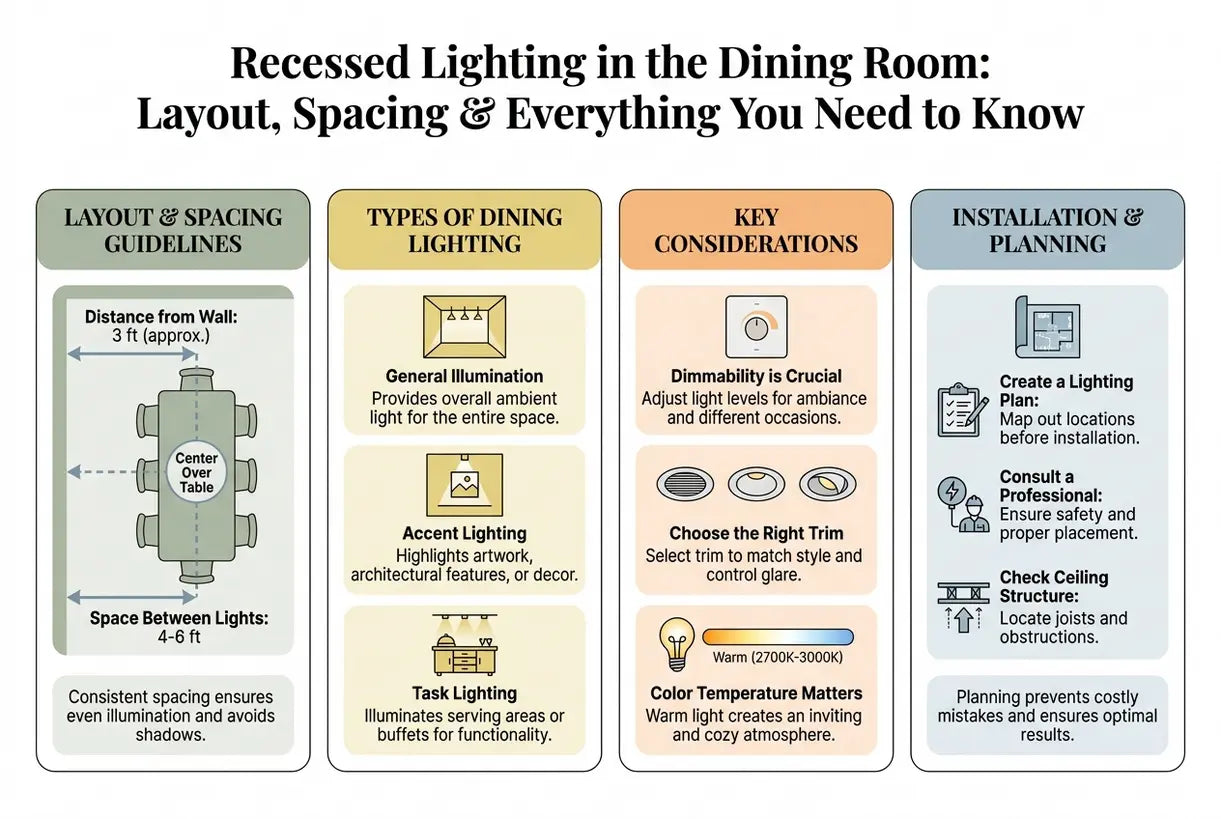
Creating an effective dining room lighting layout requires balancing aesthetics with practical illumination needs. The good news? Once you understand a few fundamental principles, calculating the perfect placement becomes surprisingly straightforward.
The Spacing Formula Made Simple
Industry standards recommend one recessed light for every 4 to 6 square feet of ceiling space. This formula ensures adequate coverage without creating excessive brightness. Here's how to apply it:
- Measure your dining room length and width in feet
- Multiply to calculate total square footage
- Divide by 4 to 6 for your target number of fixtures (use 4 for brighter task lighting, 6 for softer ambient light)
For a standard 12×14 foot dining room (168 square feet), this yields approximately 28 to 42 lights—clearly excessive. This is where common sense prevails: dining rooms typically require fewer lights than kitchens or workspaces because they benefit from supplemental task and accent lighting (like your dining table chandelier).
Quick Reference: Most dining rooms between 150-250 square feet function well with 6-8 recessed lights, supplemented by a central statement fixture and wall sconces.
Placement Rules That Prevent Common Mistakes
Even diligent homeowners make errors when planning their ceiling lighting design. These placement principles will help you avoid the most frequent pitfalls:
- Keep lights away from walls: Position fixtures at least 2-3 feet from walls to eliminate harsh shadows
- Avoid trapazoid patterns: In rectangular rooms, stagger your grid to prevent intersecting light beams that create uneven illumination
- Consider furniture layout: Plan fixture placement around where people actually sit and gather
- Account for beam angles: LED recessed lights typically spread light at 40-60 degrees. Calculate coverage accordingly
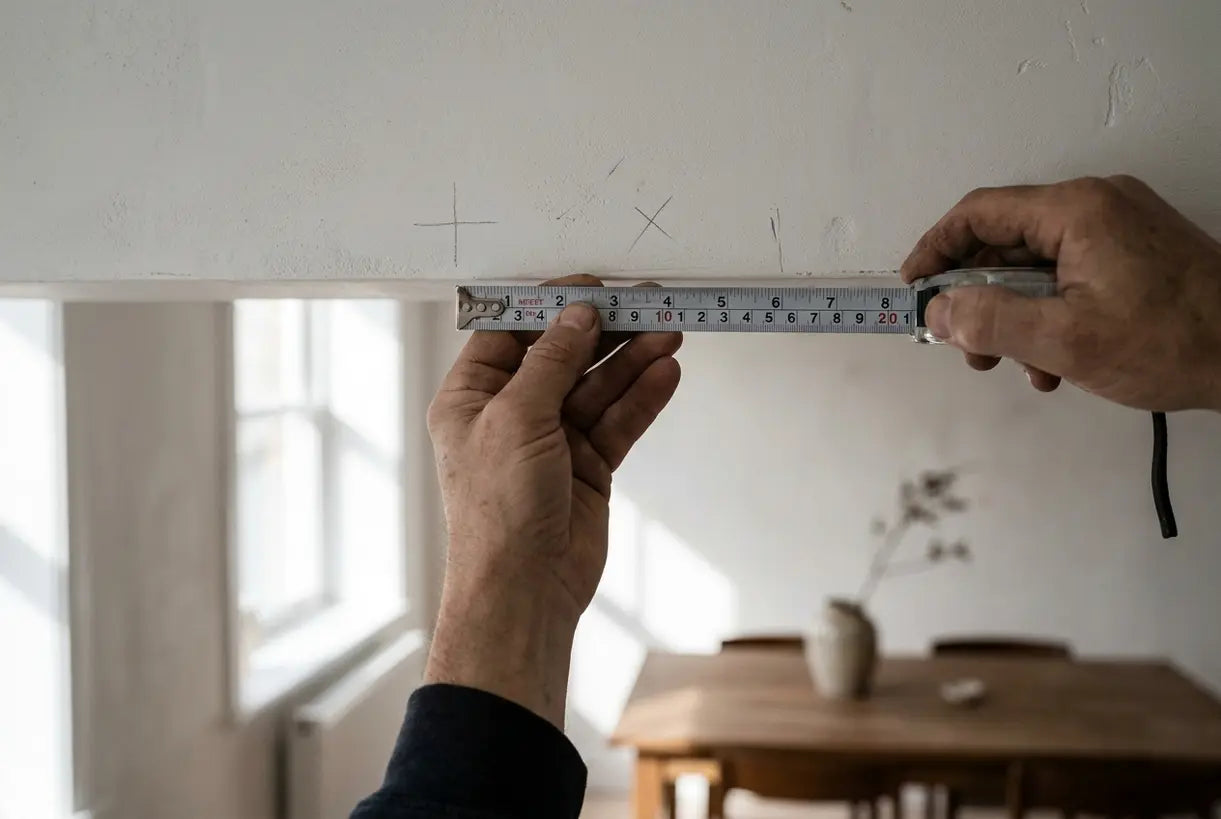
The video below demonstrates the spacing calculation in action:
How Many Recessed Lights Do You Need?
The temptation to install fewer fixtures to save money often backfires. Insufficient can lights in a dining room create dark zones that feel unwelcoming and limit the room's versatility.
For practical calculations, use this modified approach:
| Room Dimensions | Suggested Recessed Lights | Notes |
|---|---|---|
| 10×12 feet (120 sq ft) | 4-6 lights | Ideal for small dining nooks |
| 12×14 feet (168 sq ft) | 6-8 lights | Standard dining room sizing |
| 14×16 feet (224 sq ft) | 8-10 lights | Large dining spaces |
| 16×20+ feet (large) | 10-12+ lights | Consider zones/dimmers |
Remember: these numbers assume you're pairing recessed ceiling fixtures with a central pendant or chandelier over the table. If relying on recessed lighting alone, increase quantities by 30-40%.
Chandeliers
Shop all Chandeliers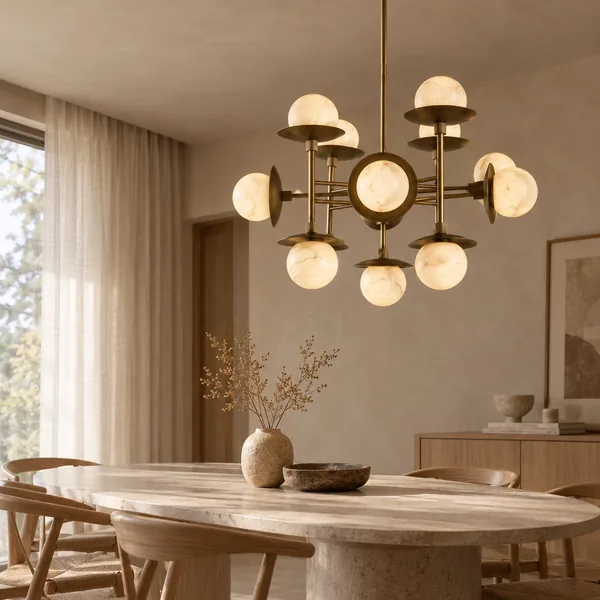
Combining Recessed Lighting and Chandelier in Dining Room Designs
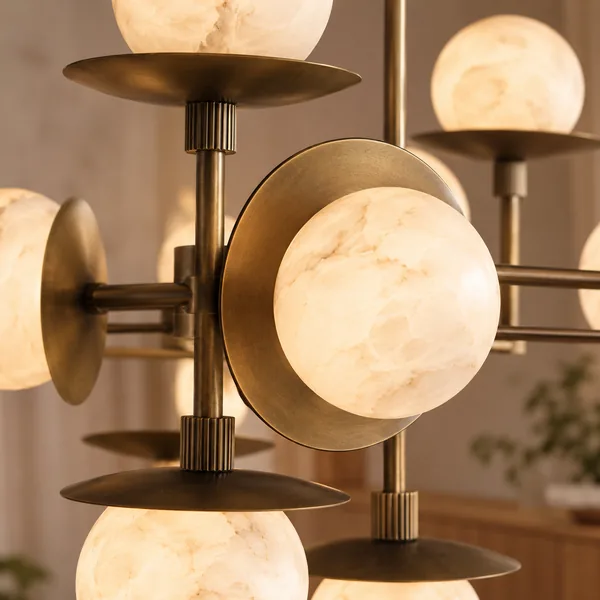
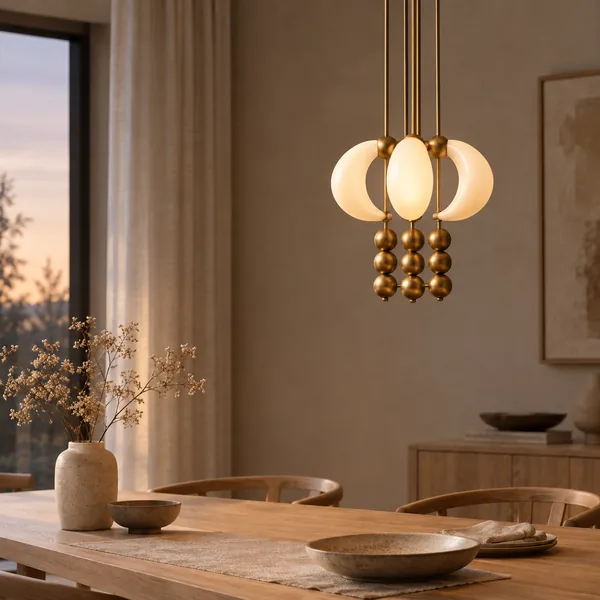
The most sophisticated dining rooms master the art of layered lighting. Recessed lighting and chandelier in dining room combinations have become the gold standard for modern interiors, offering both practical task lighting and sculptural visual interest.
The Scandinavian approach favors flexibility. Your chandelier or pendant serves as the room's anchor—providing focused light over the table and creating a distinctive design statement. Recessed fixtures then fill in the ambient layer, ensuring the entire space glows with warmth. For those looking to explore more options, our Dining Room Lighting collection offers a curated selection of pieces that layer beautifully with recessed fixtures.
The key is coordinating color temperatures. Warm white (2700K-3000K) works best in dining rooms, fostering that convivial atmosphere where conversations flow and meals linger. Mixing color temperatures creates visual dissonance that undermines your careful design work.
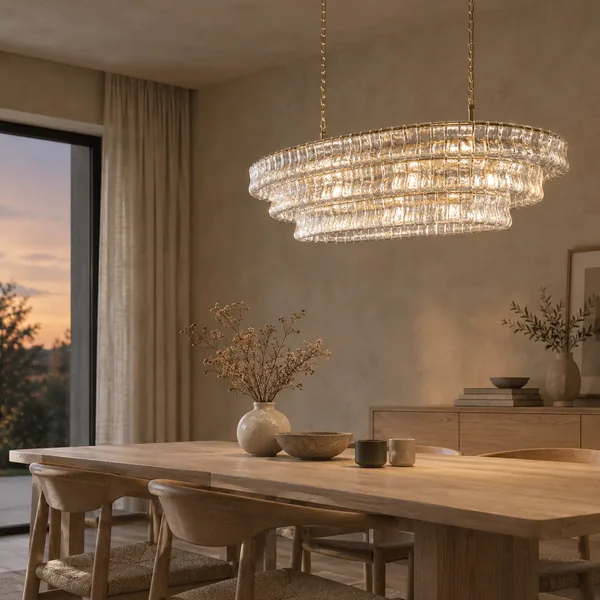 Stjerna Vintage French Clear Glass Chandelier$1,799.00$2,259.00
The Stjerna Vintage French Clear Glass Chandelier represents the perfect anchor piece for spaces utilizing recessed lighting. Its elegant glass construction captures and reflects ambient light from your ceiling fixtures, creating gentle halos of illumination that expand the perceived size of your dining area. With adjustable color temperatures, it adapts seamlessly from bright family breakfasts to intimate dinner parties.
What Type of Lighting Is Best for a Dining Room?
This question has no universal answer—it depends on how you use the space. Understanding the three layers of lighting helps you make informed choices:
- Ambient lighting: Your baseline illumination, typically provided by recessed downlighting in the dining area and overarching ceiling fixtures
- Task lighting: Focused light for specific activities—reading recipes, serving food, etc. Often handled by dimmable pendants
- Accent lighting: Wall sconces, picture lights, or directional recessed fixtures highlighting artwork or architectural features
The best dining rooms incorporate all three layers, controlled separately through dimmer switches or smart home systems. This flexibility transforms a single room from bright workspace to romantic sanctuary.
Pendant Partners for Your Recessed Layering
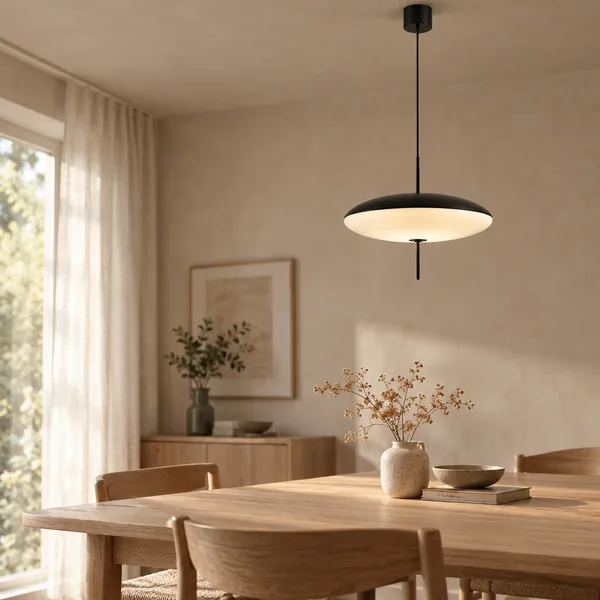 Skiva Saucer Nordic LED Pendant Ceiling Light$179.00$219.00
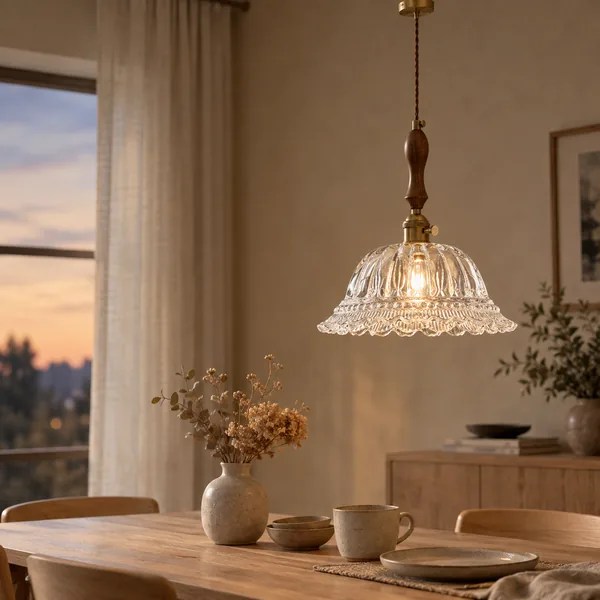 Gloda Walnut Brass French Style Pendant Light$169.00$229.00
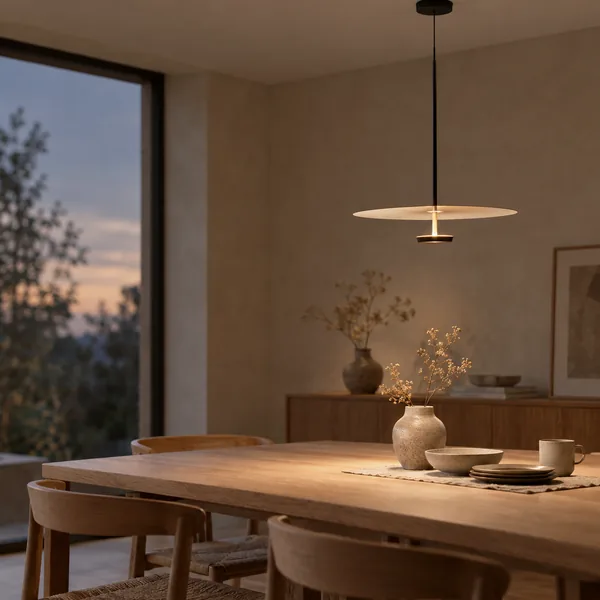
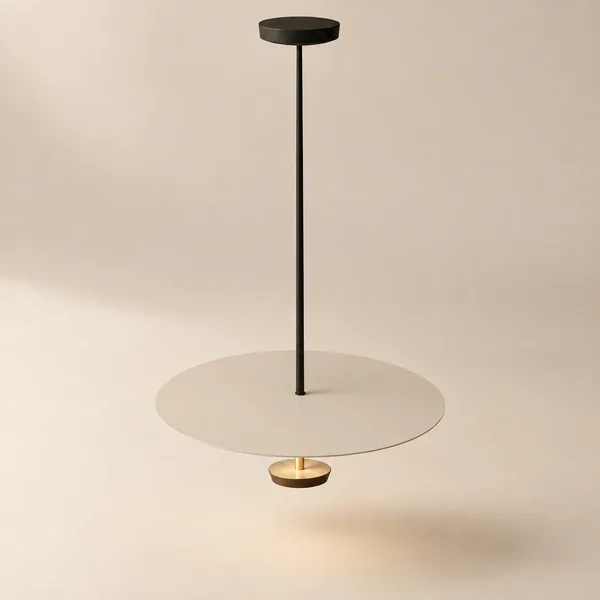
The Skiva Saucer Nordic LED Pendant Ceiling Light embodies the minimalist aesthetic that defines Scandinavian-inspired interiors. Its clean saucer shape floats effortlessly, catching light from your recessed fixtures while directing focused illumination downward to the table. The adjustable suspension allows precise height positioning—critical for rooms where ceiling height varies or where you want to change the light's visual weight seasonally.
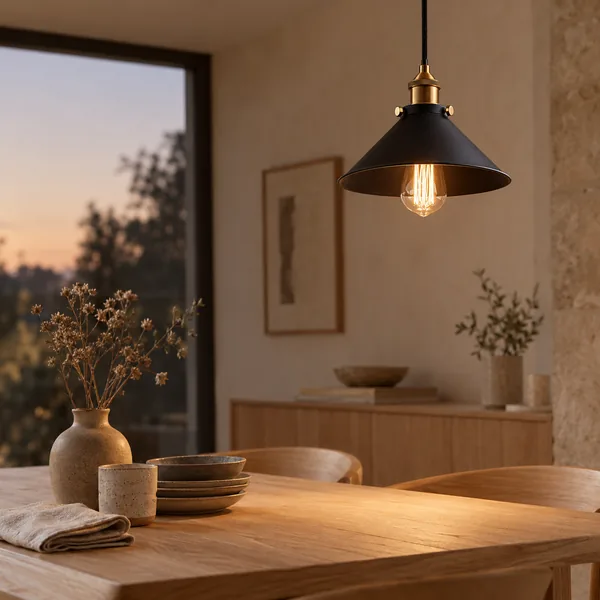
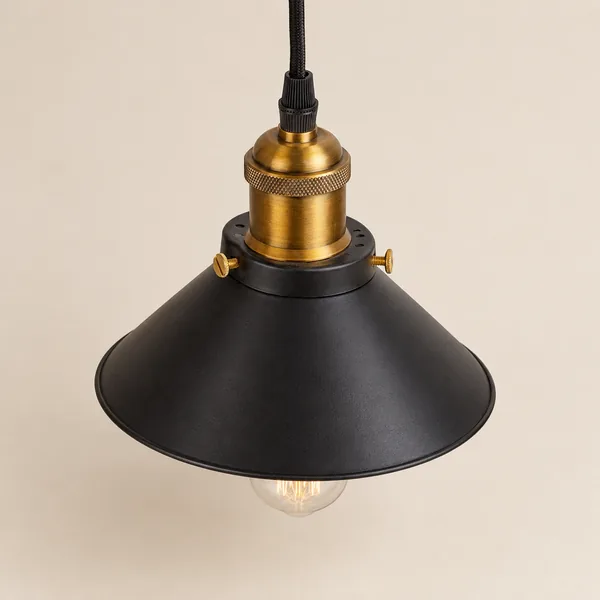
For warmth and organic texture, the Gloda Walnut Brass French Style Pendant Light balances the cool modernity of recessed lighting. The walnut and brass tones introduce natural material warmth, while its French design vocabulary adds collected character to contemporary spaces. These layered contrasts—minimal recessed bulbs above, sculptural pendant below—create the dimensional lighting that makes dining rooms memorable.
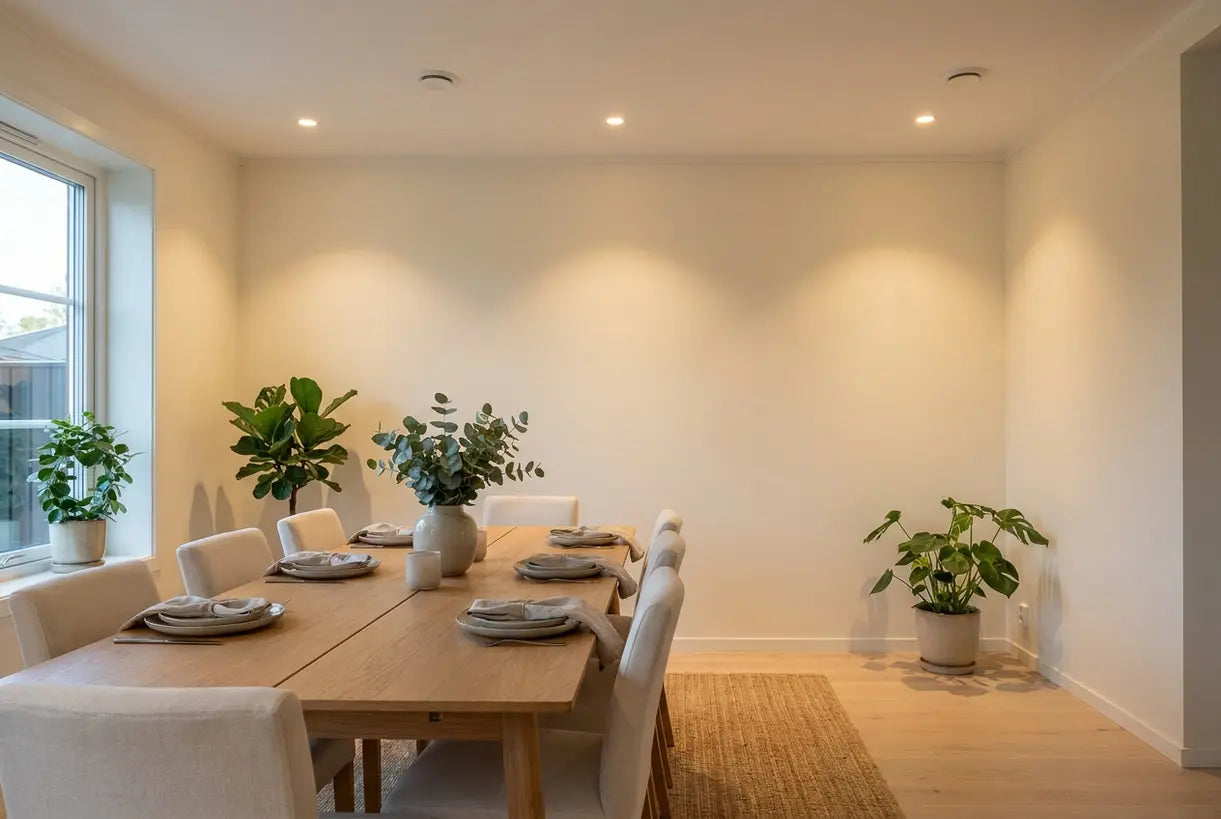
The Latest Trends in Recessed Ceiling Fixtures
As recessed lighting technology evolves, 2025-2026 brings exciting innovations worth considering for your dining room renovation.
Trimless and Mud-In Recessed Lights
The most significant trend in recessed ceiling fixtures moves toward invisibility. Trimless or mud-in recessed lights install flush with the ceiling plane, painted to match your surface exactly. The result: pure pools of light without visible hardware. This ultra-clean aesthetic resonates deeply with Scandinavian minimalism, eliminating visual clutter and allowing architecture itself to shine.
Canless Recessed Lighting
Canless recessed lighting for dining room applications has gained significant market share for its installation simplicity and slim profile options. Unlike traditional can lights requiring full ceiling cavities, canless units mount directly to drywall using minimal clearance. This makes them ideal for renovations where existing ceiling structure can't accommodate bulky housings.
Smart and Tunable Options
Modern recessed fixtures increasingly incorporate smart technology—dimmable via app, voice-controllable, and tunable from warm 2700K to cooler 4000K+ depending on time of day or activity. For dining rooms specifically, circadian lighting that automatically adjusts warmth as evening progresses supports natural relaxation patterns.
Pendant Lights
Shop all Pendant Lights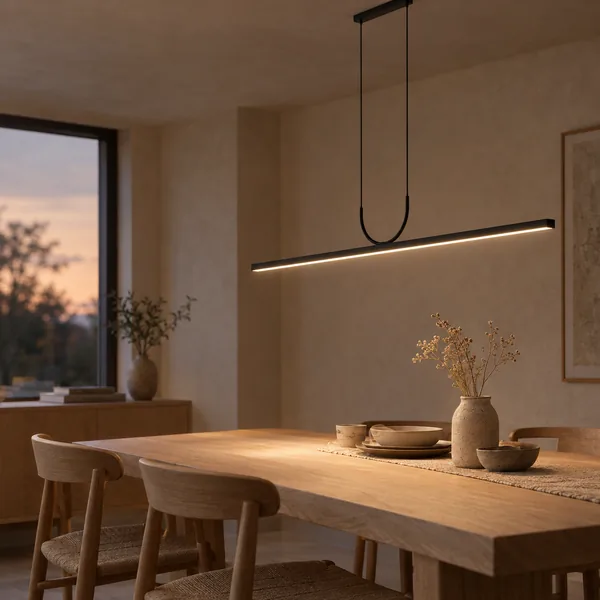
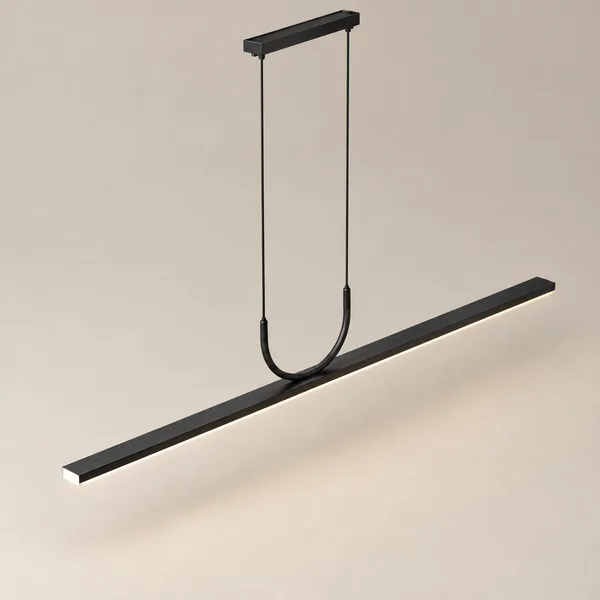 Save $140.00
Linné Minimalist Linear Black LED Pendant Light
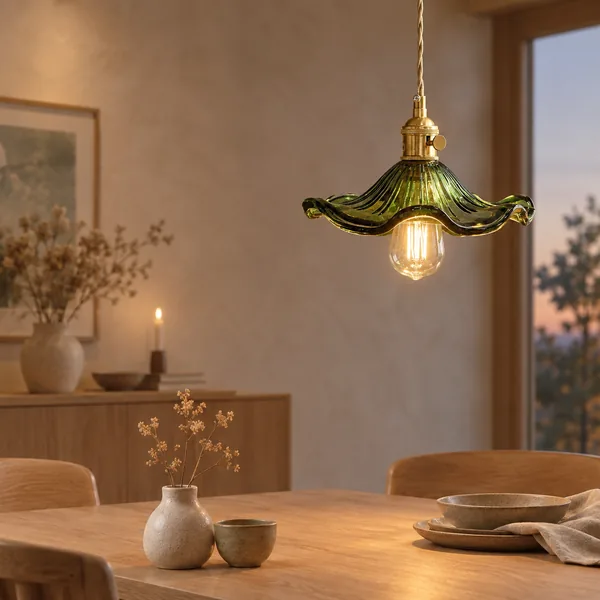
 Save $60.00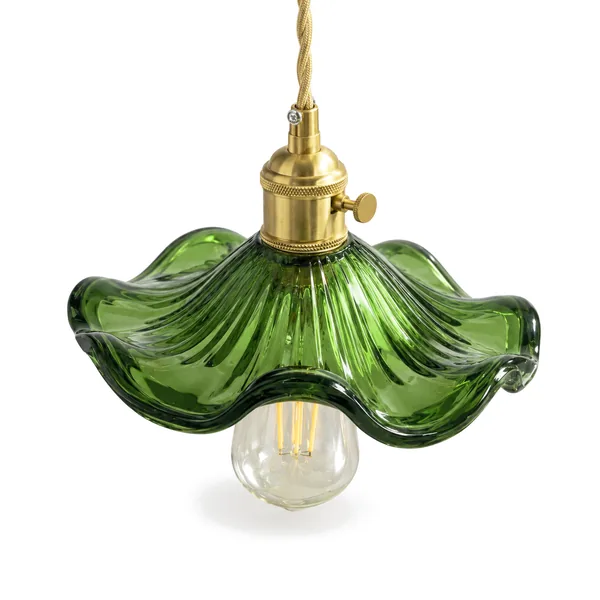
 3 options
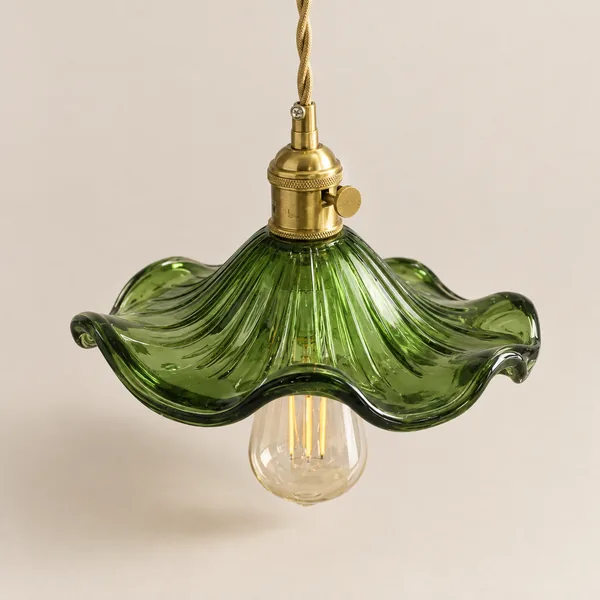
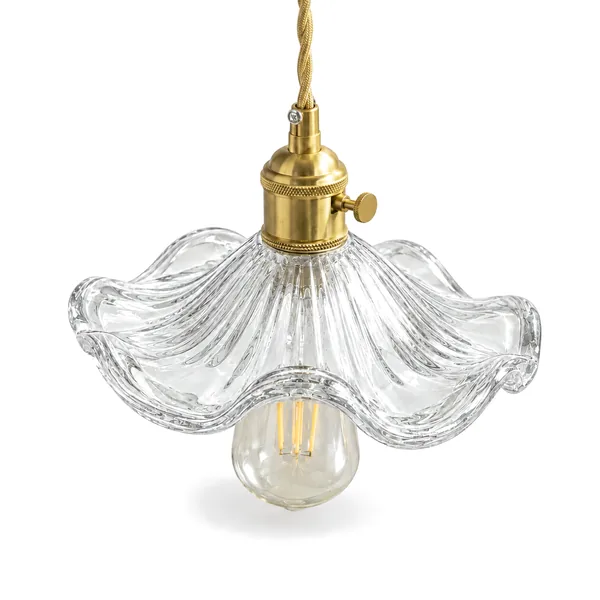
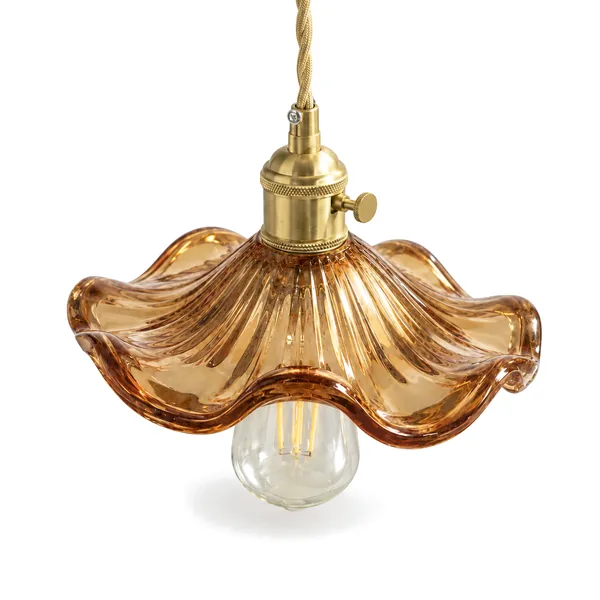
Glora Nordic Glass Pendant Light with Copper
 Save $120.00
Skiva Nordic Saucer Ceiling Pendant Light LED
How Far Apart Should Recessed Lights Be in a Dining Room?
This practical question comes up constantly in home renovation forums and consultations. The answer depends on ceiling height and fixture specifications, but general guidelines exist.
For standard 8-foot ceilings: Space lights 4-5 feet apart on center.
For 9-10 foot ceilings: Increase spacing to 5-6 feet.
For high or vaulted ceilings: In 11+ foot spaces, consider tighter spacing (4-4.5 feet) or higher-output fixtures to maintain adequate floor-level illumination.
Remember that this spacing represents the distance between fixture centers, not edges. When measuring during planning, account for actual fixture diameter—typically 4 to 6 inches for residential applications.
Conclusion: Creating Your Perfect Dining Room Illumination
Planning recessed lighting in the dining room requires balancing technical precision with aesthetic intuition. Start with the fundamental spacing formulas, but trust your eye—and the layered lighting principles that make Scandinavian design so enduringly appealing—to guide final decisions.
The best dining rooms aren't defined by any single fixture. They're spaces where multiple light sources work in concert: recessed fixtures providing ambient foundation, statement pendants or chandeliers creating focal drama, and accent lights highlighting what matters most to you—artwork, architectural details, or the faces gathered around your table.
At Skonne, we curate lighting that honors this philosophy. From the ethereal Stjerna chandelier to the grounded warmth of Gloda and the refined minimalism of Skiva, each piece in our collection offers a unique answer to the question of how light should shape your most important gathering space.
Whether you're building new or refreshing an existing room, remember: great lighting invites people to stay longer, speak more honestly, and savor the moment. The right dining room illumination doesn't just reveal—it creates intimacy, warmth, and the kind of atmosphere where memories form.
Related Article
Dining Room Flush Mount Lighting: Best Low-Profile Overhead Fixtures for Your Dining SpaceDiscover the best dining room flush mount lighting options for low ceilings. Explore Scandinavian low-profile fixtures that deliver style without sacrificing headroom.