
Rustic Dining Room Lighting: Warm, Natural Fixtures for a Cozy, Country-Inspired Dining Space
Summary›
- What Is Rustic Dining Room Lighting?
- The Defining Features of Rustic Fixtures
- What Is Farmhouse Style Lighting?
- How to Choose Rustic Dining Room Lighting
- The Rule of Thumb for Lighting Over a Dining Table
- The Scandinavian-Rustic Fusion: Warmth Meets Intention
- Farmhouse Lighting Ideas and Inspiration
- Caring for Your Rustic Light Fixtures
- Conclusion: Creating Your Cozy Country Sanctuary
The dining room is where laughter echoes between courses and memories settle like dust motes in warm afternoon light. Creating an atmosphere that invites lingering conversations and comfortable gatherings starts with rustic dining room lighting—fixtures that fuse natural materials with intentional craftsmanship. At Skonne, we believe the most compelling rustic designs draw from Scandinavian sensibilities: honest materials, warm glows, and that ineffable quality the Danes call hygge.
Whether you're renovating a farmhouse kitchen-diner or simply seeking to soften a modern space, understanding how rustic elements transform dining room ambiance empowers you to curate a sanctuary. This guide explores the characteristics that define country-inspired lighting, offers guidance on selection and placement, and reveals how curated artisan fixtures anchor your dining experience.
What Is Rustic Dining Room Lighting?
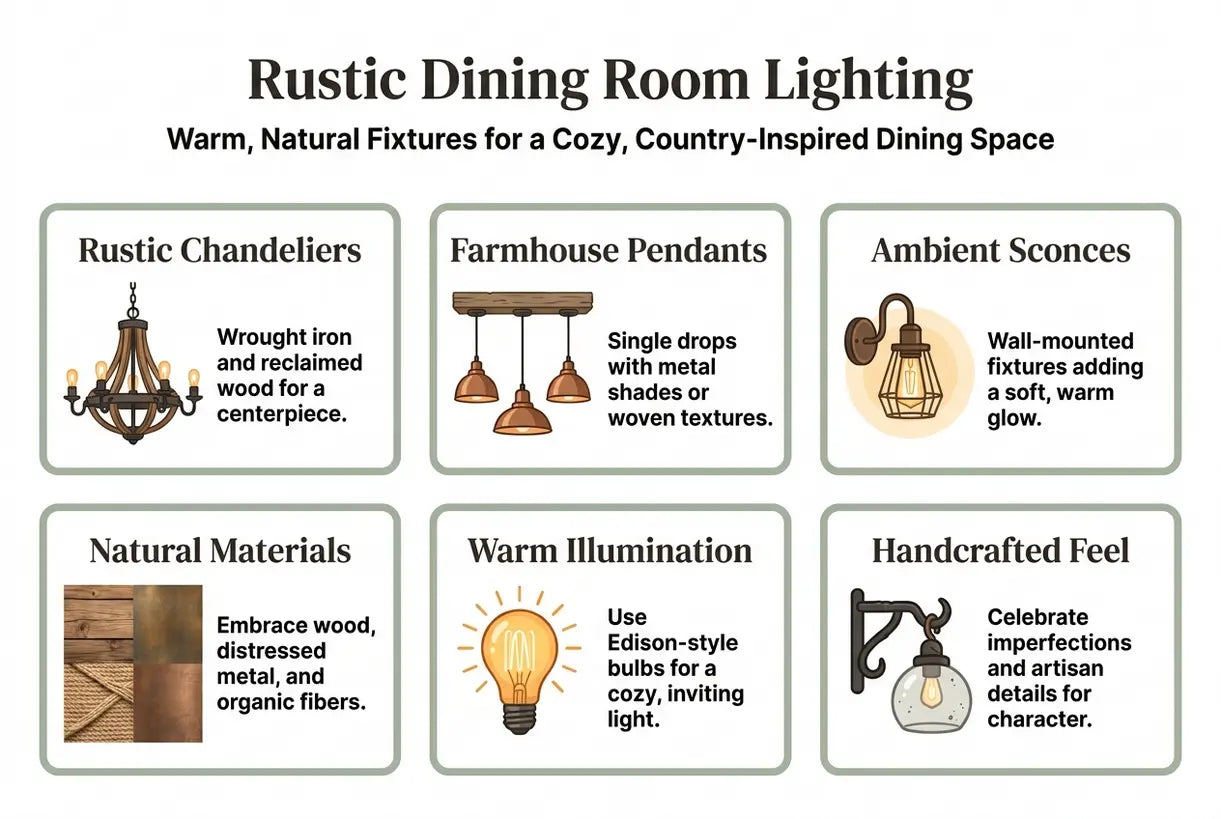
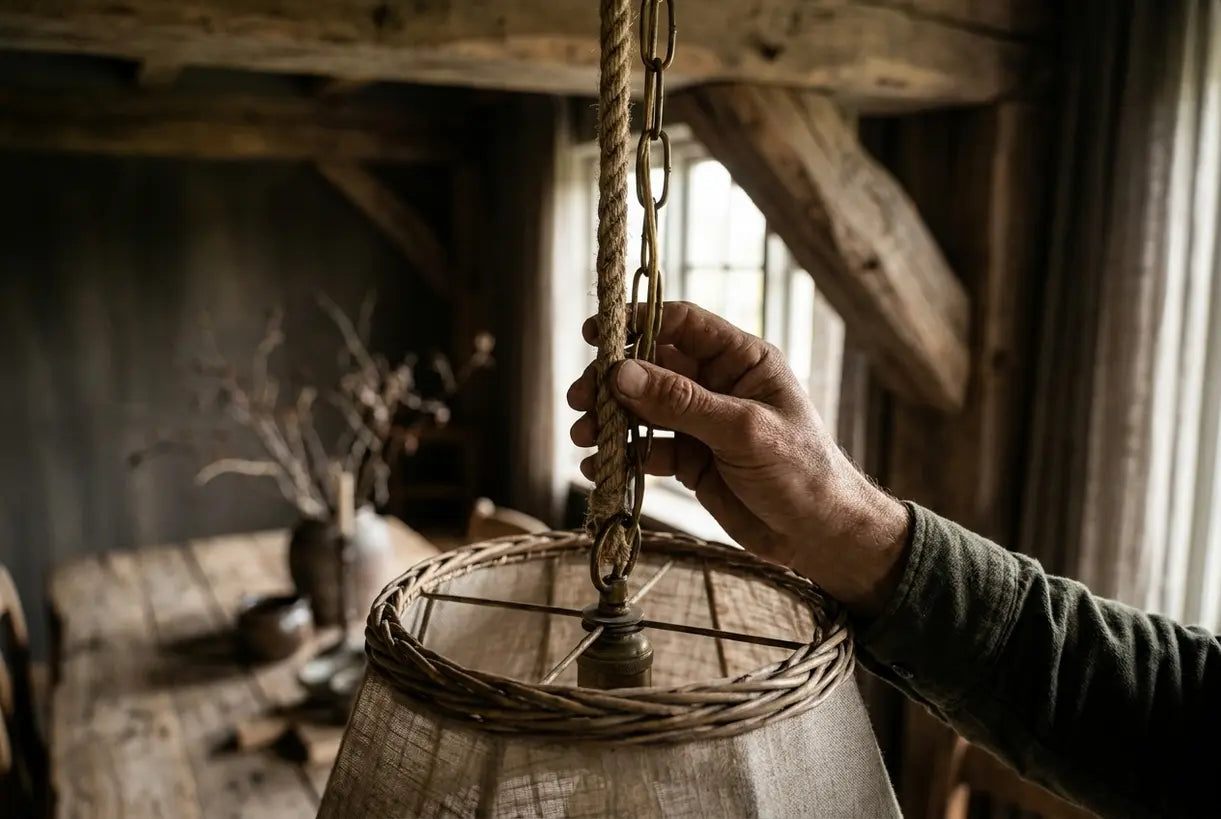
Rustic dining room lighting refers to fixtures designed with natural materials, weathered finishes, and artisanal construction techniques that evoke countryside warmth and timeless comfort. Unlike sleek contemporary pieces that prioritize minimalism, rustic fixtures celebrate texture, patina, and the honest beauty of wood, aged metals, stone, and handworked glass.
The style draws from agricultural heritage and pastoral landscapes—think barn conversions with exposed beams and family tables built from reclaimed timber. Yet today's farmhouse dining room lighting transcends literal barn aesthetics. The best contemporary interpretations balance rustic soul with refined proportions, creating spaces that feel curated rather than themed.
For those looking to explore more options, our Pendant Lights collection offers a curated selection spanning rustic to minimalist designs.
The Defining Features of Rustic Fixtures
Understanding what distinguishes authentic rustic lighting helps you identify quality pieces that deliver lasting character. Here are the hallmarks to seek:
- Natural materials dominance: Wood grains, travertine stone, hand-forged iron, and artisan glass form the foundation, often left in raw or minimally treated states
- Warm, honeyed light temperatures: Planners should look for fixtures that soften and diffuse illumination rather than projecting harsh, clinical brightness
- Handcrafted irregularity: Variations in texture, slight asymmetries, and organic formations signal genuine artisan production rather than mass manufacturing
- Earthy color palettes: Amber, ochre, sage, rust, and cream tones dominate, reflecting natural landscapes
- Substantial, grounded presence: Quality rustic fixtures possess visual weight and tactile substance
The Ravglo Handcrafted Amber Stained Glass Chandelier embodies these principles through hand-cut amber glass panels that cast honeyed radiance across your dining table. Each artisanal piece creates intimate pools of light that transform ordinary meals into occasions.
Dining Room Lighting
Shop all Dining Room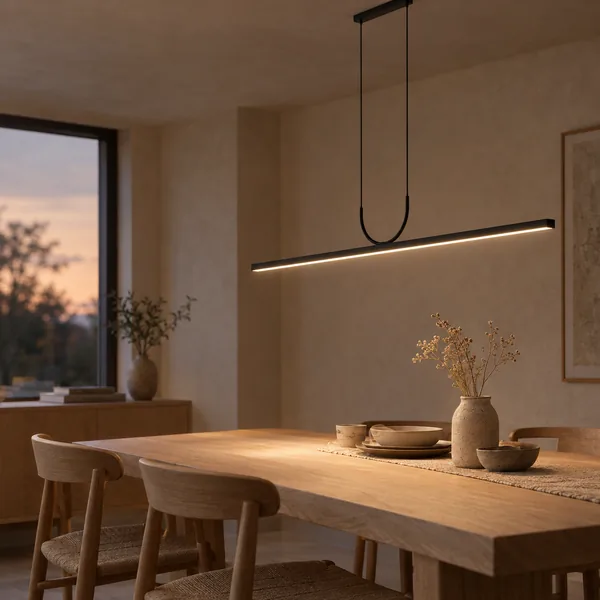
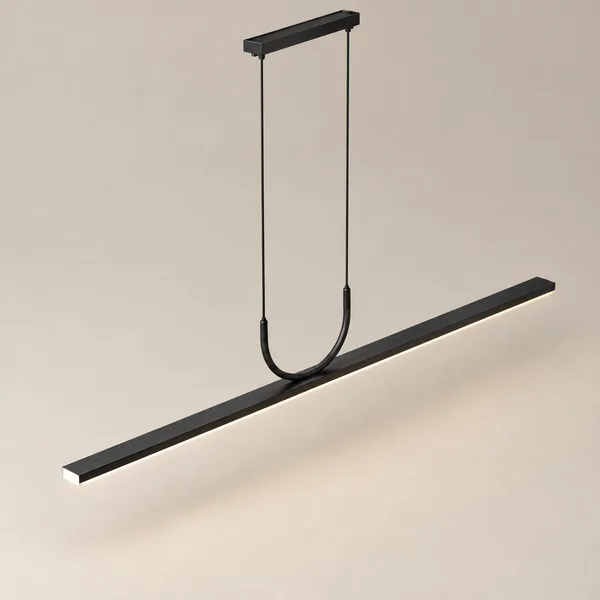 Save $140.00
Linné Minimalist Linear Black LED Pendant Light
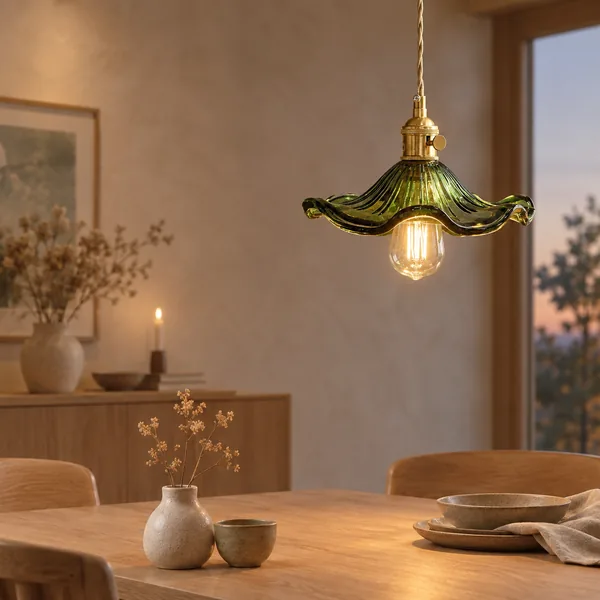
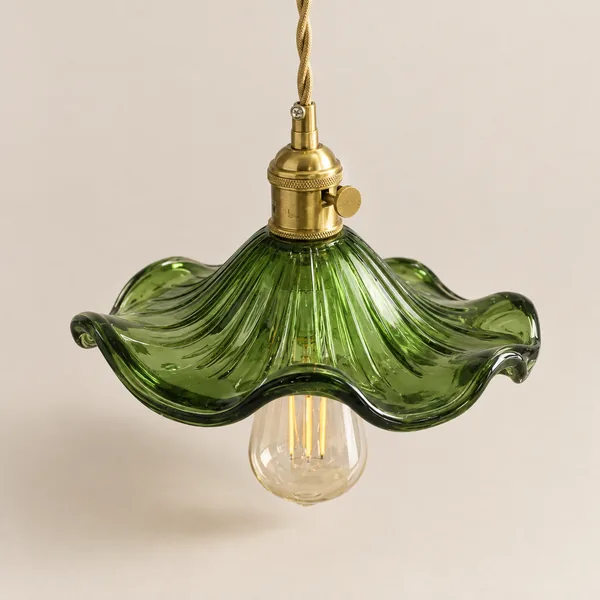 Save $60.00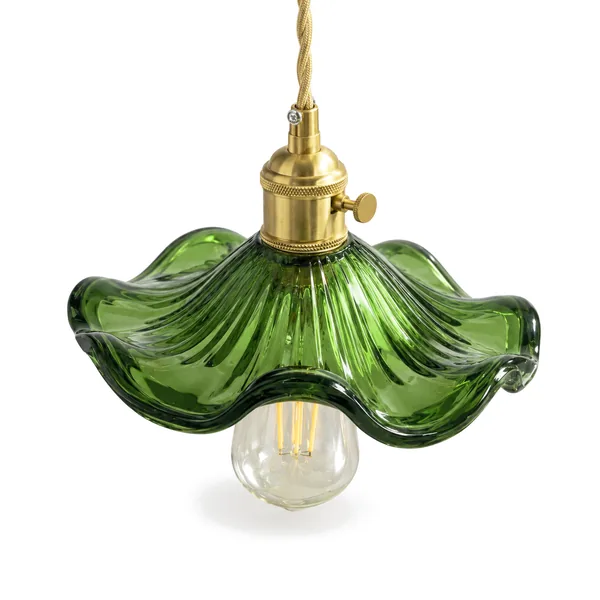
 3 options
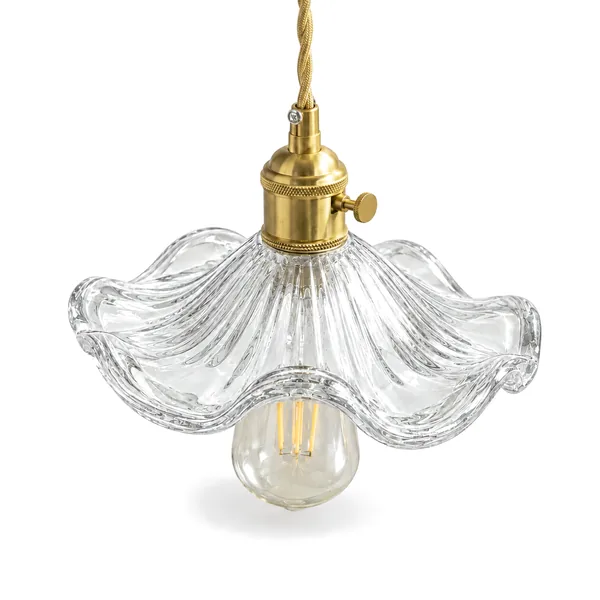
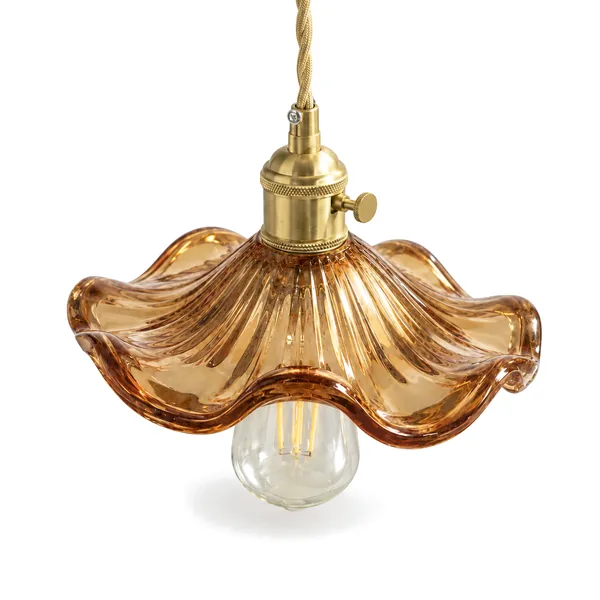
Glora Nordic Glass Pendant Light with Copper
 Save $120.00
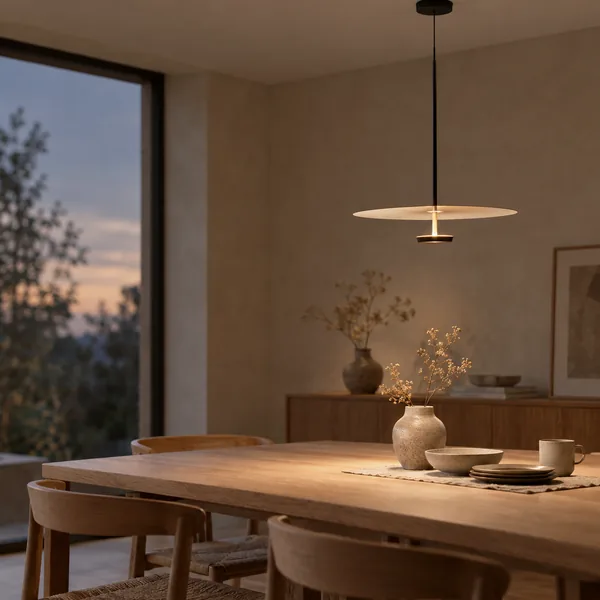
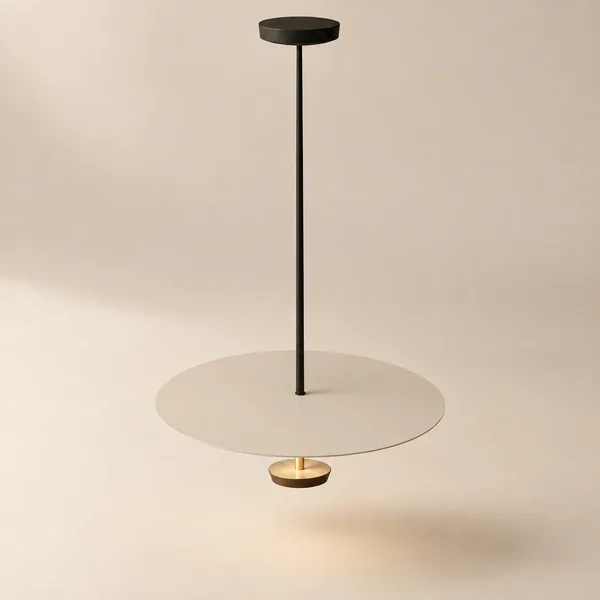
Skiva Nordic Saucer Ceiling Pendant Light LED
What Is Farmhouse Style Lighting?
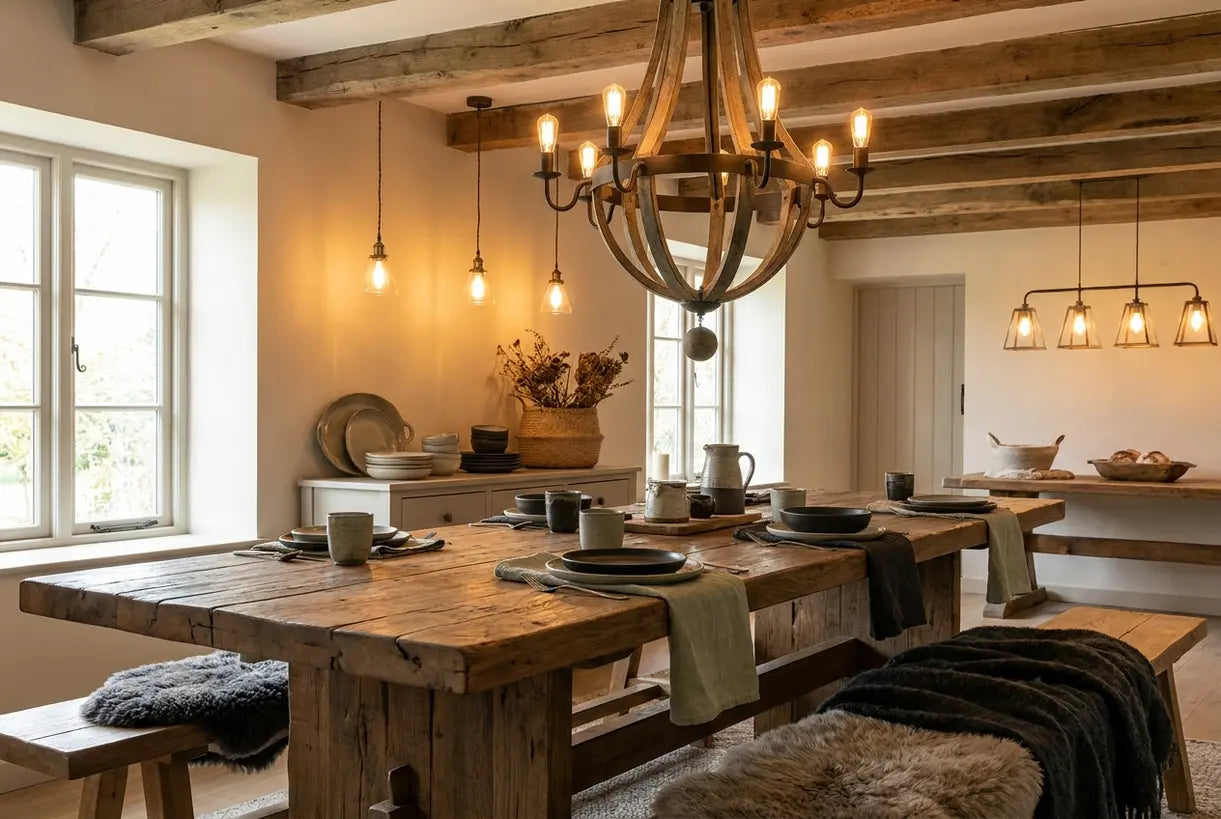
Farmhouse style lighting represents a specific subset of rustic design rooted in American agricultural architecture. The aesthetic emerged from practical necessity—farmhouses required durable, functional illumination constructed from available materials. This heritage manifests in several recognizable forms:
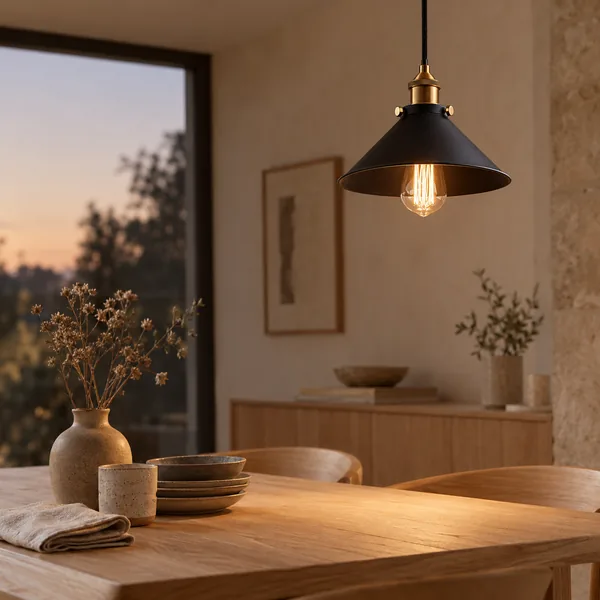
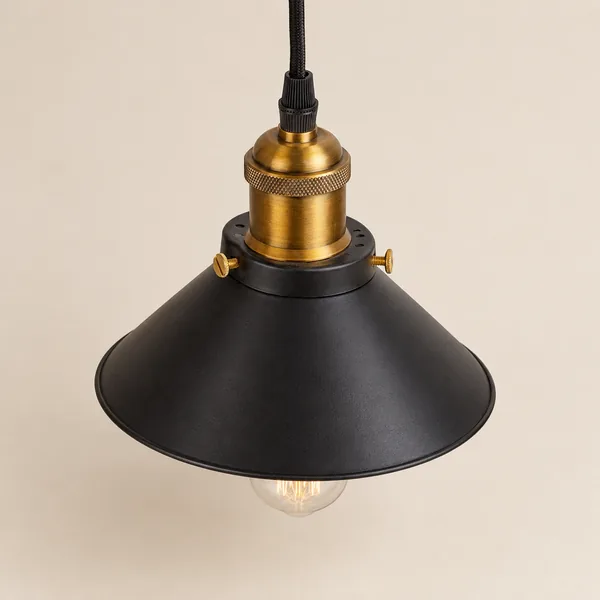
- Barn-style pendants: Wide, bell-shaped shades in weathered metal or opaque glass
- Wagon wheel chandeliers: Circular frames suggesting rural implements and communal gathering
- Mason jar fixtures: Glass containers repurposed as nostalgic shade elements
- Lantern silhouettes: Open-framed designs referencing exterior carriage lighting
- Candle-style arms: Arms mimicking wax tapers for historical authenticity
However, the most sophisticated farmhouse interpretations avoid kitsch. The Lyskap Hand-Blown Glass Sculptural Pendant Light demonstrates how Nordic glassblowing traditions elevate farmhouse sensibilities into gallery-worthy pieces. Natural air bubbles captured within each pendant create organic variation that celebrates the handmade process.
How to Choose Rustic Dining Room Lighting
Selecting fixtures requires balancing aesthetic vision with practical constraints. Consider these factors when making your decision:
Scale and Proportion
Your fixture should complement—not overwhelm—your dining table and room dimensions. For rectangular tables, linear suspensions or clustered pendants create appropriate visual relationships. Round tables pair naturally with singular chandeliers or circular pendant arrangements.
Material Harmony
The Stenglo Travertine Stone Dimmable Pendant Light illustrates how authentic natural materials anchor rustic dining spaces. Carved from genuine travertine, each pendant brings unique veining and texture. When selecting materials, evaluate how stone, wood, or metal finishes coordinate with your table surface, flooring, and architectural elements.
Light Quality and Control
Dimmability proves essential for dining room versatility. Bright illumination serves practical meal preparation and family homework sessions, while subdued glows create romantic ambiance. Look for fixtures compatible with dimmer switches to modulate atmosphere throughout the day.
Layering Your Lighting
Successful dining rooms combine multiple light sources. While a statement chandelier anchors the table layer, consider wall sconces for perimeter illumination and dimmable recessed lights for ambient foundations. This layered approach prevents harsh shadows while maintaining the cozy warmth central to rustic aesthetics.
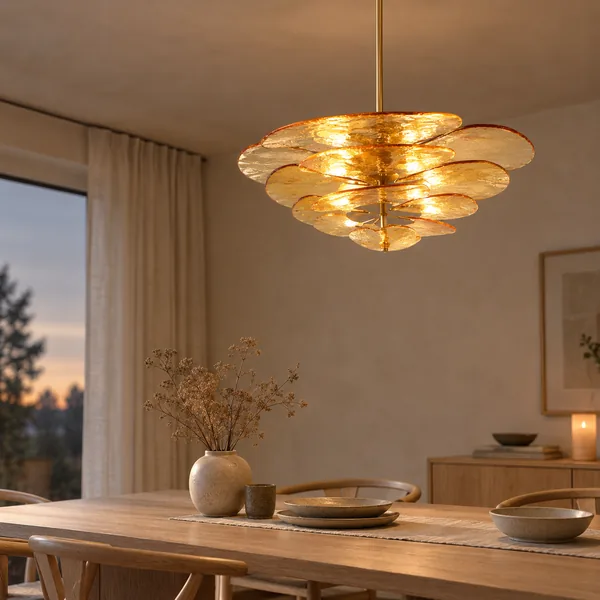 Ravglo Handcrafted Amber Stained Glass Chandelier$899.00$1,389.00
The Rule of Thumb for Lighting Over a Dining Table
Proper placement distinguishes professional-looking installations from amateur attempts. Follow these proven guidelines:
For pendant lights and chandeliers: Position the fixture bottom 30-36 inches above your dining table surface. This height provides adequate illumination while maintaining sight lines across the table during conversations. Rooms with ceilings higher than nine feet may require adjustments toward the 36-inch measurement.
For wider tables exceeding 48 inches across, consider hanging multiple pendants spaced equidistantly, or select fixtures with significant diameter (roughly 1/2 to 2/3 your table width). When calculating width, consider the visual weight of your chosen material—heavy stone or iron fixtures may require slightly more breathing room than airy glass designs.
Artisan Fixtures for Your Rustic Dining Space
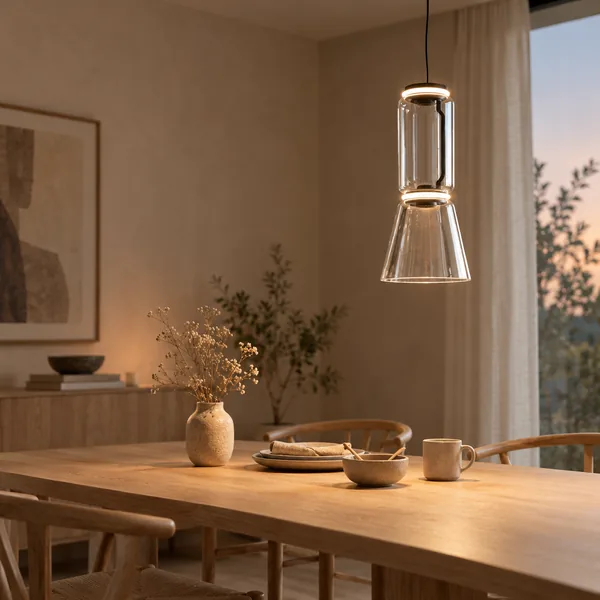 Lyskap Hand-Blown Glass Sculptural Pendant Light$569.00$799.00
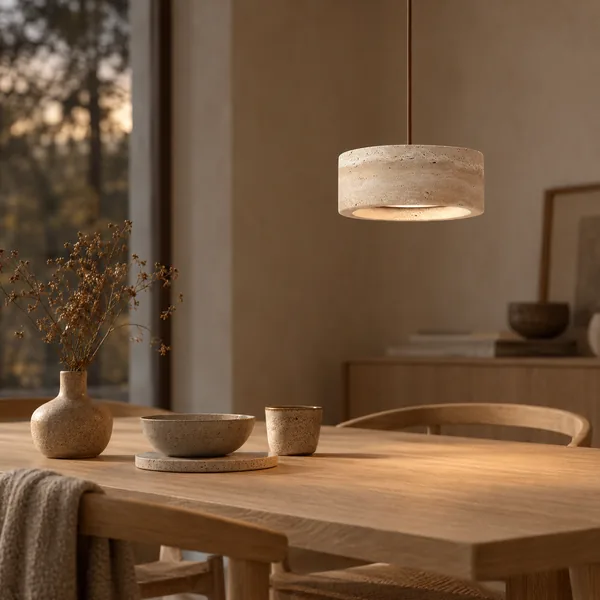 Stenglo Travertine Stone Dimmable Pendant Light$249.00$329.00
The Scandinavian-Rustic Fusion: Warmth Meets Intention
At Skonne, we specialize in Scandinavian-inspired design—an aesthetic that shares DNA with rustic traditions while emphasizing restraint, quality materials, and hygge comfort. This Nordic approach to rustic dining room lighting prioritizes:
- Honest materiality: Showcasing the inherent character of wood, stone, and glass without excessive ornamentation
- Functional beauty: Every element serves a purpose—decoration never masks poor construction
- Natural light interaction: Fixtures designed to enhance daylight hours while providing warm evening glows
- Sustainable craftsmanship: Artisan techniques and durable construction that transcend trends
This fusion creates dining spaces that feel timeless rather than themed. The warmth of country dining lighting merges with Scandinavian minimalism, resulting in rooms that soothe rather than overwhelm.
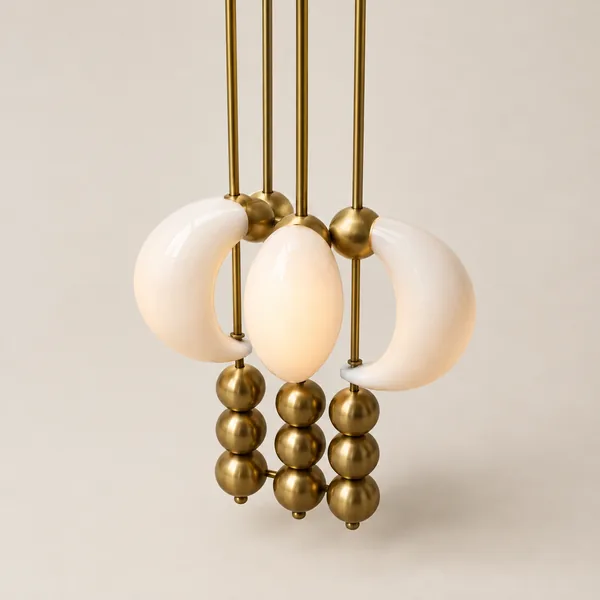
Chandeliers
Shop all Chandeliers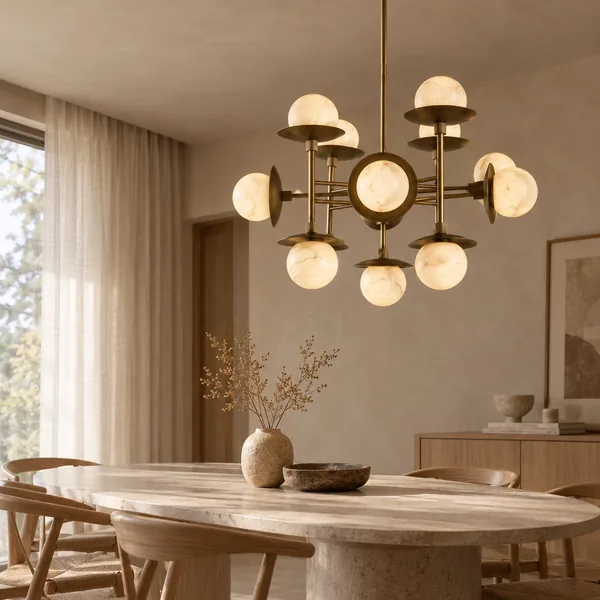
Farmhouse Lighting Ideas and Inspiration
For visual inspiration on incorporating rustic elements, examine how these design principles manifest in real spaces:
Notice how the best farmhouse implementations (shown in the video above) balance rustic textures with clean lines and thoughtful spacing. For additional guidance on creating cohesive lighting schemes, Houzz offers comprehensive dining room lighting guides exploring layered illumination strategies.
Caring for Your Rustic Light Fixtures
Natural materials require specific maintenance approaches to preserve their beauty:
- Wood elements: Dust regularly with soft cloths; avoid moisture-heavy cleaners that swell grain
- Stone and travertine: Dust and occasionally wipe with slightly damp cloth; seal porous surfaces annually
- Hand-blown glass: Clean with mild soap solutions; appreciate natural bubbles and striations as artisan signatures
- Aged metals: Embrace developing patina; protect from excessive moisture that accelerates corrosion
Conclusion: Creating Your Cozy Country Sanctuary
The right rustic dining room lighting transcends mere illumination—it establishes atmosphere, anchors your design vision, and invites meaningful connection. Whether you gravitate toward the honeyed warmth of artisan glass, the grounded presence of natural stone, or the organic character of hand-forged metals, selecting fixtures that honor both rustic heritage and Scandinavian intention creates dining spaces that feel authentically yours.
At Skonne, we curate lighting collections that bridge countryside warmth with Nordic refinement. Our artisan fixtures—from the Ravglo chandelier's glowing amber panels to the Stenglo pendant's genuine stone carving—transform ordinary dining rooms into cherished gathering spaces.
Explore our complete lighting collections and discover how intentional illumination creates the hygge atmosphere your home deserves.
Related Article
Recessed Lighting in the Dining Room: Layout, Spacing & Everything You Need to KnowMaster dining room recessed lighting with our complete guide to layout, spacing, and pairing with statement fixtures for layered, Scandinavian-inspired illumination.