
Wall Clock Shapes: Rectangle, Square, Round & Oval Designs for Every Interior
Summary›
- Understanding the Wall Clock Shape Spectrum
- Rectangle and Square Wall Clocks: Architectural Elegance
- Visual Inspiration: Modern Clock Placement
- Round and Oval Wall Clocks: Organic Harmony
- Finding the Right Size and Placement
- The Sound of Silence: Why Movement Matters
- Matching Shape to Style: A Curated Approach
- The Skonne Philosophy: Time Meets Intention
Time is the one element every room shares, yet how we display it speaks volumes about our personal style. The enduring appeal of a rectangle wall clock lies in its ability to anchor a space with clean lines and intentional simplicity, transforming a functional necessity into a statement piece. Whether you're curating a minimalist sanctuary or refining a cluttered living area, the shape of your wall clock can either harmonize with your aesthetic or disrupt it entirely.
At Skonne, we believe that Scandinavian design principles—functionality married with warmth, intentionality over excess—should guide every choice in your home. In this comprehensive guide, we'll explore the distinctive personalities of rectangle, square, round, and oval wall clock designs, helping you discover which silhouette best serves your space. Along the way, consider how the right timepiece can create that coveted sense of hygge—the Danish art of cozy contentment—that transforms a house into a refuge.
Understanding the Wall Clock Shape Spectrum
Before selecting your perfect timepiece, it helps to understand how different geometric forms influence spatial perception and mood. A geometric wall clock serves as both art and appliance, but its shape communicates different energies.
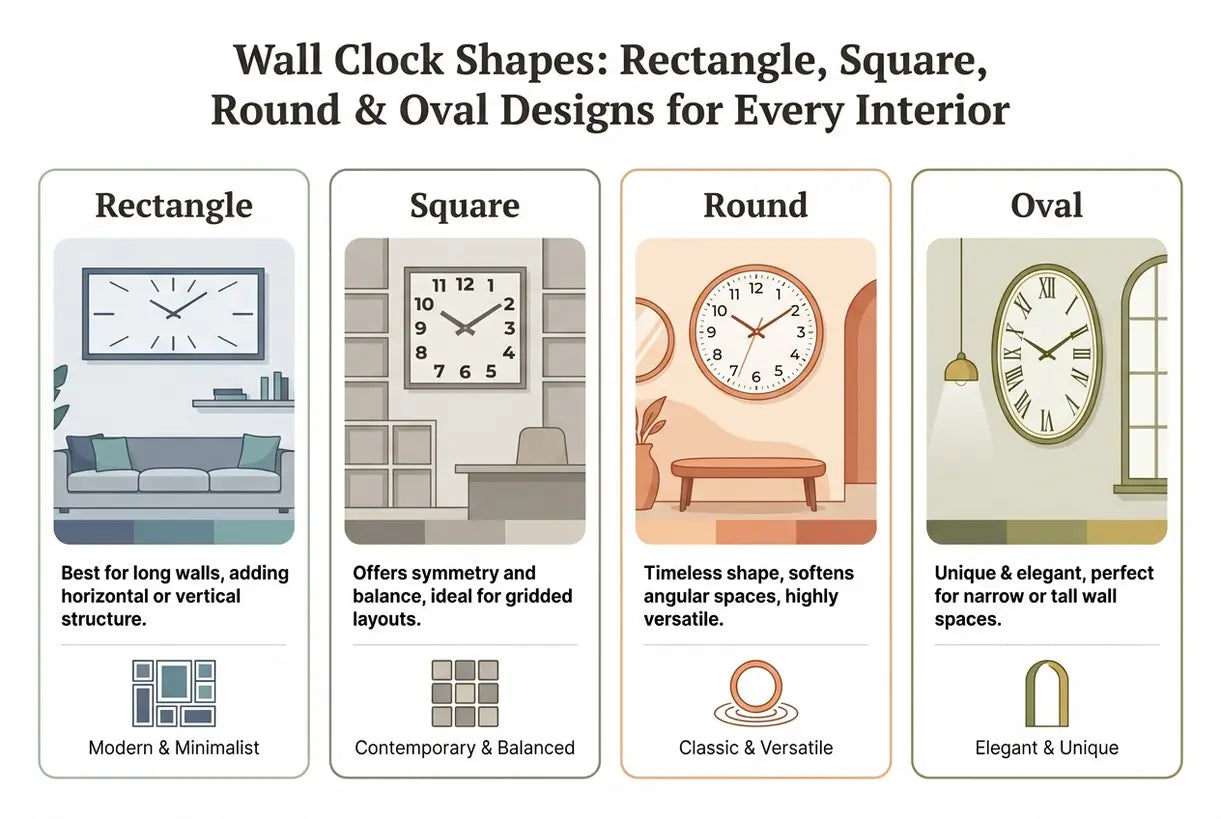
Rectangular and square designs offer architectural precision, commanding attention through their clean angles. These shapes work beautifully in modern, Scandinavian, and industrial interiors where linear elements dominate. Constructed with deliberate symmetry, they draw the eye horizontally or vertically depending on orientation.
For those looking to explore more options, our Lamps collection offers a curated selection of lighting solutions that pair beautifully with minimalist timepieces.
Round and oval clocks, conversely, introduce softness and movement. Their circular forms echo natural rhythms—the sun, the moon, the cycle of hours—and create visual breathing room in spaces dominated by sharp angles and hard edges. They excel in traditional homes, bohemian spaces, and any environment seeking to balance contemporary rigidity with organic warmth.
Decorative Wall Clocks
Shop all Wall Clocks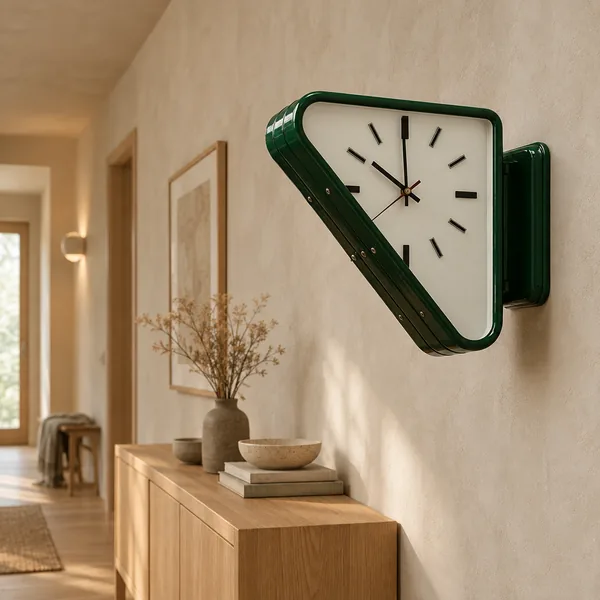
 Save $110.00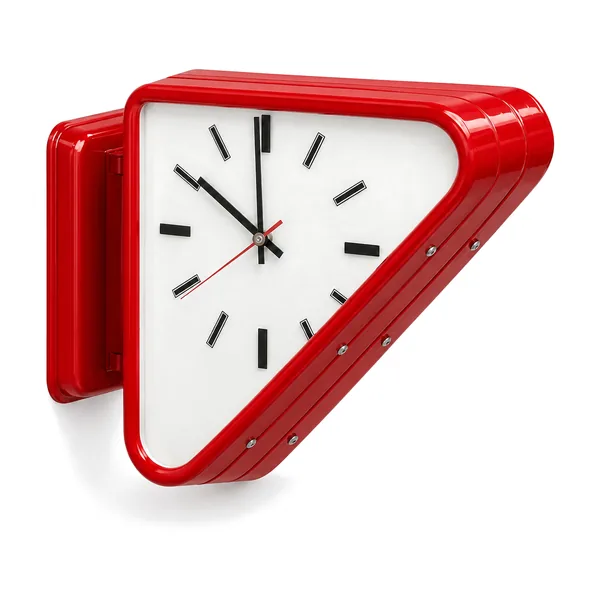
 +15 options
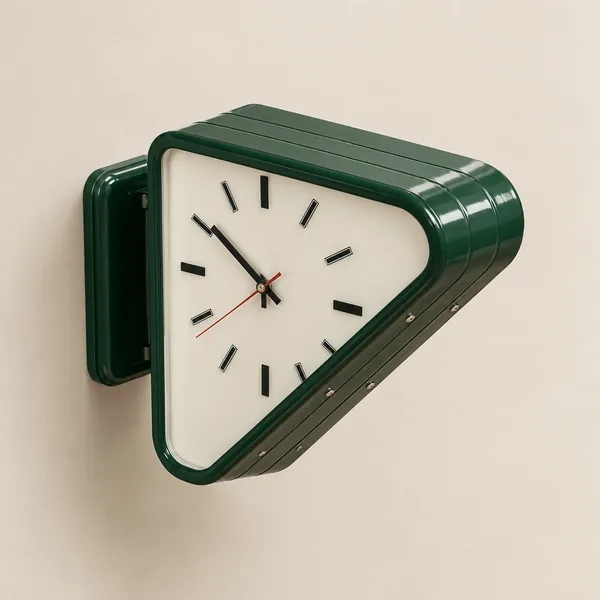
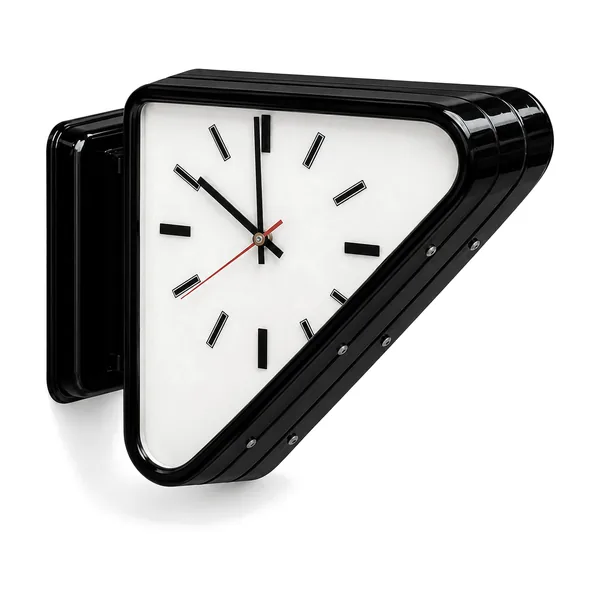
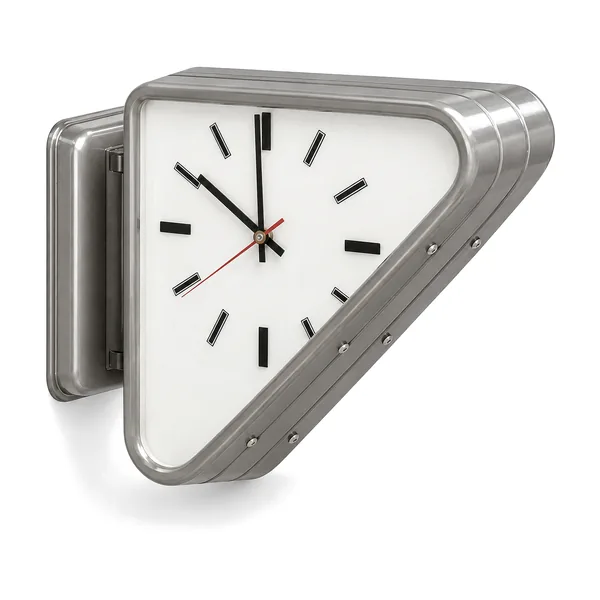
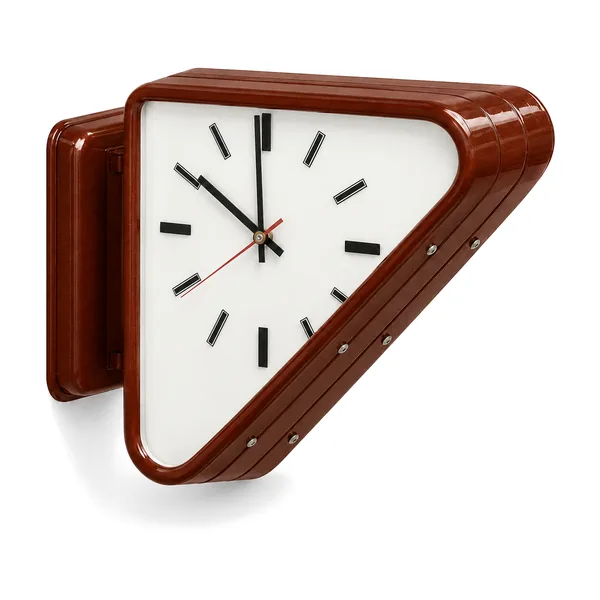
Tvilling Dual-Sided Geometric Metal Wall Clock
 Save $70.00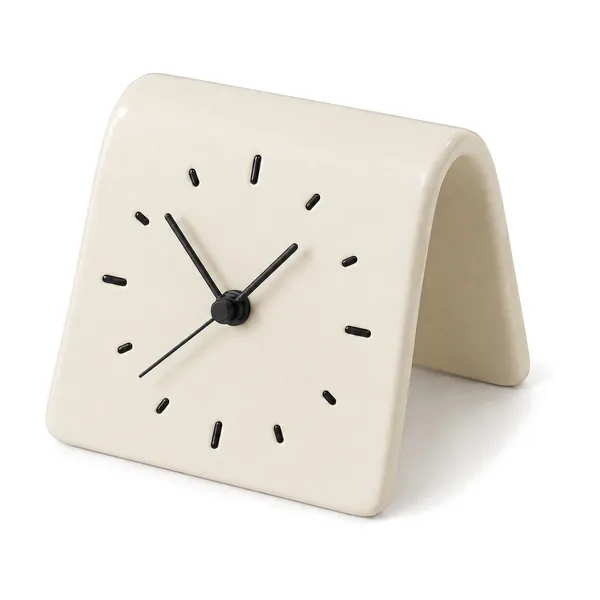
 +37 options
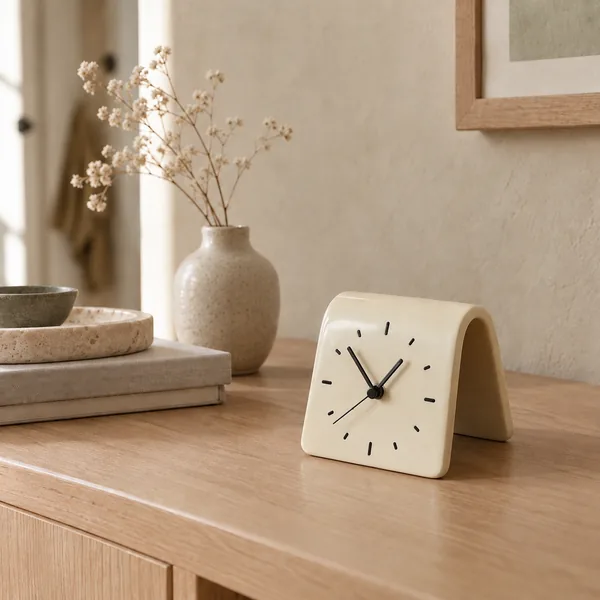
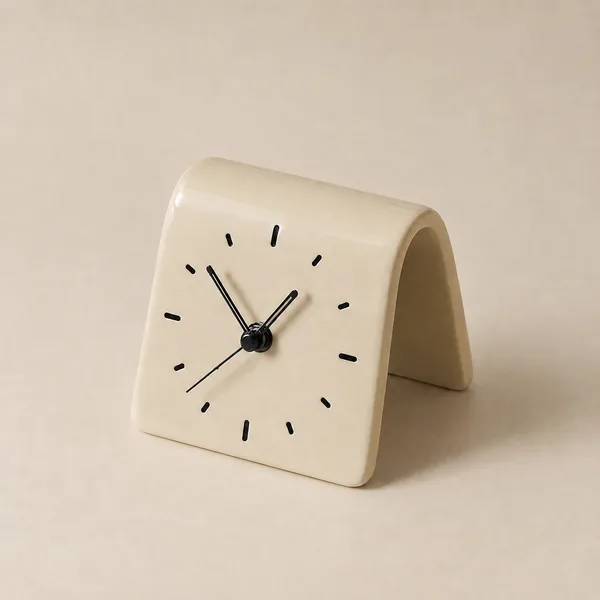
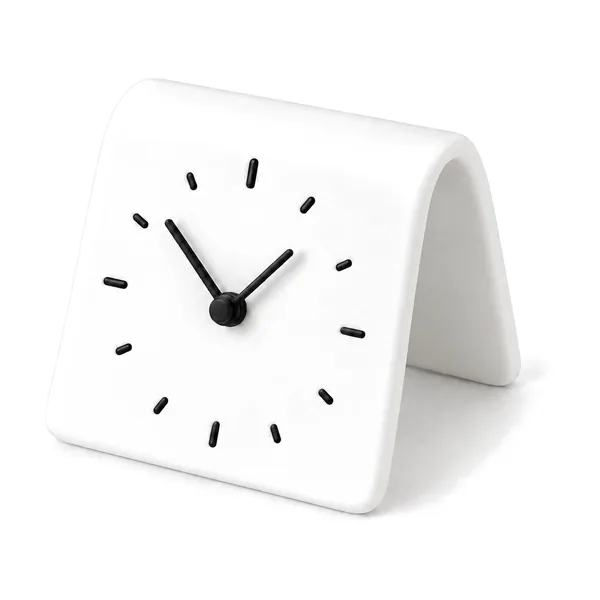
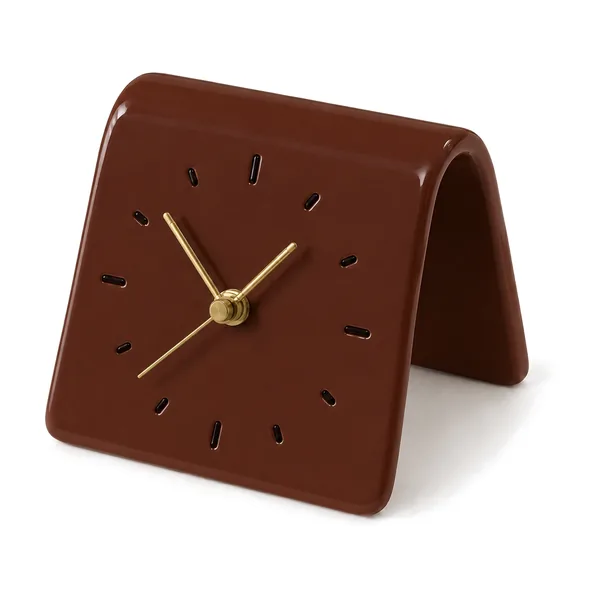
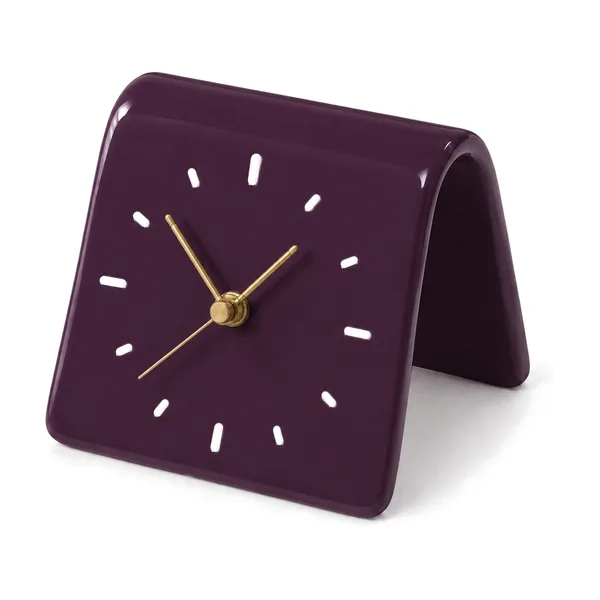
Tilje Silent Ceramic Desk Clock for Modern Homes
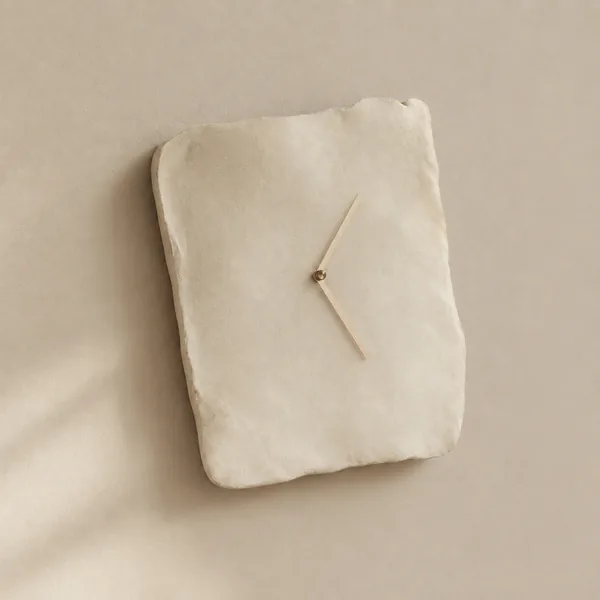
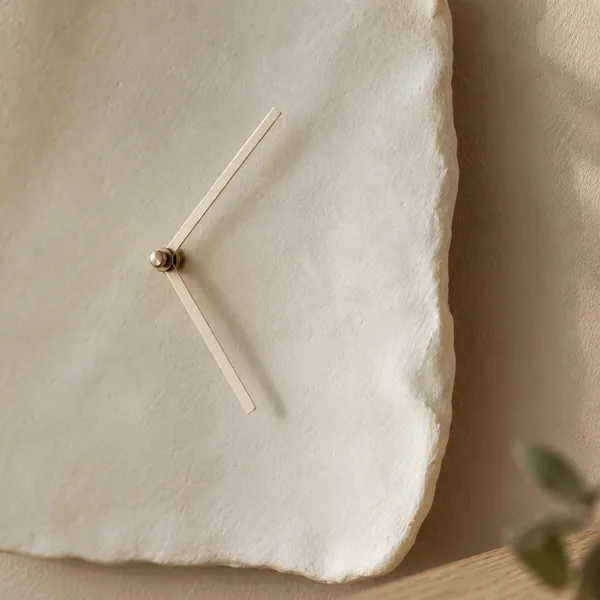 Save $120.00
Stilla Silent Resin Wall Clock Nordic Minimalist
Rectangle and Square Wall Clocks: Architectural Elegance
When interior designers speak of square wall clocks and rectangular variants, they're often referencing pieces that function as much like art as timekeeping instruments. These shapes excel at creating focal points above mantels, sofas, and credenzas, offering a grounding presence that frames furniture rather than competing with it.
The rectangular wall clock particularly shines in spaces where you want to elongate walls visually. By drawing attention horizontally, it can make narrow rooms feel wider and tall walls feel more proportionate. Many Skonne customers find that these designs integrate seamlessly with gallery walls, providing a structural anchor among smaller, more whimsical frames.
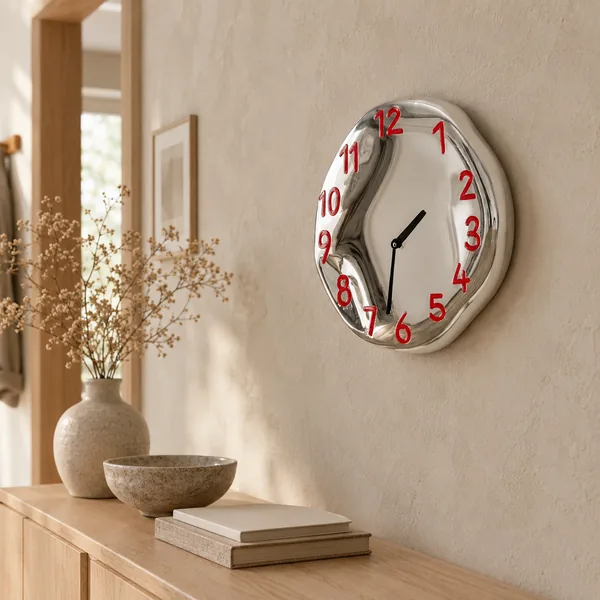 Glansa Chrome Ceramic Wall Clock Silent Quartz$329.00$479.00
The Glansa Chrome Ceramic Wall Clock Silent Quartz exemplifies the refined potential of geometric timepieces. Its sculptural chrome ceramic finish catches natural light beautifully, while the silent quartz movement ensures your moments of relaxation remain undisturbed by ticking. For modern interiors seeking that elevated Scandinavian touch, this piece delivers intentionality without excess.
Scandinavian interiors particularly favor the square format for its alignment with Nordic principles of functionality and restraint. A nordic wall clock in square or rectangular form emphasizes clean edges and unadorned surfaces, allowing craftsmanship and material quality to speak for themselves. These pieces rarely shout for attention—they confidently wait to be discovered.
Visual Inspiration: Modern Clock Placement
To better understand how these shapes function in real settings, this video demonstrations showcase how designers integrate various clock silhouettes into thoughtfully arranged interiors.
Round and Oval Wall Clocks: Organic Harmony
There's an elemental satisfaction in the circle. The round wall clock has graced human dwellings for centuries, and its persistence speaks to something deeply intuitive in our visual language. Circles suggest continuity, completeness, and the natural rhythms that govern our days.
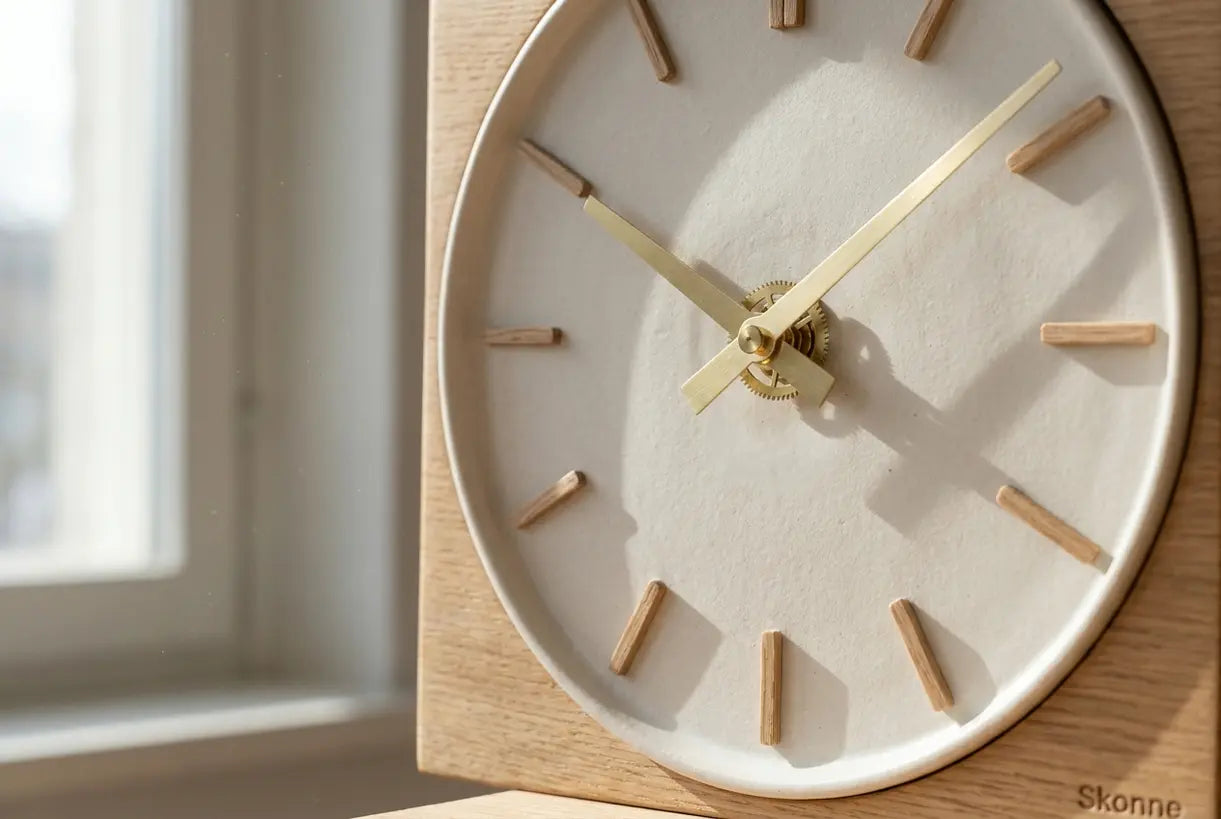
Oval variants extend this philosophy into spaces that require directional softness. An oval wall clock occupies a beautiful middle ground—offering more presence vertically than a regular circle, yet maintaining that essential curvature that invites the eye to travel rather than stop abruptly. They're particularly effective in narrow vertical spaces where a rectangle might feel too rigid but a circle provides insufficient coverage.
When incorporating curved timepieces into modern wall clock designs, consider the existing angular elements in your room. A round clock above a rectangular doorway can soften the transition; an oval piece beside a linear bookshelf introduces necessary visual relief. These shapes excel at creating that balanced tension between structure and softness that defines sophisticated interiors.
Finding the Right Size and Placement
Clock dimension shouldn't be an afterthought. A timepiece that overwhelms its location or disappears against a large wall fails to fulfill its decorative potential. For most living spaces, your wall clock should occupy between two-thirds and three-quarters of the available wall space when positioned alone as a focal point.
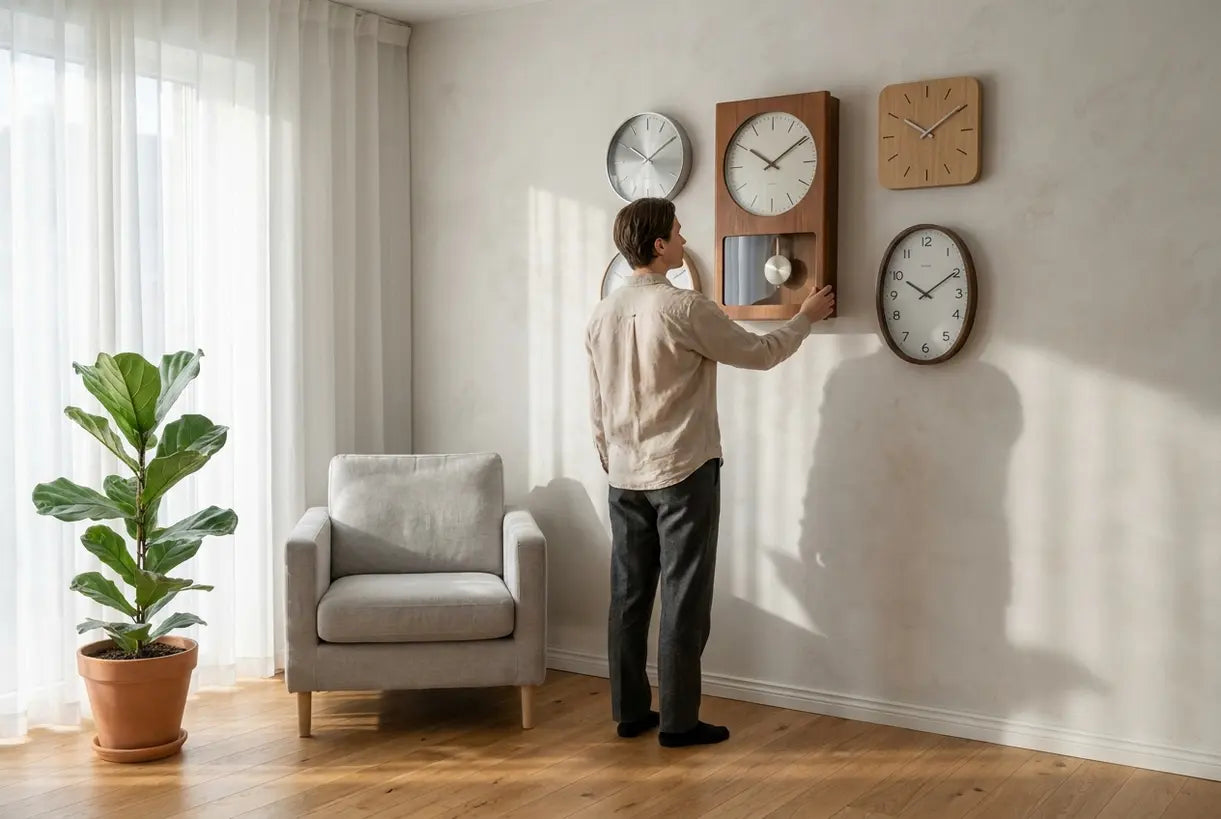
Narrow hallways present unique challenges that horizontal wall clocks solve elegantly. By emphasizing width rather than height, rectangular luminaires create the illusion of expanded space while remaining unobtrusive to passing traffic. Position these at eye level for optimal visibility without creating passage obstacles.
Above fireplaces and sofas, square and rectangular designs mirror the proportions of these horizontal elements, creating pleasing visual harmony. For vertical spaces like tall entryways, consider stacking a narrow rectangle or choosing an oval orientation that draws the eye upward without widening the space unnecessarily.
The silent mechanism question deserves attention too. For bedrooms, meditation spaces, home offices, and anywhere peace is paramount, investing in a silent wall clock eliminates the subtle but persistent stress of audible ticking. The irony of time-related anxiety in spaces designed for rest isn't lost on Scandinavian designers, who've long prioritized sensory tranquility.
Pendant Lights
Shop all Pendant Lights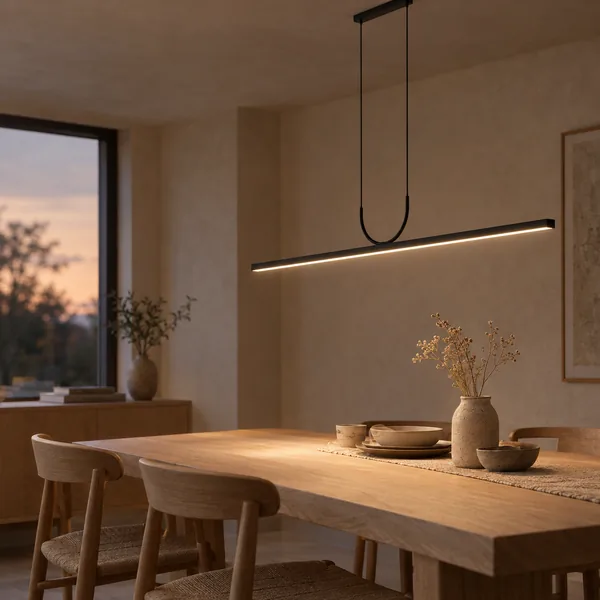
 Save $140.00
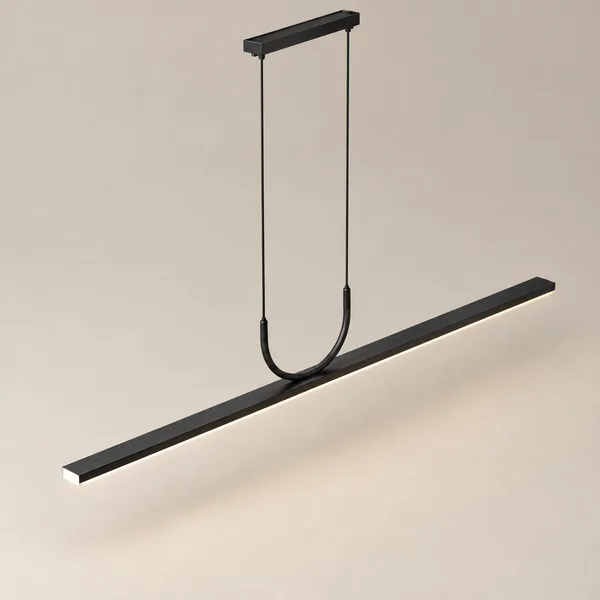
Linné Minimalist Linear Black LED Pendant Light
 Save $60.00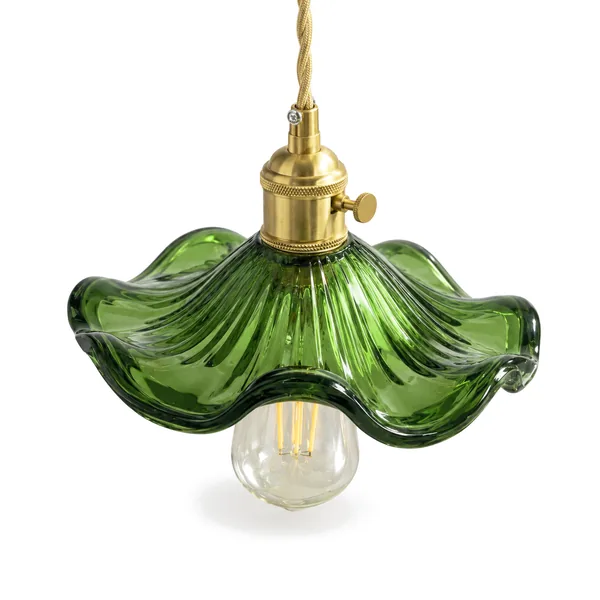
 3 options
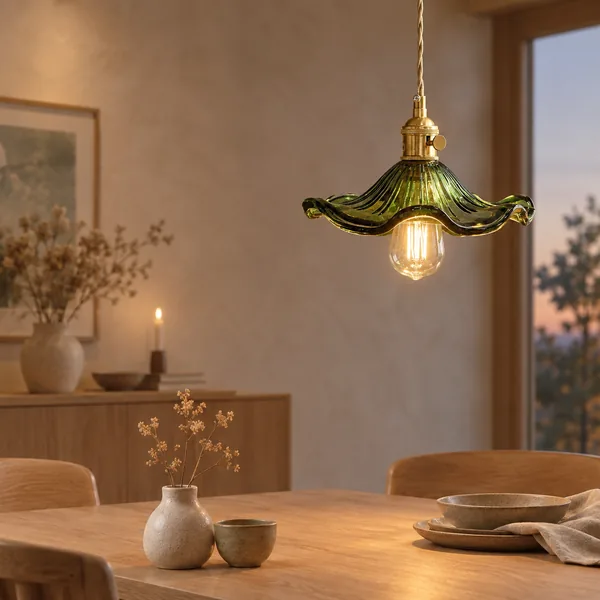
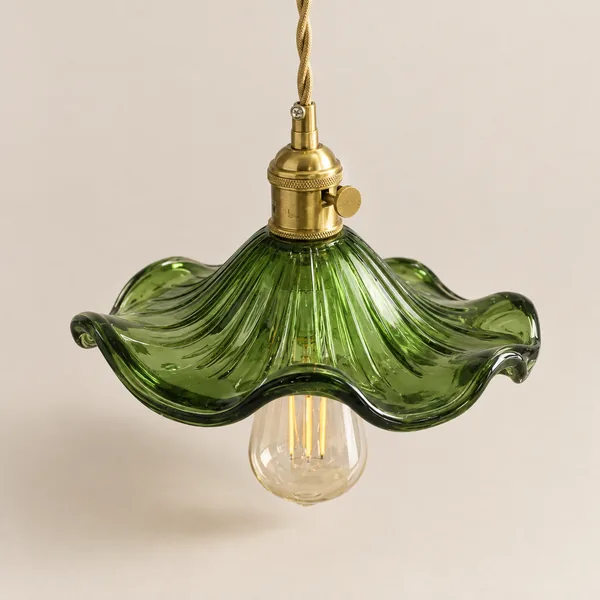
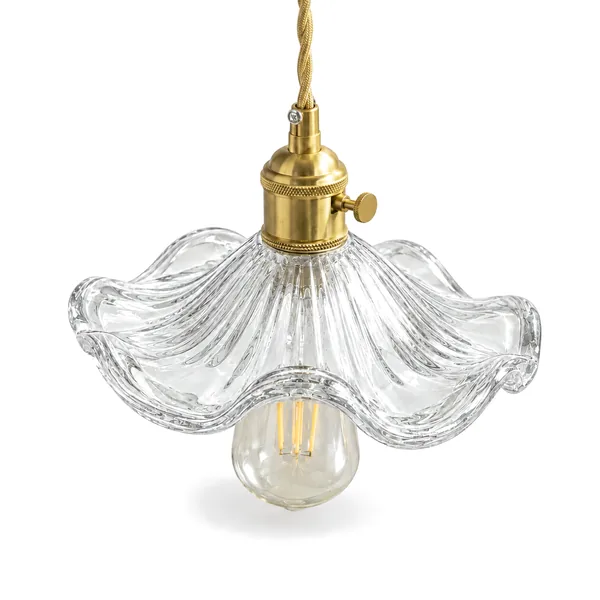
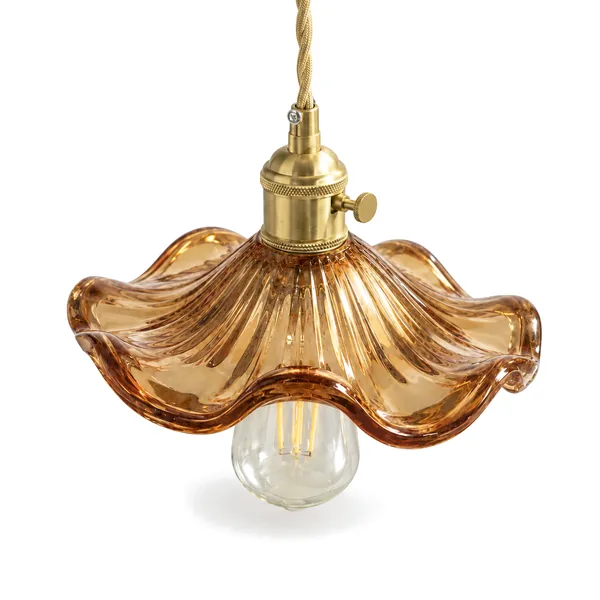
Glora Nordic Glass Pendant Light with Copper
 Save $120.00
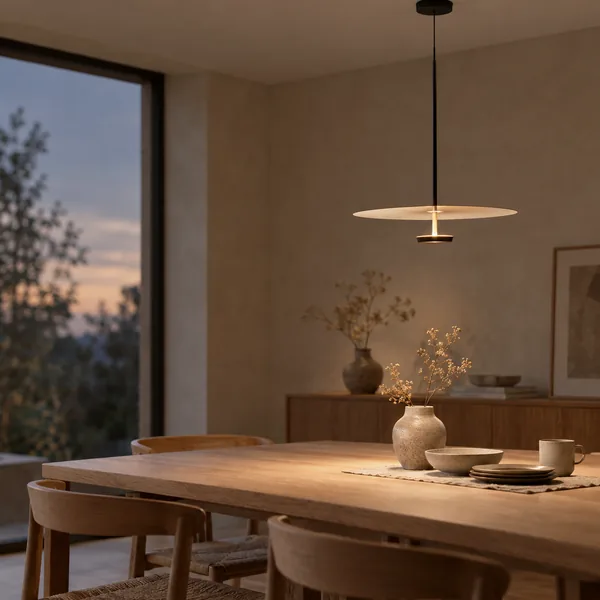
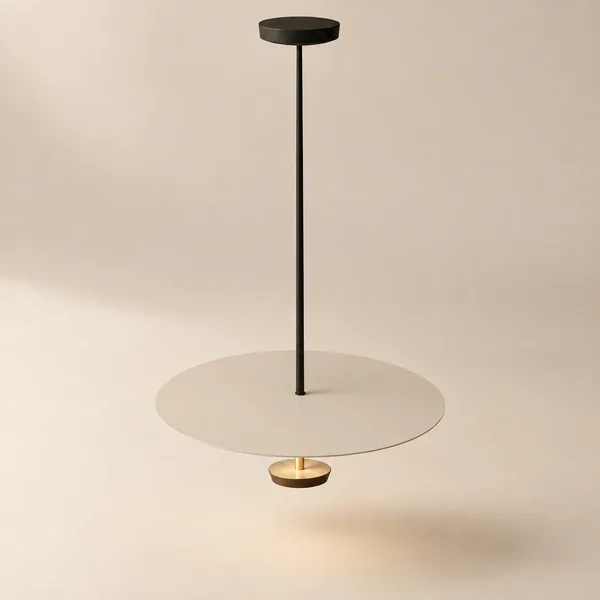
Skiva Nordic Saucer Ceiling Pendant Light LED
The Sound of Silence: Why Movement Matters
Not all wall clocks are created equal—and we're not just referring to aesthetics. The mechanism inside determines whether your decorative investment becomes a source of subtle irritation or quiet companionship. Traditional mechanical movements, while charming in certain contexts, produce that characteristic tick that proves maddening in quiet rooms.
Modern silent quartz movements represent a technological advancement that honors contemporary needs for peace. These mechanisms glide the second hand in a continuous sweep rather than incremental jerks, eliminating both the visual and auditory disruption of ticking. For minimalist clock enthusiasts who understand that true luxury often lies in subtraction, silence isn't an extra feature—it's fundamental.
Curated Timepieces for Scandinavian Homes
Tilje Silent Ceramic Desk Clock for Modern Homes$89.00$159.00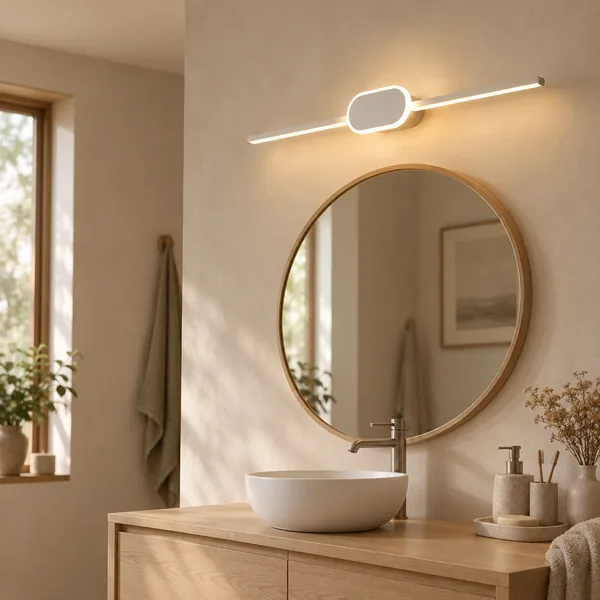 Hvita Modern White Minimalist LED Wall Sconce$79.00$119.00
The Tilje Silent Ceramic Desk Clock for Modern Homes embodies Nordic intentionality through its clean square silhouette and whisper-quiet needle movement. Available in seven curated colors—from muted earth tones to clean neutrals—this piece demonstrates how Scandinavian design considers the full sensory experience, not just visual appeal.
When styling wall clocks alongside other elements, consider how lighting transforms their presence throughout the day. The Hvita Modern White Minimalist LED Wall Sconce creates perfect illumination for galleries featuring timepieces, with its crisp white form and gentle light enhancing rather than competing with your chosen clock. Positioning sconces strategically allows the play of shadow and light to animate your clock's surface as hours pass.
Matching Shape to Style: A Curated Approach
While personal preference ultimately dictates selection, certain archetypes emerge when matching wall clock shapes to existing décor styles. Understanding these patterns helps narrow your search among the numerous wall clock styles available today.
Scandinavian and minimalist interiors favor the honesty of square and rectangle wall clocks, often in white, natural wood, or matte black. These pieces typically feature clean faces with minimal numerals or simple markers, letting material texture speak louder than decorative detail.
Mid-century modern spaces welcome both circular sunburst designs and softened rectangles that echo the era's architectural language. Look for warm wood tones and brass accents that reference vintage inspiration without nostalgic excess.
Industrial and contemporary lofts embrace oversized rectangular models with exposed mechanisms, raw metal finishes, and substantial presence. These bold statements require sufficient wall real estate to command their presence properly.
Bohemian and organic modern spaces benefit from the visual softness of rounded shapes. Consider clocks with woven elements, natural materials, or silhouettes that suggest hand-crafted imperfection rather than machined precision.
The Skonne Philosophy: Time Meets Intention
Selecting the right wall clock shape is ultimately an exercise in self-awareness—understanding not just your aesthetic preferences but how you want time to feel in your space. Rectangle and square designs impose structure and intentionality; round and oval shapes invite flow and organic movement. Both approaches honor time's passage, but interpret it differently.
At Skonne, we curate timepieces that respect these distinctions, offering options that span the stylistic spectrum while maintaining our commitment to quality, silence, and Scandinavian warmth. Whether you're drawn to the architectural confidence of a rectangular statement piece or the gentle invitation of a circular dial, remember that the best clock is the one you'll live with comfortably—both visually and audibly—for years to come.
As you refine your interior, consider that each timepiece is more than ornament. It's a daily companion, a momentary reference point, and a silent witness to the life unfolding in your rooms. Choose shapes that align with your values, sizes that respect your space, and mechanisms that honor your peace. The right clock transforms from mere utility into something approaching poetry—measuring not just hours, but the quality of the time itself.
Related Article
Gold Wall Clocks: Warm Metallic Designs for Glamorous & Elevated InteriorsDiscover how gold wall clocks add warm metallic elegance to any interior. From modern minimalism to vintage glamour, find the perfect timepiece for your space.