
Scandinavian Apartment Design: Small-Space Nordic Living Done Right
Summary›
- What Makes Scandinavian Apartment Design Unique
- The Foundation: Core Principles of Nordic Small Space Design
- Lighting: The Heart of Hygge Apartment Decor
- Wall Sconces: The Small-Space Secret Weapon
- Sculptural Table Lamps: Art You Can Live With
- Color Palettes and Natural Materials
- Living the Hygge Lifestyle in Compact Quarters
- Practical Implementation: Room-by-Room Tips
- Common Mistakes to Avoid
- Conclusion: Your Small-Space Scandinavian Sanctuary Awaits
Living in a small apartment doesn't mean sacrificing style, warmth, or that coveted sense of calm that makes a house feel like home. In fact, Scandinavian apartment design was practically invented for compact living spaces, born from the Nordic necessity of maximizing light and comfort during long, dark winters. Whether you're renting a studio in the city or have recently downsized to a cozy one-bedroom, embracing scandinavian apartment design principles can transform even the most modest square footage into an intentional, beautiful sanctuary.
For homeowners and renters aged 28-45 who appreciate the clean lines of Nordic aesthetics, the challenge often lies in balancing minimalism with personality, or achieving that warm hygge feeling without clutter. The good news? Scandinavian design isn't about perfection—it's about purposeful choices. Throughout this guide, you'll discover how to create a small-space Nordic retreat that feels expansive yet intimate, using lighting as your secret weapon and curating pieces that serve both function and beauty.
What Makes Scandinavian Apartment Design Unique
Unlike other design movements that prioritize ornamentation, scandinavian interior design emerged from the Nordic countries in the early 20th century as a democratic approach to beautiful living. In apartment settings, where every inch matters, this philosophy becomes even more powerful. The style emphasizes functional furniture that works harder, neutral palettes that visually expand rooms, and most importantly, ambient lighting that creates atmosphere regardless of natural light limitations.
The Scandinavian approach to small spaces isn't about minimalism for minimalism's sake—it's about creating breathing room. When you strip away the unnecessary, what remains are the pieces that truly matter: a sculptural light fixture that casts dancing shadows, a handcrafted ceramic vase holding a single branch, or a wall sconce that frees your nightstand while bathing your bedroom in golden warmth. For those looking to explore more options, our Pendant Lights collection offers a curated selection of designs perfect for small-space living.
The Foundation: Core Principles of Nordic Small Space Design
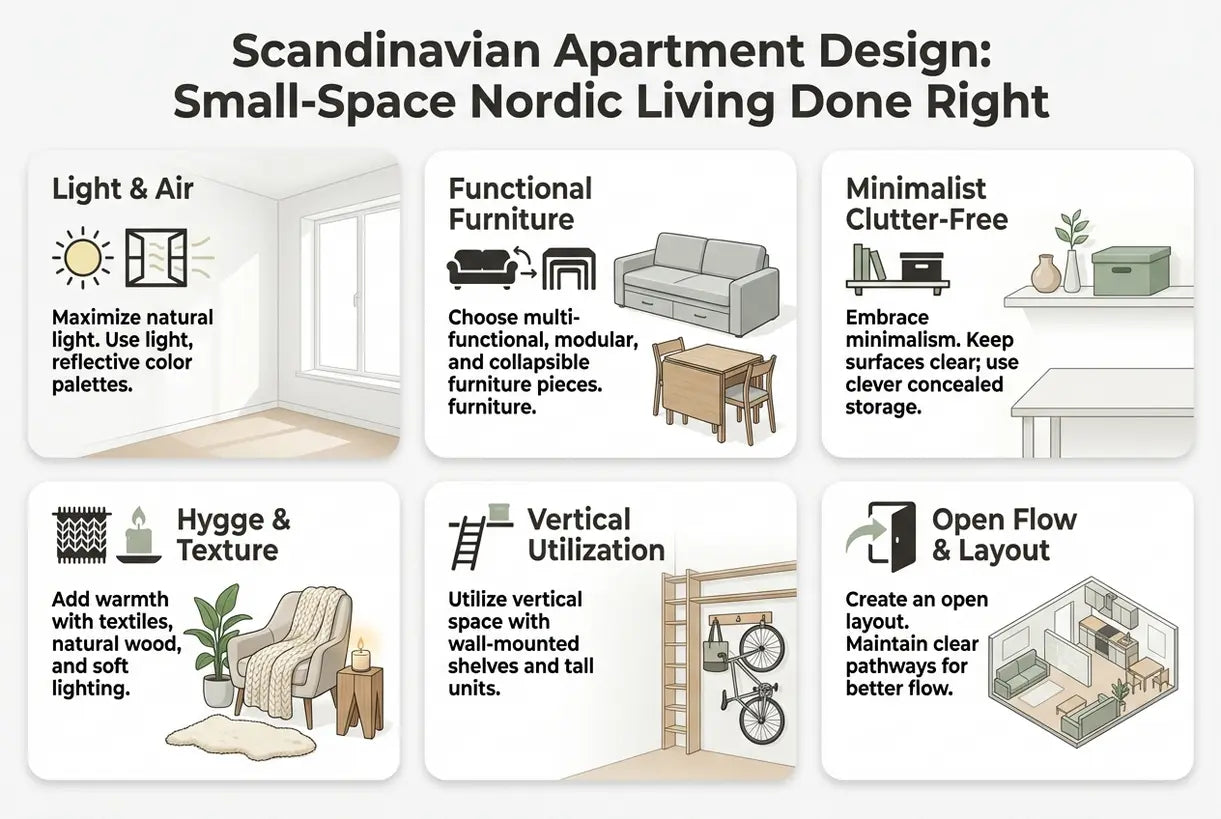
Before diving into specific decor choices, understanding the foundational rules of nordic small space design helps ensure every decision serves both aesthetics and livability. These principles have been refined over generations of Scandinrians making the most of modest apartments, and they translate beautifully to American urban dwellings.
The 70/30 Rule: Breathing Room Meets Personality
One of the most practical concepts in scandinavian apartment design is the 70/30 rule—a guideline suggesting that approximately 70% of your space should embrace neutral, calming tones (whites, soft greys, natural woods), while 30% can introduce personality through texture, art, or carefully chosen accent colors. This ratio prevents small spaces from feeling overwhelming while still allowing your unique character to shine through.
In practice, this might mean white walls and light oak flooring occupied by a cream-colored sofa, with that remaining 30% expressed through a terracotta ceramic lamp, forest green throw pillows, or a single piece of abstract art. The neutrals recede visually, making the room feel larger, while the accent pieces draw the eye and create focal points.
Function First, Always
Every piece in a Scandinavian apartment must earn its place. Multi-functional furniture—storage ottomans, extendable dining tables, beds with built-in drawers—isn't just convenient; it's essential. But functionality extends beyond furniture to include lighting choices that serve multiple purposes: illuminating tasks while creating atmosphere, or serving as sculptural art when switched off.
Scandinavian Lighting
Shop all Scandinavian Lighting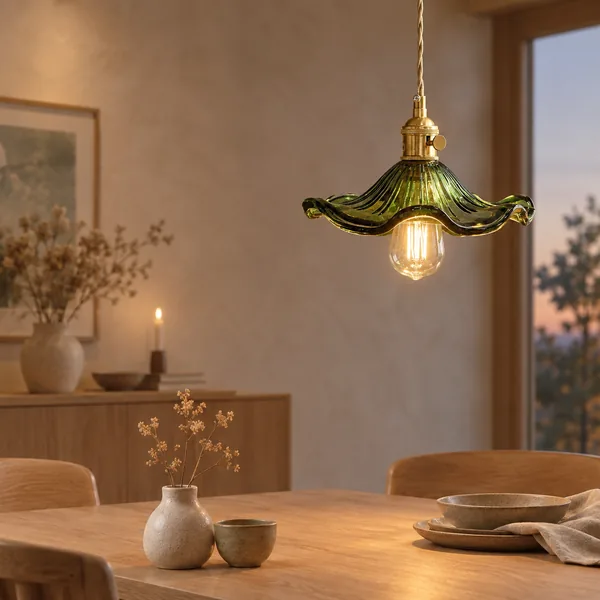
 Save $60.00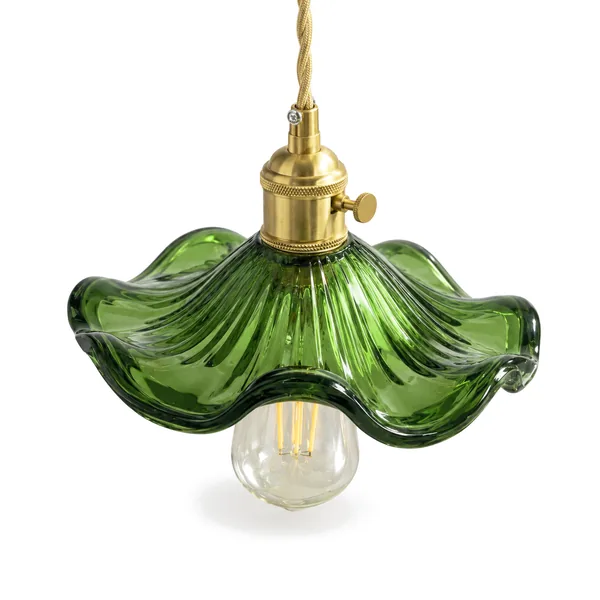
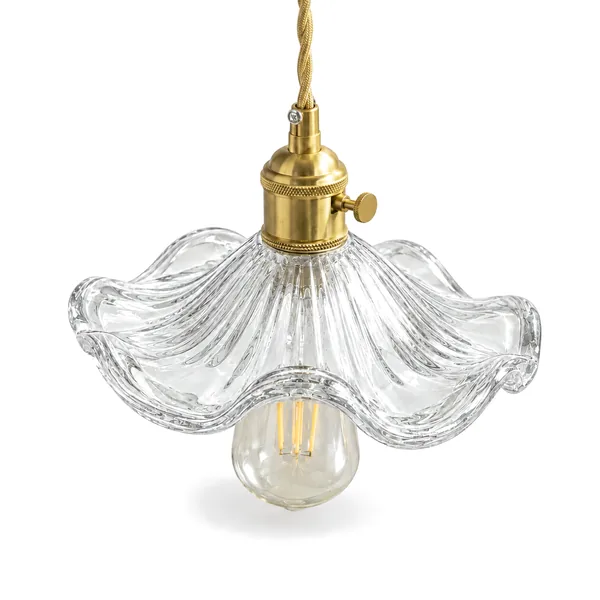
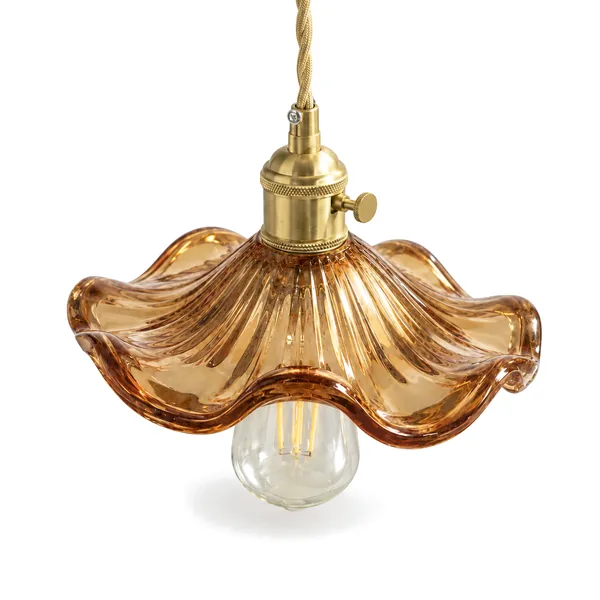 3 options
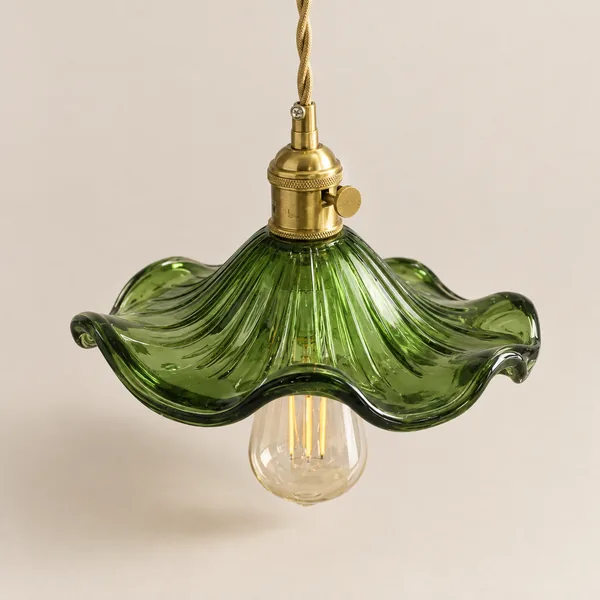
Glora Nordic Glass Pendant Light with Copper
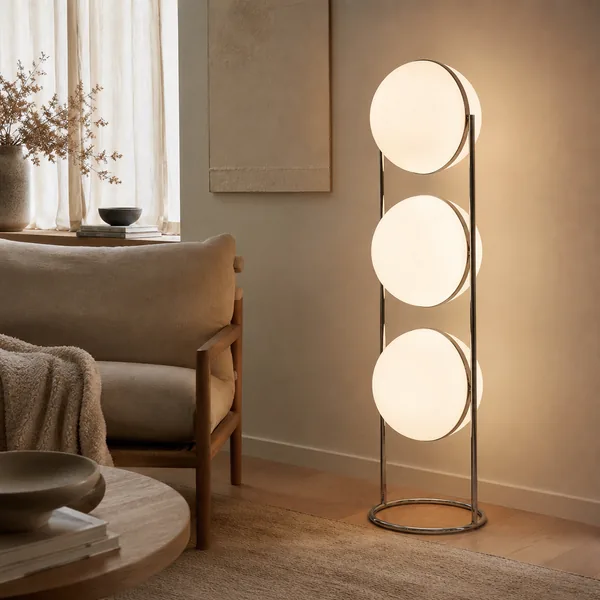
 Save $150.00
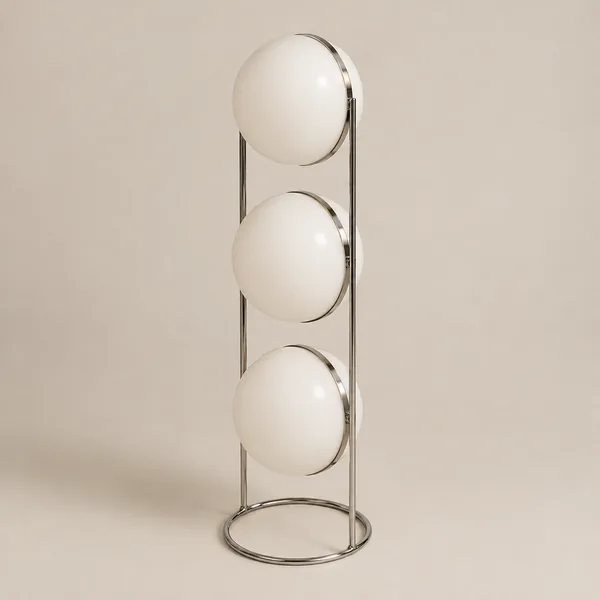
Kulglod Bauhaus Chrome Acrylic Globe Floor Lamp
 Save $230.00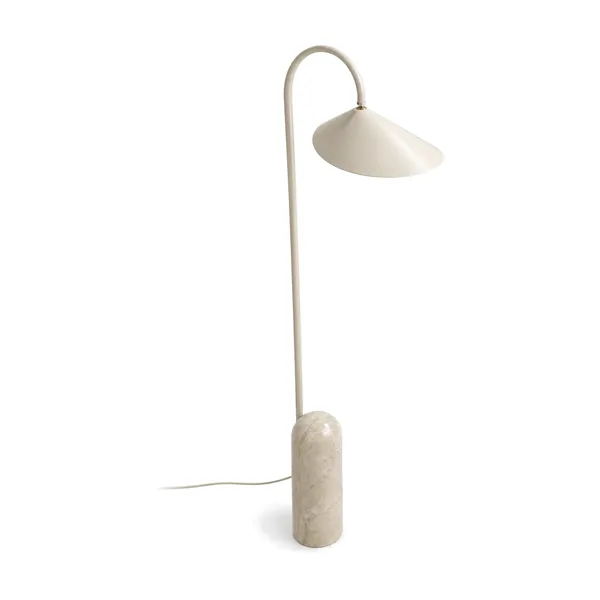
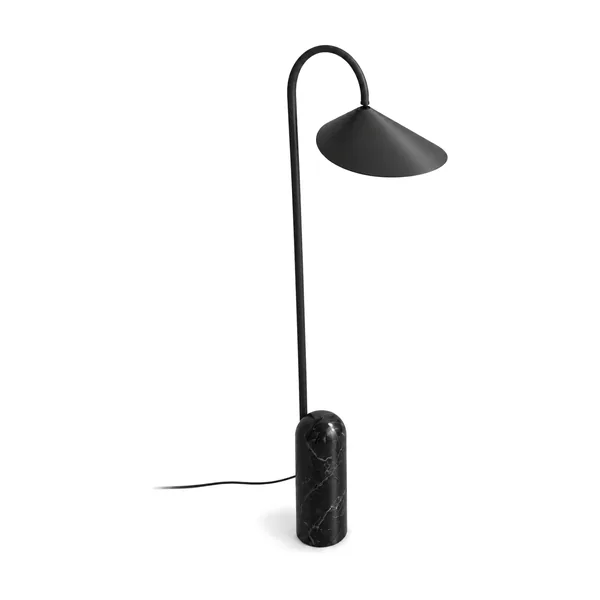 2 options
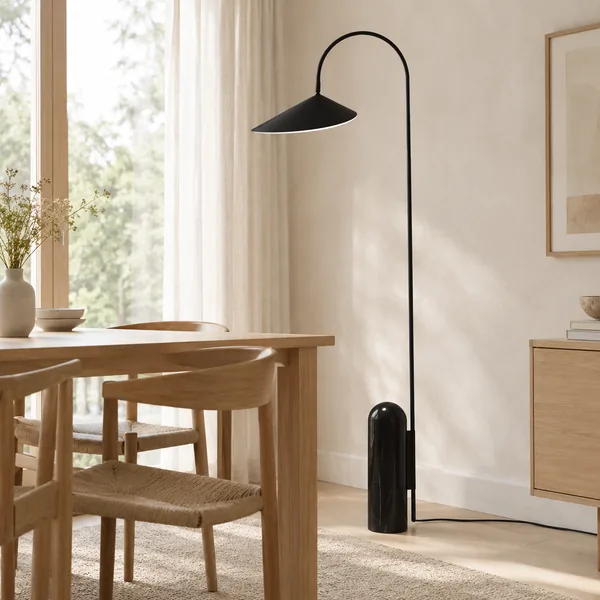
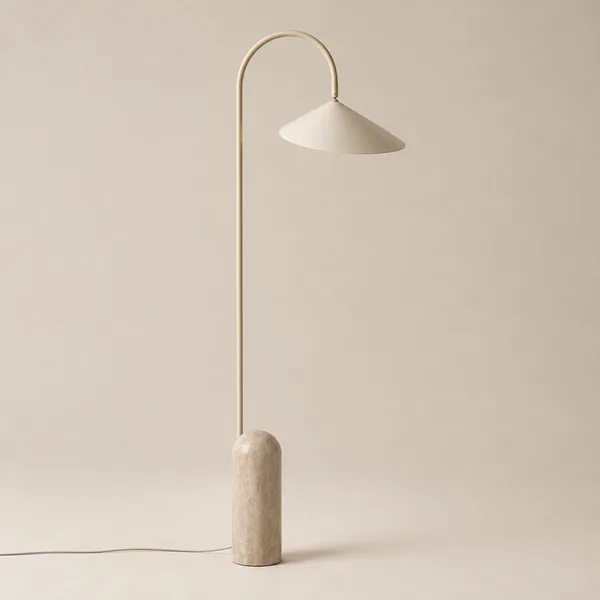
Velbue Marble Base Arc Floor Lamp Danish Design
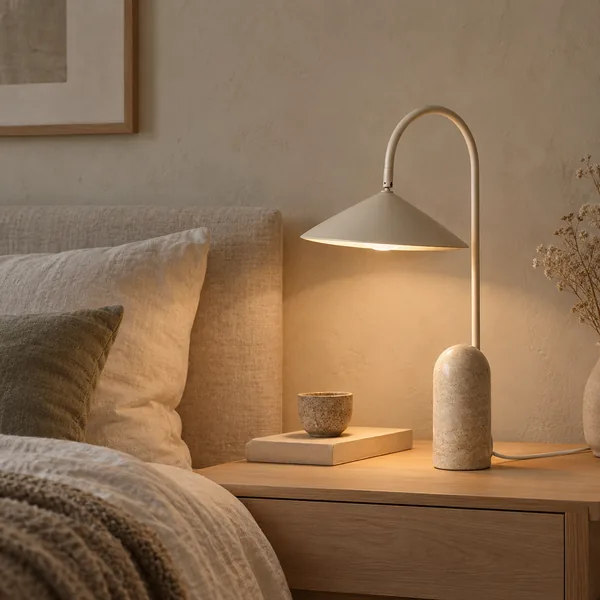
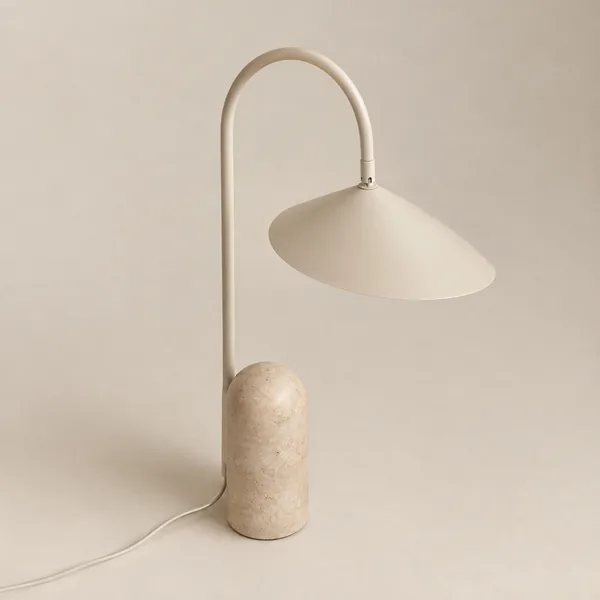 Save $210.00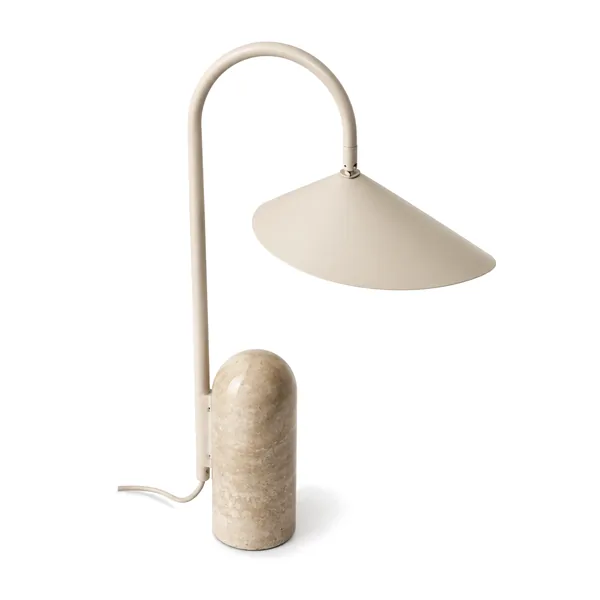
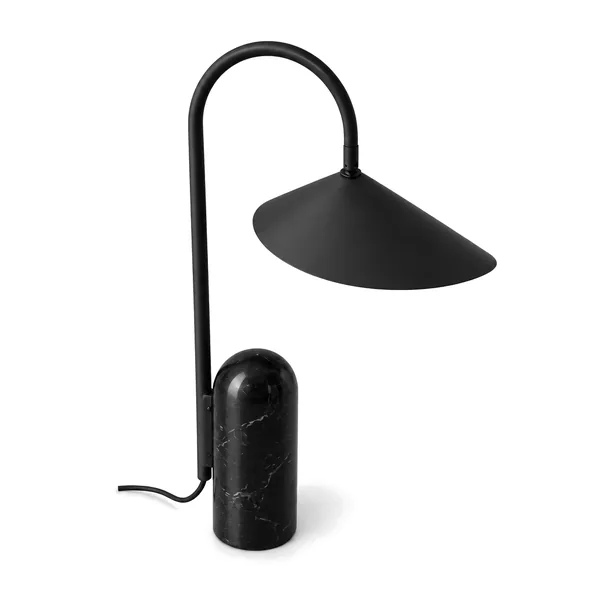 2 options
Solvei Danish Minimalist Arc Table Lamp Marble
Lighting: The Heart of Hygge Apartment Decor
If there's one element that can make or break hygge apartment decor, it's lighting. Scandinavians understand that the right light doesn't just help you see—it shapes how you feel. In small apartments where overhead lighting can feel harsh and flat, layering different light sources at various heights creates depth, warmth, and that coveted sense of coziness that defines Nordic living.
The key is avoiding reliance on a single overhead fixture. Instead, think in layers: ambient lighting for overall illumination, task lighting for specific activities, and accent lighting to highlight architectural features or artwork. This approach not only makes a small space feel more dynamic but also allows you to adjust the mood as needed throughout the day.
Statement Pendants That Elevate Without Overwhelming
In scandinavian apartment design, pendant lights serve as sculptural centerpieces that draw the eye upward, creating the illusion of higher ceilings while freeing valuable floor and surface space. The right pendant becomes a piece of functional art—something beautiful both when illuminated and when at rest.
The Driva Sculptural Cloud Pendant Light exemplifies this philosophy perfectly. Its organic, cloud-like form adds visual warmth to your small apartment without overwhelming tight quarters, while the adjustable height ensures it works beautifully whether you have standard 8-foot ceilings or charming vintage heights. When hung over a dining nook or reading corner, it creates an intimate pool of light that defines the space without walls.
Wall Sconces: The Small-Space Secret Weapon
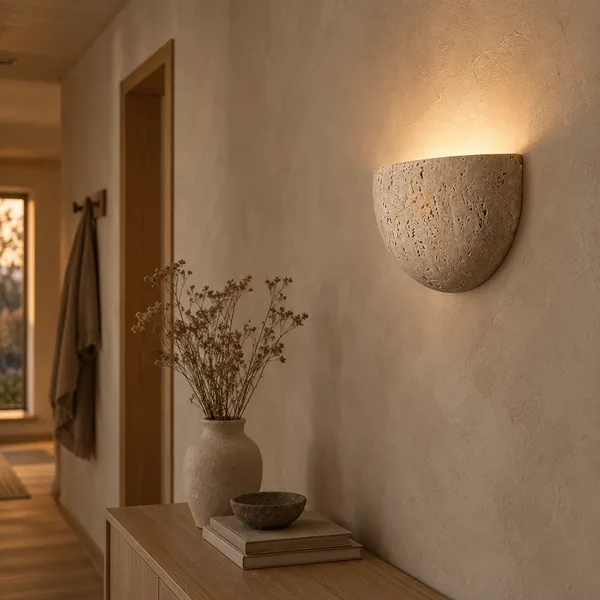
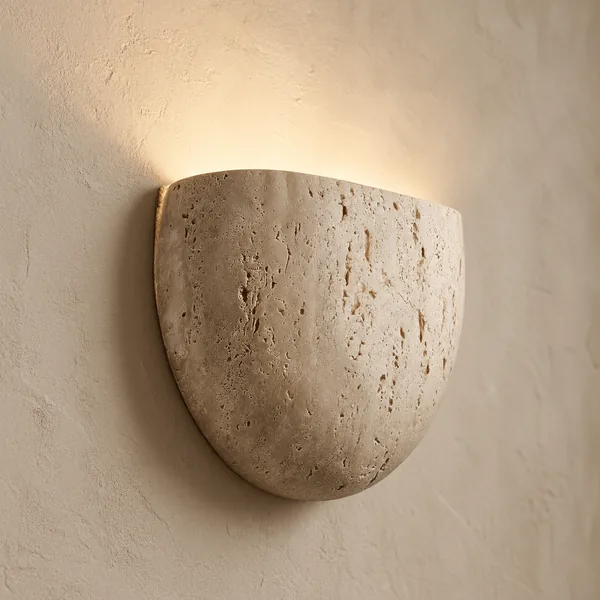
When floor space is limited and surfaces are precious, wall sconces emerge as the unsung heroes of minimalist apartment design. By moving lighting off tables and onto walls, you free up nightstands for books and morning coffee, keep desks clear for work, and eliminate the need for bulky floor lamps that consume real estate.
But wall sconces in Scandinavian design aren't merely practical—they're opportunities to introduce texture, materiality, and warm wabi-sabi character. The Japanese concept of wabi-sabi—finding beauty in imperfection and impermanence—pairs naturally with Scandinavian aesthetics, both celebrating natural materials and handmade qualities.
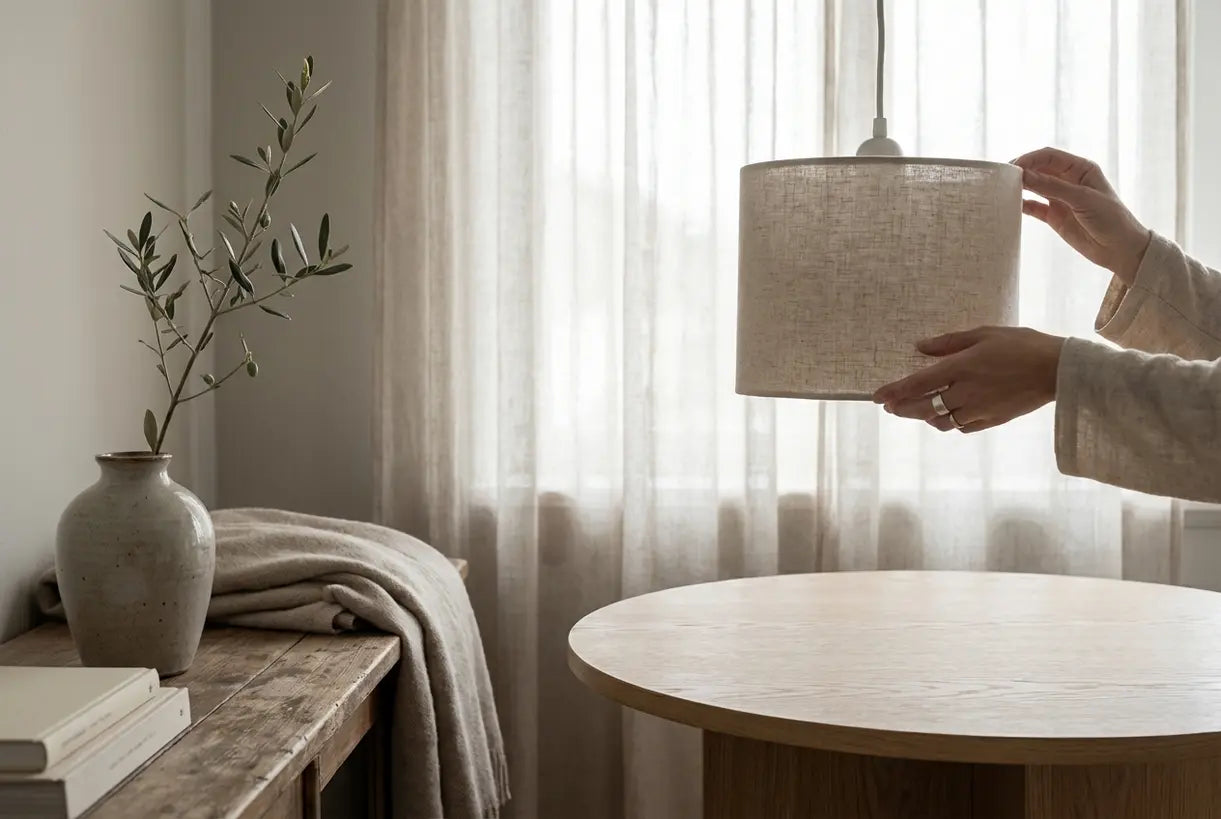
The image above captures what makes Scandinavian small spaces so special: the thoughtful attention to detail, the hands-on curation, the understanding that design is a practice, not a destination. Every object has been chosen with intention, arranged with care, and allowed to breathe within its environment. This is curation over accumulation—the essence of Nordic living.
Freeing Surfaces with Intentional Design
Mounting the Eldorm Handcrafted Wabi-Sabi Iron Wall Sconce beside your bed or flanking your sofa does more than provide reading light—it creates rustic warmth through its artisanal iron construction while reclaiming the surface space beneath for living, not just lighting. The gentle ambient glow it casts mimics the soft flicker of candlelight, an essential component of hygge, without any fire hazard concerns in small apartments.
Living Room Lighting
Shop all Living Room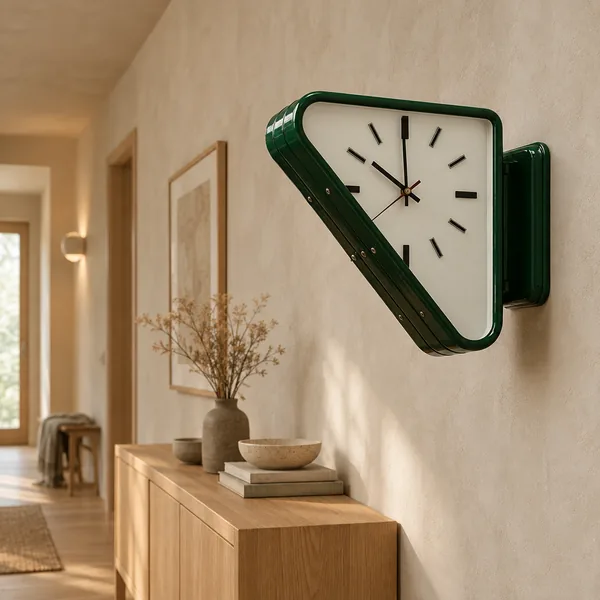
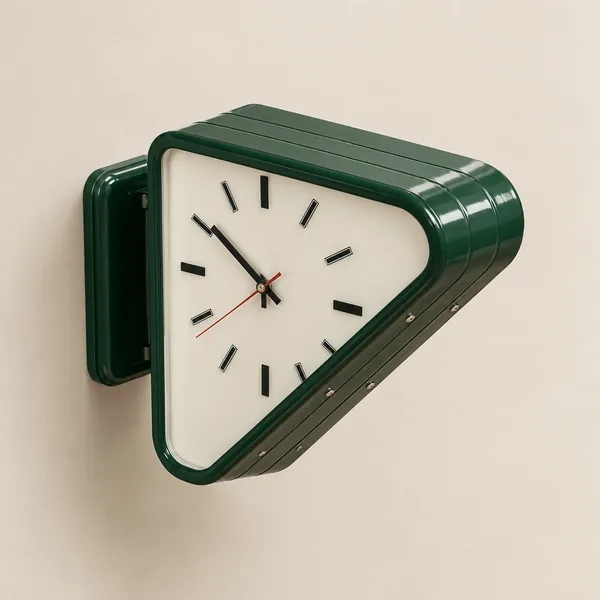 Save $110.00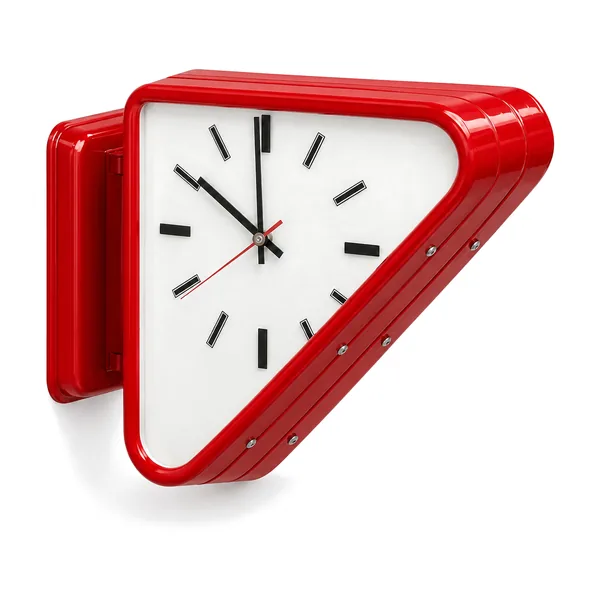
 +15 options
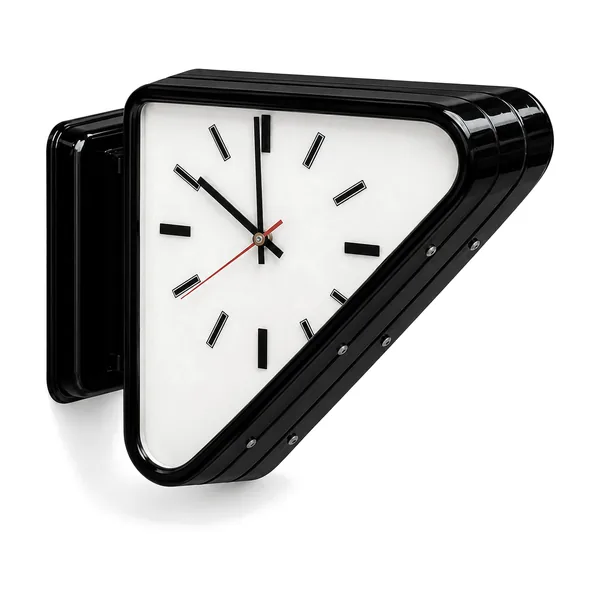
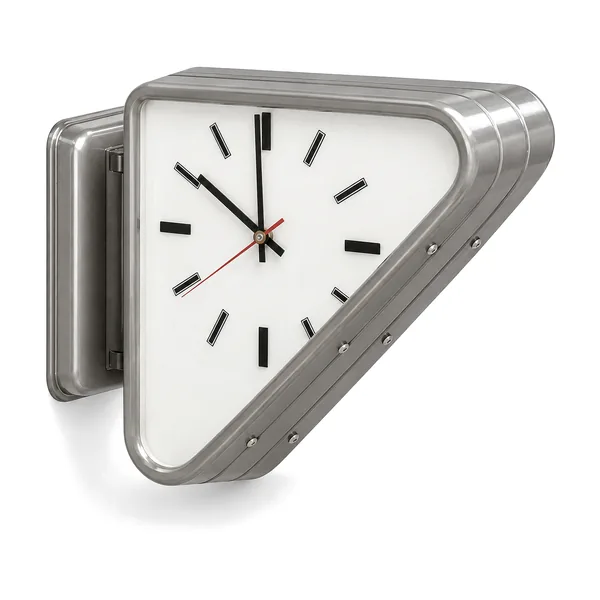
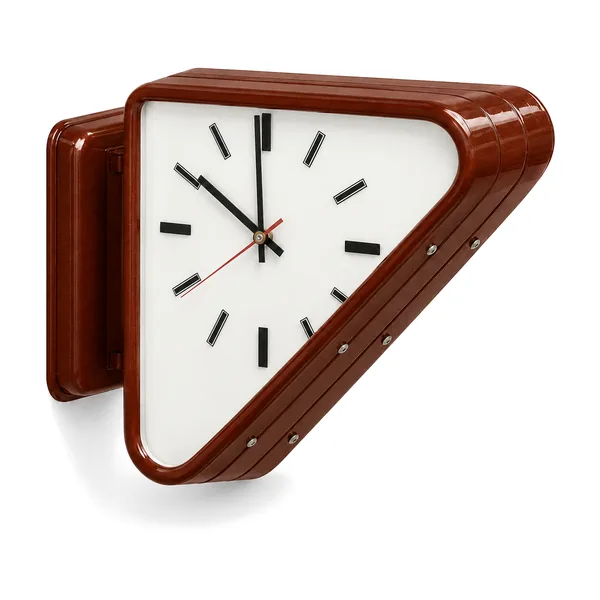
Tvilling Dual-Sided Geometric Metal Wall Clock
 Save $70.00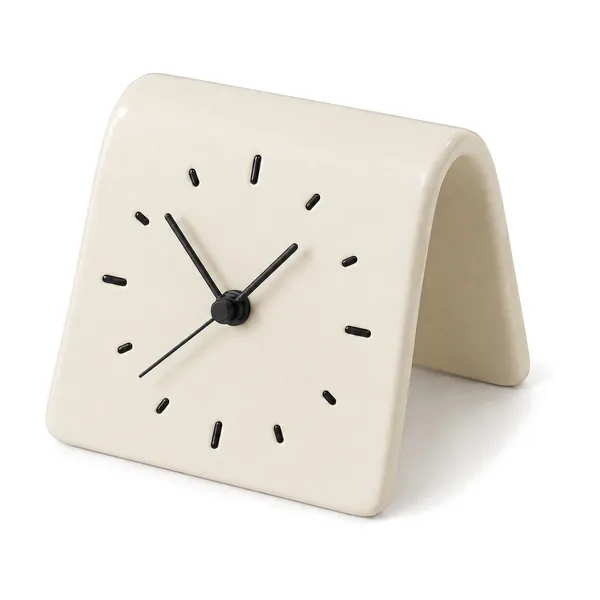
 +37 options
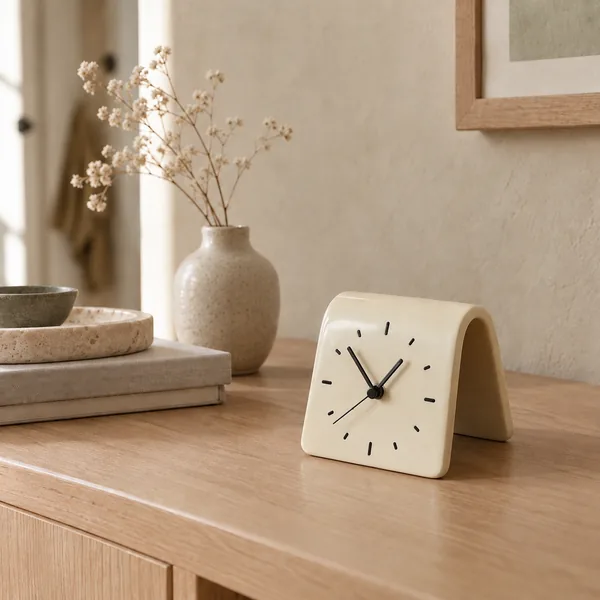
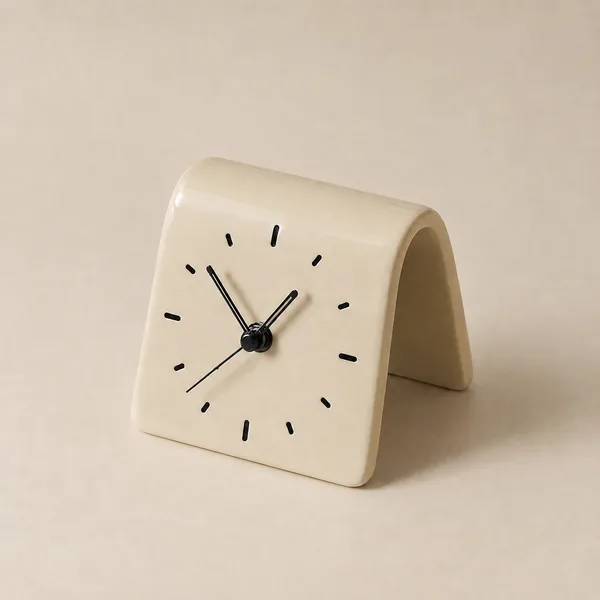
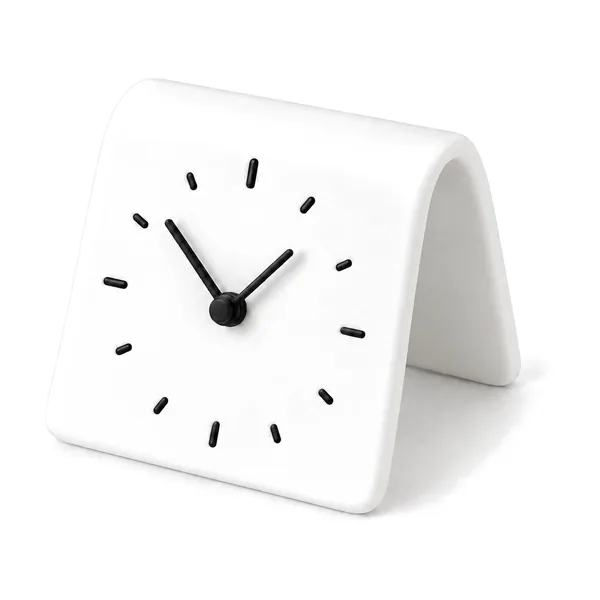
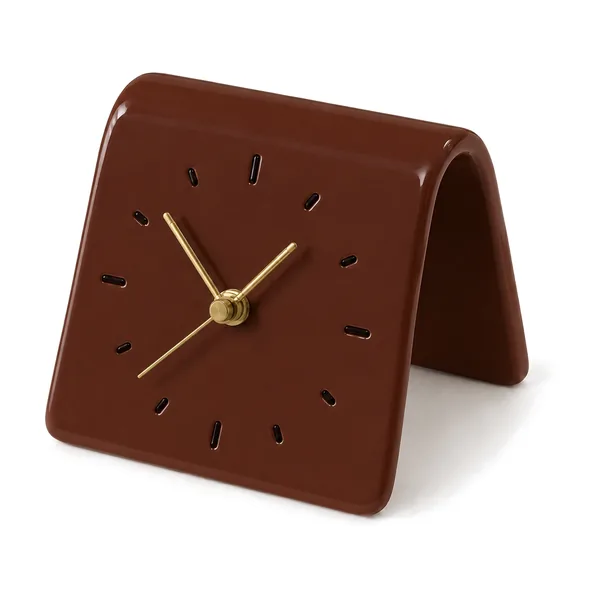
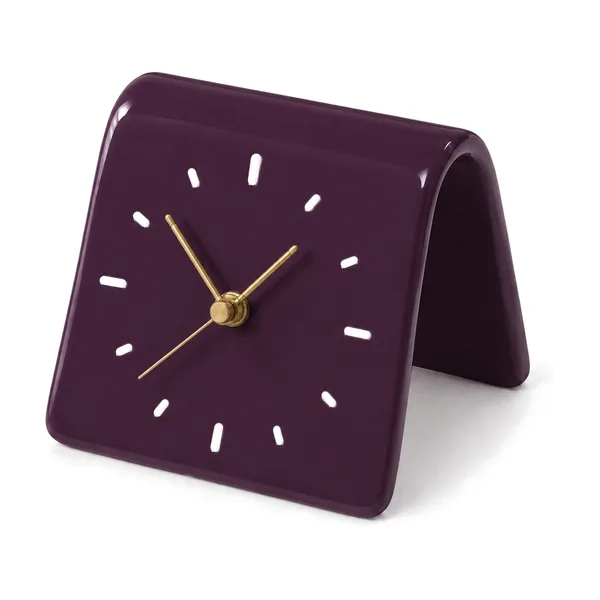
Tilje Silent Ceramic Desk Clock for Modern Homes
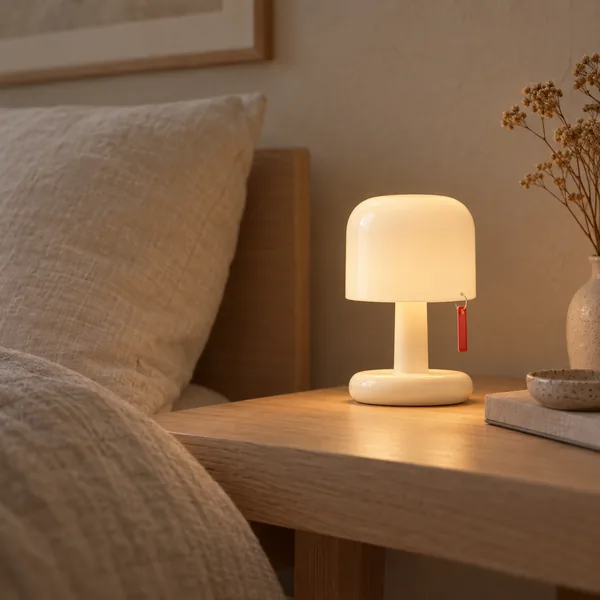
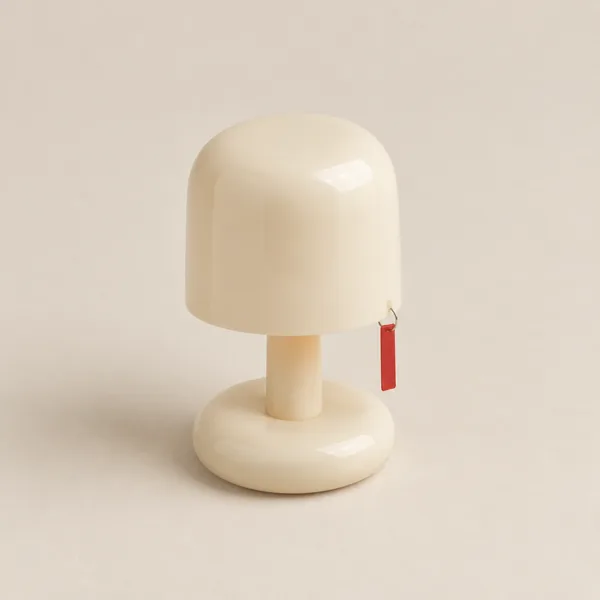
Sculptural Table Lamps: Art You Can Live With
In scandi small home ideas, even the most utilitarian objects are opportunities for beauty. Table lamps in Scandinavian design transcend their functional role to become ceramic sculptures, organic forms, or abstract shapes that happen to emit light. This dual purpose is crucial in compact spaces where every item must contribute visually.
When selecting table lamps for your Scandinavian apartment, look for handcrafted qualities, natural materials like ceramic or wood, and forms that feel organic and alive. These pieces add the textural interest and warmth that prevents minimalist spaces from feeling sterile or cold.
The Art of Layered Lighting
Creating the perfect Nordic atmosphere requires layering different light sources at varying heights. Start with your ambient foundation—perhaps that sculptural pendant overhead—then add task lighting where needed, and finally, introduce accent pieces that provide gentle, warm pools of light.
The Leireld Artisan Ceramic Pottery Table Lamp serves as both sculptural accent and functional light source, its handcrafted ceramic base bringing organic warmth to nightstands, side tables, or bookshelves. Unlike mass-produced alternatives, each lamp carries the subtle variations of handmade craftsmanship—the slight irregularities in glaze, the earthy texture of clay—that make your space feel collected rather than decorated.
Lighting Essentials for Small Scandinavian Spaces
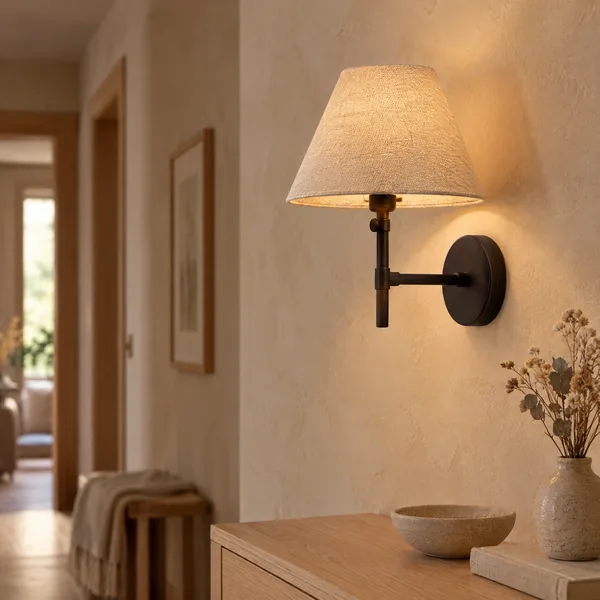 Eldorm Handcrafted Wabi-Sabi Iron Wall Sconce$199.00$259.00
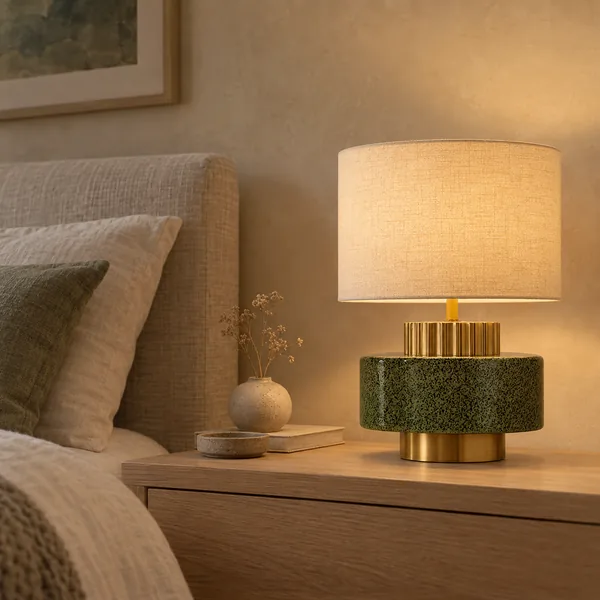 Leireld Artisan Ceramic Pottery Table Lamp Vintage$469.00$789.00
Color Palettes and Natural Materials
The scandinavian decor for apartments color palette begins with an understanding of light—or the lack thereof during Nordic winters. Whites, off-whites, and pale greys serve as the backbone, reflecting every available photon and making spaces feel airy and open. But warmth comes from natural materials: light woods like oak and birch, wool textiles in oatmeal and charcoal, linen curtains that filter rather than block sunlight, and ceramics that carry the earthy tones of clay.
This isn't about creating sterile white boxes; it's about establishing a calm canvas that allows materials and textures to speak. A rough linen throw draped over a smooth leather sofa. A matte ceramic lamp beside a glossy painted side table. These contrasts create visual interest without visual clutter.
Living the Hygge Lifestyle in Compact Quarters
Hygge—that untranslatable Danish concept of cozy contentment—isn't about buying specific items; it's about creating atmosphere. In small apartments, this translates to intimate spaces that feel like embraces. The lighting is warm rather than bright, the textiles are soft and inviting, and there's always a spot to curl up with tea and a book.
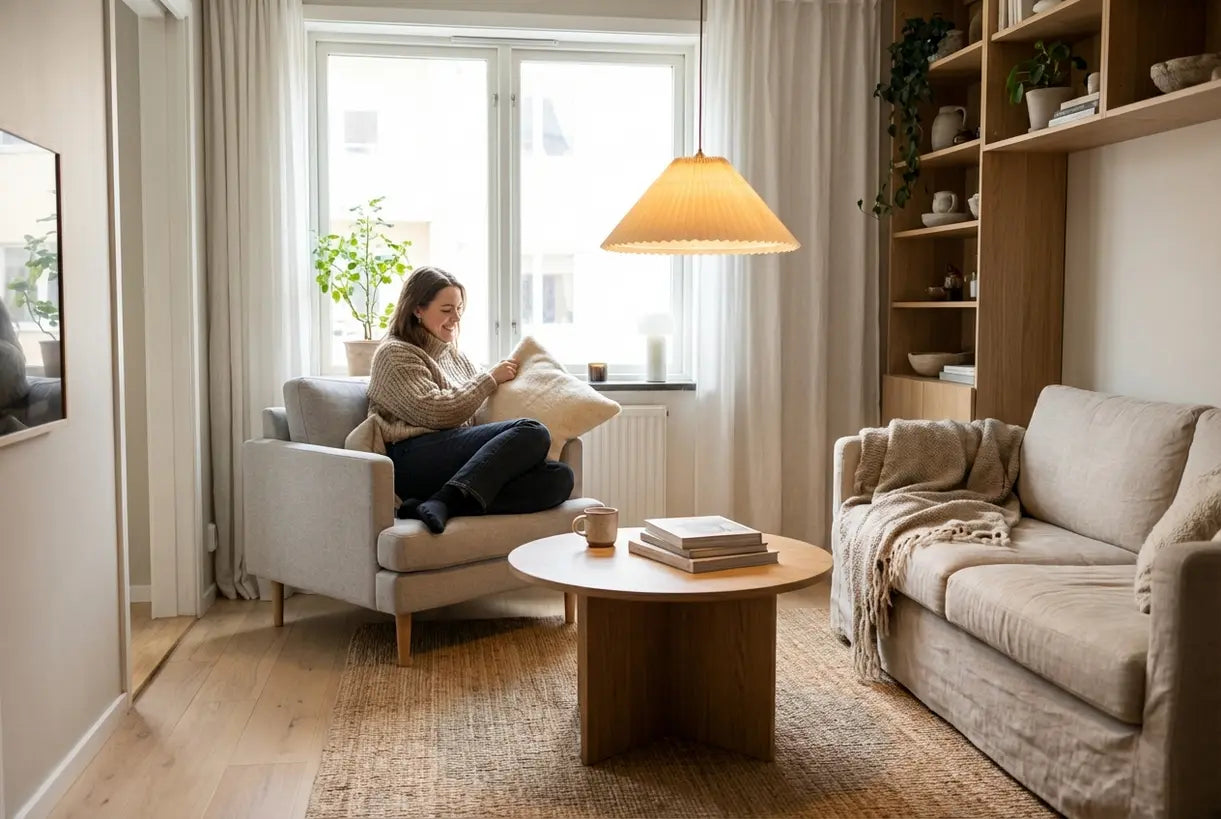
The image above captures this philosophy in action: natural light streaming through sheer curtains, warm pendant lighting creating golden pools of atmosphere, and a space that feels lived-in yet intentional. This is the goal of minimalist nordic living—not perfection, but presence.
Real Scandinavian Inspiration
Seeing these principles applied in actual small spaces helps bridge the gap between theory and practice. This tour of a Stockholm art director's 53-square-meter apartment demonstrates how colour, personality, and Scandinavian restraint can coexist beautifully in compact living.
Practical Implementation: Room-by-Room Tips
Translating nordic apartment decorating principles into your specific space requires understanding how each room functions differently while maintaining visual cohesion throughout.
The Living Area
In open-concept or studio apartments, use lighting to define zones without walls. A pendant over the dining area, a floor lamp marking the reading nook, and wall sconces framing the sleeping zone create distinct territories while maintaining flow. Choose furniture with visible legs to allow light to pass underneath, making rooms feel more expansive.
The Bedroom
Prioritize bedside lighting that frees your nightstand. Wall sconces with adjustable arms allow reading in bed without disturbing partners. Keep surfaces minimal—a lamp, a book, perhaps a small ceramic dish for jewelry. The Leireld Artisan Ceramic Pottery Table Lamp works beautifully here, providing soft light while serving as morning sculpture.
Work-From-Home Corners
Task lighting becomes crucial when working from small apartments. Position desk lamps to eliminate screen glare while providing adequate illumination for documents. Consider the Kelvin temperature of your bulbs—warmer tones (2700K-3000K) create relaxing atmospheres, while slightly cooler tones (3500K) may improve focus during work hours.
Common Mistakes to Avoid
Even with the best intentions, it's easy to stray from scandinavian interior design principles when working with limited space. Watch for these common pitfalls:
- Over-minimalizing: A home needs soul. Include meaningful objects, handmade pieces, and textural warmth to prevent the space from feeling cold or impersonal.
- Ignoring scale: Small spaces can handle statement pieces, but proportion matters. One large sculptural pendant works better than three tiny competing fixtures.
- Forgetting about darkness: Scandinavian design isn't just about maximizing light—it's about embracing shadow. Create dimmable zones for evening hygge.
- Buying everything at once: Curate slowly. Scandinavian spaces feel collected over time, not purchased in a weekend.
Conclusion: Your Small-Space Scandinavian Sanctuary Awaits
Creating a beautiful Scandinavian apartment isn't about having more space—it's about making better choices with the space you have. By embracing the principles of functional beauty, layered lighting, and intentional curation, even the most compact studio can become a sanctuary of calm and warmth.
The journey to scandinavian apartment design excellence starts with understanding that every element must serve both purpose and pleasure. The Driva Sculptural Cloud Pendant Light overhead, the Eldorm Handcrafted Wabi-Sabi Iron Wall Sconce beside your bed, or the Leireld Artisan Ceramic Pottery Table Lamp on your desk—these aren't just lighting solutions. They're the pieces that transform square footage into home, that bring hygge into the everyday, and that prove small spaces can have the biggest impact.
At Skonne, we understand that scandinavian apartment design is more than a style—it's a way of living intentionally, beautifully, and with Nordic warmth. Explore our curated collections and discover how the right lighting can redefine your small space into something extraordinary.
Related Article
Scandinavian Fireplace Design: Warmth, Simplicity & Nordic Hearth StyleDiscover how to create warmth and Nordic hygge with Scandinavian fireplace design. Explore minimalist hearths, natural materials, and cozy styling tips.