
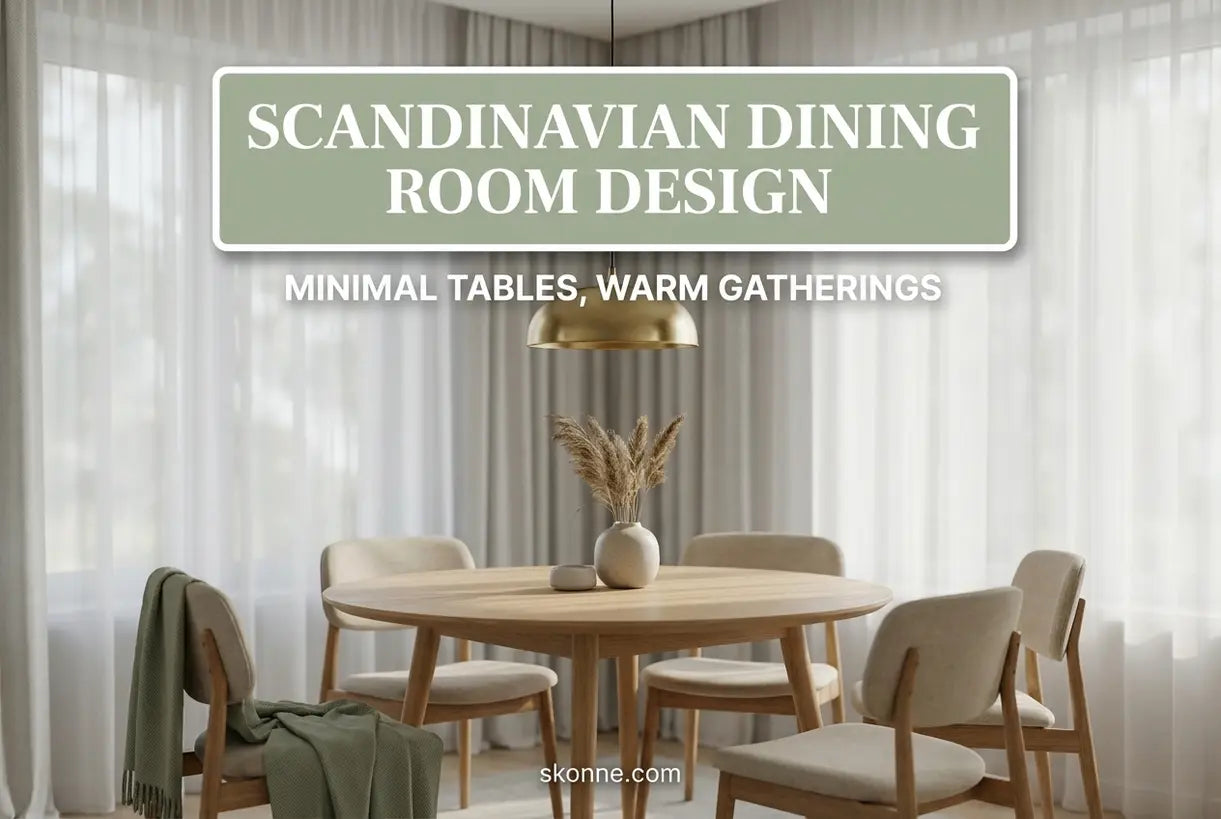
Scandinavian Dining Room Design: Minimal Tables, Warm Gatherings
Summary›
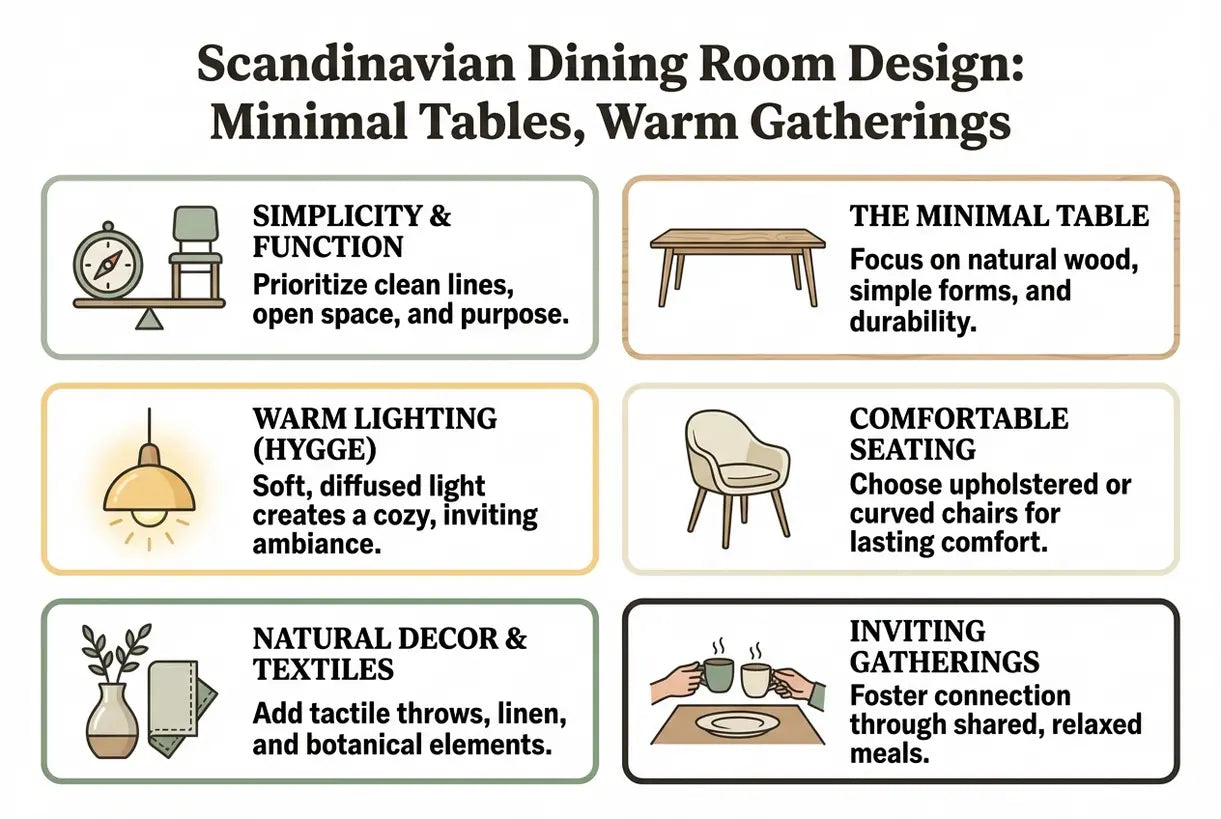
There's a reason Scandinavian dining room design has captivated homeowners worldwide for decades. Beyond the clean lines and uncluttered surfaces lies something deeper: a philosophy that honors the simple act of gathering around a table. Whether you're hosting a lively dinner party or sharing a quiet Tuesday evening meal, this approach to dining spaces creates an atmosphere that feels simultaneously calm and connected.
The beauty of scandinavian dining room design lies in its refusal to choose between form and function. Every element has purpose. Every material tells a story. And when executed thoughtfully, these spaces become the heart of the home—a place where memories are made over steaming bowls and candlelit conversations. In this guide, we'll explore how to create a dining room that embraces Nordic minimalism while radiating genuine warmth.
What Makes Scandinavian Dining Room Design Special?
Understanding the essence of this style begins with recognizing its foundations: simplicity, natural materials, and intentional living. Unlike trend-driven aesthetics that come and go, Scandinavian design is rooted in practical solutions for northern European living—where winters are long, daylight is precious, and the home serves as a sanctuary from the elements.
The question What are the key elements of Scandinavian dining room design? reveals three core principles: light wood furniture that brings warmth to pale spaces, a restrained color palette that feels fresh rather than stark, and lighting designed to create atmosphere from dawn until dusk. These elements work together to establish that coveted hygge feeling—those moments of coziness and contentment that the Danes have elevated to an art form.
Natural materials dominate this aesthetic. Oak, beech, and walnut appear frequently, their grain patterns adding visual interest without overwhelming the senses. Textiles remain in neutral tones—think undyed linens, soft wool blends, and organic cotton. The overall effect is one of breathing room, where negative space is embraced as actively as the pieces that occupy it.
Dining Room Lighting
Shop all Dining Room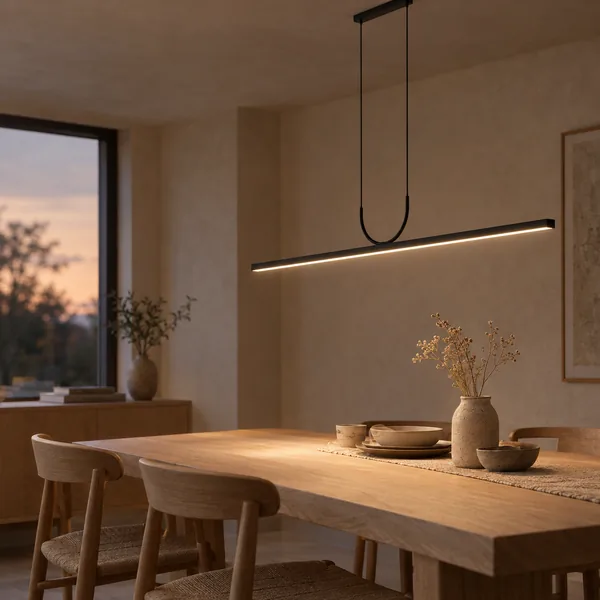
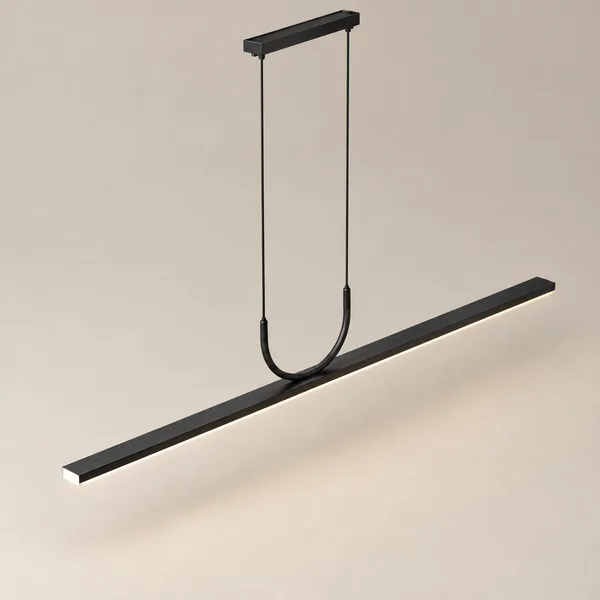 Save $140.00
Linné Minimalist Linear Black LED Pendant Light
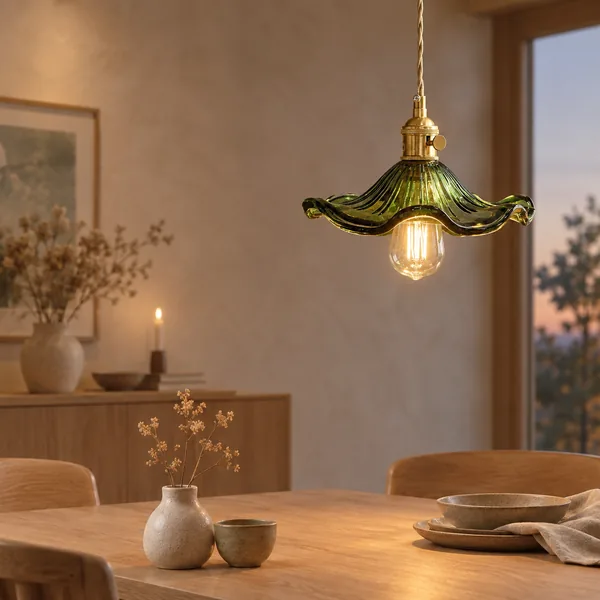
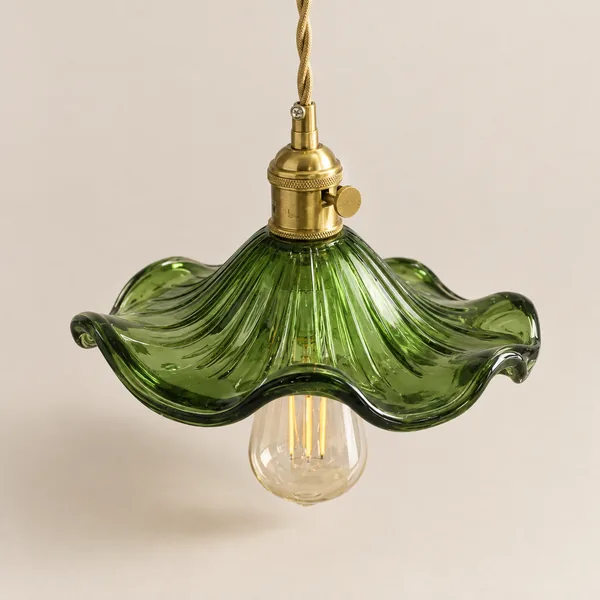 Save $60.00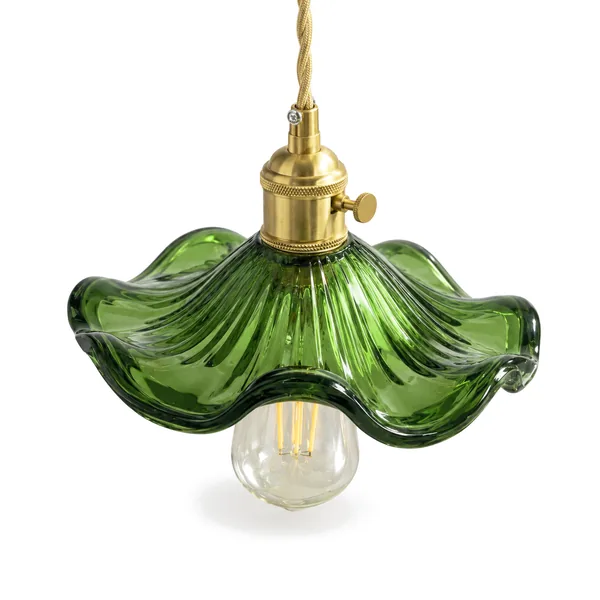
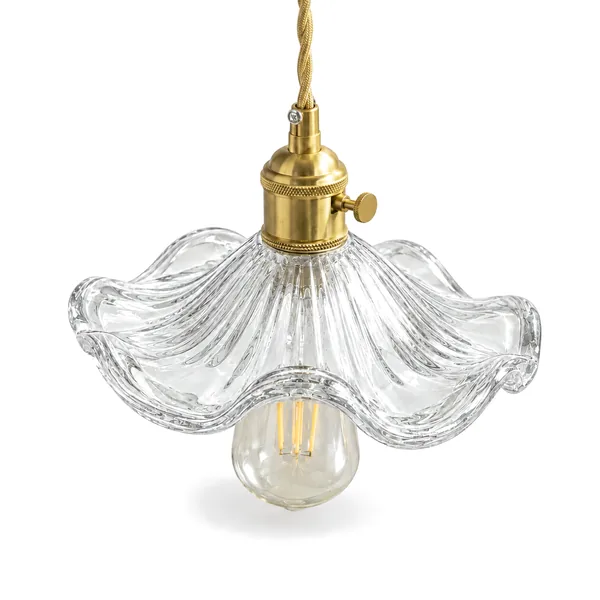
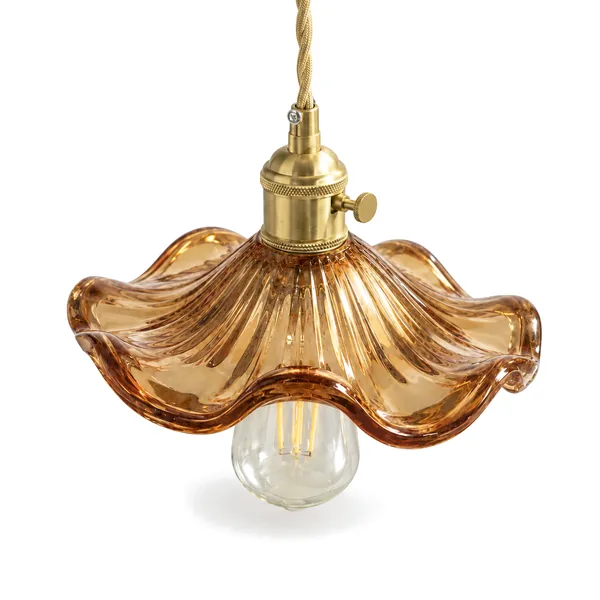 3 options
Glora Nordic Glass Pendant Light with Copper
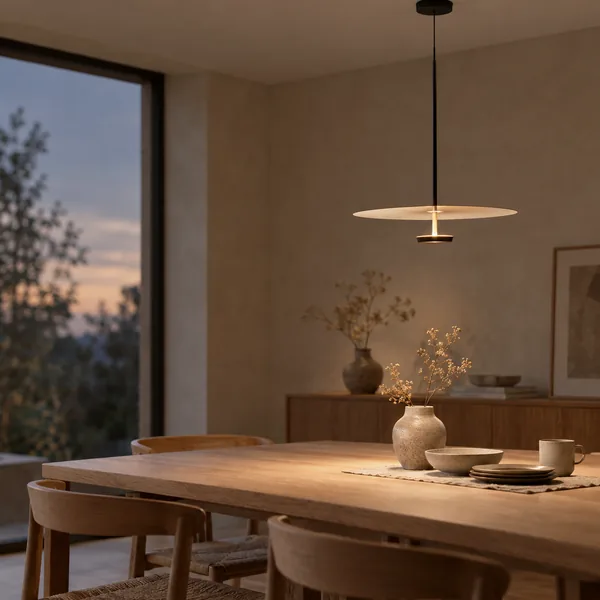
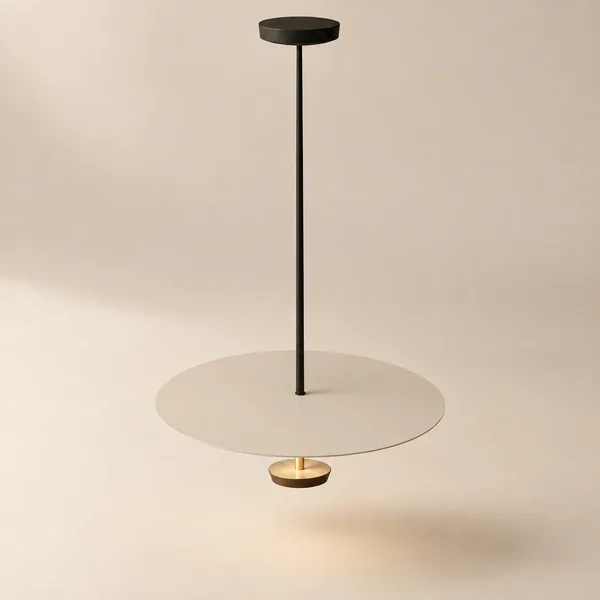 Save $120.00
Skiva Nordic Saucer Ceiling Pendant Light LED
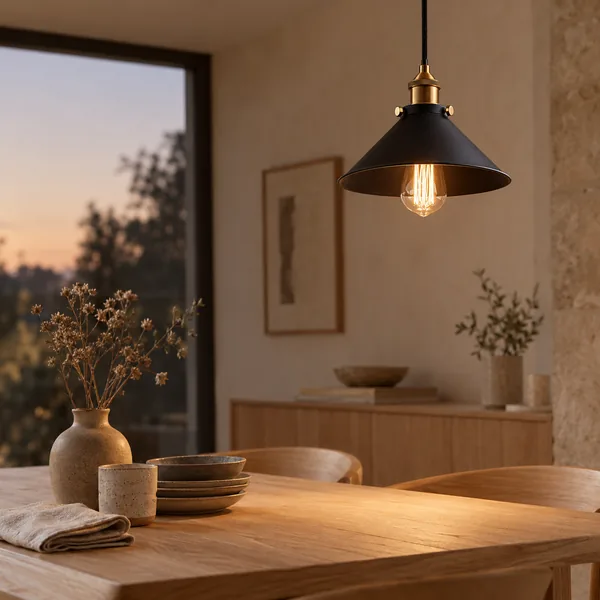
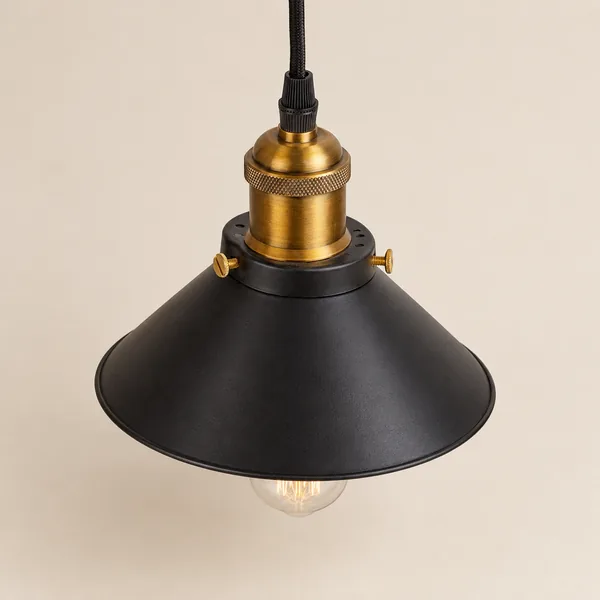
Creating Your Scandinavian Dining Space
Approaching scandinavian dining room design begins with honest assessment of your space and lifestyle. This aesthetic rewards intentionality—every piece should earn its place. If you're asking yourself How do I create a Scandinavian style dining room?, start by clearing away visual clutter and identifying what truly matters to you in a dining environment.
The Foundation: Choosing Your Dining Table
The dining table anchors your entire space. In Scandinavian interiors, these pieces typically feature clean lines with minimal ornamentation, letting the beauty of natural wood speak for itself. Light oak remains the classic choice, though walnut and beech offer beautiful variations that shift the mood toward warmer or cooler tones.
Consider your space when selecting shape. Round tables foster intimate conversation and work beautifully in smaller rooms or open-plan layouts where traffic flow matters. Rectangular tables accommodate larger gatherings and fit naturally against walls in compact spaces. The key is selecting proportions that feel generous without overwhelming the room.
Color Palettes That Work
When exploring What colors work best in Scandinavian dining rooms?, the answer lies in the Nordic landscape itself: soft whites that echo fresh snow, warm greys reminiscent of granite cliffs, and gentle beige tones borrowed from sandy beaches. These neutrals create a canvas that feels bright year-round, reflecting precious daylight during dark winters while remaining soothing in summer months.
The most successful Scandinavian color schemes layer multiple neutral tones rather than relying on a single white. Combine warm whites with cooler greys, add depth through natural wood tones, and introduce subtle contrast via matte black hardware or charcoal accents in artwork and textiles.
Lighting as the Heart of Scandinavian Dining
Perhaps no element matters more in scandinavian dining room design than lighting. With limited daylight hours for much of the year, Nordic cultures have developed extraordinary expertise in creating warmth and atmosphere through carefully positioned illumination. A statement pendant light suspended above the dining table doesn't merely provide functional brightness—it establishes the entire mood of the space.
What type of lighting is ideal for Scandinavian dining spaces? The answer requires layering. A statement pendant provides ambient illumination and visual focus. Candles (electric or traditional) add flickering warmth at meal times. Wall sconces or floor lamps soften corners and prevent harsh shadows. Together, these sources create that characteristic Scandinavian glow—neither too bright nor too dim, but perfectly balanced for human connection.
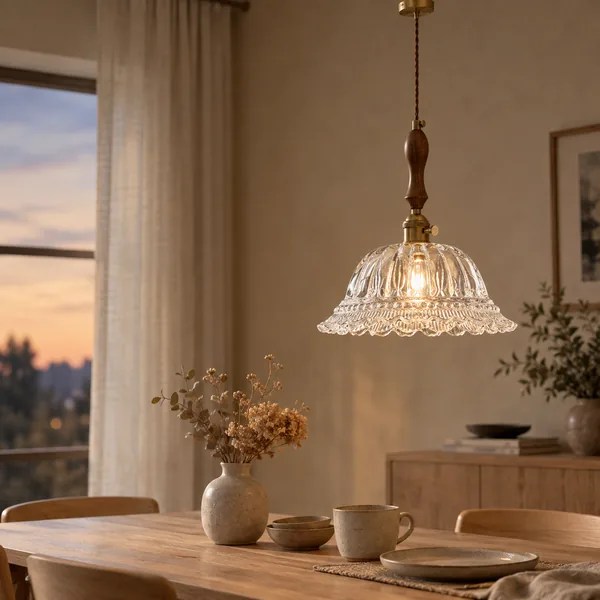 Gloda Walnut Brass French Style Pendant Light$169.00$229.00
The Gloda Walnut Brass French Style Pendant Light embodies this philosophy beautifully. Suspended above your dining table, its warm walnut tones and brass accents cast an amber glow that transforms ordinary meals into memorable gatherings. The natural materials connect to Scandinavian design traditions while the proportions suit both intimate breakfast nooks and formal dining areas.
Essential Furniture and Styling
Addressing What furniture is essential for a Scandinavian dining room? requires looking beyond the obvious pieces. While the table and chairs form the foundation, thoughtful accessories complete the picture. Consider a credenza or sideboard for storage—Scandinavian homes value uncluttered surfaces, and having designated space for dining essentials maintains visual calm.
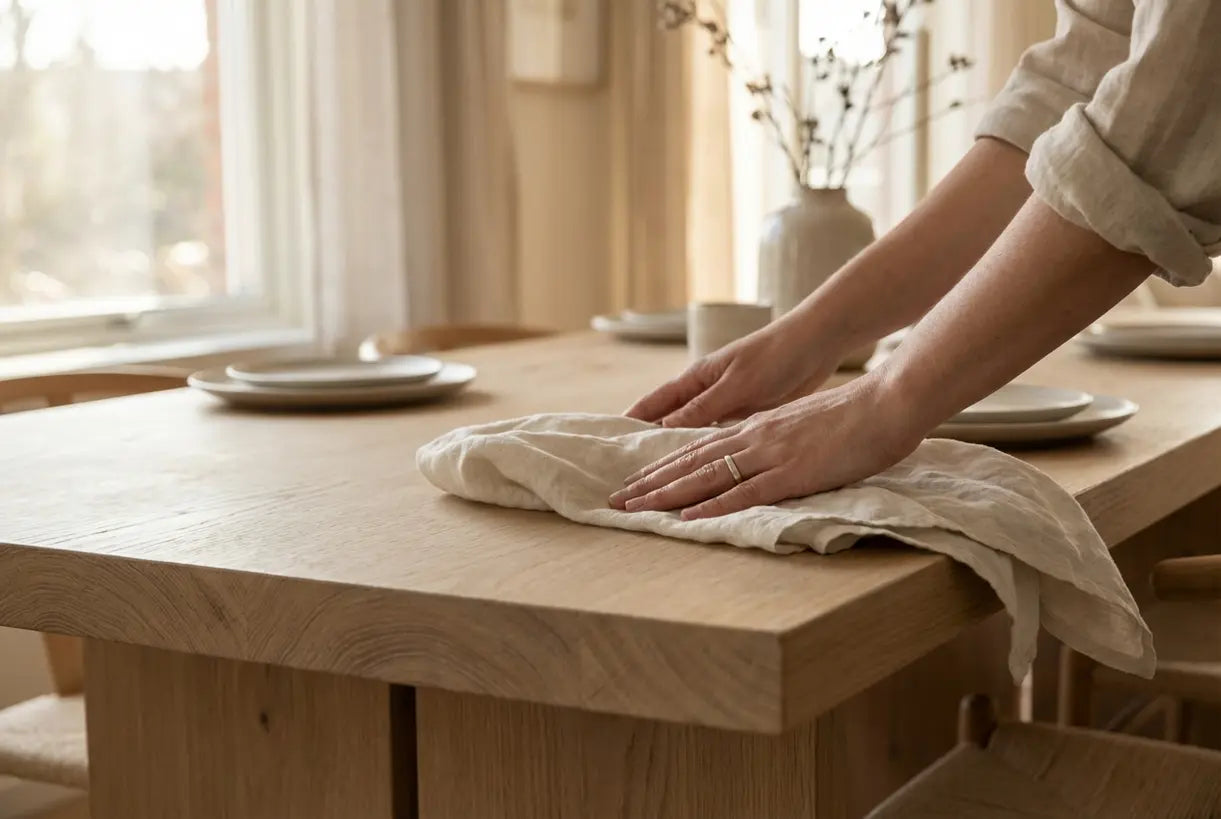
Seating choices matter tremendously. Look for chairs that balance comfort with minimalist profiles. Upholstered seats in natural fabrics add softness, while wooden frames maintain the aesthetic coherence. Mixing materials—perhaps combining wooden dining chairs with a single upholstered armchair at each end—creates visual interest without sacrificing harmony.
For those looking to explore more options, our Scandinavian Lighting collection offers a curated selection of fixtures designed specifically for Nordic-inspired spaces. Each piece is chosen to complement the clean lines and natural materials that define this aesthetic.
Accessories should be minimal but meaningful. A ceramic vase with dried branches, a stack of linen napkins in a wooden holder, or a single sculptural candle holder can provide focal points without clutter. The goal is editing down to what genuinely brings you joy—every object should have either purpose or meaning, ideally both.
Elegant Illumination for Your Scandinavian Table
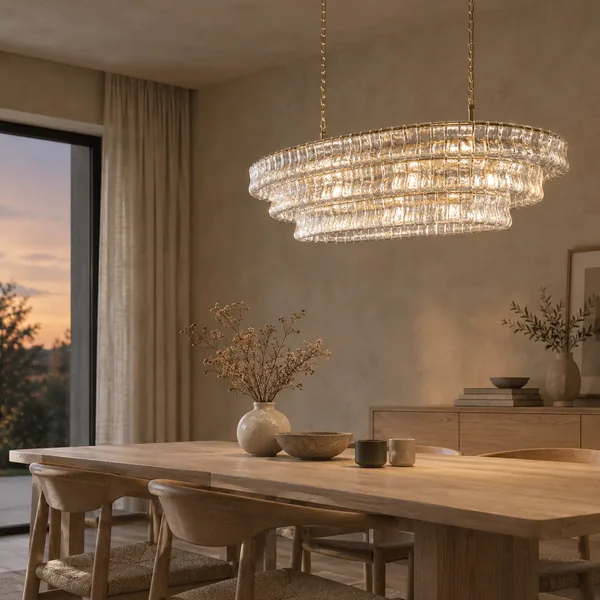 Stjerna Vintage French Clear Glass Chandelier$1,799.00$2,259.00
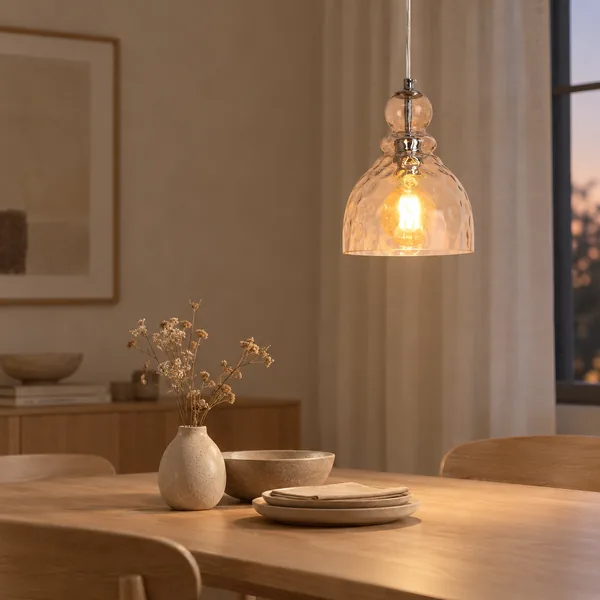 Dropa Glass Drop Pendant Light for Kitchen Dining$79.00$119.00
The Stjerna Vintage French Clear Glass Chandelier offers a more elevated take for those seeking a touch of Scandinavian luxury, while the Dropa Glass Drop Pendant Light for Kitchen Dining provides minimalist elegance with its soft Nordic light diffusion—perfect for creating that essential hygge atmosphere.
Pendant Lights
Shop all Pendant LightsSave $140.00Linné Minimalist Linear Black LED Pendant Light
Save $60.003 optionsGlora Nordic Glass Pendant Light with Copper
Save $120.00Skiva Nordic Saucer Ceiling Pendant Light LED
The Warmth of Hygge: Making It Personal
Here's where many people misunderstand Scandinavian design—they see the minimalism but miss the heart. True Scandinavian spaces, particularly dining rooms, are built for gathering. They're designed around the understanding that homes exist not to impress visitors, but to nurture the people who live in them.
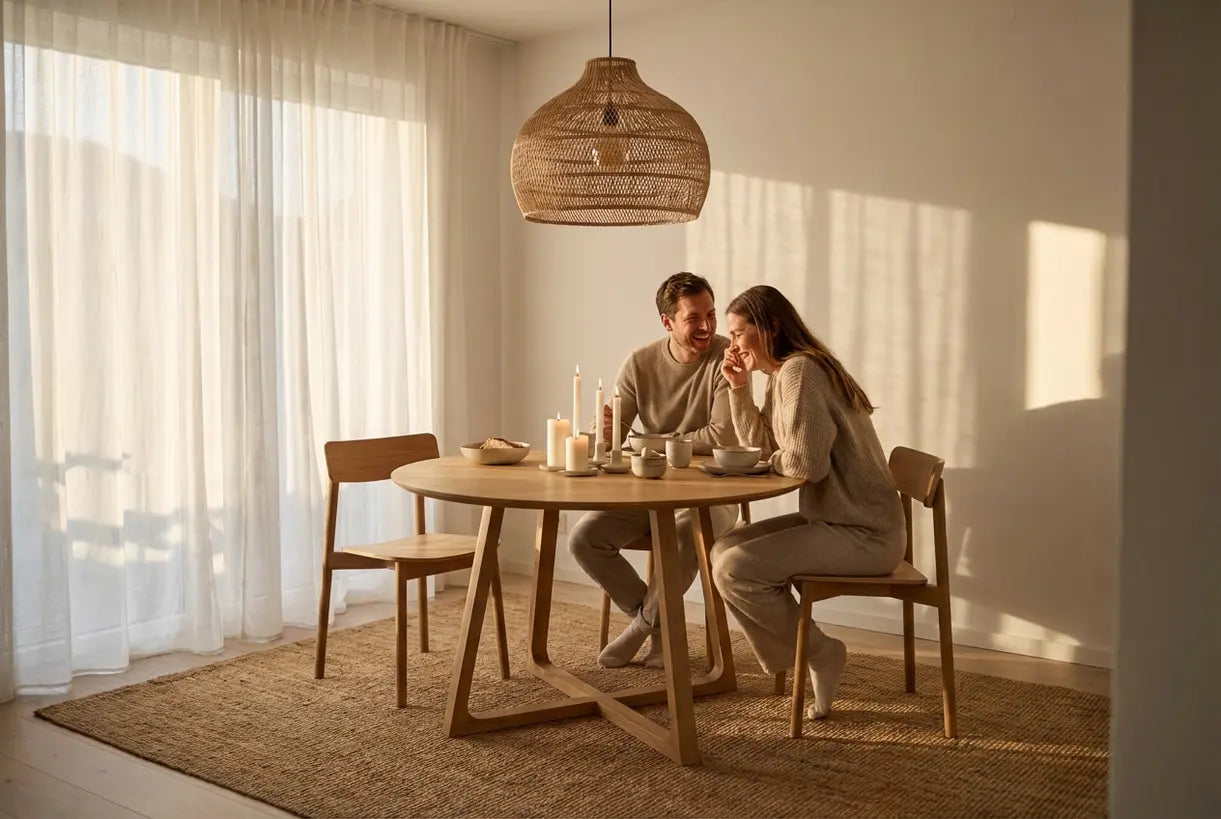
Creating hygge in your dining space means engaging all senses. Tactile elements matter tremendously: the weight of ceramic tableware in your hands, the texture of natural linen beneath your palms, the warmth of candlelight reflecting off matte walls. These sensory details transform a room from merely styled to genuinely nurturing.
Textiles add softness to the wood-dominated palette. Consider a wool throw draped over an occasional chair, linen curtain panels that filter afternoon light, or seat cushions in naturally dyed cotton. These layers of soft material balance the harder surfaces of wood and ceramic, creating spaces that invite lingering conversation long after dinner has finished.
Plant life brings the final essential element—connection to nature. A simple branch in a ceramic vase, a small potted fern on the sideboard, or seasonal clippings arranged casually in a simple vessel remind us that Scandinavian design grows from landscapes of forests, lakes, and rugged coastlines. Even artificial botanicals can provide this connection when chosen thoughtfully.
For additional inspiration on adapting these principles to smaller living environments, ArchDaily offers excellent insights into Scandinavian Interior Design principles that work in spaces of any size.
Remember: Scandinavian dining room design isn't about achieving perfection—it's about creating a space that supports your life. Whether you're hosting elaborate dinner parties or simply enjoying morning coffee alone, the best Scandinavian spaces feel like a deep exhale.
Conclusion
Creating a scandinavian dining room design that balances minimalism with warmth isn't about following rigid rules—it's about understanding the principles that make these spaces feel so effortlessly inviting. Start with natural materials. Embrace a restrained palette. Let lighting be your guide. And above all, prioritize gathering over grandeur.
At Skonne, we curate pieces that honor these Nordic traditions while fitting seamlessly into contemporary American homes. From the Gloda Walnut Brass French Style Pendant Light that casts your dining table in golden light, to carefully selected furniture and accessories, each item in our collection is chosen to help you create spaces that feel both intentional and welcoming. Because the best dining rooms aren't just designed—they're lived in, loved in, and remembered long after the candles have burned down.
Related Article
Scandinavian Apartment Design: Small-Space Nordic Living Done RightTransform your compact space with Scandinavian apartment design principles. Discover Nordic decorating tips for small-space living that maximize style and function.