
Scandinavian Design: The Complete Guide to Nordic Aesthetics
Summary›
There's something undeniably calming about walking into a home that breathes. When you define scandinavian design in its purest form, you find a philosophy that strips away the unnecessary and celebrates the essential—the warmth of natural wood, the honesty of unadorned materials, the serenity of abundant natural light. Whether you're furnishing your first apartment or curating your forever home, understanding what is scandinavian design can transform how you think about your living spaces entirely.
At Skonne, we believe that scandinavian design isn't just an aesthetic trend—it's a way of living that prioritizes intentionality over accumulation. In this guide, we'll explore the rich heritage of nordic aesthetics, uncover the principles that make this style timeless, and show you how to bring authentic scandinavian home decor into your daily life. Along the way, we'll introduce you to pieces that embody this philosophy, crafted to help you create spaces that feel both elevated and genuinely livable.
What Is Scandinavian Design?
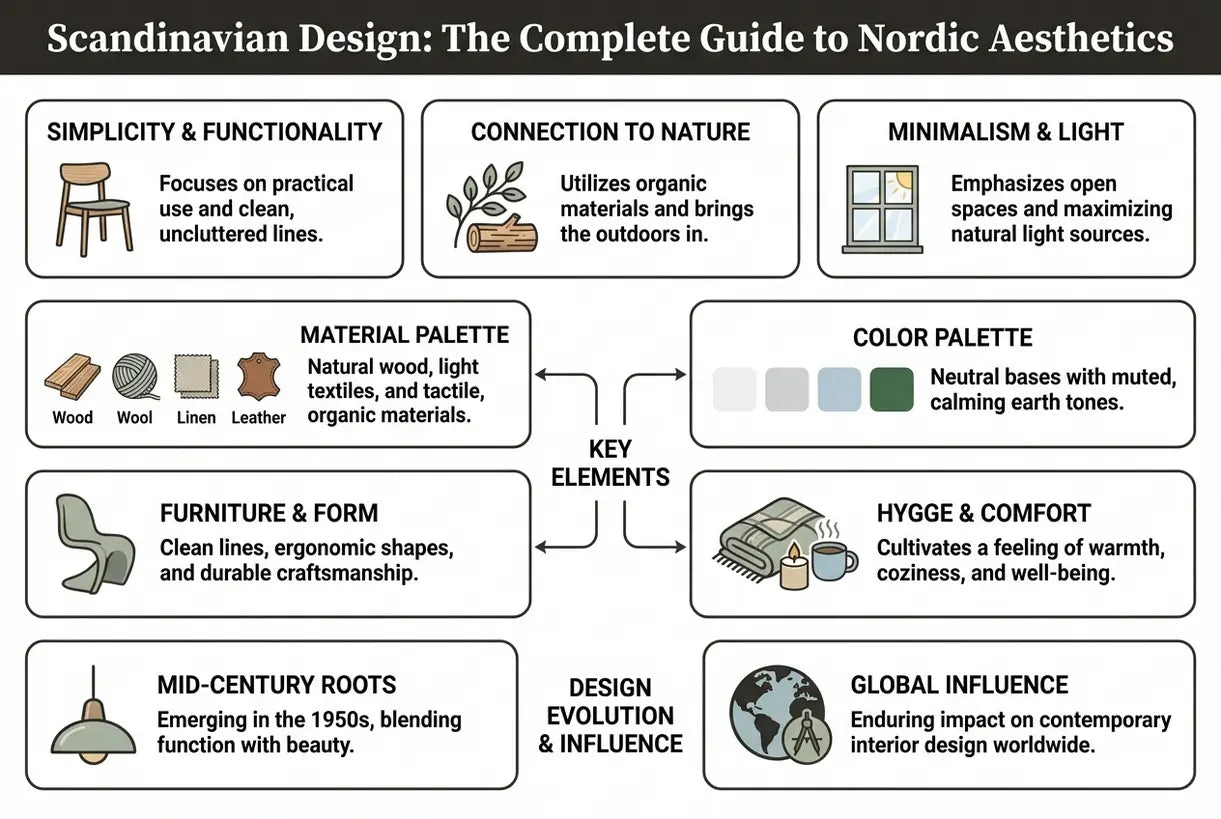
When you ask Scandinavian design what it truly represents, the answer extends far beyond whitewashed walls and minimalist furniture. This design movement emerged in the early 20th century but gained international recognition in the 1950s, when designers from Denmark, Norway, Sweden, Finland, and Iceland began exhibiting their work on the global stage. At its core, scandinavian design meaning centers on creating functional, accessible, and beautiful objects for everyday life.
The movement was born from necessity. Long, dark Nordic winters meant that homes needed to maximize every precious hour of daylight. Limited resources in post-war Scandinavia meant that furniture had to be well-made and enduring rather than disposable. These constraints birthed a design philosophy of democratic design—beautiful objects made available to everyone, not just the elite.
Key Insight: Scandinavian design emerged from a desire to improve daily life, not to impress with wealth or status. This democratizing ethos remains central to its appeal today.
The Key Characteristics of Scandinavian Design Style
Understanding scandinavian design style requires recognizing its distinctive visual language. While interpretations vary, several characteristics remain consistent across authentic Nordic interiors:
- Light, Neutral Color Palettes: Whites, soft greys, and warm beiges create a canvas that reflects natural light. These aren't cold or sterile—they're intentional choices that allow accent pieces and natural materials to take center stage.
- Organic Forms: Rather than rigid geometric lines, scandinavian design favors shapes found in nature. Curved silhouettes, softened edges, and asymmetrical forms feel more inviting and less institutional.
- Abundant Natural Light: Large windows, sheer fabrics, and strategic mirror placement maximize available daylight, creating spaces that feel open and alive.
- Multi-Functionality: Every piece earns its place through utility. Storage solutions are cleverly integrated, and furniture often serves multiple purposes.
- Textural Warmth: Weathered wood, woven textiles, and hand-thrown ceramics add depth and invitation to minimal spaces.
Defining Scandinavian Design Principles
To truly define scandinavian design, we must look deeper than surface aesthetics. The philosophy rests on several foundational nordic design principles that guide both object creation and spatial planning:
Form Follows Function
Every element in a scandinavian interior serves a purpose. This isn't stark minimalism—it's thoughtful curation. Each piece is chosen because it works beautifully and brings genuine utility to the space.
Connection to Nature
The Nordic tradition of friluftsliv (open-air living) informs the intense connection to natural materials evident in scandinavian interiors. Wood, wool, linen, leather, and stone aren't mere materials—they're sources of organic warmth that ground us.
Democratic Accessibility
Great design should be available to everyone. This principle championed by designers like Alvar Aalto and Arne Jacobsen meant creating beautiful, well-made pieces that didn't require extraordinary wealth to acquire.
The Pursuit of Hygge
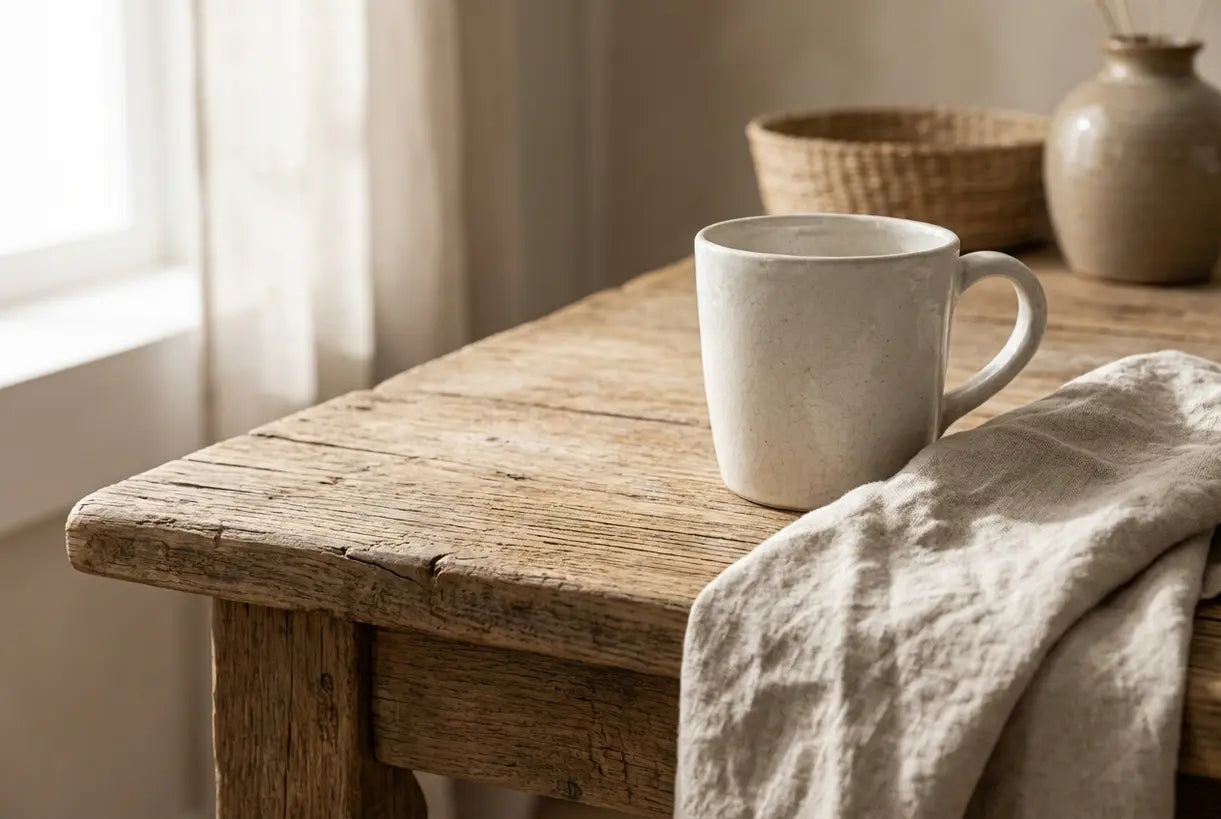
Perhaps no concept better captures scandinavian design meaning than hygge (pronounced hoo-gah). This Danish word describes a feeling of cozy contentment, of creating an atmosphere that promotes wellbeing and connection. Scandinavan homes are designed to cultivate this feeling through intimate lighting, comfortable seating arrangements, and spaces that invite gathering.
Scandinavian Design in Modern Interiors
Today, scandinavian interior design has evolved while remaining true to its roots. Contemporary interpretations blend traditional principles with modern needs, accommodating technology, open floor plans, and urban living while maintaining that distinct Nordic sensibility.
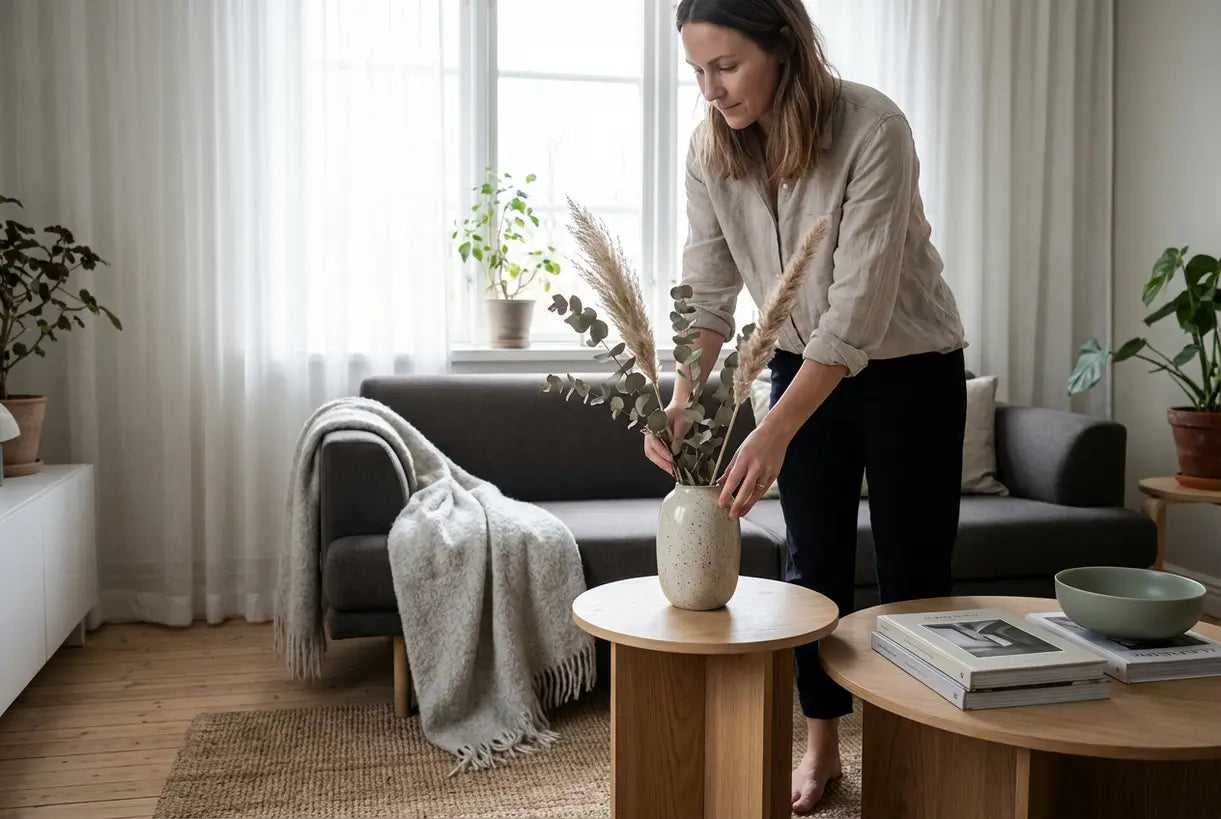
The modern scandinavian home balances clean lines with lived-in comfort. You might see a sleek concrete floor softened by a thick wool rug, or a raw wood dining table surrounded by sculptural, hand-blown glass pendants that create pools of warm light. The interplay between rough and refined, new and gently worn, creates spaces that feel curated yet approachable.
When selecting lighting for dining spaces, the Driva Sculptural Cloud Pendant Light in Glass exemplifies how contemporary pieces honor scandinavian craft traditions. Handcrafted from cloud-like glass, it embodies the organic forms central to nordic aesthetics while delivering soft, diffused illumination perfect for creating intimate dinner gatherings.
Scandinavian vs. Nordic Design
A common point of confusion arises when distinguishing scandinavian from nordic aesthetics. While often used interchangeably, scandinavian specifically refers to the design traditions of Denmark, Norway, and Sweden. Nordic design encompasses these three nations plus Finland and Iceland, each adding their distinctive cultural influences.
Finnish design, for instance, often emphasizes warm wood tones and organic modernism (think Alvar Aalto's bent plywood), while Icelandic design might incorporate raw materials that reflect the country's dramatic volcanic landscape. However, all nordic design shares the foundational values of simplicity, functionality, and connection to nature. For most purposes, the distinction matters less than understanding the shared philosophy that unifies these approaches.
For creating those intimate moments of hygge that define the scandinavian evening, the Shiro Rice Paper Table Lamp Nordic Minimalist delivers exactly the soft ambient glow that transforms a room. Its minimalist form draws from Japandi principles—marrying scandinavian functionality with Japanese wabi-sabi aesthetics—to create quiet spaces for reflection and connection.
Curated Pieces for Nordic Interiors
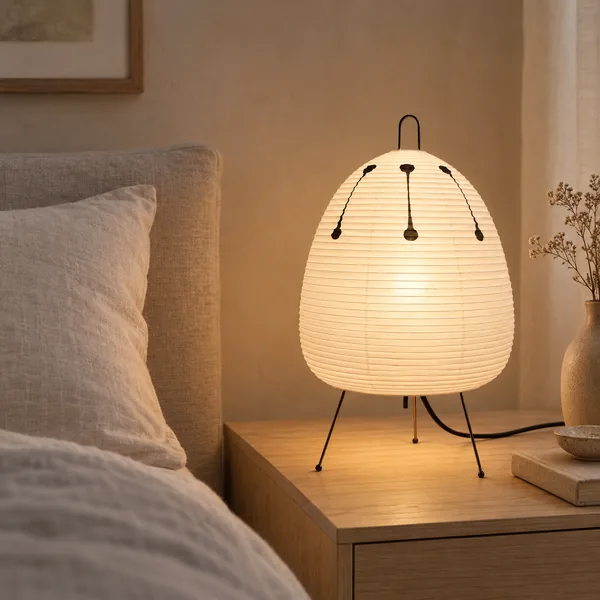 Shiro Rice Paper Table Lamp Nordic Minimalist$119.00$199.00
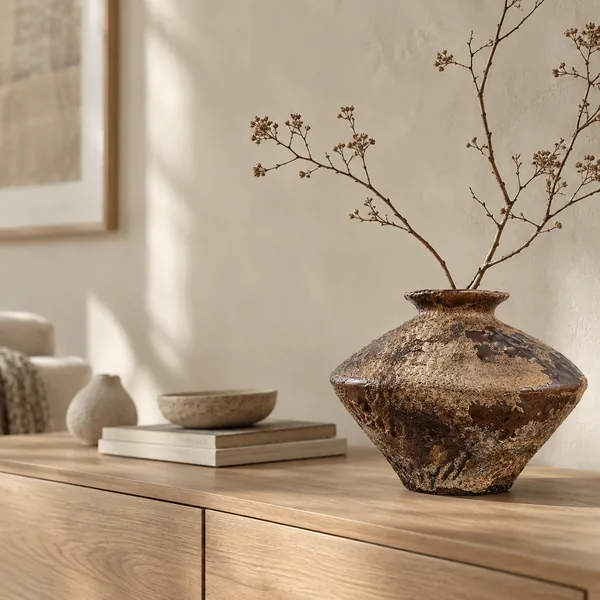 Jorde Handmade Rustic Ceramic Vase Home Decor$129.00$189.00
For surfaces that need visual warmth and organic character, the Jorde Handmade Rustic Ceramic Vase Home Decor brings artisan texture and earth tones that feel collected over time rather than purchased. It represents the scandinavian value of craftsmanship—objects made by hand that carry the warmth of their maker.
Scandinavian Lighting
Shop all Scandinavian Lighting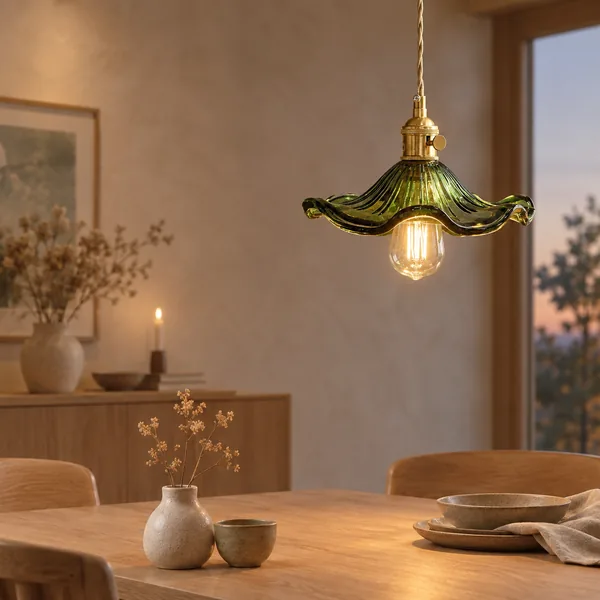
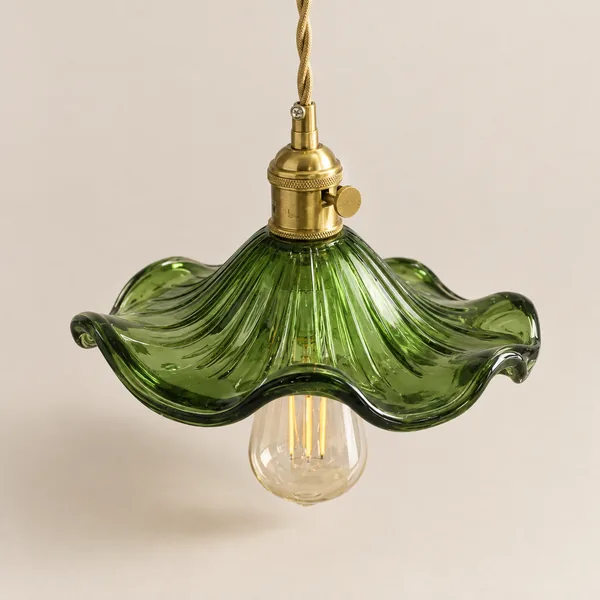 Save $60.00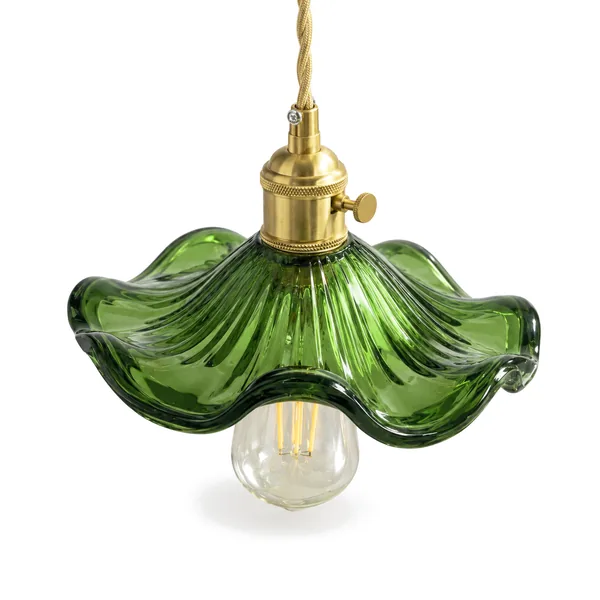
 3 options
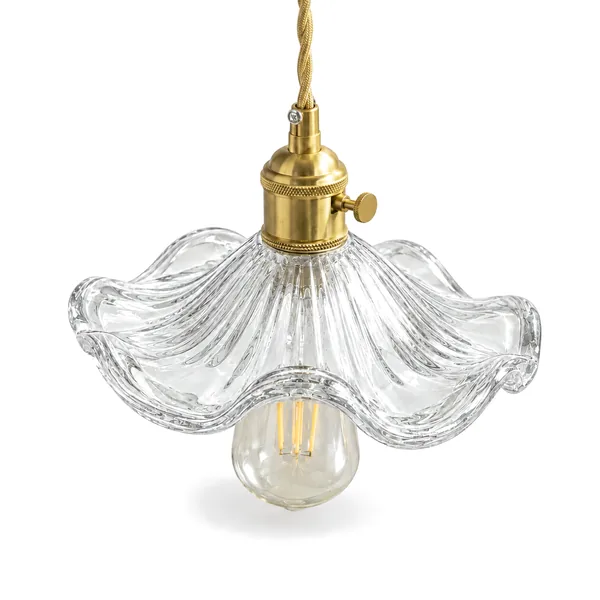
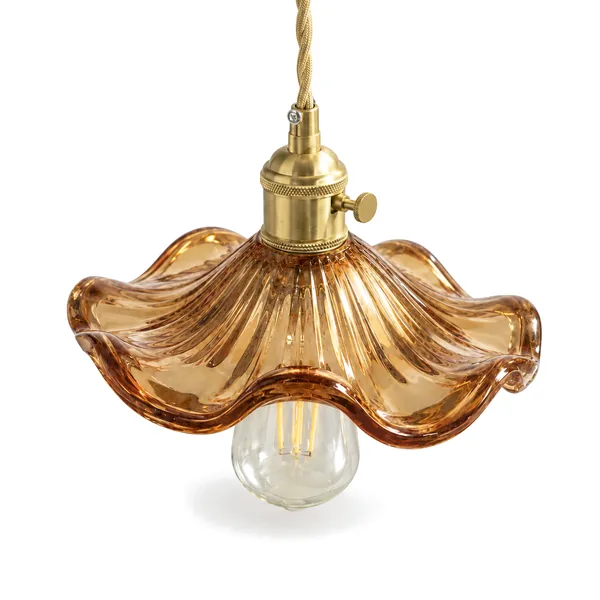
Glora Nordic Glass Pendant Light with Copper
 Save $150.00
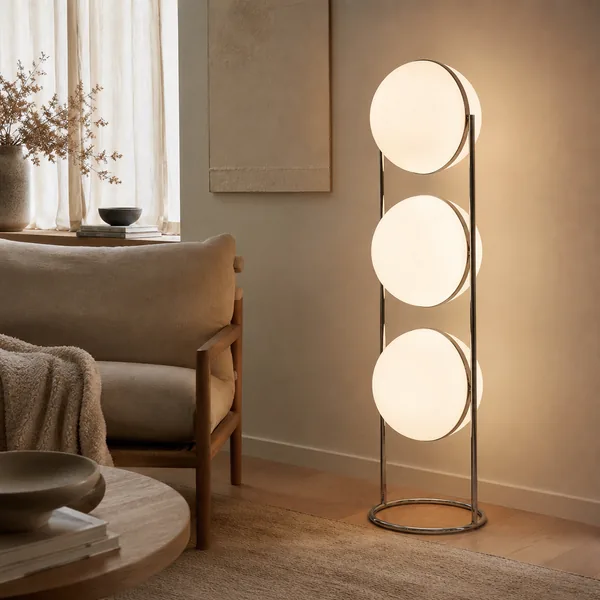
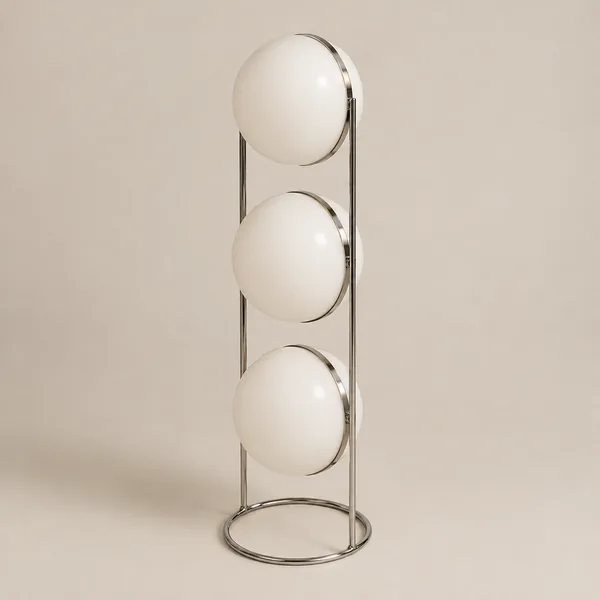
Kulglod Bauhaus Chrome Acrylic Globe Floor Lamp
 Save $230.00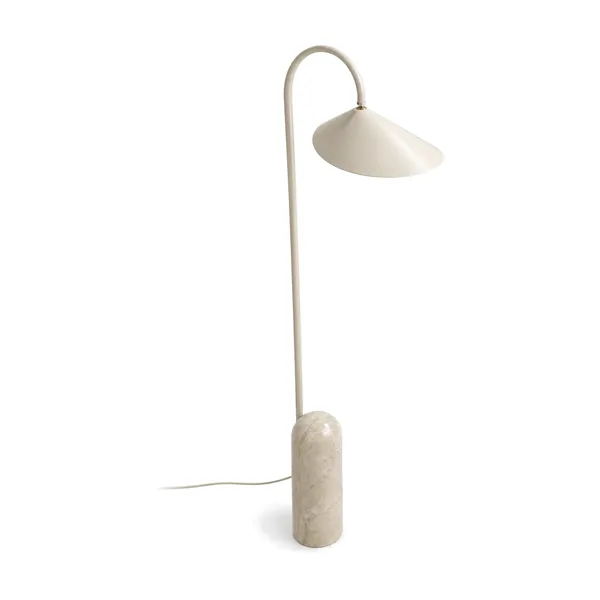
 2 options
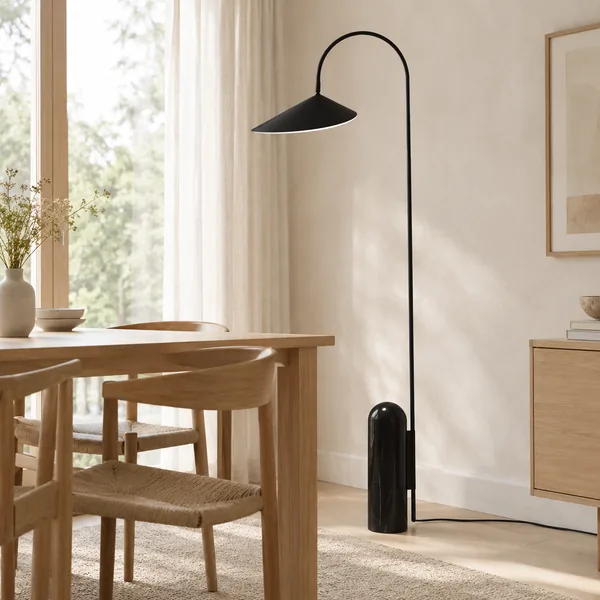
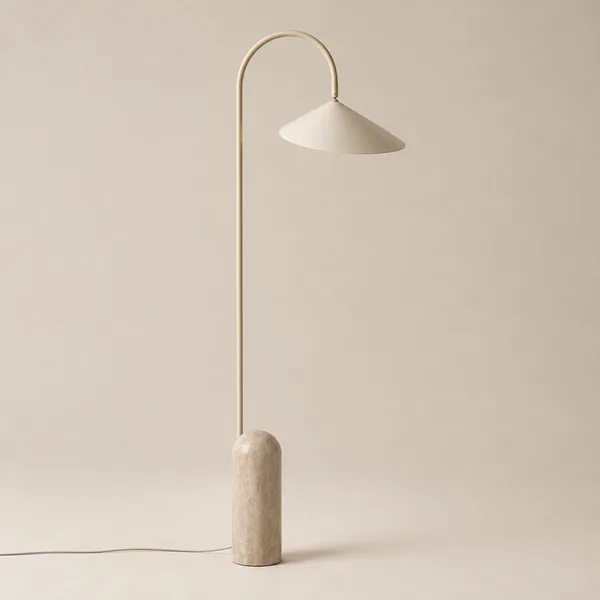
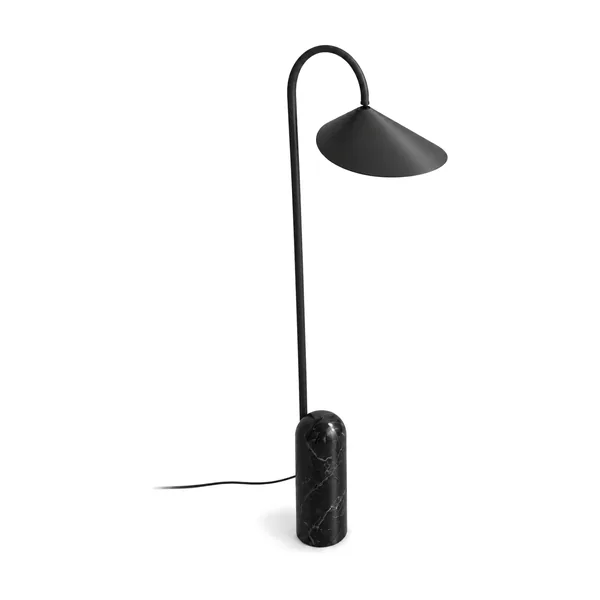
Velbue Marble Base Arc Floor Lamp Danish Design
 Save $210.00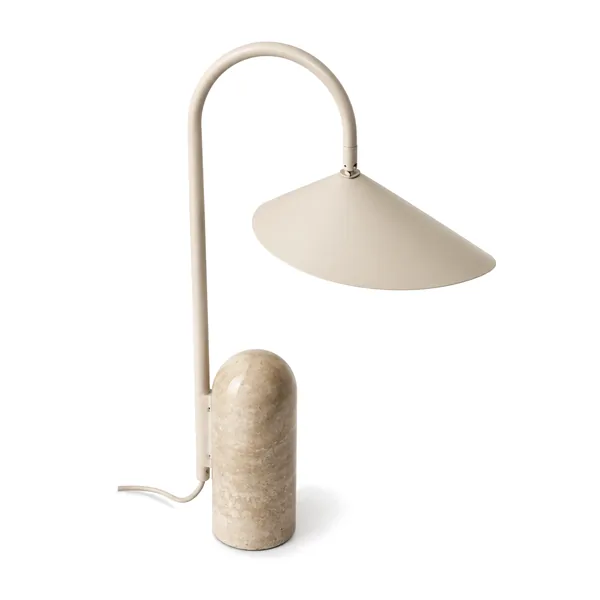
 2 options
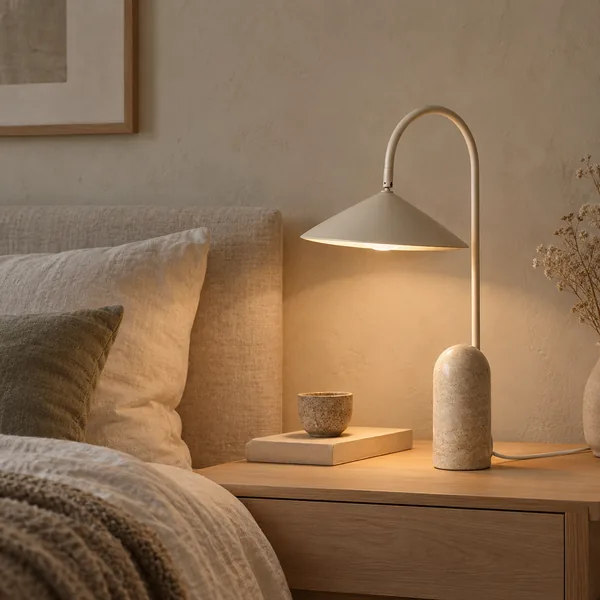
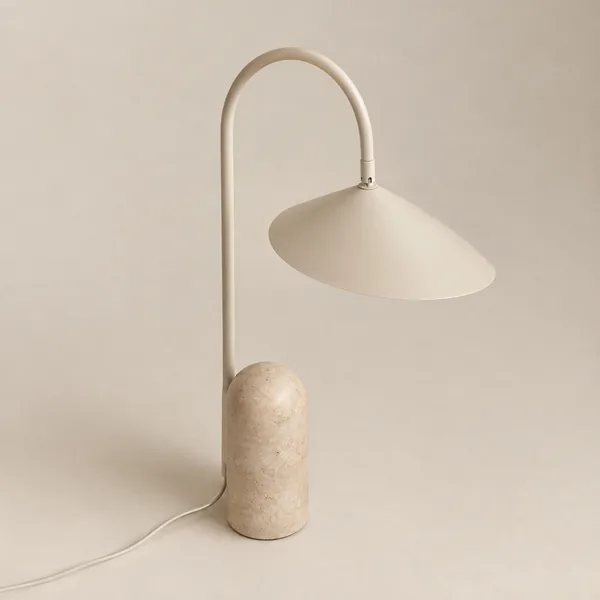
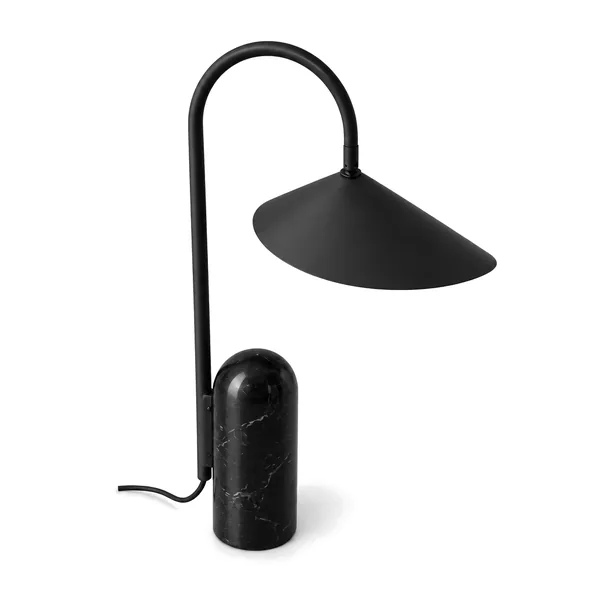
Solvei Danish Minimalist Arc Table Lamp Marble
Bringing Scandinavian Design Into Your Home
Every room in your home offers an opportunity to practice scandinavian design principles. Start with the most-used spaces—your dining area where gathering happens, your living room where relaxation lives, your bedroom where restoration occurs. In each, ask: Does this serve the life I actually live? Does it bring me peace? Does it honor quality over quantity?
Begin with the largest surfaces—flooring, walls, major furniture pieces—keeping them neutral and natural. Then layer in texture through textiles, ceramics, and wood grain variations. Finally, consider your lighting carefully, as it plays such a crucial role in the scandinavian home. The goal isn't perfection but intentionality—surrounding yourself with objects and spaces that support your wellbeing and reflect your values.
Conclusion: Living With Intention
Scandinavian design offers more than a style guide—it provides a framework for intentional living. By understanding what is scandinavian design, you gain access to a philosophy that values quality over quantity, light over shadow, and meaningful connection over mere accumulation. This approach doesn't demand complete home renovations or substantial budgets; it simply asks you to be thoughtful about what you allow into your space.
At Skonne, we curate pieces that honor these nordic design principles while serving contemporary life. From the ethereal Driva pendant hovering over your dining table to the quiet presence of the Shiro lamp creating evening sanctuary, every piece in our collection is chosen to help you build spaces of authentic beauty and genuine comfort.
As you continue exploring scandinavian design definition and begin implementing these principles in your own home, remember that the ultimate goal isn't achieving a magazine-worthy interior—it's creating a place where you feel truly at home. That feeling of belonging, of breathing deeply, of being present in your space? That's the true magic of scandinavian design.
For those seeking to understand the movements that shaped iconic scandinavian furniture, explore how Scandinavian design conquered the world through museums, galleries, and exhibitions that celebrate this enduring aesthetic philosophy.
Related Article