
Scandinavian Interior Design: Ideas, Principles & How to Achieve the Look
Summary›
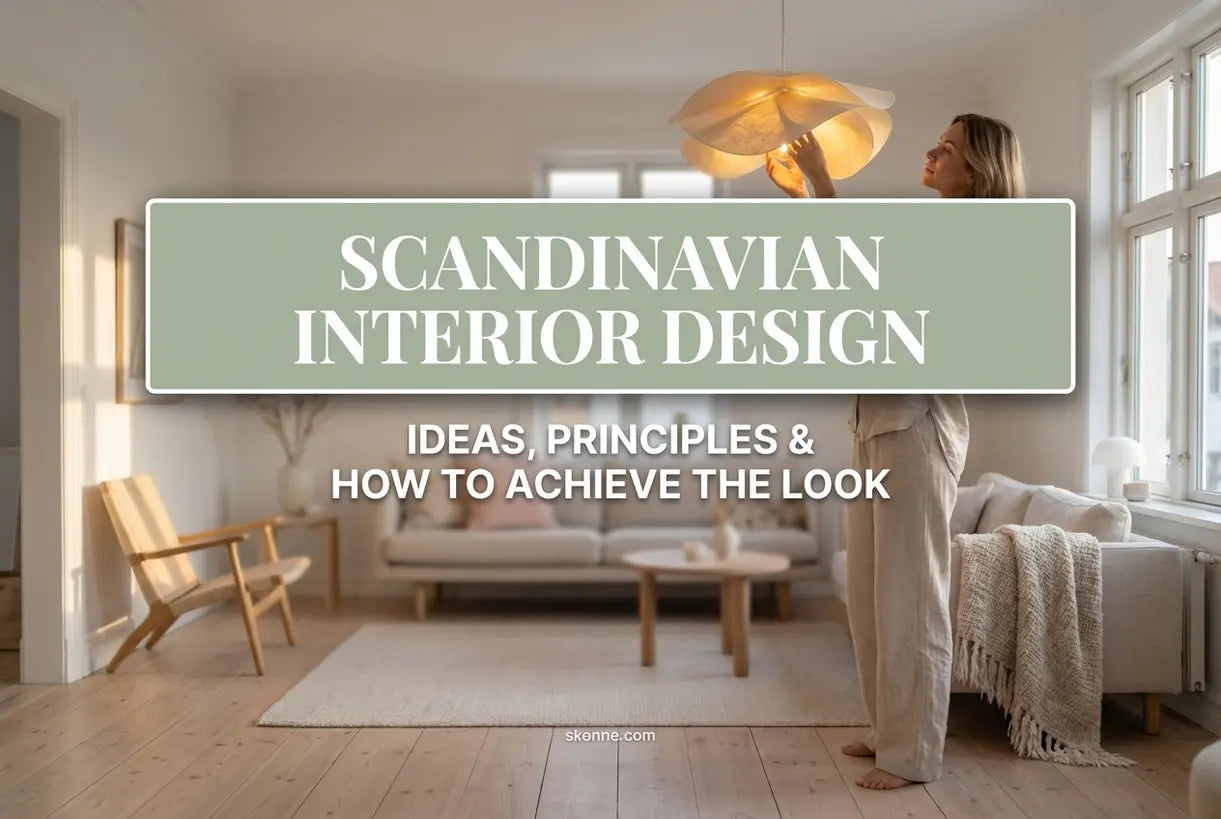
When you walk into a space that feels effortlessly calm, bright, and inviting—all while maintaining an intentional simplicity—you've likely encountered scandinavian interior design. This enduring aesthetic has captured the hearts of homeowners worldwide, and for good reason. More than just a visual style, it represents a philosophy of living that prioritizes comfort, functionality, and connection to the natural world.
Whether you're furnishing your first apartment, refreshing a longtime home, or simply curious about what makes Nordic spaces so captivating, this guide will walk you through everything you need to know. From core principles to practical implementation, we'll explore how to bring authentic scandinavian style interior design into your space—and how the right lighting choices can transform your vision into reality.
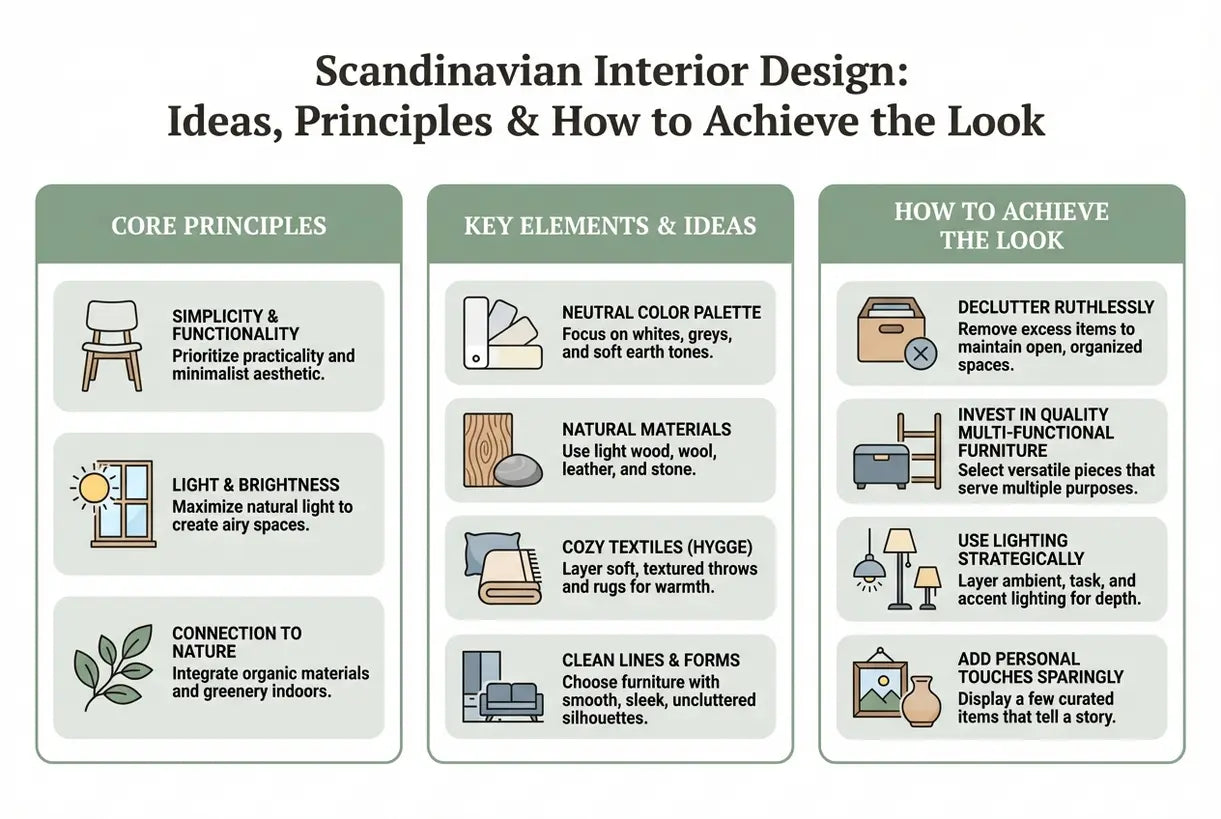
The Core Principles of Scandinavian Interior Design
At its foundation, scandinavian interior design emerged from the Nordic climate—long winters with limited daylight demanded interiors that maximized natural light and created warmth. This necessity birthed a design philosophy that remains remarkably relevant today.
The key principles include:
- Functional beauty: Every piece serves a purpose while maintaining aesthetic appeal
- Connection to nature: Natural materials like wood, wool, linen, and leather ground the space
- Light maximization: Pale walls, strategic lighting, and uncluttered layouts amplify available light
- Intentional simplicity: The "less is more" approach creates breathing room
- Hygge atmosphere: Cultivating coziness through texture, warmth, and soft illumination
Understanding these principles isn't about rigid rules—it's about cultivating spaces that support wellbeing and daily life. For those looking to explore more options, our Pendant Lights collection offers a curated selection that embodies these foundational values.
How to Achieve Scandinavian Style in Your Home
Translating scandinavian decorating tips into your space begins with editing. The Nordic approach favors quality over quantity, meaning each piece you select should earn its place through both function and beauty.
Start with a neutral canvas. White or off-white walls create the bright, airy backdrop characteristic of scandinavian minimalist aesthetic. From there, introduce natural wood tones through flooring, furniture, or accent pieces. Layer in textiles—chunky knit throws, linen curtains, wool rugs—to add depth and tactile warmth without visual clutter.
Consider your lighting carefully. In Nordic regions, where winter days are brief, lighting isn't an afterthought—it's a central design element. Statement pendants, sculptural floor lamps, and ambient wall sconces create layers of illumination that transform mood and functionality throughout the day.
Scandinavian Lighting
Shop all Scandinavian Lighting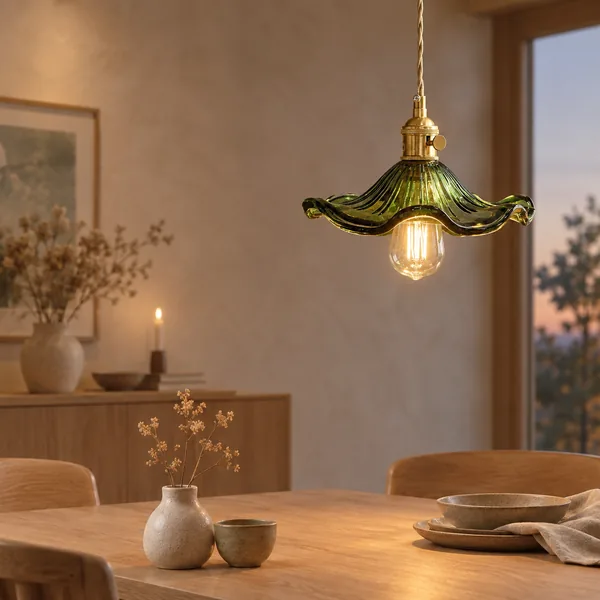
 Save $60.00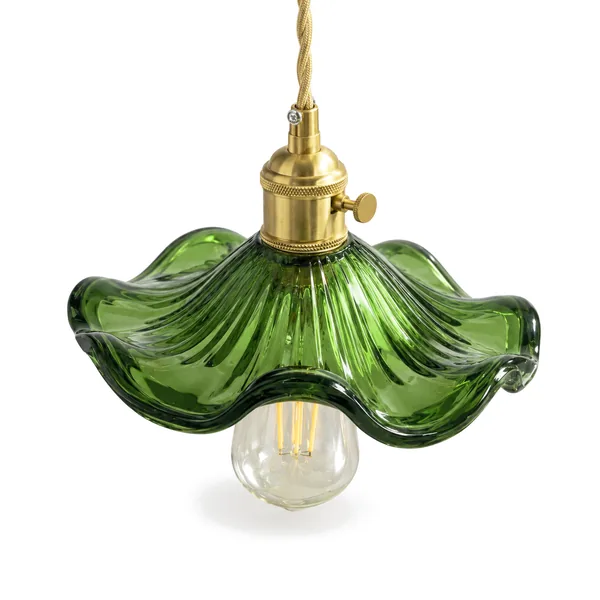
 3 options
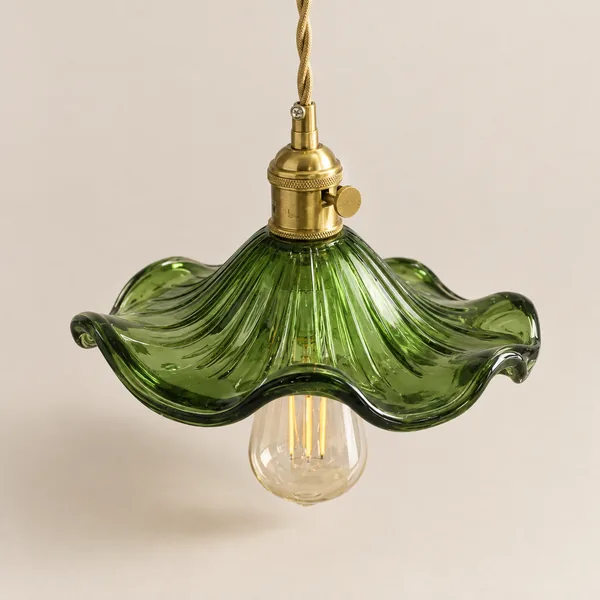
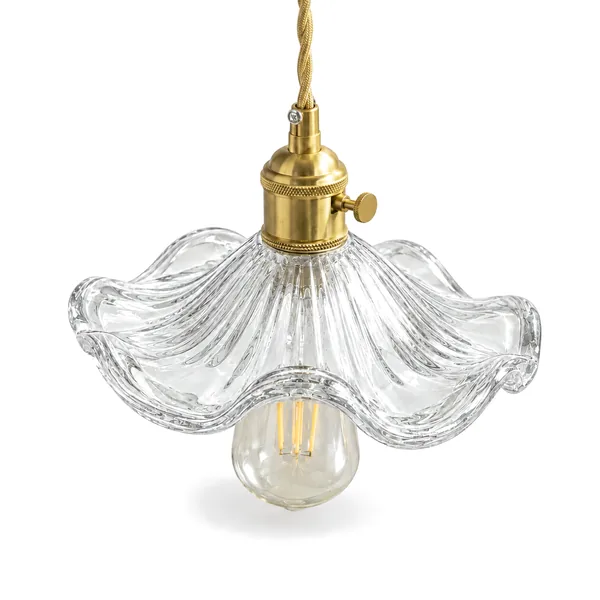
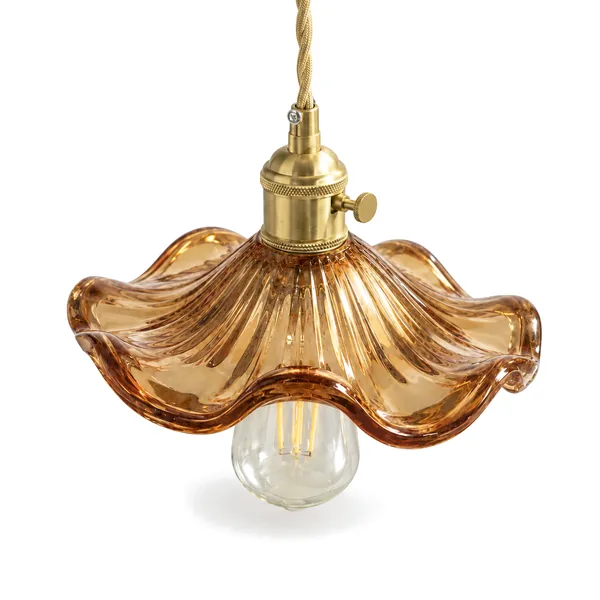
Glora Nordic Glass Pendant Light with Copper
 Save $150.00
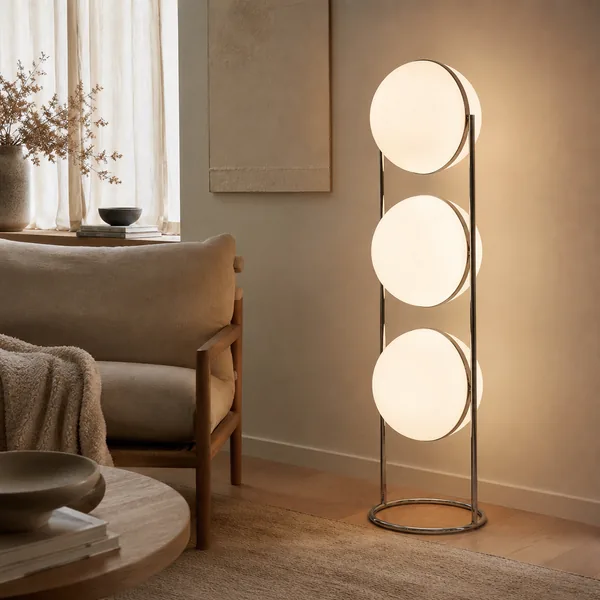
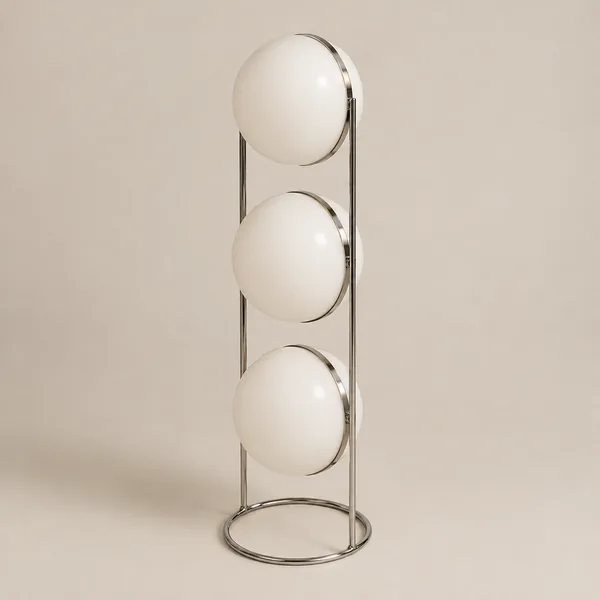
Kulglod Bauhaus Chrome Acrylic Globe Floor Lamp
 Save $230.00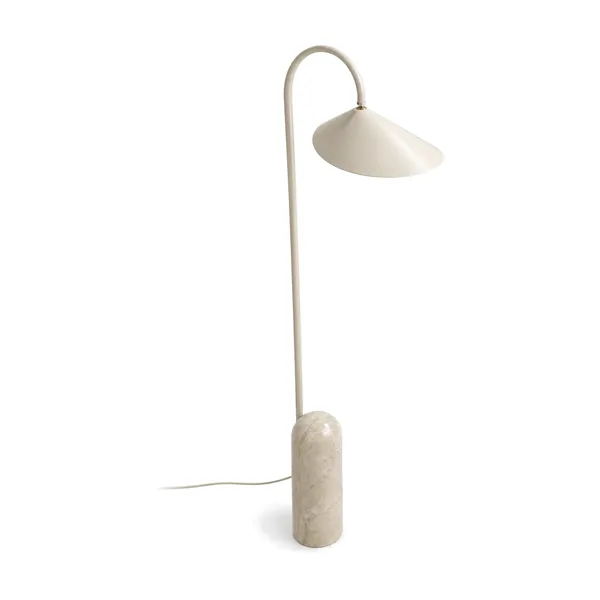
 2 options
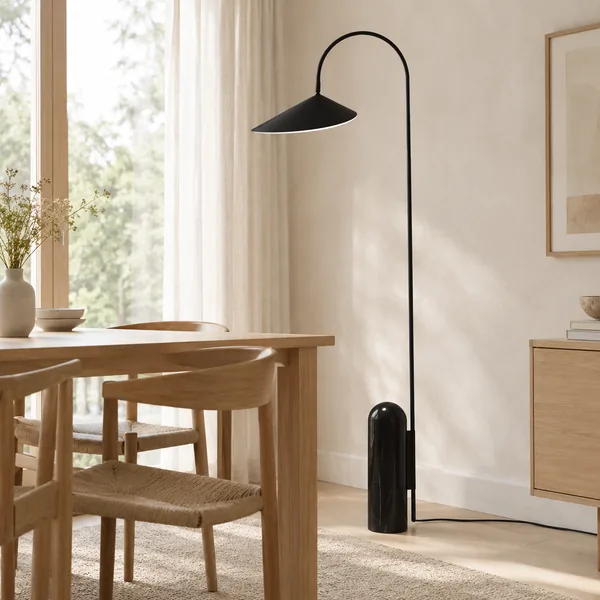
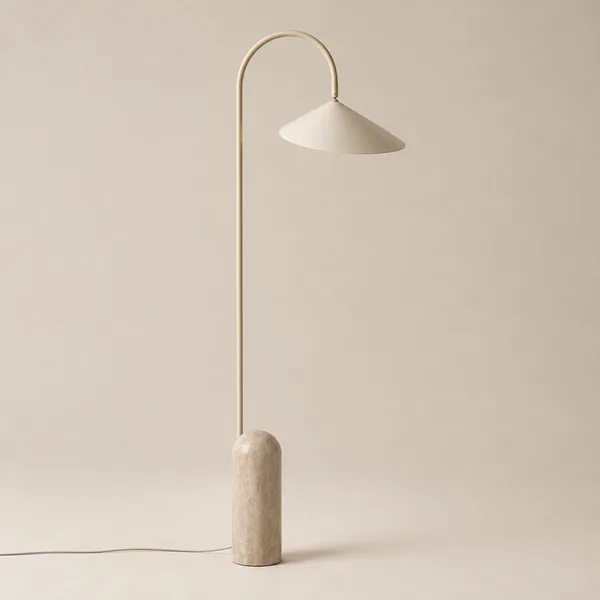
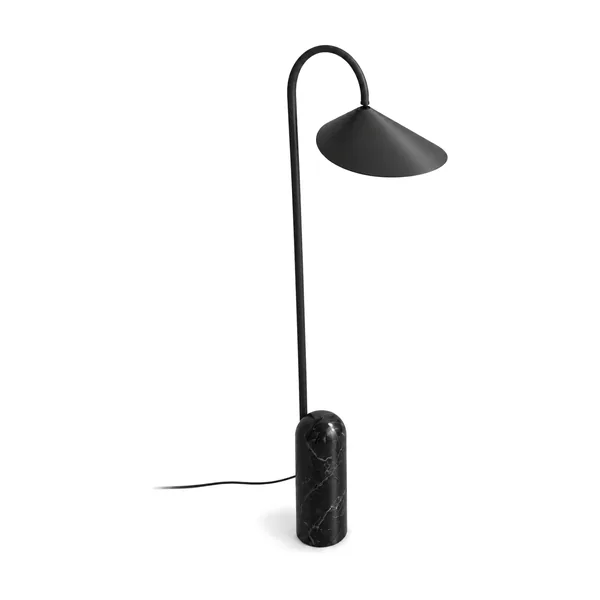
Velbue Marble Base Arc Floor Lamp Danish Design
 Save $210.00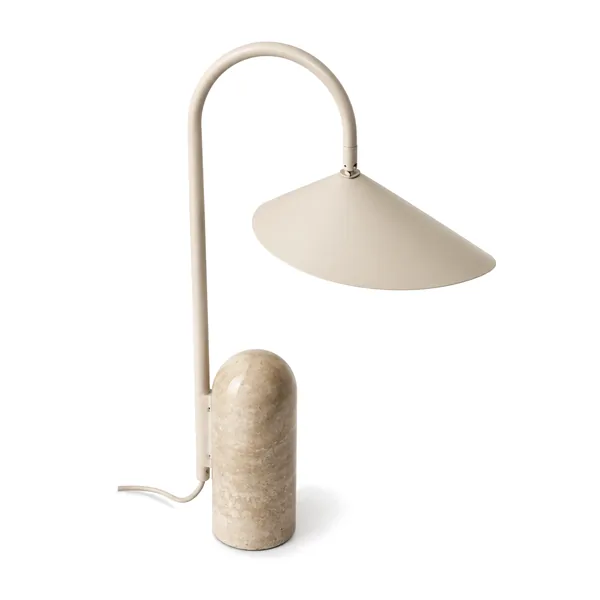
 2 options
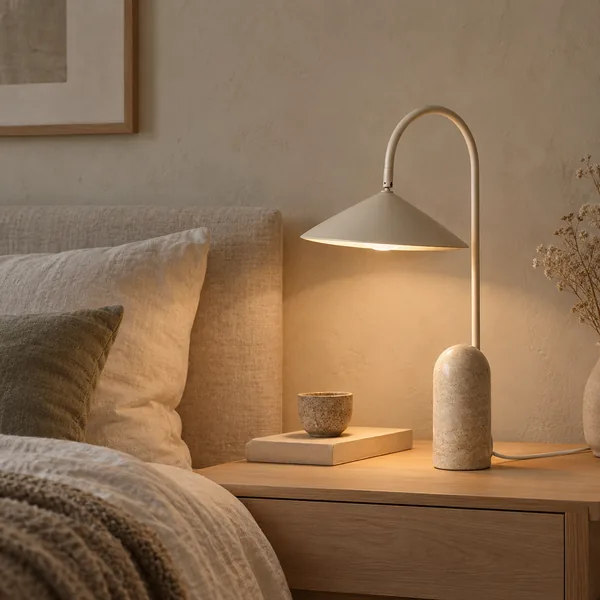
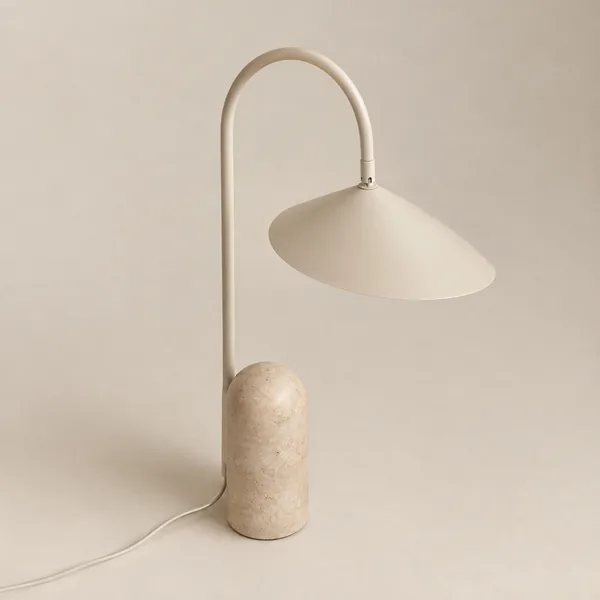
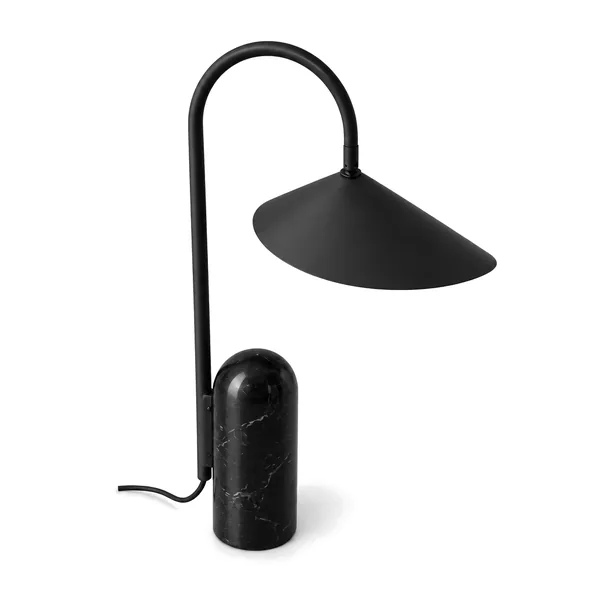
Solvei Danish Minimalist Arc Table Lamp Marble
The Scandinavian Color Palette
The scandinavian interior design color story begins with whites, creams, and soft grays—hues that reflect and amplify natural light. These aren't cold or clinical whites; they're warm, milky tones that wrap a room in gentle brightness.
From this neutral foundation, introduce organic accents:
- Natural wood tones: From pale birch and oak to deeper walnut and teak
- Soft greens and blues: Nature-inspired hues that echo forest and sea
- Warm terracottas and browns: Earthy additions that ground the space
- Pops of black: Strategic contrast through lighting fixtures, frames, or hardware
This palette creates visual harmony while allowing textural variation—woven baskets, ceramic vases, and natural wood grain—to become the true stars of your scandinavian home decor ideas.
Lighting as the Heart of Scandinavian Design
In scandinavian interior design, lighting transcends mere function—it becomes sculptural art and emotional atmosphere combined. The long, dark Nordic winters taught designers to treat light as a precious resource deserving of reverence and creativity.
This philosophy means selecting fixtures that are beautiful whether illuminated or not, and designing lighting schemes that transition gracefully from energizing daylight hours to cozy evening ambiance. For dining areas and kitchen islands, a statement pendant becomes both focal point and functional necessity.
The Kolna Hand-Blown Glass Cylinder Pendant Light exemplifies this approach perfectly. Its sculptural cylindrical silhouette doesn't just illuminate—it transforms your ceiling into a gallery of light and form. The hand-blown glass diffuses a warm ambient glow that honors the scandinavian interior design commitment to natural materials and honest craftsmanship.
Scandinavian vs. Nordic Design
A common source of confusion: what's the difference between scandinavian and nordic design? While the terms are often used interchangeably, subtle distinctions exist that can help refine your aesthetic direction.
Scandinavian design specifically refers to the design traditions of Denmark, Norway, and Sweden. It emphasizes democratic design—beautiful, functional objects accessible to all—and became globally recognized in the 1950s through iconic designers and the concept of hygge.
Nordic design extends this umbrella to include Finland and Iceland, often embracing slightly more dramatic contrasts and regional variations. Finnish design, for instance, frequently incorporates bolder geometric patterns and deeper, richer colors than its Swedish counterparts.
For most homeowners, these distinctions matter less than the shared values: minimalism, functionality, natural materials, and light. Whether you identify your style as scandi interior style or nordic home design, the principles remain beautifully consistent.
Layering Light for Hygge
True to its Nordic roots, scandinavian interior design embraces multiple light sources rather than relying on a single overhead fixture. This layered approach creates flexibility—bright, energizing light for daytime tasks and soft, ambient pools for evening relaxation.
Consider pairing a statement pendant with sculptural floor lamps in reading corners and wall sconces in hallways and bedrooms. The goal is inviting pools of light that guide movement through your space while banishing harsh shadows.
Scandinavian Lighting Solutions for Every Space
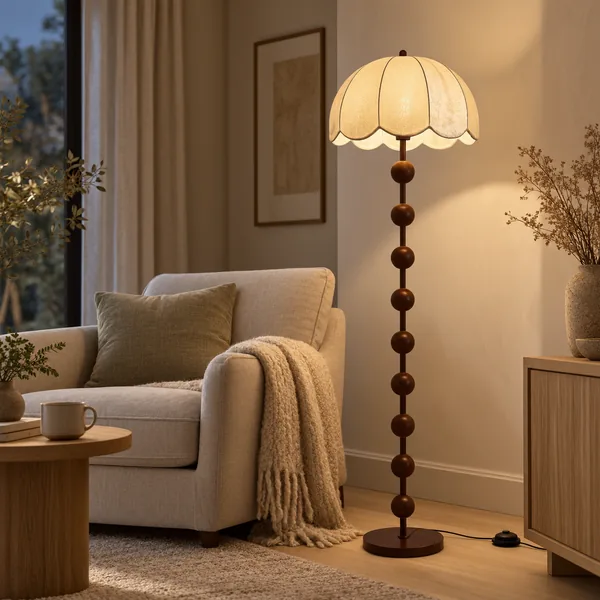 Kveld Scandinavian Mushroom Floor Lamp Walnut$219.00$349.00
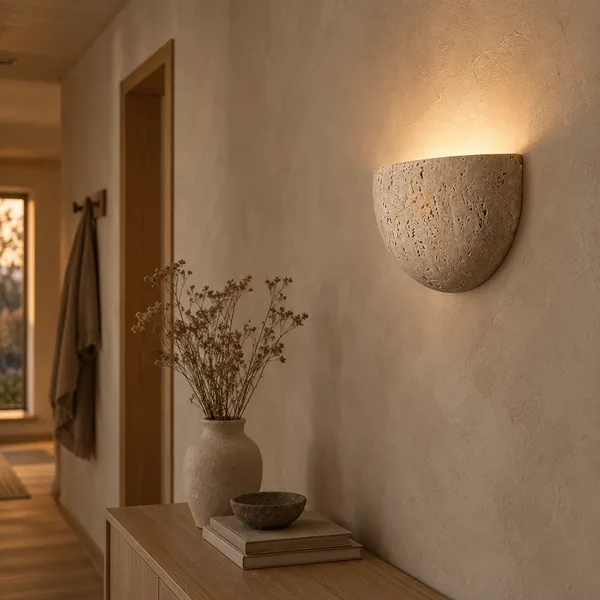
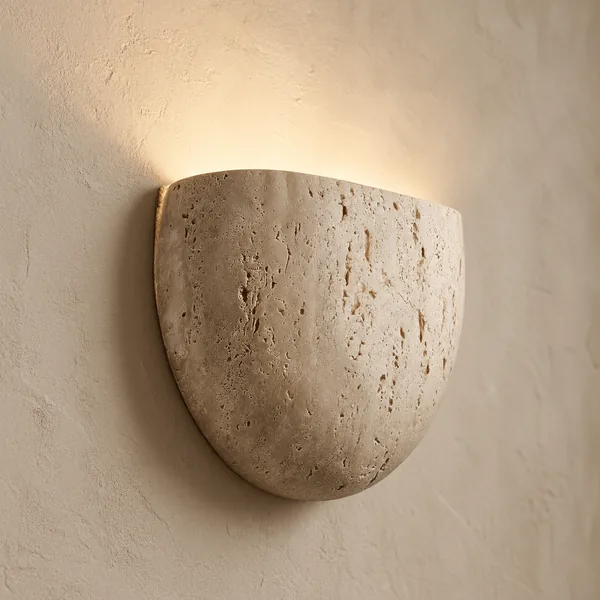
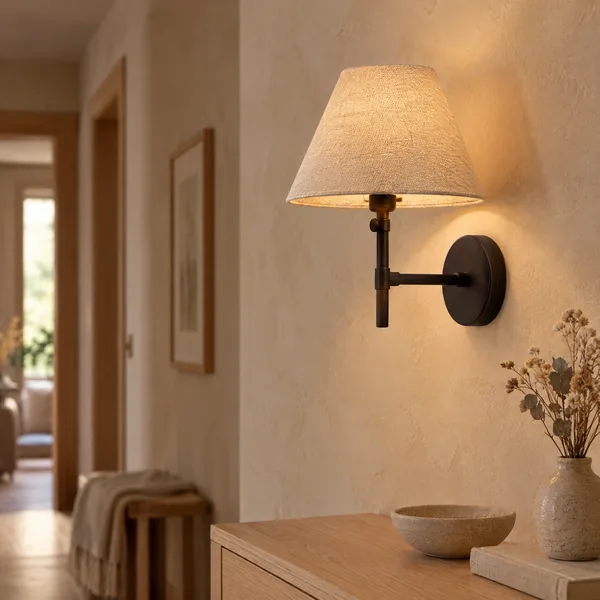 Eldorm Handcrafted Wabi-Sabi Iron Wall Sconce$199.00$259.00
The Kveld Scandinavian Mushroom Floor Lamp Walnut creates that perfect reading nook atmosphere with its gently curved silhouette and walnut-toned base. Meanwhile, the Eldorm Handcrafted Wabi-Sabi Iron Wall Sconce brings understated elegance to hallways and bedrooms, its fabric shade casting a gentle halo of light that embodies scandinavian warmth.
Living Room Lighting
Shop all Living Room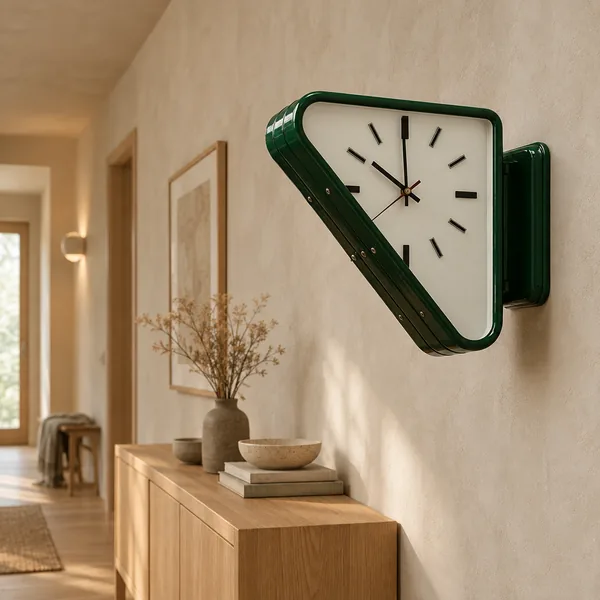
 Save $110.00
 +15 options
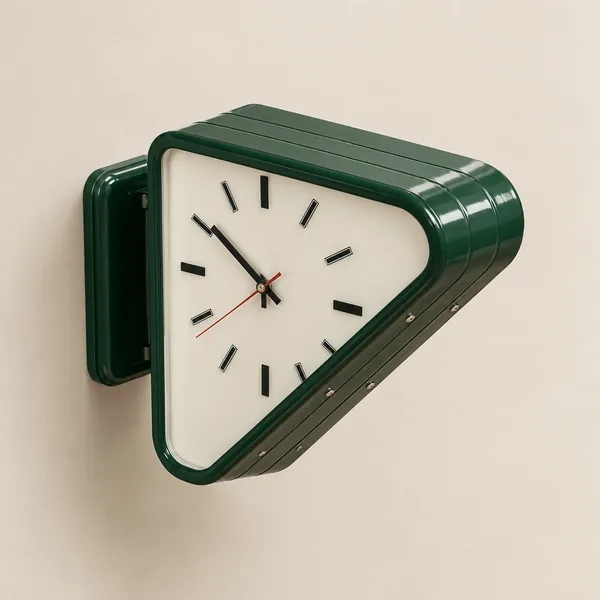
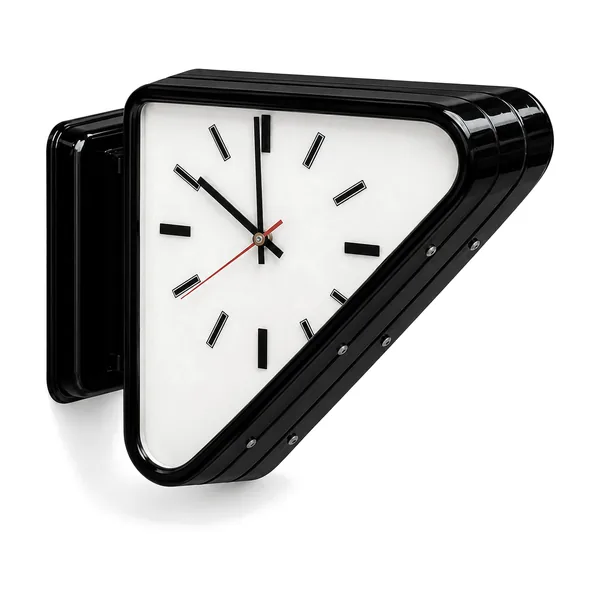
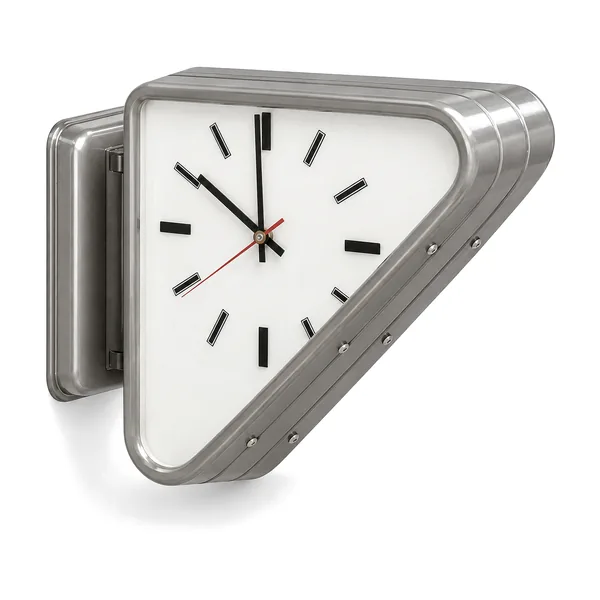
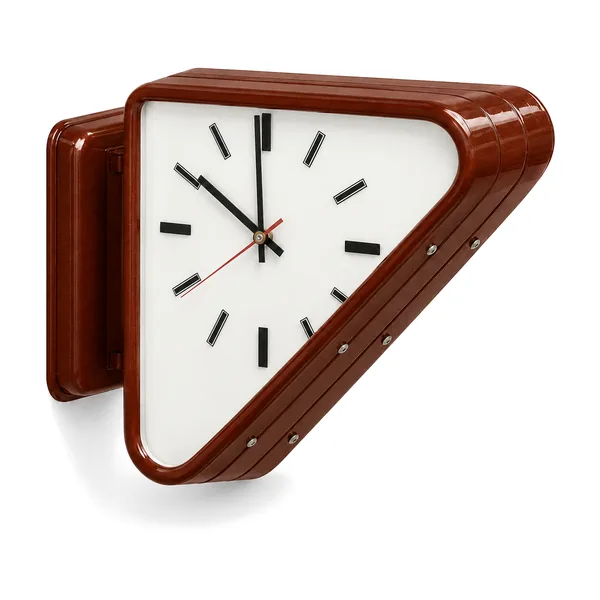
Tvilling Dual-Sided Geometric Metal Wall Clock
 Save $70.00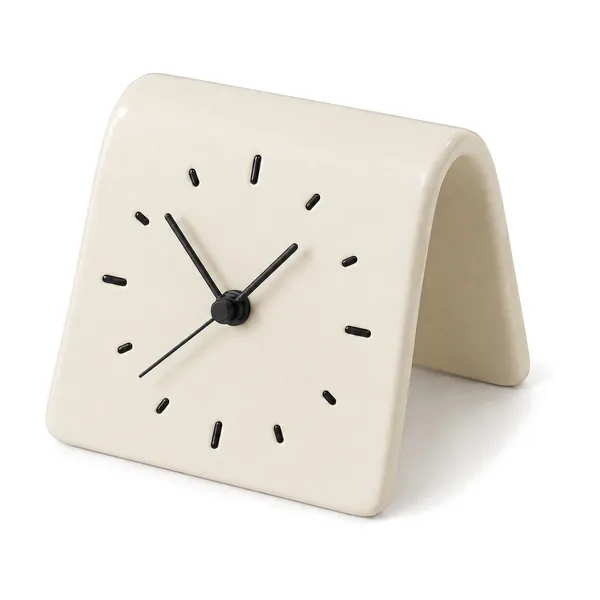
 +37 options
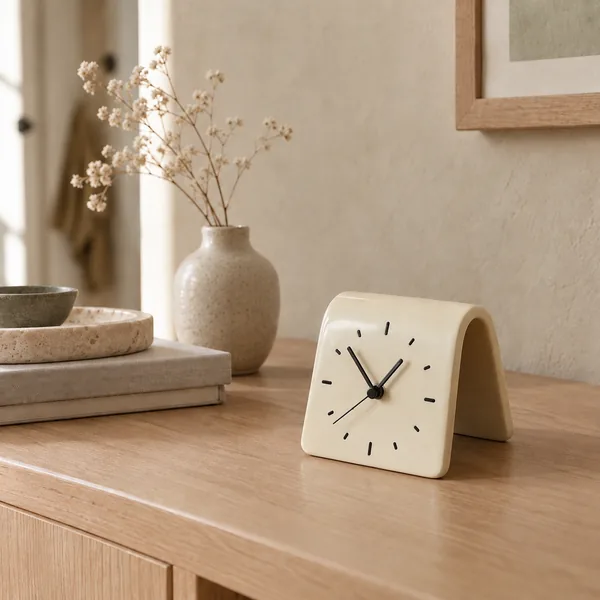
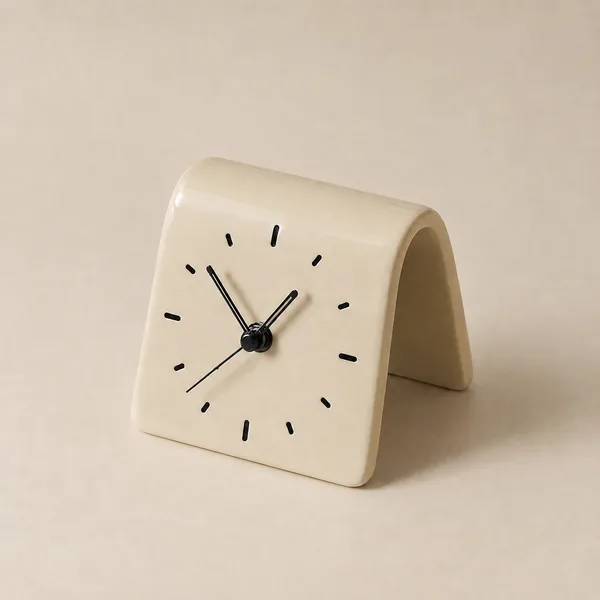
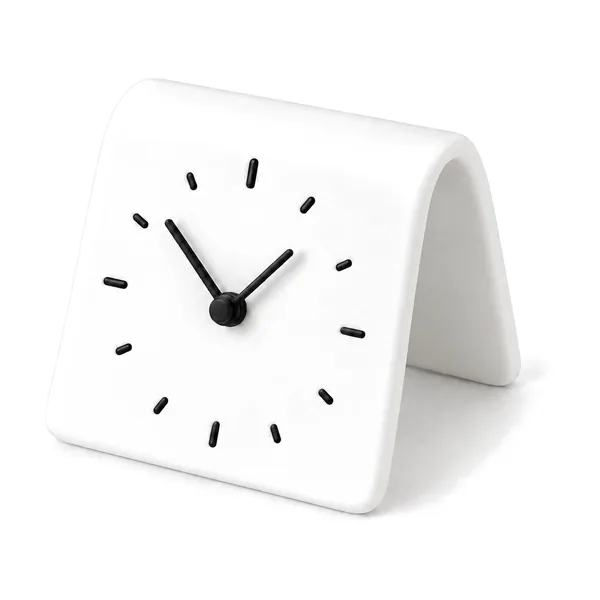
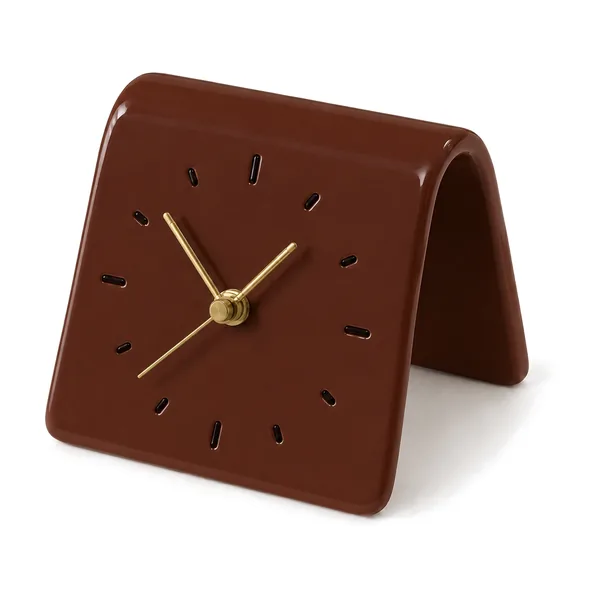
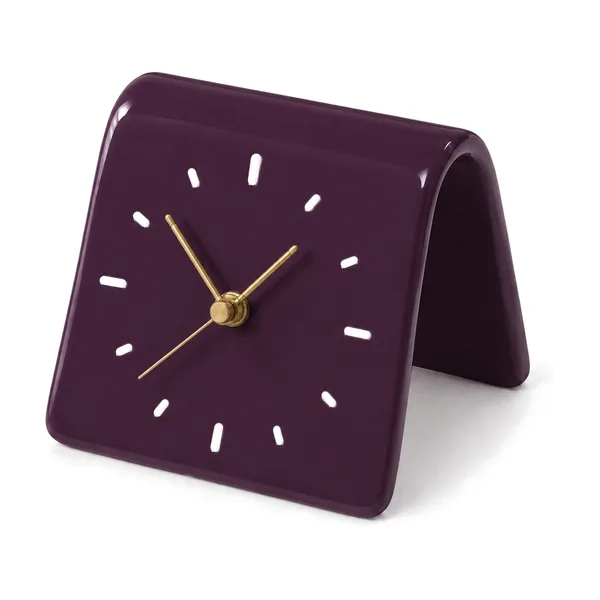
Tilje Silent Ceramic Desk Clock for Modern Homes
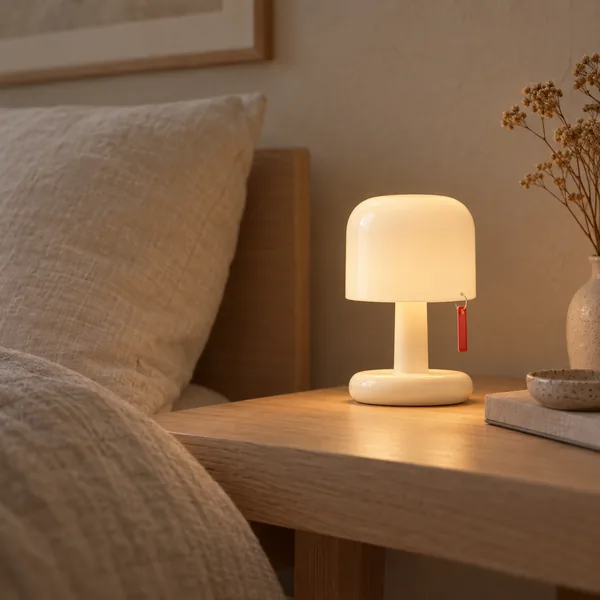
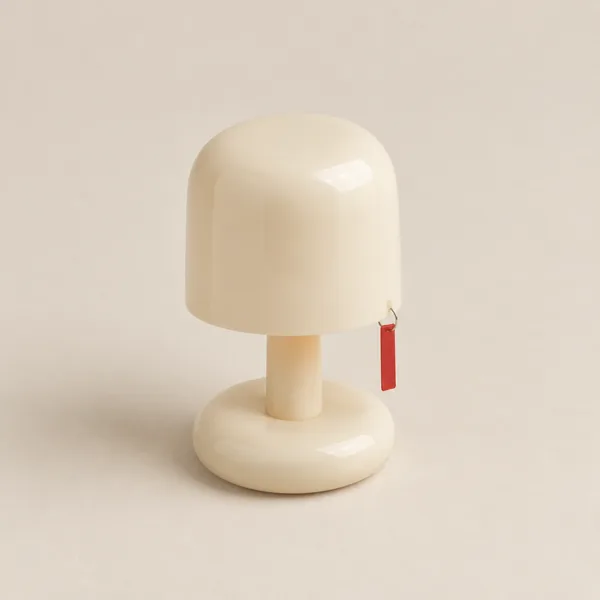
Creating Warmth in Minimalist Spaces
The most common misconception about scandinavian interior design is that it's cold or stark. In truth, the style achieves remarkable warmth through careful layering of natural materials, thoughtful lighting, and intentional texture.
The secret lies in what Danes call hygge—that untranslatable concept of cozy contentment. In design terms, hygge translates to:
- Soft textiles everywhere: Sheepskins draped over chairs, chunky wool blankets, linen cushions
- Candlelight as essential: The warm flicker of flames alongside electric illumination
- Natural imperfections: Wood with visible grain, ceramics with organic shapes, the patina of well-loved objects
- Biophilic touches: Plants, natural branches, and materials that blur the line between indoors and outdoors
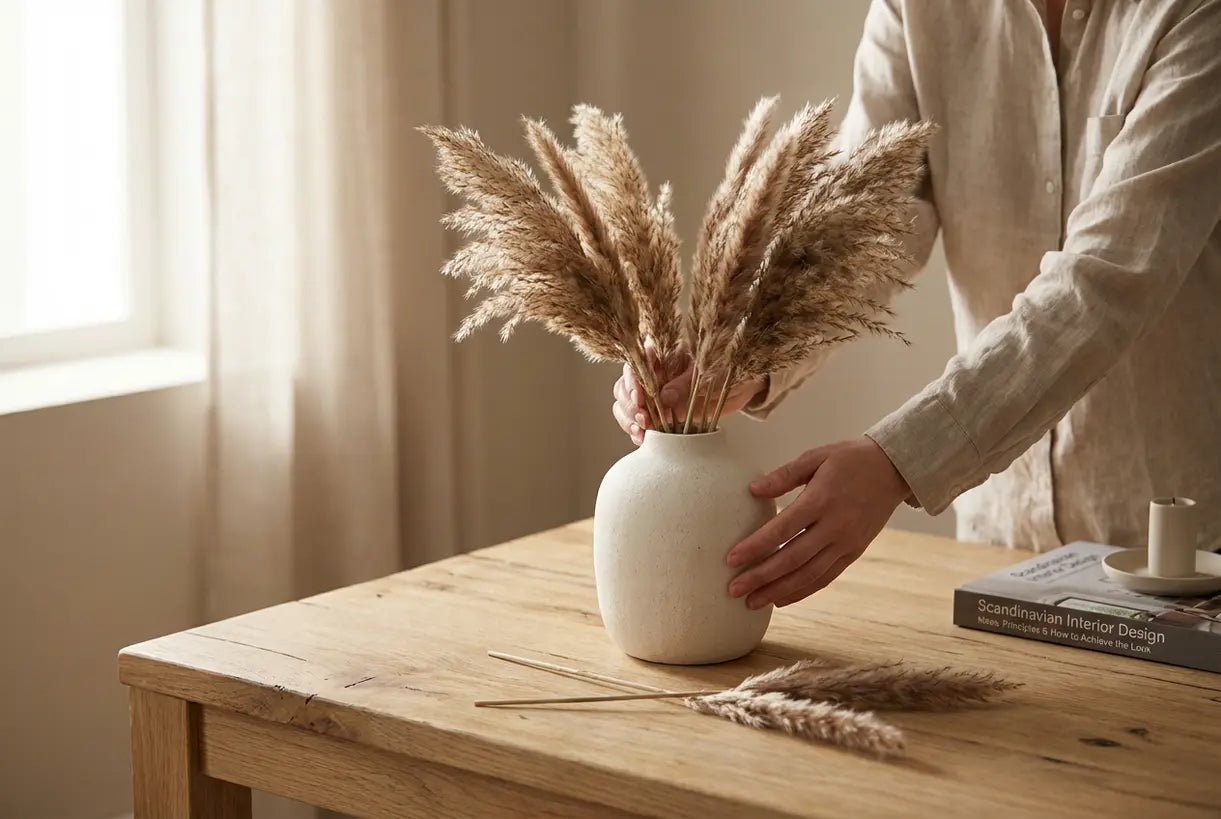
This tactile richness prevents minimalist spaces from feeling sterile. The scandinavian minimalist aesthetic celebrates restraint in quantity but generosity in quality—each element selected for both sensory and visual pleasure.
Ready to Transform Your Space?
Embracing scandinavian interior design is ultimately an act of editing and intention. It's choosing fewer, better things. It's creating space for light to move through your home. It's surrounding yourself with natural materials that age beautifully and tactile objects that invite touch.
The journey into nordic interior design doesn't require a complete home overhaul. Start with one room, one corner, one lighting fixture that makes you pause and breathe more deeply. The Kolna Pendant transforming your dining area. The Kveld Floor Lamp creating a new favorite reading spot. Small changes accumulate into profound shifts in how your space feels and how you feel within it.
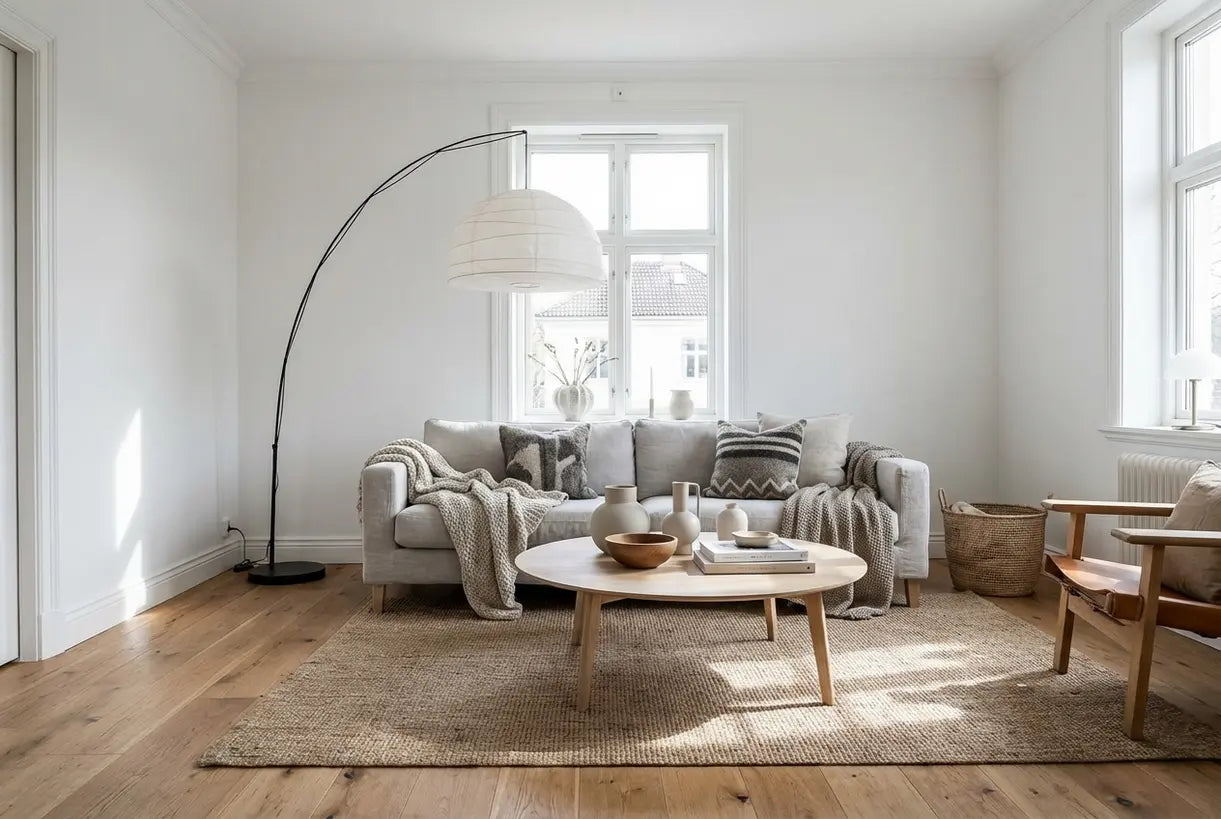
At Skonne, we curate lighting and decor that honor these principles—pieces designed not just to illuminate, but to inspire that unmistakable sense of hygge that makes a house truly feel like home.
Related Article
Scandinavian Design: The Complete Guide to Nordic AestheticsDiscover the principles of Scandinavian design. Learn what defines this Nordic aesthetic, from minimalism to natural materials, and how to bring hygge into your home.