
Scandinavian Folk Design: Traditional Patterns, Motifs & Heritage Craft
Summary›
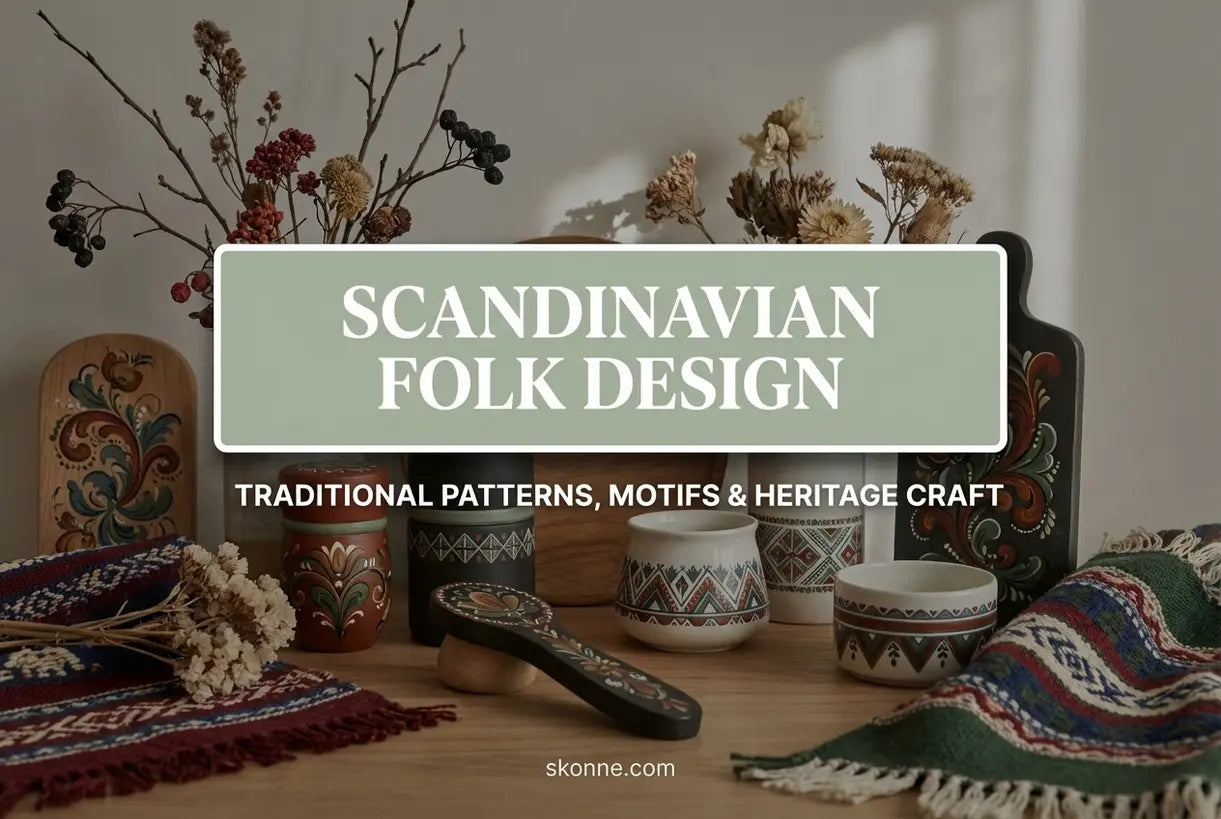
There's something undeniably captivating about scandinavian folk design—the way centuries-old patterns continue to breathe warmth and character into contemporary spaces. Whether you're drawn to the intricate swirls of rosemaling or the bold geometry of traditional Nordic textiles, these heritage craft elements carry stories that transcend time.
In this guide, we'll explore the rich tapestry of traditional scandinavian design, from its historical roots to practical ways you can weave these authentic motifs into your own home. Along the way, you'll discover how Skonne's curated collection of Scandinavian-inspired pieces helps bridge the gap between ancestral craft and modern living.
What is Scandinavian Folk Design?
At its heart, scandinavian folk design represents the visual language of rural Nordic communities—artistic expressions born from necessity, tradition, and deep connection to the natural world. Unlike the minimalism often associated with modern Scandinavian aesthetics, folk design embraces ornamentation, vibrant color palettes, and symbolic storytelling.
This design tradition encompasses everything from painted wooden furniture and decorative household objects to woven textiles and carved utensils. Each region developed distinct styles—Norwegian rosemaling features flowing, floral scrollwork, while Swedish dalecarlian painting favors bold, geometric patterns. Danish bondehusstil and Finnish karelian motifs add further richness to this diverse heritage.
Today, we're witnessing a remarkable revival of these traditional scandinavian patterns in contemporary interiors. Designers and homeowners alike are rediscovering how folk elements add warmth, personality, and cultural depth to spaces that might otherwise feel sterile or impersonal.
Traditional Scandinavian Patterns and Motifs
The visual vocabulary of nordic folk patterns draws heavily from the natural environment and agricultural life of Scandinavian communities. Understanding these recurring themes helps you recognize authentic folk design and incorporate it meaningfully into your space.
Geometric Designs
Geometric patterns form the backbone of many scandinavian folk art traditions. These include:
- Eight-pointed stars — representing the sun and cosmic order
- Interlocking circles — symbolizing community and connection
- Zigzag borders — evoking water, mountains, or protective barriers
- Checkerboard motifs — reflecting agricultural fields and harvest abundance
Floral and Nature-Inspired Elements
Perhaps the most recognizable aspect of scandinavian folk design is its abundant use of floral and botanical motifs. These aren't merely decorative—they carry deep symbolic meaning:
- Roses and tulips — love, beauty, and the fleeting nature of life
- Leaves and vines — growth, continuity, and connection to ancestors
- Acorns and oak leaves — strength, endurance, and prosperity
- Heart shapes — universal symbol of love, often stylized with folk flourishes
Regional Variations
Each Scandinavian country developed distinctive folk art styles:
Rosemaling (Norway) — Flowing, asymmetrical scrollwork painted in rich reds, blues, and golds on wooden surfaces. The Telemark and Hallingdal styles are particularly prized.
Dalecarlian Painting (Sweden) — Bold, geometric patterns featuring horses, flowers, and borders in primary colors. Originating from the Dalarna region, this style influenced the famous Dala horse.
Kurbits (Sweden) — Fantastical, oversized gourd and plant motifs that appear to grow from decorative borders, creating dreamlike compositions.
Scandinavian Lighting
Shop all Scandinavian Lighting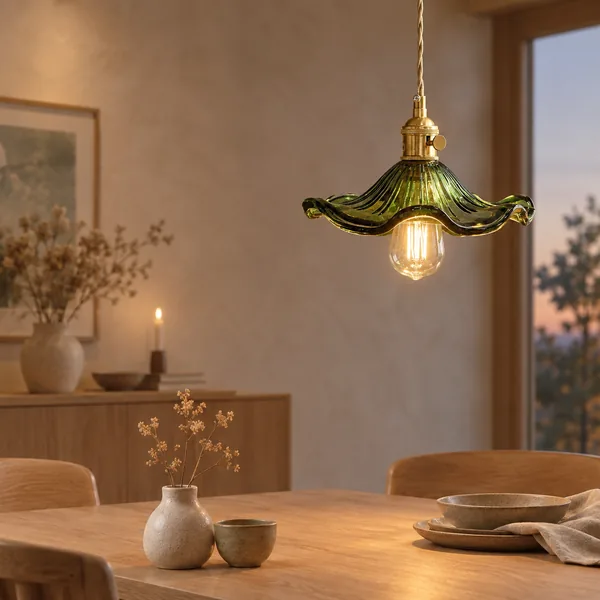
 Save $60.00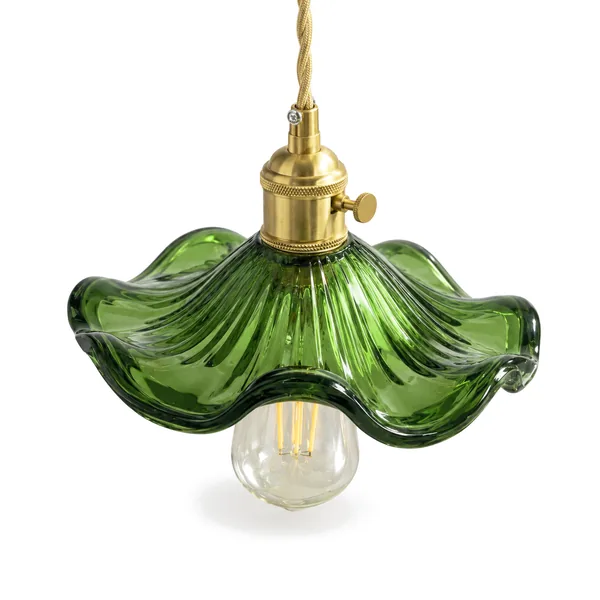
 3 options
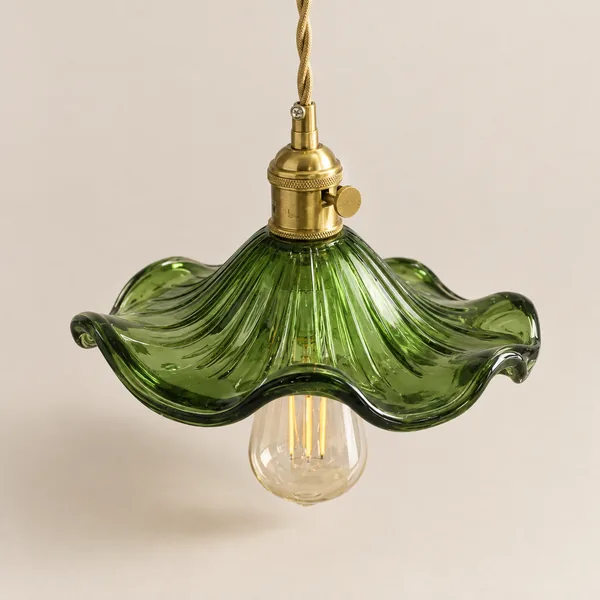
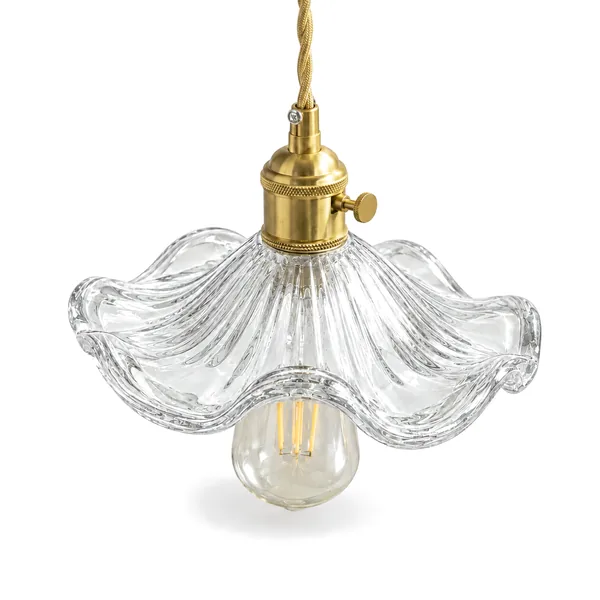
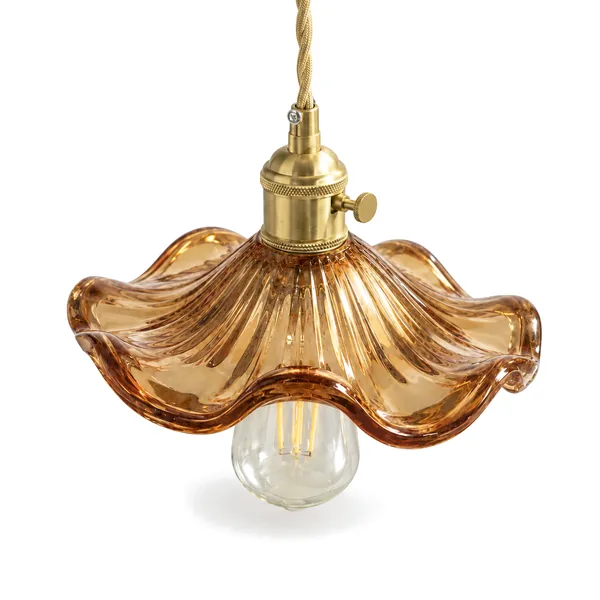
Glora Nordic Glass Pendant Light with Copper
 Save $150.00
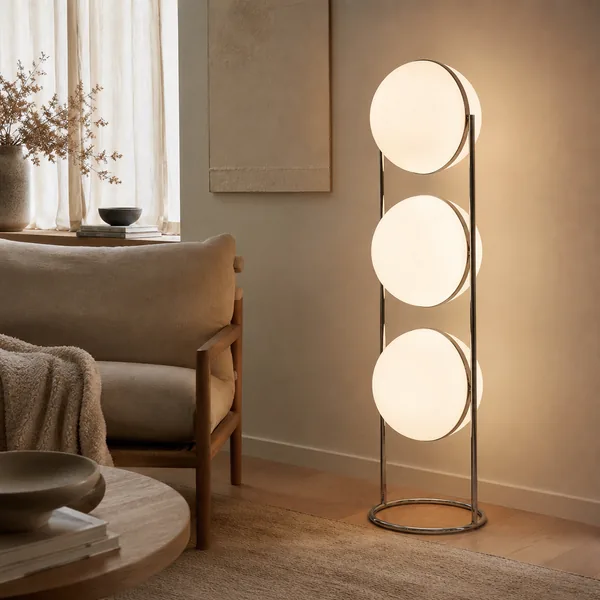
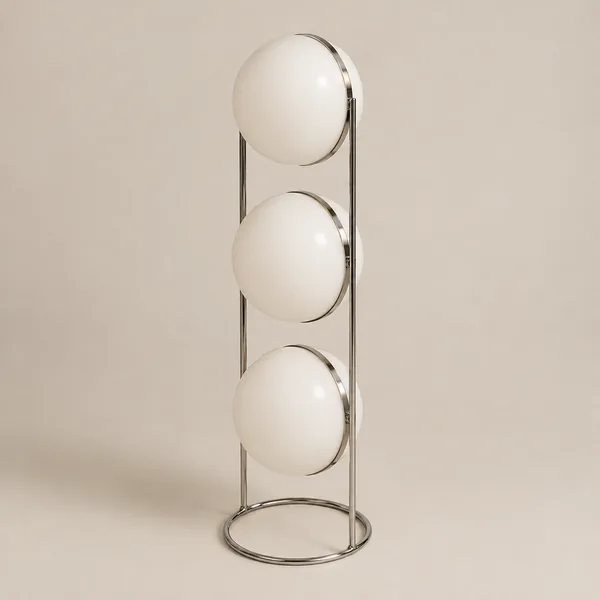
Kulglod Bauhaus Chrome Acrylic Globe Floor Lamp
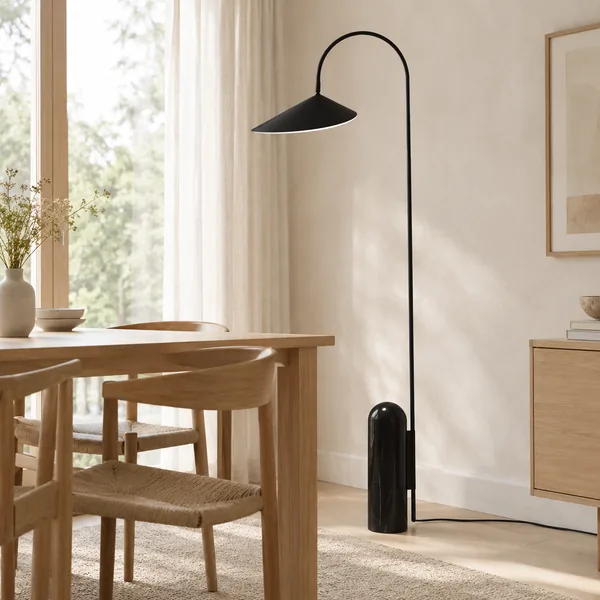
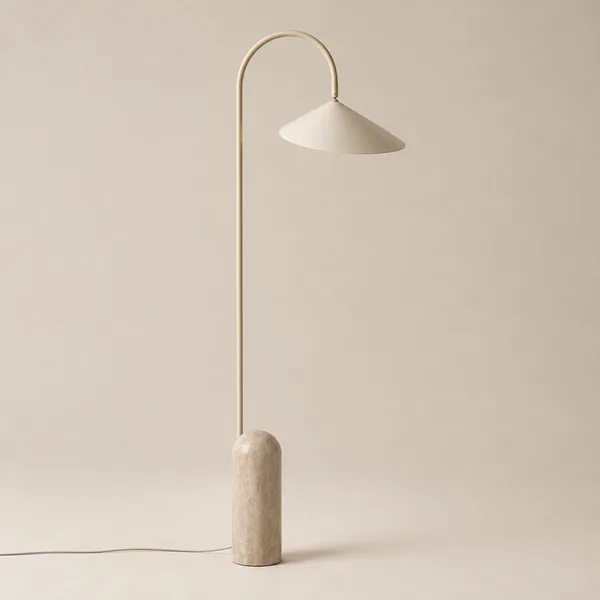 Save $230.00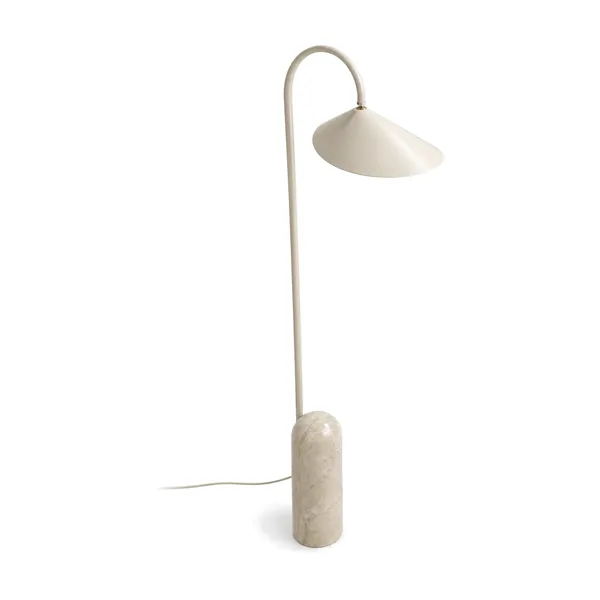
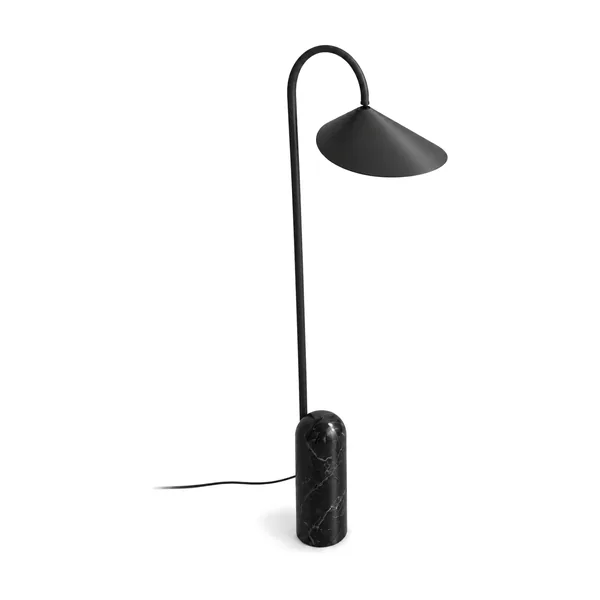 2 options
Velbue Marble Base Arc Floor Lamp Danish Design
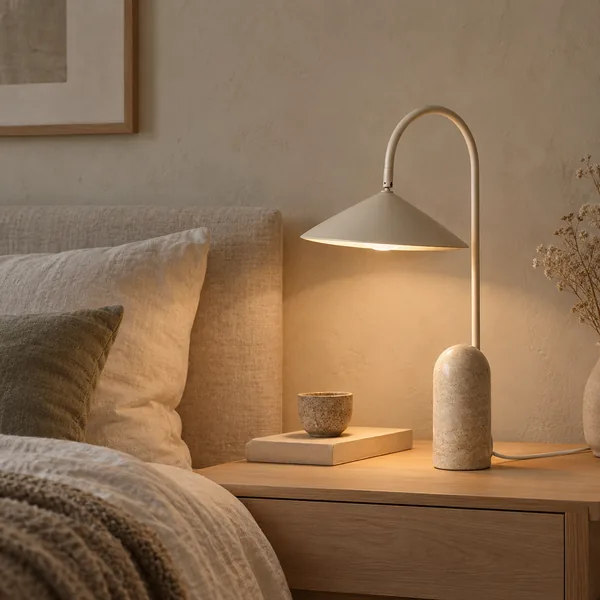
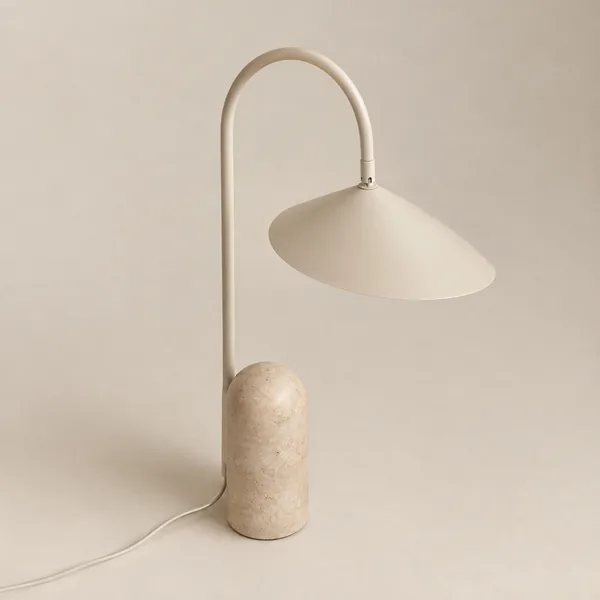 Save $210.00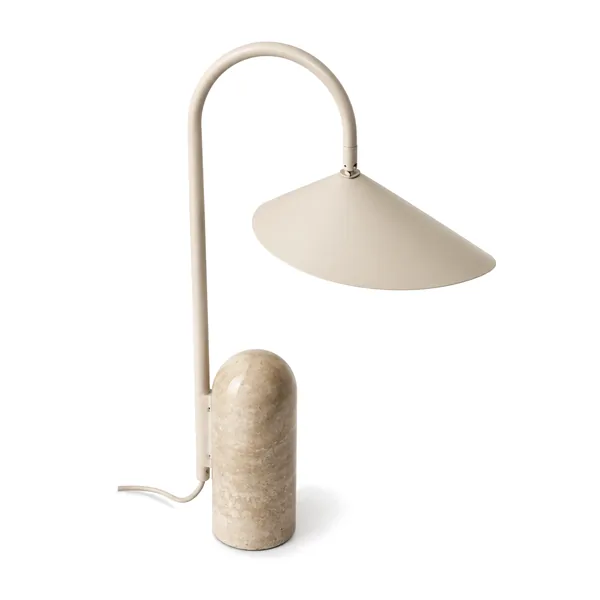
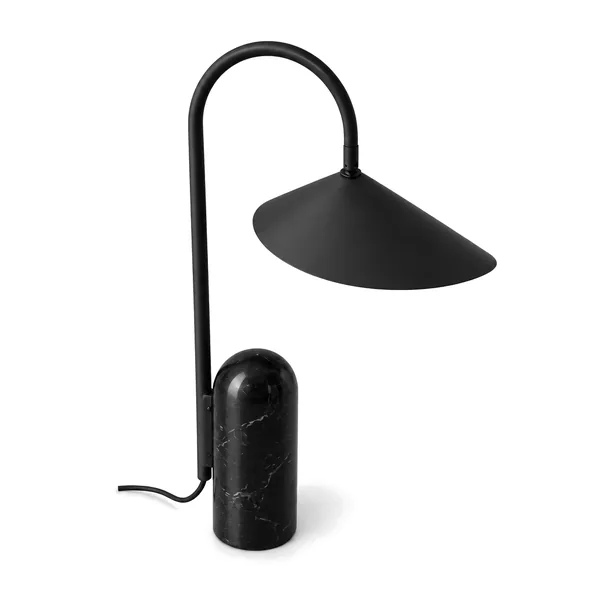 2 options
Solvei Danish Minimalist Arc Table Lamp Marble
The Rich History of Scandinavian Folk Art
Understanding the historical context of scandinavian folk heritage deepens our appreciation for these enduring design traditions. Folk art emerged not from academic art schools but from the daily lives of rural communities—farmers, craftspeople, and homemakers who decorated their surroundings with available materials and inherited techniques.
Origins and Evolution
Scandinavian folk art traces its roots to the medieval period, when Viking artistic traditions merged with Christian iconography and continental European influences. The Renaissance brought new decorative techniques and motifs, which rural artisans adapted to local tastes and materials.
The 18th and 19th centuries represent the golden age of scandinavian folk design. As agricultural prosperity increased, rural families invested in decorated furniture, household objects, and traditional costumes (bunads) for special occasions. Each valley and village developed distinctive styles, creating the rich regional diversity we admire today.
The 20th Century Revival
Industrialization threatened traditional folk art practices, but the early 20th century saw concerted preservation efforts. Museums documented regional styles, and craft schools ensured techniques passed to new generations. The Swedish hembygdsrörelsen (homeland movement) and similar initiatives across Scandinavia celebrated folk heritage as a cornerstone of national identity.
Today, contemporary designers reinterpret traditional motifs for modern audiences, creating a living tradition that honors the past while remaining relevant to present-day life.
When bringing elements of scandinavian folk design into your home, consider starting with handcrafted pieces that embody the artisan spirit of these traditions. The Jorde Handmade Rustic Ceramic Vase captures this essence beautifully—its active glaze finish and organic form echo the imperfect, human quality that makes folk art so compelling. Perfect for displaying dried botanicals, it brings that coveted heritage-inspired character to shelves and tables.
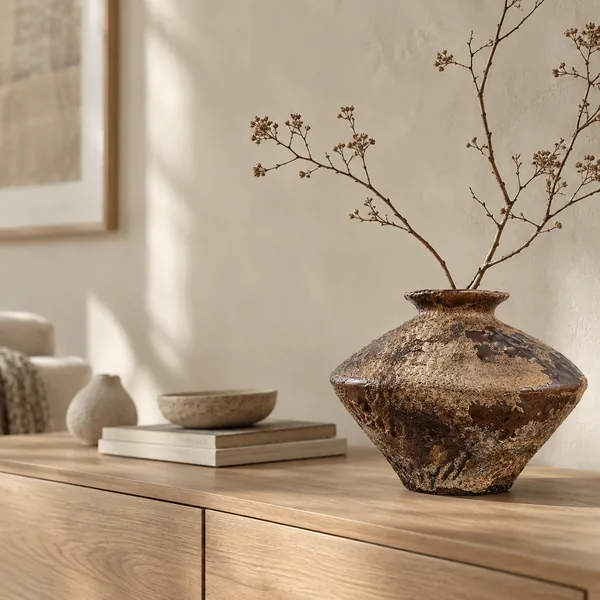 Jorde Handmade Rustic Ceramic Vase Home Decor$129.00$189.00
Common Motifs in Scandinavian Folk Design
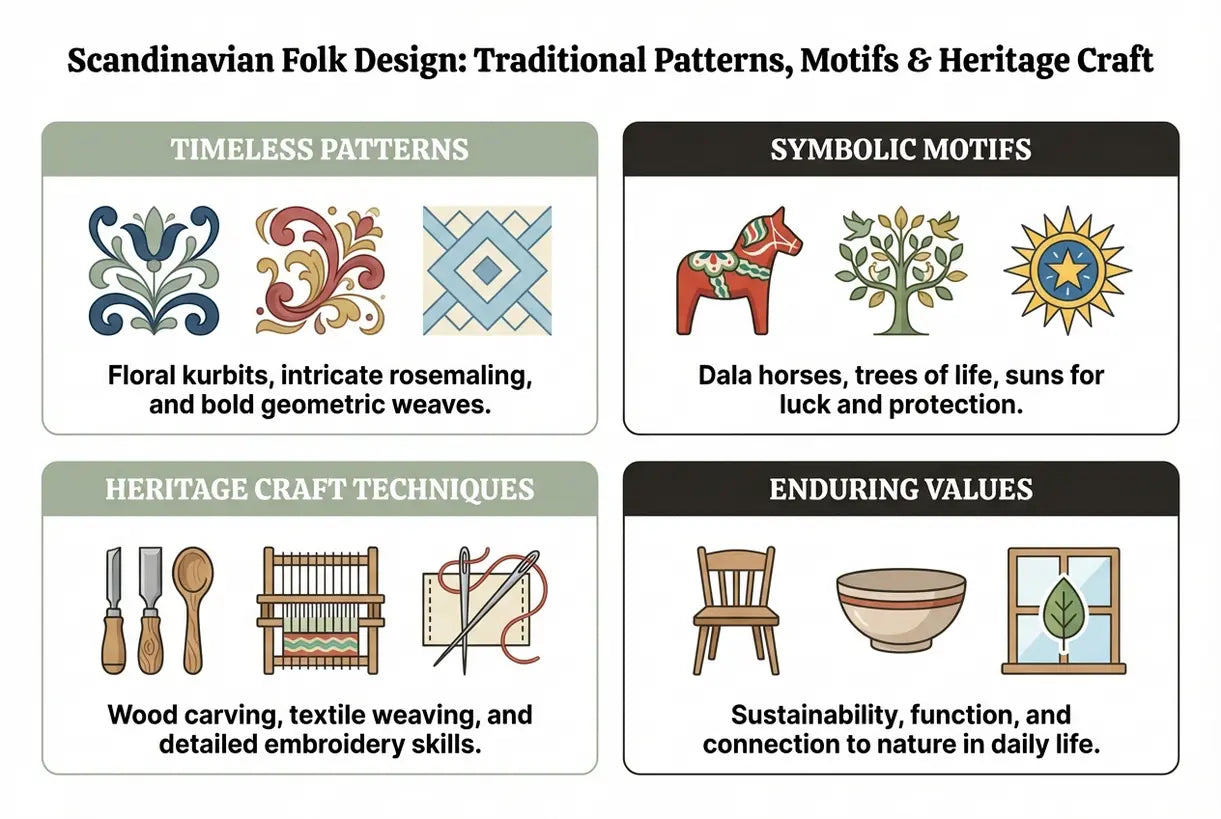
Delving deeper into the visual language of scandinavian folk art, we discover a symbolic system that communicates values, beliefs, and cultural identity. These motifs appear across media—painted on furniture, woven into textiles, carved into wood, and now reinterpreted in contemporary home decor.
Floral Motifs and Botanical Symbolism
Flowers dominate scandinavian folk patterns, but they carry meanings beyond mere decoration. The tulip, introduced to Scandinavia in the 16th century, became a symbol of love and prosperity. Roses represent beauty and the fleeting nature of life—a reminder to appreciate the present moment.
Leaves and vines suggest growth, continuity, and connection to ancestors. The way these elements intertwine in folk art compositions reflects the Scandinavian value of community and interdependence. Acorns and oak leaves symbolize strength, endurance, and the promise of future abundance.
Geometric and Abstract Elements
Beyond florals, scandinavian folk design employs powerful geometric symbols:
- Sun crosses and wheel patterns — ancient solar symbols representing life, energy, and the cyclical nature of seasons
- Heart motifs — universal symbols of love, often stylized with additional folk flourishes
- Border patterns — protective symbols that frame and contain decorative compositions
- Stylized animals — horses, birds, and other creatures carrying cultural significance
Bringing Heritage Craft into Modern Homes
The beauty of scandinavian heritage craft lies in its remarkable adaptability. These time-honored patterns and techniques translate seamlessly into contemporary interiors, adding warmth, personality, and cultural depth to modern spaces. The key lies in thoughtful curation—selecting pieces that honor tradition while speaking to your personal aesthetic.
Balancing Old and New
Successfully integrating folk elements requires balancing decorative richness with contemporary restraint. Rather than overwhelming a space with pattern, consider anchoring rooms with clean, modern furniture and introducing folk elements through accent pieces, textiles, and lighting. This approach allows heritage patterns to shine without competing with modern architectural elements.
Color palettes offer another bridge between eras. Traditional scandinavian folk art embraced vibrant hues—cadmium reds, cobalt blues, sunny yellows, and forest greens. In contemporary applications, these colors can be used as bold accents against neutral backgrounds, or softened into muted, desaturated versions that feel fresh yet familiar.
Creating Intentional Vignettes
One effective strategy for incorporating folk design is creating intentional vignettes—curated groupings of objects that tell a story. A hand-painted wooden bowl, a vintage textile, and a ceramic vessel arranged on a console table create a moment of visual interest that celebrates craft heritage.
Lighting plays a crucial role in these compositions. The right lamp doesn't just illuminate—it becomes a sculptural element that anchors the vignette and sets the mood. Consider pieces that incorporate natural materials and artisanal techniques, echoing the handmade quality of traditional folk objects.
Home Decor
Shop all Home Decor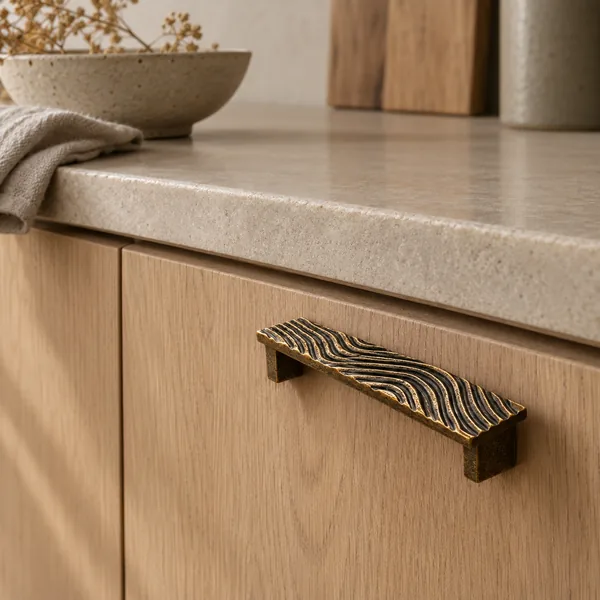
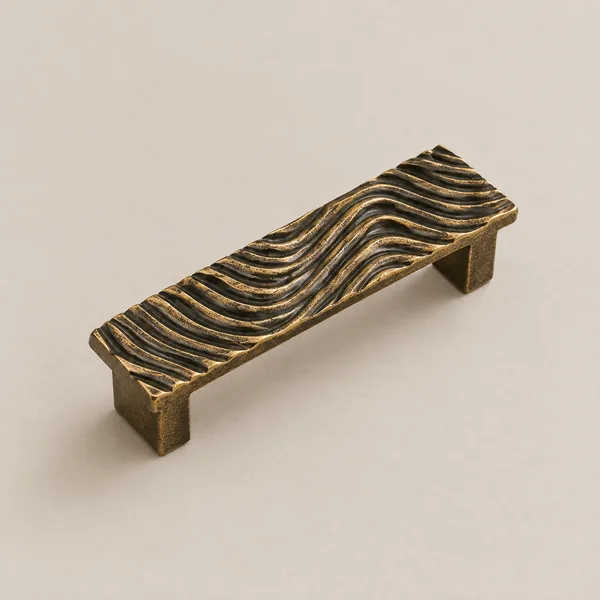
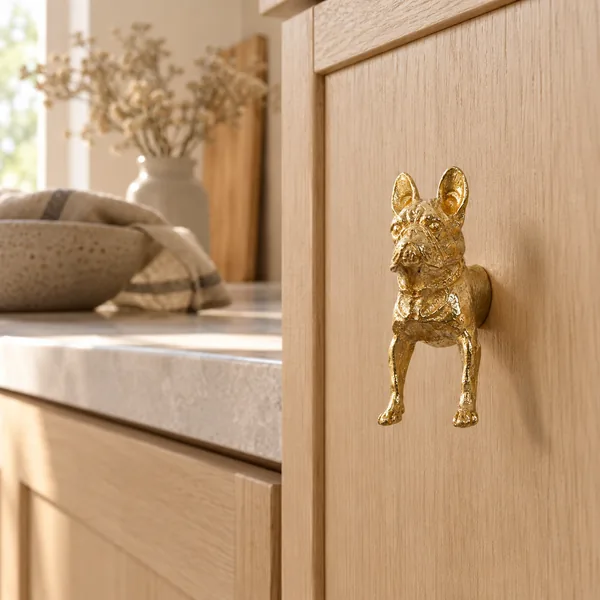
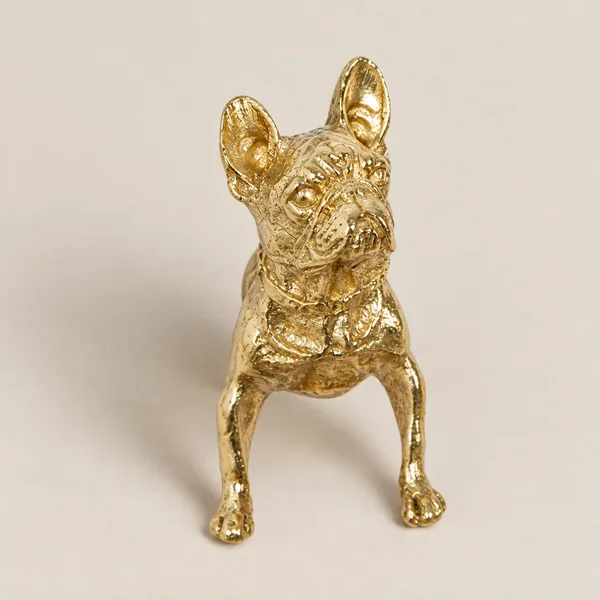 Save $44.50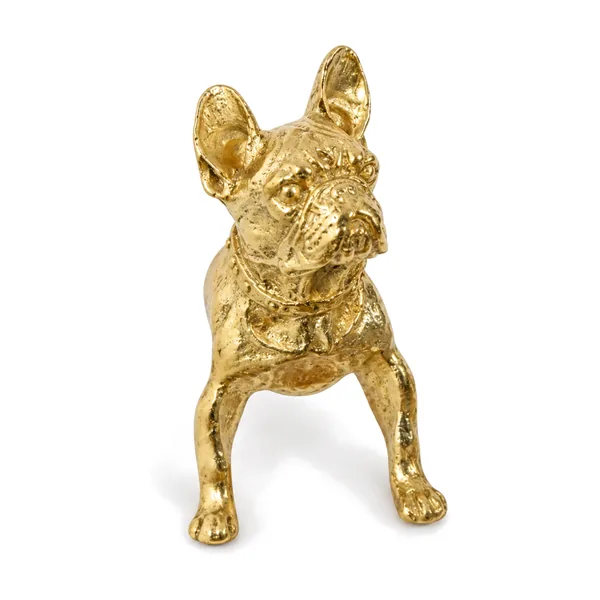
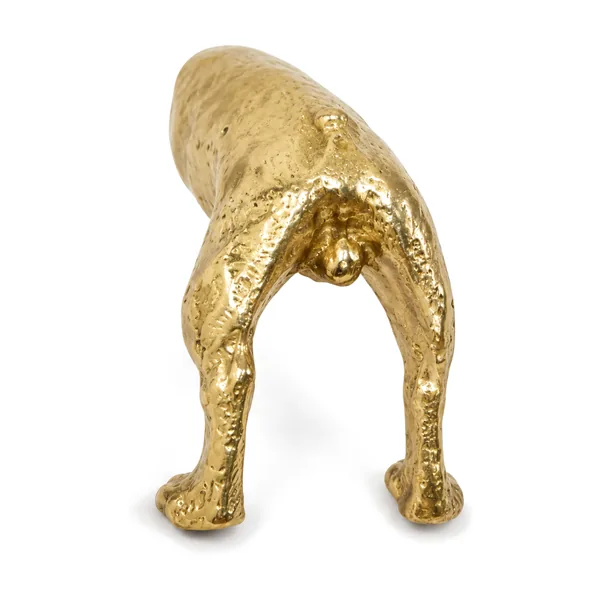 2 options
Tassa Polished Brass Dog Cabinet Pull Handle
 Save $110.00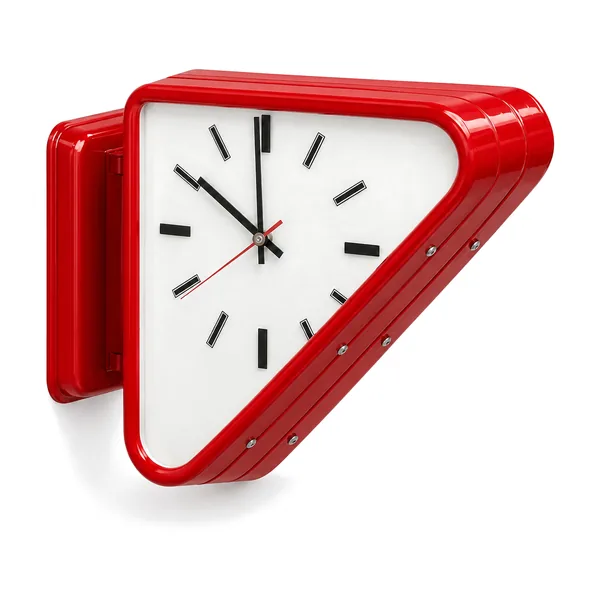


 +15 options
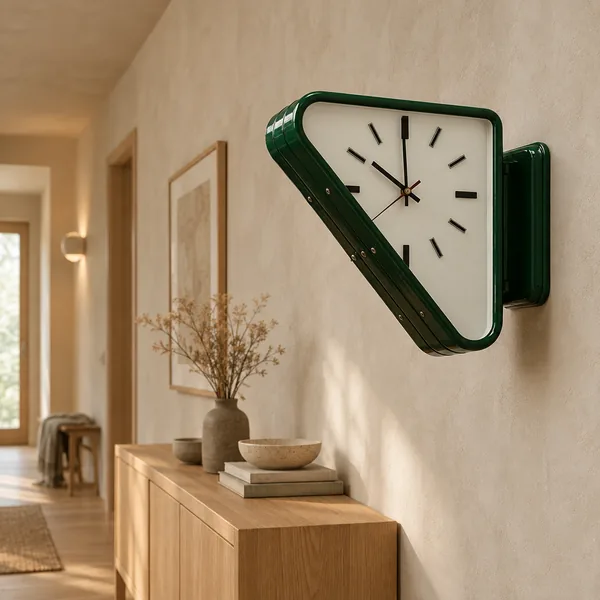
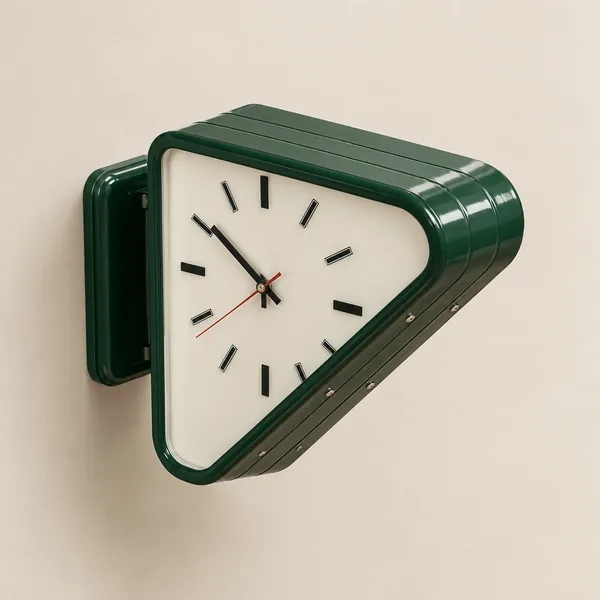
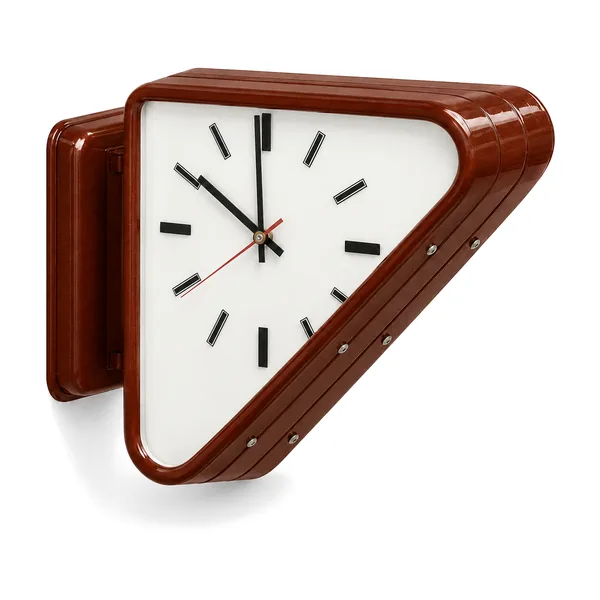
Tvilling Dual-Sided Geometric Metal Wall Clock
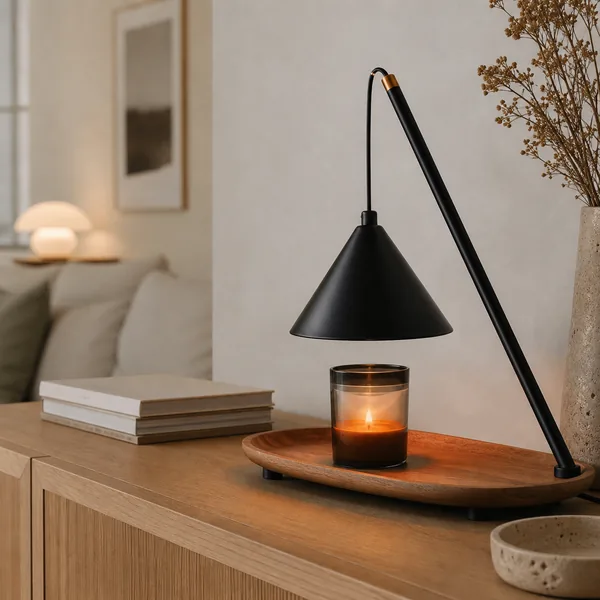
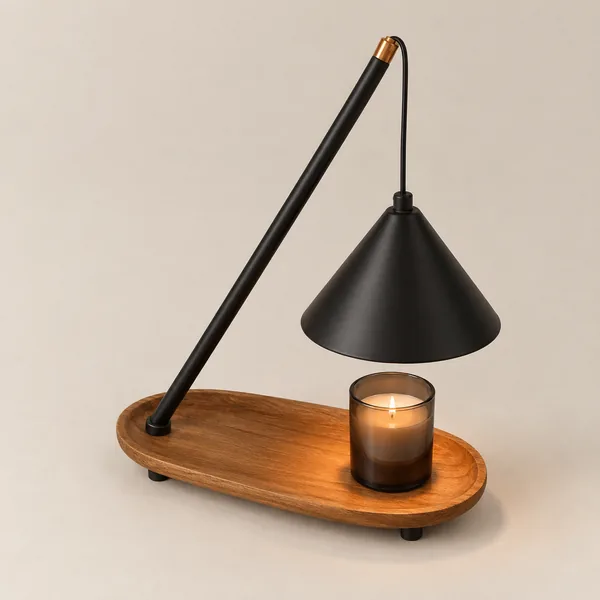
Heritage-Inspired Lighting for Your Home
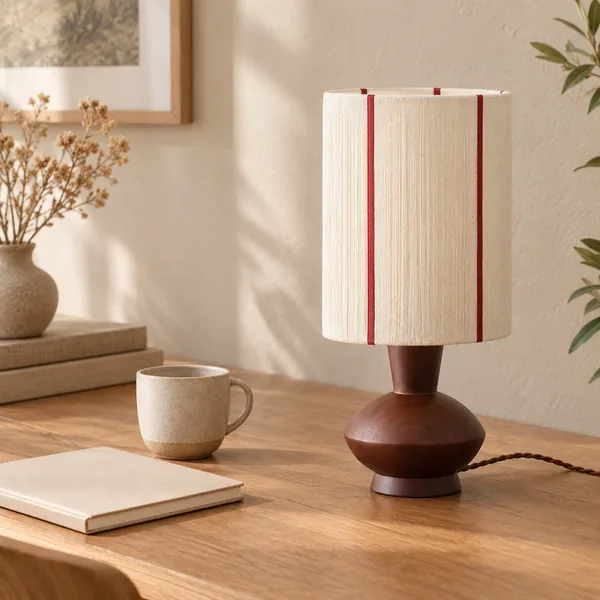 Vedra Solid Wood Vintage Table Lamp with Rope$299.00$509.00
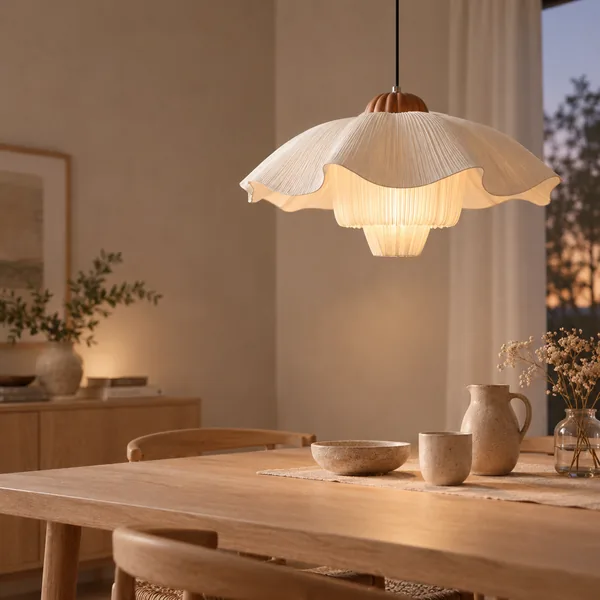 Blomst Petal Fabric Pendant Light Nordic Cream$289.00
Incorporating Scandinavian Folk Design in Your Home
Transforming your space with scandinavian folk design doesn't require a complete overhaul. Instead, thoughtful integration of heritage elements creates a layered, lived-in aesthetic that feels both timeless and personal. Here's how to bring these traditional patterns into contemporary settings.
Start with Statement Pieces
Begin your folk design journey with one or two significant pieces that anchor your vision. A hand-painted cabinet, an antique textile wall hanging, or a collection of vintage ceramics instantly establishes the aesthetic direction. These pieces serve as focal points around which you can build complementary vignettes.
For those seeking to explore more options, our Decorative Vases offers a curated selection of vessels that echo the organic, handcrafted quality of traditional folk pottery. These pieces work beautifully as standalone sculptures or as holders for dried botanicals and branches.
Layer Textiles and Soft Furnishings
Textiles offer the most accessible entry point into scandinavian folk patterns. Traditional woven blankets, embroidered cushions, and patterned rugs introduce color, texture, and heritage craft without overwhelming a space. Look for pieces featuring geometric borders, stylized florals, or the distinctive eight-pointed star motifs common in Nordic weaving.
When selecting textiles, consider how they'll interact with your existing color palette. Traditional folk textiles often feature saturated reds, blues, and yellows against cream or natural backgrounds. In contemporary applications, these can be used as bold accents or toned down into softer, more muted variations.
Create Meaningful Vignettes
The art of arrangement transforms individual objects into cohesive stories. Group folk-inspired pieces in intentional vignettes—a ceramic vase beside a vintage book, a hand-carved bowl holding collected stones, a textile draped over a chair arm. These compositions invite closer inspection and create moments of visual interest throughout your home.
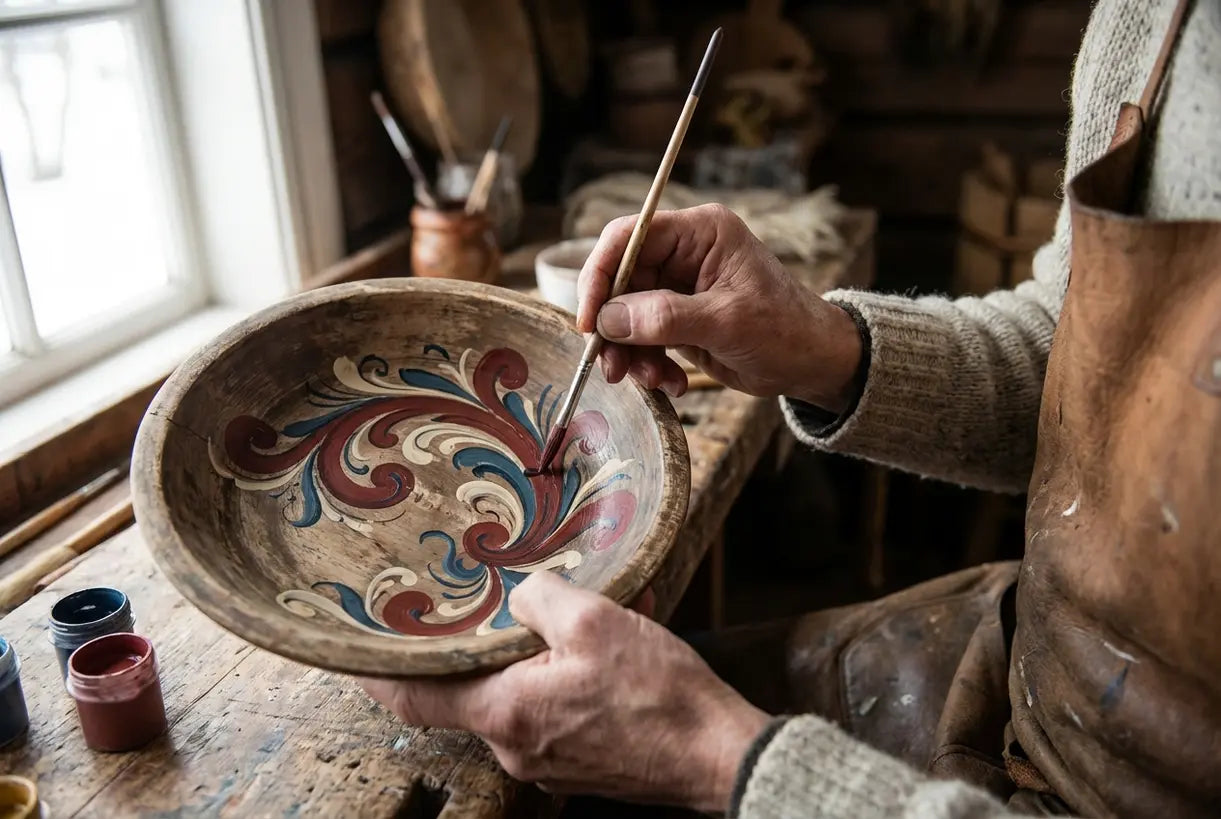
Lighting plays an essential role in these arrangements, highlighting textures and creating atmosphere. Consider how the warm glow of a handcrafted lamp can transform a corner into an inviting retreat, much like the candlelit interiors of traditional Scandinavian homes.
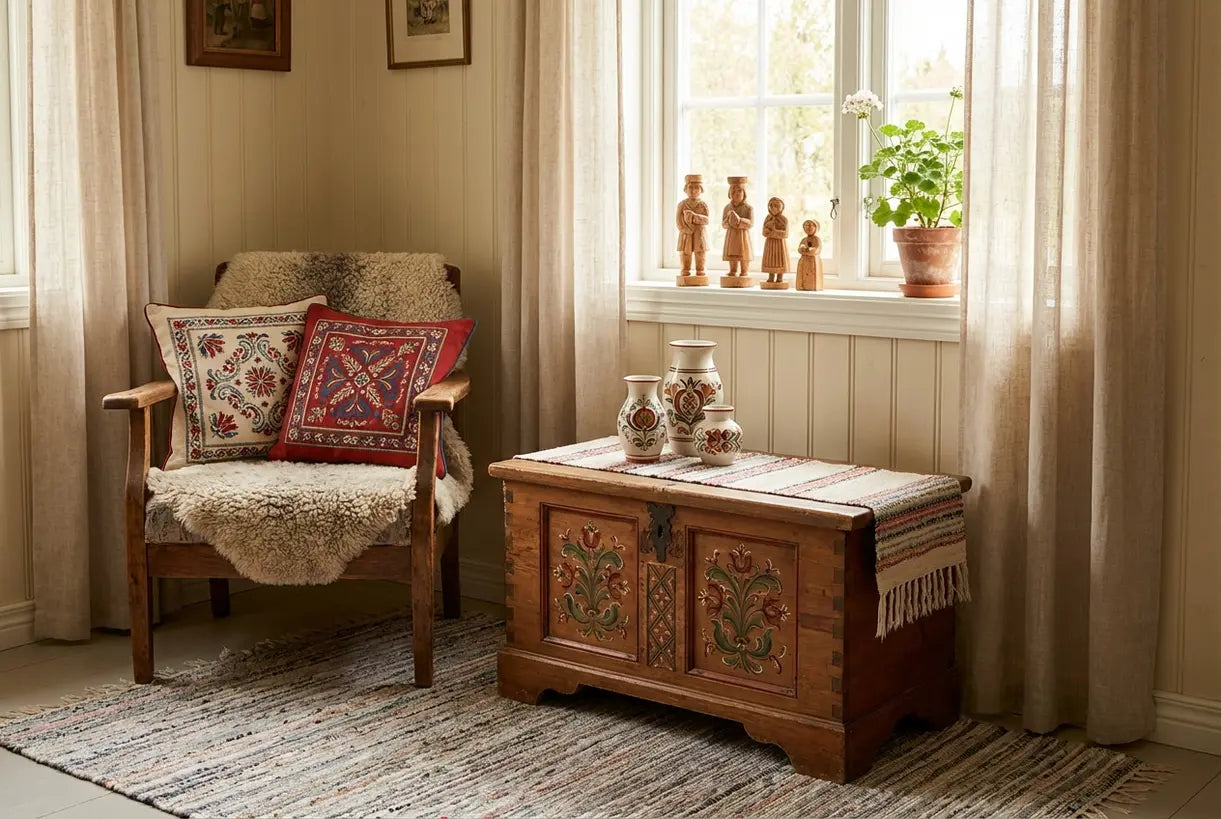
Honor the Handmade
At its core, scandinavian folk design celebrates the imperfect beauty of handmade objects. In an age of mass production, these pieces remind us of human skill and creativity. When incorporating folk elements into your home, prioritize authentic craftsmanship—hand-thrown ceramics, hand-woven textiles, hand-carved wooden objects. These pieces carry the energy of their makers and bring genuine soul to your space.
Conclusion
Scandinavian folk design offers more than decorative appeal—it provides a meaningful connection to heritage, craftsmanship, and the natural world. By understanding the history, patterns, and motifs that define this tradition, you can make informed choices about incorporating these elements into your own space.
The revival of scandinavian folk patterns in contemporary interiors reflects a broader desire for authenticity and warmth in our homes. These heritage craft elements remind us that beauty often lies in imperfection, that handmade objects carry stories, and that our living spaces can honor tradition while feeling thoroughly modern.
At Skonne, we believe in the power of thoughtful design to transform everyday moments into meaningful experiences. Our curated collection of Scandinavian-inspired lighting and home decor draws from these rich folk traditions, offering pieces that bring warmth, character, and heritage craft into contemporary homes. Explore our collections and discover how the timeless appeal of scandinavian folk design can elevate your space.
Related Article
Mid-Century Scandinavian Design: History, Icons & Timeless InfluenceExplore the timeless influence of mid century scandinavian design. Discover iconic designers, key principles, and how to blend this style into modern homes.