
Mid-Century Scandinavian Design: History, Icons & Timeless Influence
Summary›
- The Origins and Evolution of Scandinavian Design
- Key Principles That Define the Aesthetic
- The Legendary Designers Who Shaped the Movement
- What Is the Scandinavian Design Style Called?
- Distinguishing Scandinavian Design from Pure Mid-Century Modern
- Blending Scandi and Mid-Century Design in Your Home
- The Enduring Legacy in Contemporary Interiors
- Creating Your Own Mid-Century Scandinavian Sanctuary
There's something undeniably captivating about walking into a space that feels both timeless and utterly contemporary. That delicate balance—where vintage soul meets modern living—is the hallmark of mid century scandinavian design. Emerging from the post-war era of the 1950s and 1960s, this movement transformed how we think about furniture, lighting, and the very philosophy of home.
Whether you're a design enthusiast curious about the roots of your favorite aesthetic or a homeowner seeking authentic pieces that tell a story, understanding this design heritage opens doors to creating spaces with genuine character. In this guide, we'll explore the fascinating history behind mid century modern scandinavian design, meet the visionary designers who shaped it, and discover how these principles continue to influence interiors today—with thoughtfully curated pieces that bring that same warmth and intentionality into your own home.
The Origins and Evolution of Scandinavian Design
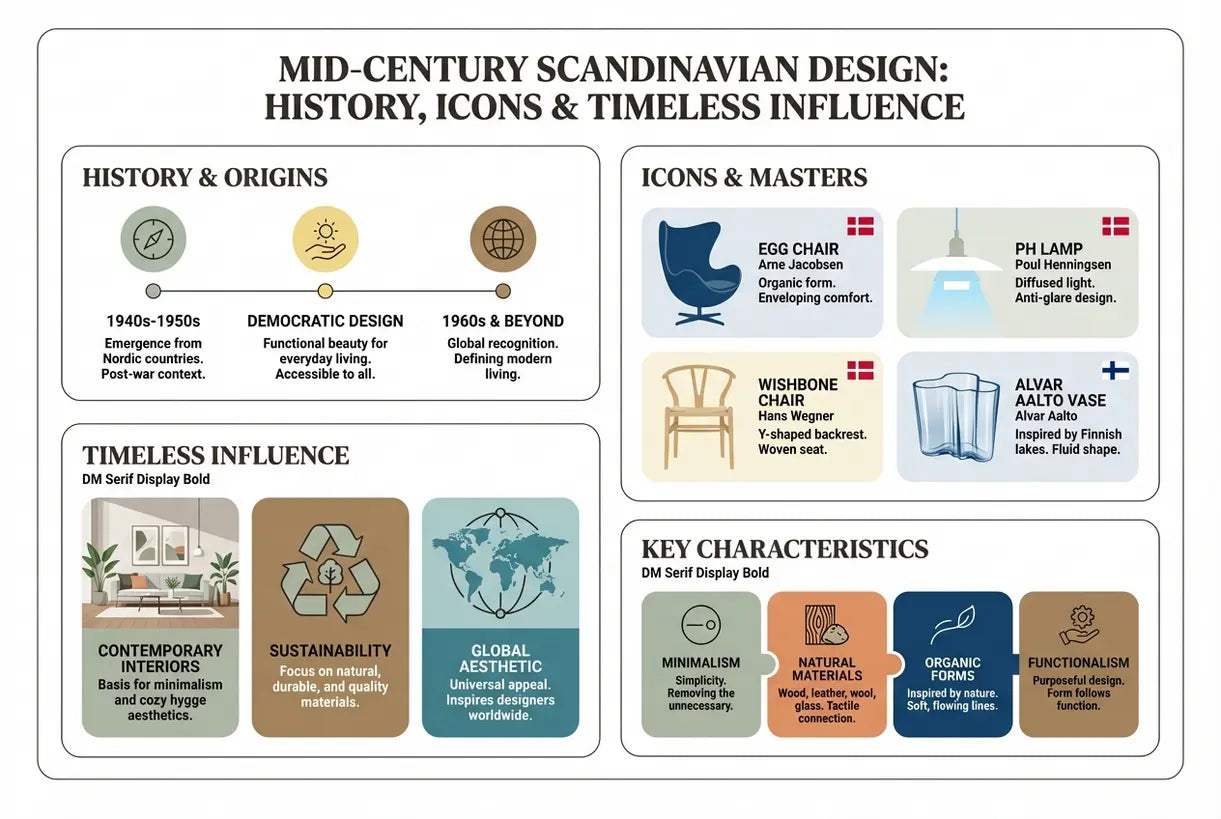
To truly appreciate scandinavian mid century furniture and lighting, we must journey back to post-World War II Northern Europe. The war had devastated economies and industries across Denmark, Sweden, Norway, and Finland—but from this hardship emerged a design philosophy that would conquer the world.
The Scandinavian countries faced material shortages and limited manufacturing capabilities. Rather than viewing these constraints as limitations, designers embraced them as creative opportunities. They focused on democratic design—beautiful, well-made objects that ordinary people could afford. This wasn't elitist design for museums; it was everyday elegance for real homes.
The movement gained international traction when Scandinavian design exhibitions toured the United States in the early 1950s. Americans, weary of ornate Victorian excess and cold industrial modernism, fell in love with the warmth, functionality, and human scale of these Nordic creations. For those looking to explore more options, our Lamps collection offers a curated selection inspired by this era.
Key Principles That Define the Aesthetic
What separates scandinavian modern design from fleeting trends? Several core principles established during the mid-century period continue to define the aesthetic today:
- Form Follows Function: Every curve, joint, and material choice serves a purpose. Ornamentation, when present, emerges naturally from structure rather than applied decoration.
- Organic Materials: Teak, oak, walnut, wool, leather, and brass predominate. These materials age beautifully, developing patina and character over decades of use.
- Light and Space: Scandinavian designers understood that Northern Europe's long, dark winters required interiors that maximized natural light and airiness. Pale wood tones, clean lines, and thoughtful lighting became essential.
- Human Proportion: Furniture embraces the body. Chairs cradle, tables welcome, and lighting creates intimate pools of warmth rather than harsh illumination.
These principles didn't emerge from theory alone—they reflected a cultural value system rooted in hygge, the Danish concept of coziness and contentment; lagom, the Swedish ideal of balance; and a deep respect for nature and craftsmanship.
Scandinavian Lighting
Shop all Scandinavian Lighting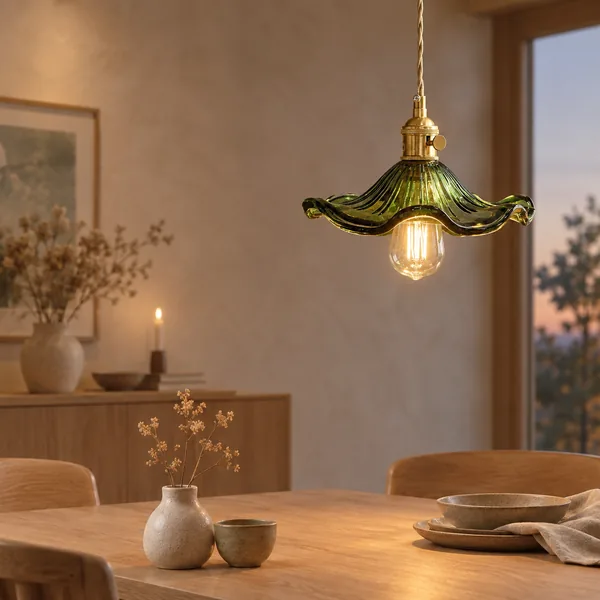
 Save $60.00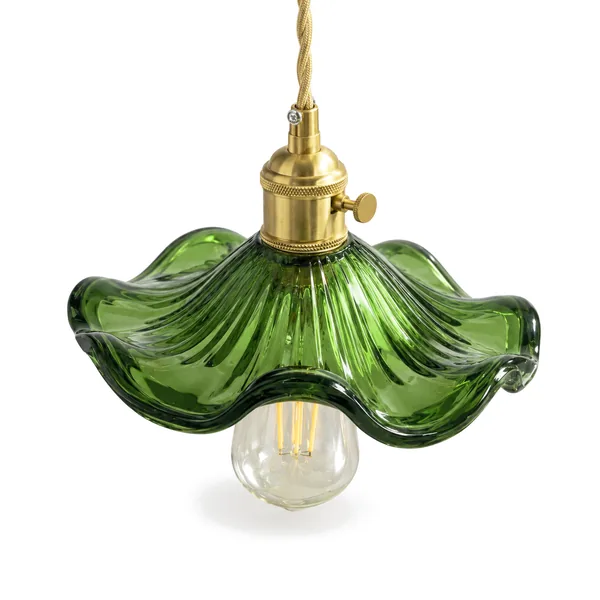
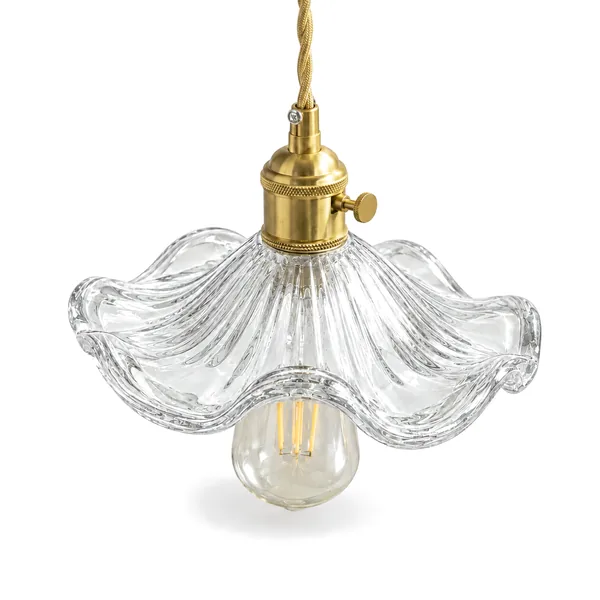
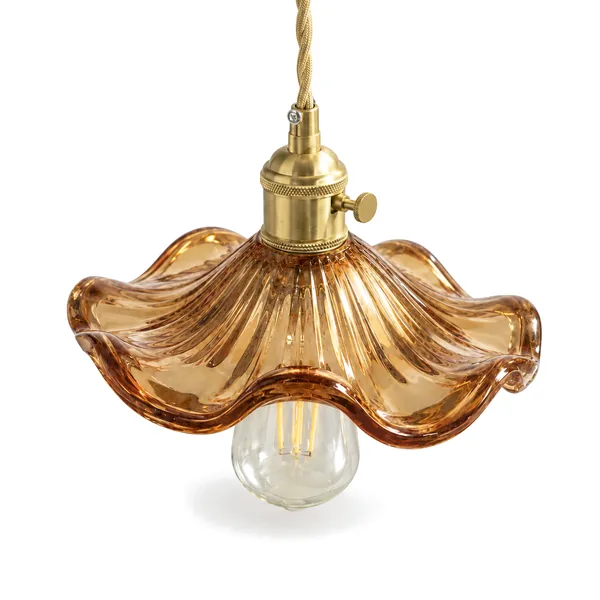 3 options
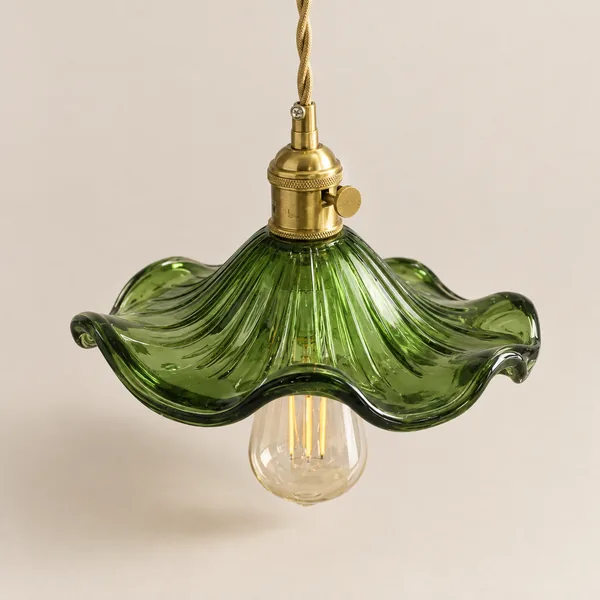
Glora Nordic Glass Pendant Light with Copper
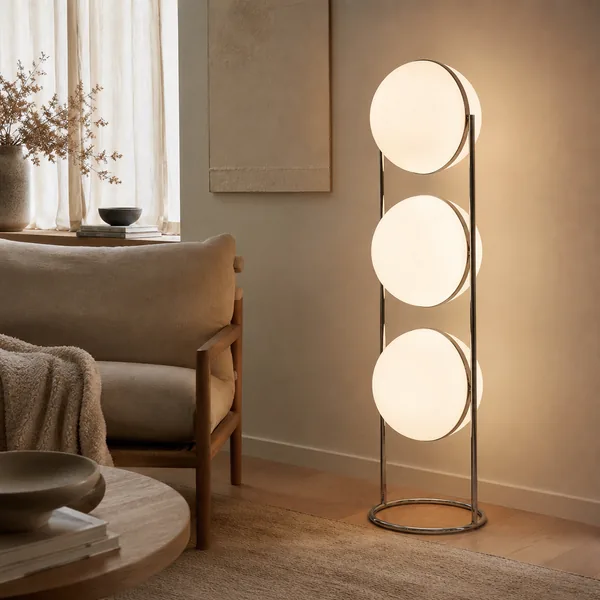
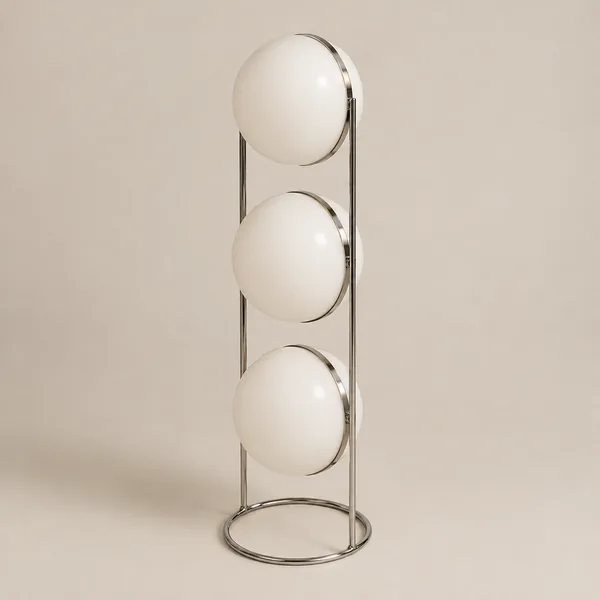 Save $150.00
Kulglod Bauhaus Chrome Acrylic Globe Floor Lamp
 Save $230.00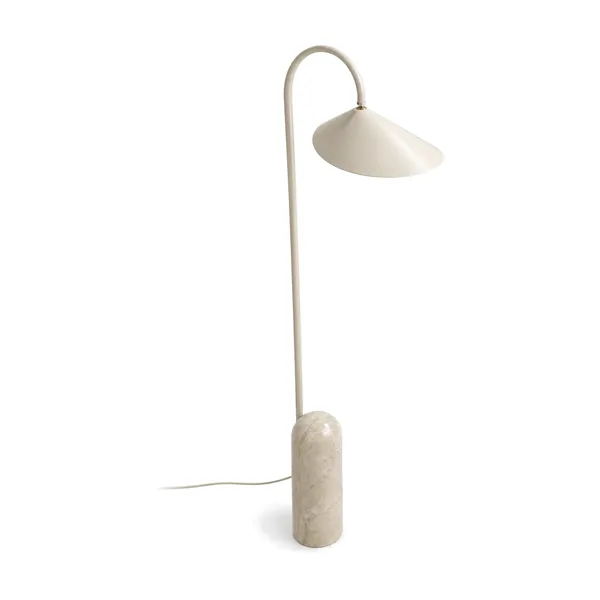
 2 options
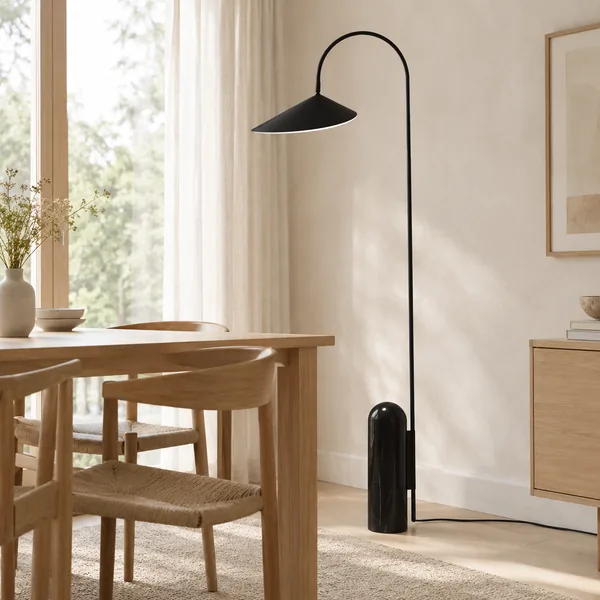
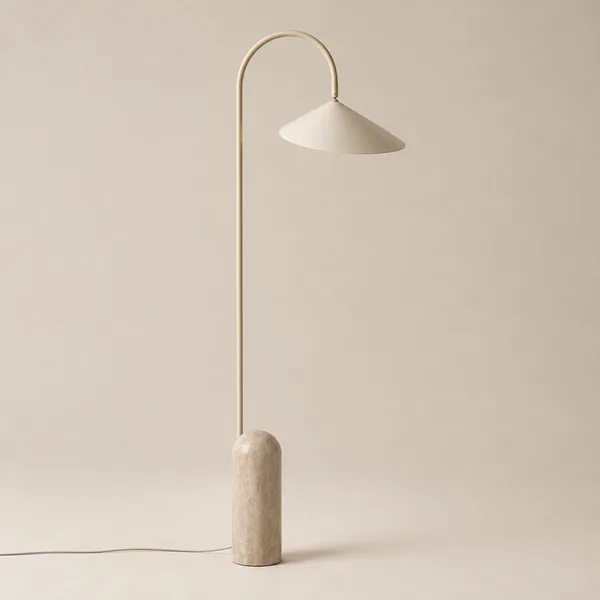
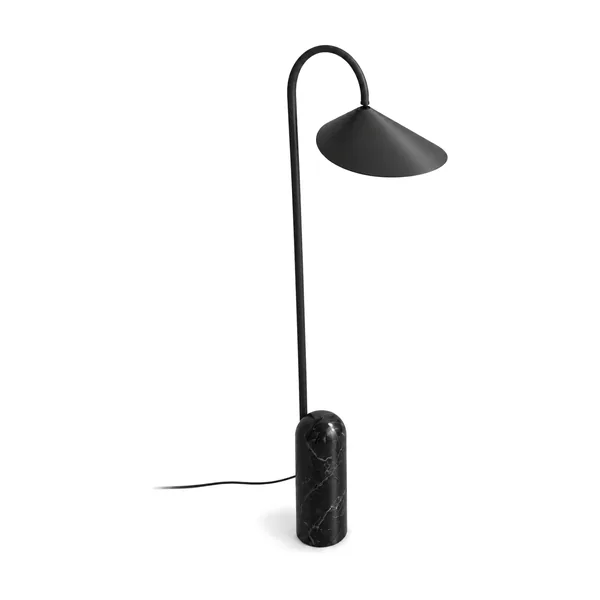
Velbue Marble Base Arc Floor Lamp Danish Design
 Save $210.00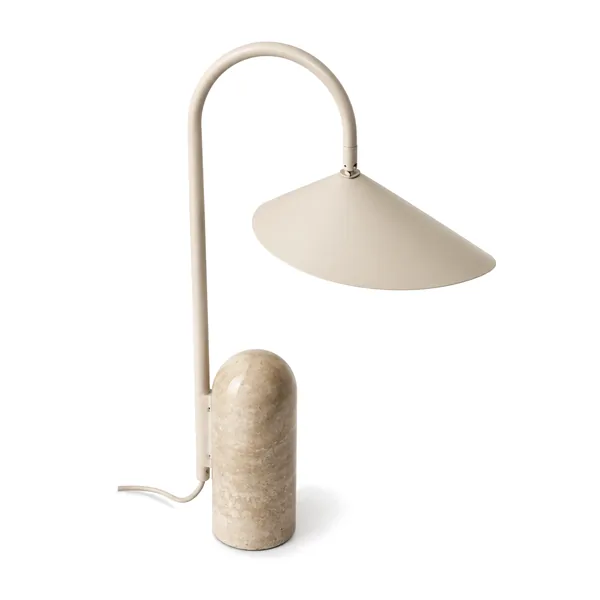
 2 options
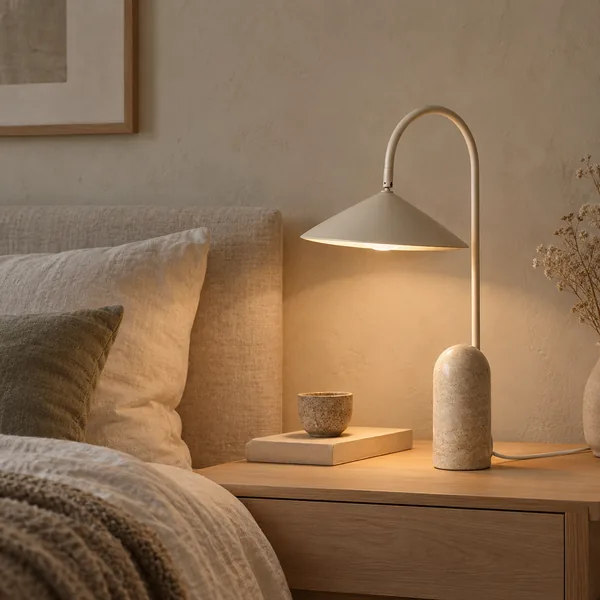
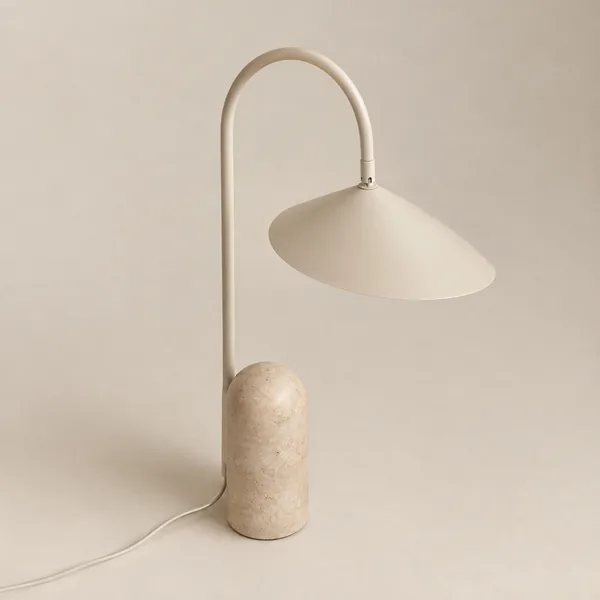
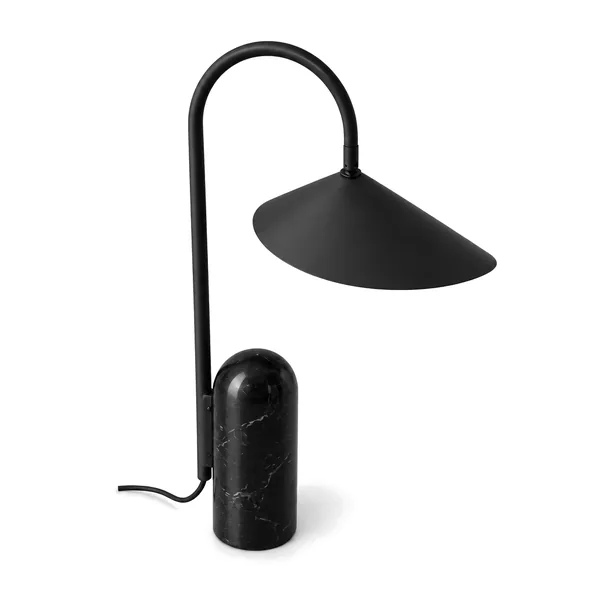
Solvei Danish Minimalist Arc Table Lamp Marble
The Legendary Designers Who Shaped the Movement
No exploration of nordic mid century design would be complete without acknowledging the brilliant minds behind the icons. These designers didn't merely create furniture—they redefined how we live.
Perhaps no single piece encapsulates the movement better than Hans Wegner's Wishbone Chair, or CH24. Designed in 1949, this masterwork required over 100 steps to produce, including the hand-woven paper cord seat that gives it both strength and comfort:
Wegner designed over 500 chairs throughout his career, but the Wishbone remains his most celebrated—a perfect marriage of traditional Chinese craftsmanship influences with Danish modern sensibilities.
Arne Jacobsen brought architectural rigor to furniture design, creating the Egg and Swan chairs for the SAS Royal Hotel in Copenhagen. Alvar Aalto, the Finnish master, pioneered bent wood techniques that made plywood sculptural. Børge Mogensen championed functional simplicity with his Spanish Chair and Hunting Chair. Finn Juhl introduced organic sculptural forms that seemed to float on air.
Together, these designers established what we now recognize as a golden age—one that continues to influence contemporary designers and manufacturers worldwide.
What Is the Scandinavian Design Style Called?
You may encounter various terms when researching this aesthetic: Nordic design, Danish Modern, Swedish Modern, or simply Mid-Century Modern. While related, these terms aren't interchangeable.
Scandinavian design specifically refers to design originating from Denmark, Norway, Sweden, Finland, and Iceland. It encompasses a geographic and cultural identity. Mid-Century Modern describes a broader international movement spanning roughly 1945-1965.
Think of it this way: all Scandinavian design from the 1950s-60s falls under mid-century modern, but not all mid-century modern is Scandinavian. American designers like Charles and Ray Eames or George Nelson created iconic mid-century pieces with distinctly different cultural references.
The true Scandinavian approach emphasizes lighter wood tones, more restrained forms, and that unmistakable Nordic connection to nature and light. It's both warmer and more minimalist than its American counterpart.
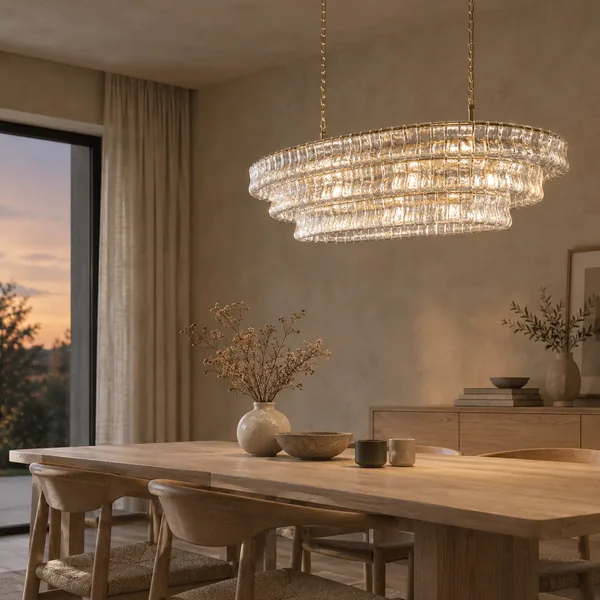 Stjerna Vintage French Clear Glass Chandelier$1,799.00$2,259.00
Distinguishing Scandinavian Design from Pure Mid-Century Modern
Understanding these nuances helps when curating your own space. Danish mid century style, for instance, tends toward sculptural wood furniture with woven seats and organic curves. Swedish design often incorporates lighter, almost bleached wood tones alongside textiles with traditional patterns. Finnish design embraces innovation in materials, particularly molded plywood and plastics.
American mid-century modern can feel heavier—darker woods like walnut and rosewood, bulkier proportions, and more dramatic silhouettes. While beautiful, these pieces create different energy in a room than their Nordic counterparts.
There's also a philosophical distinction. Scandinavian design emerged from social democratic ideals about making good design accessible to everyone. American mid-century modern, while also embracing mass production, often targeted a more affluent market with statement pieces meant to impress as much as function.
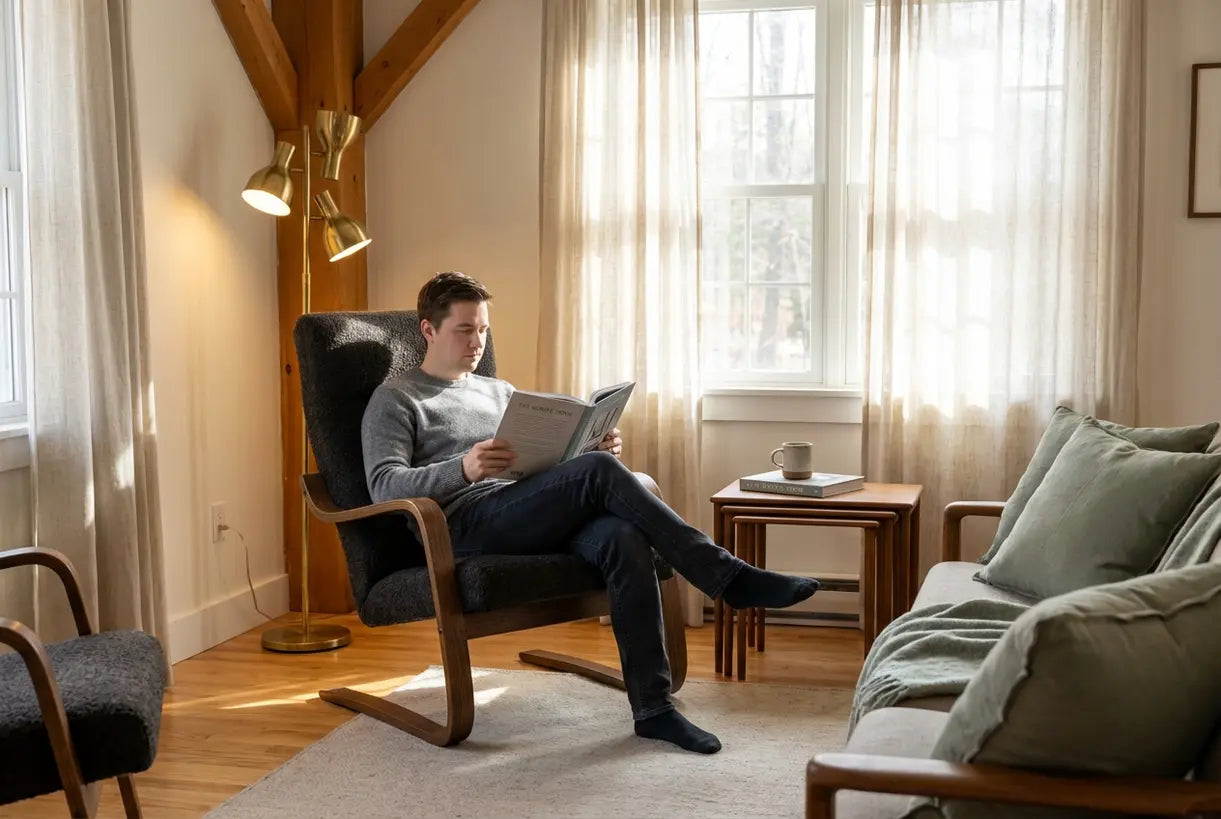
When selecting pieces for your home, consider what atmosphere you want to create. Scandinavian-influenced spaces feel lighter, airier, and more casual. They invite you to put your feet up rather than admire from a distance.
Chandeliers
Shop all Chandeliers
Blending Scandi and Mid-Century Design in Your Home
One of the most common questions we hear: "Can you mix Scandi and Mid-Century design styles?" The answer is a resounding yes—in fact, blending these aesthetics often creates the most interesting, layered interiors.
Start with a foundational palette. Scandinavian spaces favor whites, soft grays, and warm wood tones. Layer in select darker mid-century pieces—a rich teak credenza, a cognac leather butterfly chair—to add depth without overwhelming the airy sensibility.
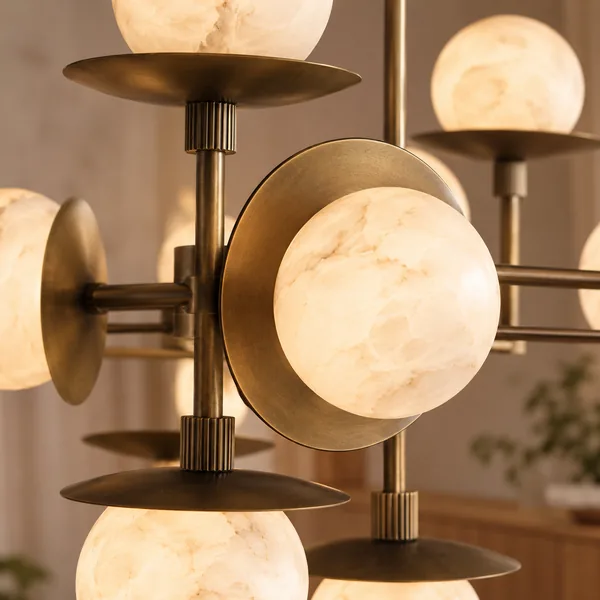
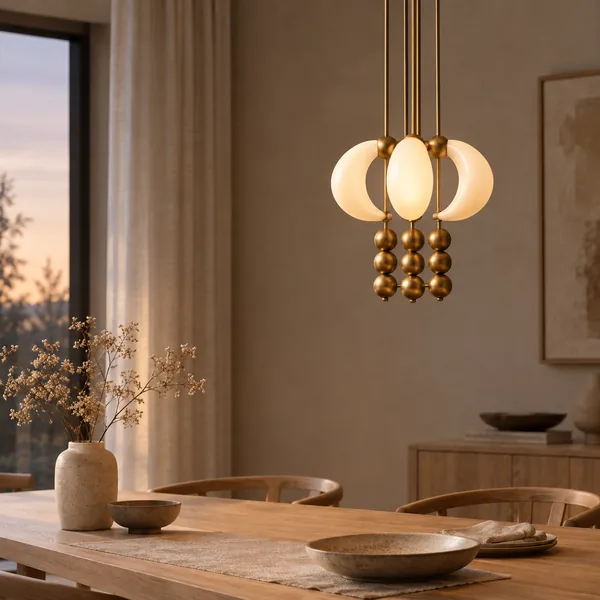
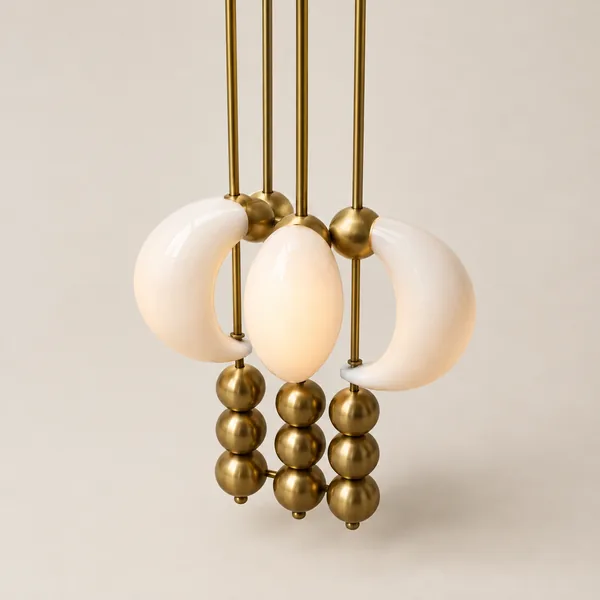
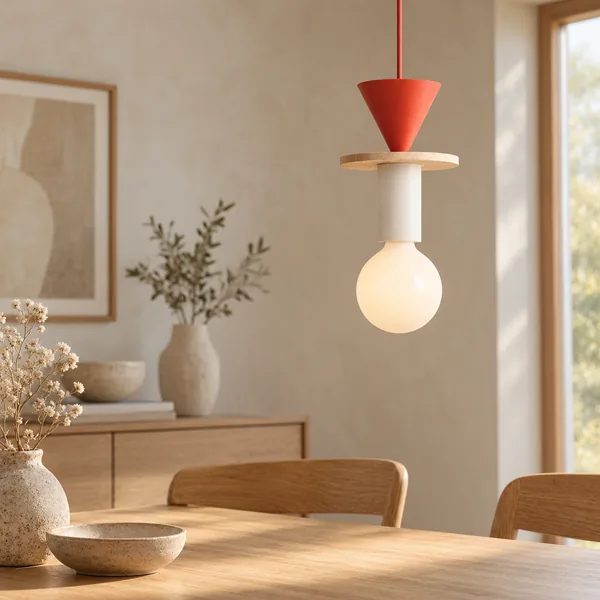
Lighting serves as the perfect bridge between styles. Both movements share an obsession with sculptural fixtures that double as art. Look for pendants and sconces that combine warm metals like brass with natural materials or clean glass.
Creating Cohesion Through Lighting
Lighting choices often make or break a design scheme. In authentic nordic modern interior design, fixtures aren't afterthoughts—they're anchor pieces that establish mood and rhythm throughout a space.
Consider wall sconces that offer adjustability, allowing you to direct light exactly where needed while maintaining that vintage aesthetic. Pendant lights in natural walnut or oak bring organic warmth overhead. These elements unite the room's design language while serving practical needs.
Curated Mid-Century Inspired Lighting
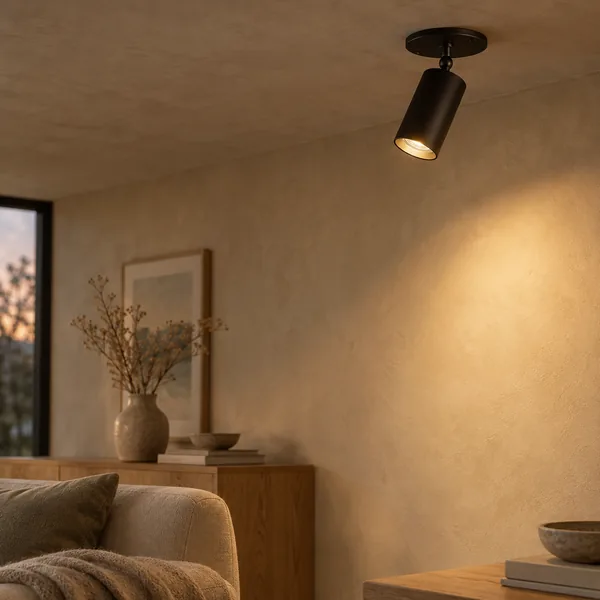 Kveld Adjustable LED Wall Sconce Mid-Century$259.00$399.00
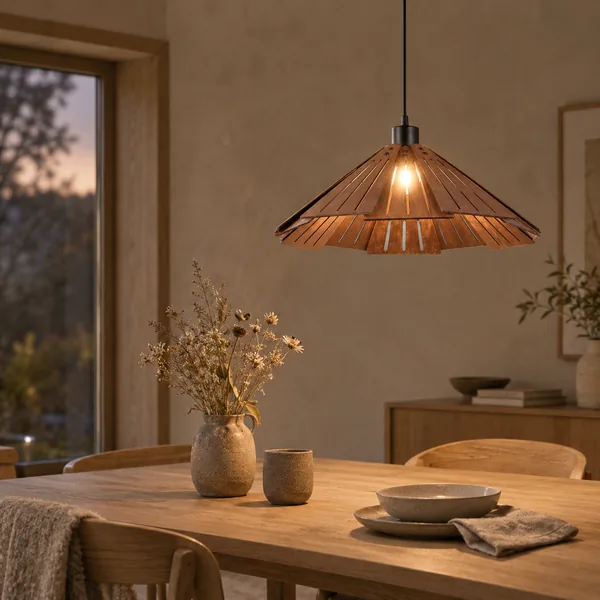 Vedra Natural Walnut Wood Nordic Pendant Light$159.00$239.00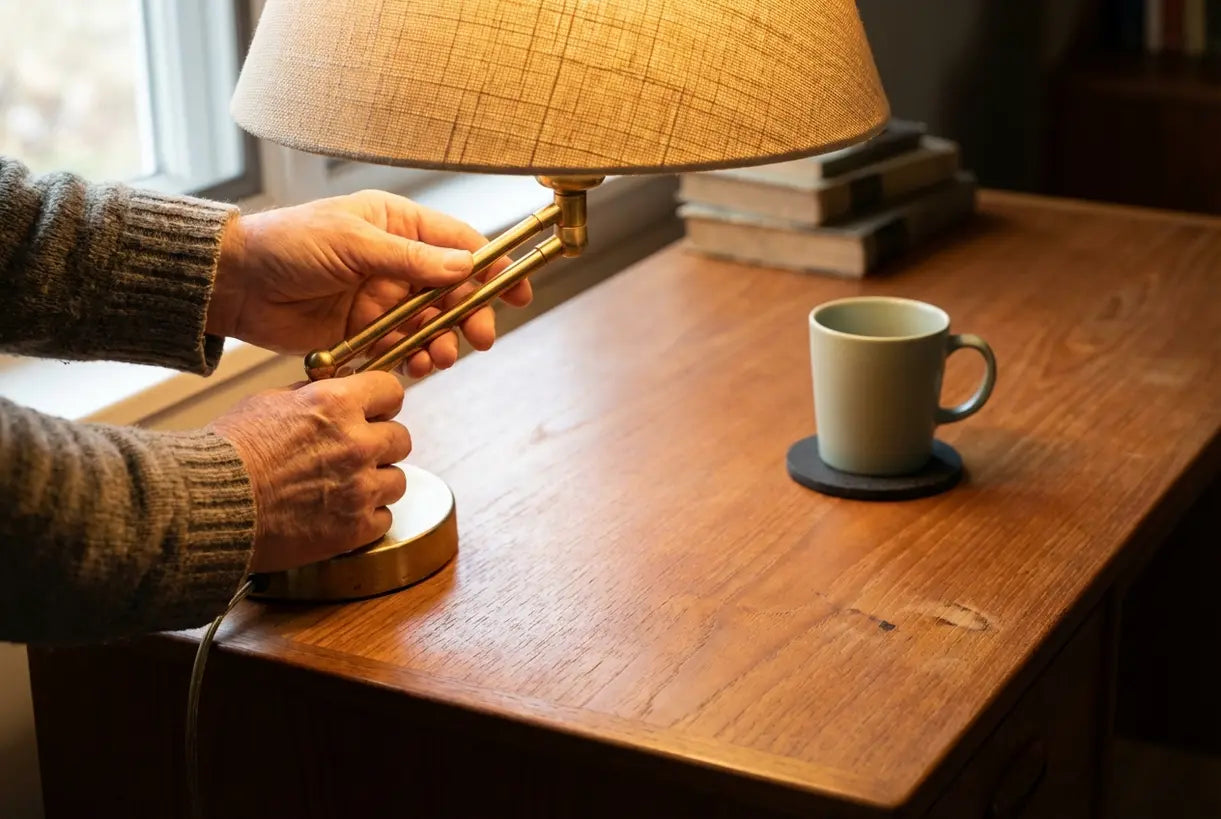
The Enduring Legacy in Contemporary Interiors
Why does scandinavian design history from seventy years ago feel more relevant than ever? The answer lies in its core values: sustainability, beauty through simplicity, and respect for the user's experience.
In an age of disposable furniture and fast trends, mid-century Scandinavian pieces represent the antithesis—objects made to last generations, both physically and aesthetically. Original pieces from the 1950s and 60s command premium prices not just because of nostalgia, but because of their enduring quality and design integrity.
Contemporary designers continue to draw inspiration from this period. Walk through any modern furniture showroom, and you'll see echoes of Wegner's organic curves, Aalto's bent wood innovations, and Jacobsen's streamlined sophistication. The best contemporary designs honor these foundations while adapting to modern living needs.
For homeowners today, incorporating authentic mid-century influences doesn't mean creating a period museum. Instead, it's about selecting pieces that function beautifully while bringing warmth and history into daily life.
Creating Your Own Mid-Century Scandinavian Sanctuary
Bringing this aesthetic into your home starts with intention. Rather than purchasing random "Scandinavian-inspired" items, consider how each piece serves your life and space. Ask yourself: Does this function beautifully? Will it age gracefully? Does it honor natural materials and honest construction?
Start with one statement piece—a sculptural light fixture that casts beautiful shadows, or a dining table with graceful tapered legs. Build around it slowly, adding complementary elements that share similar material warmth and clean lines.
At Skonne, we believe that lighting is where Scandinavian design philosophy shines brightest. The right fixture transforms not just how a room looks, but how it feels. Whether you're drawn to the sculptural clarity of a Stjerna Vintage French Clear Glass Chandelier for your dining room, the versatile functionality of a Kveld Adjustable LED Wall Sconce for reading corners, or the organic warmth of a Vedra Natural Walnut Wood Nordic Pendant Light for intimate spaces, you're choosing pieces that honor this remarkable design heritage.
These aren't mere reproductions—they're contemporary interpretations that capture the same spirit of beauty, function, and warmth that defined the original mid-century masters. Each piece in our collection has been selected for its ability to bring that timeless Scandinavian sensibility into modern homes, creating spaces that feel both curated and livable.
Related Article
Scandinavian Office Design: A Productive, Beautiful Nordic WorkspaceTransform your workspace with Scandinavian office design. Discover tips for minimalist styling, functional lighting, and creating a productive Nordic home office.