
Scandinavian Minimalist Design: The Art of Intentional Simplicity
Summary›
- What is Scandinavian Minimalist Design?
- The Key Principles of Scandinavian Minimalist Interior Design
- The Colors and Materials That Define Scandinavian Contemporary Design
- The Art of Layered Lighting in Nordic Minimalism
- How to Implement Scandinavian Minimalist Design in Your Home
- Avoiding Common Pitfalls in Minimalist Design
- Conclusion: Embracing Intentional Simplicity
In a world that often feels overwhelming, scandinavian minimalist design offers a breath of fresh air—a philosophy that proves less truly is more. This design approach isn't simply about owning fewer things; it's about creating spaces that breathe, function beautifully, and nurture your wellbeing through intentional simplicity. Whether you're furnishing your first apartment or curating a forever home, understanding the principles of scandinavian minimalist interior design can transform how you experience your living spaces.
At its core, this style—also called nordic minimalism or simply Scandi design—emerged from the Scandinavian countries of Denmark, Norway, Sweden, Finland, and Iceland during the 20th century. What began as a regional design movement has evolved into a global language of living that millions embrace for its perfect balance of functionality, beauty, and warmth. In this guide, we'll explore the foundational principles, essential color palettes, and practical implementation strategies that make scandinavian contemporary design so enduringly appealing.
What is Scandinavian Minimalist Design?
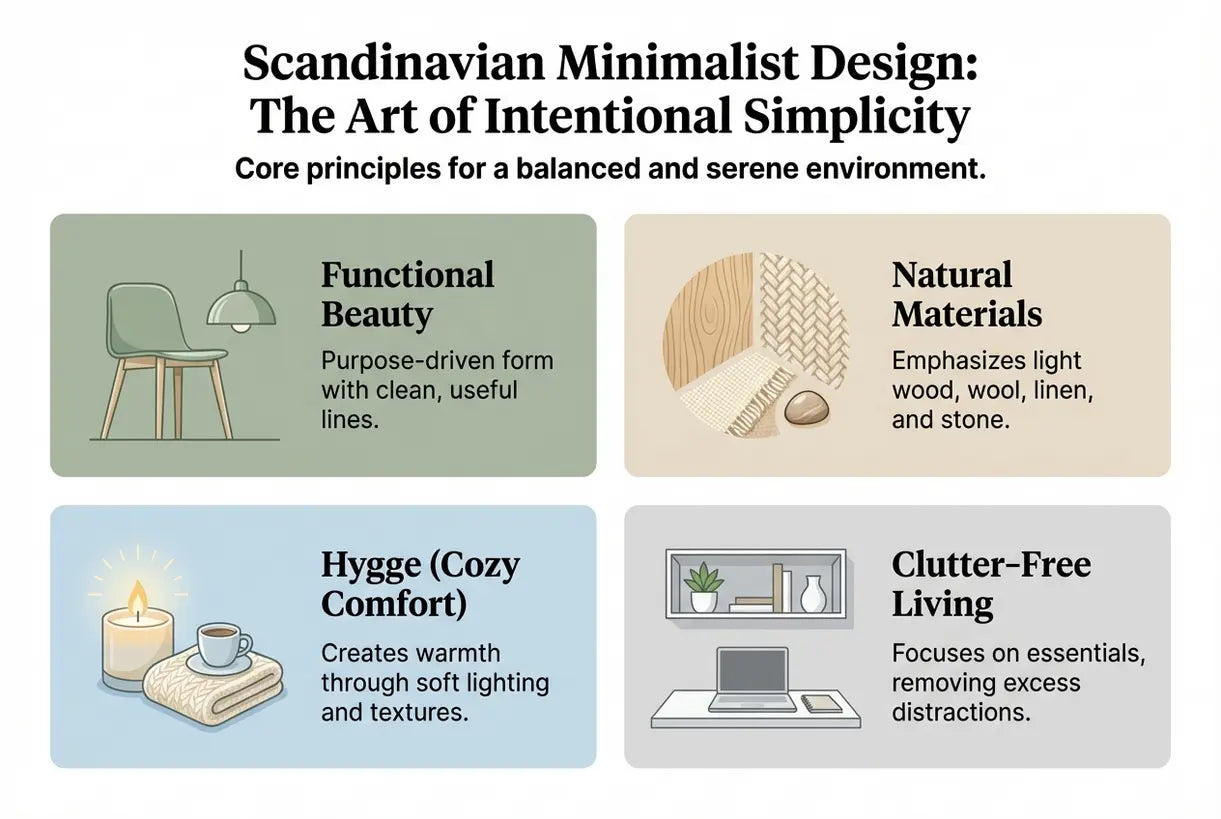
Unlike stark minimalism that can feel cold or institutional, scandinavian minimalist design embraces warmth through texture, natural materials, and carefully considered lighting. The philosophy centers on lagom—the Swedish concept of "just enough"—where every object in your space serves a purpose while contributing to an overall sense of harmony and calm.
This design language prioritizes clean scandinavian design lines without sacrificing comfort. You'll find spaces that feel open yet cozy, organized yet lived-in. The aesthetic draws heavily from the natural world, reflecting the Nordic landscape's muted tones and organic forms. It's about creating environments that support your daily rituals while removing visual clutter that creates mental noise.
The Key Principles of Scandinavian Minimalist Interior Design
Understanding scandinavian design principles allows you to make informed choices that align with this thoughtful aesthetic. These aren't rigid rules but guiding values that help curate spaces promoting tranquility and intentionality:
Functionality as Foundation
Every piece should earn its place through utility. Scandinavian design rejects purely decorative objects in favor of items that work beautifully—think functional scandinavian decor like sculptural lighting that illuminates while anchoring a room's aesthetic. Furniture features clean lines and multipurpose capabilities, supporting the reality of modern living without excess.
Natural Materials and Light
Wood, wool, linen, leather, and glass dominate scandinavian minimalist interiors. These materials age gracefully, adding character over time rather than degrading. The design emphasizes connecting indoor spaces with the natural world outside—particularly important in regions with long, dark winters where scandinavian hygge design creates warmth and comfort.
Thoughtful Lighting Design
Lighting serves as the soul of scandinavian spaces. Rather than relying on harsh overhead fixtures, this approach layers ambient, task, and accent lighting to create depth and intimacy. The right lighting transforms minimalist spaces from feeling sparse to feeling serene.
Remember: Scandinavian simplicity isn't about deprivation—it's about making room for what truly matters by removing what doesn't.
Scandinavian Lighting
Shop all Scandinavian Lighting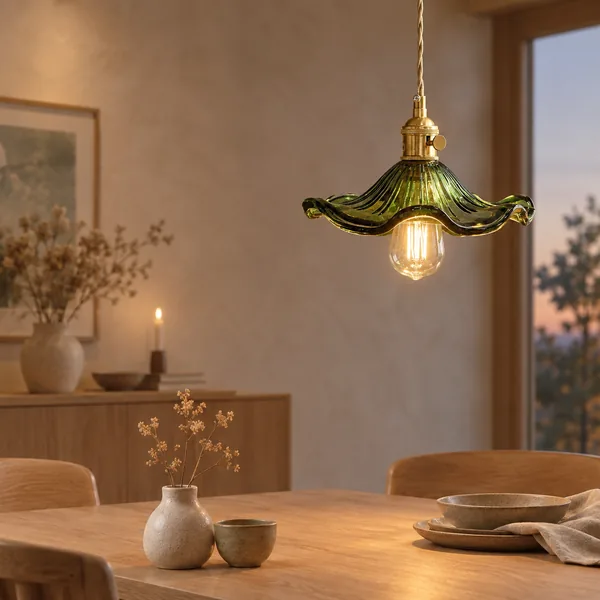
 Save $60.00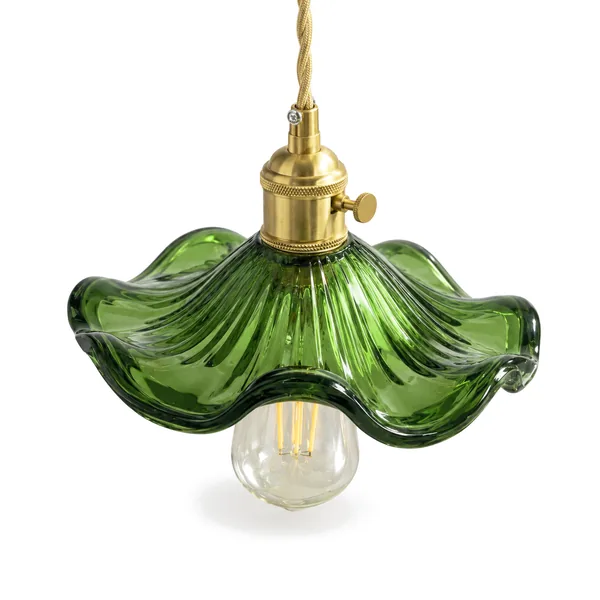
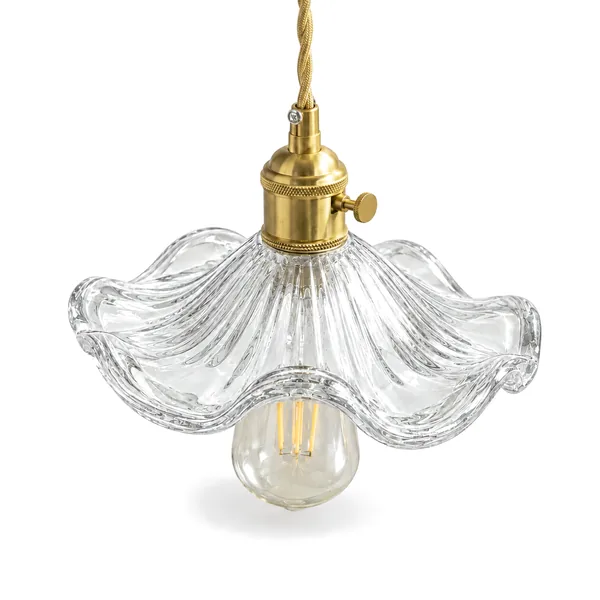
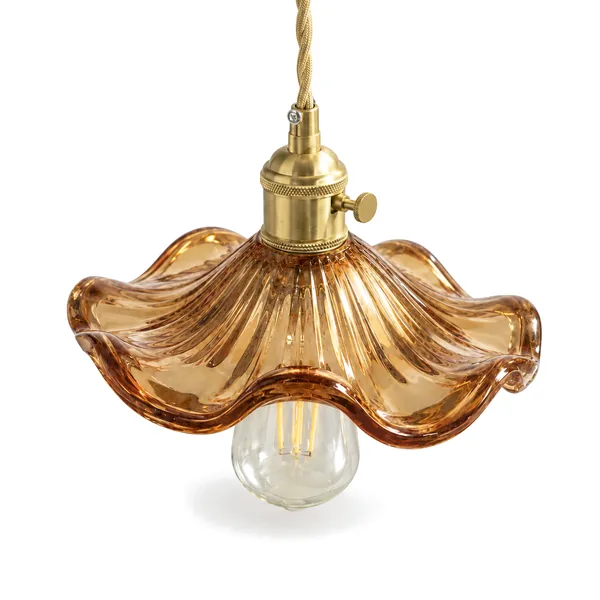 3 options
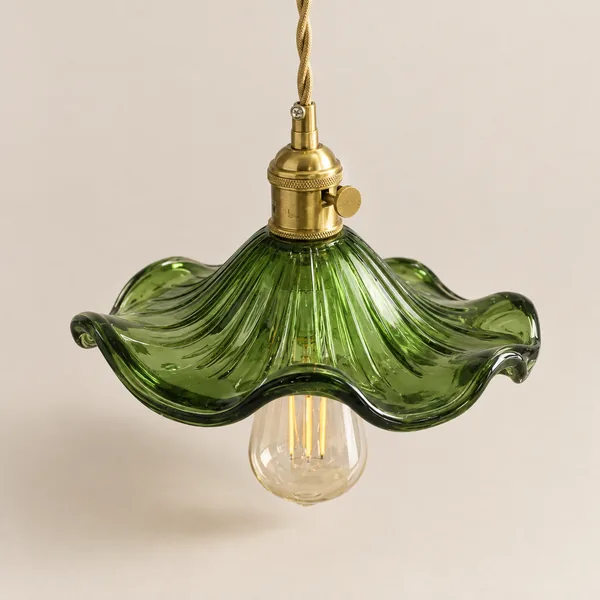
Glora Nordic Glass Pendant Light with Copper
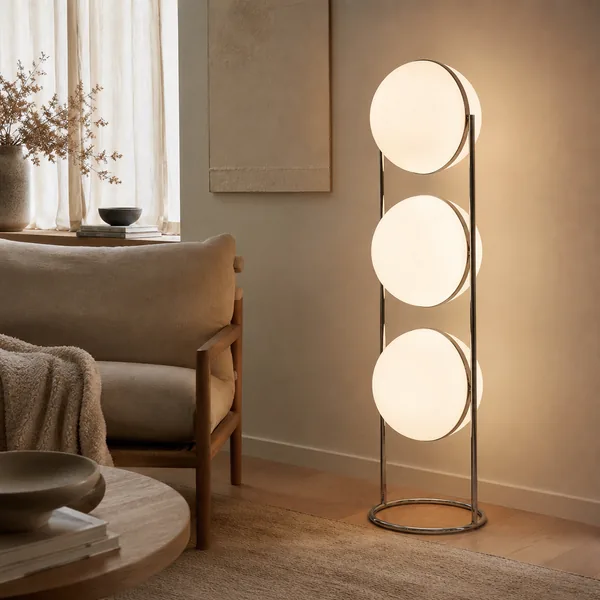
 Save $150.00
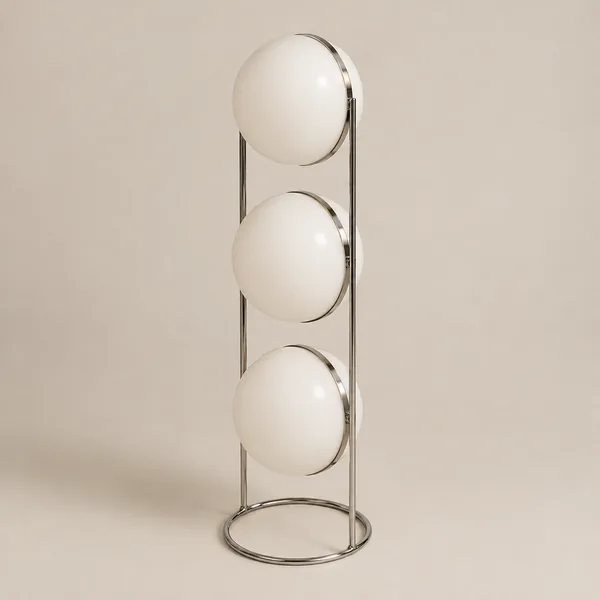
Kulglod Bauhaus Chrome Acrylic Globe Floor Lamp
 Save $230.00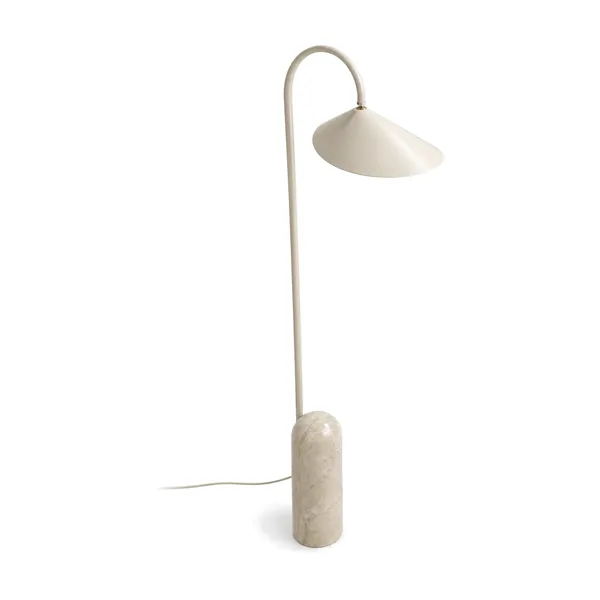
 2 options
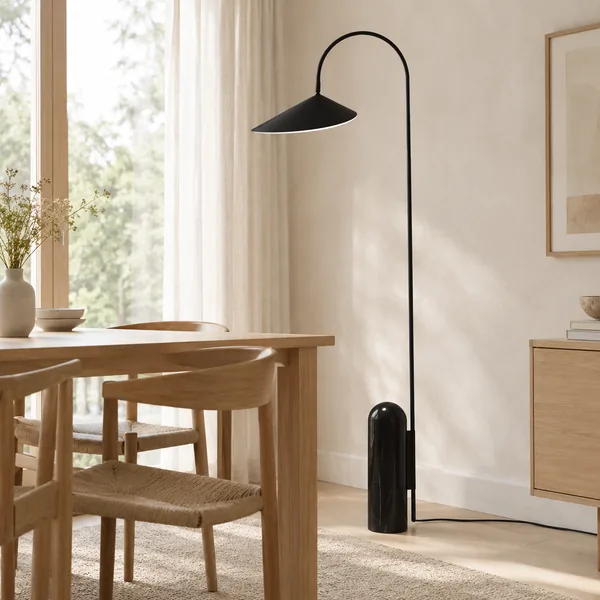
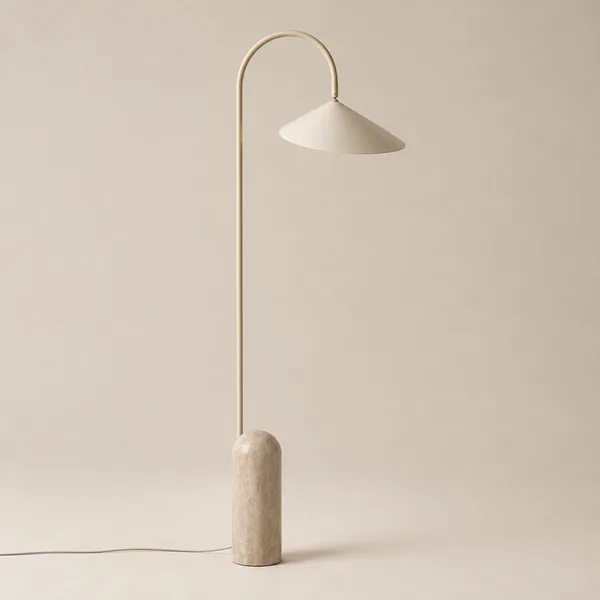
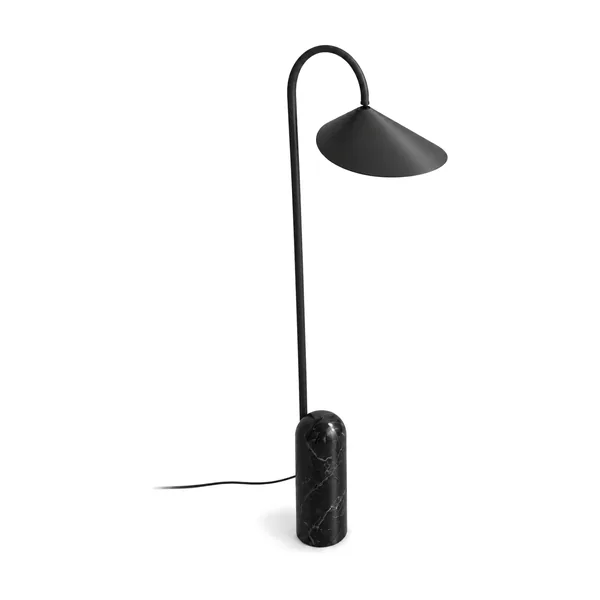
Velbue Marble Base Arc Floor Lamp Danish Design
 Save $210.00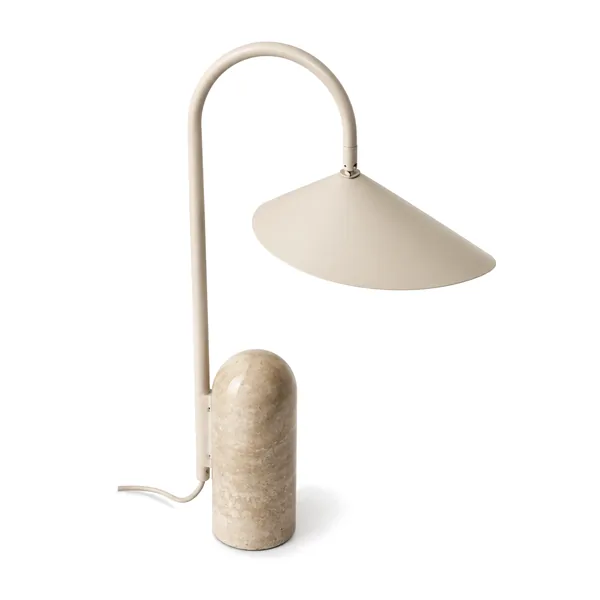
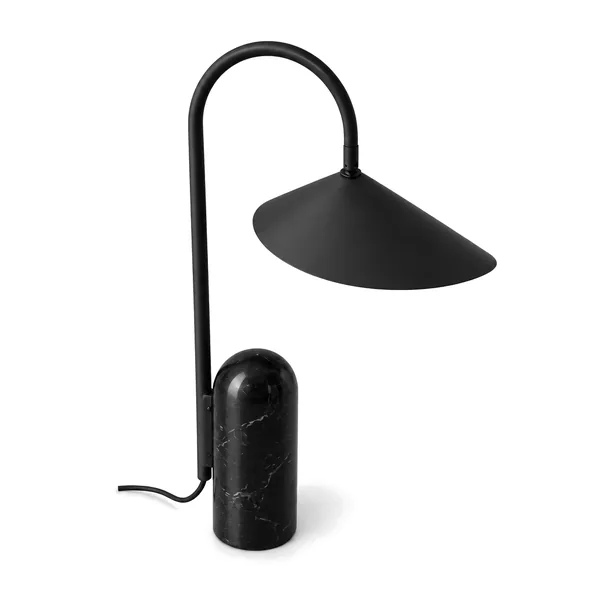 2 options
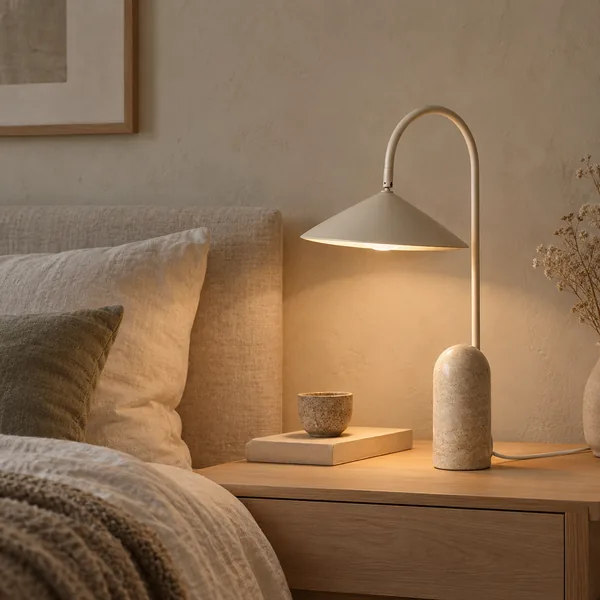
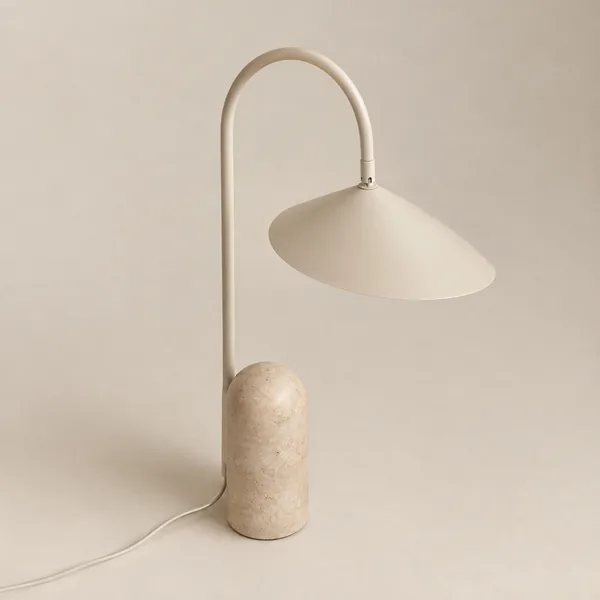
Solvei Danish Minimalist Arc Table Lamp Marble
The Colors and Materials That Define Scandinavian Contemporary Design
When envisioning scandinavian design ideas, picture a palette drawn from nature itself. Whites and soft grays form the base, creating bright, light-filled interiors essential for northern climates. Warm wood tones—oak, pine, birch—add organic warmth that keeps spaces from feeling clinical. Accent colors emerge sparingly through textiles, ceramics, and greenery: muted sage, dusty rose, ocean blues, and terra cotta.
Materials follow a similarly restrained yet tactile approach. Textured wools, rough-hewn woods, and hand-thrown ceramics create visual interest without visual clutter. This emphasis on quality materials that improve with age supports intentional scandinavian living—buying less, but buying better.
The Art of Layered Lighting in Nordic Minimalism
Lighting represents perhaps the most crucial element in achieving authentic scandinavian style. The Nordic countries experience dramatic seasonal light variations, making the art of interior illumination central to domestic life. Modern scandinavian interior spaces use lighting to create warmth, define zones, and highlight natural materials.
Pendant lights serve as sculptural centerpieces above dining tables, kitchen islands, and living areas. The key lies in selecting fixtures that provide beautiful, diffused light while functioning as statement pieces—what Skonne calls functional sculpture.
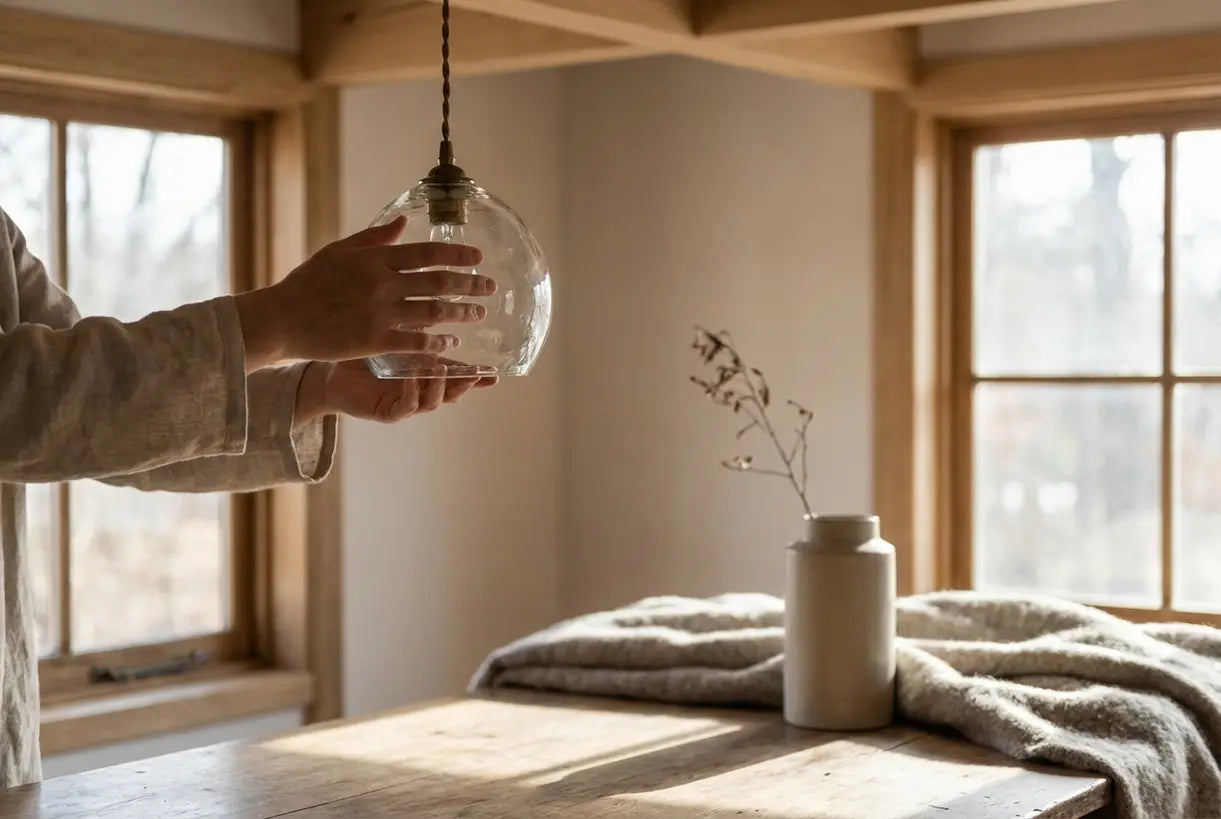
The exemplifies this philosophy perfectly. Its handcrafted cloud glass shade diffuses an ethereal, soft glow that transforms harsh electrical light into something resembling natural daylight. Each individually shaped shade becomes a unique art piece that honors the scandinavian principle of valuing craftsmanship—proving that practical lighting can simultaneously serve as the room's most captivating feature.
Creating Intimate Moments
Beyond pendants, table lamps play a vital role in scandinavian minimalism. They create pools of warm light for reading corners, bedrooms, and side tables—essential for cultivating hygge, that untranslatable feeling of coziness and contentment. For those looking to explore more options, our Wall Lights offers a curated selection of architectural fixtures that maintain clean lines while providing essential illumination for compact spaces.
How to Implement Scandinavian Minimalist Design in Your Home
Transitioning to minimalist nordic design doesn't require discarding everything you own. Instead, approach it as an evolution toward intentionality. Start by assessing each room critically: which objects serve your daily life? Which bring genuine joy? Remove anything that fails both tests.
Next, address your lighting. Replace harsh overhead fixtures with layered options that create mood and atmosphere. Consider how light interacts with your existing materials—does it highlight the grain of your wooden furniture? Does it cast cozy shadows in the evening?
Lighting Essentials for Scandinavian Spaces
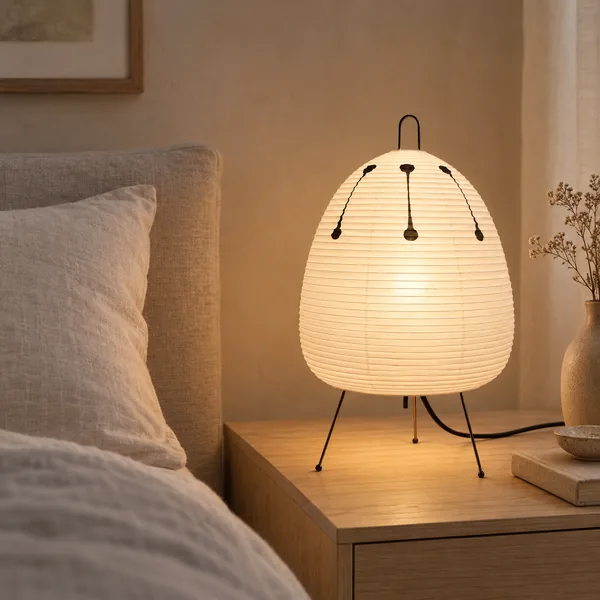 Shiro Rice Paper Table Lamp Nordic Minimalist$119.00$199.00
The Shiro Rice Paper Table Lamp Nordic Minimalist captures the essence of scandi minimalism through its clean lantern silhouette and warm rice paper glow. Perfect for bedside tables or reading nooks, it embodies the Japandi aesthetic where Scandinavian functionality meets Japanese craftsmanship. Meanwhile, the demonstrates architectural minimalism with its hand-blown glass cylinder, delivering tranquil, even light that defines modern scandinavian minimalism.
Pendant Lights
Shop all Pendant Lights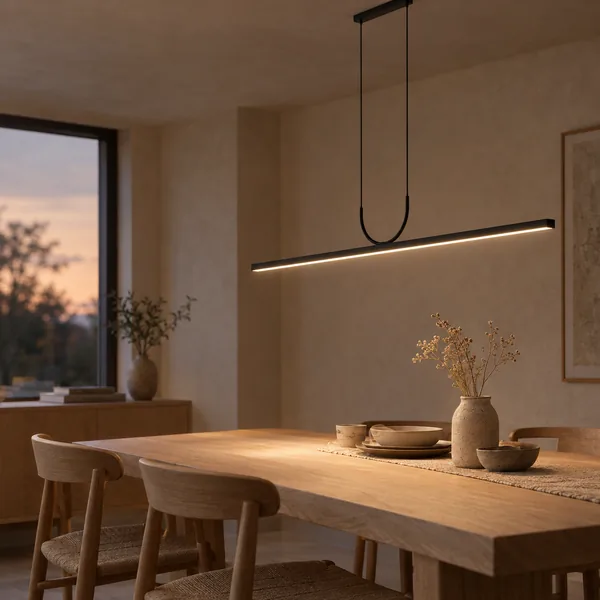
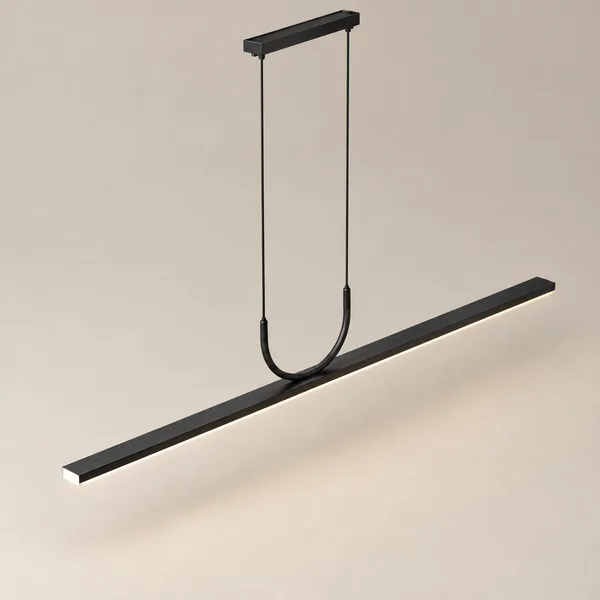 Save $140.00
Linné Minimalist Linear Black LED Pendant Light
Save $60.003 optionsGlora Nordic Glass Pendant Light with Copper
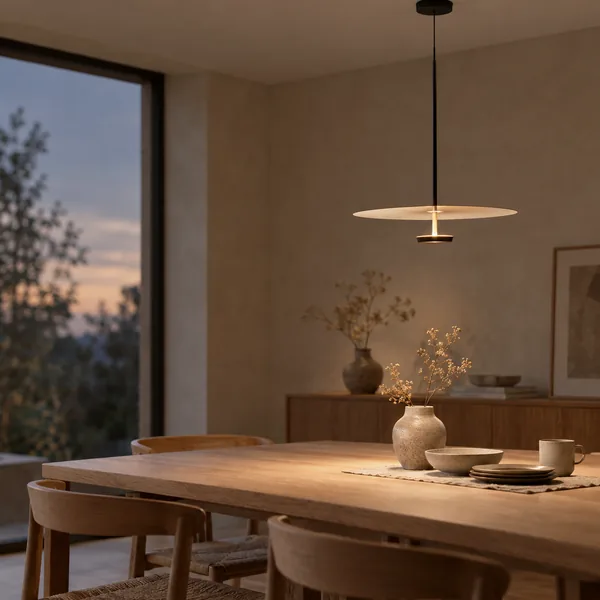
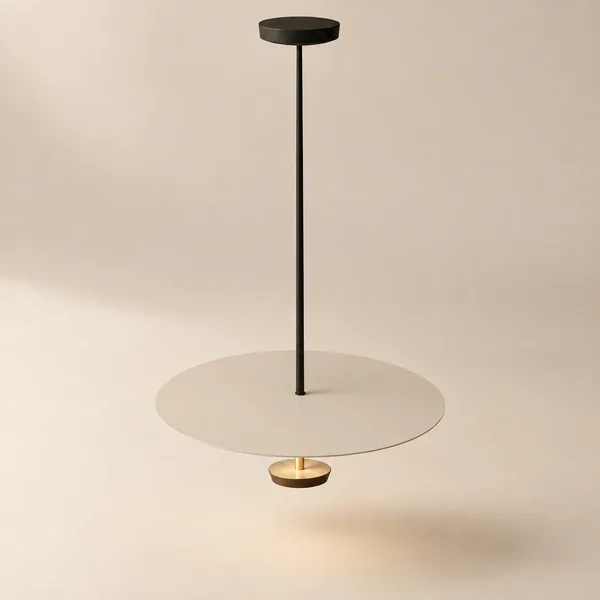 Save $120.00
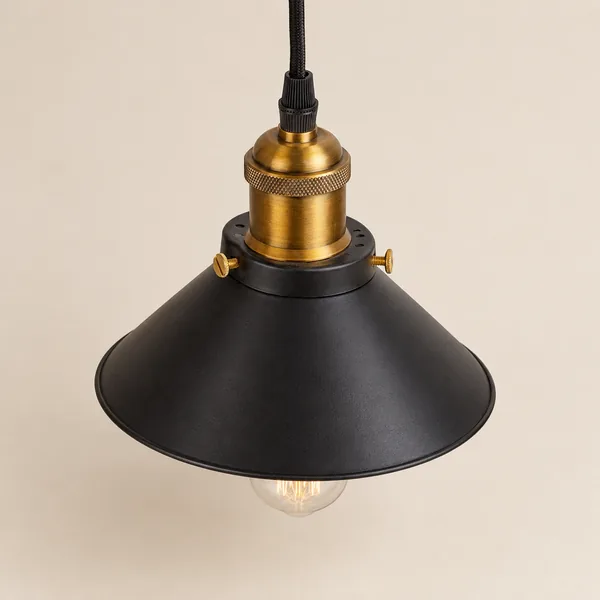
Skiva Nordic Saucer Ceiling Pendant Light LED
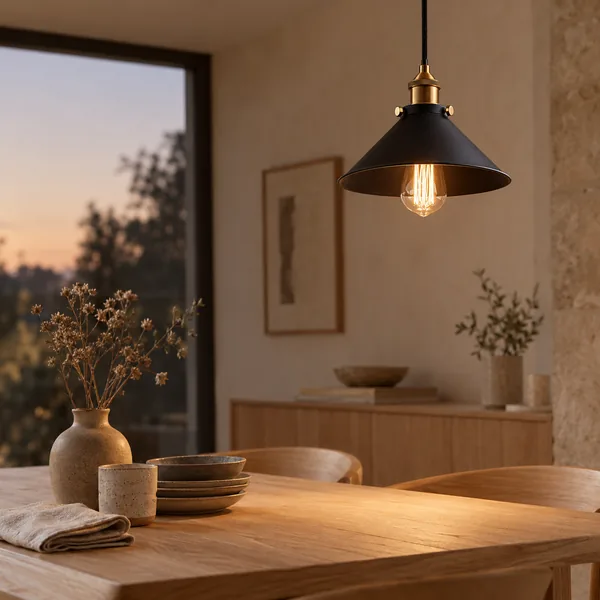
Building Your Scandinavian Sanctuary
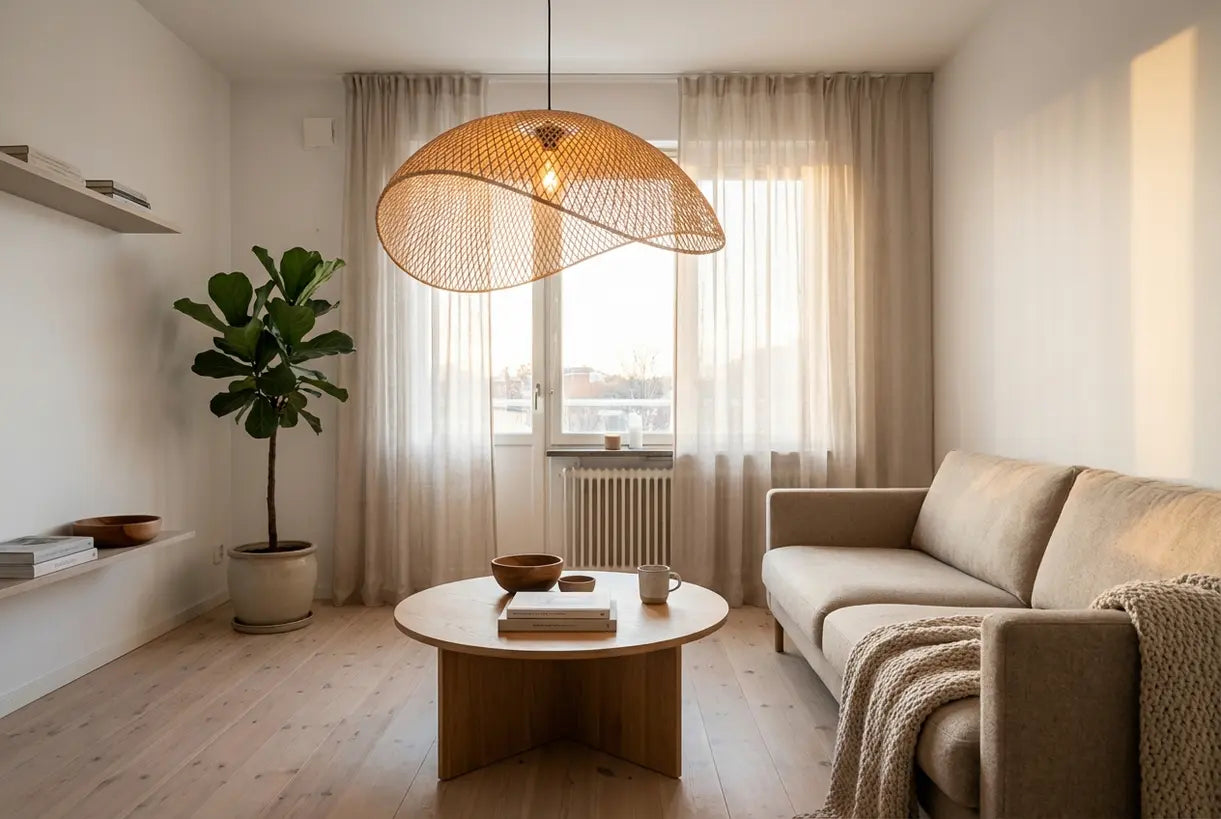
As you curate your space, prioritize quality over quantity. Invest in fewer, better pieces—solid wood tables, wool throws, ceramic vessels. Allow walls to breathe with negative space rather than filling every surface. Introduce organic elements through plants, which bring life and improve air quality while maintaining the aesthetic's connection to nature.
Avoiding Common Pitfalls in Minimalist Design
Many newcomers to scandinavian minimalist design mistakenly create spaces that feel sterile or cold. Avoid this by ensuring adequate texture through natural materials—rough ceramics against smooth wood, nubby wool beside sleek metal. Another frequent error is insufficient lighting; minimalist spaces require more thoughtful illumination, not less, to prevent them from feeling flat or shadowy.
Resist the urge to achieve perfection overnight. True scandinavian simplicity evolves organically as you discover what you genuinely need and love. It's better to leave walls bare while searching for the perfect art piece than to rush into filling space with mass-produced decorations that don't resonate.
Design Tip: Shop slowly. Scandinavian minimalism rewards the patient curator who waits for pieces that truly speak to their space and lifestyle.
Conclusion: Embracing Intentional Simplicity
Scandinavian minimalist design offers more than an aesthetic—it's a framework for living that prioritizes quality experiences over accumulated possessions. By embracing functionality, honoring natural materials, mastering layered lighting, and practicing restraint, you create spaces that support your best life rather than complicating it.
At Skonne, we believe that the right lighting serves as the foundation of this philosophy. Our curated collection of scandinavian-inspired lighting—from ethereal pendants to warm table lamps—helps you implement these principles with pieces designed to last decades, both functionally and stylistically. When you choose lighting that respects the principles of nordic minimalism, you invest in daily moments of beauty and peace.
Begin your journey toward intentional simplicity today. Start with one room, one quality piece, one perfect light. The tranquility you create will extend far beyond your walls.
Related Article
Scandinavian Kitchen Design: Clean Lines, Warm Materials & Nordic StyleA practical guide to selecting pendant lights for your dining room, covering size, height, layout, and top product picks.