
How to Choose Pendant Lights for Your Dining Room

Summary›
- Why Pendant Lights Define the Dining Experience
- Getting the Size Right: Diameter Proportions That Work
- The Height Formula: Finding the Sweet Spot
- One, Two, or Three? Determining Fixture Count
- Scandinavian Style Meets Dining Room Function
- Placement Principles: Centered Vs. Aligned
- Bulb Selection: Brightness, Temperature, and Type
- Solutions for Low Ceilings
- Layering Light: Combining Pendants With Recessed Fixtures
- Making Your Selection: Bringing It All Together
The right pendant light can transform your dining room from merely functional to truly memorable. Whether you're furnishing a new home or refreshing your space with Scandinavian-inspired design, selecting the perfect overhead lighting for dining rooms requires balancing aesthetics, scale, and purpose. For homeowners navigating the world of interior lighting, understanding the fundamentals—from fixture sizing to ideal mounting heights—ensures your chosen piece enhances every dinner party and quiet family meal to come.
At Skonne, we believe that exceptional lighting should feel effortless. That means fixtures designed with intention, quality materials that age beautifully, and silhouettes that honor the clean, warm aesthetic of modern Scandinavian living. In this guide, we'll walk you through everything you need to know about pendant lights for dining rooms, from practical measurements to styling tips that capture the essence of kitchen design Scandinavian style.
Why Pendant Lights Define the Dining Experience
Pendant lights do more than illuminate your table—they anchor the space. Unlike flush-mount ceiling fixtures that blend into the background, a well-chosen pendant draws the eye upward and creates intimacy by focusing light exactly where you need it. In Scandinavian-influenced interiors, this layering of light sources is essential to achieving the cozy, intentional atmosphere known as hygge.
The best dining lighting ideas center on creating a focal point that complements your furniture while providing adequate illumination for tasks and ambiance. A pendant positioned directly over the dining table creates a natural gathering zone, signaling to guests that this is where connection happens.
Dining Room Lighting
Shop all Dining Room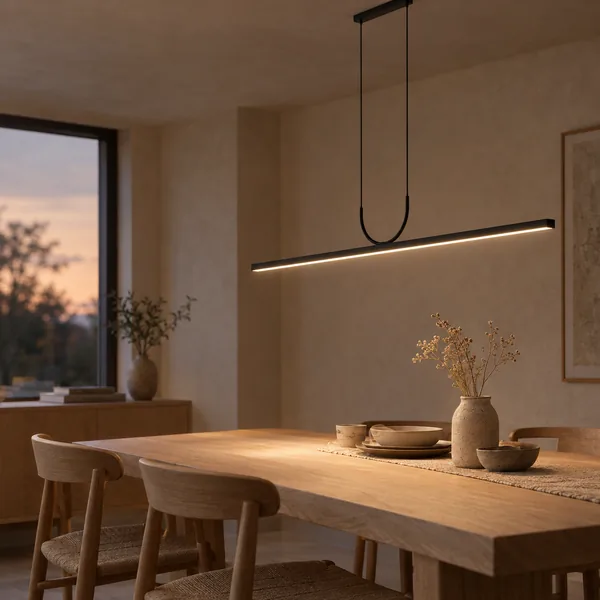
 Save $140.00
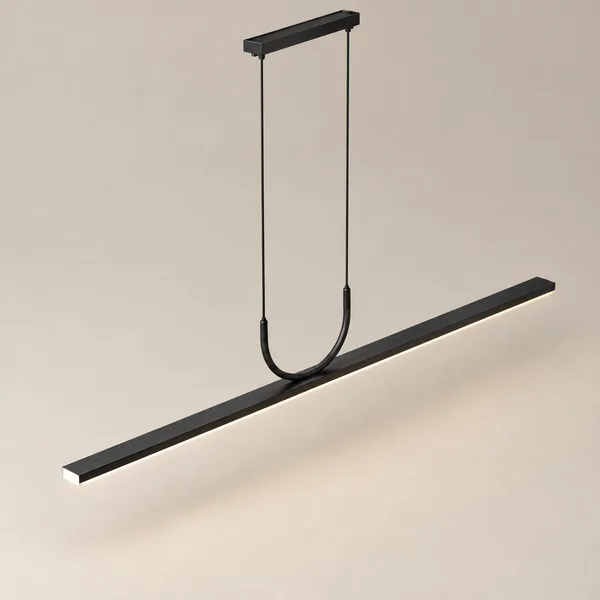
Linné Minimalist Linear Black LED Pendant Light
 Save $60.00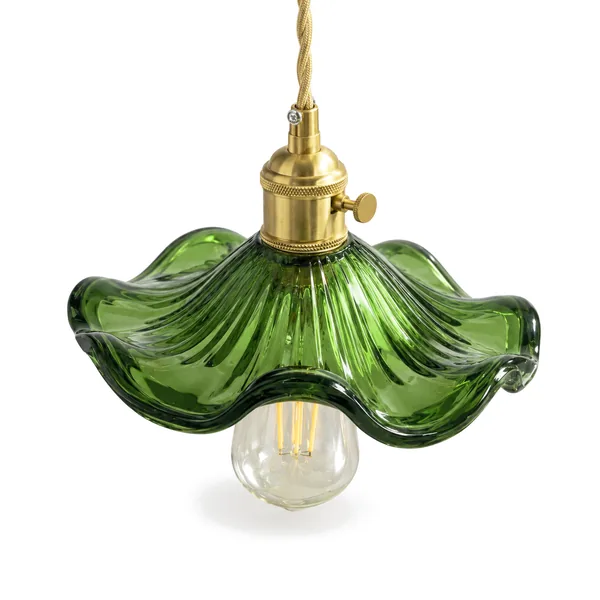
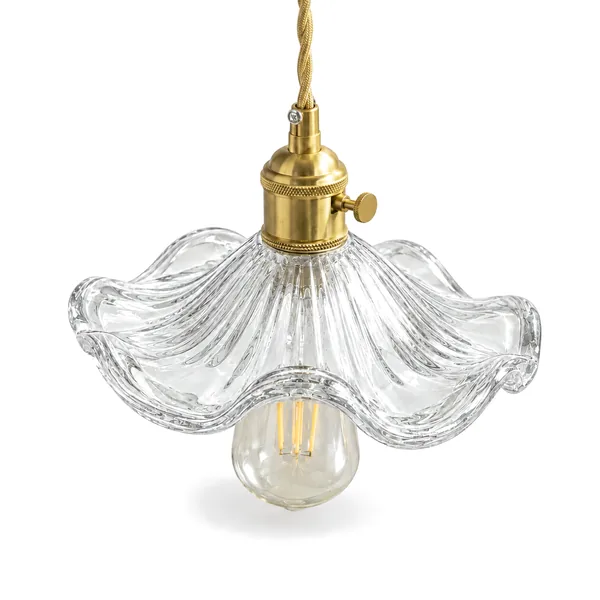
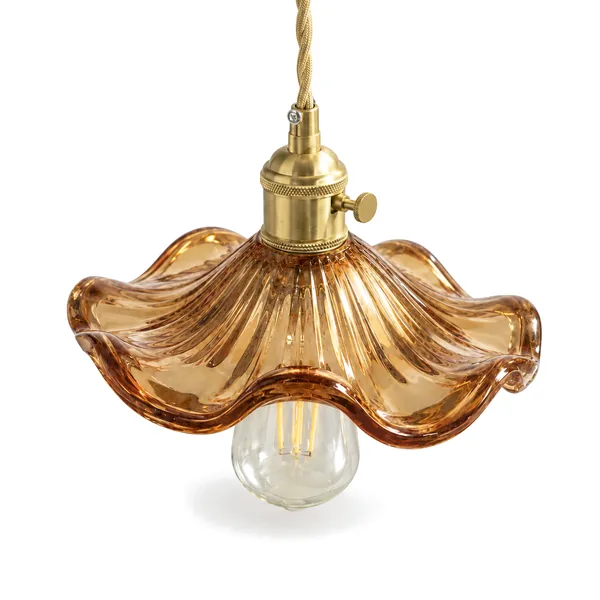 3 options
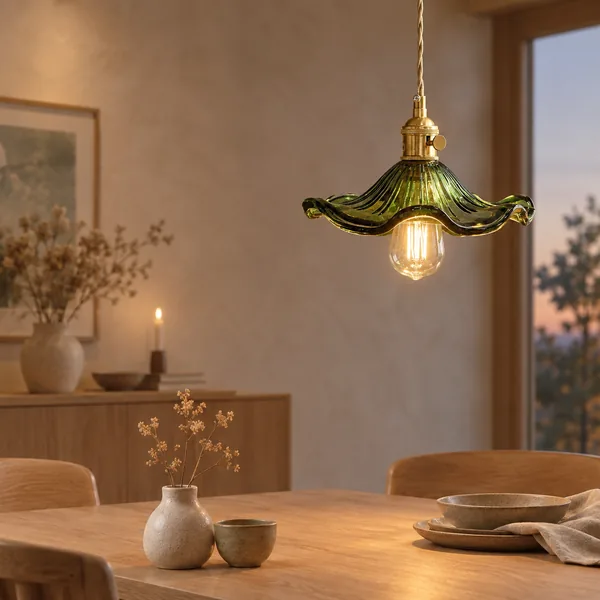
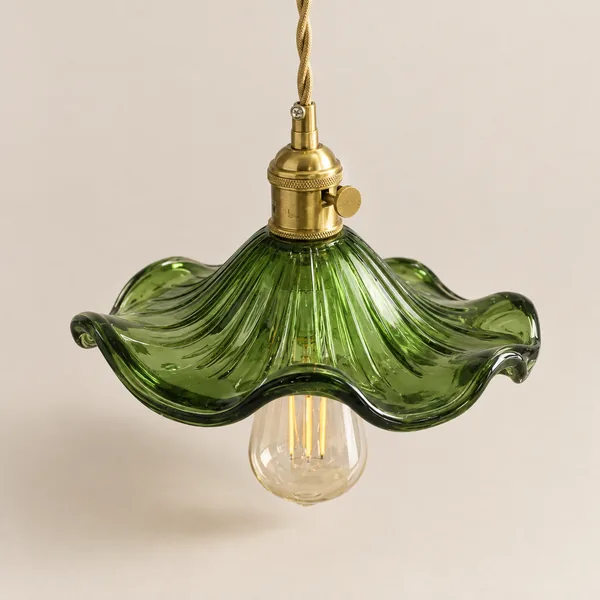
Glora Nordic Glass Pendant Light with Copper
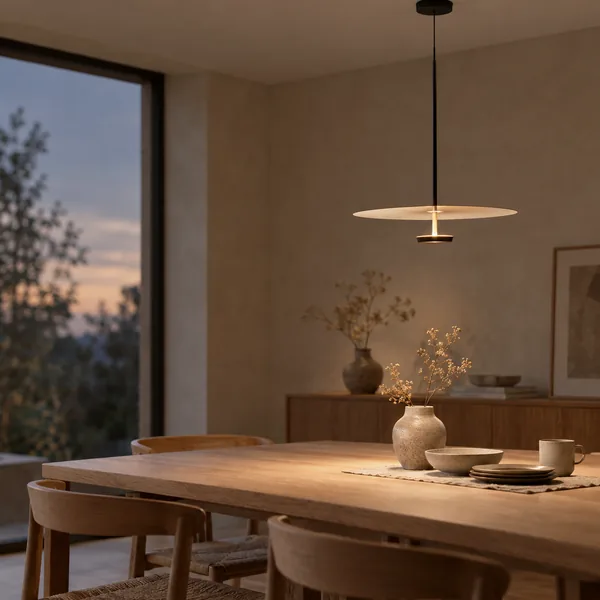
 Save $120.00
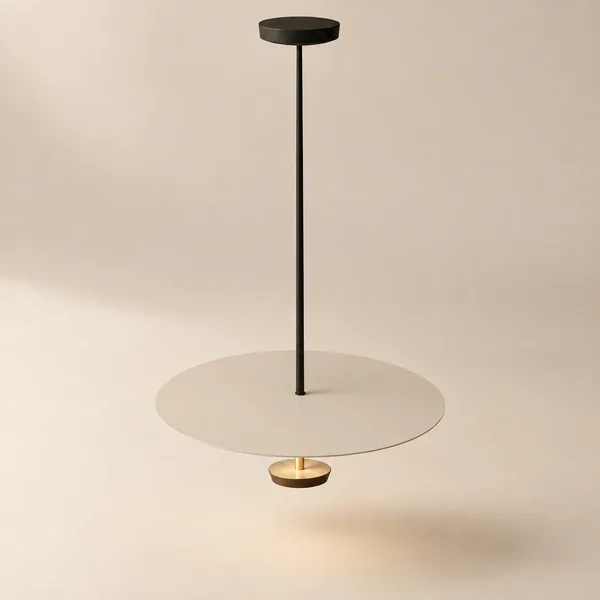
Skiva Nordic Saucer Ceiling Pendant Light LED
Getting the Size Right: Diameter Proportions That Work
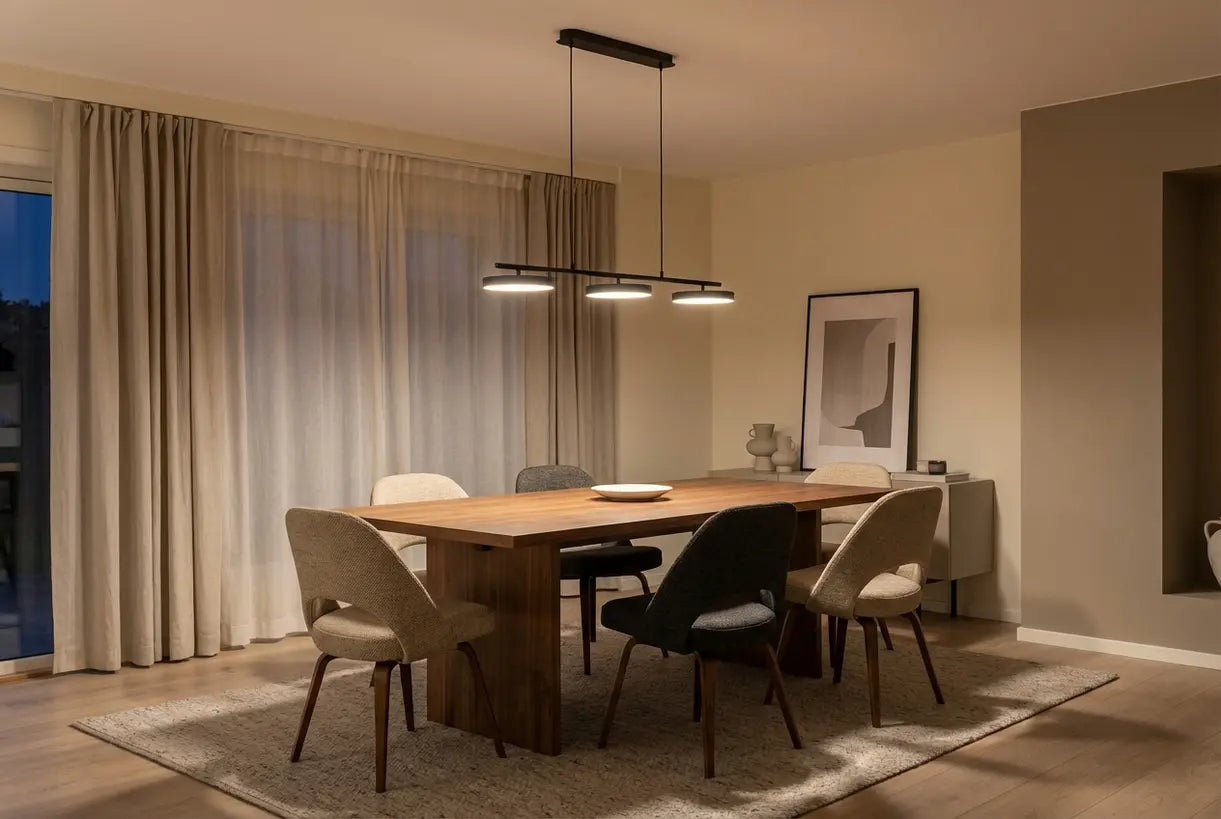
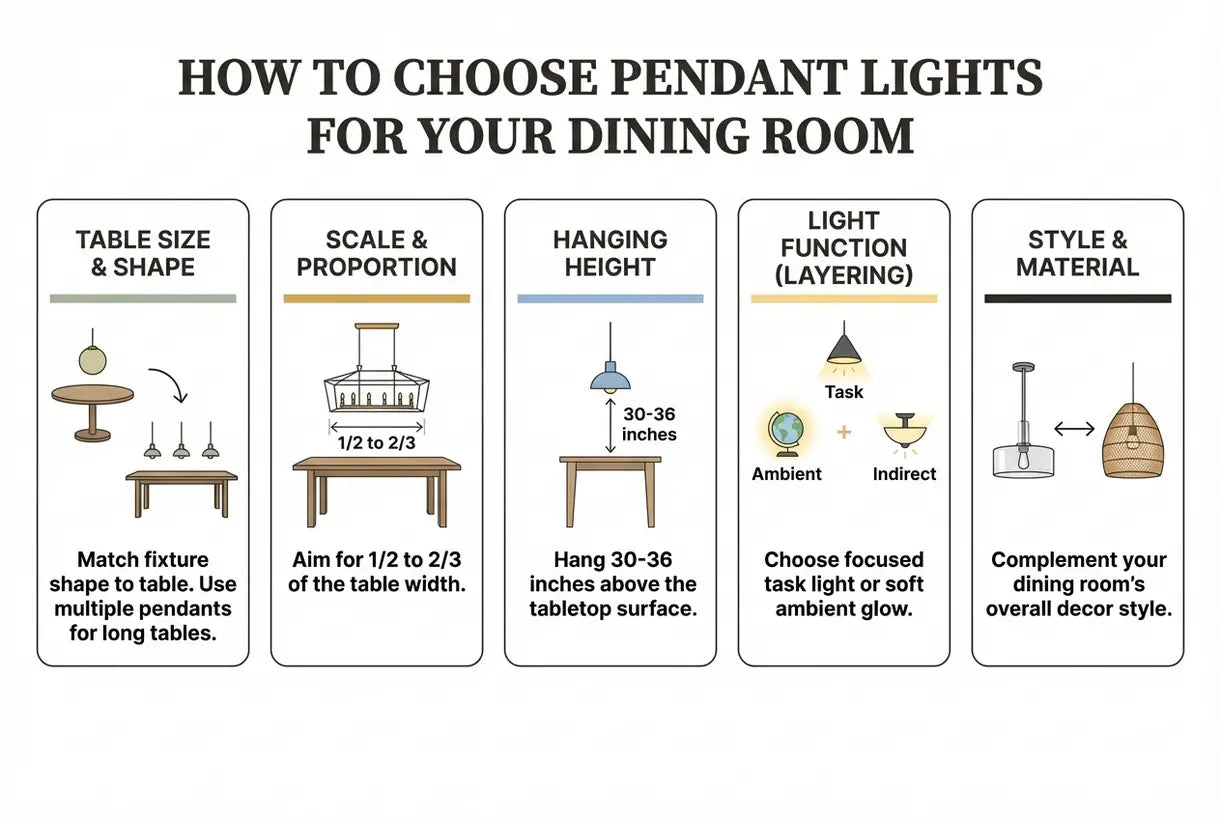
One of the most common questions we hear is about scale. Too small, and your pendant gets lost; too large, and it overwhelms the room. The design community generally follows a simple rule: your pendant's diameter should measure approximately one-half to two-thirds the width of your dining table.
For rectangular tables, consider a linear pendant or multiple smaller fixtures arranged in a row. Round tables often pair beautifully with a single statement dome or cluster of mini pendants. When viewing examples of proper placement, you'll notice that proportion creates visual harmony that feels intentional rather than accidental.
The Height Formula: Finding the Sweet Spot
Mounting height makes the difference between a light that flatters and one that creates glare or shadows. The industry standard recommends hanging pendant lights 30 to 36 inches above the surface of your dining table (assuming standard 30-inch table height). This positions the light source low enough to create intimacy but high enough to preserve sightlines across the table.
Consider your household's needs when finalizing placement. Taller family members or frequent hosts may prefer the higher end of this range. Fixtures with adjustable suspension systems offer flexibility as your needs evolve—something we prioritize in our Pendant Lights collection.
One, Two, or Three? Determining Fixture Count
The number of pendant lights you need depends primarily on your table length and the fixture's visual weight. For a standard 6-foot dining table, two medium-sized pendants or one substantial linear fixture typically provides optimal coverage and balance. Each pendant should be spaced approximately 24 to 30 inches apart when using multiples.
Visualizing this can be challenging, which is why we recommend referencing installation guides from trusted sources. The American Lighting Association provides helpful resources for understanding residential lighting placement.
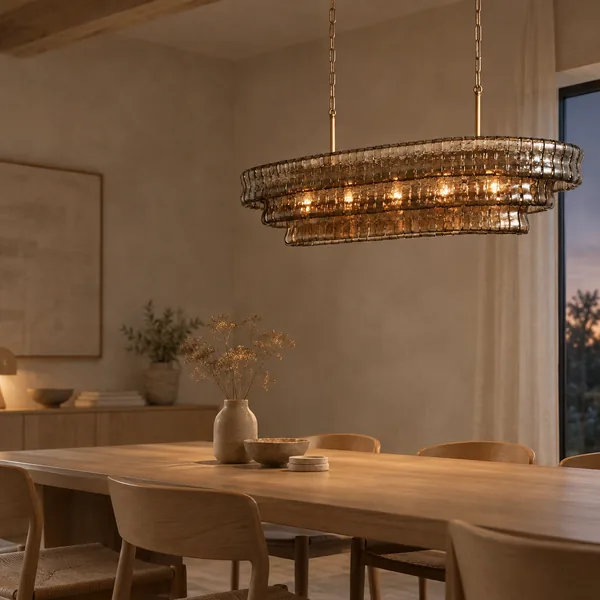 Dimma Smoky Gray Glass Chandelier Dining Room$1,799.00$2,259.00
Scandinavian Style Meets Dining Room Function
The principles of kitchen design Scandinavian style translate beautifully to dining spaces. Clean lines, natural materials, and a neutral palette with warm undertones define this aesthetic. When selecting pendant lights for a Nordic-inspired dining room, look for:
- Matte finishes in black, white, or brass that avoid harsh reflection
- Organic materials like ceramic, wood, or rattan
- Geometric simplicity—spheres, domes, and cylinders that feel sculptural yet understated
- Quality craftsmanship visible in the details
These elements work together to create a space that feels curated without trying too hard—the hallmark of genuine Scandinavian design.
Pendant Collections for Every Dining Style
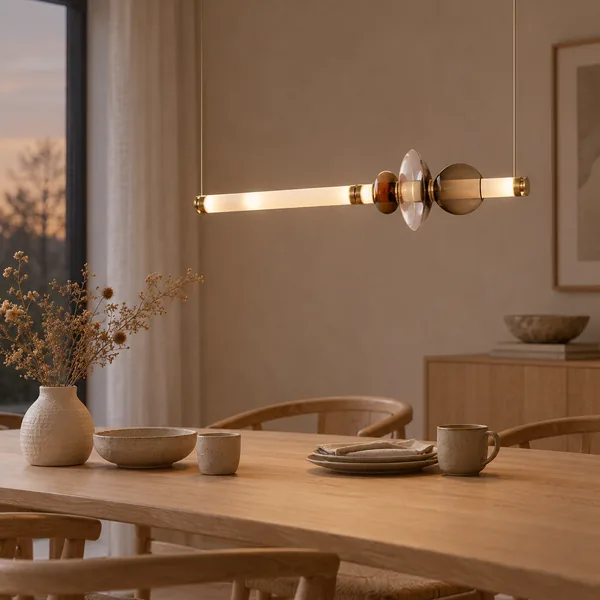 Glodstav Glass Bar Chandelier for Dining Room$499.00$719.00
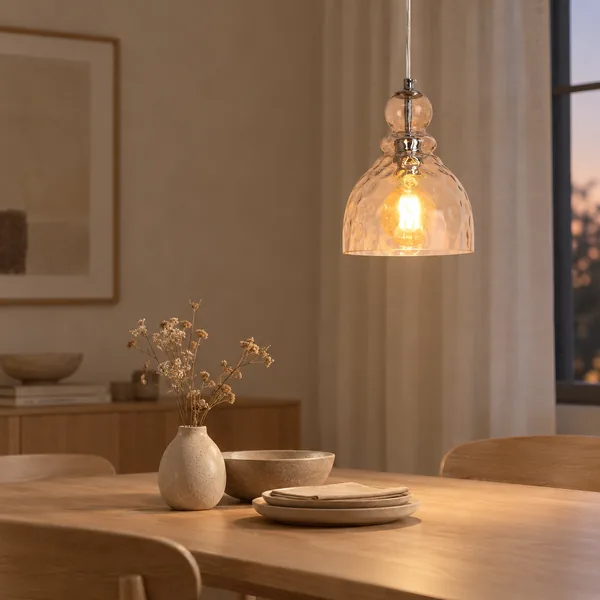 Dropa Glass Drop Pendant Light for Kitchen Dining$79.00$119.00
Placement Principles: Centered Vs. Aligned
Should your pendant lights be centered on the table or aligned with the ceiling junction box? The answer depends on your existing electrical setup and desired aesthetic. Centering fixtures over the table—not necessarily the room—creates the most balanced and functional lighting arrangement.
If your junction box doesn't align perfectly with the table's center, consider a swag hook or have an electrician relocate the box. For rectangular tables with multiple pendants, align each fixture with the table's long axis, spacing them evenly for visual rhythm.
Bulb Selection: Brightness, Temperature, and Type
The quality of light matters as much as the fixture itself. For dining rooms, aim for 2700K warm white bulbs that create flattering, inviting ambiance. Brightness levels between 1500 and 3000 lumens work well for most dining spaces, though dimmable fixtures offer the most flexibility.
LED bulbs have become the standard for energy efficiency and longevity. Look for bulbs with a Color Rendering Index (CRI) of 90 or above—this ensures colors appear natural and vibrant, making your meals as visually appealing as they are delicious.
Always check maximum wattage ratings and base types when purchasing replacement bulbs. Many modern pendants, including those in our collection, come with integrated LED modules that eliminate bulb selection entirely.
Pendant Lights
Shop all Pendant LightsSave $140.00Linné Minimalist Linear Black LED Pendant Light
Save $60.003 optionsGlora Nordic Glass Pendant Light with Copper
Save $120.00Skiva Nordic Saucer Ceiling Pendant Light LED
Solutions for Low Ceilings
Standard mounting heights become challenging when ceiling clearance is limited. For dining rooms with 8-foot ceilings or lower, consider:
- Semi-flush mounts that sit closer to the ceiling while maintaining pendant styling
- Shallow-profile fixtures under 10 inches in height
- Clear or glass shades that preserve visual openness
The key is avoiding fixtures that hang too low and block sightlines or create a hazard. When in doubt, consult a lighting professional about your specific ceiling height and table dimensions.
Pro Tip: Always measure twice before purchasing. Account for table height plus desired pendant clearance to ensure your chosen fixture works within your space constraints.
Layering Light: Combining Pendants With Recessed Fixtures
The most sophisticated dining rooms layer multiple light sources. If your space includes recessed lighting, use your pendant as the primary ambient source while adjusting recessed fixtures to provide fill or accent lighting. Install dimmers on all circuits to control mood throughout the evening—from bright family breakfasts to intimate dinner gatherings.
Consider how your pendant interacts with natural light during different times of day. A well-designed lighting plan accounts for morning coffee, afternoon projects, and evening entertaining without requiring fixture changes.
Making Your Selection: Bringing It All Together
Choosing pendant lights for your dining room ultimately comes down to understanding your space, your lifestyle, and the atmosphere you want to create. Start with measurements—table width, ceiling height, and room dimensions—then consider how you use the space daily.
Do you host formal dinner parties where statement lighting sets the mood? Or do you need versatile fixtures that work for homework sessions and casual weeknight meals? Your answers will guide you toward fixtures with the right scale, adjustability, and style.
At Skonne, we curate pendant lights that honor Scandinavian design principles while delivering the functionality modern homes demand. Each piece in our collection reflects our commitment to quality materials, timeless aesthetics, and the warm, intentional feeling that transforms a house into a home.
Ready to find the perfect pendant for your dining room? Explore our complete collection and discover lighting designed to elevate every gathering around your table.
Related Article
Scandinavian Living Room Design: Create a Cozy Nordic SpaceTransform your space with scandinavian design living room ideas. Discover minimalist furniture, cozy textiles, and natural materials for a cozy Nordic sanctuary.