
Scandinavian Table Lamps: Nordic-Inspired Designs for Hygge-Filled Interiors
Summary›
- What Makes a Lamp Scandinavian?
- What Materials Are Best for Scandinavian Table Lamps?
- How Do I Choose the Right Scandinavian Table Lamp Size?
- What Bulb Temperature Should Scandinavian Table Lamps Use?
- How Do I Style Scandinavian Table Lamps at Home?
- Caring for Your Natural Material Table Lamps
- Creating Your Sanctuary with Scandinavian Table Lamps
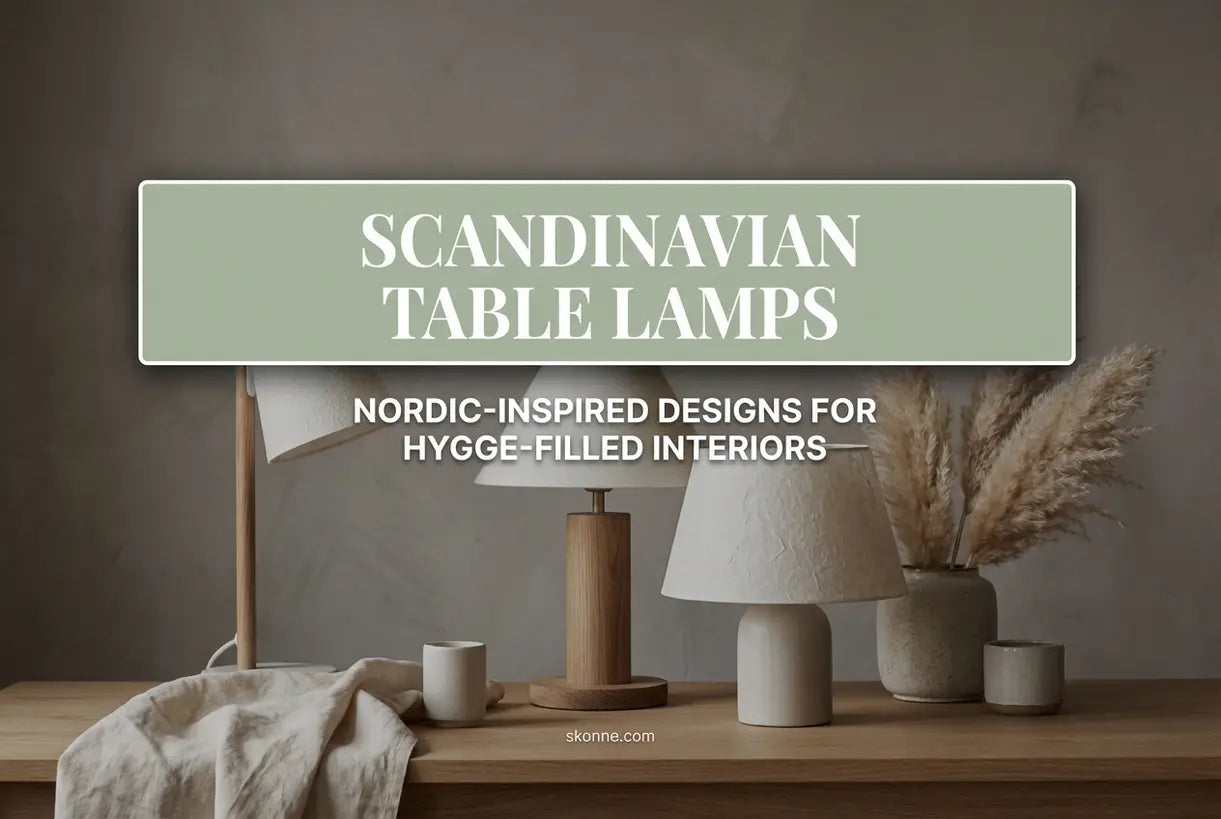
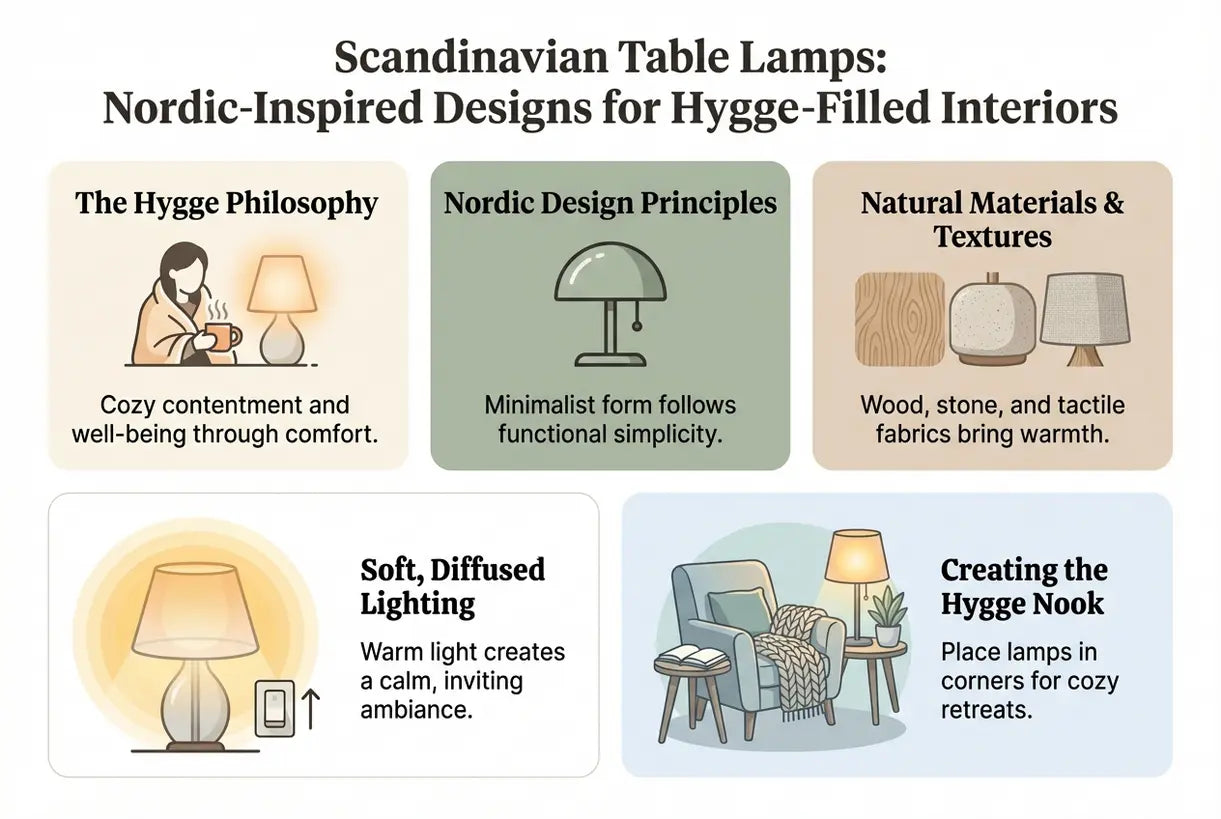
Creating that coveted hygge atmosphere—the Danish concept of cozy contentment—begins with how you illuminate your space. At the heart of every serene Nordic interior sits a thoughtfully chosen scandinavian table lamp, casting pools of warm light that transform ordinary moments into mindful rituals. Whether you're curling up with a book on a rainy afternoon or hosting an intimate dinner with friends, the right lighting sets the emotional tone of your entire home.
In this guide, we'll explore everything you need to know about selecting and styling scandinavian design lighting that honors the Nordic principles of functional beauty. From understanding the natural materials that define authentic craftsmanship to choosing the perfect bulb temperature for evening relaxation, you'll discover how to curate spaces that feel both elevated and deeply comfortable. Along the way, we'll share how Skonne's collection of artisanal pieces embodies these timeless principles, offering you scandinavian table lamp options that serve as functional art in your home.
What Makes a Lamp Scandinavian?
True scandinavian design emerges from a philosophy known as "democratic design"—the belief that beautiful, functional objects should be accessible to everyone. When you bring a nordic table lamp into your space, you're not just adding a light source; you're inviting in decades of design heritage rooted in the harsh Nordic climate, where interiors must maximize limited daylight while creating warmth during long winter nights.
Several defining characteristics distinguish authentic scandinavian table lamp styles from generic modern lighting:
- Clean, geometric lines that avoid unnecessary ornamentation while maintaining visual interest through proportion and form
- Biophilic connections through organic shapes and materials that reference the natural landscapes of Sweden, Denmark, Norway, and Finland
- Functional luminosity where the shade and base work harmoniously to direct light exactly where needed, whether for reading or ambient glow
- Understated color palettes favoring warm whites, soft grays, natural wood tones, and matte black accents
Icons like Alvar Aalto and Poul Henningsen revolutionized lighting by treating it as a tool for enhancing wellbeing rather than mere decoration. This legacy continues in today's minimalist table lamp selections, where the interplay of shadow and light becomes a meditative element in your domestic landscape. The result is lighting that feels both timeless and contemporary—pieces that work equally well in a 1920s Copenhagen apartment or a modern Brooklyn loft.
What Materials Are Best for Scandinavian Table Lamps?
The tactility of natural materials sits at the core of Nordic lighting philosophy. While mass-market alternatives rely on plastics and synthetic finishes, authentic scandinavian table lamp construction celebrates organic elements that age gracefully and feel warm to the touch. Understanding these materials helps you select pieces that will develop character over decades rather than showing wear after months.
Sustainably sourced wood—particularly ash, oak, and beech—remains the quintessential choice, offering grain patterns that make each piece unique. Danish table lamp traditions especially favor pale woods that reflect light rather than absorbing it, though richer walnut and teak provide striking contrast in minimalist spaces.
Handcrafted ceramics bring artisanal depth to bedside and living room tables, with each slight variation in glaze telling the story of the maker's hand. These pieces ground your space with earthy weight while their impervious surfaces prove practical for daily use.
Natural paper and linen shades diffuse light softly, eliminating harsh glare that disrupts evening relaxation. Rice paper applications, inspired by Japanese craft traditions that complement Nordic aesthetics (often called "Japandi"), create ethereal glow that seems to float within a room. Meanwhile, wool and hemp accents on bases introduce textural contrast that invites the sense of touch, essential for that hygge lighting experience.
How Do I Choose the Right Scandinavian Table Lamp Size?
Proportion determines whether your lighting feels intentional or awkward. The scale of your scandi table lamp should relate directly to the furniture it accompanies, creating visual harmony rather than competition. Following a few simple guidelines ensures your lighting enhances rather than overwhelms your carefully curated surfaces.
For bedside tables, aim for lamps where the base measures roughly one-third the width of your nightstand. This leaves adequate surface area for essentials while providing sufficient visual weight to anchor the space. The total height—including shade—should position the light source approximately at eye level when you're sitting in bed, typically 24 to 28 inches for standard mattress heights.
Living room side tables demand slightly larger proportions. Here, your Living Room Lighting should reach between 26 and 32 inches tall, ensuring the illumination extends above shoulder height when seated on your sofa. This positioning creates flattering ambient light for conversation while providing sufficient downward task lighting for reading.
Console tables in entryways or behind sofas can accommodate taller, more sculptural pieces—sometimes reaching 30 to 36 inches—as these vertical elements draw the eye upward and balance the horizontal expanse of the furniture. When in doubt, opt for slightly smaller rather than larger; Nordic design favors restraint over excess, and a modest swedish table lamp often makes a more sophisticated statement than an oversized counterpart.
Table Lamps
Shop all Table Lamps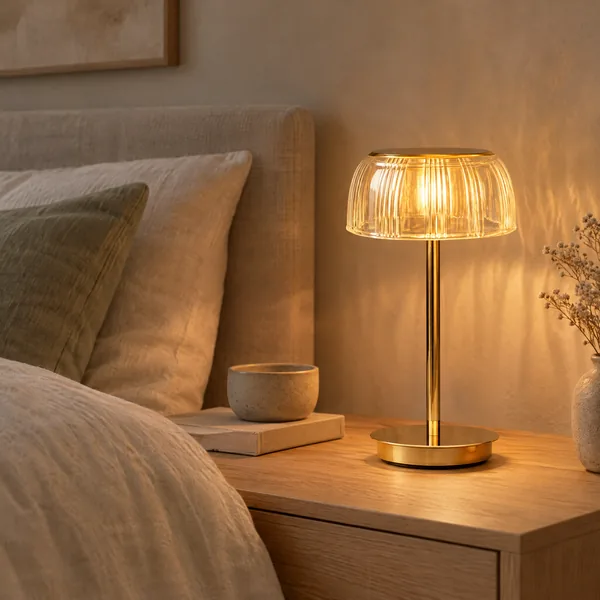
 Save $30.00
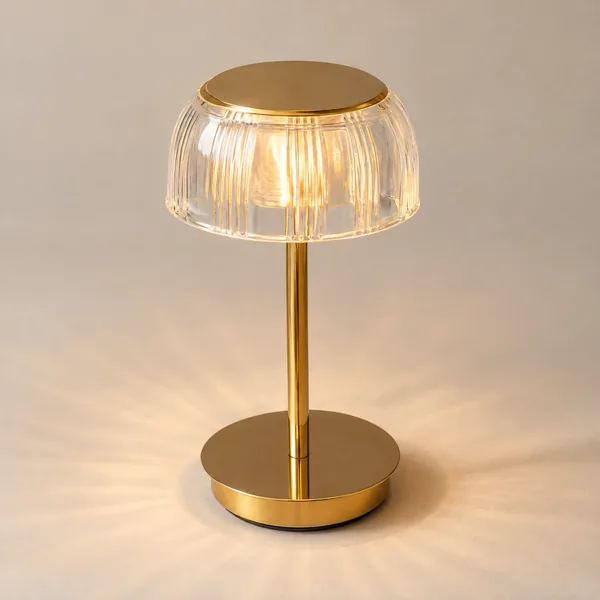
Kvalla Jellyfish LED Rechargeable Table Lamp
 Save $60.00
 3 options
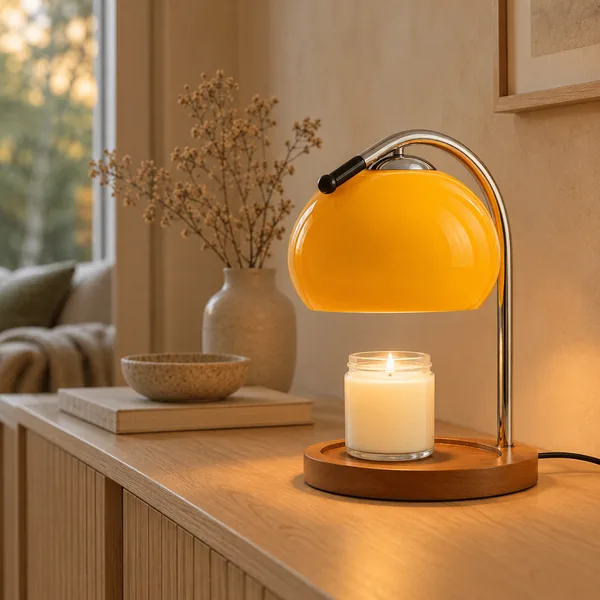
Solvarm Stained Glass Candle Warmer Table Lamp
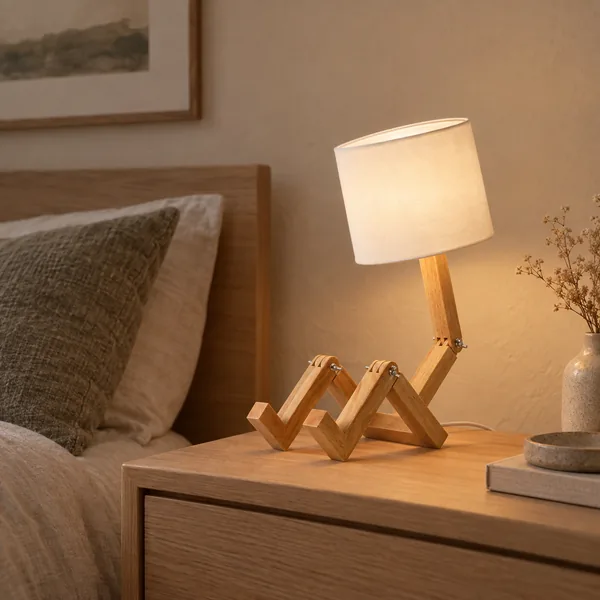
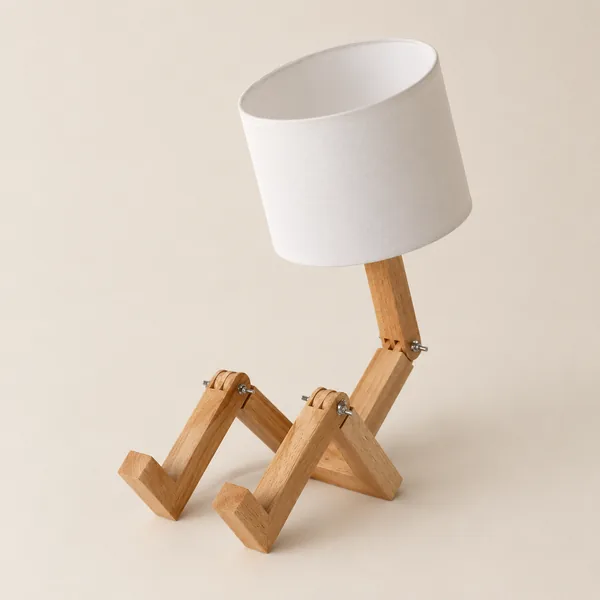
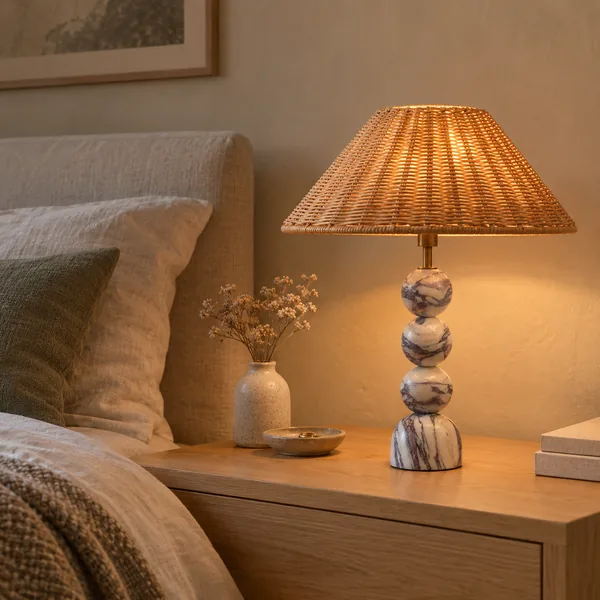
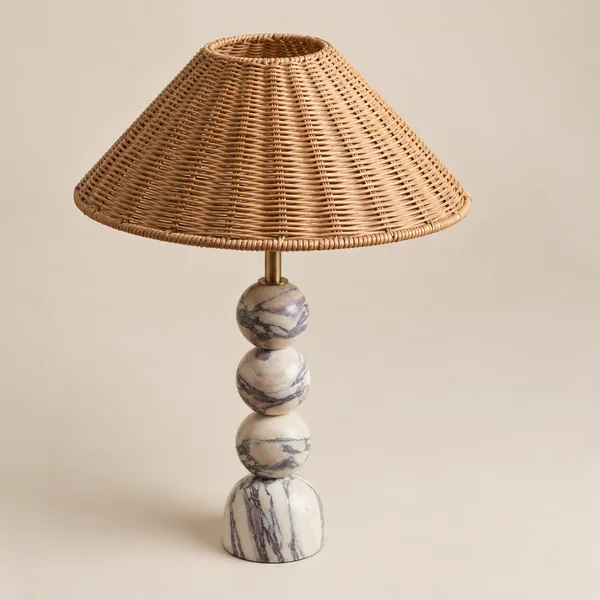 Save $220.00
Stenglo Nordic Marble Table Lamp Rattan Shade
What Bulb Temperature Should Scandinavian Table Lamps Use?
The quality of light matters as much as the fixture itself. Authentic nordic lighting relies on warm color temperatures that mirror the golden glow of candles and sunset—never the harsh blue-white of commercial fluorescents. Selecting the right bulb transforms your scandinavian table lamp from a functional object into an atmosphere-creating tool.
For living spaces and bedrooms, choose bulbs rated at 2700K to 3000K, often labeled "warm white" or "soft white." This range mimics late afternoon sunlight, triggering the release of melatonin and encouraging your body's natural relaxation response. Avoid bulbs above 4000K (daylight or cool white) in evening spaces, as they suppress melatonin and create clinical rather than cozy atmospheres.
Consider dimmer switches or lamps with variable brightness settings to adapt your lighting throughout the day. Full brightness supports focused tasks during daylight hours, while dimmed warmth creates intimate ambiance as evening approaches. LED bulbs with high CRI (Color Rendering Index) ratings above 90 ensure that your room's colors remain true and vibrant under artificial light, preserving the integrity of your carefully chosen textiles and wall colors.
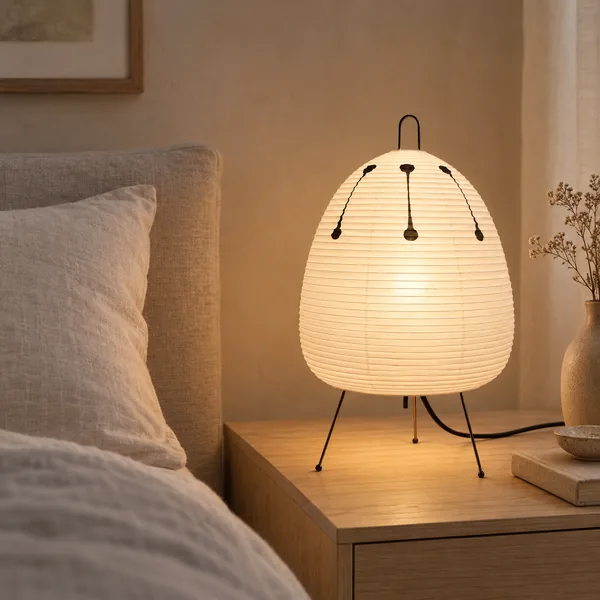 Shiro Rice Paper Table Lamp Nordic Minimalist$119.00$199.00
How Do I Style Scandinavian Table Lamps at Home?
Strategic placement transforms your lighting from mere utility into spatial poetry. The Nordic approach to interior styling emphasizes asymmetrical balance and the creation of distinct functional zones within open spaces. Your scandinavian table lamp choices should facilitate activities while contributing to a cohesive visual narrative throughout your home.
In living rooms, employ the triangle theory of lighting: combine ambient overhead fixtures, focused task lighting like table lamps, and accent candles at varying heights. Position your scandinavian table lamp alongside seating rather than directly behind it, avoiding harsh backlighting that creates eye strain. Layer textures by placing linen-shaded lamps near knitted throws and velvet cushions—the interplay of soft materials diffuses both light and sound, cocooning the space in sensory comfort.
Bedrooms benefit from paired nightstand lamps that create symmetry without strict matching. Consider varying the heights or materials slightly—perhaps a ceramic base on one side and wood on the other—to maintain visual interest while preserving the calming balance essential to sleep spaces. Keep cords managed using clips that run along table legs, preserving the clean lines integral to table lamp styles derived from Nordic tradition.
Home offices and reading nooks demand focused illumination. Here, your lamp should direct light downward at a 45-degree angle, eliminating screen glare while providing adequate brightness for documents. The addition of a small plant beside your lamp—perhaps a trailing pothos or sculptural snake plant—reinforces that essential connection to nature, creating a micro-landscape that refreshes the mind during work hours.
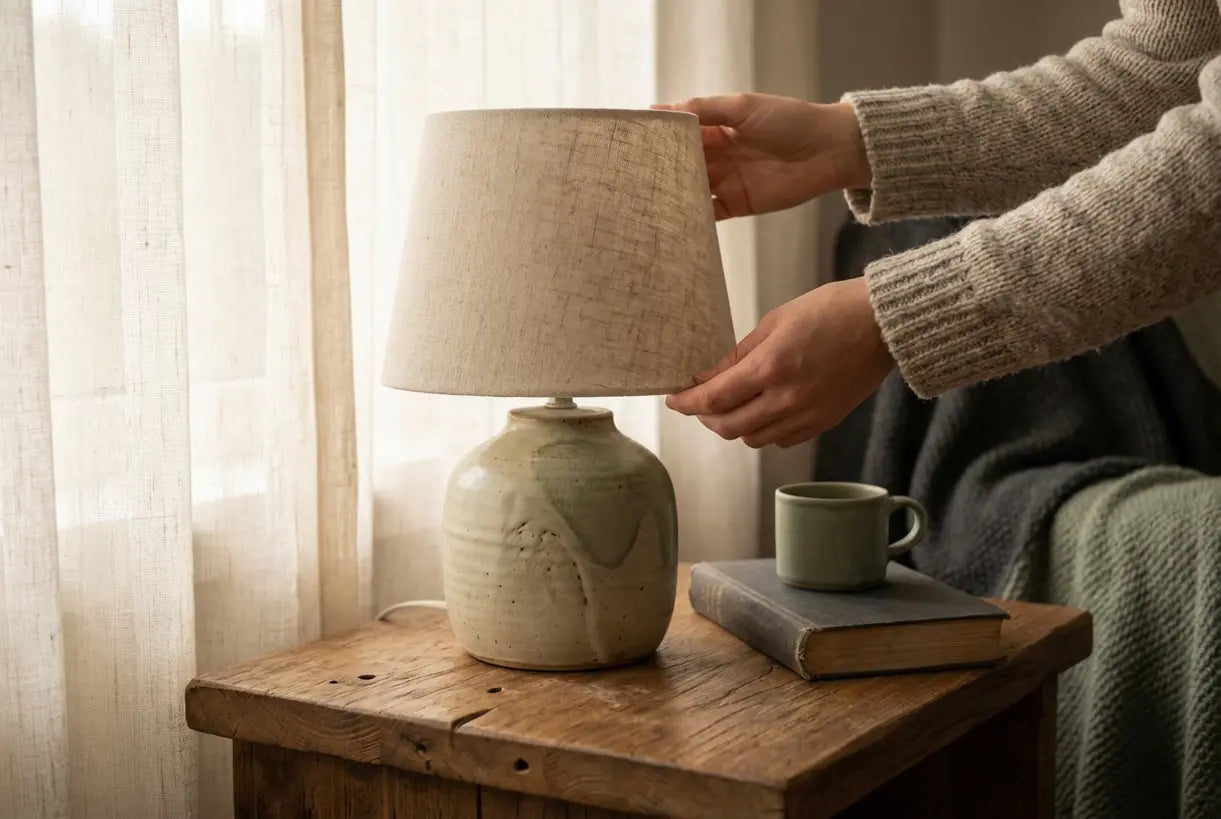
Artisanal Pieces for Character-Rich Spaces
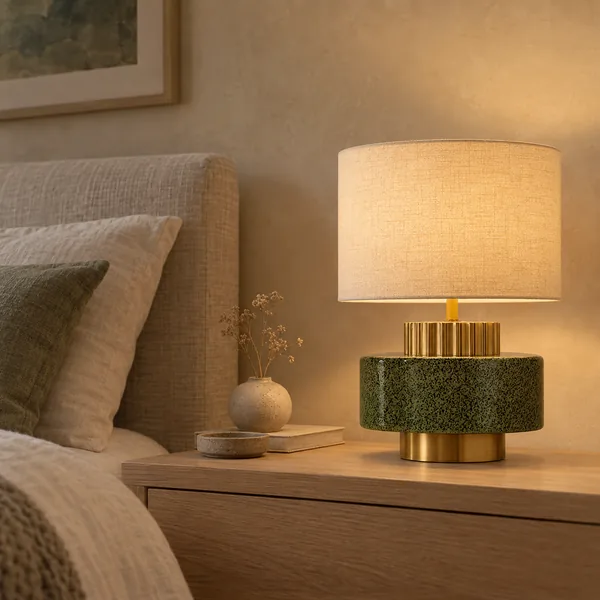 Leireld Artisan Ceramic Pottery Table Lamp Vintage$469.00$789.00
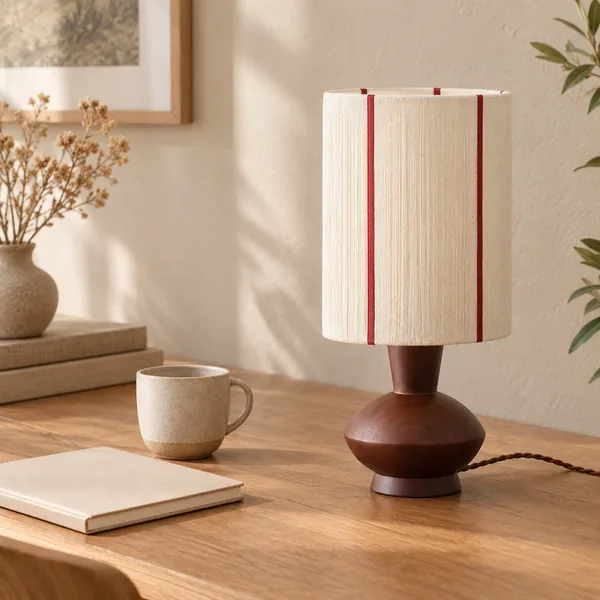 Vedra Solid Wood Vintage Table Lamp with Rope$299.00$509.00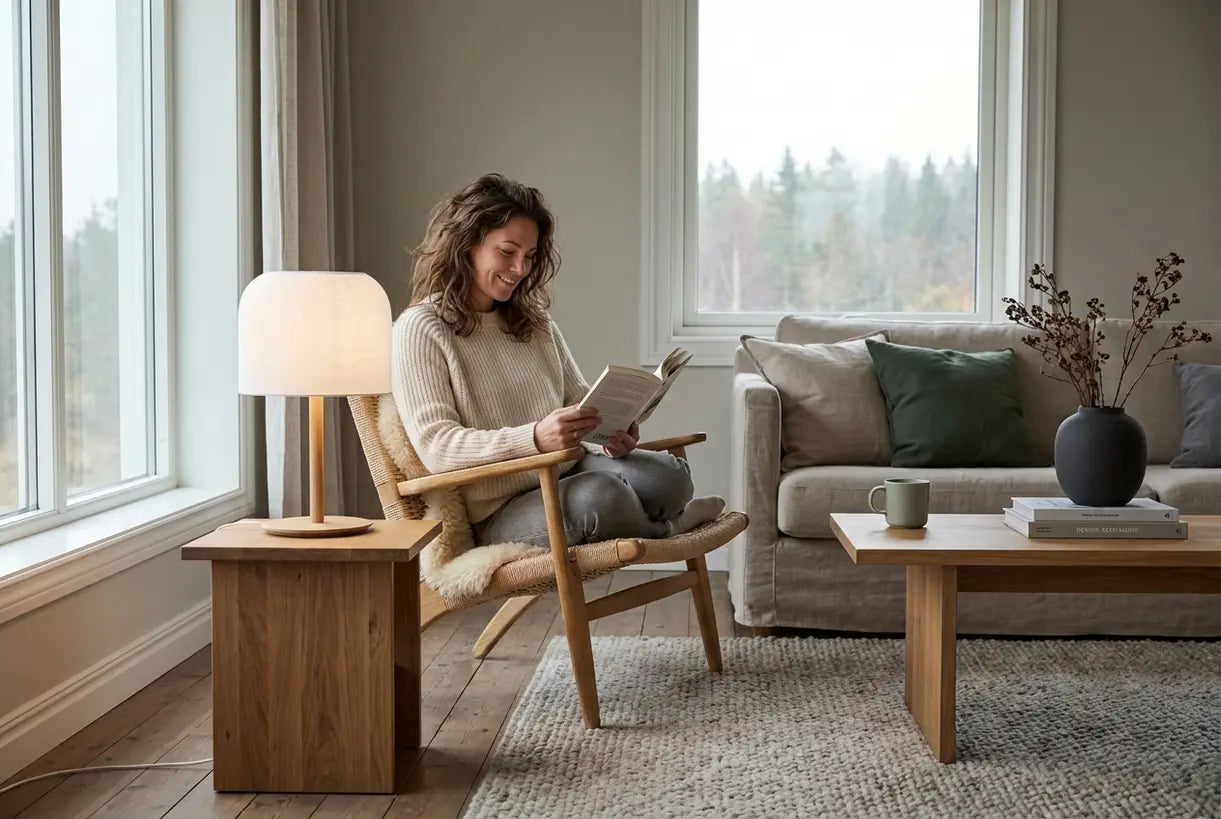
Caring for Your Natural Material Table Lamps
Pieces crafted from wood, ceramic, and natural fibers require thoughtful maintenance to preserve their beauty over decades of daily use. Unlike synthetic alternatives that show wear uniformly, organic materials develop patina—the coveted surface changes that indicate quality and age. Protecting this evolution while preventing damage ensures your investment continues enhancing your home's ambiance for years.
For wooden bases like those found in traditional nordic table lamp designs, dust weekly using a slightly damp microfiber cloth followed by immediate drying with a soft linen. Twice yearly, apply a thin layer of beeswax or mineral oil to prevent drying and cracking, especially in arid climates or heated winter interiors. Never use silicone-based polishes, which create buildup that dulls rather than enhances the grain.
Ceramic and pottery lamps benefit from simple dusting with a soft brush, taking care around textured surfaces where dust settles. Avoid harsh chemical cleaners that can strip handmade glazes of their subtle color variations. For rice paper or linen shades, use a hair dryer on the cool setting to gently blow away dust particles, or vacuum using the brush attachment on the lowest suction setting. These delicate materials should never touch water, which stains and warps the fibers.
Finally, periodically check that bulbs aren't generating excessive heat that might damage natural materials. LEDs produce minimal warmth, making them ideal for shades and bases in close proximity to the light source. By respecting these material limitations, you honor the artisanal traditions behind each piece while maintaining the warm, intentional atmosphere that defines scandinavian interiors.
Scandinavian Lighting
Shop all Scandinavian Lighting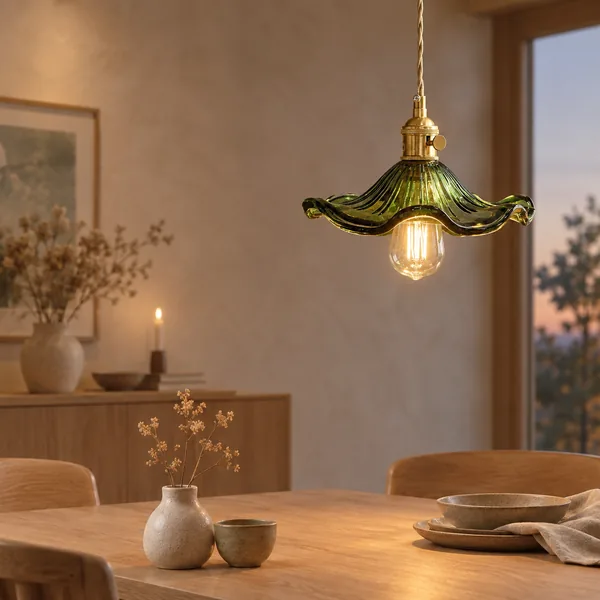
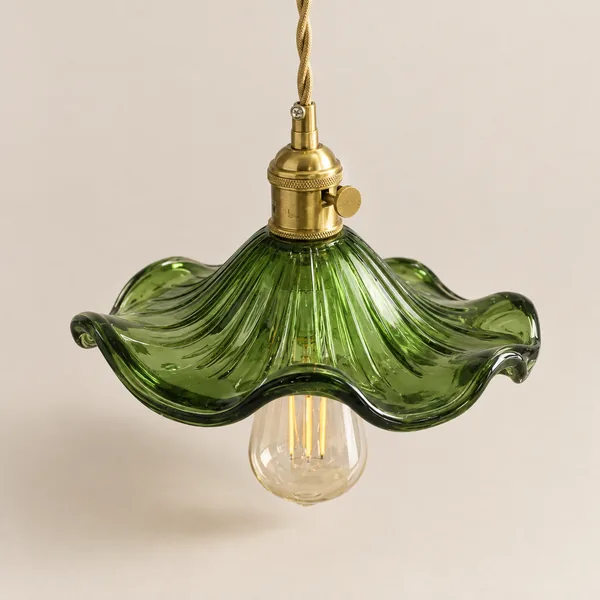 Save $60.00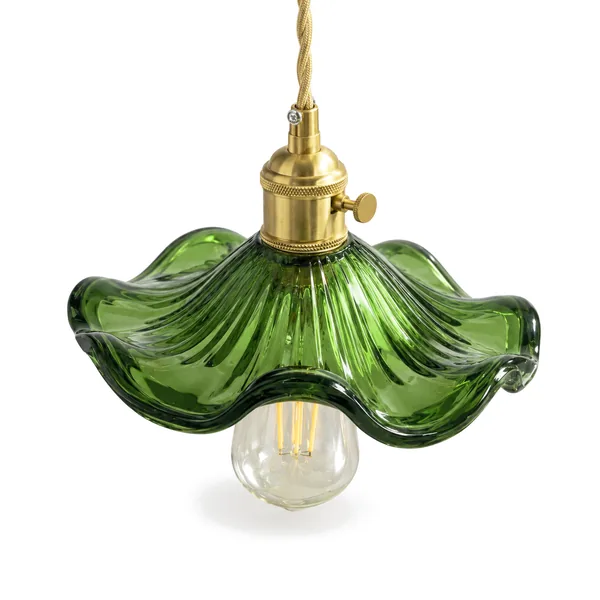
 3 options
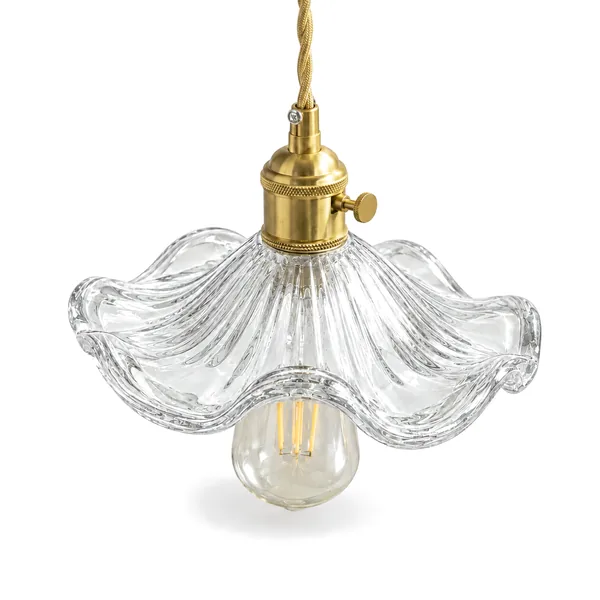
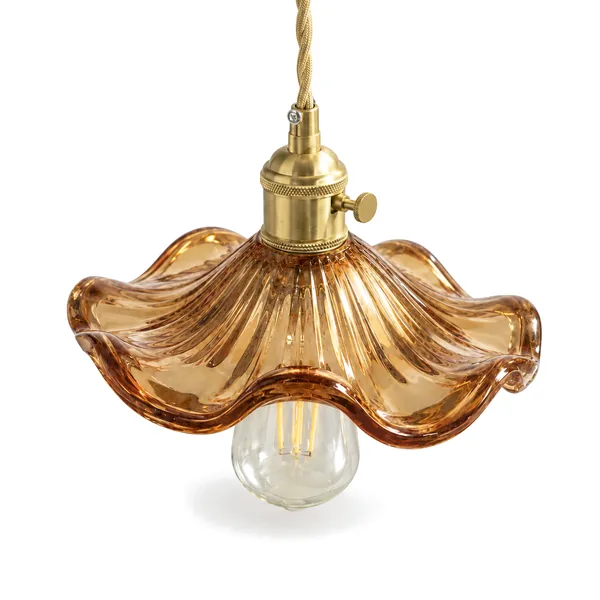
Glora Nordic Glass Pendant Light with Copper
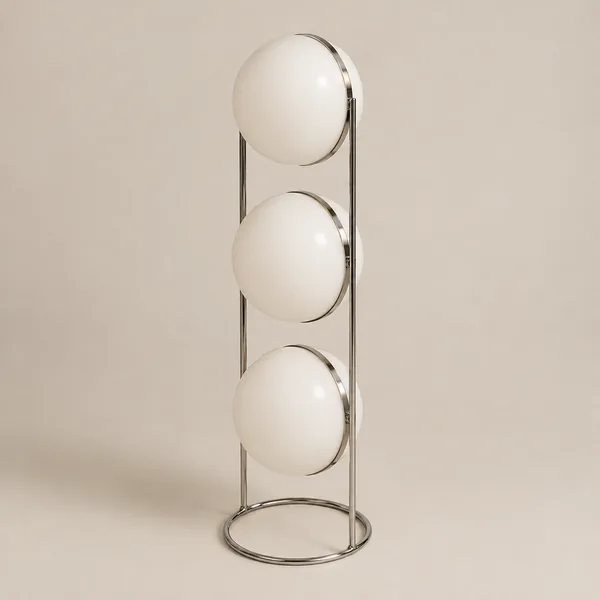 Save $150.00
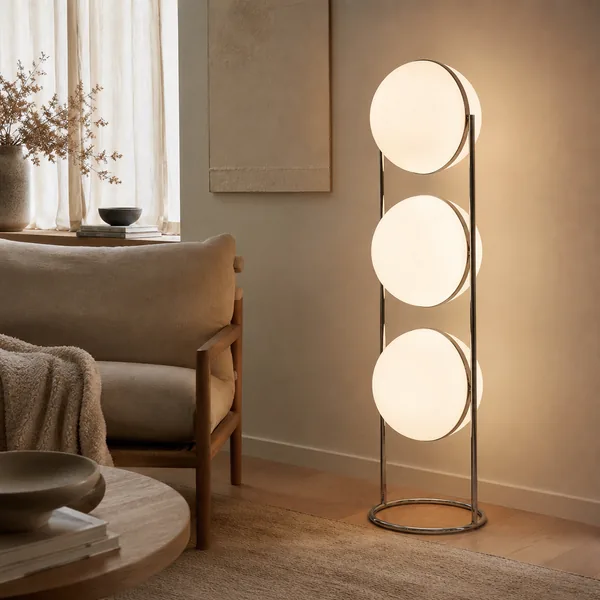
Kulglod Bauhaus Chrome Acrylic Globe Floor Lamp
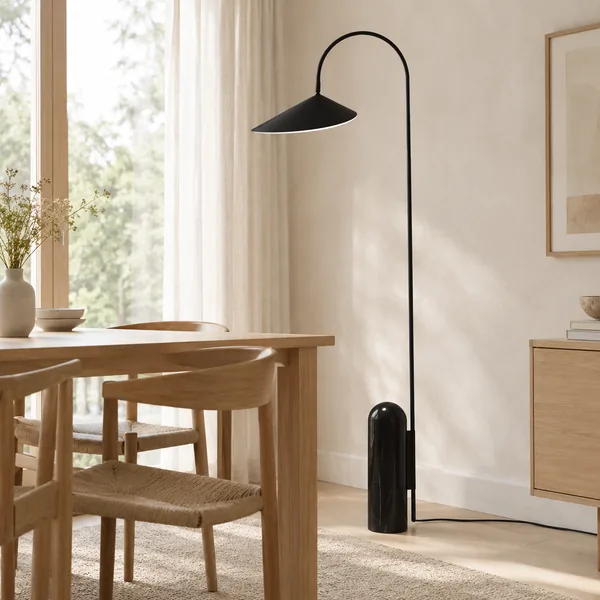
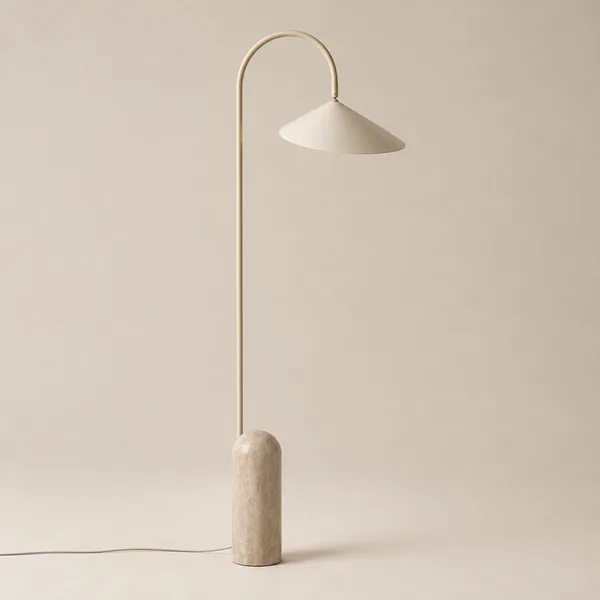 Save $230.00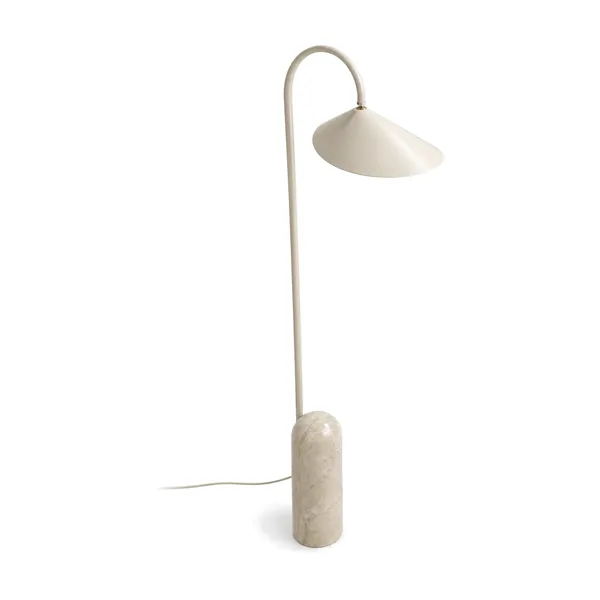
 2 options
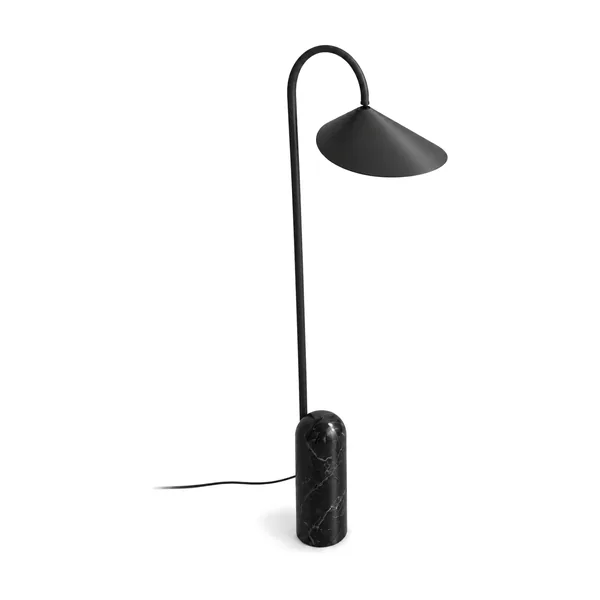
Velbue Marble Base Arc Floor Lamp Danish Design
 Save $210.00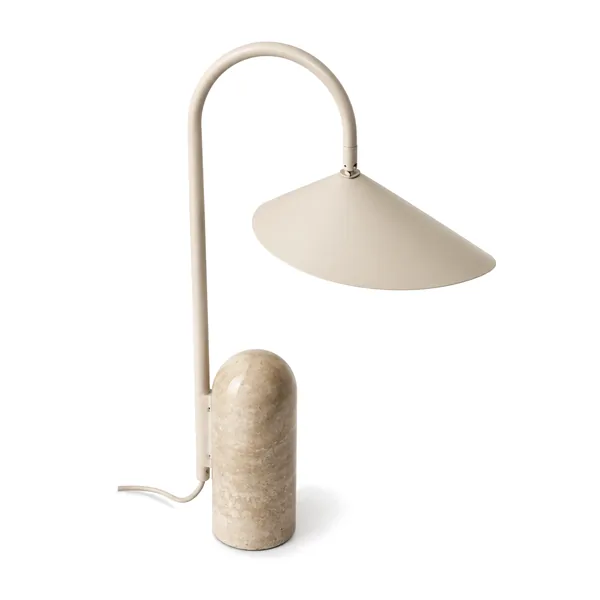
 2 options
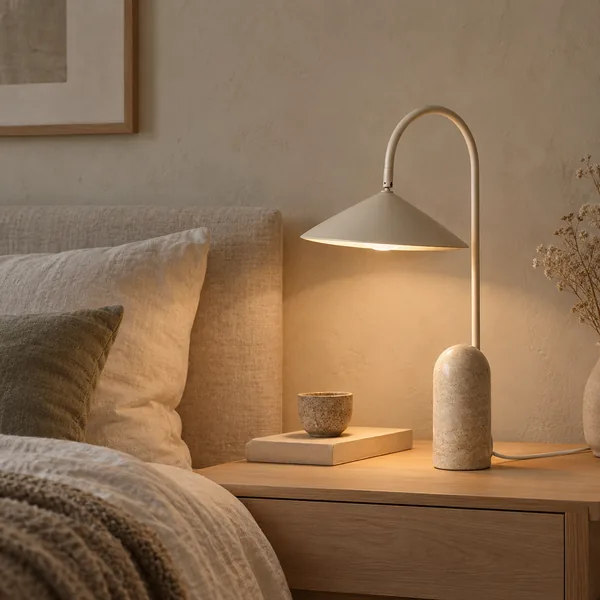
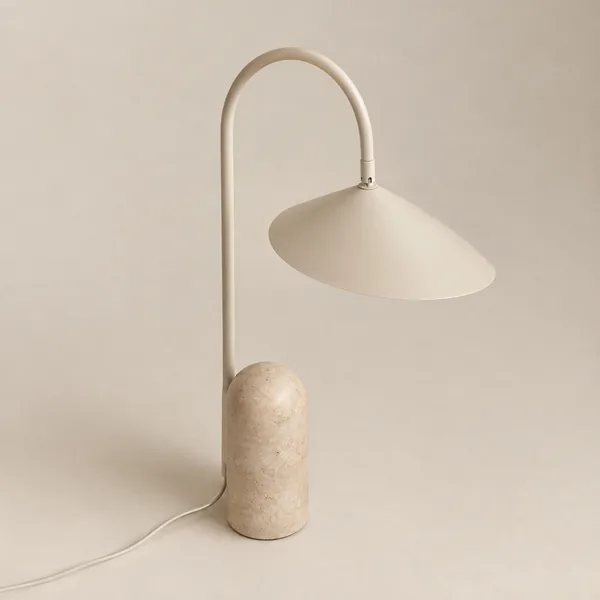
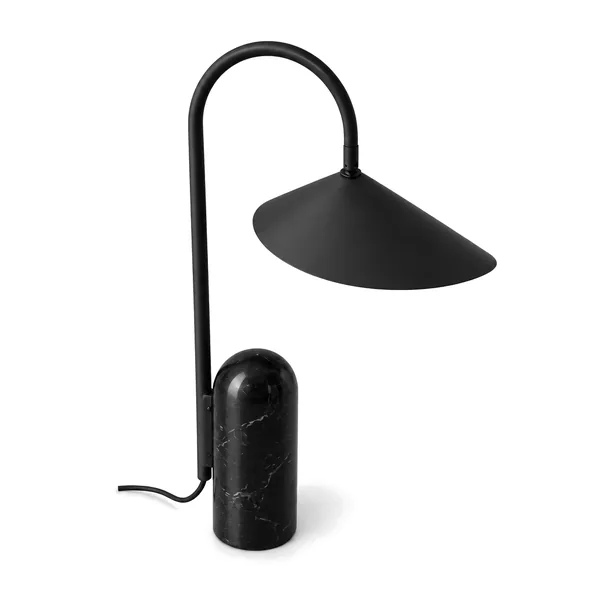
Solvei Danish Minimalist Arc Table Lamp Marble
Creating Your Sanctuary with Scandinavian Table Lamps
Lighting profoundly influences how we experience our homes, shifting our mood from energetic to contemplative with the turn of a switch. By selecting a scandinavian table lamp rooted in Nordic design principles—prioritizing natural materials, appropriate scale, and warm color temperatures—you invest in daily rituals of comfort and beauty. These pieces do more than illuminate; they anchor moments of peace within increasingly busy lives.
The journey toward a hygge-filled interior requires intention and discernment. Each lamp you choose represents a commitment to quality over quantity, to tactile pleasure over disposable convenience. Whether you gravitate toward the ethereal glow of rice paper, the grounding presence of artisanal ceramic, or the honest warmth of solid wood, your selection becomes a daily touchpoint with thoughtful design.
At Skonne, we curate our scandinavian table lamp collection with these principles at heart, seeking out artisans who honor traditional techniques while meeting contemporary needs. We believe that everyone deserves access to lighting that nurtures rather than merely functions—that transforms houses into sanctuaries where light itself becomes a form of care. Begin with one perfect piece, positioned where you'll encounter its warmth each evening, and discover how something as simple as a well-chosen lamp can elevate the entire experience of coming home.
Related Article
Table Lamps with USB Ports: Bedside & Desk Lamps with Built-In ChargingDiscover how table lamps with USB ports combine Scandinavian design with modern convenience. Perfect for bedside tables and desks, these lamps declutter your space while keeping devices charged.