
Seashell & Capiz Chandeliers: Organic, Coastal Fixtures That Glow with Natural Beauty
Summary›
There's something undeniably captivating about lighting that brings the outdoors in. When sunlight filters through translucent shells and casts dancing patterns across your walls, a space transforms from ordinary to extraordinary. A seashell chandelier doesn't merely illuminate—it tells a story of ocean breezes, sandy shores, and the quiet elegance of nature's artistry.
At Skonne, we believe lighting should evoke emotion. Whether you're styling a beach house retreat or simply craving that organic, Scandinavian-inspired warmth in your urban apartment, natural shell lighting offers a timeless solution. In this guide, we'll explore everything you need to know about capiz and oyster shell chandeliers—from understanding the materials to finding the perfect fixture for your space. You'll discover why these Pendant Lights have become essential elements in coastal and contemporary interiors alike.
What Is a Capiz Shell Chandelier?
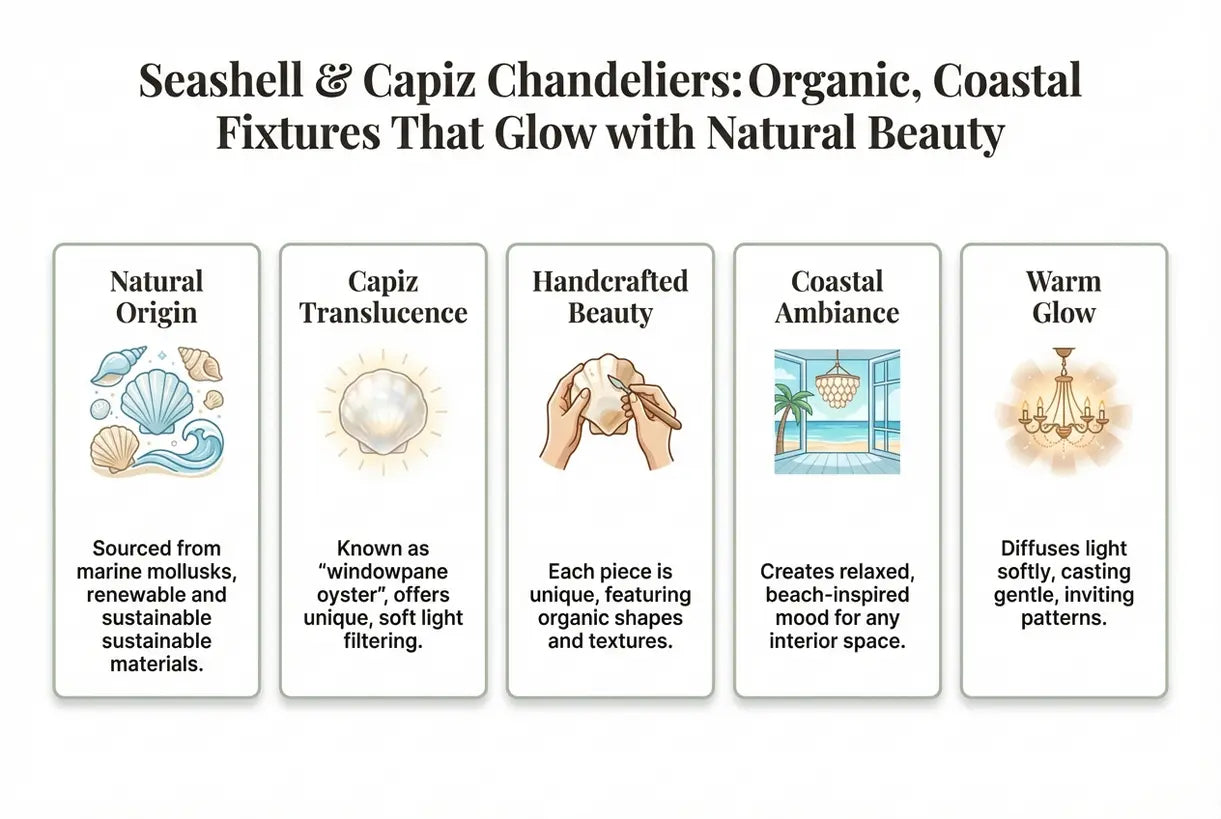
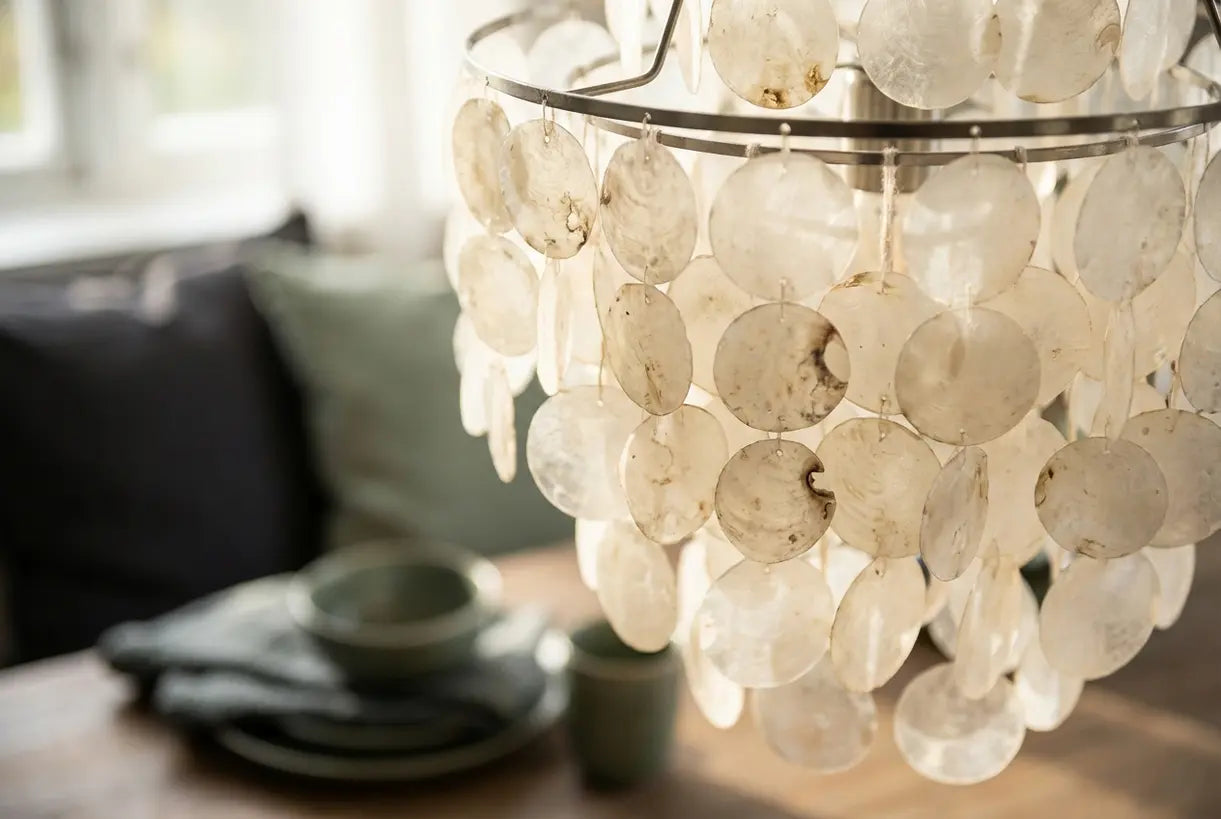
A capiz chandelier is crafted from the translucent shells of windowpane oysters, named after their native Capiz province in the Philippines. These delicate, paper-thin shells possess a natural iridescence that catches and diffuses light beautifully. When suspended in tiered layers or arranged in cascading formations, they create a luminous glow reminiscent of morning light dancing on ocean waves.
Unlike traditional crystal chandeliers that produce sharp, brilliant sparkles, capiz shell chandeliers emit a softer, more ambient illumination. The shells' natural pearlescent quality filters light gently, eliminating harsh glare while filling a room with warmth. This makes them particularly well-suited for spaces where relaxation and comfort are priorities.
Capiz vs. Oyster Shell: Understanding the Difference
When exploring natural shell lighting, you'll encounter two primary materials: capiz shells and oyster shells. While both originate from the ocean, they offer distinctly different aesthetics:
- Capiz shells are thin, flat, and translucent with a pearlescent sheen. They create a refined, ethereal look perfect for elegant coastal interiors.
- Oyster shells are thicker, more textured, and opaque with natural ridges and organic irregularities. They deliver a rustic, weathered aesthetic that celebrates imperfection.
Both materials bring authentic natural beauty to your home, but your choice depends on whether you prefer the delicate sophistication of capiz or the raw, organic character of oyster shells.
The Unique Appeal of Natural Shell Lighting
What sets a coastal chandelier apart from conventional fixtures? It's the interplay between organic material and functional design. Each shell is unique—shaped by ocean currents, marked by time, and polished by nature. When assembled into a lighting fixture, these individual pieces create a collective beauty that manufactured materials simply cannot replicate.
The organic chandelier trend reflects a broader movement toward biophilic design—bringing natural elements indoors to promote wellbeing. Studies in environmental psychology suggest that organic materials and natural textures reduce stress and create more inviting spaces. A shell chandelier achieves this effortlessly, serving as both functional lighting and sculptural art.
From a practical standpoint, shell chandeliers are surprisingly versatile. Their neutral white and cream tones complement virtually any color palette, while their textural interest adds depth to minimalist interiors. Whether your style leans toward Scandinavian simplicity, bohemian layering, or coastal casual, a shell fixture integrates seamlessly.
Chandeliers
Shop all Chandeliers
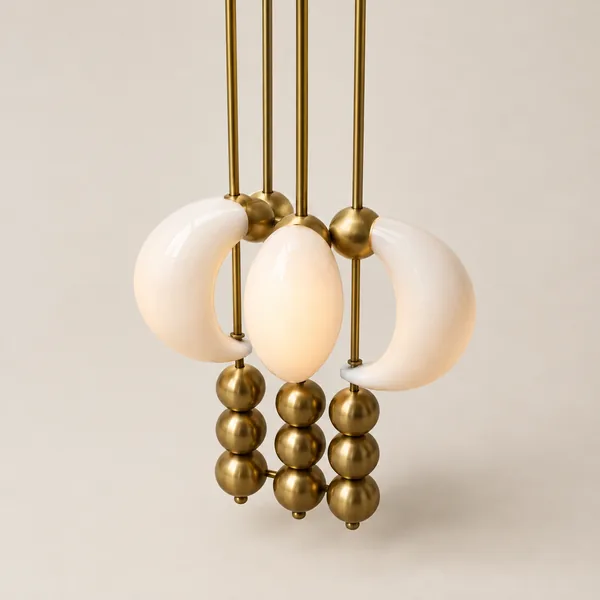

Are Shell Chandeliers in Style?
The resurgence of boho shell chandelier designs has been one of the most significant lighting trends of recent years. Interior designers and homeowners alike are gravitating toward materials that feel authentic, sustainable, and connected to the natural world. Shell chandeliers perfectly embody these values.
This trend extends beyond purely coastal aesthetics. Contemporary designers are incorporating shell lighting into urban apartments, modern farmhouses, and even industrial lofts. The juxtaposition of organic, delicate shells against raw concrete or sleek metal creates compelling visual tension. A tiered shell chandelier can serve as a statement piece in an entryway, while a compact capiz pendant adds subtle elegance to a reading nook.
Social media platforms like Pinterest and Instagram have amplified interest in these fixtures, with searches for "natural material lighting" increasing steadily. The appeal lies in their photogenic quality—shell chandeliers create mesmerizing light patterns that photograph beautifully and make everyday moments feel special.
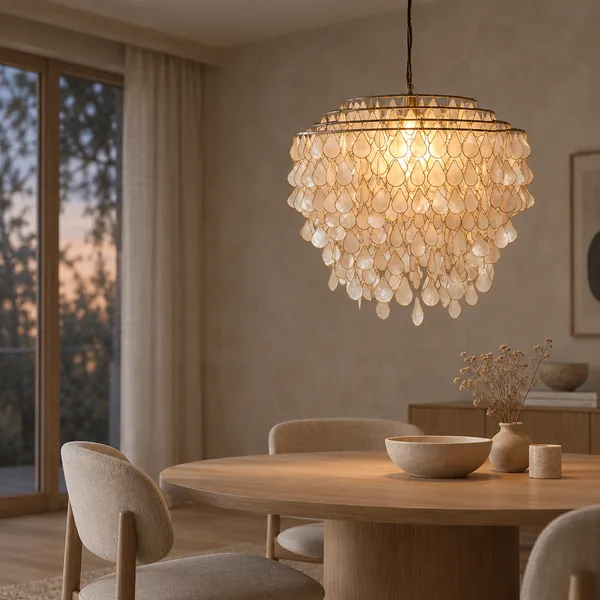 Skjelva Nordic Retro Shell Pendant Chandelier$839.00$1,209.00
What Rooms Work Best with Seashell Chandeliers?
One of the most common questions we receive concerns placement. The good news? Beach house chandelier designs have evolved far beyond the expected coastal bedroom. Here are the spaces where shell lighting truly shines:
Dining Rooms
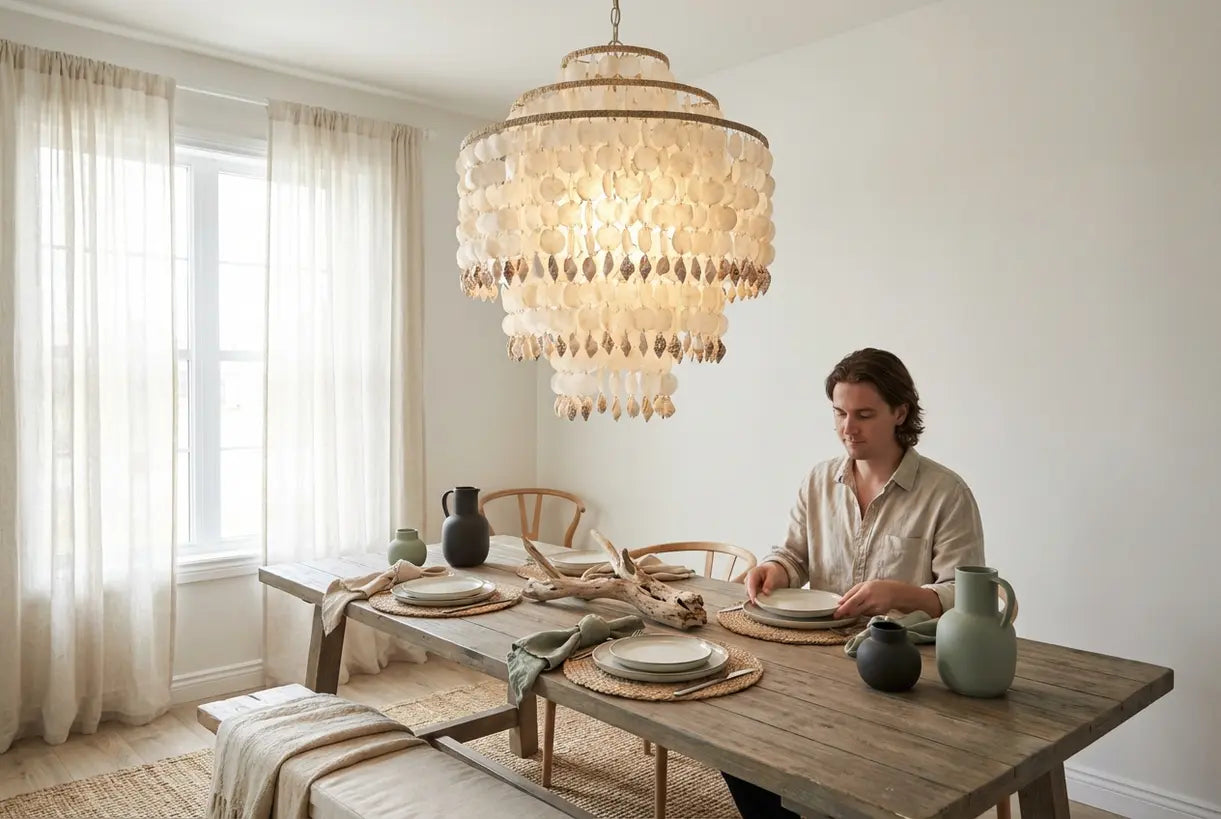
A shell chandelier suspended above a dining table creates an intimate, candlelit ambiance even with electric bulbs. The diffused light flatters skin tones and encourages lingering conversations. For dining spaces, consider a capiz shell pendant with multiple tiers to provide adequate illumination while maintaining that coveted soft glow.
Bedrooms
Few fixtures create a more serene bedroom atmosphere than shell lighting. The organic texture and gentle illumination promote relaxation, making these chandeliers ideal for primary suites and guest rooms alike. Install a dimmer switch to adjust brightness from bright morning preparation to soft evening wind-down.
Entryways and Foyers
First impressions matter. A shell chandelier in an entryway immediately signals your home's design sensibility—sophisticated yet approachable, curated yet natural. The movement of shells catching air currents adds subtle kinetic interest that welcomes guests.
Bathrooms
In moisture-resistant configurations, shell lighting transforms bathrooms into spa-like retreats. The natural materials complement stone countertops, wood vanities, and linen textiles for a cohesive organic aesthetic.
Complete Your Organic Lighting Scheme
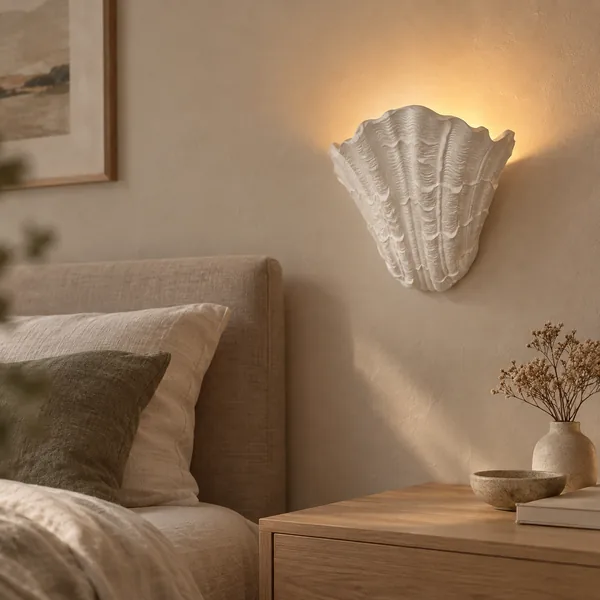 Skalva Handcrafted Gypsum Shell LED Wall Sconce$249.00$369.00
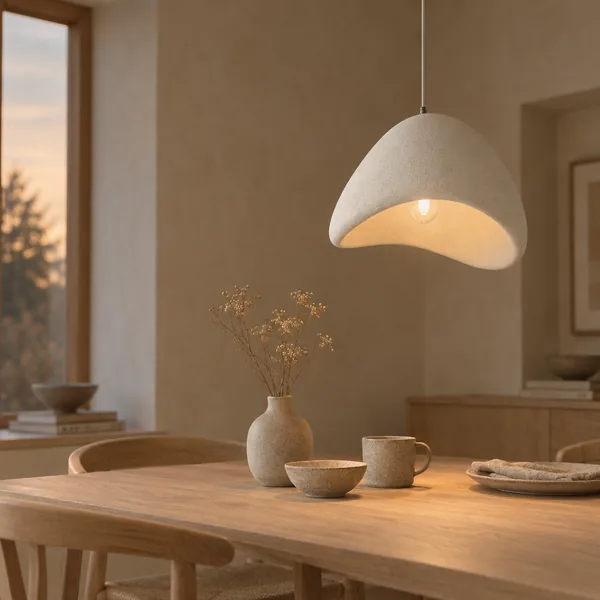 Stena Textured Stone Chandelier Pendant Light$259.00$389.00
DIY vs. Ready-Made: Making the Right Choice
The question of how to make a seashell chandelier inevitably arises for crafty homeowners. DIY tutorials abound, offering ways to create custom fixtures at a fraction of retail cost. If you're drawn to hands-on projects and have specific design requirements, crafting your own shell light can be rewarding.
However, professionally crafted fixtures offer distinct advantages. Properly constructed shell chandeliers use specialized hardware designed to support the weight of shells while ensuring electrical safety. Professional finishing techniques protect shells from brittleness and discoloration over time. Additionally, curated pieces from lighting specialists like Skonne guarantee design coherence and lasting quality.
For those seeking the aesthetic impact without the weekend project, ready-made options deliver immediate gratification. The Architectural Digest notes that investment in quality lighting yields significant returns in both daily enjoyment and home value.
Mediterranean Lighting
Shop all Mediterranean Lighting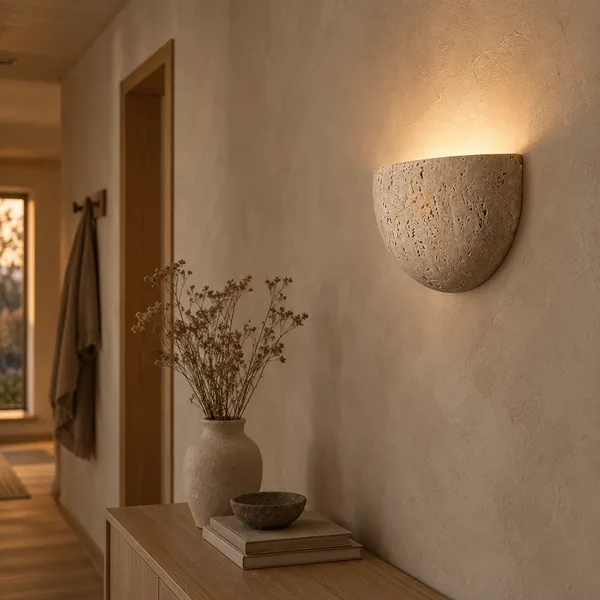
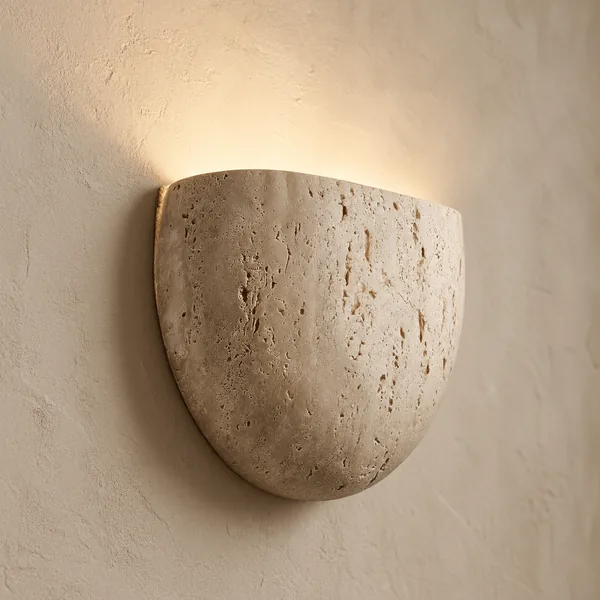
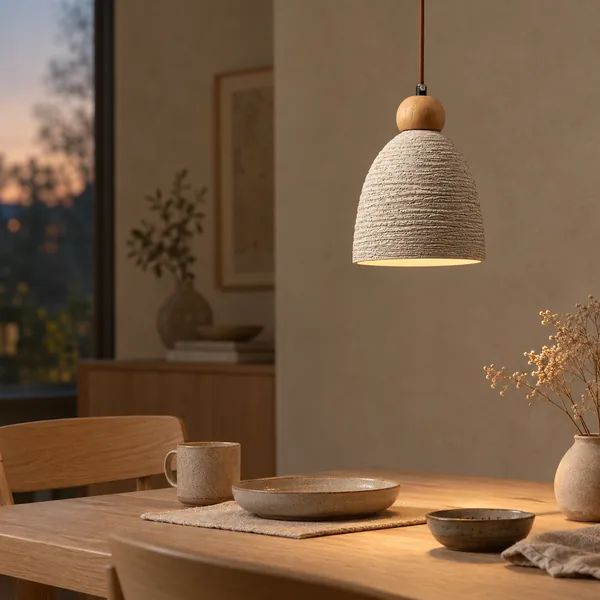
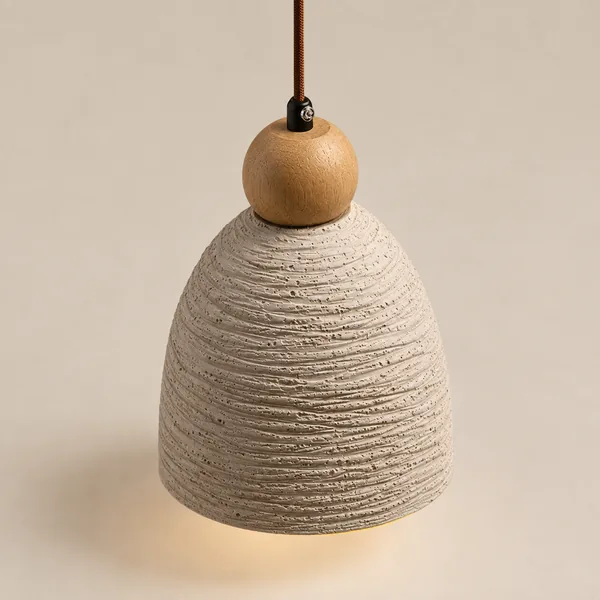 Save $170.00
Steina Raw Microcement Industrial Pendant Light

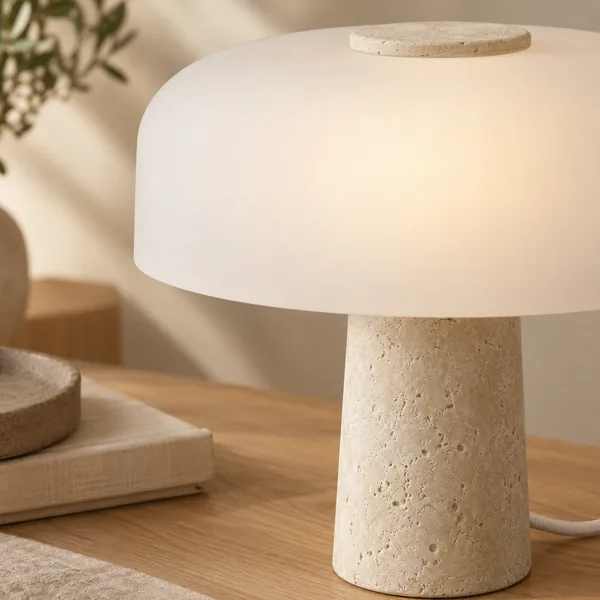 Save $510.00
Svalna Frosted Glass Marble Mushroom Table Lamp
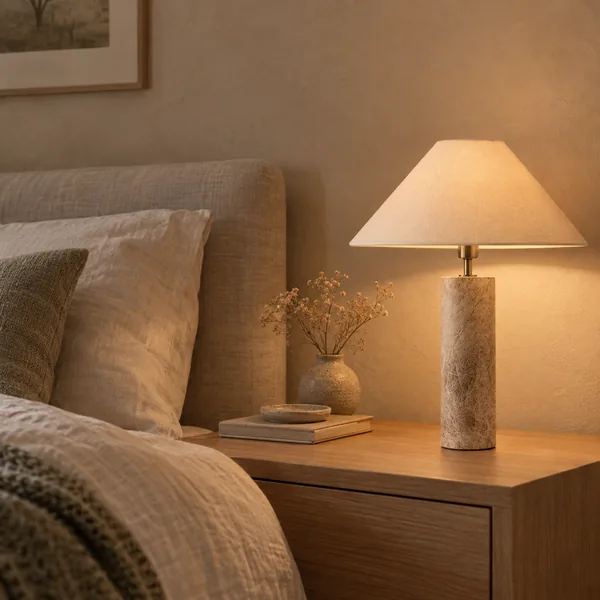
 Save $150.00
Steiva Natural Marble Table Lamp Nordic Style
Caring for Your Shell Chandelier
Maintaining the beauty of your coastal ceiling light requires minimal effort but specific knowledge. Shells are natural materials that respond to environmental conditions:
- Dusting: Use a soft, dry microfiber cloth or feather duster weekly. Avoid vacuum attachments that could dislodge shells.
- Deep cleaning: Occasionally wipe shells with a damp cloth and mild soap solution. Never soak shells or use harsh chemicals.
- Humidity control: While capiz and oyster shells tolerate normal household humidity, excessive moisture can weaken attachment points. Ensure adequate ventilation in bathrooms and kitchens.
- Sunlight exposure: Prolonged direct sunlight may cause natural yellowing over time. Position your chandelier away from intense UV exposure.
With proper care, a quality shell chandelier becomes an heirloom piece that improves with age, developing a patina that tells the story of your home.
Bringing Coastal Elegance Home
Choosing a seashell chandelier is about more than selecting a light fixture—it's about curating an atmosphere. These organic pieces bridge the gap between functional necessity and artistic expression, offering daily reminders of nature's quiet beauty.
Whether you're drawn to the refined translucence of capiz shells or the rustic texture of oyster shells, the right fixture transforms your space into a sanctuary. At Skonne, we curate lighting that honors both Scandinavian design principles and the timeless appeal of natural materials. Our collection of shell-inspired and organic fixtures offers options for every aesthetic, from minimalist Nordic interiors to layered bohemian spaces.
As you consider bringing this coastal elegance into your home, remember that lighting is an investment in how you experience your space every single day. Choose pieces that resonate with your vision, and let the natural beauty of shell lighting illuminate your life.
Related Article
Alabaster Chandeliers: Soft, Luminous Stone Fixtures for Warm, Elevated InteriorsDiscover how alabaster chandeliers transform interiors with their soft, natural glow. Learn about this luminous stone lighting for warm, elevated spaces.