
How to Set an Outdoor Lighting Timer: Schedules, Dusk-to-Dawn & Smart Controls Explained
Summary›
- Understanding the Different Types of Outdoor Lighting Timers
- How to Set a Mechanical Outdoor Timer
- Digital and Programmable Timer Setup
- Dusk-to-Dawn Timers: Set It and Forget It
- Smart Outdoor Timers: The Future of Lighting Control
- Troubleshooting Common Timer Issues
- Creating Your Perfect Outdoor Lighting Schedule
- Conclusion: Effortless Ambiance Awaits
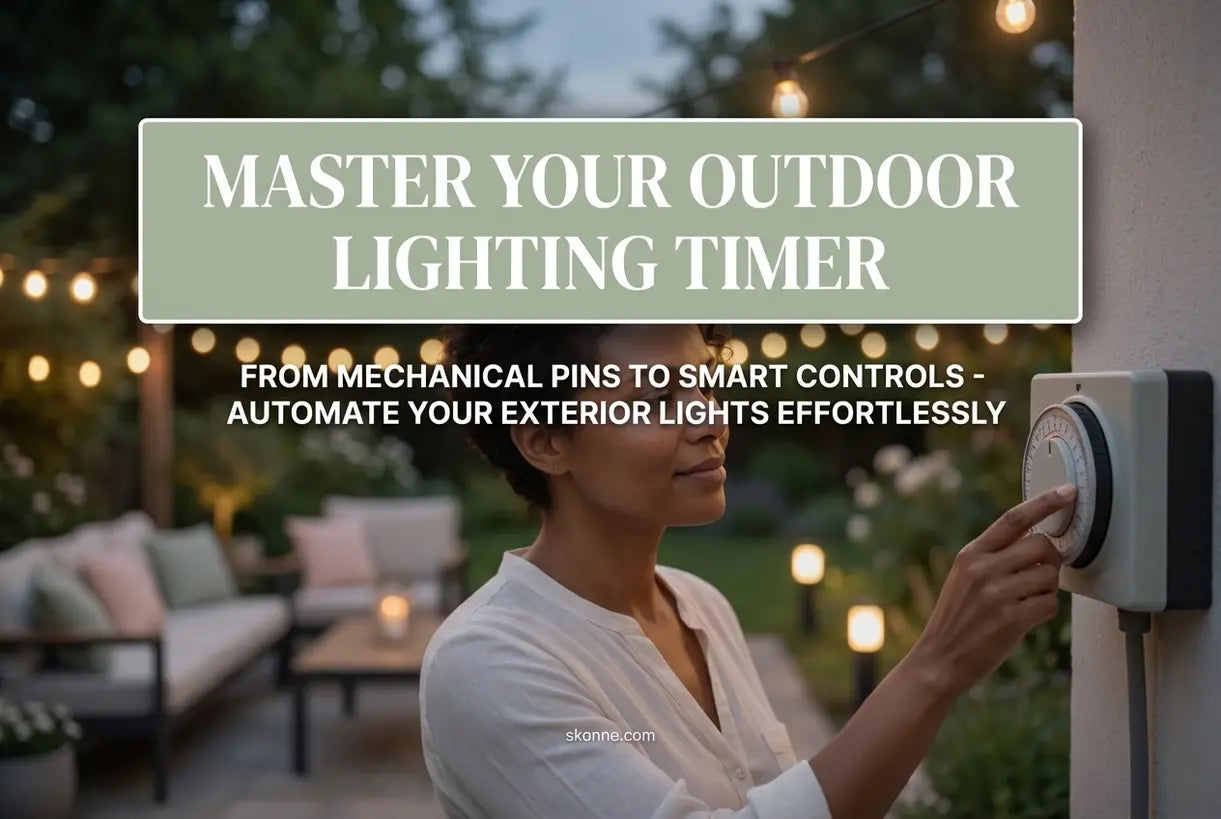
Imagine stepping into your garden as the sun dips below the horizon, and your pathways, patios, and architectural features illuminate automatically—creating that perfect Scandinavian hygge atmosphere without lifting a finger. Learning how to set outdoor lighting timer systems transforms your exterior spaces from static to magical, offering both convenience and enhanced security while reducing energy costs. Whether you're a new homeowner eager to automate your landscape lighting or a design enthusiast seeking the effortless ambiance of dusk-to-dawn illumination, mastering your outdoor timer setup is simpler than you might expect.
In this comprehensive guide, we'll walk you through every type of outdoor lighting timer available—from traditional mechanical models with their tactile pins to sophisticated smart controls you can manage from anywhere. You'll discover step-by-step instructions for programming each timer variety, understand the unique benefits of solar-powered solutions with built-in automation, and learn troubleshooting tips to keep your system running flawlessly year-round.
Understanding the Different Types of Outdoor Lighting Timers
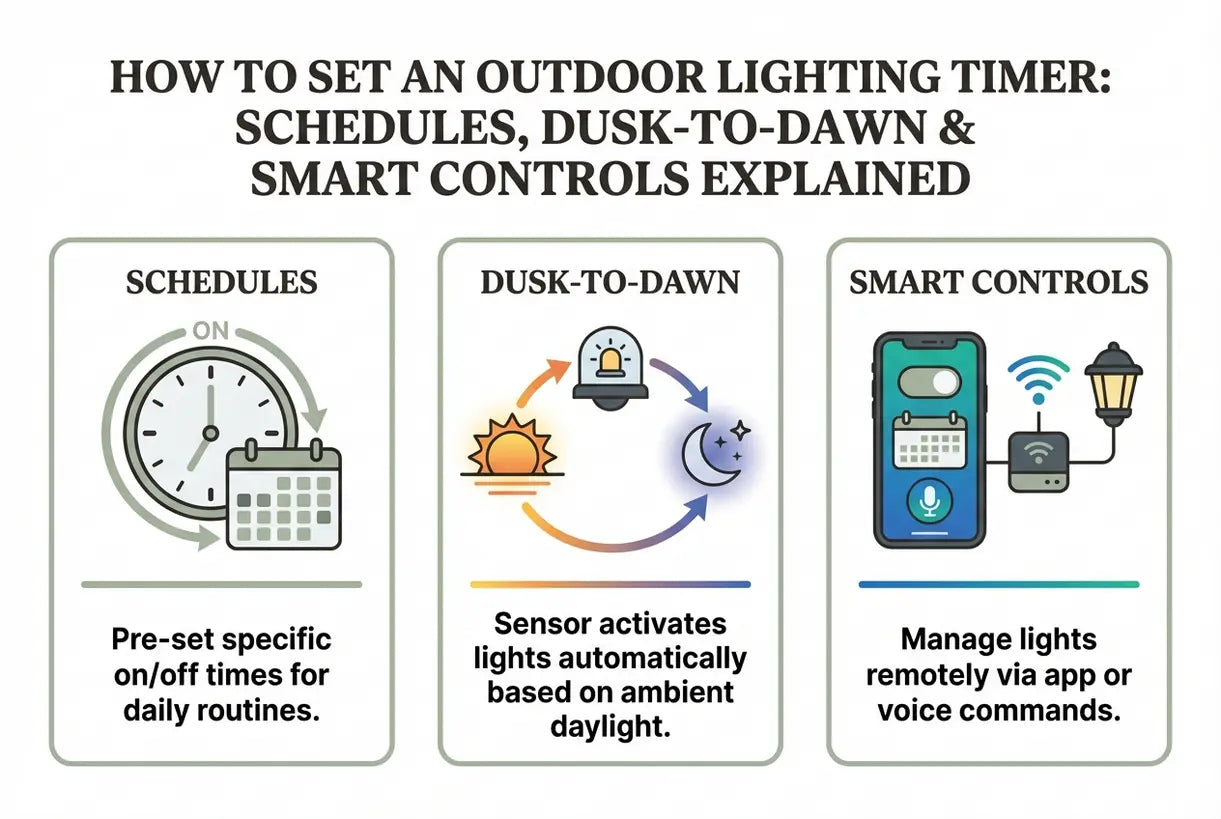
Before diving into programming instructions, it's essential to understand which timer type best suits your outdoor lighting needs. The market offers four primary categories, each with distinct advantages for different lifestyles and technical comfort levels. Mechanical timers represent the classic choice, using physical pins or segments that you push down or pull up to designate on/off periods. These reliable workhorses require no Wi-Fi connection and work perfectly for consistent daily schedules.
Digital and programmable timers offer greater precision, allowing you to set specific times down to the minute and often featuring multiple programs for different days of the week. Dusk-to-dawn timers, also called photocell timers, use light sensors to automatically trigger your lights when ambient light drops below a certain threshold—perfect for those who want truly hands-free operation. Finally, smart outdoor timers connect to your home network, enabling remote control via smartphone apps, voice commands through Alexa or Google Assistant, and integration with broader home automation systems.
For those exploring flexible lighting solutions that don't require hardwiring, our Portable Lamps collection offers curated options that pair beautifully with timer-controlled outdoor circuits.
Outdoor Lighting
Shop all Outdoor Lighting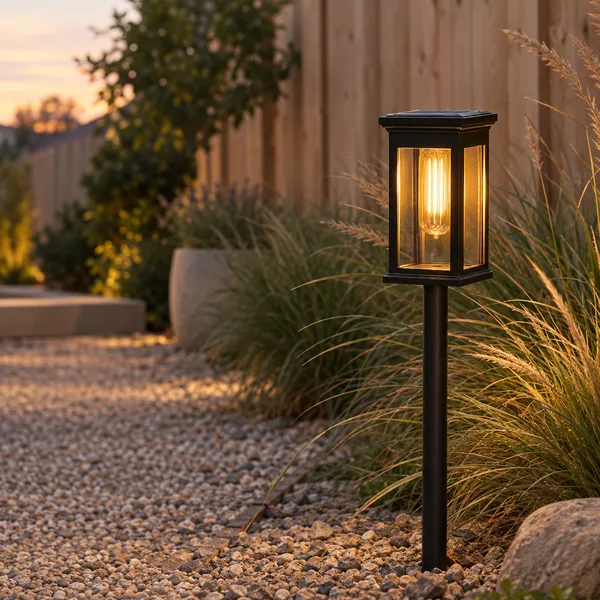
 Save $30.00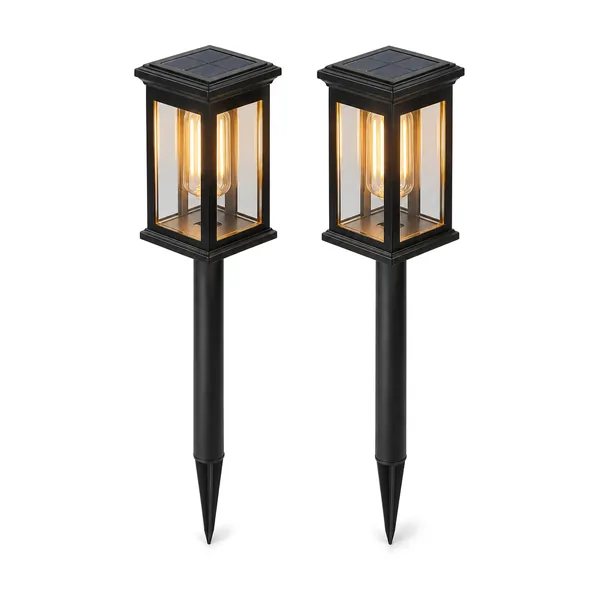
 3 options
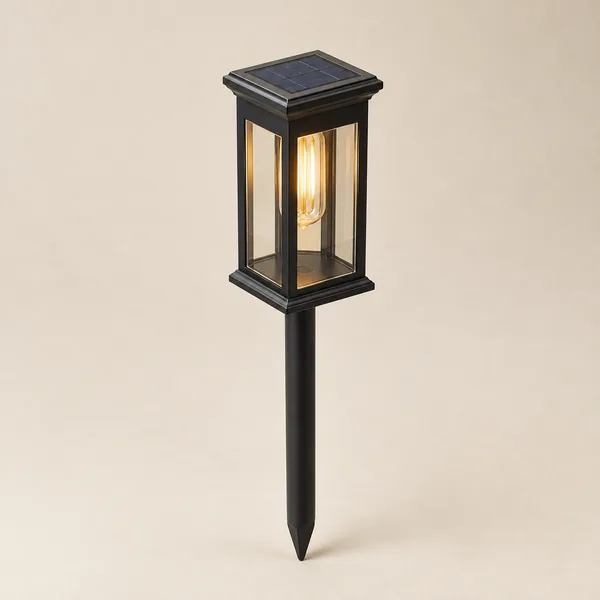
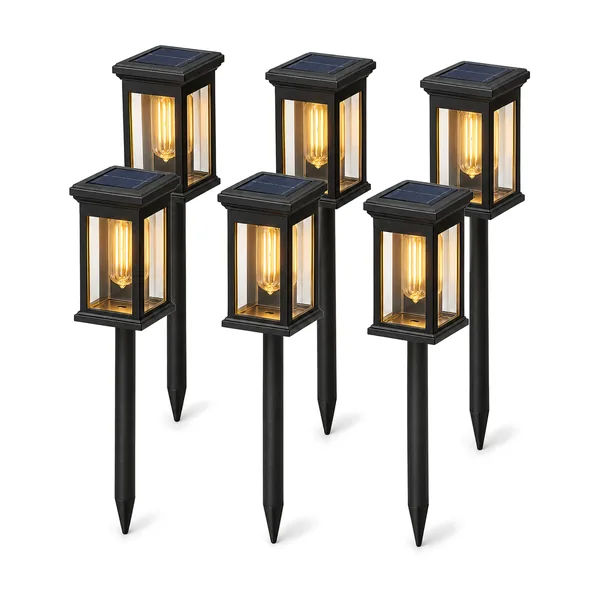
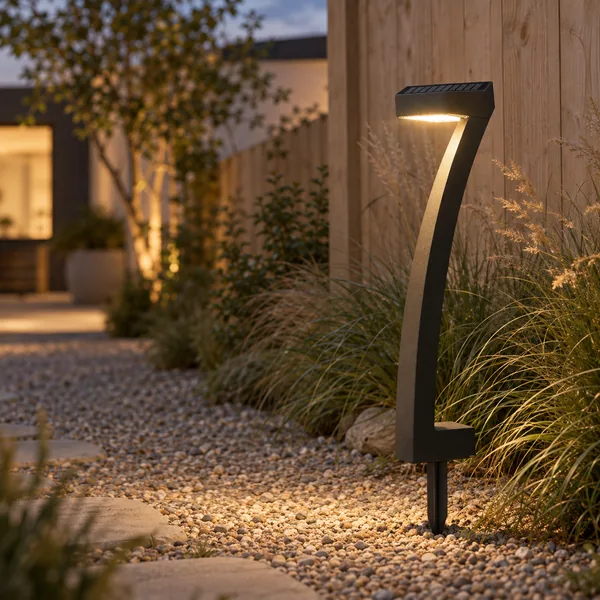
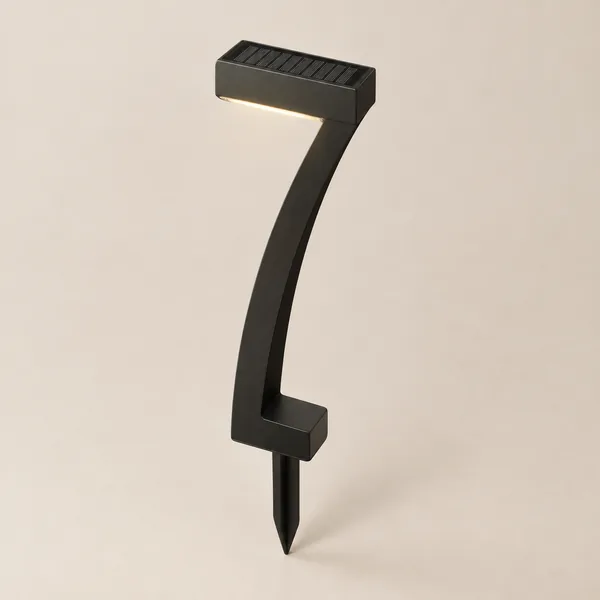
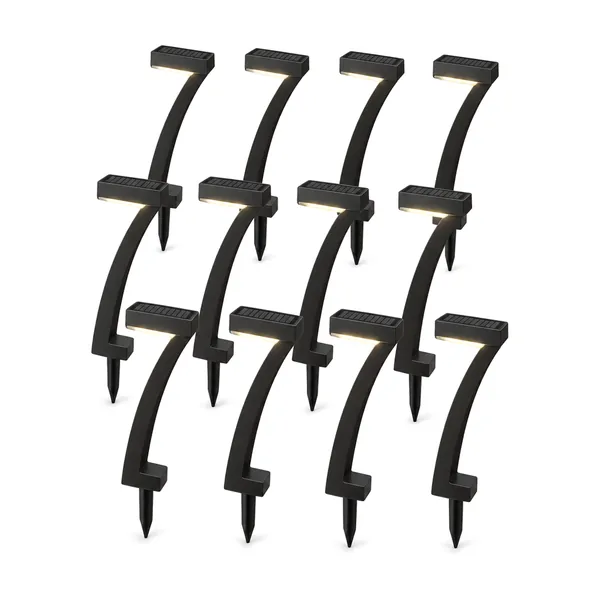
Solsti Solar Garden Path Lights 2700K Warm White
 Save $40.00
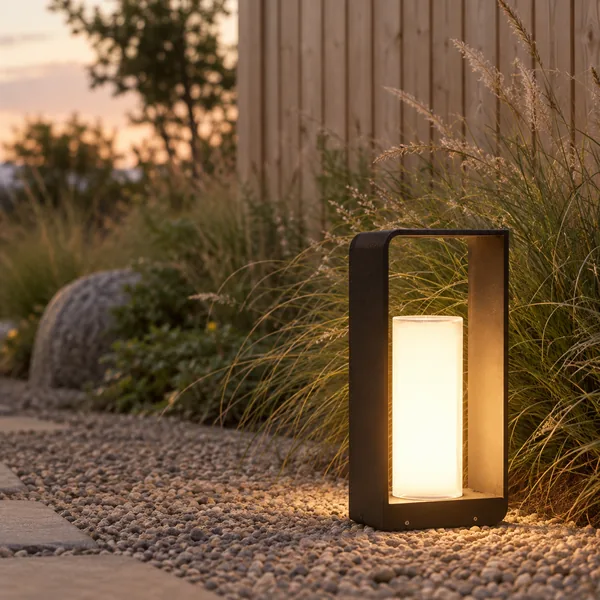
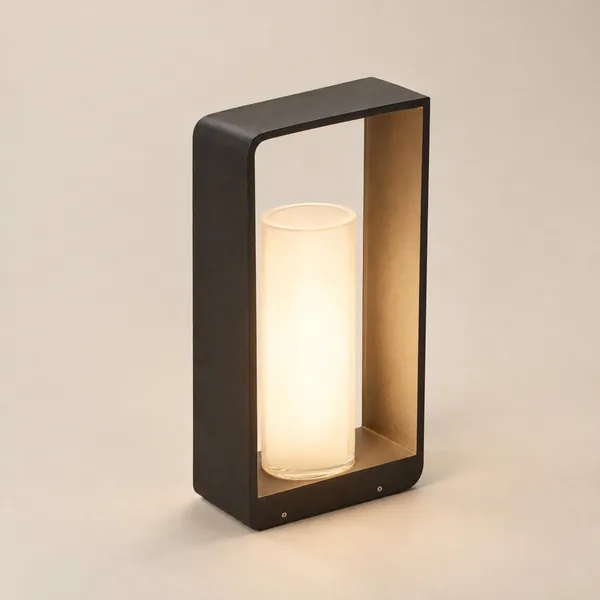
Kvelda Solar LED Garden Lawn Lamp Waterproof
 Save $30.00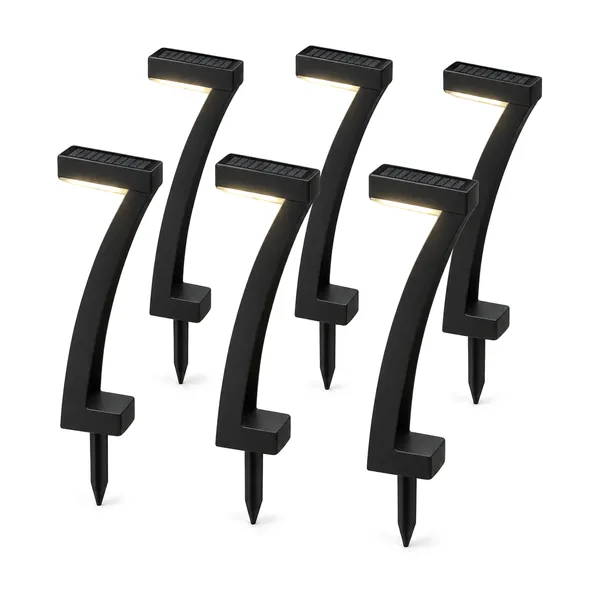
 2 options
Solsti Solar Outdoor Path Lights 2700K Warm White
How to Set a Mechanical Outdoor Timer
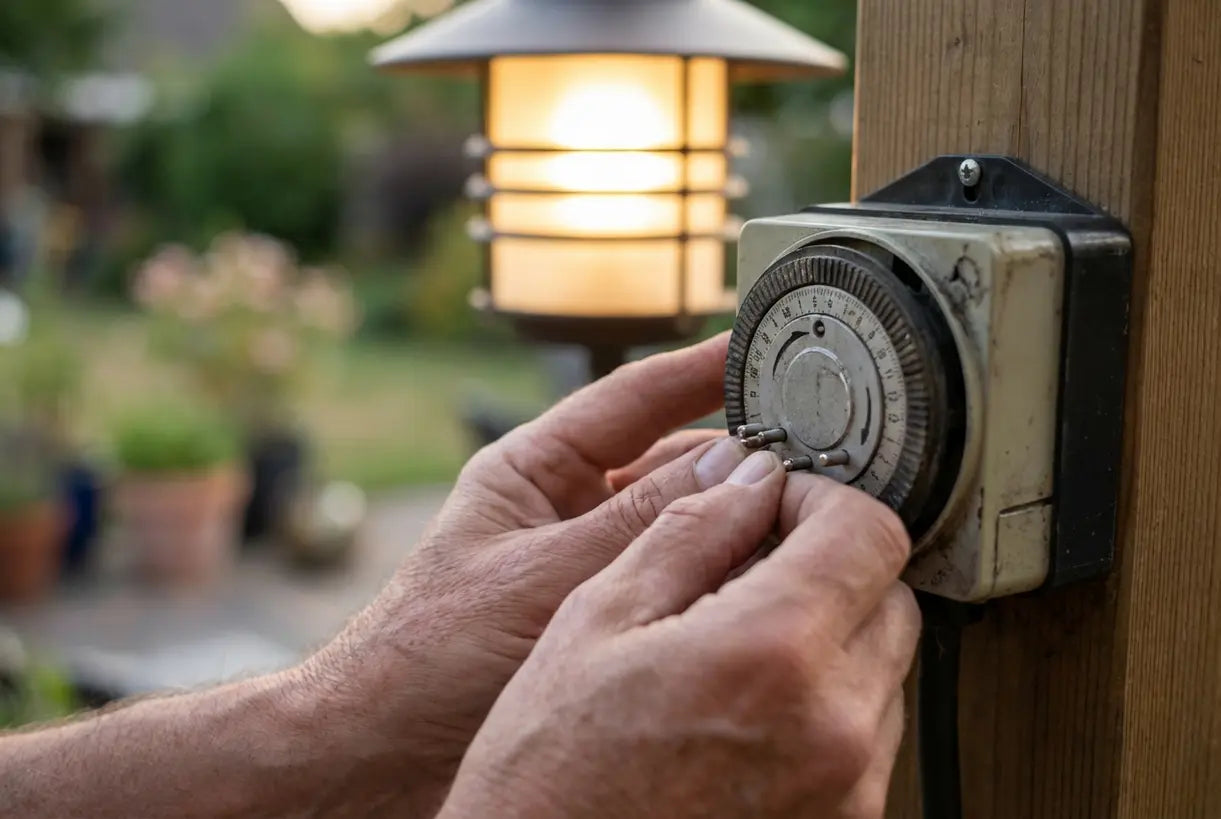
Mechanical timers remain popular for their simplicity and reliability, though they require understanding a few key concepts to avoid common frustrations. Most mechanical outdoor timers feature a dial that rotates through a 24-hour cycle, with small pins or segments representing 15 or 30-minute intervals. The first step involves locating the current time arrow on the dial and rotating the entire face until the current time aligns with this indicator. This establishes your baseline reference point.
Next, identify the pins or segments corresponding to when you want your lights to activate and deactivate. For pin-style timers, pull out all pins between your desired on and off times—these outward-facing pins will complete the circuit during that window. For segment timers, push down the tabs for the duration you want the lights active. A critical detail many overlook: ensure you distinguish between AM and PM on the dial, as confusing these will result in lights activating at noon rather than midnight. Once programmed, plug your outdoor lighting into the timer, then plug the timer into a GFCI-protected outdoor outlet for safety.
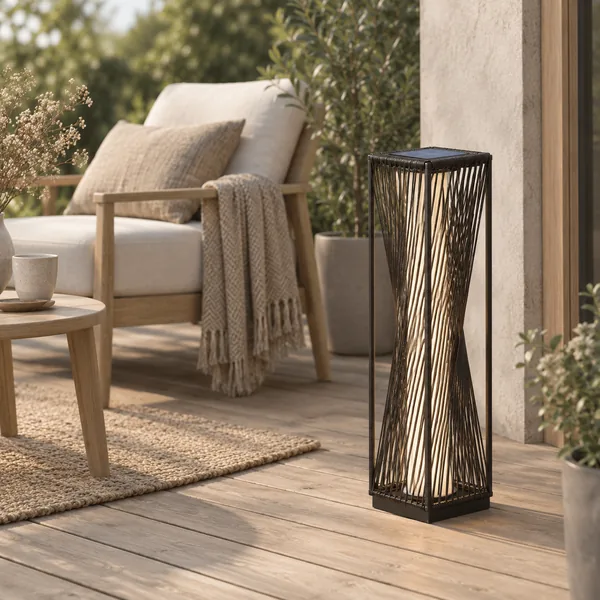 Solvik Solar Wicker Outdoor Floor Lamp Dark Brown$159.00$169.00
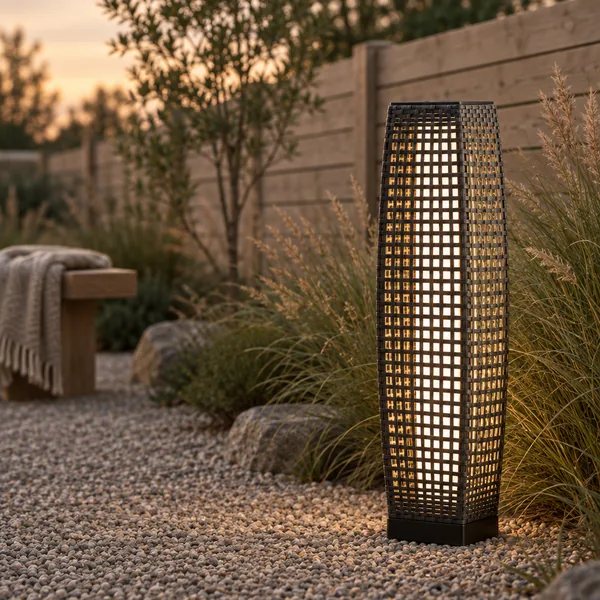
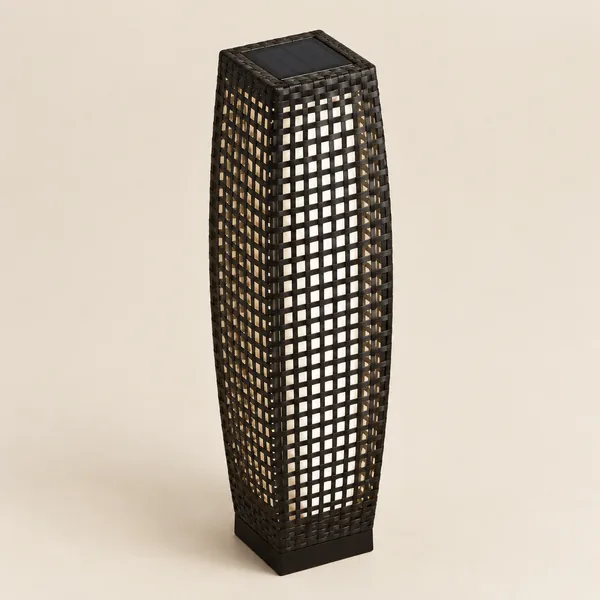
The Solvik Solar Wicker Outdoor Floor Lamp eliminates the complexity of manual timer programming entirely. Its integrated solar timer activates automatically at dusk, harnessing sunlight throughout the day to power the warm, natural glow of its woven wicker design. No GFCI outlet hunting, no pin adjustments, no AM/PM confusion—just effortless Scandinavian ambiance every evening.
Digital and Programmable Timer Setup
Digital timers offer superior precision compared to their mechanical counterparts, allowing you to program exact on/off times and create different schedules for weekdays versus weekends. To set a digital outdoor timer, begin by pressing and holding the clock or time button until the display flashes, then use the hour and minute buttons to set the current time. Pay careful attention to the AM/PM indicator to avoid scheduling mishaps.
Programming your lighting schedule typically involves pressing a program or timer button until the display shows your first on-time setting. Adjust to your desired activation time, then press the button again to set the off time. Most digital timers allow multiple on/off cycles per day, perfect for creating layered lighting scenes—a soft glow during dinner hours, brighter illumination for entertaining, then dimmed accent lighting late into the evening. Remember to account for seasonal daylight changes; what works in December will leave you waiting in darkness during June's extended twilight.
Dusk-to-Dawn Timers: Set It and Forget It
Perhaps the most elegant solution for outdoor lighting automation, dusk-to-dawn timers use photocell sensors to detect ambient light levels, triggering your fixtures only when natural light drops below a threshold—typically around 1-10 foot-candles. These timers eliminate the need for seasonal adjustments since they respond to actual light conditions rather than predetermined times. Installation is straightforward: the photocell must face north (in the Northern Hemisphere) to avoid direct sunlight readings, which would prevent proper activation.
Many modern dusk-to-dawn systems include countdown or duration features, keeping lights on for a set period after dark—say, 6 hours—then automatically shutting them off to conserve energy. Others offer randomization modes that vary activation times slightly each day, creating the illusion of occupancy for enhanced security. For homeowners seeking the ultimate in low-maintenance outdoor illumination, solar-powered fixtures with built-in photocell technology represent the pinnacle of convenience.
Solar-Powered Solutions with Automatic Dusk Activation
Kvelda Solar LED Garden Lawn Lamp Waterproof$299.00$339.00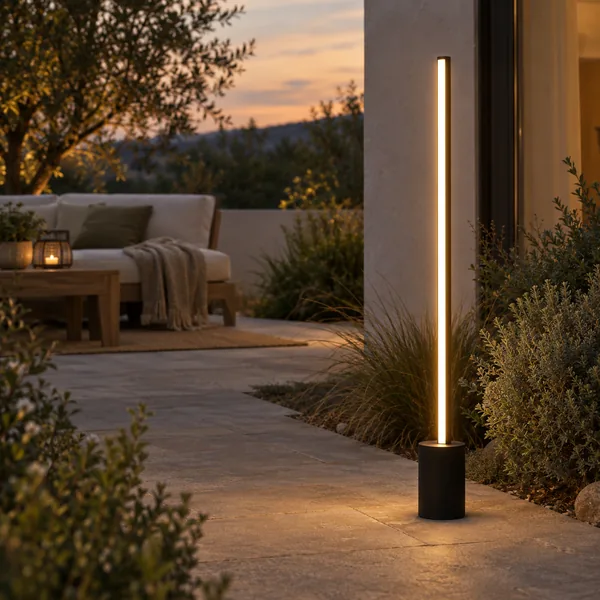 Stiglys Waterproof LED Garden Path Post Light$219.00$319.00
The Kvelda Solar LED Garden Lawn Lamp exemplifies this philosophy with its die-cast aluminum construction and intelligent solar charging system. After 6-8 hours of sunlight, it provides 8-10 hours of warm illumination, automatically activating at dusk without any programming required. Similarly, the Stiglys Waterproof LED Garden Path Post Light offers modern stainless steel aesthetics with IP65 waterproofing, available in multiple heights to create layered pathway lighting that works seamlessly with any timer system or operates independently with photocell technology.
Lantern Wall Lights
Shop all Lantern Wall Lights

Smart Outdoor Timers: The Future of Lighting Control
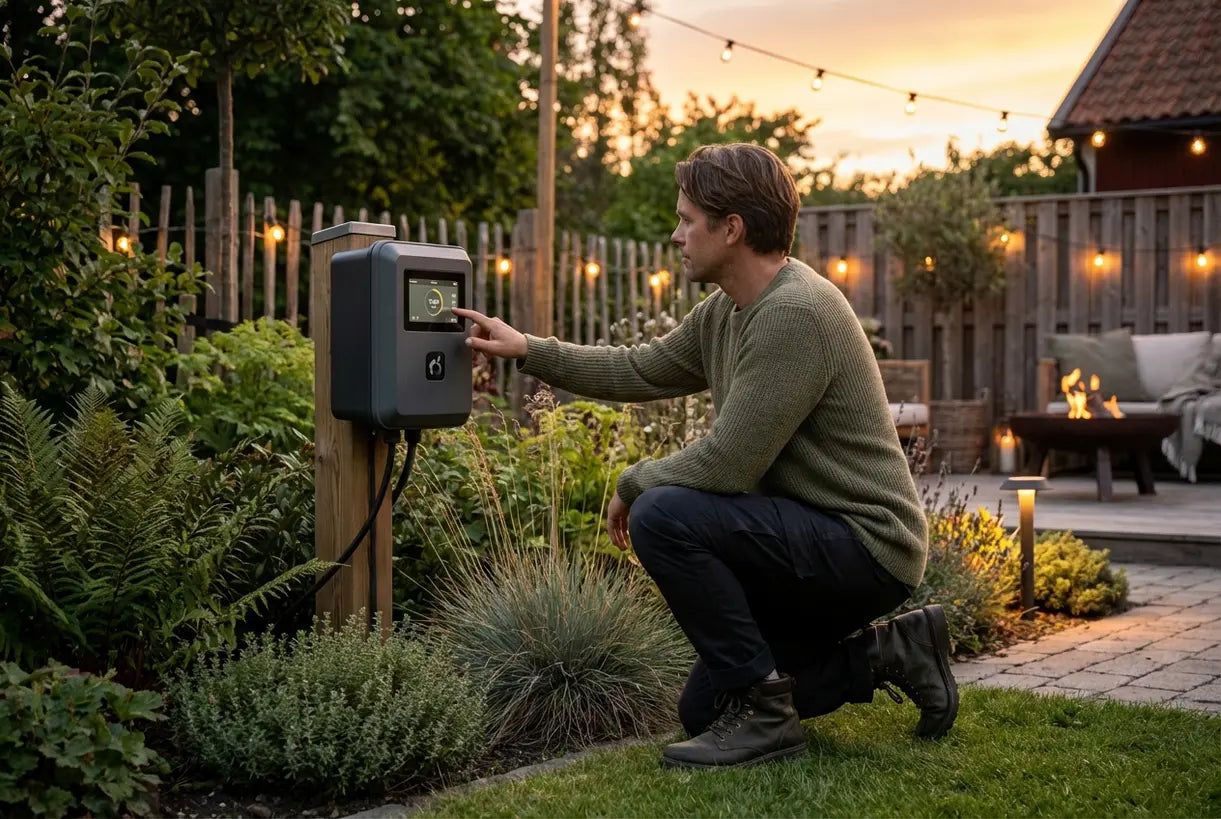
For the tech-savvy homeowner, smart outdoor timers represent the convergence of convenience and intelligence. These Wi-Fi-enabled devices connect to your home network and are controlled via smartphone apps, allowing you to adjust schedules from anywhere—whether you're across town or across the country. Setup typically involves downloading the manufacturer's app, creating an account, and following the pairing instructions to connect your timer to your 2.4GHz Wi-Fi network.
Smart timers offer capabilities that mechanical and digital models cannot match: geofencing that automatically activates lights when you arrive home, astronomical clocks that calculate sunset times based on your exact location and the current date, and integration with voice assistants for hands-free control. Many also provide energy monitoring, showing exactly how much electricity your outdoor lighting consumes. The trade-off is dependency on your home network—if Wi-Fi goes down, you'll need backup schedules programmed into the device itself.
Troubleshooting Common Timer Issues
Even the best outdoor lighting timer setups occasionally require troubleshooting. If your lights fail to activate, first verify that the timer is receiving power—check that GFCI outlets haven't tripped and that the timer itself shows signs of life (displays, indicator lights, or audible clicks for mechanical models). For mechanical timers, ensure the override switch isn't in the "always on" position, which prevents the timer function from operating.
Photocell-based dusk-to-dawn timers may malfunction if the sensor eye becomes dirty or is positioned where artificial light triggers premature shutoff. Clean the sensor regularly and ensure it faces away from streetlights or neighboring properties. Resetting your outdoor light timer typically involves pressing and holding a reset button for 10-15 seconds or unplugging the device for 30 seconds to clear all programming. When in doubt, consult your specific model's manual, as reset procedures vary by manufacturer.
Pro Tip: Always use weatherproof covers for outdoor outlets and ensure your timer carries an appropriate IP rating for your climate. IP65-rated devices like the Kvelda and Stiglys lamps withstand rain, snow, and dust for year-round reliability.
Creating Your Perfect Outdoor Lighting Schedule
The ideal outdoor lighting schedule balances aesthetics, security, and energy efficiency. For landscape lighting timers, consider a layered approach: pathway lights activate at dusk for safety, accent lighting for architectural features or specimen plants turns on 30 minutes later for drama, and security lighting activates on motion sensors rather than timers to conserve energy while deterring intruders. During peak summer months when darkness falls late, you might delay activation by an hour or two to save electricity.
For holiday or seasonal lighting, smart timers truly shine—program special schedules for December's festive displays that differ from your year-round landscape lighting, then revert automatically in January. Remember that LED timer controls consume minimal electricity compared to incandescent fixtures, so you can afford longer illumination periods without significantly impacting your utility bill. Quality LED outdoor fixtures paired with intelligent timer systems create that coveted Scandinavian balance of warmth and efficiency.
Conclusion: Effortless Ambiance Awaits
Mastering how to set outdoor lighting timer systems opens a world of possibilities for your home's exterior—transforming ordinary spaces into inviting sanctuaries that welcome you home every evening. Whether you choose the tactile reliability of mechanical pins, the precision of digital programming, the intelligence of dusk-to-dawn sensors, or the connectivity of smart home integration, the right timer solution eliminates daily hassle while enhancing security and curb appeal.
At Skonne, we believe outdoor lighting should feel as effortless as the Scandinavian hygge lifestyle we champion. Our curated collection of solar-powered fixtures with automatic dusk activation—like the woven warmth of the Solvik Solar Wicker Outdoor Floor Lamp, the durable elegance of the Kvelda Solar LED Garden Lawn Lamp, and the modern precision of the Stiglys Waterproof LED Garden Path Post Light—eliminates wiring complexities and programming headaches entirely. These intelligent designs harness the sun's energy by day and automatically illuminate your evenings, allowing you to focus on enjoying your outdoor spaces rather than managing them.
Explore our complete range of Scandinavian-inspired outdoor lighting solutions and discover how the right fixtures can transform your timer setup from a technical task into a seamless expression of your personal style.
Related Article
Outdoor Pool Lighting: Best Underwater & Perimeter Fixtures for a Stunning Pool AreaDiscover the best outdoor pool lighting ideas to transform your swimming area. From underwater LED fixtures to perimeter path lights, create a stunning nighttime oasis.