
Spanish & Mediterranean Outdoor Lighting: Sun-Soaked, Ornate Fixtures for Warm-Climate Homes
Summary›
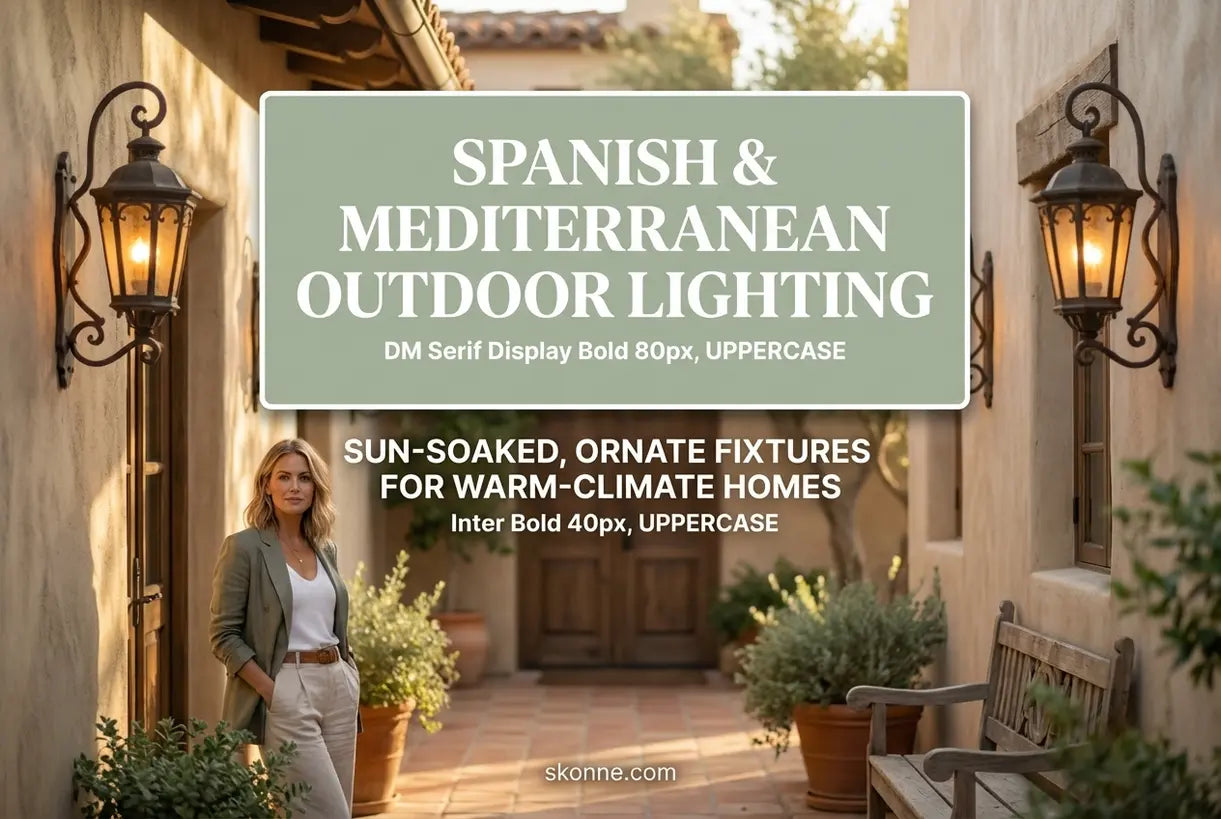
Imagine stepping into your garden as the sun dips below the horizon, the warm Mediterranean air wrapping around you like a familiar embrace. The golden light filtering through ornate wrought iron lanterns casts dancing shadows across sun-baked walls, transforming your outdoor space into an intimate hacienda retreat. This is the essence of spanish style outdoor lighting—where centuries of craftsmanship meet the practical beauty of warm-climate living, creating an atmosphere that lingers long after sunset.
For homeowners who cherish the romance of Mediterranean architecture and the comfort of alfresco living, choosing the right outdoor fixtures isn't simply about illumination. It's about crafting moments, honoring architectural heritage, and creating functional art that withstands the intensity of sun-drenched climates. Whether you're renovating a Spanish Revival home or simply drawn to the timeworn elegance of terracotta and iron, understanding what makes these fixtures exceptional is the first step toward transforming your exterior spaces.
In this guide, we'll explore how to select Spanish and Mediterranean outdoor lighting that honors tradition while embracing modern durability and efficiency. You'll discover the materials that define quality, the finishes that capture that golden-hour glow, and practical considerations for warm-climate living. Drawing from our Scandinavian commitment to intentional design and superior craftsmanship, we'll show you how to curate outdoor lighting that feels both timeless and distinctly yours.
The Soul of Spanish & Mediterranean Outdoor Design
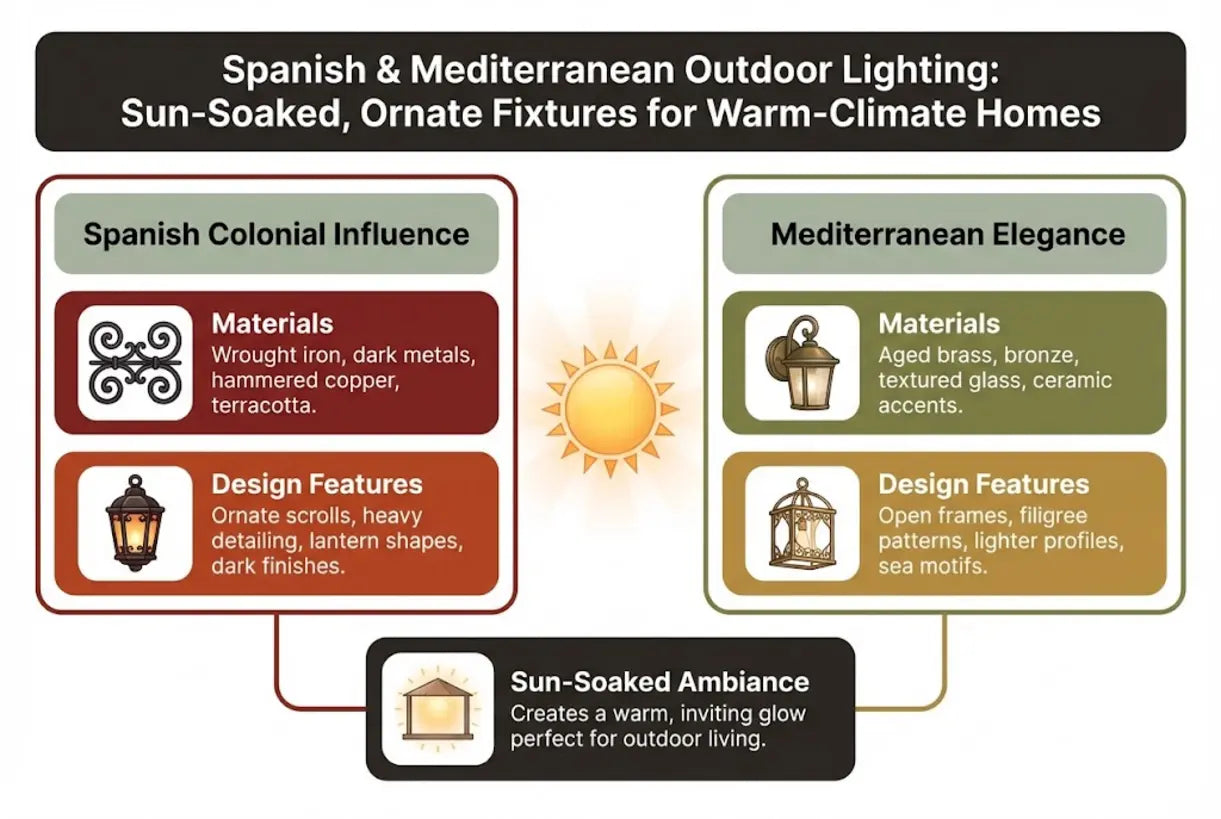
Spanish style outdoor lighting draws its DNA from centuries of cultural melting pots—from Moorish influences that arrived in Andalusia to the rustic simplicity of Tuscan farmhouses and the carved limestone of Mexican haciendas. At its core, this aesthetic celebrates organic materials, intricate craftsmanship, and the interplay between light and shadow. Unlike the cool minimalism of Nordic design, Mediterranean lighting embraces ornamentation: scrollwork that tells stories, patinas that deepen with age, and silhouettes that reference ancient architecture.
The most compelling Mediterranean outdoor lighting creates what designers call "layers of warmth"—fixtures that don't simply brighten pathways but sculpt space with amber-toned illumination. Wall lanterns bracket doorways with symmetry, pendant lights drape over covered patios with casual elegance, and pathway lighting guides guests through gardens like fireflies marking the way. Each piece functions as both beacon and artwork, contributing to an outdoor room that feels complete and considered.
For homes in warm climates, this aesthetic offers particular resonance. The materials that define Spanish outdoor lighting—wrought iron, natural stone, terracotta, and aged bronze—have been tested by centuries of sun exposure. They don't warp in heat or fade under UV rays; instead, they develop character. This is why Spanish Revival homes from California to Florida still feature original fixtures from the 1920s and 30s, their ironwork now possessing the deep, rich patina that modern reproductions strive to emulate.
Materials That Honor the Tradition
When selecting spanish style outdoor lighting, material choice determines not only aesthetics but longevity. Authentic Mediterranean fixtures rely on substances that age gracefully in harsh sunlight and resist corrosion in humid coastal air. Wrought iron remains the gold standard—hand-forged by artisans into scrolling vines, geometric Moorish patterns, or simple forged bands that feel industrial yet organic. Unlike cast aluminum, which can feel hollow and lightweight, wrought iron possesses heft and substance. It develops a protective oxide layer that, when properly finished, creates that coveted dark bronze or matte black appearance.
Natural stone represents another cornerstone of Mediterranean design, bringing earthiness to exterior walls and entryways. Limestone, travertine, and slate bases ground metal fixtures visually and physically, absorbing heat during the day and radiating warmth as evening arrives. Glass plays a crucial role too—amber seedy glass, seeded with tiny bubbles that diffuse light into honeyed pools, or clear seeded varieties that sparkle like Mediterranean sea foam. These materials aren't merely decorative; they withstand thermal expansion and resist the cracking that plagues lesser fixtures exposed to extreme temperature swings.
The modern evolution of these traditions introduces weather-resistant technologies while maintaining visual authenticity. Powder coatings protect ironwork from salt air and acid rain. Marine-grade stainless steel provides structural integrity hidden within traditional silhouettes. UV-resistant finishes preserve deep bronze tones against bleaching sunlight. For those seeking contemporary sustainability alongside classic aesthetics, solar technology now powers fixtures that look indistinguishable from their hardwired counterparts, eliminating wiring complexity while reducing environmental impact.
Outdoor Lighting
Shop all Outdoor Lighting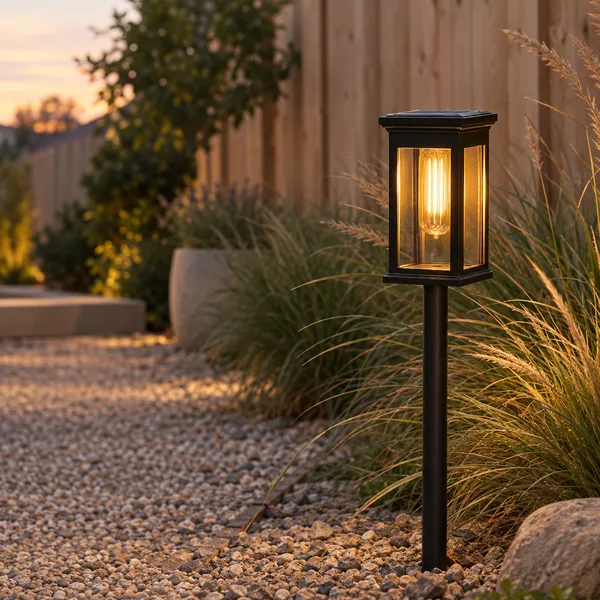
 Save $30.00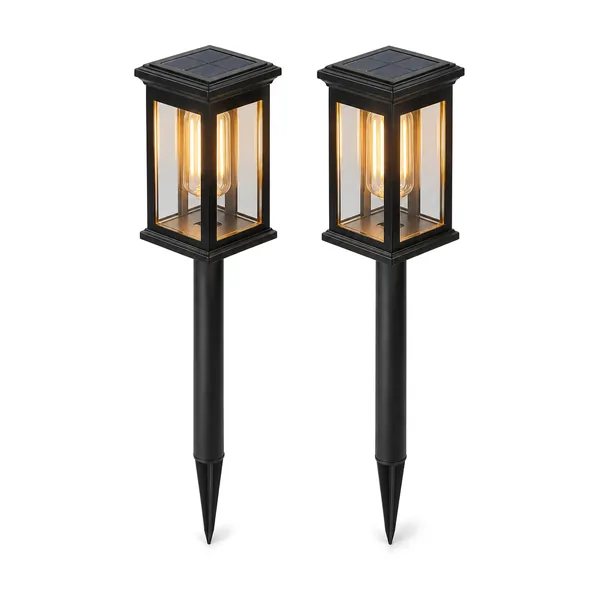
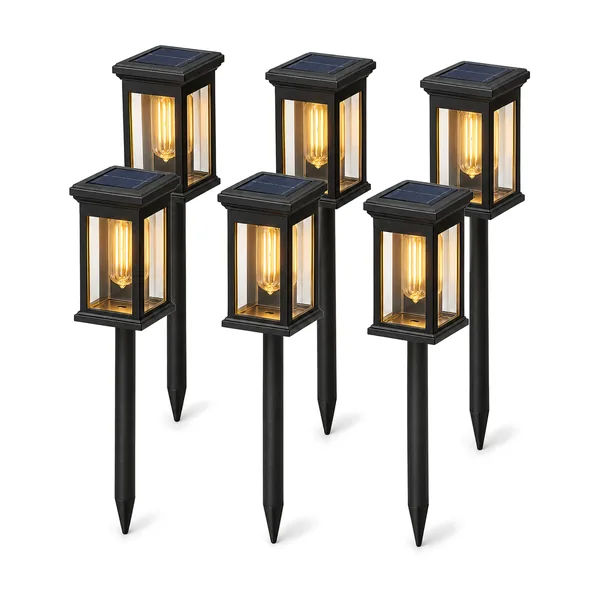
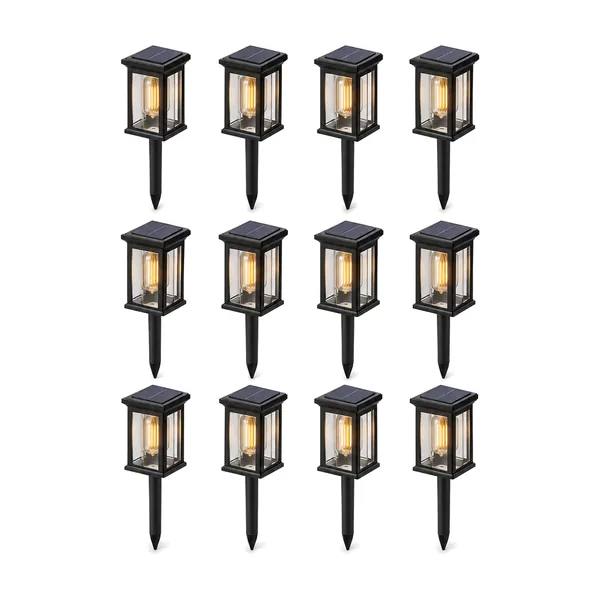 3 options
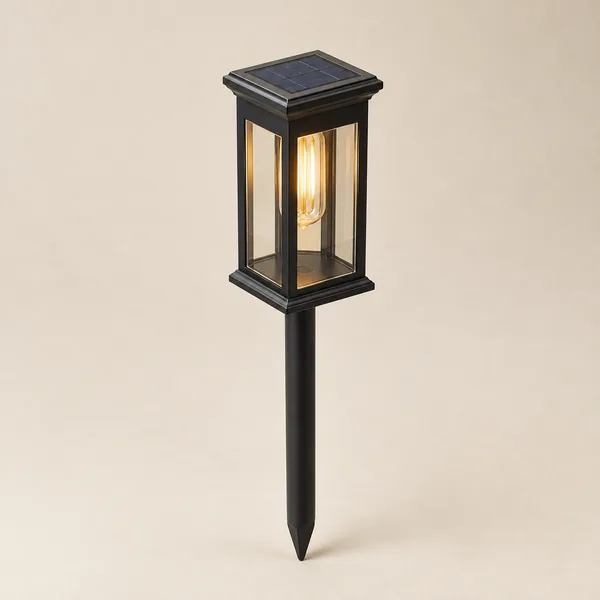
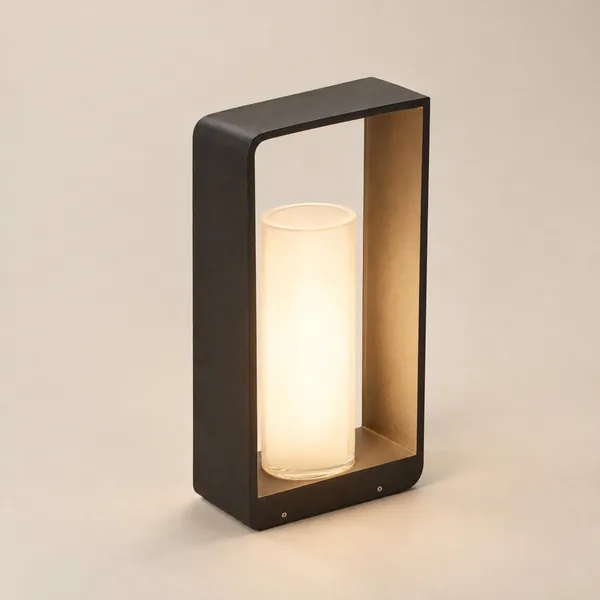
Solsti Solar Garden Path Lights 2700K Warm White
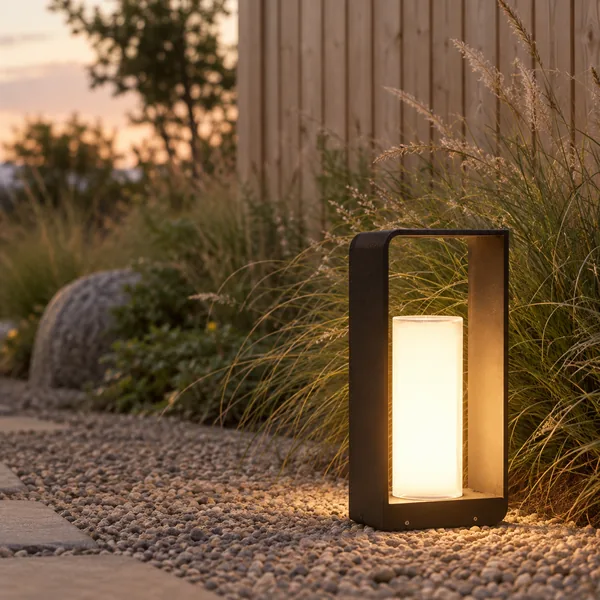
 Save $40.00
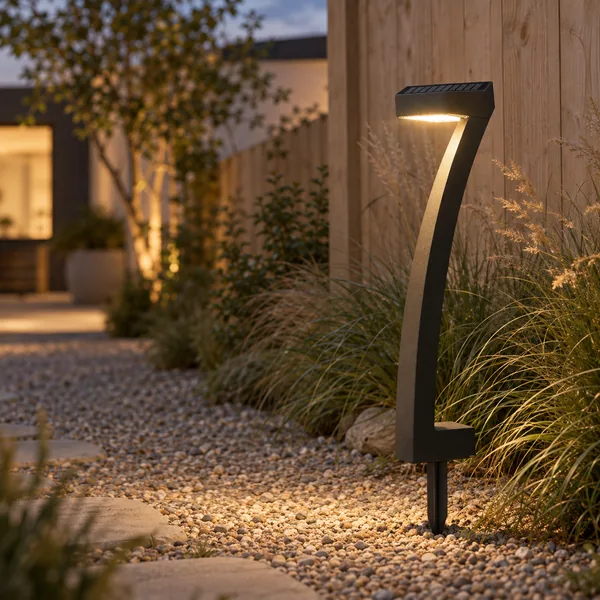
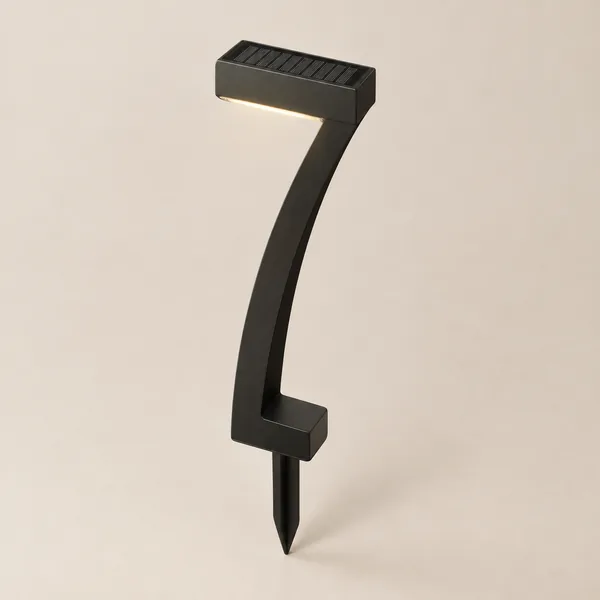
Kvelda Solar LED Garden Lawn Lamp Waterproof
 Save $30.00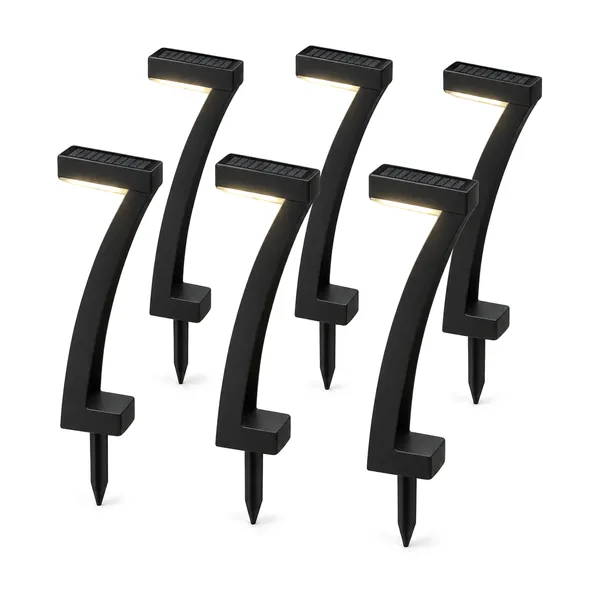
 2 options
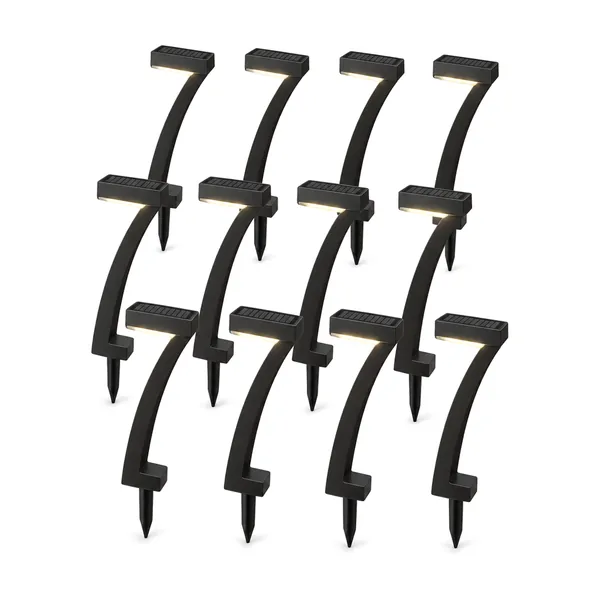
Solsti Solar Outdoor Path Lights 2700K Warm White
Choosing Fixtures for Warm-Climate Living
Living in warm climates presents unique challenges for outdoor lighting. Intense UV radiation degrades plastics and bleaches finishes. Thermal cycling—expansion during hot days and contraction at night—stresses joints and seals. Salt air in coastal regions accelerates corrosion. Quality mediterranean outdoor lighting addresses these factors through material selection and engineering rather than simply adding thicker paint layers.
When evaluating fixtures for sun-drenched environments, examine IP ratings (Ingress Protection) which indicate resistance to dust and moisture. For exposed coastal or desert installations, look for IP65 or higher ratings ensuring complete dust protection and resistance to water jets. Consider mounting locations carefully—south and west-facing walls receive maximum sun exposure, requiring fixtures with UV-stable finishes and heat-resistant mounting hardware. Covered patios and north-facing walls offer more forgiving conditions where a wider range of materials can thrive.
Electrical considerations matter too. LED technology has revolutionized outdoor lighting by generating less heat than incandescent bulbs while delivering the warm color temperatures (2700K-3000K) that define Mediterranean ambiance. Look for fixtures with integrated LED modules rather than replaceable bulbs—the sealed units resist moisture infiltration and eliminate weak points where heat escapes. For areas without existing electrical infrastructure, solar-powered options have matured significantly, offering all-night illumination from dusk-to-dawn sensors and lithium batteries that withstand temperature extremes far better than older nickel-cadmium alternatives.
The Timeless Appeal of Outdoor Wall Lanterns
Among all fixture types, wall lanterns reign supreme in Spanish and Mediterranean architecture. Flanking doorways in symmetrical pairs, they create the welcoming portals that define hacienda entries. Mounted beside garage doors, they extend the architectural language across the entire facade. Scaled appropriately to ceiling heights and door widths, these fixtures anchor the vertical planes that might otherwise feel blank and imposing under the dark sky.
The most effective spanish revival lighting incorporates traditional proportions—fixtures typically measuring one-quarter to one-third the height of the door they accompany. Height placement matters too: center the fixture approximately 66 inches above the threshold, positioning the light source at eye level for guests while casting illumination both upward to graze architectural details and downward to safely reveal steps and walkways. For covered porches with lower ceilings, semi-flush mount lanterns maintain clearance while preserving the ornate character that flush mounts often sacrifice.
When selecting wall lanterns for Mediterranean-inspired homes, consider how the fixture relates to other architectural elements. Stucco walls pair beautifully with fixtures featuring backplates that create subtle shadow lines, emphasizing texture. Stone or brick facades allow for more minimal mounting hardware since the material itself provides visual weight. For those drawn to Lantern Wall Lights as a primary照明 source, focus on open-bottom designs that direct light downward for safe navigation while the lantern body glows as decorative sculpture.
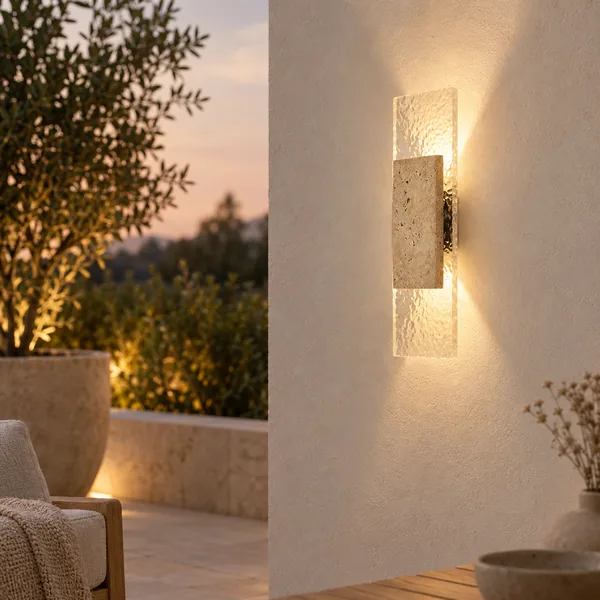 Steinglo Waterproof Stone Wall Sconce 18W LED$239.00$349.00
Spanish Revival Lighting: Architectural Harmony
Spanish Revival architecture—from the red tile roofs of Mission-style bungalows to the elaborate arches of Mediterranean estates—demands lighting that respects its proportional relationships and material palette. These homes feature distinct characteristics: asymmetrical facades, arched doorways and windows, decorative iron grilles, and substantial stucco surfaces that provide the perfect canvas for ornate outdoor lighting. The lighting should feel native to the structure, as if installed when the home was first built rather than retrofitted as an afterthought.
Symmetry plays a crucial role in achieving authentic Spanish Revival lighting design. Even on asymmetrical facades, individual architectural elements like doorways and windows benefit from balanced lighting—matching sconces on either side of an arched entry, for instance. However, the overall composition can embrace asymmetry through pathway lighting or landscape fixtures that guide the eye through gardens with organic, meandering placement. This tension between formal architectural lighting and informal landscape lighting creates visual interest that feels both considered and casually elegant.
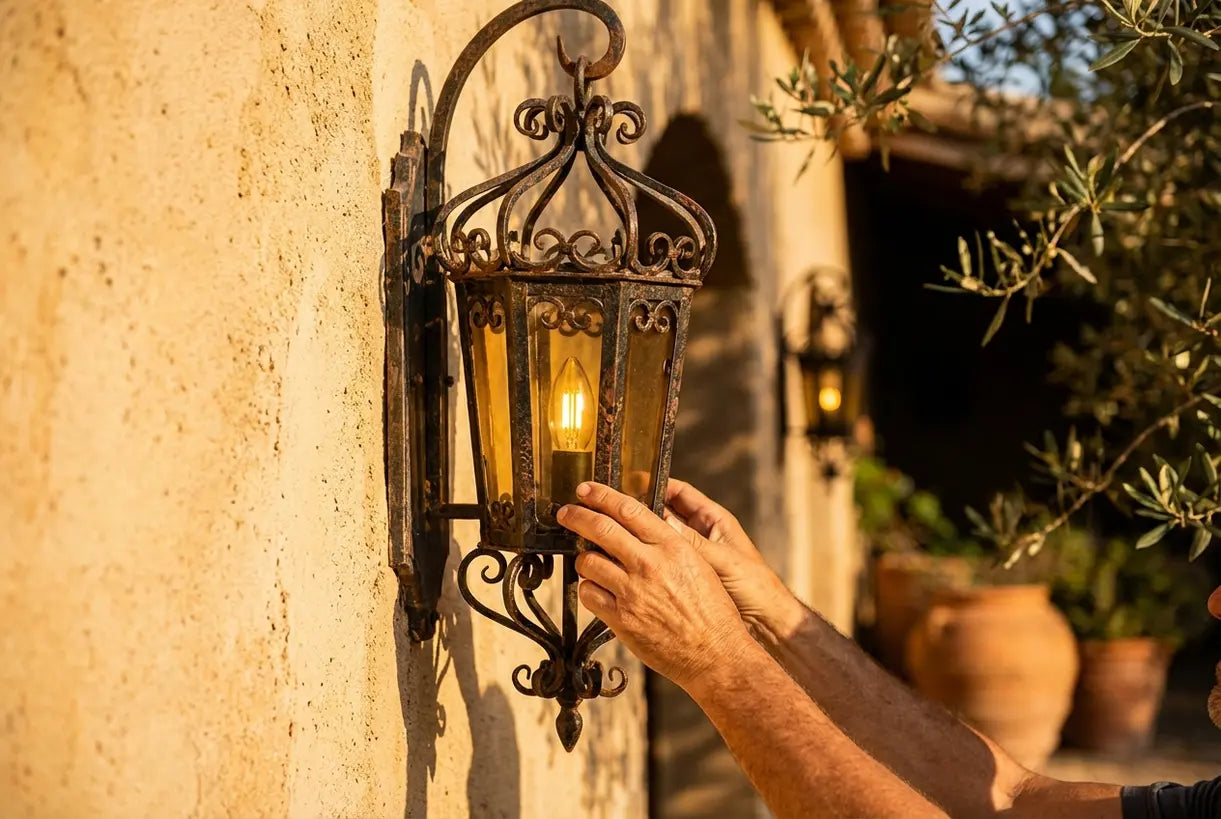
Pro Tip: When installing fixtures on stucco surfaces, use masonry anchors designed for the material's composition rather than standard wall anchors. Quality Spanish style outdoor lighting deserves hardware that will support its weight for decades without loosening or cracking the surrounding finish.
Finishes That Capture the Mediterranean Glow
The finish on your french outdoor lighting fixtures or Spanish-inspired pieces determines how they age and how they interact with surrounding materials. In Mediterranean design, finishes aren't mere colors—they're surface treatments that suggest history, patina, and the gentle oxidization that occurs when metal meets sea air and sunshine over decades.
Bronze and oil-rubbed bronze dominate authentic Spanish lighting, offering deep brown-black tones with subtle metallic highlights that read as luxurious rather than industrial. These finishes evolve beautifully, developing lighter edges where hands touch them most frequently and darker recesses in detailed areas. Matte black provides a more contemporary interpretation, offering the same visual weight without the warmth, suitable for homes blending Spanish Revival architecture with modern landscaping or hardscaping.
Aged finishes—sometimes called "verdigris" or "distressed"—simulate the natural weathering process, offering immediate character for new installations. However, purists often prefer purchasing fixtures in living finishes like raw brass or uncoated iron that will develop genuine patina over years of exposure. This approach requires patience but results in uniquely personal pieces that tell the story of your specific climate and environment. For salt-air coastal installations, powder-coated bronze offers the best compromise between authentic aging resistance and warm Mediterranean coloring.
Curating Your Sun-Soaked Sanctuary
Creating cohesive outdoor lighting schemes for Mediterranean-inspired spaces means thinking beyond individual fixtures to consider how light layers interact. Start with architectural lighting—wall lanterns at entries and garages, pendant lights or flush mounts in covered porches, sconces flanking outdoor fireplaces—establishing the brightest, most focused illumination where people gather and enter. Then add ambient layers: string lights draped through pergolas, uplights washing palms or architectural specimens, and post lights defining property boundaries.
Pathway lighting deserves particular attention in Spanish and Mediterranean gardens, where winding gravel paths and staircases connect outdoor rooms. Low-profile fixtures that illuminate without glare, such as those recessed into walls or bollards with downward-facing sources, maintain the romantic ambiance while ensuring safety. The goal is always glow rather than glare—warm pools of amber light that invite exploration without harsh boundaries.
Solar technology has advanced to the point where it can participate authentically in Mediterranean lighting schemes. Modern solar fixtures feature crystalline panels integrated into designs that read as traditional lanterns rather than obvious eco-additions. These work beautifully in garden areas distant from electrical sources, in retrofit situations where trenching would damage established landscaping, or simply for homeowners embracing sustainable practices without sacrificing aesthetics.
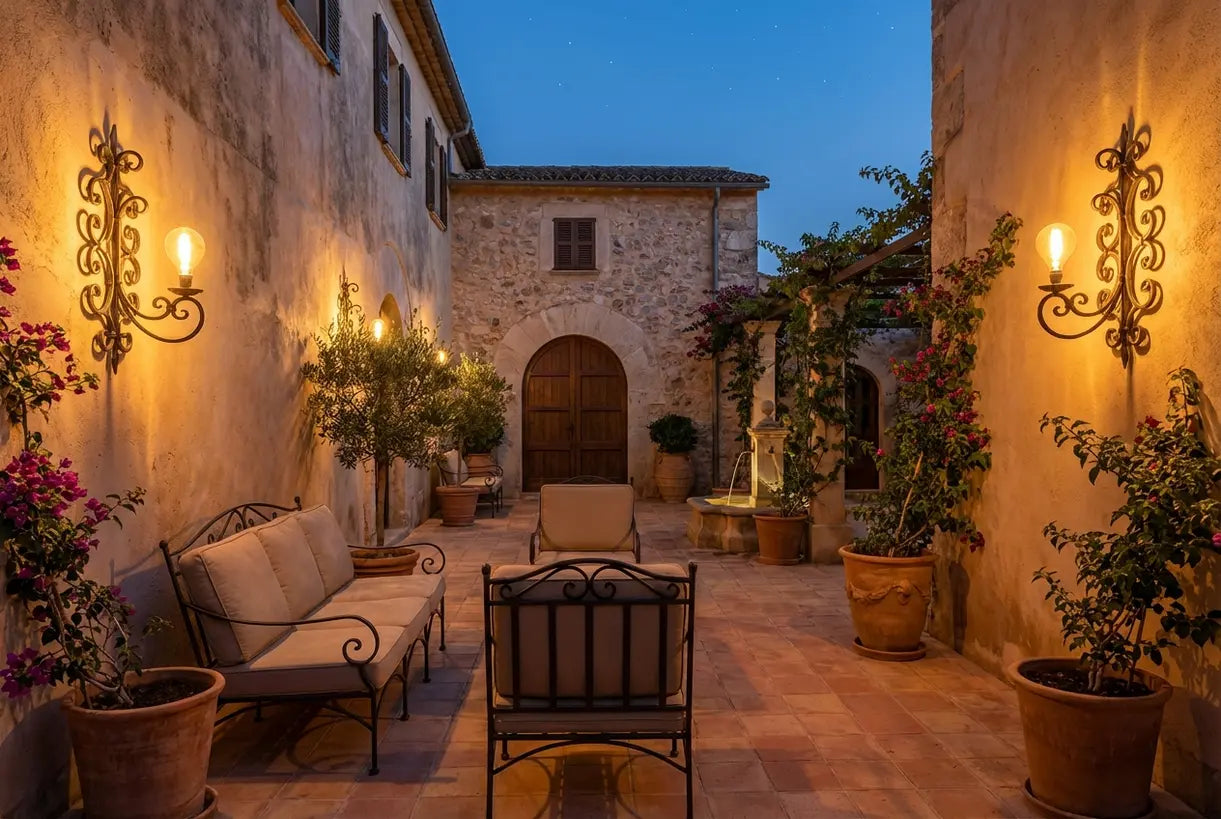
Scandinavian Quality Meets Mediterranean Warmth
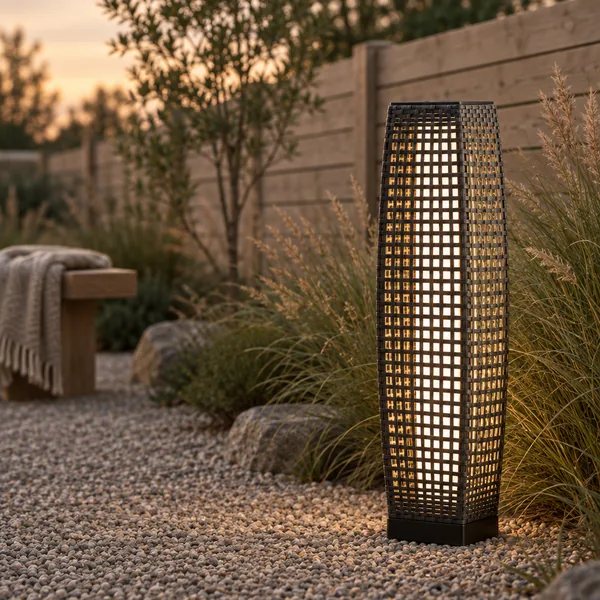
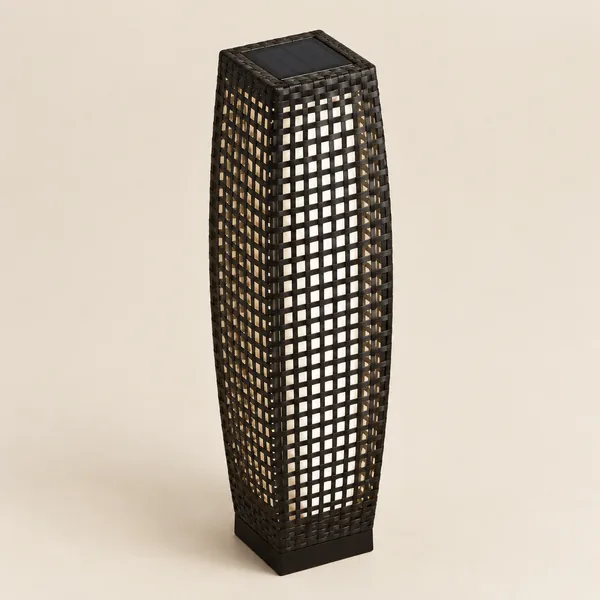
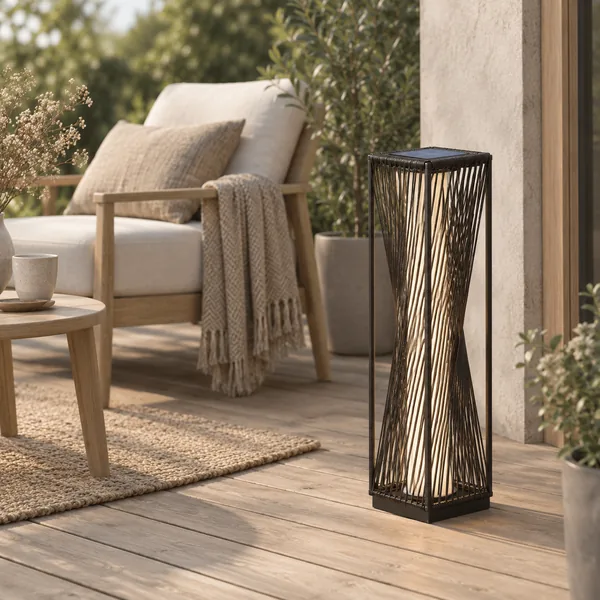 Solvik Solar Wicker Outdoor Floor Lamp Dark Brown$159.00$169.00
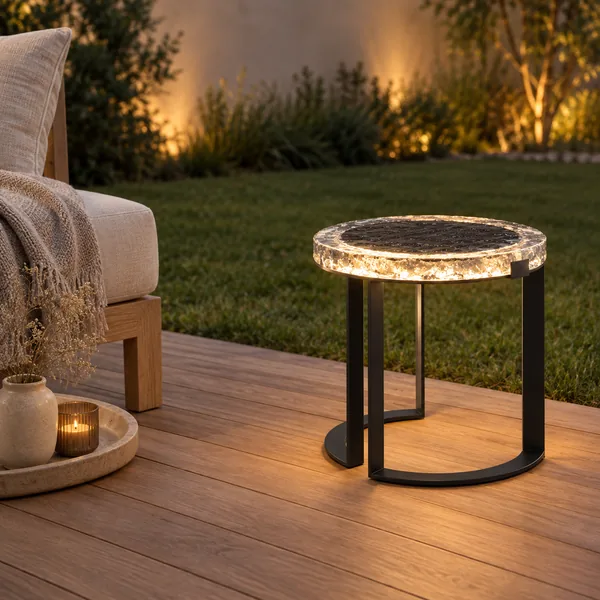 Solkveld Solar Powered LED Outdoor Garden Table$399.00$469.00
Sustainable Warmth for Outdoor Living
Bringing Scandinavian design principles to Spanish style outdoor lighting means prioritizing sustainability without compromising the warmth that defines Mediterranean aesthetics. The tuscan style lighting traditions have always embraced durability—fixtures built to last generations rather than seasons—which aligns perfectly with contemporary concerns about waste and environmental impact. By investing in quality materials and timeless designs, you create outdoor spaces that feel authentic while reducing the consumption cycle of disposable lighting.
LED technology enables this marriage of tradition and innovation. The warm color temperatures available in modern LED modules replicate the golden glow of incandescent bulbs that originally illuminated Mediterranean courtyards, while using a fraction of the energy and lasting years longer. Solar integration takes sustainability further, harnessing the abundant sunshine that defines warm-climate living to power evening illumination. These technologies allow homeowners to enjoy authentic aesthetics with modern conscience.
At Skonne, we believe the best outdoor lighting respects both heritage and environment. Our curated collections blend the architectural traditions of Spanish Colonial design with Scandinavian commitment to material integrity and sustainable production. The result is fixtures that honor the past while protecting the future—lighting that becomes more beautiful with age and use, deepening your connection to the spaces you call home.
Mediterranean Lighting
Shop all Mediterranean Lighting
 Save $170.00
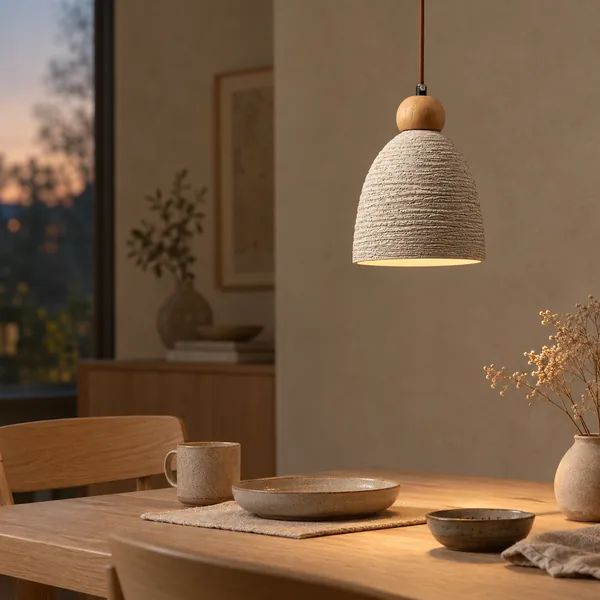
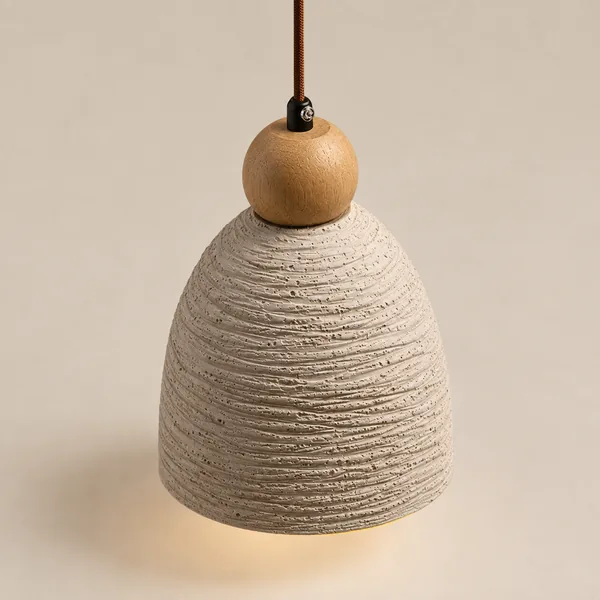
Steina Raw Microcement Industrial Pendant Light
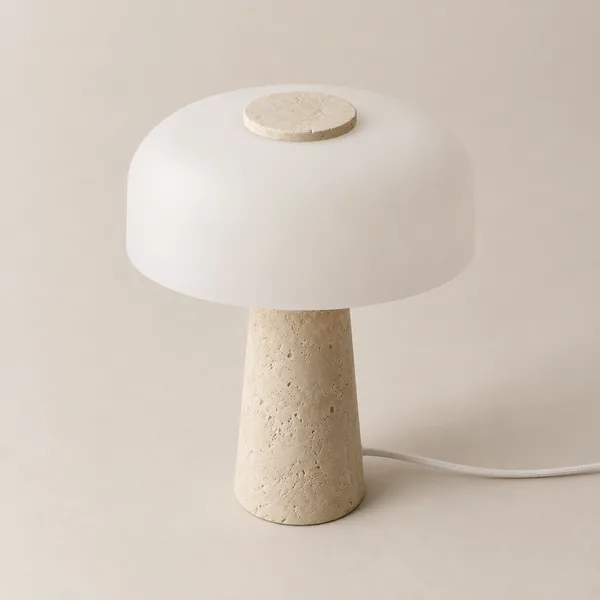
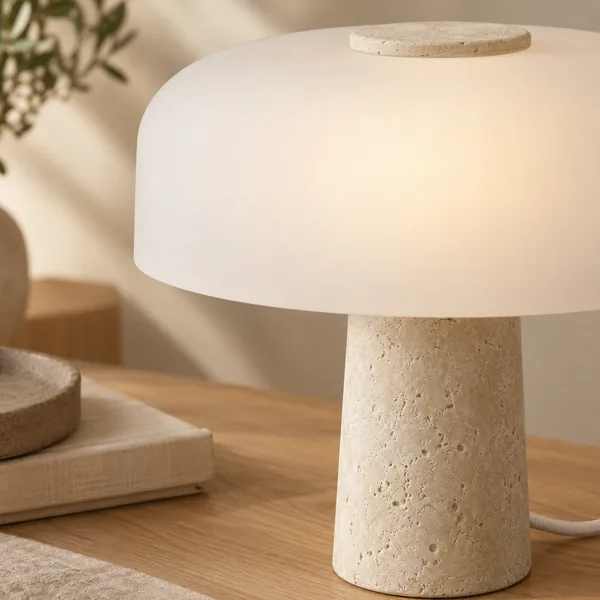 Save $510.00
Svalna Frosted Glass Marble Mushroom Table Lamp
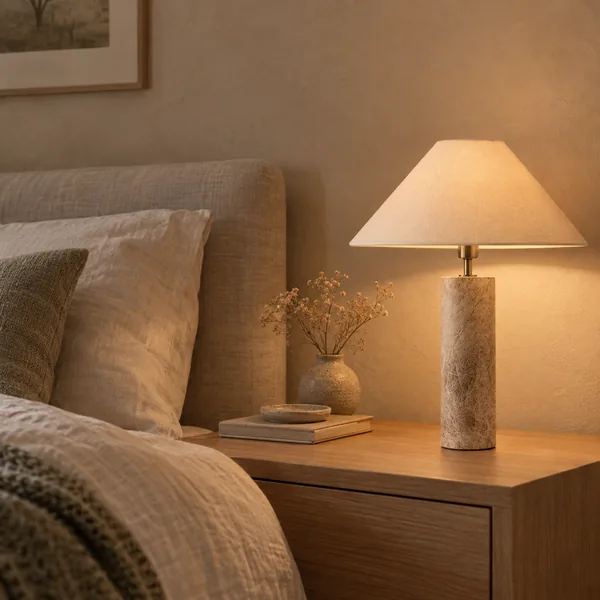
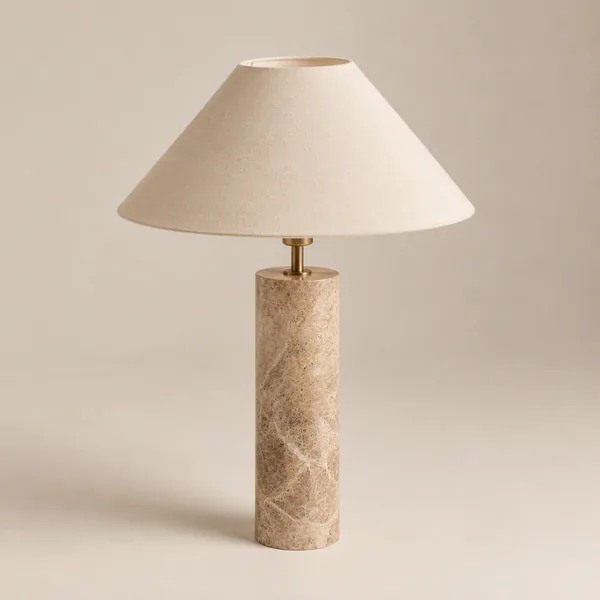 Save $150.00
Steiva Natural Marble Table Lamp Nordic Style
Conclusion
Spanish style outdoor lighting offers something rare in contemporary design: the opportunity to own functional art that improves with time. By understanding the materials, finishes, and proportions that define authentic Mediterranean aesthetics, you can create exterior spaces that feel both timeless and deeply personal. Whether you're restoring a historic Spanish Revival home or simply drawn to the romance of hacienda living, the right lighting transforms outdoor areas from simply functional to truly transcendent.
Explore our curated collection of spanish style outdoor lighting at Skonne, where Scandinavian craftsmanship principles meet Mediterranean warmth. From ornate wall lanterns to solar garden solutions, each piece is selected for its ability to create the hygge-inspired outdoor moments that make warm-climate living so special. Because the best evenings aren't just spent outside—they're illuminated by fixtures that tell stories of craftsmanship, tradition, and the enduring beauty of golden light against sun-warmed walls.
Related Article
Dark Sky Outdoor Lighting: Compliant, Low-Glare Fixtures for Stargazers & Eco-Conscious HomesExplore dark sky compliant outdoor lighting that reduces light pollution while preserving the night sky. Perfect for eco-conscious homes and stargazing enthusiasts.