
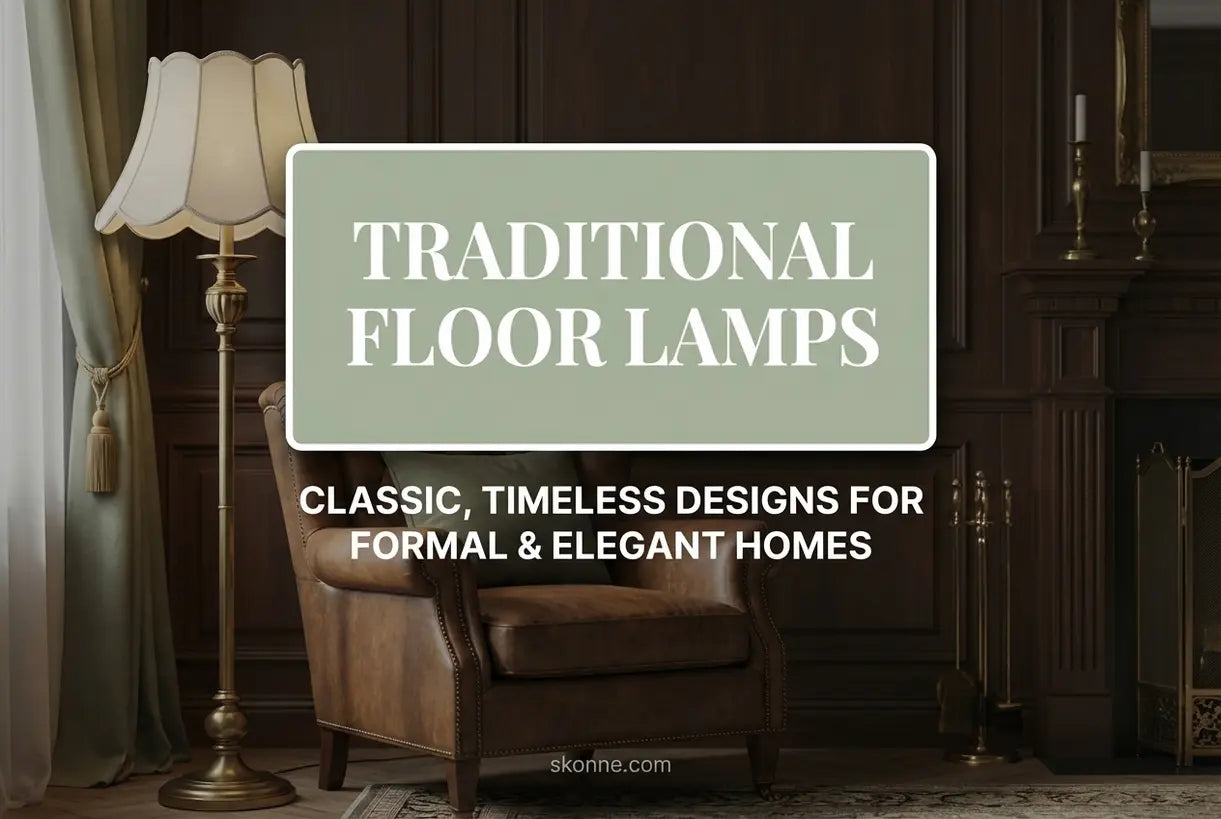
Traditional Floor Lamps: Classic, Timeless Designs for Formal & Elegant Homes
Summary›
- The Enduring Appeal of Traditional Floor Lamp Designs
- Key Elements That Define Classic Floor Lamp Styles
- Material Matters: Brass, Bronze, and Beyond
- Traditional Floor Lamp Styles Through the Decades
- Where Should a Floor Lamp Be Placed in a Living Room?
- Blending Traditional and Contemporary Aesthetics
- Crafting Your Lighting Legacy
There's a reason certain designs never fade from favor. In an era of rapid trends and disposable décor, the traditional floor lamp stands as a testament to enduring craftsmanship and intentional design. These luminous sculptures do more than illuminate—they anchor a space, lend gravitas to formal settings, and invite a sense of permanence that modern minimalism sometimes struggles to achieve.
For homeowners seeking to cultivate an atmosphere of refined elegance, understanding the nuances of classic lighting is essential. Whether you're curating a stately living room or adding warmth to a transitional space, the right floor lamp serves as both functional tool and artistic statement. Throughout this guide, we'll explore the elements that distinguish timeless designs, reveal how to integrate these pieces into contemporary homes, and showcase how Skonne's curated collection bridges heritage craftsmanship with Scandinavian sensibilities.
The Enduring Appeal of Traditional Floor Lamp Designs
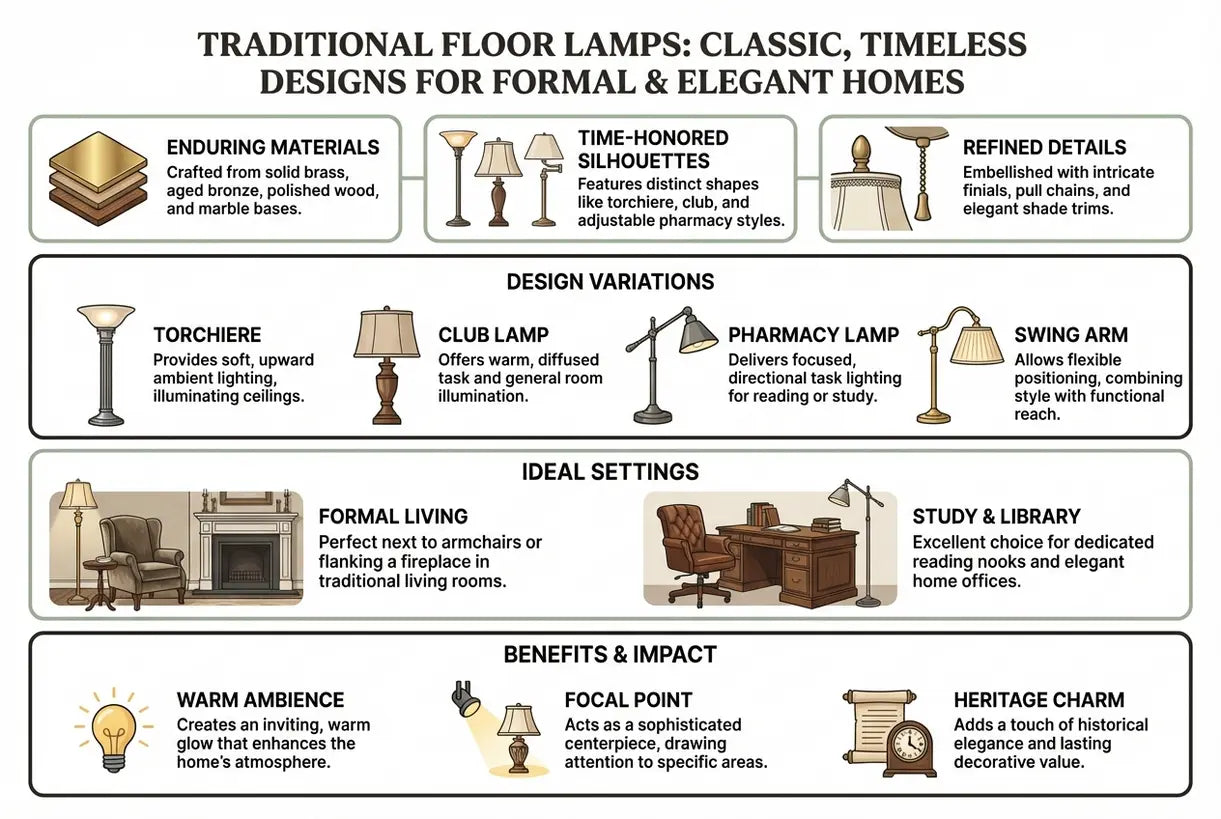
Traditional floor lamps possess an almost alchemical quality—the ability to transform harsh modern interiors into sanctuaries of warmth and sophistication. Unlike their ultra-contemporary counterparts, which often prioritize stark functionality, classic designs celebrate ornamental detailing, premium materials, and silhouettes refined over centuries of design evolution.
The hallmark of a truly timeless piece lies in its construction. Turned wood spindles, scalloped shades, and weighted brass bases speak to a era when lighting was crafted by artisans rather than mass-produced. These elements create visual interest from every angle, ensuring your lamp remains captivating whether illuminated or at rest. For those positioned between trendy and traditional, our Japandi Lighting collection offers a compelling middle ground—merging Eastern craftsmanship with Nordic restraint.
Moreover, traditional designs excel at creating layered lighting schemes. Their substantial scale and often upward-facing shades produce a soft, diffused glow that flatters skin tones and reduces harsh shadows. This ambient illumination proves invaluable in formal entertaining spaces, where the quality of light directly influences the mood of gathering.
Key Elements That Define Classic Floor Lamp Styles
Discerning a genuinely traditional piece from merely traditional-inspired requires attention to specific design DNA. Understanding these characteristics empowers you to invest in lighting that will feel relevant decades from now.
Silhouette and proportion form the foundation. Classic floor lamps typically feature vertical emphasis—tall, stately forms that draw the eye upward and enhance ceiling height. Torchiere styles, with their inverted shades directing light toward the ceiling, represent perhaps the most iconic traditional profile. These designs maximize ambient illumination while maintaining a small footprint.
Material authenticity separates heirloom-quality pieces from imitations. Solid brass and bronze develop rich patinas over time, telling the story of years spent illuminating family moments. Genuine crystal accents refract light into prismatic patterns, while turned wood elements introduce organic warmth that balances metal's coolness.
Ornamental detailing—when executed with restraint—elevates without overwhelming. Look for hand-finished elements like etched glass, hammered metalwork, or turned spindle shafts. These tactile qualities invite closer inspection and reward the curious eye.
Floor Lamps
Shop all Floor Lamps
Material Matters: Brass, Bronze, and Beyond
The substance of your floor lamp fundamentally determines its character and longevity. Among traditional materials, metals dominate, each offering distinct aesthetic and practical benefits.
Brass remains the quintessential choice for formal interiors. Its warm, golden undertones complement traditional color palettes of burgundy, navy, and forest green. Unlike trendy finishes that quickly feel dated, brass possesses chameleon-like versatility—equally at home in Victorian parlors or transitional spaces. The Glödra Nordic Brass Floor Lamp Statement Light exemplifies this material's potential, featuring a sculptural brass-copper body with polished gold finish that brings classic character to formal living spaces.
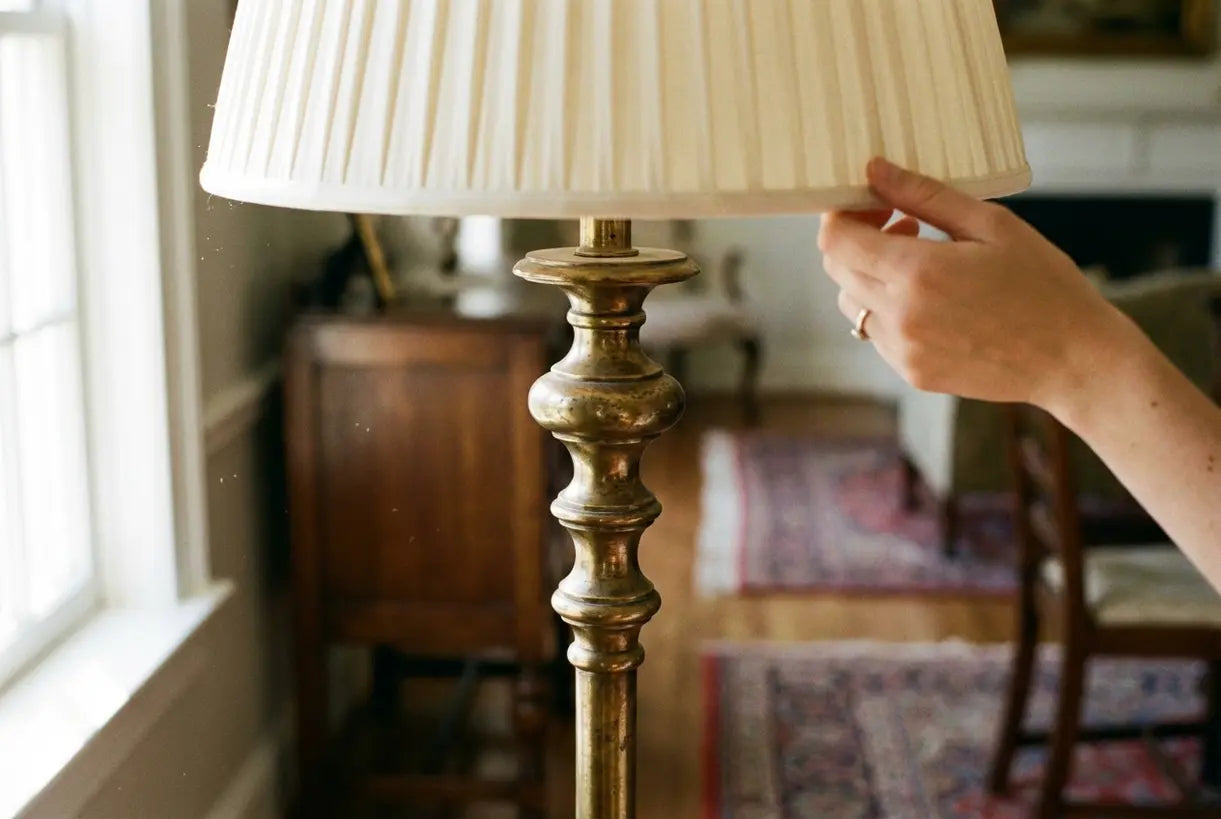
Bronze offers deeper, more subdued warmth—ideal for spaces where you desire elegance without ostentation. Oil-rubbed bronze particularly complements traditional wood furnishings and earth-toned textiles. Its darker palette recedes visually, allowing other design elements to command attention while the lighting performs its essential function.
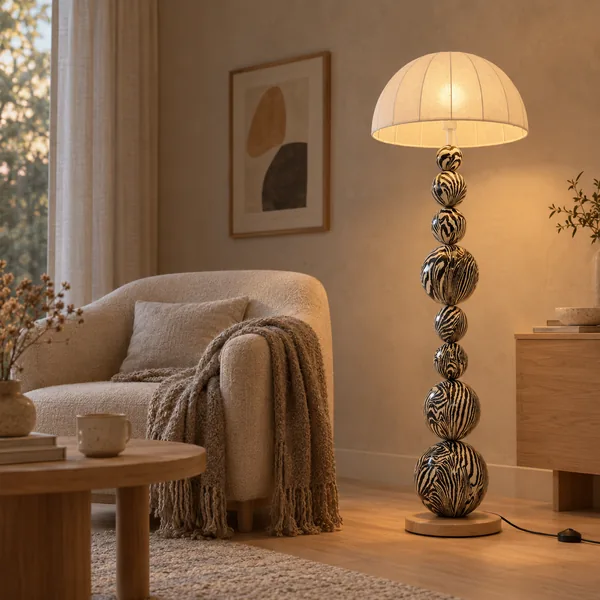
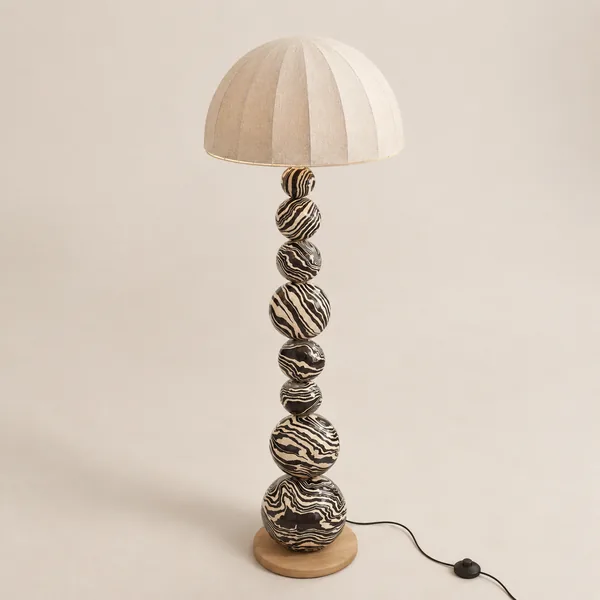
For those seeking something beyond metal, consider ceramic and rice paper options that honor Eastern lighting traditions. These materials introduce textural contrast and diffuse light in uniquely atmospheric ways, creating focal points that feel collected rather than purchased.
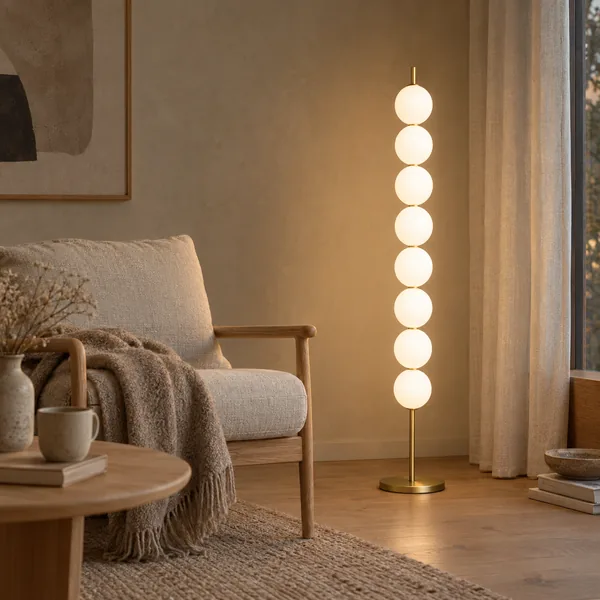 Glödra Nordic Brass Floor Lamp Statement Light$439.00$639.00
Traditional Floor Lamp Styles Through the Decades
To truly appreciate classic lighting, one must understand its evolution. The designs we classify as "traditional" today emerged from specific historical moments, each responding to the technological and aesthetic concerns of its era.
The 1920s Art Deco period introduced geometric precision to traditional forms. Lamps from this era featured angular stepped bases, polished chrome accents, and milk glass or silk shades with geometric patterns. These pieces bridged ornate Victorian sensibilities with modernism's emerging streamlined aesthetic.
Post-war Mid-Century Traditional softened these geometries, introducing organic curves and warmer materials. Teak and walnut bases paired with brass fittings created the "Mad Men" aesthetic that continues to influence contemporary design. This era perfected the balance between decorative presence and functional restraint.
Today, the most compelling traditional floor lamps reference these historical touchpoints while accommodating modern electrical standards and bulb technologies. They honor provenance without becoming museum pieces—functional art for daily life.
Where Should a Floor Lamp Be Placed in a Living Room?
Strategic placement transforms a beautiful floor lamp into an indispensable design element. Positioning requires balancing practical illumination needs with spatial composition.
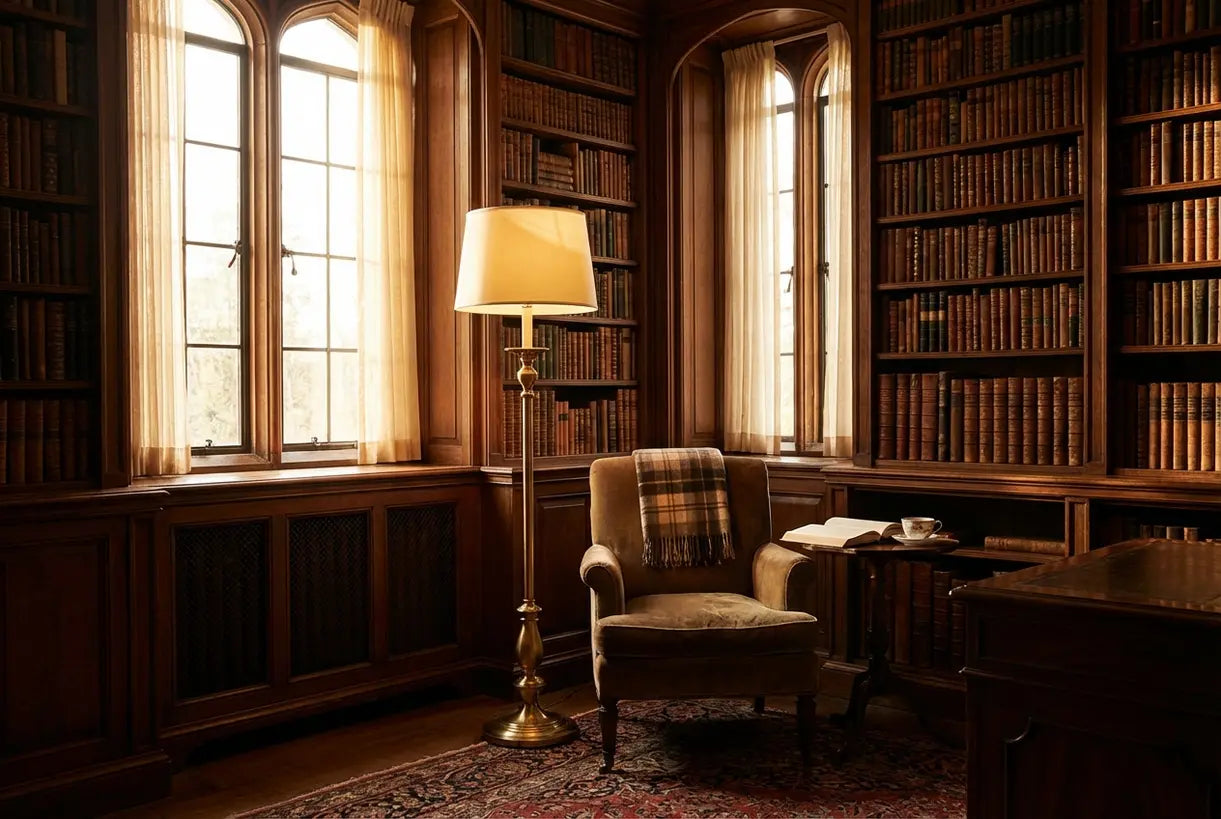
Behind or beside seating represents the classic arrangement. A floor lamp standing guard next to a reading chair creates an intimate pool of light for evening literature while establishing a visual boundary within open-concept spaces. When placed behind sofas, these lamps add vertical interest that breaks up horizontal furniture lines.
Corners and dead zones benefit enormously from traditional torchiere styles. Their upward light distribution brightens ceiling planes, making rooms feel larger and more welcoming. This technique proves especially valuable in formal living rooms where harsh overhead lighting would destroy the carefully cultivated ambiance.
Entryways and transitional spaces welcome the stately presence of traditional designs. A substantial brass floor lamp positioned near a console table creates an immediate impression of established elegance, setting the tone for the entire home.
Living Room Lighting
Shop all Living Room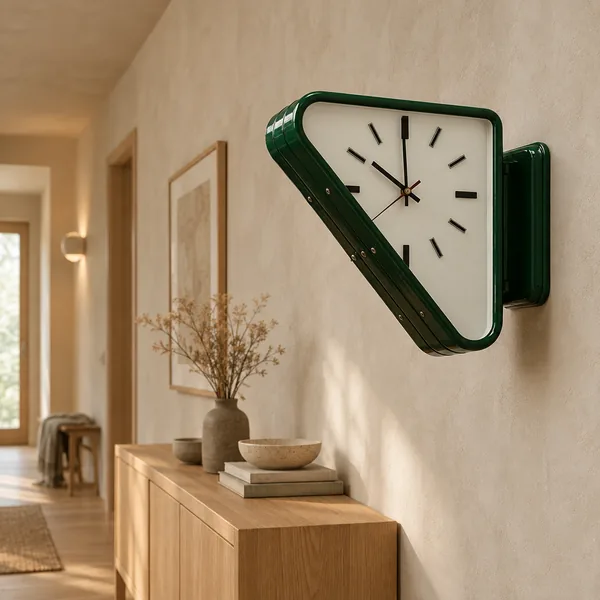
 Save $110.00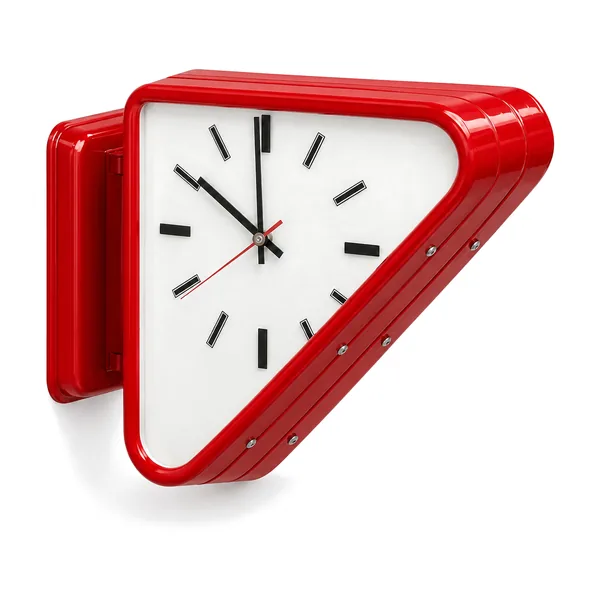
 +15 options
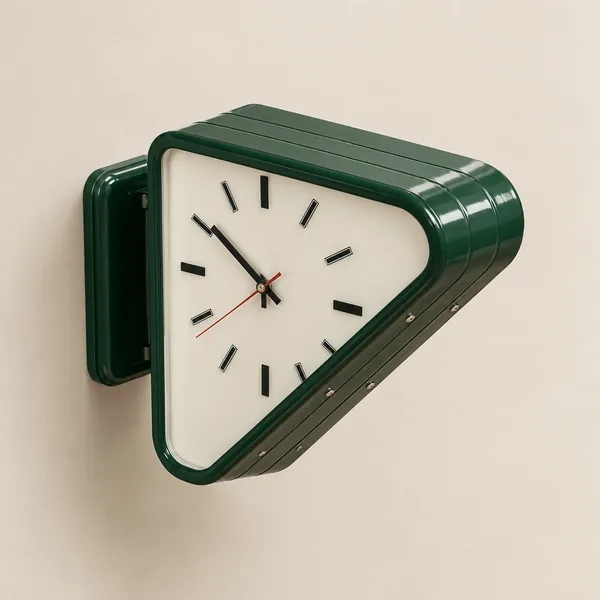
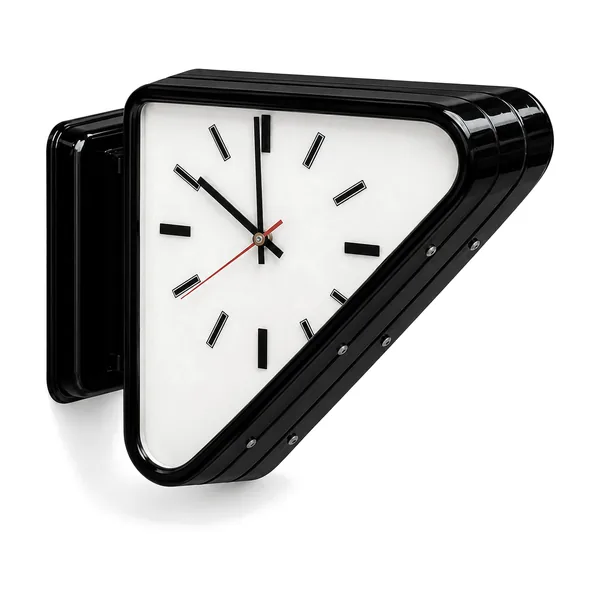
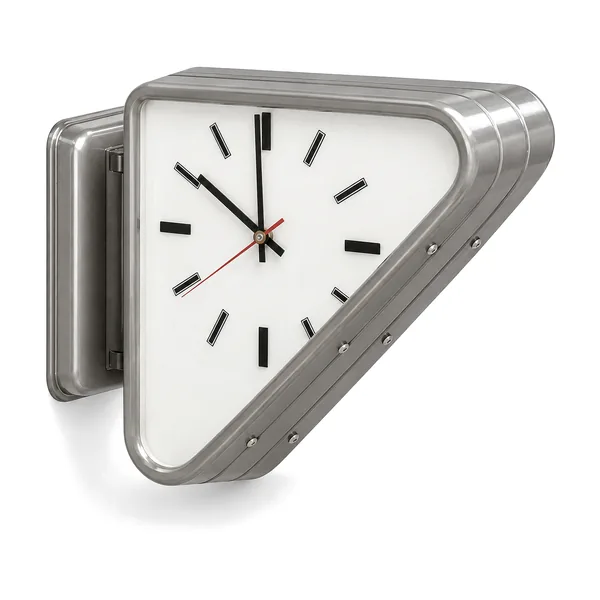
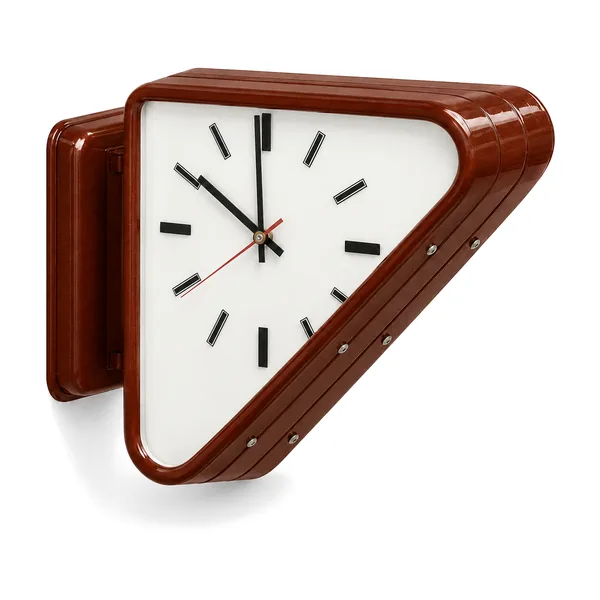
Tvilling Dual-Sided Geometric Metal Wall Clock
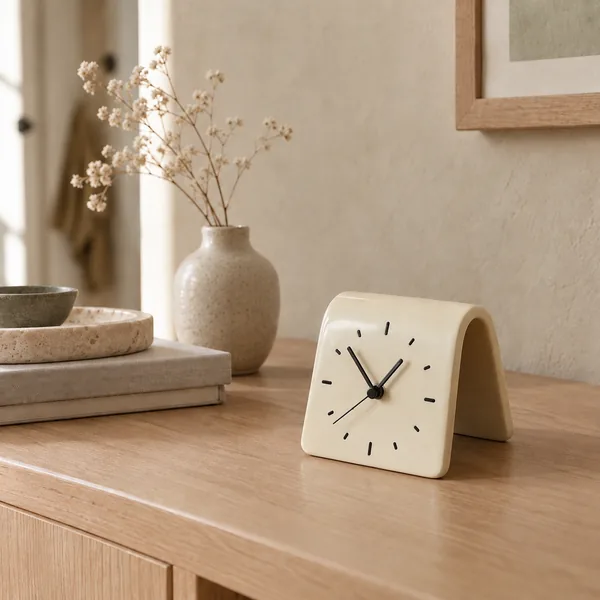
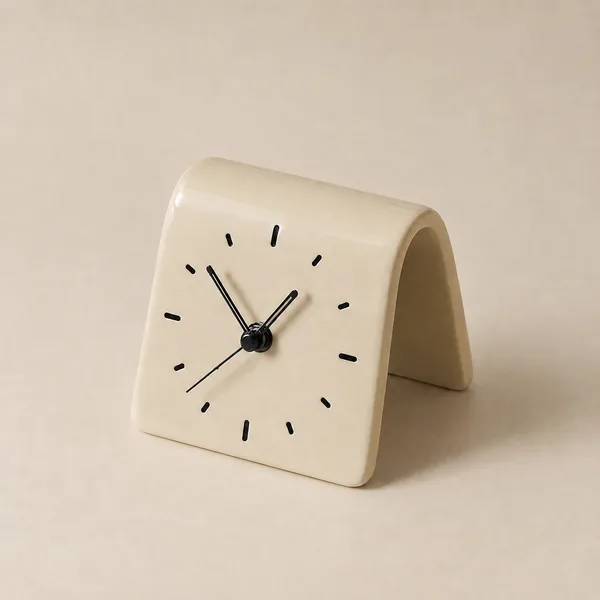 Save $70.00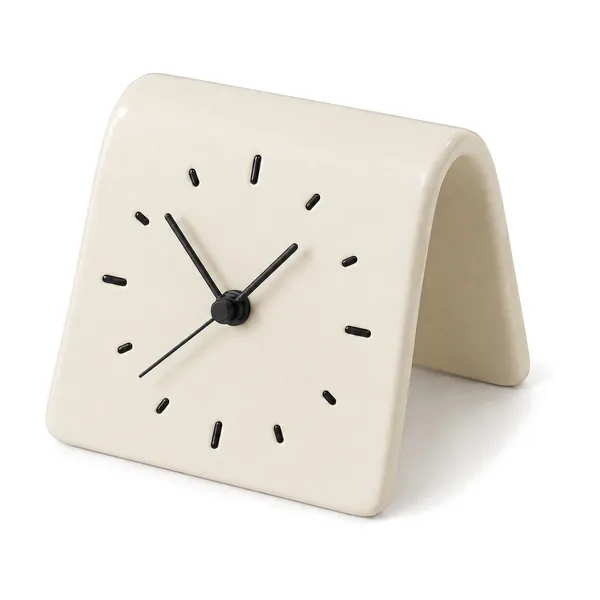
 +37 options
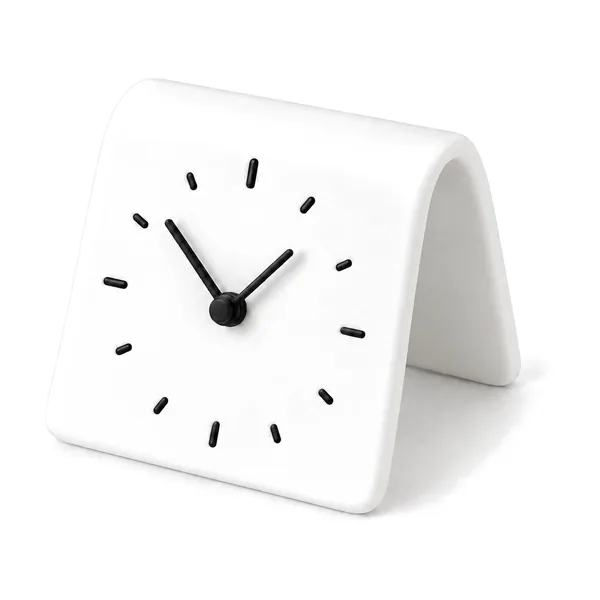
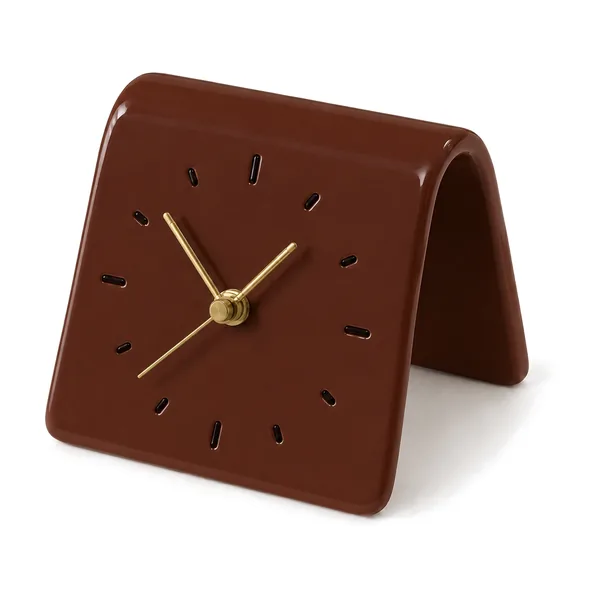
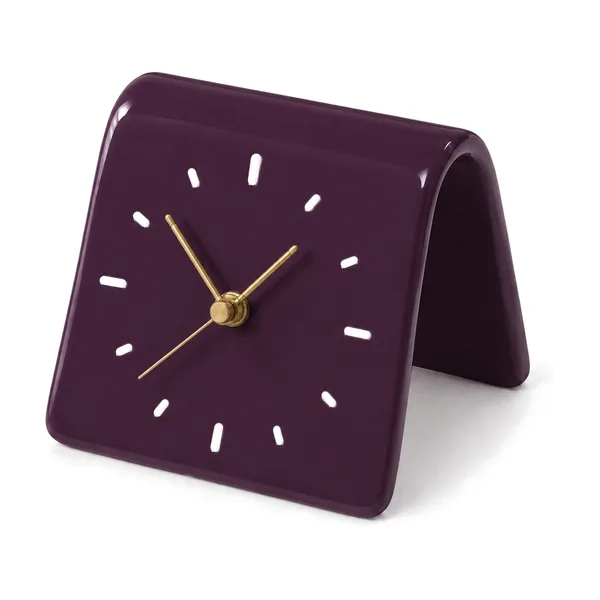
Tilje Silent Ceramic Desk Clock for Modern Homes
Blending Traditional and Contemporary Aesthetics
The most sophisticated interiors resist strict stylistic categorization. Instead, they orchestrate dialogues between periods—allowing a traditional floor lamp to anchor a contemporary sofa, or pairing vintage-inspired lighting with modern art.
This approach, often called transitional design, recognizes that true timelessness transcends any single era. A traditional floor lamp with clean lines and minimal ornamentation slips effortlessly into modern contexts, offering warmth without clutter. Conversely, ornate traditional pieces create compelling tension when surrounded by sleek, minimal furnishings.
The Stillvei Wabi-Sabi Rice Paper Floor Lamp 57in demonstrates this bridge beautifully. Inspired by traditional Japanese lanterns, it combines iron and solid wood with rice paper shade—honoring Eastern lighting traditions while feeling utterly contemporary. Similarly, the Vasten Artisan Japanese Ceramic Floor Lamp embodies wabi-sabi philosophy through hand-finished ceramic, creating a sculptural focal point that complements both traditional and minimalist interiors.
Traditional Floor Lamps with Artisanal Character
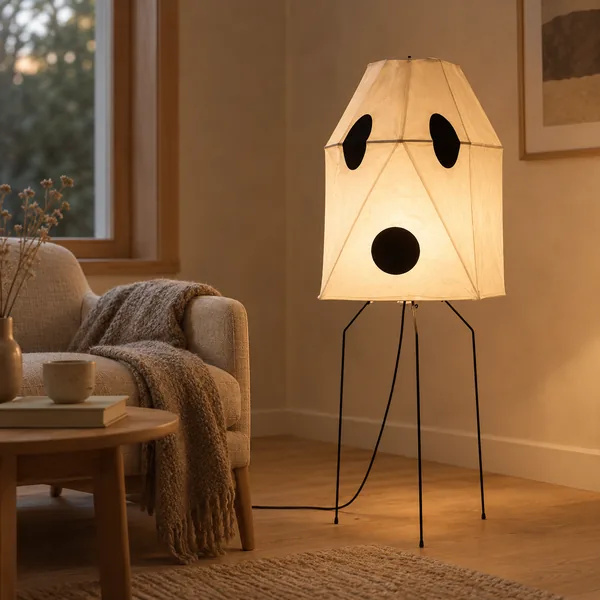 Stillvei Wabi-Sabi Rice Paper Floor Lamp 57in$389.00$529.00
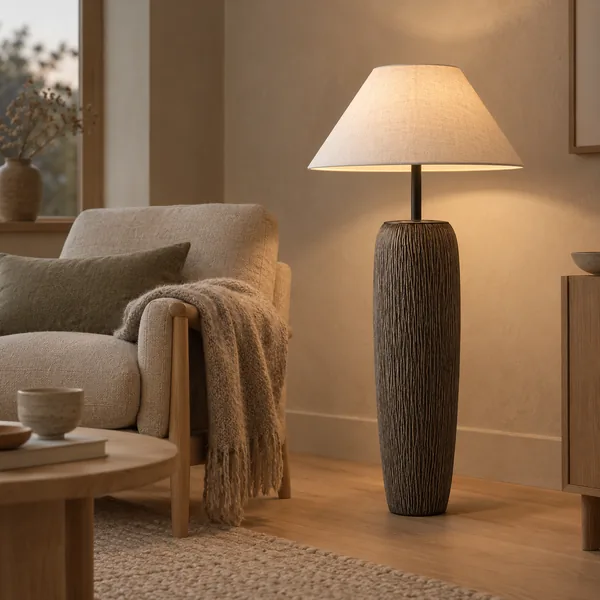 Vasten Artisan Japanese Ceramic Floor Lamp$394.00$569.00
Crafting Your Lighting Legacy
Investing in a traditional floor lamp means choosing permanence in an impermanent world. These pieces transcend mere functionality to become heirlooms—objects that gather meaning through years of service, witnessing conversations, celebrations, and quiet moments of solitude.
The beauty of classic design lies in its adaptability. A well-crafted traditional floor lamp moves seamlessly between homes, between life stages, between evolving tastes. It requires no batteries, no software updates, no planned obsolescence—only appreciation for materials that age gracefully and craftsmanship intended to last generations.
At Skonne, we believe that lighting should honor both heritage and innovation. Our curated collection of traditional floor lamps—from sculptural brass statements to rice paper lanterns—reflects this philosophy. Each piece is selected not merely for its aesthetic appeal, but for its ability to create that ineffable quality the Scandinavians call hygge: the warm, intentional atmosphere that transforms houses into homes. As you consider your next lighting investment, remember that true elegance is never trendy—it's timeless.
Related Article
Smart Floor Lamps: App-Controlled, Voice-Activated & Color-Changing DesignsDiscover smart floor lamps with app control, voice activation & color-changing features to transform your living space with intelligent lighting solutions.