
Traditional & Classic Wall Clocks: Timeless Designs for Formal & Elegant Homes
Summary›
- What Makes a Wall Clock "Traditional"?
- Exploring Traditional Wall Clock Styles
- Chiming vs Striking: Understanding Clock Mechanisms
- Choosing the Right Size for Formal Spaces
- What Styles Complement Formal Traditional Interiors?
- Are Traditional Wall Clocks Still in Style?
- Conclusion: Finding Your Perfect Traditional Timepiece
In a world dominated by digital screens and flashing LEDs, the traditional wall clock stands as a testament to enduring craftsmanship and sophisticated design. These timeless timepieces do more than mark the hours—they serve as anchors of intentionality in formal living spaces, creating focal points that draw the eye and settle the spirit. For homeowners aged 28-45 with an appreciation for interior design and classic aesthetics, selecting the right wall clock represents an opportunity to infuse spaces with character and warmth.
The appeal of traditional wall clocks extends far beyond mere nostalgia. Whether you're furnishing a newly purchased home, refreshing a formal living room, or curating a refined rental space, understanding the nuances of classic timepieces ensures your selection resonates with both heritage and personal style. In this guide, we'll explore the defining characteristics of traditional designs, the subtle differences between chiming and striking mechanisms, and how to integrate these elegant pieces into contemporary formal interiors.
What Makes a Wall Clock "Traditional"?
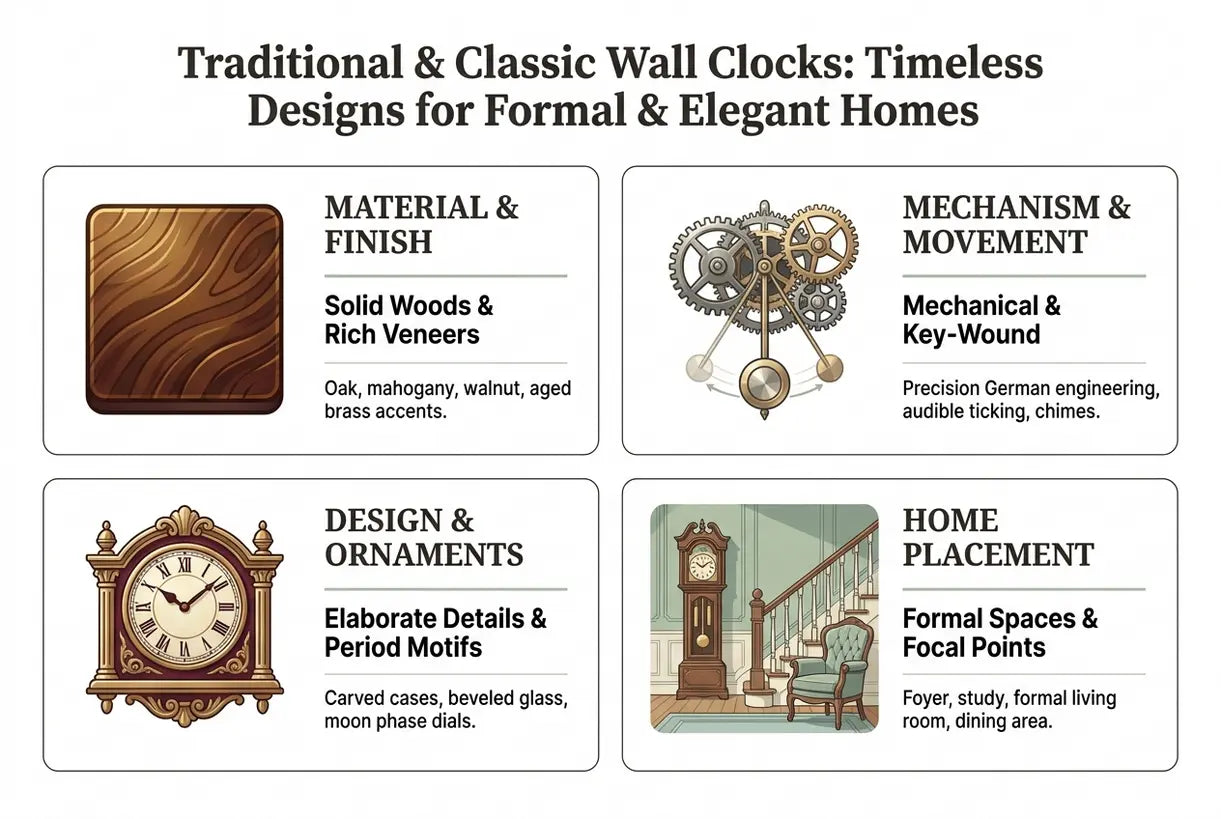
Traditional wall clocks share certain DNA that distinguishes them from their modern, minimalist counterparts. At their core, these timepieces celebrate craftsmanship, heritage materials, and decorative detail. Where contemporary clocks often prioritize stark functionality, traditional designs embrace ornamentation and storytelling.
Key characteristics include:
- Rich material palettes—solid woods like mahogany, oak, and walnut; aged brass and gold-toned metals; ceramic and porcelain elements
- Ornate details—Roman numerals, decorative bezels, carved casings, and intricate dial patterns
- Symmetrical compositions that create visual balance in formal settings
- Visible mechanical features—swinging pendulums, exposed gears, or decorative weights
- Classic typographies that evoke historical accuracy and refined sensibility
For those looking to explore more options, our Home Decor collection offers a curated selection of timepieces and accessories that complement traditional interiors.
Exploring Traditional Wall Clock Styles
Not all traditional clocks wear the same character. The category encompasses several distinct substyles, each suited to different formal settings and aesthetic preferences.
Classic Wall Clock
The classic wall clock represents the most versatile subset of traditional design. These pieces typically feature clean lines within traditional frameworks—think solid wood frames with understated brass accents, cream-colored faces with black Roman numerals, and simple yet elegant hands. They transition seamlessly between transitional and formal interiors, offering timelessness without overwhelming visual noise.
Baroque Wall Clock
For spaces that embrace more is more, the baroque wall clock delivers drama and opulence. Characterized by intricate carved details, gilded finishes, and sculptural elements, these clocks function as wall-mounted art pieces. They command attention in grand entryways, above formal dining room sideboards, or as centerpieces in living rooms with high ceilings and generous proportions.
Vintage and Antique Style Clocks
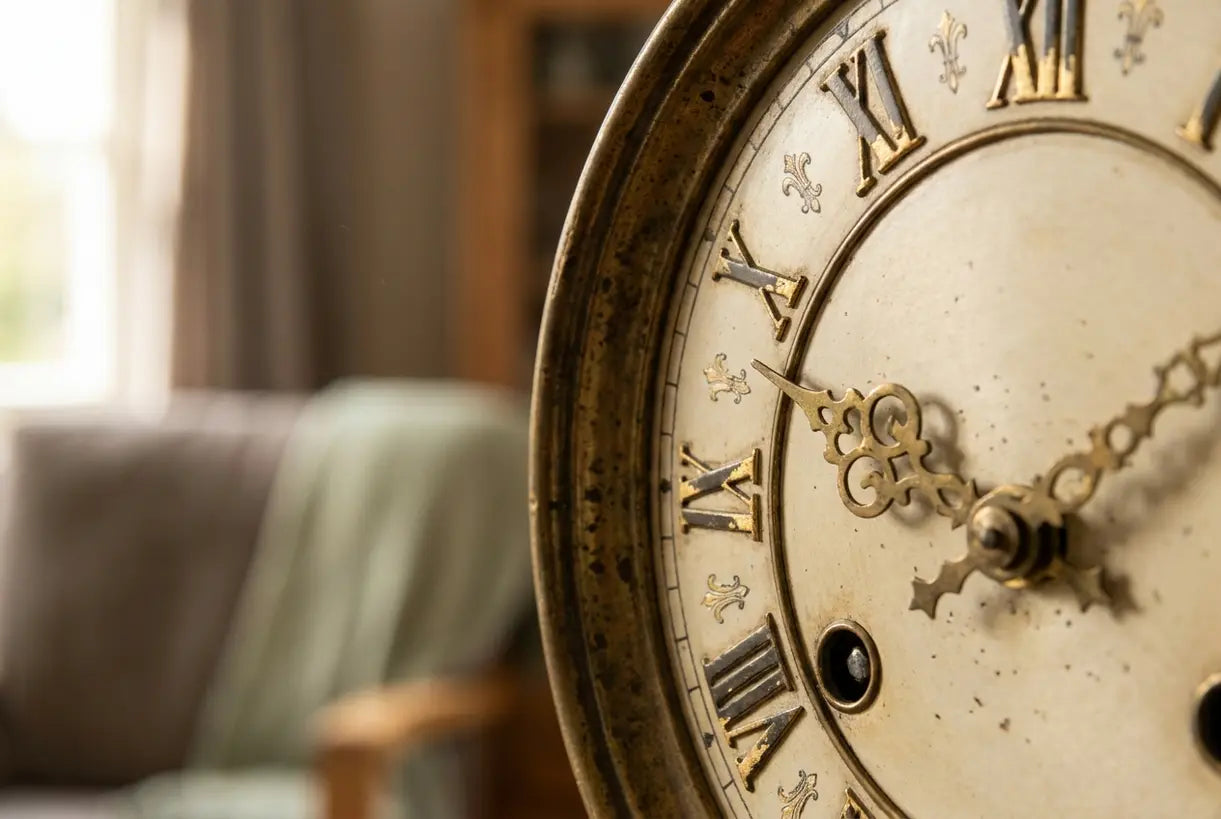
The vintage wall clock draws inspiration from specific historical periods—often the 18th and 19th centuries—incorporating aged patinas, weathered finishes, and authentic period details. These pieces excel in eclectic traditional spaces or homes with established collections of antique furnishings. The patina tells stories, creating conversation pieces that feel discovered rather than purchased.
In addition to these styles, Islamic wall clocks bring intricate geometric patterns and cultural significance to traditional collections. These often feature Arabic calligraphy, star patterns, and orient-inspired frames that introduce global sophistication to formal interiors.
Decorative Wall Clocks
Shop all Wall Clocks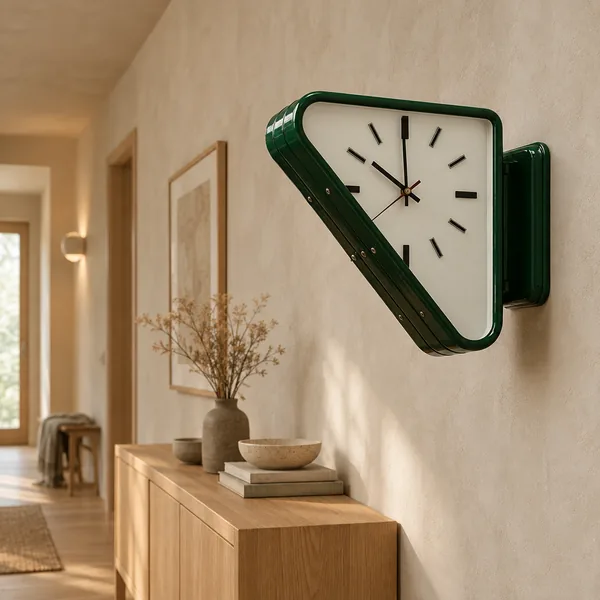
 Save $110.00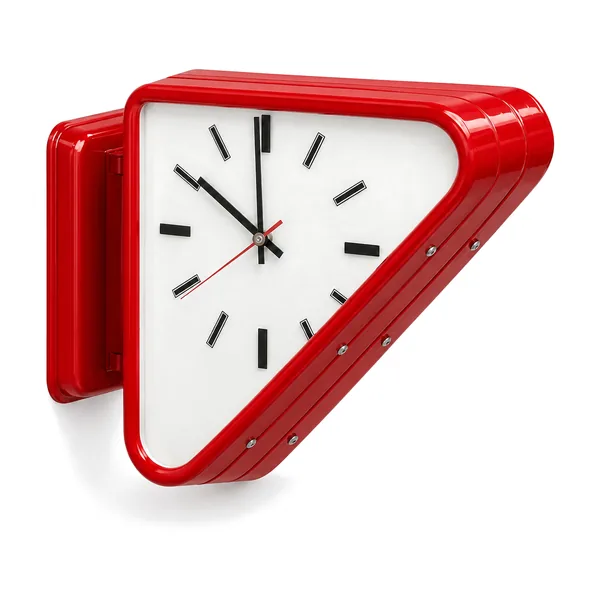
 +15 options
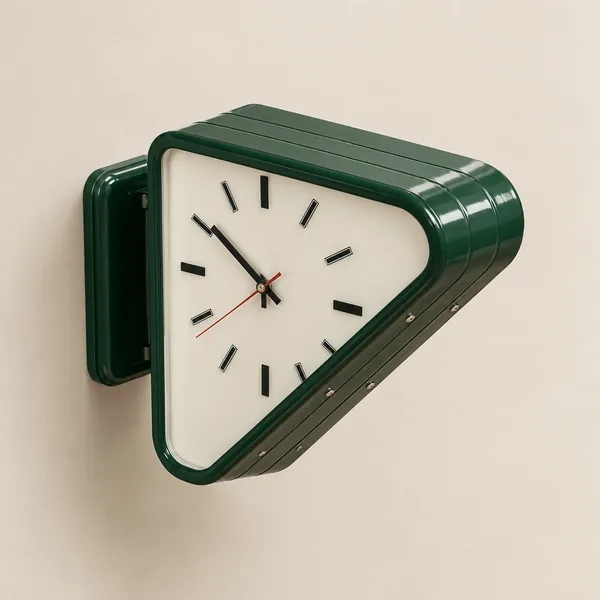
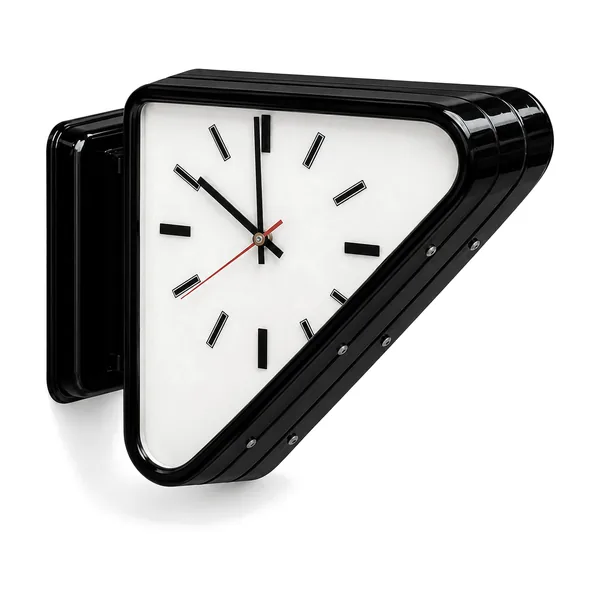
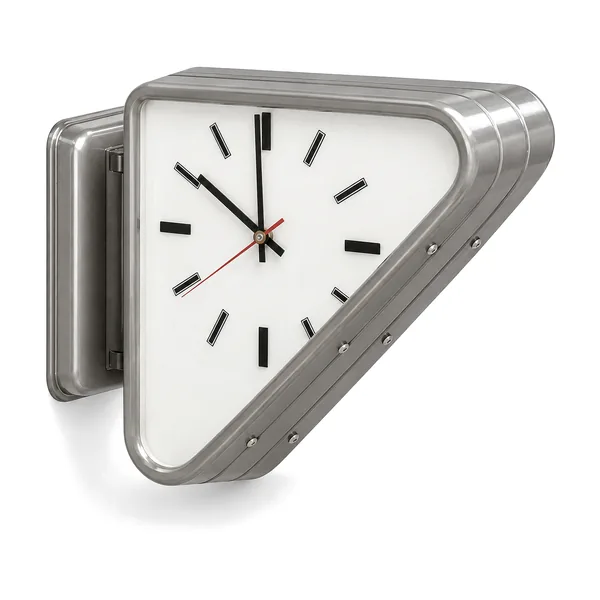
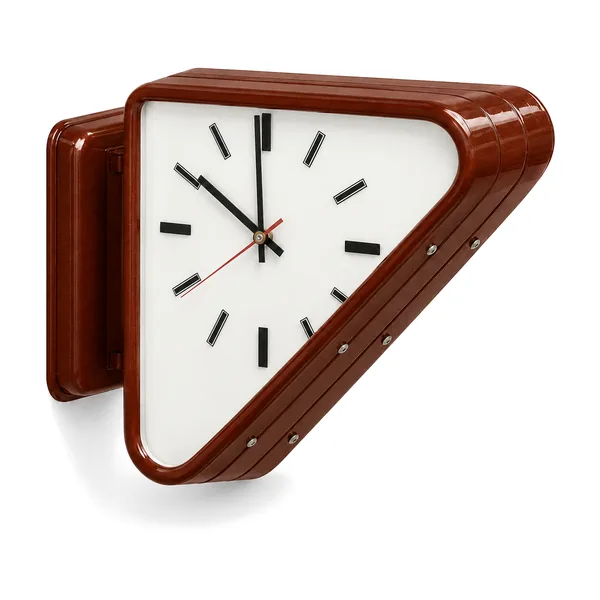
Tvilling Dual-Sided Geometric Metal Wall Clock
 Save $70.00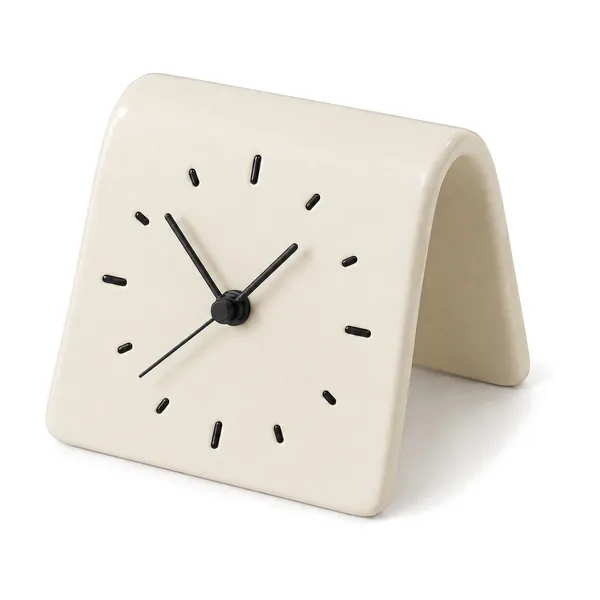
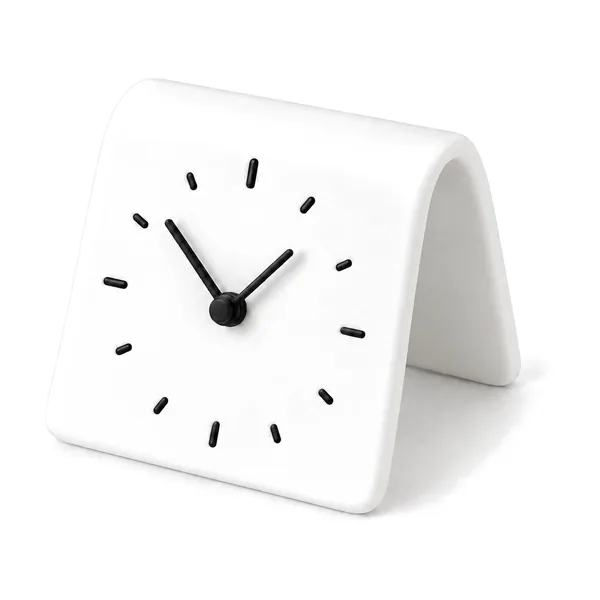
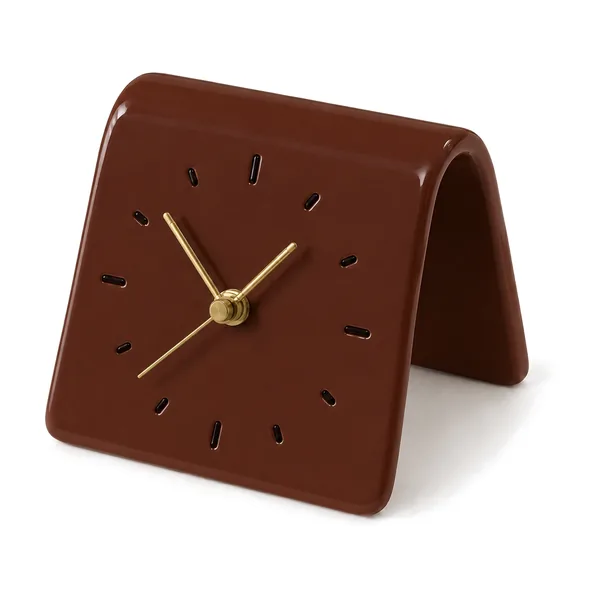
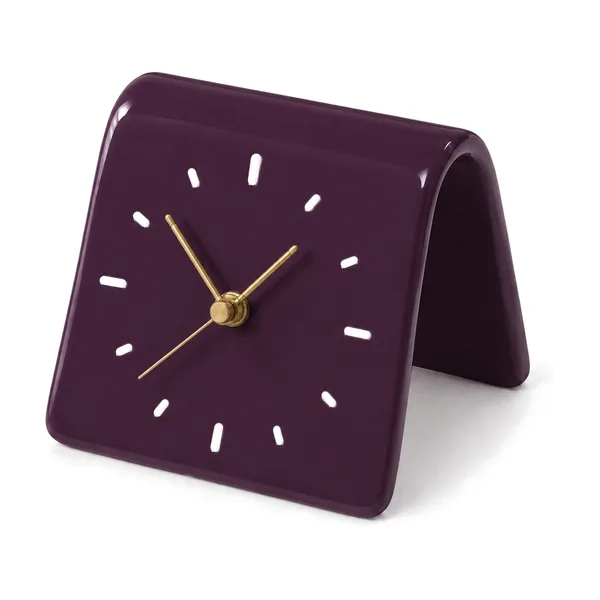 +37 options
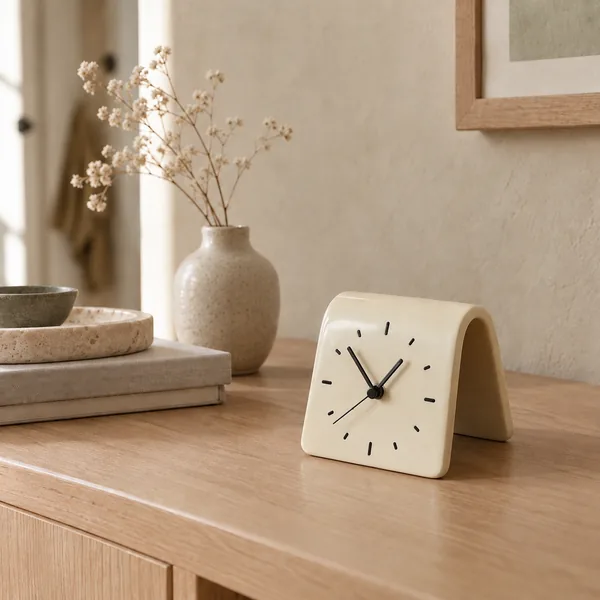
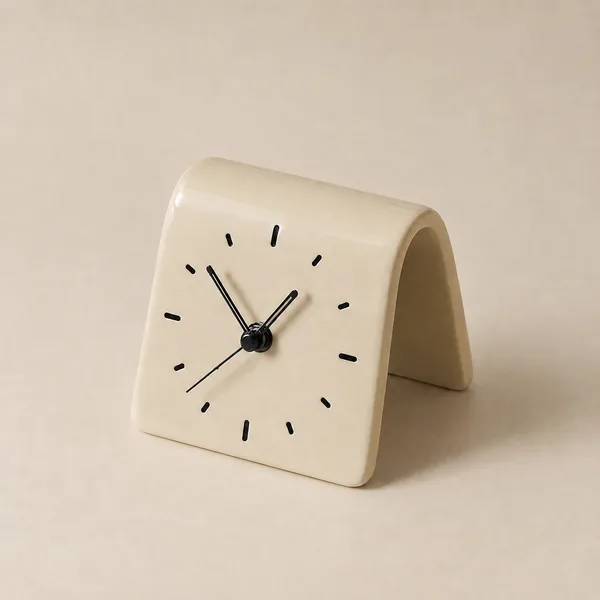
Tilje Silent Ceramic Desk Clock for Modern Homes
 Save $120.00
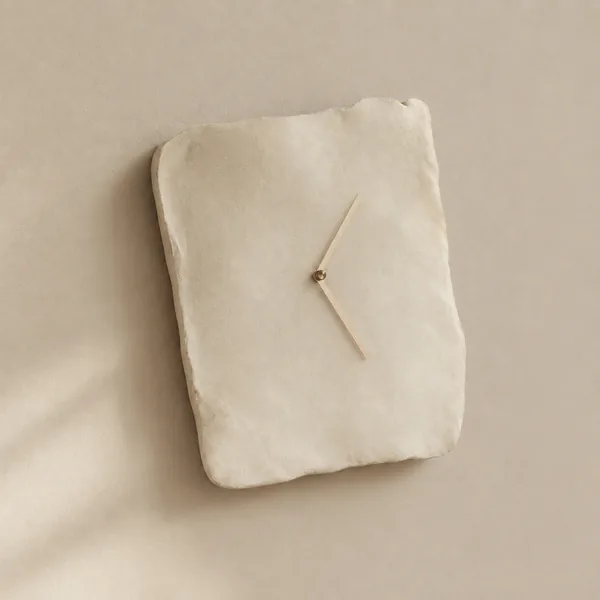
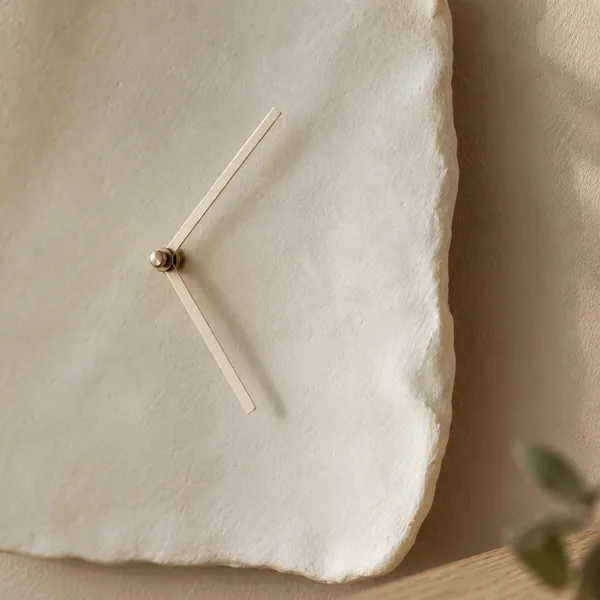
Stilla Silent Resin Wall Clock Nordic Minimalist
Chiming vs Striking: Understanding Clock Mechanisms
A defining feature of many traditional wall clocks lies not in their appearance but in their acoustic presence. Understanding the difference between chiming and striking mechanisms helps ensure your selection aligns with your lifestyle and spatial requirements.
Chiming Clocks
Chiming clocks produce melodic sounds—often Westminster, Whittington, or St. Michael chimes—that play at regular intervals. These clocks typically issue a brief musical passage every hour, with progressively longer sequences as the hour approaches. The Westminster chime, perhaps the most recognized, plays four distinct musical phrases corresponding to the quarter hours before culminating in the hour count.
These melodic timepieces create an ambient audio backdrop in formal spaces, their gentle progressions marking time with grace rather than interruption. They're particularly suited to spacious homes where the sound can travel and create atmosphere.
Striking Clocks
Striking clocks operate with greater economy, producing a simple count of the hours through bell-like strikes. Rather than musical passages, these mechanisms produce clear, resonant tones—one strike for one o'clock, two for two o'clock, and so on. Some models include half-hour strikes for additional timekeeping utility.
Striking clocks appeal to those who prefer clarity over melody, delivering functional time announcements without the extended musical sequences of chiming models. Quieter than chimes but equally sonorous, they suit formal studies, libraries, and spaces where focus takes precedence over atmosphere.
Tvilling Dual-Sided Geometric Metal Wall Clock$269.00$379.00When considering a traditional wall clock with acoustic features, evaluate your space's acoustics, your household's schedule, and adjacent rooms. Open-concept homes may amplify chimes whether intended or not, while bedrooms and home offices demand consideration of nighttime sound levels.
Choosing the Right Size for Formal Spaces
Proportion governs elegance in traditional interiors. A clock too small for its wall disappears into the composition; one too large overwhelms the room's balance.
For formal living room clocks, consider these guidelines:
A clock should occupy approximately two-thirds to three-quarters the width of the furniture piece beneath it, or fill 25-35% of an empty wall's total area.
- Large statement walls (10+ feet width): Clocks with 30-40 inch diameters or substantial vertical proportions create anchor points without appearing diminutive
- Standard living rooms: 20-30 inch diameters typically achieve balance above mantels, sofas, or consoles
- Intimate spaces or above narrow furniture: 16-24 inch options preserve scale without crowding
Remember that traditional clocks often include pendulums or decorative bases that extend their vertical footprint. Measure total dimensions from the top of the hanger to the bottom of the lowest hanging element, and maintain 6-10 inches of clearance between the clock's bottom edge and the top of surrounding furniture.
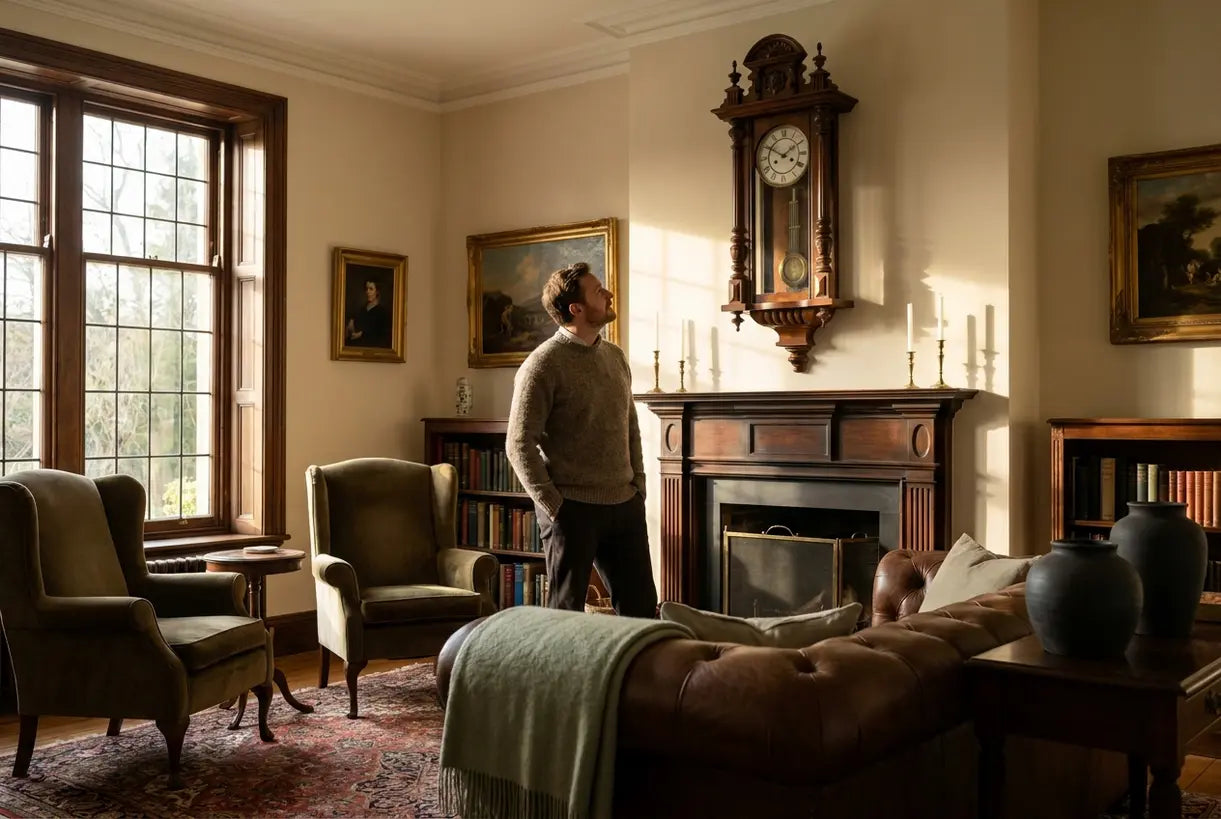
Placement height matters equally: hang your clock at eye level when standing, typically 57-60 inches from the floor to the center of the clock face. In rooms with cathedral ceilings or fireplace focal points, center the clock appropriately within the architectural feature rather than strictly adhering to measuring guidelines.
Scandinavian Timepieces for Refined Interiors
Stilla Silent Resin Wall Clock Nordic Minimalist$259.00$379.00Tilje Silent Ceramic Desk Clock for Modern Homes$89.00$159.00What Styles Complement Formal Traditional Interiors?
Traditional interiors thrive on cohesion. When selecting your wall clock, consider its relationship to other architectural elements and furnishings.
- Ornate mantels and fireplaces: Baroque and highly decorative traditional clocks echo the grandeur of carved woodwork and detailed surrounds
- Clean-lined traditional settings: Classic wall clocks with restrained ornamentation bridge the gap between transitional and formal aesthetics
- Dining rooms with wainscoting or crown molding: Vertical pendant-style traditional clocks emphasize existing architectural verticality
- Studies with built-in libraries: Traditional clocks with visible pendulums or visible movements complement the scholarly atmosphere
For formal traditional interiors with extensive millwork, select clocks whose frames harmonize with the wood species and finish already present. Mahogany furniture pairs naturally with similarly finished clocks, while spaces with lighter oak or maple elements benefit from traditional pieces in complementary tones.
Don't overlook the opportunity to create contrast. A carefully chosen traditional clock can provide textural warmth against cool-toned contemporary walls, or introduce vintage character into newer construction lacking architectural history.
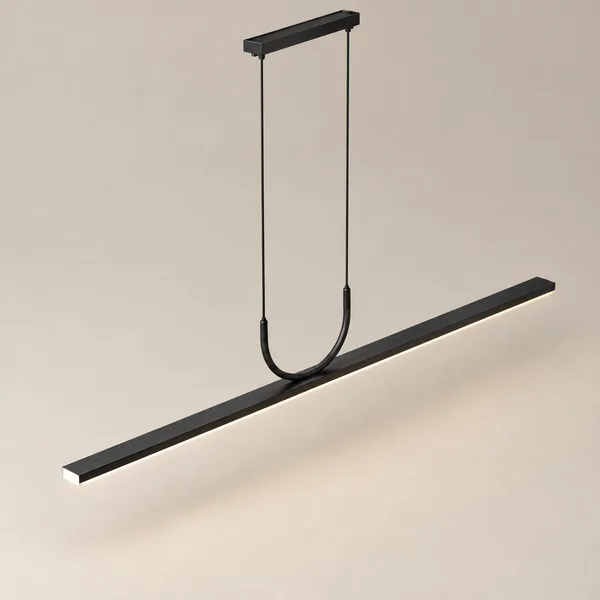
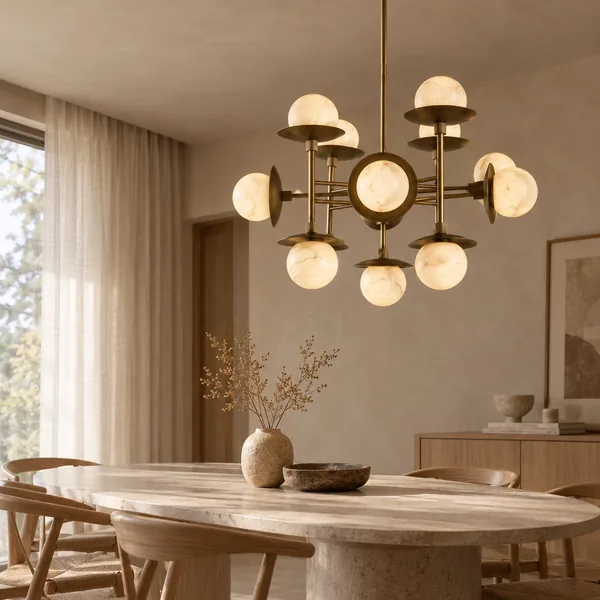
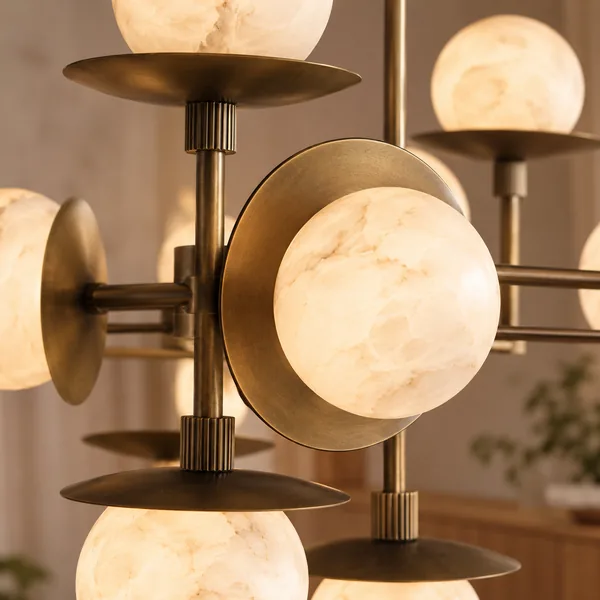
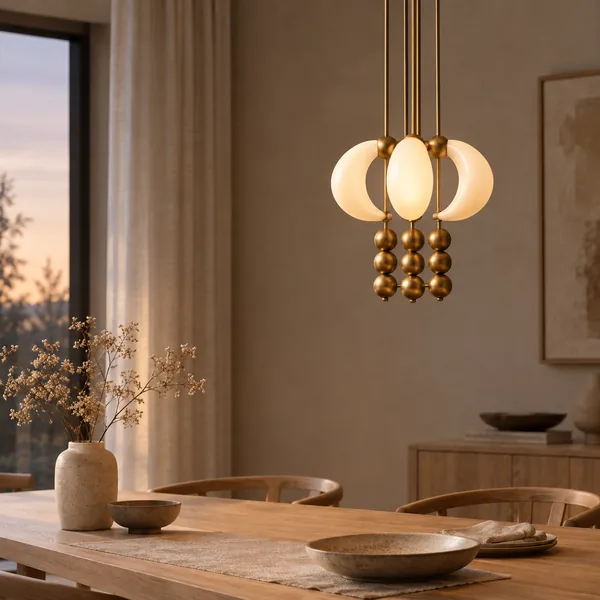
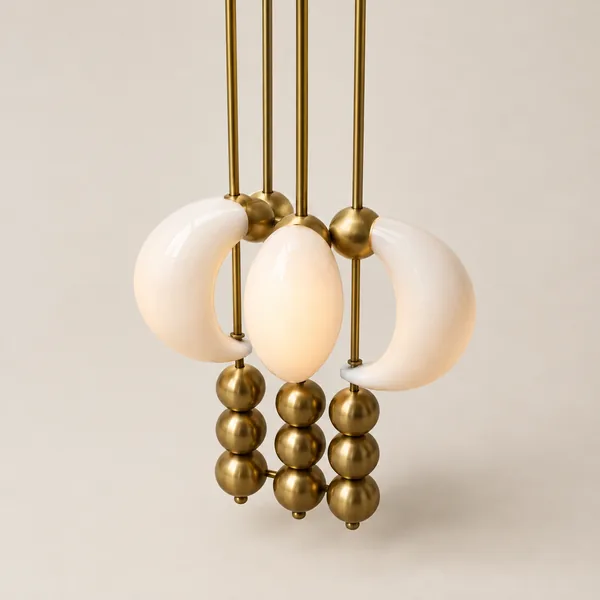
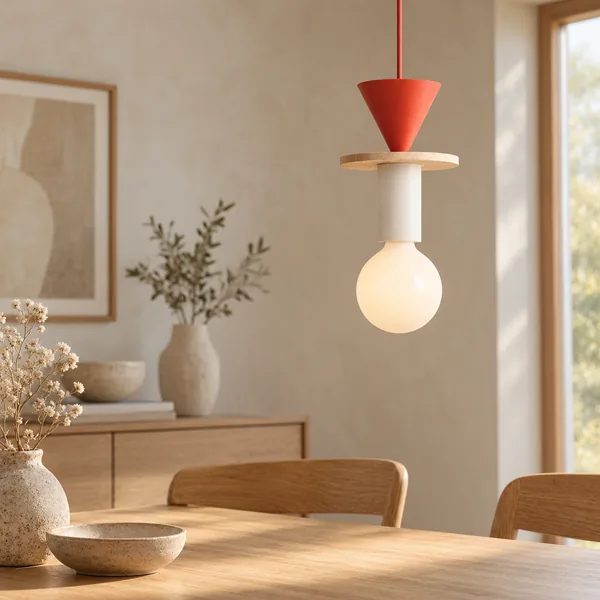
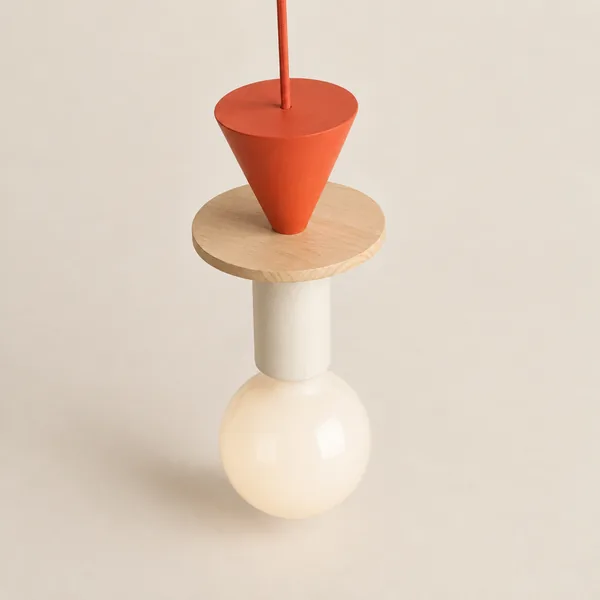
Chandeliers
Shop all Chandeliers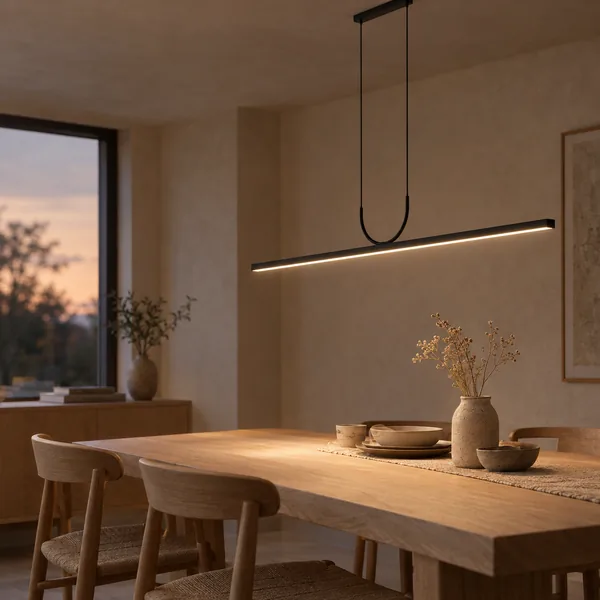
Are Traditional Wall Clocks Still in Style?
The enduring question of relevance receives a resounding yes. Traditional wall clocks transcend trend cycles precisely because they tap into something deeper than fleeting fashion—they connect us to ritual, craftsmanship, and the tangible passage of time.
Interior design in 2024 and beyond shows a continued appreciation for pieces that ground us. As digital ubiquity increases, objects that require mechanical winding or simply sit quietly marking hours without digital glow provide essential respite. The timeless wall clock embodies slow living philosophies while remaining entirely appropriate in formal, sophisticated homes.
Current design directions actually favor the integration of authentic traditional elements. Grandmillennial aesthetics, modern traditional, and transitional design schemes all welcome substantial traditional clocks as anchors. The key lies not in antiquated styling, but in authentic traditional design executed with quality materials and thoughtful placement.
The most enduring designs are those that were never truly out of style—merely waiting for the right context to shine again.
Whether you gravitate toward an antique style clock with weathered patina, a classic home decor clock with understated elegance, or an elegant wall timepiece that makes a bold statement, the traditional category offers options that resonate across decades and design movements.
Conclusion: Finding Your Perfect Traditional Timepiece
Traditional wall clocks offer something increasingly rare: objects that improve with age, gathering meaning and presence rather than obsolescence. For homeowners and renters aged 28-45 cultivating formal, elegant interiors, these timepieces represent finishing touches that elevate spaces from furnished to curated.
The journey to selecting your ideal clock begins with understanding your space's proportions, your acoustic preferences, and the specific traditional substyle that resonates with your aesthetic. From the quiet sculptural presence of a Tvilling Dual-Sided Geometric Metal Wall Clock to the organic elegance of our silent Stilla wall clock collection, options exist for every formal interior vision.
At Skonne, we believe that every detail in your home deserves intentionality. Our curated collections blend Scandinavian sensibilities with timeless traditional appeal, offering wall clocks and timepieces that honor heritage while fitting contemporary lifestyles. Explore our collections to discover how the right clock can transform your formal space from simply decorated to deeply considered.
Related Article
Kitchen Wall Clocks: Best Contemporary Designs for a Stylish Culinary SpaceDiscover contemporary kitchen wall clock designs for stylish culinary spaces. Modern, silent timepieces blending function and Nordic elegance.