
Tuscan Home Decor: Rustic Italian Style for a Warm, Mediterranean-Inspired Interior
Summary›
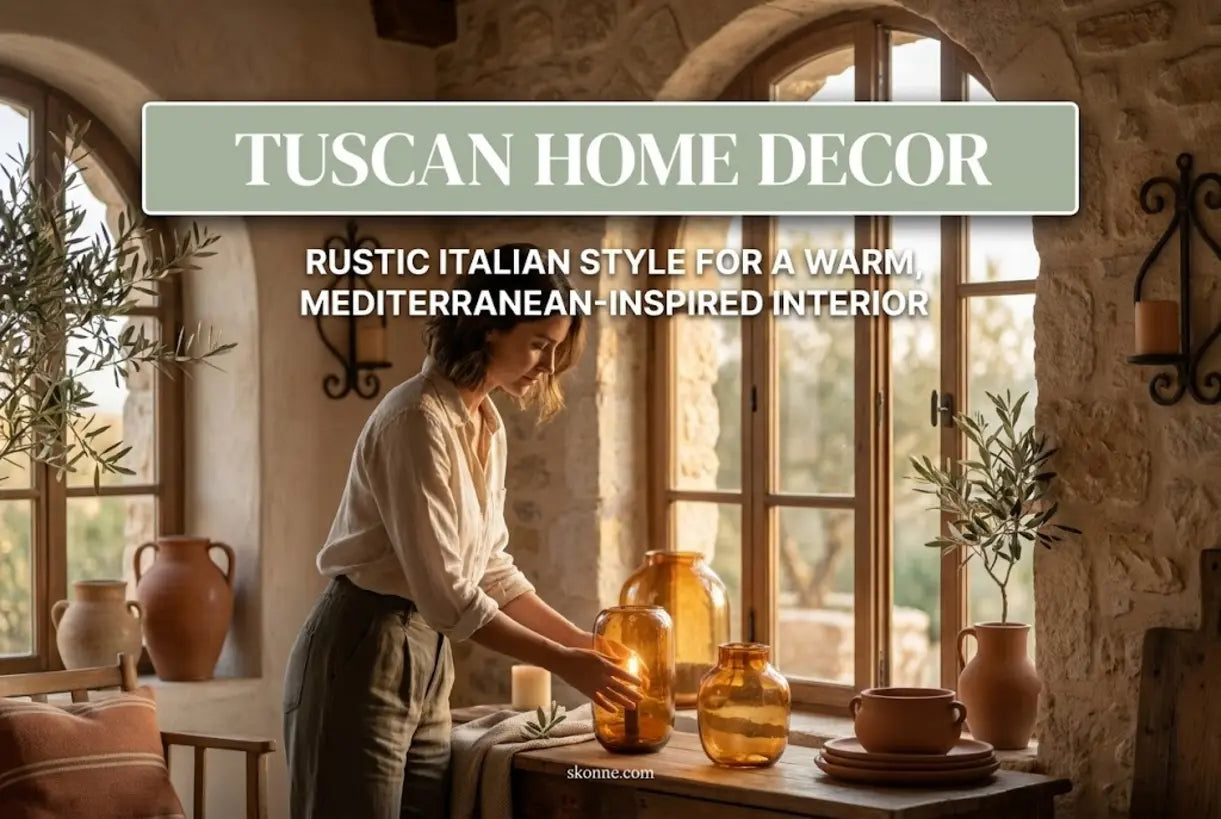
There's something undeniably captivating about the sun-drenched elegance of Italian farmhouses that has made tuscan home decor endure through decades of design trends. Rooted in the rolling hills of central Italy, this aesthetic captures the region's connection to the earth, celebrating weathered textures, warm color palettes, and an unhurried approach to living that feels both luxurious and grounded.
Unlike fleeting trends that demand complete room overhauls every few seasons, tuscan home decor embraces a collected-over-time philosophy. The style draws from centuries of agricultural heritage, where terracotta roofs, hand-forged iron accents, and sun-baked walls weren't design choices but necessities that aged gracefully into beauty. Today's interpretation blends this Old World charm with modern sensibilities, creating spaces that feel authentically lived-in rather than staged.
The Essence of Tuscan Interior Design
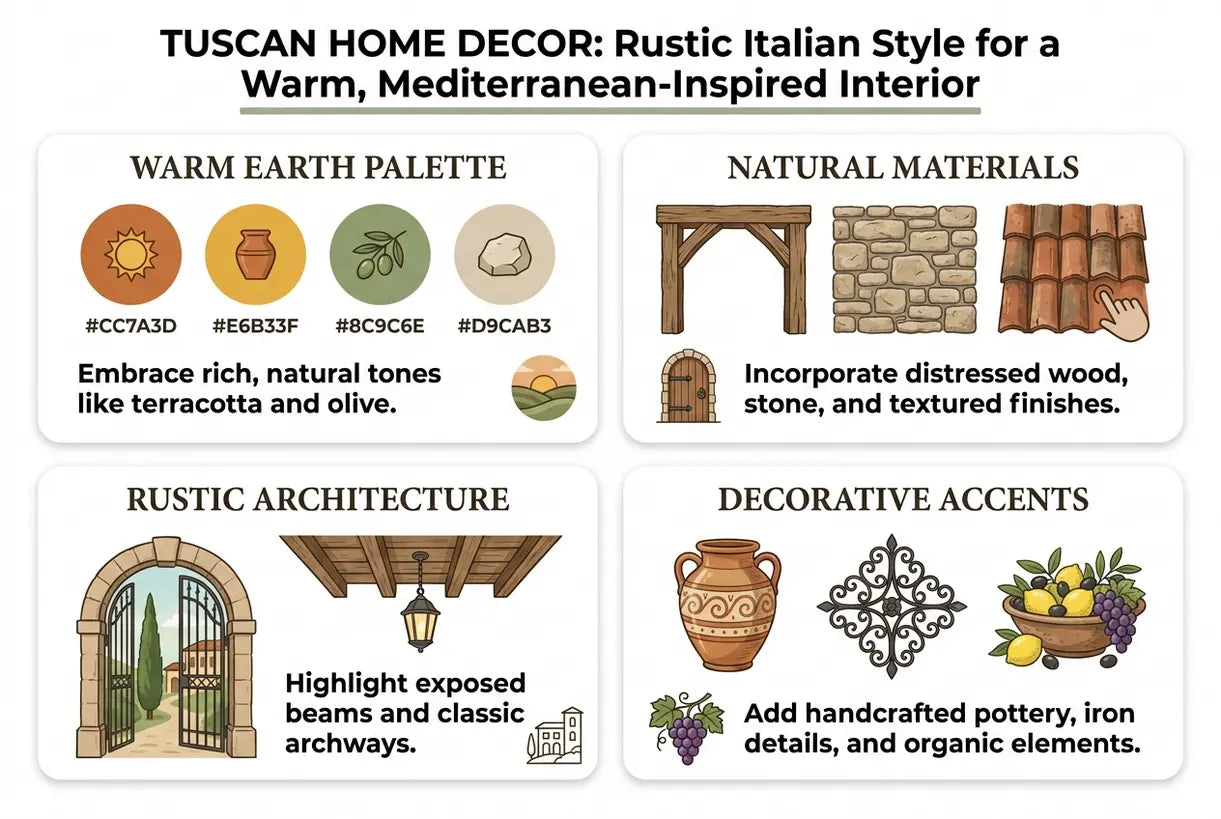
At its heart, tuscan home decor reflects the region's landscape and climate. Think golden wheat fields, olive groves silvery in the afternoon light, and vineyards stretching toward terracotta-roofed villas. This translates indoors through a restrained warmth that avoids stark minimalism while maintaining sophistication.
The style prioritizes natural materials in their most honest forms. Weathered wood beams remain unpainted, showcasing decades of character. Stone floors feel cool underfoot yet radiate thermal mass warmth. Ironwork appears hand-forged rather than machine-perfect, bearing the slight irregularities that signal human craft. Together, these elements create what Italians call sprezzatura—an effortless elegance that appears unstudied yet reveals careful consideration upon closer inspection.
For those exploring Wall Lights to accentuate these textures, brass and aged metal finishes complement the rustic foundations while adding refined luminosity to your space.
Earth-Tone Color Palettes That Capture Italian Light
The tuscan home decor palette mirrors the region's golden hours. Warm ochres, burnt siennas, and sun-bleached creams dominate, drawn from the local clay and limestone. Olive greens and deep grape-purple accents ground the warmth, while touches of aged gold and copper introduce subtle luxury without pretension.
Unlike bold, saturated Mediterranean styles, Tuscan tones feel somewhat muted—as if they've been gently faded by decades of sunshine. Walls benefit from plaster finishes with slight irregularities, catching light differently throughout the day. When paired with the right illumination, these surfaces glow rather than merely reflect.
The interplay between shadow and light becomes crucial here. Tuscan interiors aren't about harsh overhead lighting but rather strategic pools of warmth that highlight architectural details and create intimate gathering spaces. This is where carefully chosen fixtures transform a room from simply decorated to authentically atmospheric.
Mediterranean Lighting
Shop all Mediterranean Lighting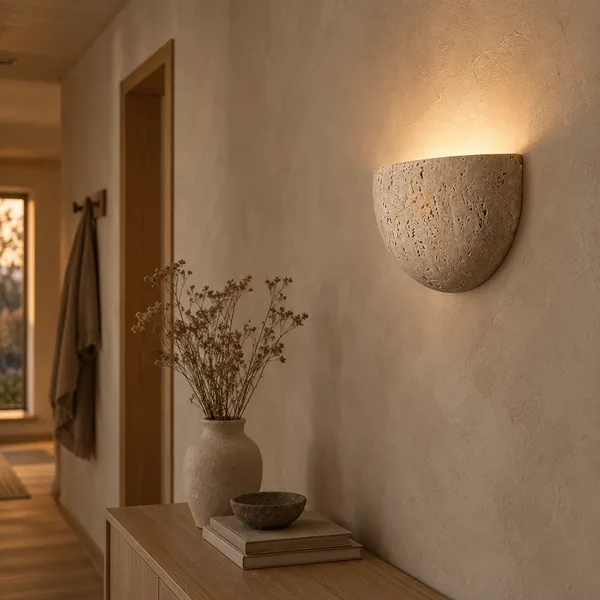
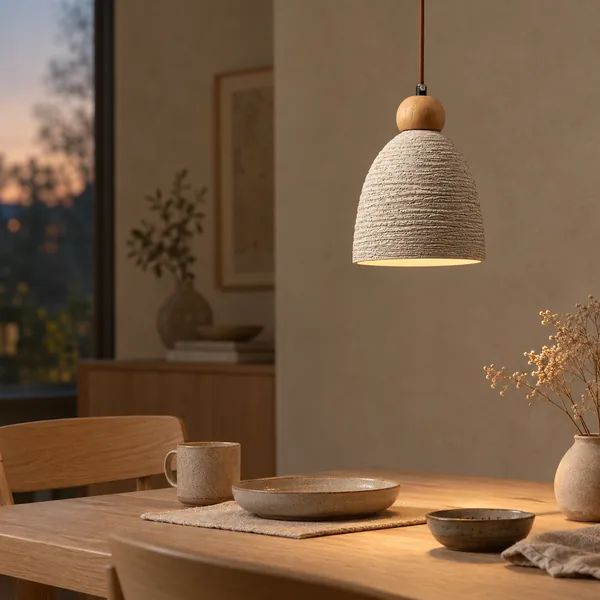
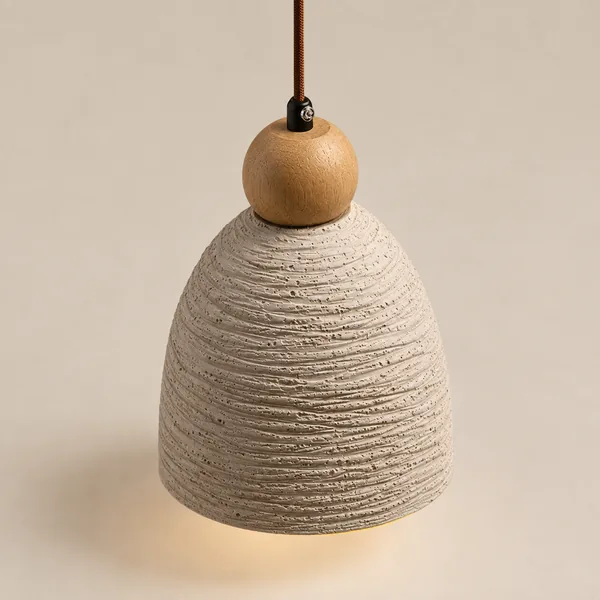 Save $170.00
Steina Raw Microcement Industrial Pendant Light
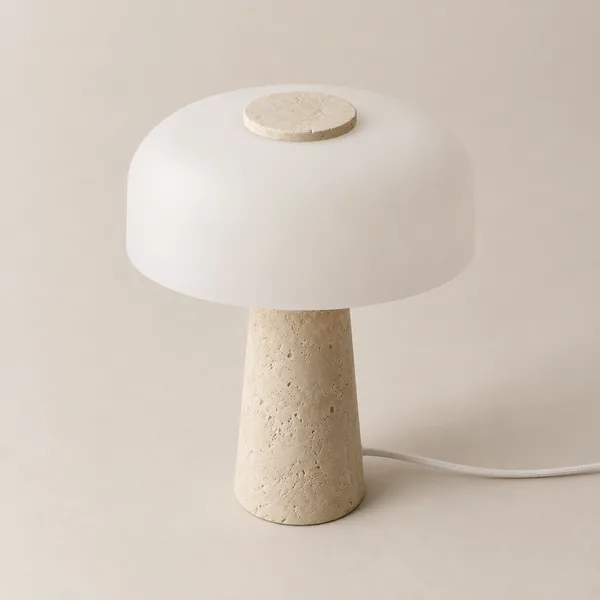
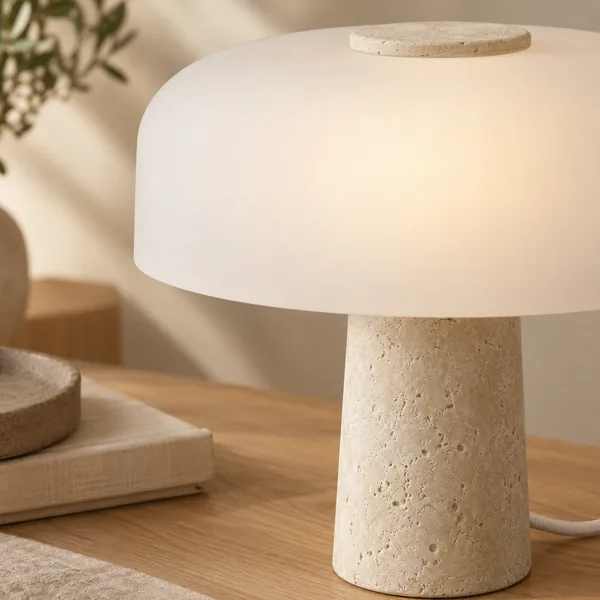 Save $510.00
Svalna Frosted Glass Marble Mushroom Table Lamp
 Save $150.00
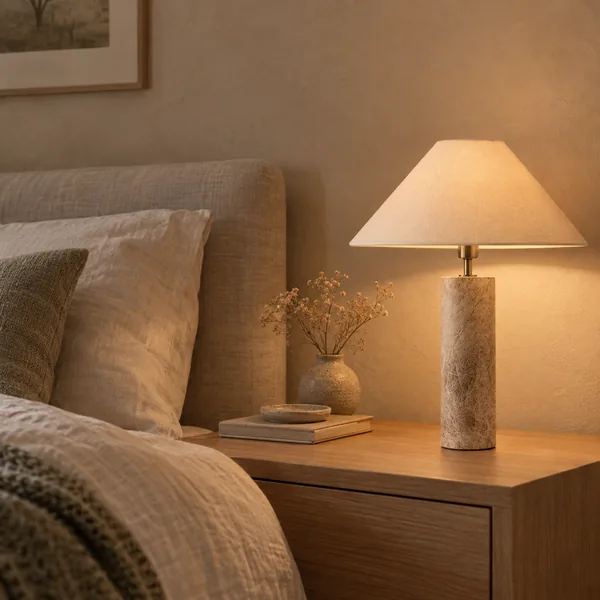
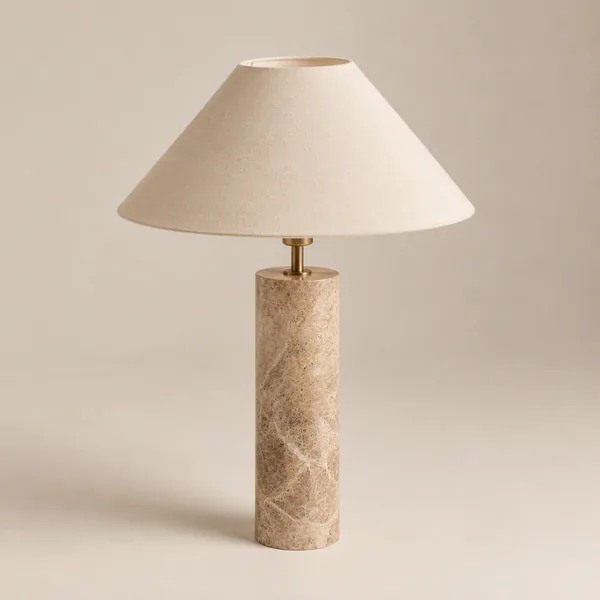
Steiva Natural Marble Table Lamp Nordic Style
Architectural Elements That Define the Style
Tuscan architecture emerged from practical responses to climate and available materials, yet these functional choices became the style's signature aesthetic. High ceilings with exposed wooden beams create air circulation during hot Italian summers while adding dramatic vertical interest. Terracotta tile floors remain cool underfoot and age beautifully, developing a patina that tells stories of footsteps over generations.
Windows in traditional Tuscan homes tend to be smaller than modern standards, creating intimate interior sanctuaries from the bright exterior. This relationship between interior shadow and exterior light influences how spaces are furnished and illuminated. Arched doorways and niches carved into thick stone walls provide opportunities for art display and architectural lighting that emphasizes these curves.
The modern interpretation of tuscan home decor adapts these principles for contemporary living, focusing on the warmth and materiality rather than literal historical recreation.
Integrating Natural Materials and Textures
Texture layering distinguishes sophisticated tuscan home decor from themed imitations. The goal isn't to create a movie set of Italy but rather to capture the tactile richness of materials that improve with age.
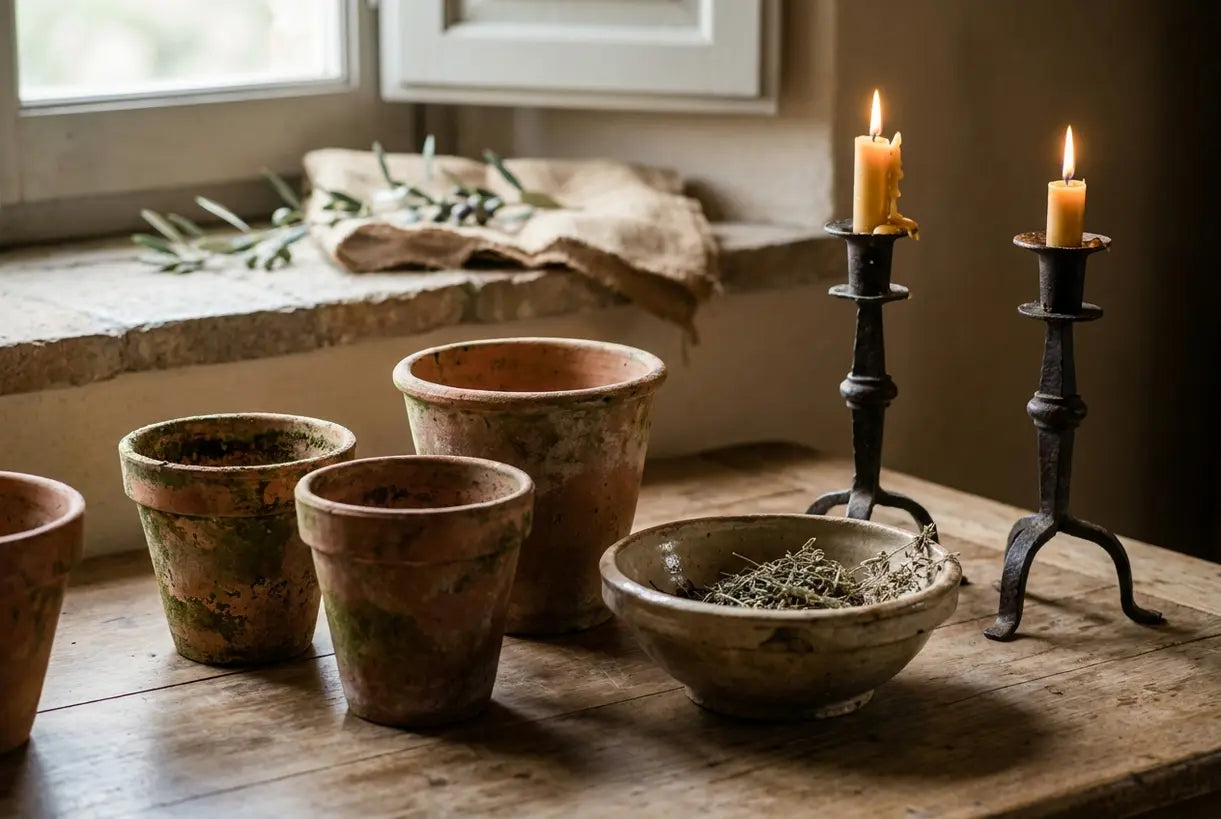
Key material pairings include:
- Rough-hewn wood alongside polished marble surfaces
- Wrought iron details softened by linen textiles
- Terracotta vessels contrasting with aged brass accents
- Hand-plastered walls meeting refined leather seating
These juxtapositions create visual tension that keeps spaces from feeling dated or heavy. The balance lies in selecting pieces that feel discovered rather than purchased as a set—a philosophy that aligns perfectly with Scandinavian curation principles applied to Mediterranean aesthetics.
The Resurgence of Modern Tuscan Style
Contemporary interior designers are reimagining tuscan home decor for 2026 and beyond, stripping away the excess ornamentation that made the style feel stuffy in the early 2000s. Today's approach embraces cleaner lines while maintaining the essential warmth and material authenticity that defined the original Italian villas.
This evolution—sometimes called "Modern Tuscan"—incorporates contemporary silhouettes in traditional materials. Think streamlined furniture in rich leather, updated pendant lighting in aged metals, and simplified color palettes that let texture take center stage. The result feels current yet timeless, sophisticated yet welcoming.
The video above explores how designers are bridging historical reference with contemporary living, proving that tuscan home decor isn't about recreating a museum piece but translating enduring principles for modern life.
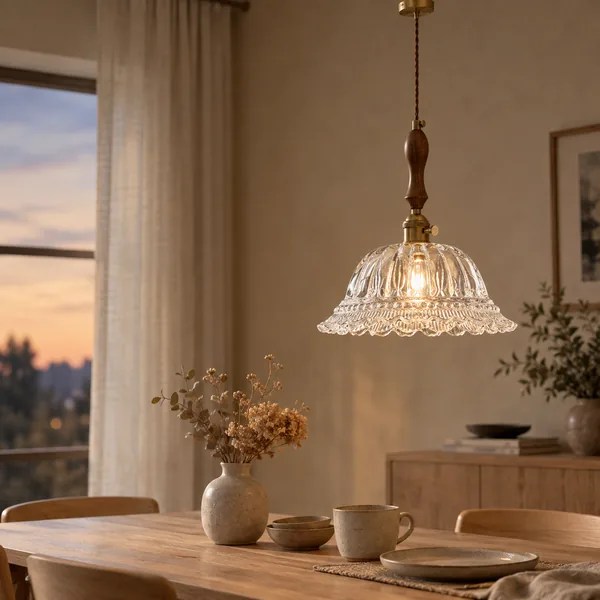 Gloda Walnut Brass French Style Pendant Light$169.00$229.00
Creating Atmosphere Through Thoughtful Lighting
Lighting serves as the soul of tuscan home decor, transforming heavy materials into glowing warmth after sunset. The goal mimics the quality of golden hour—that magical time when Italian hillsides glow amber and shadows soften.
At Skonne, we understand that achieving this atmosphere requires fixtures that honor traditional craftsmanship while meeting contemporary standards for quality and efficiency. The intersection of Scandinavian precision and Mediterranean warmth creates particularly successful results for those seeking authentic Tuscan ambiance.
Consider how the Gloda Walnut Brass French Style Pendant Light introduces rich walnut tones and warm brass simultaneously—materials that speak the same visual language as aged Tuscan woodwork and metallic accents found in traditional Italian villas.
In dining spaces where Tuscan entertaining traditions center around long, leisurely meals, pendant lighting must provide both functional illumination and atmospheric warmth. The amber-toned glow characteristic of quality fixtures enhances the warmer color palettes while making food and company appear more flattering.
Elevate Your Tuscan Interior with Scandinavian-Crafted Lighting
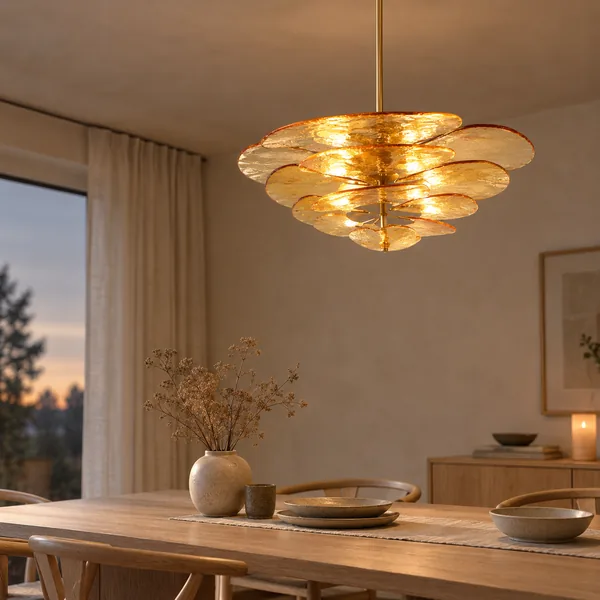 Ravglo Handcrafted Amber Stained Glass Chandelier$899.00$1,389.00
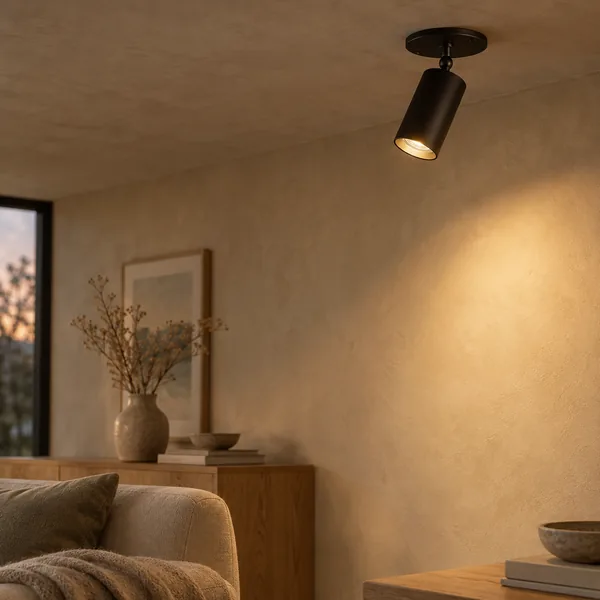 Kveld Adjustable LED Wall Sconce Mid-Century$259.00$399.00
Stained Glass and Warm Metallics
Historical Tuscan churches inspired the use of colored glass to warm and transform light. In residential settings, amber and honey-toned glass elements create that same golden-hour glow throughout the day, particularly effective during darker winter months when natural light is scarce.
The Ravglo Handcrafted Amber Stained Glass Chandelier captures this tradition with handcrafted panels that radiate warmth reminiscent of Tuscan sunsets. For architectural details or artwork highlighting, adjustable brass sconces provide the flexibility to direct light where it matters most while maintaining the vintage-inspired aesthetic essential to the style.
Redefining Rustic Elegance for Today's Homes
The evolution of tuscan home decor reflects broader shifts in how we view luxury. Where once the style might have implied formality and rigidity, today's interpretation embraces comfort and authenticity. Spaces feel collected rather than decorated, with room for modern conveniences that don't compromise the aesthetic integrity.
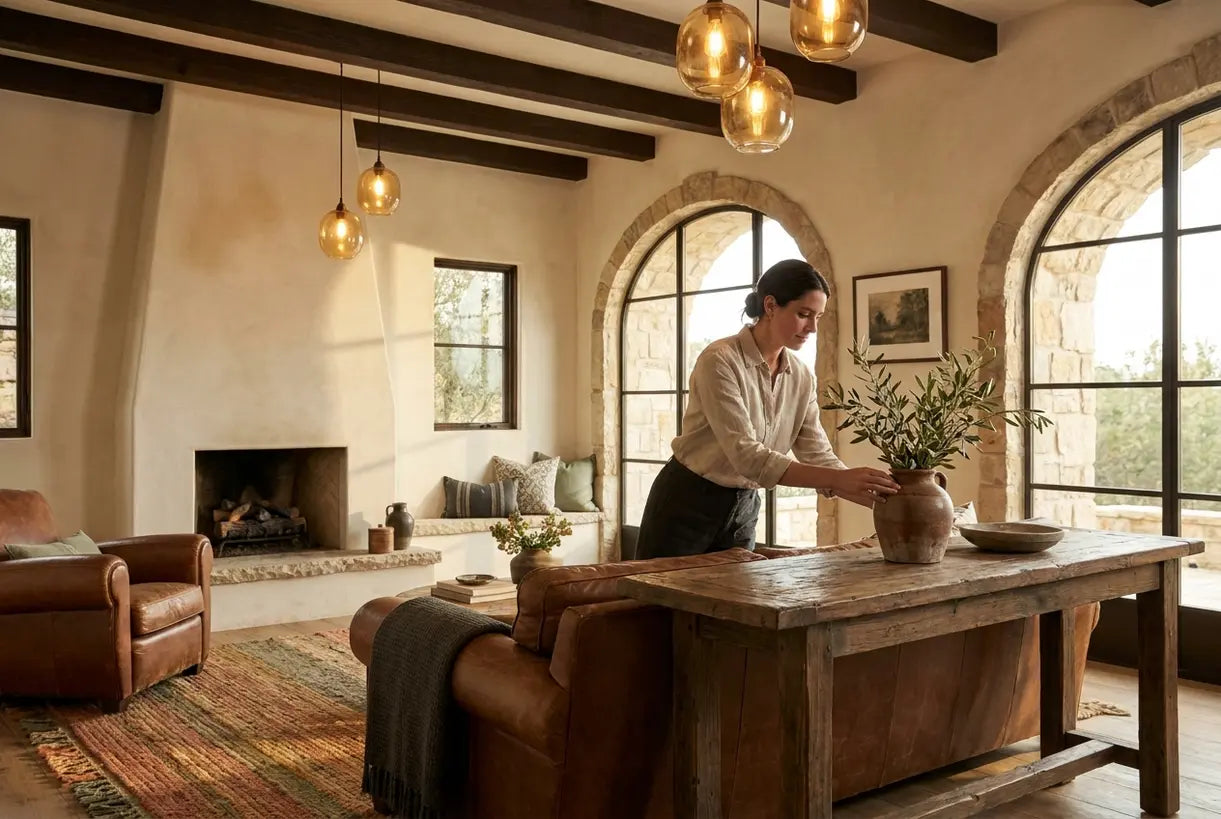
Key to this modern approach is curated restraint. Rather than filling every surface with Italian-themed accessories, successful Tuscan-inspired homes focus on larger architectural elements and investment pieces—substantial wooden furniture, quality metalwork, and statement lighting that anchor the space. Textiles remain natural and somewhat rough: unbleached linens, aged leather, handwoven wool.
The result honors the original spirit of Tuscan farmhouses—places built for living well, not for show—while accommodating contemporary lifestyles. Open floor plans, updated kitchens with Tuscan material palettes, and flexible entertaining spaces all support how we actually live while maintaining that crucial connection to Old World craftsmanship and warmth.
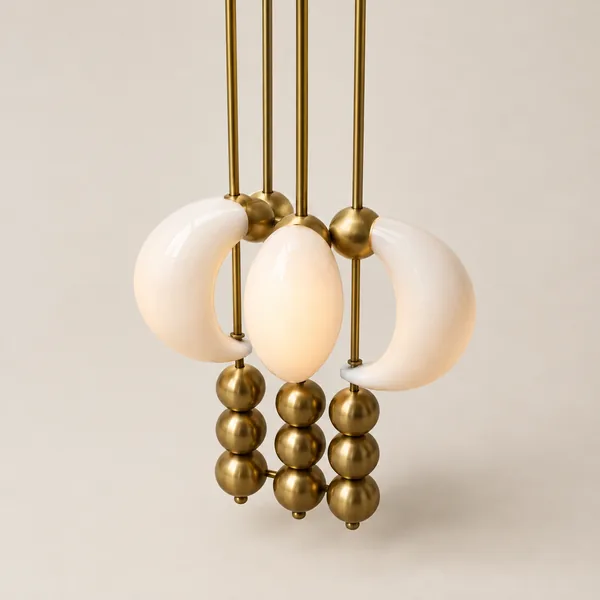
Chandeliers
Shop all Chandeliers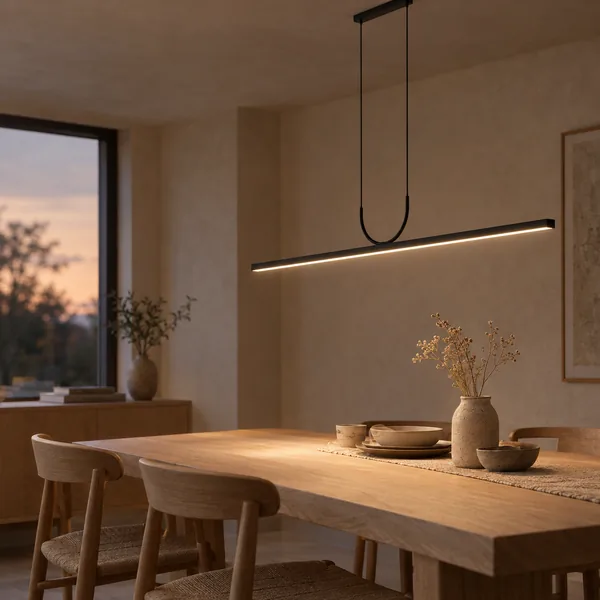
Principles for Achieving Authentic Tuscan Ambiance
Creating convincing tuscan home decor requires understanding the philosophy behind the aesthetics. The Italians have long practiced la bella figura—presenting one's best self to the world—not through ostentation but through thoughtful attention to quality and detail.
Start with a neutral, warm foundation. Walls in cream, terracotta, or warm ochre provide the canvas. Layer in substantial wood furniture with visible grain and patina. Add metal elements in aged brass, copper, or wrought iron—not shiny polished surfaces, but those that suggest history and use.
Lighting becomes the final, crucial layer that transforms these materials from potentially heavy to glowing with warmth. The quality of light—amber rather than stark white, dimmable and atmospheric rather than purely functional—determines whether the space feels like a Tuscan retreat or a themed restaurant.
Sources like Architectural Digest note that the current resurgence focuses on these atmospheric qualities rather than literal reproduction, suggesting that successful tuscan home decor now prioritizes feeling over formula.
Balancing Old and New
The most successful contemporary Tuscan spaces avoid time-capsule rigidness by incorporating modern art, updated silhouettes, or unexpected color accents that prevent the aesthetic from feeling like a stage set. A sleek contemporary sofa in rich caramel leather bridges centuries. Abstract art in Tuscan gold and olive tones keeps walls current.
This balance extends to lighting, where clean Scandinavian craftsmanship meets Mediterranean warmth. The result feels intentional and curated—spaces that would feel equally appropriate in a restored Umbrian farmhouse or a contemporary loft seeking to capture that ineffable Italian sense of home.
Conclusion: Timeless Warmth Defined
Tuscan home decor endures because it speaks to universal desires: warmth, authenticity, and spaces that improve rather than deteriorate with time. In an era of disposable trends and temporary furnishings, the Tuscan philosophy of investing in quality materials that age gracefully offers a compelling alternative.
At Skonne, we curate lighting that honors these principles while meeting contemporary standards for craftsmanship and energy efficiency. Our Scandinavian approach to Mediterranean aesthetics emphasizes the natural materials, warm metallics, and atmospheric illumination essential to capturing authentic Tuscan ambiance without falling into pastiche.
Whether you're transforming an entire home or simply seeking that one piece that brings golden-hour warmth to your dining space, the right lighting serves as both functional necessity and artistic statement. Explore our collections to discover how intentional illumination can transport you to those sun-drenched hills, creating a sanctuary that feels both timeless and distinctly yours.
Related Article
1950s Home Decor: Atomic Age, Mid-Century Style Ideas for a Retro InteriorExplore the iconic style of 1950s home decor with our guide to mid-century modern and atomic age design. From pastel palettes to sculptural lighting, create your retro sanctuary.