
1950s Home Decor: Atomic Age, Mid-Century Style Ideas for a Retro Interior
Summary›
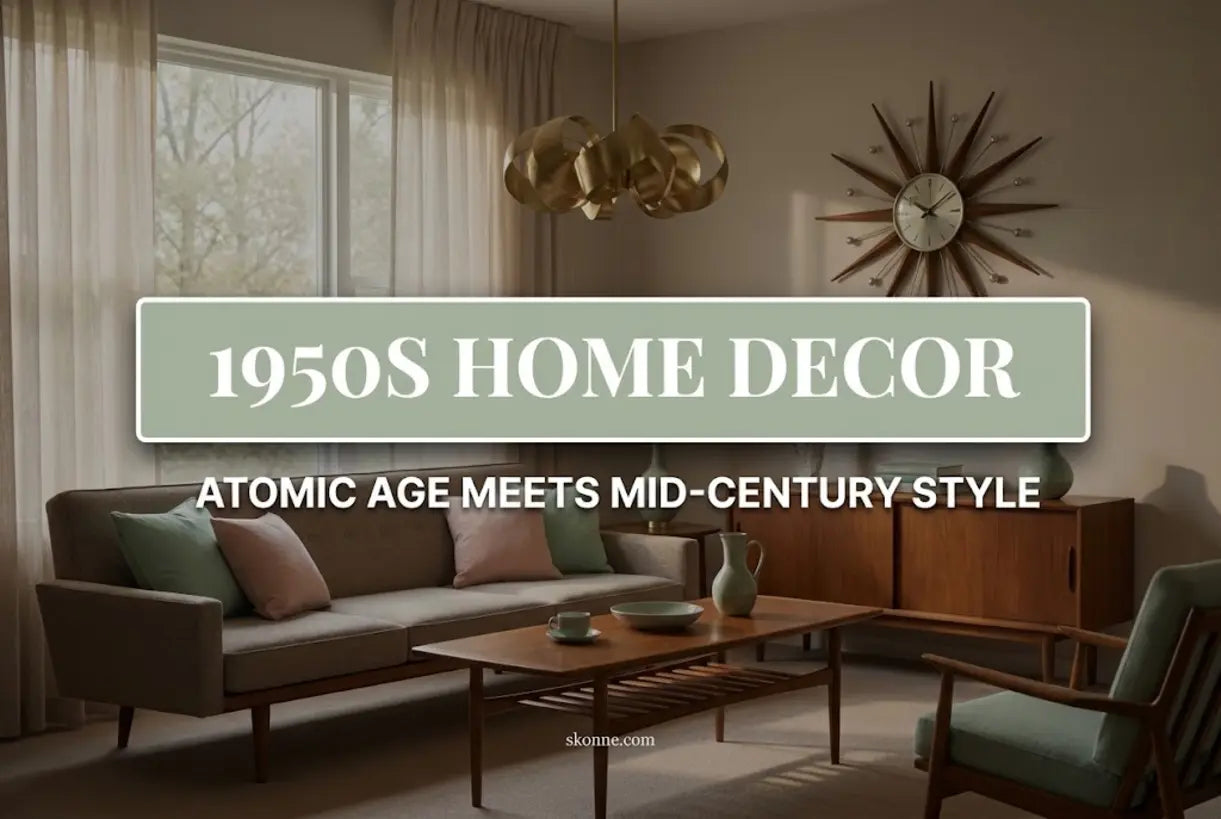
Step into an era when optimism shaped design, and the future felt boundless. The 1950s brought us 1950s home decor that perfectly balanced futuristic imagination with organic warmth—a style that continues to captivate homeowners and interior enthusiasts today. Whether you've inherited a mid-century gem or simply crave the clean lines and atomic flair of this iconic decade, understanding how to authentically channel 1950s aesthetics can transform any space into a timeless retreat.
In this guide, you'll discover the defining characteristics of atomic age and mid-century modern style, from sculptural lighting to starburst accents. We'll explore authentic color palettes, essential furniture shapes, and those subtle details that make 1950s interiors feel intentional rather than kitschy. Along the way, I'll introduce you to curated pieces that capture this era's sophisticated spirit—solutions that honor the past while fitting beautifully into contemporary living.
What Decor Was Popular in the 1950s?
The 1950s marked a pivotal moment in American design. Post-war optimism met technological advancement, creating an aesthetic that celebrated both organic forms and atomic-age futurism. This wasn't merely about nostalgia—it was a genuine design movement with distinct principles that continue to influence interiors today.
Mid-century modern emerged as the dominant 1950s decorating style, characterized by clean lines, gentle organic curves, and a seamless integration of form and function. Furniture designers like Charles and Ray Eames, Eero Saarinen, and George Nelson revolutionized how we think about everyday objects, elevating them to sculptural art pieces.
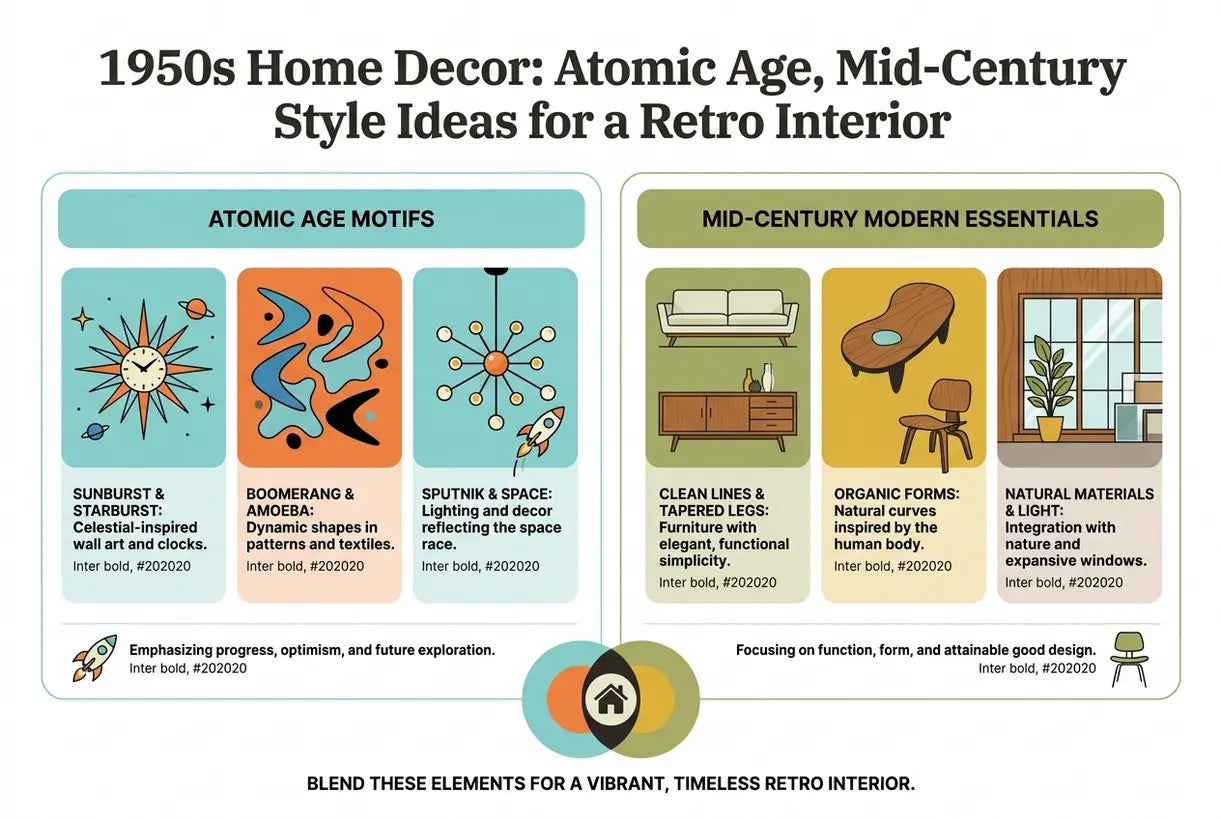
Concurrently, the atomic age decor movement embraced geometric shapes, starburst motifs, and space-age materials. Think boomerang coffee tables, sputnik chandeliers, and abstract wall art inspired by science and the space race. This playful yet sophisticated approach brought energy and optimism into the home.
The Color Palette That Defined an Era
Understanding 1950s color schemes is essential for creating an authentic retro interior. The decade favored sophisticated pastels alongside bold atomic accents:
- Soft pastels: Mint green, pale pink, buttery yellow, and turquoise dominated kitchens and bathrooms
- Atomic colors: Vibrant orange, chartreuse, and electric blue added retro-futuristic flair
- Wood tones: Rich teak, walnut, and oak provided warm, grounding neutrals
- Black and white: Graphic contrasts created visual drama in textiles and flooring
These hues weren't arbitrary—they reflected the era's optimism and fascination with technology, nature, and modern living. When incorporating these colors today, consider using them as accents against a more neutral backdrop to prevent overwhelming contemporary spaces.
Lighting plays a crucial role in showcasing these color choices. Our Bedroom Lighting & Decor collection offers pieces that complement mid-century palettes while providing the warm, ambient glow that makes these colors truly sing.
Furniture That Defines Mid-Century Modern Style
When we ask what furniture defines mid-century modern style, several unmistakable characteristics emerge. The era favored pieces that floated visually—sofas and credenzas perched on slim, tapered legs created an airy, expansive feel even in modest rooms.
Key furniture signatures include:
- Tapered legs: Whether wooden or metal, these slim supports became the era's signature
- Organic shapes: Curved silhouettes inspired by nature replaced rigid Victorian forms
- Sculptural presence: Furniture was designed to be viewed from all angles
- Natural materials: Teak, walnut, and molded plywood celebrated craftsmanship
- Low profiles: Horizontal emphasis created grounded, relaxed living spaces
For those sourcing authentic or reproduction pieces, examine the construction details. Original mid-century furniture often features dovetail joints, solid wood frames, and quality hardware that has aged gracefully. The driva antique brass drawer pulls exemplify this attention to detail—solid brass teardrop pulls that instantly elevate any dresser or cabinet with genuine vintage character.
Scandinavian Lighting
Shop all Scandinavian Lighting
 Save $60.00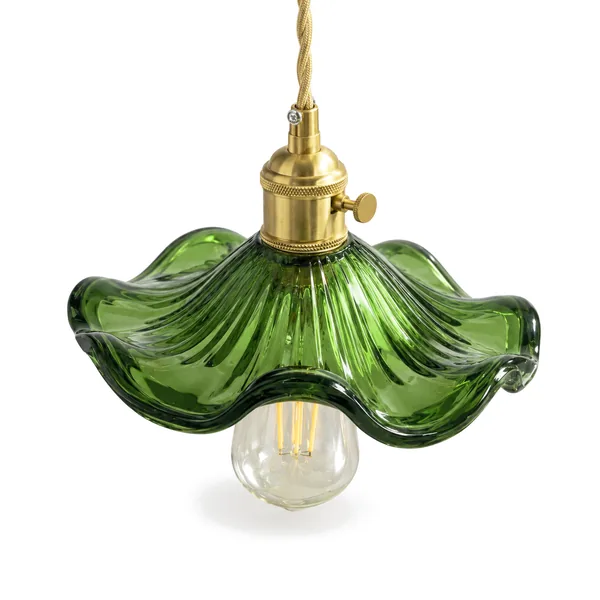
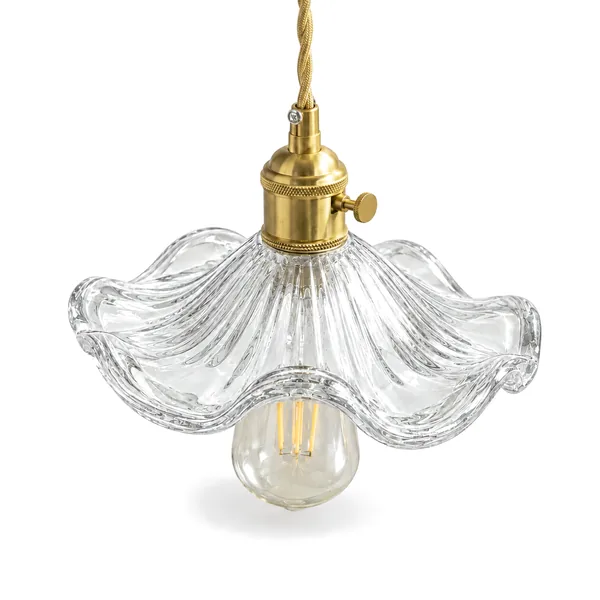
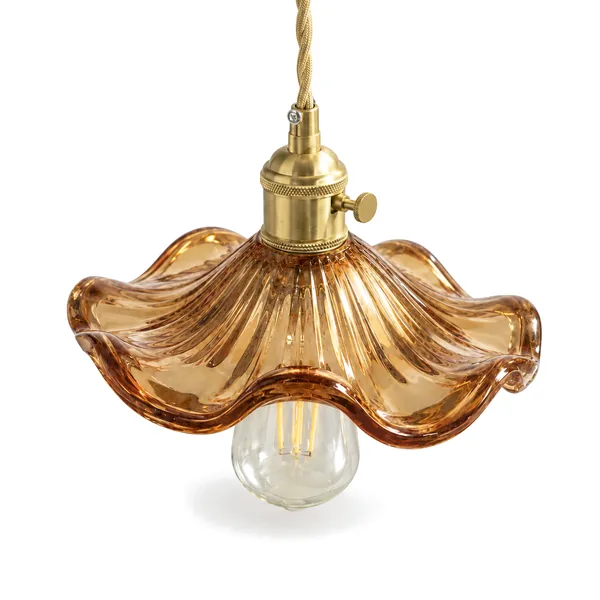 3 options
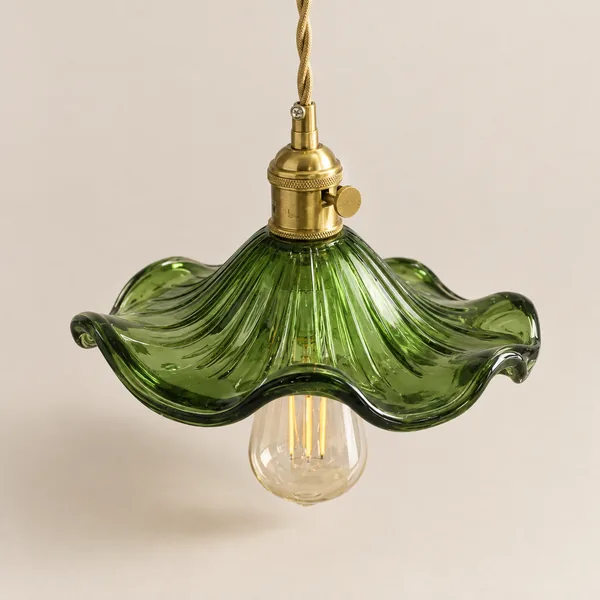
Glora Nordic Glass Pendant Light with Copper
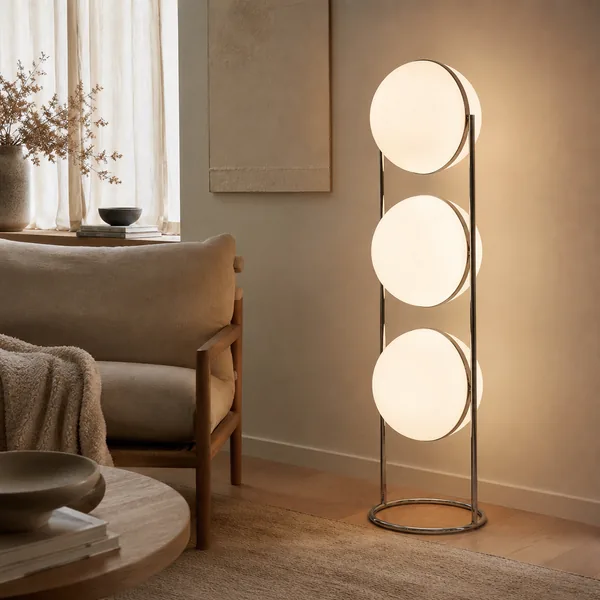
 Save $150.00
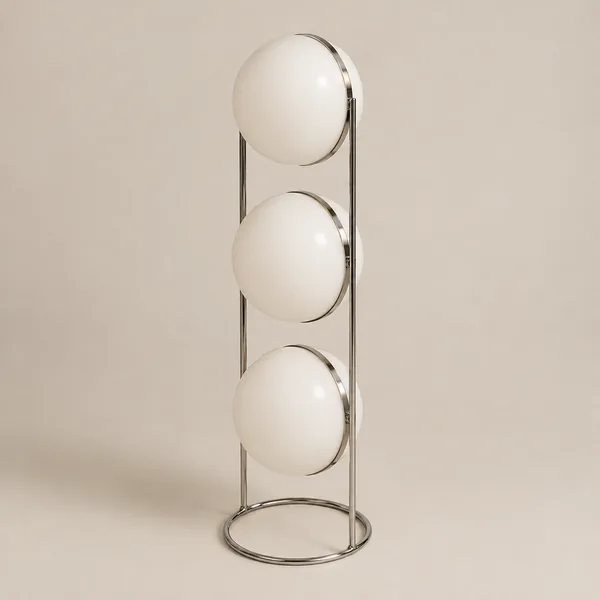
Kulglod Bauhaus Chrome Acrylic Globe Floor Lamp
 Save $230.00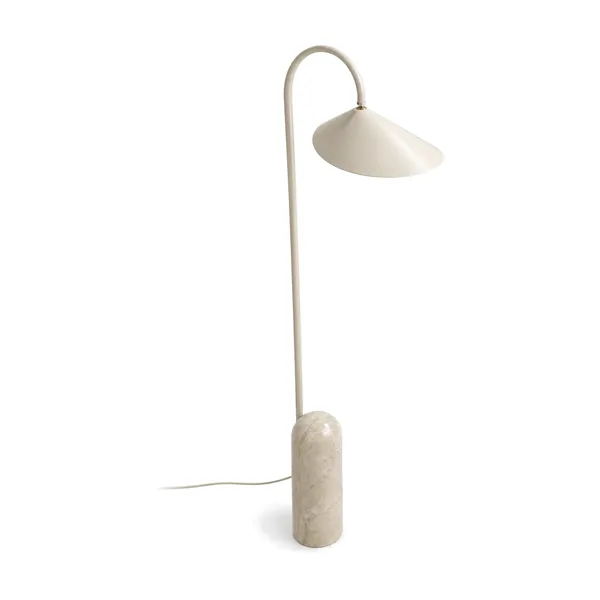
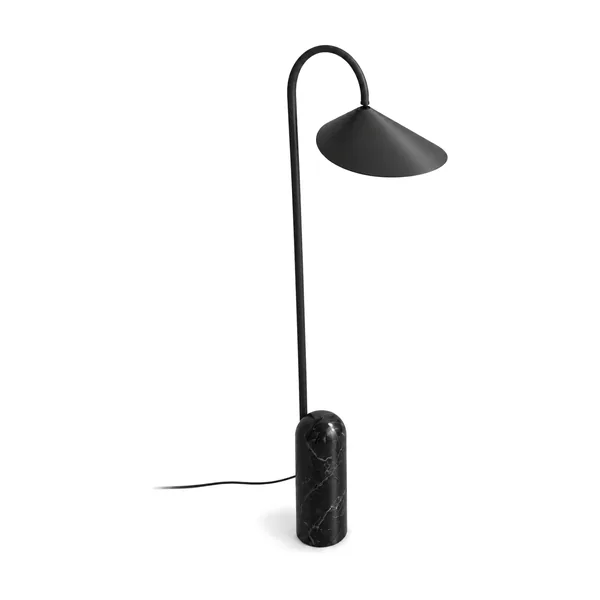 2 options
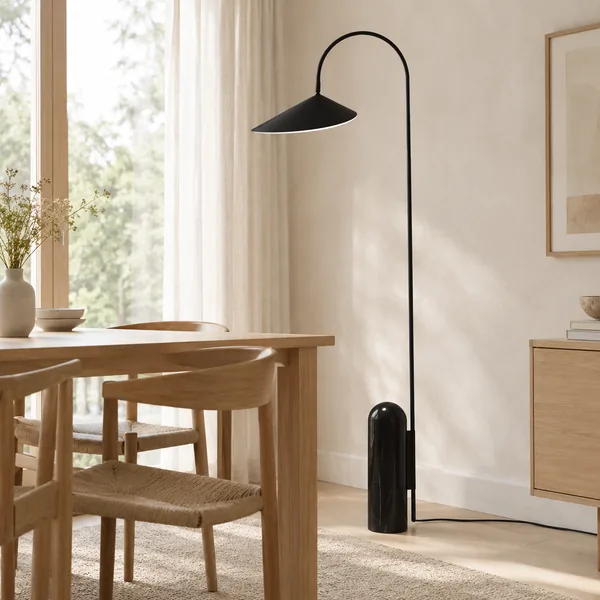
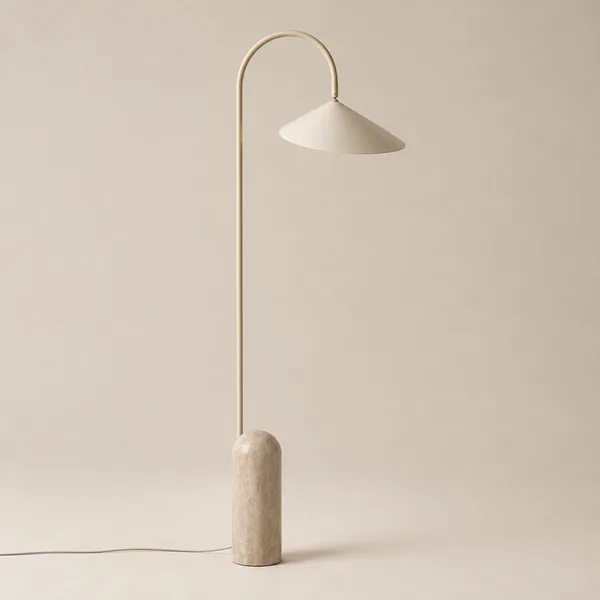
Velbue Marble Base Arc Floor Lamp Danish Design
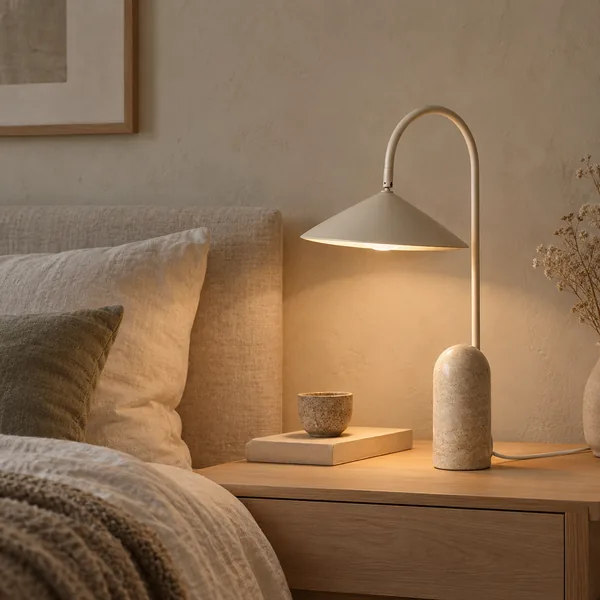
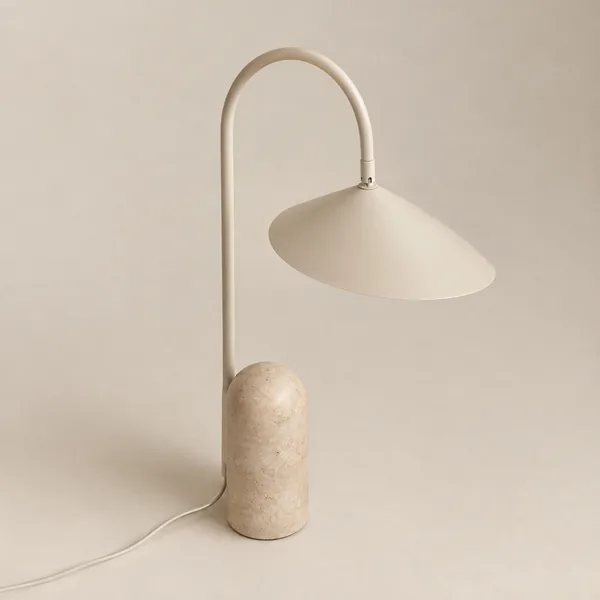 Save $210.00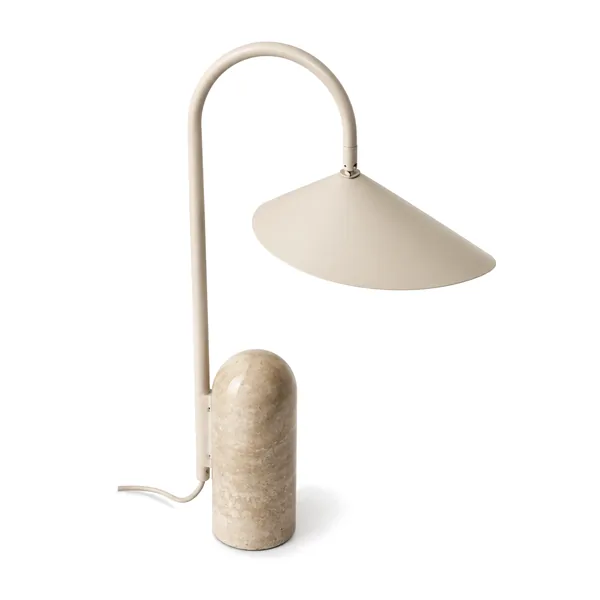
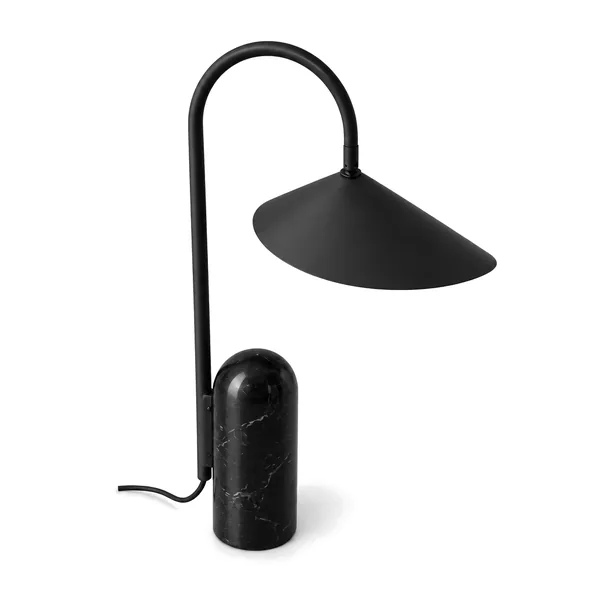 2 options
Solvei Danish Minimalist Arc Table Lamp Marble
The Power of Sculptural Lighting
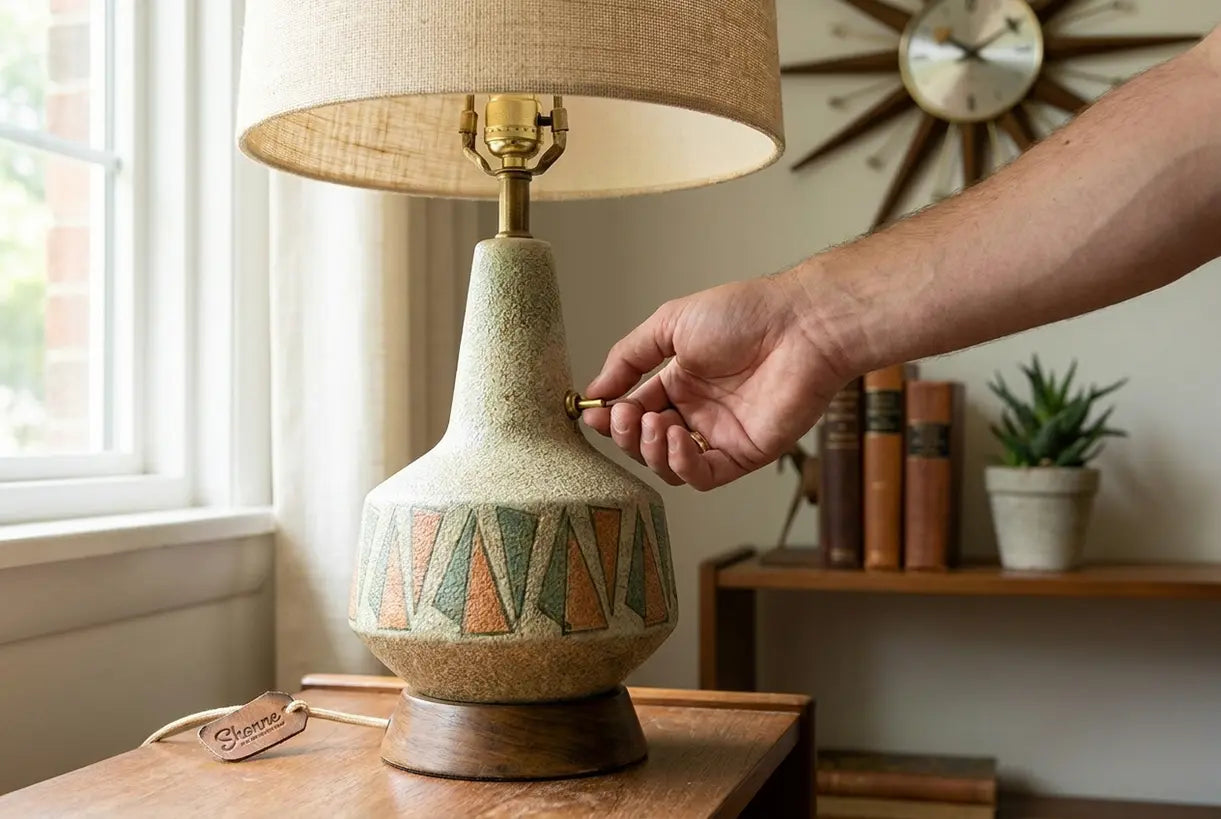
Perhaps no element captures 1950s home decor quite like statement lighting. The era elevated lamps and pendants from mere utilities to sculptural centerpieces. Atomic age chandeliers with radiating arms, floor lamps with dramatic arcs, and table lamps with ceramic bases all contributed to the layered, artistic quality of mid-century interiors.
The challenge many homeowners face is finding lighting that honors this aesthetic without appearing costume-like. You want pieces that feel intentional and elevated—lighting that draws the eye without screaming "theme."
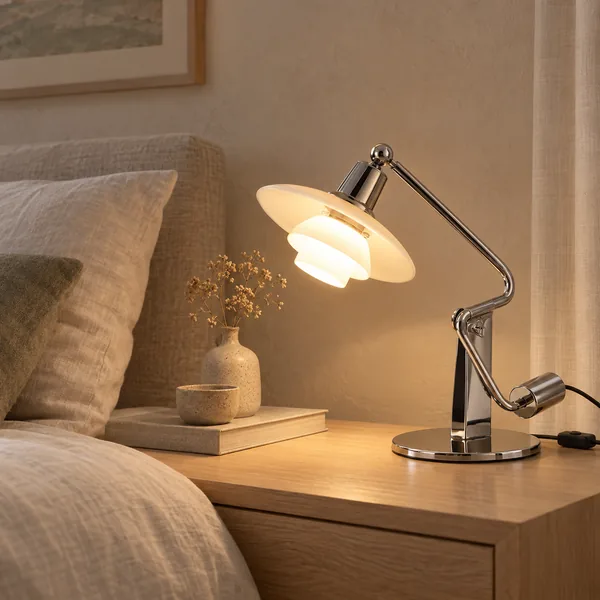 Glödva Vintage Chrome Frosted Glass Table Lamp$329.00$499.00
The Glödva Vintage Chrome Frosted Glass Table Lamp solves this perfectly. Its sculptural chrome body with adjustable arm offers that coveted 1950s sophistication, while the frosted glass shade diffuses light beautifully—ideal for creating the warm, inviting atmosphere that defines hygge-inspired Scandinavian comfort. Whether perched on a side table or desk, it functions as both illumination and art object.
Small Details, Big Impact
Authentic 1950s interiors weren't built on furniture alone. The magic lived in the details—the way hardware caught the light, how a pendant lamp defined a dining space, the tactile quality of materials that aged with grace.
Hardware, in particular, offers an accessible entry point for anyone looking to incorporate mid-century character without committing to major furniture investments. Replacing generic drawer pulls with period-appropriate pieces transforms ordinary cabinets into curated design statements.
Curated Pieces for Your Retro Interior
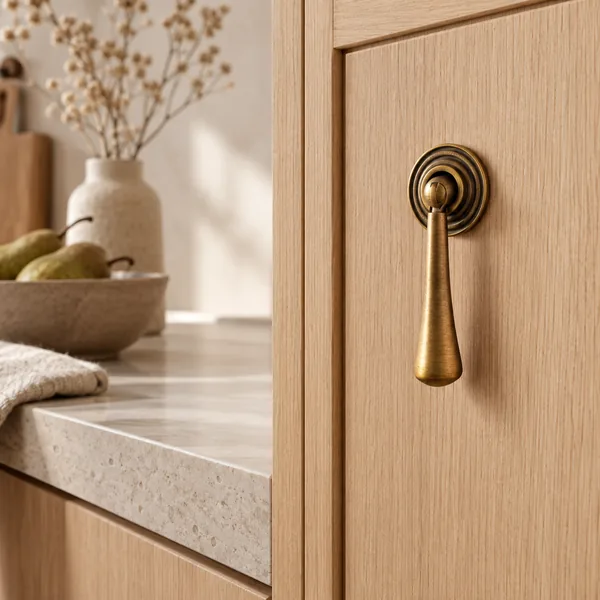 Driva Antique Brass Drawer Pulls Mid-Century Style$28.50$59.00
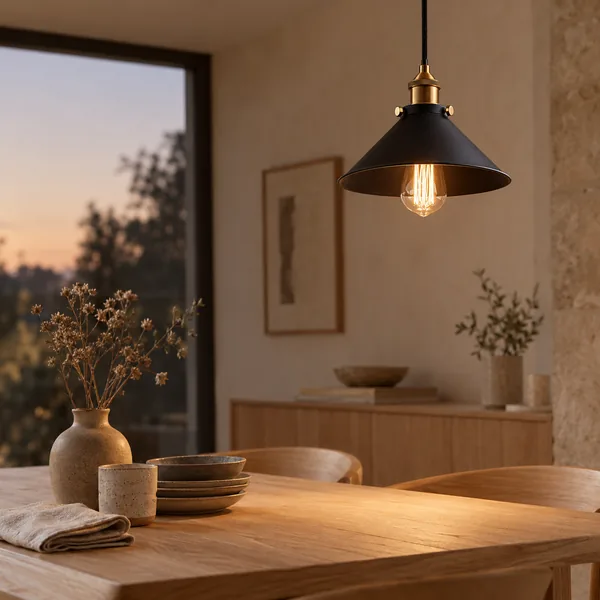 Kveld Retro Iron Pendant Lamp for Loft Spaces$89.00$129.00
The Kveld Retro Iron Pendant Lamp demonstrates how 1950s lighting principles translate beautifully into contemporary dining and kitchen spaces. Its vintage-inspired iron construction delivers industrial retro charm while the warm ambient glow creates intimate gathering spaces—true to the Scandinavian philosophy of prioritizing connection and comfort.
Similarly, the Driva Antique Brass Drawer Pulls solve the common frustration of finding authentic-feeling hardware. These solid brass teardrop pulls install easily on existing furniture, instantly elevating dressers, cabinets, and built-ins with genuine mid-century elegance. Their warm brass finish develops a lovely patina over time, growing more beautiful with age.
Mushroom Lamps
Shop all Mushroom Lamps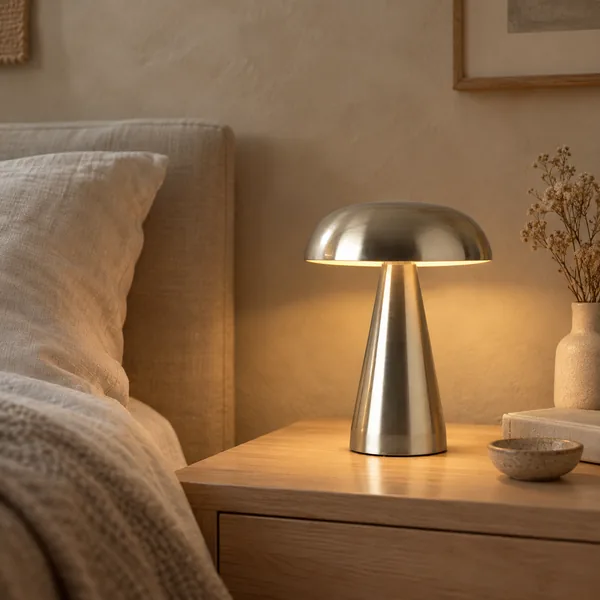
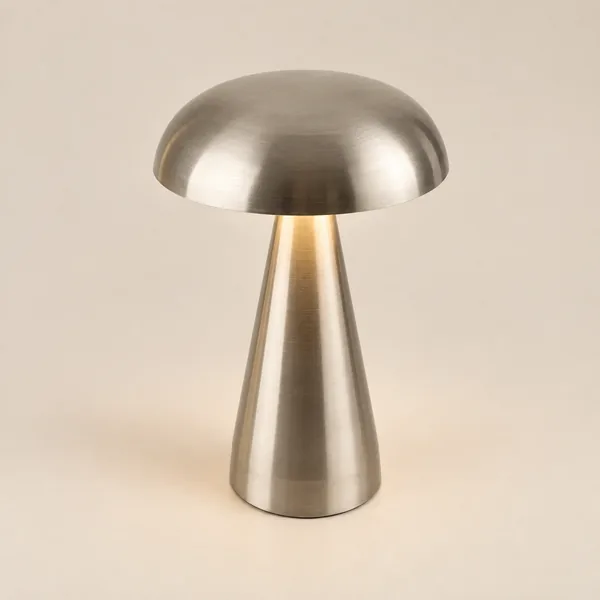 Save $50.00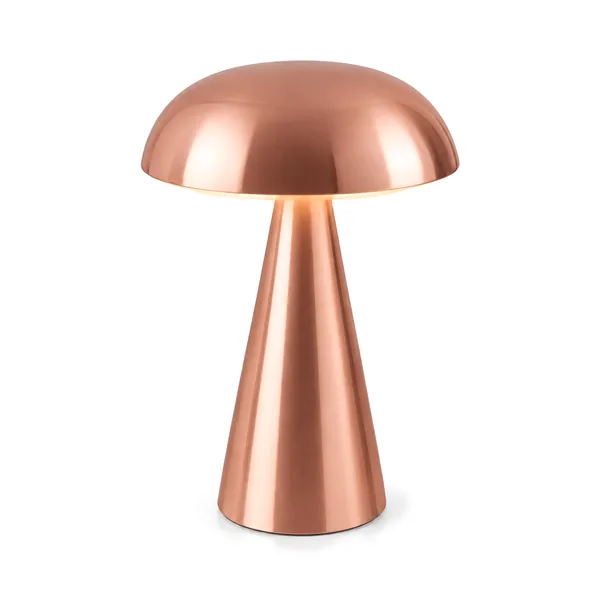
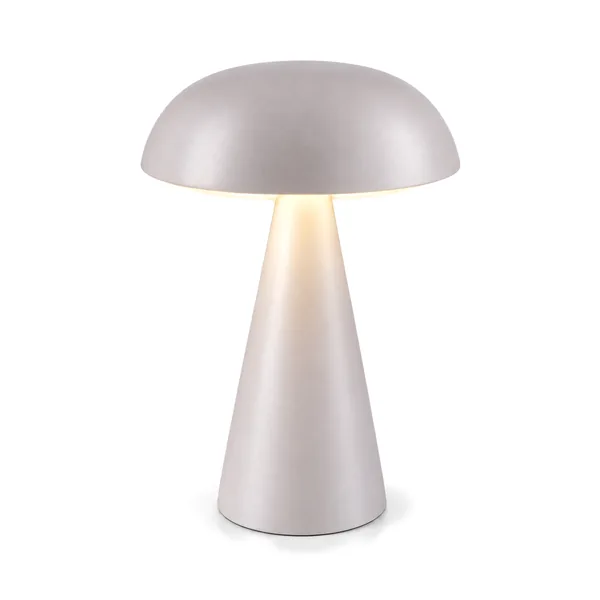
 +15 options
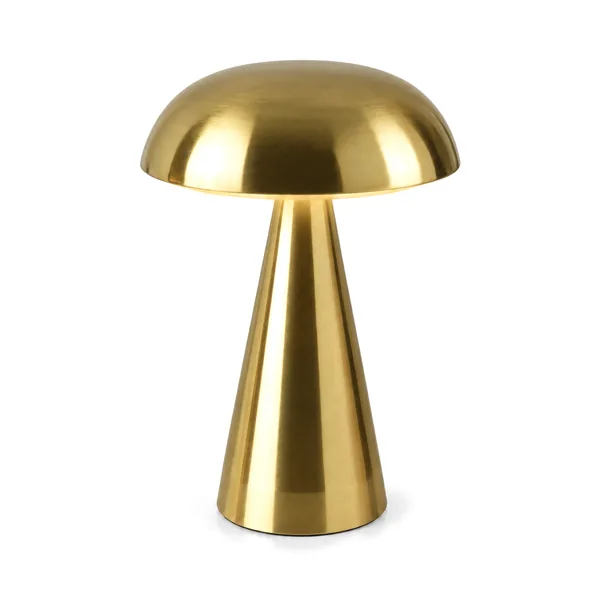
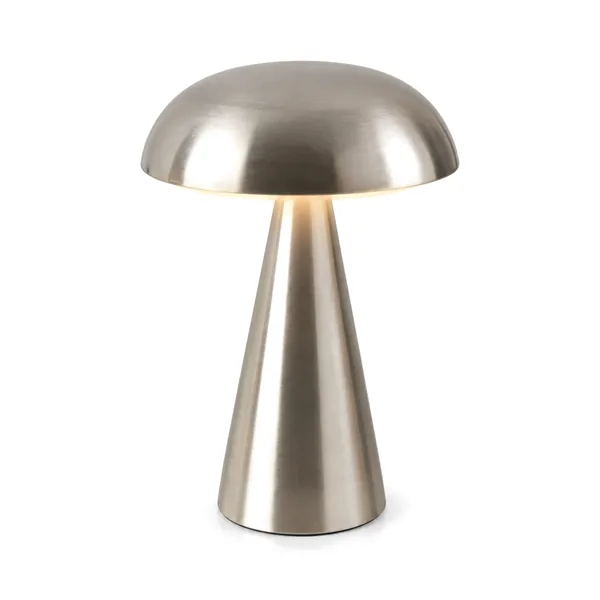
Solglo Rechargeable Retro Mushroom Table Lamp
 Save $170.00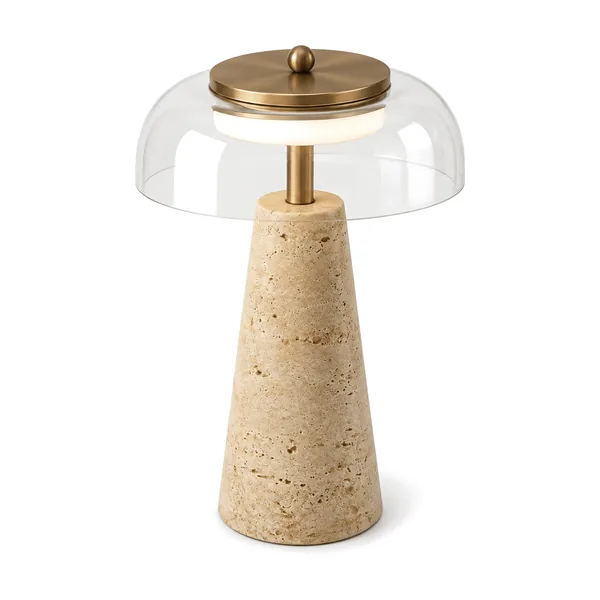
 2 options
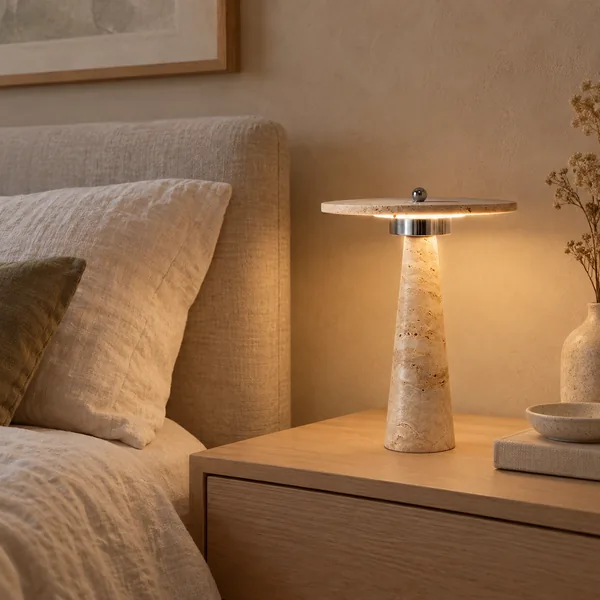
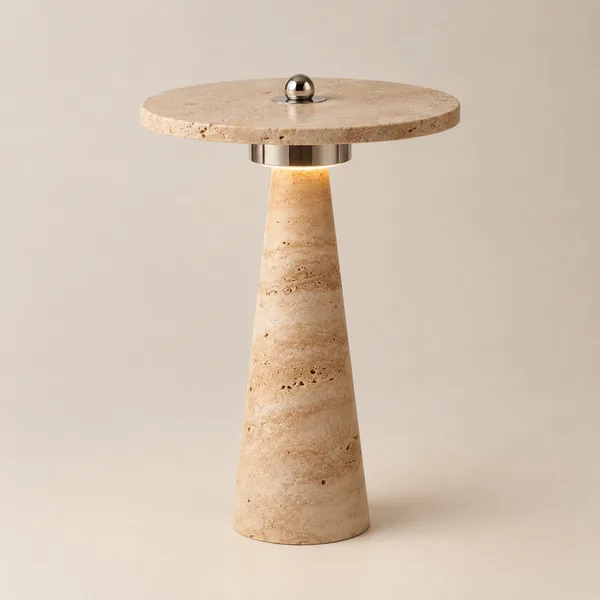
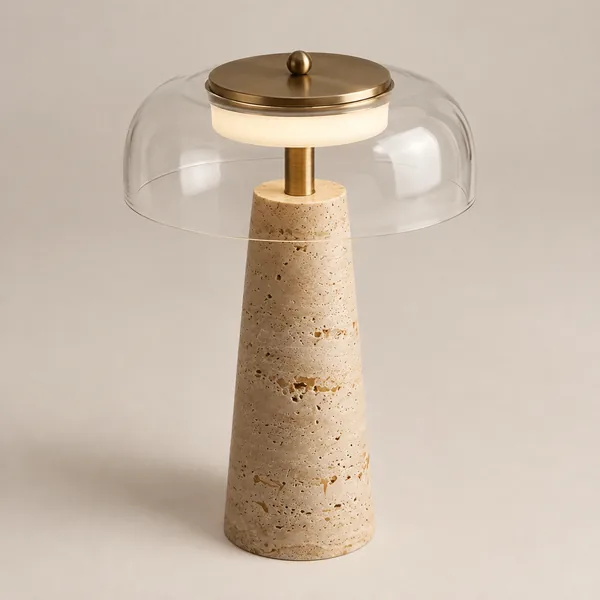
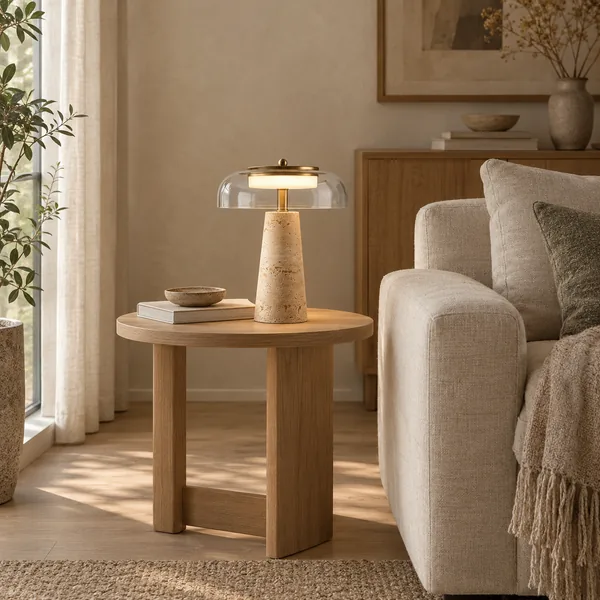
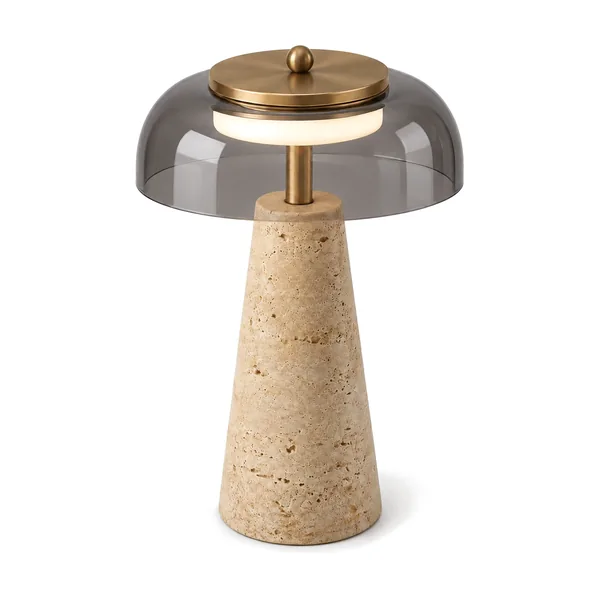
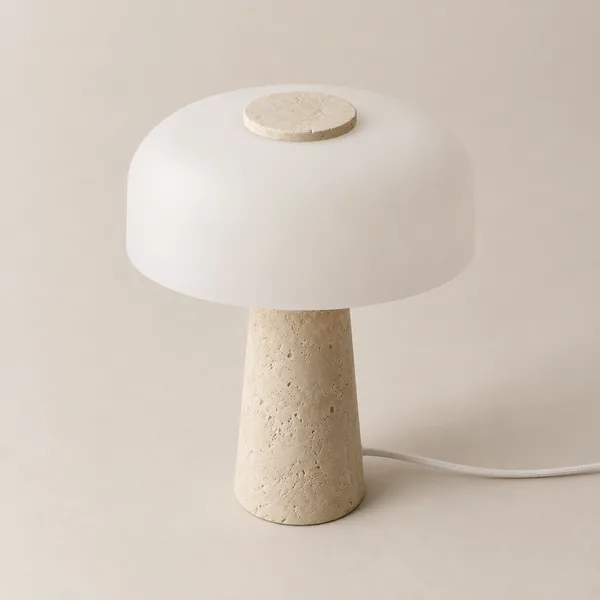
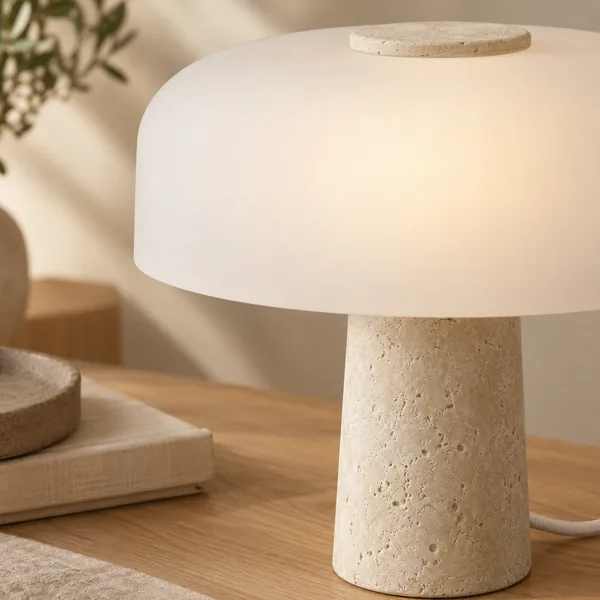
Steina Travertine Stone Table Lamp 3-Color LED
 Save $510.00
Svalna Frosted Glass Marble Mushroom Table Lamp
How to Decorate a 1950s House Today
Blending authentic 1950s aesthetics with modern living requires thoughtful curation. The goal isn't to create a museum piece but rather to channel the era's optimism and design principles in ways that serve contemporary life.
Start with a neutral foundation. Let walls, large upholstered pieces, and flooring provide a calm canvas. Then layer in period-appropriate colors through accessories, art, and smaller furniture pieces. This approach prevents the space from feeling dated or overwhelming.
Embrace negative space. Mid-century modern design valued breathing room. Resist the urge to fill every surface; instead, let sculptural pieces shine against clean backgrounds. A single statement lamp or starburst clock can anchor an entire wall.
Mix vintage with high-quality reproductions. True vintage pieces add soul and authenticity, while carefully selected reproductions ensure durability and functionality for daily use. The key is choosing reproductions that honor the original design intent rather than cheap imitations.
Room-by-Room 1950s Inspiration
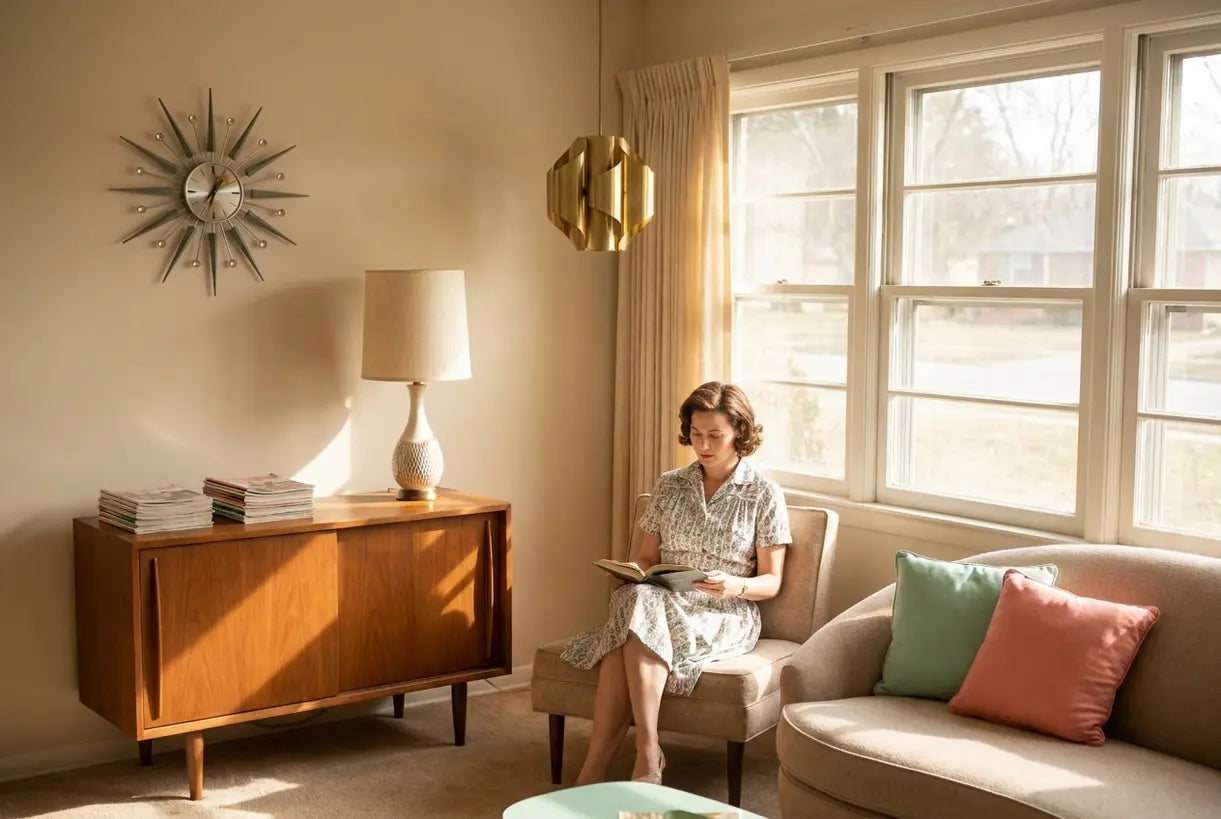
Living Room: The heart of 1950s entertaining featured low-profile sofas, kidney-shaped coffee tables, and dramatic floor-to-ceiling curtains in textured fabrics. Build around a statement lighting piece and add houseplants in ceramic planters for organic warmth.
Bedroom: Platform beds with tapered legs created floating effects. Nightstands featured slim drawers with brass pulls. For bedside lighting, opt for adjustable-arm table lamps that provide reading light while adding sculptural interest.
Dining Room: Walnut or teak tables with hairpin or tapered legs anchored the space. Pendant lighting defined the dining area functionally and aesthetically. Consider upholstered dining chairs in period-appropriate fabrics like tweed or vinyl.
Kitchen: Pastel appliances (or reproductions) paired with chrome accents and boomerang-patterned laminate countertops epitomized 1950s kitchen design. Open shelving displayed colorful dishes and glassware.
Conclusion: Curating Your 1950s Sanctuary
The enduring appeal of 1950s home decor lies in its perfect balance—futuristic optimism grounded in organic warmth, bold statements tempered by clean lines, and functional beauty that never sacrifices comfort. Whether you're fully committing to a retro interior or simply weaving mid-century touches into a contemporary space, the principles remain the same: choose pieces with intention, embrace quality materials, and let sculptural forms breathe.
At Skonne, we believe exceptional lighting and thoughtful hardware are the foundation of any well-designed space. Our curated collections honor the atomic age and mid-century modern heritage while meeting the demands of how we live today. From the Glödva table lamp that brings sculptural sophistication to your reading corner, to the Driva brass pulls that transform existing furniture with authentic character, each piece represents our commitment to timeless design.
Ready to illuminate your retro-inspired vision? Explore our collections and discover how the right lighting and decor can transport your space—while keeping your feet firmly planted in modern comfort.
Related Article
Craftsman Home Decor: Arts & Crafts Style for a Warm, Handcrafted InteriorExplore the timeless appeal of craftsman home decor. Learn how Arts & Crafts style principles—natural materials, handcrafted details, and warm lighting—can transform your space into a cozy, character-filled retreat.