
Vase Flower Food: How to Keep Cut Flowers Fresh Longer
Summary›
- What Is Vase Flower Food and Why Does It Matter?
- Your Complete DIY Vase Flower Food Recipe
- Mastering the Art of Flower Preparation
- The Science-Backed Video Guide
- Natural Alternatives for the Chemical-Conscious
- Common Mistakes That Kill Flowers Prematurely
- The Scandinavian Approach to Floral Mindfulness
- Does Vase Flower Food Really Work? The Verdict
There's something undeniably magical about walking into a room where fresh flowers stand tall, their colors vibrant and their petals perky. Yet all too often, that bouquet from the market begins drooping within days, leaving you wondering where you went wrong. The secret to extending the life of your cut flowers lies in understanding vase flower food—a simple science that transforms wilting stems into long-lasting arrangements that bring joy to your Scandinavian-inspired home for weeks rather than days.
Whether you're arranging blooms in a minimalist bud vase or creating a statement centerpiece, knowing how to make and use vase flower food at home saves money, reduces waste, and ensures your floral displays remain picture-perfect. In this guide, we'll explore everything from the chemistry behind homemade preservatives to practical stem care techniques that professional florists use daily.
What Is Vase Flower Food and Why Does It Matter?
Fresh-cut flowers, once severed from their roots, lose their natural source of nutrients and water uptake. Vase flower food serves three essential purposes: it provides carbohydrates (sugar) for energy, acidifies the water to improve uptake, and acts as a biocide to prevent bacterial growth that clogs stems and causes decay.
Commercial flower food packets typically contain these key ingredients in precise ratios. However, understanding the components allows you to create effective homemade flower food for vase arrangements using pantry staples you already have.
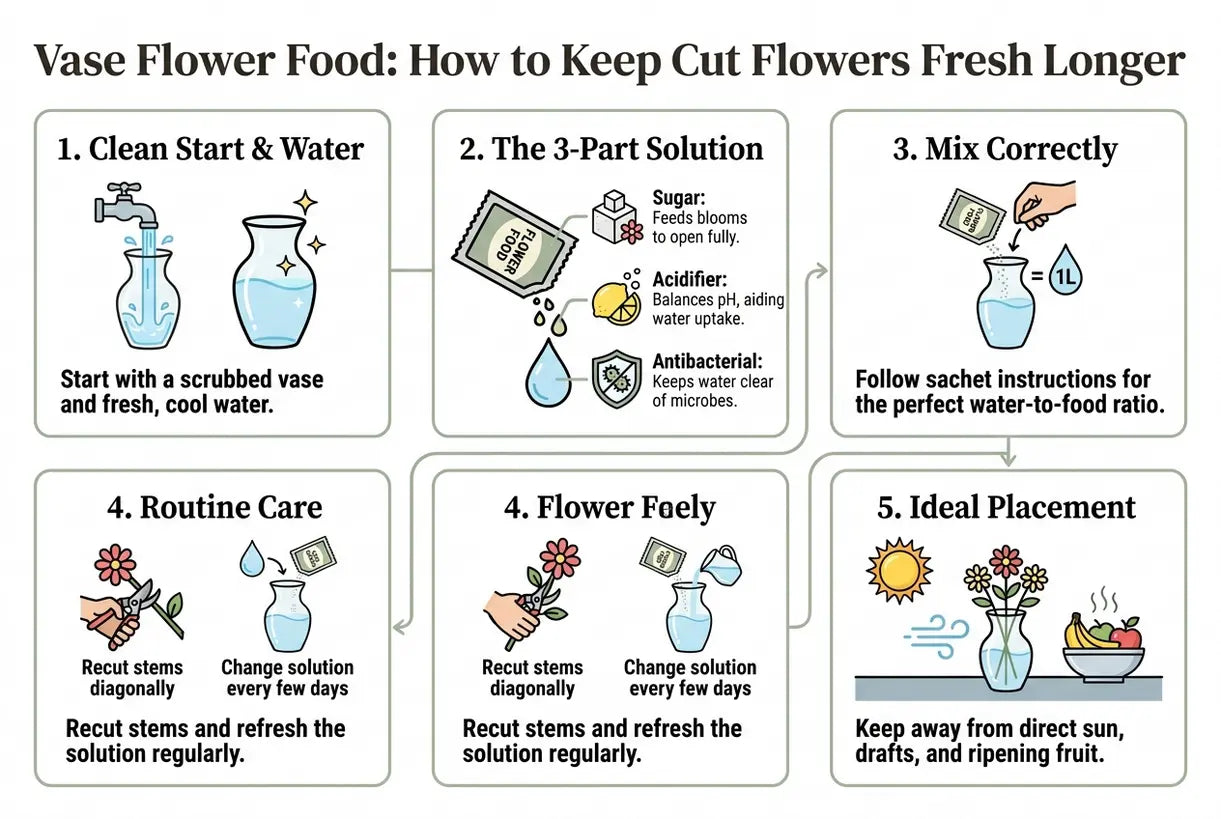
The Three Pillars of Effective Flower Food
- Sugar source: Provides carbohydrates to fuel respiration and cellular maintenance
- Acidifying agent: Lowers pH to improve water absorption through the stems
- Bactericide or bleach alternative: Inhibits microbial growth that blocks stem pores
When these three elements work together, cut flowers can absorb water more efficiently, resist bacterial infection, and maintain their cellular structure longer than flowers placed in plain water alone.
Decorative Vases
Shop all Decorative Vases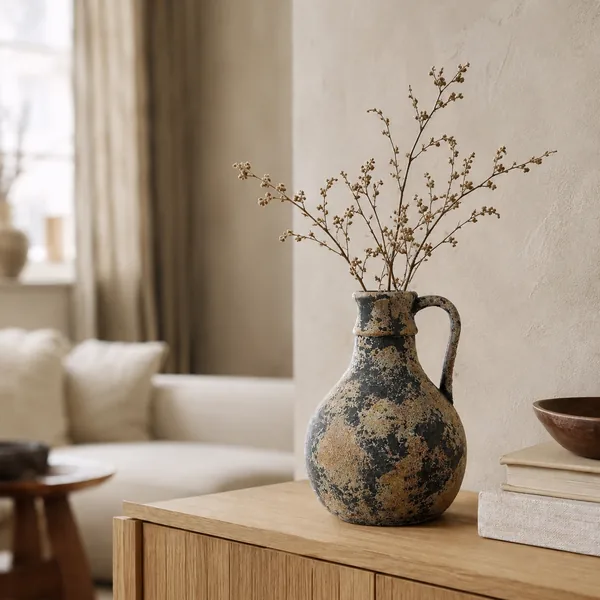
 Save $40.00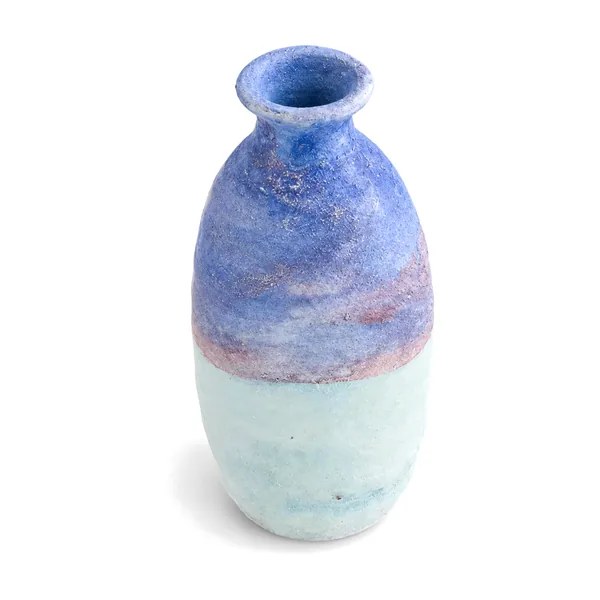
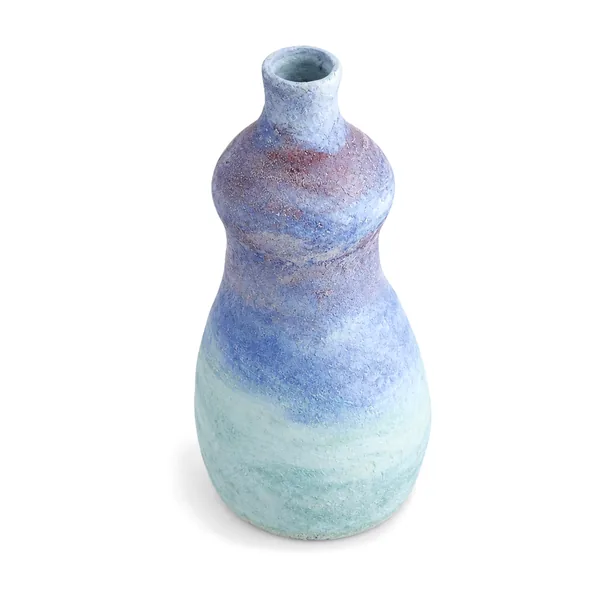
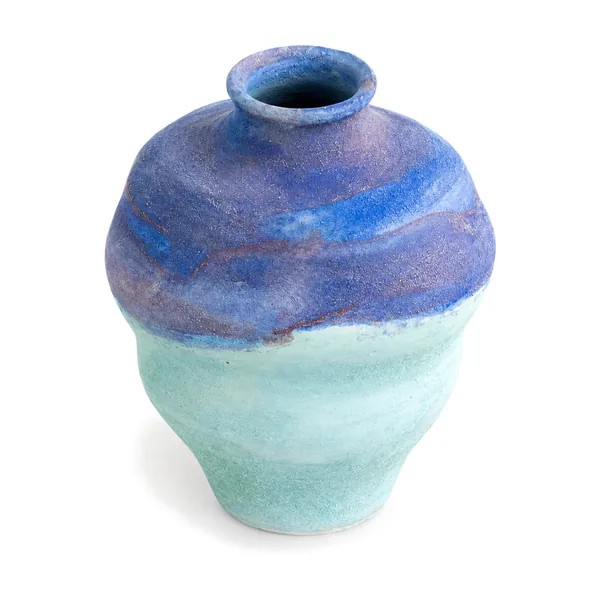
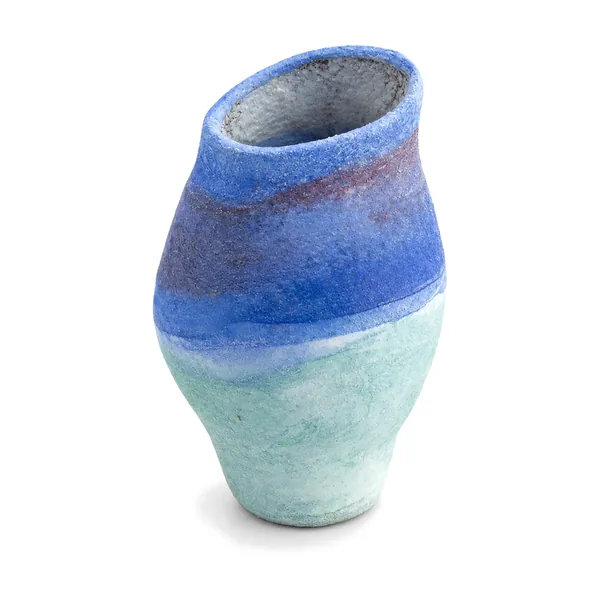 4 options
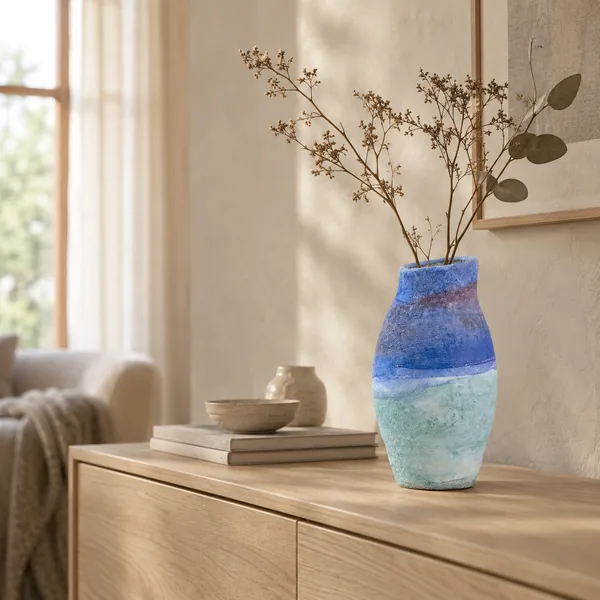
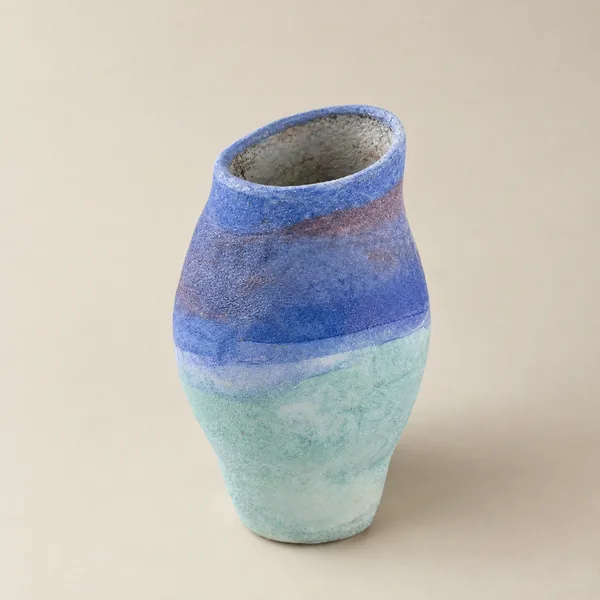
Dyvna Blue Gradient Ceramic Vase for Home Decor
Your Complete DIY Vase Flower Food Recipe
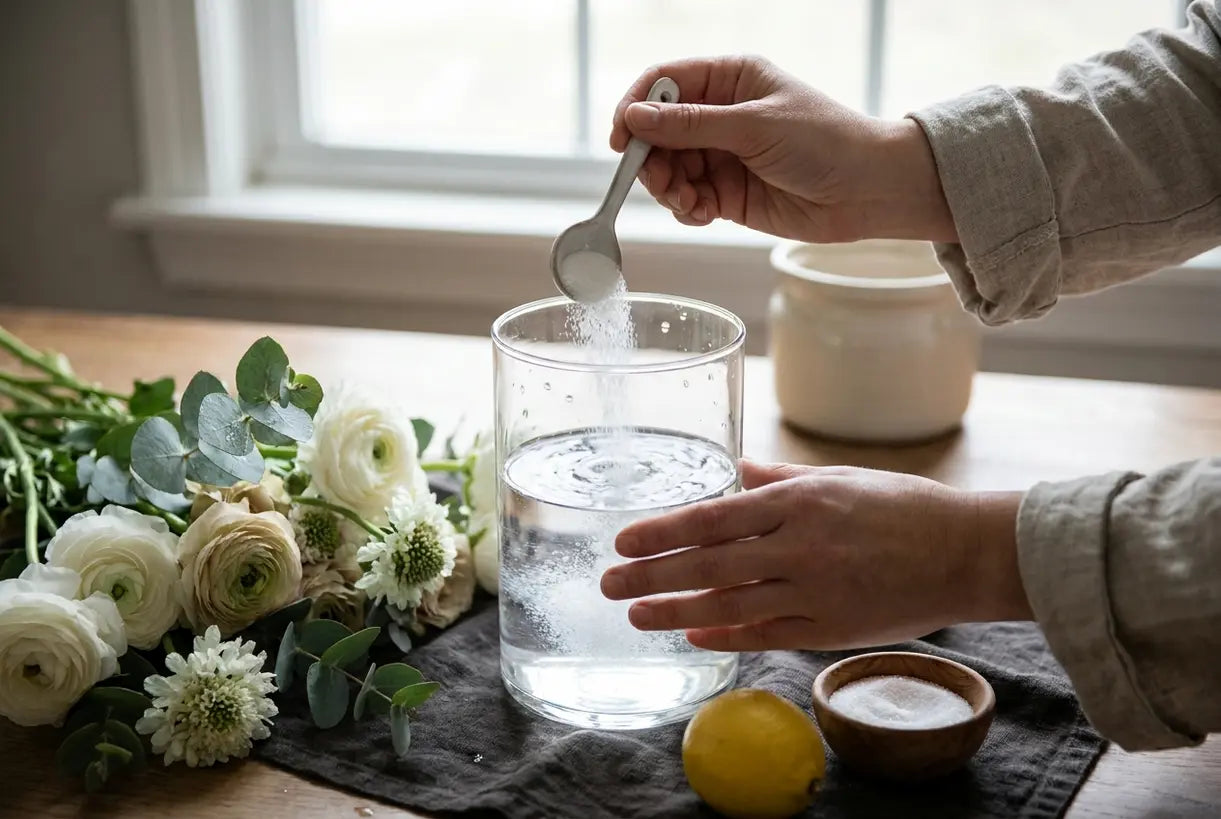
Creating effective vase flower food at home requires only three common household ingredients. This recipe has been tested and refined to provide the optimal balance of nutrients and protection:
The Classic Three-Ingredient Recipe
- 2 tablespoons sugar – Provides energy for continued cellular activity
- 2 tablespoons white vinegar or lemon juice – Acidifies the water and inhibits bacteria
- 1 quart (4 cups) lukewarm water – Temperature between 100-110°F helps with initial uptake
- Optional: 1/2 teaspoon bleach – For heavy-duty bacterial control (use sparingly)
Mix the ingredients thoroughly in your vase until the sugar completely dissolves. Arrange your flowers immediately after cutting for maximum absorption. This sugar and vinegar flower food combination mimics the commercial formulation at a fraction of the cost—and works remarkably well for most common blooms.
Mastering the Art of Flower Preparation
Even the best vase flower food can't compensate for poor stem preparation. Proper cutting technique directly impacts how much water your flowers can drink and how long they'll survive.
How to Cut Flower Stems for Vase Arrangements
The golden rule of stem preparation is simple: cut at an angle, underwater, with clean tools. An angled cut increases the surface area for water absorption while preventing stems from sitting flat against the vase bottom. The underwater technique prevents air bubbles from entering the vascular system, which can create blockages that prevent water uptake.
Pro Tip: Remove any leaves that would sit below the waterline, as these decompose quickly and become breeding grounds for bacteria—compromising both your water quality and flower longevity.
Water Temperature and Quantity
Understanding how much water to put in flower vase arrangements makes a significant difference. For most cut flowers, fill the vase two-thirds full with lukewarm water—not cold. Warm water dissolves sugars and is absorbed more readily by thirsty stems.
Change the water completely every two to three days, re-cutting stems slightly each time to keep vascular channels open. When refreshing, use fresh flower food rather than topping off with plain water, which dilutes the preservative concentration.
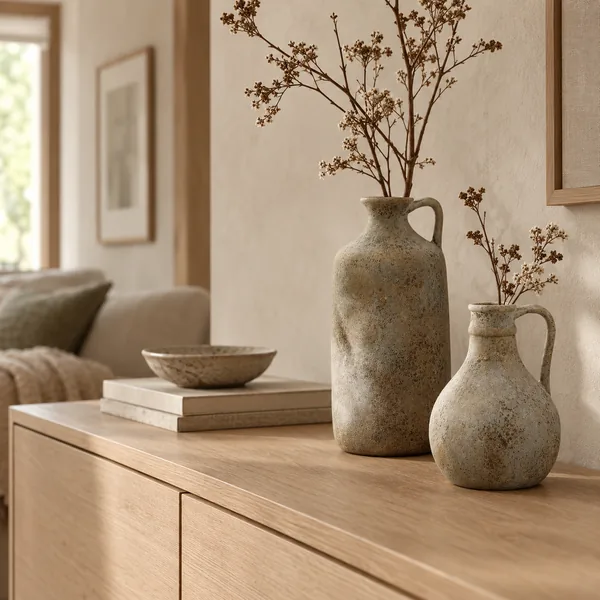
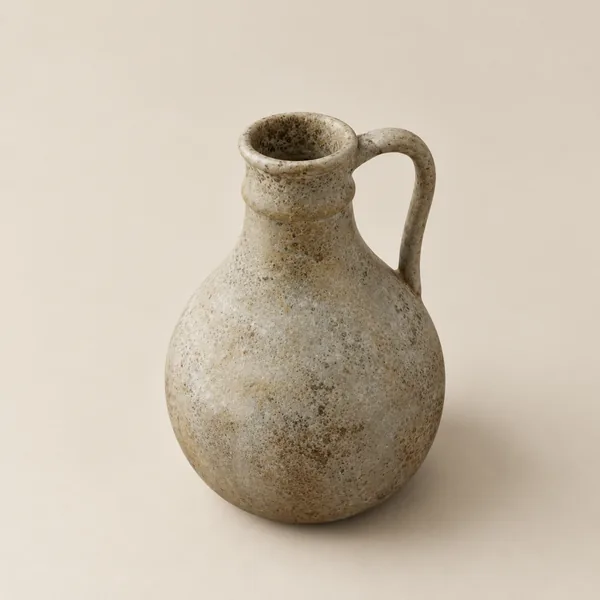
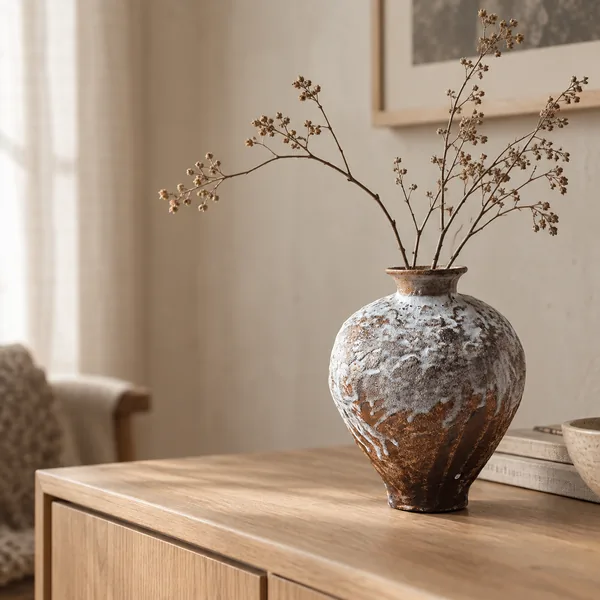 Stille Small Jingdezhen Ceramic Wabi-Sabi Vase$129.00$189.00
The Stille Small Jingdezhen Ceramic Wabi-Sabi Vase perfectly embodies the philosophy of embracing imperfection. Its handcrafted texture and organic character complement bouquets at every stage of their lifecycle—from fresh-cut brilliance to the delicate fading that comes with time. The wabi-sabi aesthetic reminds us that beauty exists in transience, making this vase ideal for those fleeting floral moments.
The Science-Backed Video Guide
For a visual demonstration of these techniques in action, explore this comprehensive tutorial. The following video breaks down the one critical trick that professional florists use to keep cut flowers fresh longer:
Understanding the Video's Core Technique
The video emphasizes that temperature shock and dehydration are the primary killers of cut flowers. By following the preparation methods demonstrated—including the specific cutting angle and initial water conditioning—you're essentially rehydrating the stems before bacteria has a chance to colonize and block water uptake channels.
Natural Alternatives for the Chemical-Conscious
For those who prefer to avoid bleach or commercial preservatives entirely, several natural options effectively extend flower life:
Vodka or Clear Spirits
A few drops of vodka in your vase water inhibits ethylene production—the gas responsible for ripening and aging in plants. Use approximately 1-2 teaspoons per quart of water alongside your sugar source.
Lemon-Lime Soda Solution
Clear citrus sodas (not diet) contain both sugar and citric acid, making them two-ingredient flower food. Mix one part soda with three parts water for a simple, effective preservative.
The Penny Method
Copper pennies (pre-1983, which contain real copper) act as natural bactericides when placed in vase water. Combined with table sugar, this creates a basic yet functional natural flower preservative.
Beautiful Vessels for Your Fresh Flowers
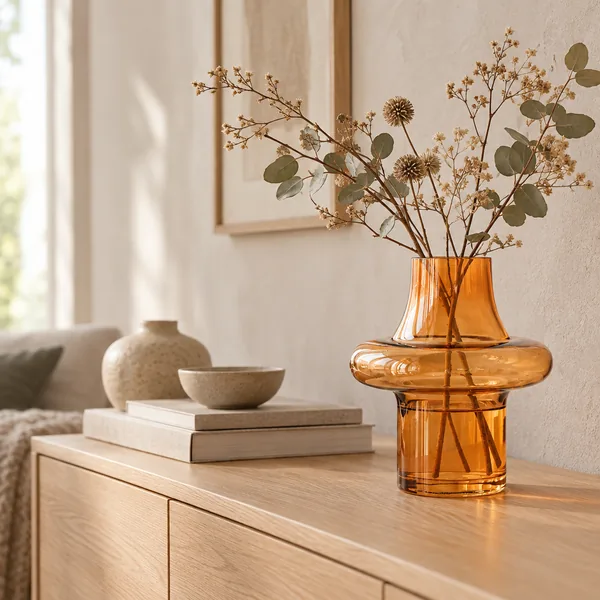 Glovik Amber Geometric Glass Sculptural Vase$89.00
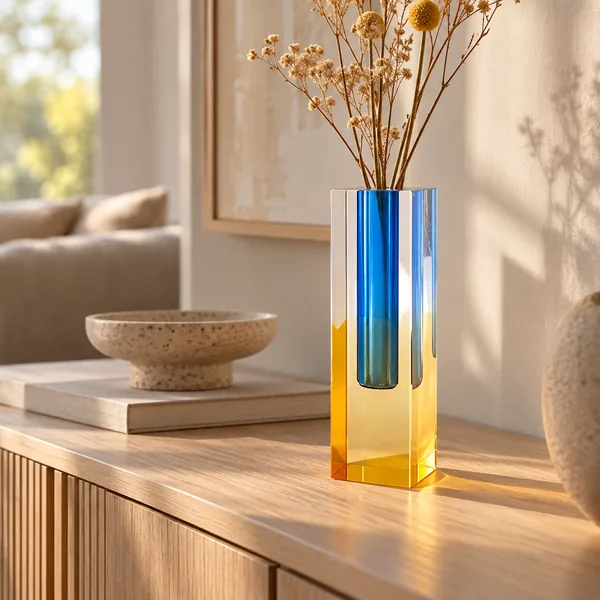 Klaris Tall Nordic Acrylic Bud Vase Minimalist$59.00$99.00
Long-stemmed blooms deserve a vessel that showcases their full elegance. The Glovik Amber Geometric Glass Sculptural Vase catches light through its warm amber glass, creating subtle reflections that enhance the drama of tall flower arrangements. Meanwhile, when you want to spotlight a single perfect stem—perhaps a tulip at its peak or a graceful orchid—the Klaris Tall Nordic Acrylic Bud Vase Minimalist offers iridescent Nordic charm that shifts with the light throughout your day.
Apple Cider Vinegar and Sugar
This combination replicates the acid-and-nutrient balance of commercial preservatives. Use 2 tablespoons of apple cider vinegar and 2 tablespoons of sugar per quart of water. The vinegar provides antibacterial protection while the sugar feeds the blooms.
Home Decor
Shop all Home Decor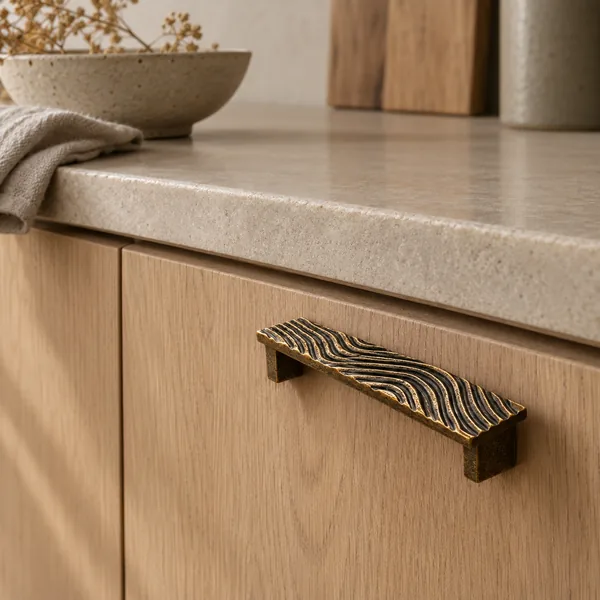
 Save $44.50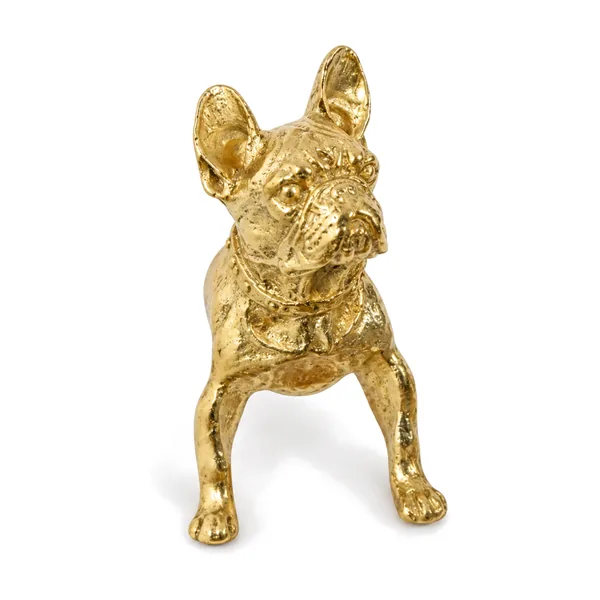
 2 options
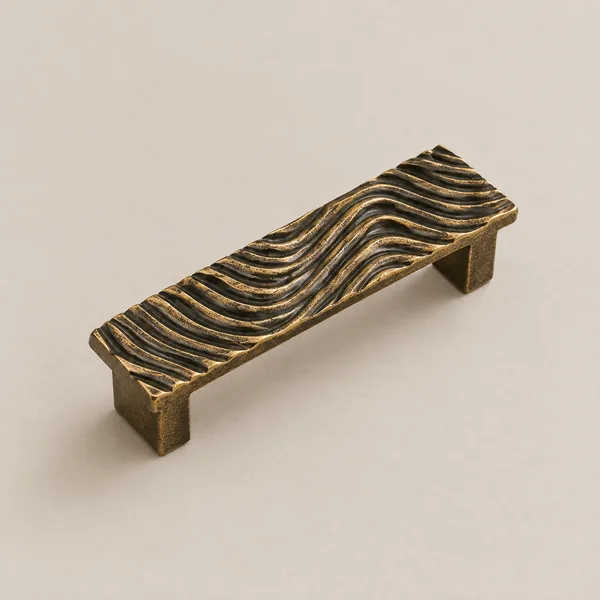
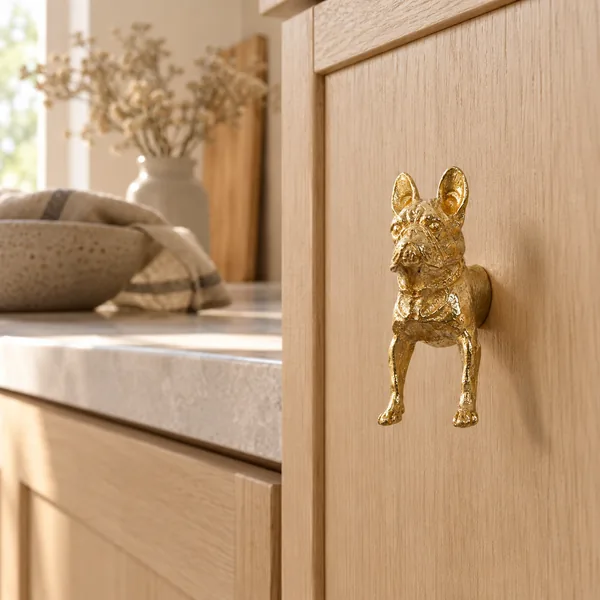
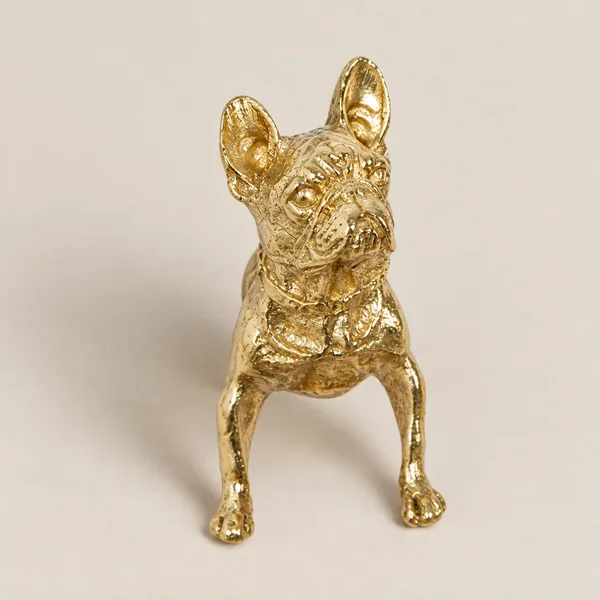
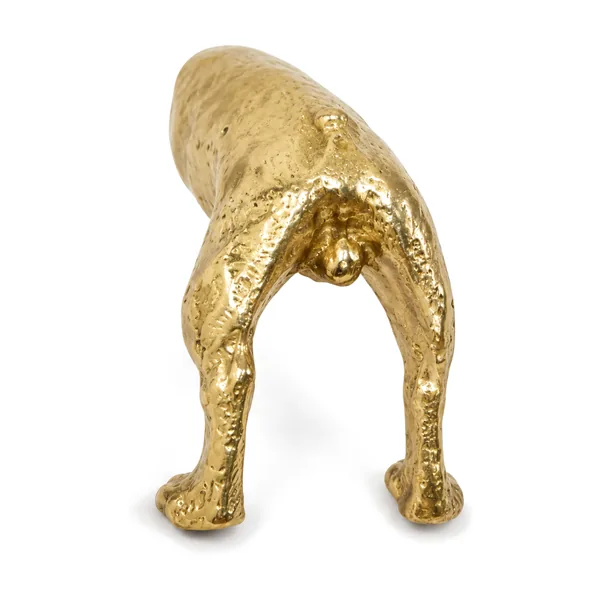
Tassa Polished Brass Dog Cabinet Pull Handle
 Save $110.00
 +15 options
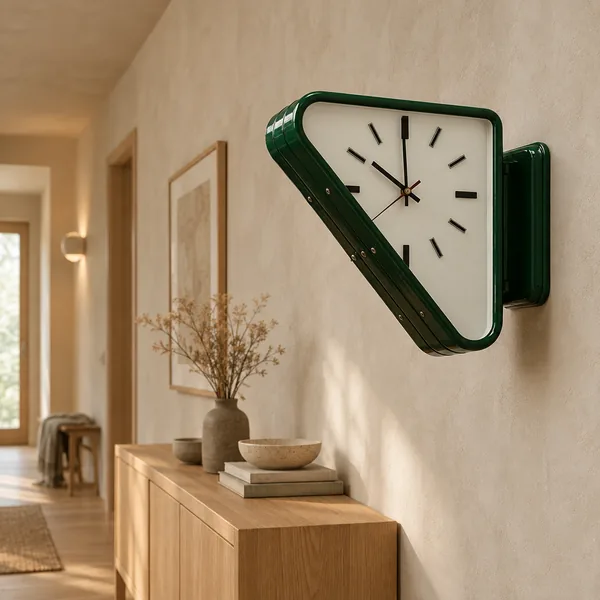
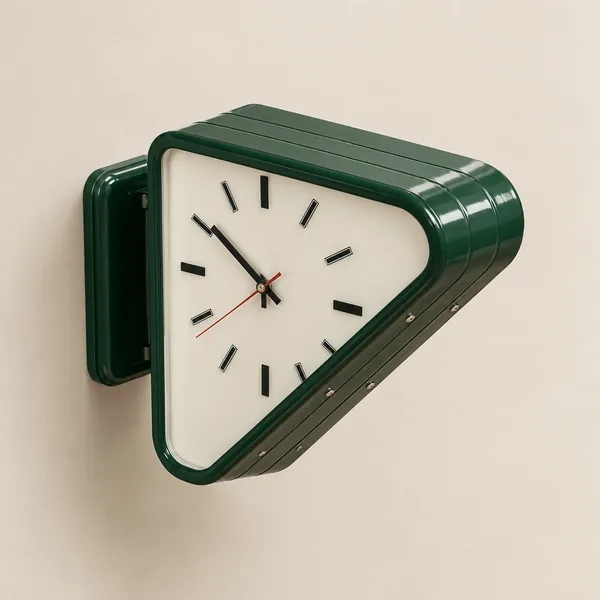
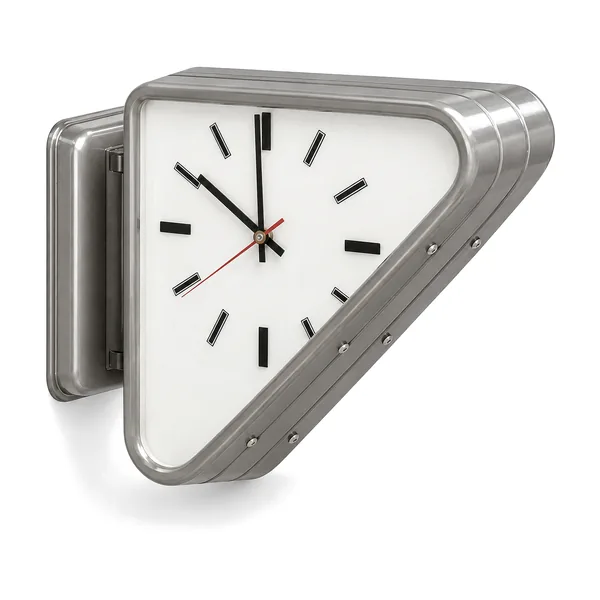
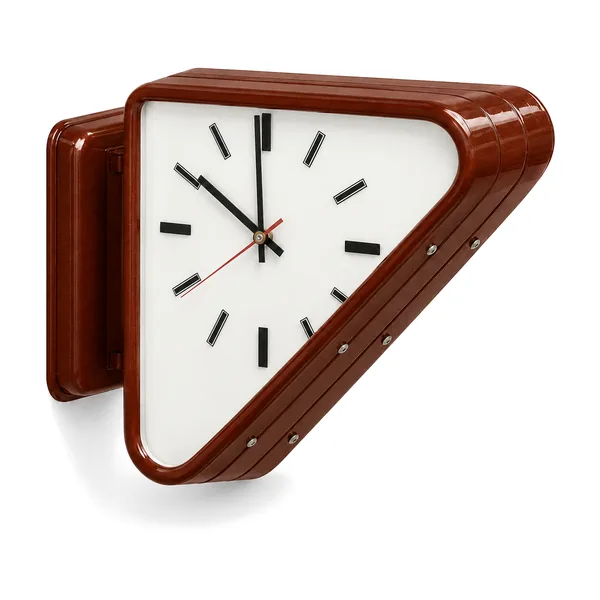
Tvilling Dual-Sided Geometric Metal Wall Clock
Common Mistakes That Kill Flowers Prematurely
Even with perfect vase flower food, these common errors dramatically shorten flower lifespan:
- Contaminated vases: Bacteria from previous arrangements multiplies quickly. Always wash vases with soap or dilute bleach before reuse.
- Direct sunlight exposure: While plants need sun when growing, cut flowers dehydrate rapidly in direct heat and light.
- Fruit proximity: Ripening fruit releases ethylene gas, which accelerates flower aging. Keep arrangements away from fruit bowls.
- Neglecting water changes: Stagnant water becomes a bacterial soup. Refresh every 2-3 days with clean, food-enriched water.
- Using dull cutting tools: Crushing stems with dull scissors damages vascular tissue. Use sharp shears or knives only.
Research from the University of Florida's Institute of Food and Agricultural Sciences confirms that properly prepared vase water and regular changing can extend cut flower life by 30-50% compared to untreated water alone.
The Scandinavian Approach to Floral Mindfulness
In Scandinavian home philosophy, bringing nature indoors serves as a daily reminder of seasonal cycles and natural beauty. Fresh flowers become meditative focal points that ground us in the present moment. This mindful relationship with florals makes learning fresh flower care tips not merely practical, but part of a broader lifestyle of intentional living.
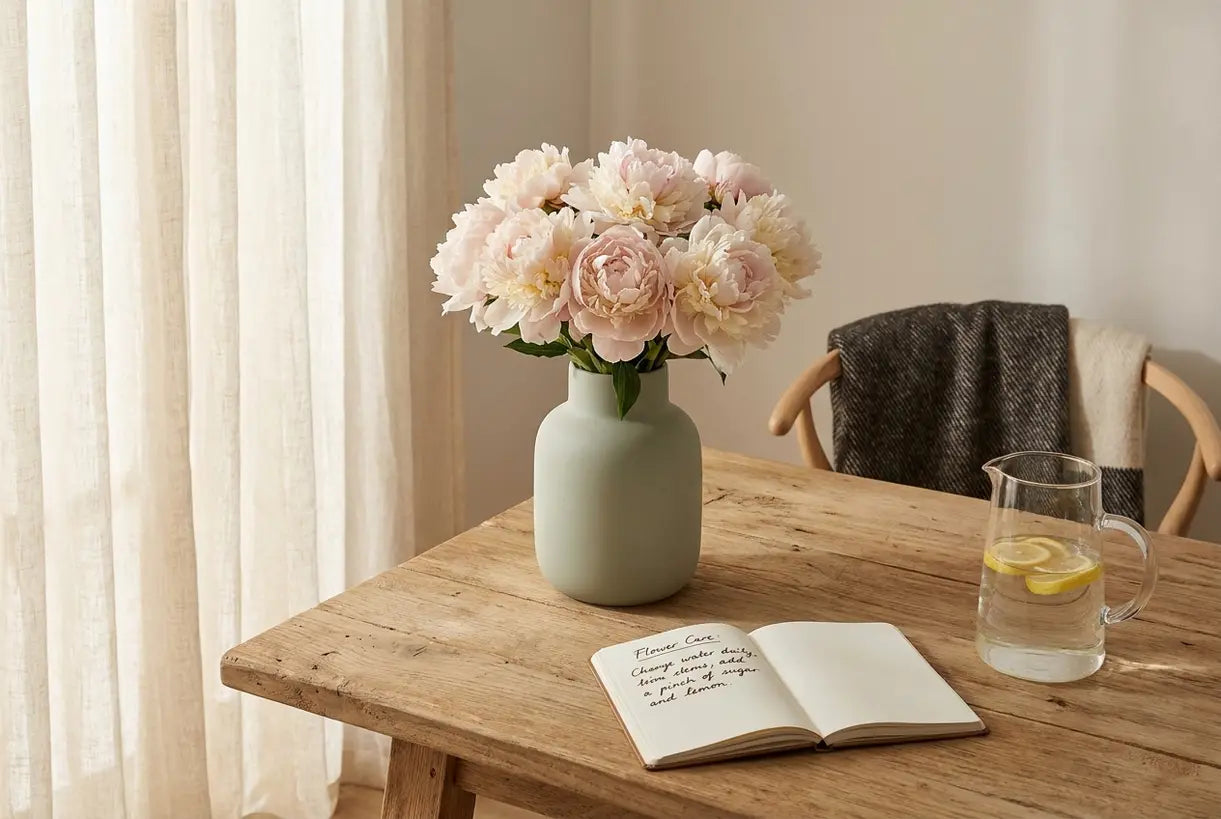
The Scandinavian aesthetic values quality over quantity—a philosophy that extends to flower arrangement. Rather than overwhelming a space with abundance, consider a single statement stem in an artful vase, or a restrained cluster of blooms that feels curated rather than crowded. Pair your floral arrangements with complementary accessories from our Decorative Trays & Bowls collection to create vignettes of natural beauty throughout your home.
Consider creating dedicated flower stations in your kitchen or entryway where you can prep stems with intention. This ritual—trimming, arranging, and placing—becomes a form of creative meditation that sets the tone for your day.
Does Vase Flower Food Really Work? The Verdict
After exploring the chemistry, testing various recipes, and examining research from agricultural universities, the evidence is clear: properly formulated vase flower food significantly extends cut flower life. The three-component system (sugar for nutrition, acid for uptake, and biocide for protection) addresses the three primary causes of premature flower death.
Homemade versions, when prepared correctly with the ratios provided in this guide, perform comparably to commercial packets. The key is understanding why each ingredient matters and maintaining diligence with water changes and stem care.
By combining effective vase flower food with quality vessels like those in Skonne's curated collection, you create an environment where blooms thrive—bringing the Scandinavian ideal of hygge into your daily life through the simple pleasure of fresh, long-lasting flowers.
Related Article
Flower Vases: The Complete Guide to Styles, Materials & How to ChooseDiscover the complete guide to flower vase styles, materials, and design ideas. Learn how to choose the perfect vase for any space and arrangement.