
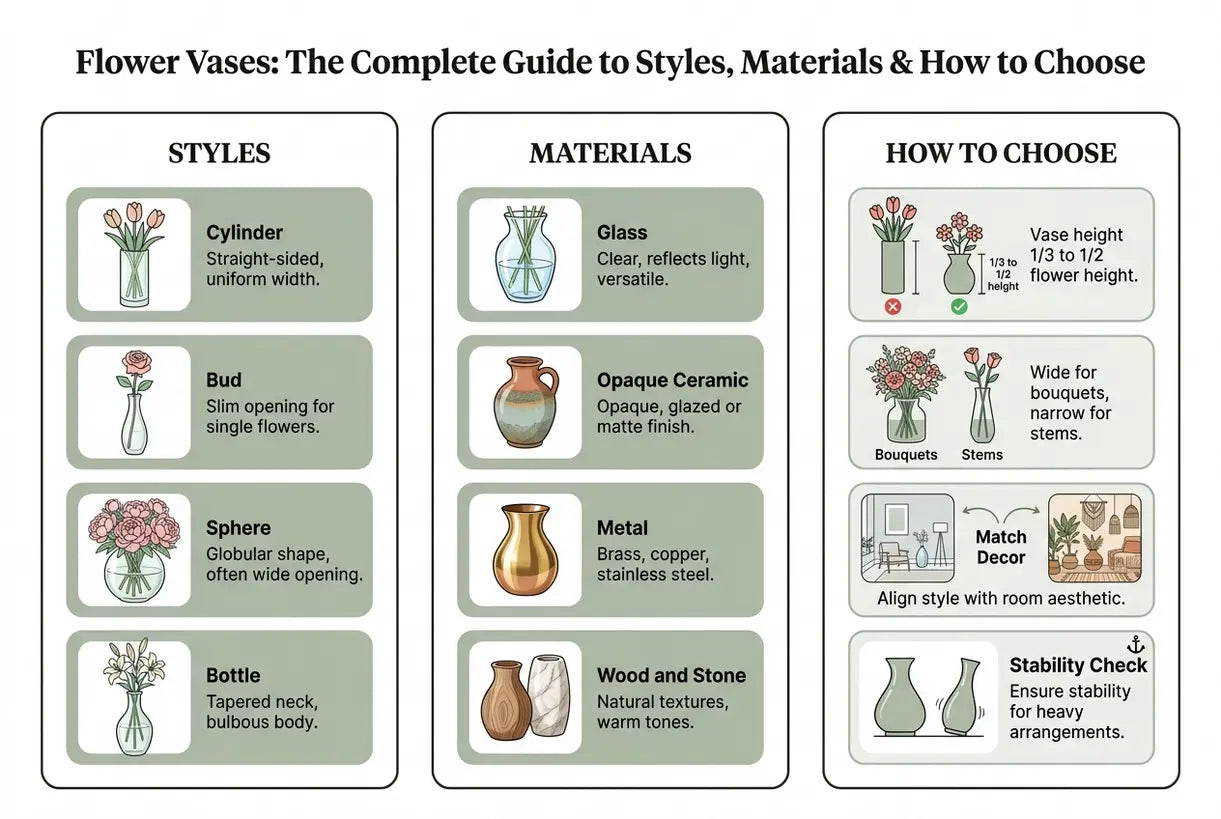
Flower Vases: The Complete Guide to Styles, Materials & How to Choose
Summary›
- Understanding Vase Styles: From Minimalist to Statement-Making
- Materials That Transform Your Space
- Designer Tips for Styling Your Shelves
- The Art of Arrangement: Beyond Basic Bouquets
- Current Trends in Vase Design
- Choosing the Right Vase for Your Flowers
- Creating Vase Centerpieces That Wow
- Care and Maintenance: Protecting Your Investment
- Conclusion: Your Journey to Effortless Elegance
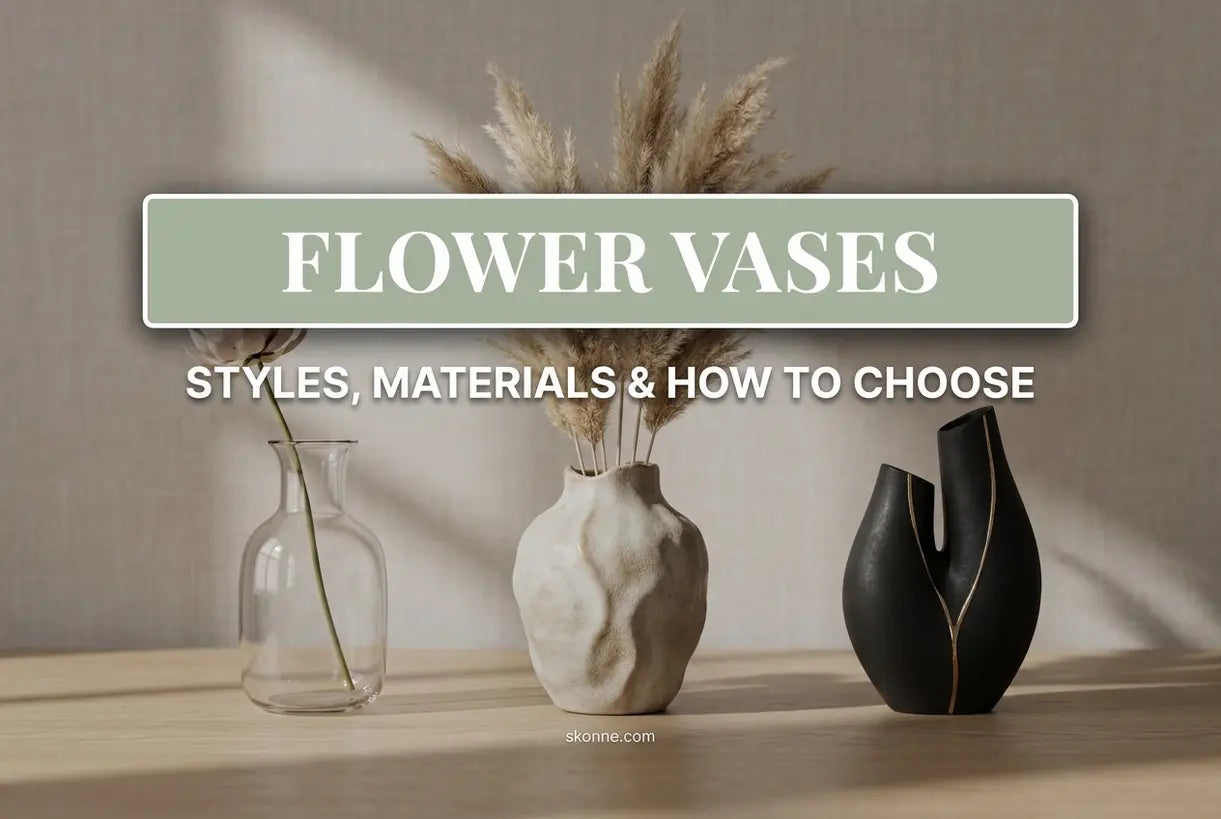
There's something undeniably magical about walking into a room and being greeted by thoughtfully arranged blooms. Whether you're displaying a single stem of dried pampas grass or a lavish bouquet of fresh peonies, the vessel you choose plays just as important a role as the flowers themselves. Flower vase ideas have evolved far beyond the traditional clear glass cylinder—today's enthusiasts are embracing sculptural ceramics, artisan glass, and Nordic-inspired designs that serve as standalone art pieces.
At Skonne, we understand that finding the right vase isn't just about holding water. It's about creating intentional moments of beauty in your everyday spaces. This comprehensive guide explores everything from materials and styles to professional arrangement techniques, helping you discover the perfect vessel that aligns with your aesthetic vision and elevates your home with that coveted Scandinavian hygge feeling.
Understanding Vase Styles: From Minimalist to Statement-Making
When exploring vase styling ideas, the first step is understanding how different silhouettes serve different purposes in your home. The Scandinavian design philosophy—our foundation at Skonne—emphasizes clean lines, organic forms, and functional beauty. This translates into vases that complement rather than compete with your botanicals.
The Nordic Approach
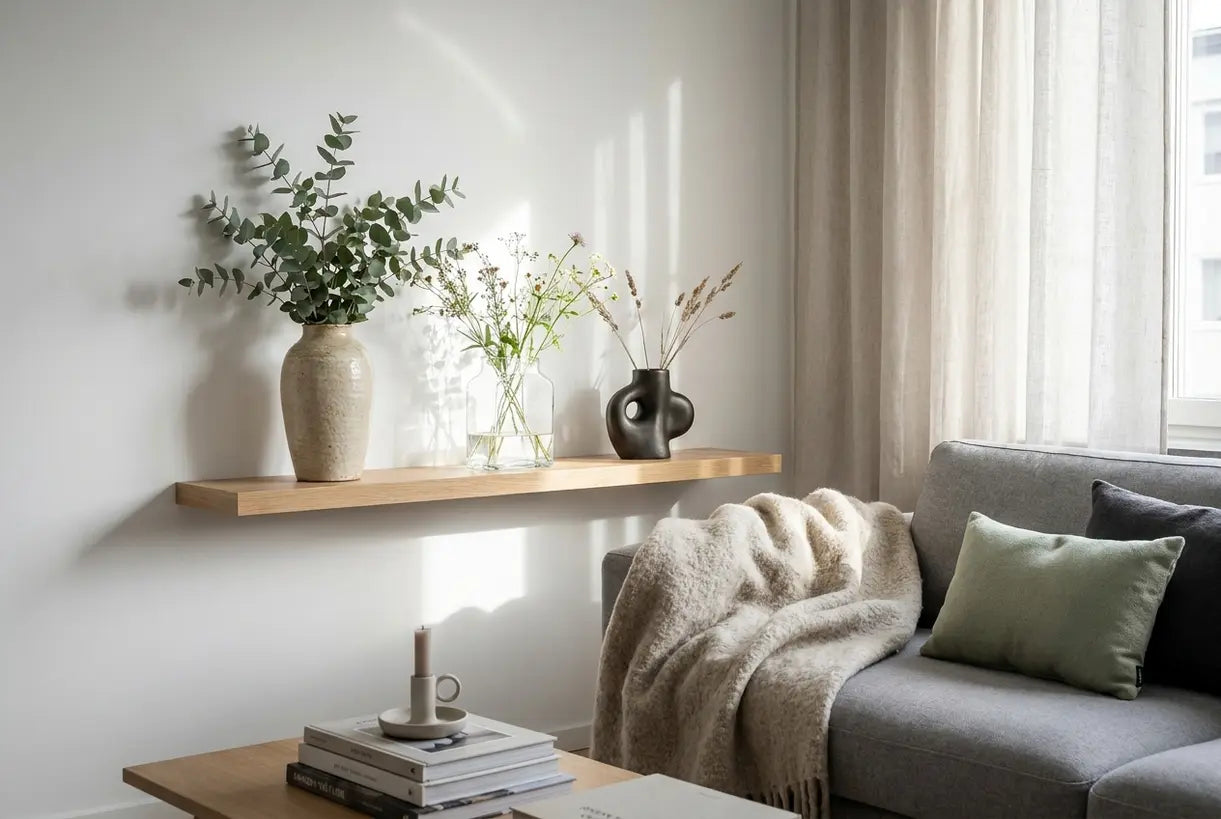
Nordic vase design prioritizes understated elegance. Think muted color palettes, matte finishes, and shapes that draw inspiration from nature. These pieces work beautifully in minimalist interiors where every object has been chosen with intention. A single sculptural ceramic vase on a wooden console creates a focal point without overwhelming the space.
Modern Geometric Vessels
Geometric modern vase styles feature angular silhouettes and bold shapes. These contemporary pieces create striking contrast when paired with soft, billowing flowers. The interplay between rigid structure and organic movement brings visual interest to tabletops, desks, and shelving units.
Design Tip: Mix vase heights within the same color palette to create cohesive displays. The rule of thirds applies here—vary heights by approximately one-third for visual harmony.Materials That Transform Your Space
The material of your vase fundamentally changes how light interacts with both the vessel and its contents. From the warmth of handcrafted ceramics to the crystalline brilliance of borosilicate glass, each material brings its own character to your decor.
The Timeless Appeal of Ceramic
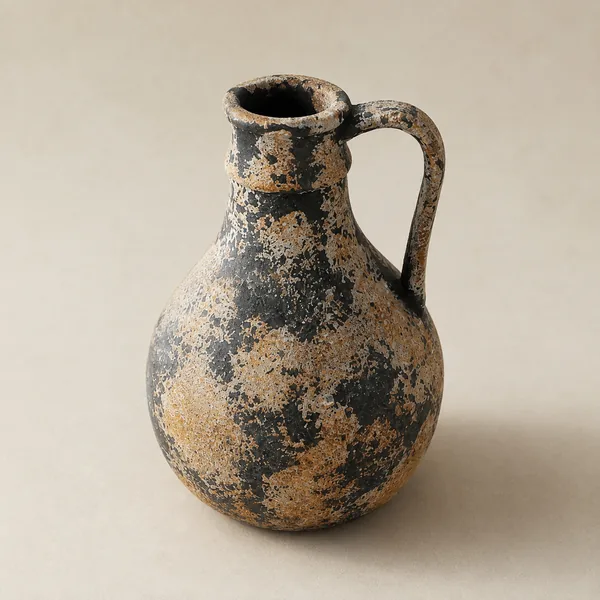
Ceramic flower vases offer unparalleled warmth and texture. Their handcrafted nature means each piece carries subtle imperfections that tell a story. Unglazed terracotta brings earthy Mediterranean vibes, while glazed finishes offer infinite color possibilities. At Skonne, we gravitate toward muted, nature-inspired tones—soft grays, warm whites, and charcoal blacks—that integrate seamlessly into Scandinavian interiors.
Glass: Clarity and Refraction
When choosing glass vase designs, consider the thickness and optical quality of the material. Premium borosilicate glass offers exceptional clarity while remaining durable enough for daily use. The way glass catches and refracts light creates mesmerizing effects, especially when placed near windows or under pendant lighting. For those new to floral styling, clear glass vases offer the advantage of letting you see water levels and stem positioning clearly.
Decorative Vases
Shop all Decorative Vases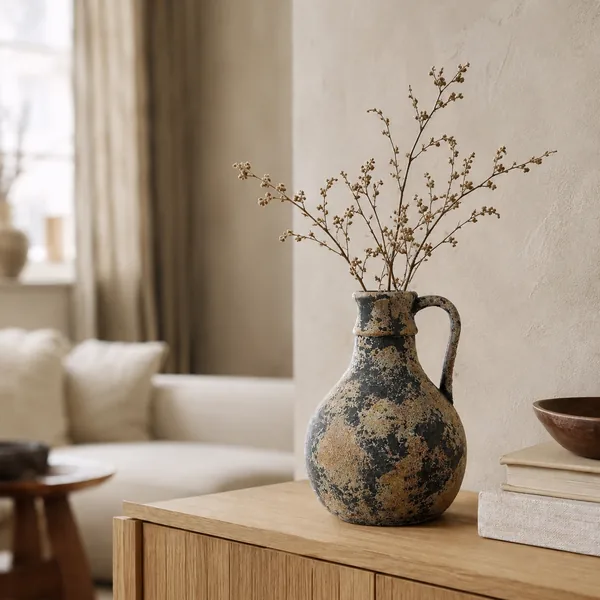
 Save $40.00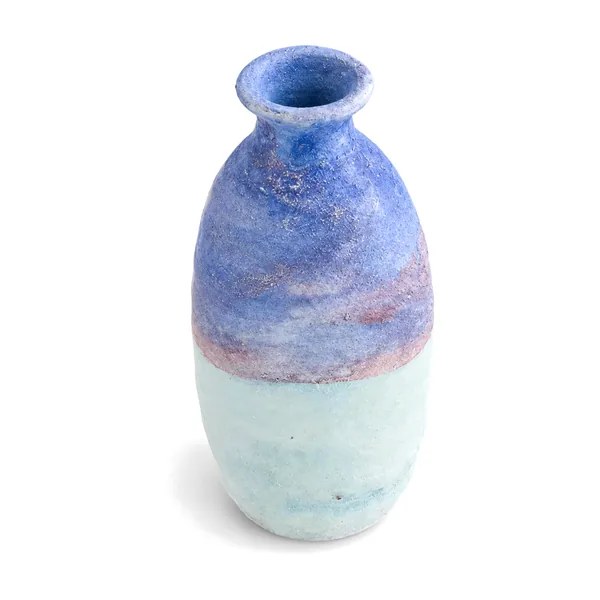
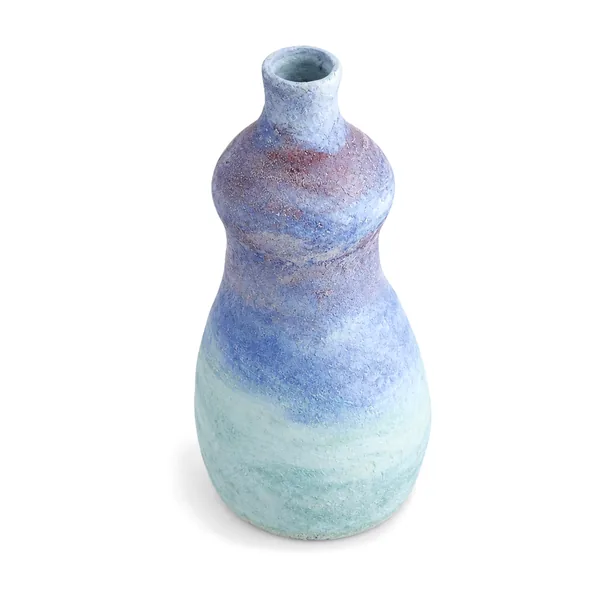
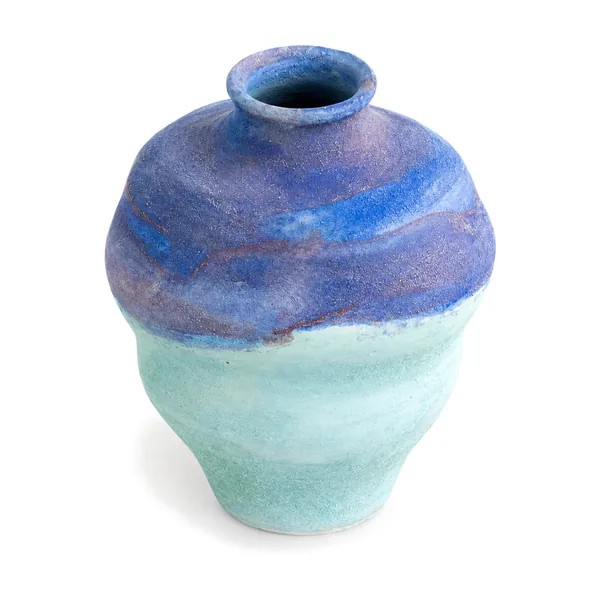
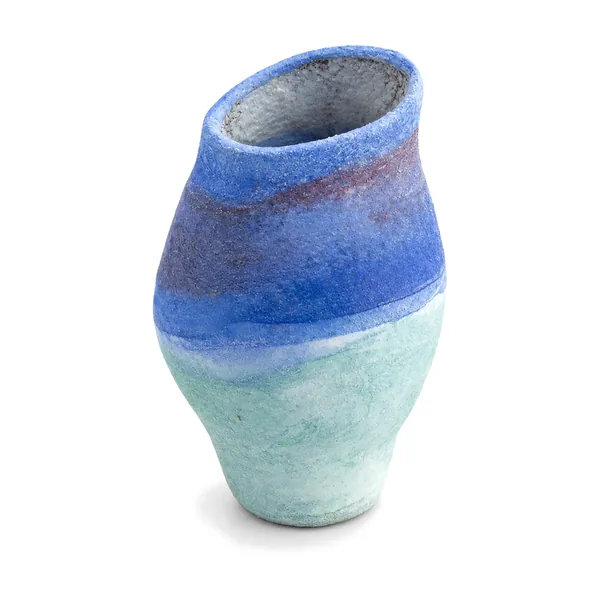 4 options
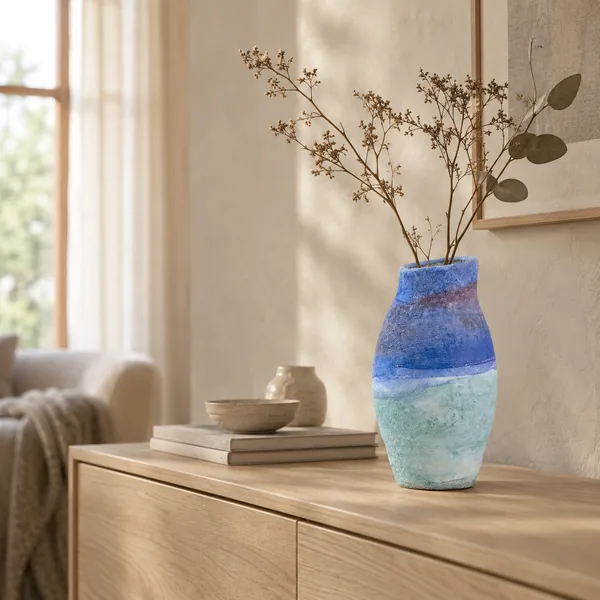
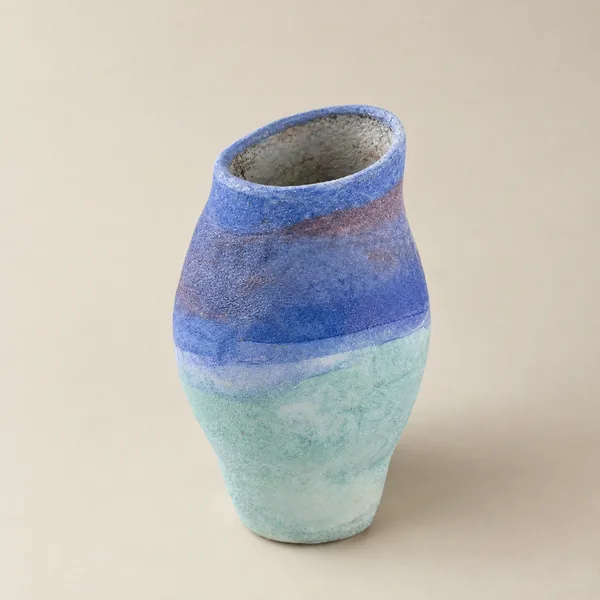
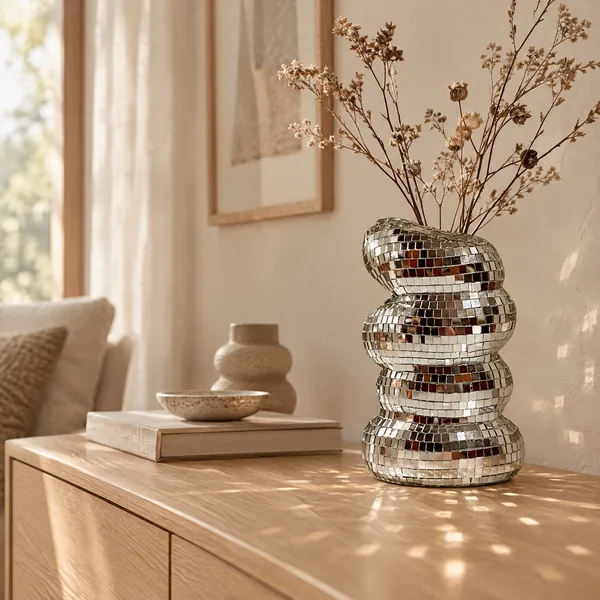
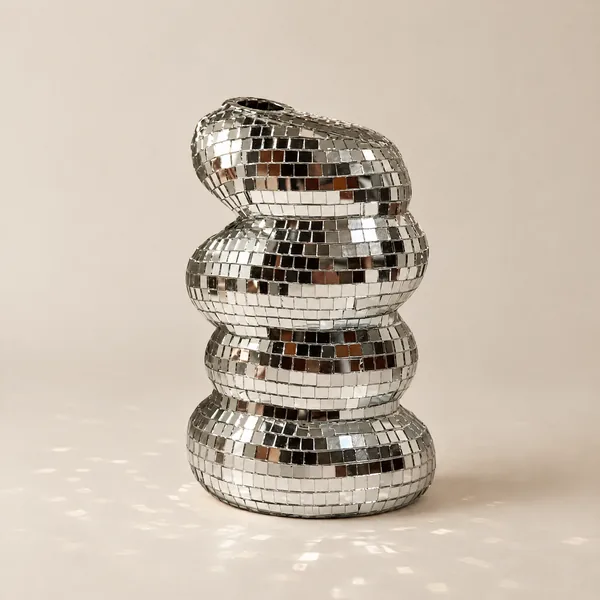
Dyvna Blue Gradient Ceramic Vase for Home Decor
Designer Tips for Styling Your Shelves
Creating a curated feel with decorative vases for home displays requires some intentionality. Rather than placing vases randomly, consider them as sculptural objects that should interact with their surroundings.
The New Arrivals collection at Skonne offers fresh additions that work beautifully together. When styling multiple vessels, aim for the unexpected: pair a rough-textured ceramic with smooth glass, or contrast a tall, narrow silhouette against a rounded form.
Layering Textures
Place textured vases against smooth backgrounds and vice versa. A ribbed or hand-thrown ceramic vase stands out beautifully against a painted wall, while a glossy vessel might need the grounding effect of a natural wood surface or linen tablecloth.
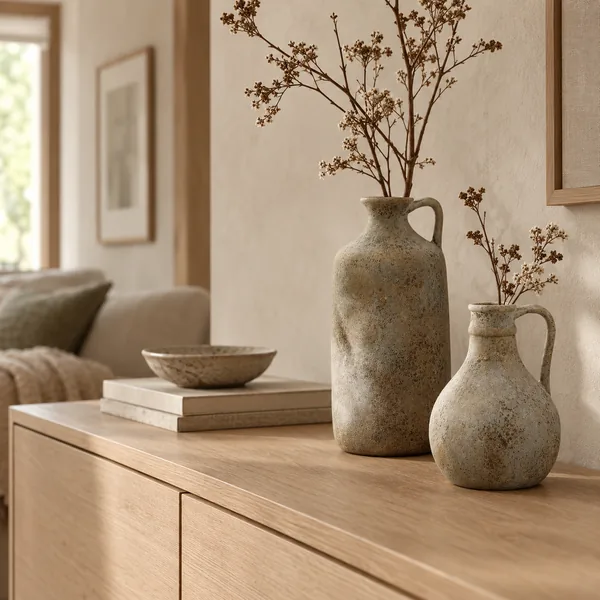
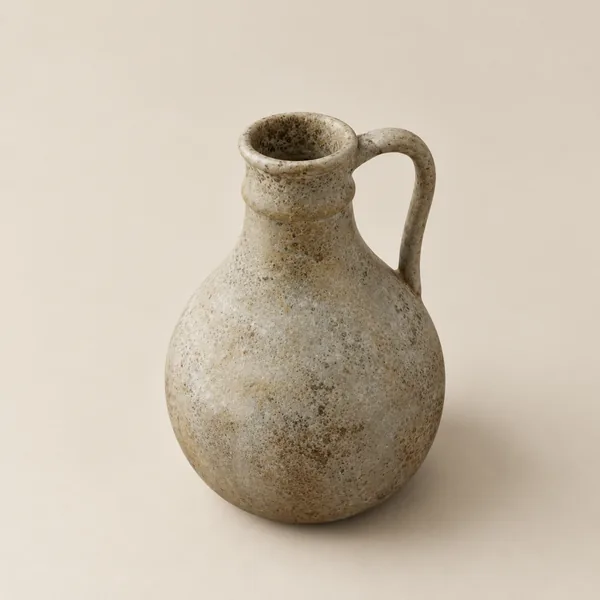
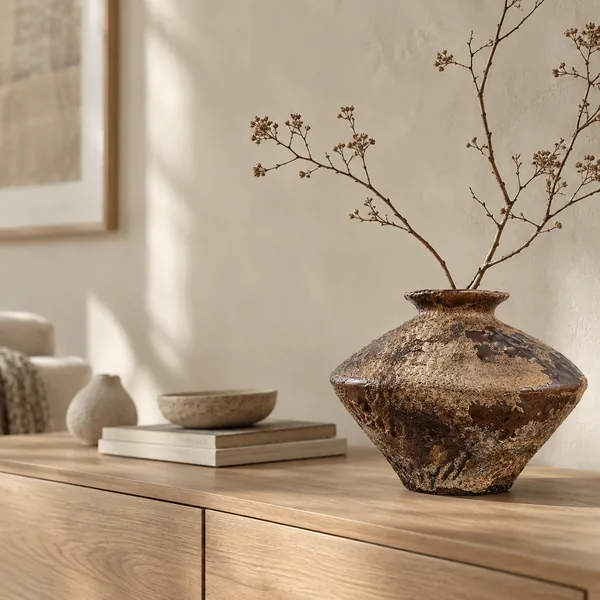 Jorde Handmade Rustic Ceramic Vase Home Decor$129.00$189.00
The Art of Arrangement: Beyond Basic Bouquets
Once you've selected your vessel, the real magic happens with what you put inside it. Understanding professional arrangement techniques helps you create vase arrangement ideas that look intentional and sophisticated.
Watch this expert demonstration for a comprehensive look at creating professional-quality floral arrangements at home:
The techniques shown above work beautifully with minimalist Nordic vessels. The key is letting the flowers breathe—overcrowding a vase, no matter how beautiful, never achieves that effortless Scandinavian aesthetic.
The 3-5-8 Rule Explained
Professionals often reference the 3-5-8 rule when creating arrangements. This guideline suggests working with odd numbers of focal flowers (3, 5, or 8 stems depending on vase size) to create natural, asymmetrical balance that feels organic rather than forced. The rule helps prevent that overly symmetrical "grocery store bouquet" look—perfect for achieving the relaxed elegance that defines Scandinavian styling.
Vessels Our Designers Love
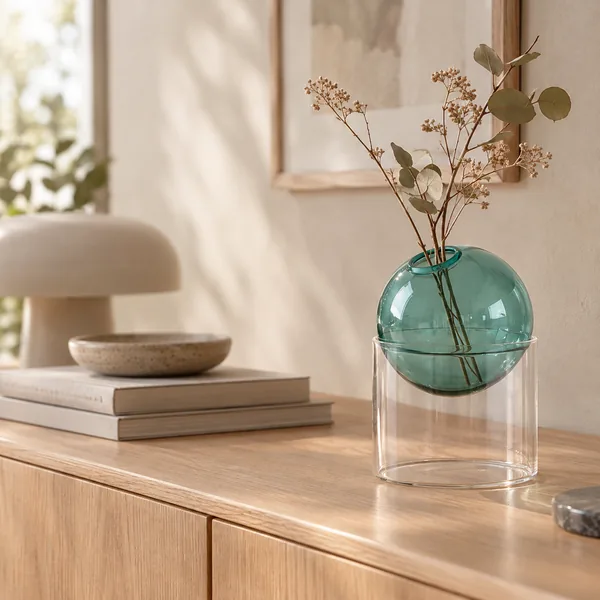 Vårka Borosilicate Round Glass Vase for Flowers$38.00$59.00
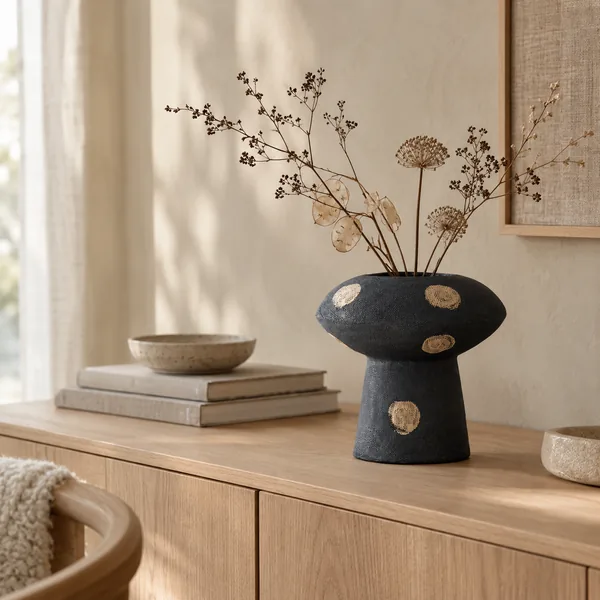 Prikka Handcrafted Ceramic Vase with Gold Detail$219.00$319.00
Home Decor
Shop all Home Decor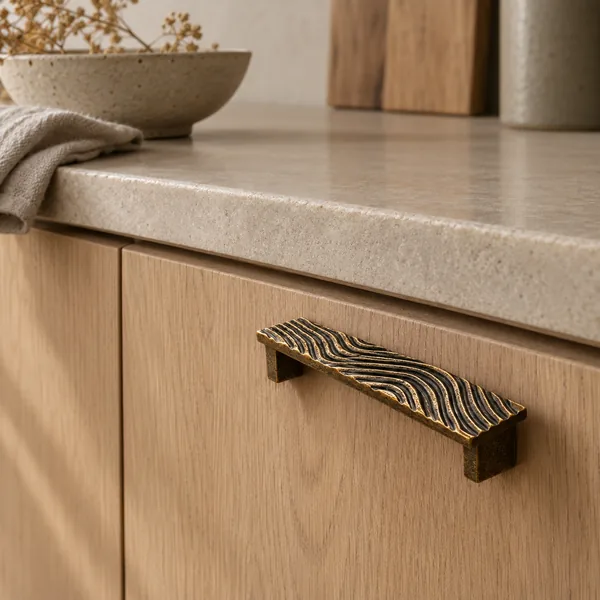
 Save $44.50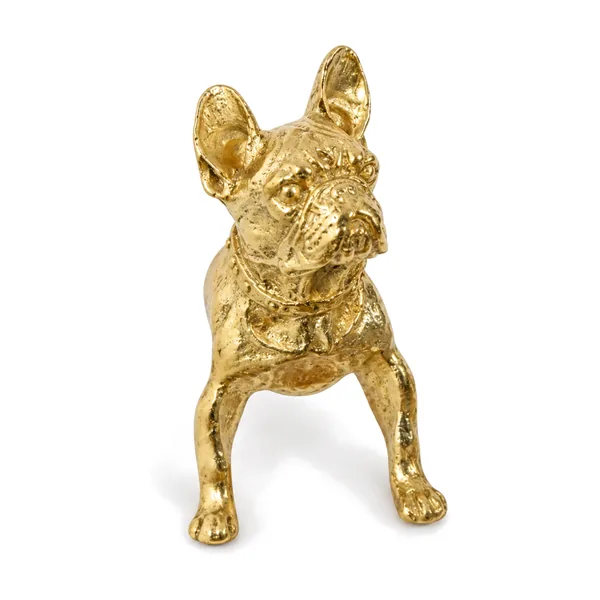
 2 options
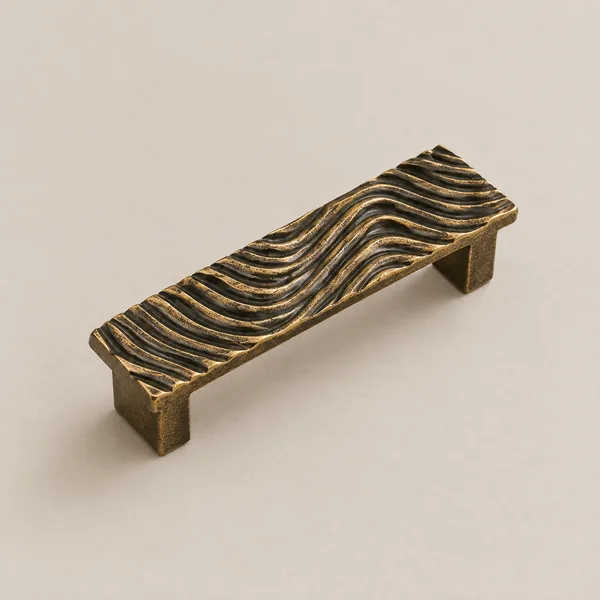
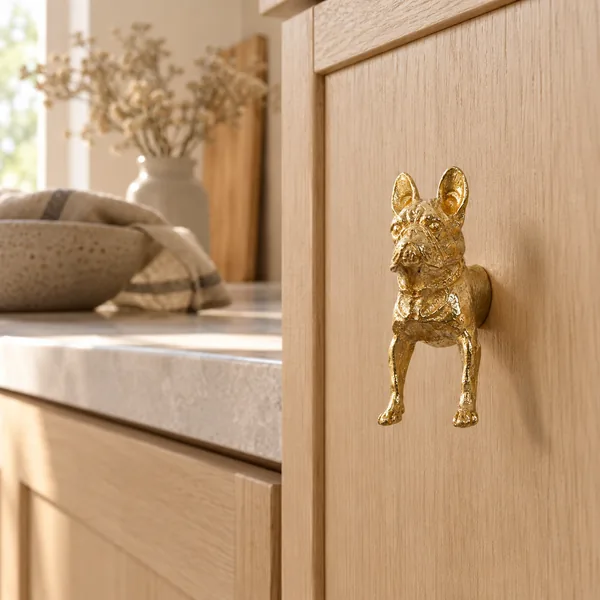
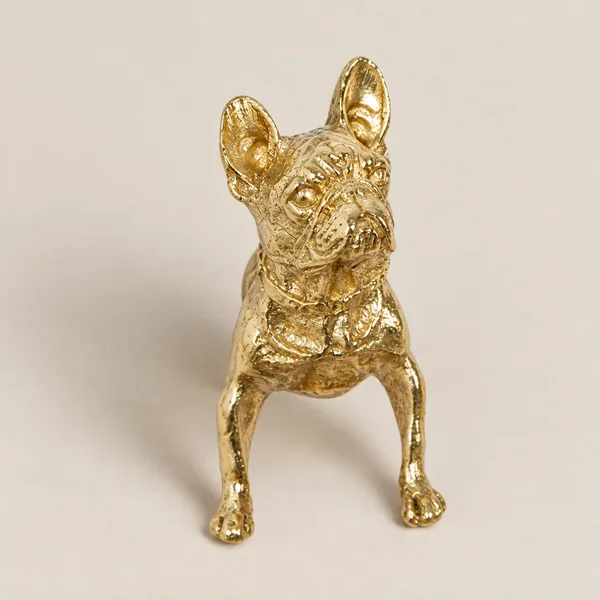
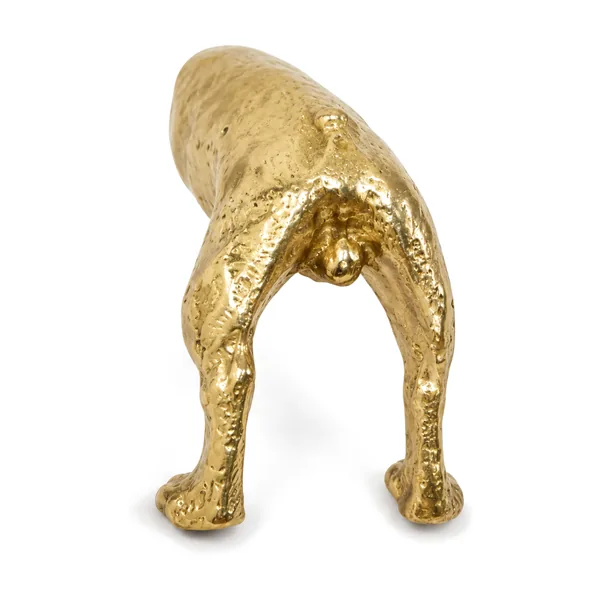
Tassa Polished Brass Dog Cabinet Pull Handle
 Save $110.00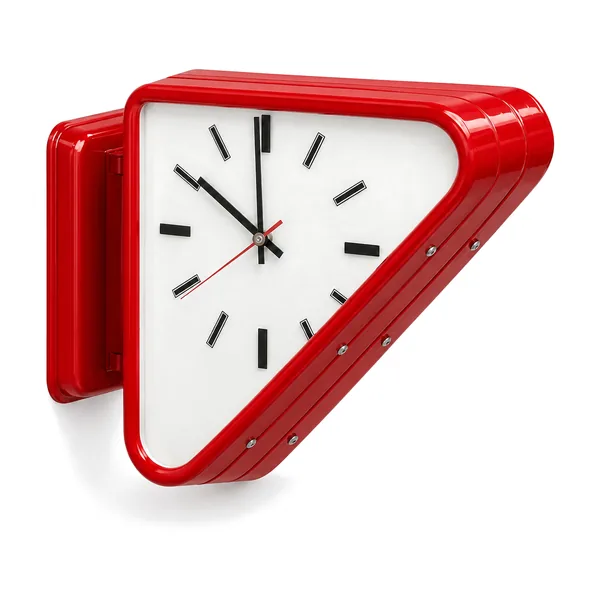
 +15 options
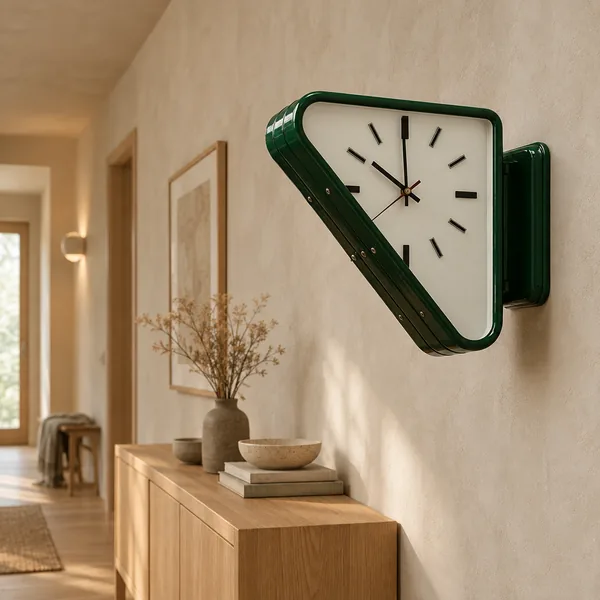
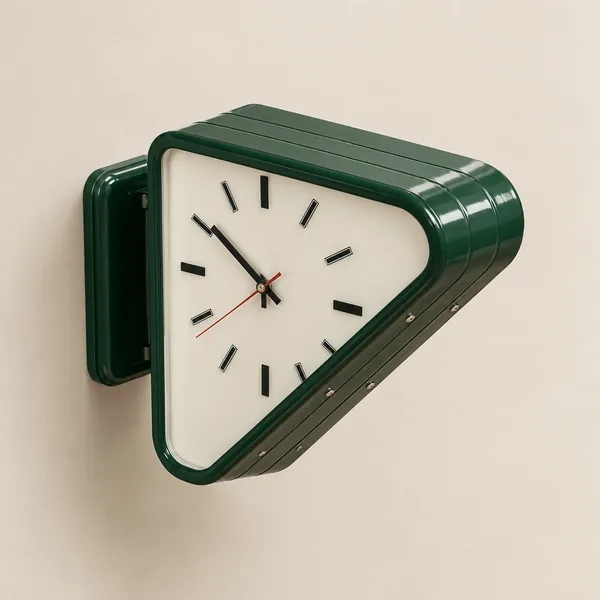
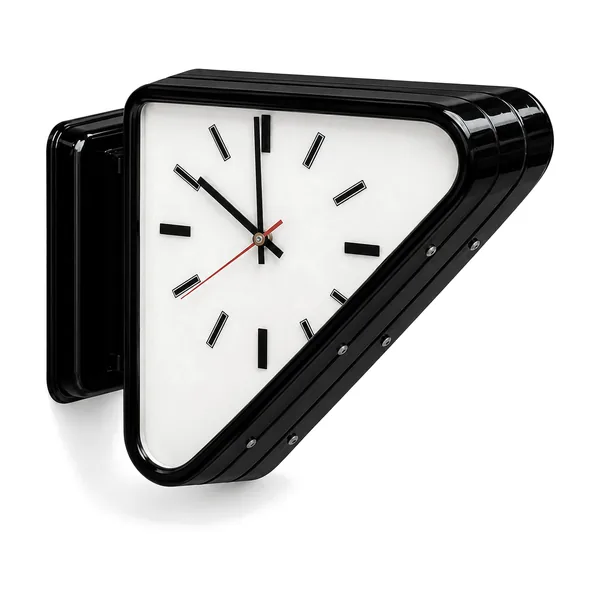
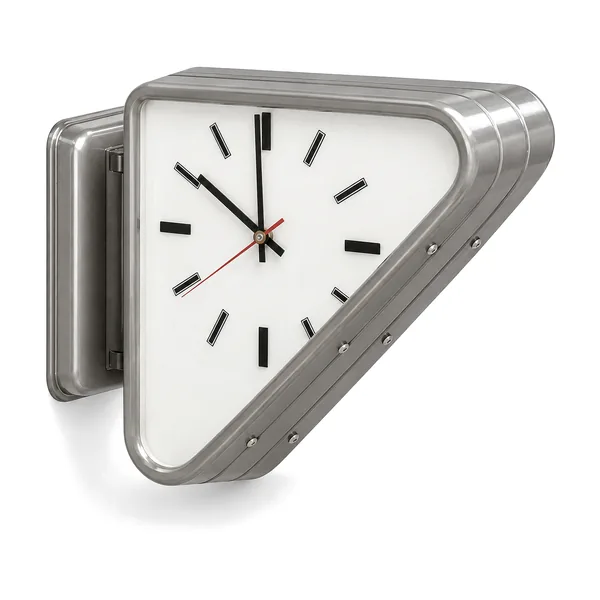
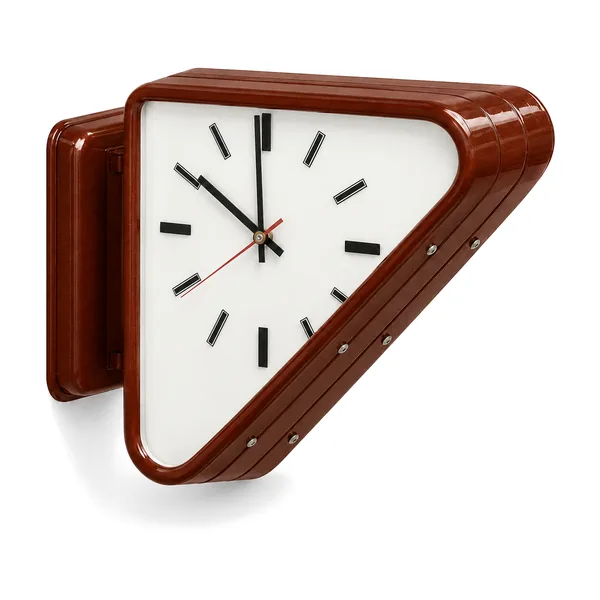
Tvilling Dual-Sided Geometric Metal Wall Clock
Current Trends in Vase Design
The latest flower vase design ideas reflect a broader shift toward sustainable, artisanal, and multifunctional objects. We're seeing a beautiful convergence of traditional craftsmanship with contemporary minimalism—vases that look equally stunning holding blooms or standing empty.
Earthy Pigments and Raw Finishes
Move over high-gloss lacquers—today's most coveted vases feature matte finishes in earth-derived colors. Think warm terracotta, deep sage, sandy beige, and moody charcoal. These tones create visual warmth while maintaining the sophisticated restraint that defines Scandinavian design.
The Rise of Vase Sets
Coordinated flower vase sets offer a foolproof way to create styled vignettes without the guesswork. When vases are designed to work together—complementing shapes, unified color stories, varied heights—they create instant visual cohesion. Display them clustered on a dining table, mantel, or bedroom dresser for maximum impact.
Choosing the Right Vase for Your Flowers
Not all blooms play well with all vessels. How do I choose the right vase for my flowers? Start by considering the stem structure and natural form of your botanicals.
- Tall, thick stems (think branches, delphiniums, or snapdragons): Require weighted, narrow-necked vases that provide stability
- Soft, cascading flowers (peonies, garden roses): Look beautiful in low, wide vessels that let them tumble naturally
- Single statement stems (orchids, monstera leaves): Shine in bud vases or sculptural vessels where the vase itself contributes to the composition
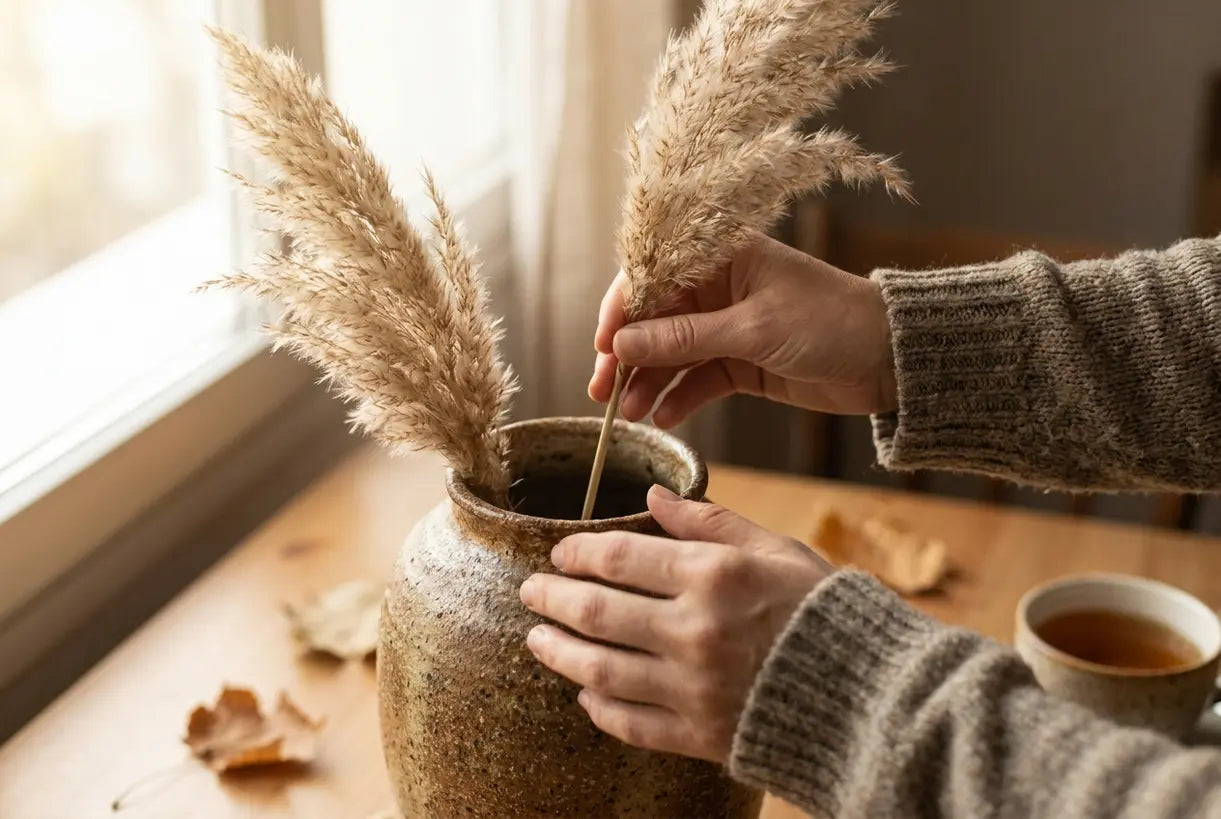
- Dried botanicals (pampas grass, wheat, bunny tails): Don't need water, opening up endless vessel possibilities including decorative boxes, ceramic pitchers, and woven baskets
For more inspiration on selecting materials and styles that complement your home, browse our curated collections. Check out our DIY Ceramic Vase: How to Make, Decorate & Customize Your Own at Home guide if you're feeling creative and want to craft something uniquely yours.
Creating Vase Centerpieces That Wow
Vase centerpiece ideas for dining tables require special consideration since they need to remain functional during meals. The key is creating impact without blocking sightlines across the table.
For long tables, consider creating a "runner" of multiple small vases rather than one large central arrangement. For round tables, a low bowl vase filled with floating blooms or a cluster of bud vases at varying heights keeps conversation flowing freely.
Pro Tip: When creating centerpieces for events, always consider your guest experience first. The best arrangements enhance the atmosphere while disappearing into the background of conversation.Care and Maintenance: Protecting Your Investment
Quality vases deserve proper care. Clear glass should be cleaned regularly with a solution of water and white vinegar to prevent mineral buildup from hard water. Ceramic vessels benefit from occasional gentle washing—avoid harsh abrasives that might damage hand-applied glazes. For white flower vase decoration schemes, regular cleaning is essential since any residue becomes immediately visible on light surfaces.
If you're selecting vessels for flower lights in vase arrangements, ensure the material can safely accommodate LED elements without overheating. Borosilicate glass and high-fire ceramics are ideal for these applications.
Conclusion: Your Journey to Effortless Elegance
Flower vases represent far more than functional vessels—they are the bridge between your interior space and the natural world. By selecting pieces that resonate with your personal aesthetic while honoring timeless Scandinavian principles of beauty, quality, and intentionality, you create homes that feel both elevated and approachable.
Whether you're drawn to the rustic warmth of artisan ceramics or the crystalline purity of premium glass, the right vase becomes a canvas for endless creative expression. At Skonne, we curate every piece with these values in mind, ensuring that each vessel in our collection serves not just as a container, but as a meaningful addition to your carefully considered home.
Explore our thoughtfully curated vase collections today and discover how the right vessel can transform a simple stem into something truly extraordinary. Your perfect bloom deserves an equally beautiful home.
Related Article
DIY Ceramic Vase: How to Make, Decorate & Customize Your Own at HomeLearn how to create beautiful DIY ceramic vases at home using paint, baking soda and simple techniques. Transform ordinary glassware into stunning faux pottery.