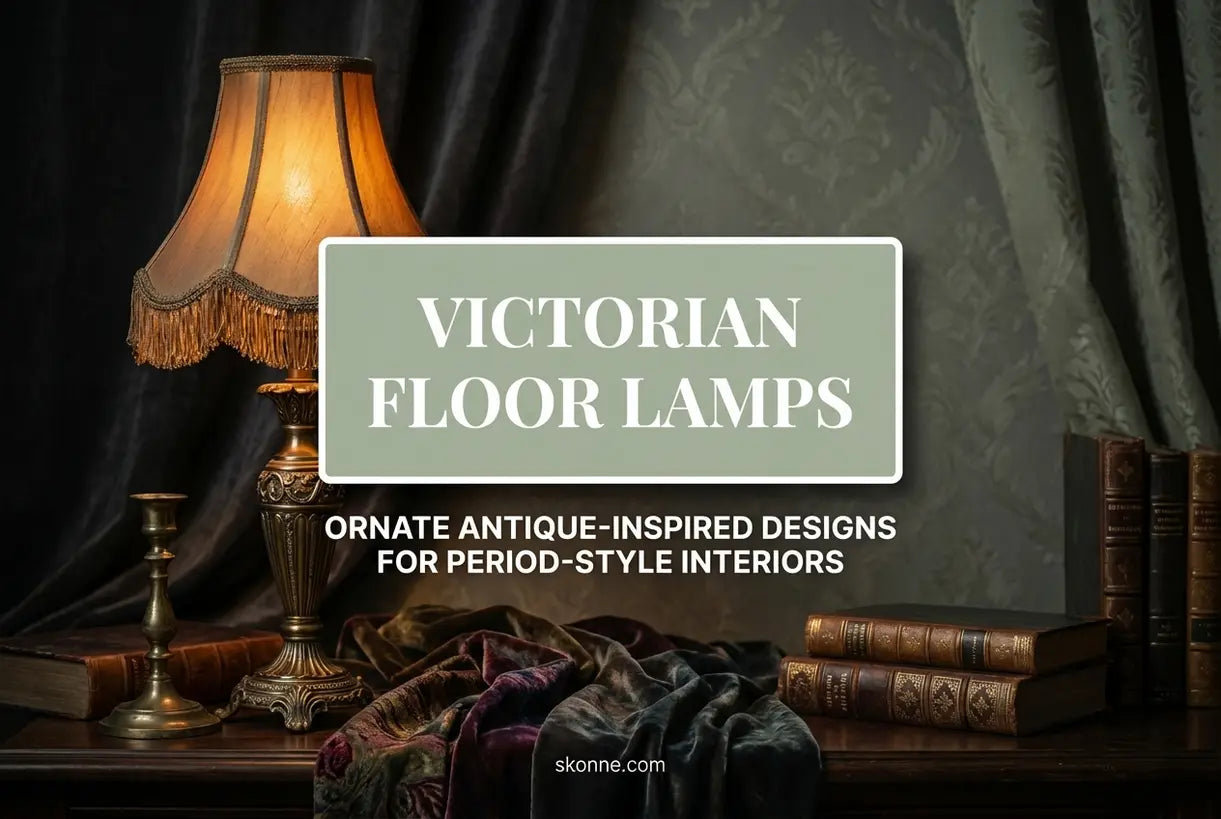
There's something undeniably captivating about the warm glow of a victorian floor lamp casting intricate shadows across a room. Whether you're restoring a historic home or simply drawn to the romantic elegance of period lighting, these ornate fixtures offer more than illumination—they bring a sense of heritage and craftsmanship that modern designs often lack. At Skonne, we believe that lighting should tell a story, and Victorian-inspired designs speak to the beauty of intentionality and detail.
If you've been searching for the perfect antique victorian floor lamp or exploring vintage victorian floor lamp styles to complement your interior, understanding what defines these pieces is essential. From identifying authentic period materials to learning how these stately lamps fit into contemporary spaces, this guide walks you through everything you need to create a home that honors timeless design while meeting modern needs.
Understanding Victorian Floor Lamps: A Return to Ornate Elegance
When interior enthusiasts ask, what is a Victorian floor lamp called?, they're often surprised to discover that these fixtures go by several names depending on their specific design and function. Generally, you'll hear them referred to as period lighting or ornate floor lamp designs, with specific variations including victorian torchiere floor lamp styles (which direct light upward) and victorian parlor lamp designs (typically used in formal sitting areas).

The Victorian era, spanning from 1837 to 1901, was marked by industrial innovation alongside a deep appreciation for decorative arts. This duality produced lighting fixtures that were both technologically advanced for their time and lavishly decorated. Common characteristics include heights ranging from 60 to 70 inches, bases featuring intricate scrollwork or figural designs, and shades adorned with fringe, beading, or stained glass elements.
Today, the term what are Victorian style lamps? encompasses both authentic antiques and high-quality reproductions. While true antiques offer historical provenance, well-crafted modern interpretations capture the era's aesthetic while offering improved electrical safety and energy efficiency. For those exploring our Lamps collection, you'll find pieces that honor Victorian principles of craftsmanship while embracing cleaner, more versatile silhouettes.
The Hallmarks of Victorian Style Lamps
Distinctive features set period lighting apart from other antique styles. Unlike the streamlined geometry of Art Deco or the rustic simplicity of Colonial designs, Victorian lamps embrace complexity and ornamentation. Key identifiers include:
- Ornate bases: Cast iron, brass, or bronze foundations featuring botanical motifs, mythological figures, or elaborate scrollwork
- Rich materials: Marbled glass, crystal pendants, velvet or silk shades with decorative trim
- Warm color palettes: Deep burgundies, forest greens, golds, and bronze tones
- Substantial scale: These lamps command attention, typically standing taller than modern minimalist designs
The popularity of bronze victorian floor lamp finishes continues today because this material develops a beautiful patina over time while maintaining structural integrity. Similarly, tiffany style victorian lamp designs—with their leaded glass shades featuring floral or geometric patterns—remain iconic symbols of the era's artistic achievements.
Types of Period Lighting for Your Home
Navigating the world of antique-inspired lighting reveals several distinct categories, each serving different functional and aesthetic purposes. Understanding these variations helps you select the right piece for your specific space and needs.
Victorian torchiere floor lamp designs revolutionized interior lighting by directing illumination upward toward the ceiling, creating soft, ambient glow that mimicked candlelight while eliminating open flames. These torchieres often featured alabaster or glass shades supported by ornate brass or antique brass floor lamp standards.
For reading and task lighting, the traditional victorian parlor lamp featured lower, adjustable shade positions and often incorporated oil reservoir bases even after electrification became standard. These pieces prioritized both beauty and utility, representing the Victorian era's celebration of domestic comfort.
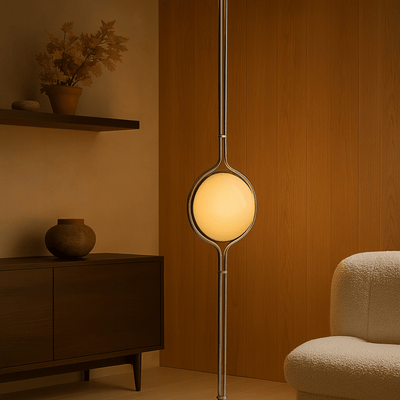

How to Identify Authentic Antique Victorian Floor Lamps
When collectors ask, how to identify antique Victorian floor lamps?, they're seeking assurance that they're investing in genuine history rather than reproductions. Several markers can help distinguish authentic period pieces:
First, examine the construction methods. Authentic Victorian lamps typically feature hand-soldered joints, cast iron bases with visible mold lines, and occasionally maker's marks from foundries like Bradley & Hubbard or Miller Lamp Company. The wiring, if original, will be cloth-covered and potentially fragile—modern electrical updates are common and necessary for safety.

Patina tells a story that reproductions struggle to fake. Genuine antique victorian floor lamp bases develop uneven oxidation patterns, subtle wear marks where hands have touched switch mechanisms, and gentle tarnishing in recessed areas of ornate designs. Reproductions often appear uniformly aged or excessively polished.
Glass elements offer additional clues. Antique slag glass shows color variations and bubble inclusions, while leaded glass shades feature slightly irregular hand-cut pieces. Modern manufacturing produces perfectly uniform glass that lacks the character of period craftsmanship.

Mysa Minimalist Velvet Fabric Shade Table Lamp
$659.00 $1,019.00
Add timeless elegance with the Mysa floor lamp featuring a luxurious velvet fabric shade that creates a warm, period-appropriate glow for any Victorian-inspired interior.
Explore ProductFor those who appreciate Victorian ambiance but prefer modern reliability, the Mysa Minimalist Velvet Fabric Shade Table/Floor Lamp offers a sophisticated solution. Its luxurious velvet shade creates that coveted warm, period-appropriate glow while the streamlined form transitions effortlessly between traditional and contemporary settings.
What Materials Are Victorian Lamps Made Of?
Understanding what materials are Victorian lamps made of? reveals why these fixtures have survived for over a century. The Victorians believed in investing in objects built to last, using materials that aged gracefully:
Primary Materials: Cast iron and bronze formed the structural bases, often finished with brass plating or antique patina treatments. Glass elements ranged from opalescent and slag glass to crystal prisms that refracted light beautifully.
Textiles played equally important roles. Silk, velvet, and tapestry-weight fabrics in deep jewel tones trimmed with beaded fringe or braided cording adorned shades. These materials weren't merely decorative—they diffused harsh electric light into the gentle, ambient illumination associated with Victorian interiors.
Marble and onyx occasionally appeared in high-end pieces, particularly as accent columns or shade finials. The weight of these materials provided stability for taller torchiere designs while adding natural pattern variation to each unique piece.
Bridging Eras: Styling Victorian Floor Lamps in Modern Homes
The question how do I style a Victorian floor lamp in a modern home? concerns many design enthusiasts who fear period pieces will feel out of place in contemporary spaces. The key lies in treating these lamps as sculptural focal points rather than anachronistic novelties.
Integrating period lighting successfully requires intentional placement. A single ornate floor lamp can anchor a reading nook filled with mid-century modern furniture, providing textural contrast that adds visual interest. The goal isn't to recreate a Victorian museum piece but to honor the craftsmanship while surrounding it with elements that speak to your personal aesthetic.
Color coordination bridges temporal gaps effectively. If your Victorian lamp features a bronze or antique brass finish, echo those warm metallics in contemporary fixtures like picture frames or hardware. This creates continuity while allowing the lamp's ornate details to shine as intentional statement pieces.
Consider scale carefully. Victorian rooms were typically larger with higher ceilings, so these lamps often suit spacious living areas, entryways, or bedrooms where they won't overwhelm the proportions. In smaller spaces, look for vintage victorian floor lamp styles with narrower profiles or streamlined bases.
Curated Period-Inspired Lighting

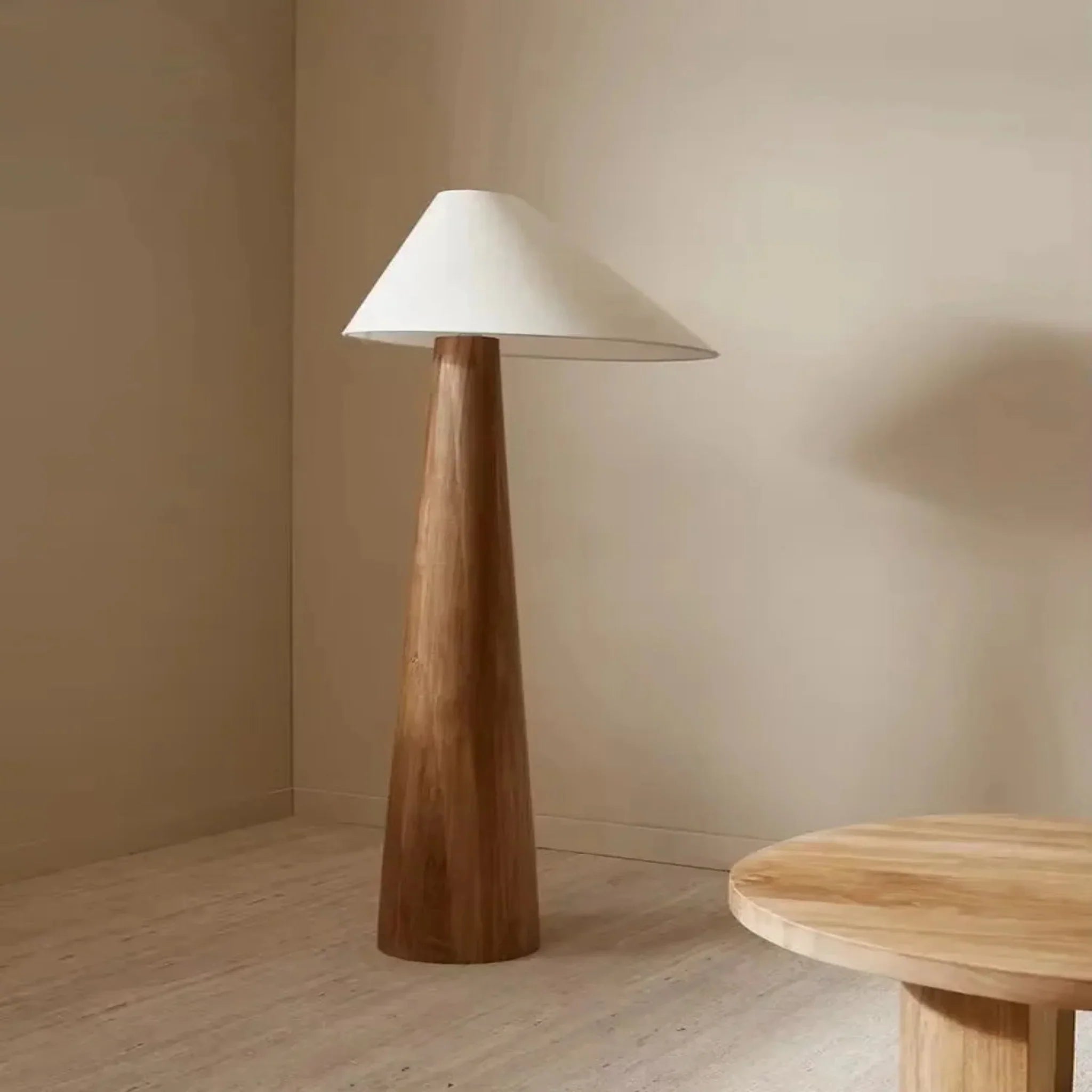
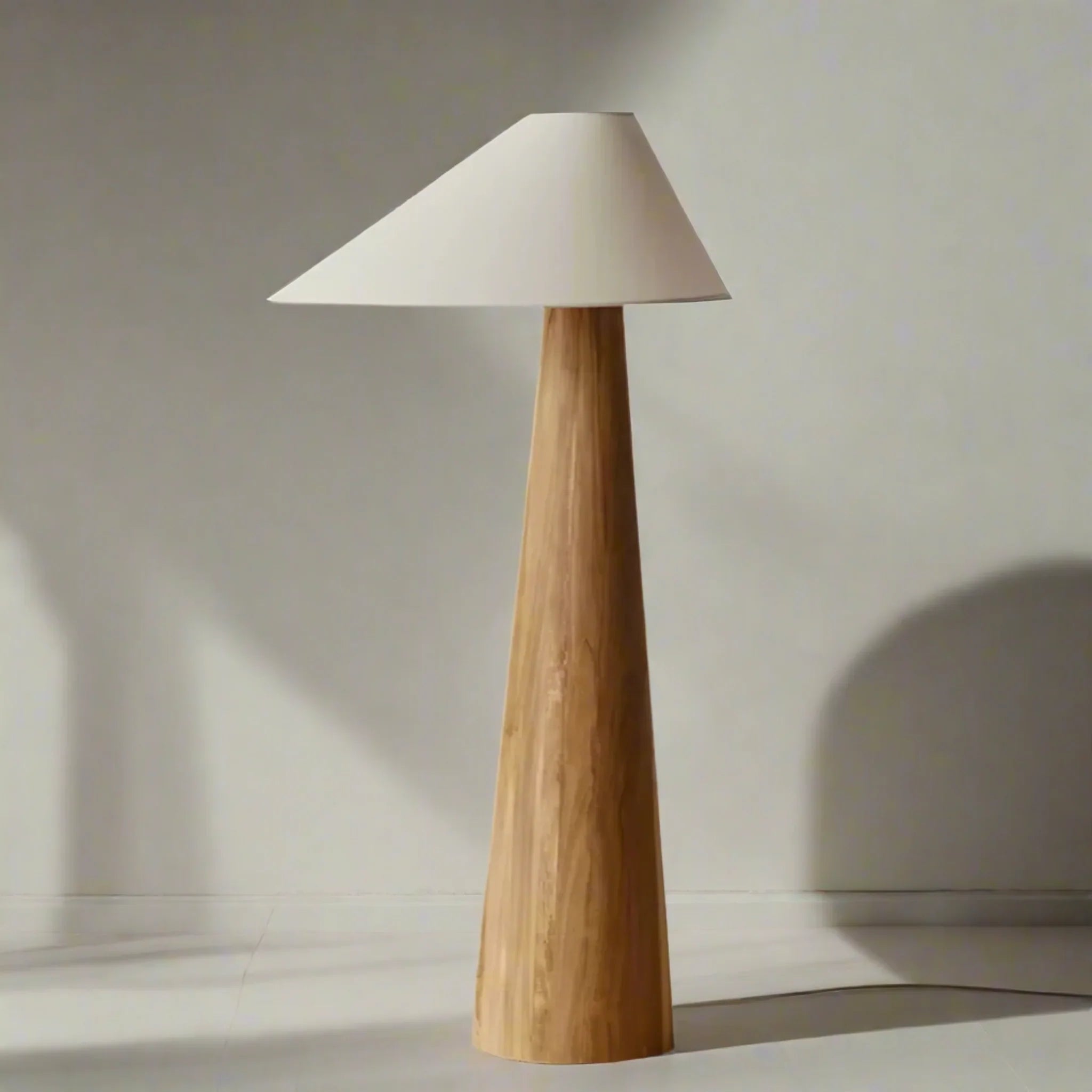
Stille Japanese Wabi-Sabi Solid Wood Floor Lamp
$399.00
$699.00
Crafted from solid wood with a natural finish, the Stille floor lamp brings artisanal character and warm ambient lighting that complements period-style interiors. Learn more ➔

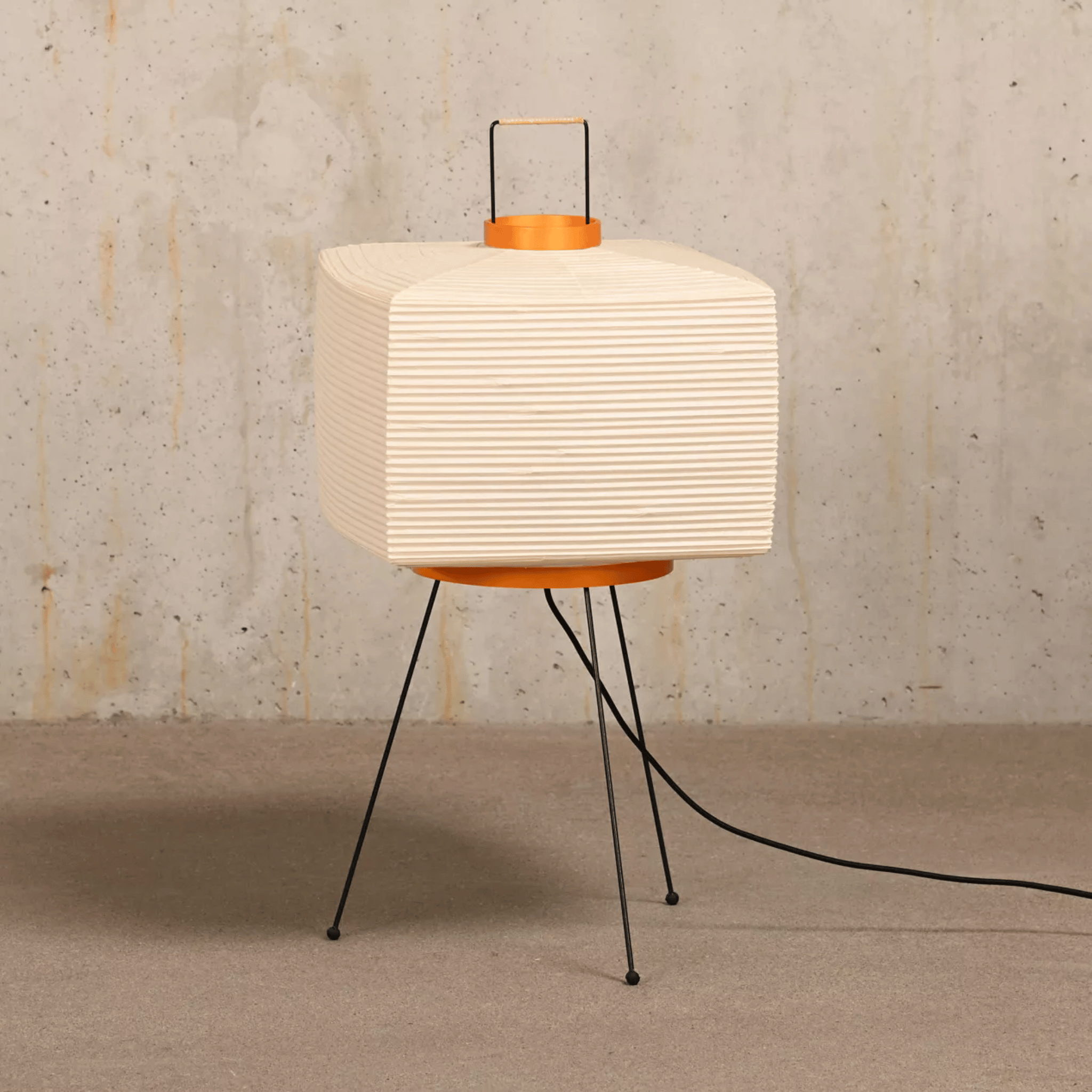
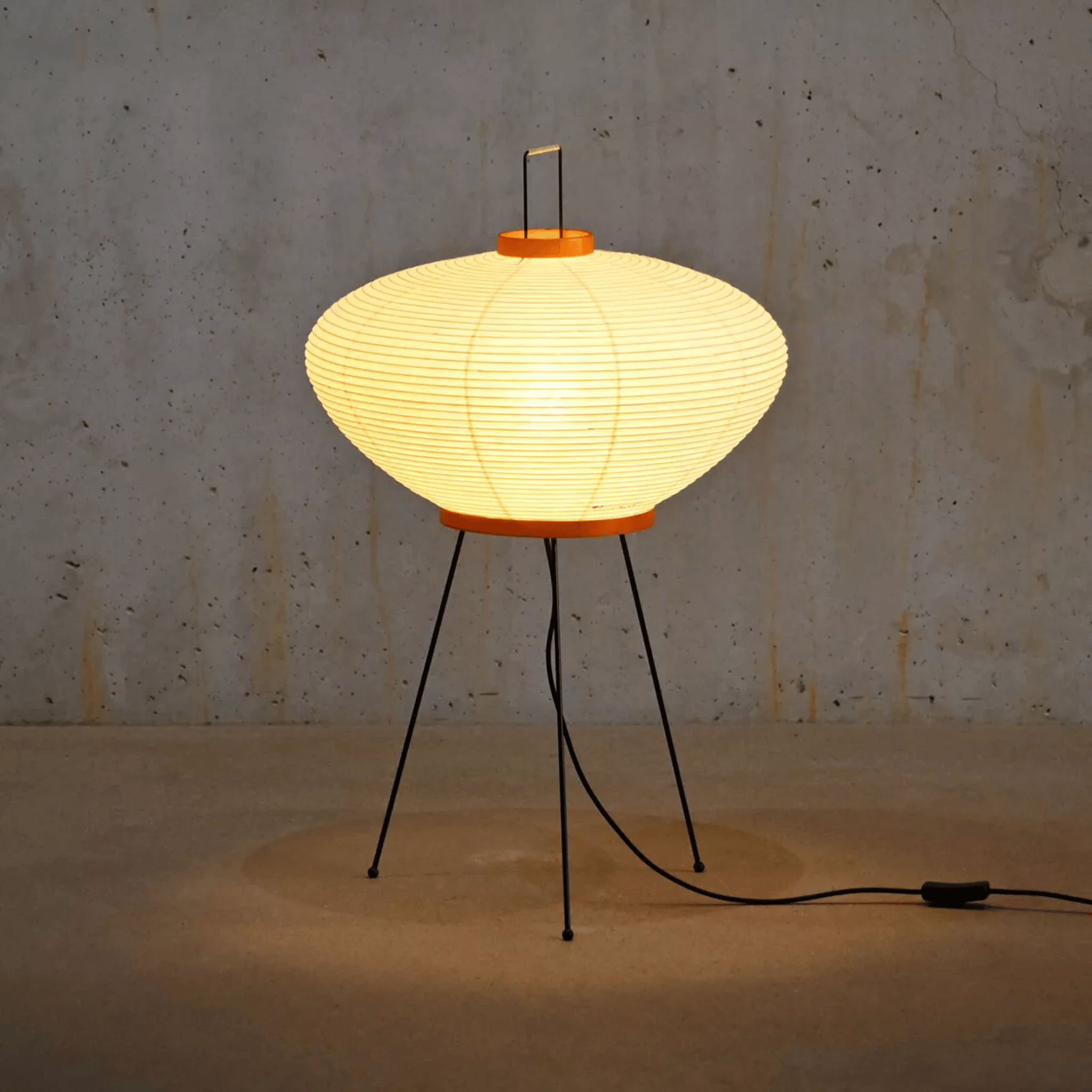
Papira Handcrafted Rice Paper Ambient Floor Lamp
$159.00
$249.00
The Papira handcrafted rice paper lamp casts a soft, diffused glow reminiscent of vintage lantern lighting—perfect for adding delicate period charm to your home. Learn more ➔
The Stille Japanese Wabi-Sabi Solid Wood Floor Lamp exemplifies how artisanal craftsmanship transcends specific eras. While rooted in Japanese aesthetics, its solid wood construction and warm ambient lighting share the Victorian commitment to natural materials and gentle illumination. Similarly, the Papira Handcrafted Rice Paper Floor Lamp captures that delicate, diffused quality reminiscent of vintage lantern lighting—perfect for introducing period charm through a softer, more contemporary lens.


Creating Timeless Interiors with Period Lighting
Whether you choose an authentic antique victorian floor lamp discovered at auction or a thoughtfully designed modern interpretation, these fixtures offer something increasingly rare in today's disposable culture: permanence. They remind us that lighting serves both practical and emotional purposes, creating atmosphere while honoring the skilled artisans who crafted each detail.

At Skonne, we curate lighting that respects these traditions while meeting contemporary standards of quality and safety. The ornate floor lamp styles we favor prioritize material integrity and thoughtful design over mass-produced uniformity. Whether your home leans fully traditional or embraces eclectic modernity, the right period-inspired lighting creates focal points that draw the eye and warm the spirit.
Investing in a victorian floor lamp means inviting history into your daily life—not as a static museum piece, but as a functional element that continues serving its original purpose: bringing gentle, beautiful light to the moments that matter most in your home.
Frequently Asked Questions about Victorian Floor Lamps
Victorian floor lamps are commonly referred to as period lighting, ornate floor lamps, or by specific functional names such as torchieres (when they direct light upward) or parlor lamps (when designed for formal sitting areas). The term encompasses various styles from the Victorian era (1837-1901), including brass, bronze, and Tiffany-inspired designs.
Victorian style lamps are lighting fixtures that capture the aesthetic principles of the Victorian era, characterized by ornate decoration, rich materials like brass and bronze, intricate scrollwork or figural bases, and textile or stained glass shades. These lamps typically stand 60-70 inches tall and feature warm color palettes including deep burgundies, forest greens, and gold tones. They can be authentic antiques or modern reproductions inspired by period designs.
Authentic antique Victorian floor lamps can be identified by examining construction methods (hand-soldered joints, cast iron bases with visible mold lines), maker's marks from foundries like Bradley & Hubbard or Miller Lamp Company, and natural patina patterns. Look for cloth-covered wiring if original, uneven oxidation on brass or bronze finishes, and glass irregularities such as bubbles or color variations in slag glass. Reproductions typically show uniform aging and perfectly manufactured components.
Victorian lamps were typically constructed from cast iron, bronze, or brass for bases, often finished with antique patina treatments. Glass elements included opalescent glass, slag glass, crystal prisms, and leaded glass for Tiffany-style shades. Textile components featured silk, velvet, or tapestry-weight fabrics in jewel tones, frequently adorned with beaded fringe or braided cording. High-end pieces sometimes incorporated marble or onyx accents for additional decorative detail.
Style a Victorian floor lamp in modern homes by treating it as a sculptural focal point rather than a period recreation. Place it as a statement piece in reading nooks or corners, allowing its ornate details to contrast with simpler contemporary furniture. Echo the lamp's warm metallics (brass or bronze) in other room elements like frames or hardware to create continuity. Ensure adequate space for these typically tall (60-70 inch) fixtures, and consider balancing their visual weight with other textured materials like velvet cushions or wooden accents.