
Vintage & Antique Floor Lamps: Old-World Charm for Classic & Eclectic Interiors
Summary›
There's something inherently captivating about illumination that carries history within its form. A vintage floor lamp doesn't merely brighten a room; it tells stories of bygone eras, celebrates craftsmanship that has withstood decades, and introduces a soulful presence that mass-produced fixtures simply cannot replicate. Whether you're curating a classical Parisian-inspired salon or an eclectic bohemian loft, these sculptural light sources serve as both functional necessities and curated art pieces.
In this guide, we'll explore how antique and retro lighting can anchor your interior vision, examining the distinctive characteristics that make these pieces enduringly desirable. From identifying authentic craftsmanship to integrating these heirlooms into contemporary spaces, discover how the right illumination transforms your home into a sanctuary of warmth and intentional design.
The Timeless Appeal of Antique Illumination
The resurgence of vintage lighting in contemporary interiors speaks to a deeper desire for authenticity in our living spaces. Unlike trend-driven designs that fade with the seasons, authentic antique floor lamps possess an inherent patina—a visual record of time that adds depth and character to minimalist Scandinavian settings and maximalist eclectic rooms alike.
This appeal transcends mere aesthetics. When you incorporate a retro floor lamp into your home, you're embracing sustainable design practices by honoring existing craftsmanship rather than supporting disposable consumption. These pieces were built to last, featuring solid brass construction, hand-blown glass, and meticulous joinery that modern, fast-fashion alternatives rarely achieve.
Decoding Distinctive Vintage Floor Lamp Styles
Understanding the lineage of antique illumination helps you make informed selections that complement your existing décor. Each era brought distinct design philosophies that continue to influence contemporary interpretations.
Victorian influences (1837–1901) often feature ornate brass bases, fringed fabric shades, and intricate floral motifs—perfect for traditional interiors seeking romantic warmth. Art Deco pieces (1920s–1930s) showcase geometric patterns, chrome finishes, and luxurious materials like marble and alabaster, ideal for sophisticated spaces with bold architectural lines.
Mid-Century Modern designs (1940s–1960s) emphasize organic shapes, teak wood accents, and clean silhouettes that bridge beautifully with Scandinavian aesthetics. Meanwhile, 1970s retro styles feature mushroom shapes, smoked glass, and earthy ceramic glazes that add playful nostalgia to contemporary bohemian spaces.
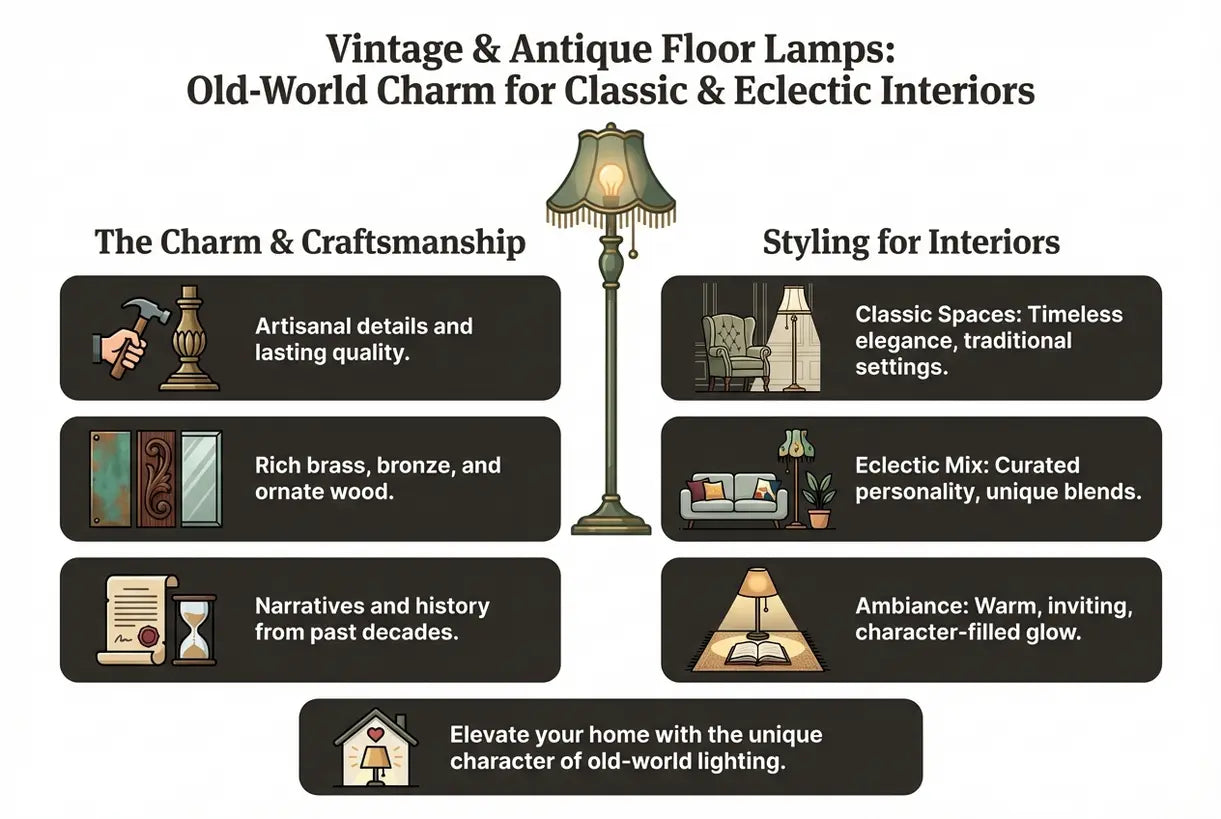
Visualizing these distinctions helps clarify your personal preferences. The infographic above illustrates how each period's design values—from Victorian ornamentation to Mid-Century restraint—translate into distinct silhouettes that can either contrast with or complement your current furnishings.
Celebrating Materials and Craftsmanship
The tactile quality of genuine antique pieces reveals itself through superior material selection. Wrought iron floor lamps from the early twentieth century display hand-forged details impossible to replicate with modern casting techniques. Vintage brass floor lamp fixtures develop rich, complex patinas over decades, ranging from honeyed amber to deep chocolate tones that warm any interior palette.
Marble and alabaster bases, popular in Art Deco and Neoclassical designs, provide substantial anchoring weight while displaying nature's own artistry through veining and color variation. Ceramic bases—particularly those from the 1960s and 70s—showcase artisan glazing techniques that create one-of-a-kind surface interest.
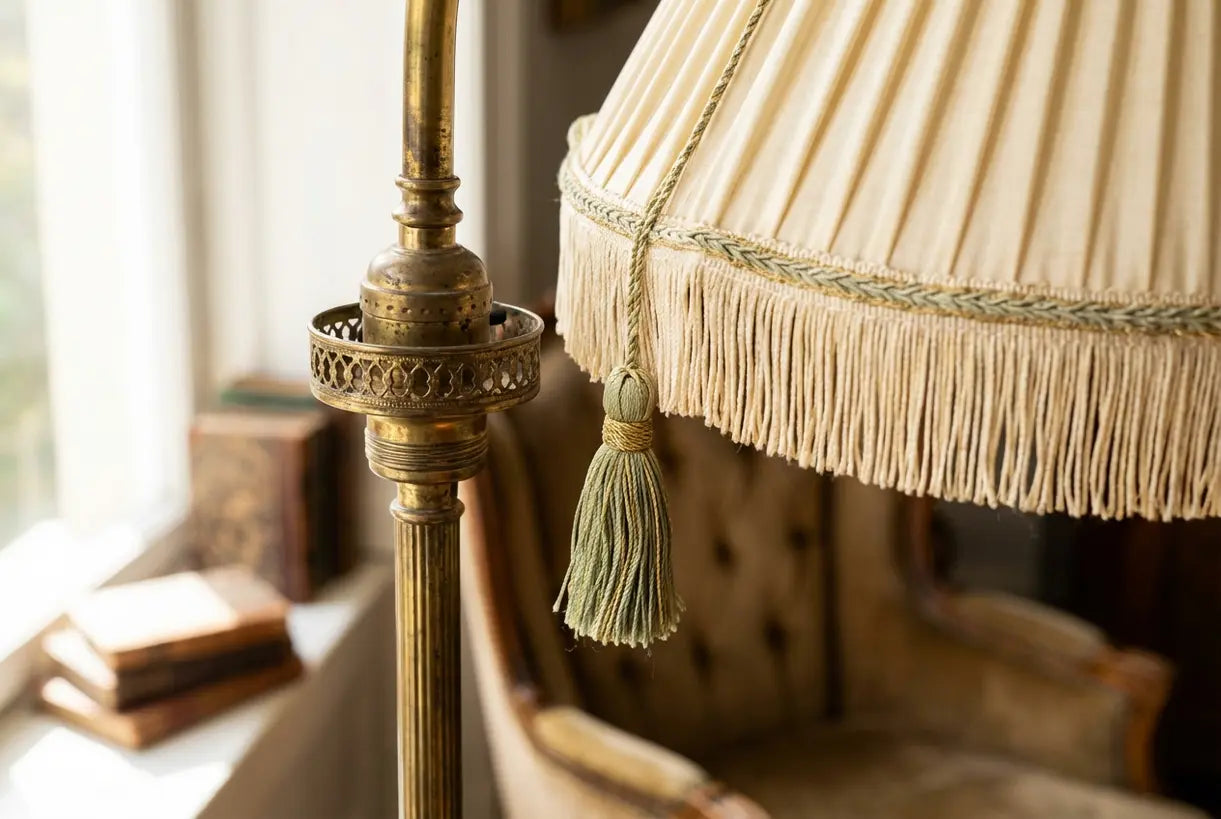
The close-up detail above reveals the quality of vintage hardware: substantial switch mechanisms, intricate finial designs, and fabric shades with hand-rolled edges. These elements signify construction standards from eras when objects were designed for longevity rather than planned obsolescence.
For those drawn to artisan-quality illumination that honors traditional techniques while offering contemporary reliability, our Lighting collection represents the pinnacle of thoughtful curation, bridging historical inspiration with modern functionality.
Identifying Authentic Treasures
Discerning genuine antiques from reproductions requires careful examination. Authentic vintage antique floor lamps typically display specific manufacturing marks: patent numbers stamped on metal bases, maker's labels inside shade rims, or hand-wired electrical components that predate standardized plastic housing. The weight of an authentic piece often surprises—solid brass and iron possess substantial heft absent from hollow, modern reproductions.
Examine the wear patterns naturally. True vintage shows gentle, honest aging in high-touch areas like switch plates and base edges, whereas artificially "distressed" pieces often feature uniform, mechanical scratching. Hand-blown glass shades contain slight imperfections and bubbles; machine-made versions appear sterile and perfectly uniform.
Floor Lamps
Shop all Floor Lamps
The Art of Styling in Eclectic Interiors
The true magic of vintage illumination emerges when you embrace juxtaposition. A vintage globe floor lamp with smoked glass pairs unexpectedly with contemporary linen sofas, while a shabby chic floor lamp with distressed white paint softens industrial metal furniture. The key lies in balancing visual weight: substantial marble-based pieces anchor airy, modern spaces, while delicate bent-brass designs add refinement to maximalist, collected interiors.
Consider the quality of light as well. Vintage milk glass and parchment shades emit a warm ambient glow that modern LED fixtures often struggle to replicate. This atmospheric illumination creates the hygge-inspired sanctuary that transforms houses into homes—inviting, comfortable, and deeply personal.
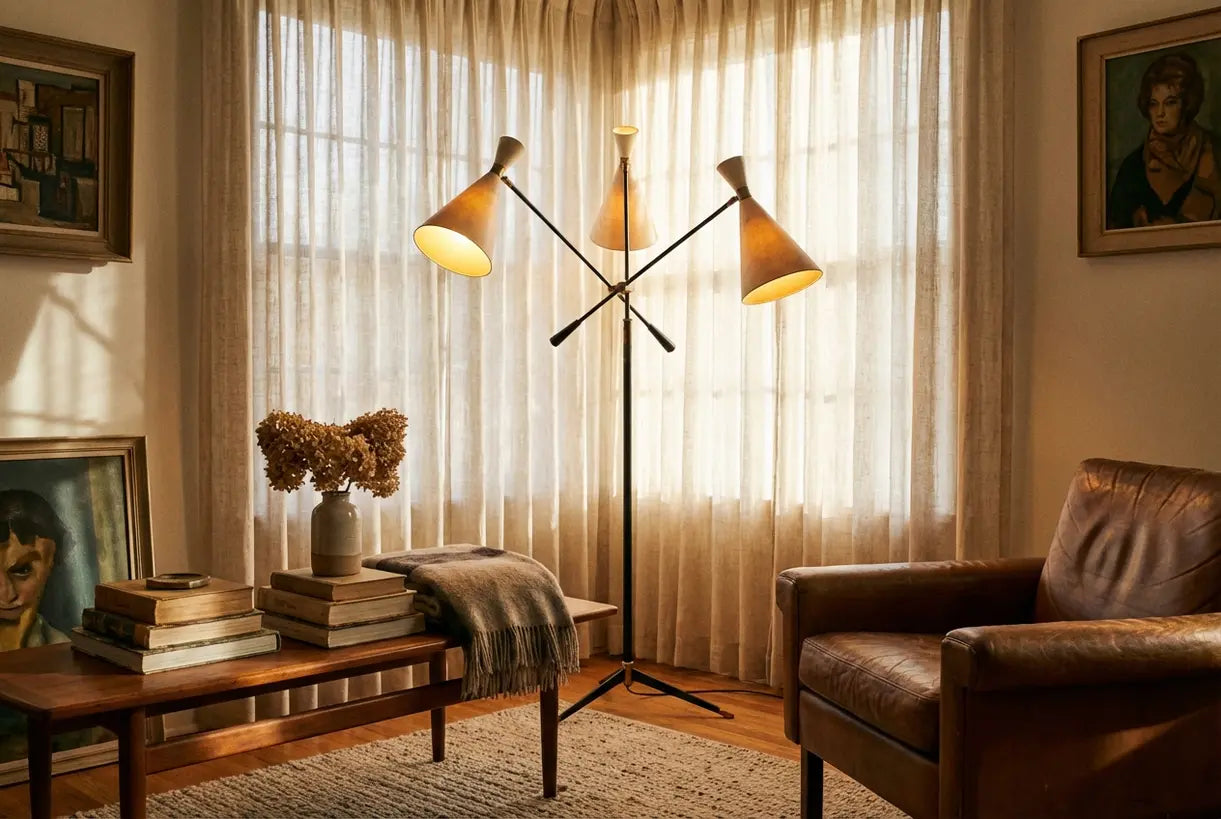
The styled space above demonstrates how a single statement antique piece can anchor an eclectic composition. The lamp's vintage marble base and brass detailing create conversation with both the contemporary artwork and the mid-century furniture, proving that thoughtful lighting transcends stylistic boundaries.
Investment and Value Considerations
The market for quality antique illumination spans accessible entry points to significant investment pieces. When researching how much does a vintage floor lamp typically cost, expect to encounter a broad spectrum: genuine antique pieces from recognized manufacturers typically range from $200 to $1,200 depending on condition, provenance, and rarity. Iconic designer pieces from names like Stiffel, Artemide, or Chapman can command significantly higher prices among collectors.
Condition dramatically affects valuation. Original wiring in excellent working condition adds premium value, while pieces requiring professional electrical restoration should be priced accordingly. Patina on metal components is desirable; rust, structural damage, or modified finishes generally diminish investment potential unless the piece represents exceptional historical significance.
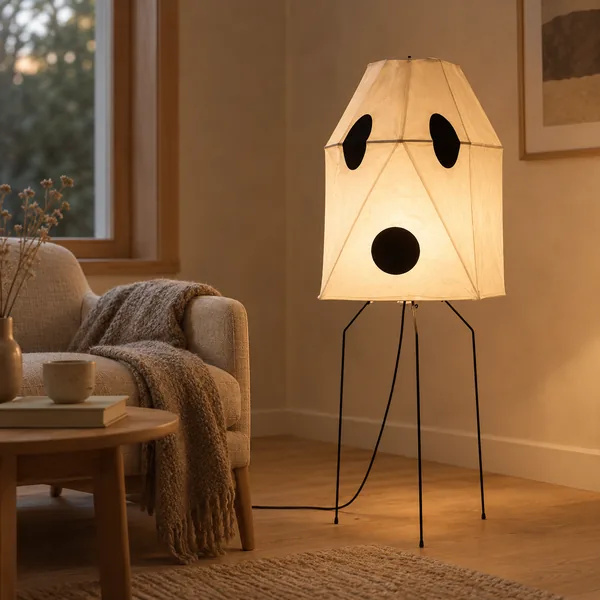 Stillvei Wabi-Sabi Rice Paper Floor Lamp 57in$389.00$529.00
The Stillvei Wabi-Sabi Rice Paper Floor Lamp embodies this philosophy of timeless design. While newly crafted, its artisan rice paper construction and organic silhouette channel vintage Japanese aesthetics that prioritize natural materials and warm, ambient illumination. For those seeking the old-world charm of antique pieces without the restoration concerns, this piece offers authentic craftsmanship with contemporary reliability.
Preservation and Gentle Restoration
Understanding how can I restore a vintage floor lamp protects both your investment and safety. Always consult a professional electrician for wiring updates—this is non-negotiable for pieces with frayed cords, brittle sockets, or outdated two-prong plugs. Beyond electrical safety, cosmetic restoration requires restraint.
Brass and copper components benefit from gentle cleaning with quality metal polish followed by protective wax coating, but avoid over-polishing that removes desirable patina. Fabric shades often respond to careful vacuuming with brush attachments; severe staining may require professional conservation cleaning. For ceramic bases, avoid harsh abrasives that damage original glaze surfaces.
When Authenticity Meets Modern Living
While hunting for genuine antiques offers undeniable romance, the practical challenges of restoration, wiring updates, and sourcing rare shade replacements lead many design enthusiasts toward vintage-inspired alternatives. These contemporary pieces honor traditional silhouettes and materials while offering UL-listed electrical components and readily available replacement parts.
The wabi-sabi philosophy—embracing imperfection and transience—aligns beautifully with Scandinavian and eclectic aesthetics that celebrate materials that age gracefully. Clay, paper, and natural fibers develop character over time, offering that coveted sense of history without the fragility of century-old artifacts.
Curated Vintage-Inspired Illumination
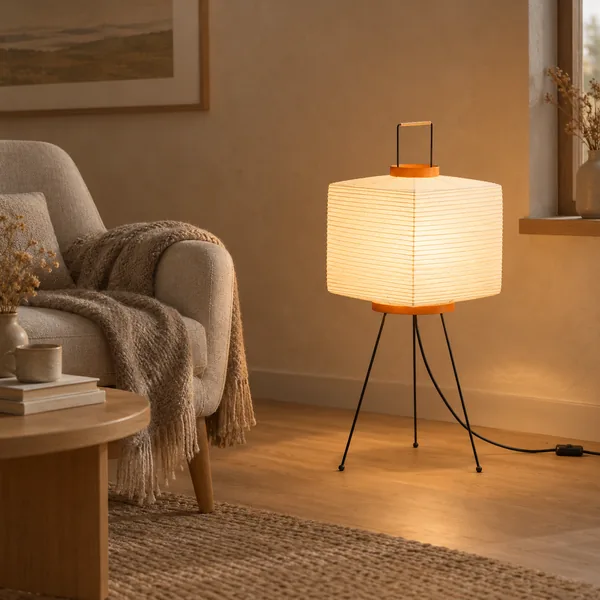 Papira Handcrafted Rice Paper Ambient Floor Lamp$159.00$249.00
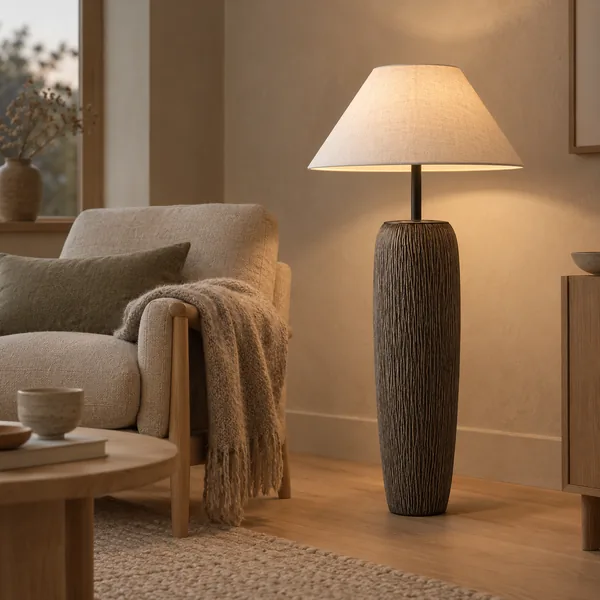 Vasten Artisan Japanese Ceramic Floor Lamp$394.00$569.00
The Papira Handcrafted Rice Paper Ambient Floor Lamp captures traditional paper lantern aesthetics with its enveloping glow and hand-finished details, while the Vasten Artisan Japanese Ceramic Floor Lamp presents a sculptural ceramic form that celebrates the tactile imperfection central to vintage craftsmanship. Both pieces demonstrate how contemporary artisans honor historical techniques while meeting modern safety standards.
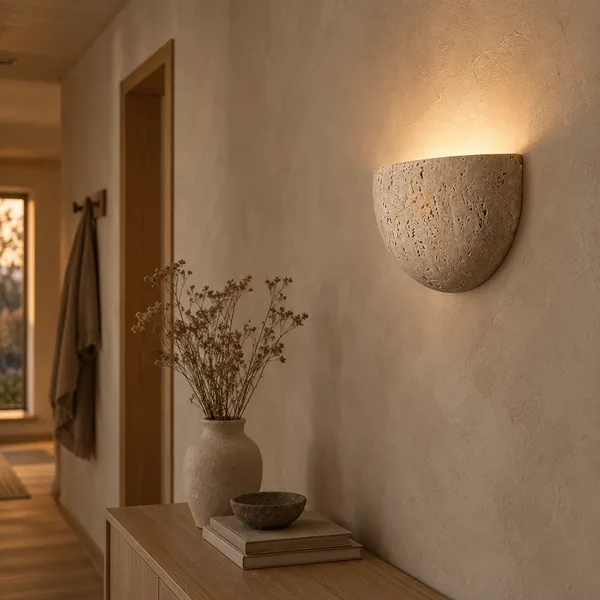
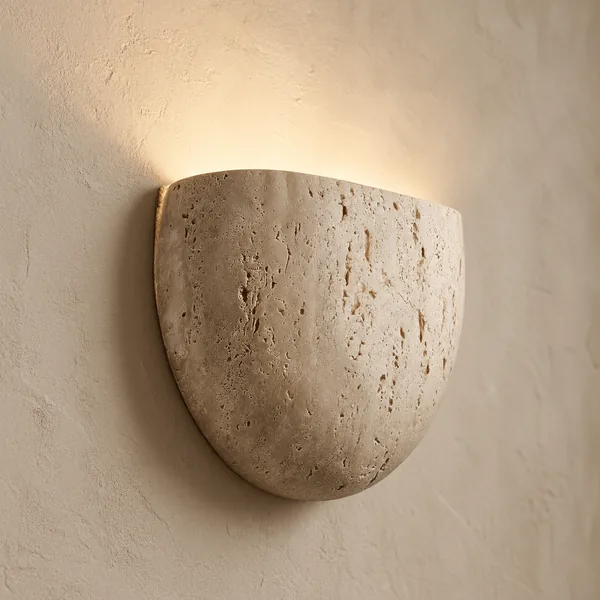
Creating a cohesive lighting scheme involves balancing these statement pieces with subtler accents. Consider pairing your primary floor illumination with complementary table lamps or wall sconces that share material stories—perhaps brass, ceramic, or natural textures—to create visual harmony throughout your space without demanding strict uniformity.
Living Room Lighting
Shop all Living Room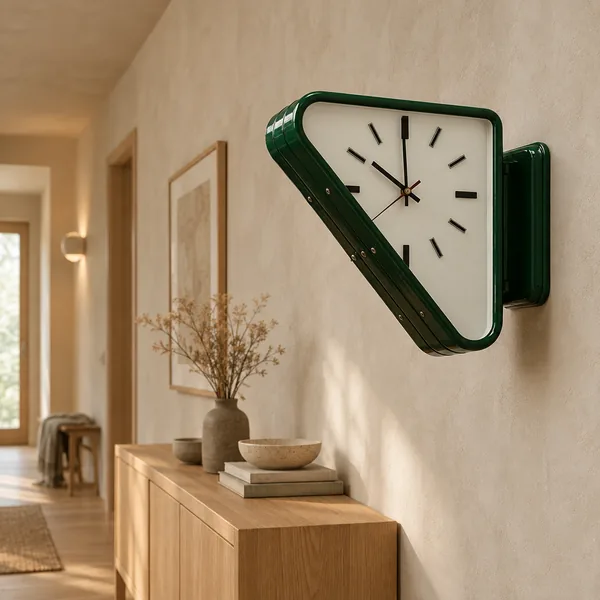
 Save $110.00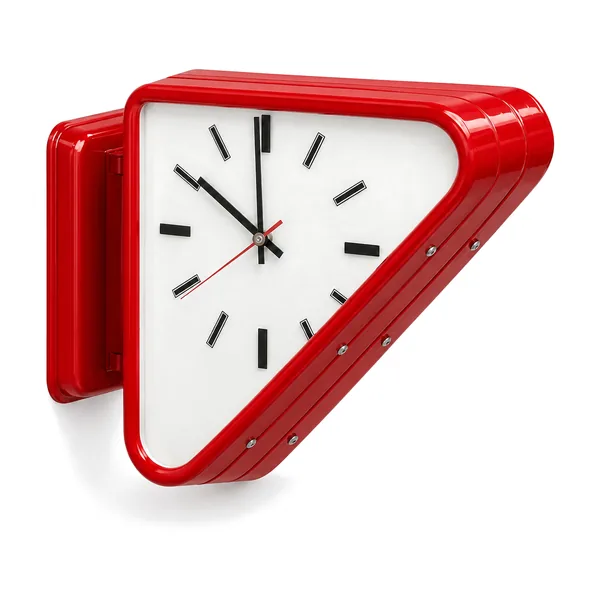
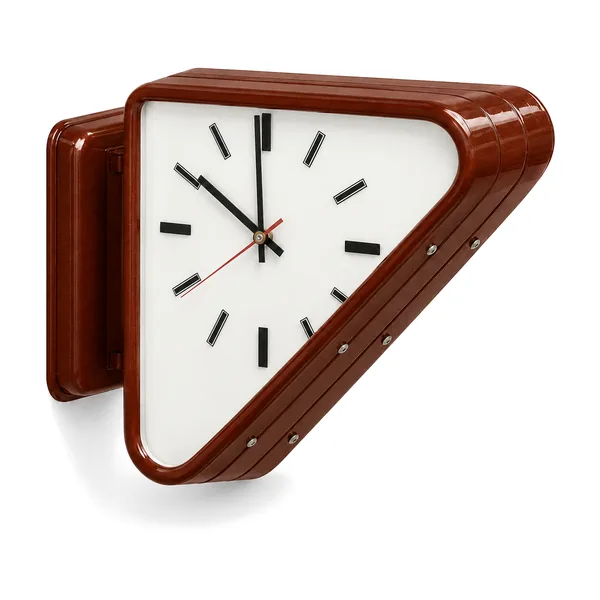 +15 options
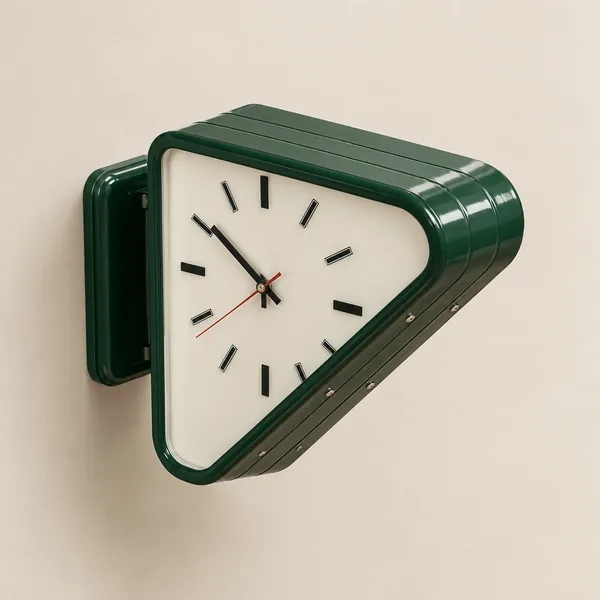
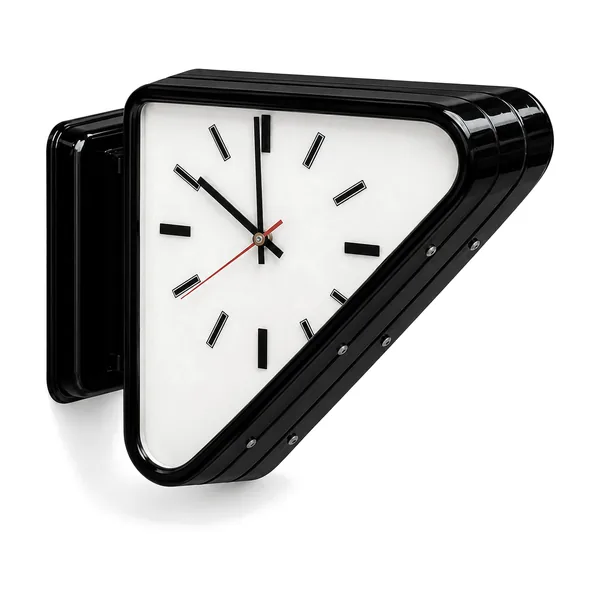
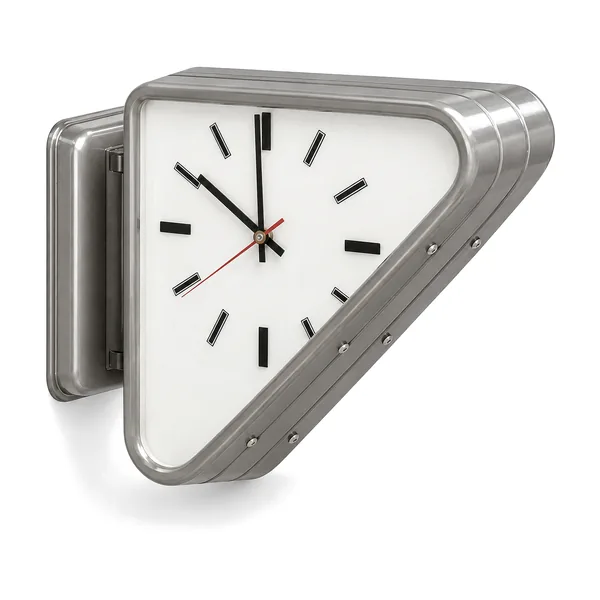
Tvilling Dual-Sided Geometric Metal Wall Clock
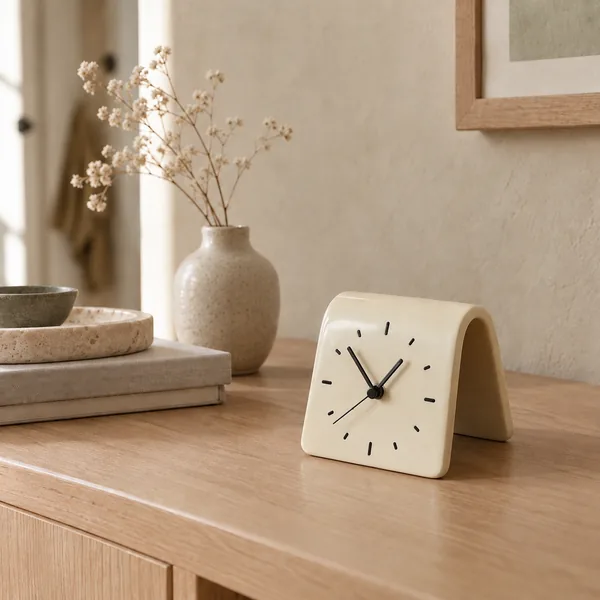
 Save $70.00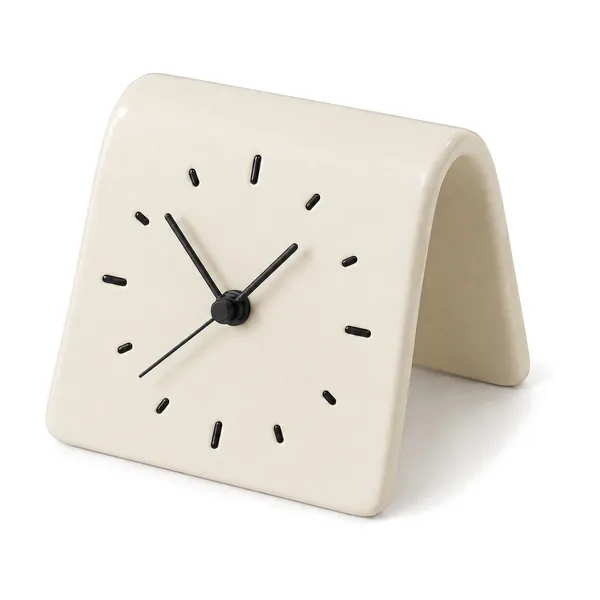
 +37 options
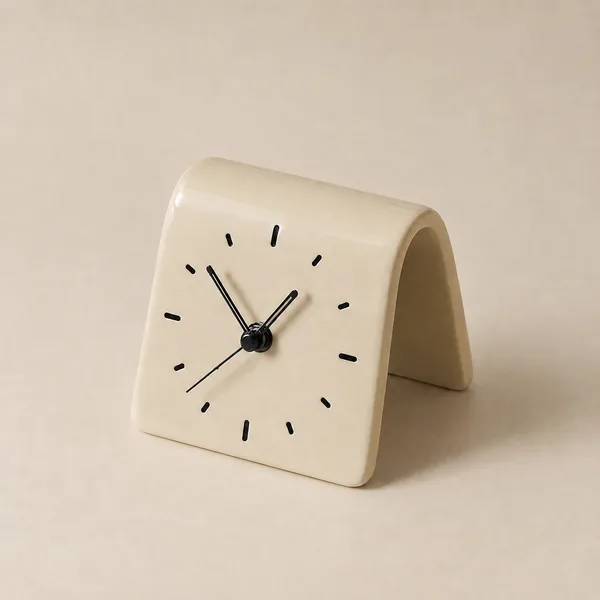
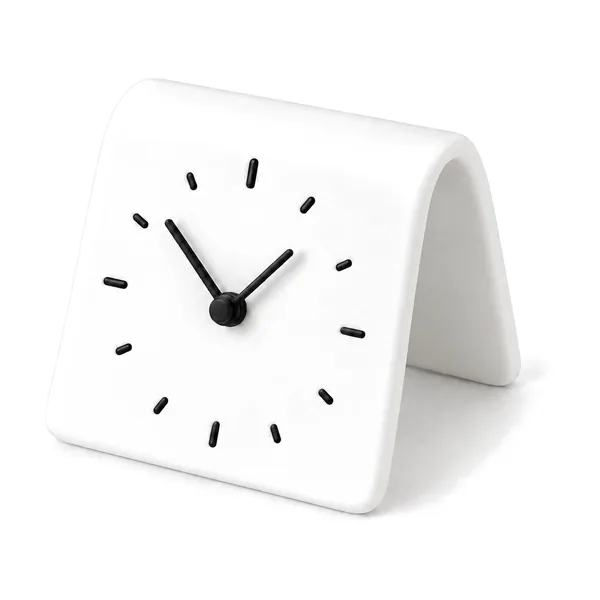
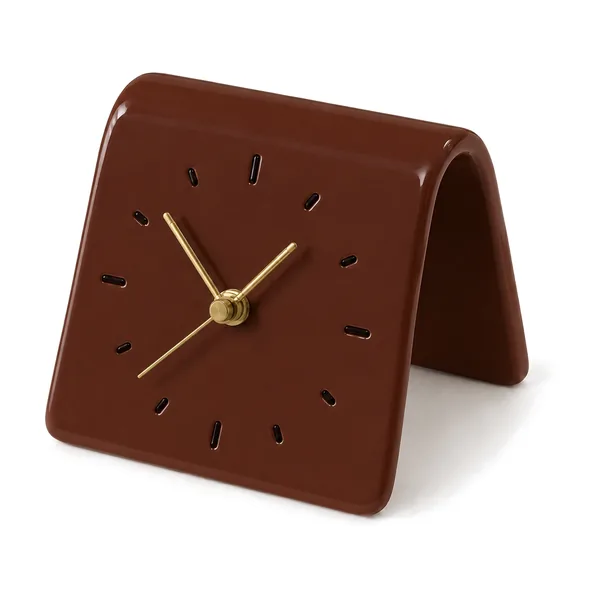
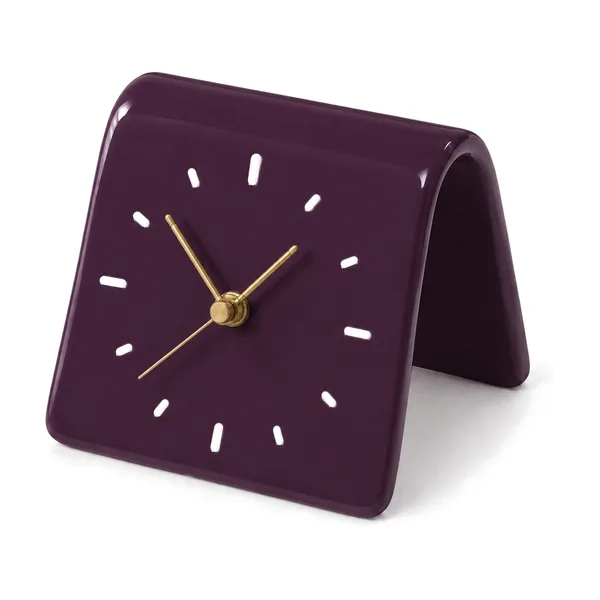
Tilje Silent Ceramic Desk Clock for Modern Homes
Curating Your Timeless Lighting Collection
Whether you choose to hunt for genuine antiques at estate sales and auctions or invest in thoughtfully designed vintage-inspired pieces, the goal remains constant: creating spaces that feel collected rather than decorated. A well-chosen vintage floor lamp serves as both functional tool and sculptural narrative, anchoring rooms with presence and warmth.
At Skonne, we believe lighting should invite lingering—encouraging slow mornings, contemplative evenings, and meaningful gatherings. Our curated selection honors the craftsmanship and materiality that define exceptional design across eras, offering pieces that bring both history and intention to your daily rituals. Explore our collections to find the illumination that speaks to your space's unique story, and transform your home into the sanctuary you've always envisioned.
Related Article
Floor Reading Lamps & Task Floor Lamps: Best Designs for Focused, Adjustable LightDiscover the best floor reading lamp designs offering focused, adjustable light. From swing arms to brass finishes, find your perfect task lighting solution.