
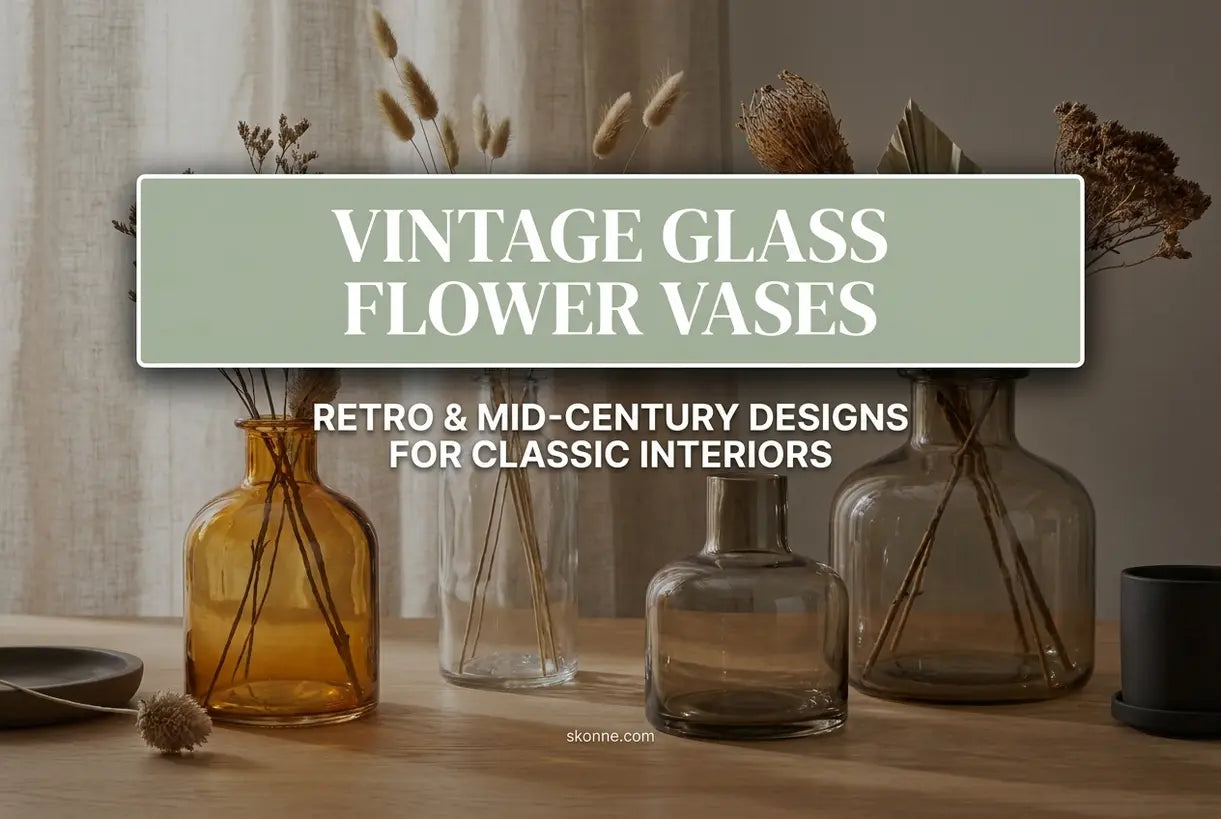
Vintage Glass Flower Vases: Retro & Mid-Century Glass Designs for Classic Interiors
Summary›
- The Enduring Appeal of Vintage Glass Flower Vases
- How to Identify Authentic Vintage Glass Flower Vases
- What Makes a Glass Vase Valuable?
- The Most Sought-After Vintage Glassware Styles
- Valuable Glass Vases Worth Collecting
- Styling Vintage Glass Vases in Classic Interiors
- Caring for Your Vintage Glass Collection
- Conclusion: Curating Your Personal Collection
Vintage glass flower vases carry stories within their curved walls and tinted surfaces. Whether discovered in a grandmother's attic or carefully selected from a curated collection, these timeless pieces bridge generations of craftsmanship with contemporary interior design sensibilities. The resurgence of vintage aesthetics in modern homes has sparked renewed interest in these delicate vessels, particularly among design enthusiasts who appreciate the warmth and character they bring to curated spaces.
Understanding what distinguishes a truly valuable vintage glass flower vase from decorative reproductions requires both an educated eye and an appreciation for artisanal history. From the distinctive bubbles trapped in hand-blown glass to the geometric precision of machine-made mid-century pieces, each vase tells a unique story about its era of origin. As you explore the world of retro glass vases and antique-inspired designs, you'll discover how these objects serve as both functional flower vessels and standalone sculptural elements. For those seeking to complement their vintage finds with other classic elements, our Scandinavian Lighting collection offers thoughtfully curated pieces that share the same timeless design philosophy.
The Enduring Appeal of Vintage Glass Flower Vases
There's a certain hygge—a Danish concept of cozy contentment—that emanates from a well-chosen vintage glass vase. Unlike mass-produced modern vessels, these pieces often exhibit subtle imperfections that speak to their handcrafted origins. The slight wobble in the rim, the tiny air bubble suspended in amber-tinted glass, or the gentle fade of color that occurs naturally over decades—these characteristics create an authentic connection to the past that resonates deeply in our digital age.
The appeal extends beyond nostalgia. Classic glass vases align perfectly with sustainable living practices, offering an eco-friendly alternative to new production while bringing genuine history into your home. For the Skonne audience—discerning individuals aged 28-45 who value intentional design—vintage glassware represents an investment in both aesthetic beauty and environmental consciousness.
How to Identify Authentic Vintage Glass Flower Vases
Before investing in what appears to be an antique piece, developing identification skills proves essential. Authentic antique glass flower vases bear distinct markers that separate them from contemporary reproductions. Begin by examining the base for a pontil mark—the rough, circular scar left where the glassblower's rod was detached. This indicates hand-blown manufacture, typical of pieces created before the 1940s.
Manufacturing seams offer additional clues. Vintage mold-blown glass typically shows distinct seam lines where multiple-part molds joined, often running up the sides and across the base. However, exceptionally fine pieces might have had these seams ground and polished smooth, indicating higher quality production. The presence of air bubbles scattered throughout the glass often suggests pre-20th century manufacture, while perfectly clear, bubble-free glass might indicate modern production unless specifically attributed to high-end manufacturers like Steuben or Lalique.
Maker's Marks and Manufacturing Clues
Many valuable pieces bear etched, embossed, or paper labels identifying their manufacturer. Blenko Glass, Viking Glass, and Fenton Art Glass—among the most collectible American makers—typically marked their wares in identifiable ways. European manufacturers such as Orrefors, Kosta Boda, and Murano glassmakers often signed pieces with etched signatures or distinctive stickers. Familiarize yourself with these hallmarks through reference guides and museum collections to build confidence in your identification skills.
Decorative Vases
Shop all Decorative Vases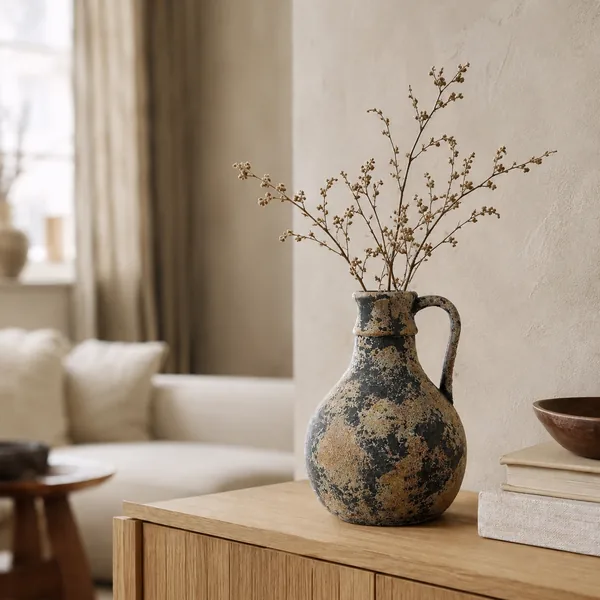
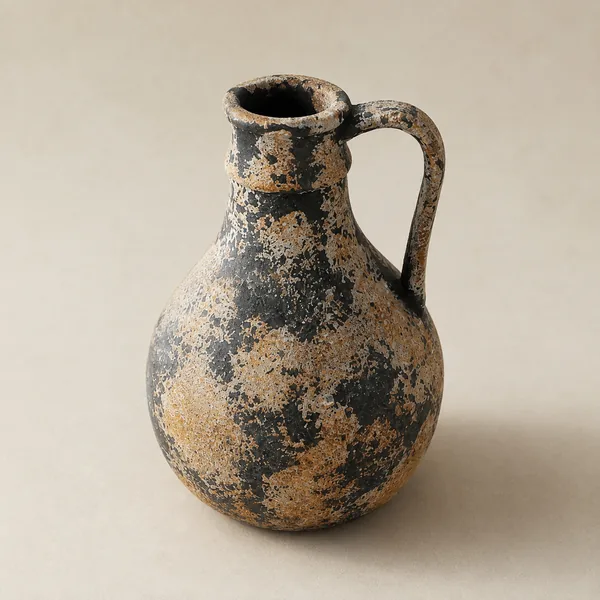
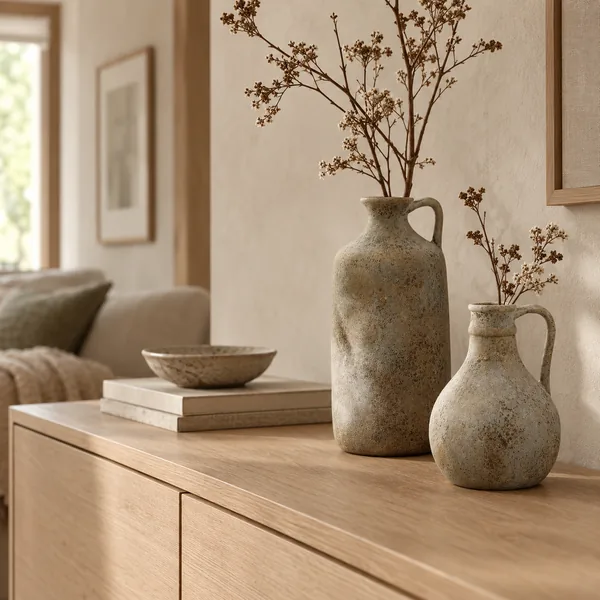
 Save $40.00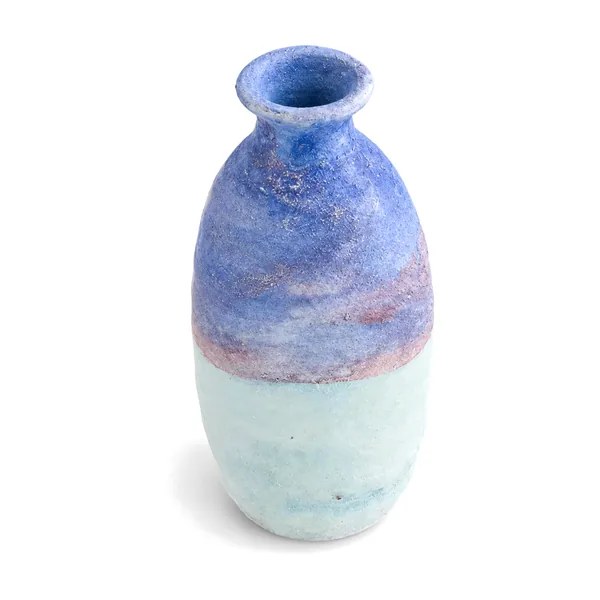
 4 options
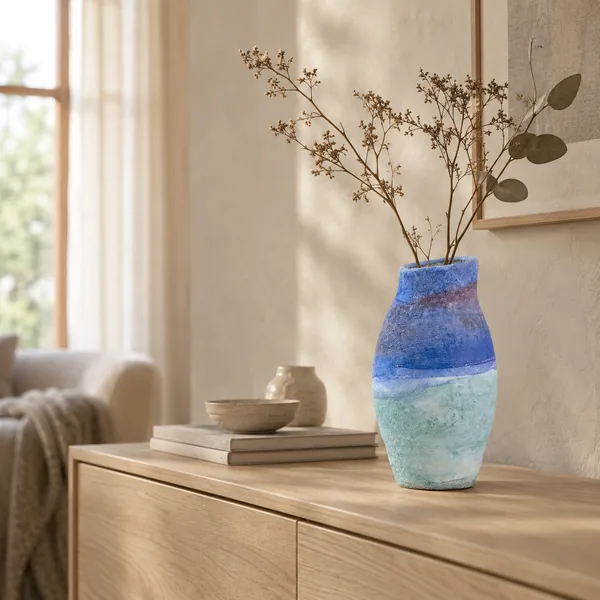
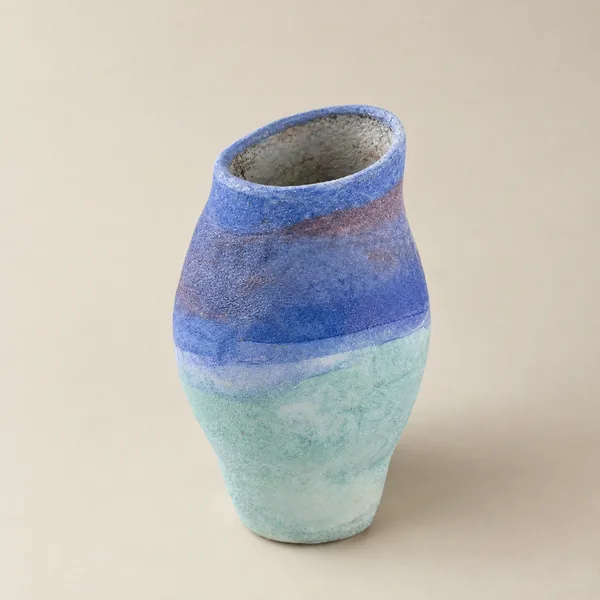
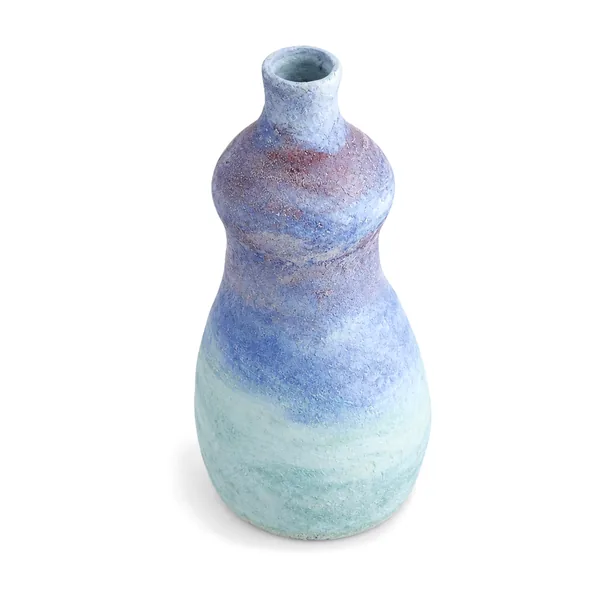
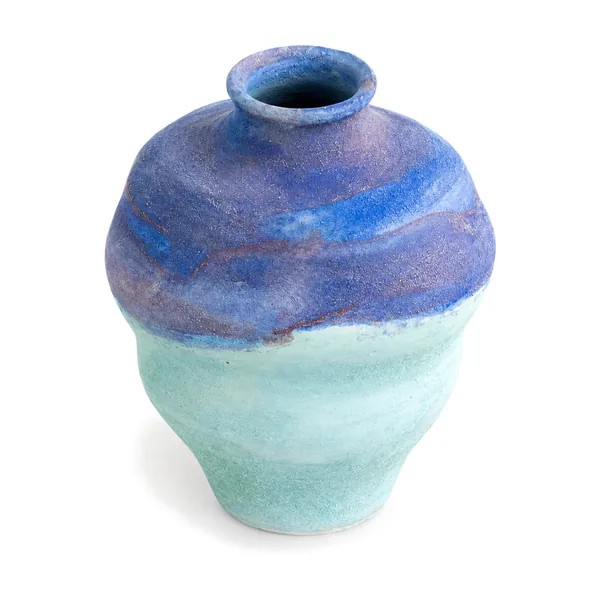
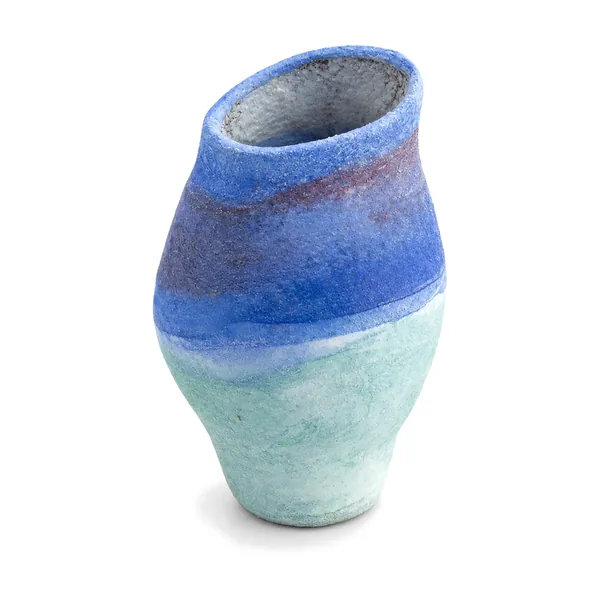
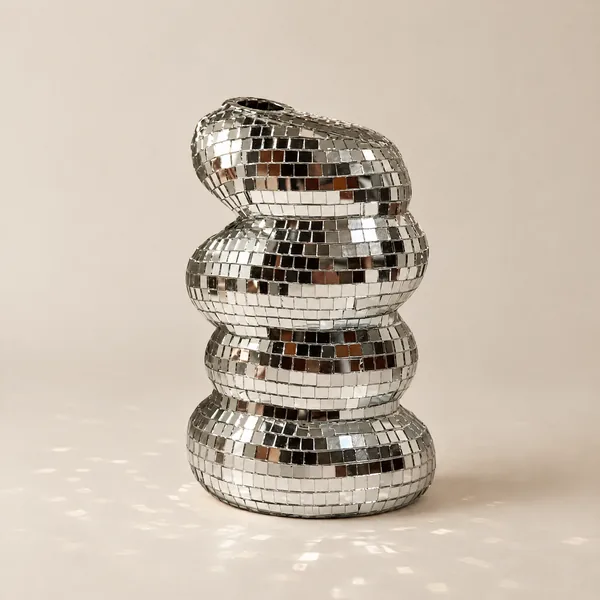
Dyvna Blue Gradient Ceramic Vase for Home Decor
What Makes a Glass Vase Valuable?
Determining the worth of a vintage decorative vase requires evaluating several interconnected factors. Rarity stands paramount—a limited production run or experimental color automatically increases desirability among collectors. The manufacturer's reputation significantly influences value, with pieces from storied glasshouses commanding premiums regardless of age.
Condition dramatically affects valuation. Chips, cracks, or repairs typically decrease value by 50-75%, though rarity might offset minor damage in extremely scarce pieces. Original labels and provenance documentation add authenticity and incrementally increase worth. Current market trends also play a role; mid-century modern aesthetics remain particularly desirable, driving up prices for Scandinavian and American studio glass from the 1950s-1970s.
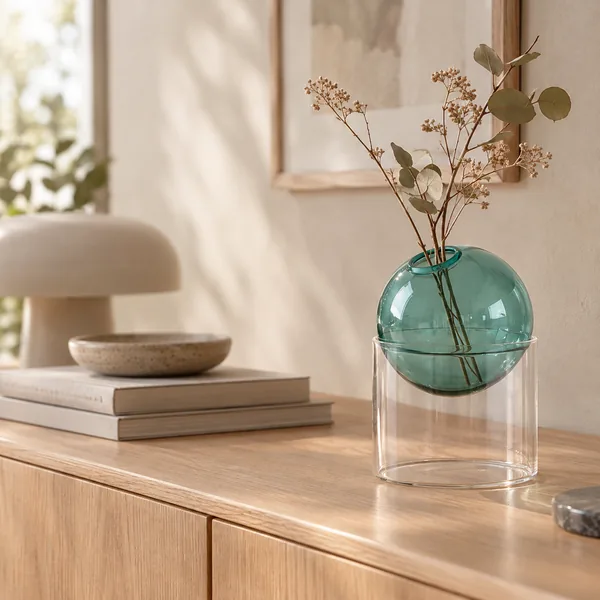 Vårka Borosilicate Round Glass Vase for Flowers$38.00$59.00
If you're drawn to the charm of vintage aesthetics but prefer the reliability of new pieces, consider the Vårka Borosilicate Round Glass Vase for Flowers. This handcrafted borosilicate glass vase captures the essence of vintage-inspired colors while offering modern durability. Its timeless design complements both genuine antiques and contemporary interiors, providing that coveted retro glass vase aesthetic without the fragility often associated with century-old pieces.
The Most Sought-After Vintage Glassware Styles
Collector preferences fluctuate with design trends, yet several categories of colored glass vase consistently maintain strong markets. Mid-century modern vase designs from Scandinavian countries remain particularly coveted, characterized by organic forms, somber colors, and exceptional clarity. Swedish glasshouses like Orrefors and Kosta Boda produced architecturally significant pieces during this period that command four-figure prices at auction.
American Depression glass, produced between the 1920s-1940s, offers an accessible entry point for new collectors, with green, pink, and amber vases widely available at modest prices. At the premium end, Art Deco vases featuring geometric patterns and bold colors—particularly those by French makers like Daum and Lalique—represent the pinnacle of decorative glass collecting. Carnival glass, with its distinctive iridescent finish, attracts dedicated collectors seeking specific patterns and colors like red, blue, or amethyst.
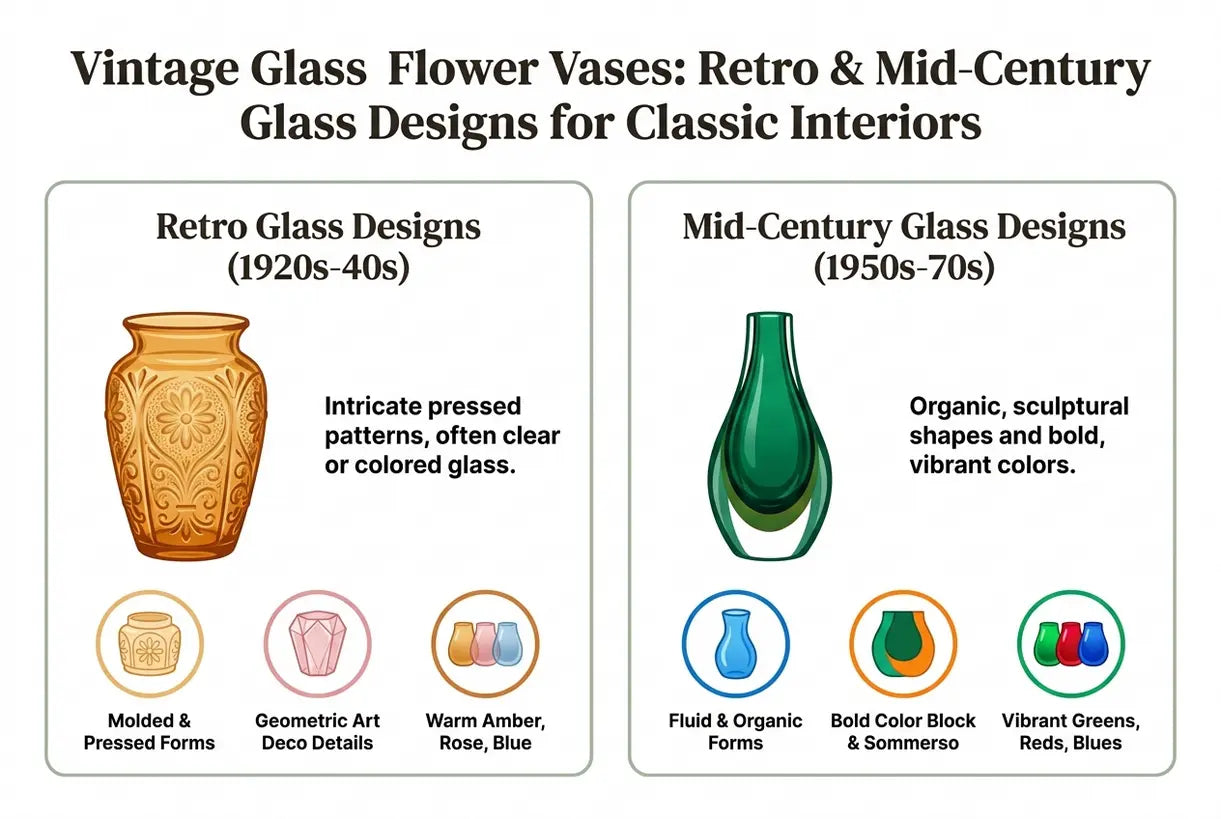
Mid-Century Modern vs. Retro Glass Vases
Understanding the distinction between mid-century modern vase designs and general retro aesthetics helps refine your collection focus. True mid-century pieces, produced roughly between 1945-1965, emphasize minimalism, function, and innovative materials. Designers like Tapio Wirkkala and Timo Sarpaneva for Iittala created sculptural pieces that blurred the line between utilitarian vessel and art object.
The term "retro" encompasses a broader range, often describing 1960s-1970s kitsch aesthetics featuring brighter colors, psychedelic patterns, and exaggerated forms. While mid-century pieces appeal to serious collectors seeking investment-grade design, retro flower vases attract those wanting to add playful, nostalgic elements to their interiors. Both share a handmade quality and honest materiality that distinguishes them from contemporary mass production.
Valuable Glass Vases Worth Collecting
Certain manufacturers and styles consistently appreciate in value, making them smart acquisitions for both decorative and investment purposes. Blenko Glass's "Water Bottle" series from the 1950s and 1960s, designed by Wayne Husted and Joel Myers, features architectural forms in saturated colors that photograph beautifully and function practically as flower vessels. Similarly, Viking Glass's Epic line offers substantial pieces with distinctive curves and那个年代's characteristic colors like avocado, amber, and persimmon.
Italian glass, particularly from the Empoli region, produced cased glass vases in vibrant colors encased in clear crystal, creating dramatic visual depth. These pieces, often marked with foil stickers reading "Empoli" or "Made in Italy," offer relatively affordable entry points into serious glass collecting while providing substantial decorative impact.
The above video offers expert insights from Dr. Lori on distinguishing valuable pieces from decorative items. Her guidance on examining color consistency, pontil marks, and manufacturer signatures provides practical knowledge applicable whether you're browsing estate sales or evaluating inherited pieces. Understanding these valuation principles empowers you to build a collection that retains—or potentially increases—its worth over time.
Contemporary Vases Inspired by Vintage Design
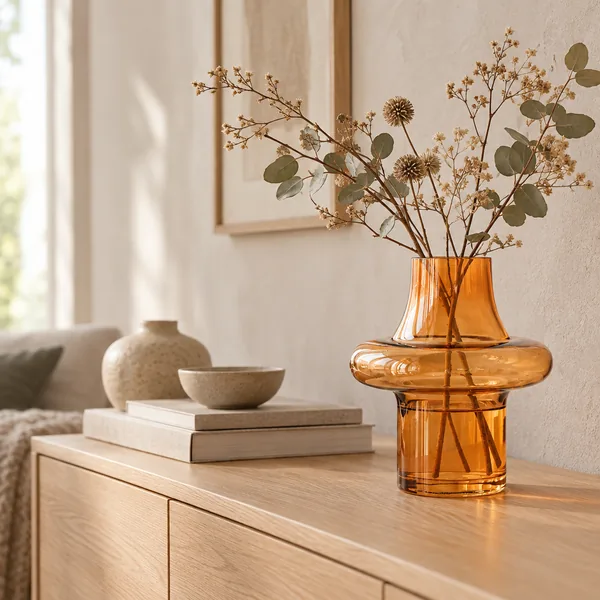 Glovik Amber Geometric Glass Sculptural Vase$89.00
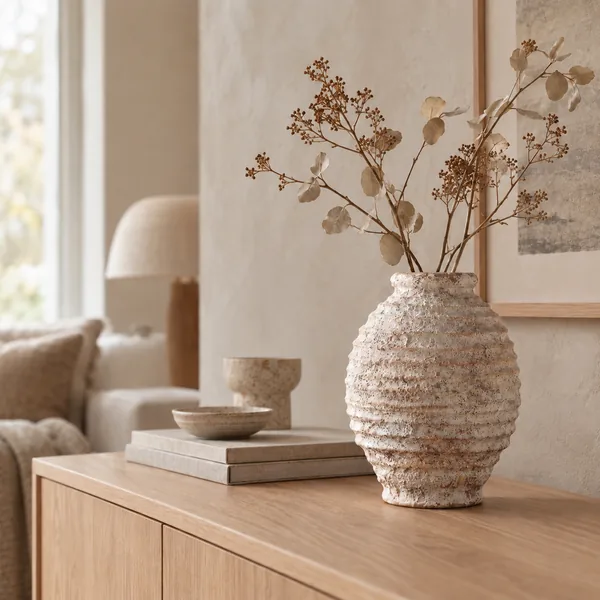 Stille Rustic Handmade Ceramic Vase Earth Tone$99.00$169.00
For those who admire vintage aesthetics but require contemporary reliability, the Glovik Amber Geometric Glass Sculptural Vase captures the essence of mid-century modern vase design with its warm amber tones and architectural geometric form. Paired with the artisanal Stille Rustic Handmade Ceramic Vase Earth Tone, these pieces offer the organic warmth and handcrafted authenticity that vintage collectors prize, while providing the durability and consistency of new production.
Home Decor
Shop all Home Decor
 Save $44.50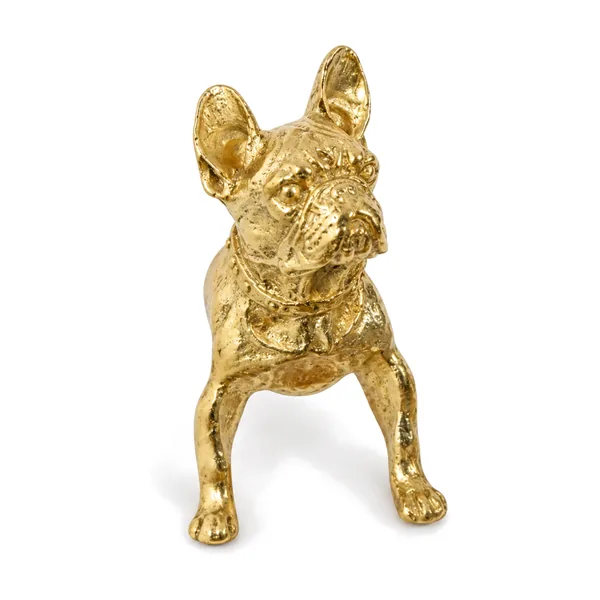
 2 options
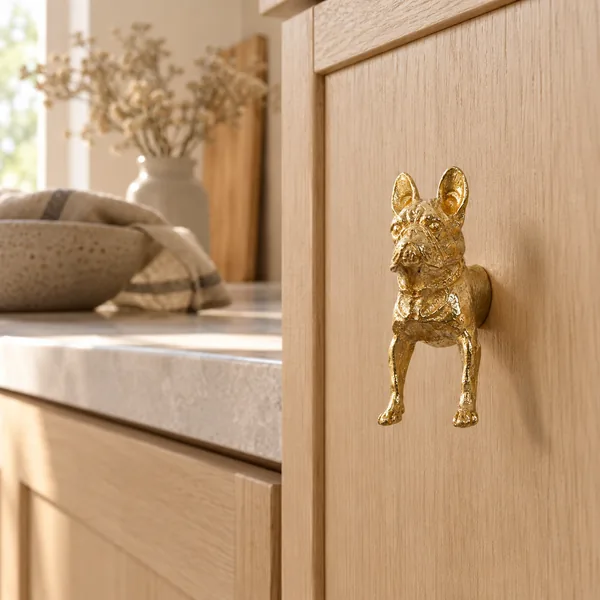
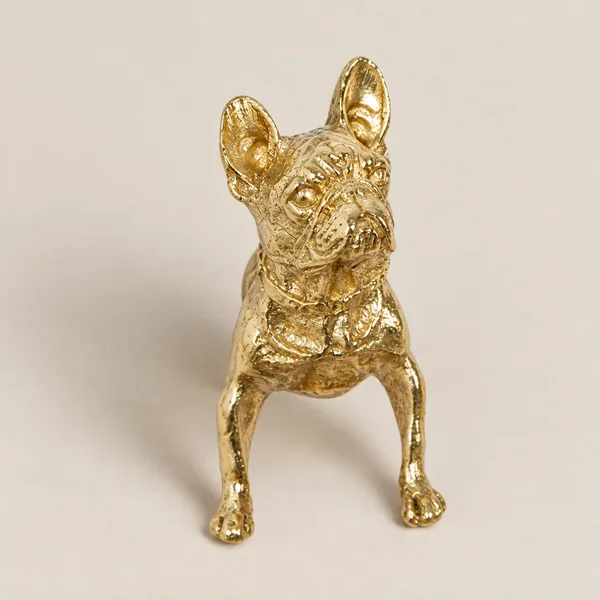
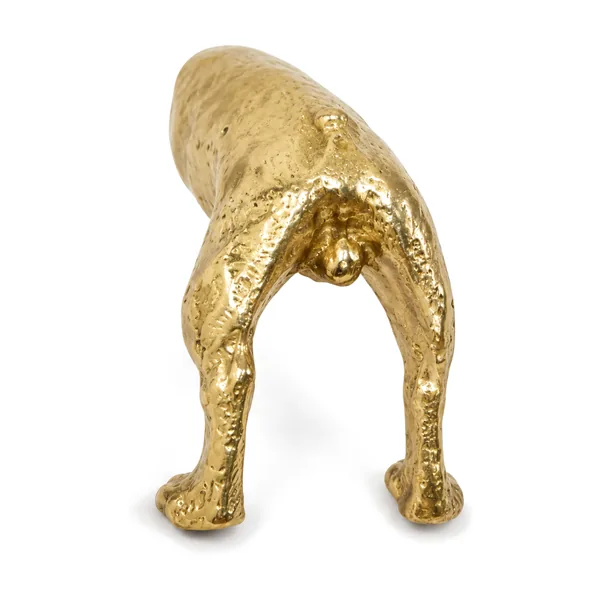
Tassa Polished Brass Dog Cabinet Pull Handle
 Save $110.00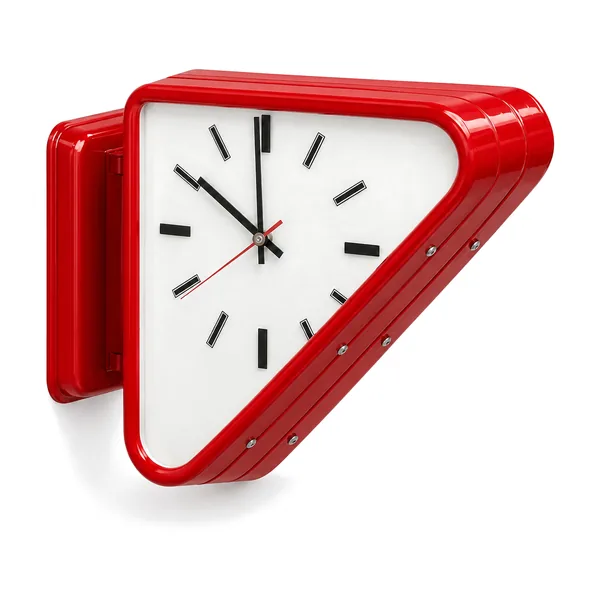
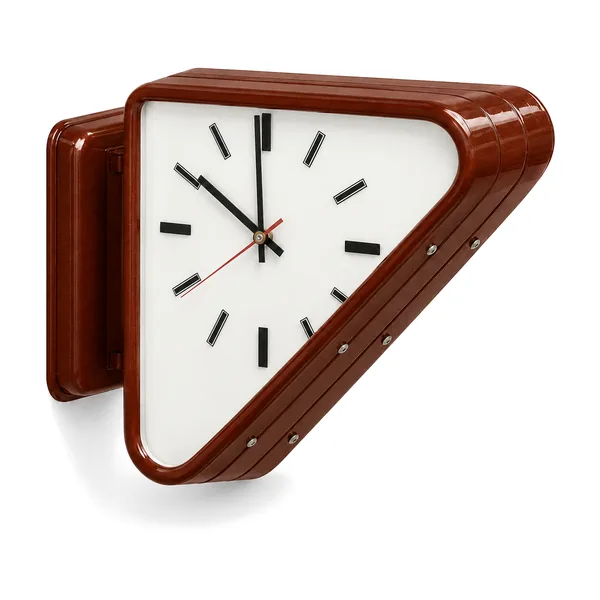 +15 options
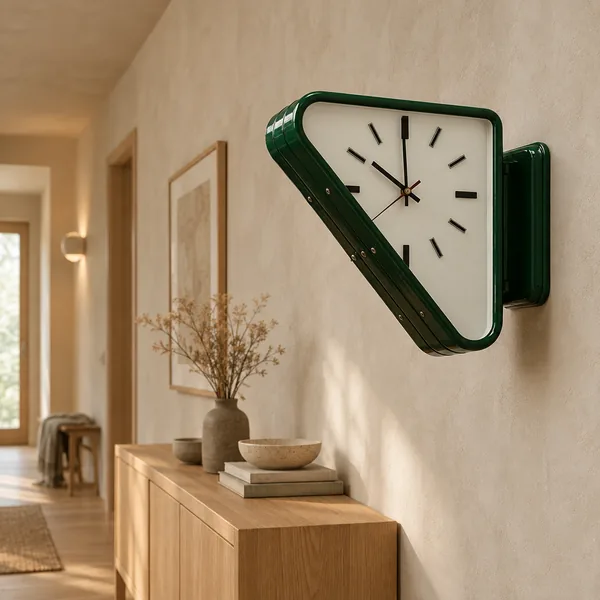
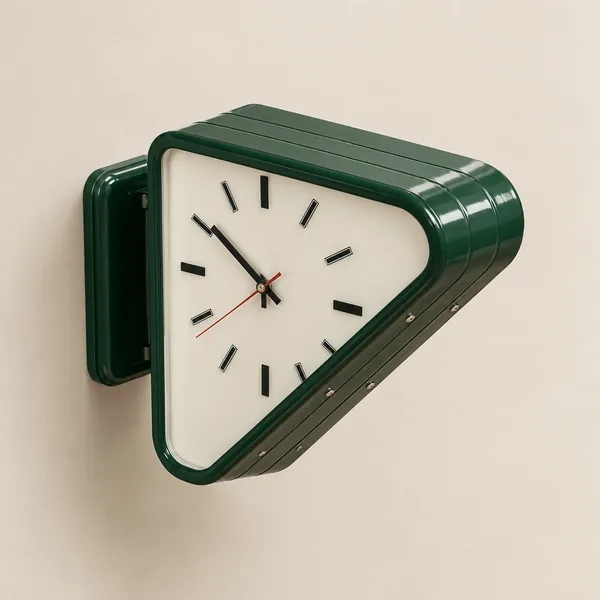
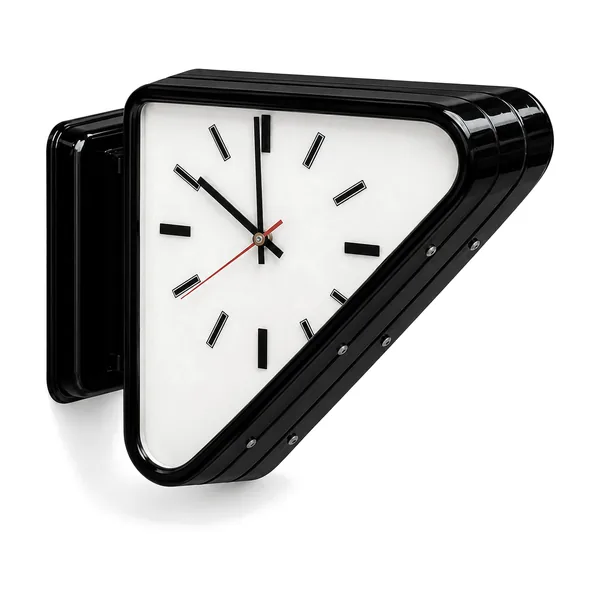
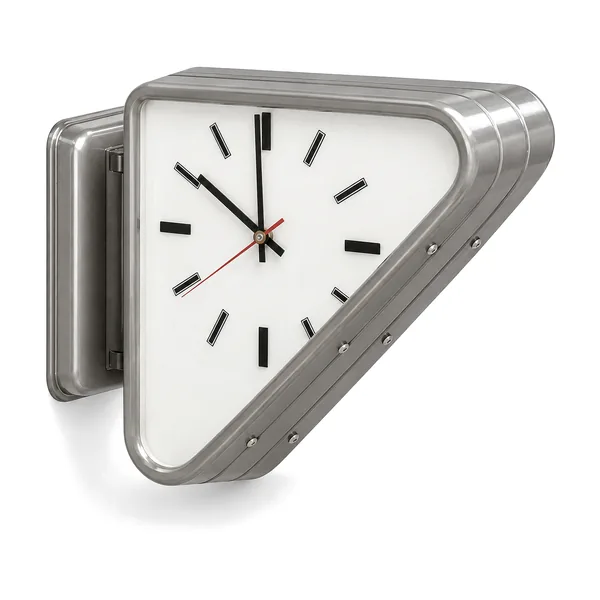
Tvilling Dual-Sided Geometric Metal Wall Clock
Styling Vintage Glass Vases in Classic Interiors
Integrating vintage glass into contemporary settings requires thoughtful curation. Rather than isolating a single antique piece, consider grouping vintage bud vases in odd numbers—threes or fives—along mantels or windowsills. This clustering technique creates visual impact while honoring the pieces' functional heritage.
Light plays crucially in showcasing glassware. Position translucent pieces where natural light filters through, revealing the full depth of color and craftsmanship. In the evening, consider how ambient lighting interacts with your collection, casting colored shadows that transform a static display into a dynamic interior element.
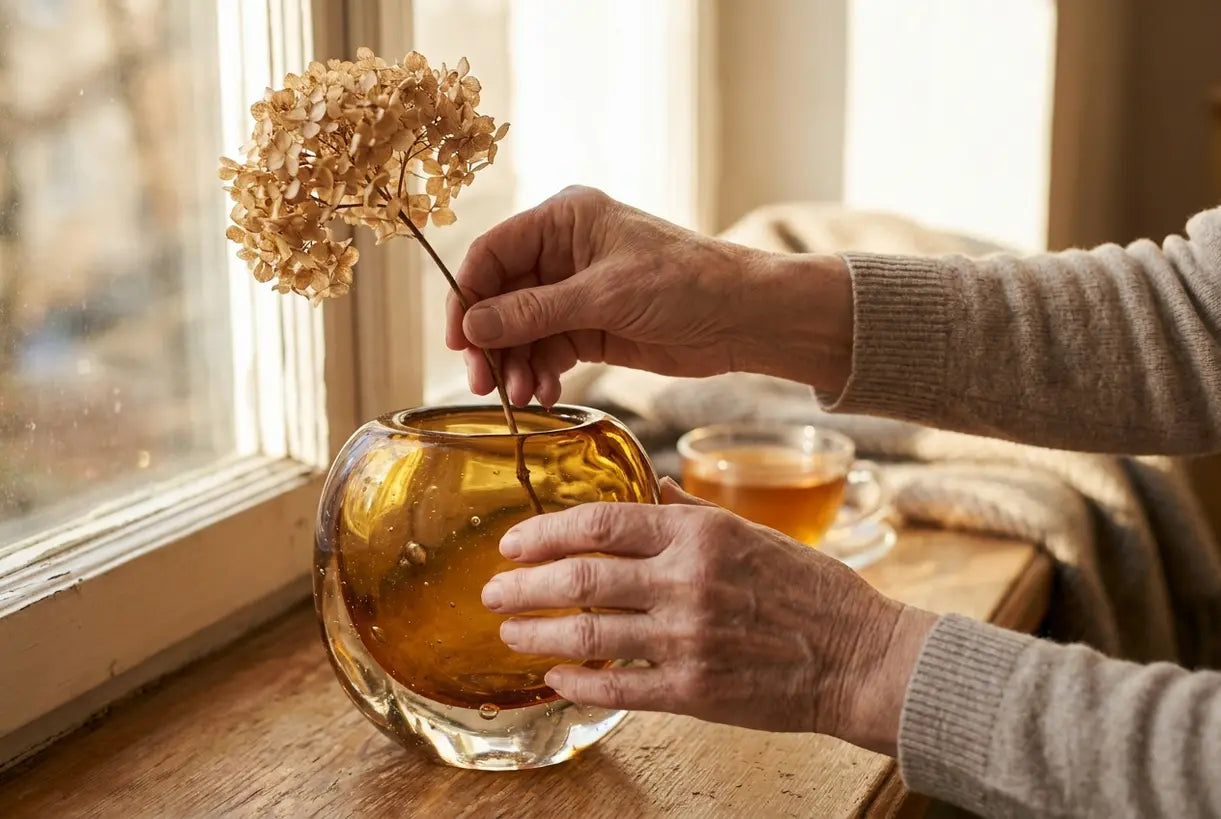
When styling, embrace the Scandinavian principle of lagom—not too little, not too much. A single stem in a substantial retro glass vase often makes a stronger statement than overwhelming arrangements. Dried botanicals, particularly pampas grass or dried alliums, complement vintage vessels beautifully while requiring no maintenance, preserving both the flowers and the glass from water damage risks.
Caring for Your Vintage Glass Collection
Preserving the integrity of antique glassware requires gentle handling and appropriate cleaning methods. Always support the base when lifting, as handles applied separately after the main body formation often represent structural weak points. Clean pieces individually using lukewarm water with mild dish soap, avoiding extreme temperature changes that might crack older glass.
Never place vintage glass in dishwashers; the harsh detergents and high temperatures damage delicate surfaces and remove desirable patina. For stubborn interior residue, soak with denture cleaning tablets or white vinegar solutions rather than scrubbing with abrasive materials. Display pieces away from direct sunlight when possible, as prolonged UV exposure can fade colored glass—particularly sensitive pink and purple tones derived from manganese or gold chloride.
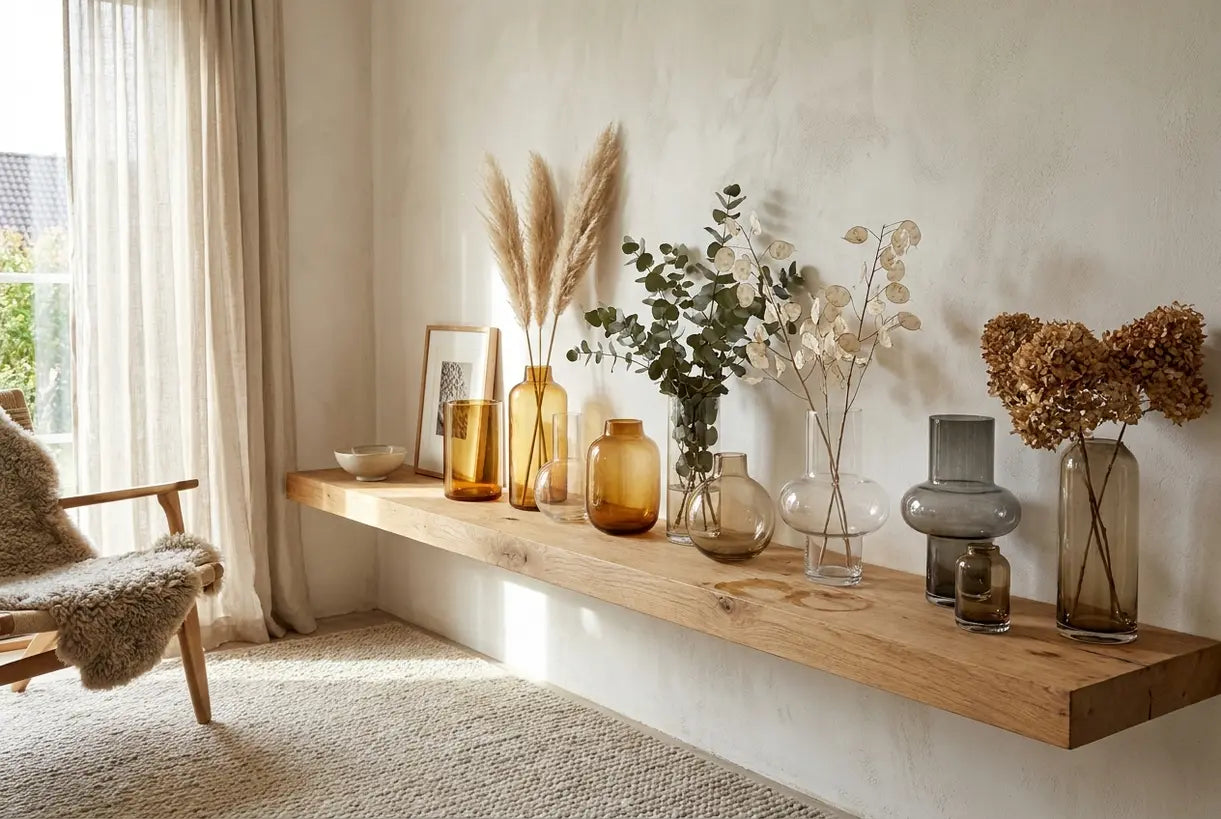
Consider the environment in which you display your collection. Wooden shelves, particularly natural oak or walnut, provide warm contrast to cool glass surfaces while offering stable, vibration-free support. The image above illustrates how curated collections of vintage pieces create museum-quality displays within residential settings when combined with thoughtful lighting and complementary natural materials.
Conclusion: Curating Your Personal Collection
Vintage glass flower vases offer more than mere decorative utility—they provide tangible connections to craftsmanship traditions increasingly rare in our automated world. Whether you're drawn to the architectural boldness of mid-century Scandinavian design or the exuberant colors of American Depression glass, building a collection reflects your personal aesthetic while honoring artistic heritage.
At Skonne, we understand the importance of surrounding yourself with objects that tell meaningful stories. While the hunt for authentic antique glass flower vases requires patience, education, and sometimes significant investment, the resulting collection brings daily joy and potential long-term value. Our carefully selected modern interpretations—from the Vårka Borosilicate Round Glass Vase to the Glovik Amber Geometric designs—offer accessible ways to incorporate vintage aesthetics into contemporary life, ensuring your home reflects the warmth, intentionality, and curated beauty that defines the Scandinavian design ethos.
Related Article
Japanese Flower Vases & Ikebana: The Art of Minimalist Japanese Floral DesignExplore Japanese flower vases and Ikebana principles. Discover minimalist design tips and curated vases for creating serene, intentional floral displays.