
Vintage & Retro Kitchen Lighting: Mid-Century, Antique & Old-World Fixtures for a Character-Filled Kitchen
Summary›
- The Enduring Appeal of Vintage-Inspired Kitchen Lighting
- Vintage vs. Retro vs. Antique: Understanding the Distinction
- The Best Vintage Kitchen Lighting Styles for Your Home
- How to Choose the Right Vintage Kitchen Lighting
- Mixing Mid-Century and Antique Kitchen Lighting
- The Art of Hanging Vintage Pendant Lights Over Kitchen Islands
- Creating a Cohesive Vintage Lighting Scheme
- Care and Maintenance of Vintage Kitchen Lighting
- Conclusion: Let Your Kitchen Tell Its Story
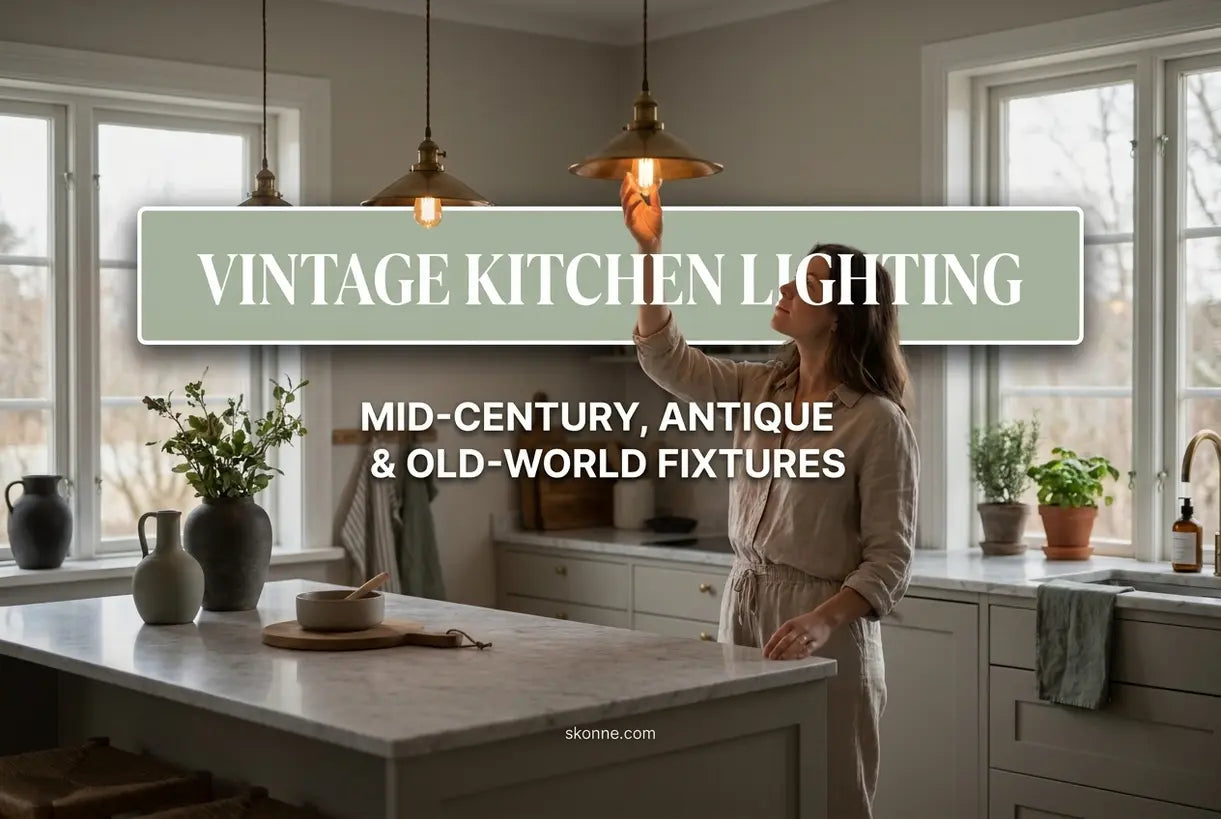
There's something undeniably captivating about lighting that tells a story. When you walk into a kitchen illuminated by fixtures from decades past—or carefully crafted pieces that honor those designs—a warmth settles over the space that mass-produced modern alternatives rarely achieve. Vintage kitchen lighting doesn't merely brighten a room; it anchors your home in character, celebrates the craftsmanship of bygone eras, and creates that sense of hygge Danes have known for generations.
Whether you're drawn to the mid-century modern kitchen lighting of the 1950s, the romantic curves of old-world fixtures, or the bold geometry of retro pendant lights, this guide will help you navigate the beautiful world of character-filled illumination. We'll explore how to choose pieces that honor the past while serving your contemporary lifestyle, where to place them for maximum impact, and how to confidently mix different eras without losing cohesion.
The Enduring Appeal of Vintage-Inspired Kitchen Lighting
Why does vintage kitchen lighting continue to captivate homeowners and interior designers alike? The answer lies in its authenticity and intentionality. In an age of fast furniture and disposable decor, these fixtures represent a different philosophy—one that values materials that age gracefully, designs that transcend trends, and craftsmanship that stands the test of time.
From antique kitchen lighting dating back to the early twentieth century to 1950s kitchen light fixtures with their atomic-age flair, each era brings distinct personality to the heart of your home. Warm brass patinas, hand-blown glass, raw iron finishes, and walnut accents create layers of texture that complement natural materials like marble countertops, butcher block islands, and ceramic tile backsplashes.
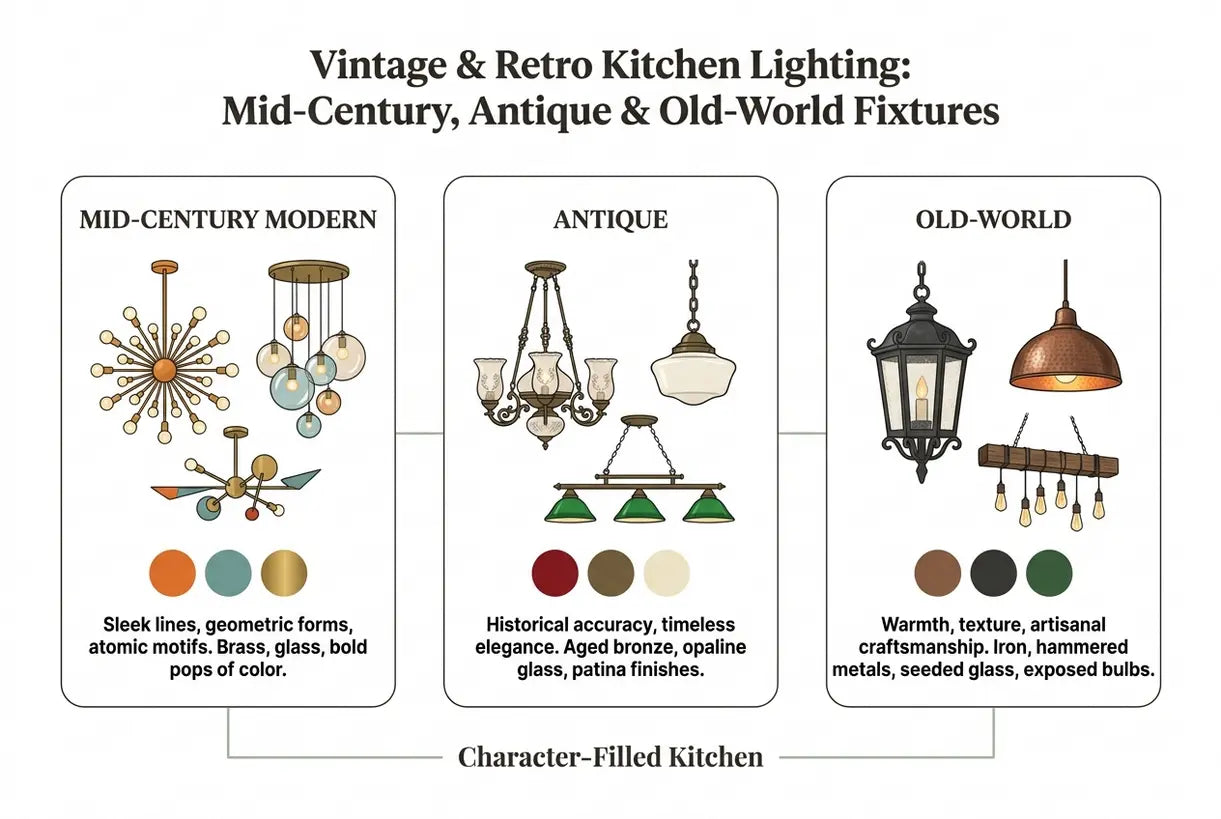
The visual impact is only part of the story. Vintage lighting fixtures often feature glass shades and open designs that cast more atmospheric, ambient illumination compared to the harsh glare of many contemporary LED fixtures. This quality of light contributes significantly to kitchen ambiance—transforming a utilitarian workspace into a gathering place for morning coffee and evening conversations.
Vintage vs. Retro vs. Antique: Understanding the Distinction
Before choosing fixtures, it's helpful to understand the terminology that defines this aesthetic category. While these terms are often used interchangeably in casual conversation, each carries specific meaning:
Vintage lighting typically refers to fixtures that are at least 20 years old but less than 100 years old. These are authentic pieces from past decades—often mid-century modern, art deco, or farmhouse styles—that have survived in good condition or been restored.
Retro lighting describes contemporary fixtures designed to emulate the styles of a specific past era. These are new pieces that capture the spirit and aesthetic of vintage designs while incorporating modern wiring, safety standards, and often LED compatibility. For those seeking retro pendant lights for the kitchen with reliable modern functionality, this category offers the best of both worlds.
Antique lighting refers to genuine fixtures that are over 100 years old. These old-world kitchen fixtures often feature hand-forged details, hand-blown glass, and brass or copper frames that have developed rich patinas over decades. They require careful sourcing and often professional rewiring but reward owners with unmatched authenticity.
Mid-century modern lighting specifically denotes designs from approximately 1945-1965, characterized by clean lines, organic shapes, and innovative use of materials like molded plastic, teak, and brass. This remains one of the most sought-after eras for kitchen lighting enthusiasts.
Pendant Lights
Shop all Pendant Lights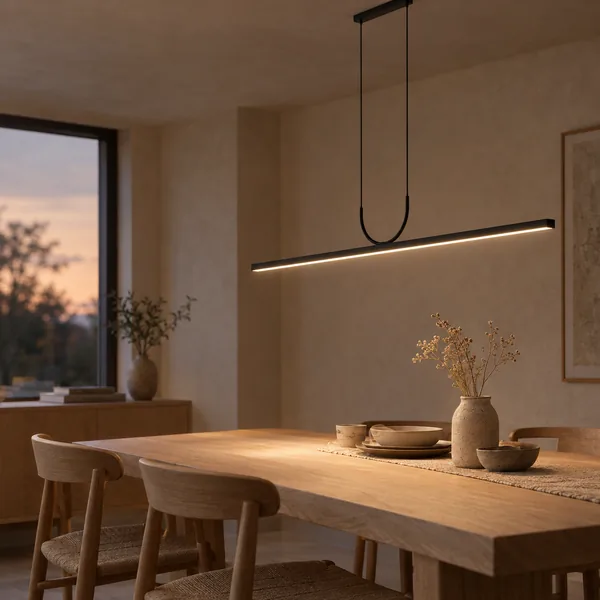
 Save $140.00
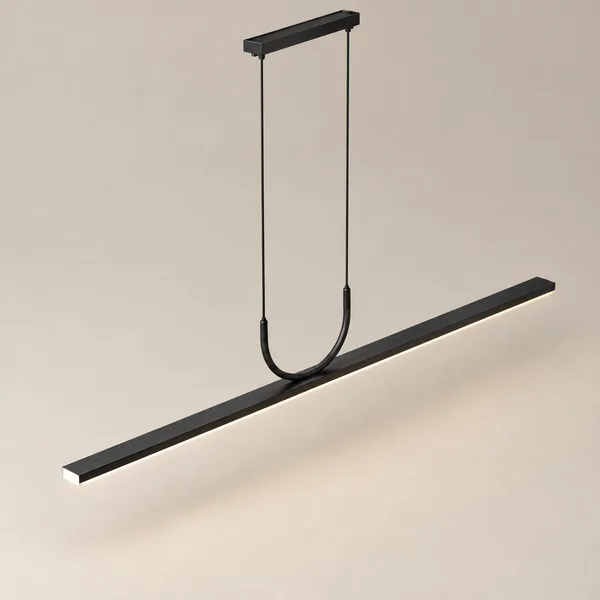
Linné Minimalist Linear Black LED Pendant Light
 Save $60.00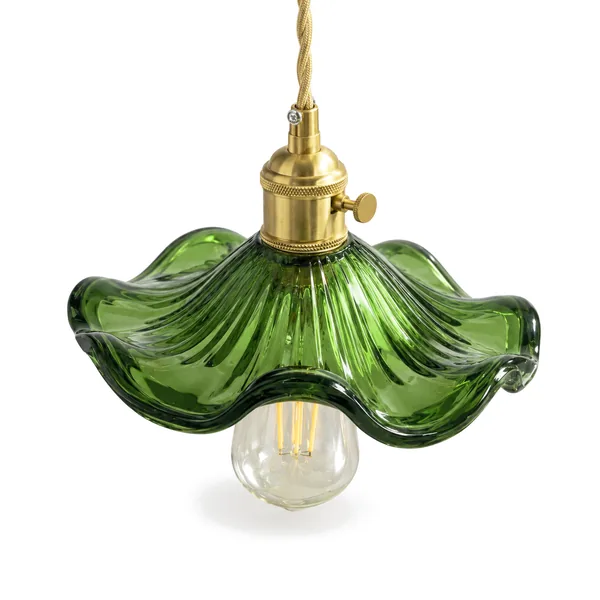
 3 options
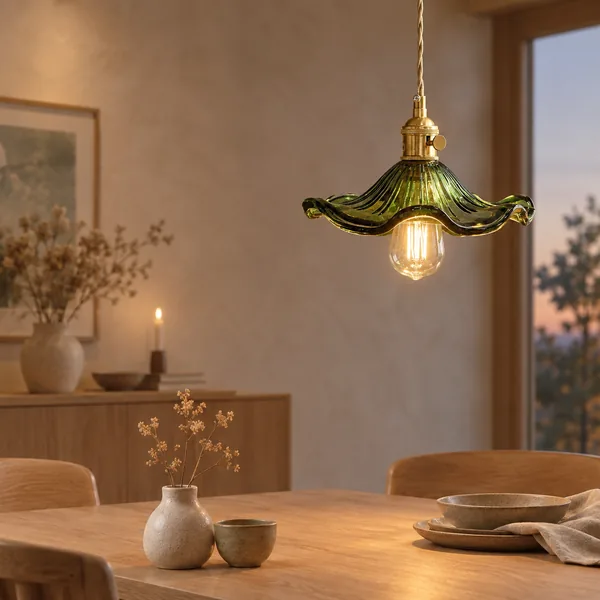
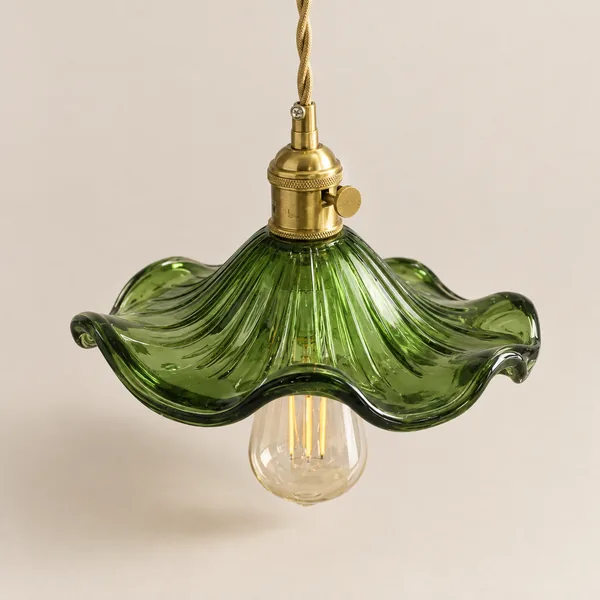
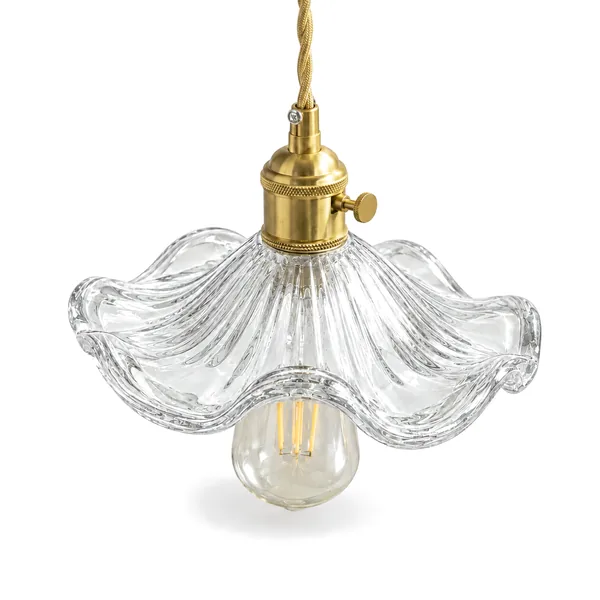
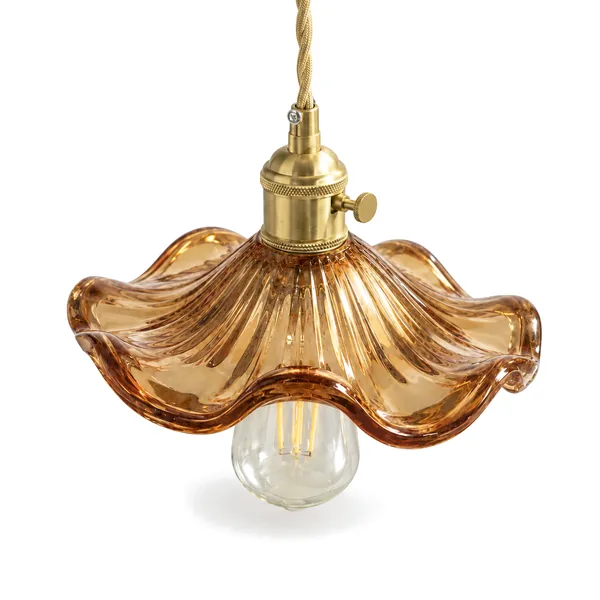
Glora Nordic Glass Pendant Light with Copper
 Save $120.00
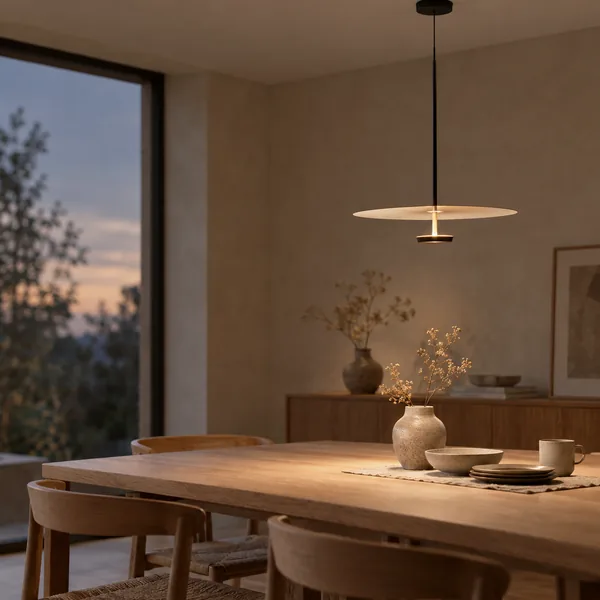
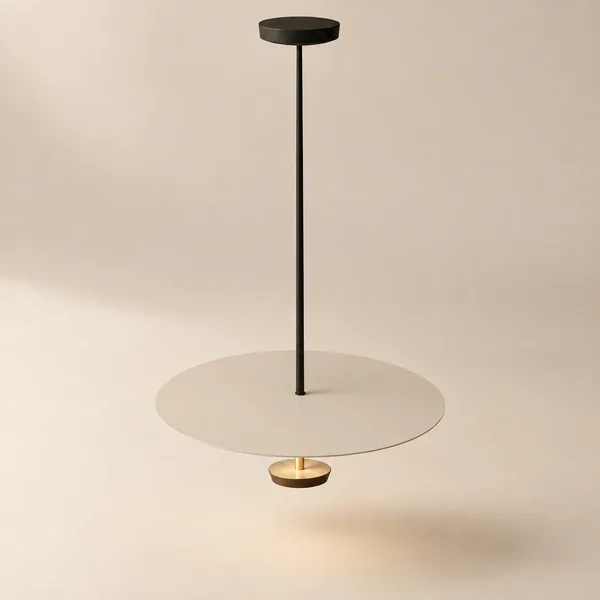
Skiva Nordic Saucer Ceiling Pendant Light LED
The Best Vintage Kitchen Lighting Styles for Your Home
Finding the right vintage aesthetic for your kitchen depends on your existing architecture, personal taste, and the atmosphere you want to create. Here are the most enduring styles to consider:
Farmhouse Vintage Lighting
The farmhouse aesthetic emphasizes simplicity, warmth, and practicality. Look for brass kitchen lighting with matte or aged finishes, milk glass shades, and barn-inspired silhouettes. These fixtures complement shiplap walls, apron-front sinks, and reclaimed wood elements while maintaining a clean, unfussy presence.
Mid-Century Modern Kitchen Island Lighting
For kitchens with clean lines and minimal ornamentation, mid-century modern kitchen island lighting offers perfectly proportioned elegance. Think elongated pendant clusters, sputnik chandeliers, or atomic-inspired flush mounts. The key is geometric precision balanced with organic material warmth—teak and walnut accents work beautifully alongside colored glass or smoked finishes.
Industrial Vintage Character
Factory-inspired lighting brings raw, utilitarian beauty to the kitchen. Heavy iron frames, caged bulbs, and weathered metal finishes create an urban edge that pairs surprisingly well with soft materials like linen curtains and earthenware. This style suits lofts, converted industrial spaces, or any home wanting an edgier vintage feel.
Old-World European Elegance
French country, Italian provincial, and Victorian-era influences bring romance and formality to kitchen lighting. Crystal accents, ornate metalwork, and layered glass elements define this category. For those seeking vintage glass pendant lights with maximum visual impact, old-world styles deliver timeless sophistication.
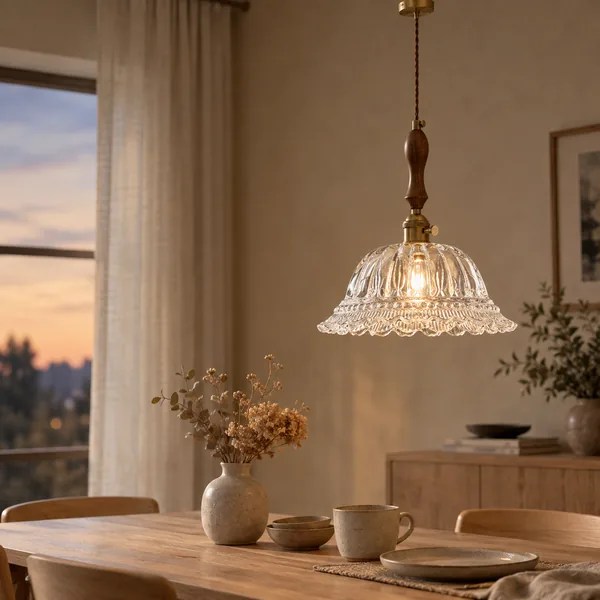 Gloda Walnut Brass French Style Pendant Light$169.00$229.00
The Gloda Walnut Brass French Style Pendant Light exemplifies how modern craftsmanship can honor vintage sensibilities. Its warm walnut elements paired with aged brass create that coveted amber glow perfect for intimate dining areas or cozy breakfast nooks.
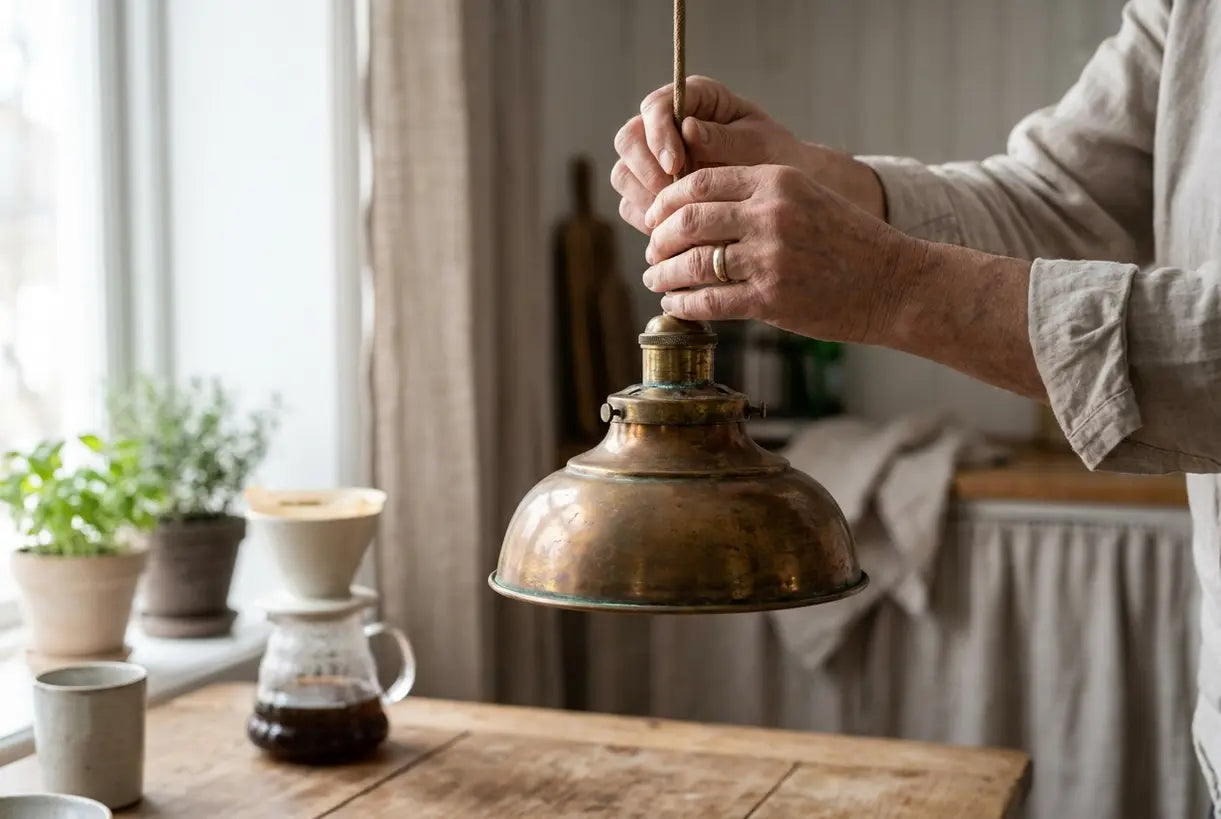
Notice how authentic vintage fixtures often reveal hand-finished details—the subtle variations in metal patina, the slight irregularities in hand-blown glass, the weight of quality materials. These imperfections are signatures of character, distinguishing premium reproductions from cheap imitations.
How to Choose the Right Vintage Kitchen Lighting
Choosing vintage kitchen lighting requires considering both aesthetic and practical factors. Start by assessing your kitchen's existing architecture and material palette. A boldly geometric mid-century fixture might feel jarring in a traditional cottage kitchen, just as an ornate crystal chandelier could overwhelm a minimal Scandinavian space.
Consider these practical questions:
- What's the scale of your space? Larger kitchens can accommodate statement chandeliers or pendant clusters, while smaller galley kitchens benefit from streamlined flush mounts or single pendants.
- What type of illumination do you need? Task lighting requires focused, bright light over work areas, while ambient lighting creates the overall mood. Character-filled kitchen lights can serve both functions when chosen thoughtfully.
- What ceiling height are you working with? Low ceilings may require semi-flush mounts or carefully selected pendants, while vaulted or high ceilings invite dramatic chandeliers.
- Do you need dimming capability? Modern vintage-inspired fixtures should offer compatibility with dimmer switches for adjustable ambiance.
This tour demonstrates how vintage fixtures create cohesion across kitchen zones—from task lighting over the island to accent lighting in display areas. Notice how the warm metal finishes unify the space while different fixture styles serve specific lighting purposes.
Mixing Mid-Century and Antique Kitchen Lighting
One of the most sophisticated approaches to vintage kitchen lighting involves mixing eras intentionally rather than committing to a single period style. The key is finding common threads—material, finish, or proportion—that allow disparate pieces to converse rather than compete.
Successful mixing relies on these principles:
Unify through metal finishes: Whether you're combining mid-century pendants with an antique chandelier or retro wall sconces with vintage ceiling lights, keeping metals consistent creates visual cohesion. Choose a primary metal—brass, copper, black iron, or chrome—and let it thread through all fixtures.
Vary scale deliberately: Pair a substantial antique island fixture with more delicate mid-century pendants at the perimeter. Contrast creates interest when balanced intentionally.
Temper boldness with restraint: If your main fixture is an ornate crystal chandelier, choose simpler, clean-lined pendants for the island. Conversely, dramatic mid-century pendants pair well with understated ceiling lights.
Complete Your Vintage Kitchen Lighting Scheme
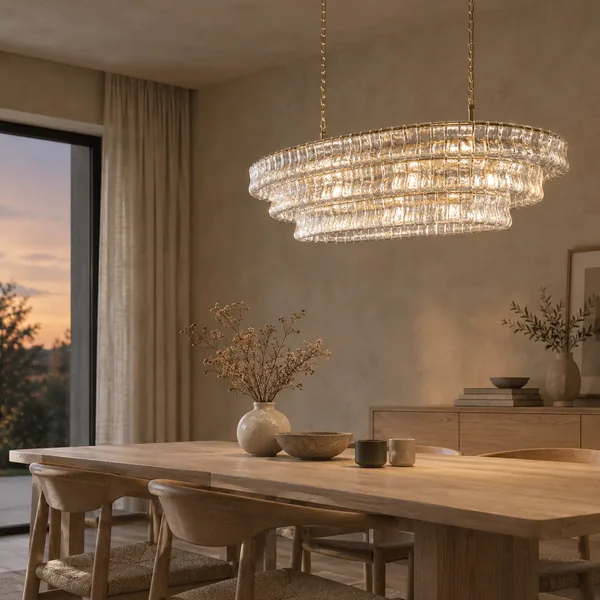 Stjerna Vintage French Clear Glass Chandelier$1,799.00$2,259.00
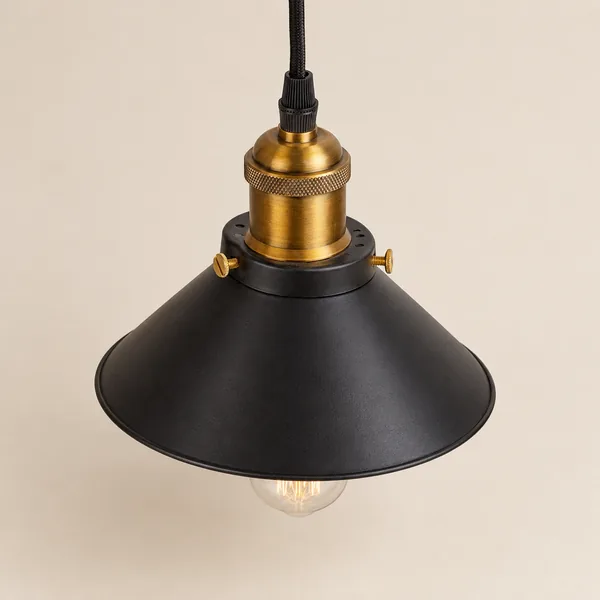
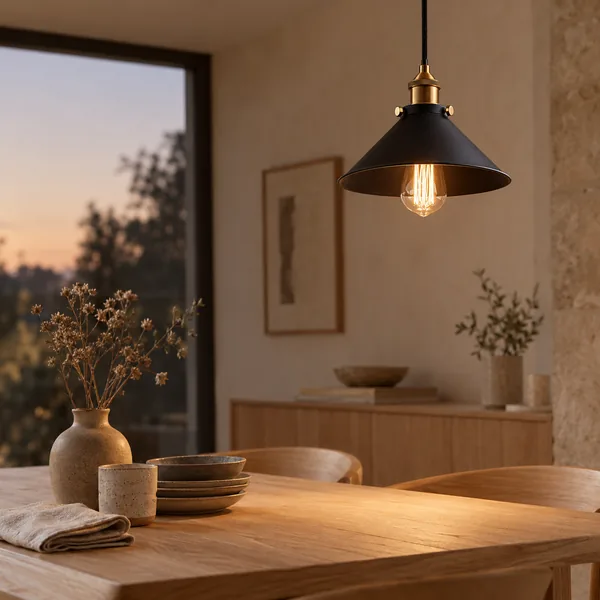 Kveld Retro Iron Pendant Lamp for Loft Spaces$89.00$129.00
The Stjerna Vintage French Clear Glass Chandelier demonstrates how vintage-inspired pieces can bridge eras beautifully—its rippled glass layers evoke French art deco while the clean circular form fits comfortably within mid-century or contemporary settings. For a more industrial vintage statement, the Kveld Retro Iron Pendant Lamp offers angular character at an accessible price point.
The Art of Hanging Vintage Pendant Lights Over Kitchen Islands
One of the most common questions about vintage pendant lighting for kitchen island installations concerns height—get it wrong, and even the most beautiful fixture will feel awkward rather than intentional.
The general rule for pendant height is 30-36 inches above the countertop surface to the bottom of the fixture. This positioning provides adequate task illumination while maintaining sightlines across the kitchen and preventing head collisions during food prep. For vaulted ceilings or exceptionally tall cook spaces, you may need to adjust upward slightly.
For islands with seating, consider the viewing angle from seated guests. Pendant lights should illuminate the surface elegantly without shining directly into anyone's eyes. Dimmable bulbs become essential here—bright enough for chopping vegetables, warm enough for intimate dinners.
Pro Tip: For larger islands, cluster multiple pendants or choose elongated linear fixtures. Space individual pendants approximately 24-30 inches apart for even illumination and visual balance.
When working with our Pendants & Chandeliers collection, consider the visual weight of your chosen pieces alongside the kitchen's scale. A single substantial pendant can anchor a compact island beautifully, while lengthy surfaces often call for symmetrical arrangements of two or three coordinating fixtures.
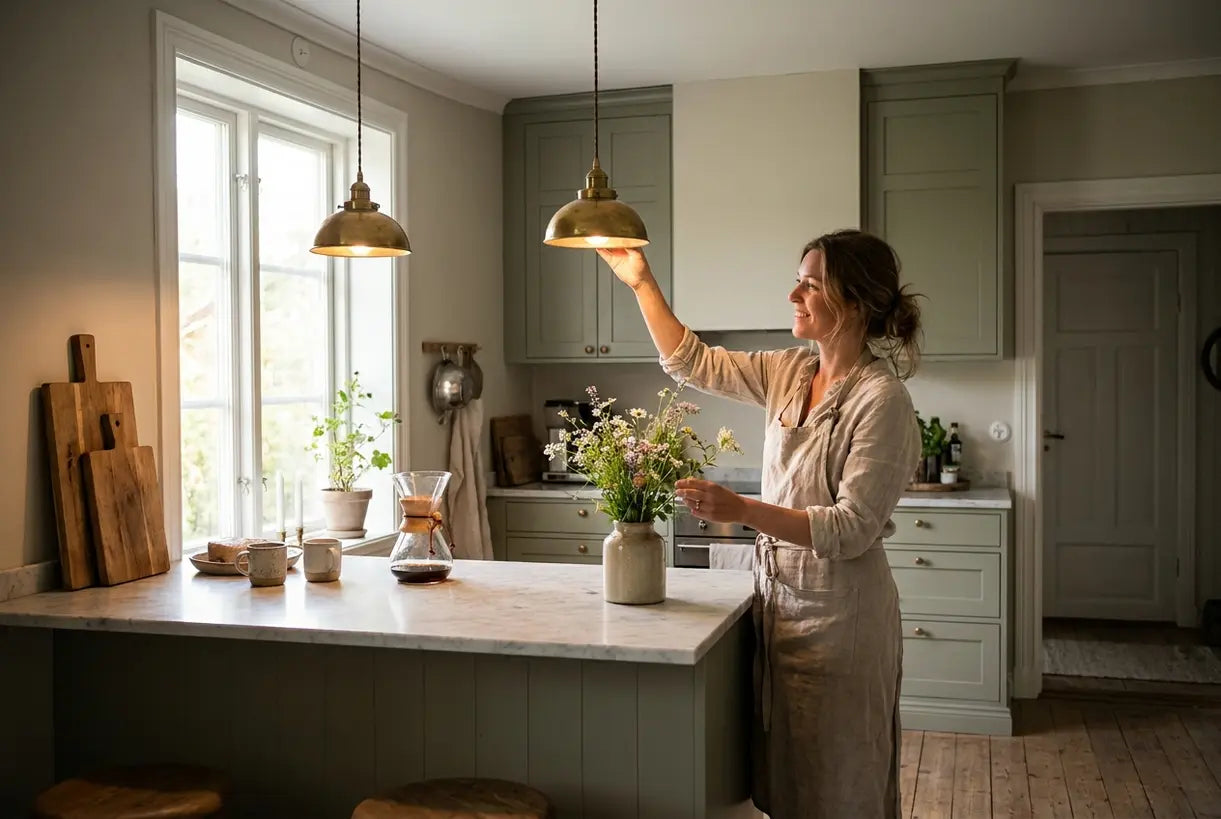
Notice how the pendant placement in a Scandinavian-inspired kitchen creates gathering zones. The lights don't merely illuminate tasks—they establish the rhythm of the room, drawing the eye along the island and inviting people to linger.
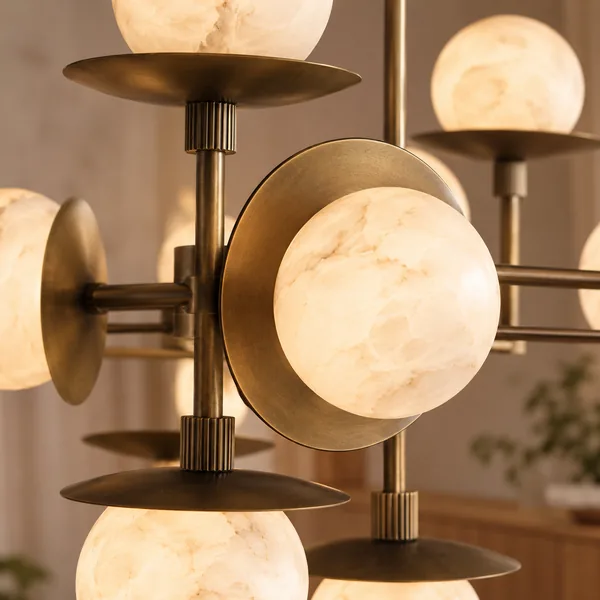
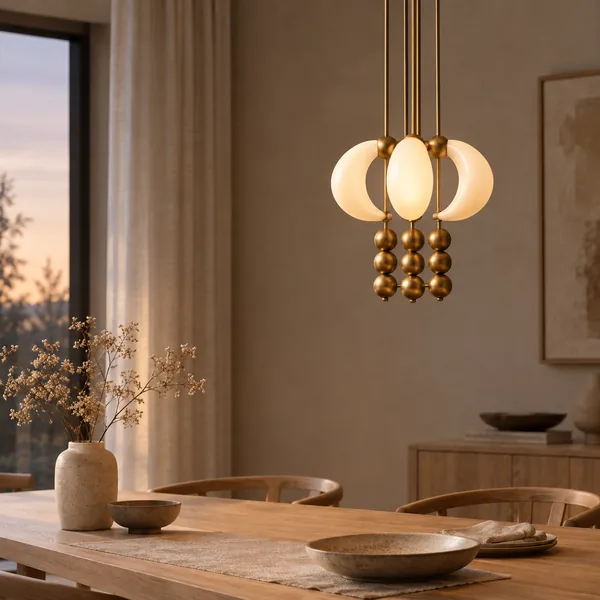
Chandeliers
Shop all Chandeliers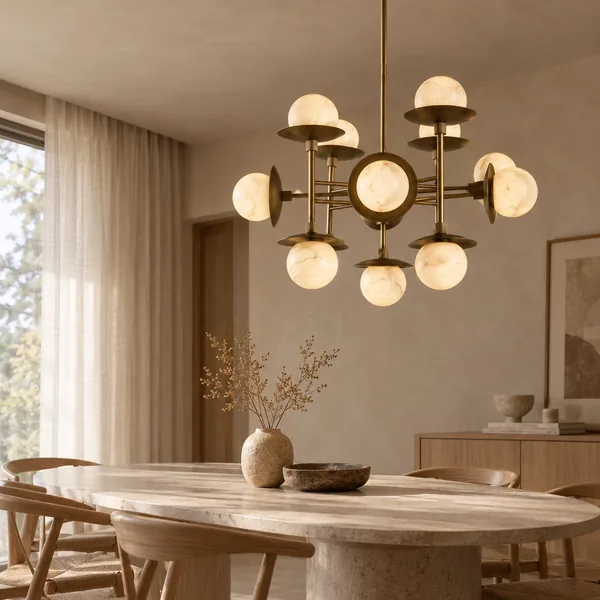
Creating a Cohesive Vintage Lighting Scheme
The most beautiful kitchens layer lighting across multiple sources rather than relying on a single fixture. Vintage ceiling lights for the kitchen provide overall ambient illumination, while pendants handle task work and wall sconces add accent layers. Consider how these elements interact:
Ambient layer: Flush mounts, semi-flush mounts, or chandeliers provide overall room illumination. In vintage kitchens, these often feature frosted glass, fabric shades, or multiple bulbs to diffuse light broadly.
Task layer: Island pendants, under-cabinet lighting, and range hood fixtures focus illumination where you need it most. Vintage pendant lights with open shades or clear glass excel here, directing light downward.
Accent layer: Wall sconces, picture lights, or shelf-mounted fixtures highlight architectural details or decorative objects. Vintage-style sconces flanking a window or fluting the perimeter add depth and shadow play.
For inspiration on creating complete lighting plans that incorporate these vintage elements, our Kitchen Lighting Planning Guide offers detailed advice on layering techniques from the experts at Houzz.
Care and Maintenance of Vintage Kitchen Lighting
Premium vintage-inspired fixtures deserve thoughtful care to preserve their beauty over decades. For brass and copper finishes, embrace the natural aging process—gentle dusting with a soft cloth is usually sufficient. Avoid harsh chemical cleaners that strip patina.
Glass elements benefit from occasional cleaning with mild soap and water. Remove shades carefully following manufacturer instructions, and dry thoroughly before reattaching to prevent water spots.
For genuine antique fixtures, consult with restoration professionals before any electrical work. Modern reproductions simplify maintenance while offering vintage character—they're designed for standard bulb replacements and routine cleaning.
Conclusion: Let Your Kitchen Tell Its Story
Choosing vintage kitchen lighting is ultimately about curating a story within your home—one that honors craftsmanship, celebrates design history, and creates atmosphere that mass-market alternatives cannot replicate. Whether you're drawn to mid-century modern kitchen island lighting, the romantic glow of antique fixtures, or the bold character of retro industrial pendants, the right selections transform cooking spaces into living spaces.
At Skonne, we believe lighting should feel personal and enduring. Our curated collection of vintage-inspired fixtures—from the elegant Gloda Walnut Brass Pendant to the statement-making Stjerna Chandelier and accessible Kveld Iron Pendant—reflects our commitment to pieces that host conversation, gather families, and age beautifully alongside your memories.
The journey to a character-filled kitchen begins with a single intentional choice. Let that choice be lighting that whispers of history while illuminating your present.
Related Article
Kitchen Lighting Planning Guide: How to Plan, Layer & Choose the Right Lights for Every ZoneMaster kitchen lighting with our complete guide. Learn how to layer ambient, task, and accent lighting to create a functional and beautiful cooking space.