
Kitchen Lighting Planning Guide: How to Plan, Layer & Choose the Right Lights for Every Zone
Summary›
- Understanding the Three Layers of Kitchen Lighting
- What Is the 5-7 Lighting Rule?
- Planning Your Kitchen Lighting Layout by Zone
- Color Temperature: The Heart of Kitchen Atmosphere
- Kitchen Lighting Trends: What's Shaping Modern Spaces
- How Many Lumens Do You Need?
- Dimmable Lighting: The Secret to Versatile Kitchen Design
- Accent Lighting Strategies for Visual Depth
- LED Technology and Energy Efficiency
- Final Tips for Your Kitchen Lighting Transformation
Designing a kitchen that feels both functional and inviting requires more than just a single overhead fixture. The art of recommended kitchen lighting lies in understanding how different light sources work together to create a warm, hygge-filled atmosphere while ensuring every task is well-illuminated. Whether you're renovating your culinary space or simply updating a few fixtures, the right lighting strategy can transform your kitchen from merely practical to truly soul-nourishing.
At Skonne, we believe lighting should be as intentional as the meals you prepare. This comprehensive guide will walk you through the principles of layered lighting kitchen design, helping you understand everything from color temperature to lumens, so you can create a space that welcomes you home each evening. Along the way, we'll share some of our favorite Scandinavian-inspired fixtures that embody both beauty and function.
Understanding the Three Layers of Kitchen Lighting
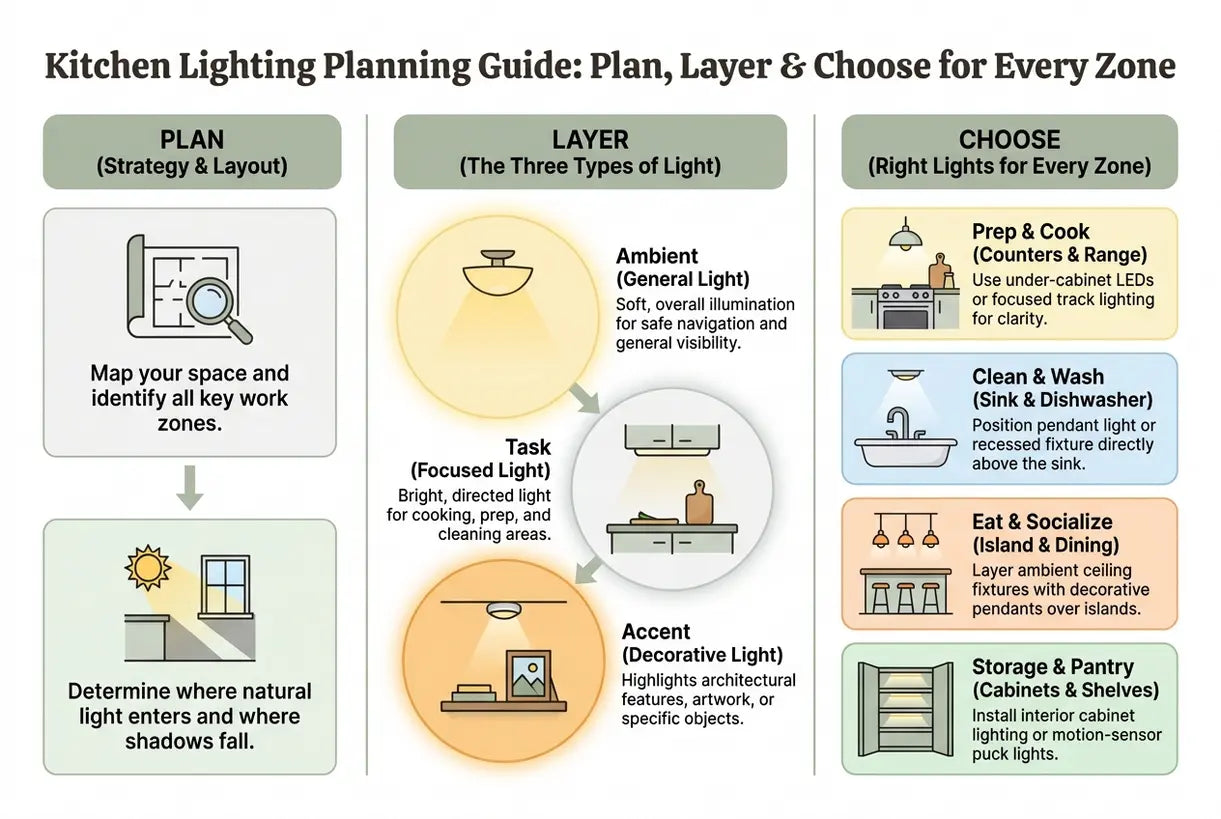
Professional designers rely on a simple but powerful concept: layering. Just as you might layer textiles to create visual interest in your living room, layered lighting kitchen design combines three distinct types of illumination to create depth, dimension, and functionality.
Ambient lighting serves as your kitchen's foundation—the general illumination that fills the entire space. Think flush-mount ceiling fixtures, recessed downlights, or pendant clusters that cast a soft, even glow. Without adequate ambient light, your kitchen can feel cave-like and unwelcoming.
Task lighting illuminates specific work zones where food prep, cooking, and cleaning happen. Task kitchen lighting includes under-cabinet LED strips, pendant lights over islands, and focused ceiling fixtures above sinks. When task lighting is properly implemented, you'll never strain to chop vegetables on a shadowed countertop again.
Accent lighting adds the finishing touch, highlighting architectural details, illuminating glass cabinet displays, or washing walls with gentle illumination. This layer transforms a functional kitchen into a curated, gallery-worthy space that sparks joy every time you enter.
What Is the 5-7 Lighting Rule?
If you've been researching recommended kitchen lighting, you may have encountered the 5-7 lighting rule. This design principle suggests that every kitchen should include between 5 and 7 distinct light sources to achieve optimal layering. But this doesn't mean five recessed lights in your ceiling—it means five to seven types of lighting strategically positioned throughout the space.
A well-balanced kitchen might include: (1) ambient ceiling fixtures, (2) under-cabinet task lighting, (3) island pendant lighting, (4) accent wall sconces, (5) recessed downlights, (6) toe-kick or cove lighting, and (7) dimmable controls for flexibility. By spreading light sources across these categories, you eliminate harsh shadows and create a kitchen that adapts beautifully to cooking sessions, morning coffee rituals, and intimate dinner parties alike.
Planning Your Kitchen Lighting Layout by Zone
Before purchasing fixtures, design kitchen lighting with your unique workflow in mind. Different zones demand different approaches to both placement and fixture selection.
The Island Zone: Kitchen islands typically serve as prep stations, breakfast bars, and social gathering points. Pendant lights positioned 30-36 inches above the countertop provide ideal task illumination while defining the space. For larger islands (6+ feet), consider two or three pendants spaced evenly. For those looking to explore more options, our Linear Pendant Lights collection offers a curated selection specifically designed for kitchen island illumination.
Perimeter Countertops: Shadows cast by overhead cabinets make under-cabinet lighting essential for safe food preparation. LED strip or puck lights installed on the cabinet underside eliminate dark corners and make your countertops feel more expansive.
Dining Areas: If your kitchen flows into a dining zone, coordinate pendant heights carefully—typically hung 28-34 inches above the table surface for standard 8-foot ceilings. Clustering fixtures at varying heights creates visual intrigue while ensuring warm, welcoming ambient light for shared meals.
Color Temperature: The Heart of Kitchen Atmosphere
Color temperature, measured in Kelvin (K), profoundly impacts how your kitchen feels and functions. This is where Scandinavian design wisdom—our specialty at Skonne—truly shines. Warm lighting for kitchen spaces (2700K-3000K) creates the cozy, candlelit ambience associated with hygge culture, perfect for evening gatherings and relaxed weekends.
However, task areas benefit from cooler temperatures (3500K-5000K) that enhance visibility and color accuracy for food preparation. The emerging trend in kitchen lighting trends is installing dimmable fixtures that allow you to adjust warmth throughout the day—bright and crisp for morning meal prep, soft and golden for evening wind-downs.
When selecting fixtures, prioritize dimmable kitchen lighting wherever possible. This single feature dramatically increases your kitchen's versatility, allowing one space to transition from productive workspace to intimate entertaining area with the touch of a switch.
Kitchen Lighting Trends: What's Shaping Modern Spaces
Contemporary kitchen design embraces several exciting movements. Kitchen island lighting trends favor oversized statement pendants and linear LED fixtures that stretch across extended countertops, creating dramatic focal points. Natural materials—brass, oak, and linen shades—pair beautifully with sleek contemporary cabinetry, bridging warmth and modernity.
Smart kitchen mood lighting systems allow homeowners to program color temperature shifts throughout the day, aligning artificial light with natural circadian rhythms. And the renewed appreciation for artisan craftsmanship means hand-blown glass pendants and sculptural fixtures are experiencing a renaissance.
Skonne's curated collection draws from Nordic design traditions where form follows function, yet every piece carries inherent beauty. The Rekke Aluminum Linear LED Pendant Light Black exemplifies this philosophy—its clean lines and adjustable components make it ideal for contemporary kitchen islands while its warm LED illumination honors Scandinavian comfort.
How Many Lumens Do You Need?
Lumens measure light output—the higher the lumen count, the brighter the illumination. Understanding kitchen lighting lumens prevents under-lighting your work zones or creating harsh, clinical atmospheres.
For general ambient lighting, aim for 35-50 lumens per square foot of kitchen space. Task areas require more concentrated brightness: 450-800 lumens for pendant lights over islands, and 200-400 lumens per linear foot for under-cabinet LED strips. Accent lighting can be softer, typically 150-300 lumens per fixture, since its purpose is decorative enhancement rather than functional illumination.
When calculating your lighting plan for kitchen illumination, factor in surface colors. White or light-colored kitchens reflect more light, while dark cabinetry and countertops absorb illumination, requiring higher lumen counts to achieve the same perceived brightness.
Pendant Lights
Shop all Pendant Lights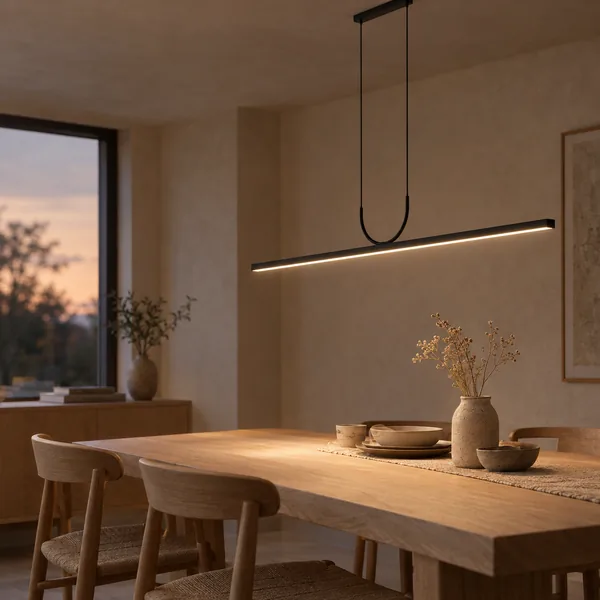
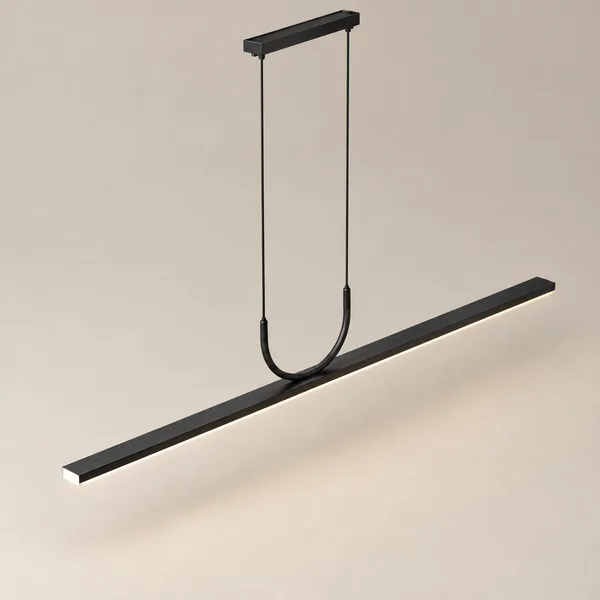 Save $140.00
Linné Minimalist Linear Black LED Pendant Light
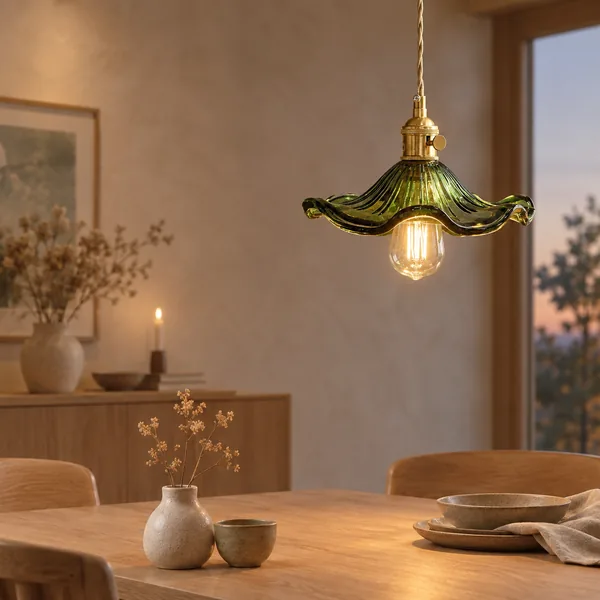
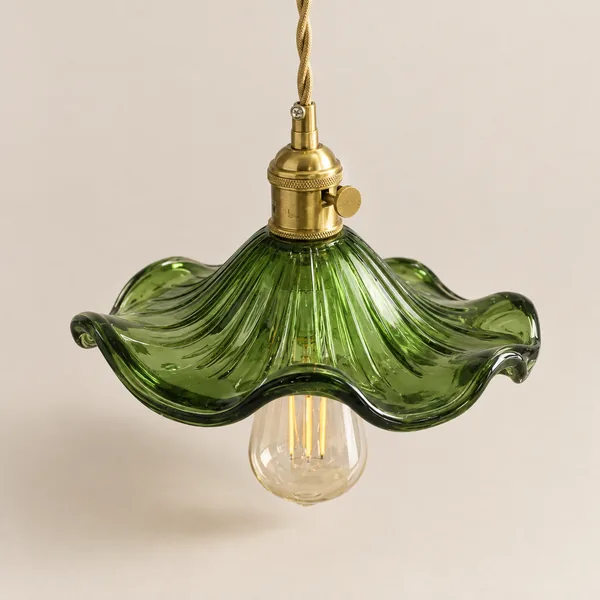 Save $60.00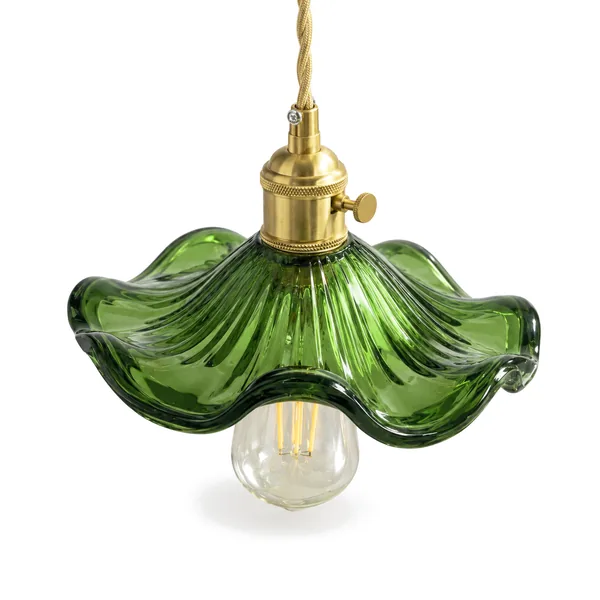
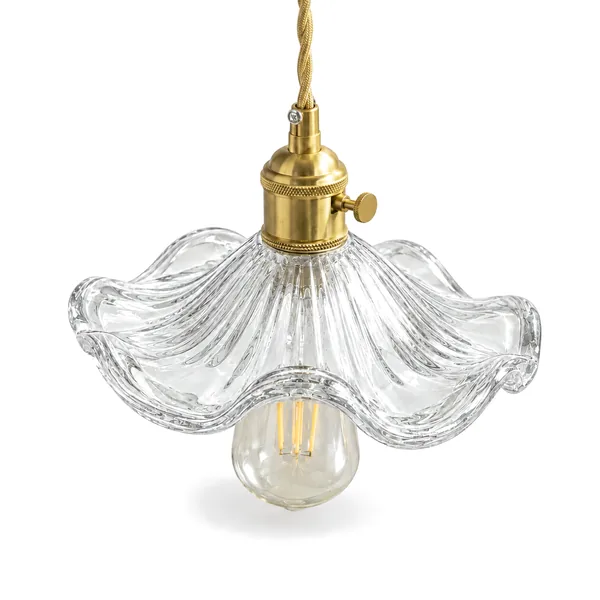
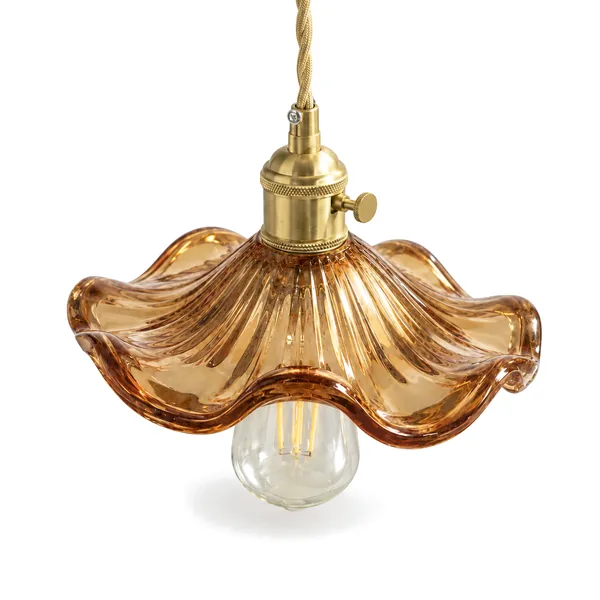 3 options
Glora Nordic Glass Pendant Light with Copper
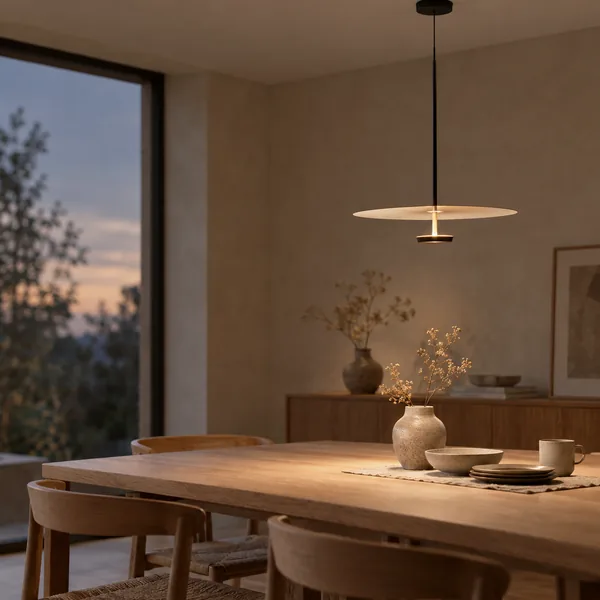
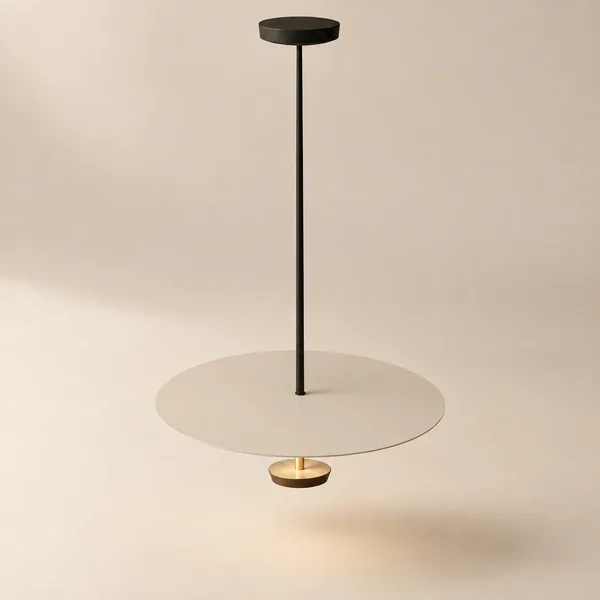 Save $120.00
Skiva Nordic Saucer Ceiling Pendant Light LED
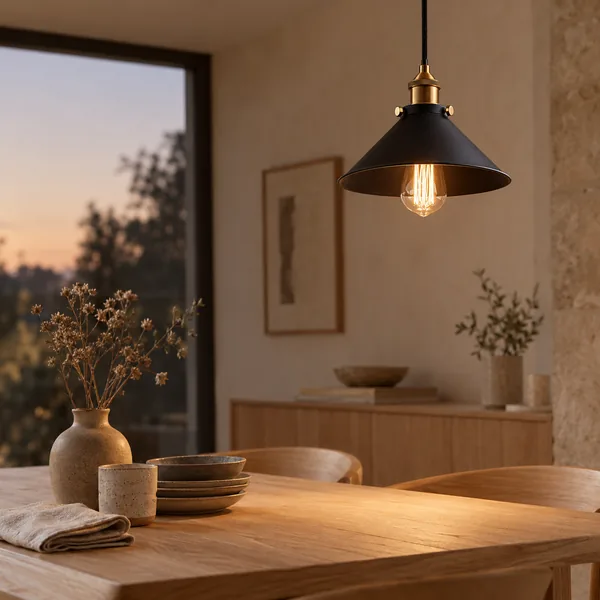
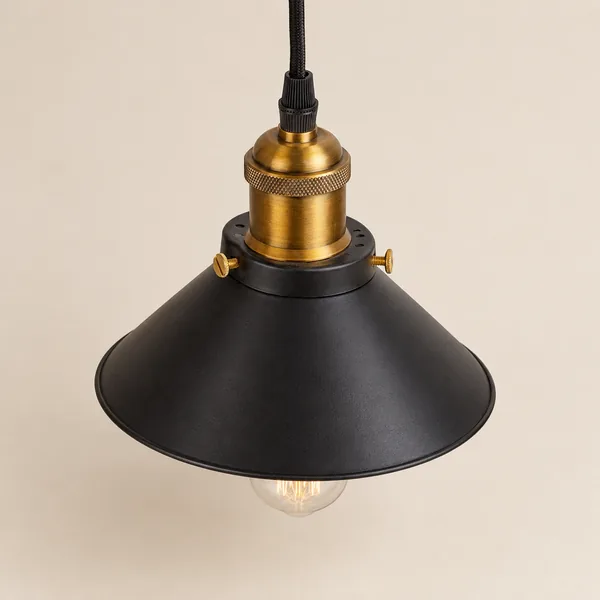
Dimmable Lighting: The Secret to Versatile Kitchen Design
Installing dimmable kitchen lighting is perhaps the most impactful decision you can make when planning your space. Dimmers allow a single fixture to serve multiple purposes—that same pendant overhead becomes a bright task light for chopping vegetables and a subtle ambient glow for romantic dinners.
Modern LED-compatible dimmers work with most contemporary fixtures, including the linear LED options ideal for kitchen lighting layout planning. For truly inspired results, install smart dimmers that connect to home automation systems, allowing voice-activated lighting adjustments as you move through cooking workflows.
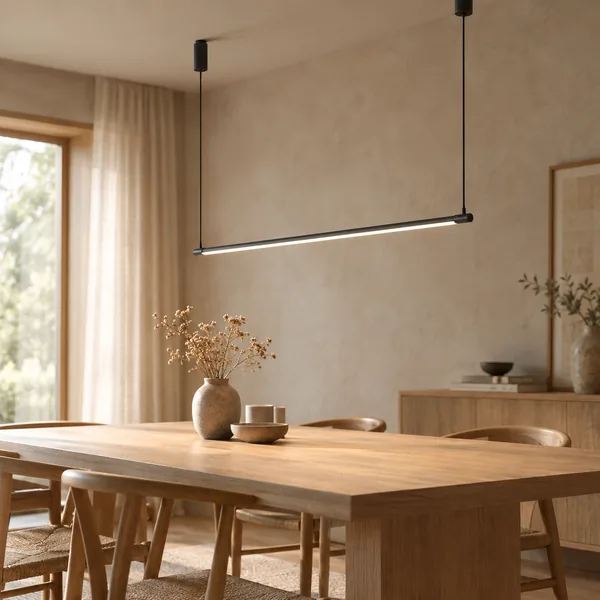 Rekke Aluminum Linear LED Pendant Light Black$229.00$359.00
Accent Lighting Strategies for Visual Depth
Beyond task and ambient illumination, thoughtful kitchen accent lighting adds personality and dimension. Consider installing LED strips within glass-front cabinets to showcase dishware, adding adjustable wall sconces to highlight textured backsplash tile, or using cove lighting above cabinets to create the illusion of higher ceilings.
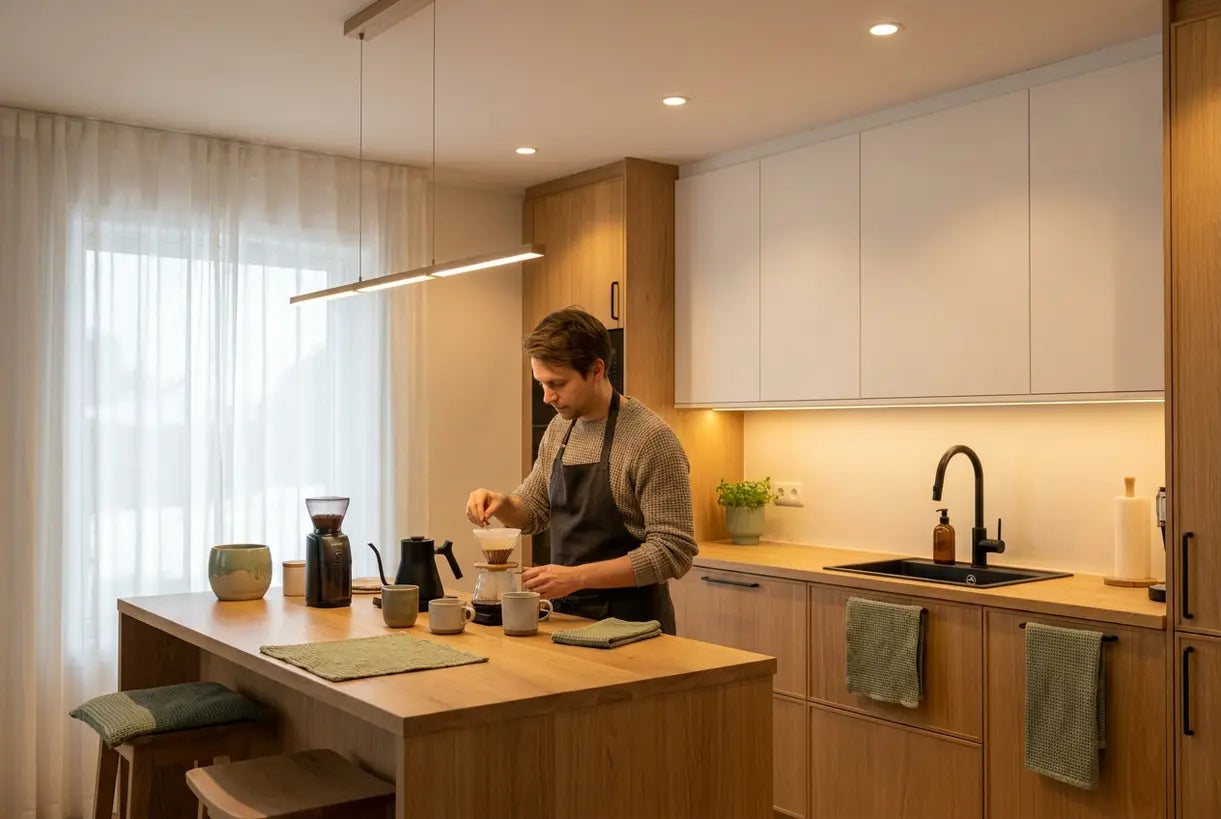
Accent fixtures like the Kveld Adjustable LED Wall Sconce Mid-Century offer rotatable heads that let you direct light precisely where needed—whether washing a painted accent wall with warmth or drawing attention to open shelving displays. These subtle touches transform utilitarian kitchens into thoughtfully designed living spaces.
LED Technology and Energy Efficiency
Modern kitchens increasingly rely on LED technology for recommended kitchen lighting solutions. LED fixtures use up to 75% less energy than traditional incandescent bulbs and last 25 times longer, making them both environmentally responsible and economically sound. Today's LEDs offer excellent color rendering indexes (CRI), meaning colors appear true and vibrant under their illumination—crucial for food presentation and interior design cohesion.
While the upfront cost of quality LED fixtures may exceed older technologies, the long-term savings and superior light quality justify the investment. Look for fixtures with high CRI ratings (90+ is ideal) and consistent color temperatures across all light sources in your kitchen.
Chandeliers
Shop all Chandeliers
Final Tips for Your Kitchen Lighting Transformation
As you approach your lighting plan for kitchen renovation or refresh, keep these final guidelines in mind. First, install dimmer switches wherever possible—they're among the highest-impact, lowest-cost upgrades available. Second, consider how light sources interact throughout the day; observe natural light patterns and supplement accordingly. Third, don't overlook the emotional aspect of lighting; the right fixtures create kitchens where people naturally linger, share stories, and build memories.
At Skonne, we curate lighting that honors Nordic principles of warmth, intentionality, and understated beauty. Whether you're drawn to minimalist linear pendants or sculptural accent pieces, every fixture in our collection balances aesthetic refinement with practical illumination.
Curated Kitchen Lighting Pairings
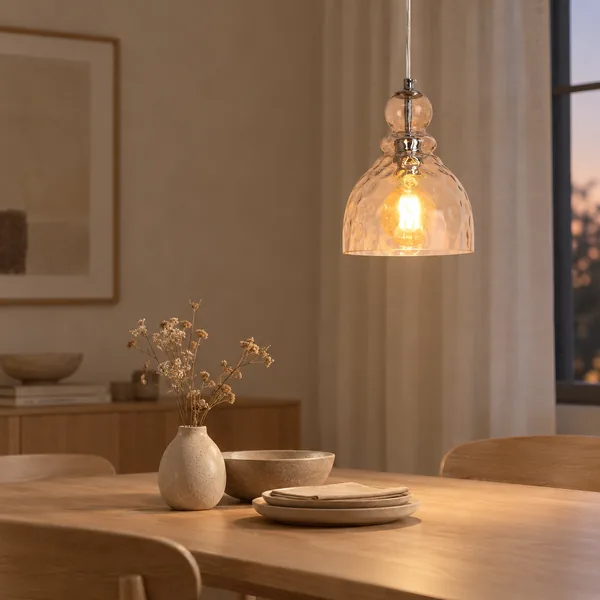 Dropa Glass Drop Pendant Light for Kitchen Dining$79.00$119.00
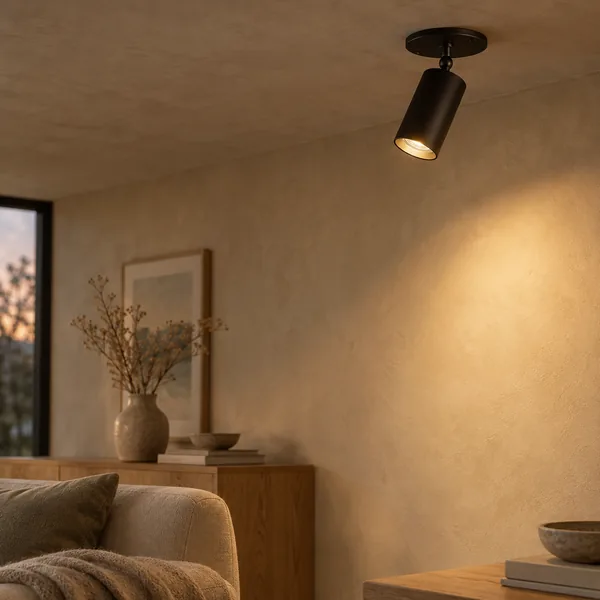 Kveld Adjustable LED Wall Sconce Mid-Century$259.00$399.00
Remember, the best recommended kitchen lighting isn't about following trends blindly—it's about understanding how light serves your daily rituals and enhances the moments you spend in your home. By layering ambient, task, and accent lighting thoughtfully, you create a kitchen that adapts to your needs while expressing your unique aesthetic sensibility.
Ready to begin your lighting transformation? Explore Skonne's thoughtfully curated collections, where Scandinavian design meets American functionality. From the Linear Pendant Lights collection to our range of adjustable wall sconces, we offer fixtures that bring warm, intentional illumination to every corner of your culinary space.
Related Article
Farmhouse Kitchen Lighting: Rustic & Country-Inspired Fixtures for a Warm, Charming KitchenTransform your kitchen with farmhouse kitchen lighting. Discover rustic pendants, chandeliers & warm fixtures for a cozy, country-inspired space.