
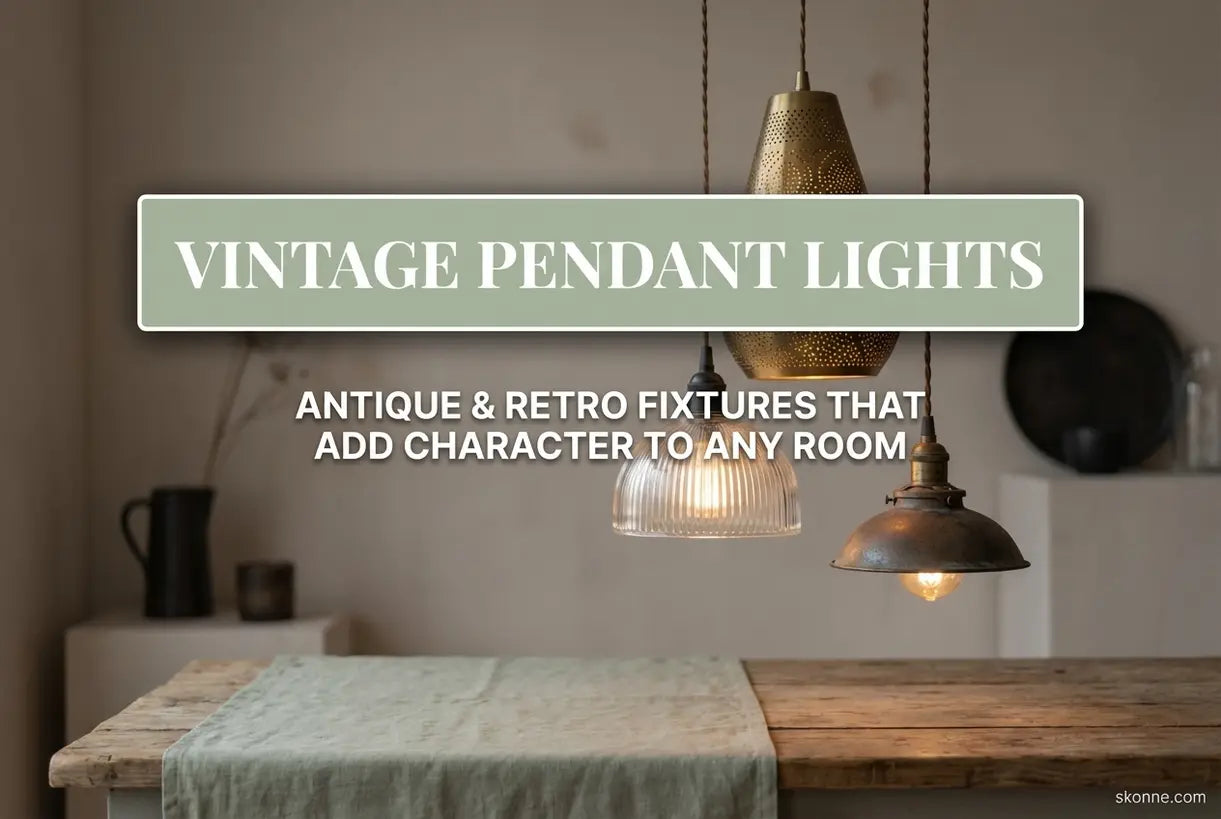
Vintage Pendant Lights: Antique & Retro Fixtures That Add Character to Any Room
Summary›
- What Makes Vintage Pendant Lights So Special?
- Key Styles and Features of Vintage Pendant Lighting
- Popular Materials for Vintage Pendant Lights
- How to Hang Pendant Lights at the Right Height
- Best Placement for Vintage Pendant Lights
- Kitchen Island Pendant Lighting Design Tips
- Creating Cohesive Vintage Lighting Schemes
- Conclusion: Finding Your Perfect Vintage Pendant Light
There's something undeniably captivating about vintage pendant lights. These timeless fixtures carry stories within their brass patinas, hand-blown glass curves, and carefully crafted metalwork. Whether you're drawn to the industrial charm of an antique pendant light or the soft glow of vintage milk glass pendant light designs, incorporating retro fixtures into your home creates an atmosphere that feels both curated and lived-in.
In this guide, we'll explore how to select, position, and style vintage pendant lighting to add authentic character to any room. From understanding key design eras to mastering hanging heights, you'll discover everything needed to make an informed choice. And along the way, we'll introduce you to Skonne's thoughtfully selected collection of vintage-inspired fixtures that honor traditional craftsmanship while meeting modern lighting needs.
What Makes Vintage Pendant Lights So Special?
Vintage pendant lights represent more than mere illumination—they're sculptural statements that anchor a room's aesthetic. Unlike mass-produced modern alternatives, authentic antique pendant light fixtures often feature hand-finished details, quality materials, and design elements rooted in specific historical periods.
The appeal lies in their ability to create warmth and visual interest simultaneously. A well-chosen vintage globe pendant light can soften a minimalist kitchen, while an Edison bulb pendant light adds industrial edge to a contemporary loft. These fixtures bridge generations, allowing you to layer nostalgia into fresh, current interiors.
When shopping for vintage-inspired lighting, consider whether you prefer authentic salvaged pieces or high-quality reproductions. Both have their place: authentic antiques offer irreplaceable character, while reproductions provide consistency, safety certifications, and often better energy efficiency for daily use.
Key Styles and Features of Vintage Pendant Lighting
Understanding the distinctive characteristics of different vintage lighting eras helps you select fixtures that align with your personal aesthetic and home architecture.
Industrial and Loft Styles
Industrial vintage lights emerged from factories and warehouses in the early 20th century. These fixtures typically feature exposed bulbs, metal shades, and utilitarian hardware. Look for cage-like guards, pulley mechanisms, and weathered finishes that suggest a working history. This style pairs beautifully with open-concept spaces, brick walls, and rustic wood elements.
Schoolhouse and Milk Glass Designs
The iconic schoolhouse pendant, popular from the 1920s through 1950s, features white opal glass globes that diffuse light beautifully. A vintage milk glass pendant light creates soft, ambient illumination perfect for kitchens, bathrooms, and hallways. These fixtures offer a more refined, approachable vintage look compared to their industrial counterparts.
French Provincial and Art Deco
French vintage lighting emphasizes curved lines, brass accents, and elegant proportions. Art Deco fixtures from the 1920s and 30s feature geometric patterns, stepped designs, and luxurious materials like polished nickel and frosted glass. These styles bring sophistication to dining rooms and entryways.
Edison Bulb and Exposed Filament Fixtures
The Edison bulb pendant light trend celebrates the visible beauty of early electric lighting. These fixtures showcase the warm amber glow of filament bulbs, often paired with minimal shades or open sockets. They're ideal for creating intimate, atmospheric lighting in restaurants, home bars, and bedrooms.
Popular Materials for Vintage Pendant Lights
The materials used in vintage lighting significantly impact both aesthetics and durability. Understanding these elements helps you evaluate quality and authenticity.
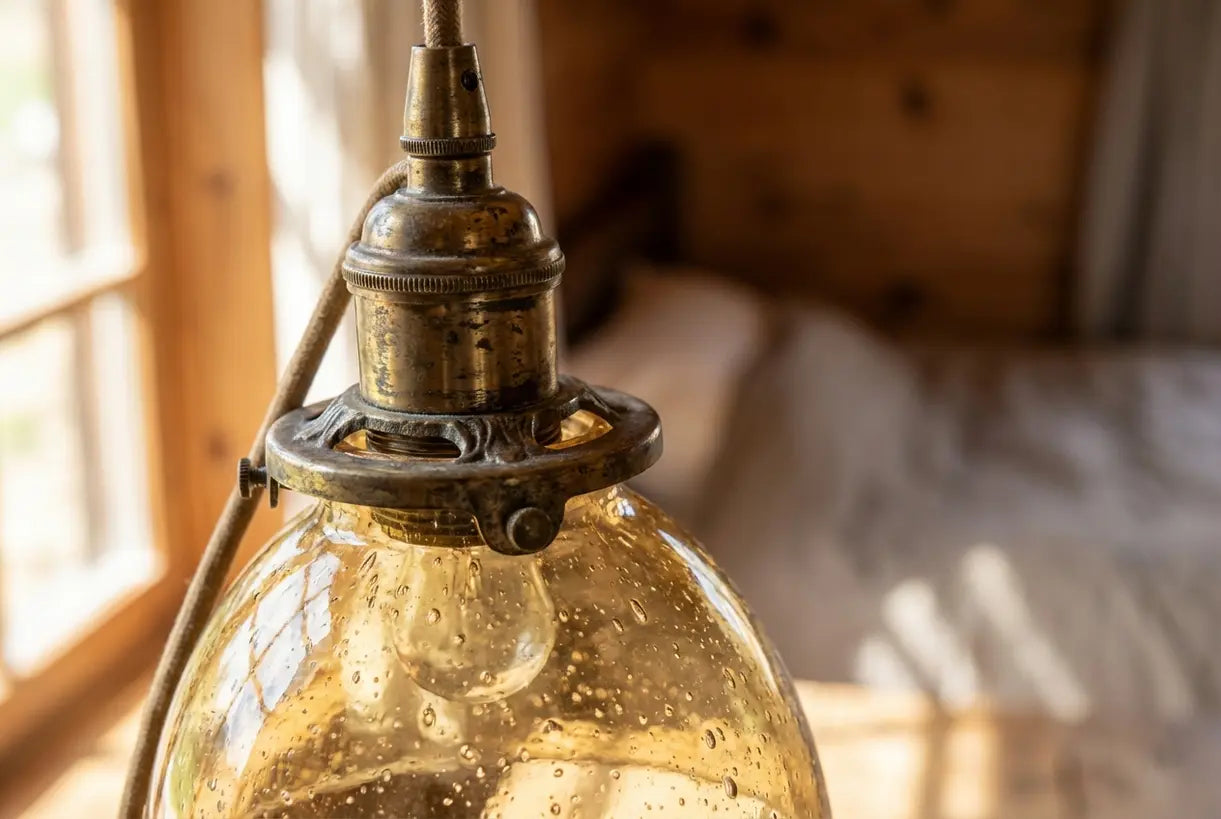
Brass and copper develop rich patinas over time, adding depth and warmth that only improves with age. These metals were the premium choice for quality fixtures throughout the 19th and early 20th centuries. When selecting brass pendant fixture options, look for solid construction rather than thin plating.
Milk glass and hand-blown glass offer that distinctive soft diffusion that's difficult to replicate with modern manufacturing. A glass globe pendant in amber, green, or clear crystal creates beautiful light patterns while maintaining vintage authenticity.
Wrought iron and steel formed the backbone of industrial era lighting. These materials provide structural integrity and an authentic weight that cheaper alternatives lack. Matte black finishes or intentionally rusted surfaces enhance the industrial vintage light aesthetic.
For those drawn to the elegance of transparent designs, our Glass Pendant Lights collection offers a curated selection that blends vintage inspiration with Scandinavian simplicity.
Wood and Mixed Materials
Vintage lighting increasingly incorporates walnut, oak, and other hardwoods alongside metal elements. This combination softens industrial edges and connects lighting fixtures to natural materials elsewhere in your home.
Pendant Lights
Shop all Pendant Lights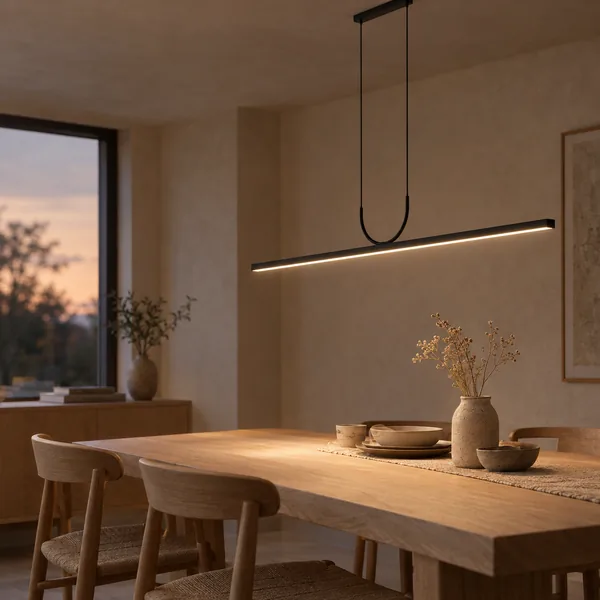
 Save $140.00
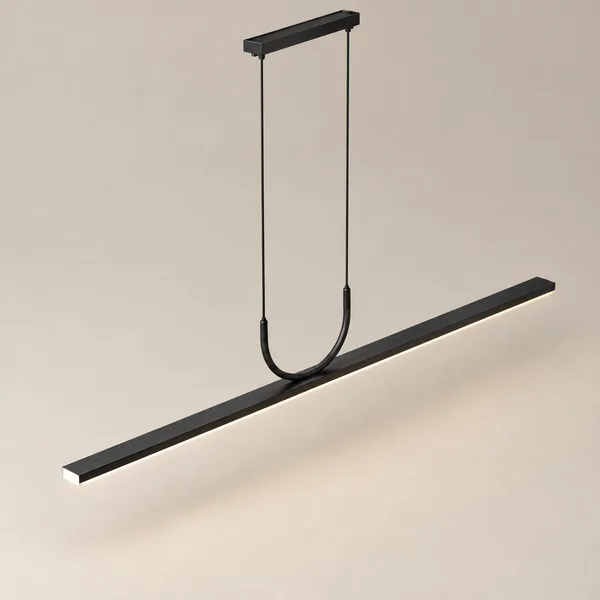
Linné Minimalist Linear Black LED Pendant Light
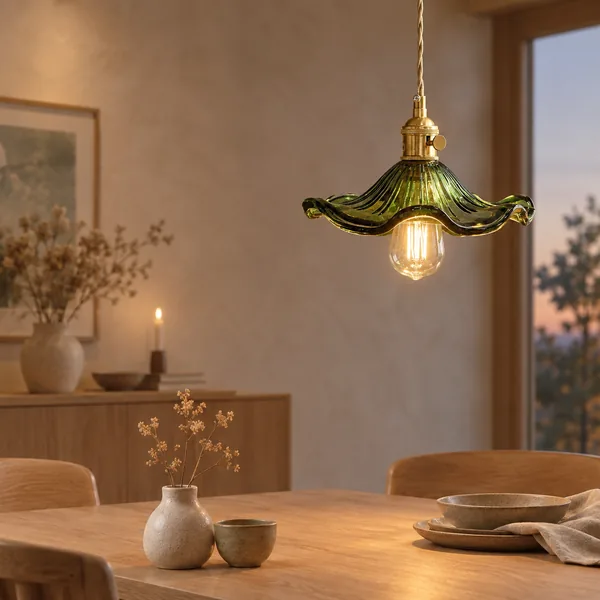
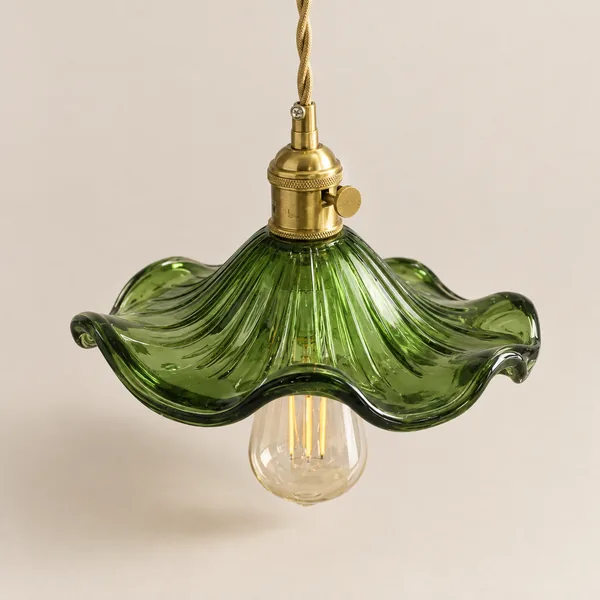 Save $60.00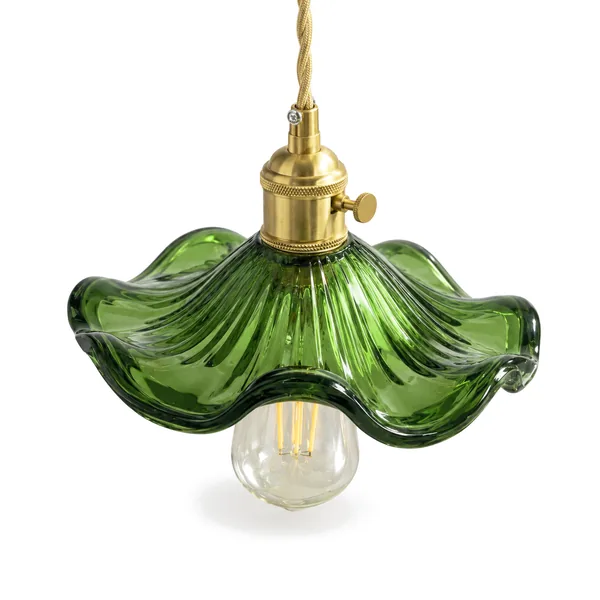
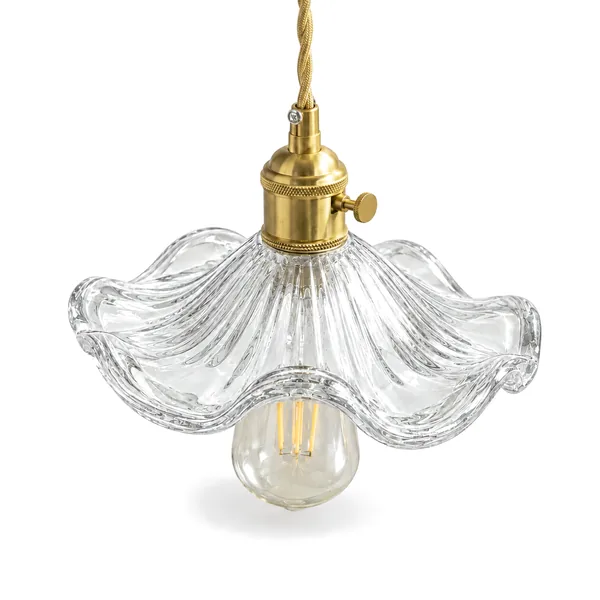
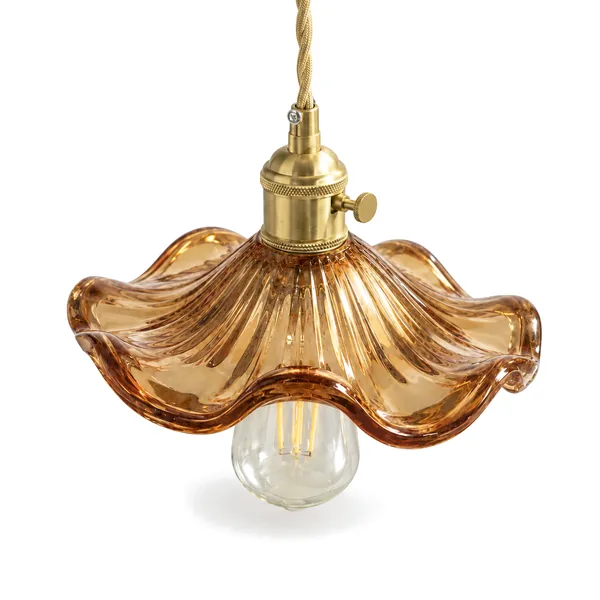 3 options
Glora Nordic Glass Pendant Light with Copper
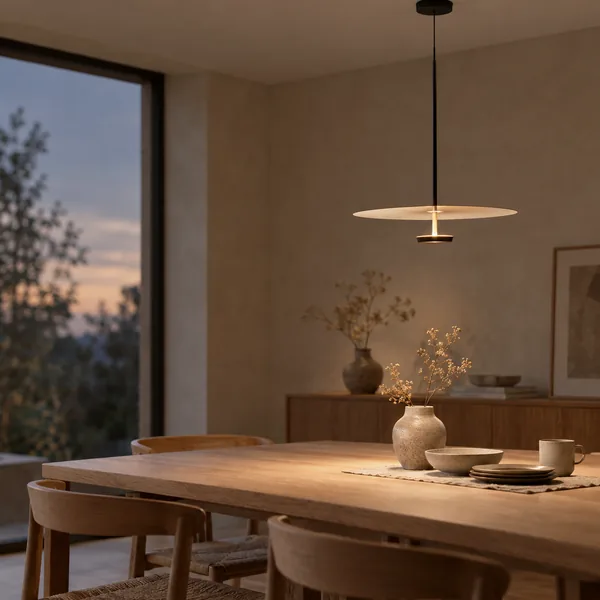
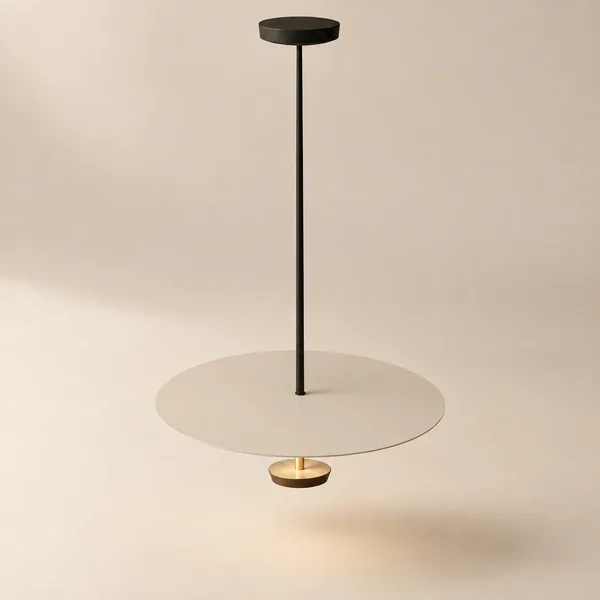 Save $120.00
Skiva Nordic Saucer Ceiling Pendant Light LED
How to Hang Pendant Lights at the Right Height
Proper placement transforms a beautiful fixture into a perfectly functioning light source. The standard recommendation for retro pendant lighting suggests hanging pendants approximately 30 to 36 inches above kitchen islands and dining tables. This height provides task illumination without obstructing sightlines.
For ceilings measuring 8 feet, position the bottom of your pendant 12 to 20 inches below the ceiling surface. Higher ceilings require proportionally lower placement—add approximately 3 inches of drop for each additional foot of ceiling height. The goal is bringing light to where people actually need it while maintaining visual balance in the room.
In entryways and foyers, ensure at least 7 feet of clearance from the floor to the bottom of the fixture. This prevents tall guests from bumping their heads while preserving the dramatic impact of a statement pendant.
Pro Tip: Before finalizing installation, have someone hold the fixture at various heights while you view it from different angles and seated positions. What looks perfect from standing height might glare uncomfortably when you're sitting at a dining table.
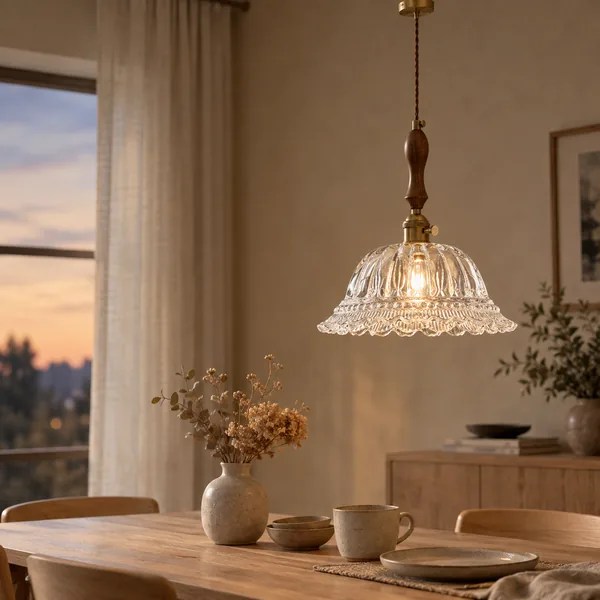 Gloda Walnut Brass French Style Pendant Light$169.00$229.00
Best Placement for Vintage Pendant Lights
Strategic placement maximizes both the functional and aesthetic impact of your vintage kitchen lighting and other pendant installations.
Kitchen Islands and Countertops
Kitchen islands represent the most popular location for vintage pendant light groupings. The linear nature of islands accommodates multiple pendants arranged in rhythmic succession. When planning your vintage kitchen lighting, consider the island's length: allow 24 to 30 inches of width per pendant for balanced spacing.
Dining Rooms
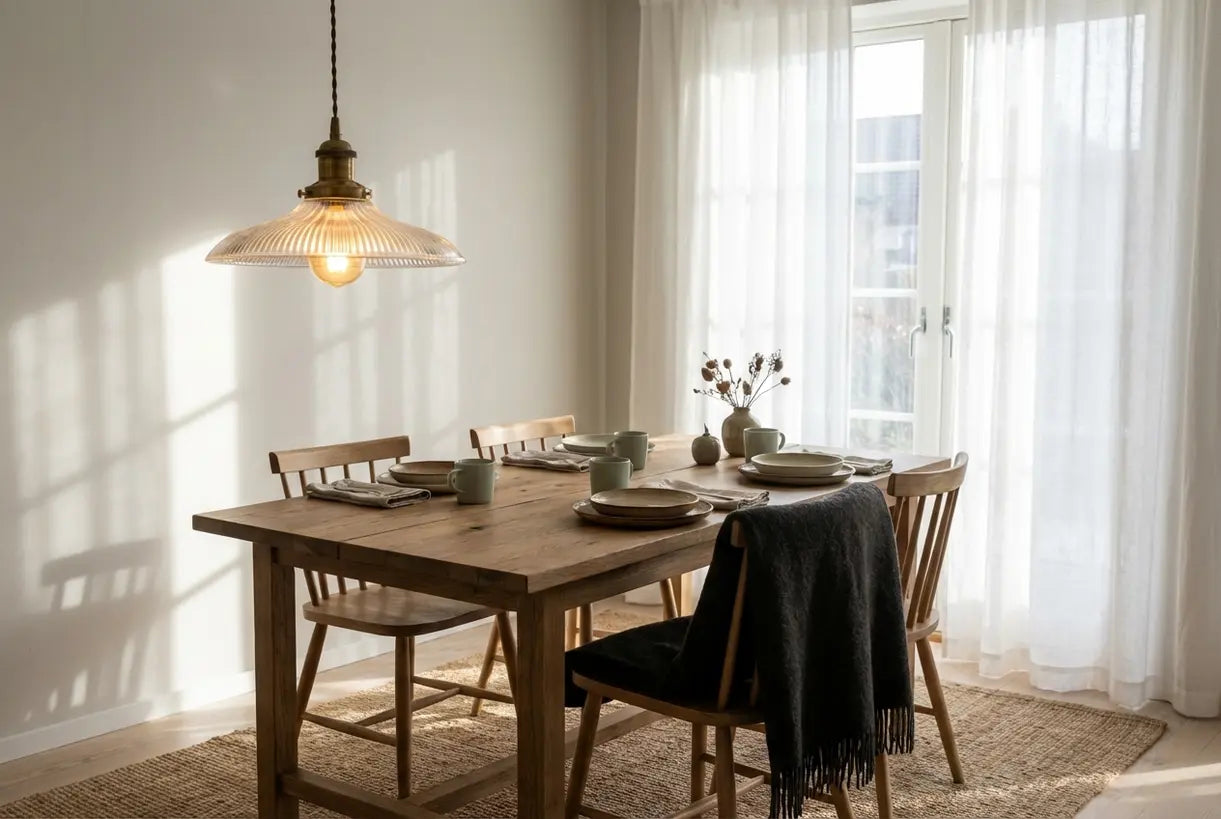
Over dining tables, a single statement vintage globe pendant light or a cluster of smaller fixtures creates a natural gathering point. Position the fixture centered above the table, not necessarily the room, especially in open-concept spaces. The scale should relate to the table size—too small feels insignificant, while too large overwhelms the setting.
Entryways and Hallways
A well-placed antique pendant light in an entryway creates an immediate design statement. These fixtures welcome guests and establish your home's aesthetic from the threshold. In long hallways, consider spacing pendants every 8 to 10 feet for consistent illumination.
Bedrooms and Living Spaces
Bedroom pendant installations free up nightstand space while adding unexpected vintage charm. Flank the bed with matching pendants hung at reading height, or suspend a single statement piece as a focal point. In living rooms, vintage pendants work beautifully over reading nooks or accent seating areas.
Kitchen Island Pendant Lighting Design Tips
The kitchen island deserves special attention when planning your lighting scheme. This hardworking surface requires both task lighting for food preparation and ambient illumination for social gatherings.
The Rule of Three remains a reliable guideline for island pendant arrangements. Three fixtures spaced evenly across the island's length create visual rhythm and balanced light distribution. For shorter islands (under 6 feet), two pendants often suffice, while longer surfaces may accommodate four or more.
Spacing is equally important as quantity. Measure your island's length and divide by the number of pendants plus one. This calculation gives you the distance from each end and between fixtures. For example, a 7-foot island with three pendants would space them approximately 21 inches apart with 21 inches from each end.
When selecting scale, consider the island's proportions. Oversized pendants make dramatic statements in large kitchens with high ceilings. Conversely, delicate fixtures suit compact spaces without visual heaviness. The combined width of your pendants should occupy approximately two-thirds of the island's length for balanced proportions.
Vintage-Inspired Pendants for Every Space
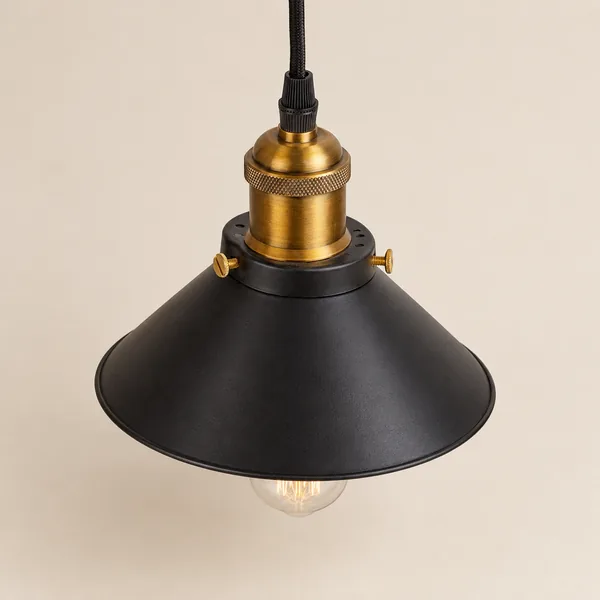
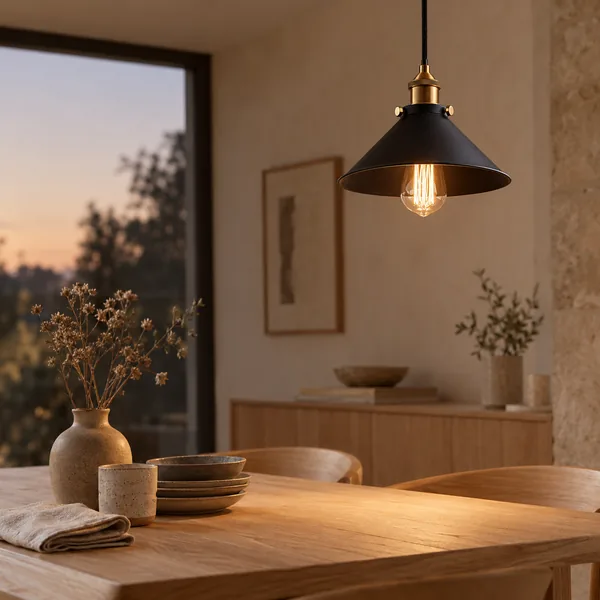 Kveld Retro Iron Pendant Lamp for Loft Spaces$89.00$129.00Glora Nordic Glass Pendant Light with Copper$119.00$179.00
Chandeliers
Shop all Chandeliers
Creating Cohesive Vintage Lighting Schemes
Successfully integrating vintage pendant lights into contemporary spaces requires thoughtful coordination. The goal isn't creating a period-perfect museum piece, but rather layering vintage elements for personality and warmth.
Start by establishing your anchor piece—the pendant that commands the most attention. Build around this fixture with complementary elements that share material finishes or design era references. For example, if your main pendant features aged brass, echo that warmth in cabinet hardware, mirror frames, or dining chair details.
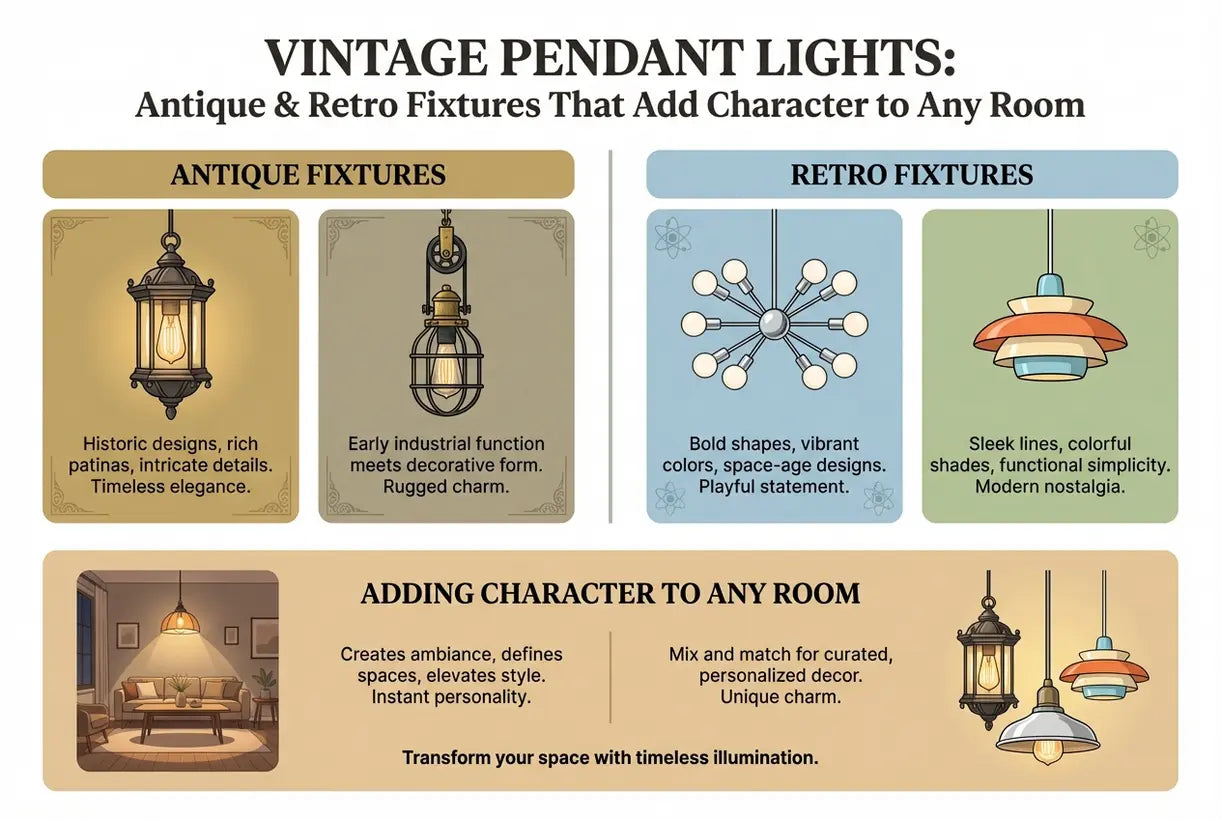
Don't shy away from mixing vintage with modern. A milk glass pendant light can feel surprisingly fresh suspended over a sleek marble island. Similarly, industrial vintage light fixtures add welcome contrast to soft, traditional interiors. The tension between old and new creates visual interest and prevents spaces from feeling one-dimensional.
Consider your lighting in layers. Vintage pendants provide ambient and task illumination, but supplement with recessed lighting for overall brightness, under-cabinet fixtures for work surfaces, and accent lighting for artwork or architectural features. This layered approach ensures your vintage fixtures shine without sacrificing functionality.
Design Insight: Dimmable vintage fixtures offer maximum versatility. Full brightness supports cooking and cleaning tasks, while dimmed settings create intimate dining atmospheres. Ensure your electrical setup includes compatible dimmer switches during installation.
For additional inspiration on coordinating lighting throughout your home, Architectural Digest's lighting guide offers expert perspectives on creating cohesive illumination schemes that blend vintage character with contemporary needs.
Conclusion: Finding Your Perfect Vintage Pendant Light
Vintage pendant lights offer something increasingly rare in our mass-produced world: authenticity, craftsmanship, and the ability to tell your unique design story. Whether you're drawn to the industrial honesty of iron and Edison bulbs or the refined elegance of French brass and milk glass, the right vintage fixture transforms a room from merely functional to genuinely memorable.
The key lies in thoughtful selection and placement. Consider your space's proportions, your daily activities, and the atmosphere you wish to create. Remember that proper hanging height, appropriate scale, and strategic positioning matter as much as the fixture's aesthetic appeal.
At Skonne, we curate vintage-inspired lighting that honors traditional design while meeting contemporary standards for safety, efficiency, and performance. Our collection of Gloda Walnut Brass French Style Pendant Light, Kveld Retro Iron Pendant Lamp, and Glora Nordic Glass Pendant Light represents our commitment to bringing timeless character into modern homes. Explore our full collection and discover how the right vintage pendant light can become the defining element of your space.
Related Article
Bronze Pendant Lights: Dark, Earthy Finishes for Traditional & Transitional InteriorsExplore bronze pendant lights with dark, earthy finishes perfect for traditional and transitional interiors. From oil rubbed to brushed bronze, find your ideal lighting.