
Wabi Sabi Decor: How to Bring Imperfect Beauty Into Your Home
Summary›
What Is the Wabi-Sabi Style of Decorating?
At its core, wabi-sabi is a Japanese worldview centered on the acceptance of transience and imperfection. The term combines two concepts: wabi, which finds beauty in simplicity and humility, and sabi, which appreciates the serenity that comes with age and wear. Together, they create a philosophy that celebrates the honest, unpretentious, and incomplete.
In interior design, wabi sabi home decor translates this philosophy into spaces that feel grounded and authentic. Unlike minimalist styles that chase perfection through stark lines and seamless surfaces, wabi-sabi finds character in asymmetry, rough textures, and natural patinas. A cracked ceramic bowl isn't discarded. it's displayed with reverence. A wooden table with water rings tells a story of shared meals and connection.
This approach resonates particularly with those seeking refuge from the polished, algorithm-driven aesthetics of modern design. Wabi-sabi interiors don't demand constant upkeep or instill anxiety about maintaining perfection. Instead, they evolve gracefully, becoming more beautiful as they age and accumulate the subtle marks of daily life.
The 7 Principles of Wabi-Sabi
Understanding the foundational principles helps clarify why certain spaces feel unmistakably wabi-sabi while others miss the mark. These seven concepts serve as your design compass:
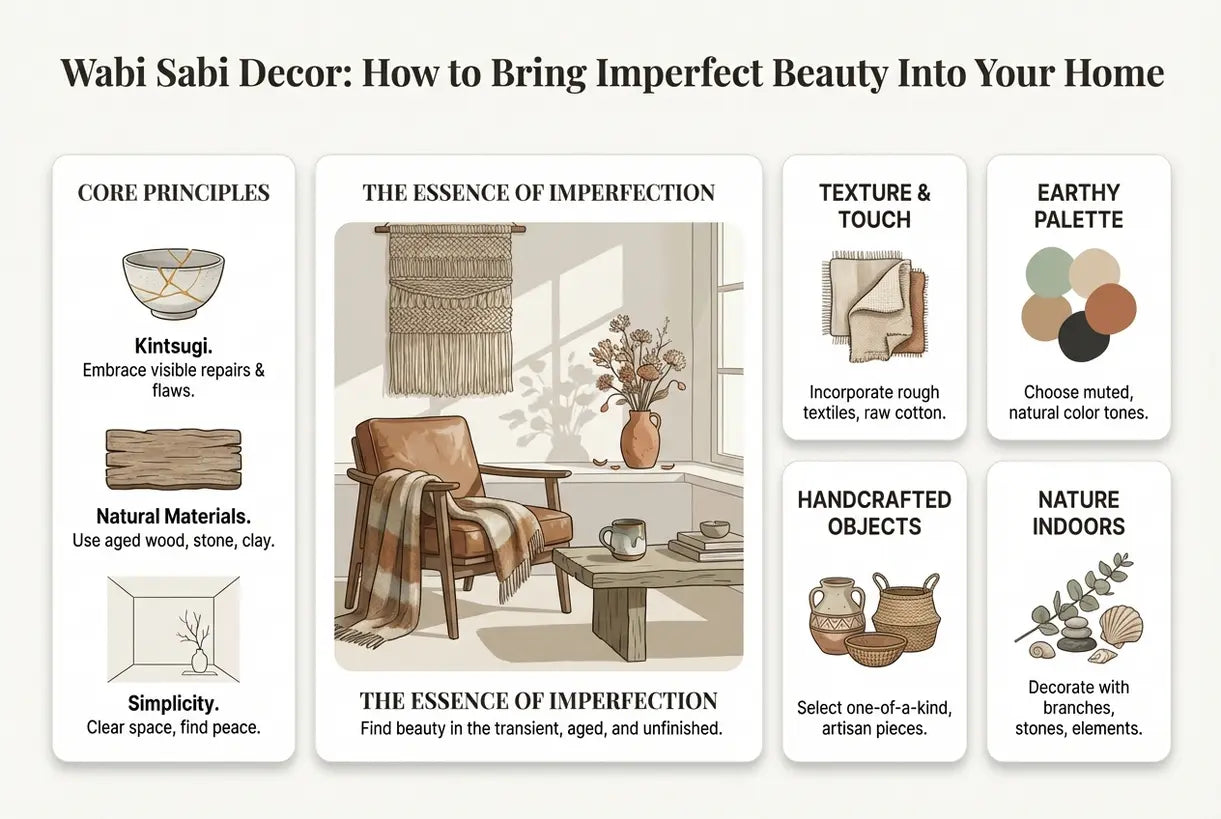
- Kanso (Simplicity): Eliminating the unnecessary to reveal essential beauty. Every object earns its place through function or profound meaning.
- Fukinsei (Asymmetry): Deliberate irregularity creates visual interest and acknowledges that perfection is neither possible nor desirable.
- Koko (Austere Maturity): Deep, substantial presence that comes from age and weathering. Think of silvered driftwood or oxidized copper.
- Shizen (Naturalness): Avoiding pretense and artificiality. Materials appear as they exist in nature, without excessive processing or finishing.
- Datsuzoku (Freedom from Routine): Breaking conventions and expectations. Wabi-sabi spaces often mix eras and styles unexpectedly.
- Seijaku (Tranquility): A sense of stillness and calm that emerges from balanced, uncluttered environments.
- Yūgen (Subtle Grace): Beauty that is implied rather than obvious, revealed gradually through quiet contemplation.
These principles aren't rigid rules but rather invitations to slow down and observe. When you select objects for your home, consider which principles they embody. Does that handcrafted vase reveal subtle grace through its uneven glaze? Does your wooden bench display the austere maturity of aged timber?
Wabi-Sabi vs Japandi: Understanding the Difference
With the rise of japandi decor, many wonder how this hybrid style relates to pure wabi-sabi. While they share DNA, understanding their distinctions helps you curate more intentionally.
Japandi blends Japanese wabi-sabi principles with Scandinavian functionality. The result is a style that maintains wabi-sabi's reverence for natural materials while incorporating the clean lines, light woods, and practical minimalism of Scandinavian design. Japandi tends to feel brighter, more structured, and slightly more polished than wabi-sabi's raw, weathered aesthetic.
Wabi-sabi leans into imperfection more aggressively. Where Japandi might feature a smooth oak table with clean joinery, wabi-sabi celebrates live-edge wood with bark intact, knots exposed, and surfaces that wear their history openly. Japandi creates serenity through order. wabi-sabi finds peace in organic chaos.
Neither is superior, and many homes successfully blend both. If you're drawn to Scandinavian-inspired lighting and decor (like those at Skonne), japandi might be your natural entry point. As you grow more comfortable with asymmetry and patina, you can gradually introduce deeper wabi-sabi elements.
Japandi Lighting
Shop all Japandi Lighting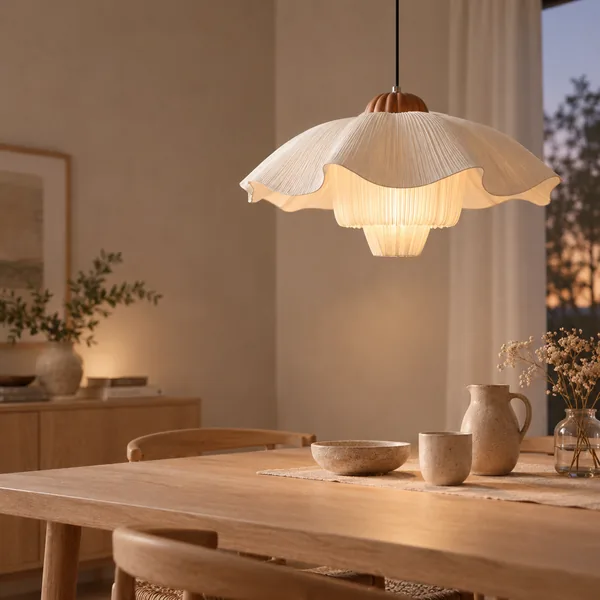
 Save $80.00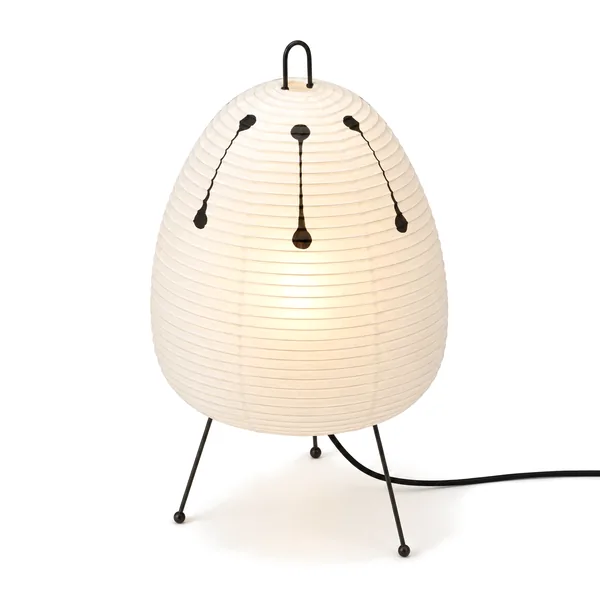
 +37 options
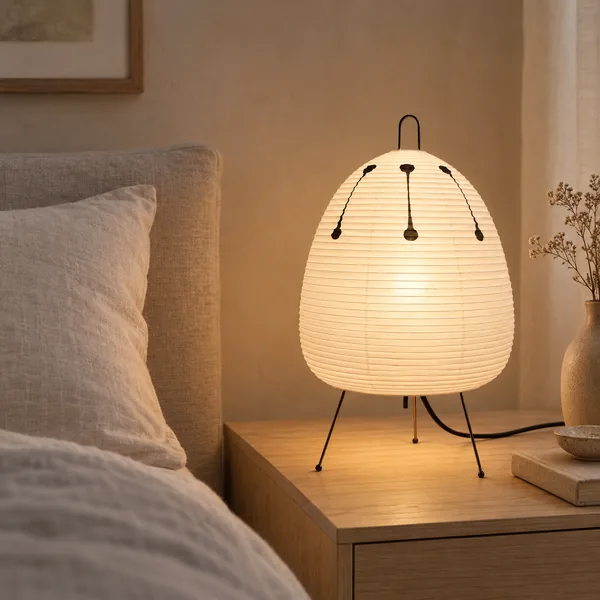
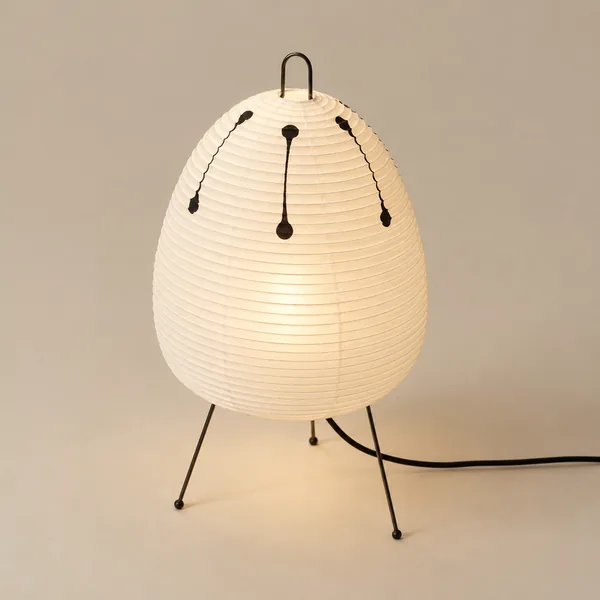
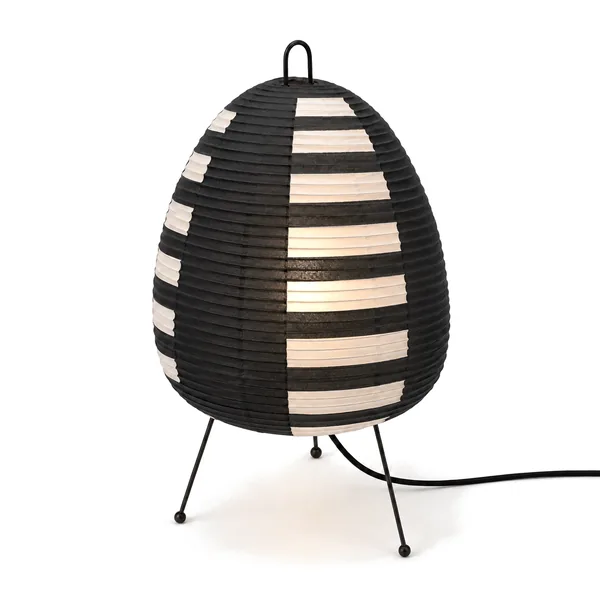
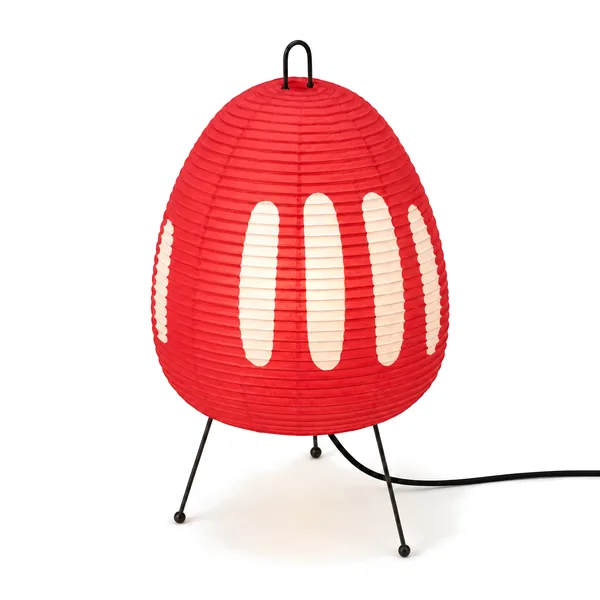
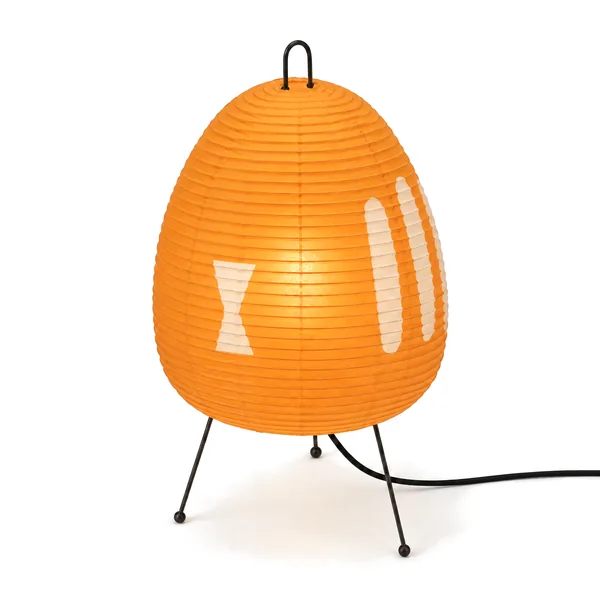
Shiro Rice Paper Table Lamp Nordic Minimalist
 Save $102.00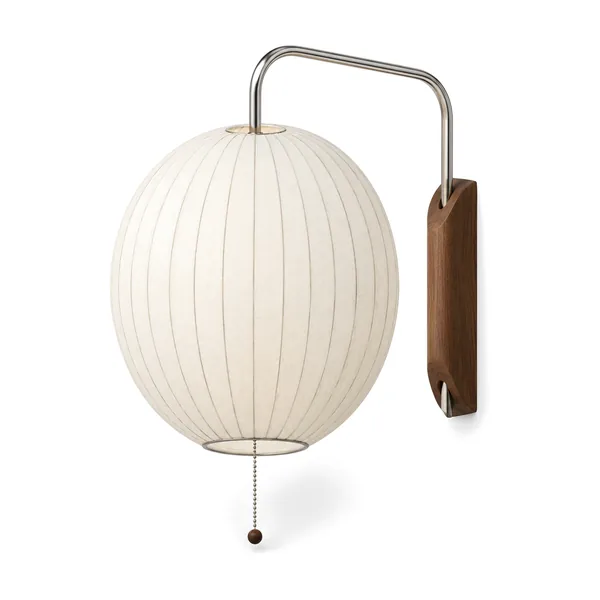
 4 options
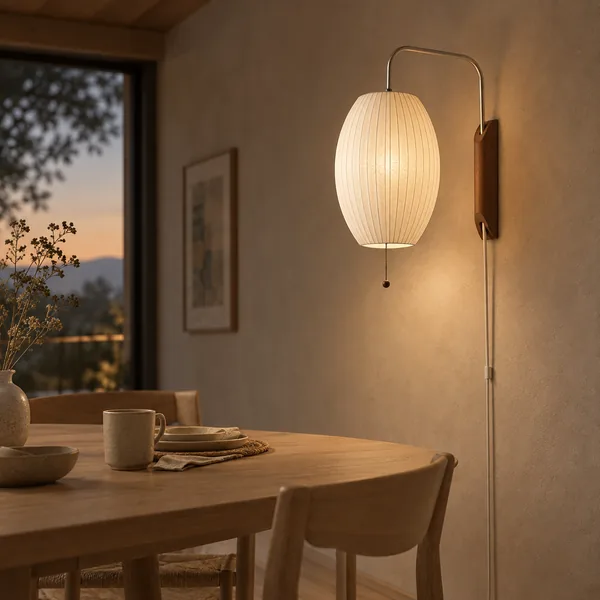
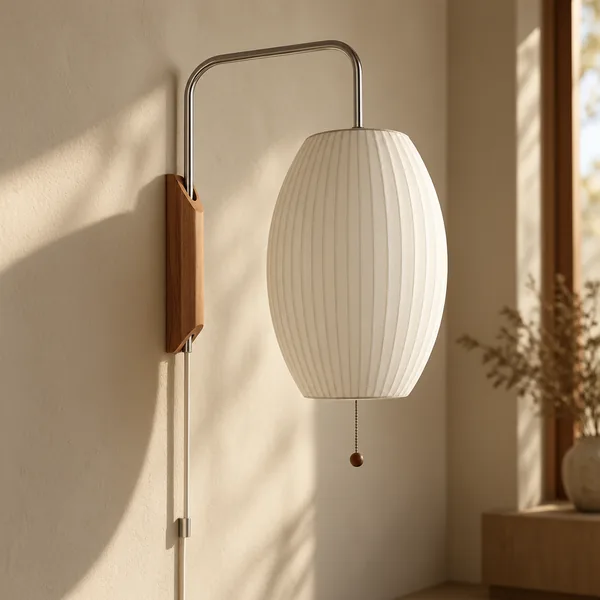
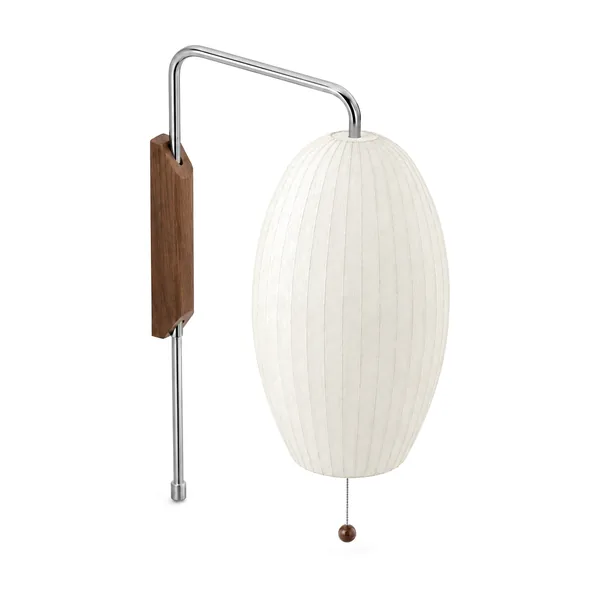
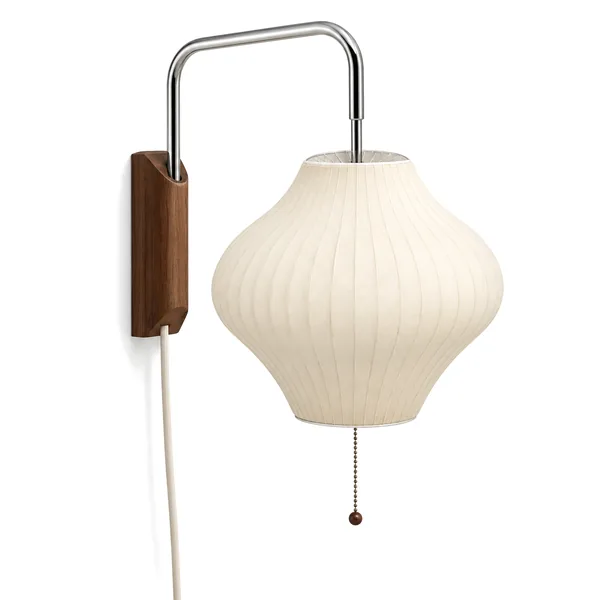
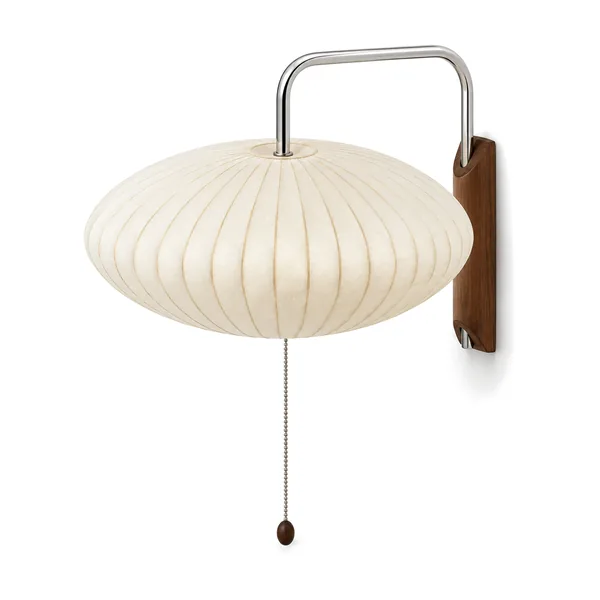
Solvei Minimalist Silk Wall Lamp for Bedroom
 Save $290.00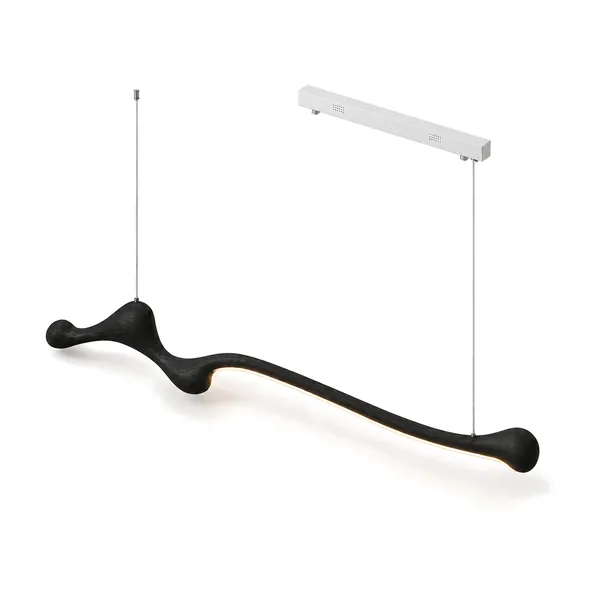
 3 options
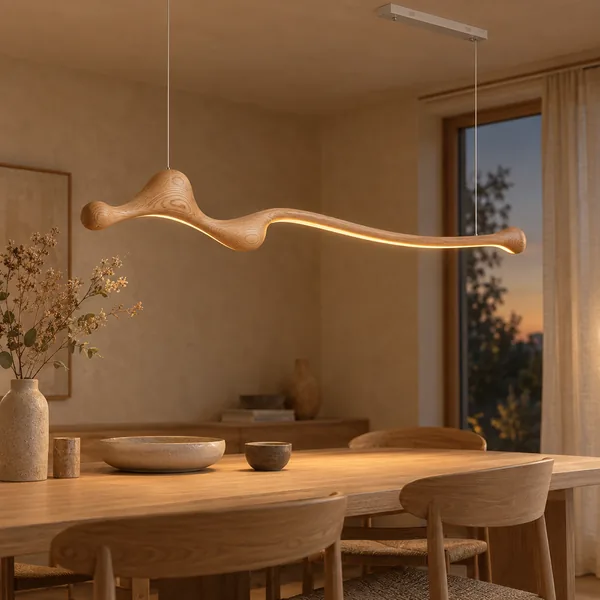
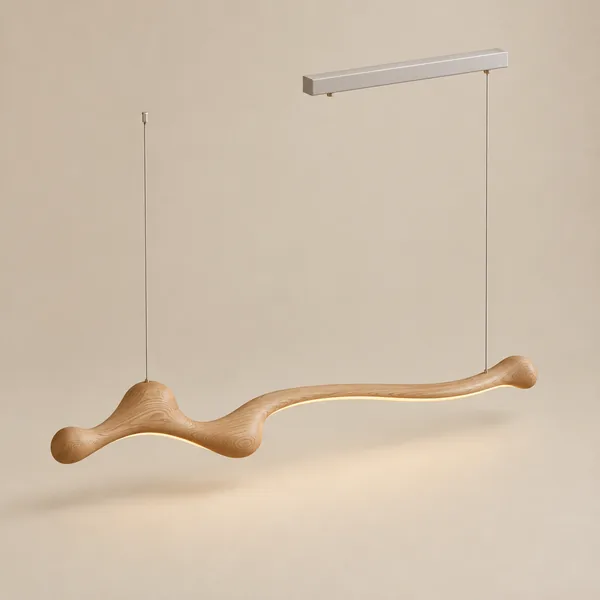
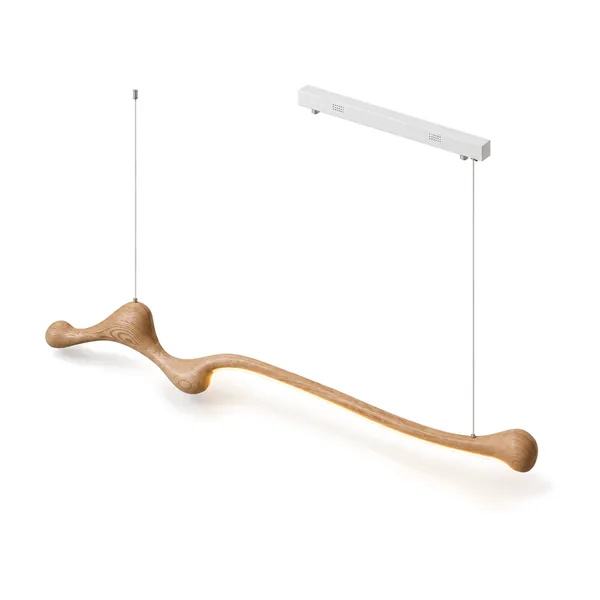
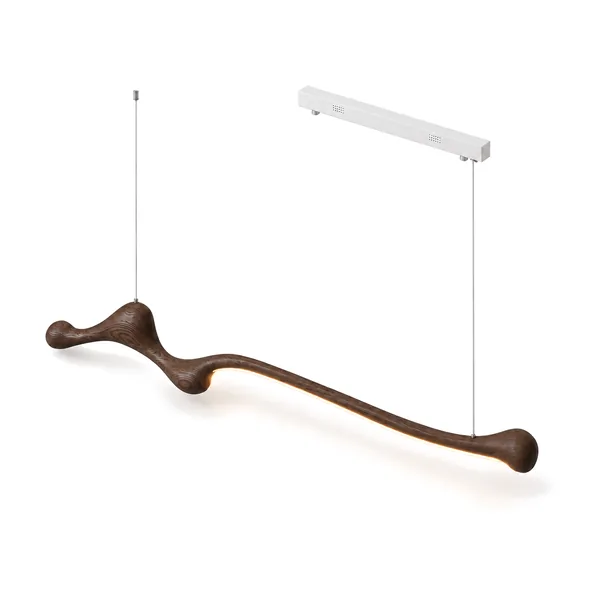
Skoglyn Dimmable Ash Wood Linear Pendant Light
The 70/30 Rule in Interior Design
A practical framework for blending wabi-sabi with other styles is the 70/30 rule. This guideline suggests dedicating approximately 70% of your space to one dominant aesthetic while allowing 30% to introduce complementary or contrasting elements.
In a wabi-sabi context, you might embrace 70% natural materials, handcrafted objects, and earthy tones while incorporating 30% modern conveniences or cleaner-lined pieces. This prevents your space from feeling like a historical reenactment while maintaining the soulful, organic character that defines the style.
The rule also applies when mixing wabi-sabi with japandi or purely Scandinavian interiors. Start with your preferred base and thoughtfully introduce accents that honor the secondary aesthetic. A sleek pendant light above a rough-hewn dining table creates compelling dialogue between refinement and rusticity.
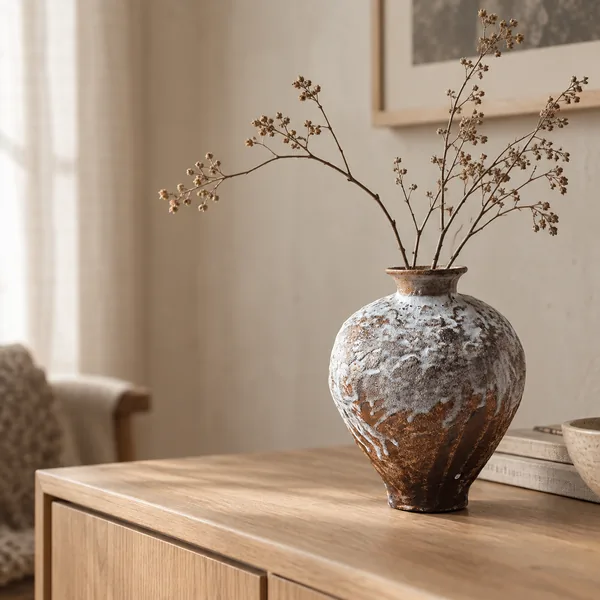 Stille Small Jingdezhen Ceramic Wabi-Sabi Vase$129.00$189.00
How to Start Incorporating Wabi-Sabi Into Your Home
Transitioning to wabi sabi interior design doesn't require discarding everything you own. Instead, approach it as an evolution rather than a revolution. Start with these foundational shifts.
Start with Natural Materials
The foundation of any wabi-sabi space is authentic, unprocessed materials. Wood, stone, ceramic, linen, wool, and paper take precedence over synthetics and plastics. These materials age visibly and beautifully, developing the patina that wabi-sabi celebrates.
Consider replacing plastic storage with woven baskets, synthetic rugs with hand-loomed wool, and mass-produced dinnerware with stoneware that shows the maker's hand. Even small swaps, like trading acrylic picture frames for raw wood, begin shifting your environment toward natural authenticity.
Embrace Earthy, Neutral Palettes
Wabi-sabi color schemes draw from the natural world: warm grays, moss greens, stone beiges, clay terracottas, and deep browns. These earthy neutral decor choices create a calming backdrop that allows texture and form to take center stage.
When selecting paint, furnishings, or textiles, look for colors that appear in weathered landscapes: sun-bleached driftwood, river stones, dried grasses, and aged copper. Avoid harsh whites, saturated primaries, or anything that feels artificially bright or plastic.
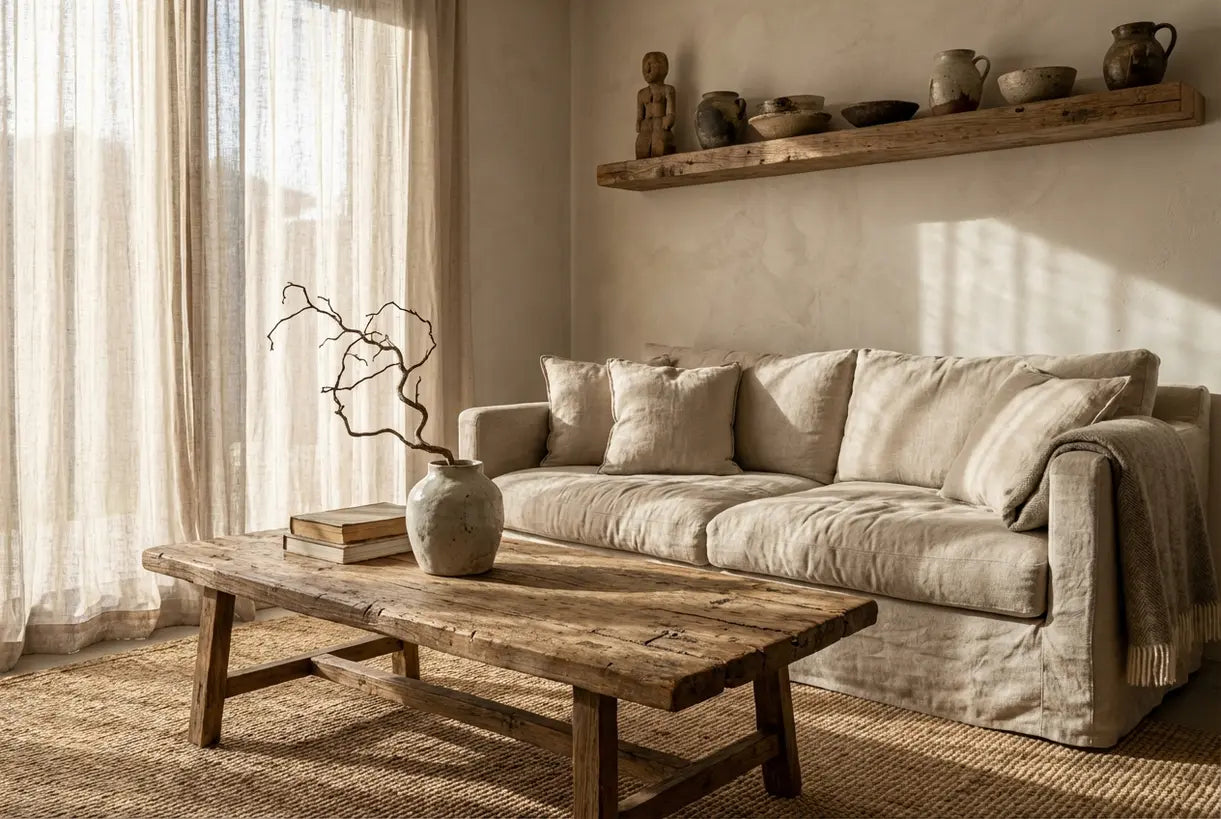
Layer these tones deliberately. A charcoal linen sofa against whitewashed walls, topped with ochre and sage cushions, creates depth without visual clutter. The effect should feel like stepping into a quiet, sun-dappled forest rather than a staged set.
For those looking to explore more options, our Decorative Trays & Bowls collection offers a curated selection of handcrafted pieces perfect for organizing and displaying your wabi-sabi treasures with intentional simplicity.
Handcrafted Vases for Your Wabi-Sabi Sanctuary
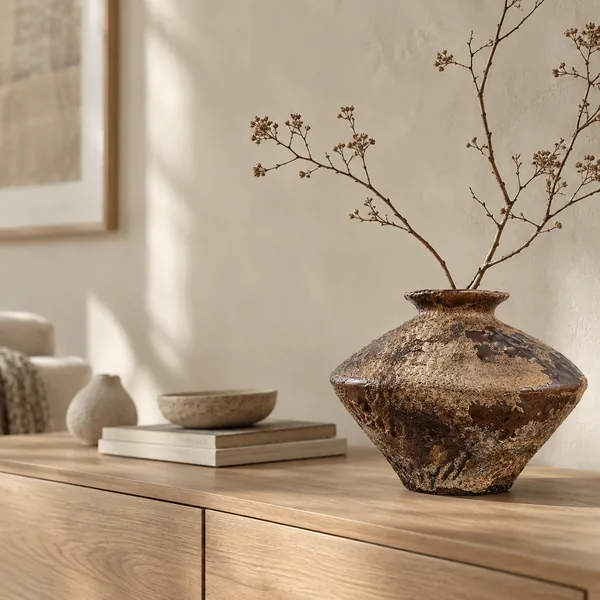 Jorde Handmade Rustic Ceramic Vase Home Decor$129.00$189.00
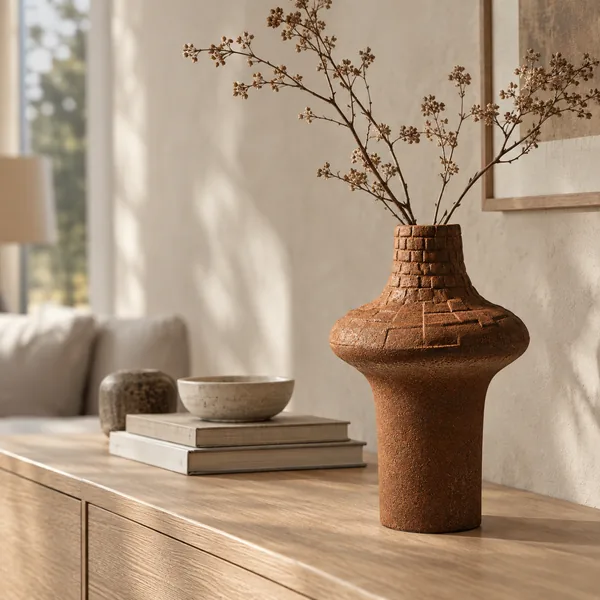 Torva Rustic Plaid Ceramic Vase Artisan Decor$149.00$219.00
Choose Handcrafted Over Mass-Produced
Handcrafted home accents are essential to wabi-sabi because they carry the unmistakable mark of human hands. Slight irregularities in shape, variations in glaze, and visible tool marks signal authenticity and connection to the maker.
When evaluating objects, look for:
- Ceramics with uneven rims or dripped glazes
- Textiles with slight variations in weave
- Woodwork that retains natural edges or visible joinery
- Metalwork with hammered surfaces or organic oxidation
- Glass with tiny bubbles or subtle waves
These aren't flaws to be hidden. they're signatures of humanity. The Jorde Handmade Rustic Ceramic Vase exemplifies this beautifully, with its active glaze finish and intentional asymmetry that signals authentic craftsmanship. Similarly, the Torva Rustic Plaid Ceramic Vase bridges rustic warmth with contemporary minimalism through its distinctive hand-shaped texture.
Seek out artisan makers, small studios, and fair-trade collectives. Learning the story behind an object deepens your connection to it and honors the wabi-sabi principle of appreciating the process, not just the outcome.
Pendant Lights
Shop all Pendant Lights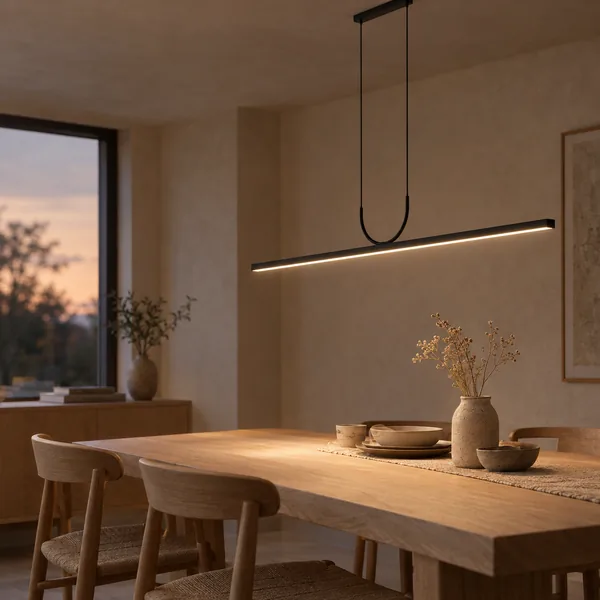
 Save $140.00
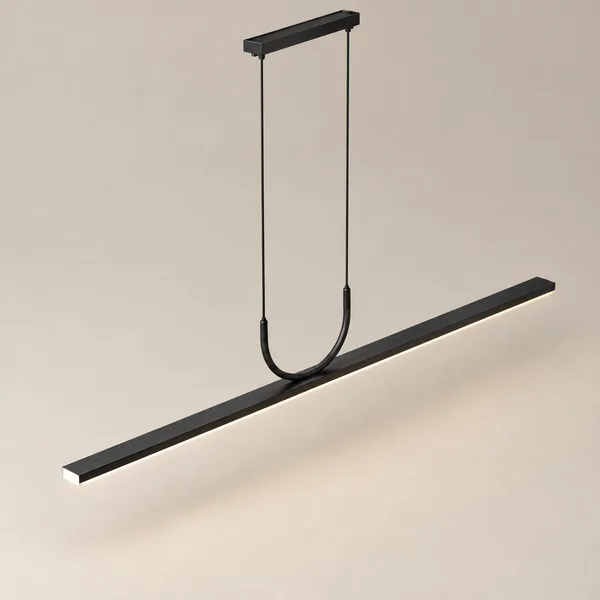
Linné Minimalist Linear Black LED Pendant Light
 Save $60.00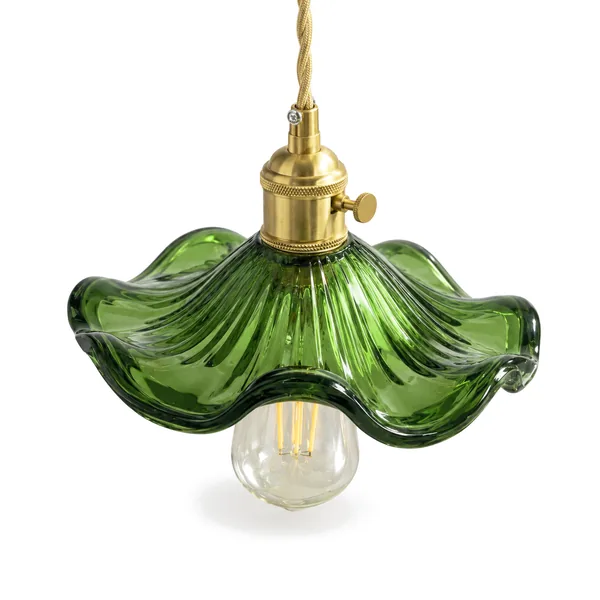
 3 options
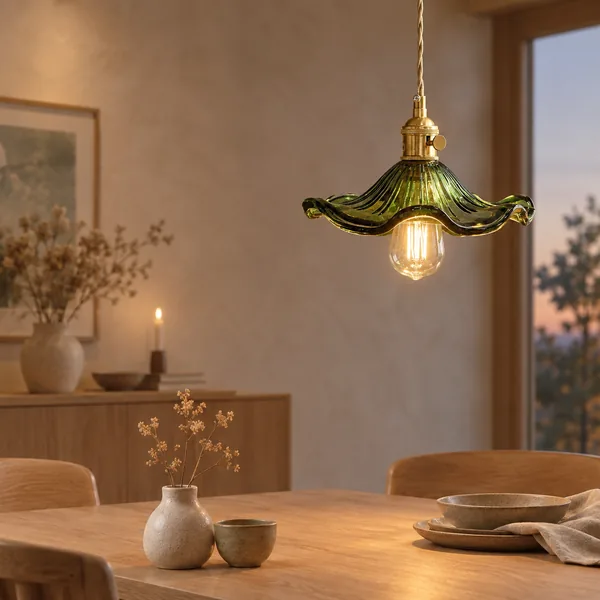
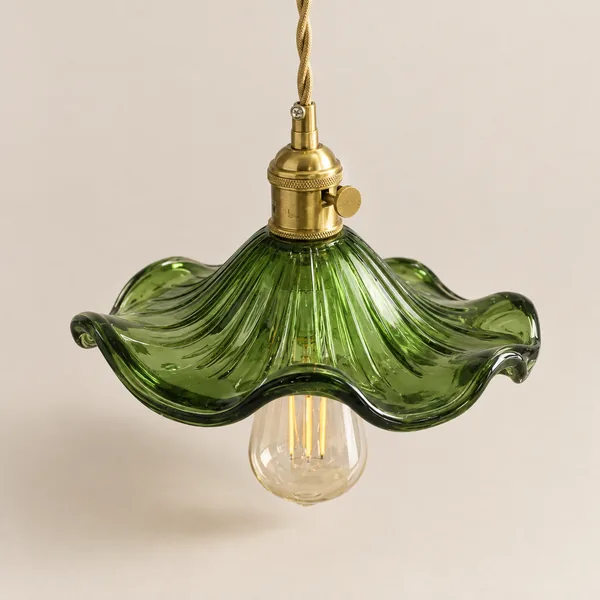
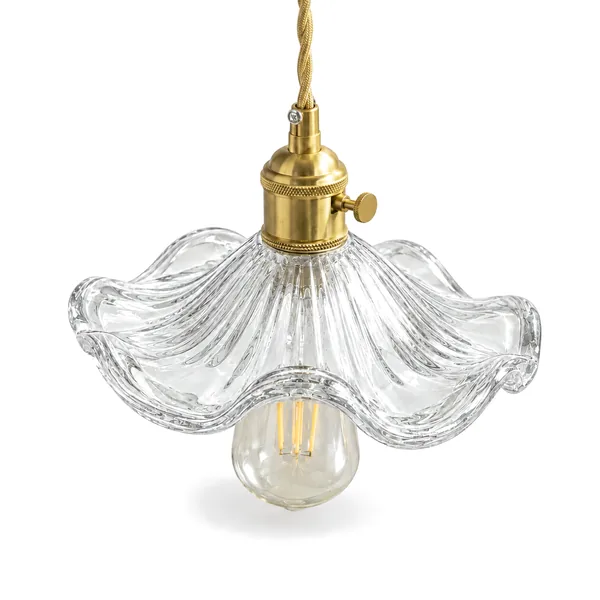
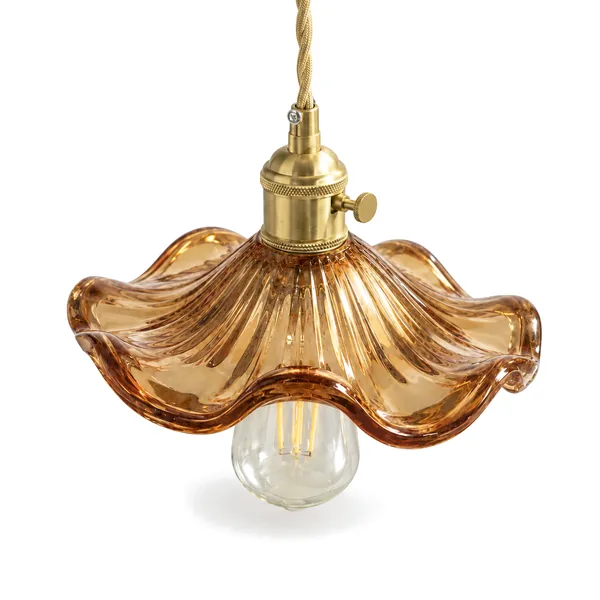
Glora Nordic Glass Pendant Light with Copper
 Save $120.00
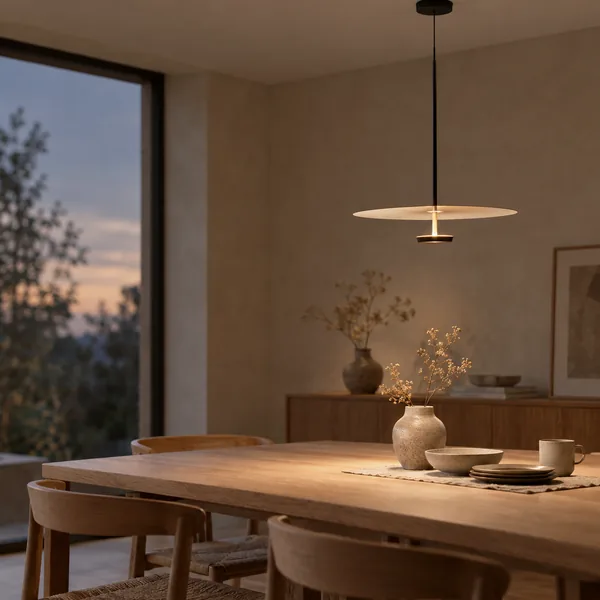
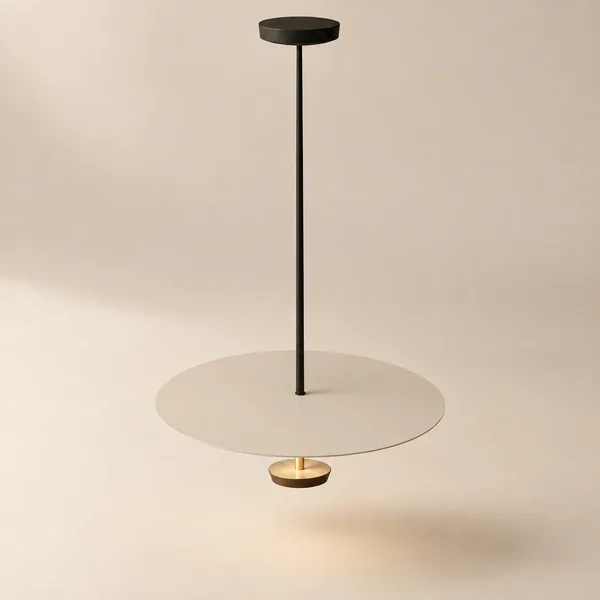
Skiva Nordic Saucer Ceiling Pendant Light LED
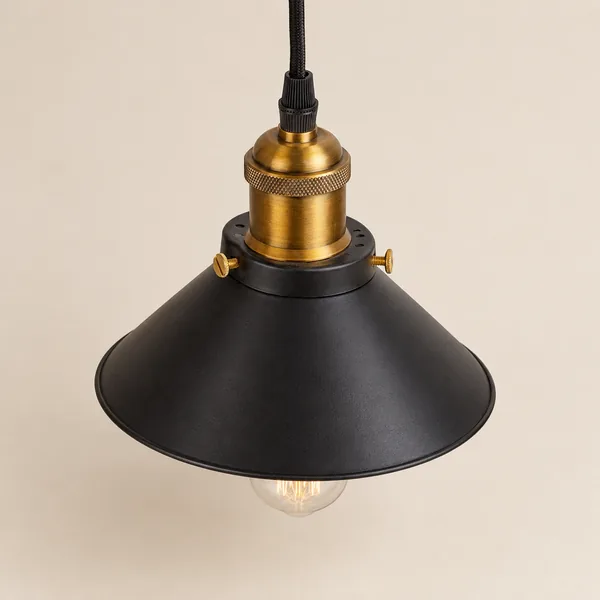
Let Light Be Natural and Soft
Lighting in wabi-sabi spaces should feel as natural as the materials themselves. Harsh, overhead lighting strips away the subtle shadows and soft gradations that give texture its depth. Instead, prioritize diffused daylight, candlelight, and warm-toned ambient fixtures.
Choose lighting with organic materials: paper shades that glow warmly, woven pendants that cast patterned shadows, ceramic bases with earthy glazes. Dimmer switches allow you to adjust intensity throughout the day, mimicking the sun's natural progression.
Consider how light falls across your wabi-sabi objects. The morning sun catching the uneven surface of a handmade vase, creating shifting highlights and shadows, becomes a daily meditation on impermanence and beauty. This interplay of light and texture transforms static objects into living, breathing elements of your space.
Cultivating a Wabi-Sabi Mindset at Home
Beyond aesthetics, wabi-sabi is ultimately a practice of perception. It asks us to release the anxiety of perfection and embrace the truth that everything, including our homes and ourselves, is in constant flux.
Start small. Choose one corner to dedicate to wabi-sabi principles. Perhaps a bedside table with a single Stille Small Jingdezhen Ceramic Wabi-Sabi Vase holding a dried branch, lit by soft morning light. Let this be a daily reminder of beauty in simplicity.
As you expand, remember that wabi-sabi isn't about achieving a look. it's about cultivating presence. The chipped mug you can't part with, the quilt with visible repairs, the table bearing decades of dinner conversations. these objects carry stories that polished perfection can never replicate.
Your home becomes a sanctuary not when every element is flawless, but when every element feels honestly, authentically yours.
Related Article
Japandi Lighting: How to Illuminate Your Home with Japanese-Scandinavian StyleDiscover how japandi lighting blends Japanese minimalism with Scandinavian warmth to create serene, illuminated spaces in your home.