
Wall Clock Size Guide: How to Choose the Right Size for Every Room & Wall

Summary›
- The Golden Rule of Wall Clock Sizing
- Wall Clock Size Guide by Room
- Is a 24 Inch Wall Clock Too Big?
- How to Measure Wall Clock Placement
- Comparing Wall Clock Sizes: From 18 to 40 Inches
- Scandinavian Design Principles for Wall Clocks
- Hanging Your Wall Clock: Height and Positioning
- Final Thoughts: Finding Your Perfect Timepiece
Finding the perfect wall clock 24 inches in diameter can transform an empty wall into a captivating focal point while keeping you punctually grounded. Whether you're furnishing a new Scandinavian-inspired living room or refreshing your bedroom's hygge aesthetic, understanding wall clock sizing is essential for achieving that curated, intentional look.
At Skonne, we believe timepieces should do more than tell time—they should harmonize with your space, scale, and personal style. This comprehensive wall clock size guide will walk you through everything from measuring your walls to selecting the ideal diameter for every room in your home. From large wall clock statements to understated accents, you'll discover how to create balanced, beautiful interiors that feel distinctly yours.
The Golden Rule of Wall Clock Sizing
Before diving into specific room recommendations, let's establish the foundational principle that interior designers use when selecting wall clocks. The general rule suggests that your clock should occupy approximately two-thirds to three-quarters of the available wall space when hung alone. For instance, if you have a wall section measuring 36 inches wide, a 24 inch wall clock creates proportional balance without overwhelming the area.
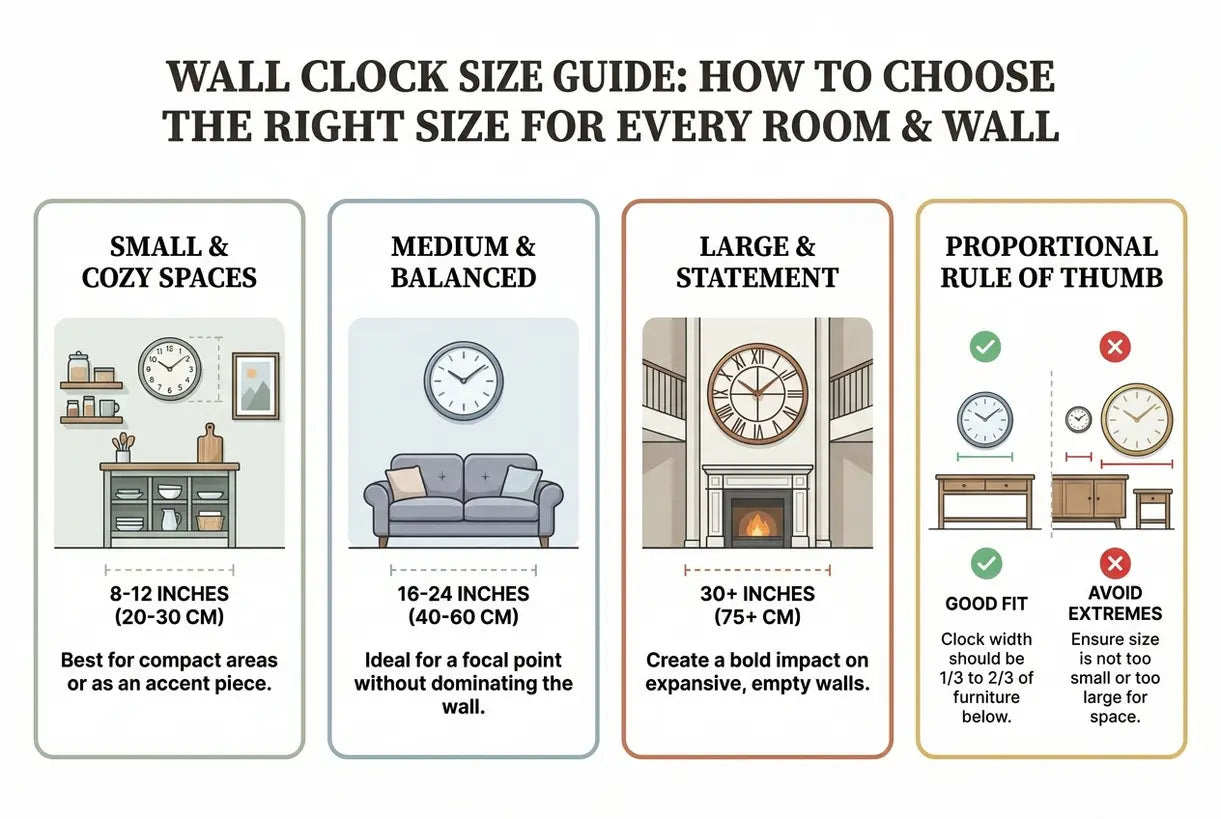
This proportional approach ensures your oversized wall clock feels intentional rather than accidental. However, rules are meant to guide, not constrain—Scandinavian design philosophy embraces thoughtful asymmetry and personal expression. For those looking to explore more options, our Premium Picks collection offers a curated selection of statement timepieces.
Wall Clock Size Guide by Room
Choosing the right dimensions depends heavily on your room's function, existing furniture, and wall availability. Here's how different sizes perform in various spaces:
Living Room: The Statement Zone
The living room typically offers the most flexibility for large wall clock displays. With expansive walls above sofas, fireplaces, or console tables, spaces here can accommodate pieces ranging from 24 inches up to 40 inches. A wall clock 30 inches or larger works beautifully above mantels, while a wall clock 24 inches provides perfect proportion above standard three-seater sofas.
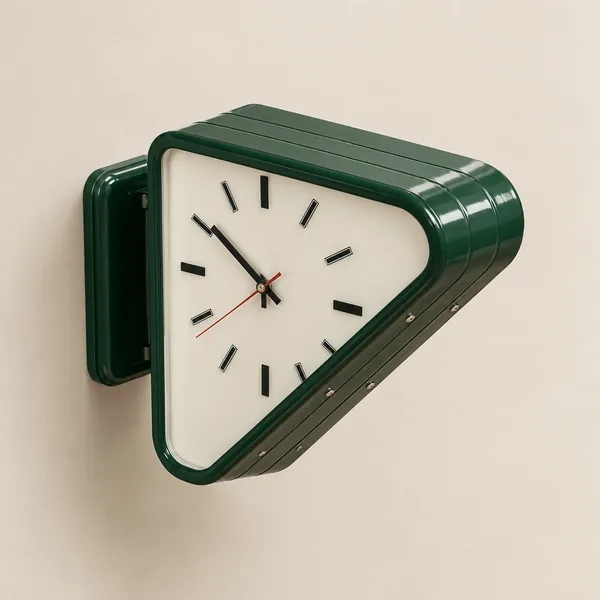
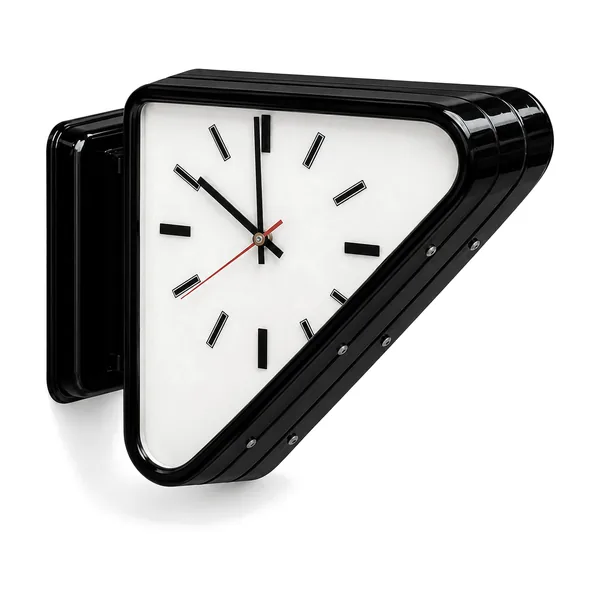
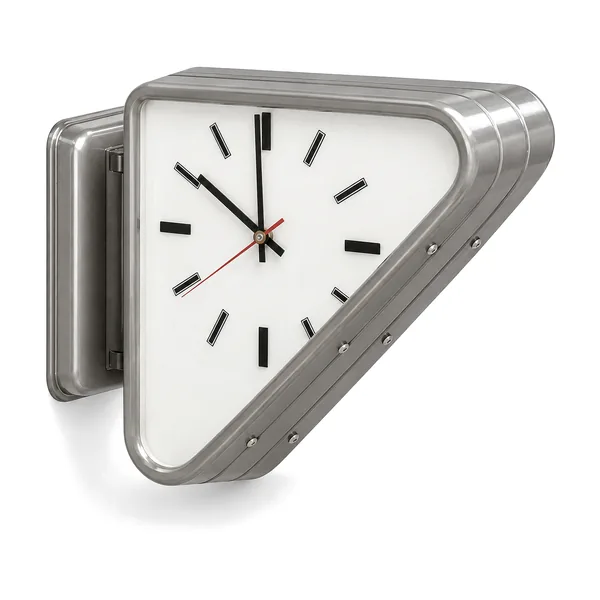
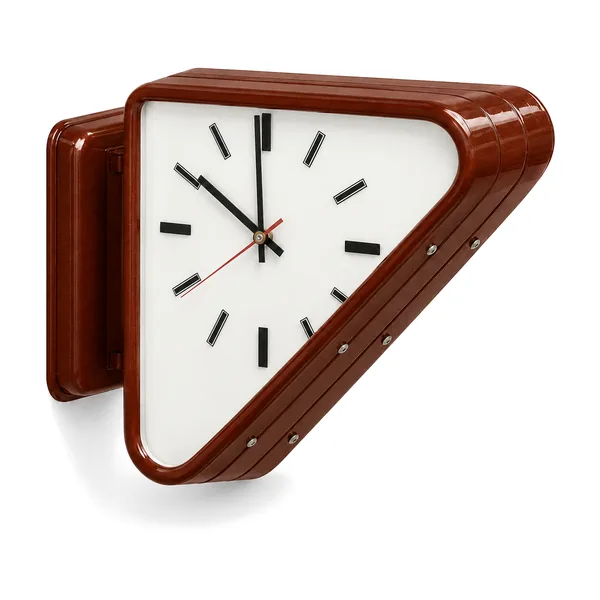
Consider the viewing distance when selecting living room pieces. If your seating area sits 6-8 feet from the wall, a 24 inch clock remains readable without dominating the visual field. For open-concept spaces, consider the Tvilling Dual-Sided Geometric Metal Wall Clock—a sculptural triangular timepiece with dual-sided display that's perfect as a modern statement piece for open-plan spaces and hallways. Its geometric presence bridges living and dining areas beautifully.
Kitchen & Dining: Balanced Functionality
Kitchen walls often compete with cabinetry, windows, and backsplashes, leaving limited real estate for décor. Here, wall clock 18 inch options work well between cabinets, while a carefully placed 24 inch wall clock can anchor a breakfast nook or dining area. When spacing allows, the 24-inch diameter hits the sweet spot—large enough to check while cooking across the room, yet compact enough to avoid visual clutter.
Bedroom: Serenity Meets Scale
Bedrooms call for a softer approach to scale. While wall clock 36 inches might feel overwhelming directly facing the bed, a wall clock 24 inches positioned above a dresser or on an adjacent wall creates gentle presence without disrupting rest. The key is placement—position your clock where morning light won't create glare, and ensure the ticking mechanism maintains the silence essential for quality sleep.
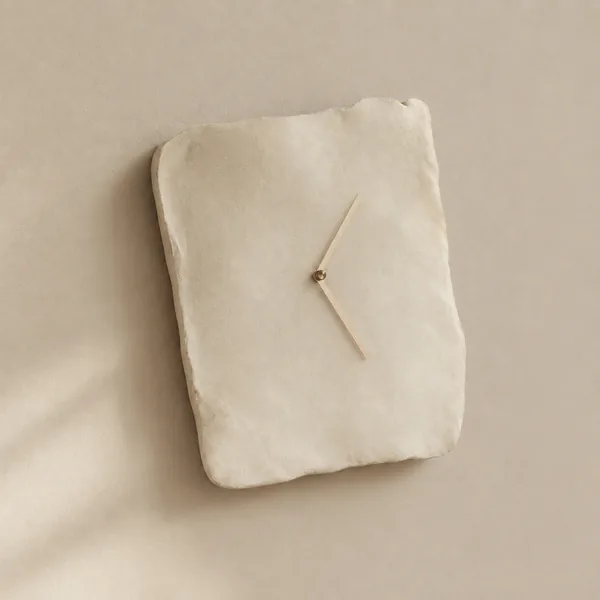
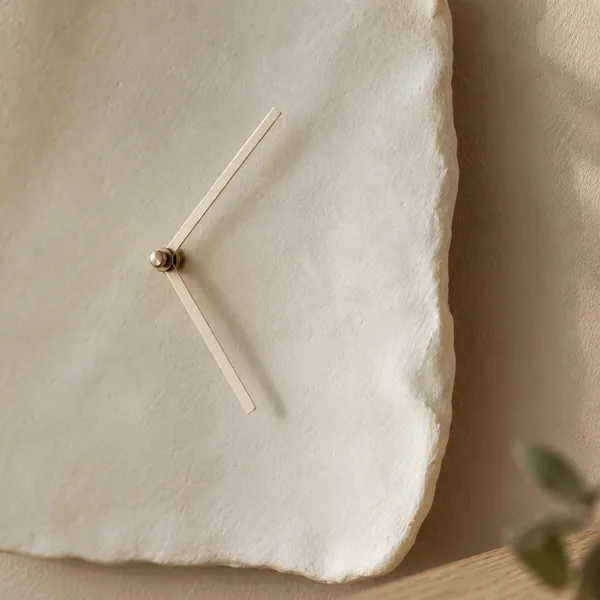
For those seeking peaceful timekeeping, the Stilla Silent Resin Wall Clock offers an organic sculptural design with a matte stone-like finish and completely silent movement, ideal for bedrooms and meditation spaces seeking calm.
Office & Entryway: First Impressions Count
Home offices and entryways benefit from clocks that command attention. A wall clock 24 inches or wall clock 30 inches positioned above a desk or console table creates immediate visual interest while serving practical purposes. In entryways, taller walls can accommodate wall clock 36 inches or even 40 inch wall clock options that greet guests with Nordic elegance.
Decorative Wall Clocks
Shop all Wall Clocks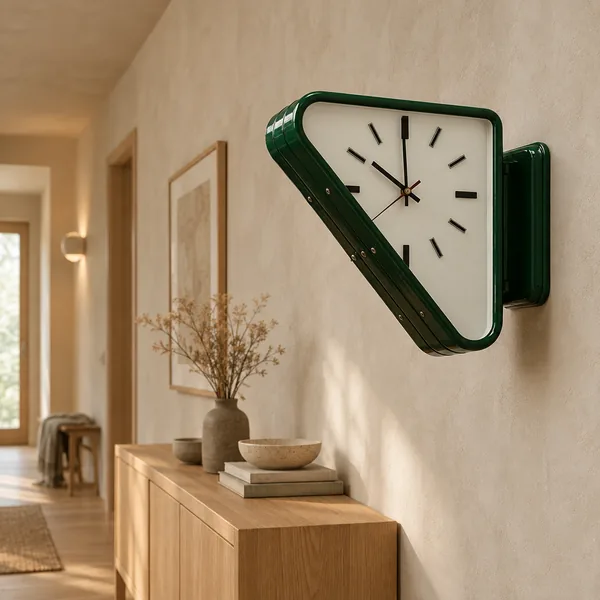
 Save $110.00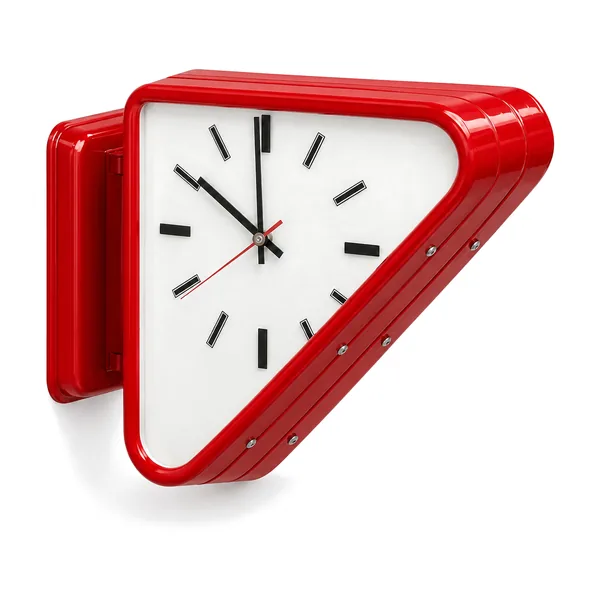
 +15 options
Tvilling Dual-Sided Geometric Metal Wall Clock
 Save $70.00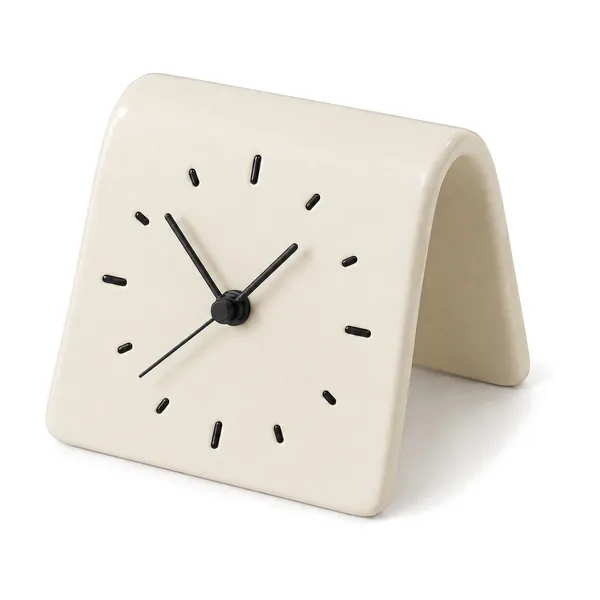
 +37 options
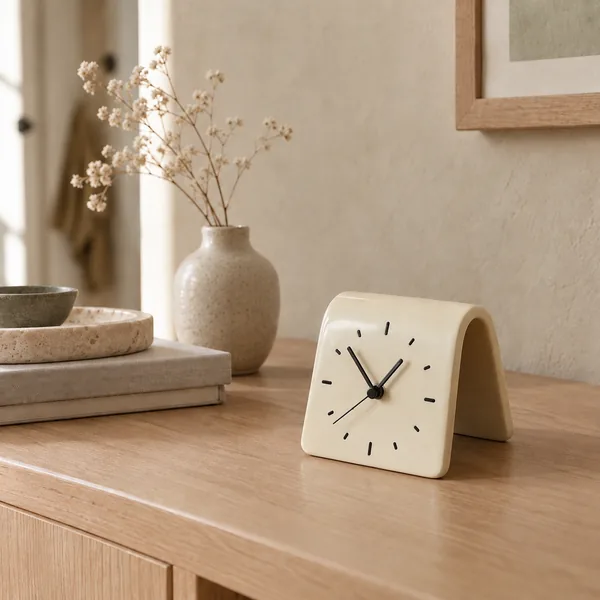
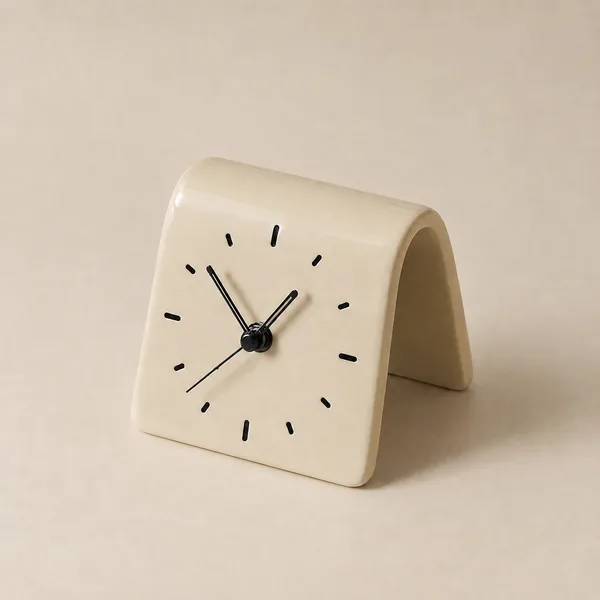
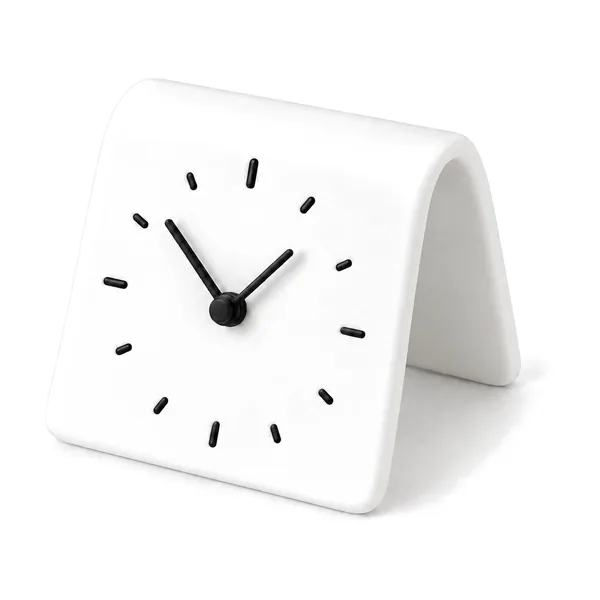
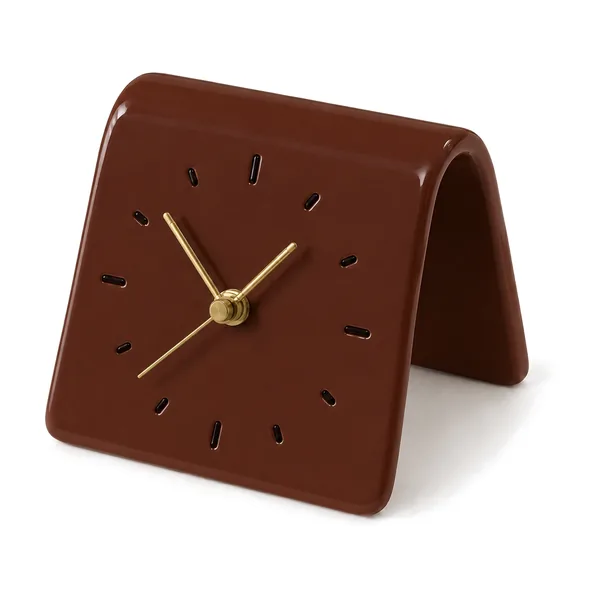
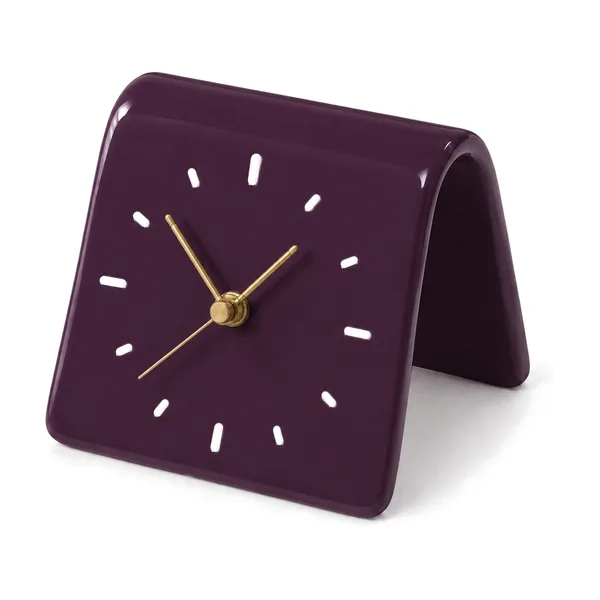
Tilje Silent Ceramic Desk Clock for Modern Homes
 Save $120.00
Stilla Silent Resin Wall Clock Nordic Minimalist
Is a 24 Inch Wall Clock Too Big?
One of our most frequently asked questions centers on wall clock scale anxiety—is a particular size too overwhelming? The answer depends entirely on context. A 24 inch wall clock measures two feet in diameter, roughly the width of a standard carry-on suitcase. When hung on walls four feet wide or greater, this size feels balanced and intentional rather than excessive.
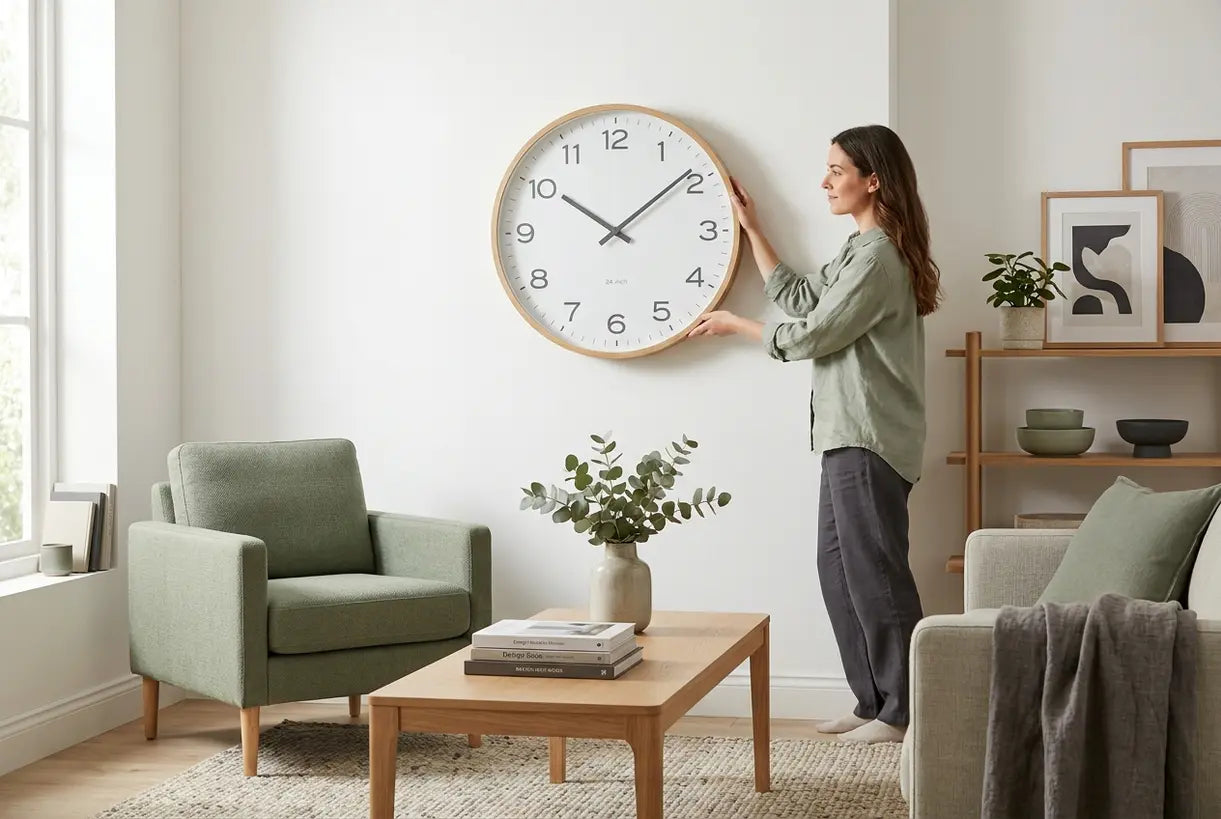
Consider these guidelines: A 24-inch piece works beautifully in spaces with:
- Ceilings 9 feet or higher
- Furniture pieces (sofas, sideboards) exceeding 6 feet in width
- Open floor plans requiring vertical anchors
- Minimalist interiors where negative space dominates
For smaller apartments or cozy studies, wall clock 18 inch options might feel more appropriate. However, don't shy away from the 24-inch standard—it's remarkably versatile across medium to large spaces, offering readability without the commitment of 36 or 40-inch statement pieces.
How to Measure Wall Clock Placement
Proper wall clock positioning requires three measurements: width availability, height placement, and viewing distance. Start by identifying your target wall section and measuring its width. For balanced aesthetics, leave approximately 6-12 inches of bare wall on either side of your clock.
Height matters significantly for both aesthetics and functionality. The center of your clock should hang at eye level—approximately 57-60 inches from the floor in living spaces, though this adjusts higher in rooms with elevated seating or vaulted ceilings. Never hang purely decorative clocks above door frames where they compete with architectural lines; instead, position them as you would artwork, creating intentional negative space around the piece.
Viewing distance affects perceived scale. Clocks viewed from seating positions (living rooms, offices) can be slightly smaller than those viewed from across open spaces (kitchens, entryways). If you need to read the time from 15+ feet away, prioritize large numbers wall clock designs with high-contrast faces.
Comparing Wall Clock Sizes: From 18 to 40 Inches
Understanding the full spectrum of wall clock sizes helps contextualize where the 24-inch standard fits. Each dimension serves distinct purposes:
| Size | Best For | Visual Impact |
| 18 inches | Smaller kitchens, bedrooms, gallery walls | Subtle, functional accent |
| 24 inches | Living rooms, offices, dining areas | Balanced statement piece |
| 30 inches | Large living rooms, high ceilings | Noticeable focal point |
| 36 inches | Entryways, great rooms, commercial spaces | Dramatic centerpiece |
| 40+ inches | Lofts, atriums, oversized walls | Architectural element |
The wall clock 24 inches occupies a unique position—large enough to serve as a room's artistic anchor, yet restrained enough for everyday spaces. It's the most versatile size for modern homes with standard 8-10 foot ceilings and medium-sized walls.
Tvilling Dual-Sided Geometric Metal Wall Clock$269.00$379.00Scandinavian Design Principles for Wall Clocks
Scandinavian interiors favor intentional restraint over excess. When incorporating any wall clock size, consider the Nordic principles of functionality (everything serves a purpose), natural materials (wood, ceramic, metal with organic finishes), and hygge (creating cozy, welcoming atmospheres).
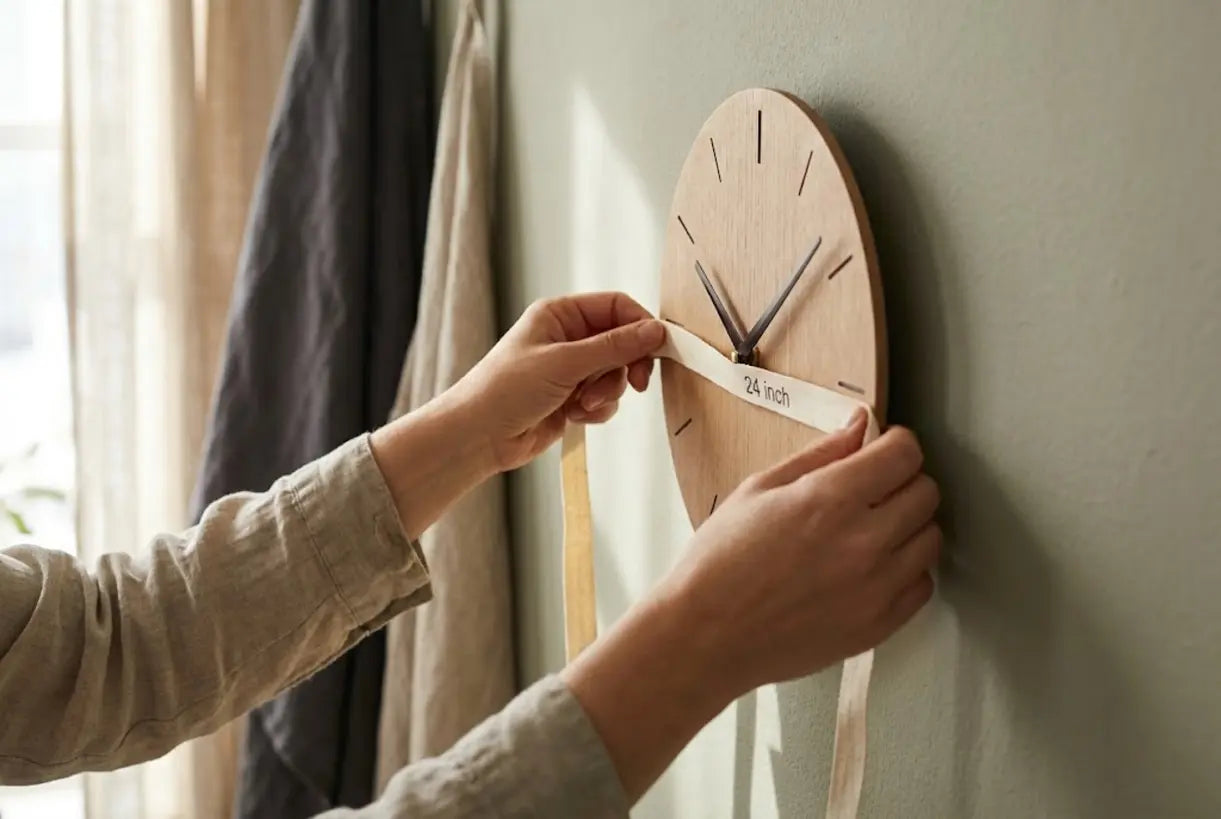
A wall clock in a Scandinavian home should feel like it belongs—a natural extension of the space rather than an added decoration. This means selecting sizes proportional to walls, choosing materials that complement existing furniture tones, and ensuring the clock mechanism operates silently to preserve the peaceful atmosphere essential to Nordic living.
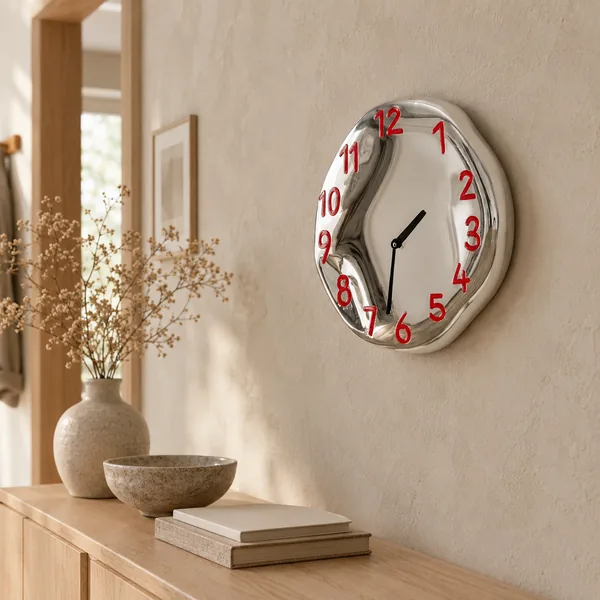
For spaces seeking refined elegance, the Glansa Chrome Ceramic Wall Clock Silent Quartz brings handcrafted craftsmanship with a chrome electroplated finish that catches light beautifully. This piece exemplifies Nordic elegance for living rooms and offices, offering both precise timekeeping and sculptural presence.
Scandinavian Wall Clocks for Every Space
 Glansa Chrome Ceramic Wall Clock Silent Quartz$329.00$479.00Stilla Silent Resin Wall Clock Nordic Minimalist$259.00$379.00
Hanging Your Wall Clock: Height and Positioning
Once you've selected your ideal wall clock 24 inches (or any other size), proper hanging technique ensures both safety and visual harmony. The center point of your clock should typically sit 57-60 inches from the floor—the same standard used in art galleries for optimal viewing.
In rooms with higher ceilings, you may adjust upward to 65-70 inches, particularly if hanging above furniture. Never center your clock at the mathematical center of the wall height; human eye level should dictate placement. Above sofas, maintain 6-8 inches of clearance between the furniture top and the clock bottom. Above fireplaces, position the clock within the upper third of the mantel-to-ceiling space.
For particularly heavy timepieces (common with 36 or 40-inch wrought iron designs), use wall anchors rated for at least twice the clock's weight. Stud finders locate the strongest hanging points, though toggle bolts work for hollow wall sections when studs don't align with desired placement.
Home Decor
Shop all Home Decor
 Save $44.50
 2 options
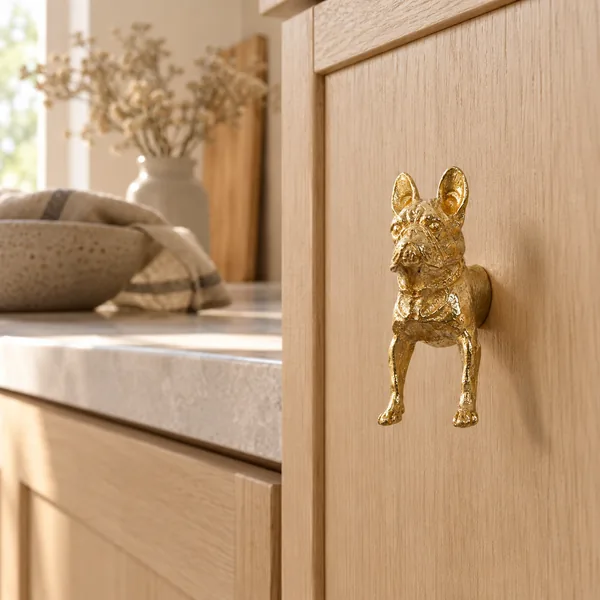
Tassa Polished Brass Dog Cabinet Pull Handle
Save $110.00+15 optionsTvilling Dual-Sided Geometric Metal Wall Clock
Final Thoughts: Finding Your Perfect Timepiece
Choosing the right wall clock size balances mathematical proportion with personal intuition. While guidelines suggest that a wall clock 24 inches suits most medium-sized walls, your unique space might call for 18-inch minimalism or 36-inch drama. The key lies in understanding your wall dimensions, ceiling height, viewing distance, and the atmosphere you wish to create.
At Skonne, we curate Scandinavian-inspired timepieces that honor both function and beauty—from silent bedroom pieces to commanding living room statements. Whether you gravitate toward the geometric intrigue of the Tvilling, the luminous elegance of the Glansa, or the organic calm of the Stilla, selecting the right size ensures your clock enhances rather than overwhelms your curated space.
Remember that wall clocks serve as daily companions in our homes. Choose a size that feels comfortable to live with, readable from your most common vantage points, and harmonious with your existing décor. When proportion, placement, and personal style align, your wall clock becomes more than a time-telling device—it becomes an essential element of your home's story.
Related Article
Silent & Non-Ticking Wall Clocks: The Best Quiet Designs for Bedrooms & OfficesDiscover beautiful silent wall clock designs perfect for bedrooms and offices. Non-ticking, peaceful timekeeping for better sleep and focus.