
Wall Clocks: The Complete Guide to Styles, Types & How to Choose
Summary›
A wall clock is more than just a timekeeping device—it's a statement piece that anchors a room, creates visual balance, and reflects your personal design philosophy. In our digital age where smartphones display the time instantly, the enduring appeal of a beautiful wall clock lies in its ability to slow down our perception of time while elevating our living spaces.
Whether you're drawn to the clean lines of Scandinavian minimalism, the warmth of mid-century design, or the rustic charm of farmhouse aesthetics, choosing the right wall clock requires understanding both practical considerations and stylistic nuances. In this comprehensive guide, we'll explore everything from the different types of wall clocks to expert tips on installation and maintenance, helping you select the perfect timepiece that harmonizes with your home's architecture and your lifestyle needs.
Understanding Wall Clock Types and Mechanisms
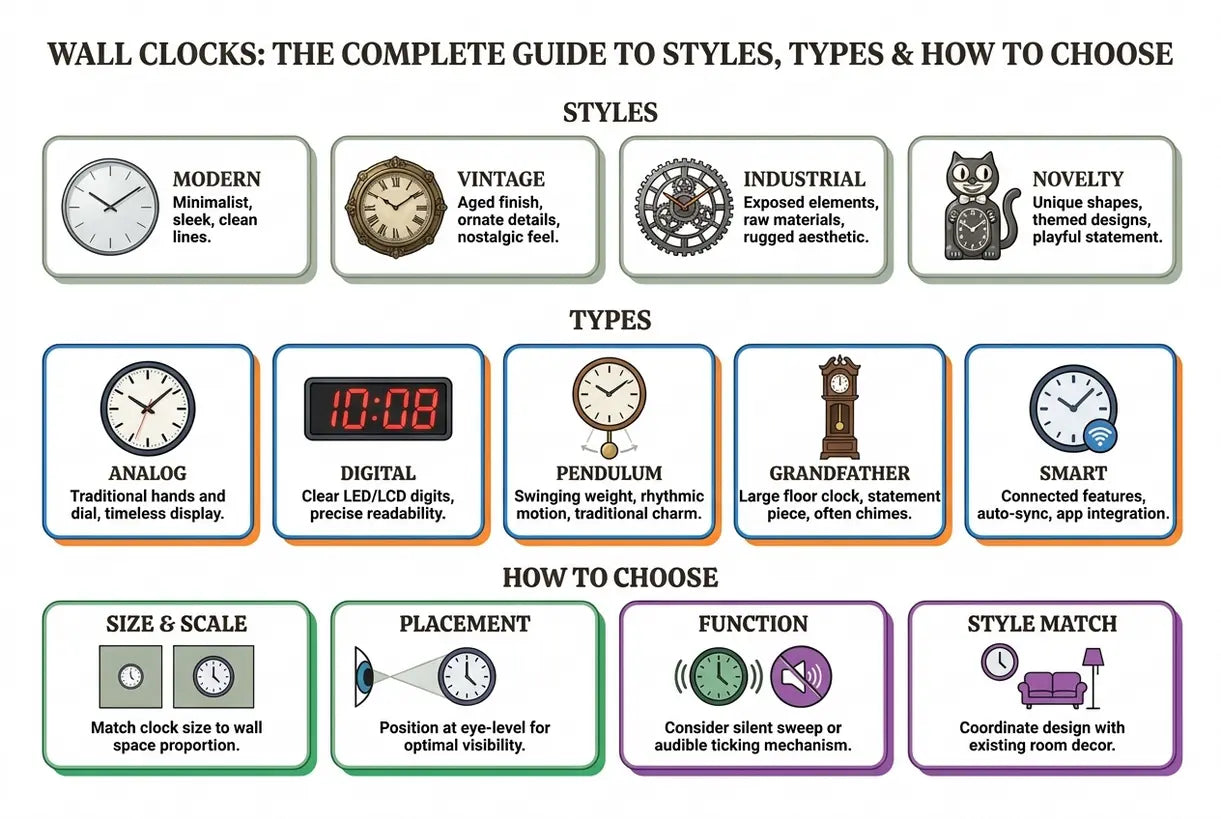
Before diving into aesthetics, it's essential to understand the mechanical variations available. Each type of wall clock offers distinct characteristics that affect not only how the time is displayed but also how the clock maintains accuracy and fits within your space's acoustic environment.
Analog Wall Clocks: Classic Elegance
Analog wall clocks represent the traditional approach to timekeeping, featuring hour and minute hands rotating around a numbered or marked dial. These clocks offer timeless sophistication and remain the preferred choice for those seeking a connection to classic design principles. The physical movement of hands across a face creates a gentle, meditative quality that digital alternatives cannot replicate.
Digital and Quartz Mechanisms
Modern quartz wall clocks utilize battery-powered movements that require minimal maintenance while providing precise timekeeping. These mechanisms are nearly silent, making them ideal for bedrooms, offices, and meditation spaces. Digital wall clocks offer instant legibility and often include additional features like temperature displays or calendars, though they may lack the warm, decorative presence of their analog counterparts.
Pendulum and Mechanical Varieties
For those who appreciate craftsmanship and tradition, pendulum wall clocks showcase the mechanical artistry of horology. These weight-driven or spring-powered pieces create a gentle, rhythmic motion that becomes part of a room's living character. While they require more maintenance than quartz alternatives, they serve as conversation pieces and heirloom-quality investments.
Exploring Popular Wall Clock Styles
Your choice of wall clock style should complement existing furniture, architectural details, and the overall atmosphere you wish to create. Scandinavian design philosophy emphasizes that every object should serve both functional and aesthetic purposes—wall clocks are no exception.
Minimalist and Scandinavian Designs
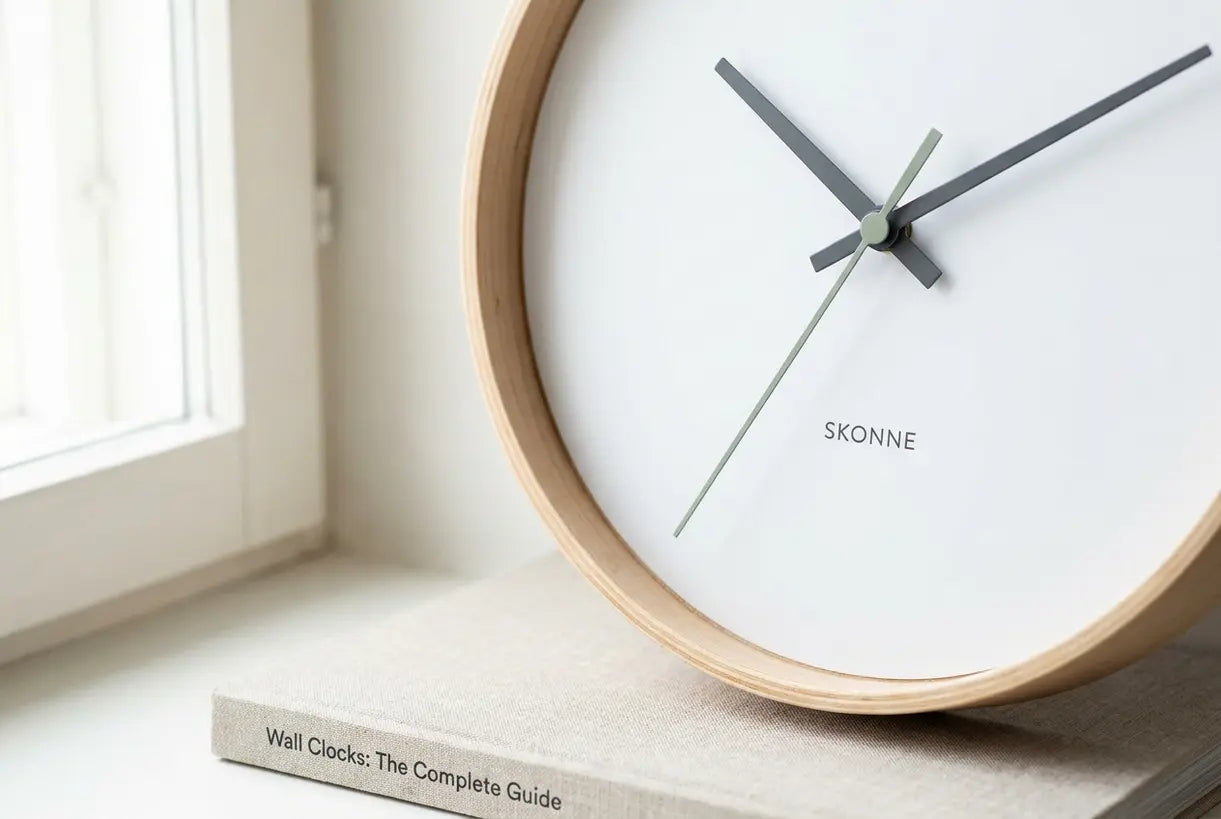
Minimalist wall clocks embody the "less is more" philosophy, stripping away unnecessary ornamentation to reveal pure form and function. These designs typically feature clean typography, muted color palettes, and uncluttered faces that blend seamlessly into modern interiors. The absence of excessive detail allows the clock to recede visually when not in use while remaining perfectly legible when needed.
For those looking to create layered lighting designs in their homes, our Pendant Lights collection offers complementary pieces that pair beautifully with minimalist wall clocks, creating vertical visual interest at different heights within a room.
Mid-Century Modern Aesthetics
Mid-century wall clocks draw inspiration from the post-war design revolution of the 1950s and 60s, characterized by organic shapes, warm wood tones, and atomic starburst patterns. These pieces celebrate craftsmanship and natural materials while maintaining the functional clarity that defined the era. A well-chosen mid-century clock can serve as the focal point that ties together vintage-inspired furnishings.
Farmhouse and Rustic Charm
Oversized wall clocks in farmhouse styles feature distressed finishes, Roman numerals, and substantial proportions that create instant warmth. These designs embrace imperfection and patina, making them ideal for creating the cozy, hygge atmosphere central to Scandinavian living. The generous scale ensures the clock remains visible across open-concept living spaces.
Contemporary and Artistic Statements
Modern decorative wall clocks push boundaries with unconventional materials, asymmetrical designs, and sculptural qualities that challenge traditional notions of timekeeping. These pieces function as wall art while maintaining practical utility, perfect for those who view their homes as galleries of carefully curated objects.
Finding the Right Size and Scale
Proportion is perhaps the most critical yet overlooked aspect of wall clock selection. An undersized clock disappears into wall space, while an oversized wall clock overwhelms intimate rooms. General design principles suggest selecting a clock with a diameter between one-half and two-thirds the width of the furniture piece below it, such as a console table or fireplace mantel.
For standard 8-foot ceilings, clocks between 12 and 20 inches in diameter typically work well. Cathedral ceilings and expansive walls can accommodate much larger pieces, often 30 inches or more, creating dramatic focal points that draw the eye upward and emphasize vertical space.
Room-by-Room Wall Clock Selection Guide
Living Room Considerations
The living room wall clock often serves as the primary timepiece for entertaining spaces. Position your clock where it's visible from seating areas without creating neck strain when checking the time. Consider the viewing distance—larger rooms require larger clocks for comfortable reading from across the space.
Kitchen and Dining Timepieces
Kitchen clocks benefit from materials resistible to moisture and cooking grease. Look for sealed faces and easy-to-clean surfaces. In dining rooms, a silent wall clock prevents ticking from disrupting conversation while still providing time awareness during meals.
Bedroom and Quiet Spaces
Silent wall clocks are essential for bedrooms and meditation spaces where the quiet tick-tock of a standard mechanism proves disruptive. These movements use smooth-sweep second hands rather than ticking seconds, creating a peaceful environment conducive to rest and relaxation.
Installation Techniques and Best Practices
Proper installation ensures your wall clock hangs securely and maintains accurate time. Weight is the primary consideration—larger decorative wall clocks can exceed 20 pounds, requiring wall anchors or stud mounting rather than simple picture hooks.
Hanging Your Wall Clock Safely
For quartz wall clocks under 10 pounds, a sturdy picture hook designed for twice the clock's weight provides adequate support. Heavier pieces require mounting into wall studs or using toggle bolts for secure attachment. Always use a level to ensure your timepiece hangs straight—crooked clocks become immediate visual annoyances despite careful selection.
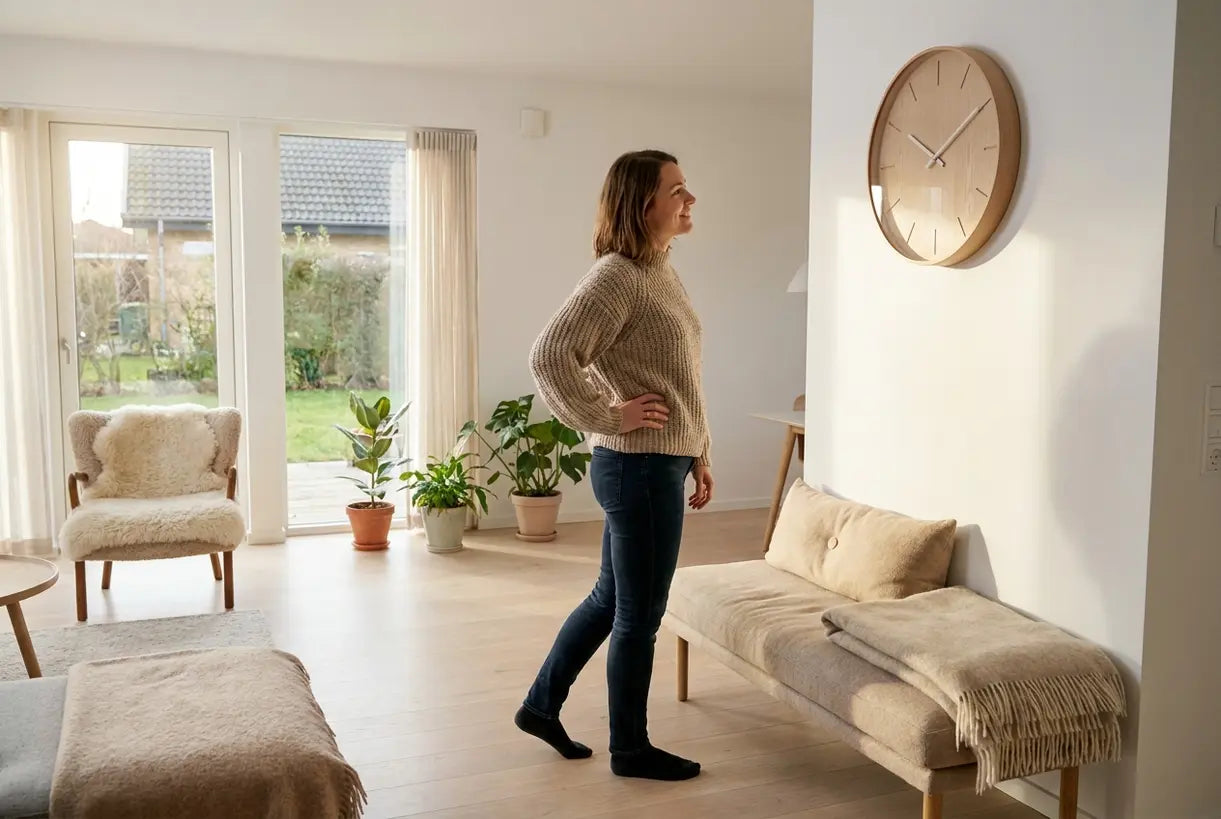
At standard heights, position the clock's center approximately 57-60 inches from the floor—roughly eye level for average-height adults. In rooms with high ceilings or above fireplaces, centering the clock within the available wall space often works better than strict height measurements.
Maintaining Your Investment Long-Term
Wall clock maintenance varies significantly by mechanism type. Quartz movements require battery replacement every 12-18 months—consider using lithium batteries for longer life and consistent timekeeping. Dust the face and frame monthly with a microfiber cloth, and use glass cleaner on crystal covers to maintain perfect visibility.
Seasonal Care and Adjustment
Wooden wall clocks benefit from seasonal humidity control. Drastic fluctuations in moisture can cause warping or cracking, particularly in solid wood cases. Avoid hanging clocks directly above heating vents, fireplaces, or in direct sunlight, which can fade finishes and damage mechanisms over time.
Creating Cohesive Design Vignettes
A wall clock rarely exists in isolation. Consider pairing your timepiece with complementary decor to create intentional wall compositions. Gallery walls incorporating clocks alongside framed art, small mirrors, and decorative objects create dynamic arrangements that feel collected rather than purchased.
When selecting placement, consider the room's primary light sources. Position clocks to avoid glare on glass faces, and ensure sufficient ambient light exists to read the time without straining. Natural wood cases, like those found in many Oversized Farmhouse Wall Clocks, interact beautifully with warm lighting, while metal frames reflect cooler light sources effectively.
Statement Timepieces for Every Style
Conclusion: Time Well Spent
Selecting the perfect wall clock requires balancing practical considerations with aesthetic preferences. By understanding the various mechanisms, styles, and sizing guidelines outlined in this guide, you're equipped to choose a timepiece that serves your daily needs while elevating your interior design.
Remember that the best wall clock is one you actually enjoy looking at—whether it brings a smile through its playful design, grounds your space with its substantial presence, or simply keeps perfect time while blending seamlessly into your carefully curated environment. The investment in a quality timepiece pays dividends in daily moments of appreciation and long-term reliability.
At Skonne, we believe that every element in your home should contribute to a sense of sanctuary and intentional living. Our curated collection of wall clocks reflects the Scandinavian values of simplicity, quality craftsmanship, and timeless beauty that transform ordinary spaces into extraordinary homes.
Related Article
Nordic Vases: How to Choose & Style Them in a Scandinavian HomeLearn how to choose and style Nordic vases to bring Scandinavian simplicity and warmth into your home with our expert guide.