
Modern & Contemporary Wall Clocks: Sleek Designs for Today's Interiors
Summary›
- The Art of Contemporary Timepieces: What Defines Modern Design
- Materials That Matter: Selecting Quality in Modern Clock Construction
- Sizing and Placement: How to Choose the Right Scale
- Styling Strategies for Minimalist Interiors
- Living Room Mastery: Creating Focal Points with Timepieces
- Embracing Timeless Contemporary Design
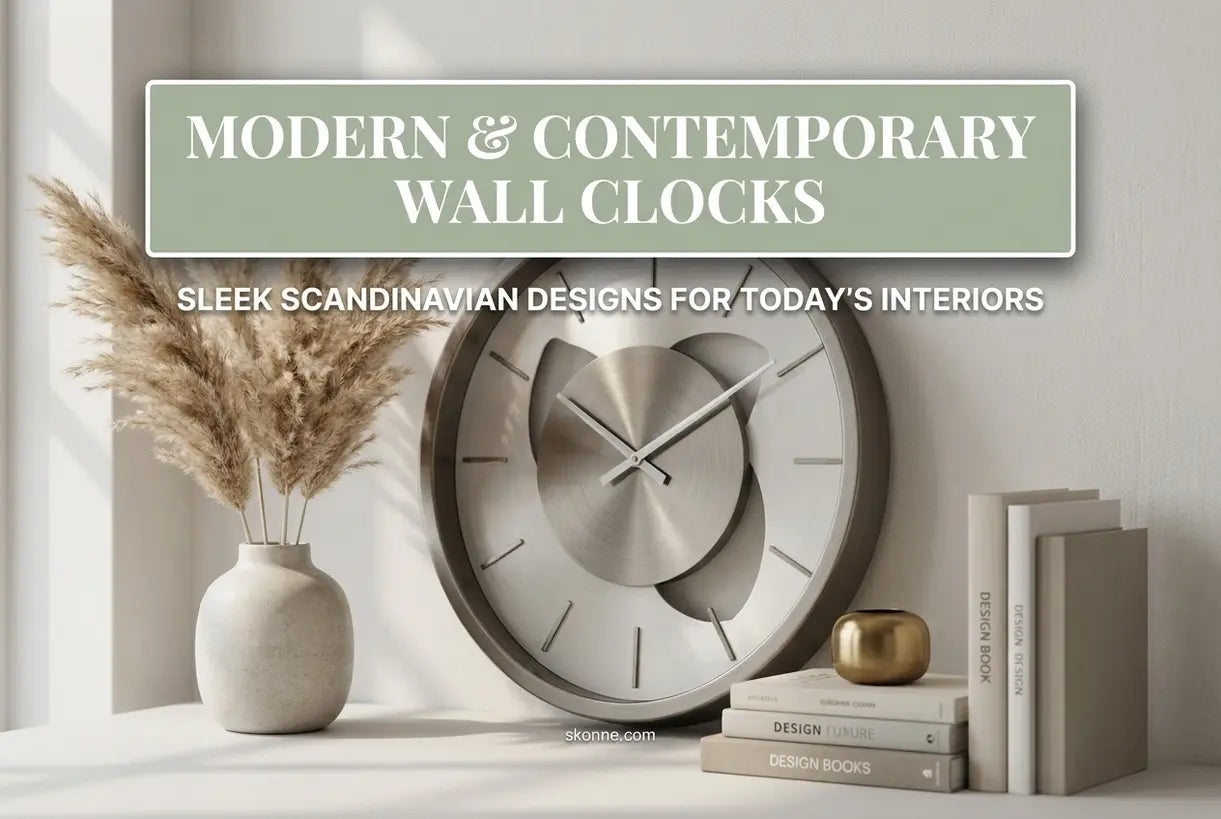
Time plays a quiet yet essential role in our daily rituals, and the way we track it deserves more consideration than a quick glance at a smartphone screen. A thoughtfully chosen modern wall clock transcends mere functionality, becoming an intentional focal point that anchors your space while reflecting your design sensibilities. In contemporary interiors, where every element serves both purpose and poetry, the right contemporary timepiece creates harmony between form and function.
Whether you're curating a serene Scandinavian-inspired retreat or elevating an urban loft with clean lines, understanding what makes a wall clock truly modern will help you select a piece that resonates with your space. Today's most compelling designs embrace minimalist wall clock principles—geometric silhouettes, honest materials, and whisper-quiet mechanisms that honor the peaceful moments of your home. As you explore these sleek wall clock designs, you'll discover how the right choice can transform an empty wall into a curated design moment.
The Art of Contemporary Timepieces: What Defines Modern Design
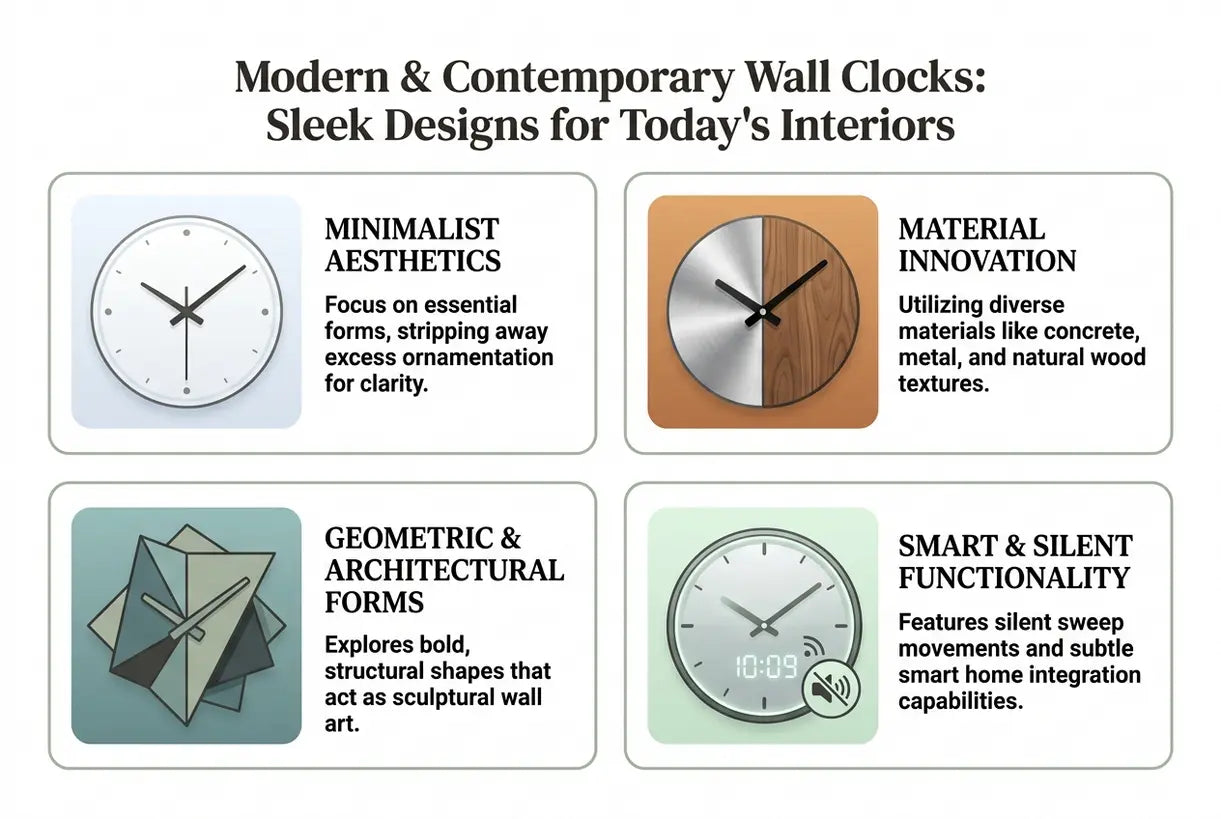
Modern wall clocks distinguish themselves through intentional restraint and material authenticity. Unlike ornate traditional timepieces cluttered with decorative flourishes, contemporary wall clocks celebrate geometric purity and functional beauty. Think circular forms stripped to their essence, linear metalwork that draws the eye upward, and unexpected materials like ceramic and resin that introduce texture without overwhelming your carefully considered palette.
The movement toward sleek wall clock designs reflects a broader shift in how we approach home décor. Today's homeowners seek objects that contribute to a sense of calm rather than visual chaos. A geometric wall clock with clean angles serves as functional sculpture, while Premium Picks in our collection demonstrate how advanced craftsmanship elevates everyday objects into gallery-worthy statements. These pieces work particularly well in open-concept spaces where the clock must coordinate with multiple sightlines.
Materials That Matter: Selecting Quality in Modern Clock Construction
When investing in designer wall clocks, material selection determines both longevity and visual impact. Metal finishes—particularly brushed brass, matte black steel, and polished chrome—offer durability while complementing modern hardware and lighting fixtures. Ceramic clocks introduce an organic, artisanal quality that softens industrial spaces, while resin and molded composite materials allow for innovative, sculptural forms impossible with traditional materials.
The best contemporary timepieces prioritize tactile experience alongside visual appeal. A handcrafted ceramic clock might feature subtle glaze variations that shift with the day's changing light, while precision-engineered metalwork showcases the beauty of exacting craftsmanship. These material choices reflect the Scandinavian design principle of honest construction—celebrating the natural qualities of each element rather than hiding them beneath artificial finishes.
Decorative Wall Clocks
Shop all Wall Clocks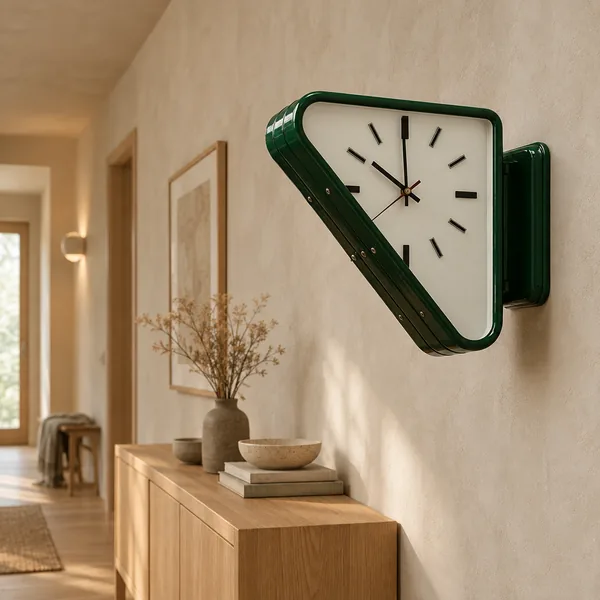
 Save $110.00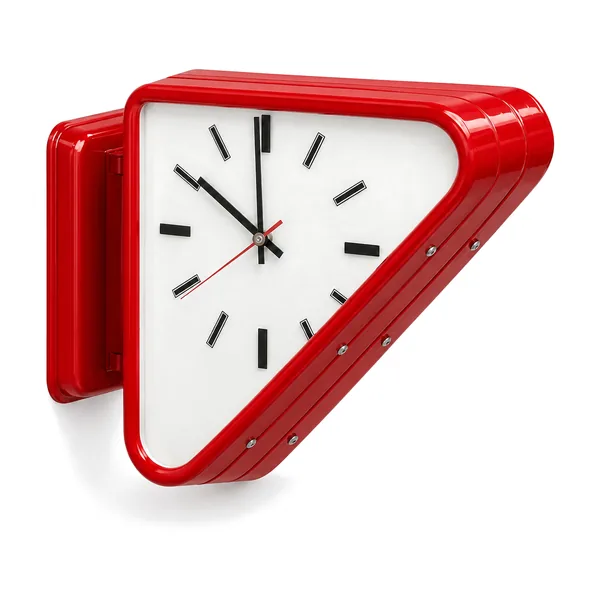
 +15 options
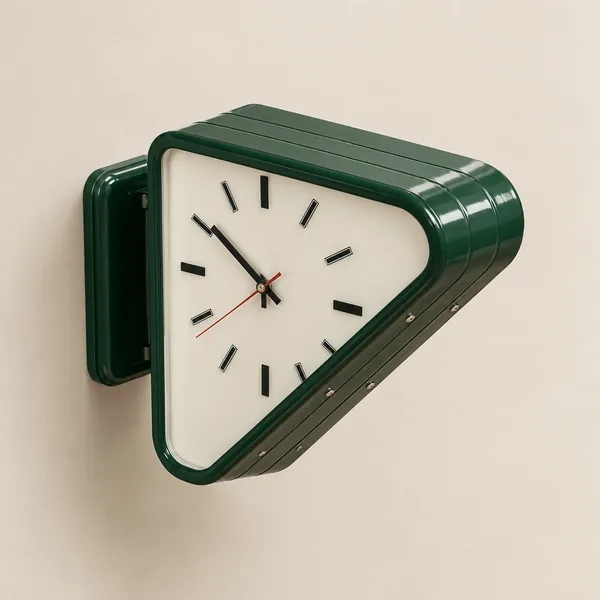
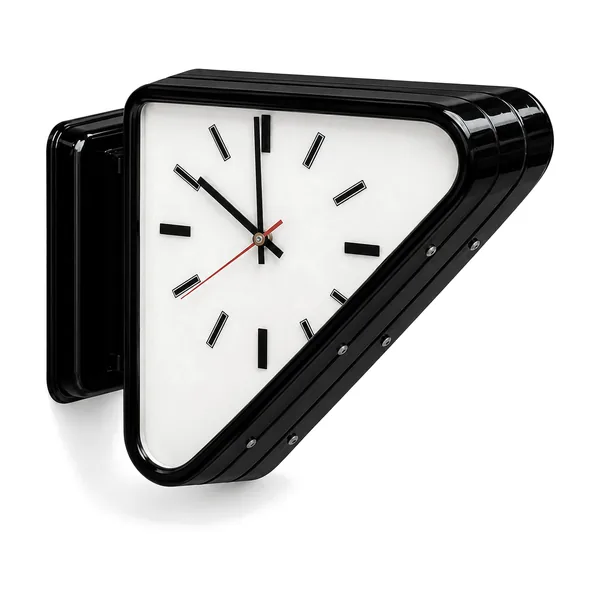
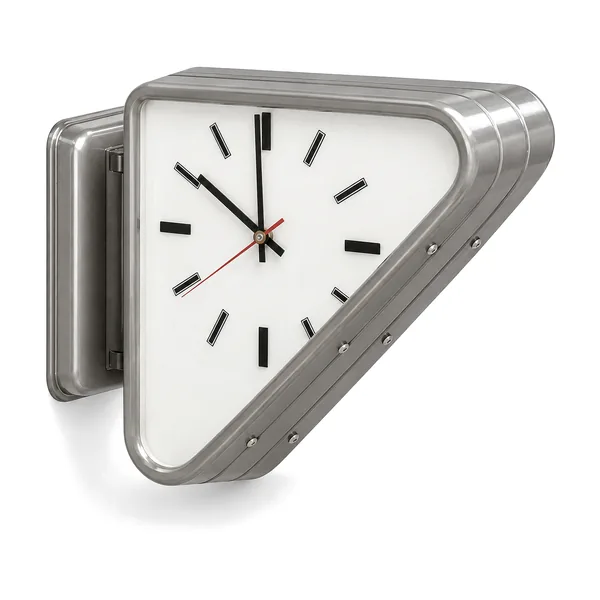
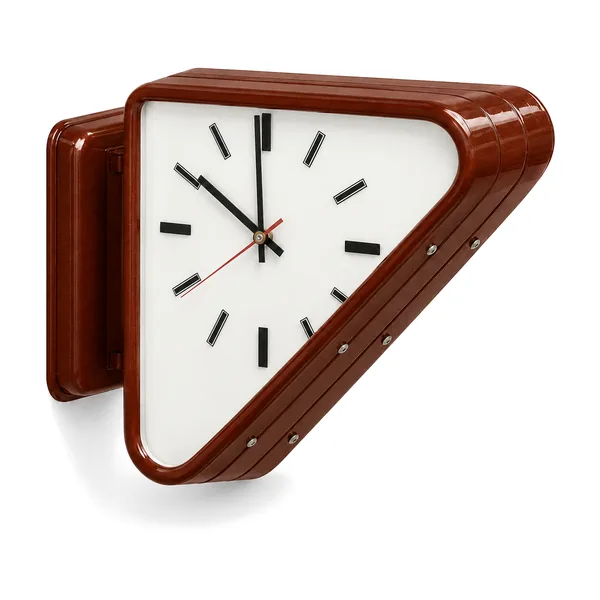
Tvilling Dual-Sided Geometric Metal Wall Clock
 Save $70.00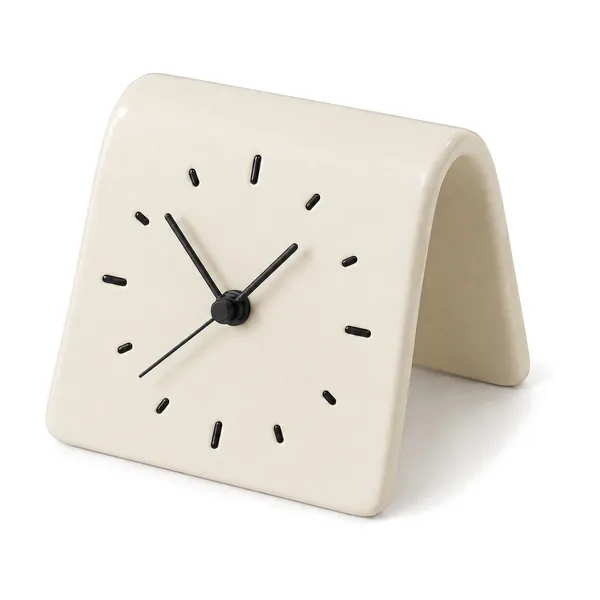
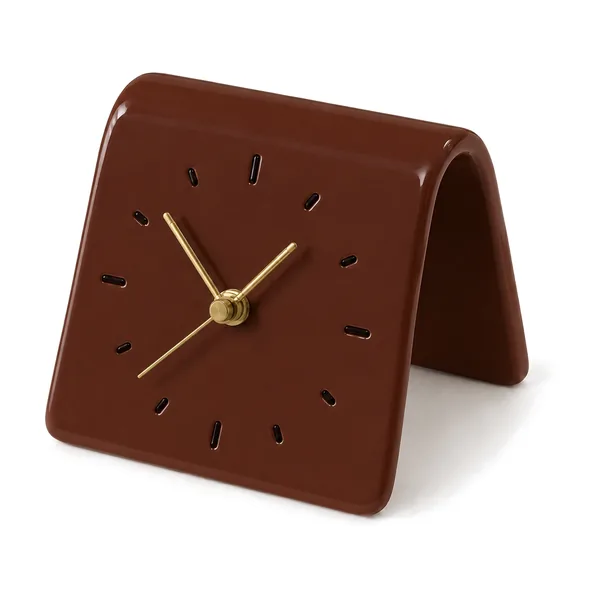
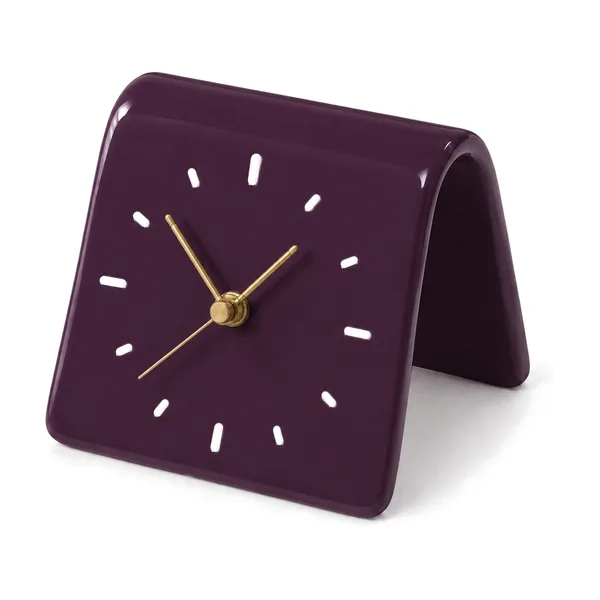 +37 options
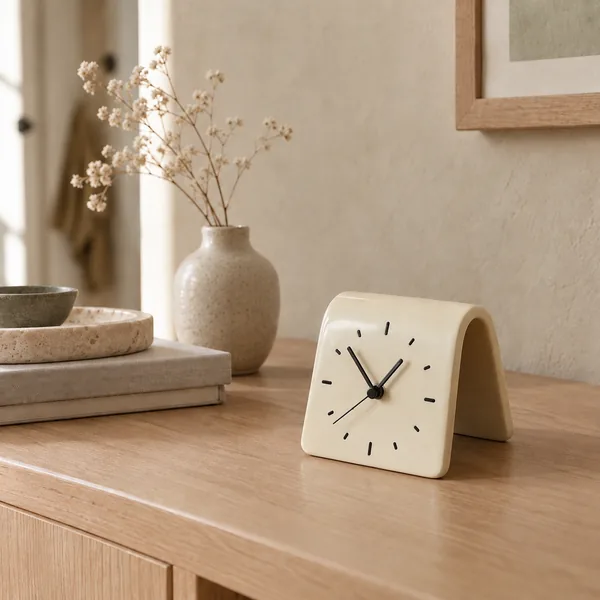
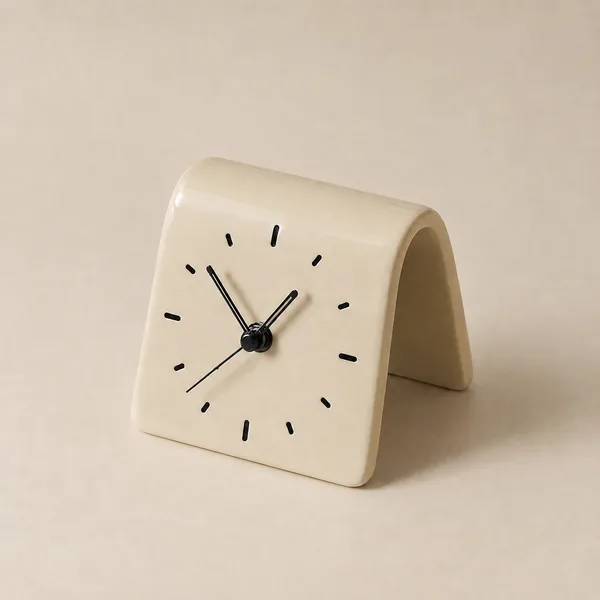
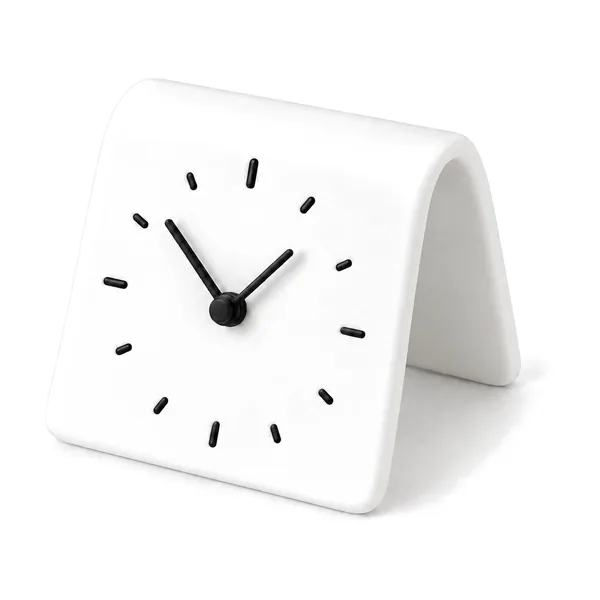
Tilje Silent Ceramic Desk Clock for Modern Homes
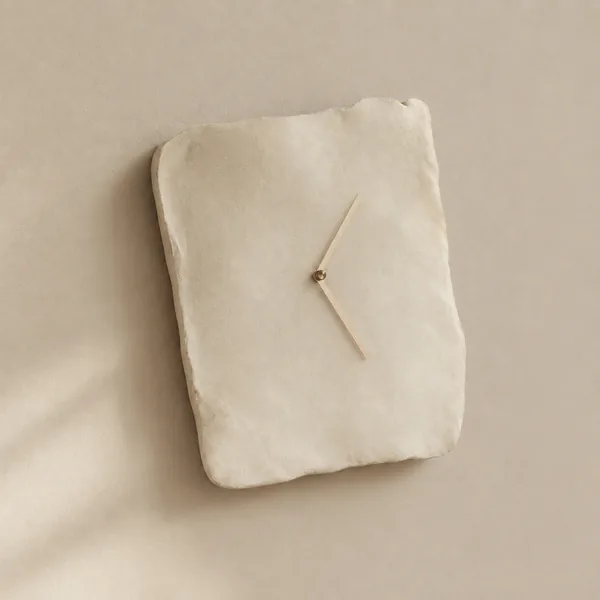
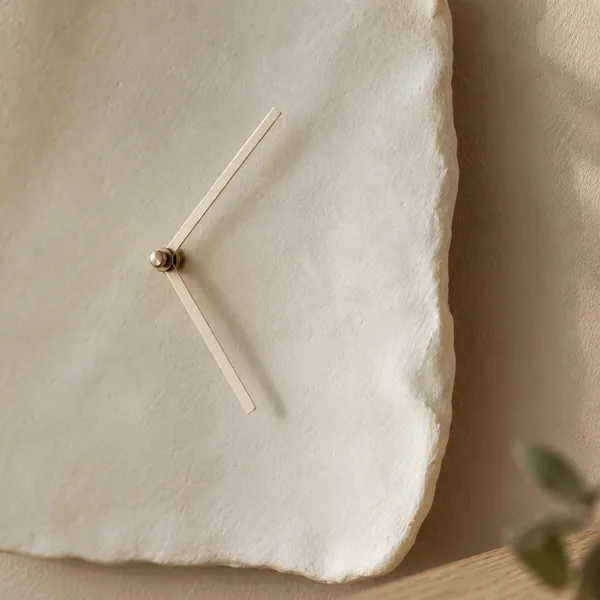 Save $120.00
Stilla Silent Resin Wall Clock Nordic Minimalist
The Case for Silent Wall Clocks
One innovation that has transformed the modern wall clock category is the widespread adoption of silent sweep mechanisms. Traditional ticking clocks, while charming in some contexts, can disrupt the peace of contemporary living spaces designed for focus and relaxation. Silent wall clocks utilize quartz movements that eliminate the audible tick-tock, creating a more meditative environment.
Are silent wall clocks worth the investment? For bedrooms, home offices, and open living areas where sound travels freely, the absence of ticking provides undeniable value. The technology has become standard in quality contemporary designs, meaning you need not sacrifice craftsmanship for tranquility. When selecting a timepiece for spaces dedicated to rest or deep work, prioritize models explicitly designed with noiseless operation.
Tvilling Dual-Sided Geometric Metal Wall Clock$269.00$379.00Sizing and Placement: How to Choose the Right Scale
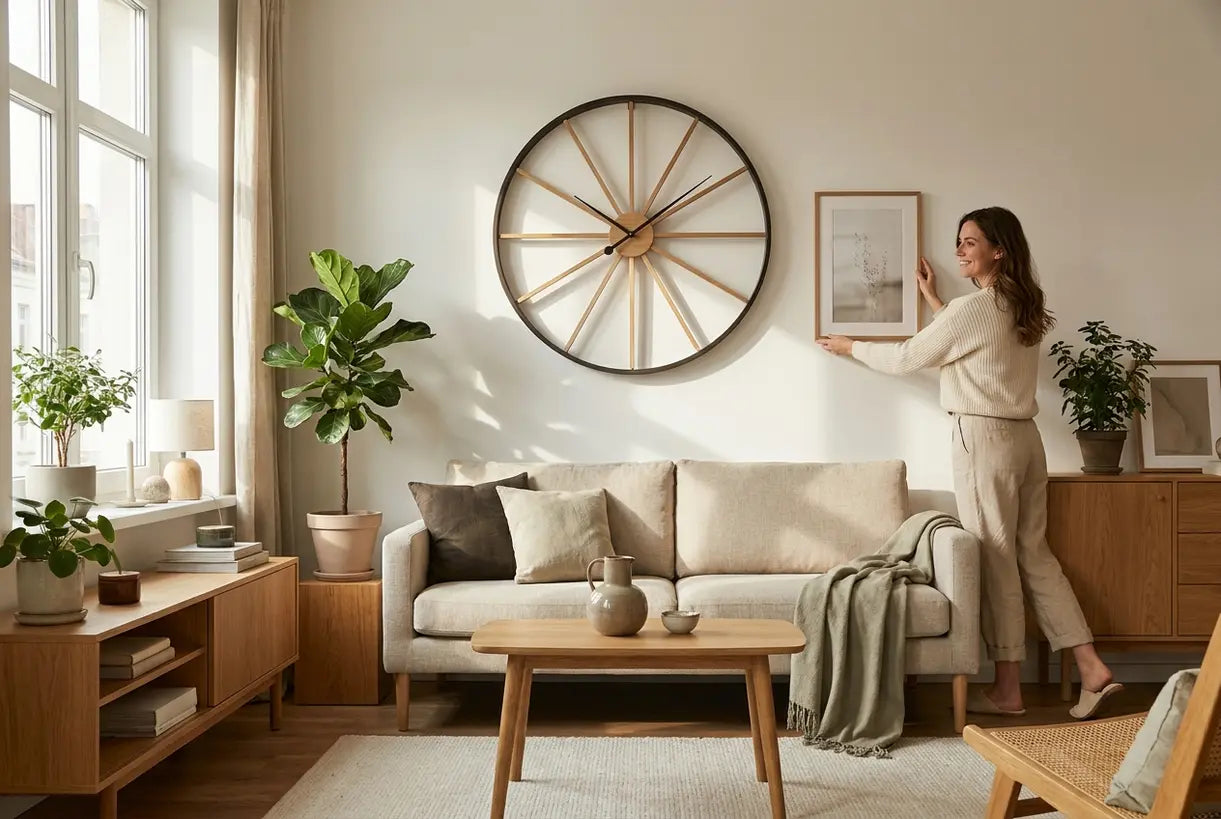
Selecting the appropriate dimensions for your large contemporary wall clock ensures the piece commands attention without overwhelming your architecture. As a general principle, your clock should occupy approximately two-thirds to three-quarters of the available wall width when serving as a solo statement above furniture. For expansive walls in living rooms or entryways, clocks measuring 24 to 36 inches in diameter create desirable proportional balance.
How to choose the right size contemporary wall clock? Consider viewing distance alongside wall dimensions. Clocks intended for reading from across an open-concept living area require larger faces—typically 12 inches minimum for every 10 feet of viewing distance. Conversely, intimate spaces like reading nooks or home offices accommodate more modest 8 to 10-inch designs that reward close inspection with fine material details.
Height placement equally impacts functionality and aesthetics. Position your clock's center at eye level—approximately 57 to 60 inches from the floor—unless placing it above furniture, in which case leave 6 to 12 inches of breathing room between the clock's bottom edge and the top of your sofa or console.
Styling Strategies for Minimalist Interiors
How do you style a wall clock in a minimalist home? The key lies in embracing negative space. A single oversized minimalist wall clock often creates more impact than a cluttered gallery wall, serving as functional art that eliminates the need for additional décor. In Scandinavian-inspired spaces, choose clocks with natural wood elements, ceramic finishes, or matte black metal that complement rather than compete with textile textures.
Consider the relationship between your clock and surrounding architectural elements. Positioning a circular clock near rectangular windows or linear shelving creates pleasing geometric contrast. For modern wall clock for living room placement, treat the timepiece as you would a piece of artwork—ensure adequate surrounding space allows it to breathe and become a true focal point.
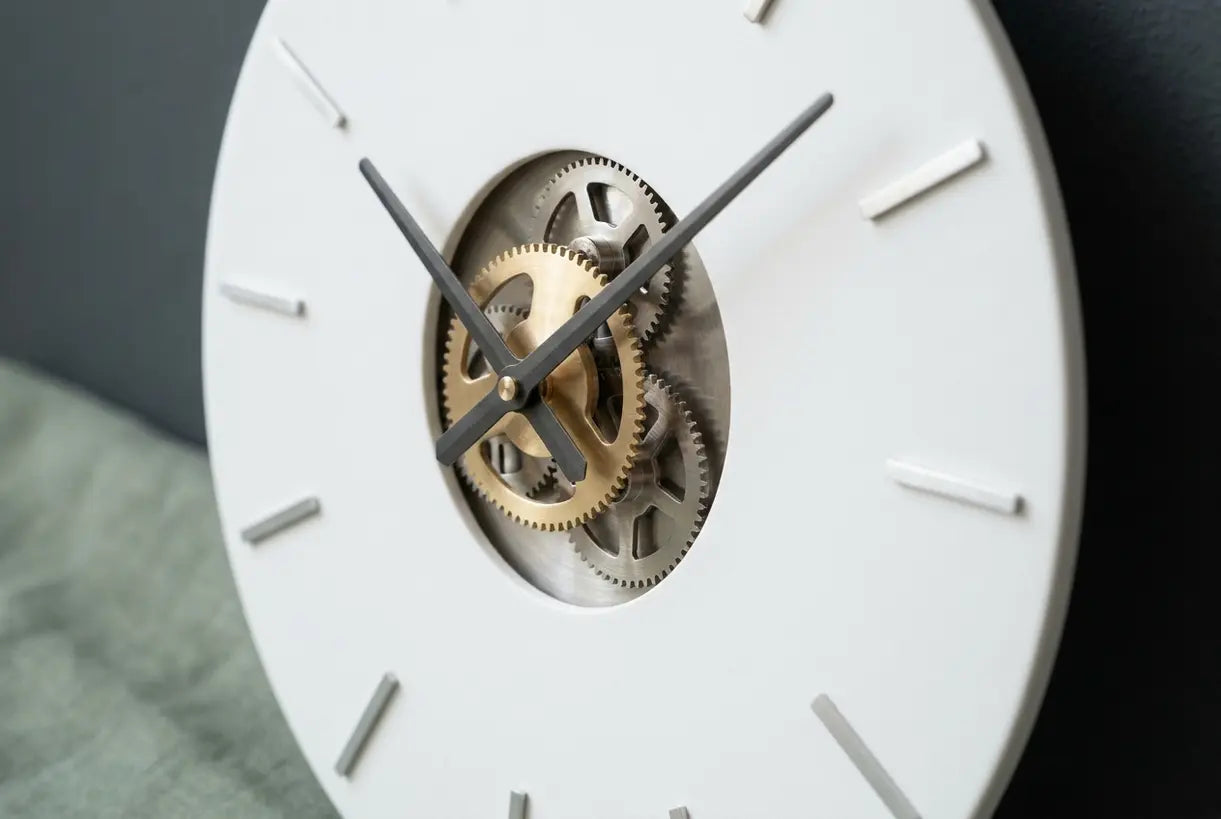
Curated Contemporary Timepieces
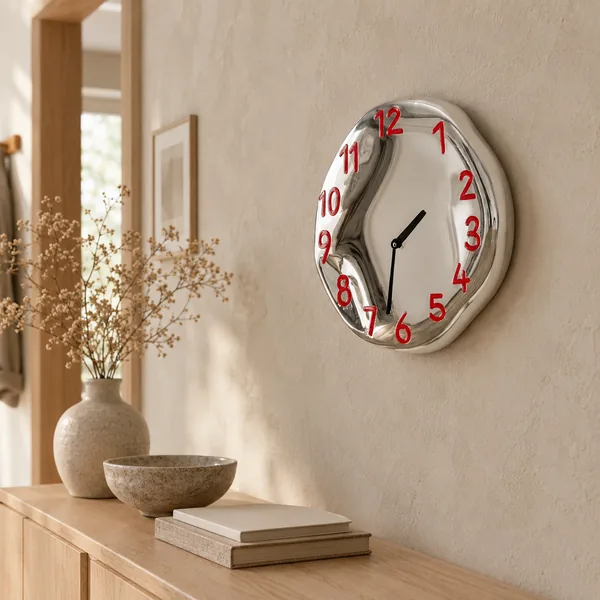 Glansa Chrome Ceramic Wall Clock Silent Quartz$329.00$479.00Stilla Silent Resin Wall Clock Nordic Minimalist$259.00$379.00
Living Room Mastery: Creating Focal Points with Timepieces
What is the best modern wall clock for living room? The answer depends on your room's purpose and traffic patterns. For formal living rooms reserved for conversation and relaxation, consider sculptural pieces that spark dialogue—a dual-sided geometric clock viewable from multiple angles, or a ceramic design with an iridescent glaze that transforms as evening approaches.
Family rooms and multipurpose spaces benefit from durable materials and exceptional readability. Matte finishes resist fingerprints and glare, while substantial cases withstand the occasional bump from passing family members. In these high-traffic areas, your clock becomes an orienting landmark, helping establish rhythm and routine while anchoring the room's design conversation.
The relationship between your timepiece and seating arrangement matters significantly. Above a sofa, maintain generous spacing—typically 6 to 8 inches above the frame—to prevent a cramped appearance. In rooms with fireplaces, treat your clock as a secondary focal point, positioning it to create visual balance without competing for attention.
Pendants & Chandeliers
Shop all Pendants & Chandeliers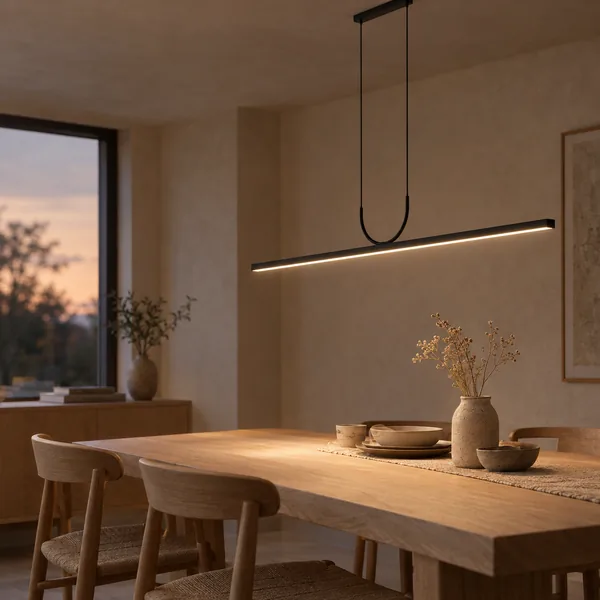
 Save $140.00
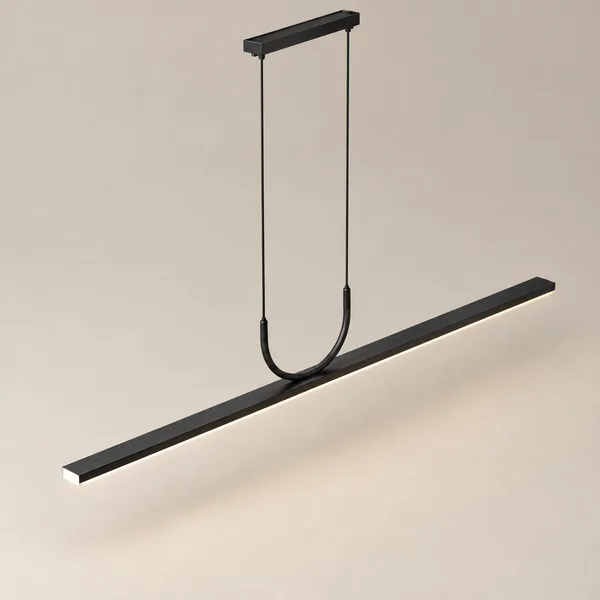
Linné Minimalist Linear Black LED Pendant Light
 Save $60.00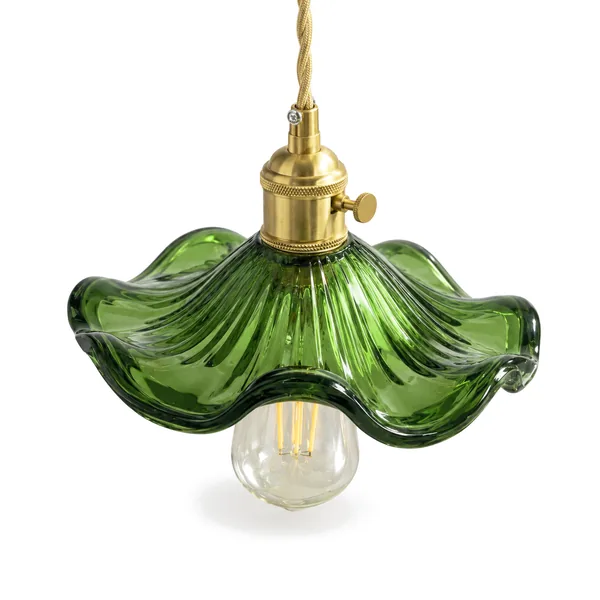
 3 options
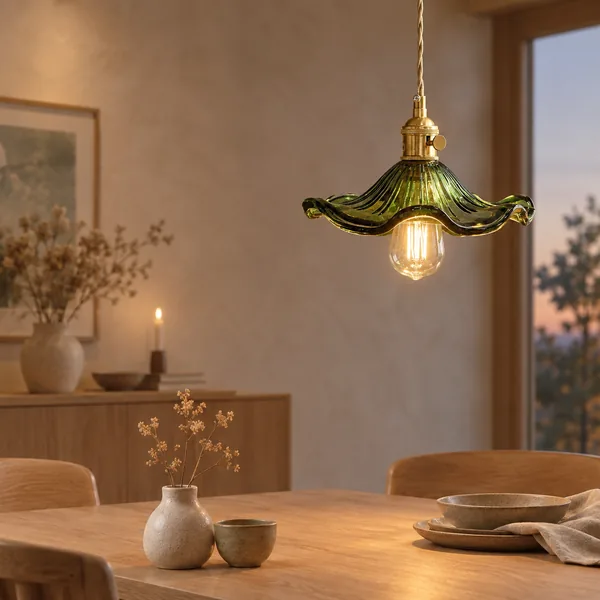
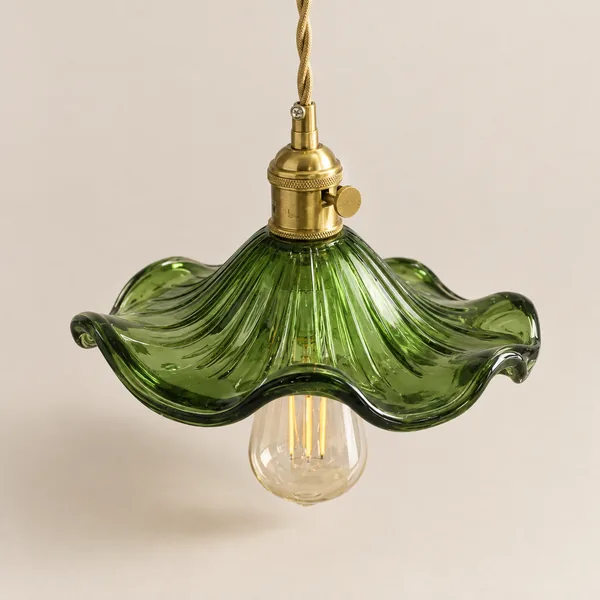
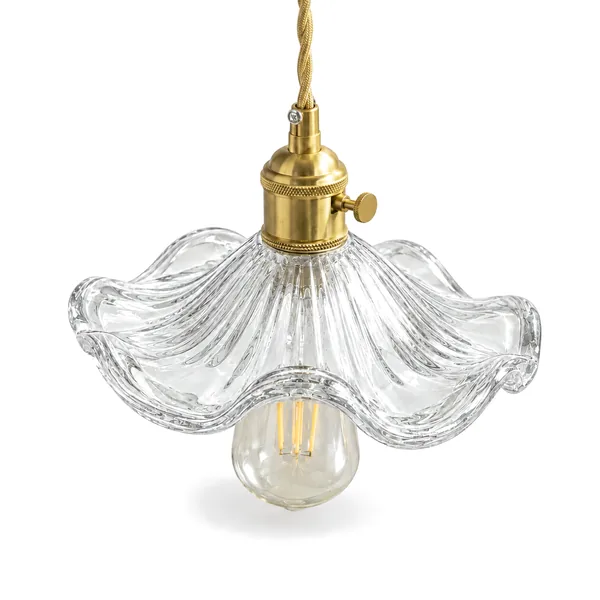
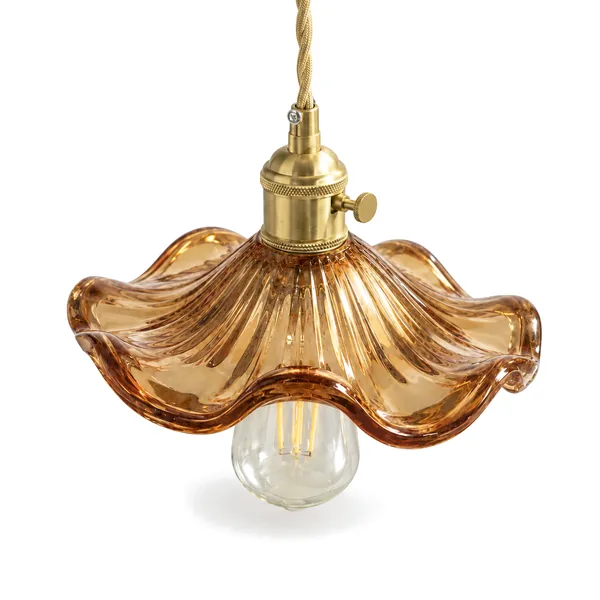
Glora Nordic Glass Pendant Light with Copper
 Save $120.00
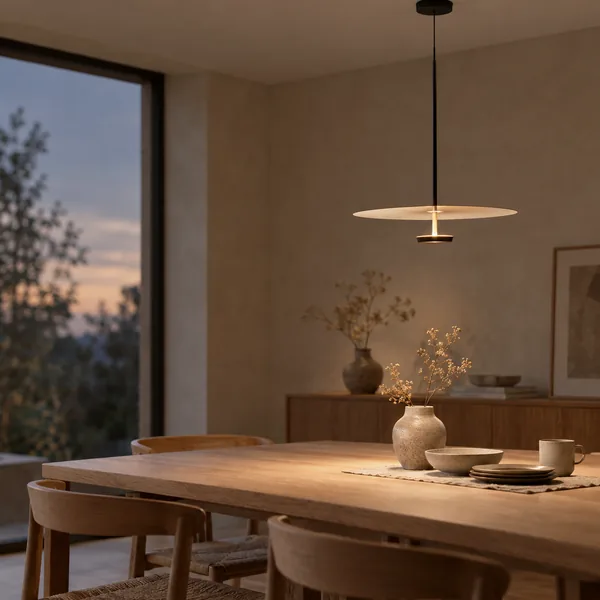
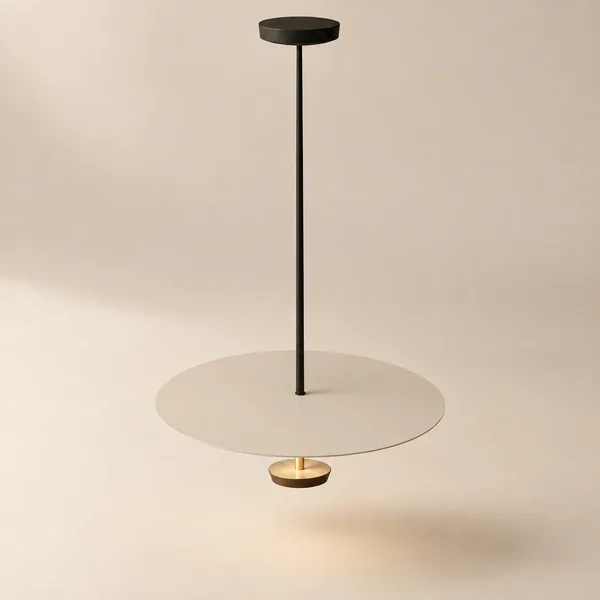
Skiva Nordic Saucer Ceiling Pendant Light LED
Embracing Timeless Contemporary Design
Choosing the perfect modern wall clock represents an investment in both functionality and aesthetic intention. These pieces remind us that timekeeping need not be mundane—when executed with Scandinavian design principles and material honesty, a clock becomes a daily touchpoint of beauty in your routine.
At Skonne, we believe that contemporary timepieces should honor the moments they measure. Our collection of contemporary wall clocks ranges from architectural statement pieces to whisper-quiet minimalist designs, each selected for its ability to enhance your space while keeping perfect time. Whether you're drawn to the geometric boldness of metalwork or the organic warmth of ceramic and resin, these clocks offer more than hours and minutes—they provide a focal point for presence and intention in your home.
As you consider your space and lifestyle, remember that the best decorative modern clocks solve problems while creating atmosphere. The silent sweep that enables deep focus. The dual-sided visibility that welcomes guests from any entrance. The ceramic finish that catches morning light just so. These details distinguish ordinary timepieces from the sleek wall clock designs that truly elevate contemporary living.
Related Article
Wall Clocks: The Complete Guide to Styles, Types & How to ChooseDiscover the perfect wall clock for your space. Our guide covers styles from minimalist to farmhouse, types, sizing, and expert tips for choosing the ideal timepiece.