
Wall Clock Movement & Mechanism: How to Replace, Repair & Upgrade Your Clock's Parts
Summary›
There's a particular kind of disappointment that comes from glancing at your wall, expecting to know the time, and finding a motionless clock staring back at you. Whether it's an heirloom piece, a thrift store find, or a retail purchase that simply stopped keeping time, a wall clock replacement mechanism can often breathe new life into your timepiece. Before you resign that beautiful clock face to the back of a closet, consider the possibility of repair—or the exciting opportunity to upgrade to something that better reflects your Scandinavian-inspired aesthetic.
In this comprehensive guide, we'll explore everything you need to know about clock mechanism replacement: how to determine if repair is worth the effort, what tools and measurements you'll need, and when it might be time to consider an elegant upgrade instead. By the end, you'll have the confidence to either restore your beloved clock to working order or discover a piece that transforms your space.
Can the Clock Mechanism Be Replaced?
The short answer is yes—in most cases, a quartz clock mechanism can be replaced. Modern wall clocks typically use standardized battery-operated movements that are designed to be interchangeable. Whether your clock hands have stopped moving, the movement is making unwanted noise, or the timekeeping has become erratic, replacement is often a straightforward DIY project.
However, there are a few important considerations before you begin:
- Analog quartz movements are the easiest to replace and most widely available
- Mechanical movements require specialized knowledge and parts
- Integrated designs where the mechanism is built into the clock face may not be serviceable
- The condition of your clock face and hands should justify the repair effort
For most homeowners with a standard battery-operated wall clock, replacement is absolutely possible and often more economical than you might expect.
Is It Worth Fixing a Wall Clock?
This is perhaps the most important question to answer before ordering parts. The decision to repair versus replace depends on several factors worth weighing carefully:
The Repair vs. Upgrade Decision Matrix: Consider sentimental value, original cost, aesthetic match with your current decor, and the quality of the clock face itself. A generic clock from a big-box store may not justify repair costs, while a beautifully designed piece—even an affordable one—might be worth saving.
When to Repair:
- The clock face is high-quality, unique, or matches your decor perfectly
- There's sentimental value attached to the piece
- You enjoy DIY projects and have 30 minutes to spare
- The clock was relatively expensive originally ($75+)
When to Upgrade:
- The clock is a basic, mass-produced design
- You've been wanting to refresh your wall decor
- The clock face shows signs of wear or dated styling
- You value silent, high-quality movement over the existing piece
How Do I Know What Size Clock Mechanism to Buy?
Selecting the correct wall clock movement requires understanding two key measurements: the hand shaft length and the threaded shaft length. These dimensions ensure the new mechanism will fit through your clock face properly and that the hands will sit at the correct height.
The hand shaft is the central post that extends through the clock face, while the threaded portion is what the mounting nut grips. If the shaft is too short, it won't reach through your clock face. If it's too long, the hands may wobble or sit awkwardly.
Most replacement clock mechanisms come with standard hand fittings (hour, minute, and sometimes second hands), but you'll want to verify that your existing hands will fit the new movement's fittings—or be prepared to use the hands that come with your replacement kit.
Decorative Wall Clocks
Shop all Wall Clocks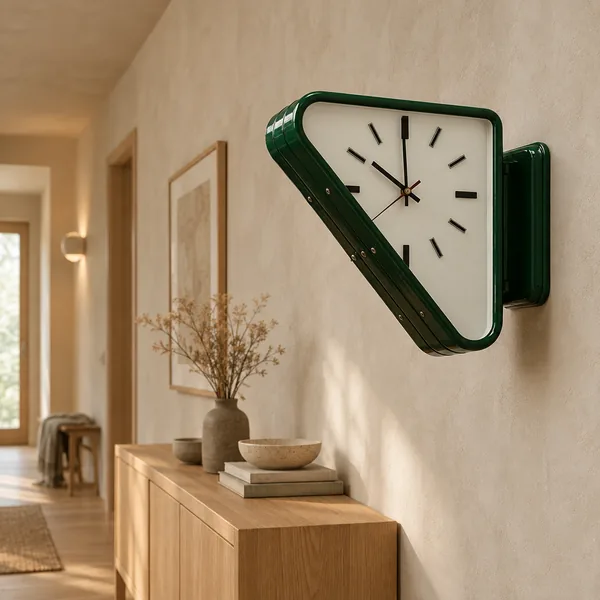
 Save $110.00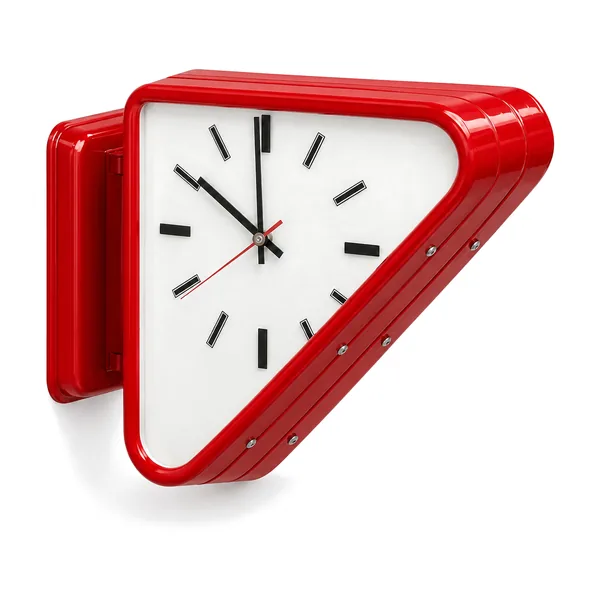
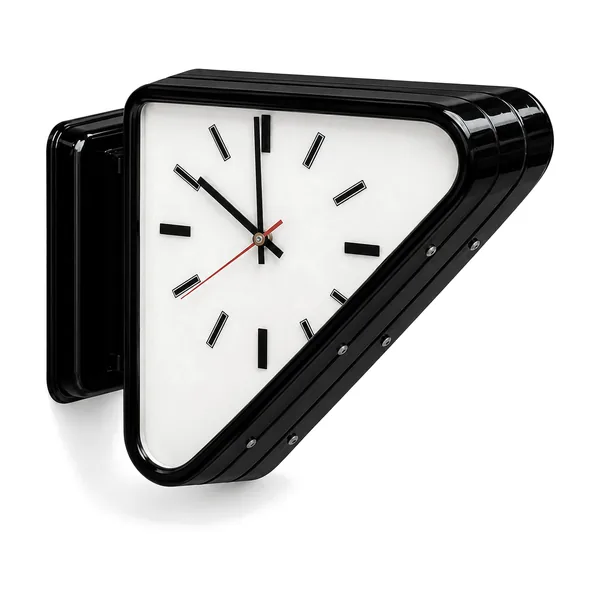
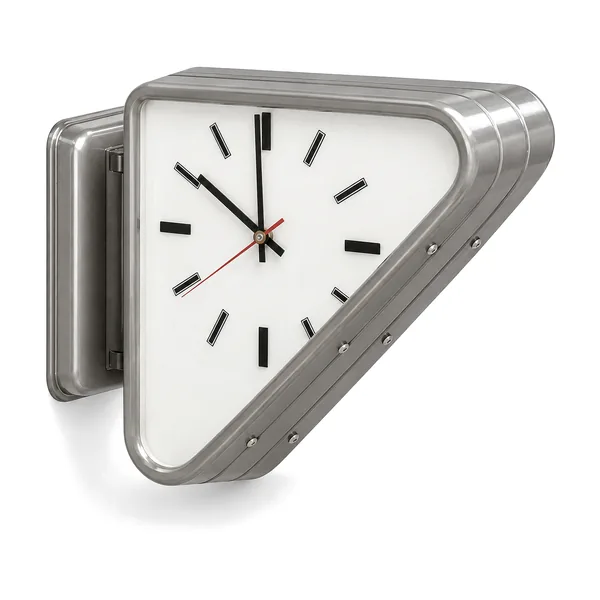
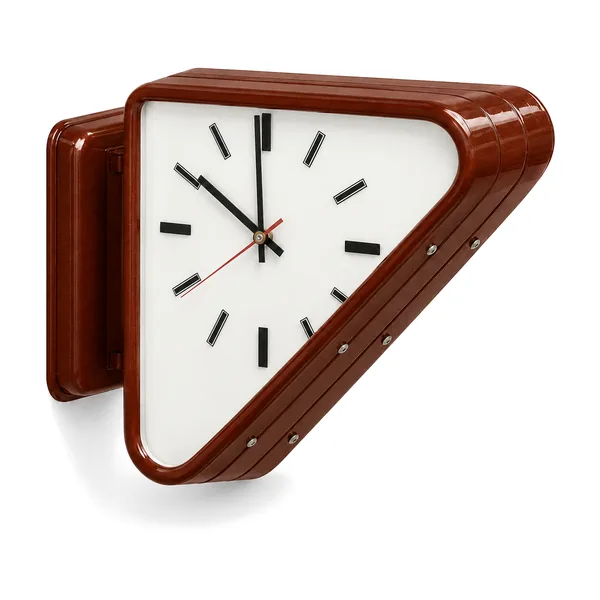 +15 options
Tvilling Dual-Sided Geometric Metal Wall Clock
 Save $70.00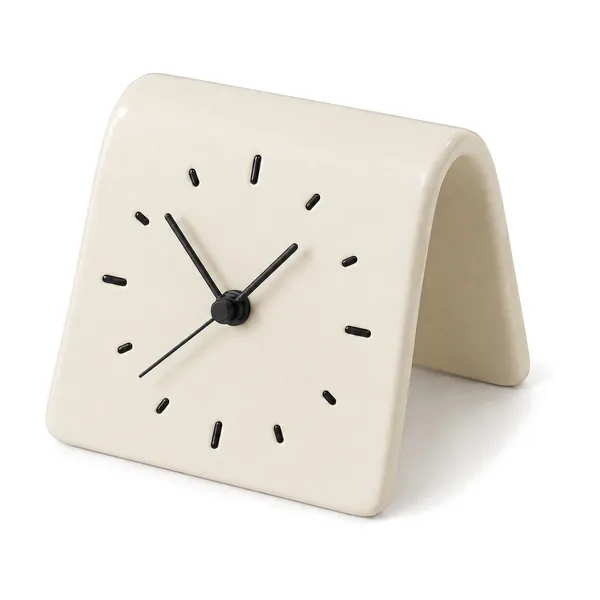
 +37 options
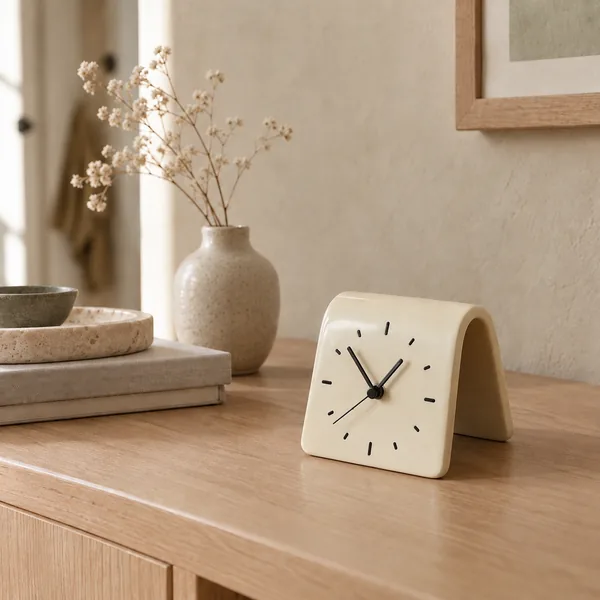
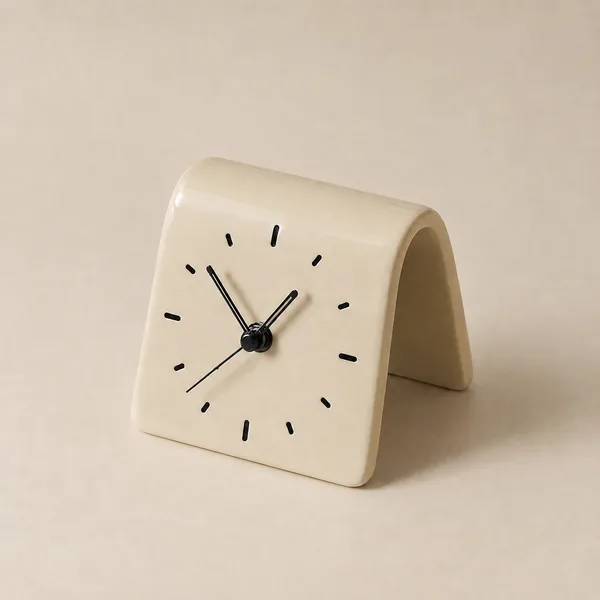
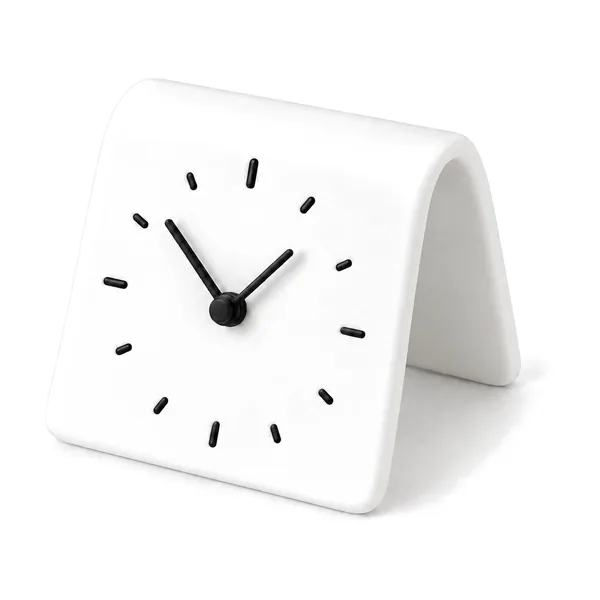
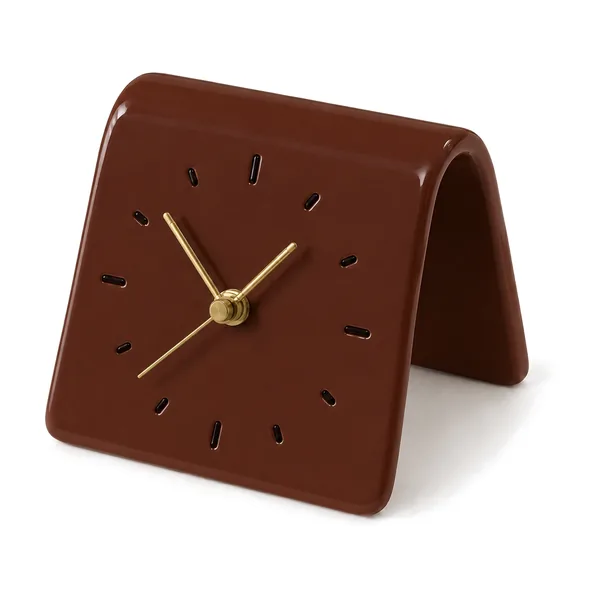
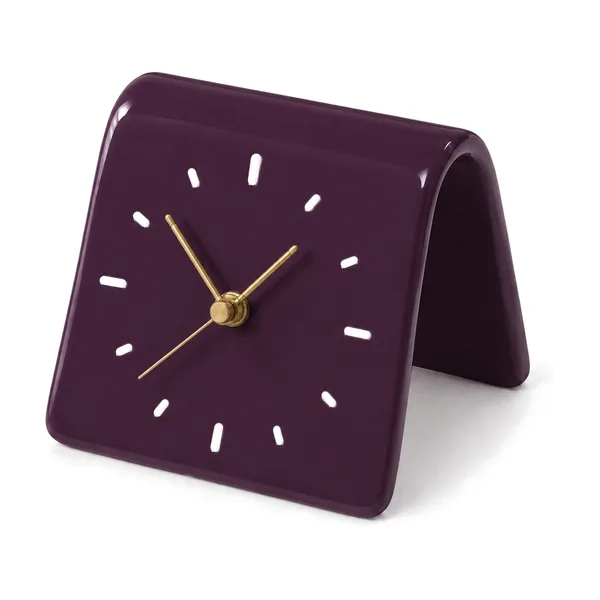
Tilje Silent Ceramic Desk Clock for Modern Homes

 Save $120.00
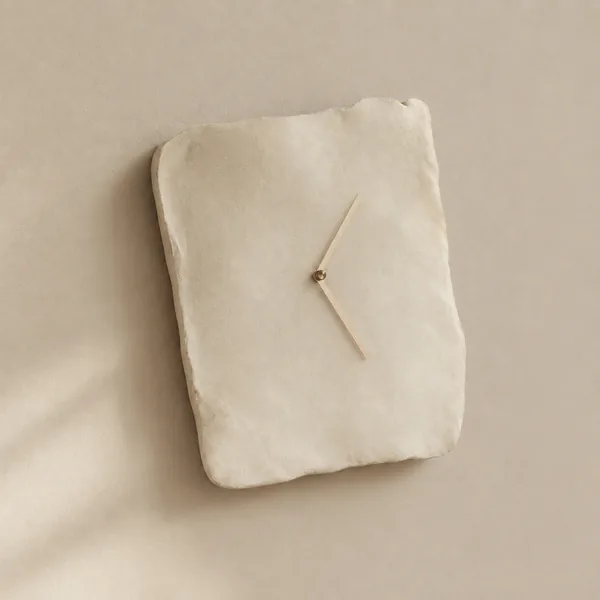
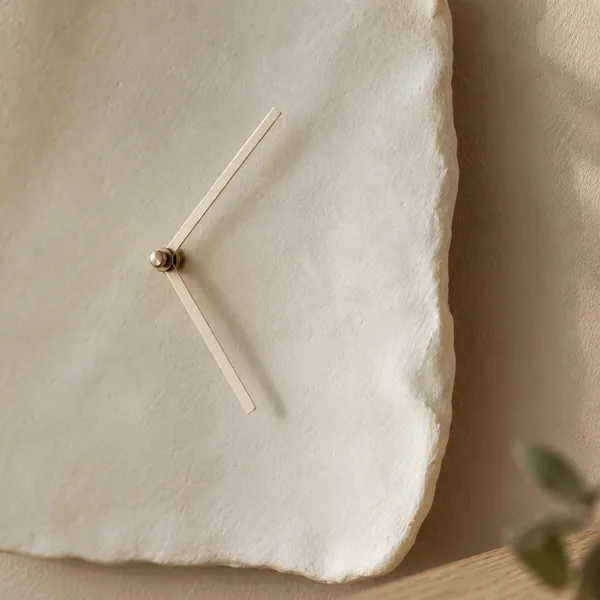
Stilla Silent Resin Wall Clock Nordic Minimalist
Understanding Clock Movement Types
Beyond sizing, you'll encounter different types of mechanisms:
- Standard quartz movements: Basic, reliable, and affordable—suitable for most applications
- High-torque movements: Designed for larger, heavier clock hands (typically 12+ inches)
- Silent sweep movements: Eliminate the ticking sound entirely—perfect for bedrooms and quiet spaces
- Pendulum movements: For clocks with decorative swinging elements
What Tools Do I Need to Replace a Clock Mechanism?
One of the beauties of clock mechanism replacement is the minimal tool requirement. Most repairs can be accomplished with basic household items:
- A small flathead screwdriver or butter knife for prying (if needed)
- Needle-nose pliers for gripping small parts
- A pair of scissors for trimming any packaging
- Fresh AA or AAA batteries (check your mechanism requirements)
- Optional: A soft cloth to protect your clock face during work
That's genuinely all you need for most standard replacements. The process is remarkably accessible even for those who don't consider themselves particularly handy.
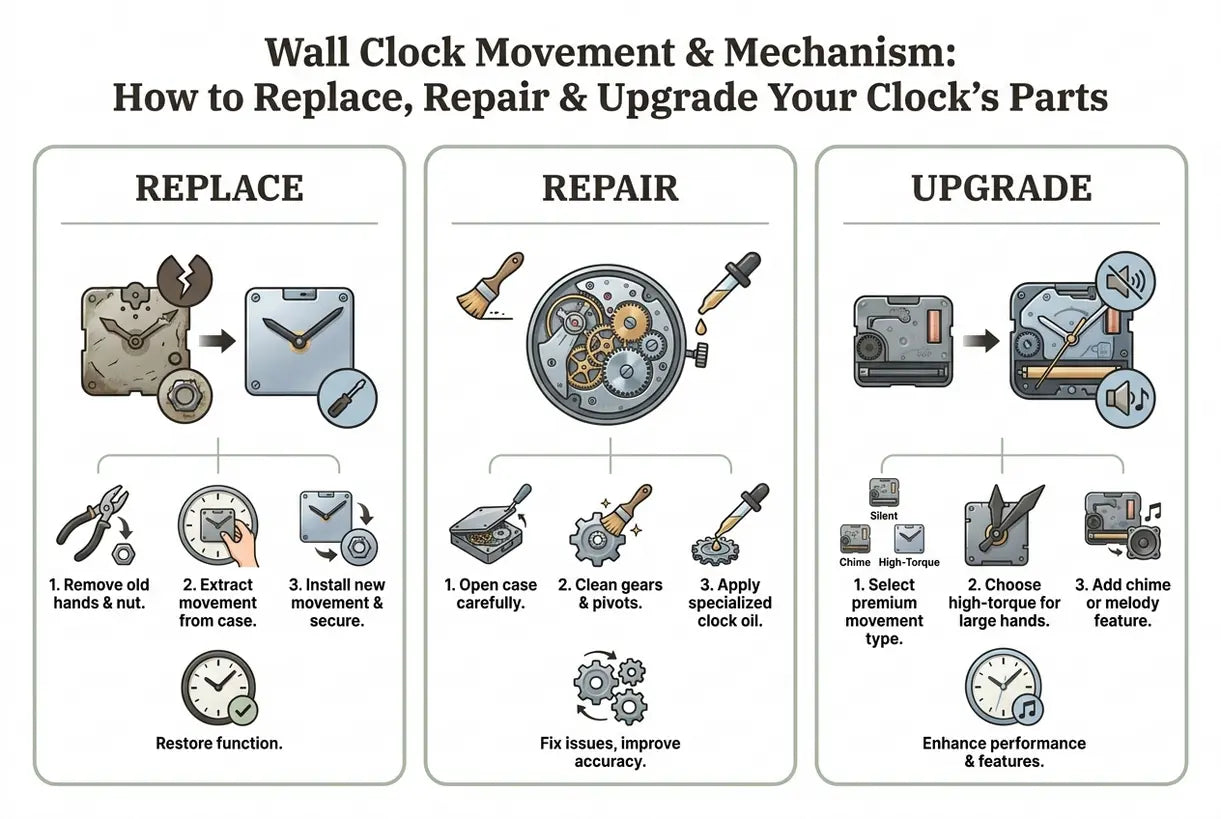
Step-by-Step Clock Mechanism Replacement
Once you have your replacement mechanism and tools ready, the actual repair process is straightforward. Here's how to approach it:
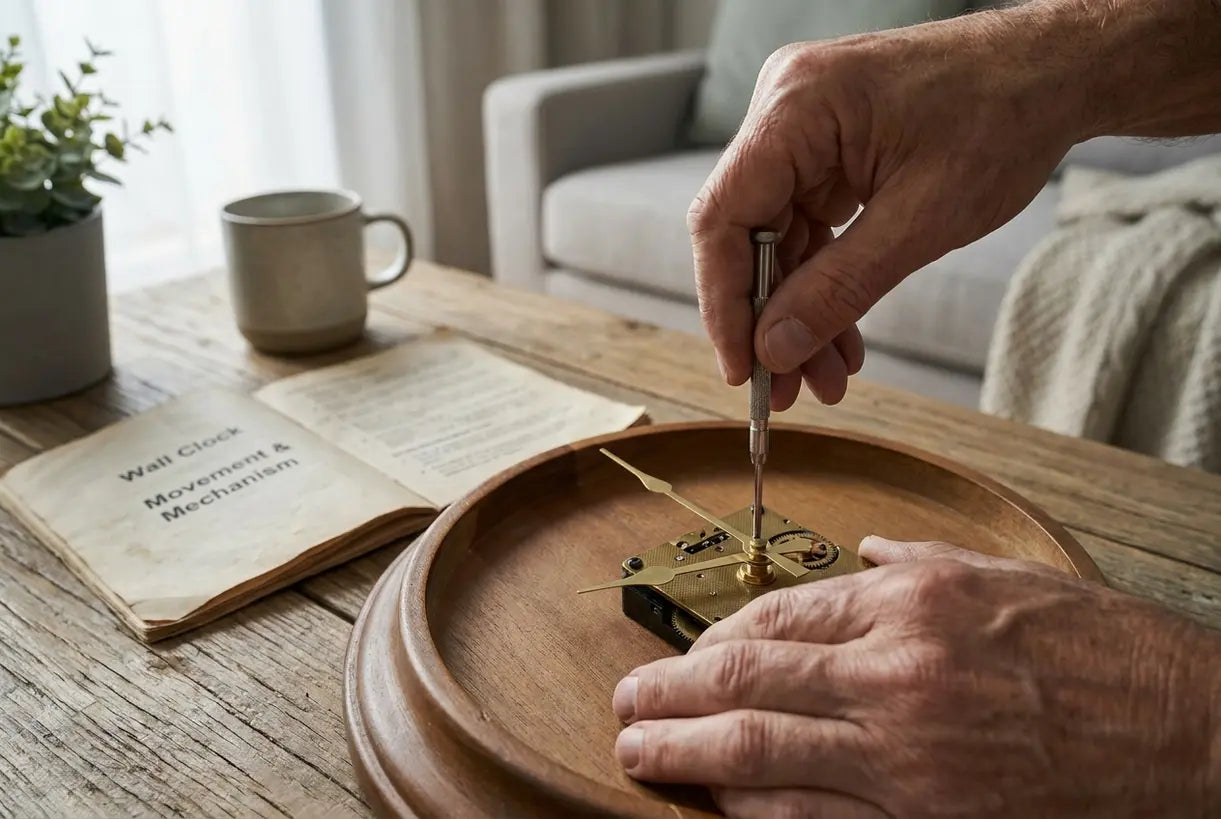
Step 1: Remove the Clock from the Wall
Work on a clean, flat surface covered with a soft cloth to prevent scratching. Remove any rear cover or backing to access the movement.
Step 2: Remove the Hands
Gently pull the second hand (if present) straight off. Then remove the minute and hour hands. Some minute hands have a small nut securing them—use your fingers or needle-nose pliers to loosen it. Work carefully; bent hands are difficult to straighten.
Step 3: Remove the Old Mechanism
Unscrew the mounting nut from the hand shaft, then remove any washers. The old mechanism should now pull away from the clock face from the rear.
Step 4: Install the New Mechanism
Insert the new mechanism's shaft through the hole in your clock face from the rear. Secure it with the included mounting nut—hand-tight is sufficient. Over-tightening can crack the clock face or bind the movement.
Step 5: Attach the Hands
Press the hour hand onto the shaft first, pointing at 12. Then add the minute hand, also pointing at 12. If there's a second hand, add it last. Ensure all hands are parallel and don't touch each other when rotating.
Step 6: Test and Hang
Insert a fresh battery and set the time. Watch the hands make a complete rotation to ensure they don't catch on each other or the clock face. Once confirmed, reattach any rear cover and hang your restored clock.
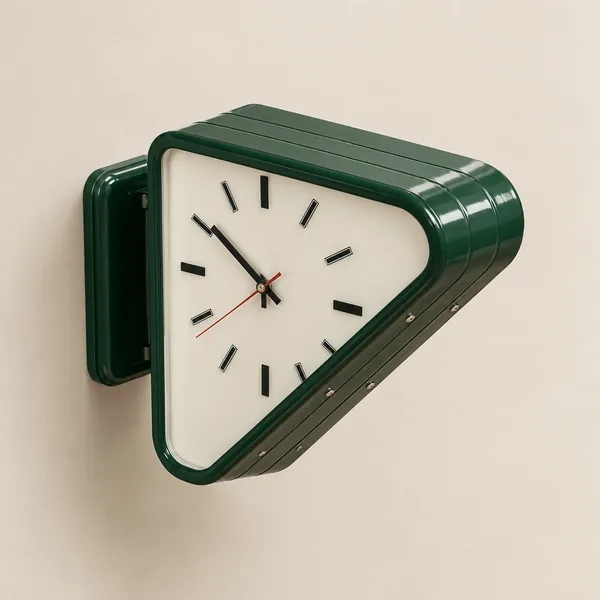
Tvilling Dual-Sided Geometric Metal Wall Clock$269.00$379.00Sometimes, after examining your old clock, you realize the clock face itself is dated or uninspiring. Rather than investing in a wall clock replacement mechanism for a piece that no longer sparks joy, consider the Tvilling Dual-Sided Geometric Metal Wall Clock as an opportunity to transform your space. With its sculptural geometric design and silent movement, it offers dual-sided visibility—perfect for open-concept living areas where a conventional repair simply wouldn't deliver the design impact you deserve.
How to Measure Replacement Clock Mechanism
Accurate measurement is critical for a successful repair. Here's exactly how to measure your existing mechanism or clock face:
Measuring Shaft Length
Use a ruler or caliper to measure from the front of the movement housing to the tip of the hand shaft. This gives you the total shaft length needed. Then measure just the threaded portion—the part that extends through the clock face and accepts the mounting nut. This is your threaded shaft length.
Measuring Your Clock Face Thickness
If you can't measure the old mechanism, measure the thickness of material the shaft must pass through. This includes:
- The clock face material itself (wood, metal, ceramic)
- Any backing material or spacers
- The thickness of any decorative overlays
Add 1/8 inch to this measurement to ensure sufficient shaft length for hand clearance.
Hand Measurement Considerations
Measure from the center mounting hole to the tip of each hand. Replacement mechanisms are rated for specific hand sizes, and using hands that are too long or heavy for the movement will cause poor timekeeping or premature wear.
Living Room Lighting
Shop all Living RoomSave $110.00+15 optionsTvilling Dual-Sided Geometric Metal Wall Clock

 Save $70.00+37 options
Tilje Silent Ceramic Desk Clock for Modern Homes


When It's Time for a Design Upgrade
Stilla Silent Resin Wall Clock Nordic Minimalist$259.00$379.00Tilje Silent Ceramic Desk Clock for Modern Homes$89.00$159.00If your broken clock was mass-produced or stylistically dated, the repair process might highlight how much you'd rather have something with character and craftsmanship. The Stilla Silent Resin Wall Clock Nordic Minimalist offers exactly that—handcrafted organic contours that feel alive, paired with whisper-quiet movement that won't disrupt your home's peaceful atmosphere. For smaller spaces where a wall clock isn't the right solution, or as a complementary piece on a shelf or desk, the Tilje Silent Ceramic Desk Clock brings the same Scandinavian sensibility in a compact form.

Whether you've successfully completed your wall clock replacement mechanism repair or decided that an upgrade better serves your space, the result should be a timepiece that brings you quiet satisfaction every time you glance its way. In Scandinavian design philosophy, every object in your home should either serve a purpose or spark joy—ideally both. For those looking to extend this intentional approach throughout their living spaces, our Pendant Lights collection offers curated illumination options that complement the clean lines and warm materials of our clock designs.
Final Thoughts: Repair, Replace, or Reinvent
The journey from a stopped clock to a restored or upgraded timepiece reflects broader decisions we make about our homes. Sometimes, a simple repair with a quality wall clock replacement mechanism is all that's needed to preserve a piece we love. Other times, the malfunction presents an opportunity to reconsider what we really want on our walls.
At Skonne, we believe in the beauty of intentional choices. Whether you're carefully measuring shaft lengths for a DIY repair or selecting a sculptural new piece that transforms your room, you're practicing the kind of mindful curation that makes a house feel like home. The silent sweep of a well-made movement, the organic texture of handcrafted materials, the satisfaction of solving a problem yourself—these are the details that create the hygge atmosphere we all seek.
Related Article
Nature-Motif Wall Clocks: Flower, Bird, Moon & Botanical Designs for Organic InteriorsDiscover nature-inspired flower wall clocks, bird motifs, and botanical timepieces that bring organic warmth to Scandinavian interiors.