
Roman Numeral Wall Clocks: Classic Number Designs for Timeless, Elegant Interiors
Summary›
- The Enduring Appeal of Roman Numeral Clocks
- Understanding Roman Numeral Clock Conventions
- Choosing the Perfect Size for Your Space
- Material Matters: Finding Your Perfect Finish
- Styling Roman Numeral Clocks in Scandinavian Interiors
- Installation and Placement Tips
- Caring for Your Roman Numeral Clock
- Conclusion: Timeless Elegance for Your Sanctuary
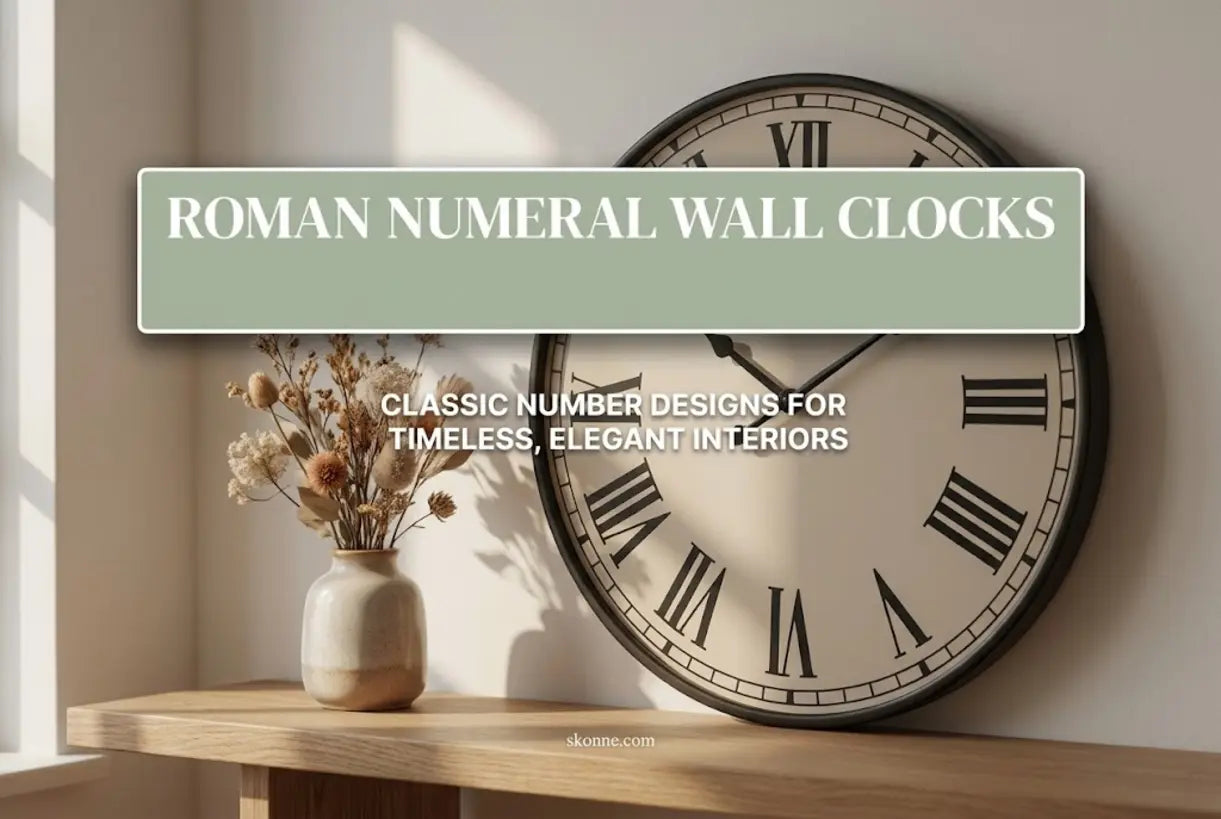
There's something undeniably captivating about a wall clock roman numerals display. In an age of digital screens and smartphone notifications, the deliberate elegance of Roman numerals offers a moment of visual poetry—a reminder that time can be both functional and beautiful. Whether you're drawn to the symmetry of classic numerals or the commanding presence of a large statement piece, these timepieces carry a heritage that resonates deeply with intentional, Scandinavian-inspired interiors.
Throughout this guide, we'll explore why Roman numeral clocks continue to enchant homeowners, decode the mysteries behind their design conventions, and reveal how to select the perfect piece for your space. Along the way, we'll introduce you to thoughtfully crafted options that embody the quiet sophistication you've been searching for—pieces designed not just to tell time, but to elevate your everyday moments.
The Enduring Appeal of Roman Numeral Clocks
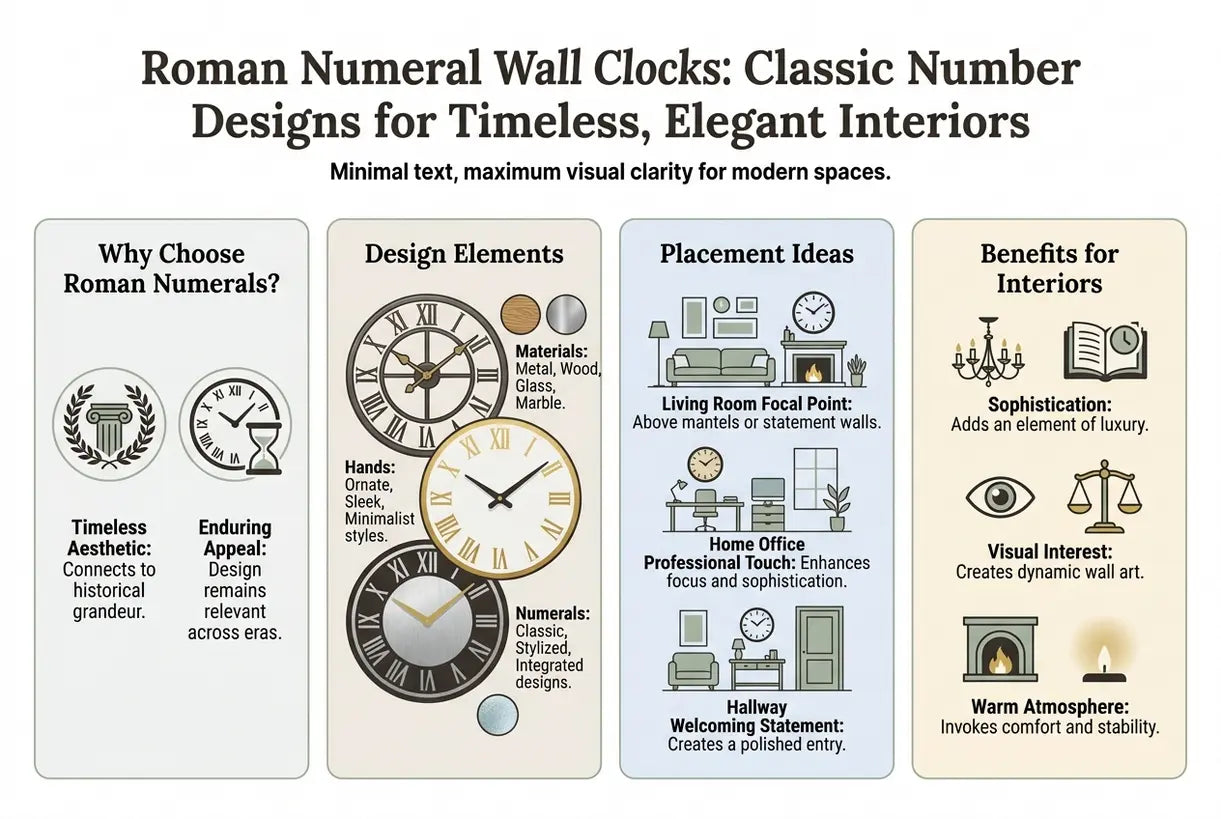
The history of timekeeping stretches back millennia, yet Roman numerals have maintained their position as the epitome of elegant notation. From the grand clock towers of European cathedrals to the refined salons of Parisian apartments, these characters have marked hours with an authority that transcends trends. Today, roman numeral wall clock designs continue this tradition, offering homeowners a way to infuse spaces with heritage and intention.
What makes these timepieces so enduringly relevant in contemporary interiors? Perhaps it's the visual rhythm they create—the way I, II, III patterns draw the eye in a circular dance across the dial. Or maybe it's the inherent balance between historical reverence and modern minimalism that Scandinavian design celebrates. Unlike Arabic numerals or abstract markers, Roman characters carry a weight of permanence. They don't simply indicate time; they honor it.
For those curating their living spaces with the warm, inviting aesthetic of hygge, a large wall clock roman numerals design becomes more than decor. It becomes a focal point that anchors the room, inviting conversation and contemplation. When placed above a fireplace, in an entryway, or as the centerpiece of a gallery wall, these clocks transform walls into narratives of timeless sophistication.
Understanding Roman Numeral Clock Conventions
Before selecting your perfect timepiece, understanding the conventions behind classic wall clock designs helps you appreciate the craftsmanship and make an informed choice. Not all Roman numeral clocks follow identical patterns, and these subtle variations carry both aesthetic and historical significance.
The IIII vs IV Mystery Explained
One of the most common observations among clock enthusiasts is the use of IIII rather than IV to represent the number four. This isn't an error—it's a deliberate design choice with centuries of tradition behind it. Several theories explain this convention:
- Visual Balance: IIII creates better symmetry with VIII on the opposite side of the dial
- Historical Precedent: Ancient Romans actually used IIII in inscriptions more frequently than the subtractive IV notation
- Superstition: Some speculate that IV (which also represents Jupiter, IVPPITER in Latin) was avoided on public clocks
- Craftsmanship Legacy: Early clockmakers found IIII easier to cast and manufacture
High-end timepieces, including certain prestigious watch brands, continue this tradition. The aesthetic harmony created by IIII VIII pairing offers a visual balance that IV simply cannot achieve.
Choosing the Perfect Size for Your Space
Size selection dramatically impacts how your vintage wall clock roman numerals piece integrates into your interior. The scale should complement—not overwhelm—your existing architecture and furniture arrangements.
Size Guidelines by Space
| Clock Diameter | Ideal Placement | Visual Effect |
|---|---|---|
| 12-18 inches | Bedrooms, offices, small nooks | Subtle accent, functional timepiece |
| 20-28 inches | Dining rooms, living areas, hallways | Statement piece without dominance |
| 30+ inches | Great rooms, entryways, above fireplaces | Architectural focal point |
When measuring your wall, consider the overall proportion. A general rule suggests selecting a clock approximately two-thirds the width of the furniture piece below it, or about 6-8 inches in diameter for every 10 feet of wall space. An oversized wall clock with roman numbers can create dramatic impact in rooms with high ceilings, drawing the eye upward and emphasizing vertical space.
Decorative Wall Clocks
Shop all Wall Clocks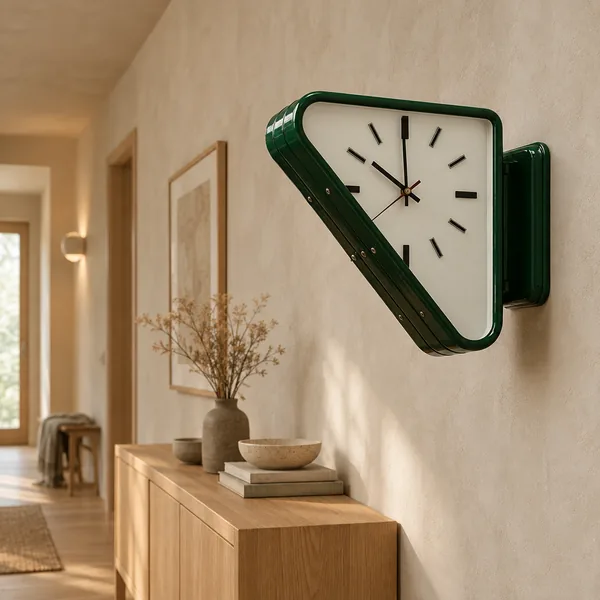
 Save $110.00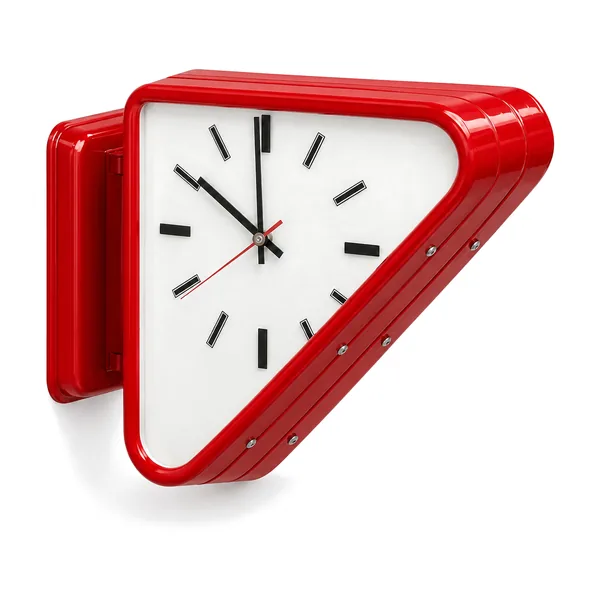
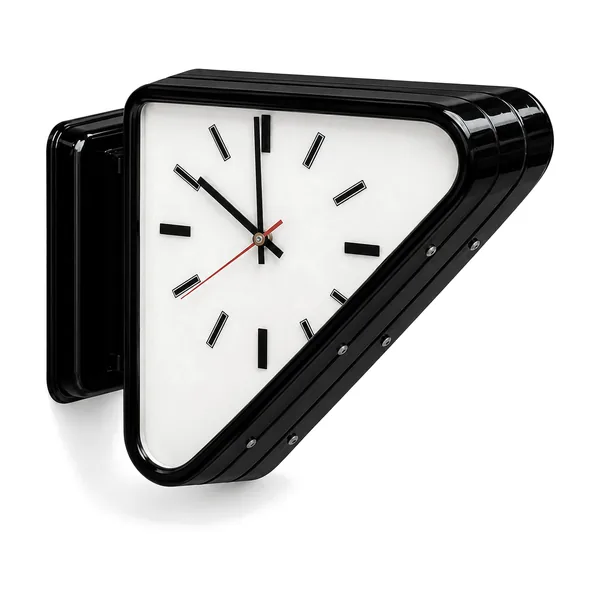
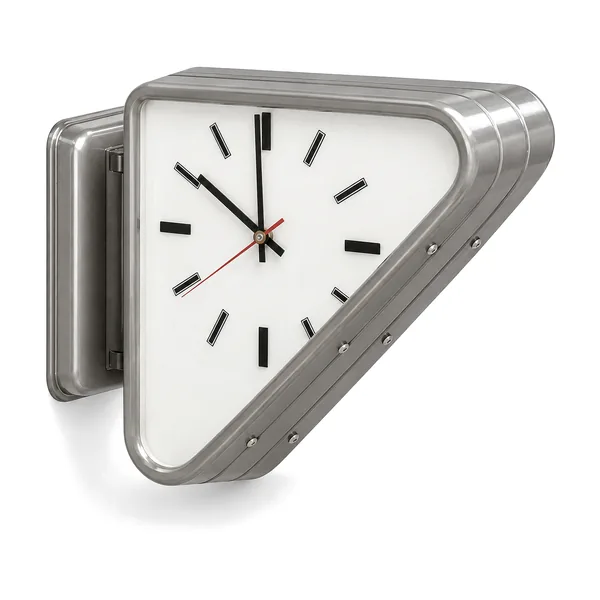
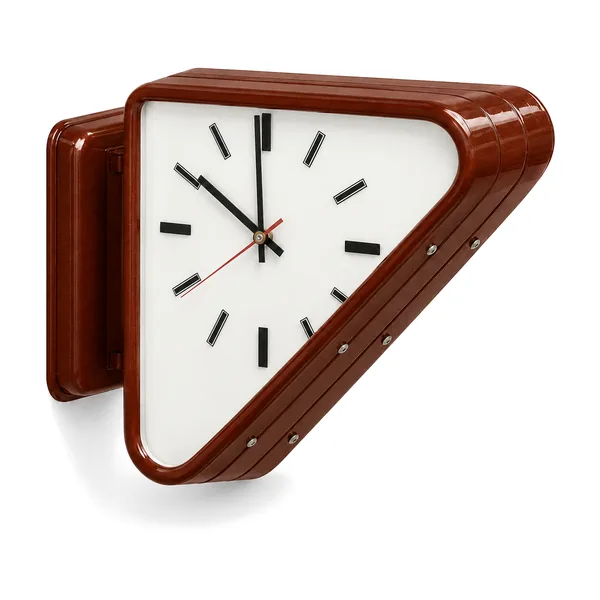 +15 options
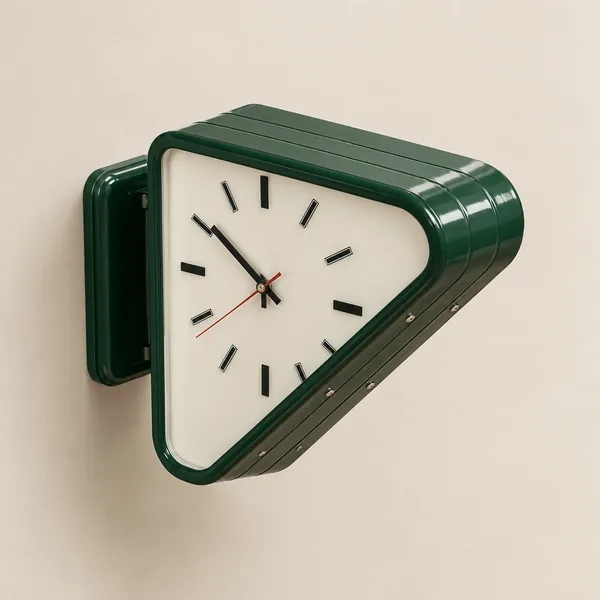
Tvilling Dual-Sided Geometric Metal Wall Clock
 Save $70.00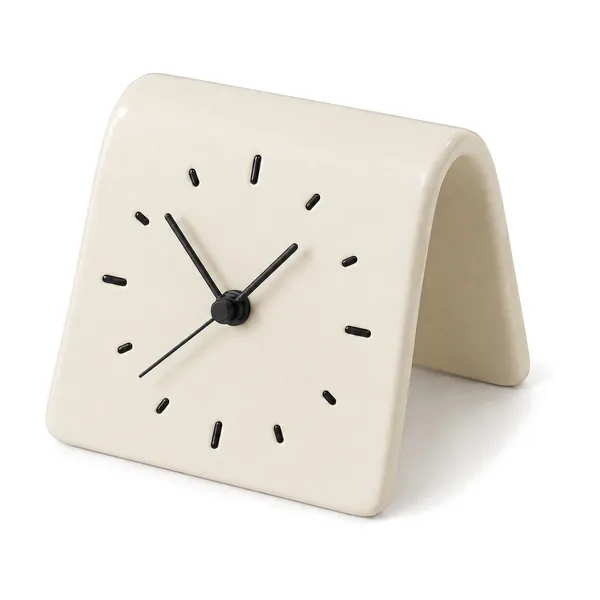
 +37 options
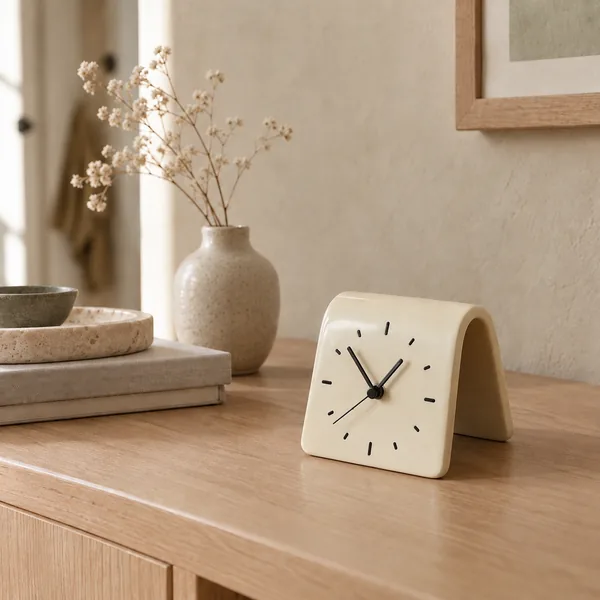
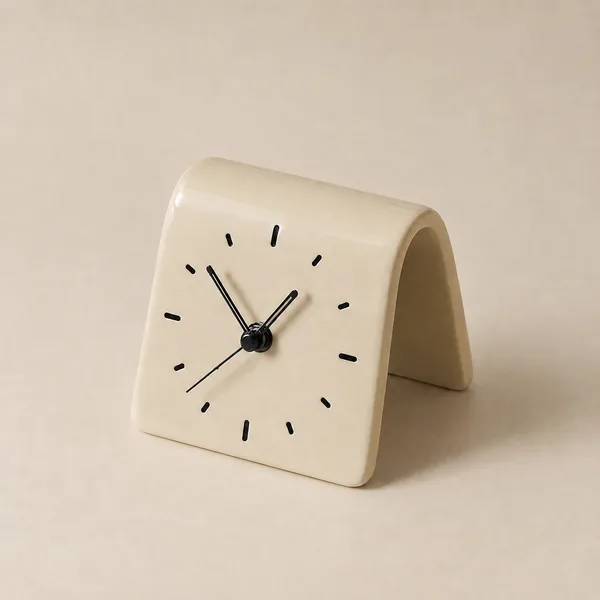
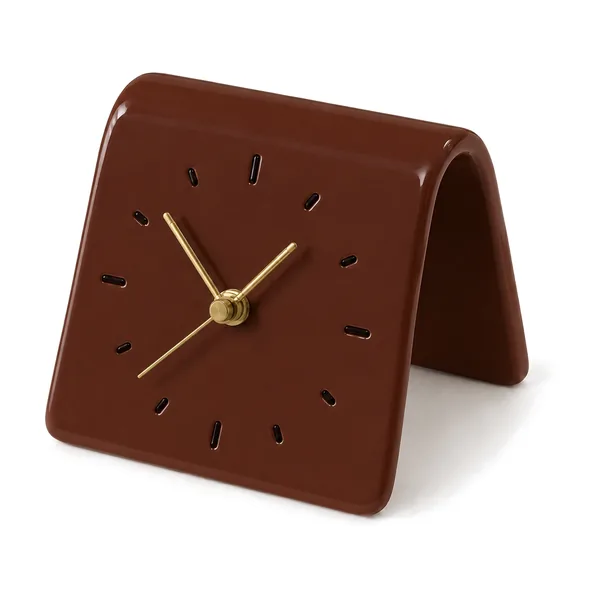
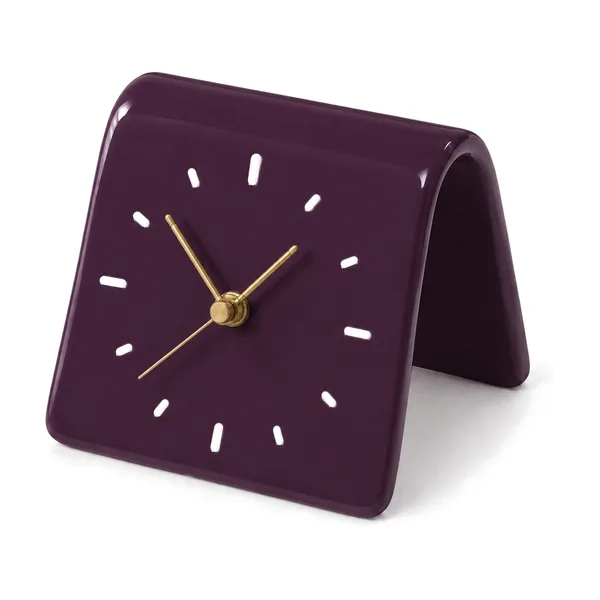
Tilje Silent Ceramic Desk Clock for Modern Homes
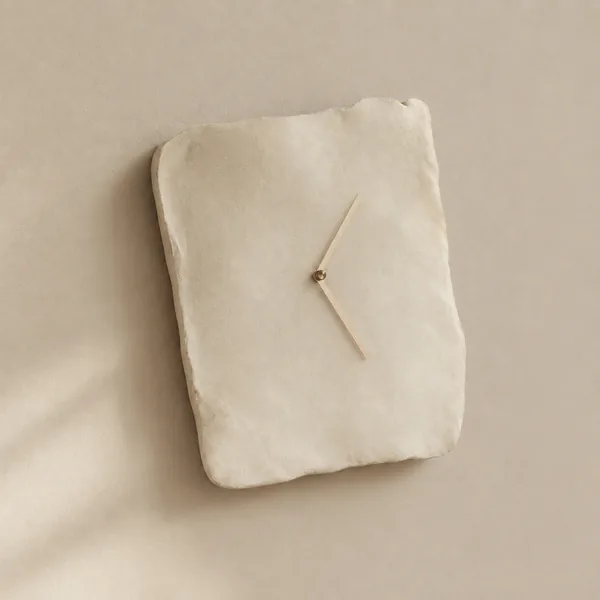
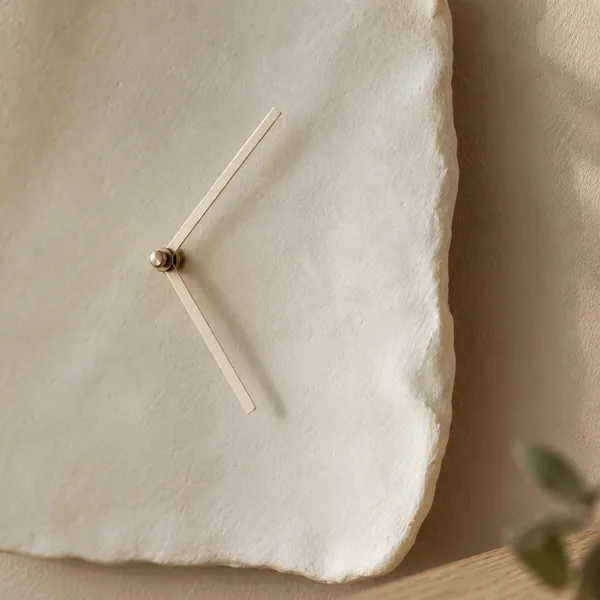 Save $120.00
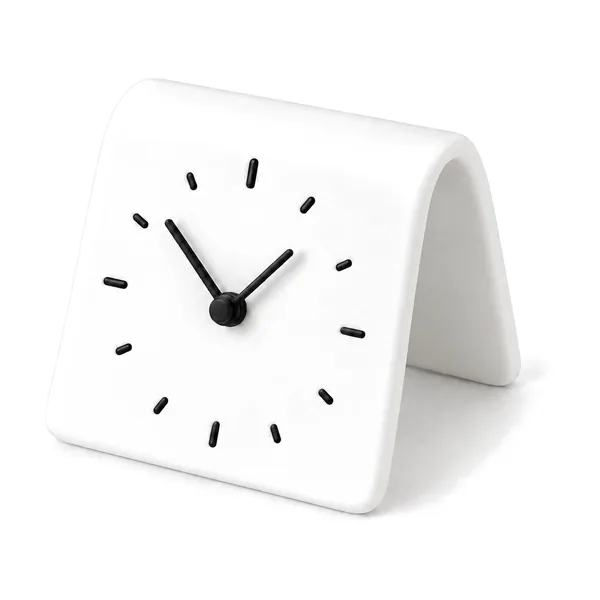
Stilla Silent Resin Wall Clock Nordic Minimalist
Material Matters: Finding Your Perfect Finish
The material composition of your antique roman numeral clock significantly influences both its aesthetic presence and its integration into your existing decor. Understanding these material distinctions helps you select a piece that harmonizes with your Scandinavian-inspired interior vision.
Metal Finishes
Brass and copper develop beautiful patinas over time, lending authentic vintage character to traditional wall clock designs. Chrome and nickel finishes offer a more contemporary interpretation, reflecting light and adding subtle brilliance to minimalist spaces.
Ceramic Elegance
Ceramic timepieces represent a refined middle ground—offering the warmth of artisan craftsmanship with the clean lines modern interiors demand. The glazed surfaces catch ambient light beautifully, creating subtle variations throughout the day that breathe life into static walls.
The Quiet Elegance of Ceramic Clocks
Nothing disrupts the sanctuary of a thoughtfully designed bedroom or home office quite like the audible ticking of a traditional clock. The rhythmic clicking, while charming in some contexts, can become a source of subtle irritation in spaces dedicated to rest, meditation, or concentrated work.
This is where silent quartz movement technology transforms the experience. Modern ceramic clocks equipped with silent mechanisms allow you to enjoy the visual elegance of a big wall clock roman numerals design without sacrificing acoustic peace. The stillness these pieces bring honors the hygge philosophy—creating environments where tranquility and beauty coexist.
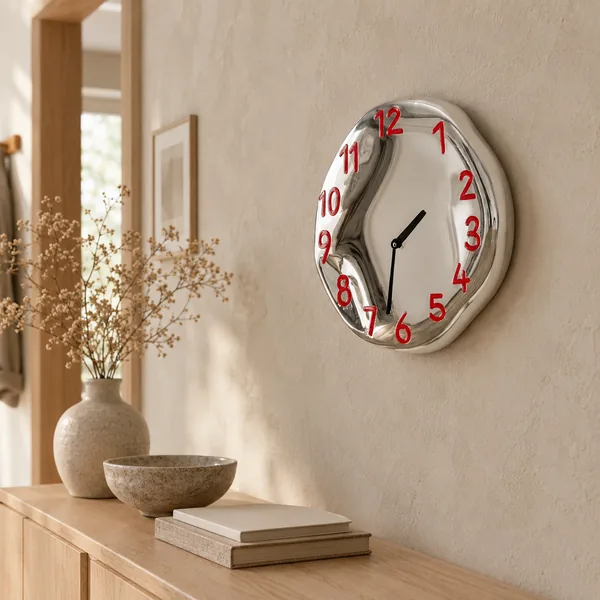 Glansa Chrome Ceramic Wall Clock Silent Quartz$329.00$479.00
The Glansa Chrome Ceramic Wall Clock Silent Quartz exemplifies this marriage of form and function. Its handcrafted ceramic construction features a chrome electroplated finish that catches and reflects ambient light, creating gentle luminosity throughout your space. The silent quartz movement ensures that your moments of repose remain undisturbed—a testament to how intentional design enhances daily living.
Styling Roman Numeral Clocks in Scandinavian Interiors
The principles of Scandinavian design—clean lines, natural materials, functional beauty—provide the perfect backdrop for roman numeral wall clock large installations. The key lies in creating dialogue between the clock and its surrounding elements.
Creating Visual Harmony
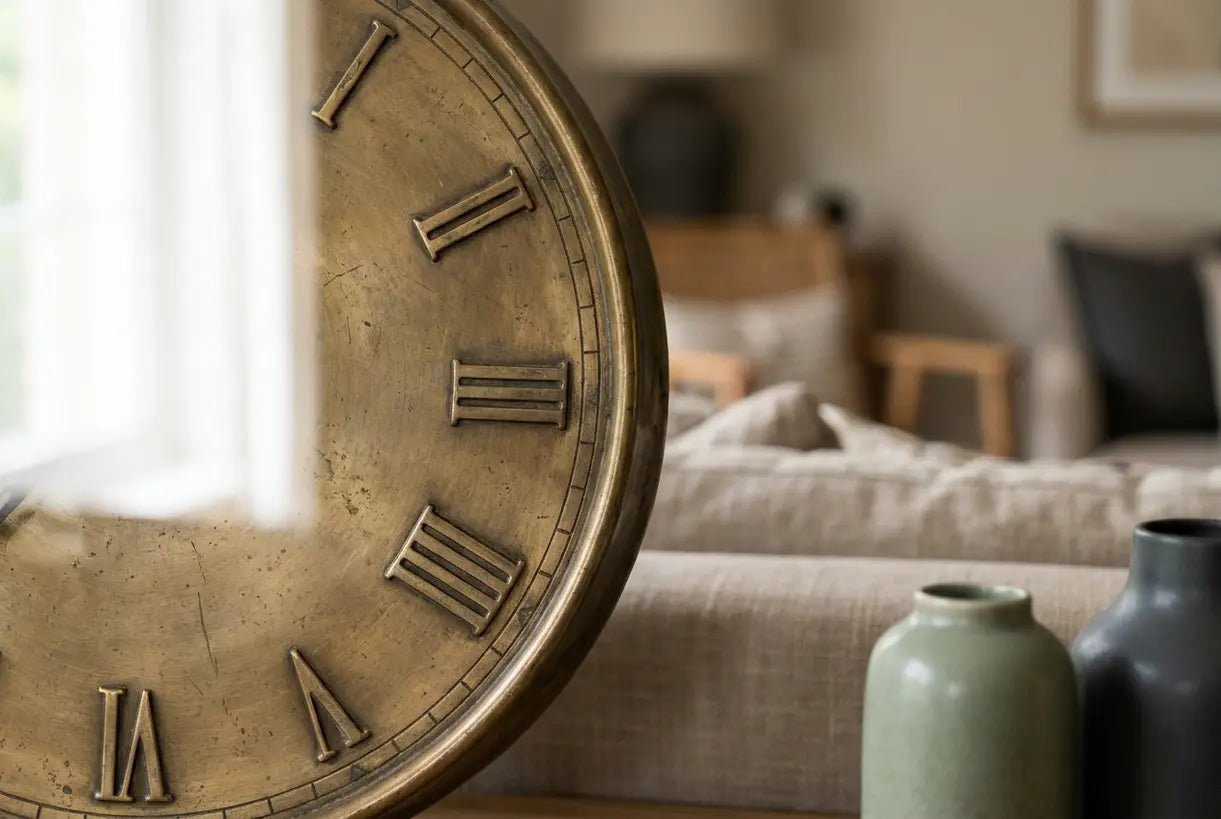
When placing your clock, consider the rule of thirds—positioning the timepiece at eye level or slightly above draws natural attention without demanding it. Natural lighting plays a crucial role; Roman numerals cast subtle shadows throughout the day, adding depth and dimension that changes with passing hours.
Complement your clock with intentional accessories: ceramic vases, wooden candle holders, or textile throws in muted, earthy tones. For those seeking overhead elegance that complements your wall clock, our Chandeliers collection offers curated lighting options that maintain the same sophisticated restraint.
Completing Your Timeless Interior
A well-designed space tells a cohesive story. While your wall clock roman numerals serves as a primary visual anchor, supporting elements should echo its materiality and craftsmanship. Consider how ancillary pieces—desk clocks for your workspace, ceramic objects for your shelving—extend the aesthetic language throughout your home.
Curated Timepieces for Intentional Spaces
Tilje Silent Ceramic Desk Clock for Modern Homes$89.00$159.00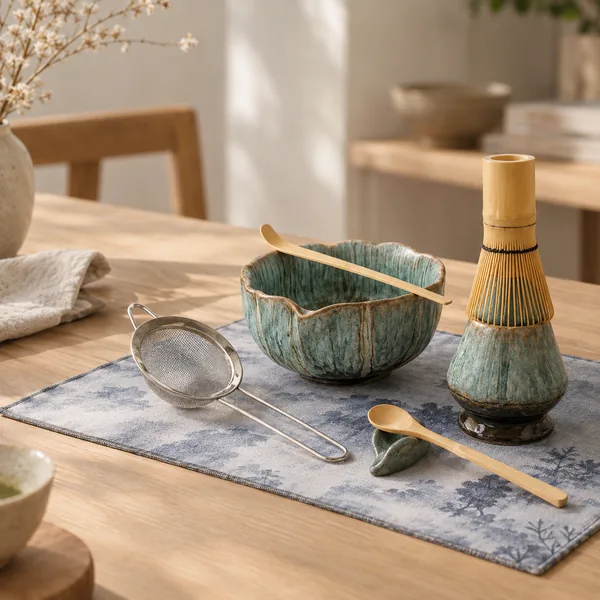 Blomva Kiln-Glazed Handcrafted Matcha Ceremony Set$149.00$219.00
The Tilje Silent Ceramic Desk Clock brings the same quiet sophistication to your personal workspace or bedside table. Its compact Nordic design operates without a sound, making it perfect for bedrooms and offices where stillness matters. Similarly, the Blomva Kiln-Glazed Handcrafted Matcha Ceremony Set complements timeless wall decor with artisanal ceramic pieces. Each kiln-fired element features unique glaze variations that pair beautifully with classic interior aesthetics—creating a cohesive environment where every object contributes to an atmosphere of curated calm.
Installation and Placement Tips
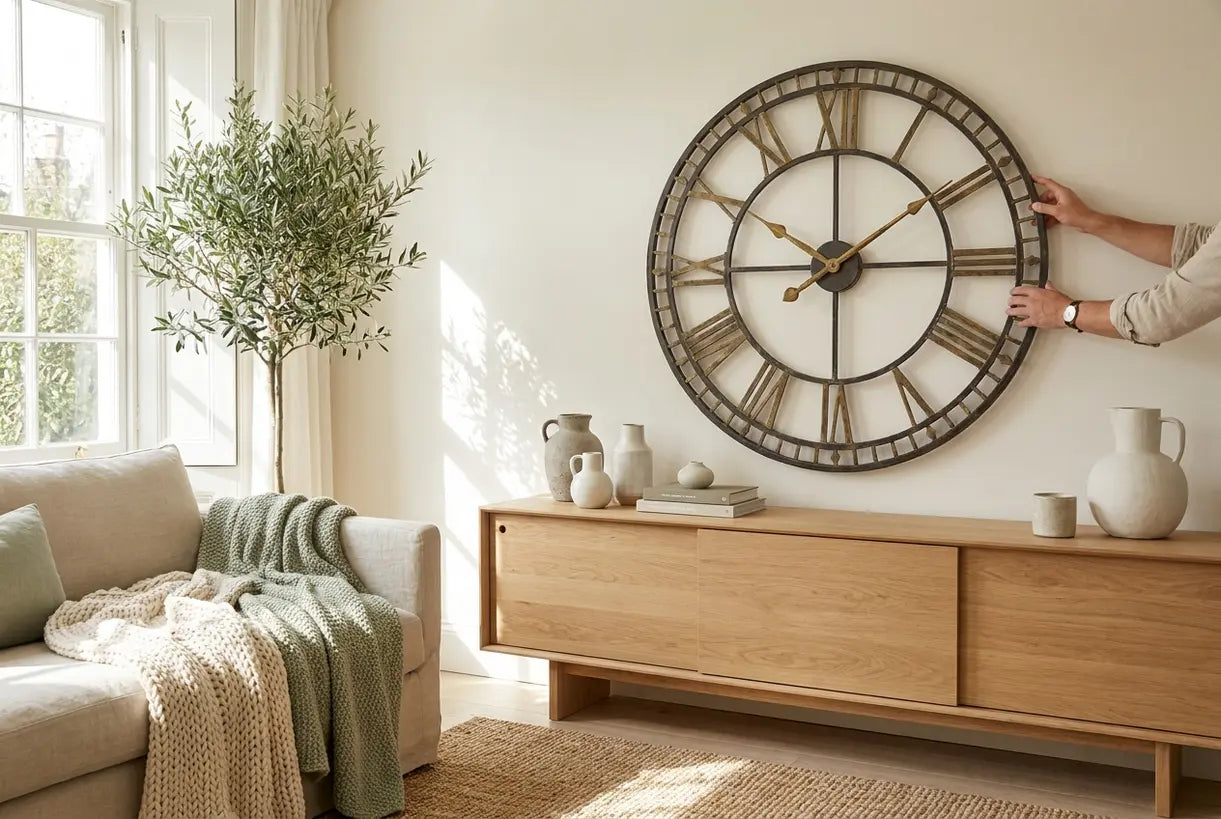
Proper installation ensures your large wall clock roman numerals piece hangs securely and reads clearly from intended viewing distances. Whether you're mounting a substantial statement piece or a more modest accent, attention to installation details preserves both safety and aesthetic integrity.
Mounting Height Guidelines
For optimal viewing, position your clock's center approximately 57-60 inches from the floor—the standard gallery height for eye-level artwork. Above furniture, maintain 6-12 inches of clearance between the clock's bottom edge and the furniture top. In rooms with seating, ensure numerals remain legible from primary viewing positions.
Securing Larger Pieces
Heavier and oversized clocks require additional support. Locate wall studs when possible, and use appropriate anchors for your wall material. For particularly substantial roman numeral wall clock large installations, consider professional mounting to ensure both safety and stability.
Lighting Considerations
Roman numerals reveal their full character under appropriate lighting. Avoid direct sunlight that may fade materials over time, yet ensure adequate ambient illumination for legibility. Soft, indirect lighting—from the aforementioned chandeliers or strategically placed sconces—creates gentle shadows that emphasize the dimensional quality of raised numerals.
Home Decor
Shop all Home Decor
 Save $44.50
 2 options
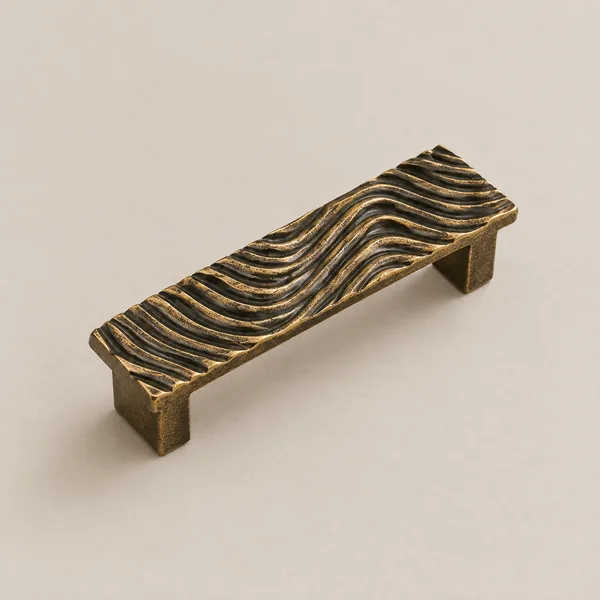
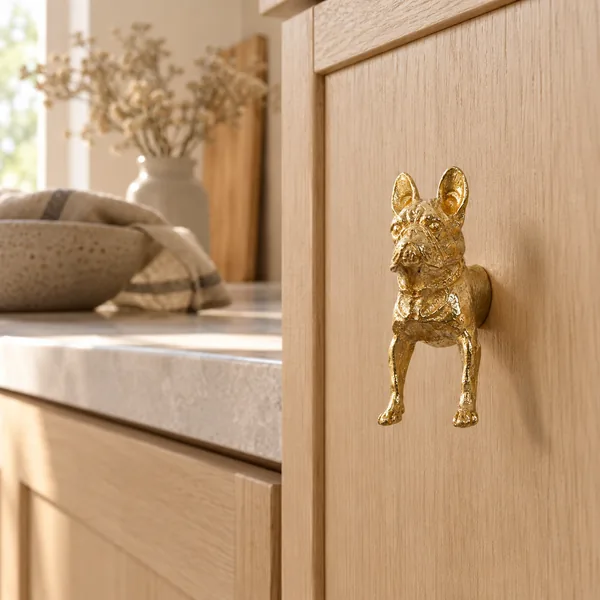
Tassa Polished Brass Dog Cabinet Pull Handle
Save $110.00+15 optionsTvilling Dual-Sided Geometric Metal Wall Clock
Caring for Your Roman Numeral Clock
Maintaining the beauty of your vintage wall clock roman numerals timepiece requires minimal but consistent attention. Proper care preserves both functionality and appearance for years of enjoyment.
Regular Maintenance Routine
Dust your clock weekly using a soft, dry microfiber cloth. For ceramic and metal finishes, occasional cleaning with a slightly damp cloth removes fingerprints and environmental residue. Avoid harsh chemical cleaners that may damage protective finishes or cause discoloration.
Battery Replacement
Replace quartz movement batteries annually, or when timekeeping becomes irregular. Remove batteries during extended absences to prevent corrosion damage. Quality alkaline batteries provide the most consistent performance for silent movement mechanisms.
Climate Considerations
Extreme temperature fluctuations and high humidity can affect both mechanical components and material integrity. Position clocks away from direct heat sources and areas prone to moisture accumulation. This is particularly important for handcrafted ceramic pieces, where subtle glaze characteristics deserve protection.
Conclusion: Timeless Elegance for Your Sanctuary
A wall clock roman numerals design offers more than functional timekeeping—it provides a daily touchpoint with enduring beauty and intentional craftsmanship. Whether you've selected a commanding statement piece for your living room or a refined accent for your personal study, these timepieces honor the spaces they inhabit with quiet authority.
At Skonne, we curate collections that embody the Scandinavian principles of warmth, intentionality, and elevated simplicity. Each piece in our clock collection—from the luminous Glansa Chrome Ceramic Wall Clock to complementary accessories like the Tilje—reflects our commitment to designs that enhance everyday moments. We believe your home should be a sanctuary where beauty and functionality exist in perfect harmony, where the passage of time feels not like a burden, but like poetry.
As you continue refining your interior spaces, remember that the most meaningful designs are those that serve both practical needs and emotional ones. A beautifully crafted Roman numeral clock doesn't just mark hours—it marks moments, memories, and the quiet art of living well.
Related Article
Unique & Statement Wall Clocks: Large, Sculptural & One-of-a-Kind DesignsExplore our curated collection of large unique wall clocks - statement pieces that blend Scandinavian design with sculptural elegance for modern interiors.