
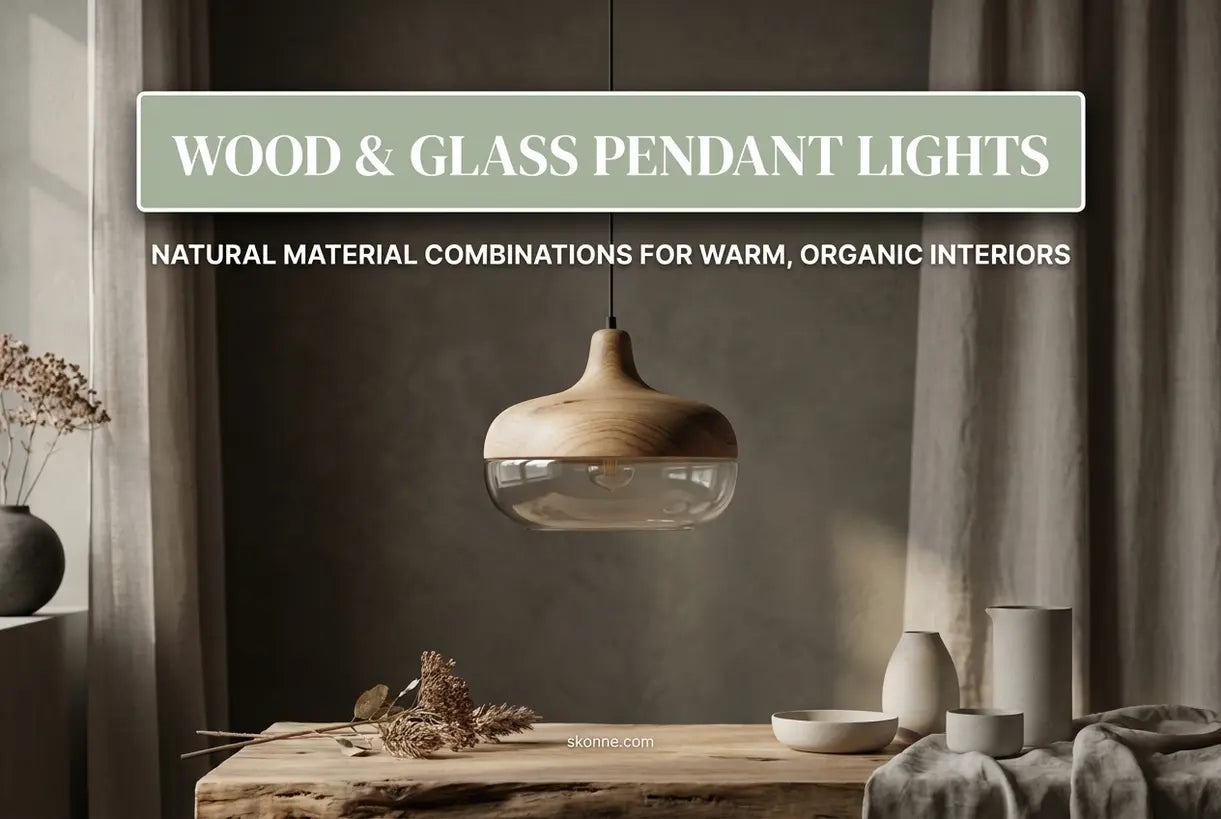
Wood & Glass Pendant Lights: Natural Material Combinations for Warm, Organic Interiors
Summary›
There's something undeniably captivating about the interplay of natural materials in lighting design. A wood and glass pendant light represents the perfect marriage of organic warmth and refined craftsmanship, bringing an immediate sense of grounded elegance to any interior. Whether you're designing a cozy kitchen breakfast nook or curating the atmosphere of a Scandinavian-inspired dining room, these natural material combinations offer a timeless solution that feels both intentional and effortlessly beautiful.
At Skonne, we believe lighting should do more than illuminate—it should transform spaces into sanctuaries. Wood and glass pendant lights achieve exactly that, combining the earthy, tactile quality of natural wood with the luminous, diffusing properties of glass to create fixtures that are as functional as they are sculptural. In this guide, we'll explore why these organic lighting solutions have become essential for homeowners seeking that coveted hygge feeling, and how to select and style the perfect piece for your home.
What Makes Wood & Glass Pendant Lights Special?
A wood and glass pendant light is defined by its thoughtful combination of two elemental materials: the warmth and character of natural timber paired with the clarity and light-diffusing properties of glass. This isn't simply about aesthetics—though the visual harmony is striking. The wood provides structural integrity and visual weight, grounding the fixture in nature, while the glass element softens and distributes light, creating gentle pools of illumination that enhance rather than overwhelm a space.
The beauty of natural material pendant lighting lies in its inherent variation. Each piece of wood carries unique grain patterns, subtle color variations, and organic imperfections that make every fixture one-of-a-kind. When paired with hand-blown or artisanal glass, the result is a lighting solution that celebrates craftsmanship and brings authentic character to your home. Unlike mass-produced alternatives that can feel sterile or impersonal, these fixtures tell a story of material honesty and design intention.
For those drawn to the philosophy of imperfection and natural beauty, exploring Japandi Lighting offers an expanded perspective on how these principles manifest across different design approaches. This curated collection embodies the same reverence for organic materials and warm minimalism that makes wood and glass pendants so compelling.
Crafting these fixtures requires skilled artisans who understand both materials intimately. Wood must be properly seasoned and treated to resist warping while maintaining its natural texture. Glass components are shaped to complement the wood's form, whether through hand-blown techniques that create organic bubbles and variations or precise manufacturing that achieves clean, contemporary lines. The result is a pendant light that honors both tradition and modern design sensibilities.
Pendant Lights
Shop all Pendant Lights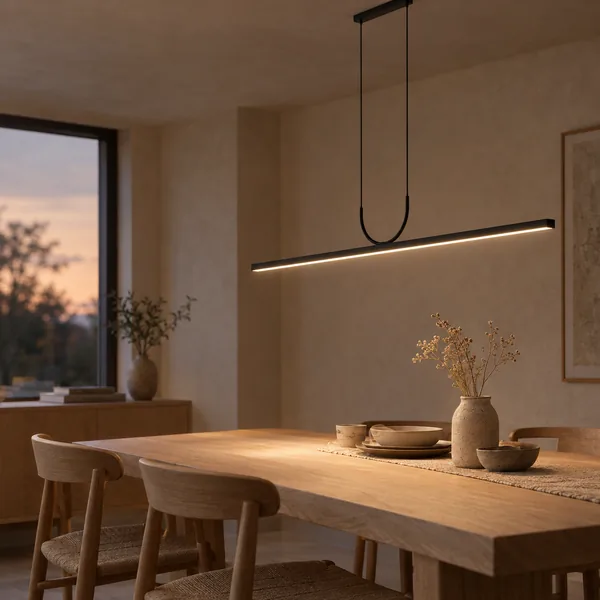
 Save $140.00
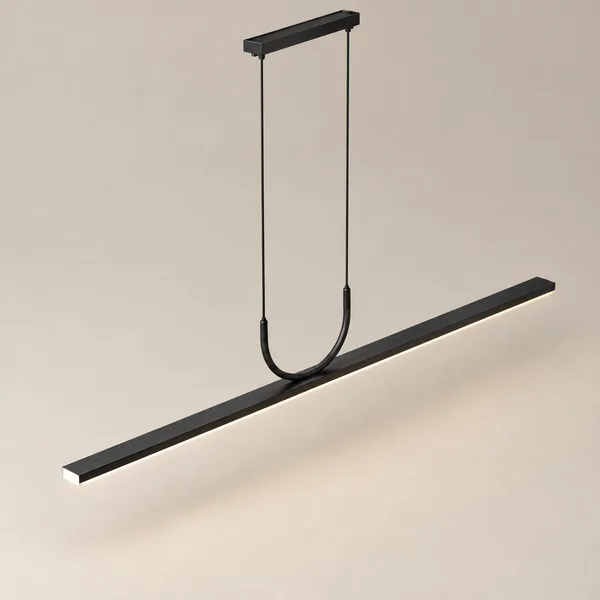
Linné Minimalist Linear Black LED Pendant Light
 Save $60.00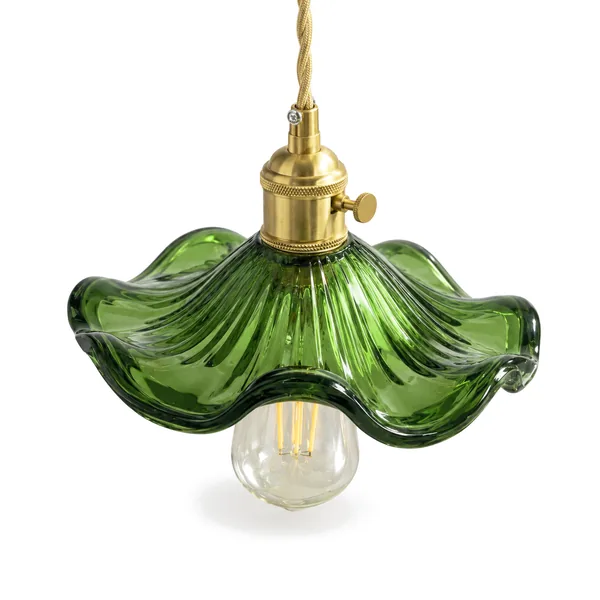
 3 options
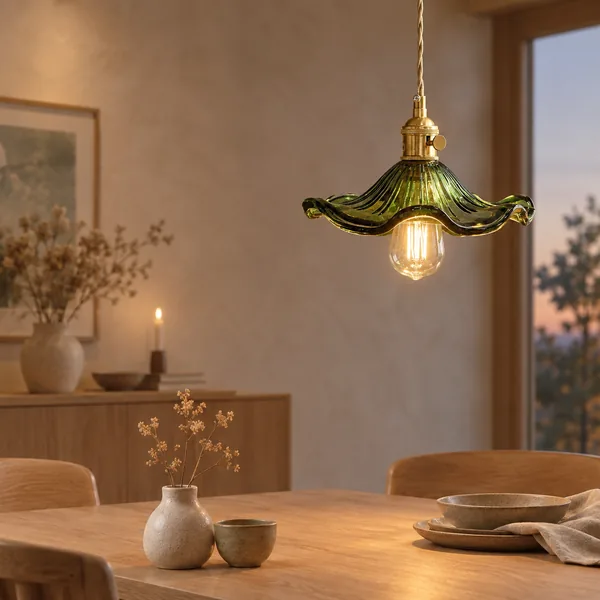
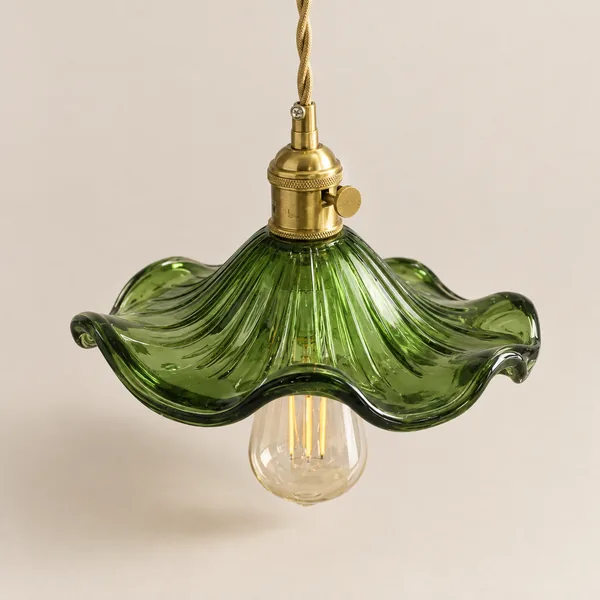
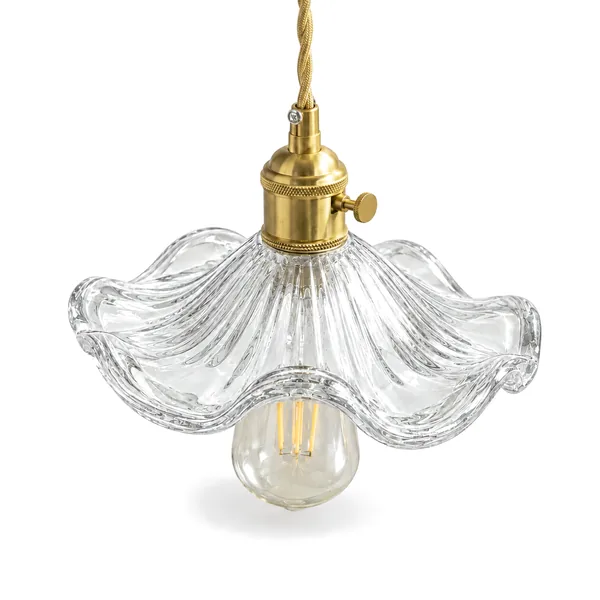
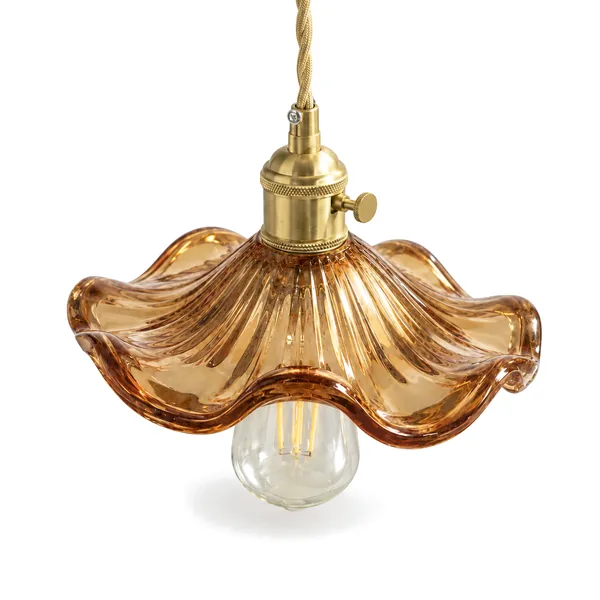
Glora Nordic Glass Pendant Light with Copper
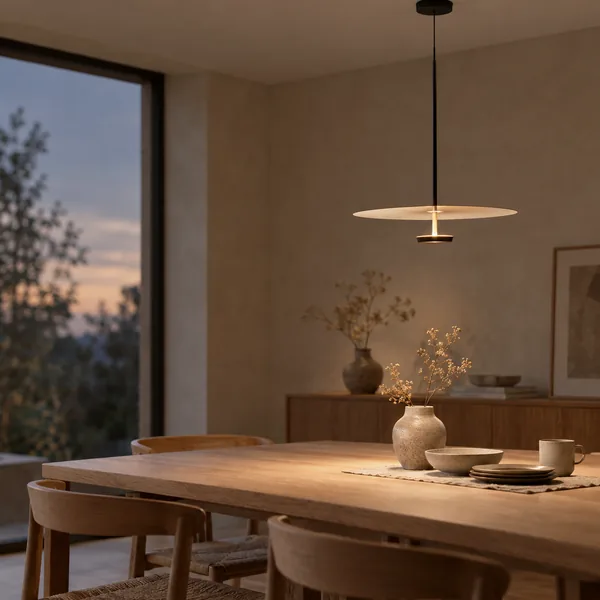
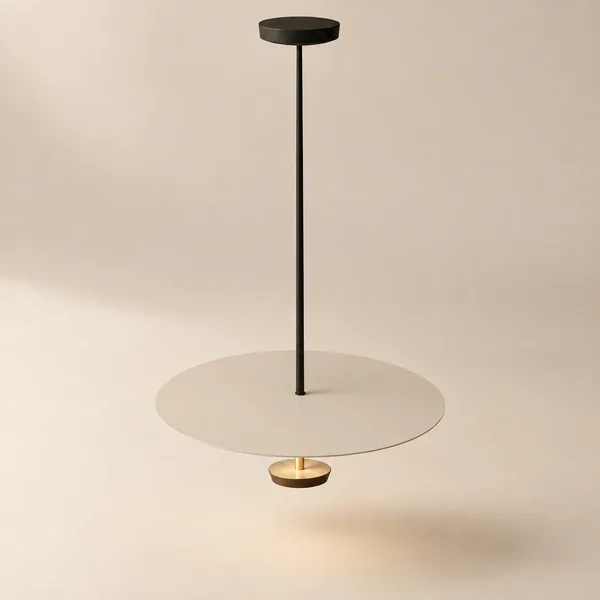 Save $120.00
Skiva Nordic Saucer Ceiling Pendant Light LED
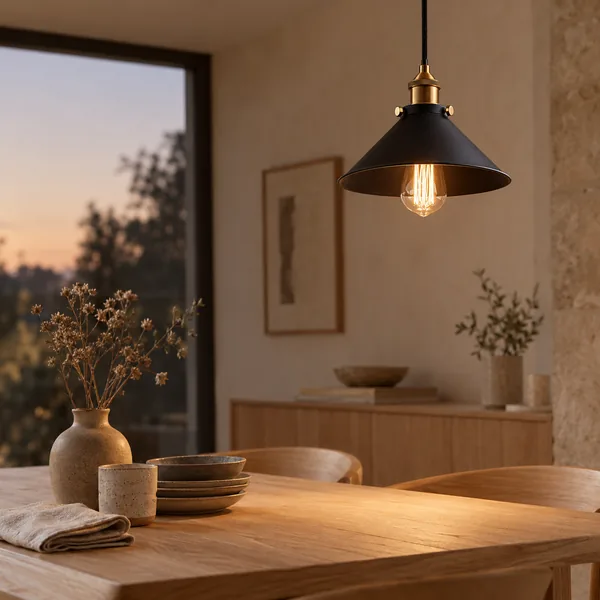
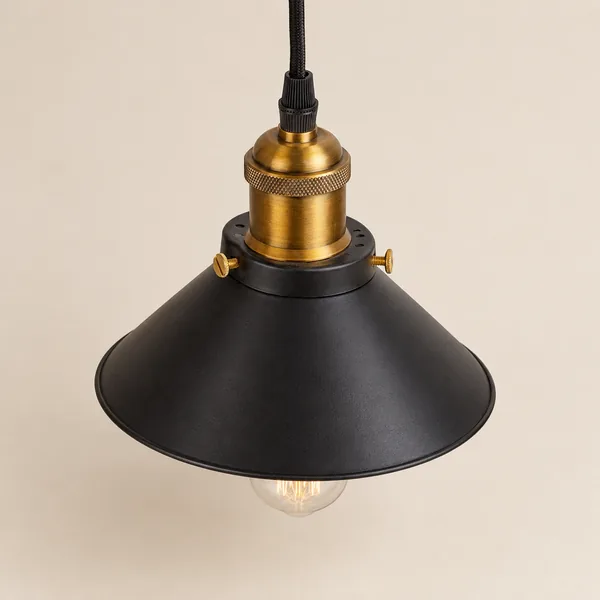
Where to Hang Natural Wood Pendant Lights
The versatility of organic pendant lighting makes it suitable for virtually every room in your home, though certain applications have become particularly beloved for their dramatic impact. Understanding these placement options helps you maximize both the functional and aesthetic benefits of your investment.
Kitchen islands have emerged as the quintessential setting for wood and glass pendant lights. The question of whether wood pendant lights are suitable for kitchen islands is answered with an emphatic yes—these fixtures provide the perfect counterbalance to stone countertops and stainless steel appliances, introducing warmth and natural texture into spaces that can sometimes feel cold or clinical. Positioned at varying heights or in symmetrical groupings, they create intimate zones for food preparation and casual dining while establishing clear visual boundaries within open-concept layouts.
Beyond the kitchen, dining rooms benefit enormously from the statement-making presence of a well-scaled wood and glass pendant. Suspended over a natural wood table, these fixtures create a cohesive material dialogue that feels intentional and sophisticated. The glass component ensures adequate task lighting for meals while the wood element contributes to the overall warmth and conviviality of the space.
Entryways and hallways offer additional opportunities to showcase these sculptural pieces. A single wood and glass pendant suspended in a foyer creates an immediate design statement, setting the tone for the rest of your home. In bedrooms, smaller-scale versions provide bedside lighting that feels more refined than traditional lamps while freeing up valuable nightstand real estate.
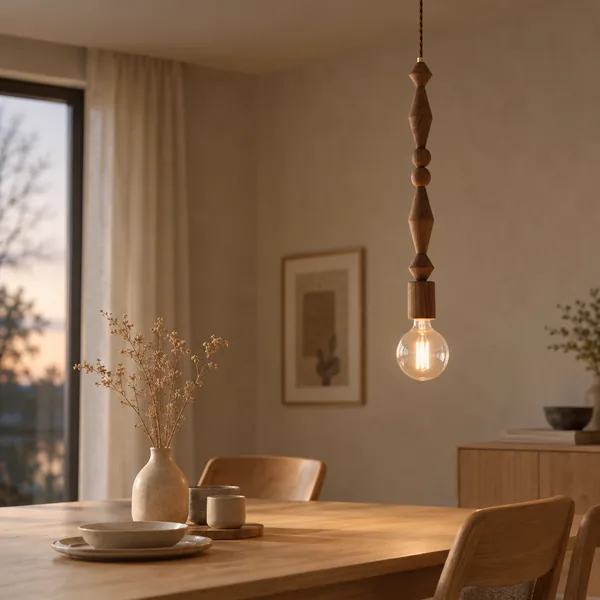 Vedra Wood and Glass Pendant Light Nordic Style$299.00$509.00
Design Styles That Embrace Natural Material Pendants
The adaptability of Scandinavian pendant light designs has contributed significantly to their enduring popularity. These fixtures transcend specific aesthetic boundaries, complementing everything from rustic farmhouse interiors to ultra-modern minimalist spaces. Understanding how different styles integrate natural material lighting helps you select pieces that will feel cohesive with your existing décor.
Scandinavian and Nordic interiors naturally embrace wood and glass combinations as extensions of their design philosophy. The emphasis on natural materials, functional beauty, and connection to nature makes these pendants essential elements in achieving authentic Nordic style. Look for designs featuring light oak, ash, or walnut paired with clear or white opal glass that maximizes light diffusion while maintaining visual lightness.
Japandi design, the harmonious fusion of Japanese wabi-sabi principles and Scandinavian functionality, represents perhaps the most natural home for organic pendant lighting. This aesthetic celebrates imperfection, natural aging, and the beauty of raw materials. Fixtures in this style often feature darker wood tones, visible grain patterns, and glass with subtle texture or organic irregularities that honor the handmade process.
Farmhouse and cottage styles have evolved beyond their rustic origins to embrace more refined interpretations of natural material lighting. Modern farmhouse interiors pair wood and glass pendants with shiplap walls, apron-front sinks, and natural fiber rugs for a look that feels collected rather than themed. The key is balancing the organic warmth of wood with cleaner lines and more sophisticated proportions.
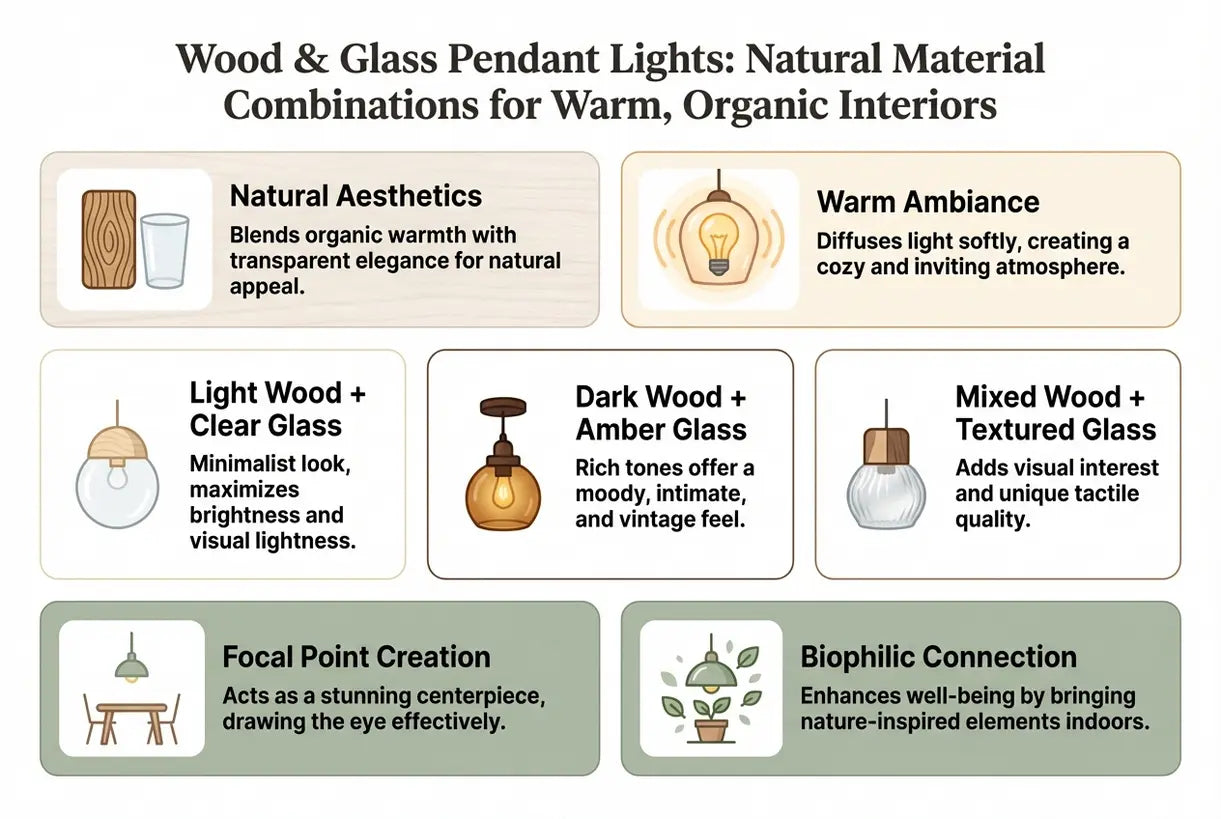
The video below offers additional inspiration for incorporating natural material lighting into your home, demonstrating how these versatile fixtures can transform different spaces through thoughtful placement and styling.
Elevated Natural Material Pendants
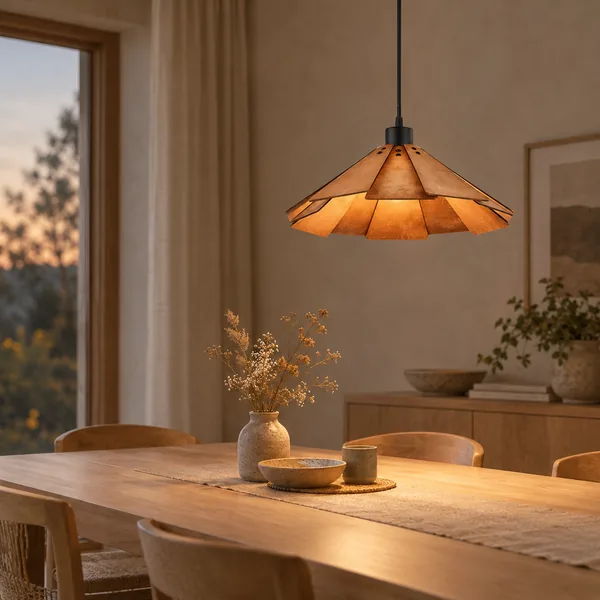 Kveldro Nordic Wabi-Sabi Walnut Pendant Light$159.00$239.00
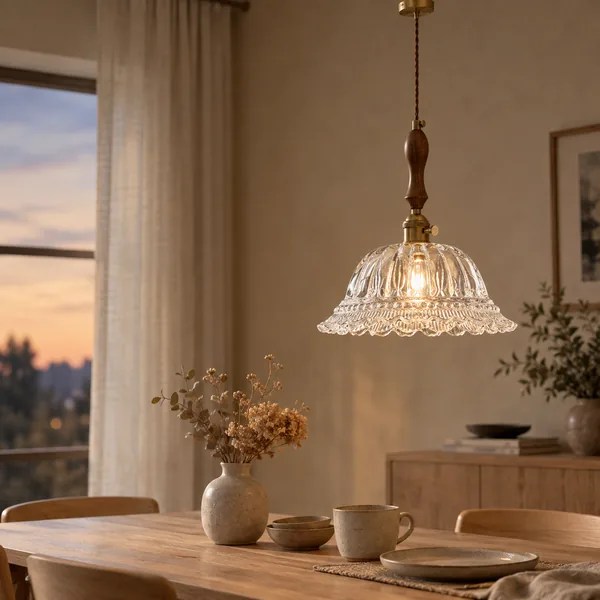 Gloda Walnut Brass French Style Pendant Light$169.00$229.00
Glass Pendant Lights
Shop all Glass Pendant Lights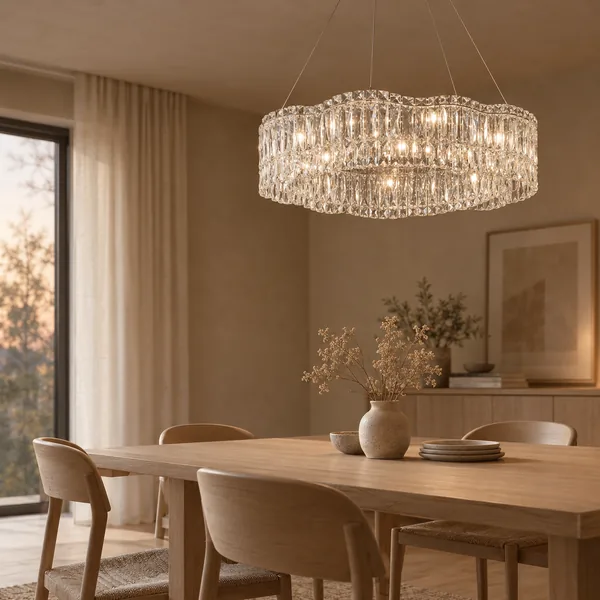
 Save $200.00
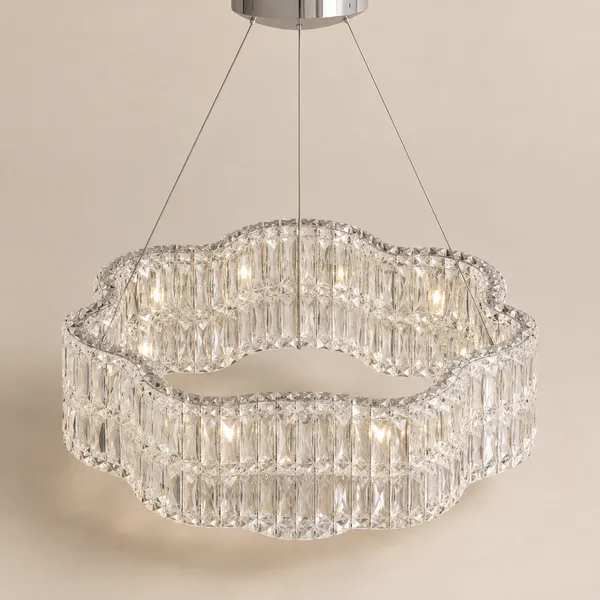
Halvring K9 Crystal Halo LED Chandelier Light
 Save $370.00
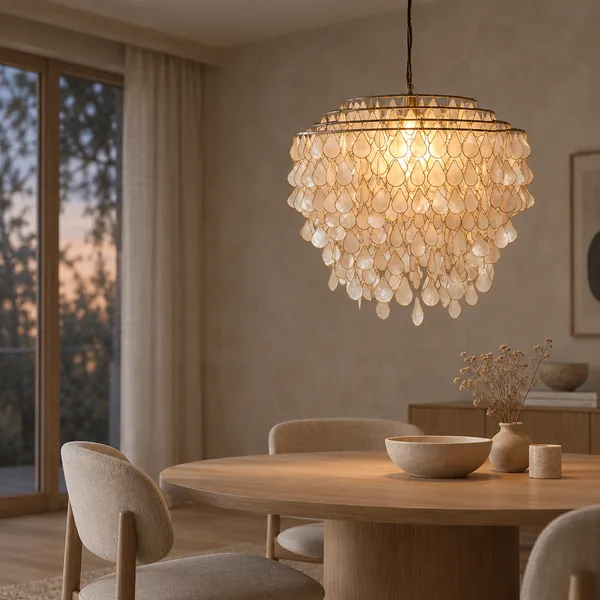
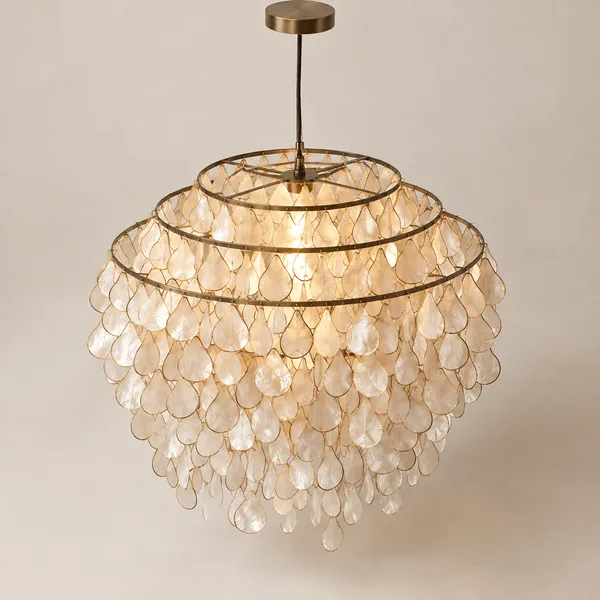
Skjelva Nordic Retro Shell Pendant Chandelier
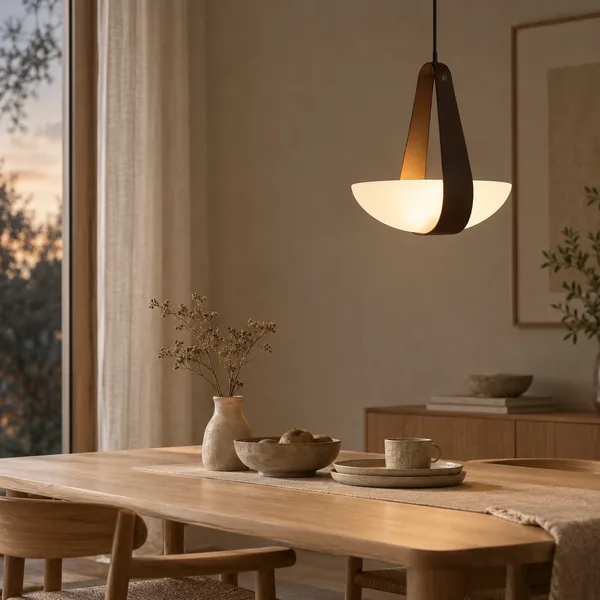
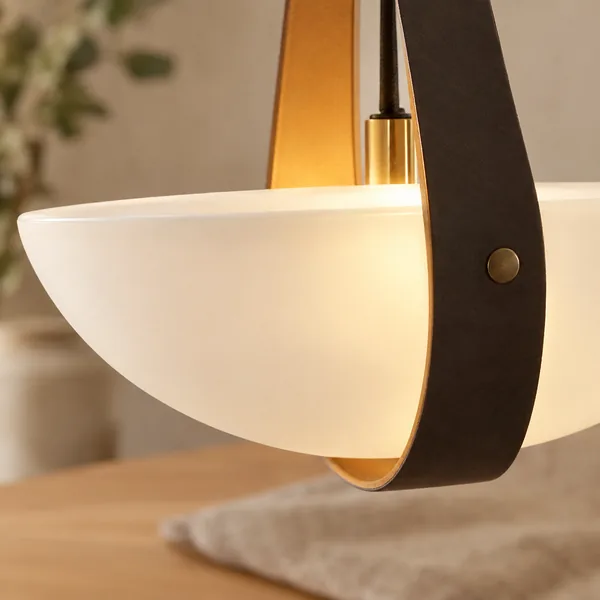
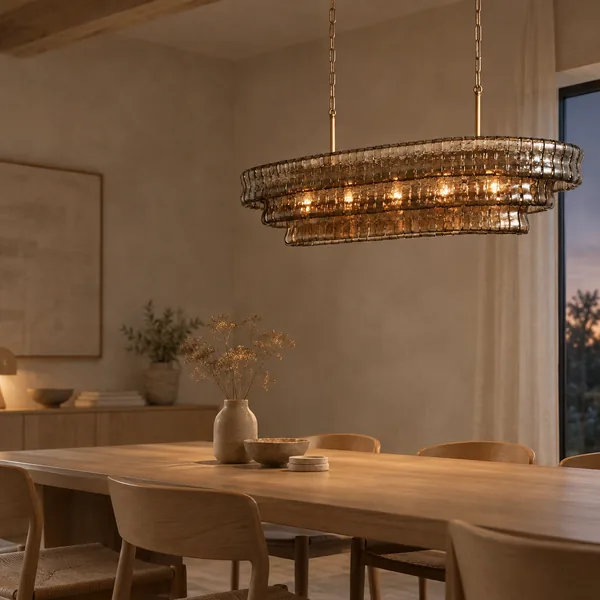
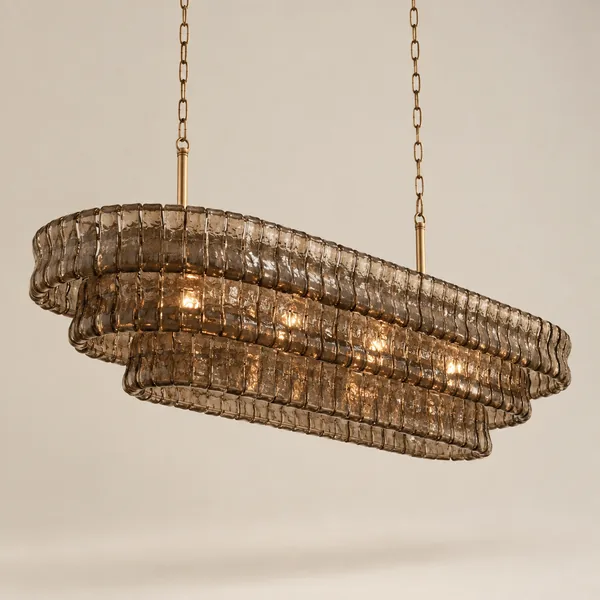 Save $460.00
Dimma Smoky Gray Glass Chandelier Dining Room
Styling Tips for Organic Pendant Lighting
Successfully integrating a wood glass pendant lamp into your interior requires attention to scale, coordination with other materials, and thoughtful consideration of how light interacts with your space. These styling principles ensure your natural material lighting feels intentional rather than incidental.
Scale and proportion matter enormously when selecting pendant lighting. As a general rule, the diameter of your pendant should be approximately one-third the width of the surface it illuminates. For kitchen islands, measure the length and divide by the number of pendants you plan to hang, leaving approximately 24-30 inches between fixtures. The height at which you suspend your pendant also affects both functionality and aesthetics—typically 30-36 inches above a kitchen island or dining table provides optimal task lighting without obstructing sightlines.
Coordinating with other natural materials creates a cohesive, layered interior that feels collected over time. Wood and glass pendants pair beautifully with linen textiles, ceramic accessories, woven baskets, and live plants. The key is varying the tones and textures of wood throughout your space—mixing warm walnut pendants with lighter oak furniture, for instance, creates visual interest while maintaining material harmony. Avoid matching woods exactly, as this can feel forced or overly designed.
Bulb selection significantly impacts how your wood and glass pendant performs. Warm white LEDs (2700K-3000K) complement the natural warmth of wood and create the inviting atmosphere most homeowners seek. Consider dimmable options to adjust brightness according to time of day and activity. For glass components, the opacity and texture of the glass will determine how visible the bulb remains when illuminated—frosted or seeded glass diffuses light more effectively while clear glass showcases decorative filament bulbs.
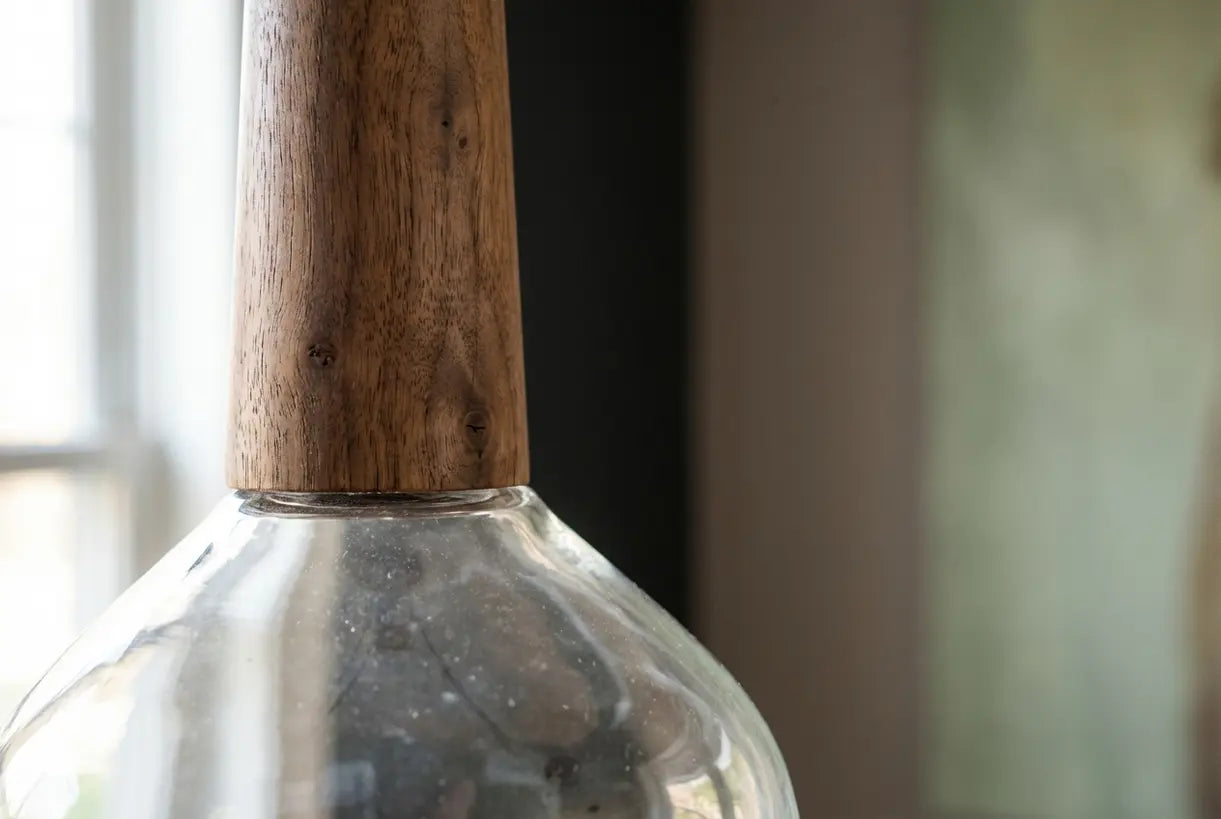
When styling warm wood pendant lighting, consider the vertical journey through your space. A wood and glass pendant suspended over a dining area creates a focal point that draws the eye upward, highlighting architectural features like exposed beams or vaulted ceilings. Layer this overhead lighting with lower-level sources—table lamps, floor lamps, or candles—to create depth and dimension. This multi-level approach to lighting is essential for achieving that coveted hygge atmosphere where every corner feels inviting.
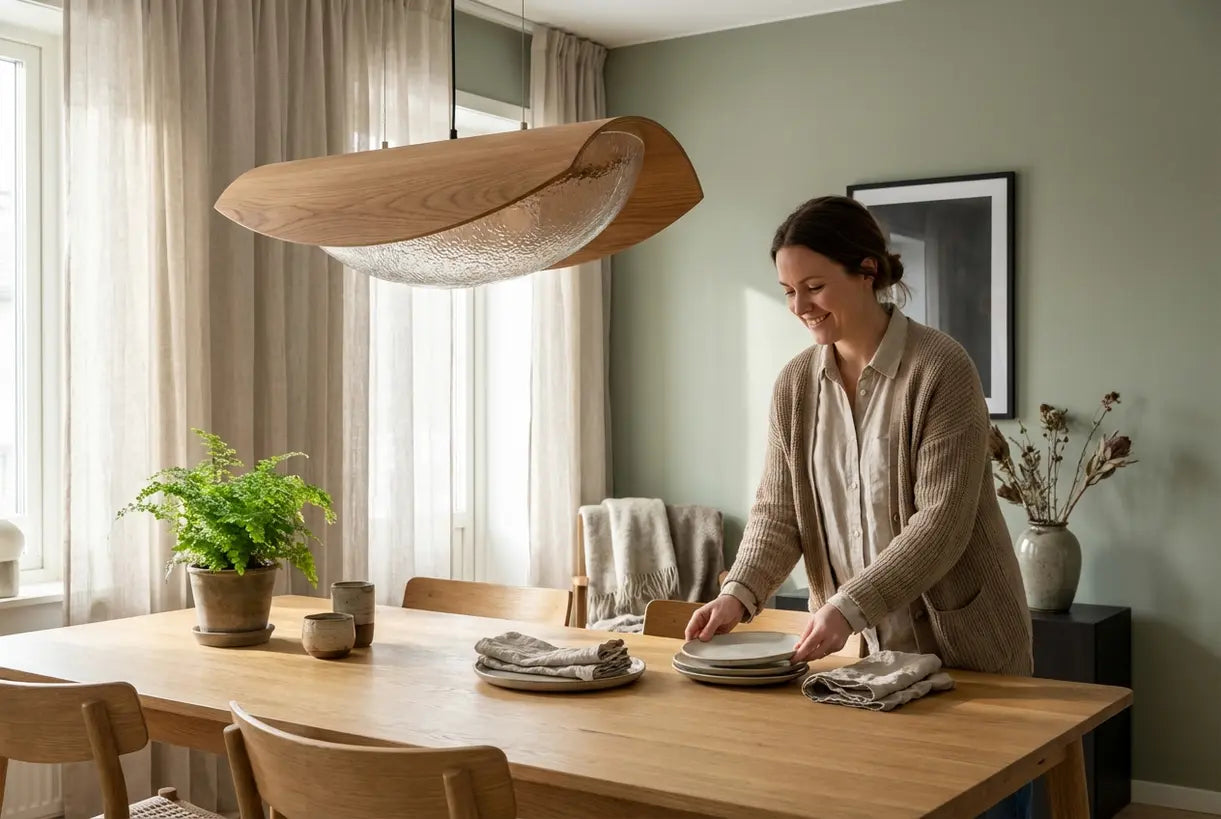
Maintenance of natural material pendants requires gentle attention. Wood components benefit from occasional dusting with a soft, dry cloth and should be kept away from excessive moisture or direct heat sources that could cause warping or cracking. Glass elements can be cleaned with a solution of mild soap and water, avoiding harsh chemicals that might damage wood finishes or leave residue on glass. With proper care, these fixtures will develop a beautiful patina over time, becoming even more characterful as they age alongside your home.
Conclusion: Embracing Natural Light
Wood and glass pendant lights represent more than a lighting choice—they're a design philosophy that prioritizes authenticity, craftsmanship, and connection to the natural world. By combining the organic warmth of timber with the luminous beauty of glass, these fixtures create interiors that feel grounded yet elevated, timeless yet deeply personal. Whether you're renovating a kitchen, refreshing a dining room, or simply seeking to introduce more natural elements into your space, the right wood and glass pendant can transform ordinary moments into experiences of quiet beauty.
At Skonne, we've curated a collection of natural wood pendant light designs that honor these principles while offering the quality and sophistication our customers expect. From handcrafted pieces that celebrate wabi-sabi imperfection to refined fixtures that bring Scandinavian clarity to contemporary spaces, each pendant in our collection has been selected for its ability to create warmth and intention. Explore our full range of organic lighting solutions and discover how the perfect pendant can illuminate not just your rooms, but the way you experience home.
Related Article
Sea Glass Pendant Lights: Coastal, Artisan Fixtures Inspired by Nature & the OceanDiscover how sea glass pendant lights bring coastal artistry and organic warmth to any space. Explore artisan fixtures inspired by nature and the ocean.