
1940s Home Decor: Wartime Elegance & Mid-Century Style Ideas for a Classic Interior
Summary›
- Understanding 1940s Design Aesthetics: Beyond the War Years
- The Color Palette of 1940s Homes: Earth Tones Meet Optimistic Accents
- Lighting That Defines the Era: From Utility to Glamour
- Key Design Elements From the 1940s: Materials That Lasted
- Blending 1940s Style With Modern Living: The Authentic Approach
- Bringing Wartime Elegance to Your Home Today
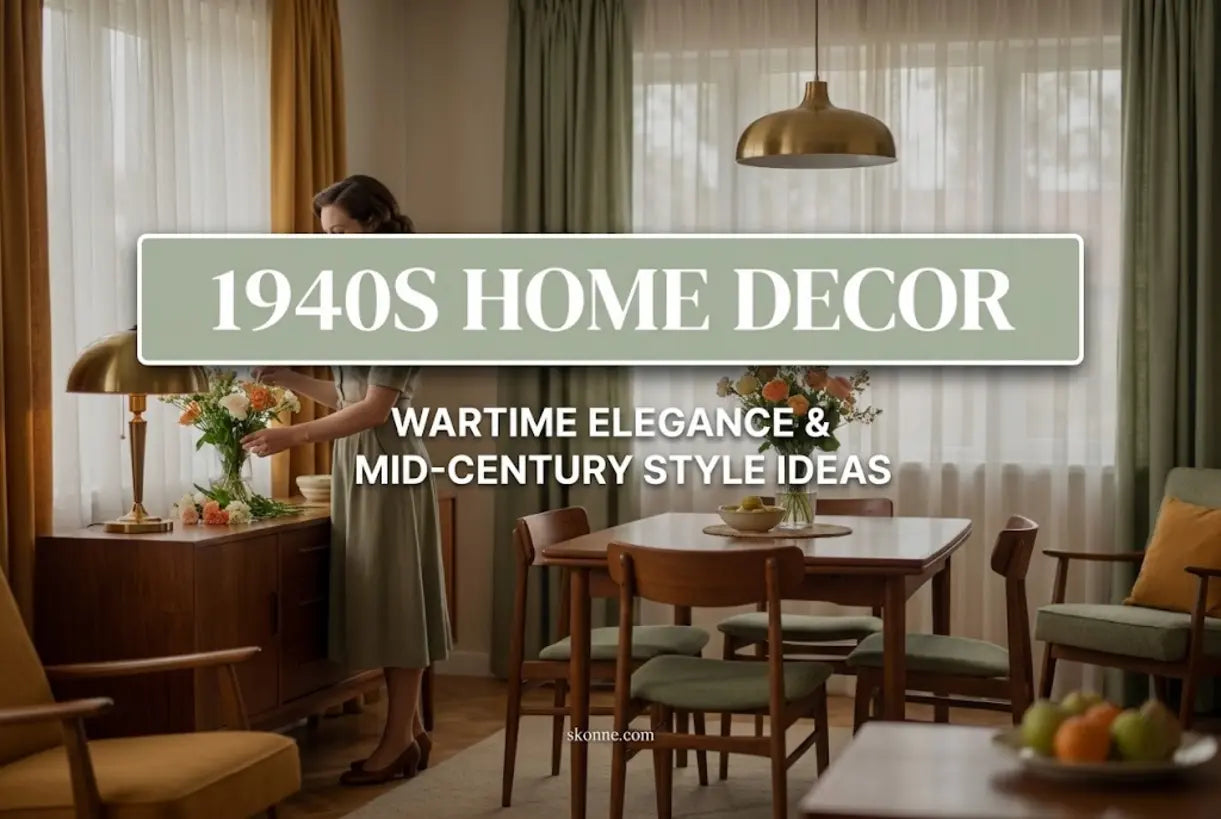
There's something undeniably captivating about 1940s home decor. Born from an era of resilience and resourcefulness, this design period seamlessly blended wartime practicality with enduring elegance. Whether you're drawn to the patriotic craftsmanship, the romantic notions of home-making during uncertain times, or simply the nostalgic warmth of vintage home decor, the 1940s aesthetic offers a timeless foundation for creating spaces that feel both elevated and deeply personal. In this guide, we'll explore the signature elements that define this romantic era—from color palettes forged by necessity to lighting that captured the optimism of post-war America.
By the end of this article, you'll understand how to weave wartime interior design elements into contemporary settings without creating a museum piece. You'll discover the authentic details that make 1940s houses interior so enduringly appealing, plus practical ways to incorporate classic interior design into your own hygge-inspired sanctuary. Along the way, we'll introduce curated pieces from Skonne's collection that honor this era's sophisticated restraint while complementing modern Scandinavian sensibilities.
Understanding 1940s Design Aesthetics: Beyond the War Years
The 1940s represents a fascinating bridge in design history. The early decade faced the constraints of World War II—material shortages, rationing, and a collective focus on utility over excess. Yet from these limitations emerged a design language of ingenuity: furniture became multi-functional, fabrics were vibrant despite scarcity, and craftsmanship took on patriotic significance. This wasn't an era of deprivation—it was one of curated intentionality.
As the war ended, the late 1940s ushered in newfound optimism. Formal dining rooms returned, Glass Pendant Lights became statement pieces, and the foundations of mid-century modern began taking shape. The period's aesthetic DNA included streamlined silhouettes inspired by Art Deco, natural materials like wood and brass that celebrated domesticity, and a color story that balanced earthiness with strategic bursts of hope-infused hues.
The Color Palette of 1940s Homes: Earth Tones Meet Optimistic Accents
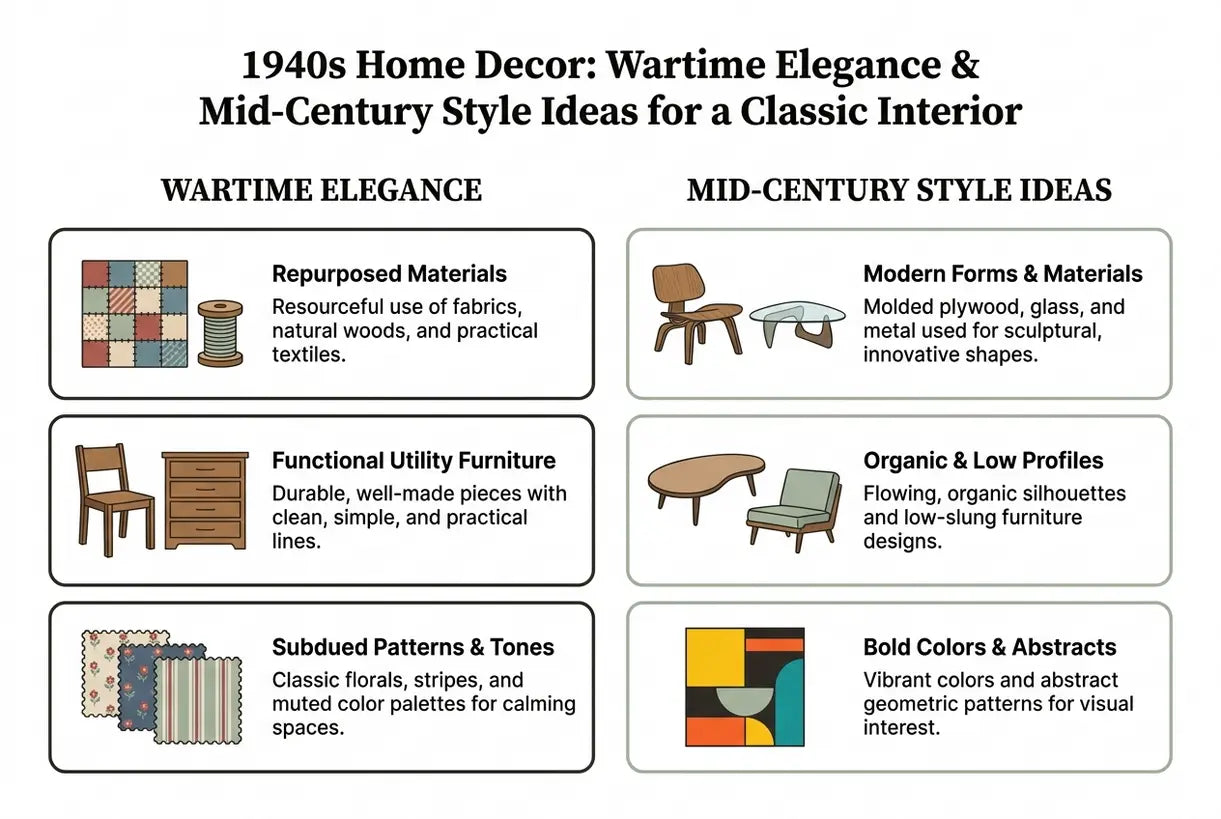
Contrary to popular belief, 1940s color schemes weren't monochromatic. Materials rationing ironically encouraged creativity. Wallpaper with botanical patterns added visual interest to modest spaces, while painted woodwork in cream and soft sage created backdrops for bolder furniture choices. Kitchens often featured cheerful yellows or mint greens—small rebellions against wartime austerity.
Living areas gravitated toward warm neutrals: camel, taupe, and tobacco brown dominated upholstery, while burgundy and forest green anchored formal spaces. These weren't arbitrary choices—they reflected available dyes and a cultural longing for stability. Today, these same colors create the perfect foundation for hygge-inspired interiors, offering that coveted warmth without overwhelming contemporary sensibilities.
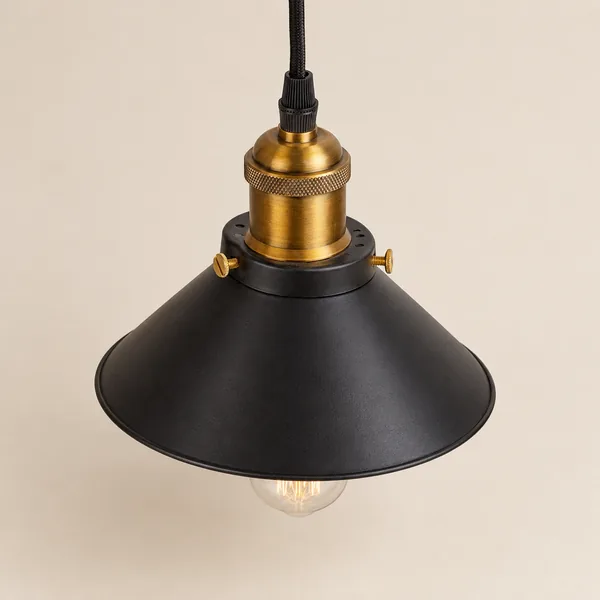
Pendant Lights
Shop all Pendant Lights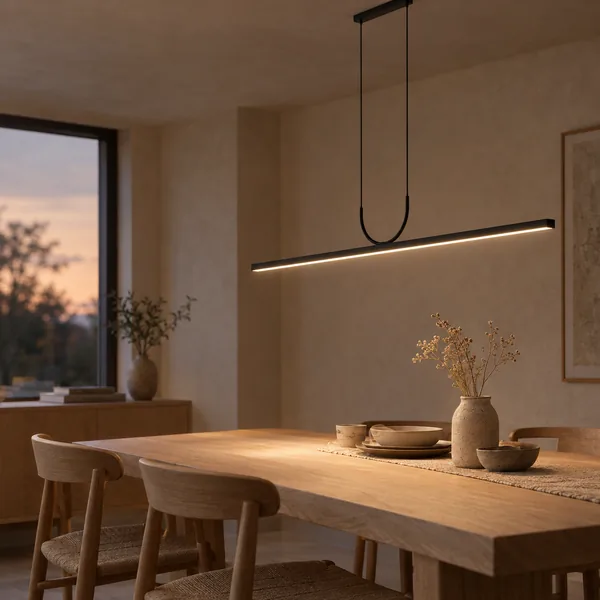
 Save $140.00
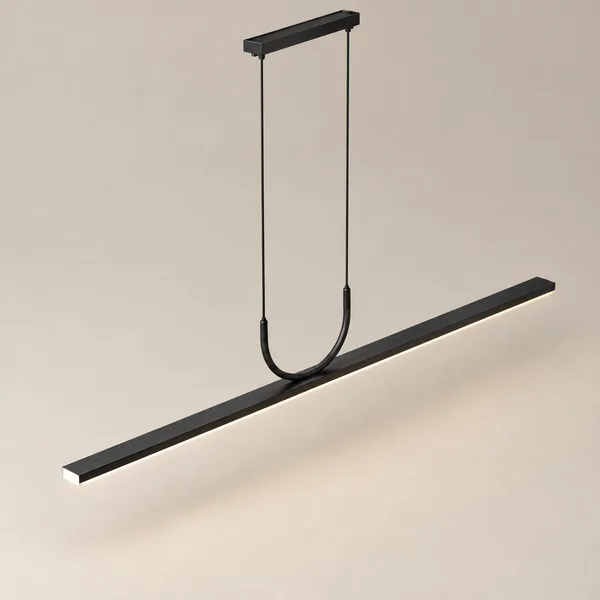
Linné Minimalist Linear Black LED Pendant Light
 Save $60.00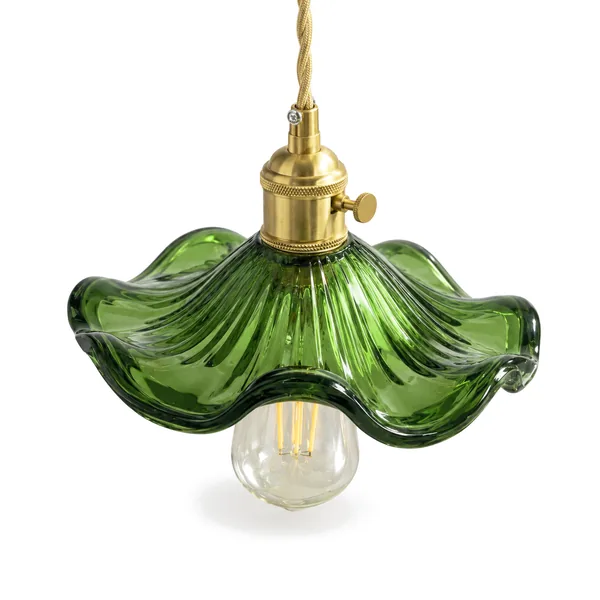
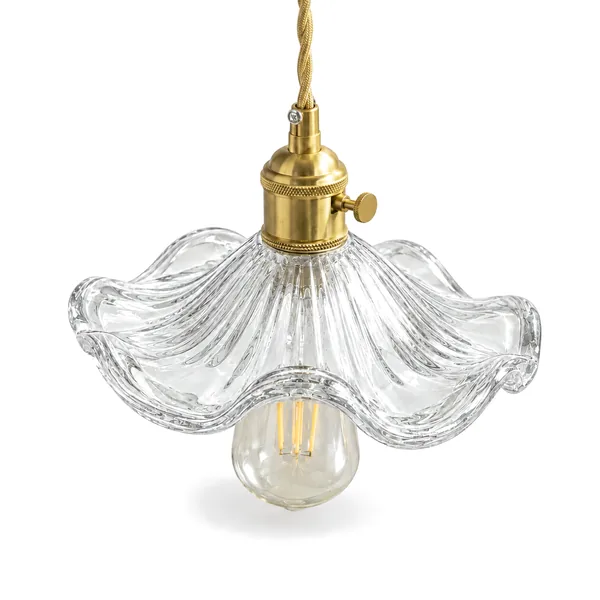
 3 options
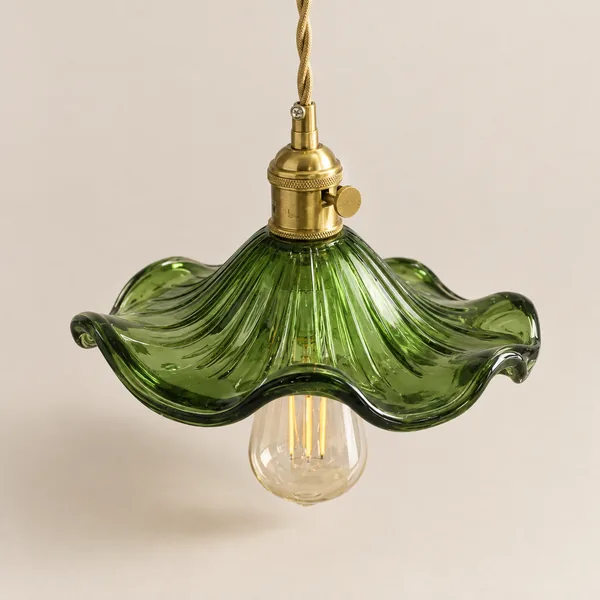
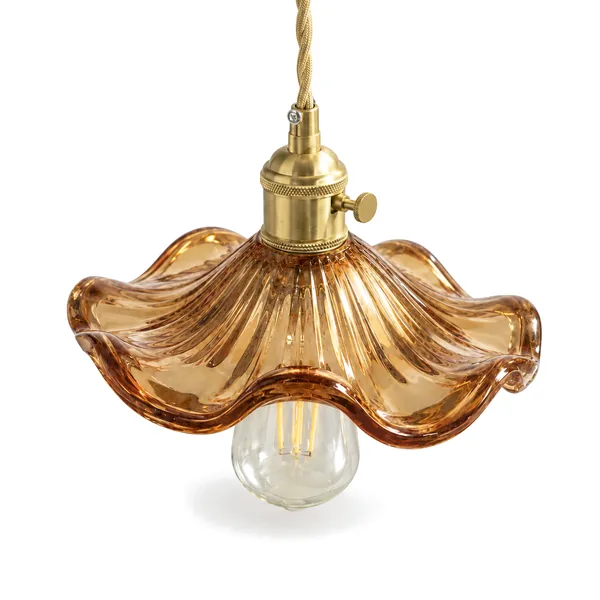
Glora Nordic Glass Pendant Light with Copper
 Save $120.00
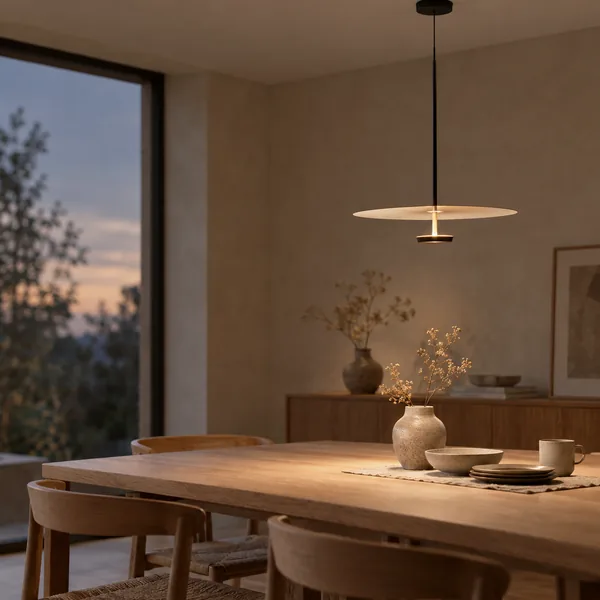
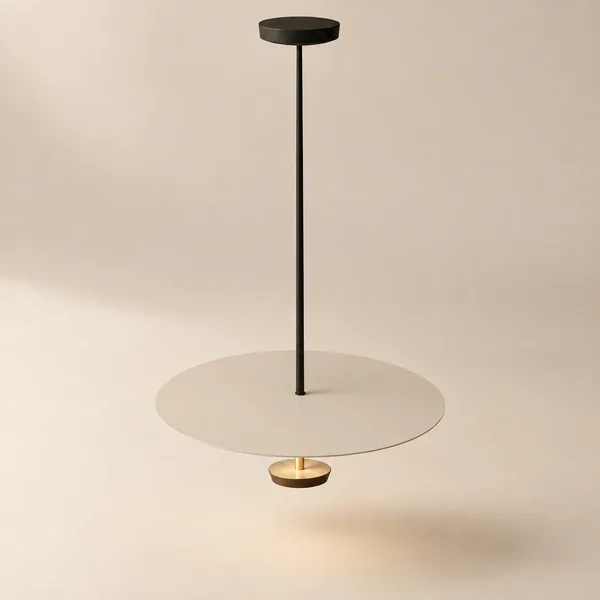
Skiva Nordic Saucer Ceiling Pendant Light LED
Lighting That Defines the Era: From Utility to Glamour
Perhaps no element captures 1940s home decor ideas better than lighting. Early wartime fixtures prioritized function—flush-mount ceiling lights, banker's lamps, and simple sconces. But as prosperity returned in the late 1940s, lighting became theatrical. Chandeliers dripped with glass, brass hardware gleamed, and the dining room emerged as a stage for domestic celebration.
This transition from modest to magnificent mirrors how we light our homes today: practical during the day, transformative by evening. The best 1940s-inspired lighting honors this duality—functional craftsmanship with undeniable presence.
Curated Lighting for Your Classic Interior
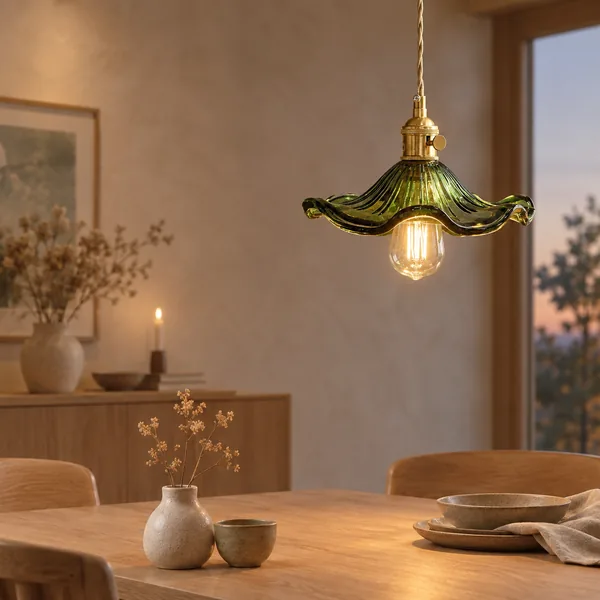
For dining spaces that channel that post-war optimism, consider statement pieces that blend vintage silhouette with enduring materials. The right fixture doesn't just illuminate—it becomes the emotional anchor of your gathering space, exactly as it did in the 1940s when the dinner table represented prosperity restored.
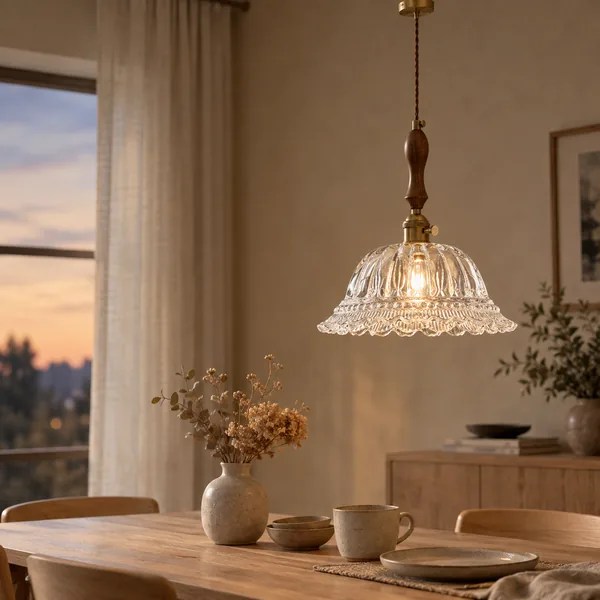 Gloda Walnut Brass French Style Pendant Light$169.00$229.00
For a comprehensive walkthrough of authentic 1940s styling techniques, watch this detailed exploration:
Key Design Elements From the 1940s: Materials That Lasted
The most authentic modern 1940s home decor honors the period's material honesty. Chrome and Bakelite defined the early '40s with their industrial utility, while walnut, mahogany, and oak dominated the late '40s as craftsmen returned to fine woodworking. Upholstery featured heavy fabrics—wool tweeds, velvet, and tapestry-weight textiles that signaled permanence in an uncertain world.
Brass accents appeared everywhere: hardware, mirror frames, decorative objects, and lighting fixtures. This wasn't ostentation—it was a celebration of domesticity and the return to artisanal quality. Today, these same materials create what designers call "warm minimalism," the perfect intersection of Scandinavian hygge and vintage sophistication.
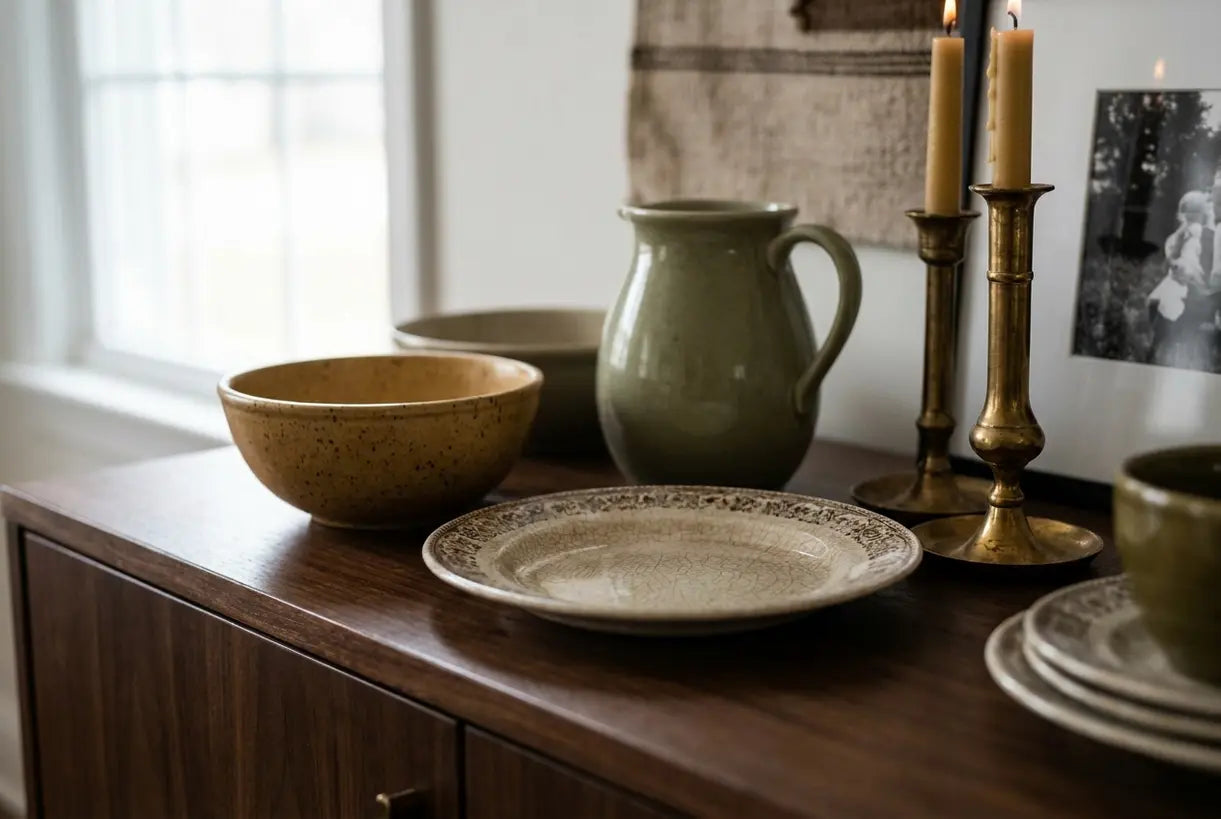
Accessories played crucial roles in personalizing wartime interiors. Ceramic tableware with hand-painted details, brass candlesticks, and carefully curated book collections transformed modest homes into refined retreats. These small luxuries mattered tremendously—their presence said "despite everything, we choose beauty."
Blending 1940s Style With Modern Living: The Authentic Approach
The beauty of 1940s interior design lies in its adaptability. Unlike some historical styles that feel costume-like when replicated, the 1940s aesthetic naturally complements contemporary living. Its emphasis on quality over quantity, craftsmanship over consumption, and intentional beauty over trendiness aligns perfectly with today's slow-living movement.
Start with a foundation piece—a substantial wooden sideboard, a velvet reading chair, or a statement light fixture—then build outward with modern neutrals. The goal isn't time travel; it's creating dialogue between eras. Your grandmother's sensibility meets your minimalist restraint.
Consider scale carefully. Authentic 1940s furniture tended toward substantial proportions (the "huge stuff" syndrome my grandfather joked about). In contemporary open-plan homes, these pieces need room to breathe. One perfectly chosen vintage-inspired piece often creates more impact than a room full of period reproductions.
Table Lamps
Shop all Table Lamps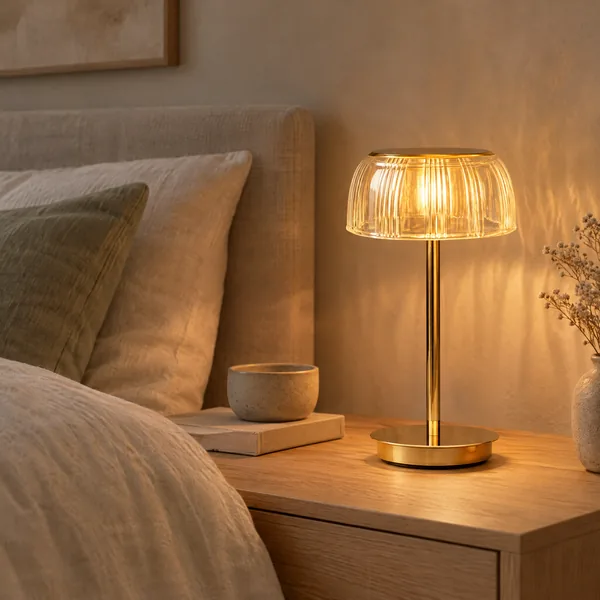
 Save $30.00
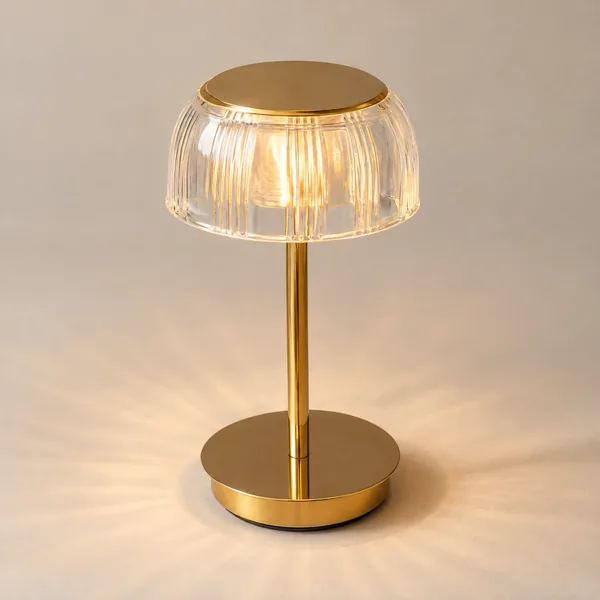
Kvalla Jellyfish LED Rechargeable Table Lamp
 Save $60.00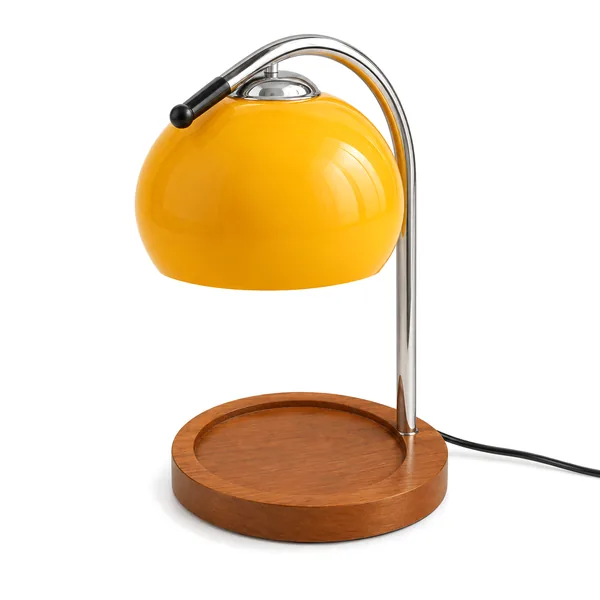
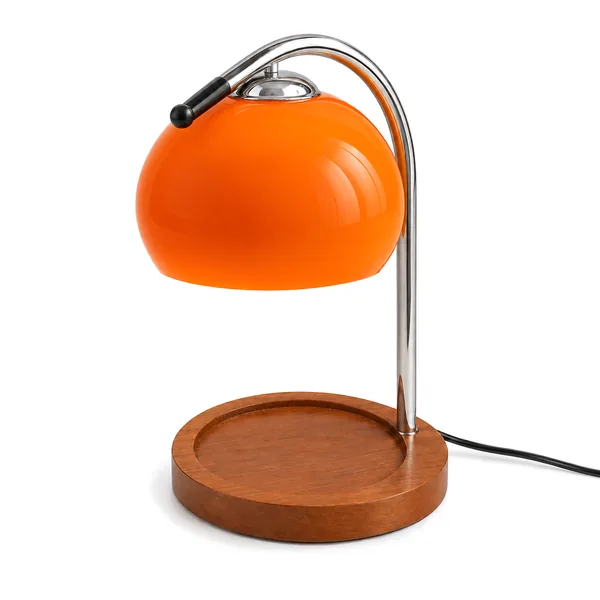
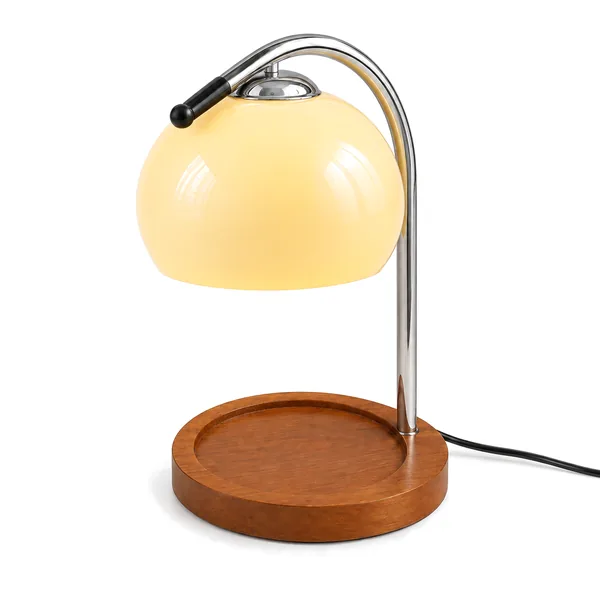 3 options
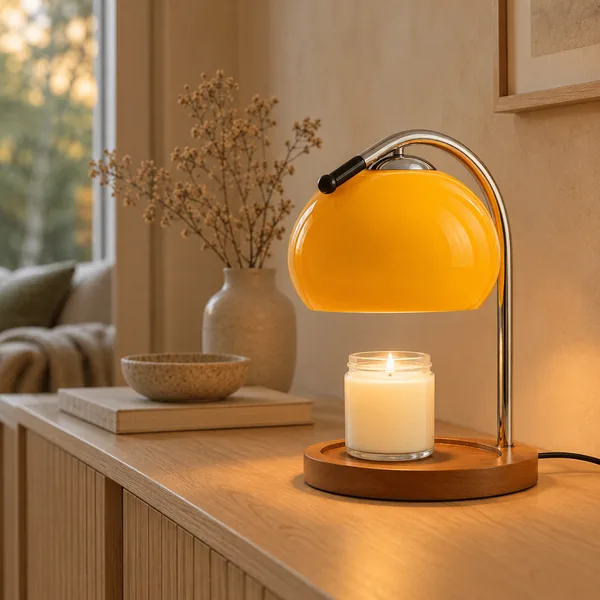
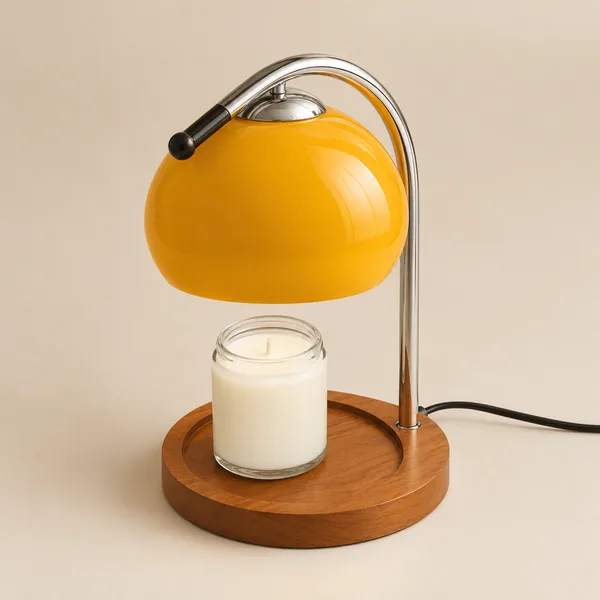
Solvarm Stained Glass Candle Warmer Table Lamp
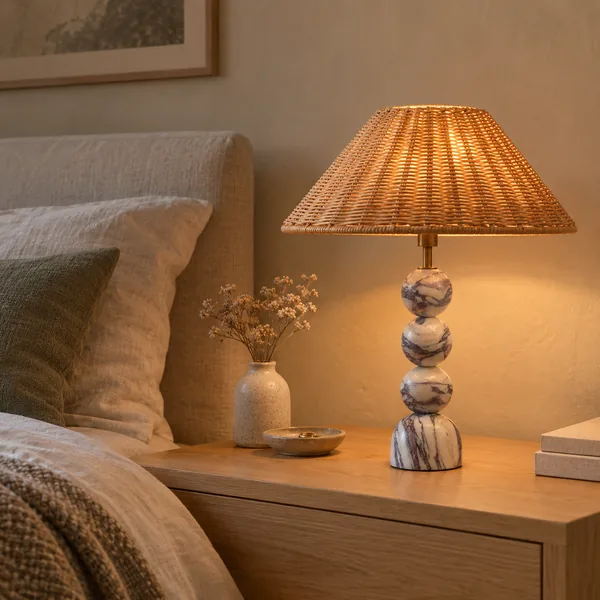
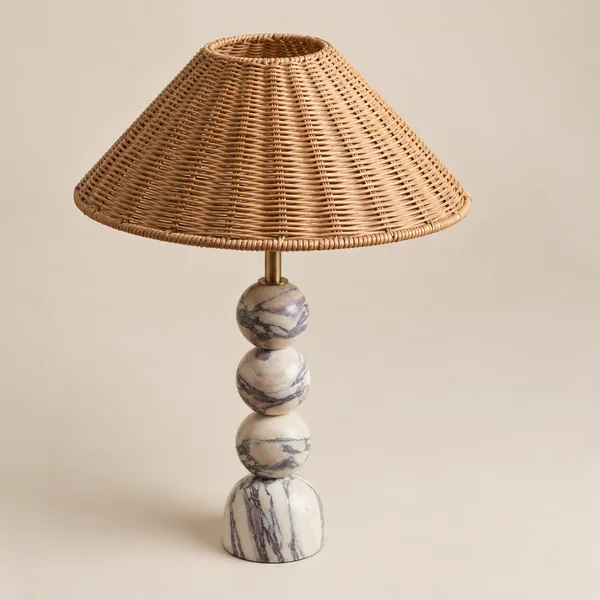 Save $220.00
Stenglo Nordic Marble Table Lamp Rattan Shade
Cozy Corners: Ambient Lighting Solutions
The 1940s perfected the art of the "cozy corner"—that intimate reading nook or conversation alcove where families gathered for radio programs and card games. Recreating this feeling requires layered lighting: ambient overhead sources supplemented with task lighting that creates pools of warmth.
These carefully selected pieces capture that wartime-era ambiance while fitting seamlessly into contemporary Scandinavian-inspired homes:
Create a relevant title
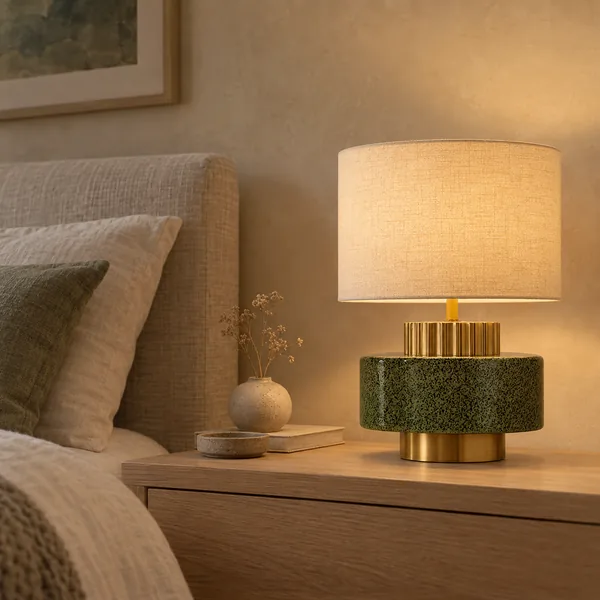 Leireld Artisan Ceramic Pottery Table Lamp Vintage$469.00$789.00
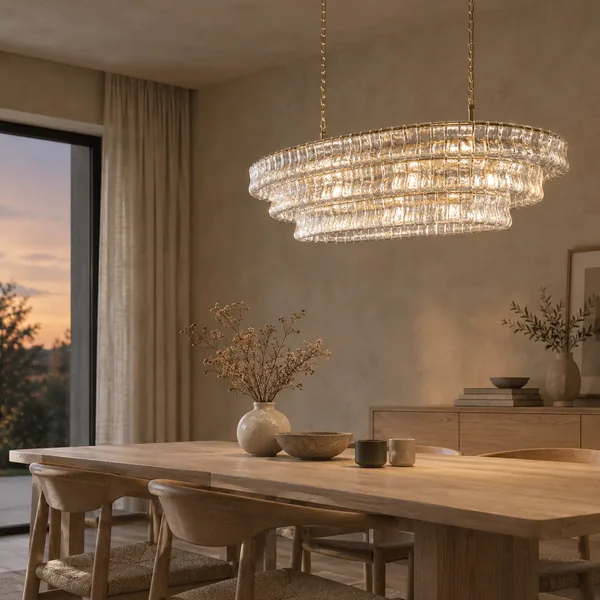 Stjerna Vintage French Clear Glass Chandelier$1,799.00$2,259.00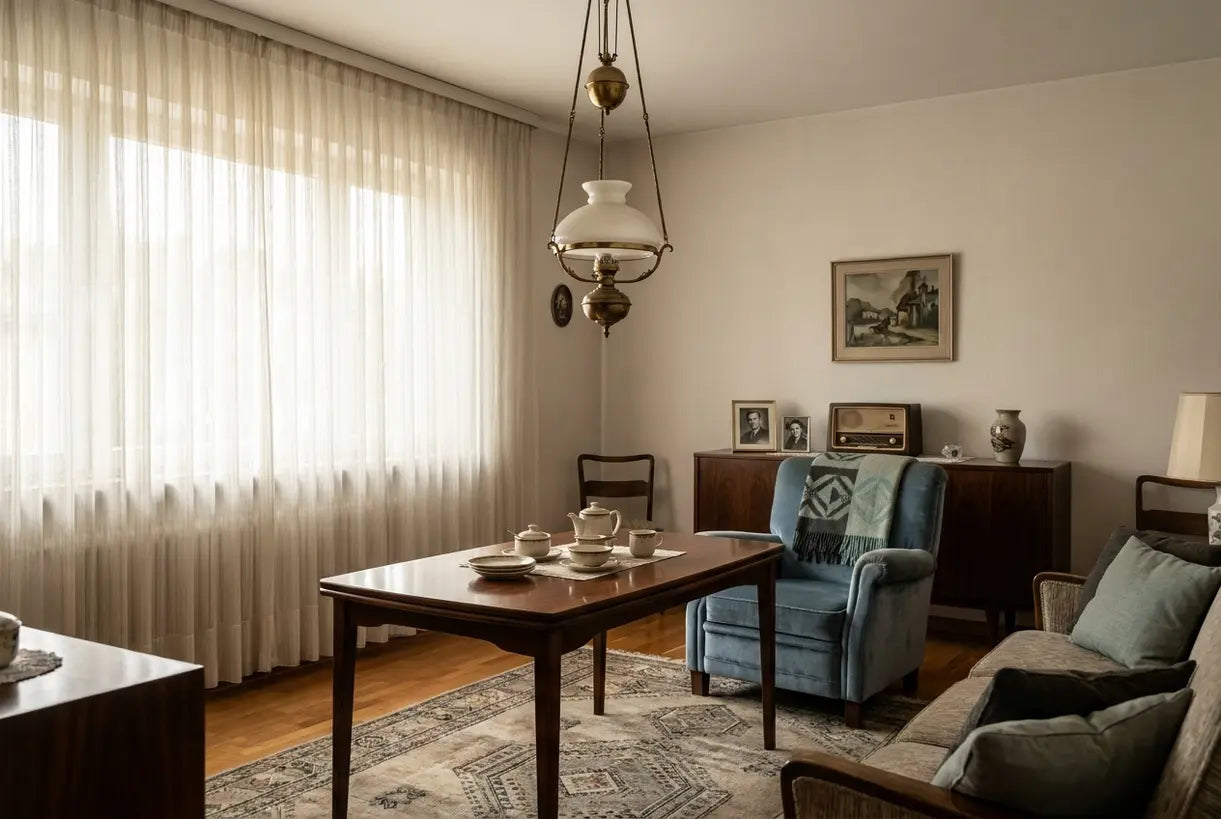
Bringing Wartime Elegance to Your Home Today
The most compelling reason to embrace 1940s home decor isn't nostalgia—it's intentionality. This aesthetic reminds us that beauty needn't be extravagant, that quality materials age gracefully, and that our homes can be both practical and poetic. The wartime generation understood something we've relearned: the spaces we create reflect what we value.
At Skonne, we curate lighting and decor that honors this philosophy—pieces built to last, designed with purpose, and beautiful enough to become the backdrop for your own family's stories. From the Gloda Walnut Brass French Style Pendant Light that anchors your dining room in timeless sophistication, to the artisanal warmth of the Leireld Artisan Ceramic Pottery Table Lamp that transforms corners into sanctuaries, our collection bridges decades while respecting the craftsmanship that defines truly enduring design.
Ready to write your own chapter in the story of wartime elegance? Explore our curated collections and discover how 1940s-inspired pieces can create the warm, intentional home you've been dreaming of. After all, the best design doesn't just reference history—it honors it while living fully in the present.
Related Article
3D Printed Home Decor: Innovative, Customizable Pieces for the Modern HomeExplore how 3D printed home decor brings innovation and customization to modern interiors with unique, sculptural pieces that make a statement.