
Victorian Home Decor: Ornate, Antique-Inspired Style for a Period-Perfect Interior
Summary›
- What Makes a Home Victorian-Style?
- The Six Essential Elements of Victorian Interior Design
- How to Decorate Your Home Victorian-Style: A Practical Approach
- How to Mix Victorian and Modern Decor Successfully
- Common Victorian Interior Mistakes to Avoid
- Bringing Victorian Style into Every Room
- Conclusion: Creating Your Period-Perfect Sanctuary
There's something undeniably captivating about victorian home decor—the opulent textures, rich color palettes, and intricate craftsmanship that defined an era of unapologetic elegance. Whether you're fortunate enough to live in a period property or simply wish to infuse your modern space with antique-inspired character, mastering Victorian style decor creates interiors that tell stories and command attention.
In this guide, we'll explore how to achieve a period-perfect interior that honors nineteenth-century sophistication while remaining utterly livable for contemporary homes. From ornate lighting fixtures to jewel-toned textiles, you'll discover the essential elements that transform ordinary rooms into dramatic, layered sanctuaries reminiscent of Victorian grandeur.
What Makes a Home Victorian-Style?
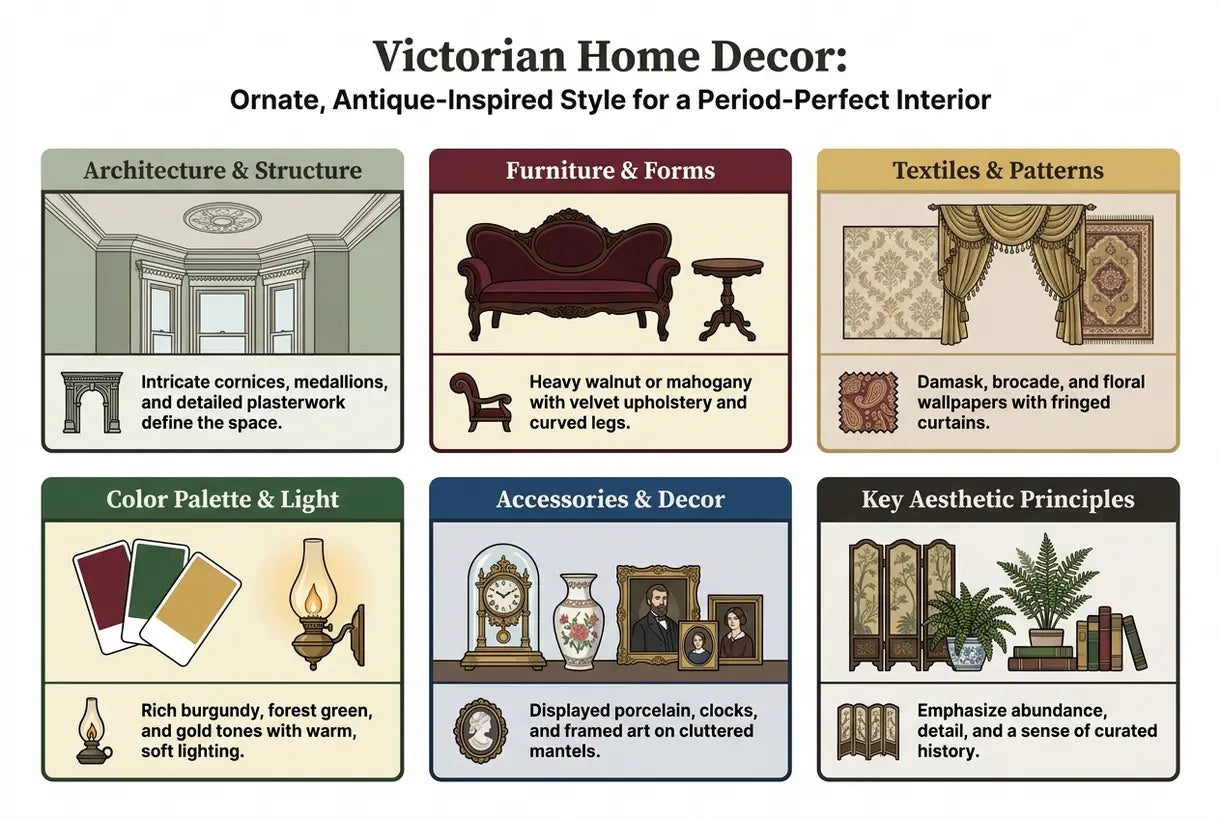
Understanding what makes a home a Victorian-style home requires looking beyond mere aesthetics to the architectural principles and design philosophy that emerged during Queen Victoria's reign (1837–1901). Victorian interiors were visual celebrations of prosperity, craftsmanship, and global influence—spaces designed to impress while providing intimate comfort.
True Victorian style homes are characterized by their architectural details: high ceilings, elaborate moldings, bay windows, and ornate fireplaces. However, even in modern dwellings lacking these structural bones, you can evoke the same spirit through strategic styling choices. The key lies in embracing maximalism—layering patterns, textures, and decorative objects to create spaces that feel collected over time rather than curated overnight.
During this period, the Industrial Revolution made decorative goods more accessible than ever, allowing middle-class families to furnish their homes with elaborate textiles, carved furniture, and statement lighting. This democratization of luxury meant that ornate home styling became not just for aristocrats but for anyone seeking to express their social standing and refined taste.
The Six Essential Elements of Victorian Interior Design
When exploring what are 6 elements of an interior of a Victorian, we uncover the foundational pillars that define this enduring aesthetic. These characteristics work in harmony to create the layered, atmospheric quality that makes Victorian spaces so distinctive.
1. Rich, Moody Color Palettes
Victorian interiors embraced color with dramatic fervor. Unlike the pale, airy sensibilities that preceded and followed this era, Victorian rooms featured deep jewel tones: burgundy, forest green, navy blue, and golden ochre. These saturated hues absorbed gaslight beautifully, creating warm, glowing interiors after sunset. Modern interpretations can balance these darker shades with lighter backgrounds—think deep teal walls with cream trim, or crimson velvet set against pale plaster.
2. Ornate Lighting Fixtures
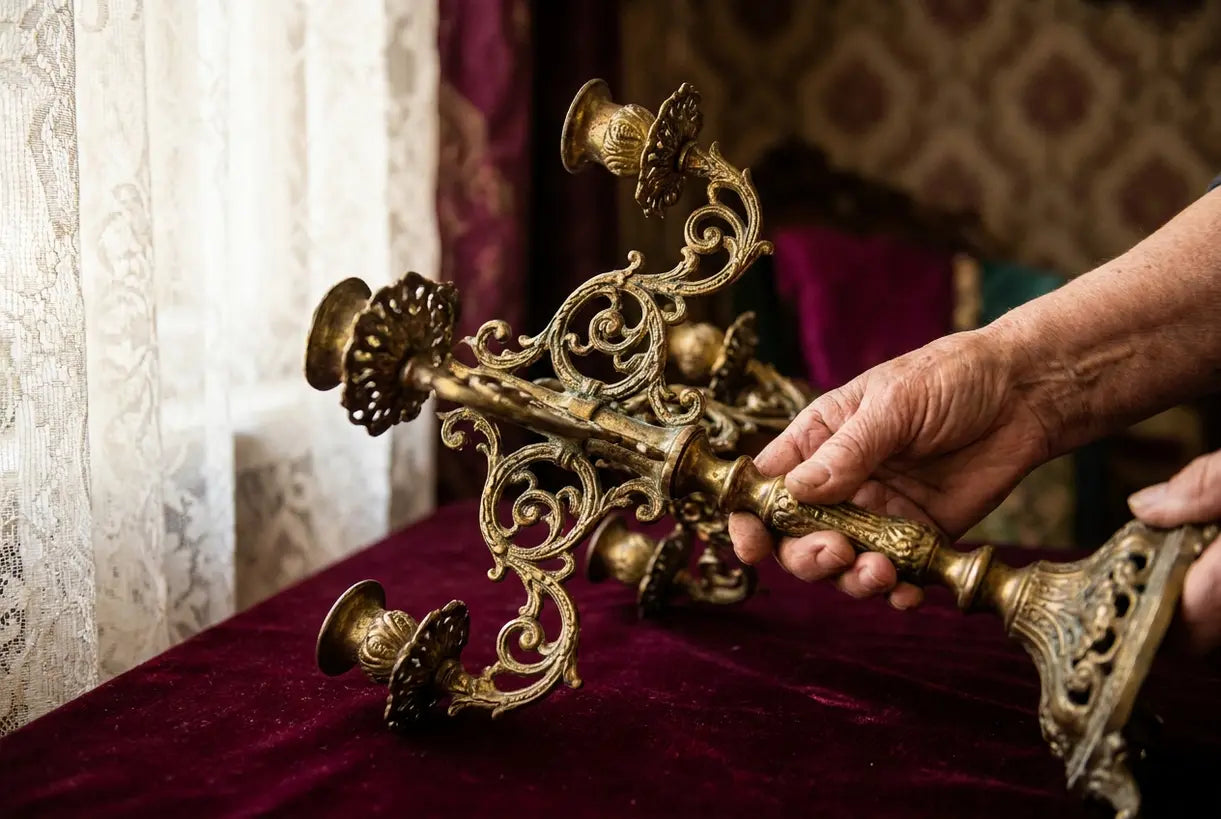
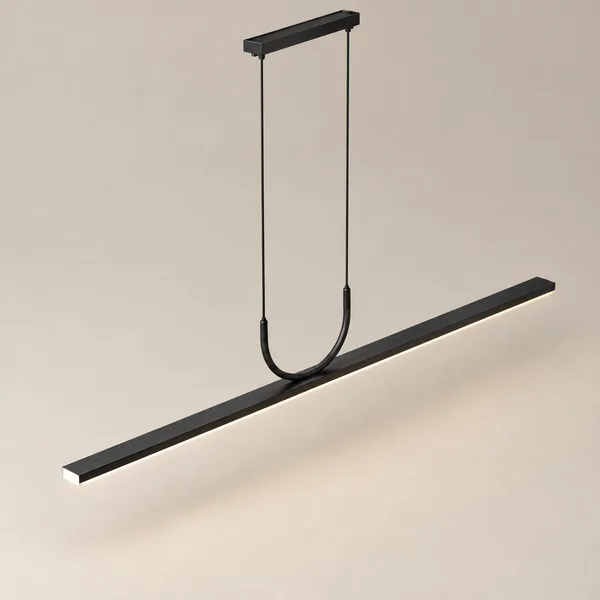
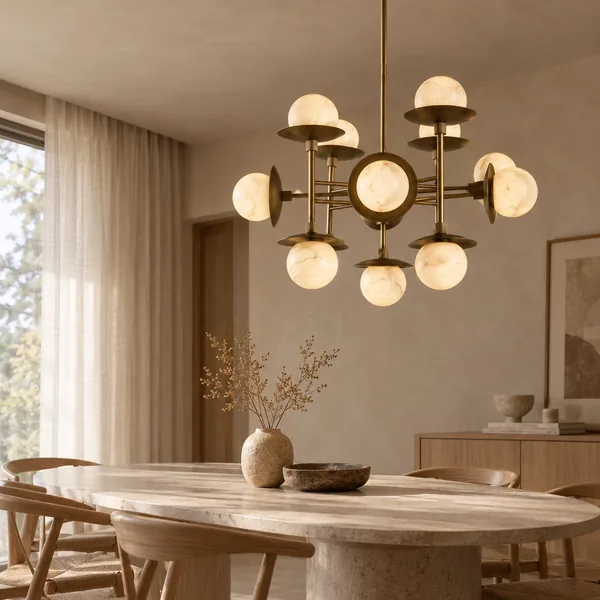
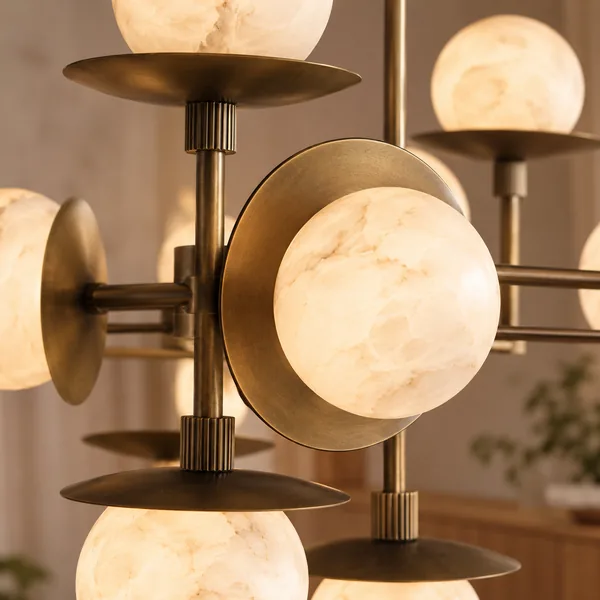
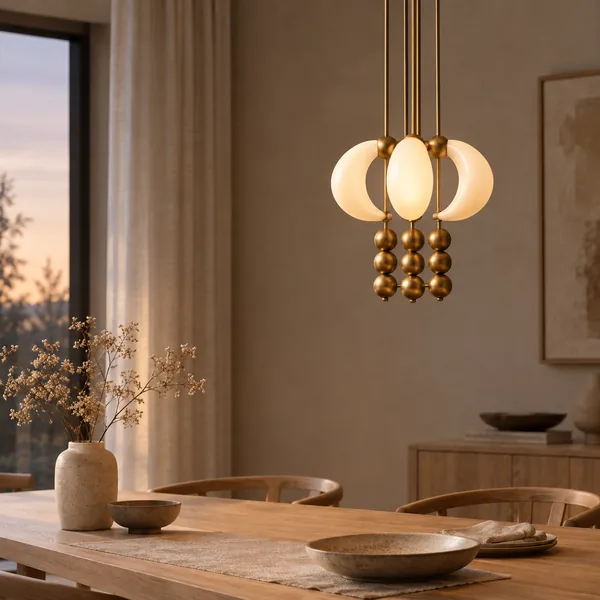
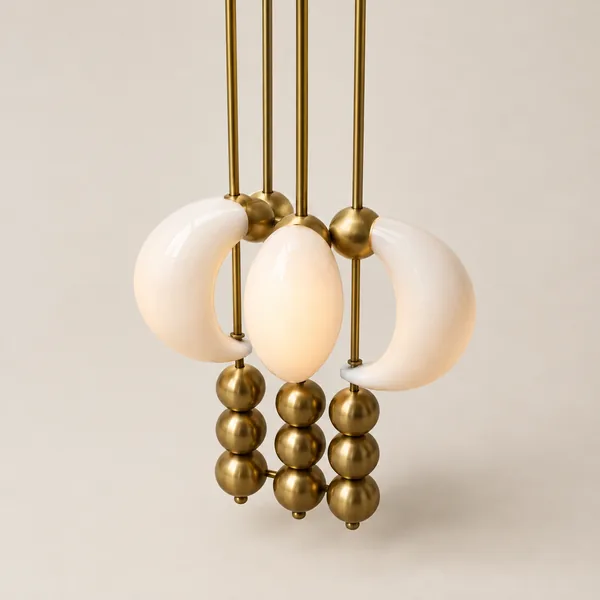
Lighting served as both functional necessity and sculptural art in Victorian homes. Skonne recognizes that statement chandeliers and elaborate sconces anchor Victorian-inspired spaces with immediate period authenticity. The interplay of brass, crystal, and colored glass creates the luminous complexity that defines antique inspired decor. For those looking to explore more options, our Pendant Lights collection offers a curated selection of fixtures that can complement Victorian aesthetics.
3. Layered Textiles and Patterns
Maximalist pattern mixing was a Victorian signature—floral wallpapers alongside striped upholstery, damask curtains framing geometric rugs. The secret to success lies in maintaining a cohesive color story. Choose three to four complementary colors and vary the scale of patterns: large florals, medium stripes, and small geometric prints create visual interest without chaos.
Chandeliers
Shop all Chandeliers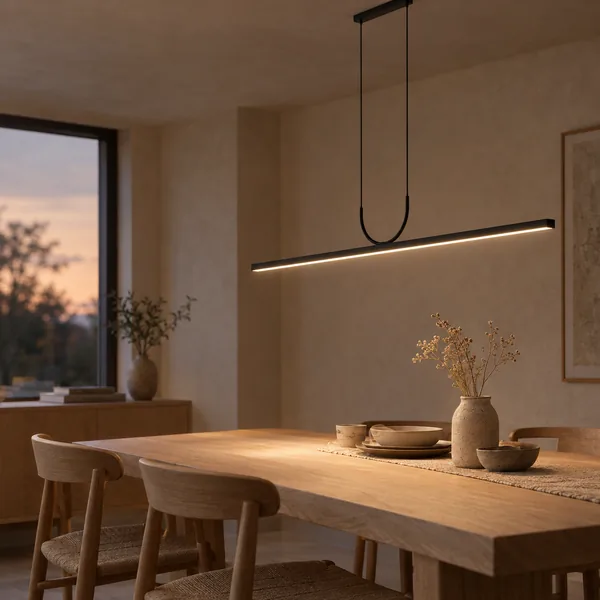
4. Curated Collections and Decorative Objects
Victorian interiors celebrated the "cabinet of curiosities" aesthetic—displaying collections of ceramics, globes, botanical specimens, and art objects. This approach to victorian design elements creates conversation pieces while demonstrating intellectual curiosity. Group objects by theme or color, and vary heights using books or decorative stands to create dynamic vignettes.
5. Ornate Architectural Details
From crown moldings to carved corbels, architectural embellishment added depth and shadow to Victorian walls. Modern homeowners can incorporate these victorian decorating tips by adding picture rails, installing decorative ceiling medallions around light fixtures, or applying embossed wallpaper that mimics the look of carved plaster.
6. Dark Wood and Leather Furnishings
Furniture in Victorian homes prioritized substance and craftsmanship. Mahogany, walnut, and rosewood pieces featured carved details, turned legs, and tufted leather upholstery. While authentic antiques offer unmatched character, contemporary reproductions can provide similar visual weight without the vintage price tag or fragility concerns.
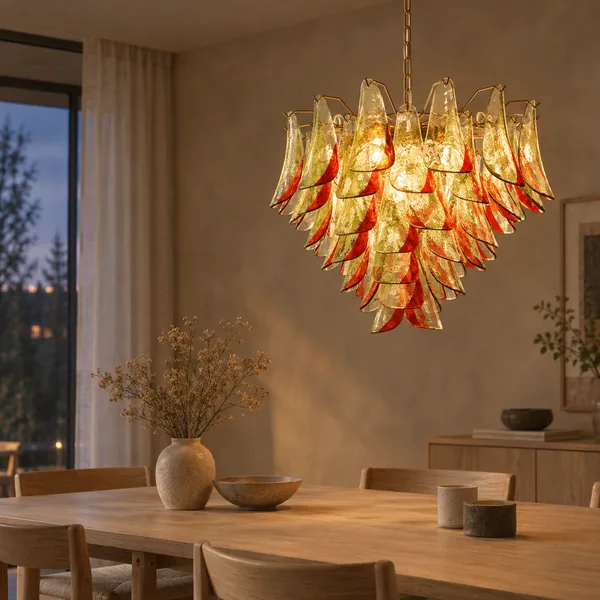
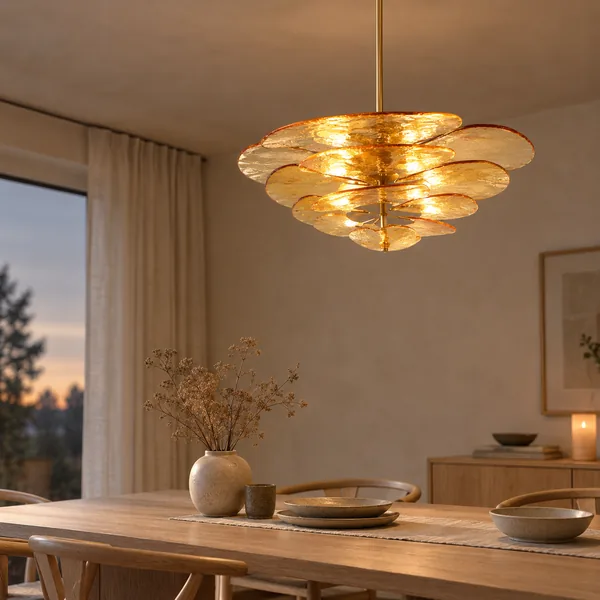 Ravglo Handcrafted Amber Stained Glass Chandelier$899.00$1,389.00
How to Decorate Your Home Victorian-Style: A Practical Approach
Executing victorian home decor ideas doesn't require moving into a historic brownstone or sourcing exclusively from auction houses. The key is approaching your space methodically, building layers that reference the era while accommodating modern lifestyles.
Begin by establishing your color foundation. Choose a deep, saturated hue for walls—or if that feels too permanent, introduce it through textiles and artwork. Next, anchor each room with a statement lighting fixture. The Ravglo Handcrafted Amber Stained Glass Chandelier exemplifies this approach, offering warmth through its honeyed glow and intricate hand-cut panels that cast dancing shadows reminiscent of nineteenth-century gaslight.
Furniture selection should prioritize pieces with turned legs, tufting, and carved details. Mix authentic antiques with reproduction pieces to balance budget and authenticity. When arranging your space, create intimate conversation areas rather than open-concept layouts—Victorian rooms were designed for receiving guests and private family gatherings, not television viewing.
Accessorize with intention. Victorian homes displayed collections that reflected travel, intellectual pursuits, and sentimental value. Stack leather-bound books, arrange brass candlesticks in groups of three, and frame botanical prints in ornate gold frames. Remember that asymmetry feels more authentic than perfect symmetry—Victorian taste favored the "collected over time" appearance.
How to Mix Victorian and Modern Decor Successfully
The most compelling modern victorian home decor doesn't replicate museum period rooms but rather reinterprets Victorian sensibilities for contemporary living. Understanding how to mix Victorian and modern decor allows you to honor history without sacrificing comfort or relevance.
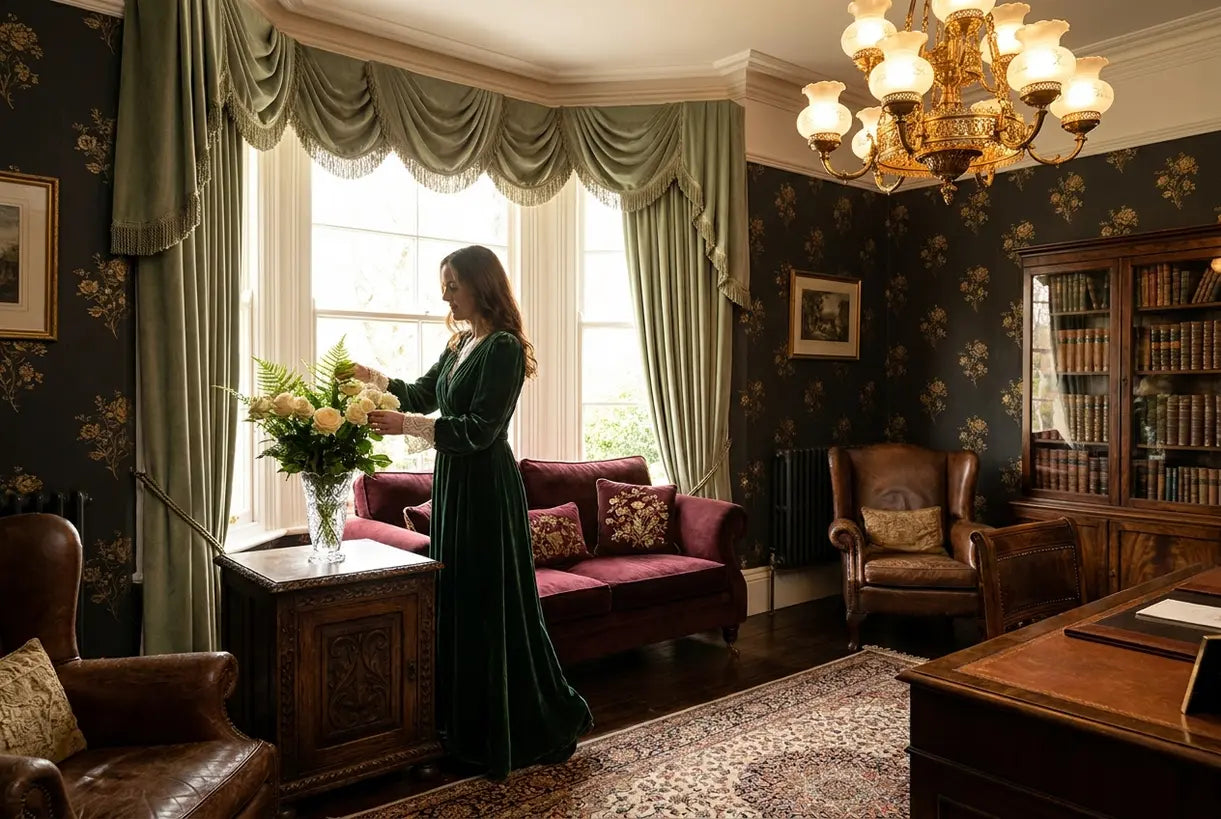
The 80/20 rule serves many designers well: dedicate 80% of your space to either Victorian or modern foundations, using the remaining 20% for contrasting elements. For instance, pair a grand Victorian settee with clean-lined modern side tables, or hang an ornate crystal chandelier above a minimalist dining table. This tension between old and new creates visual interest while preventing your space from feeling like a themed attraction.
Contemporary amenities—televisions, computers, kitchen appliances—can be concealed within Victorian-style furniture or integrated thoughtfully. The goal is period perfect interior styling that acknowledges modern necessities without letting them dominate the aesthetic narrative.
Lighting plays a crucial role in bridging eras. While traditional Victorian fixtures provide ambient glow, modern LED technology offers energy efficiency and adjustable color temperatures. The Klarglod Dimmable Nordic K9 Crystal Chandelier demonstrates how ornate crystal and gold detailing can satisfy Victorian opulence while offering contemporary functionality like dimmable controls.
Statement Lighting for Victorian-Inspired Spaces
 Klarglod Dimmable Nordic K9 Crystal Chandelier$889.00$1,279.00
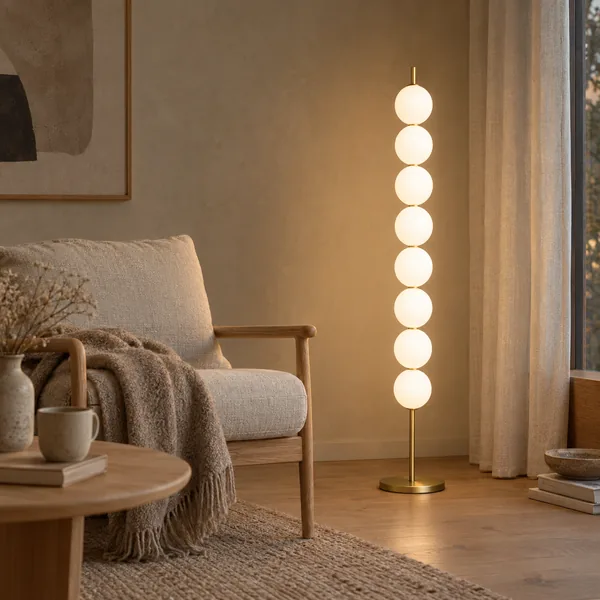 Glödra Nordic Brass Floor Lamp Statement Light$439.00$639.00
Common Victorian Interior Mistakes to Avoid
Even with the best intentions, what are common Victorian interior mistakes can derail your design vision. Understanding these pitfalls saves time, money, and disappointment while ensuring your space achieves authentic character rather than caricature.
Over-accessorizing without cohesion ranks among the most frequent errors. While Victorians loved their collections, successful displays followed underlying logic—grouping by color, material, or theme. Random accumulations of unrelated objects create cluttered chaos rather than curated elegance. Edit your collections ruthlessly, rotating pieces seasonally rather than displaying everything simultaneously.
Ignoring scale and proportion presents another challenge. Victorian furniture tends toward the substantial—oversized sofas, tall case pieces, and heavy tables. In modern homes with lower ceilings and smaller rooms, these pieces can overwhelm. Choose scaled-down Victorian-inspired reproductions or authentic "petite antique" pieces designed for urban row houses rather than country estates.
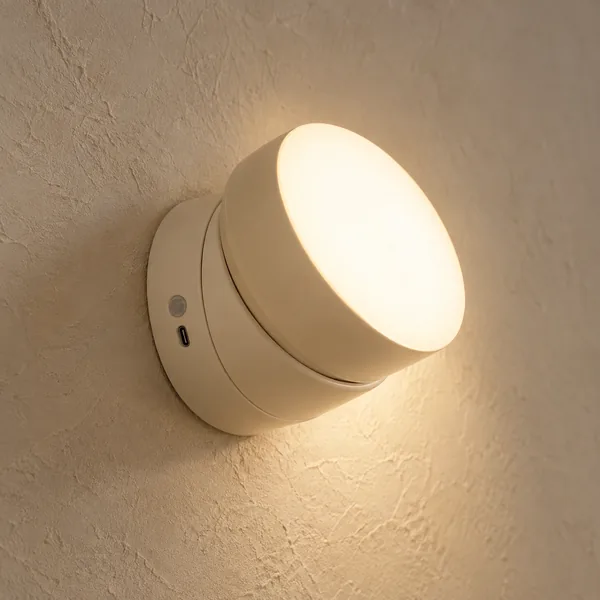
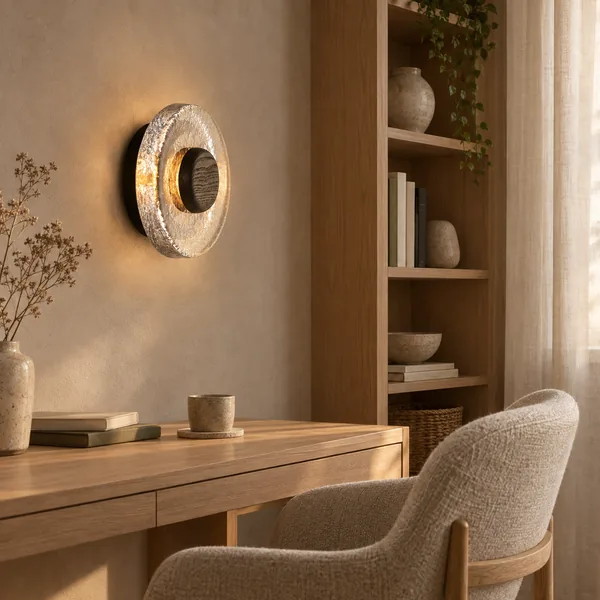
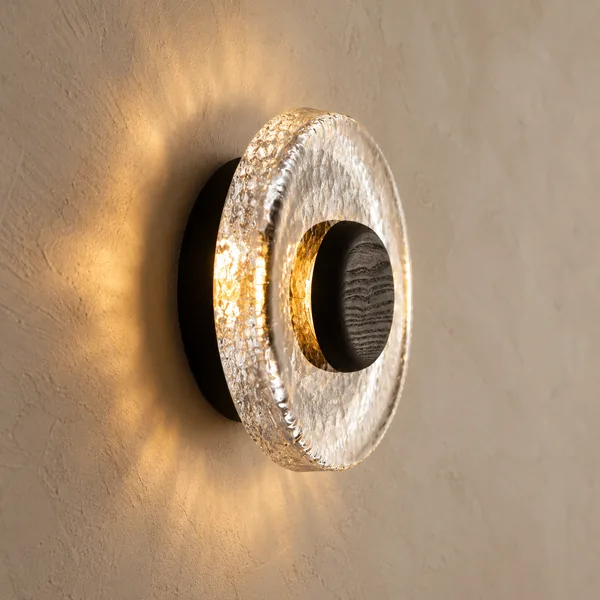
Neglecting lighting layers undermines the atmospheric quality essential to victorian interior design. Relying solely on overhead fixtures misses the opportunity to create the intimate pools of light that defined Victorian evenings. Incorporate table lamps, wall sconces, and candlelight to achieve the warm, layered illumination that makes these spaces feel magical.
The Glödra Nordic Brass Floor Lamp addresses this need perfectly, offering sculptural presence and warm brass tones that complement Victorian aesthetics while providing adjustable task lighting for reading or needlework—activites favored in nineteenth-century parlors.
Wall Lights
Shop all Wall Lights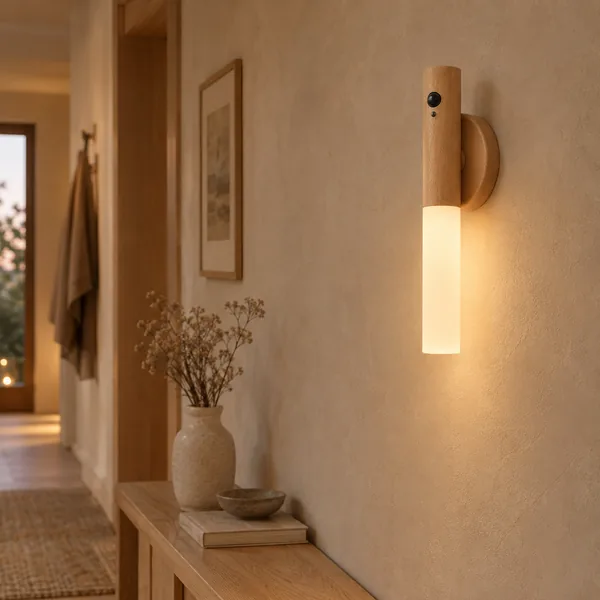
Bringing Victorian Style into Every Room
Applying victorian style decorating principles throughout your home creates cohesive storytelling while allowing each room to serve its unique function. In dining rooms, emphasize formal entertaining with a substantial table, upholstered chairs, and a dramatic chandelier suspended from a decorative ceiling medallion. Libraries and studies benefit from floor-to-ceiling bookcases, leather club chairs, and green-shaded banker's lamps.
Bedrooms become sanctuaries with four-poster beds dressed in lace-trimmed linens and velvet draperies. Even bathrooms can embrace the aesthetic through clawfoot tubs, brass fixtures, and patterned floor tiles reminiscent of Victorian encaustic designs.
Remember that authentic Victorian homes evolved over decades, with families adding layers as means allowed. Your space should reflect similar patience—collecting pieces gradually rather than furnishing entirely at once. This approach yields a traditional victorian decor scheme that feels genuine, personal, and deeply layered.
Conclusion: Creating Your Period-Perfect Sanctuary
Mastering victorian home decor requires embracing a design philosophy that celebrates craftsmanship, history, and atmospheric living. By understanding the six essential elements—from rich color palettes to ornate lighting fixtures—you create interiors that honor the past while accommodating present-day needs.
The journey toward a period-perfect interior doesn't demand historical accuracy at the expense of comfort. Instead, successful victorian aesthetic home design balances ornate antique charm with thoughtful modern functionality. Whether you're incorporating a single statement chandelier or completely transforming your living spaces, each element should contribute to the warm, layered, and intentionally collected atmosphere that defines this beloved style.
At Skonne, we believe exceptional lighting serves as the cornerstone of transformative interior design. Our curated collection of chandeliers, floor lamps, and decorative fixtures offers the ornate home styling elements necessary to anchor your Victorian-inspired vision. From amber stained glass that casts honeyed shadows to brass finishes that patina beautifully with age, discover pieces that bridge nineteenth-century elegance with contemporary craftsmanship. Explore our collections today and illuminate your home with the timeless sophistication it deserves.
Related Article
1940s Home Decor: Wartime Elegance & Mid-Century Style Ideas for a Classic InteriorExplore wartime elegance with our guide to 1940s home decor. Discover classic mid-century style ideas for creating a vintage-inspired, sophisticated interior.