
Ambient Lighting for the Living Room: How to Create Mood, Warmth & Atmosphere
Summary›
- What Exactly Is Ambient Lighting?
- The 5-7 Lighting Rule: A Framework for Balance
- How to Layer Light in Your Living Room
- The Science of Color Temperature for Cozy Light
- How to Achieve the Cozy Ambient Lighting Vibe
- Essential Fixtures for Warm Ambient Light
- Expert Tips for Implementing Your Ambient Lighting Scheme
- Creating Your Perfect Living Room Atmosphere
Your living room is more than just a space—it's where evenings unfold, conversations linger, and memories are made. The secret to transforming this central area into a true sanctuary lies not in expensive furniture or trendy paint colors, but in something far more fundamental: ambient lighting for the living room. When executed thoughtfully, this invisible design element creates warmth and atmosphere that invites you to pause, breathe, and truly feel at home.This comprehensive guide reveals how to craft an intentional lighting scheme rooted in Scandinavian principles of hygge—that cozy, contented feeling the Danes have perfected. You'll discover the science behind warm lighting, practical frameworks for layering multiple sources, and why the right fixtures can make or break your evening ambiance.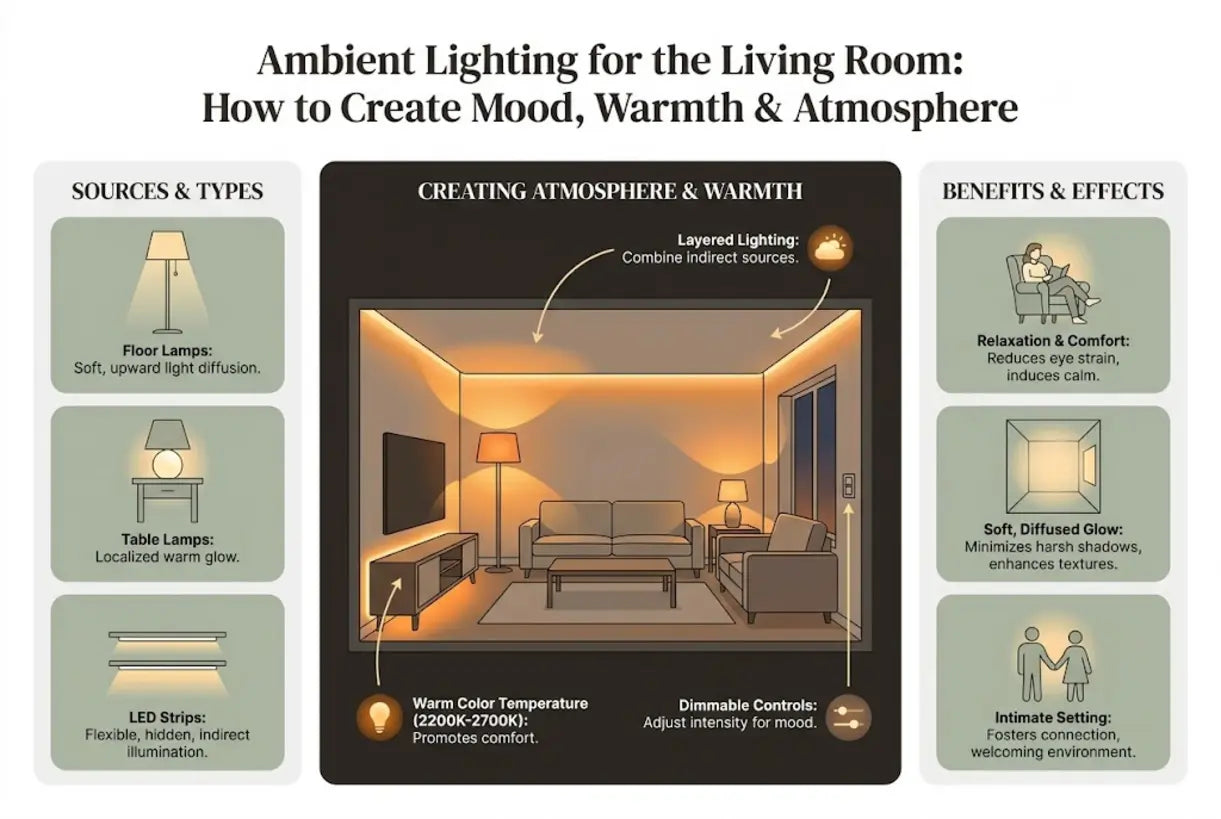
What Exactly Is Ambient Lighting?
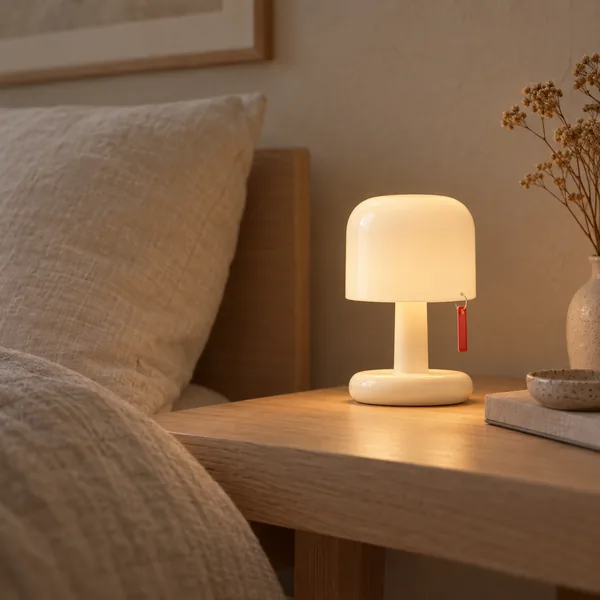
Ambient lighting is the foundation of your living room's visual comfort—a soft, diffused glow that fills the space and allows you to move safely while setting the emotional tone. Unlike harsh overhead fixtures or blinding task lights, effective ambient lighting mimics the gentle warmth of golden hour, wrapping your room in a welcoming embrace that extends long after sunset.This foundational layer differs purposefully from accent and task lighting. While a reading lamp illuminates a specific spot and accent lighting highlights artwork, ambient lighting for the living room works holistically. It's the gentle wash of light from a floor lamp tucked in a corner, the subtle glow of a sconce grazing a wall, or the diffused radiance from a strategically placed table lamp. Together, these sources eliminate harsh shadows and create that coveted warm glow living room experience our bodies naturally crave.The 5-7 Lighting Rule: A Framework for Balance
Interior designers frequently reference the 5-7 lighting rule when planning living room illumination. This approach suggests incorporating between five and seven distinct light sources throughout your space—not all illuminated simultaneously, but available for layering based on mood, time of day, and activity.This rule prevents the common pitfall of relying on a single overhead fixture that floods the room with flat, unflattering light. Instead, imagine a symphony of illumination: a ceiling pendant providing gentle background light, two floor lamps anchoring opposite corners, a table lamp on a side console, and perhaps wall sconces or candles adding the final atmospheric layer. When you need bright illumination for cleaning or entertaining, all sources work together. For intimate evenings, perhaps only two or three gentle pools of light remain active.The genius of this method lies in its adaptability. You don't need to purchase seven fixtures immediately. Start with three quality sources—perhaps a statement floor lamp, a table lamp, and overhead fixture—and gradually build your collection. Each addition brings new dimension and flexibility to how you experience your space after dark.How to Layer Light in Your Living Room
Layering light in a living room follows a simple hierarchy: start with your ambient foundation, add task lighting where needed, then finish with accent details. For ambient purposes specifically, focus on creating multiple low-level light sources at varying heights rather than one central bright point.Begin by identifying your room's natural architecture. Dark corners are prime candidates for floor lamps, while bare walls present opportunities for sconces that wash light upward and outward. The perimeter of your living room should feel illuminated—this soft boundary light creates depth and prevents that "floating island" feeling of furniture lit from above alone.Position fixtures to work in conversation with each other. Two floor lamps on opposite ends of a sofa create balanced illumination without competing glare. A lamp on a side table near a reading chair pairs beautifully with a sconce behind it, creating dimensional depth. Remember, the goal isn't uniform brightness but rather a varied landscape of gentle pools and soft shadows that make the space feel lived-in and intimate.Living Room Lighting
Shop all Living Room
 Save $110.00
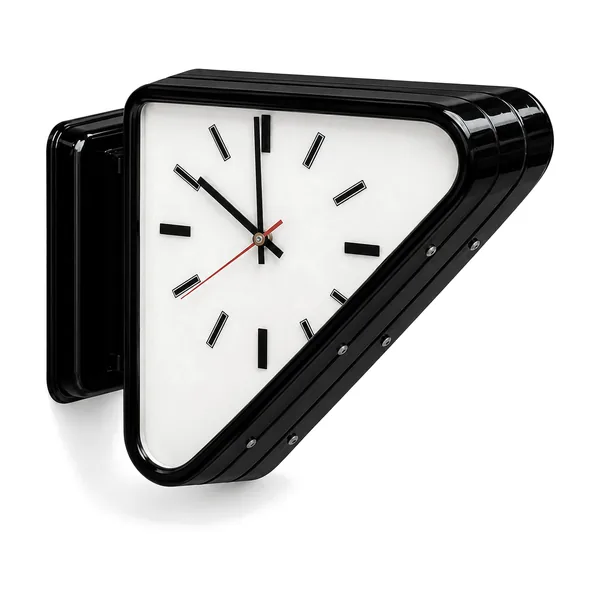
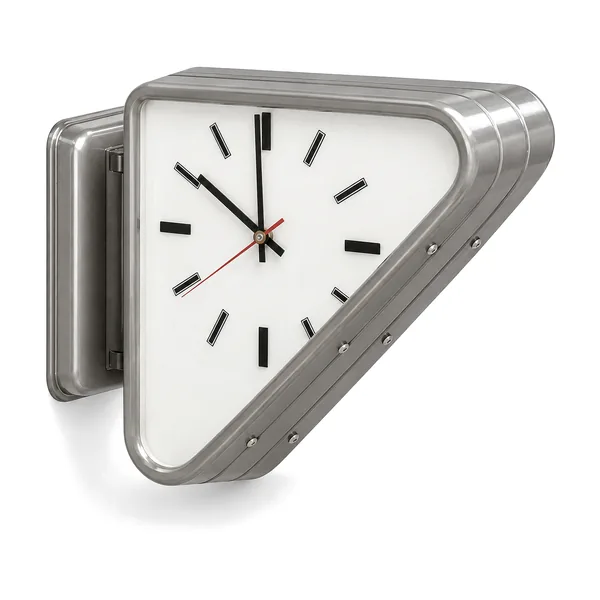
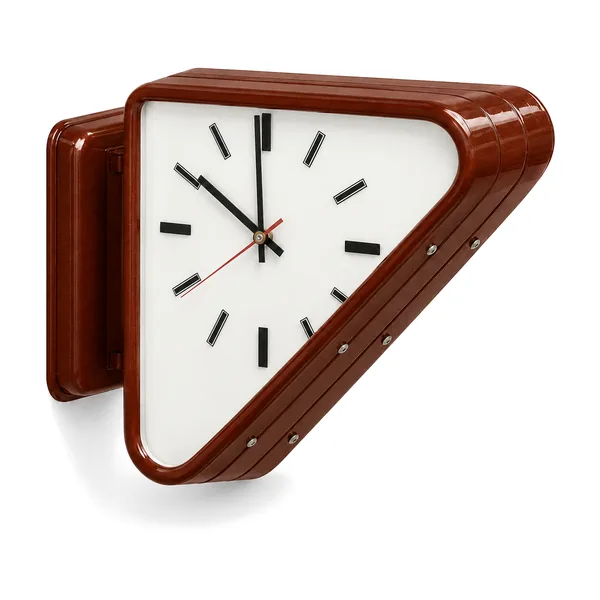 +15 options
Tvilling Dual-Sided Geometric Metal Wall Clock
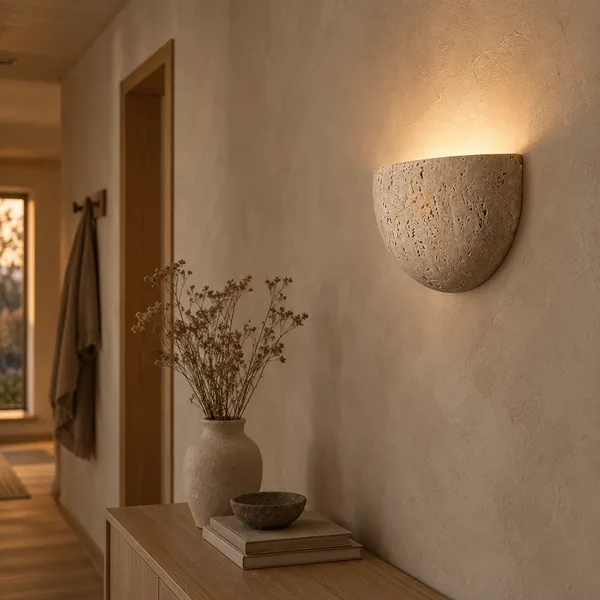
 Save $70.00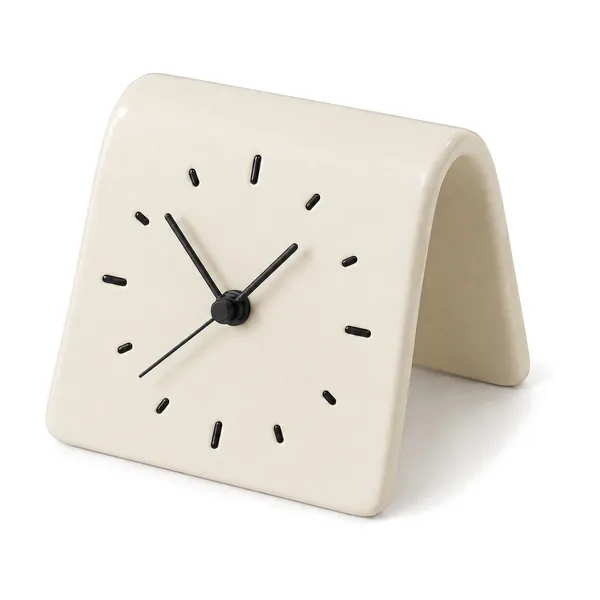
 +37 options
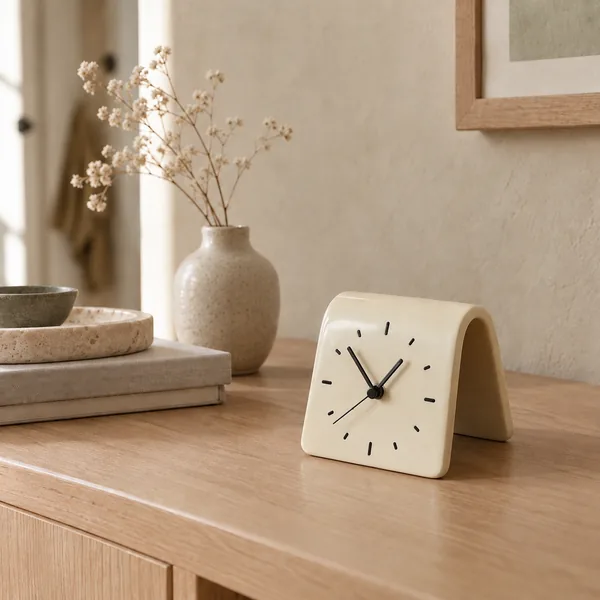
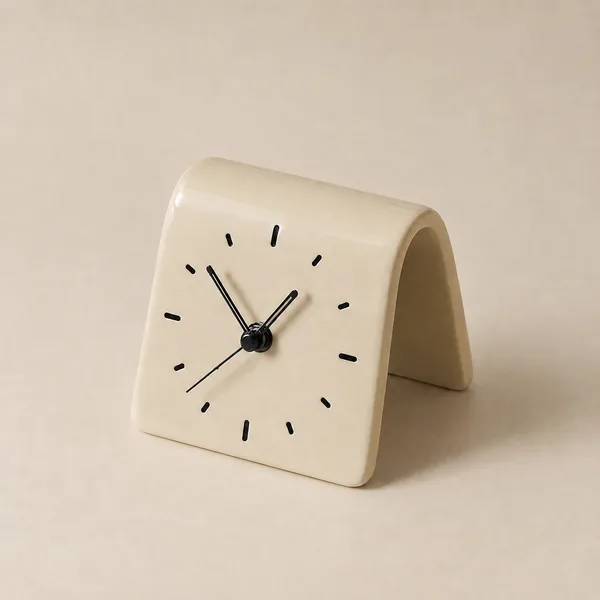
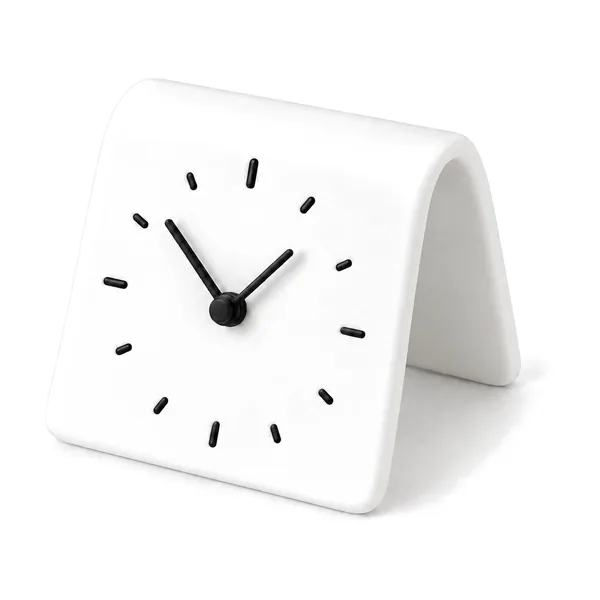
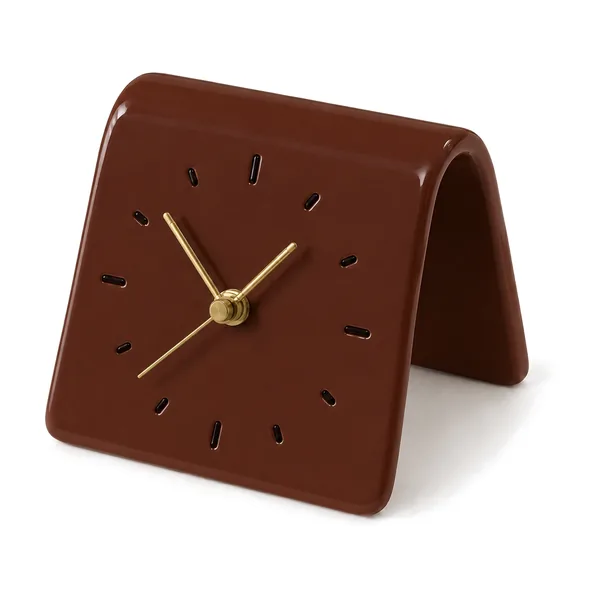
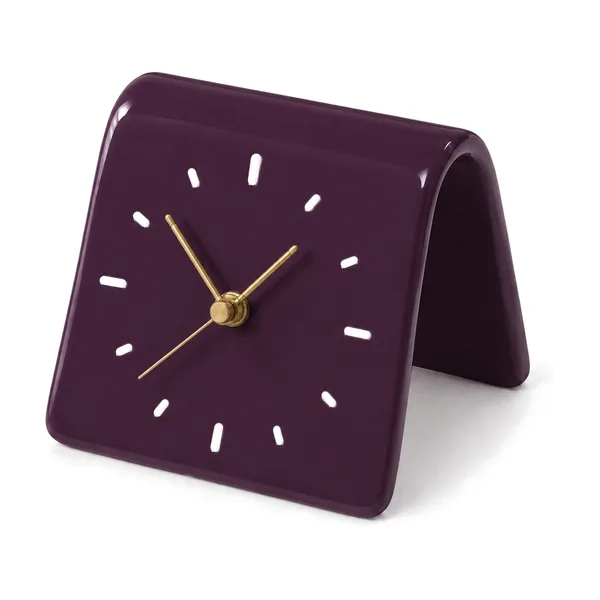
Tilje Silent Ceramic Desk Clock for Modern Homes
The Science of Color Temperature for Cozy Light
One of the most impactful yet underappreciated aspects of cozy living room lighting is color temperature, measured in Kelvins (K). This technical specification determines whether your light feels warm and inviting or clinical and harsh.For living rooms specifically, designers universally recommend 2700K to 3000K color temperatures. At this range, light takes on the warm golden tones of late afternoon sun or candlelight—wavelengths that signal safety and relaxation to our primal brain chemistry. Research into circadian rhythms and blue light exposure from Harvard Health confirms that warmer evening lighting supports healthy sleep patterns and reduced eye strain.Avoid anything above 3500K for ambient purposes. These cooler temperatures mimic midday sun and trigger alertness—appropriate for offices and kitchens, but counterproductive for spaces designed for winding down. When shopping for bulbs or fixtures, look explicitly for "warm white" or "soft white" designations. Some homeowners even prefer 2200K "ultra warm" bulbs for the most candle-like ambiance possible.How to Achieve the Cozy Ambient Lighting Vibe
Creating genuine coziness extends beyond bulb selection to encompass how light behaves in your space. The Danish concept of hygge—the art of creating comfort and contentment—centers heavily on lighting as a mood-setting tool. In Scandinavian homes, you'll rarely find overhead lights glaring down. Instead, multiple soft sources at eye level or below create flattering, human-scale illumination.Start by dimming. Installing dimmer switches or selecting dimmable fixtures allows you to calibrate light intensity to the moment. Full brightness serves practical purposes; 30-40% brightness transforms the same room into an evening retreat. Consider the shadows light creates, too. A bare bulb broadcasts harshly in all directions, while a shaded fixture or one with a diffuser softens edges and creates gentle gradients.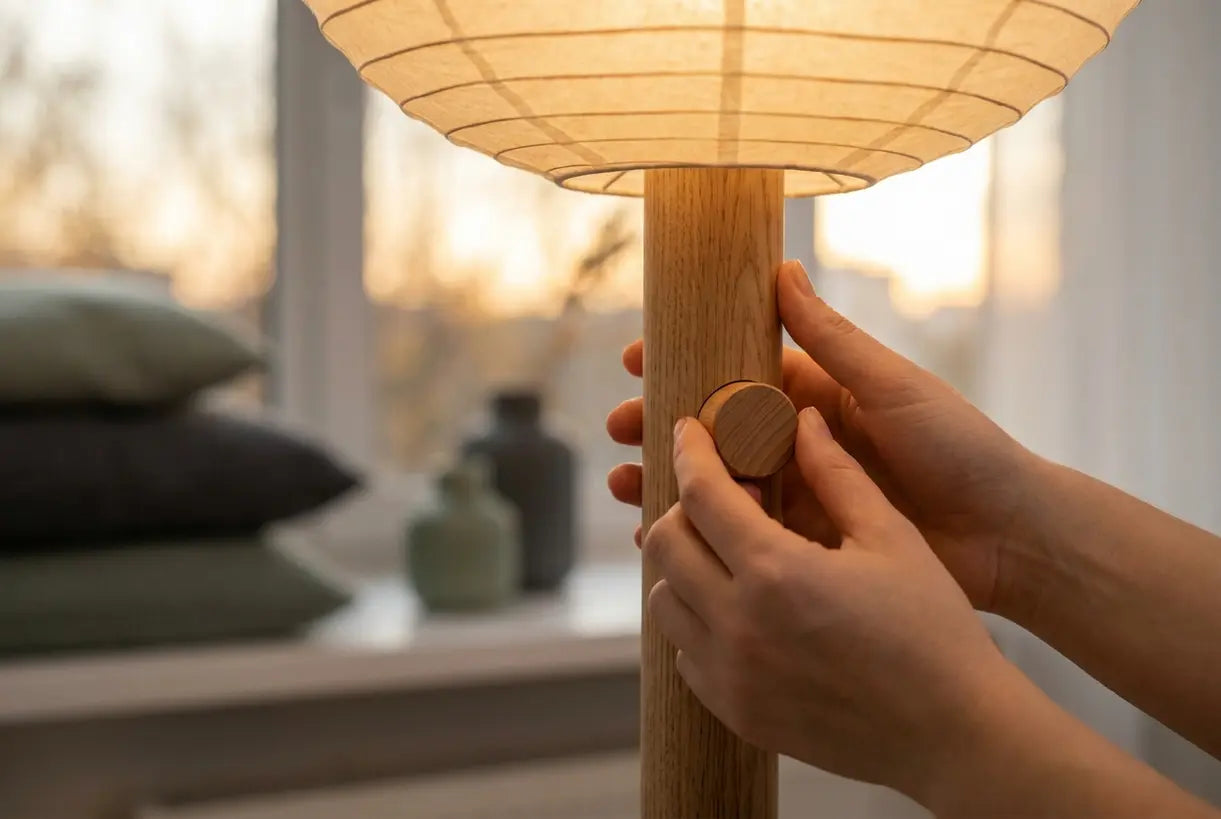 The Kveld Scandinavian Mushroom Floor Lamp Walnut exemplifies this philosophy perfectly. Its sculptural mushroom form features a soft diffused glow that grounds any corner in warm light without overwhelming your space. The walnut-toned base adds organic warmth that complements natural interiors, creating an immediate hygge atmosphere perfect for reading nooks and conversation areas.
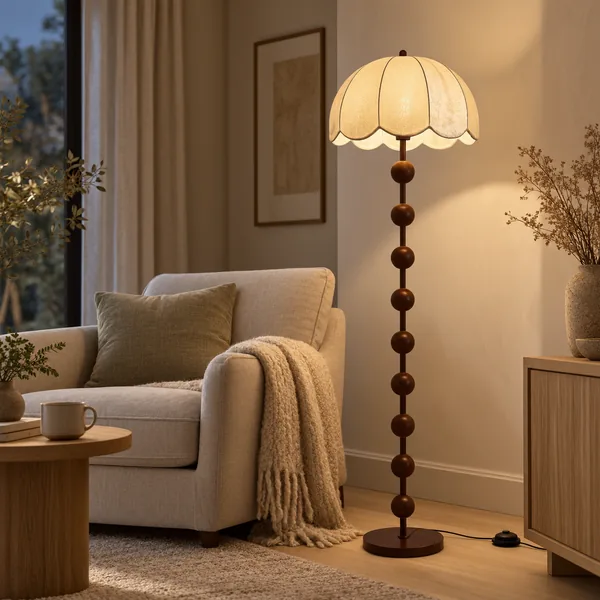 Kveld Scandinavian Mushroom Floor Lamp Walnut$219.00$349.00
Essential Fixtures for Warm Ambient Light
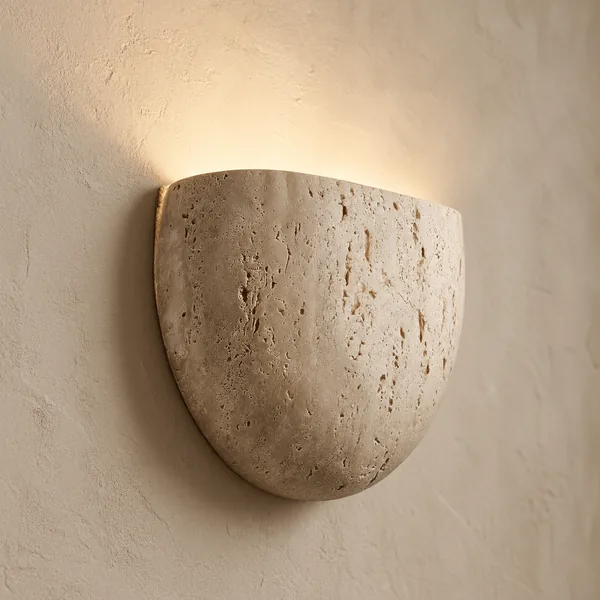
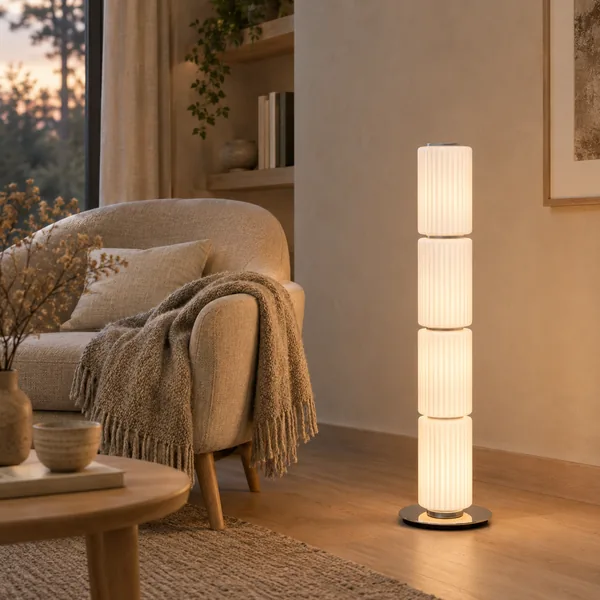
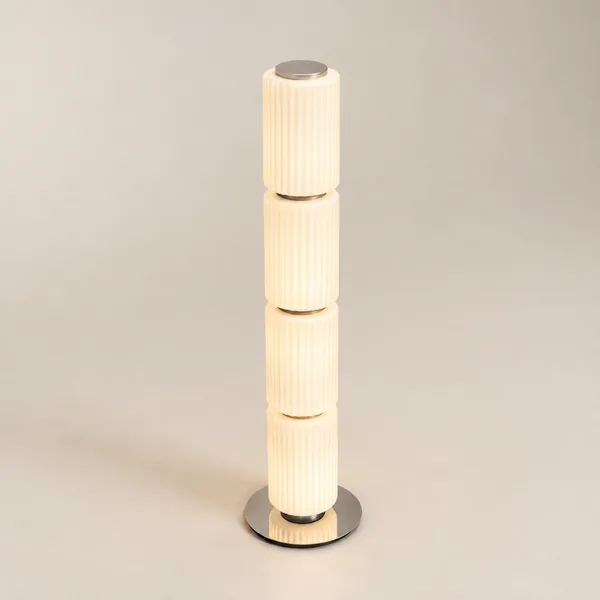
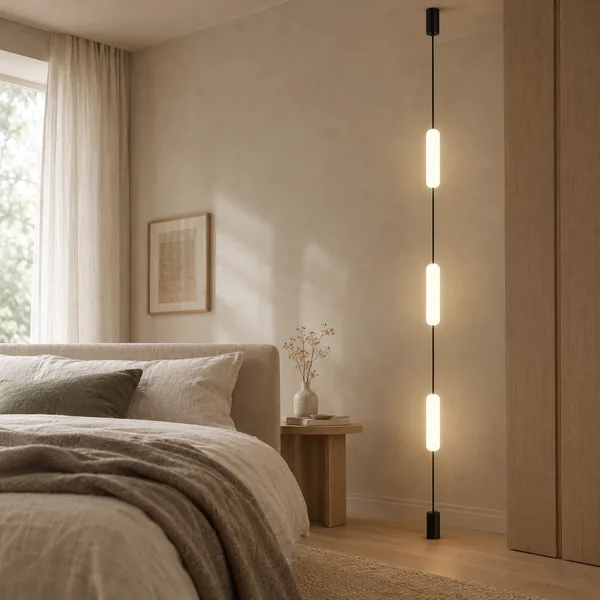
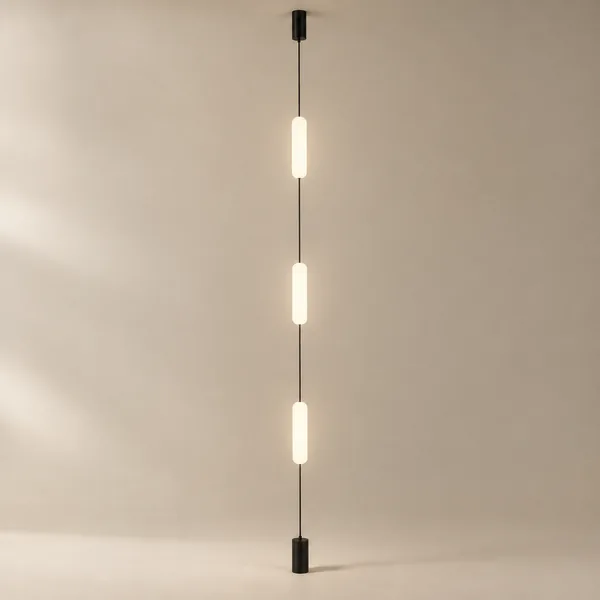
Certain fixture types excel at creating ambient illumination more than others. For soft living room lighting, two categories stand above the rest: floor lamps and wall sconces. Both position light at human scale rather than descending from above, creating that flattering, enveloping quality that makes spaces feel immediately welcoming.Floor lamps serve as portable ambient anchors. Placed in corners, behind seating, or flanking a sofa, they cast light both upward and outward, filling surrounding space with gentle radiance. The key is selecting designs with substantial shades or diffusers that prevent harsh glare while maximizing warm light distribution. These fixtures work particularly well in dark corners that overhead lighting never quite reaches.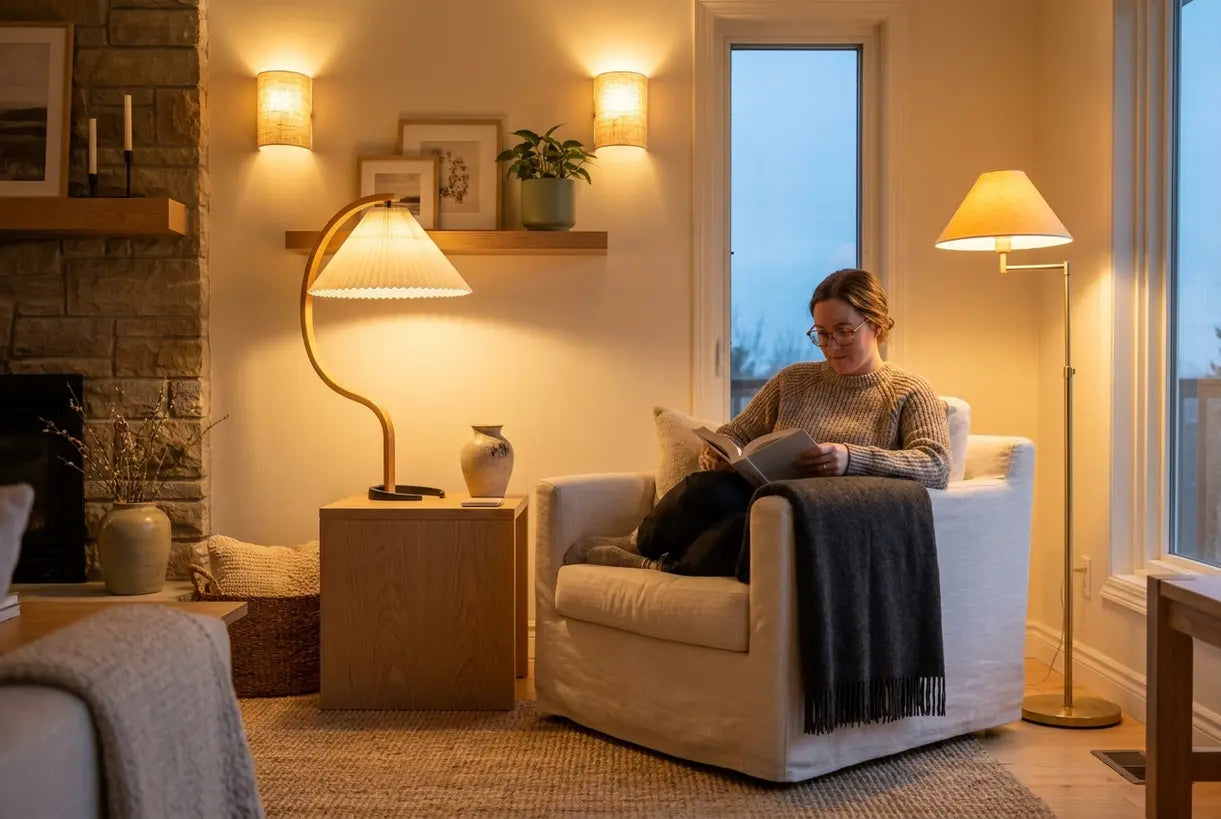 Wall sconces offer an elegant solution for ambient lighting without consuming floor space. When mounted at eye level or slightly above and directed upward, they create beautiful wall washing effects that expand perceived room size while adding character. Vintage-inspired designs bring texture and history, transforming bare walls into focal points. For those looking to explore more options, our Table Lamps collection offers a curated selection of portable ambient sources perfect for side tables and console styling.The Stille Japanese Wabi-Sabi Solid Wood Floor Lamp embraces organic warmth through its handcrafted solid wood construction and minimalist silhouette. Casting a zen ambient glow that celebrates natural grain patterns, this piece embodies wabi-sabi philosophy—the beauty of imperfection and transience—for truly calming evenings at home.For walls, the Glødvar Retro Iron Wall Sconce Nordic Design elevates any corner with vintage-inspired character. Available in six finishes from chrome to gold, this iron sconce delivers soft ambient light that adds personality without visual clutter, perfect for completing your layered lighting scheme.
 Curated Floor Lamp & Sconce Pairings
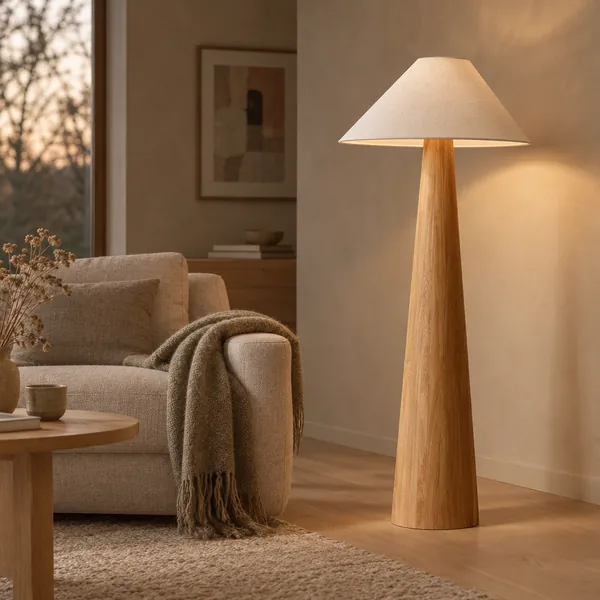 Stille Japanese Wabi-Sabi Solid Wood Floor Lamp$399.00$699.00
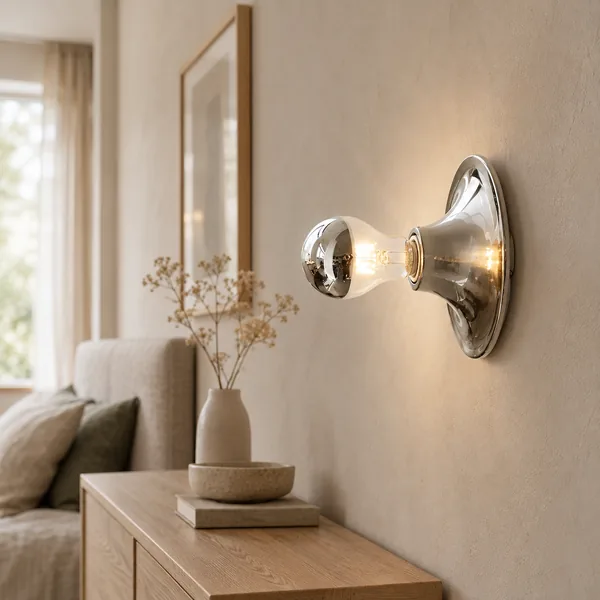 Glødvar Retro Iron Wall Sconce Nordic Design$89.00$129.00
Expert Tips for Implementing Your Ambient Lighting Scheme
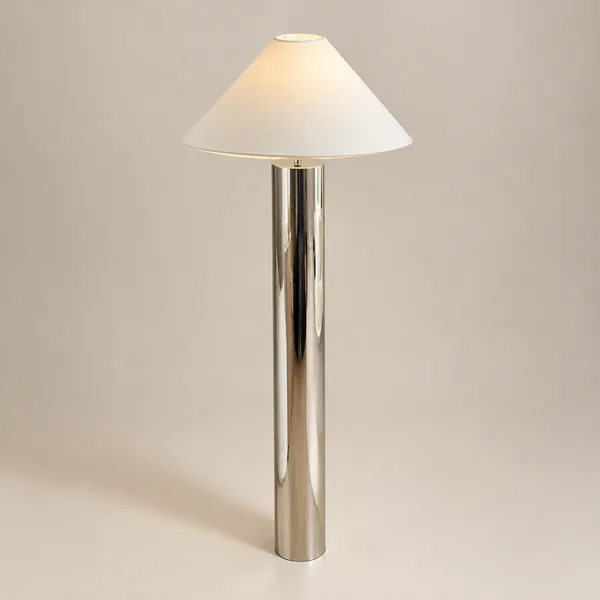
Creating the best ambient lighting for living room spaces requires attention to practical details beyond fixture selection. First, consider bulb opacity and direction. Frosted or milky bulbs diffuse light beautifully, while clear bulbs broadcast harshly. When possible, choose fixtures where light reflects off surfaces like walls and ceilings rather than pointing directly at seating areas.Position lamps approximately eye level when seated to avoid glare and create flattering illumination for faces. This explains why tall floor lamps and properly mounted sconces feel so welcoming compared to ceiling-down lighting. Experiment with asymmetry—matching lamps on either side of a sofa create formality, while varied heights and styles feel more organic and collected over time.Don't forget about the transition from day to evening. Natural light changes throughout the day, and your ambient lighting should complement this progression. As afternoon sun fades, gradually introduce artificial sources rather than flipping one harsh switch. This ritual of lighting candles, turning on a floor lamp, and dimming overhead fixtures signals to your body that the day is winding down.Floor Lamps
Shop all Floor Lamps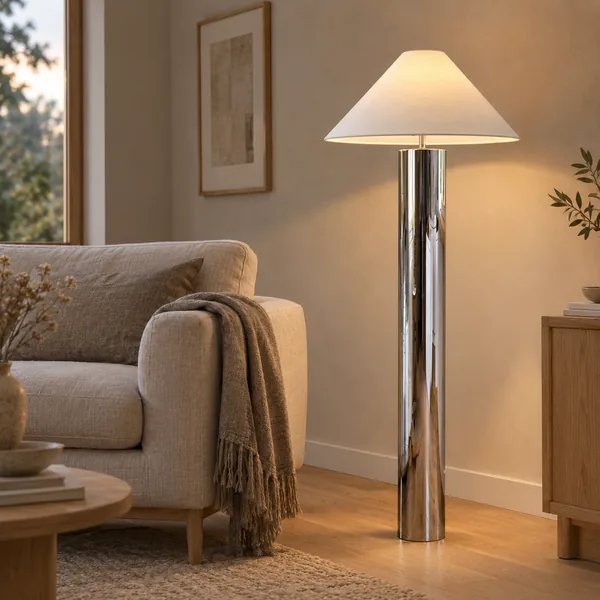
Creating Your Perfect Living Room Atmosphere
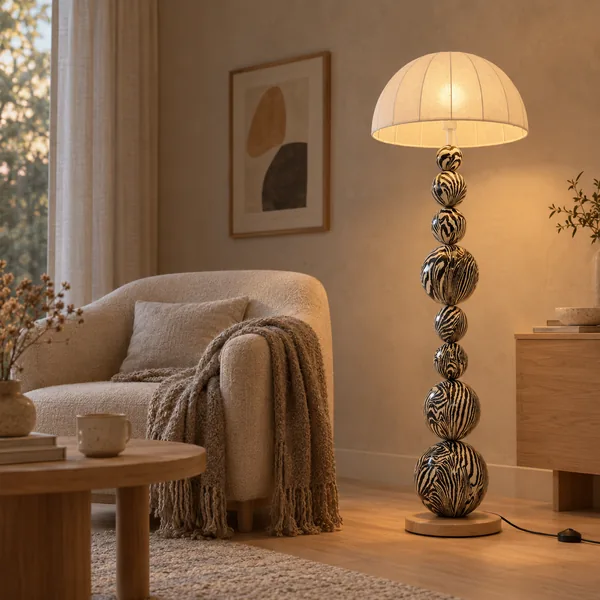
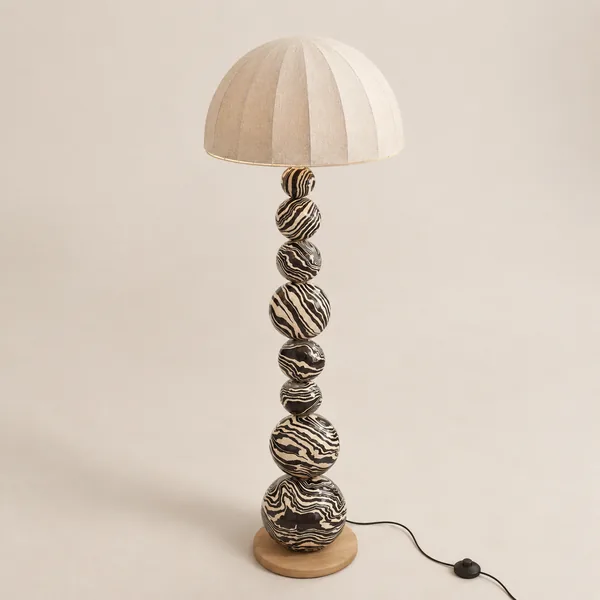
The best ambient lighting for living room environments isn't about following rigid rules—it's about cultivating feeling. Warmth, mood, and atmosphere emerge when multiple gentle light sources work in harmony at 2700K temperatures, creating spaces where you naturally want to linger.Whether you're beginning your lighting journey or refining an existing scheme, remember that quality matters more than quantity. A few well-chosen fixtures that cast beautiful, warm pools of light will always outperform numerous harsh sources. Look for designs that speak to Scandinavian principles: natural materials, soft diffusion, and human-centered proportions that serve how you actually live.At Skonne, every fixture in our curated collection is selected with this philosophy in mind. From sculptural floor lamps that anchor your space in organic warmth to vintage-inspired sconces that add character without clutter, we believe the right lighting transforms not just rooms, but the moments you spend within them.Related Article
Layered Lighting for the Living Room: How to Plan a Multi-Layer Lighting SchemeLearn how to plan a multi-layer lighting scheme for your living room with our complete guide to ambient, task and accent lighting.
Frequently asked questions
The best ambient light for a living room combines multiple sources at 2700K-3000K color temperature, prioritizing floor lamps and wall sconces positioned at eye level. Look for fixtures with diffused shades that eliminate harsh glare while casting warm pools of light in corners and along walls. The goal is soft, layered illumination that mimics golden hour rather than a single bright overhead source.
The 5-7 lighting rule suggests incorporating between five and seven distinct light sources throughout your living room for balanced illumination. These aren't all used simultaneously—rather, they provide flexibility for layering based on mood and activity. A typical scheme might include overhead lighting, two floor lamps, a table lamp, and wall sconces, allowing you to activate different combinations for bright tasks or intimate evenings.
To achieve cozy ambient lighting, use warm 2700K bulbs, install dimmer switches, and position multiple low-level light sources rather than one bright overhead fixture. Embrace the Danish concept of hygge by lighting candles, using shaded lamps, and creating gentle pools of light at human scale. The key is eliminating harsh shadows and glare while allowing darkness to exist at the room's edges.
Layering light in a living room means combining ambient, task, and accent lighting at varying heights. Start with ambient sources like floor lamps and sconces as your foundation, add task lighting (reading lamps) where needed for specific activities, and finish with accent lighting for visual interest. Distribute sources around the room's perimeter rather than concentrating them centrally for dimensional depth.
The best color temperature for cozy living room lighting is between 2700K and 3000K, often labeled "warm white" or "soft white." This range mimics the golden tones of late afternoon sunlight and candlelight, creating inviting, relaxing atmospheres. Avoid temperatures above 3500K (cool white) for ambient purposes, as these mimic midday sun and trigger alertness rather than relaxation.