
Art Deco Wall Clocks: Glamorous, Geometric Designs for Bold, Vintage-Inspired Interiors
Summary›
- The Timeless Appeal of Art Deco Design
- Defining Characteristics of Art Deco Wall Clocks
- Understanding the Materials and Craftsmanship
- Incorporating Art Deco Clocks into Modern Interiors
- How Art Deco Differs from Art Nouveau
- Creating a Complete Art Deco Vignette
- The Historical Significance of Art Deco
- Why Art Deco Continues to Captivate Design Enthusiasts
- Curating Your Perfect Art Deco Moment
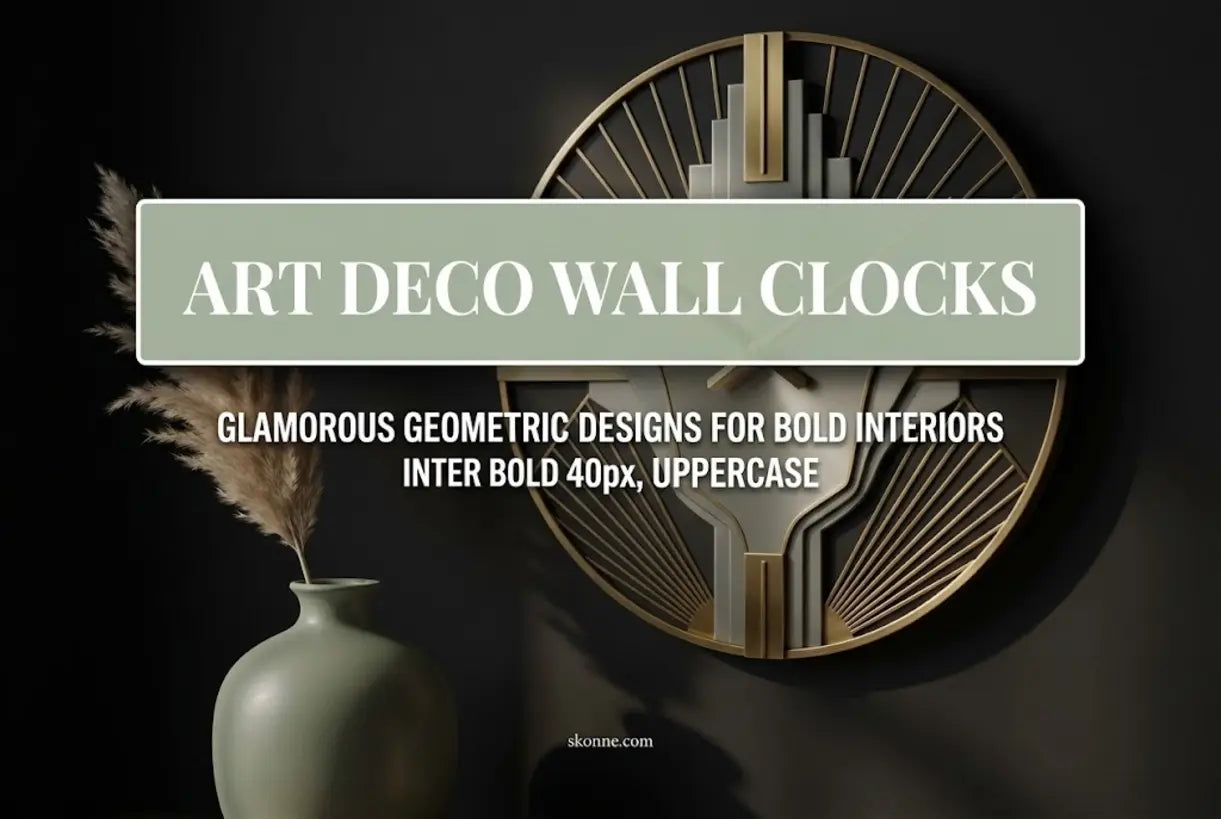
Step into a world where glamorous craftsmanship meets bold geometric precision. An art deco wall clock isn't merely a timekeeping device—it's a statement piece that transforms your walls into a canvas of vintage sophistication. For homeowners and design enthusiasts seeking to infuse their spaces with intentional elegance, nothing captures the spirit of the Jazz Age quite like these sculptural timepieces.
Whether you're drawn to sunburst silhouettes, chrome finishes, or the luxurious interplay of glass and metal, understanding how to select and style an Art Deco clock elevates your interior from ordinary to extraordinary. In this guide, you'll discover the rich history behind these iconic pieces, the defining characteristics that make them instantly recognizable, and how to seamlessly integrate them into your contemporary home—from living rooms to entryways that welcome guests with unmistakable style.
The Timeless Appeal of Art Deco Design
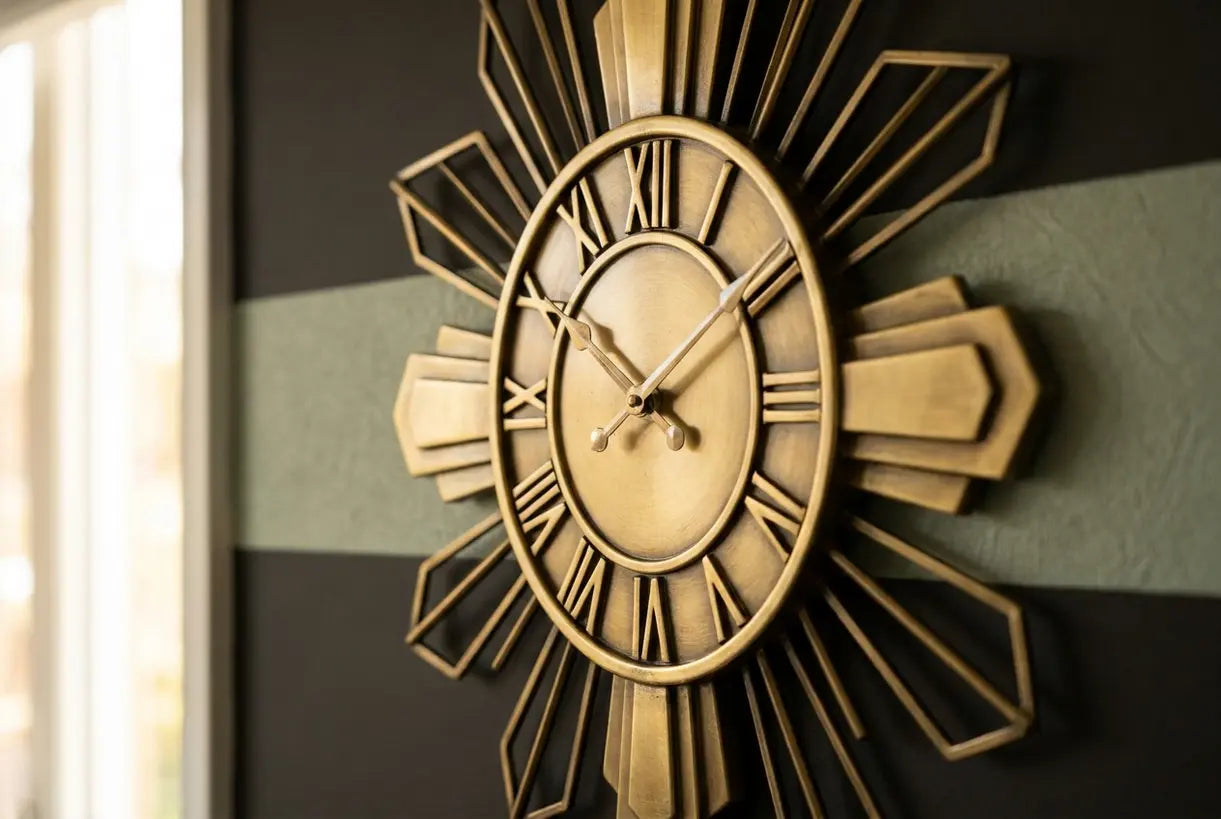
The Allure Art Deco movement emerged as a celebration of modernity, industry, and unabashed luxury. Unlike the organic, flowing lines of its predecessor Art Nouveau, Art Deco embraced sharp angles, symmetrical patterns, and a fearless use of new materials. This design philosophy created objects that felt simultaneously futuristic and timeless.
For today's discerning homeowner, an art deco wall clock offers more than nostalgia. It introduces a focal point that commands attention while maintaining sophisticated restraint. These pieces work beautifully in minimalist Scandinavian interiors—creating an intriguing contrast—or as the crowning jewel in maximalist spaces that embrace bold expression.
Defining Characteristics of Art Deco Wall Clocks
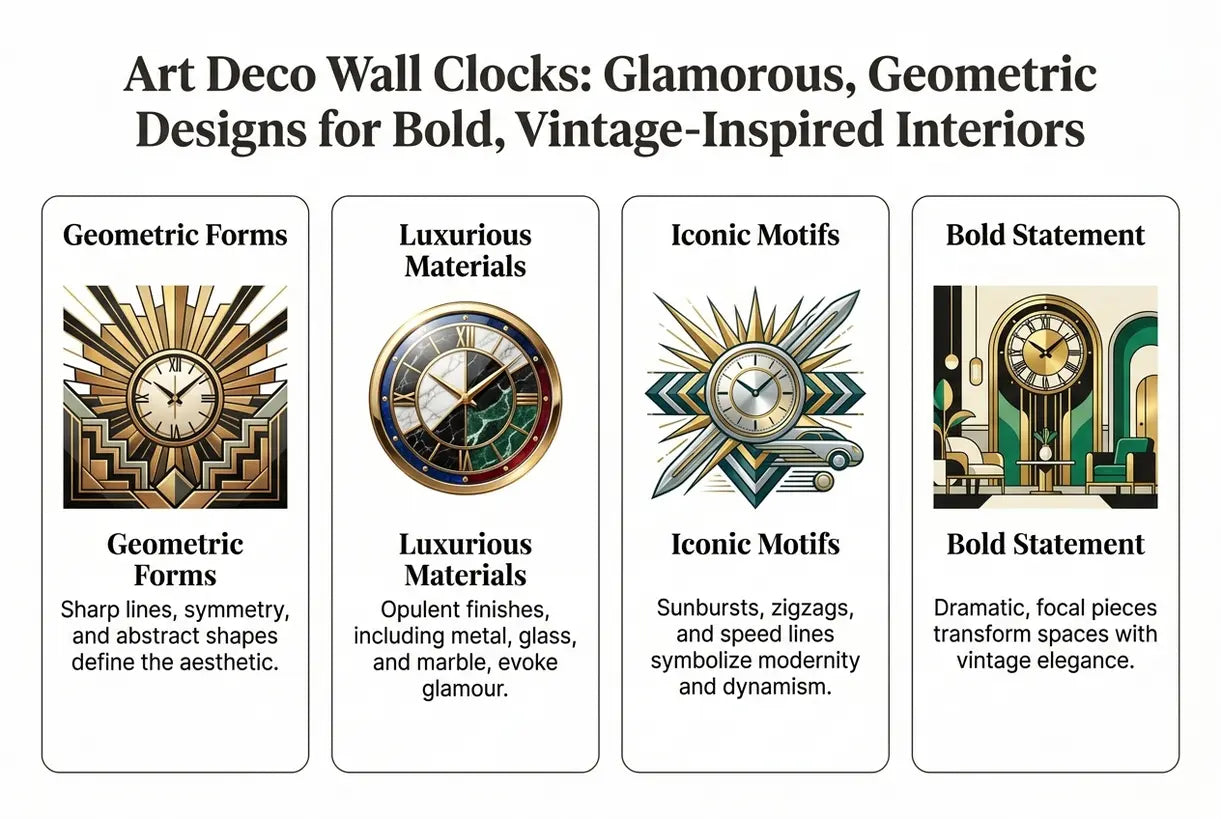
What transforms a simple timepiece into an authentic Art Deco treasure? The movement adhered to several unmistakable principles that continue to guide designers today:
- Geometric Patterns: Sunbursts, chevrons, zigzags, and stepped forms dominate the visual language. A geometric wall clock instantly signals Art Deco heritage.
- Symmetrical Design: Balance and proportion reign supreme. Each element mirrors its counterpart, creating visual harmony.
- Luxurious Materials: Brass, chrome, mirrored glass, lacquered wood, and exotic materials like ivory and ebony defined the era's opulent aesthetic.
- Streamlined Silhouettes: Smooth, sleek forms that suggest speed and modernity—echoing the machine age that inspired the movement.
- Bold Color Palettes: Black and gold pairings, deep jewel tones, and high-contrast combinations create dramatic impact.
Understanding the Materials and Craftsmanship
The materials used in authentic Art Deco timepieces reveal the era's fascination with innovation and luxury. Chrome-plated brass provided that signature mirror-like shine, while Bakelite—one of the first synthetic plastics—appeared in bold, colorful clock faces. Mirror and glass weren't merely decorative; they amplified light and created the illusion of expanded space in urban apartments.
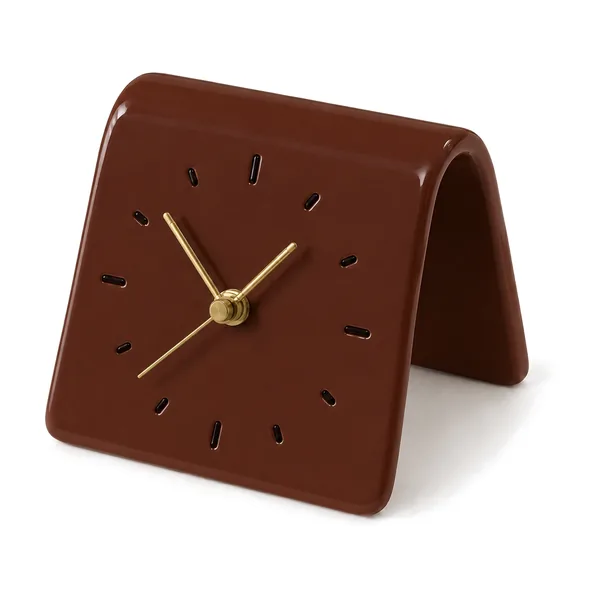
Modern reproductions and inspired designs continue to honor these material choices. Today's vintage wall clock offerings from thoughtful curators like Skonne blend traditional craftsmanship with contemporary reliability. You might encounter ceramic elements, as in the beautiful geometric timepieces that balance retro aesthetics with silent, modern movements.
Why Materials Matter
When selecting your statement piece, consider how materials interact with your existing decor. A glamorous wall decor scheme thrives on mixed metals—brass paired with matte black or chrome accented by warm gold. Don't shy away from pieces that combine multiple textures; they're often the most visually compelling.
Decorative Wall Clocks
Shop all Wall Clocks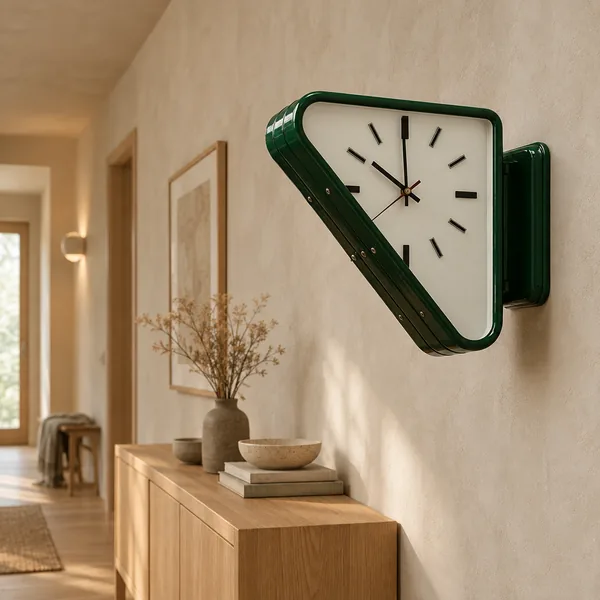
 Save $110.00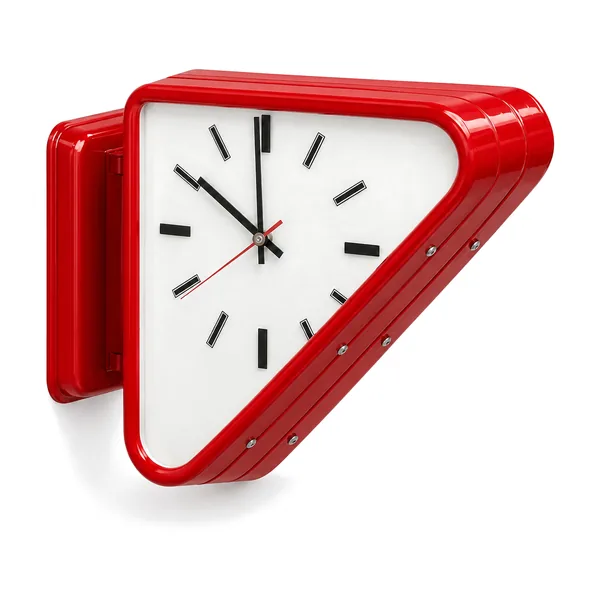
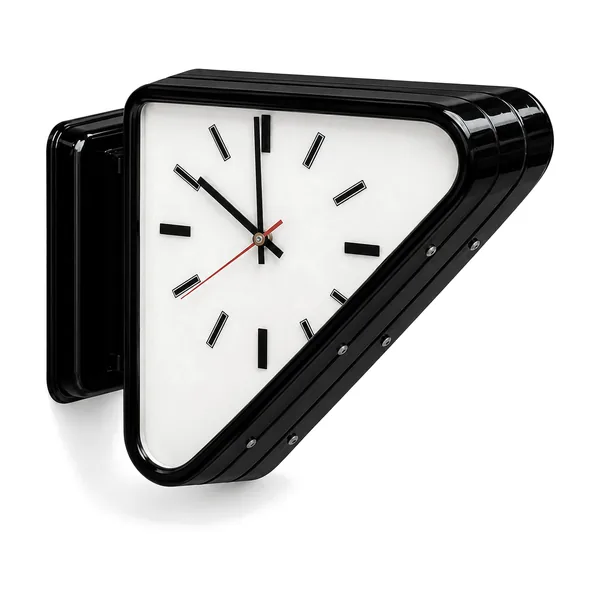
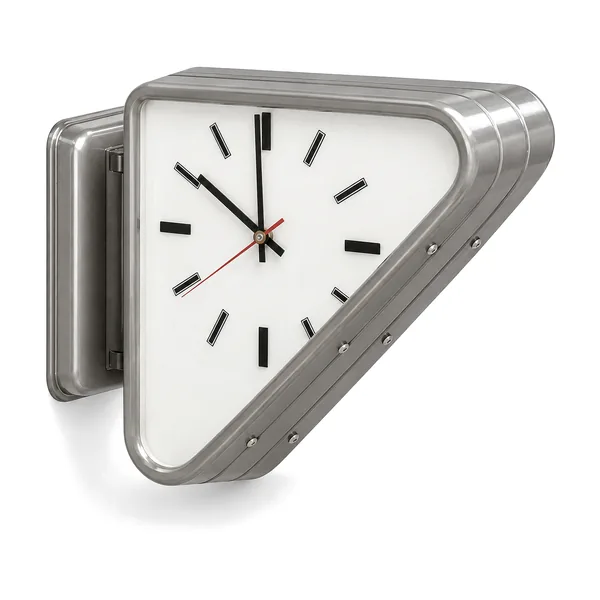
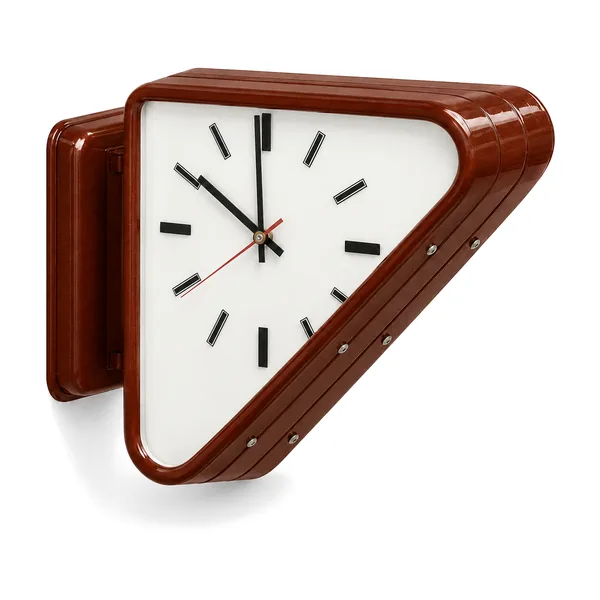 +15 options
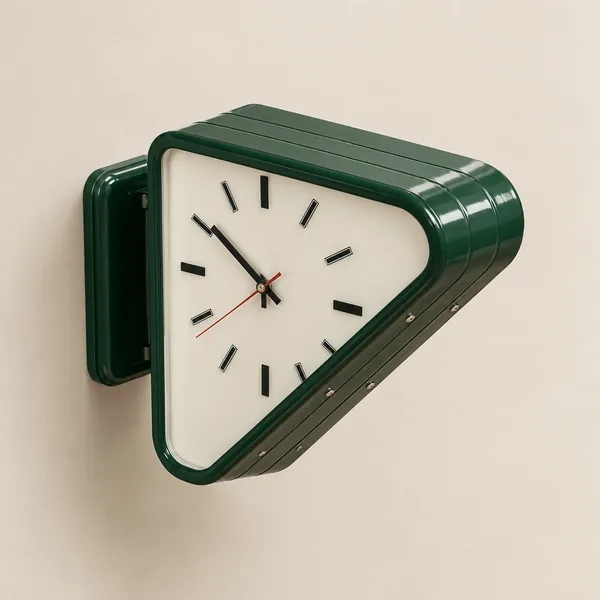
Tvilling Dual-Sided Geometric Metal Wall Clock
 Save $70.00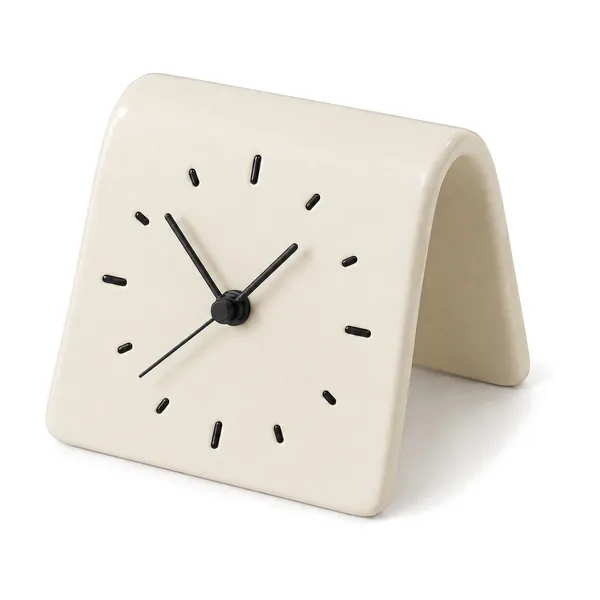
 +37 options
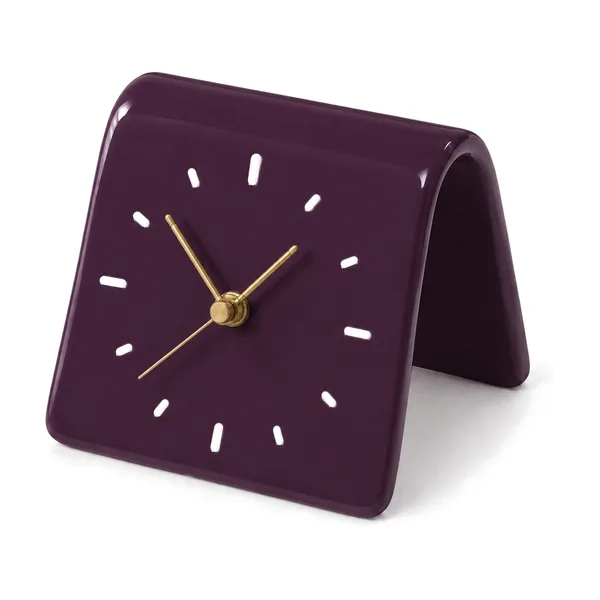
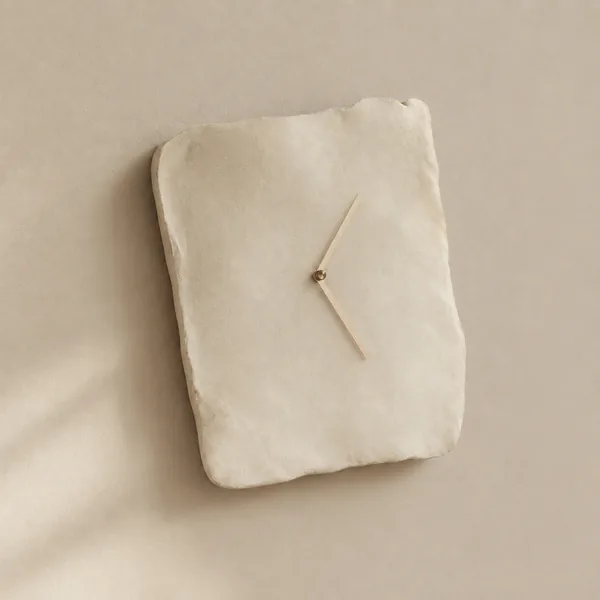
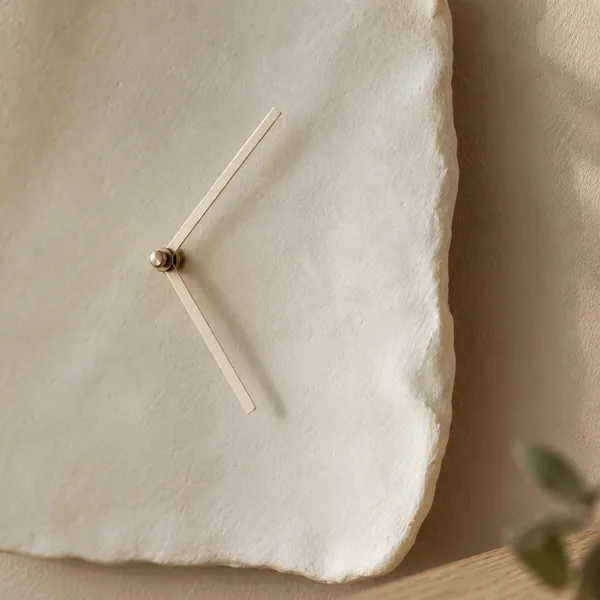
Tilje Silent Ceramic Desk Clock for Modern Homes
 Save $120.00
Stilla Silent Resin Wall Clock Nordic Minimalist
Incorporating Art Deco Clocks into Modern Interiors
The beauty of art deco interior design lies in its versatility. These bold pieces complement contemporary spaces surprisingly well, bridging the gap between eras with elegant ease. Here's how to integrate a vintage-inspired clock into your home:
Above a fireplace mantel, a large art deco clock creates a symmetrical focal point when flanked by matching table lamps or vases. In entryways, it sets a sophisticated tone for guests while serving a practical purpose. For dining rooms, consider the dramatic effect of a statement timepiece crowning a sideboard or serving as the anchor for a gallery wall.
The key is intentionality. Rather than scattering retro wall clock elements throughout your space, concentrate them to create vignettes of curated vintage charm. Let one dominant piece command the room while complementary accessories support rather than compete.
Perfect Lighting Companions
Art Deco clocks truly shine when paired with appropriate illumination. The era's fascination with light and reflection makes Pendant Lights particularly complementary companions—especially those with faceted glass shades or geometric metalwork that echo your clock's design language.
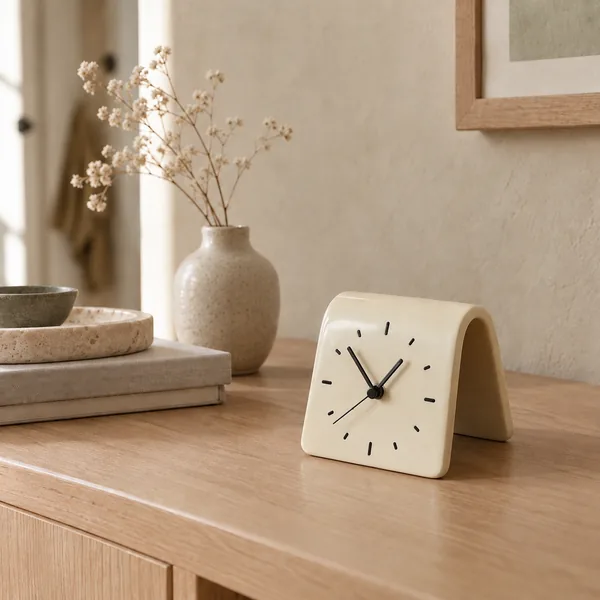
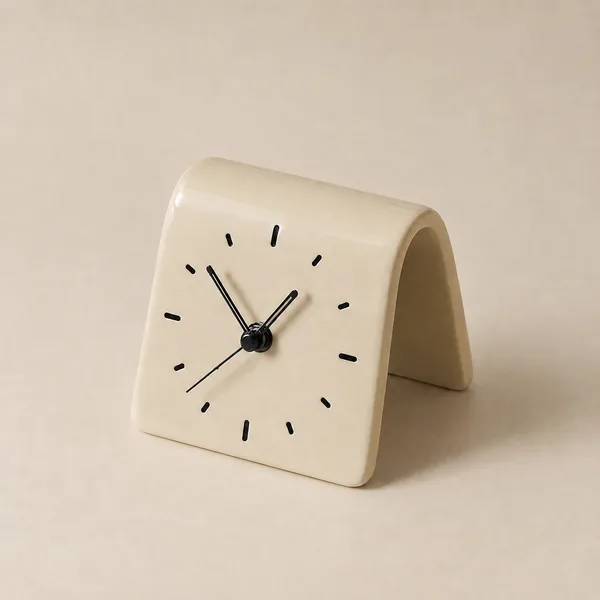
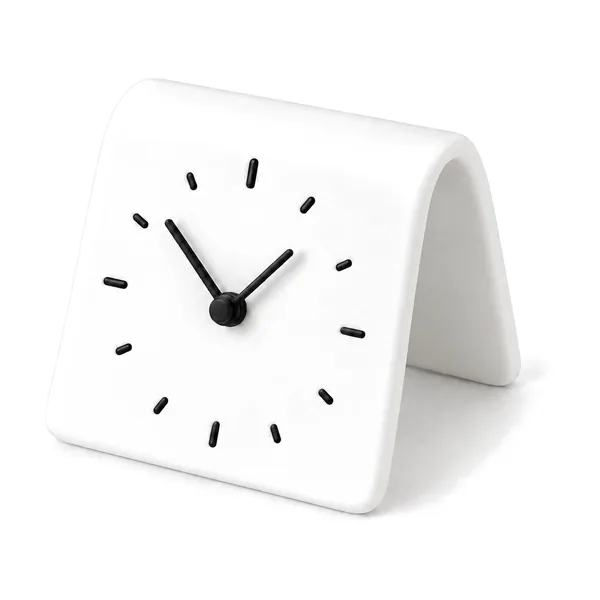
For desk or console arrangements, the Tilje Silent Ceramic Desk Clock offers geometric elegance in a compact form. Its clean lines and sophisticated matte finish make it an ideal accent piece.
Tilje Silent Ceramic Desk Clock for Modern Homes$89.00$159.00How Art Deco Differs from Art Nouveau
Understanding the distinction between these two influential movements helps clarify what you're genuinely seeking. While an art nouveau wall clock features flowing, nature-inspired lines—think whiplash curves, floral motifs, and organic asymmetry—Art Deco celebrates the artificial and geometric. One feels like a walk through a garden; the other, a stride through a machine-age metropolis.
This fundamental difference affects how each piece fits into your interior scheme. Art Nouveau whispers romance and natural beauty, while Art Deco declares confidence, luxury, and the excitement of modern progress.
The Renaissance of Statement Timepieces
Today's renewed interest in large art deco clock designs reflects a broader cultural shift toward maximalism and personal expression. After years of stark minimalism, homeowners are embracing pieces with character, history, and undeniable presence. A statement wall clock does more than tell time—it tells a story about your aesthetic values and your appreciation for design heritage.
Creating a Complete Art Deco Vignette
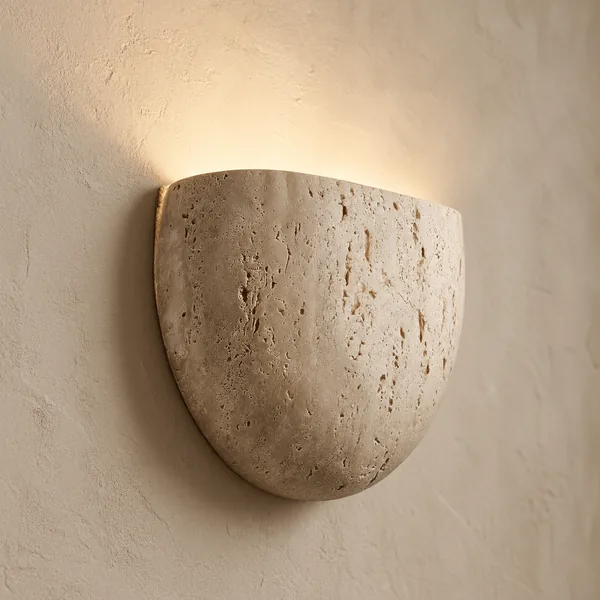
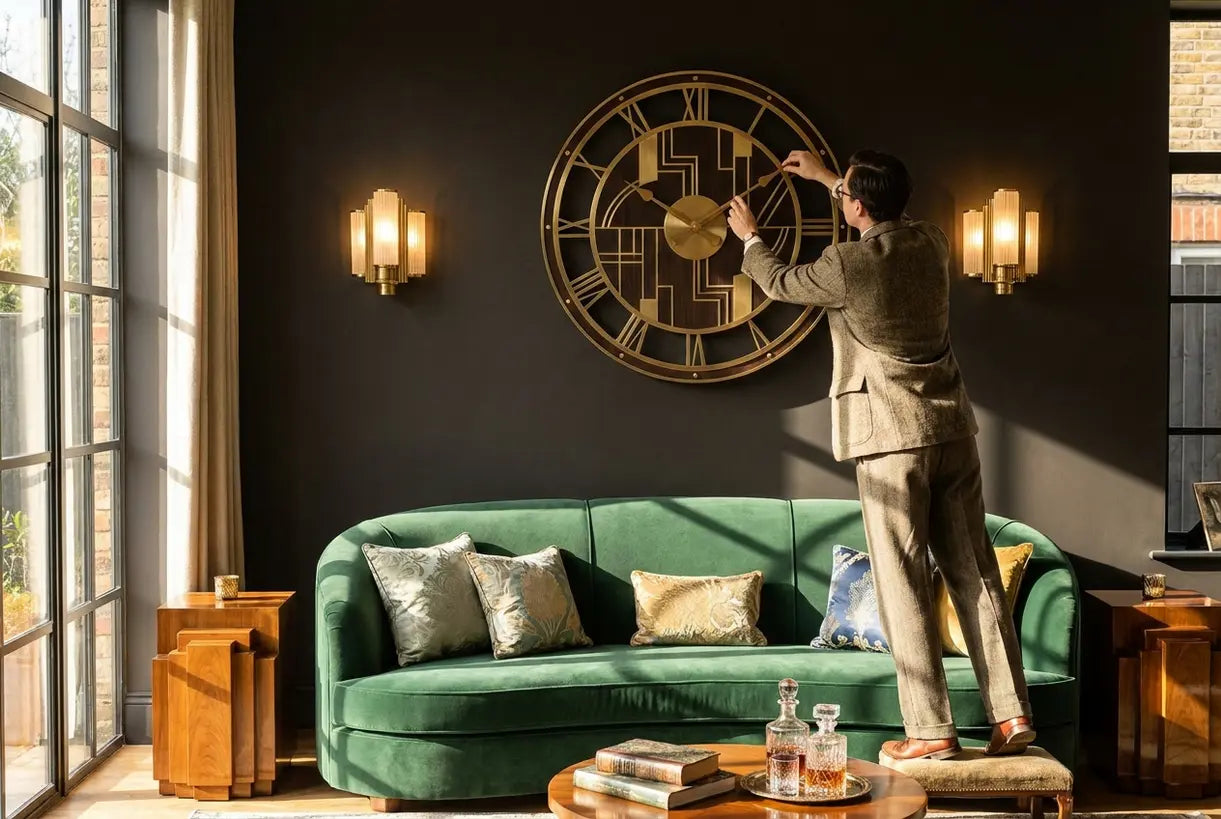
A truly cohesive glamorous clock design presentation extends beyond the timepiece itself. Consider the supporting cast of decorative elements that complete your vintage tableau. Wall sconces with period-appropriate finishes, mirrored surfaces that multiply light, and sculptural accessories all contribute to the immersive experience of stepping into a curated Art Deco moment.
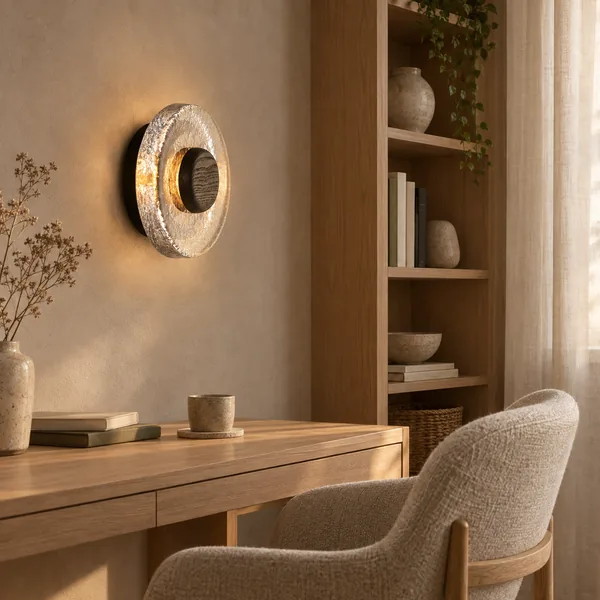
Lighting, particularly, transforms how your clock appears throughout the day. A well-placed wall sconce draws out the metallic accents and creates dramatic shadows on geometric faces. Meanwhile, reflective accessories scatter light playfully across your space, amplifying that signature Art Deco ambiance of champagne-fueled glamour.
Complete Your Art Deco Aesthetic
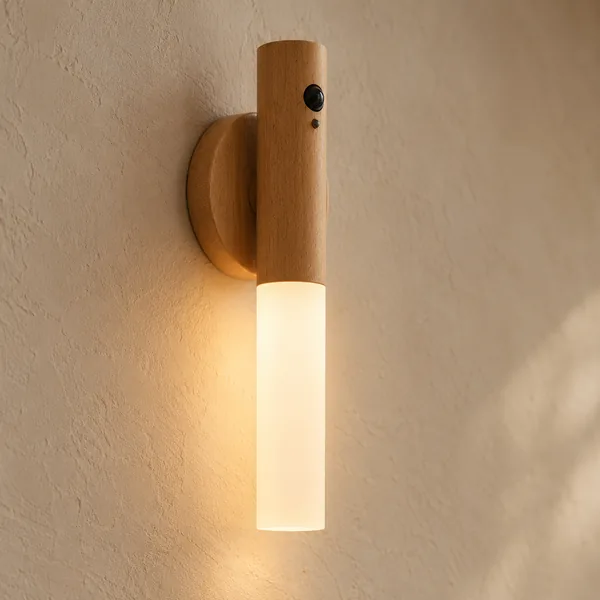
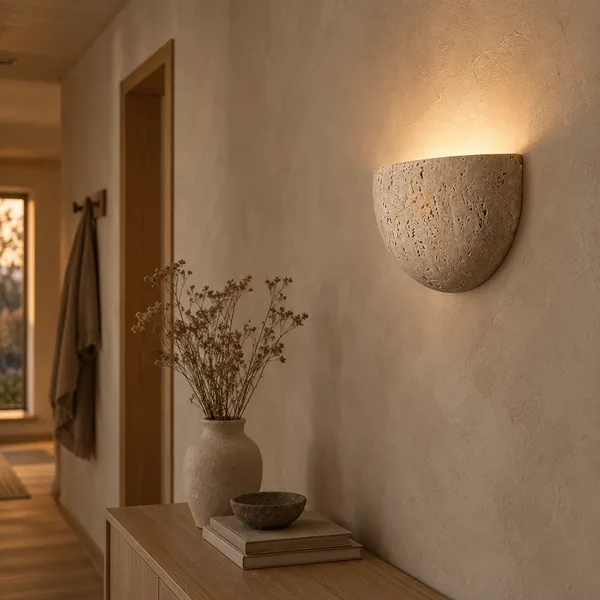
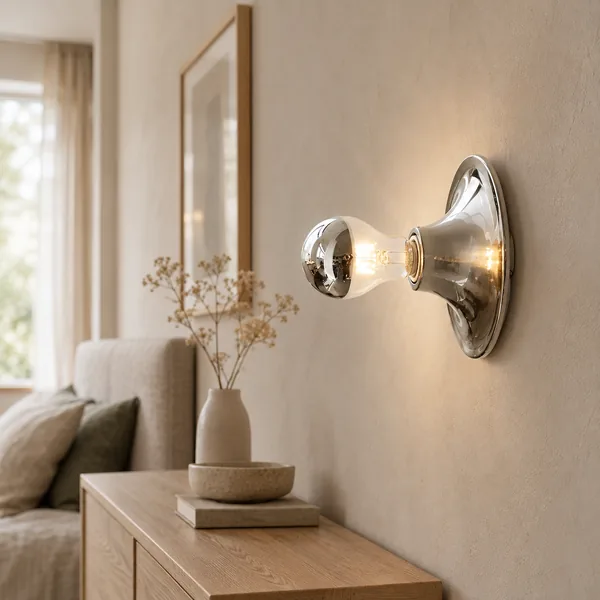 Glødvar Retro Iron Wall Sconce Nordic Design$89.00$129.00
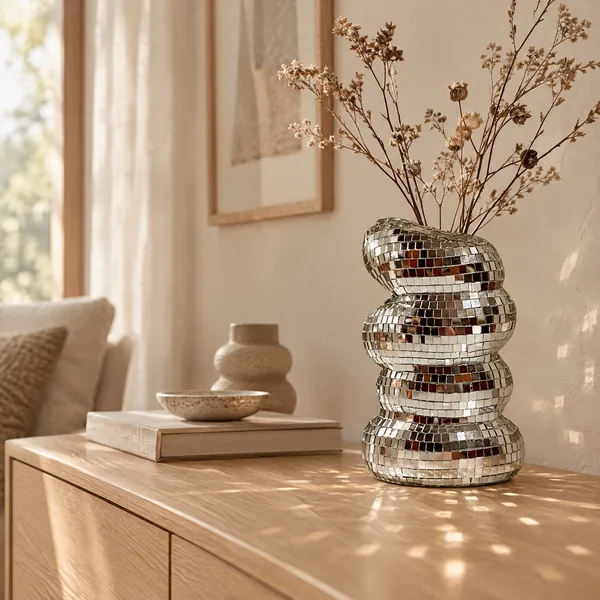 Glansa Reflective Disco Ball Glass Flower Vase$59.00$89.00
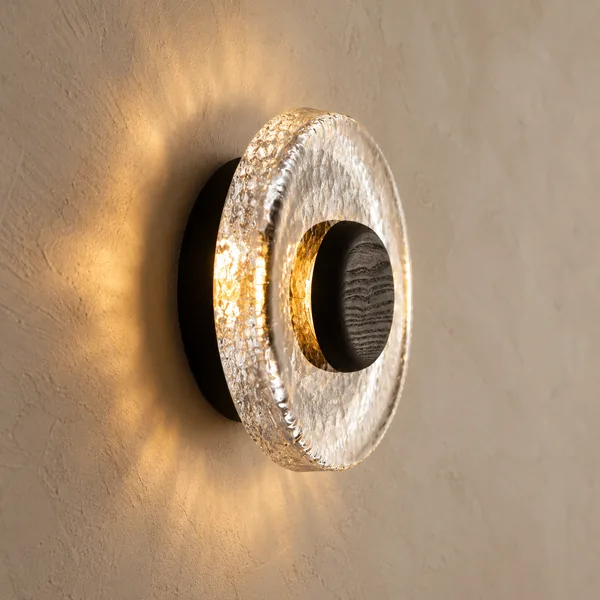
The Glødvar Retro Iron Wall Sconce offers the perfect Art Deco companion piece, with vintage-inspired appeal and luxurious finish options including gold, black, and chrome. Its geometric structure echoes the architectural confidence of your statement clock. For surfaces beneath or beside your timepiece, the Glansa Reflective Disco Ball Glass Flower Vase captures the era's fascination with light and reflection, scattering prismatic patterns across walls and ceiling—pure glamor in miniature form.
Wall Lights
Shop all Wall Lights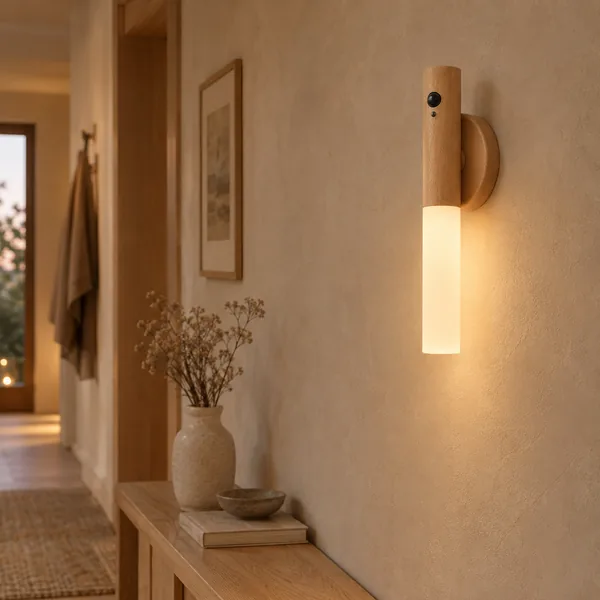
The Historical Significance of Art Deco
The Art Deco movement emerged in the 1920s, reaching its zenith during the 1920s and 1930s. It represented humanity's optimism following World War I, embracing new technologies, global cultural influences, and the democratization of luxury. Skyscrapers adopted the style. Ocean liners gleamed with chrome and lacquer. Even everyday objects like clocks became vehicles for expressing modern values.
The style's decline during the late 1930s and 1940s resulted from multiple factors: economic depression made ostentation feel inappropriate, World War II demanded austerity, and mid-century modernism offered a fresh aesthetic alternative. However, the question "Why is Art Deco no longer used?" tells only part of the story. These designs never truly disappeared—they simply waited for new generations to rediscover their magic.
Today, Art Deco represents one of history's most beloved revival styles. From modern art deco clock reproductions to restored vintage treasures, these pieces allow contemporary homeowners to participate in a design legacy spanning nearly a century.
Why Art Deco Continues to Captivate Design Enthusiasts
Beyond mere aesthetics, Art Deco represents an enduring philosophy: beauty need not be sacrificed to function, and craftsmanship deserves celebration. When you select a vintage inspired clock or authentic period piece, you're investing in this philosophy—a rejection of disposable culture in favor of objects meant to last generations.
The geometric timepiece trend continues to evolve, with contemporary designers reinterpreting classic motifs through new materials and technologies. Silent quartz movements replace mechanical ticking. Energy-efficient lighting illuminates vintage faces. Yet the essential glamour—that unmistakable confidence of an era that believed in progress and beauty—remains unchanged.
For additional design inspiration and to understand how other statement timepieces can transform your home, explore Architectural Digest's collection of vintage clock inspiration.
Curating Your Perfect Art Deco Moment
Selecting the right art deco wall clock for your space demands thoughtful consideration of scale, finish, and context. Measure your wall space carefully—oversized pieces create dramatic impact, while smaller accents offer subtle period charm. Consider your existing color palette: warm brass tones complement earthy palettes, while chrome and black accommodate cooler, contemporary schemes.
Remember that these clocks function as sculpture as much as timepieces. Place them where light can play across their surfaces, where their geometric details command attention, and where they can spark conversation with guests who appreciate intentional design.
At Skonne, we curate pieces that honor the Art Deco legacy while serving modern lifestyles. From geometric desk accents to statement wall installations, each item in our collection represents our commitment to bringing Scandinavian principles of intentionality and warmth together with the unapologetic glamour of the Jazz Age.
Related Article
Chiming Wall Clocks: The Best Westminster & Musical Designs for a Classic HomeExperience the timeless charm of chiming wall clocks with Westminster melodies. From classic pendulum designs to modern interpretations, find the perfect piece.