
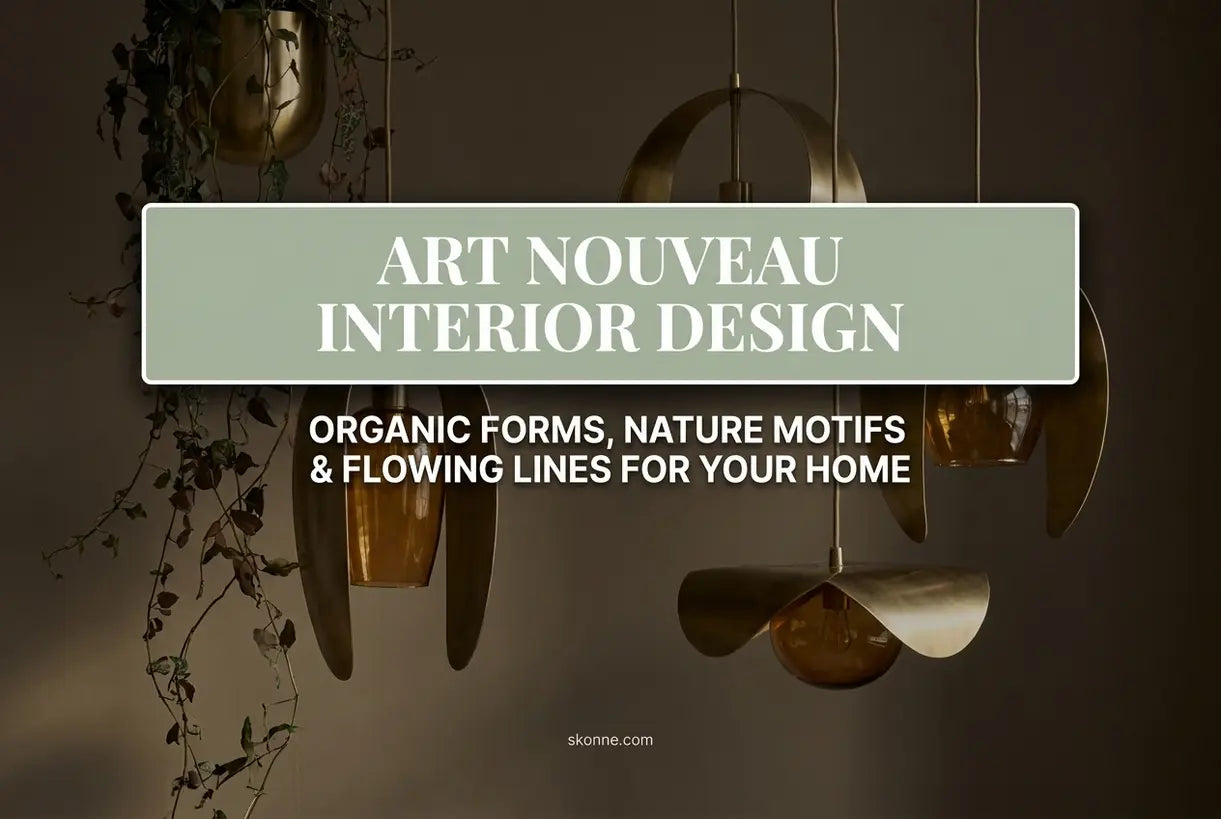
Art Nouveau Interior Design: Organic Forms, Nature Motifs & Flowing Lines for Your Home
Summary›
- The Essence of Art Nouveau: A Movement Rooted in Nature
- Key Characteristics That Define Art Nouveau Style
- Materials and Color Palettes That Define the Aesthetic
- Bridging Art Nouveau with Modern Living
- Lighting as the Art Nouveau Anchor
- Creating Your Art Nouveau-Inspired Space
- The Scandinavian Connection
- Maintaining Balance: The Art of Curated Eclecticism
- Conclusion: Timeless Beauty for Contemporary Living
There is something undeniably enchanting about art nouveau interior design. Born in the late 19th century, this revolutionary movement rejected the rigid industrialism of its era, choosing instead to celebrate the raw beauty of nature through sinuous curves, botanical motifs, and masterful craftsmanship. Today, as we seek interiors that feel both intentional and soulful, Art Nouveau offers a bridge between historical elegance and contemporary living.
For those drawn to Scandinavian aesthetics, you'll find surprising harmony here. Both movements share a reverence for natural materials, organic forms, and the belief that function should never sacrifice beauty. Whether you're looking to fully embrace the style or simply incorporate touches of its organic forms home decor philosophy, understanding the core principles of Art Nouveau will transform how you approach your space.
The Essence of Art Nouveau: A Movement Rooted in Nature
Art Nouveau emerged across Europe between 1890 and 1910 as a deliberate departure from revivalist styles and mass production. Architects and designers like Antoni Gaudí in Barcelona, Victor Horta in Brussels, and Louis Comfort Tiffany in New York championed a philosophy where nature became the primary inspiration. The movement's name itself—French for "new art"—signaled a fresh beginning.
What set this style apart was its holistic approach. Art Nouveau wasn't merely about decoration; it was about creating environments where every element—from door handles to light fixtures—flowed together as part of a unified organic whole. This nature motifs interior approach meant that interiors felt alive, breathing with the same rhythms found in gardens and forests.
Key Characteristics That Define Art Nouveau Style
Organic Forms and Asymmetrical Designs
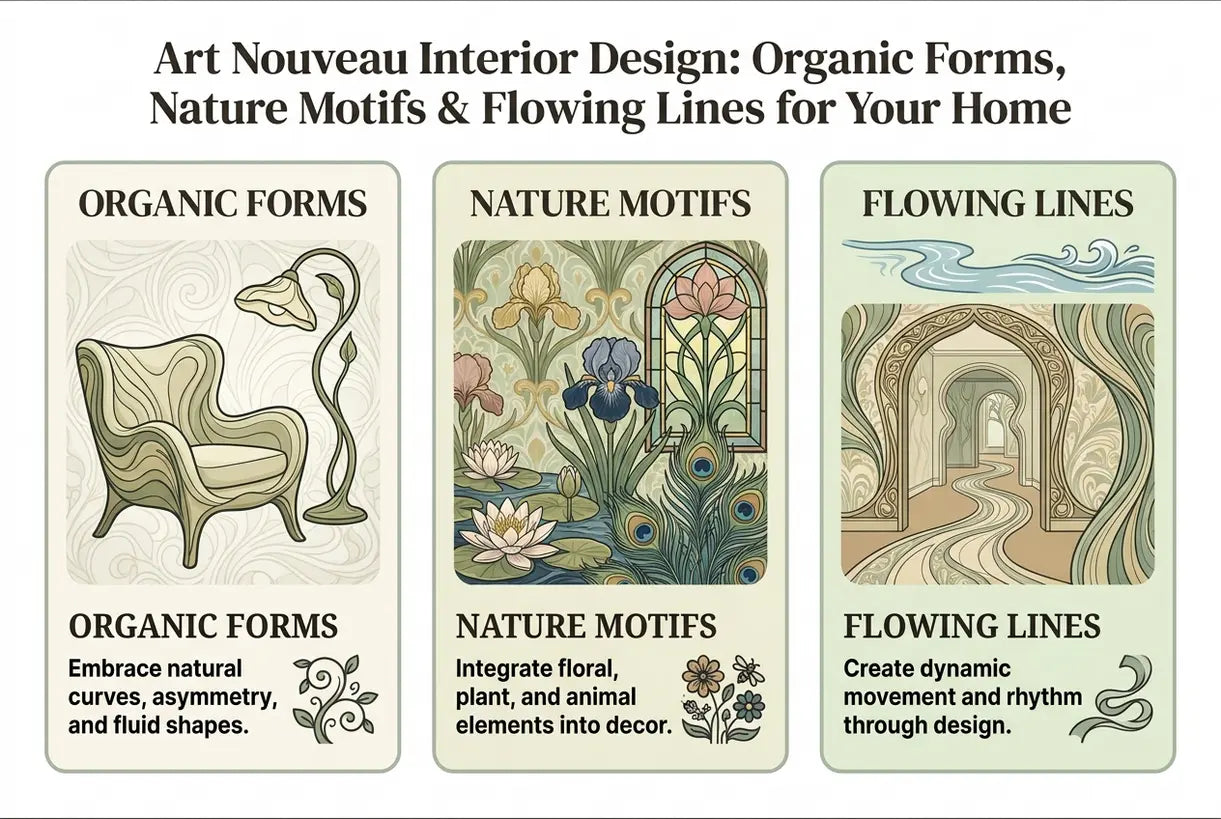
The most immediate hallmark of Art Nouveau is its rejection of straight lines and rigid geometry in favor of flowing lines design principles. You'll see this in:
- Whiplash curves that seem to move and dance across surfaces
- Asymmetrical compositions that mirror nature's own irregularity
- Forms that suggest growth, movement, and organic development
- Translition zones where furniture seems to emerge from walls
These whiplash line decor elements create spaces that feel dynamic rather than static, inviting the eye to travel and explore.
Botanical and Natural Motifs
Flora dominates Art Nouveau imagery, but not in the symmetrical, formal way of earlier styles. Instead, you'll find:
- Stylized tendrils, vines, and stems that wind unpredictably
- Blooming flowers in various stages of opening
- Dragonflies, peacocks, and butterflies rendered in decorative patterns
- Water lilies, irises, and other aquatic plants
This botanical motif design approach creates interiors that feel connected to the natural world, even in urban settings.
Materials and Color Palettes That Define the Aesthetic
Authentic Art Nouveau home style relies on specific materials that highlight craftsmanship and natural beauty:
| Material | How It's Used | Modern Equivalent |
|---|---|---|
| Brass & Bronze | Fixtures, hardware, decorative details | Warm-toned metals, brushed brass |
| Stained Glass | Windows, lampshades, decorative panels | Art glass pendants, Tiffany-style pieces |
| Walnut & Mahogany | Furniture, trim, architectural elements | Rich wood tones, walnut accents |
| Wrought Iron | Grilles, railings, furniture frames | Sculptural metal lighting |
Color palettes typically feature:
- Earth tones: sage green, ochre, terracotta, and burnt orange
- Jewel accents: deep amethyst, peacock blue, and amber
- Neutral foundations: warm creams, soft taupes, and muted grays
- Metallic highlights: gold, brass, and copper tones
Pendant Lights
Shop all Pendant Lights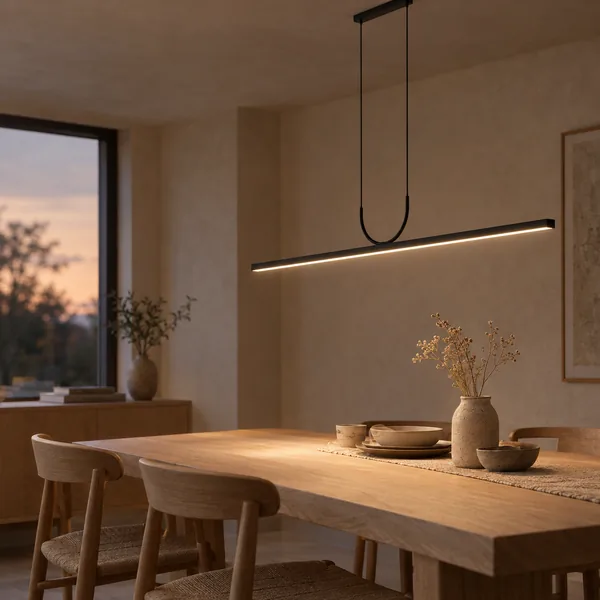
 Save $140.00
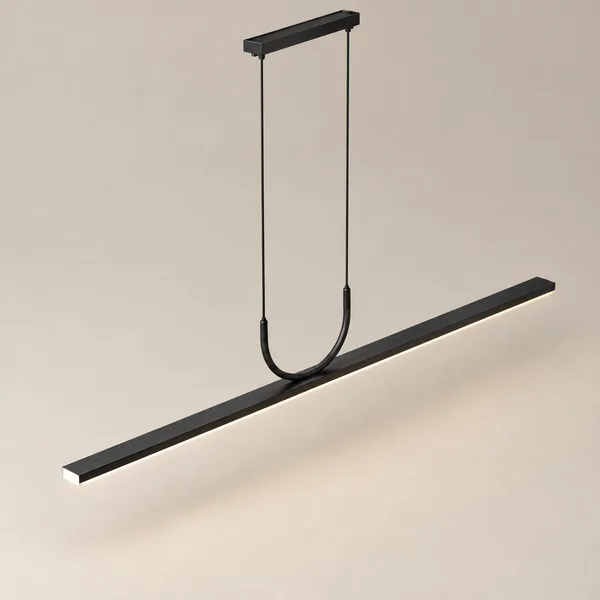
Linné Minimalist Linear Black LED Pendant Light
 Save $60.00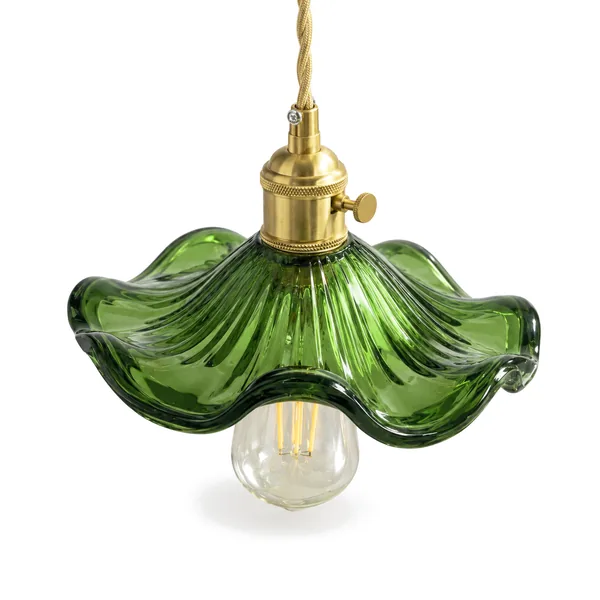
 3 options
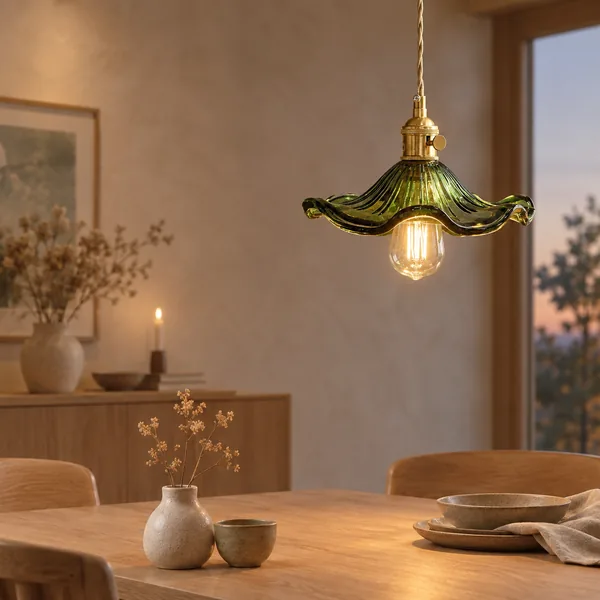
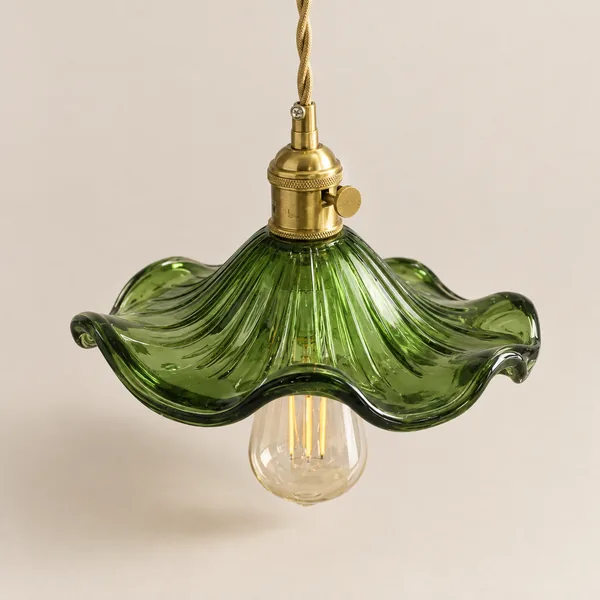
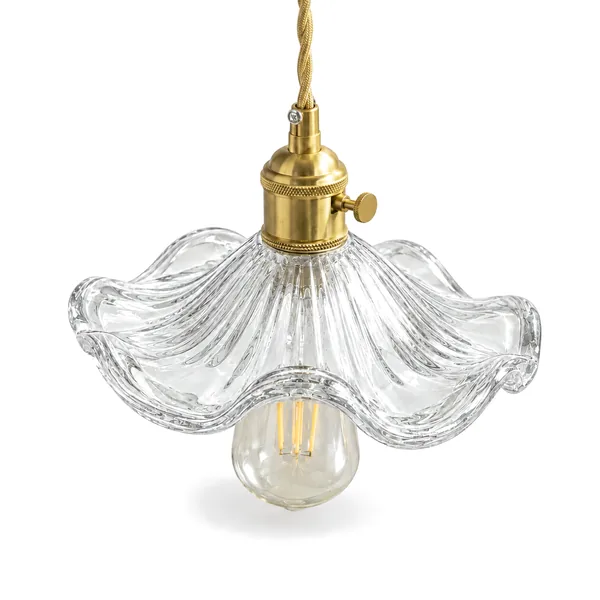
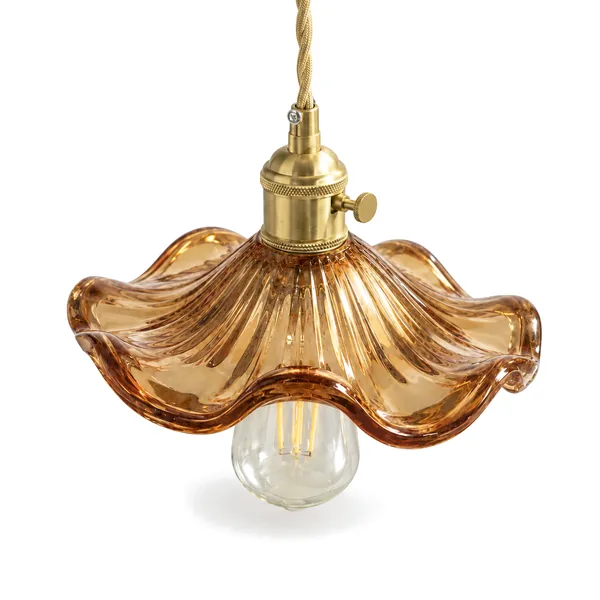
Glora Nordic Glass Pendant Light with Copper
 Save $120.00
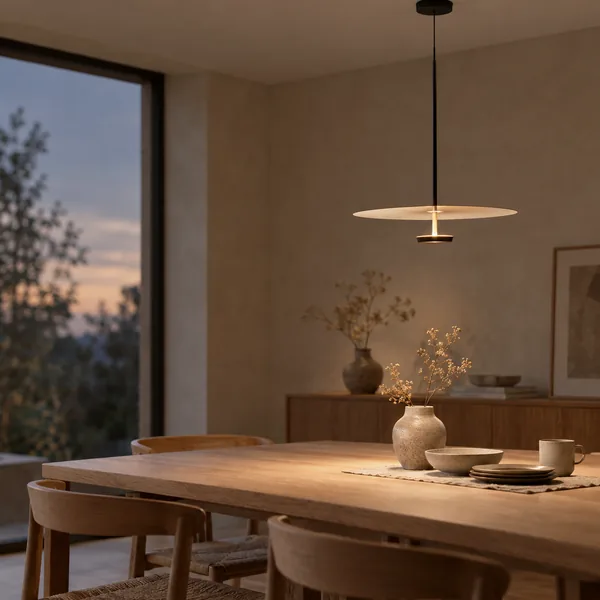
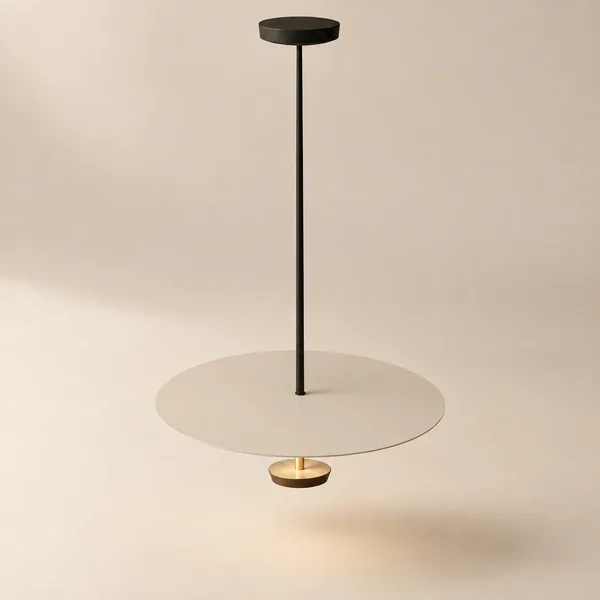
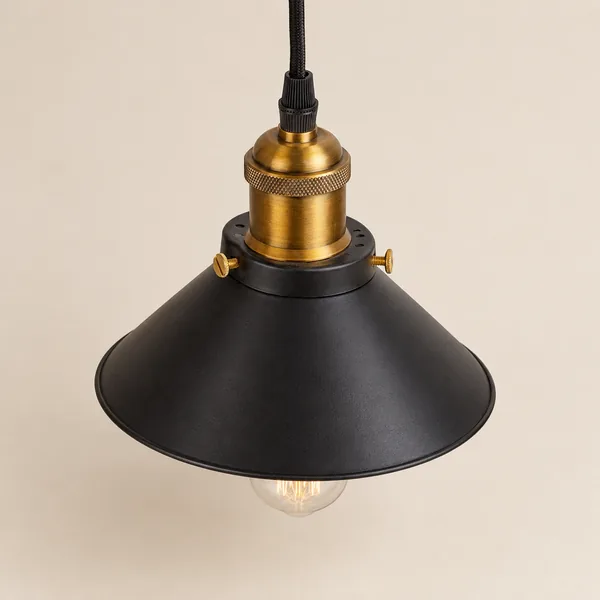
Skiva Nordic Saucer Ceiling Pendant Light LED
Bridging Art Nouveau with Modern Living
The question many contemporary homeowners face is how to incorporate these ornate, historically rich elements without creating spaces that feel like museums. The answer lies in selective, thoughtful integration.
Organic interior design doesn't require period-perfect reproductions. Instead, seek pieces that capture the movement's spirit—sculptural lighting with flowing lines, furniture with gentle curves, decorative objects featuring botanical forms—while maintaining the clean backgrounds and functional clarity that modern life demands.
The key is balance. A single statement piece, like an Art Nouveau-inspired chandelier, can anchor a room while simpler furnishings provide breathing room. This approach honors the style's philosophy without overwhelming contemporary sensibilities.
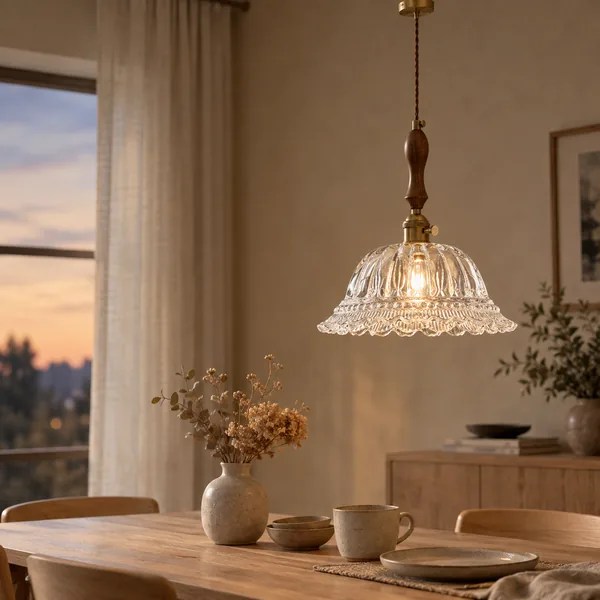 Gloda Walnut Brass French Style Pendant Light$169.00$229.00
Lighting as the Art Nouveau Anchor
If there's one element that epitomizes Art Nouveau's ability to merge function with artistry, it's lighting. The movement elevated the light fixture from mere utility to sculptural centerpiece. Tiffany lamps remain iconic for good reason—their stained glass transforms illumination into colored atmosphere.
When selecting Art Nouveau lighting for your home, consider pieces that feature:
- Organic silhouettes: Fixtures that mimic flowers, plants, or flowing water
- Handcrafted glass: Amber, iridescent, or stained elements that cast warm, dimensional light
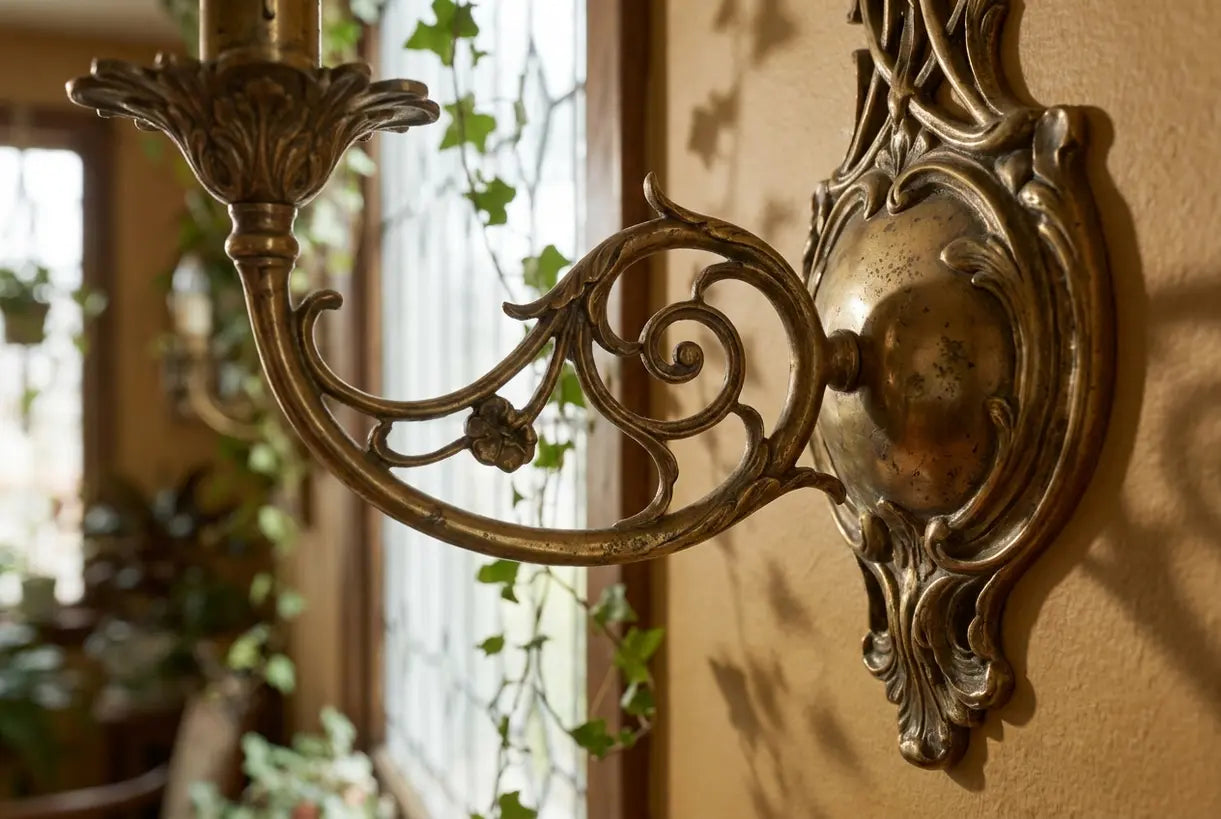
- Metalwork details: Twisted arms, botanical finials, and curved supports in brass or bronze
- Sculptural presence: Lights that read as art objects even when unlit
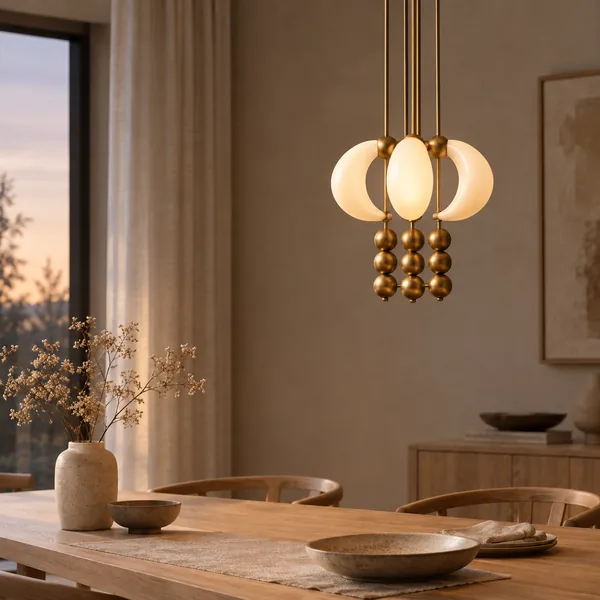
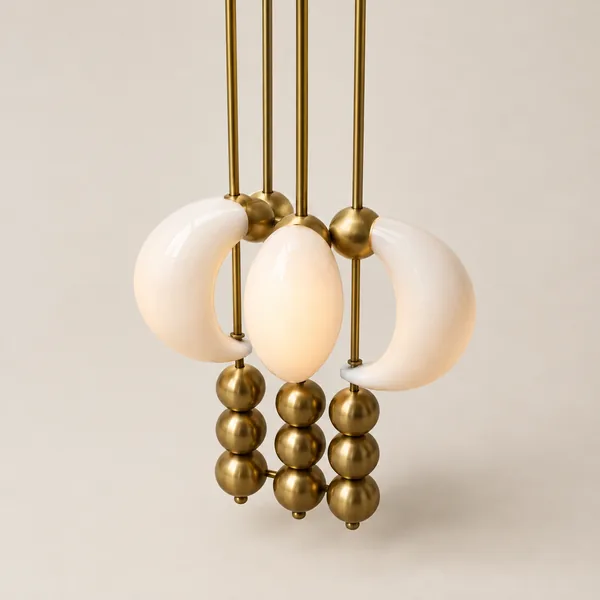
The Gloda Walnut Brass French Style Pendant Light exemplifies this philosophy, combining warm brass finishes with rich walnut elements to create that perfect balance of organic warmth and refined elegance.
Creating Your Art Nouveau-Inspired Space
Transforming your home with nature inspired decor doesn't require a complete overhaul. Here's how to thoughtfully incorporate Art Nouveau elements room by room:
Entryways and Foyers
Make a first impression with statement lighting. A sculptural chandelier or pendant sets the tone immediately, signaling that this is a space where artistry matters. Consider mirrored surfaces that reflect and amplify light, creating the luminous quality Art Nouveau interiors are known for.
Living Areas
Choose furniture with curved lines and natural wood finishes. Avoid overly geometric pieces in favor of those with gentle, organic silhouettes. Decorative accessories—vases with botanical shapes, mirrors with whiplash frames, or throw pillows featuring stylized flora—add layers of interest without commitment.
Dining Spaces
The dining room is where Art Nouveau truly shines. This was historically a space for gathering and beauty, and the style's emphasis on craftsmanship and natural materials creates an atmosphere that's both elevated and grounded. Seek lighting that becomes the room's focal point, paired with a table that showcases beautiful wood grain and gentle curves.
Statement Lighting for Art Nouveau Interiors
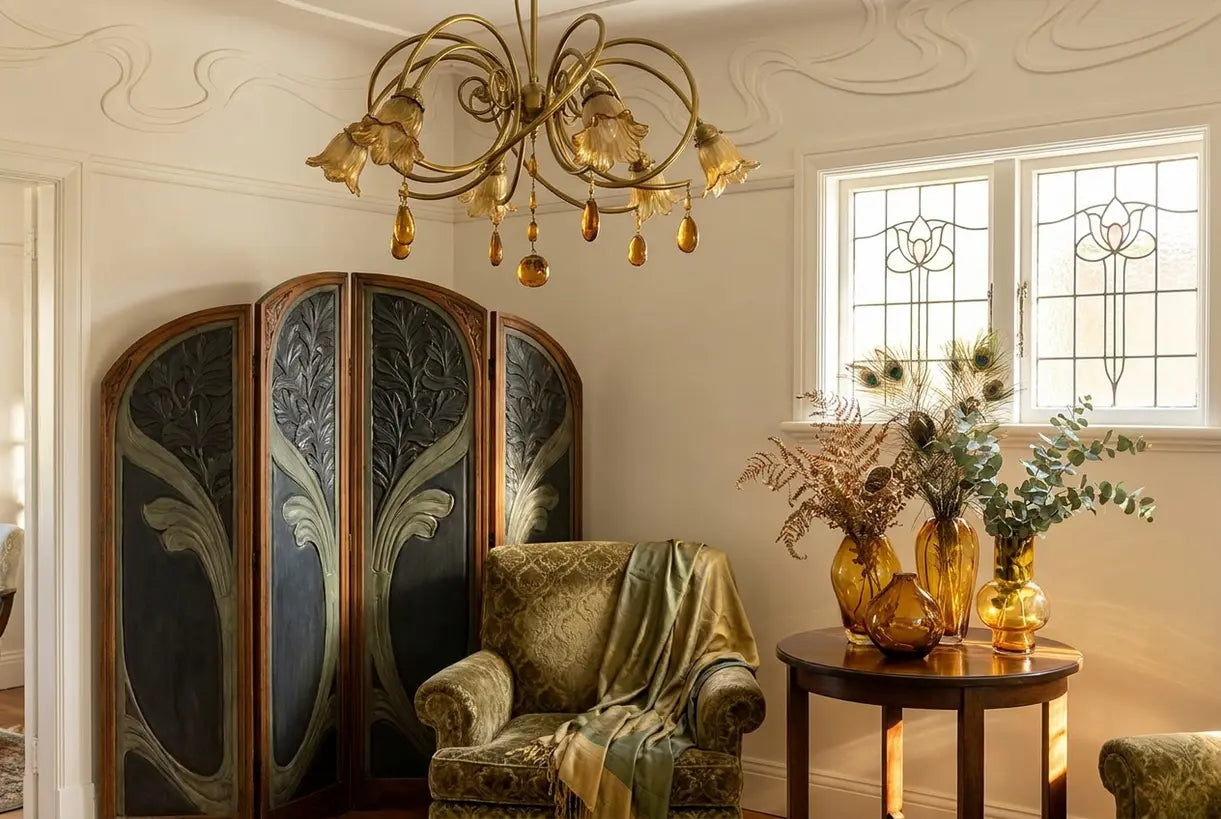
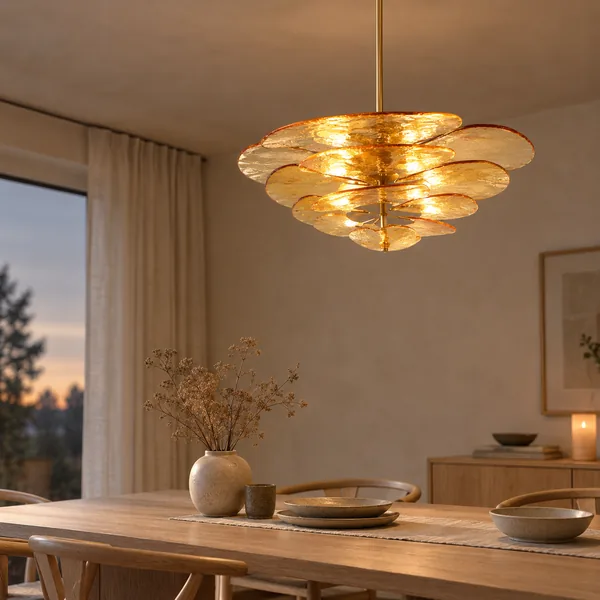 Ravglo Handcrafted Amber Stained Glass Chandelier$899.00$1,389.00
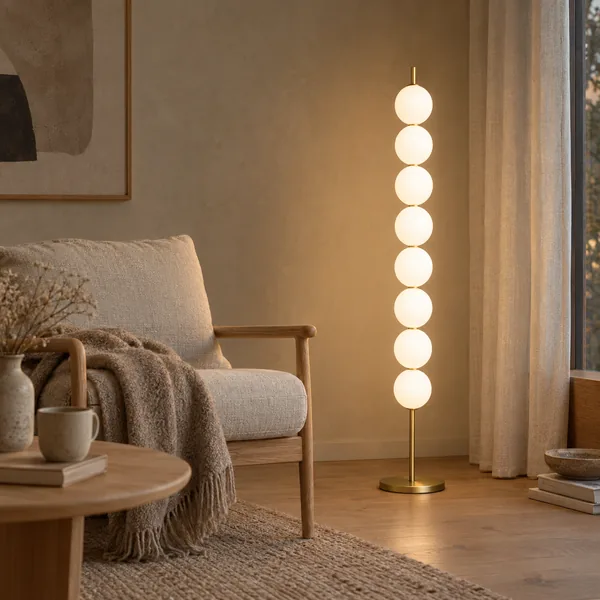 Glödra Nordic Brass Floor Lamp Statement Light$439.00$639.00
The Ravglo Handcrafted Amber Stained Glass Chandelier captures the authentic stained glass artistry that defined the era, while the Glödra Nordic Brass Floor Lamp Statement Light brings sculptural elegance with its polished brass and flowing organic lines.
The Scandinavian Connection
At first glance, Art Nouveau's ornate detailing might seem at odds with Scandinavian minimalism. Yet dig deeper, and you'll discover profound alignment. Both movements emerged as reactions against industrial excess, both champion handcrafted quality over mass production, and both find their principles rooted in the natural world.
Scandinavian design's emphasis on curved lines furniture and organic silhouettes owes much to Art Nouveau's earlier explorations. The Nordic concept of hygge—that cozy, intentional warmth—finds its visual expression in the warm woods, soft curves, and botanical influences that Art Nouveau pioneered.
When you explore our Glass Lighting collection, you'll discover pieces that honor this cross-pollination of styles—contemporary craftsmanship infused with timeless organic elegance.
Maintaining Balance: The Art of Curated Eclecticism
The most successful Art Nouveau aesthetic interiors today are those that understand editing is as important as acquisition. Rather than filling every surface with period pieces, create thoughtful vignettes that allow individual pieces to breathe and command attention.
Consider these principles:
- Choose quality over quantity: One exceptional Art Nouveau-inspired fixture outshines multiple mediocre pieces
- Layer textures thoughtfully: Combine smooth glass, warm metal, and rich wood for dimensional interest
- Honor negative space: Let the curves and organic forms exist against calm, neutral backgrounds
- Prioritize craftsmanship: Seek pieces that show the hand of the maker, whether vintage or contemporary
This approach creates spaces that feel collected over time rather than decorated, spaces where every object earns its place through beauty and meaning.
Expert Tip: When incorporating Art Nouveau lighting, consider dimmer switches. The style's stained glass and layered materials create their most magical effects when light levels are lowered, casting warm, dimensional glows that transform evenings into something extraordinary.
Chandeliers
Shop all Chandeliers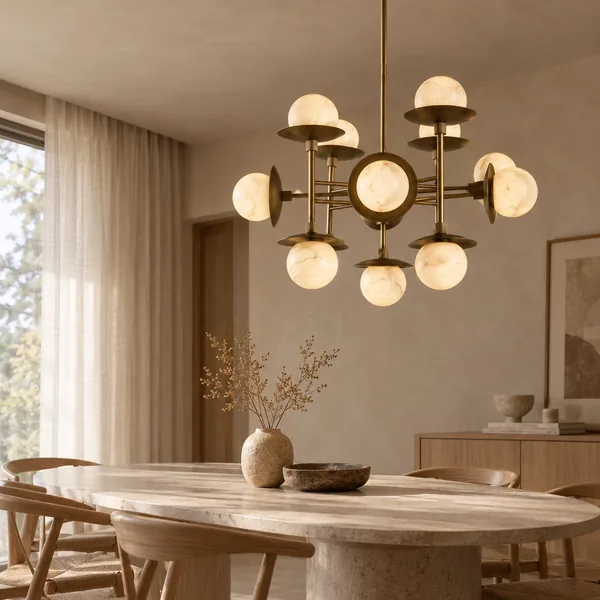
Conclusion: Timeless Beauty for Contemporary Living
Art nouveau interior design endures not because it clings to the past, but because its principles—celebrating nature, honoring craftsmanship, creating beauty from function—remain perpetually relevant. In our increasingly digital existence, spaces that feel organic, handmade, and connected to the natural world offer something essential: a sense of refuge and authenticity.
At Skonne, we believe that the best interiors are those that tell your story through carefully curated pieces. Whether you choose to embrace Art Nouveau fully or simply incorporate touches of its flowing lines design philosophy, the goal remains the same: creating a home that feels both elevated and deeply personal.
Our collection of Scandinavian-inspired lighting and decor bridges historical elegance with contemporary living, offering pieces that honor the Art Nouveau spirit while meeting the demands of modern life. Because truly timeless design doesn't just look to the past—it brings its best lessons forward into spaces where we actually live.
Related Article
Bathroom Interior Design: How to Style a Beautiful, Functional BathroomTransform your bathroom into a beautiful, functional retreat with our Scandinavian-inspired design guide. Learn vanity lighting tips, styling secrets, and space-saving ideas.