
Postmodern Interior Design: Bold, Playful & Rule-Breaking Style for the Daring Decorator
Summary›
- What Is Postmodernism in Interior Design?
- Key Characteristics of Postmodern Interior Design
- What Are the 5 Elements of Postmodernism?
- What Colors Are Used in Postmodern Design?
- How Do I Decorate in Postmodern Style?
- Postmodern Meets Scandinavian: Finding Your Balance
- Visual Inspiration: Postmodern Design in Action
- Building Your Postmodern Sanctuary
Imagine walking into a space that refuses to follow the rules. Where a bold crimson sofa lives harmoniously beside a sleek metal floor lamp shaped like a Calder sculpture. Where glossy surfaces meet raw textures, and where every piece seems to wink at you rather than whisper. This is interior design postmodern style—a movement that emerged in the late 1970s as a joyful rebellion against the rigid minimalism that preceded it.
For the daring decorator seeking something more spirited than Scandinavian restraint yet equally curated, postmodern interiors offer the perfect middle ground. Unlike the "less is more" ethos of modernism, postmodern design embraces more is more—but intentional, artful, and deeply personal. Throughout this guide, we'll explore how to achieve this bold interior style in your own home, starting with the most transformative element: sculptural lighting that anchors the entire aesthetic.
What Is Postmodernism in Interior Design?
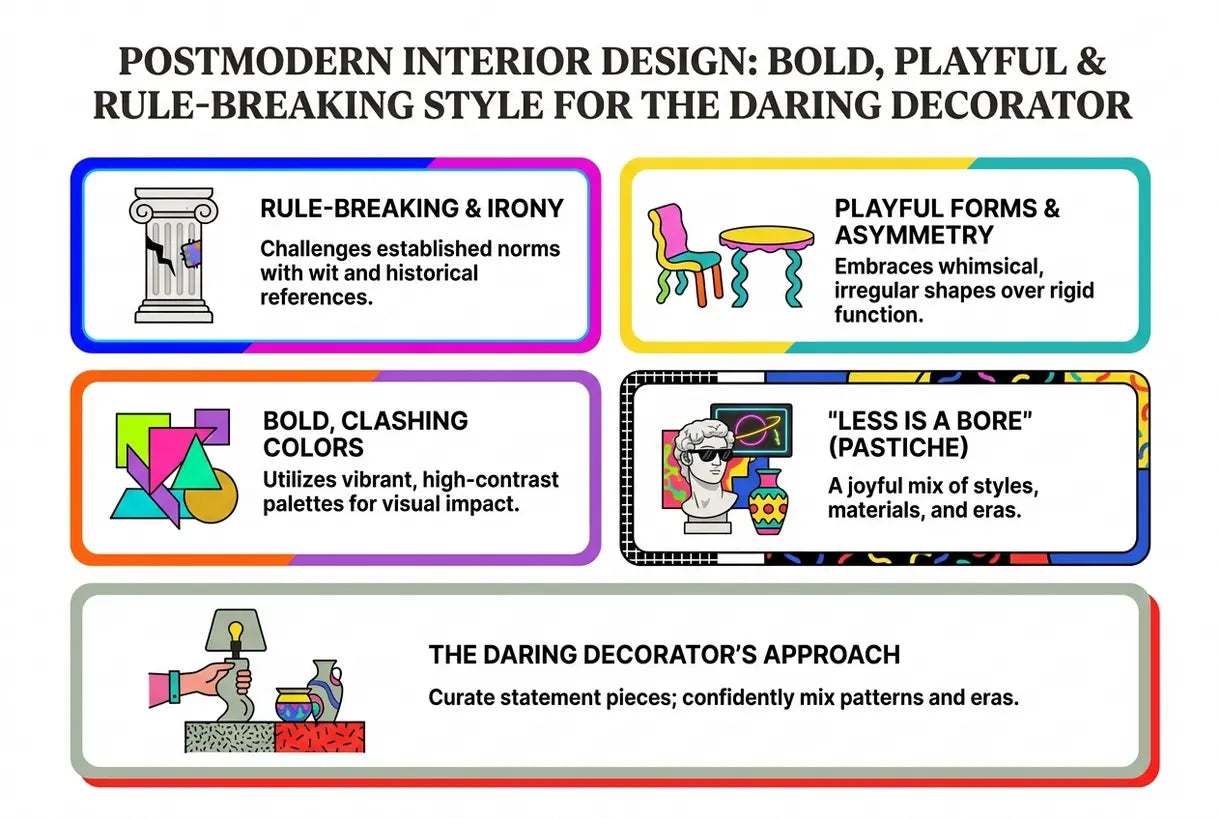
Postmodernism in interior design began as a deliberate departure from the stark functionality of mid-century modern architecture and design. While modernism championed purity of form, honest materials, and the mantra that "form follows function," postmodernism asked: Why can't function follow fun?
This movement drew inspiration from disparate sources—pop art, classical architecture, Memphis Milano's radical geometry, and even kitsch—to create spaces that feel curated yet approachable. Rule-breaking design doesn't mean chaos; rather, it's about creating visual tension and dialogue between elements that traditional design would keep separate.
The beauty of postmodernism lies in its embrace of contradiction. A postmodern living room might feature an ornate gilded mirror above a Memphis-style squiggly table, or a minimalist sectional paired with a wildly patterned rug. The common thread? Confidence and a willingness to challenge convention.
Key Characteristics of Postmodern Interior Design
Understanding what defines this playful home design approach helps you curate pieces that work together without becoming overwhelming. Here are the hallmarks that distinguish postmodern interiors:
Geometric Forms and Sculptural Presence
Sharp angles, curved silhouettes, and organic shapes coexist in postmodern spaces. Think semicircular arches, triangular tables, and lighting fixtures that double as art installations. These forms aren't merely decorative—they become the focal points that define the room's personality.
Unexpected Material Combinations
Postmodern design delights in pairing the refined with the industrial. Marble meets molded plastic. Gleaming brass contrasts with raw concrete. These juxtapositions create visual interest and a sense of curated spontaneity.
Ironic References and Playful Details
Unlike the solemnity of modernism, postmodernism winks at history. You'll find classical columns rendered in neon acrylic, or ornate Baroque details simplified into minimal line drawings. It's design with a sense of humor—elevated but never pretentious.
Asymmetry and Deconstructed Layouts
Perfectly symmetrical arrangements are abandoned in favor of organic, flowing compositions. Furniture floats away from walls, and art hangs at unexpected heights. The result feels collected over time rather than staged.
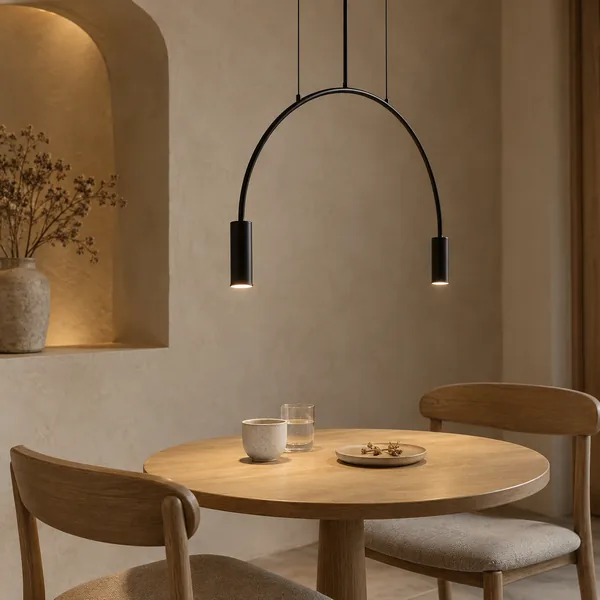 Buela Geometric Black Semi Circle Pendant Light$369.00$579.00
For those beginning their postmodern journey, statement lighting offers the lowest-risk, highest-impact entry point. The Buela Geometric Black Semi Circle Pendant Light exemplifies how a single bold piece can anchor an entire room's aesthetic. Its dramatic semi-circular form draws the eye upward while its clean black finish maintains the sophisticated restraint that prevents postmodernism from becoming cluttered.
Pendant Lights
Shop all Pendant Lights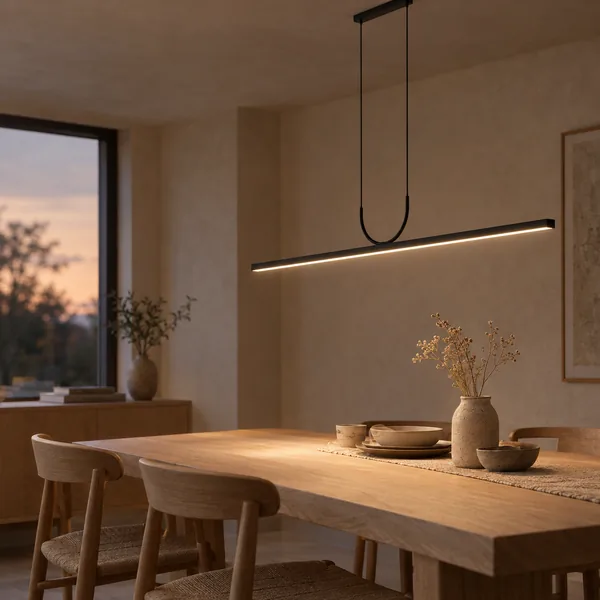
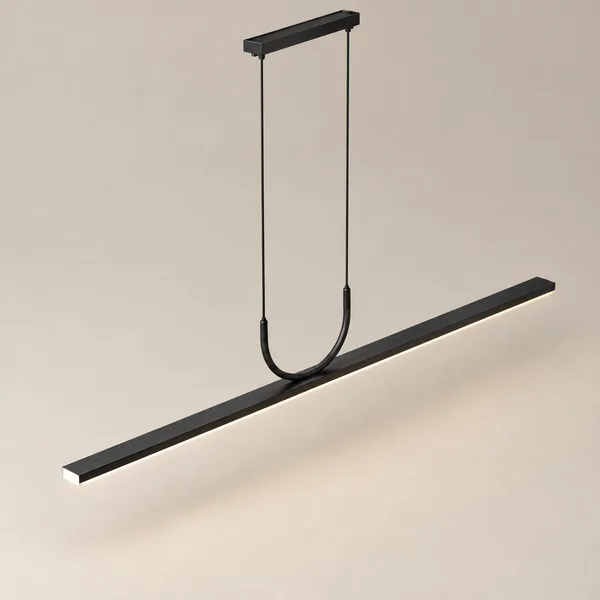 Save $140.00
Linné Minimalist Linear Black LED Pendant Light
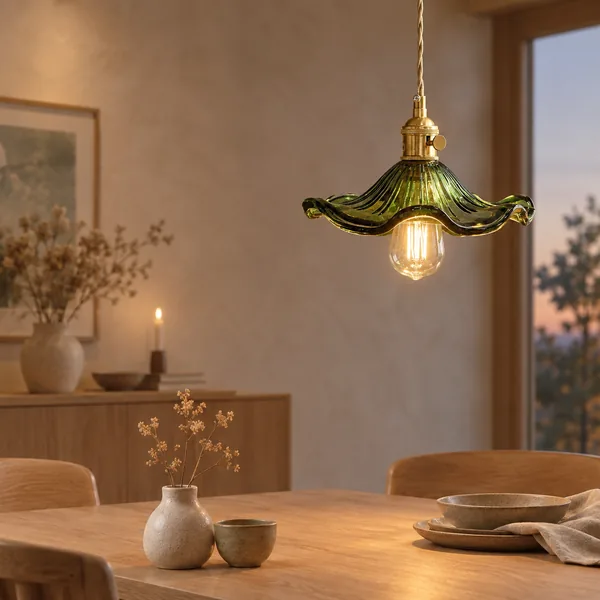
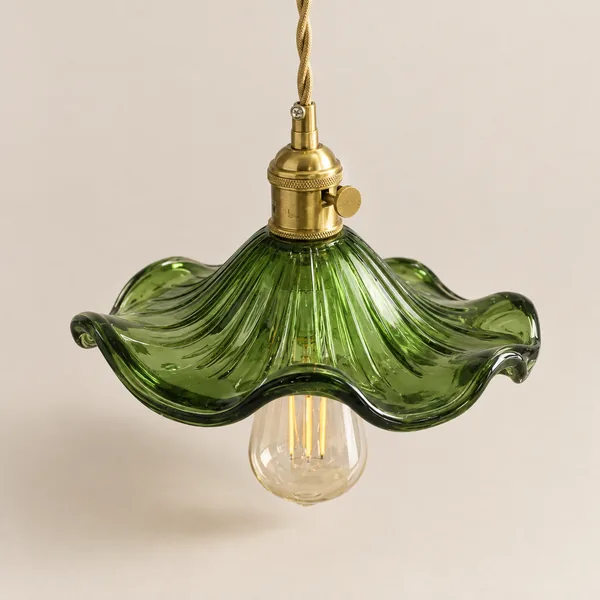 Save $60.00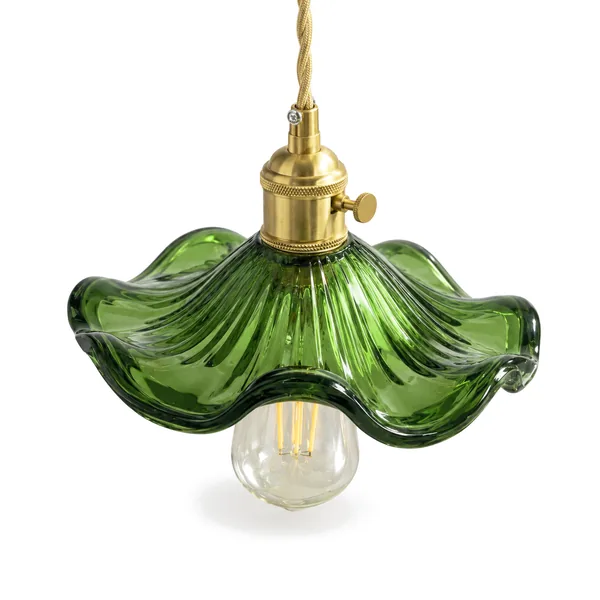
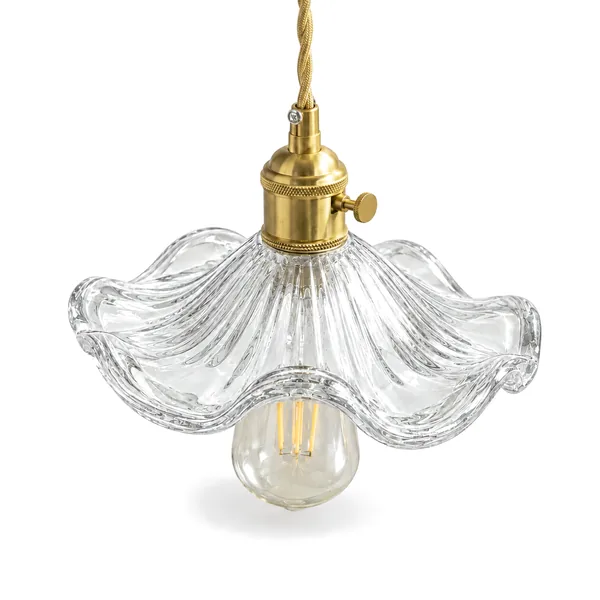
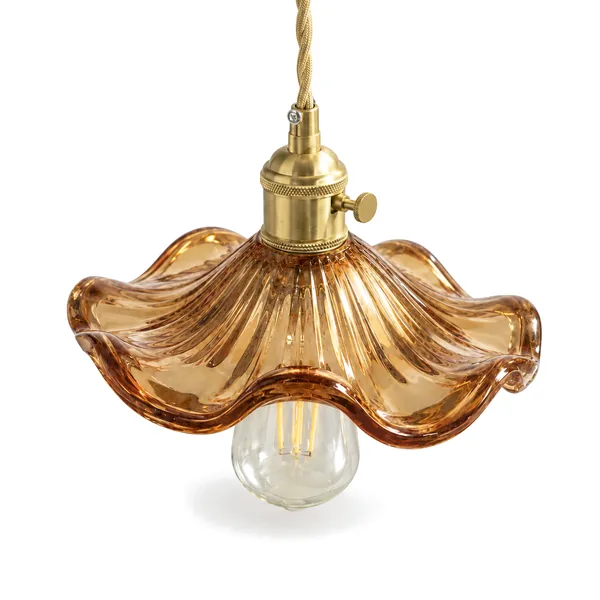 3 options
Glora Nordic Glass Pendant Light with Copper
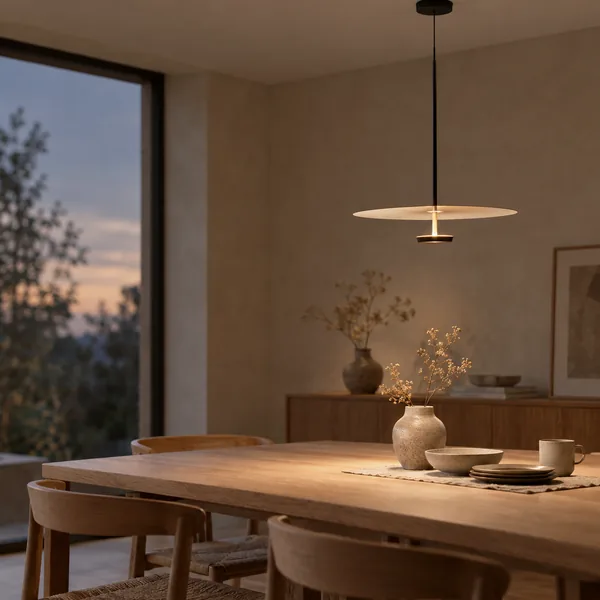
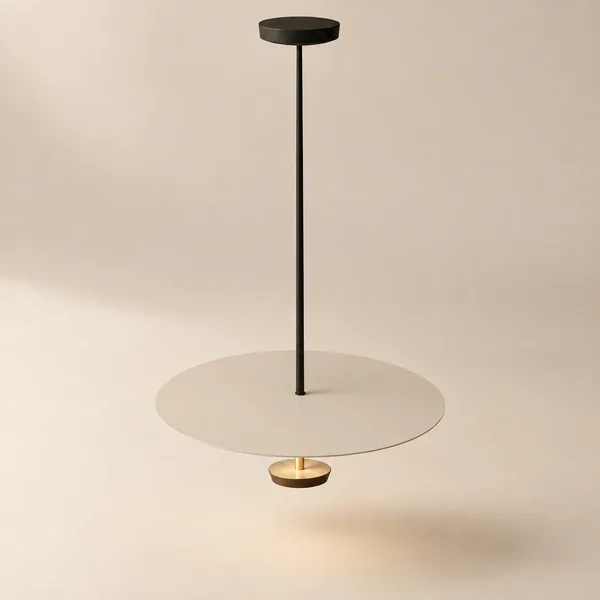 Save $120.00
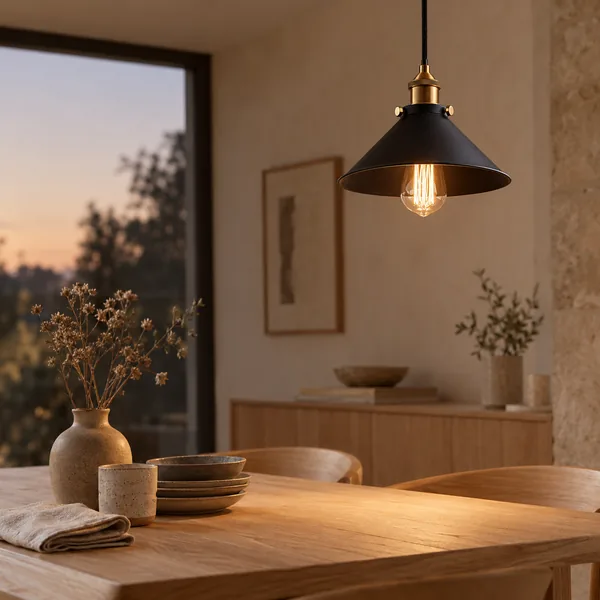
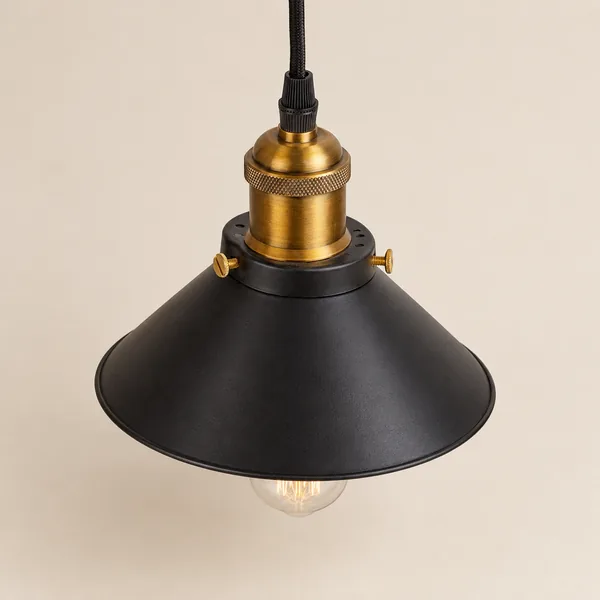
Skiva Nordic Saucer Ceiling Pendant Light LED
What Are the 5 Elements of Postmodernism?
While postmodern design resists rigid definitions, five recurring elements define this aesthetic:
- Pluralism — The embrace of multiple styles, periods, and influences without hierarchy. Victorian details sit comfortably beside 1980s Memphis patterns.
- Metaphor and Symbolism — Objects and forms carry meaning beyond pure function. A chair shaped like a hand isn't just seating—it's commentary on human scale.
- Complexity and Contradiction — As architect Robert Venturi famously argued, postmodernism accepts "messy vitality over obvious unity." Layered textures, competing patterns, and disparate eras create dynamic tension.
- Contextual Design — While rejecting modernism's universal solutions, postmodernism considers local culture, history, and site-specific factors.
- Decorative Honesty — Unlike modernism's suppression of ornament, postmodernism celebrates decoration unapologetically.
These five elements give you permission to curate boldly. When you understand that contradiction is not just acceptable but celebrated, decorating becomes an act of joyful self-expression rather than anxious rule-following.
What Colors Are Used in Postmodern Design?
The postmodern palette draws from diverse sources—pop art brights, Memphis Milano's electric pastels, and even sophisticated neutrals with dramatic accents. Unlike Scandinavian design's restrained earth tones or modernism's monochrome severity, colorful home decor in postmodern spaces isn't shy.
Signature postmodern color combinations include:
• Electric Turquoise and Coral — The quintessential 80s pairing that still feels fresh
• Mustard Yellow and Dusty Rose — Muted yet optimistic
• Chartreuse and Indigo — Bold contrast with retro undertones
• Black and White with Neon Accents — Graphic drama with punchy color pops
• Terracotta and Teal — Earthy meets electric
Don't feel pressured to use all these colors at once. Start with a neutral foundation—perhaps warm white or soft gray walls—then introduce colorful home decor through art, textiles, and lighting fixtures. This approach allows you to experiment without overwhelming commitment.
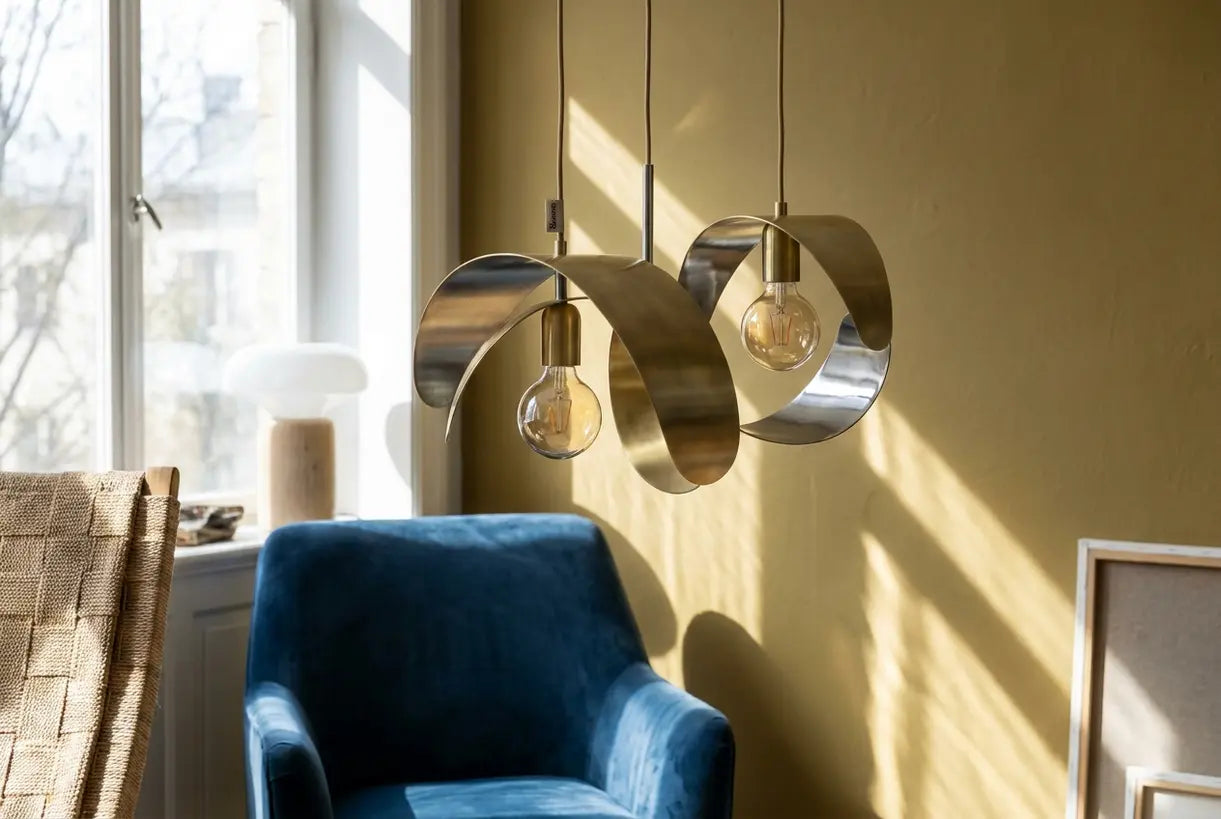
For those looking to explore more options, our Home Decor collection offers a curated selection of accent pieces that bridge Scandinavian hygge with eclectic design style sensibilities—textiles, vases, and decorative objects that add personality without sacrificing intentionality.
How Do I Decorate in Postmodern Style?
Bringing this bold interior style into your home requires confidence, but not recklessness. Think of it as curated maximalism—every piece should earn its place, even when breaking traditional rules.
Start with Statement Lighting
In postmodern interiors, lighting transcends function to become the room's sculptural anchor. A dramatic pendant or wall sconce sets the tone immediately, creating the foundation upon which other eclectic elements layer comfortably.
Embrace Geometric Accent Pieces
Look for furniture and decor with clear geometric forms—circular mirrors, triangular side tables, arches, and zigzag patterns. These shapes reference both Art Deco luxury and Memphis Milano playfulness.
Mix Periods with Intention
The key to successful postmodern layering lies in confident contrast. A sleek 1970s chrome floor lamp beside a Victorian velvet settee works not despite their differences, but because of them. The tension creates energy.
Choose Maximalist Interiors Mindfully
While postmodernism embraces abundance, avoid collecting anything. Each piece should feel considered—something that either sparks joy, reflects your personality, or creates meaningful dialogue with adjacent objects.
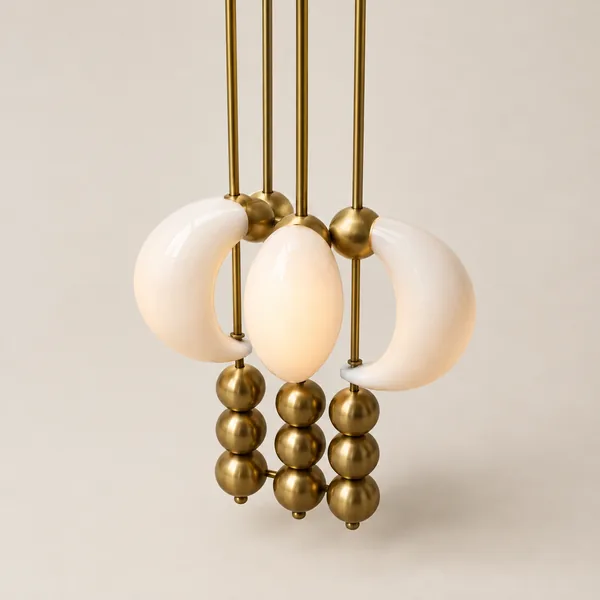
Create Your Postmodern Lighting Foundation
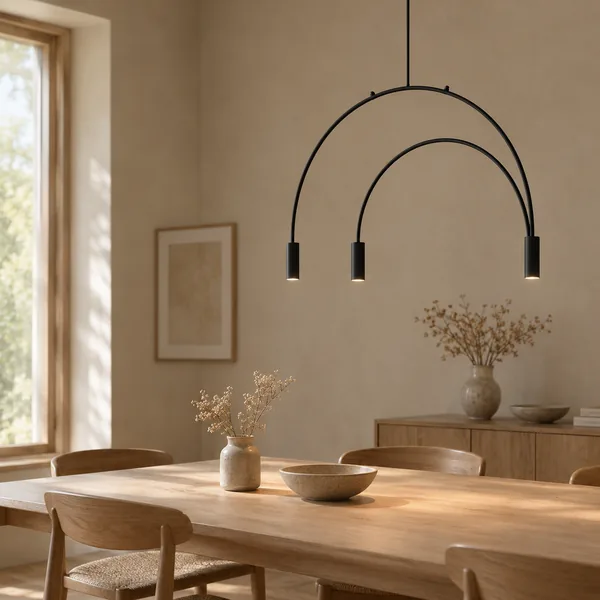 Halvbue Black Semi-Circle Triple Pendant Light$499.00$719.00
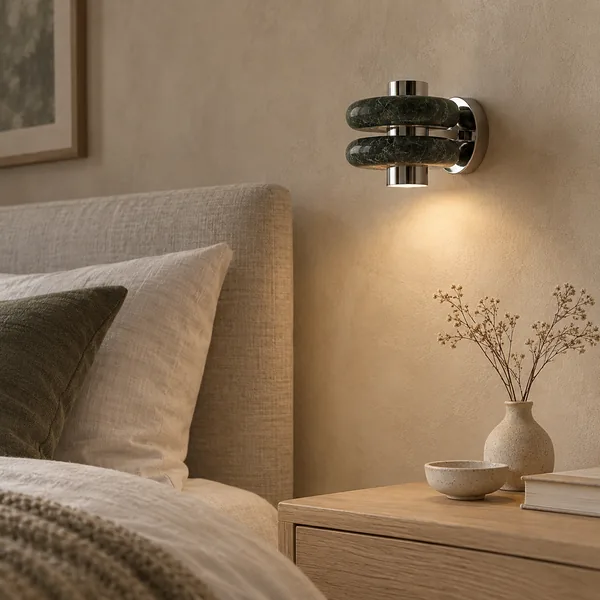 Grenvid Green Marble LED Wall Light Nordic Design$469.00$649.00
Consider the Halvbue Black Semi-Circle Triple Pendant Light for dining areas where visual drama matters. Its architectural triple arrangement commands attention without overwhelming, while the Grenvid Green Marble LED Wall Light introduces organic texture through genuine stone—perfect for hallways and bedrooms where you want postmodern sophistication with warm material presence.
Remember that maximalist interiors succeed through editing as much as through accumulation. Step back periodically and remove anything that doesn't spark joy or serve a clear compositional purpose.
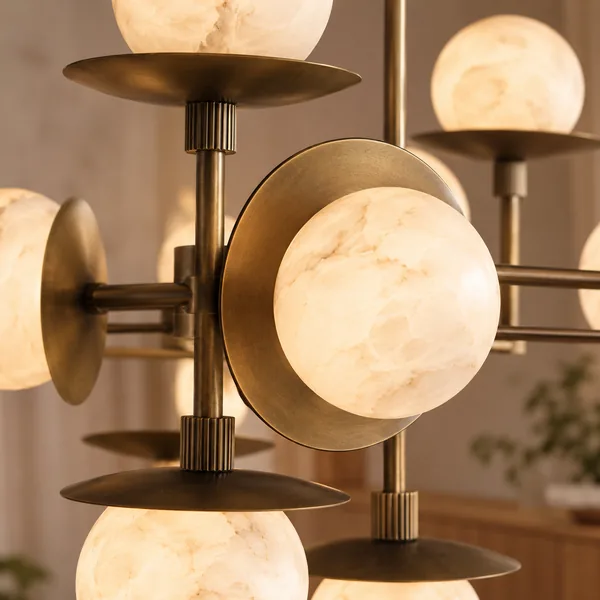
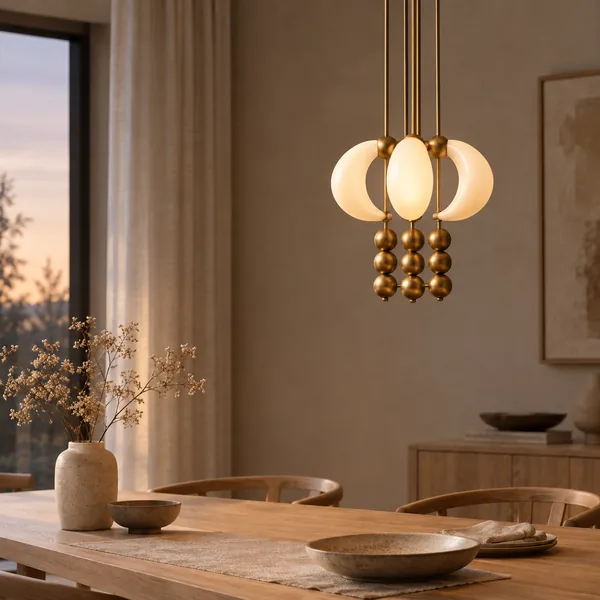
Chandeliers
Shop all Chandeliers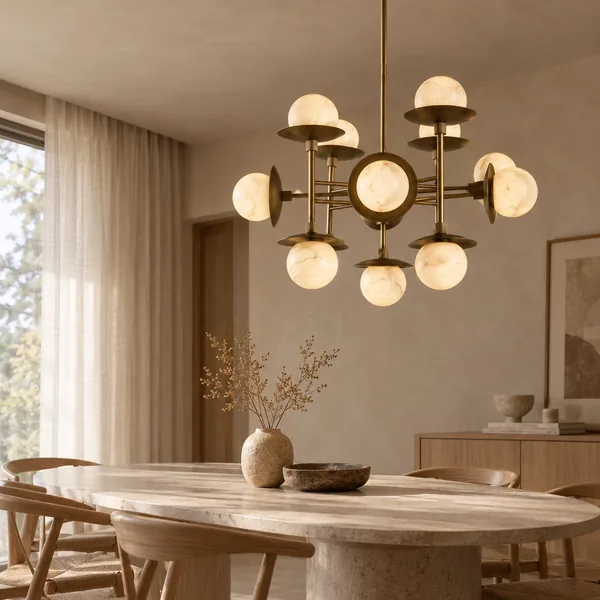
Postmodern Meets Scandinavian: Finding Your Balance
You might wonder how Skonne's Scandinavian heritage connects to something as bold as interior design postmodern aesthetics. The answer lies in shared DNA: both movements prioritize intentionality, quality materials, and the belief that our surroundings profoundly affect how we feel.
Scandinavian design values hygge—the cozy contentment of being at ease. Postmodernism, with its playful energy, can enhance that feeling rather than contradict it. A sculptural pendant light isn't just decorative; it creates pools of warm light that transform evening routines from mundane to meaningful moments.
The key is curation. Postmodernism thrives when each piece feels chosen with purpose, not acquired on impulse. This aligns perfectly with Skonne's philosophy of intentional, elevated living. Our curated approach to postmodern furniture and lighting emphasizes pieces that balance bold form with timeless quality—investments that grow more cherished over years, not months.
Visual Inspiration: Postmodern Design in Action
Sometimes understanding a style requires seeing it executed by those who truly get it. This video explores postmodern decorating approaches that balance controversy with livability:
Notice in the video how successfully postmodern spaces combine seemingly disparate elements through consistent color palettes or repeated geometric motifs. The rule-breaking becomes coherent through underlying visual logic—a principle you can apply whether starting fresh or evolving your existing decor.
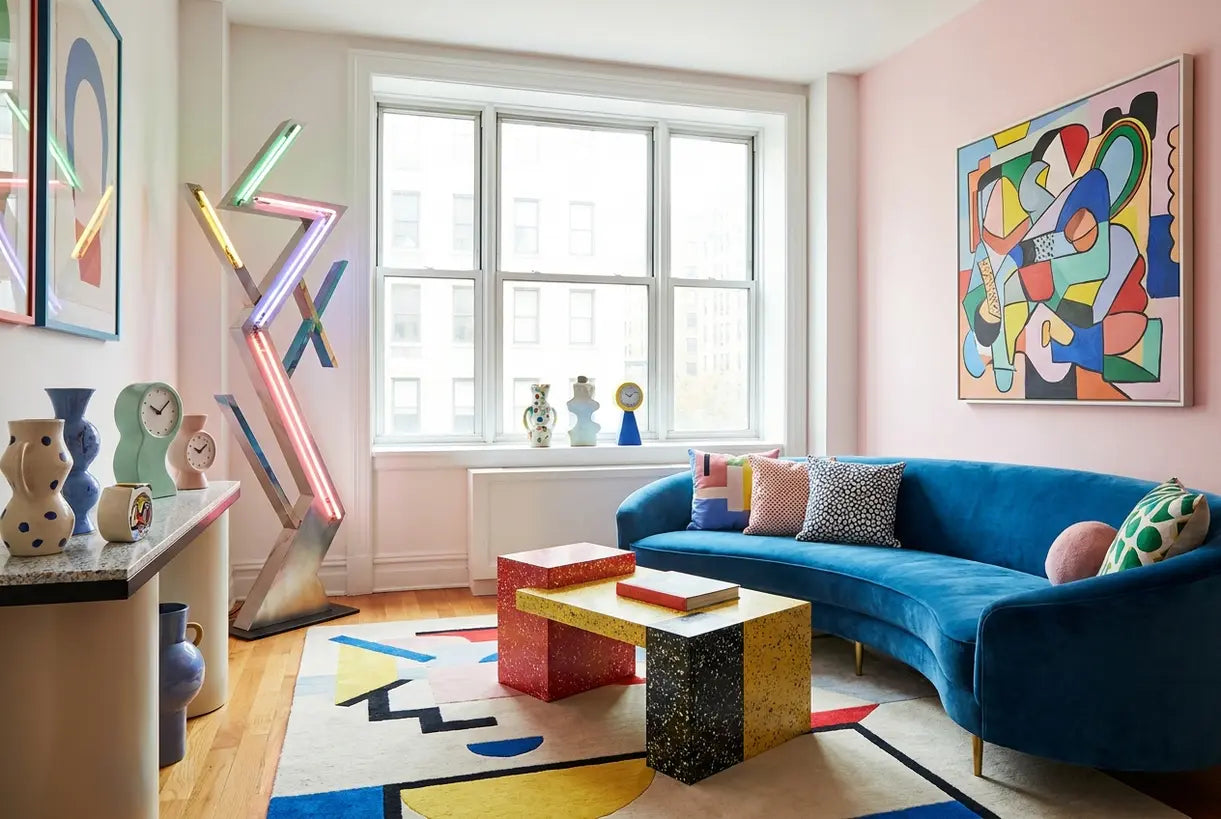
Study how successful postmodern interiors use negative space strategically. Even amid maximalist collections, breathing room allows statement pieces to shine. This balanced approach prevents the aesthetic from becoming overwhelming—essential for creating livable, not merely photographable, spaces.
Building Your Postmodern Sanctuary
Embarking on a rule-breaking design journey requires both courage and curation. The beauty of postmodernism lies not in abandoning all principles, but in creating new ones that honor your individual taste over prescriptive formulas.
Start small if the approach feels intimidating. A single sculptural light fixture, like those mentioned above, changes how an entire room feels without requiring massive investment or renovation. Layer in geometric accent pieces, then textiles, then perhaps a bolder furniture choice. Each addition should feel like an evolution, not a revolution.
Trust your instincts. If a pairing makes you smile—whether it's a bright yellow lamp against sage walls or a chrome starburst mirror above a boucle sofa—that's postmodernism doing its job. Your home should feel like no one else's because it's curated from your unique perspective.
At Skonne, we believe that how we light and decorate our homes shapes how we live in them. Our curated collection of Scandinavian-inspired lighting and decor embraces those seeking both the comfort of natural materials and the energy of bold, contemporary design. Whether you're fully committing to postmodern aesthetics or simply borrowing its most joyful elements, we're here to help you create spaces that feel both elevated and deeply, authentically yours.
Related Article
Art Nouveau Interior Design: Organic Forms, Nature Motifs & Flowing Lines for Your HomeDiscover how Art Nouveau's flowing organic forms and nature-inspired motifs can transform your home into an elegant, timeless sanctuary.