
Brutalist Interior Design: How to Embrace Raw, Concrete & Industrial Beauty at Home
Summary›
- Understanding Brutalist Design: From Architecture to Your Living Room
- The Essential Elements: Concrete, Texture, and Form
- Color Palettes: The Brutist Spectrum
- Balancing Raw with Refined: The Art of Warm Brutalism
- Architectural Details That Elevate
- Creating Your Brutalist Sanctuary
- Conclusion: The Beauty of Being Unfinished
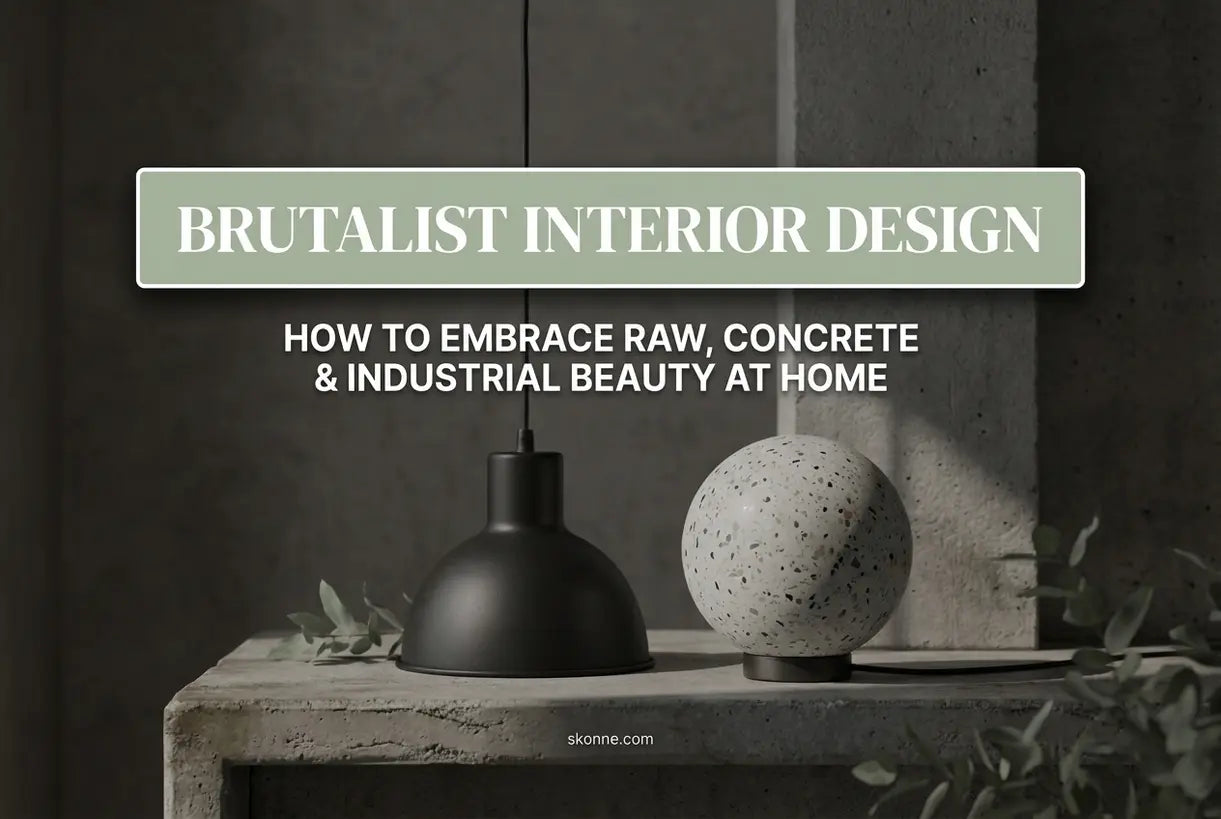
There's a quiet revolution happening in homes across America. Where polished perfection once reigned, raw, unapologetic authenticity is taking center stage. Brutalist interior design—characterized by exposed concrete, honest materials, and geometric boldness—has evolved from its controversial architectural origins into one of the most compelling contemporary aesthetics for modern living.
Yet today's brutalist interior design isn't about cold, imposing spaces. It's about finding beauty in imperfection, celebrating materials in their natural state, and creating homes that feel grounded and intentional. At Skonne, we believe the most captivating interiors balance industrial edge with Scandinavian warmth—a philosophy that transforms stark rawness into inviting sanctuaries. In this guide, you'll discover how to embrace concrete textures, industrial lighting, and minimalist forms while maintaining the hygge comfort that makes a house feel like home.
Understanding Brutalist Design: From Architecture to Your Living Room
To truly appreciate brutalist interior design, one must understand its architectural DNA. Emerging in the 1950s and flourishing through the 1970s, Brutalism—derived from the French béton brut, meaning "raw concrete"—was architecture stripped of ornamentation. Buildings wore their structure on the outside: massive concrete forms, bold geometric shapes, and an unapologetic display of construction materials.
Today's interior interpretation honors these principles while adapting them for livable spaces. Raw concrete home decor becomes a statement wall rather than an entire building. Industrial lighting fixtures cast dramatic shadows across textured surfaces. The philosophy remains the same—honesty in materials, boldness in form—but the execution welcomes warmth and intimacy.
The Core Principles of Modern Brutalist Interiors
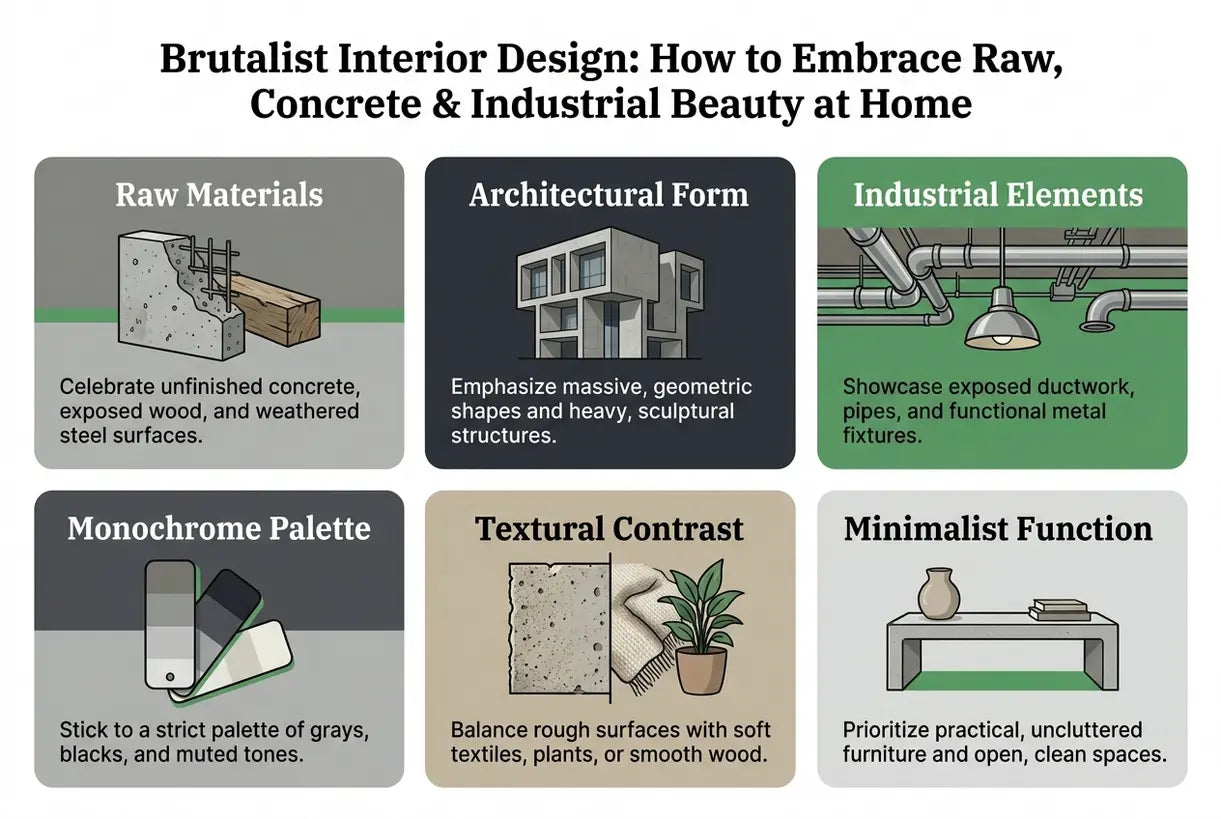
Contemporary brutalist interiors rest on three foundational pillars that guide every design decision:
- Material Honesty: Surfaces remain unadorned and authentic. Concrete shows its aggregate. Wood displays its grain. Metal retains its patina. There's nowhere for imperfections to hide—and that's precisely the point.
- Monumental Simplicity: Forms are bold, geometric, and commanding. Think substantial furniture pieces with clean lines, chunky silhouettes, and a sculptural quality that anchors a room.
- Functional Beauty: Every element serves a purpose. Decorative flourishes are minimal. The beauty emerges from how materials age, how light interacts with surfaces, and how spaces flow.
Pendant Lights
Shop all Pendant Lights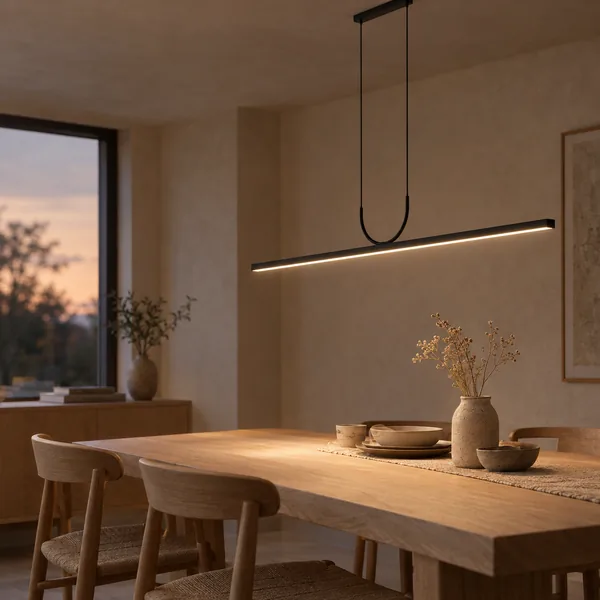
 Save $140.00
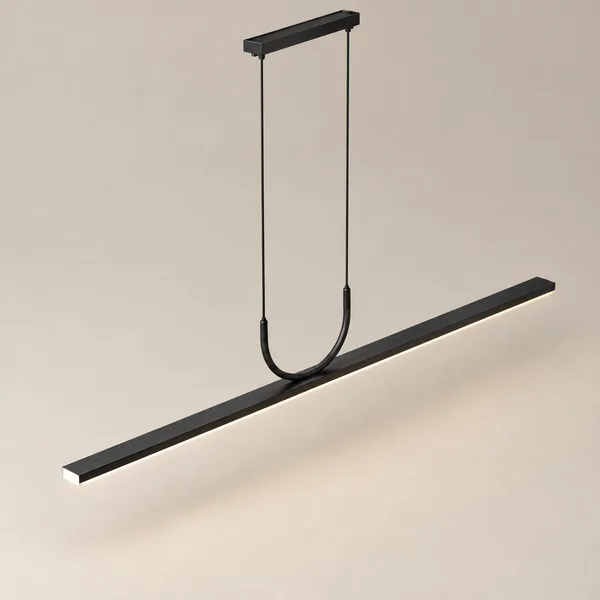
Linné Minimalist Linear Black LED Pendant Light
 Save $60.00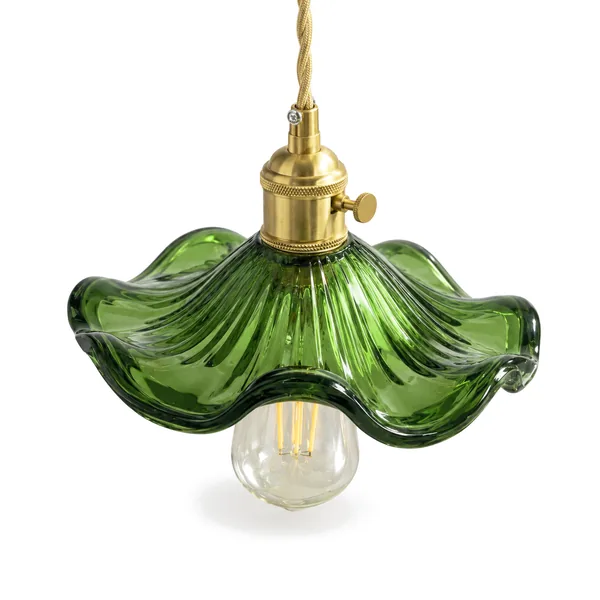
 3 options
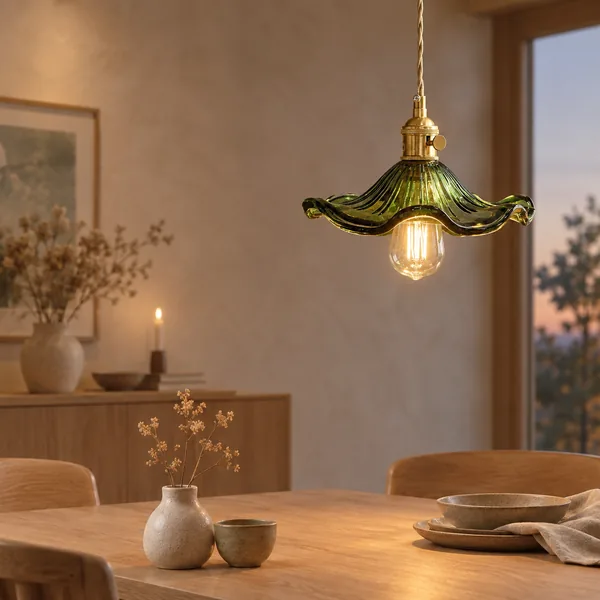
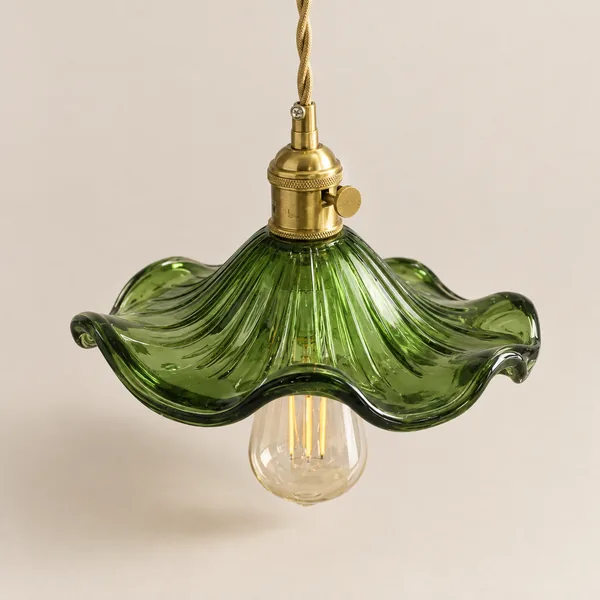
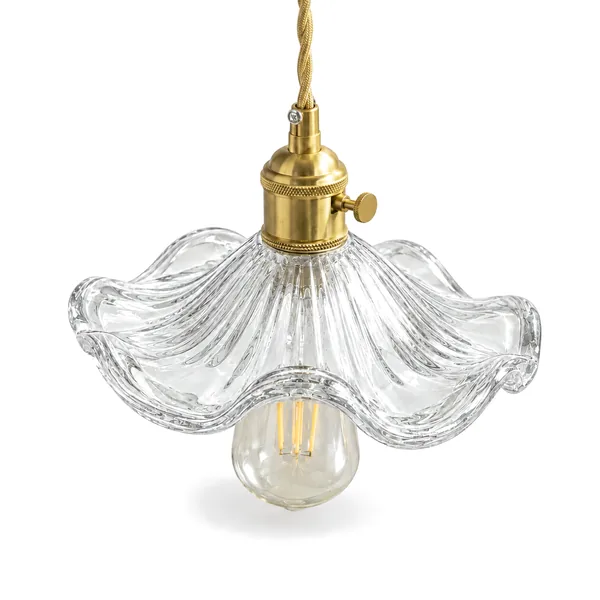
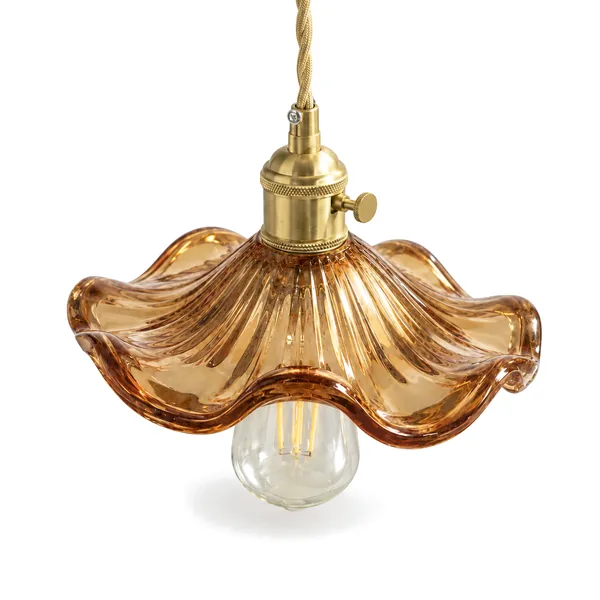
Glora Nordic Glass Pendant Light with Copper
 Save $120.00
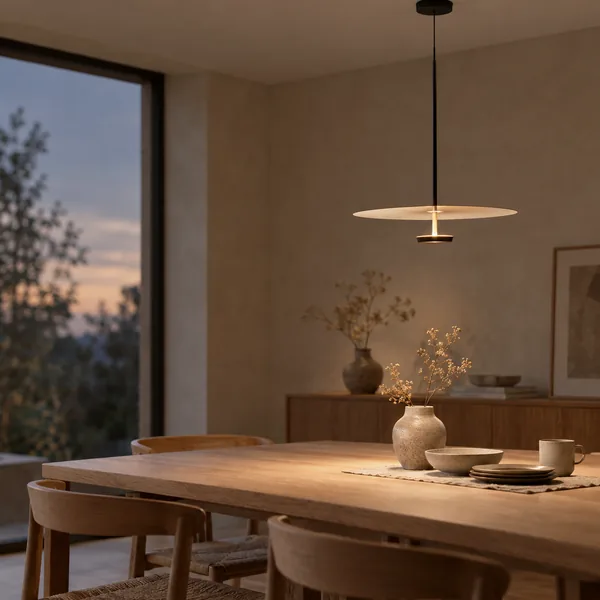
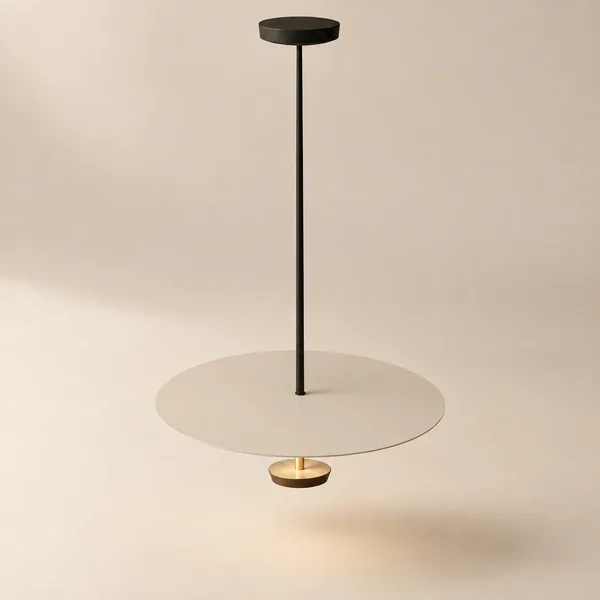
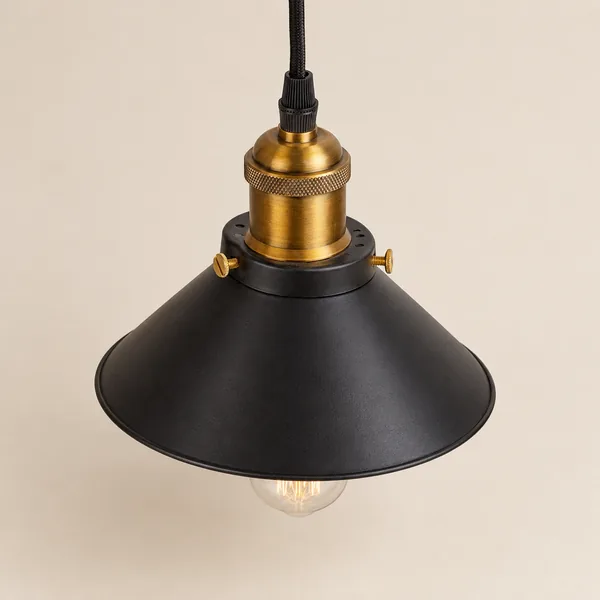
Skiva Nordic Saucer Ceiling Pendant Light LED
The Essential Elements: Concrete, Texture, and Form
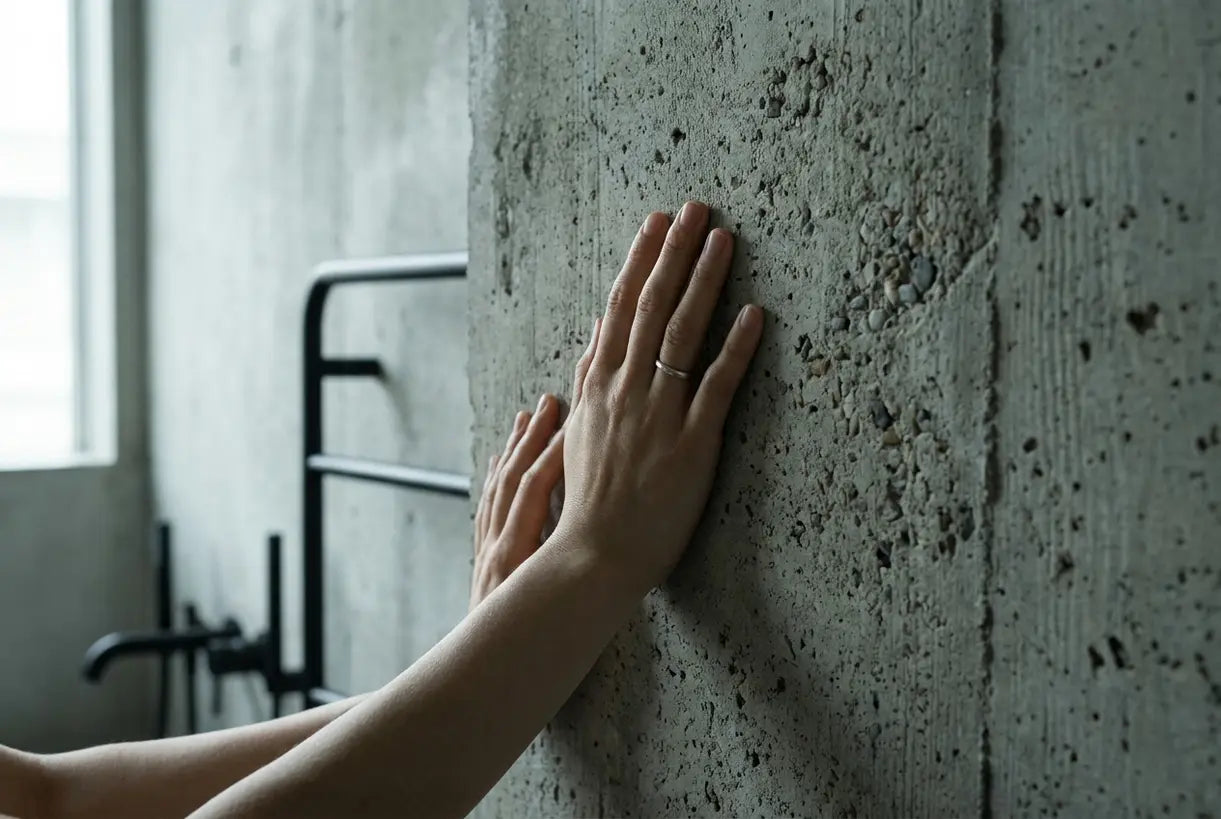
Creating a concrete wall design or incorporating brutalist elements doesn't require a complete renovation. The key lies in strategic material selection and understanding how raw elements interact within your space.
Mastering Concrete and Raw Materials
Concrete remains the poster child of brutalist interior design, but its application has evolved beyond cold institutional vibes. Today's approach embraces concrete accent decor—from polished concrete floors with subtle aggregate exposure to sculptural side tables cast from the material. Even raw material interior styling incorporating timber, steel, and stone can achieve that essential brutalist sensibility.
For those not ready to commit to permanent architectural changes, consider concrete-effect textiles, art prints capturing urban textures, or smaller decorative objects that echo the material's weight and presence.
Lighting as Architectural Sculpture
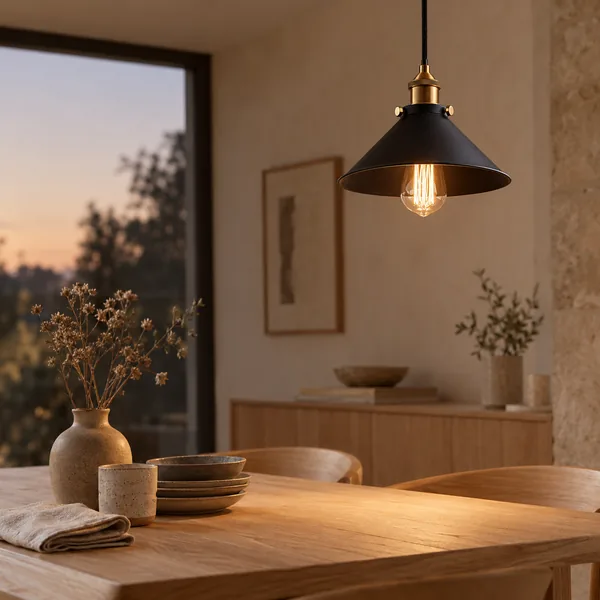
In brutalist spaces, lighting transcends mere function—it becomes sculptural intervention. Industrial lighting fixtures with matte black finishes, exposed bulbs, and geometric forms create dramatic focal points while casting the shadow play that brings raw materials to life. The right pendant can transform a dining area into a gallery-like experience, especially when juxtaposed against concrete or exposed brick.
The Dregla Industrial Magnetic Black Pendant Light exemplifies this philosophy perfectly. Its matte black iron construction and distinctive magnetic suspension design deliver the industrial edge essential to brutalist interiors. Suspended above a dining table or kitchen island, it becomes a functional sculpture—casting dramatic pools of light that transform raw surfaces into dynamic canvases of shadow and texture.
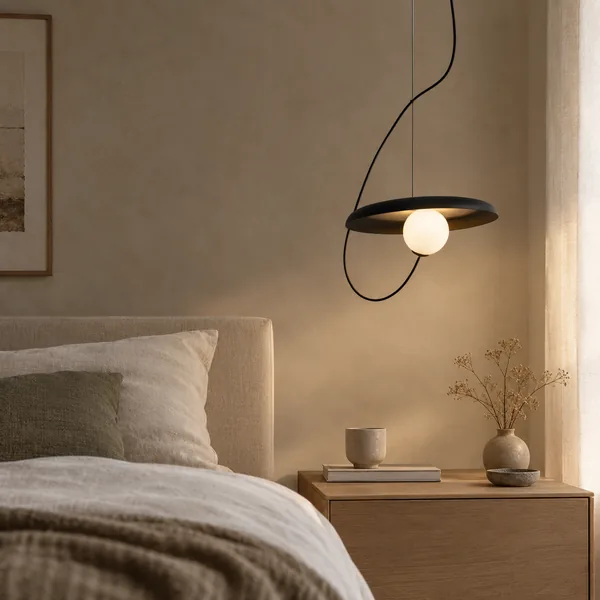 Dregla Industrial Magnetic Black Pendant Light$169.00$249.00
Color Palettes: The Brutist Spectrum
What colors are common in brutalist interiors? The palette draws directly from raw materials themselves. Shades of gray dominate—from pale concrete hues to deep charcoal blacks. These are punctuated by earth tones: rust reds, oxidized browns, and ochre yellows that echo weathered steel and aged timber. White appears rarely and intentionally, usually as a backdrop to highlight form rather than as a dominant shade.
The key to successful color application lies in layering. A monochromatic base of grays and blacks creates cohesion, while subtle variations in material provide visual interest. A modern brutalist living room might feature pale gray walls, a charcoal concrete floor, and deep black lighting fixtures—unified yet nuanced.
Balancing Raw with Refined: The Art of Warm Brutalism
Perhaps the most evolution in brutalist interior design is the emergence of "warm brutalism"—a philosophy that asks: How do I soften brutalist interiors at home? The answer lies in intentional contrast and material dialogue.
Scandinavian principles of hygge translate beautifully to brutalist spaces. Soft wool throws, linen textiles, and organic ceramics introduce tactile warmth against hard surfaces. Natural wood tones—particularly lighter oak and ash—prevent spaces from feeling oppressive. And critically, lighting quality shifts the atmosphere from stark to serene.
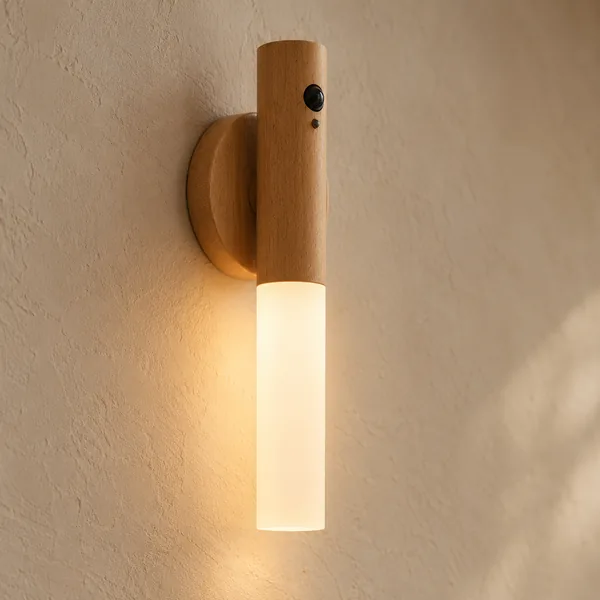
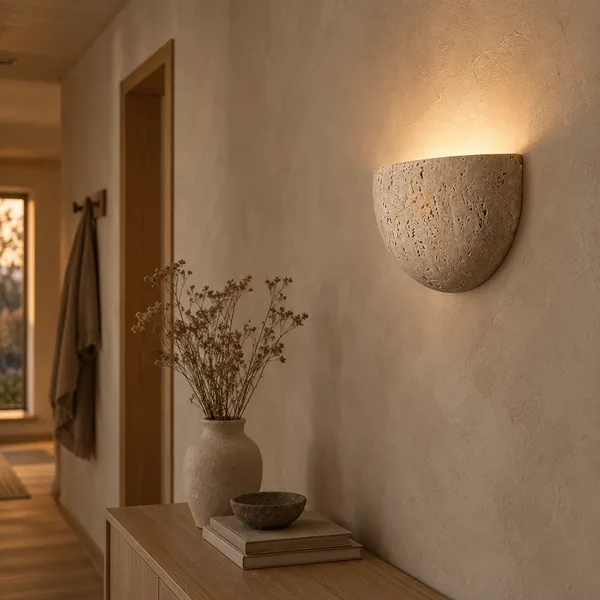
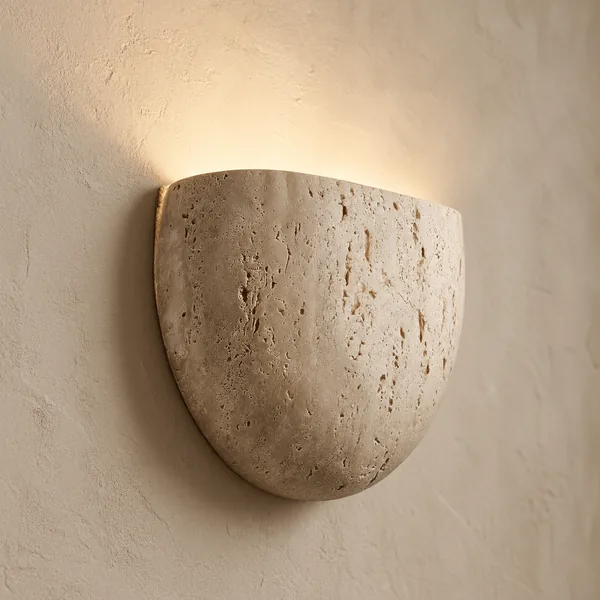
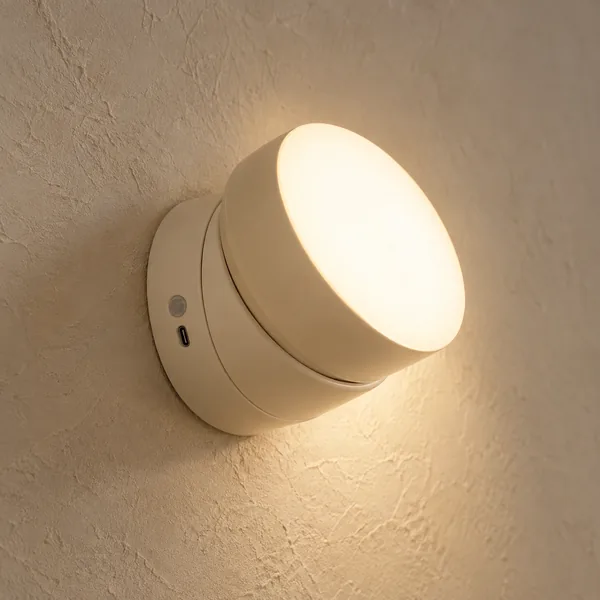
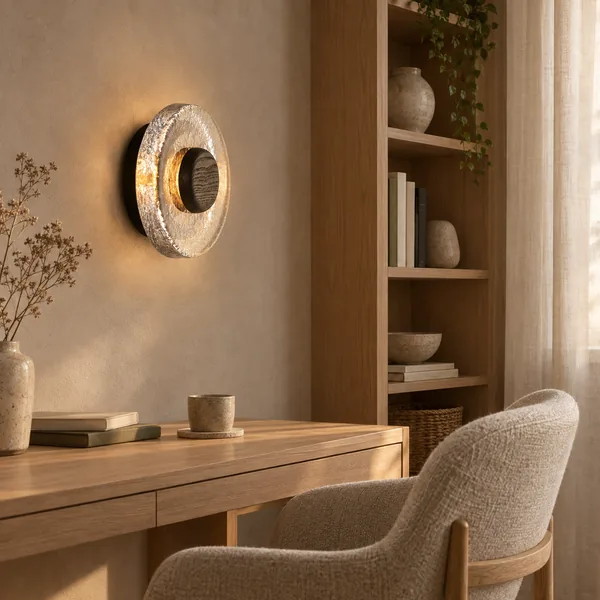
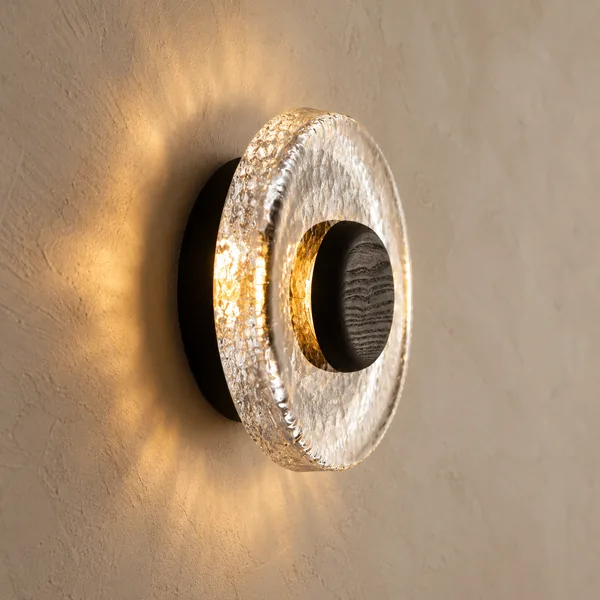
This is where thoughtful product selection becomes essential. For those seeking to complete their industrial brutalist aesthetic with pieces that honor raw materials while introducing Nordic warmth, our Flush-Mount Wall Lights collection offers subtle illumination that softens architectural lines without compromising the design vision.
Terrazzo: The Bridge Between Raw and Refined
Terrazzo emerges as the perfect material for bridging brutalist edge with livable warmth. Composed of raw stone aggregate suspended in concrete-like matrices, it honors brutalist material honesty while introducing pattern, color variation, and an almost artisanal quality.
The Grusten Minimalist Terrazzo Pendant Light captures this balance beautifully. Available in volcanic black or sandstone white, its sculptural spheres echo concrete textures while bringing organic warmth through natural stone composition. Hung in clusters or as singular statement pieces, these pendants soften the rigorous geometry typical of brutalist spaces without sacrificing architectural integrity.
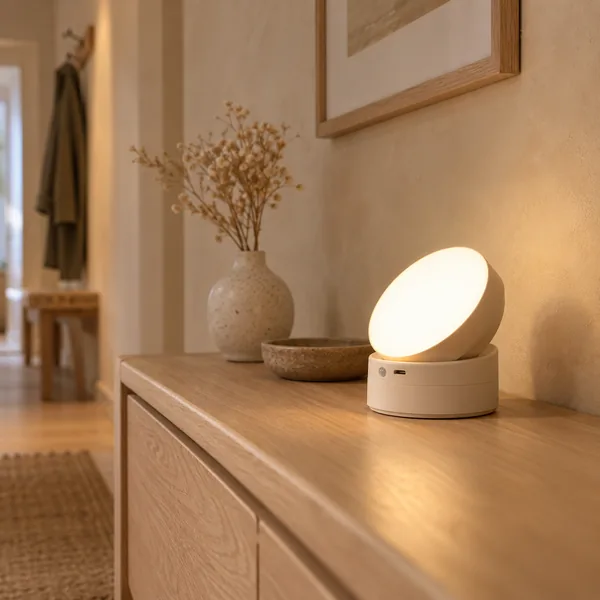
Wall Lights
Shop all Wall Lights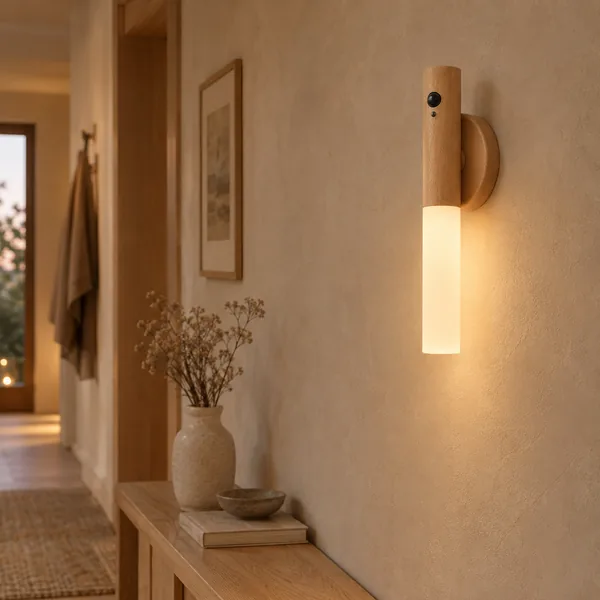
Architectural Details That Elevate
True brutalist interior design resides in the details—the fixtures, switches, and hardware that often go unnoticed yet define a space's character. When every element follows the philosophy of material honesty and functional beauty, even everyday objects become design statements.
Consider the humble light switch. In most homes, it's an afterthought. In a brutalist interior, it becomes an opportunity for minimalist brutalist furniture and fixture continuity. The Svarta Solid Brass Matte Black Toggle Switches transform these everyday fixtures into considered design details. Crafted from architectural-grade solid brass with a sophisticated matte black finish, they maintain the industrial palette while introducing the weight and permanence that defines quality brutalist design.
Essential Lighting for Brutalist Interiors
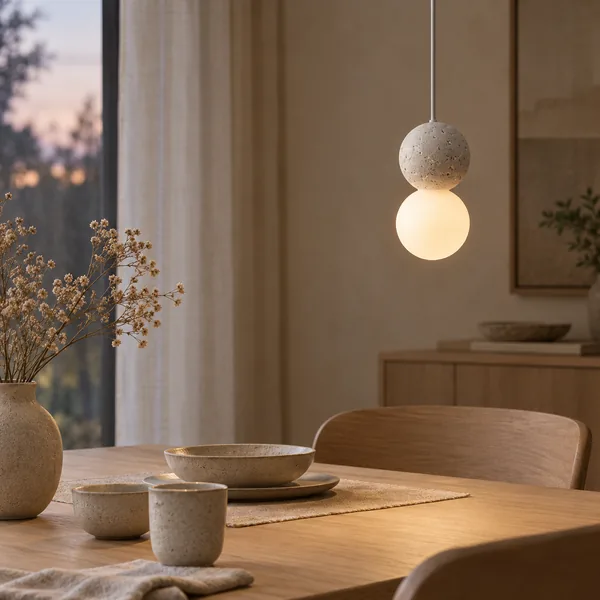 Grusten Minimalist Terrazzo Pendant Light$169.00$249.00
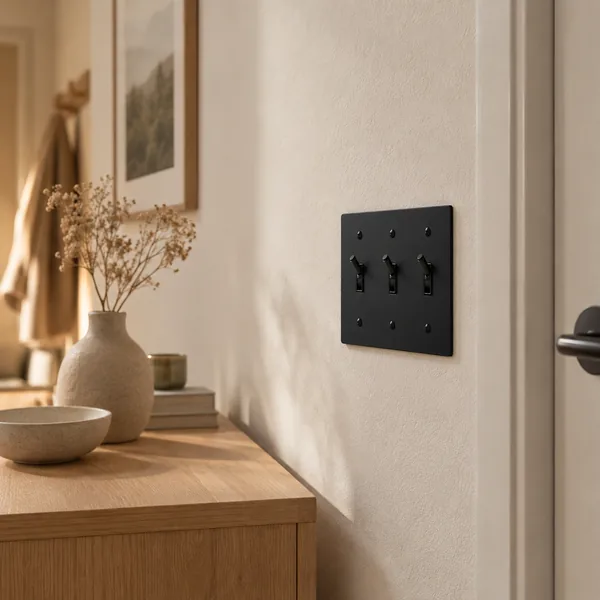 Svarta Solid Brass Matte Black Toggle Switches$99.00$159.00
Creating Your Brutalist Sanctuary
Brutalist home design doesn't demand a complete lifestyle overhaul or architectural renovation. Start with a single statement piece—a sculptural light fixture, a concrete side table, or an exposed aggregate wall treatment. Build slowly, ensuring each addition serves both function and form.
Remember that brutalism celebrates honesty. Don't hide the construction of your space. Expose a brick wall. Leave ceiling joists visible. Let concrete floors show their wear. These "imperfections" become the character marks that make your home uniquely yours.
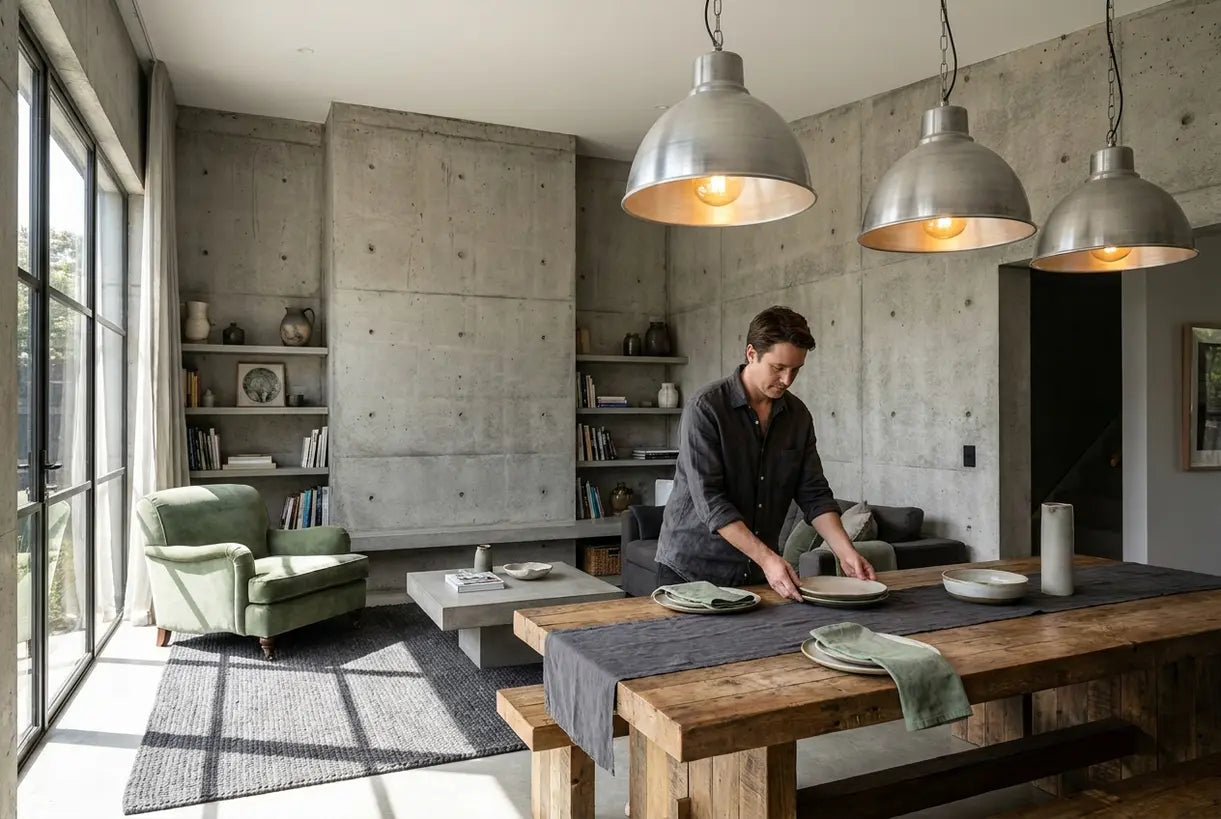
Reference resources like Architectural Digest's Brutalism coverage offer extensive visual inspiration from both historic and contemporary applications of this aesthetic. Additionally, the Museum of Modern Art's Brutalism collection provides scholarly context on the movement's evolution from architecture to interior applications.
Conclusion: The Beauty of Being Unfinished
Brutalist interior design asks us to reconsider our relationship with perfection. In a world of filters and facades, it offers something radical: honesty. Raw concrete isn't flawed—it's authentic. Exposed materials aren't unfinished—they're complete in their natural state.
At Skonne, we curate lighting and decor that honors this philosophy while embracing the warmth essential to truly livable spaces. Whether you're drawn to the industrial magnetism of the Dregla Industrial Magnetic Black Pendant Light, the organic materiality of the Grusten Minimalist Terrazzo Pendant Light, or the architectural detail of the Svarta Solid Brass Matte Black Toggle Switches, each piece represents our commitment to materials that age beautifully and designs that stand the test of time.
Your home should tell the truth about who you are. Brutalist interior design provides the vocabulary—and with thoughtful curation, the comfort to match. Explore our complete collection of Scandinavian-inspired lighting and discover how raw beauty, properly illuminated, becomes something profoundly welcoming.
Related Article
Interior Design & Sustainability: How to Create a Beautiful, Eco-Conscious HomeLearn how to blend beautiful interior design with sustainable practices. Discover natural materials, energy-efficient lighting, and timeless decor for an eco-conscious home.