
Interior Design & Sustainability: How to Create a Beautiful, Eco-Conscious Home
Summary›
- The Foundation of Sustainable Interior Design
- The 5 Principles of Sustainable Interior Design
- Sustainable Materials That Elevate Your Space
- Illuminating Responsibly: The Role of Energy-Efficient Lighting
- Biophilic Design: Bringing Nature Indoors
- Curating Your Eco-Conscious Sanctuary
- The 5 C's of Sustainability in Home Design
- From Fast Furniture to Forever Pieces
- Practical Steps to Begin Your Sustainable Journey
- See Sustainable Design in Action
- Conclusion: The Art of Intentional Living
Creating a home that reflects your values doesn't require sacrificing style for sustainability. In fact, interior design and sustainability have evolved into natural partners, offering solutions that honor both aesthetic beauty and environmental responsibility. Whether you're furnishing your first apartment or refreshing a forever home, understanding how to weave eco-conscious choices into your decor creates spaces that feel intentional, warm, and authentically you—while treading lightly on the planet.
At Skonne, we believe Scandinavian design principles offer the perfect foundation for sustainable living. The Nordic emphasis on quality craftsmanship, natural materials, and timeless appeal aligns seamlessly with eco-conscious decorating. As you explore how to create a home that nurtures both your wellbeing and the environment, you'll discover that sustainable choices often result in the most elevated, curated spaces.
The Foundation of Sustainable Interior Design
Sustainable interior design represents a mindful approach to creating spaces that minimize environmental impact while maximizing beauty and functionality. Unlike traditional decorating that might prioritize fleeting trends, this philosophy considers the entire lifecycle of products—from sourcing and manufacturing to longevity and eventual disposal.
The movement has gained significant momentum as homeowners recognize that their purchasing decisions shape environmental outcomes. By choosing natural materials decor and energy efficient lighting, you're not just designing a room; you're participating in a larger ecosystem of responsible consumption. The result is a home that tells a story of intentionality, where each piece carries purpose beyond mere aesthetics.
The 5 Principles of Sustainable Interior Design
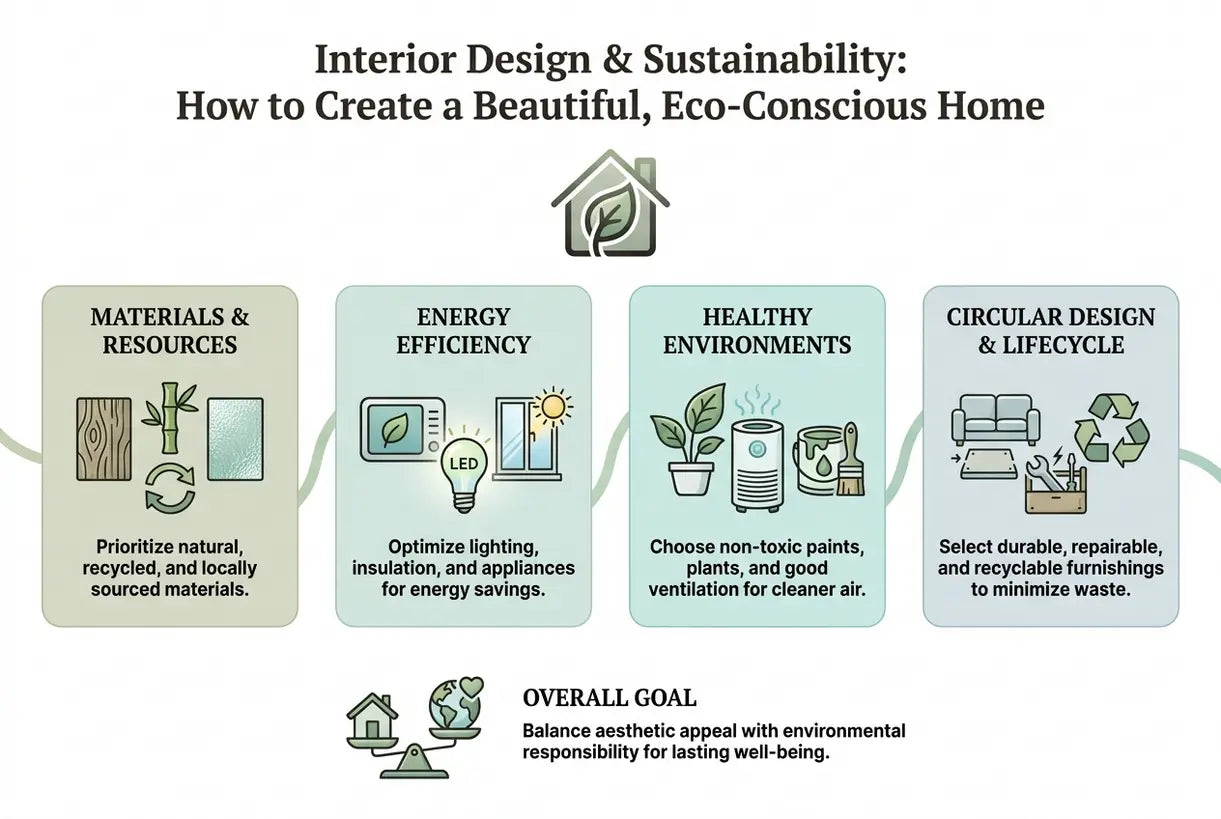
Understanding the core principles helps transform abstract eco-friendly goals into actionable design strategies. These five pillars guide every decision, from major renovations to small accessory choices.
1. Energy Efficiency Through Smart Choices
Reducing energy consumption starts with lighting and appliance selection. LED technology has revolutionized how we illuminate our homes, offering up to 90% energy savings compared to traditional incandescent bulbs while lasting significantly longer. Beyond technology, strategic placement of windows, mirrors, and reflective surfaces maximizes natural daylight, reducing the need for artificial illumination during daytime hours.
2. Resource Conservation and Material Selection
This principle emphasizes materials that renew quickly or exist abundantly without environmental degradation. Think bamboo, cork, reclaimed wood, and natural stone. The focus extends to manufacturing processes—prioritizing items made with renewable energy and minimal chemical treatments.
3. Indoor Environmental Quality
Your home's interior air quality significantly impacts health. Sustainable design prioritizes low-VOC (volatile organic compound) paints, finishes, and adhesives. Natural textiles like organic cotton, linen, and wool not only feel luxurious but also avoid the off-gassing associated with synthetic materials.
4. Longevity and Timeless Design
Perhaps the most Scandinavian of principles, longevity rejects disposable culture in favor of enduring quality. Choosing well-crafted pieces that transcend trends reduces waste and creates a more cohesive aesthetic over time. This principle asks: Will you love this item in ten years? Will it last that long?
5. Biophilic Connection
This principle recognizes humans' innate need to connect with nature. Beyond adding plants, biophilic design incorporates organic shapes, natural textures, and views of the outdoors. Even in urban environments, materials like travertine, wood, and handcrafted ceramics bridge the gap between built environments and the natural world.
Sustainable Materials That Elevate Your Space
The heart of eco-conscious decorating lies in material selection. Natural materials not only reduce environmental impact but also bring unmatched warmth and texture to interiors. Scandinavian sustainable design has long celebrated these elements, favoring authenticity over artificial finishes.
When sourcing decorative elements, consider the story behind each piece. Artisans crafting with traditional techniques often employ local materials and low-impact processes. For those looking to explore more options, our Decorative Vases collection offers a curated selection of handcrafted vessels ideal for displaying dried botanicals or standing alone as sculptural art.
Natural Stone and Ceramics
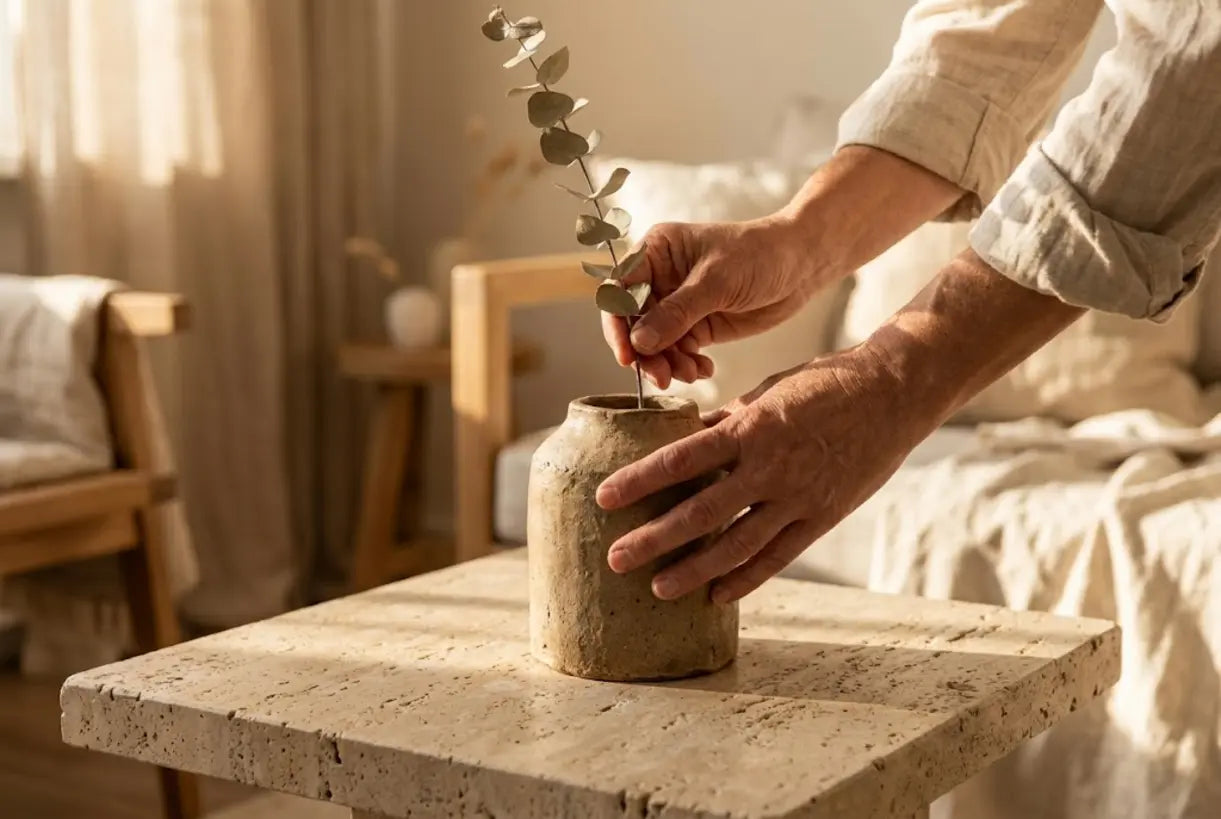
Travertine, marble, and handmade ceramics represent some of the most sustainable luxury materials available. Stone requires minimal processing—simply cutting and shaping what nature created over millennia. Its durability ensures decades of use, while its natural variations mean no two pieces are identical.
Ceramics crafted by skilled artisans using local clay and wood-fired kilns carry minimal carbon footprints compared to mass-produced alternatives. These materials age beautifully, developing character rather than deteriorating. For styling inspiration, consider placing dried botanicals or simple branches in handcrafted vessels to bring organic life to your surfaces.
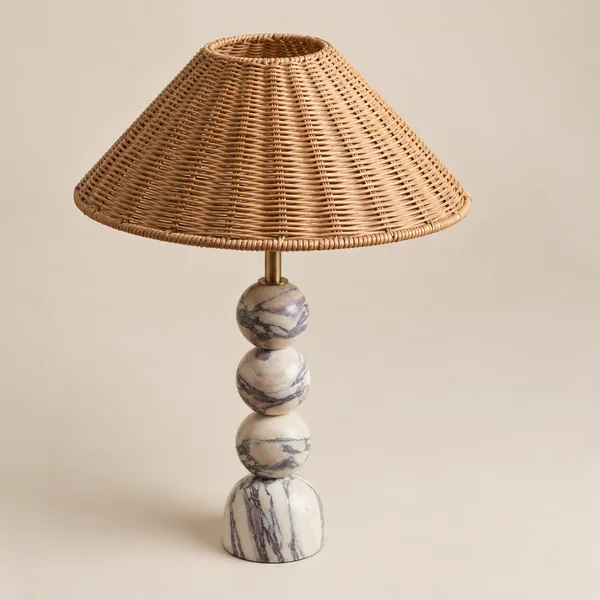
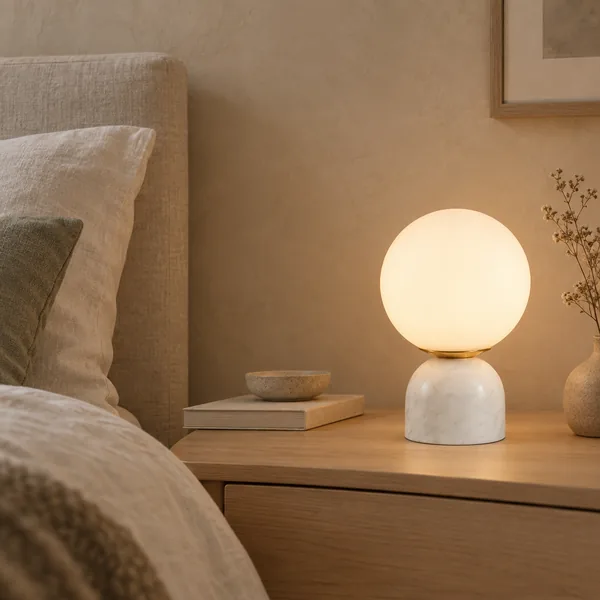
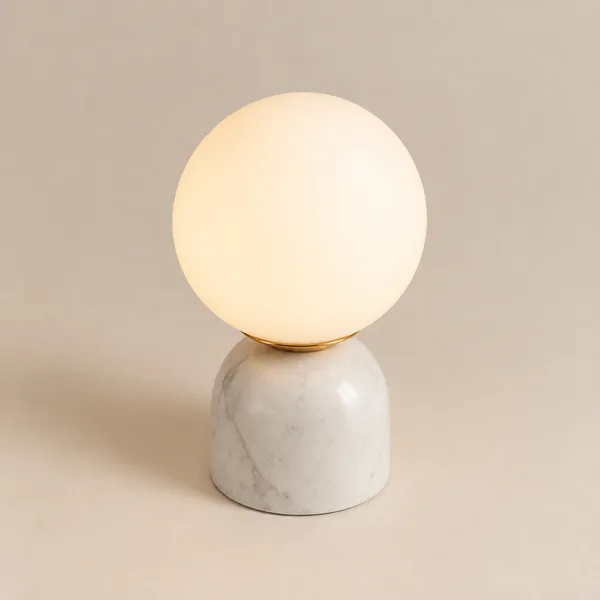
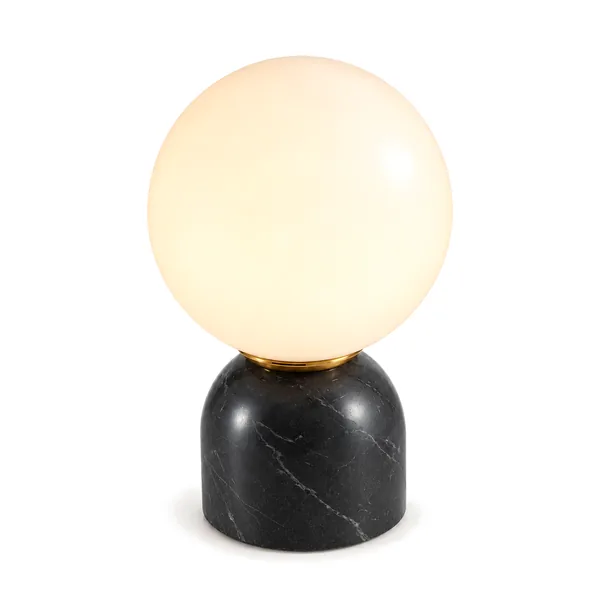
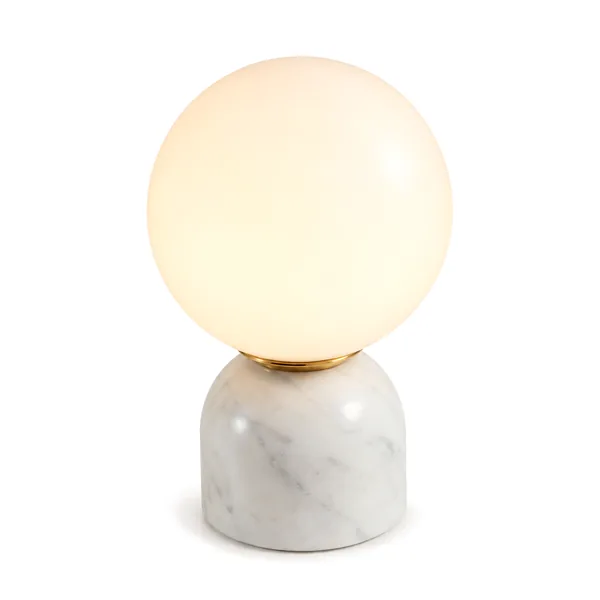
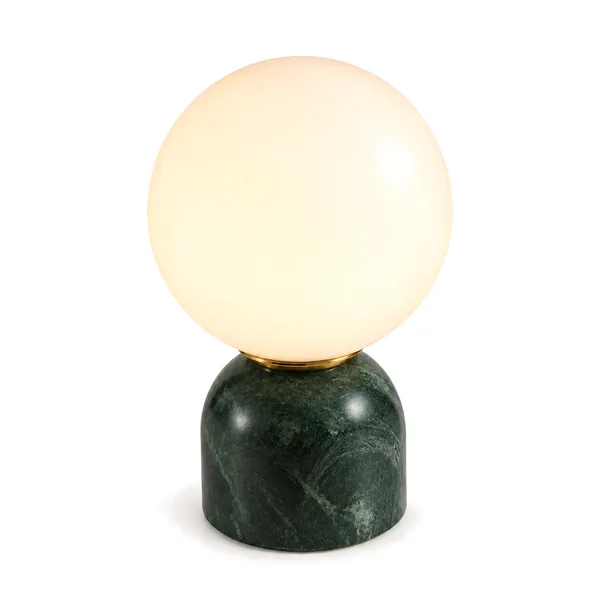
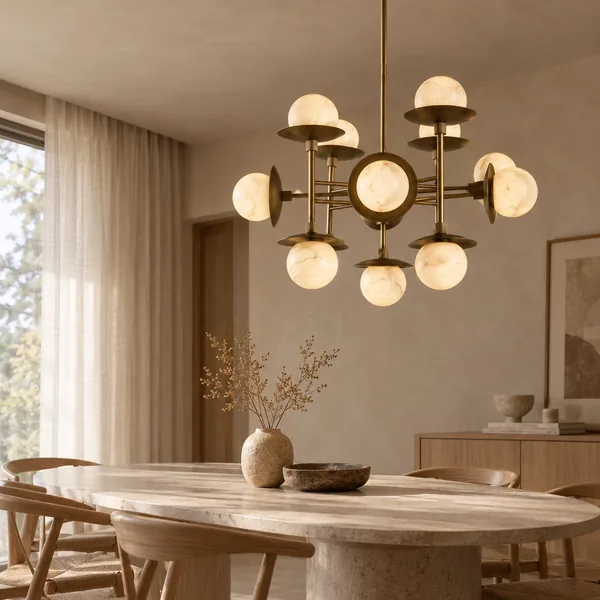
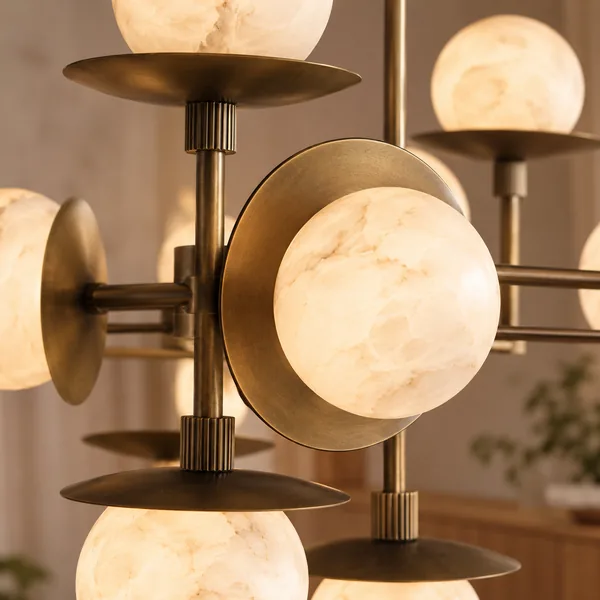
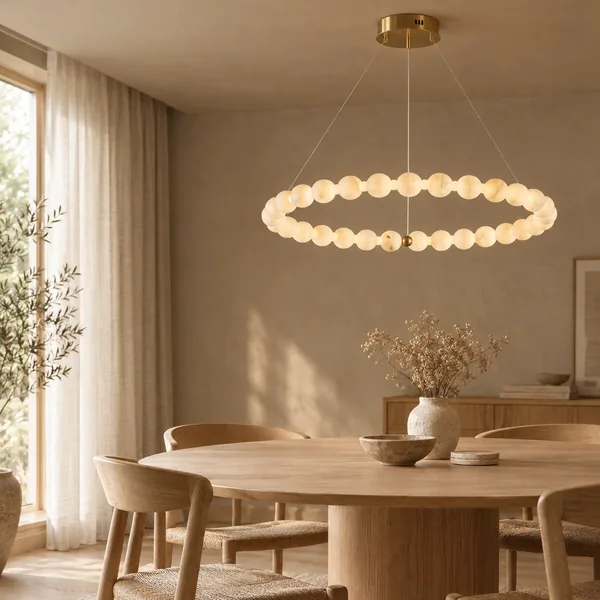
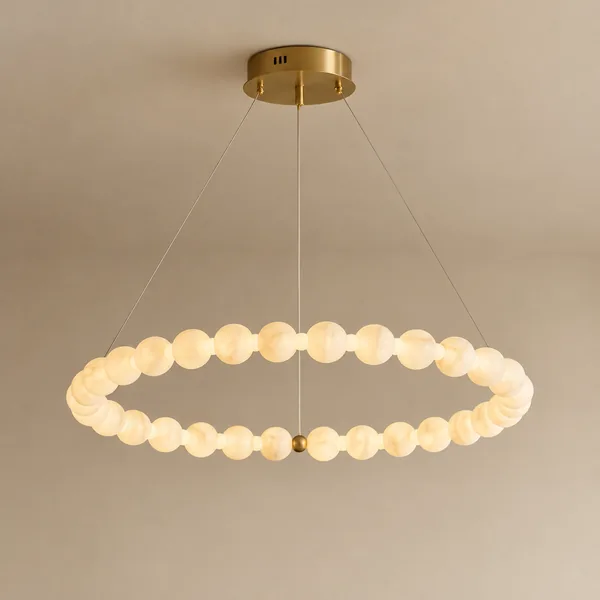
Marble Lighting
Shop all Marble Lighting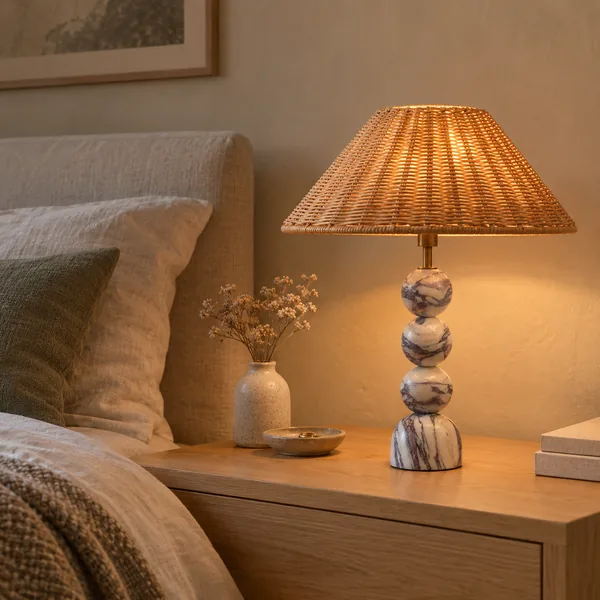
Illuminating Responsibly: The Role of Energy-Efficient Lighting
Lighting-transformed sustainable homes cannot exist without addressing illumination. Energy efficient lighting represents one of the most impactful changes homeowners can make, combining significant environmental benefits with enhanced ambiance and reduced utility costs.
Modern LED technology has evolved far beyond the harsh blue tones of early iterations. Today's warm, dimmable LEDs mimic the glow of candlelight while consuming a fraction of the energy. When paired with natural materials like stone and wood, these fixtures create the hygge atmosphere central to Scandinavian design—cozy, inviting, and intentionally lit.
The intersection of sustainability and style shines brightest when fixtures themselves are crafted from eco-conscious materials. Natural stone bases, ceramic shades, and wooden elements elevate LED technology from purely functional to genuinely sculptural.
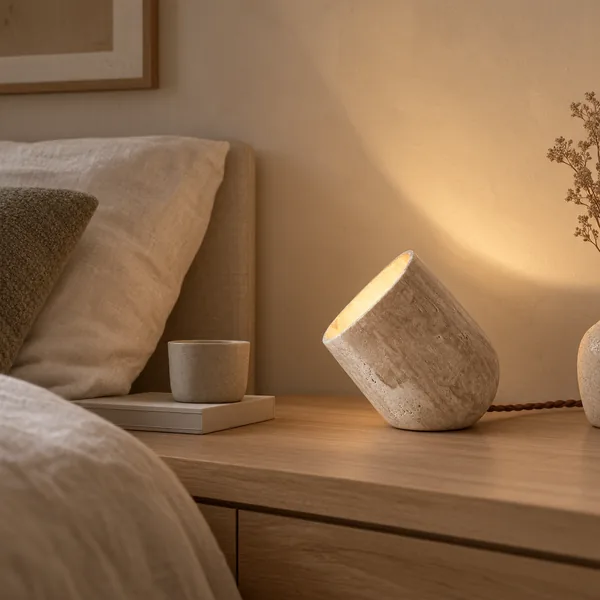 Stenvarm Travertine Natural Stone Accent Lamp$239.00$299.00
Biophilic Design: Bringing Nature Indoors
Biophilic home design addresses our psychological need to connect with the natural world, particularly crucial as urban living increases. This approach extends beyond houseplants to encompass natural light patterns, organic textures, and materials that age gracefully.
Incorporating natural material lighting fixtures serves dual purposes: reducing environmental impact while fostering that essential connection to earth elements. A travertine lamp or wooden pendant doesn't just illuminate; it grounds the space, offering visual and tactile reminders of nature's beauty.
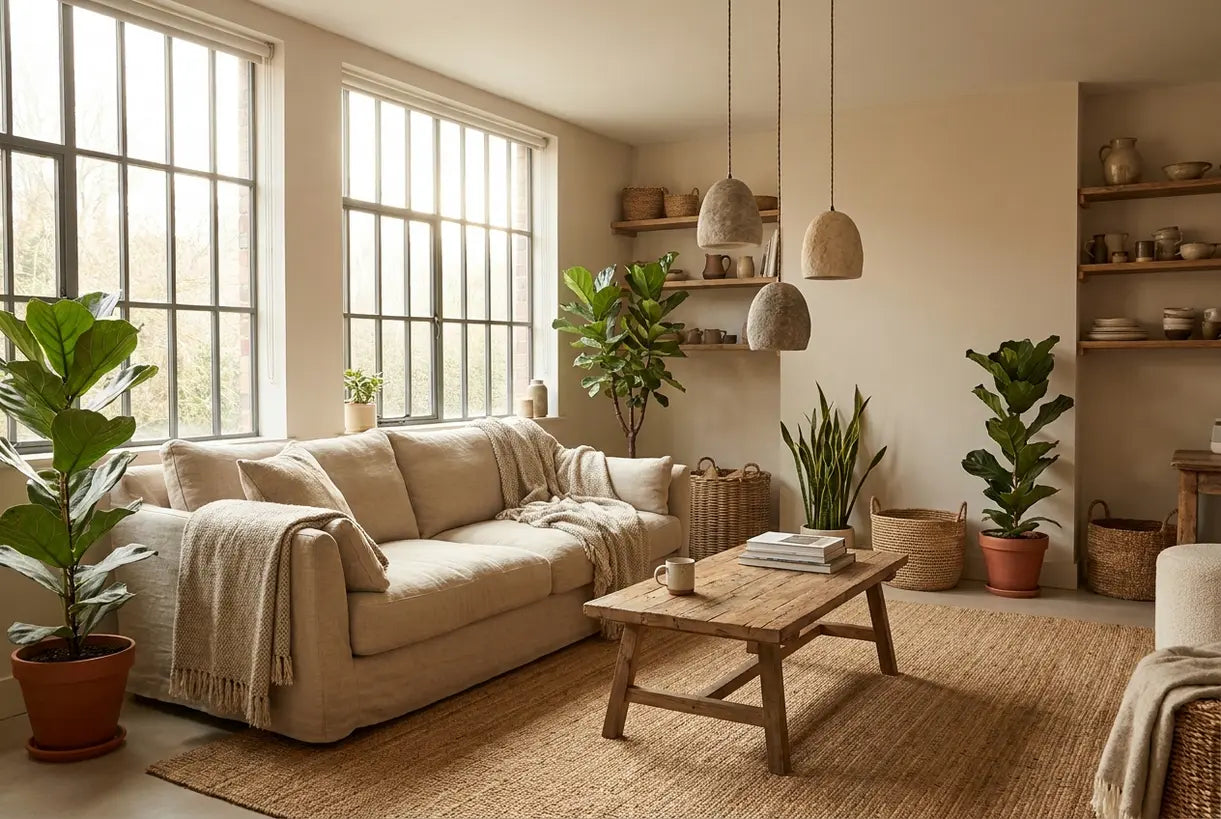
The most successful sustainable interiors layer these elements thoughtfully—combining linen textiles with stone accents, wooden furniture with ceramic accessories. This layering creates depth and interest without clutter, embodying the Scandinavian principle of lagom—not too little, not too much, just right.
Curating Your Eco-Conscious Sanctuary
Transitioning to eco-friendly home decor happens gradually, piece by piece. Start with high-impact areas like lighting and central furniture, then layer in accessories that reflect your commitment to sustainability. The goal isn't perfection but progress—each mindful choice compounds into significant environmental benefit.
Consider the lifecycle of every item entering your home. Artisan-made ceramics support traditional crafts while offering unique character impossible to replicate in factory settings. Similarly, stone lighting fixtures require minimal processing and last generations, becoming heirlooms rather than waste.
The Environmental Protection Agency's Sustainable Materials Management program emphasizes that extending product lifespans ranks among the most effective sustainability strategies. Choosing quality over quantity isn't just better for the planet—it creates more cohesive, intentional interiors that resonate with personal values.
Sustainable Accents for Conscious Living
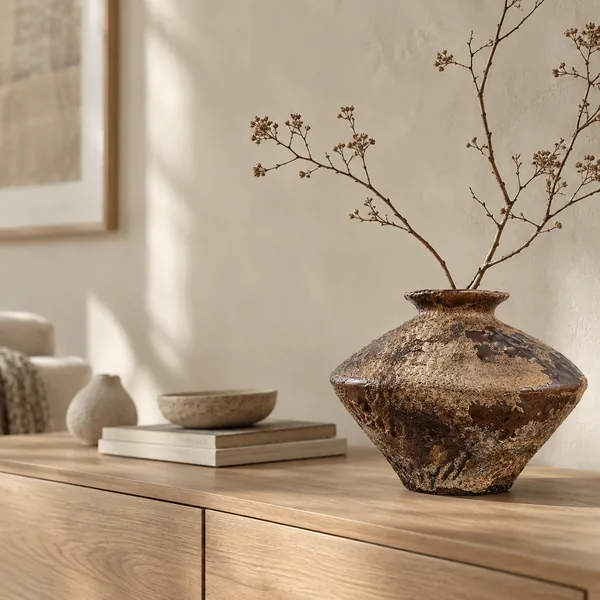 Jorde Handmade Rustic Ceramic Vase Home Decor$129.00$189.00
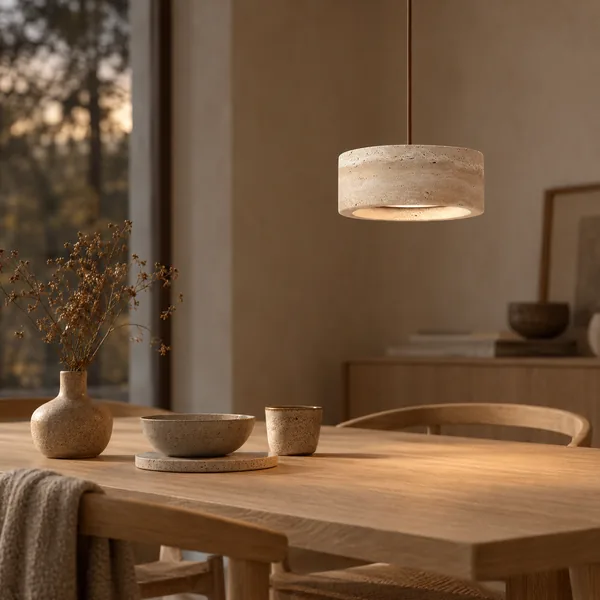 Stenglo Travertine Stone Dimmable Pendant Light$249.00$329.00
The 5 C's of Sustainability in Home Design
Beyond foundational principles, the 5 C's framework helps navigate purchasing decisions and design strategies. This model provides a practical lens for evaluating whether choices truly align with green home design goals.
1. Conservation
Conservation involves protecting natural resources through reduced consumption and waste prevention. In interiors, this manifests as choosing durable goods, repairing rather than replacing, and selecting materials that require minimal processing.
2. Creativity
Sustainable design often demands creative problem-solving—upcycling existing furniture, repurposing vintage finds, or finding innovative uses for traditional materials. This creativity yields uniquely personal spaces that mass production cannot replicate.
3. Context
Understanding where products originate and how they'll function in your specific environment matters immensely. Local sourcing reduces transportation emissions, while appropriate material selection ensures longevity in your climate and usage conditions.
4. Collaboration
Sustainability thrives when we support ethical makers, fair-trade artisans, and companies transparent about their supply chains. Your purchasing power collaborates with these entities to create demand for responsible production.
5. Consciousness
Mindful awareness underpins every sustainable choice—from recognizing greenwashing marketing to understanding true material origins. Conscious decorating means slowing down, researching, and choosing intentionally rather than impulsively.
From Fast Furniture to Forever Pieces
The antithesis of sustainable design is fast furniture—cheaply made, trend-driven pieces destined for landfills within seasons. Breaking this cycle requires shifting perspective from "What can I afford right now?" to "What will serve me beautifully for decades?"
Scandinavian design excels here, having never embraced disposable culture. Nordic interiors traditionally feature pieces passed through generations, their patina becoming cherished rather than shunned. This mindset shift transforms shopping from a transaction to a relationship—curating a home slowly, thoughtfully, with items that resonate deeply.
When evaluating potential additions, consider craftsmanship details: dovetail joints in wood, hand-thrown ceramics, solid stone rather than veneers. These elements indicate quality worth investing in, pieces that become more valuable and beautiful with age.
Scandinavian Lighting
Shop all Scandinavian Lighting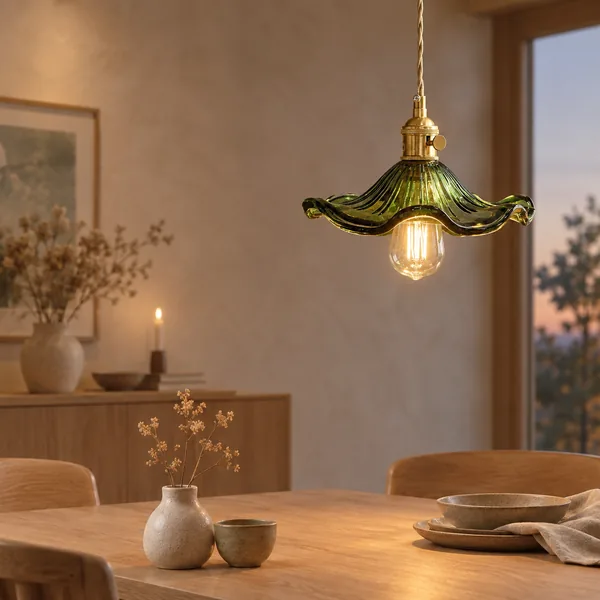
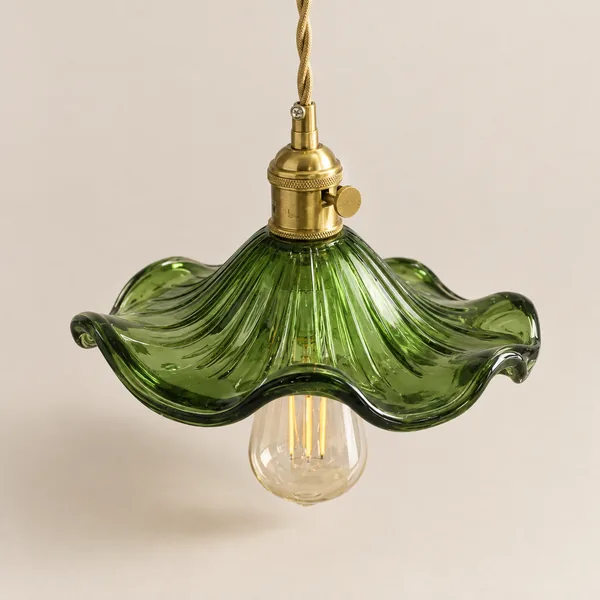 Save $60.00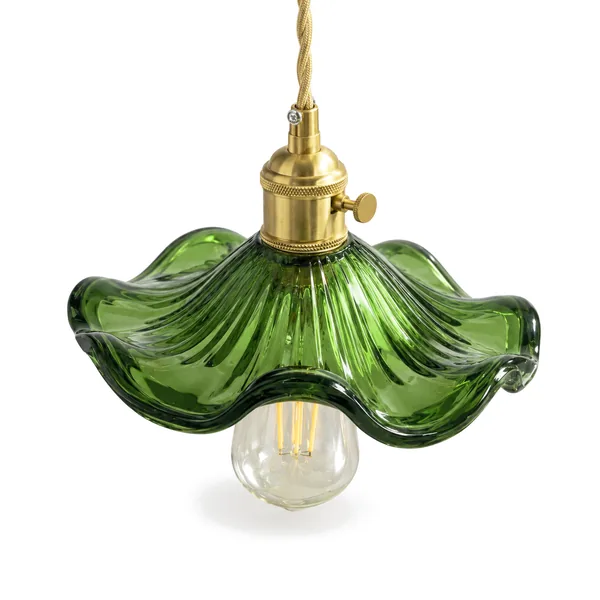
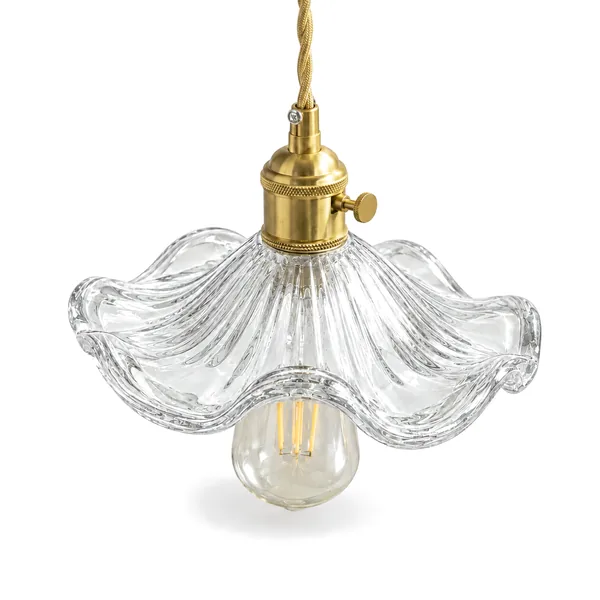
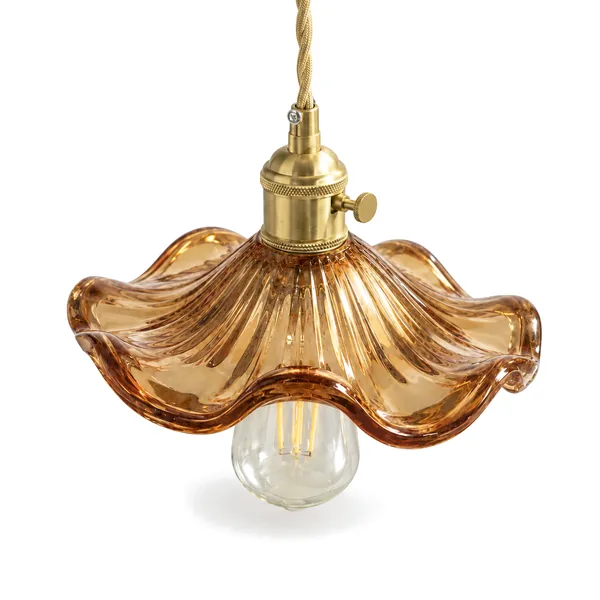 3 options
Glora Nordic Glass Pendant Light with Copper
 Save $150.00
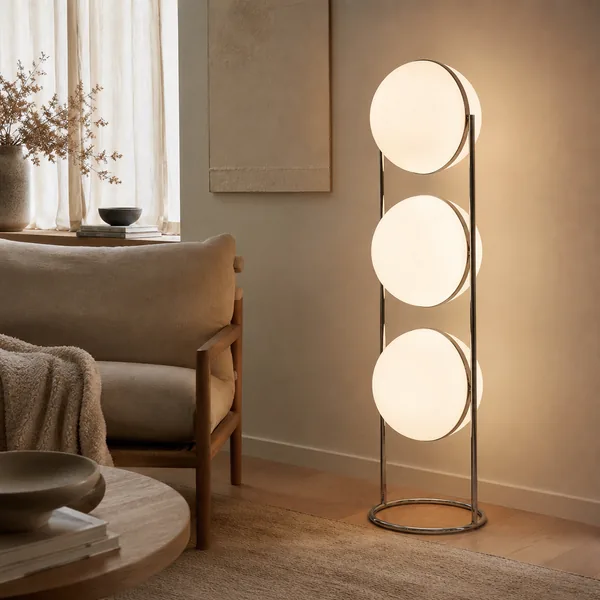
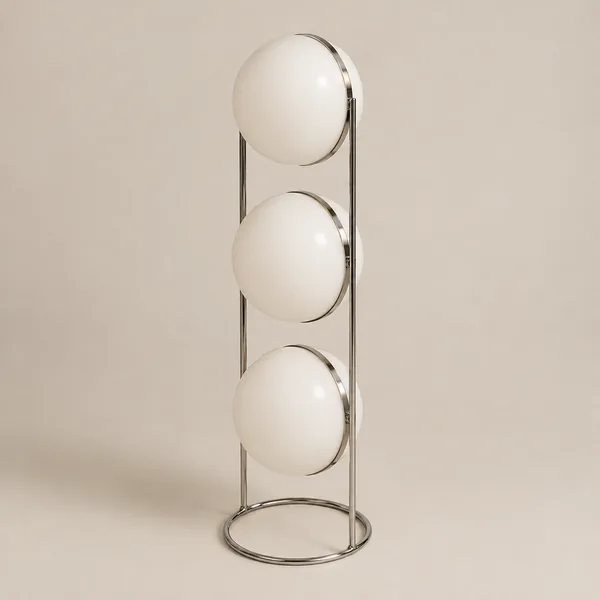
Kulglod Bauhaus Chrome Acrylic Globe Floor Lamp
 Save $230.00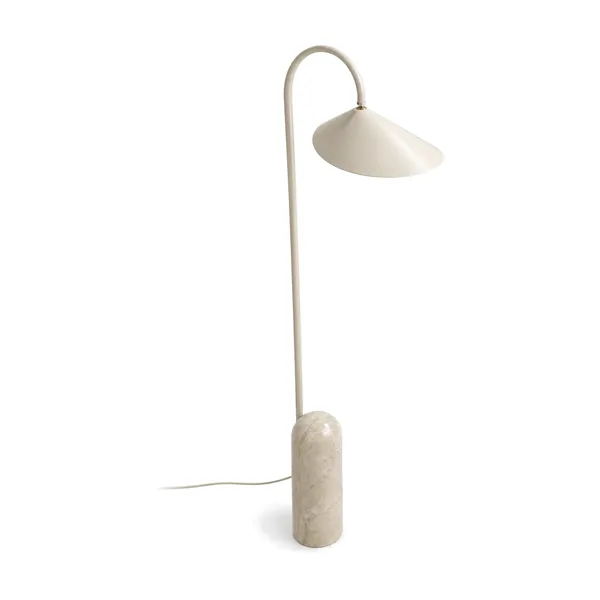
 2 options
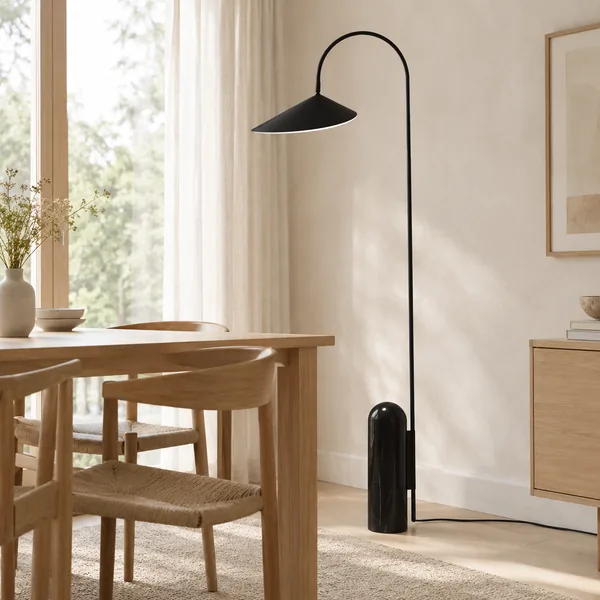
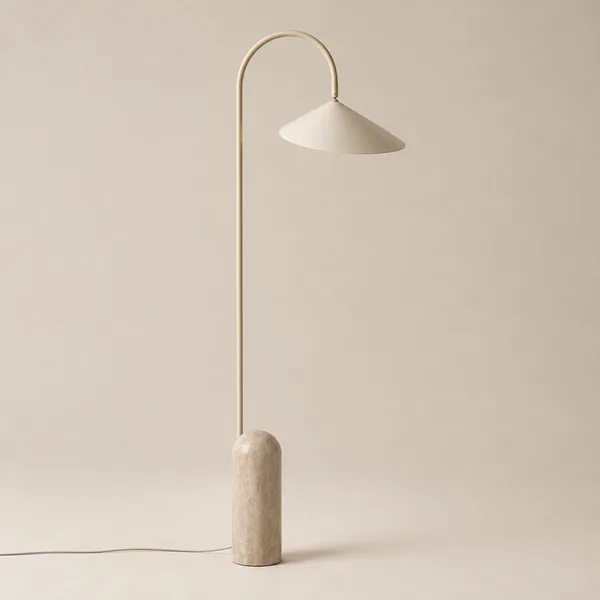
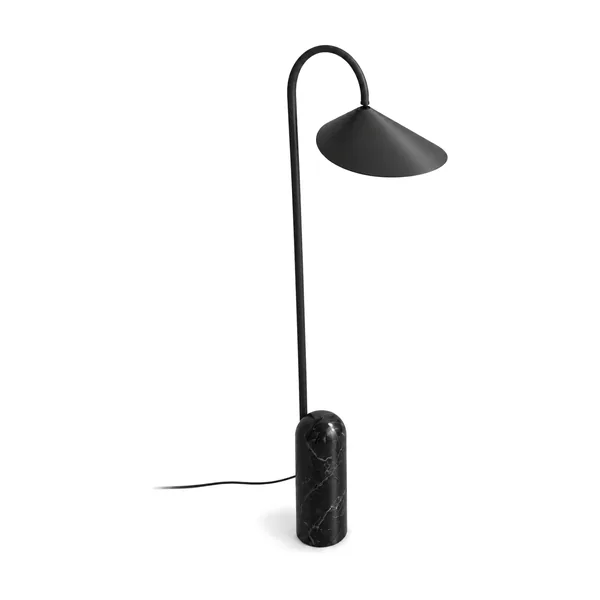
Velbue Marble Base Arc Floor Lamp Danish Design
 Save $210.00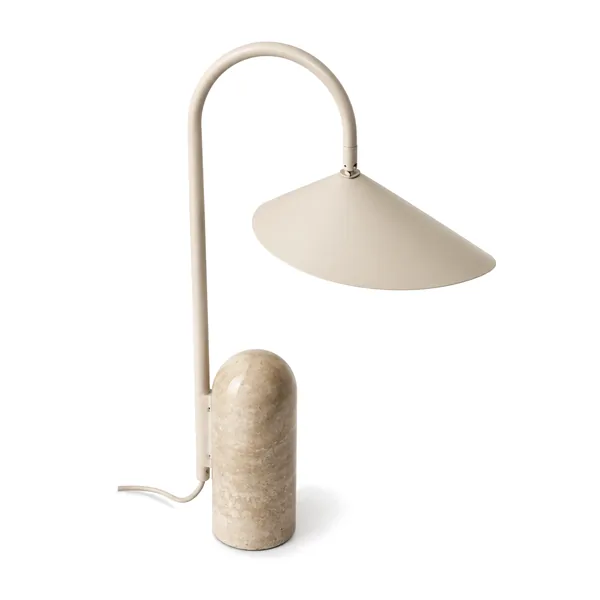
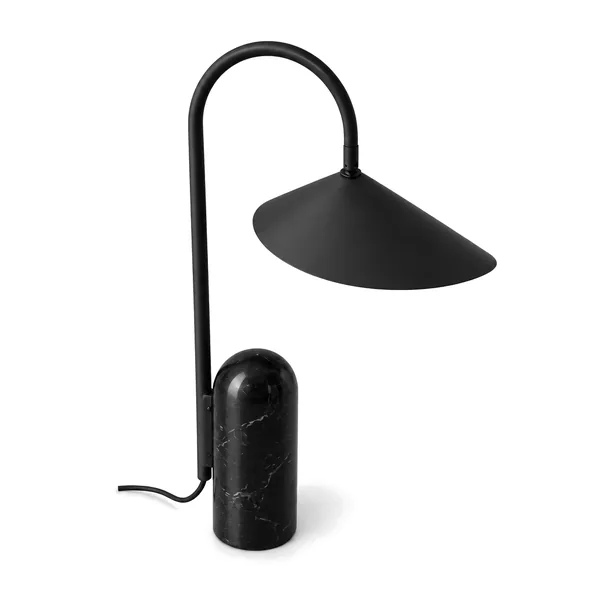 2 options
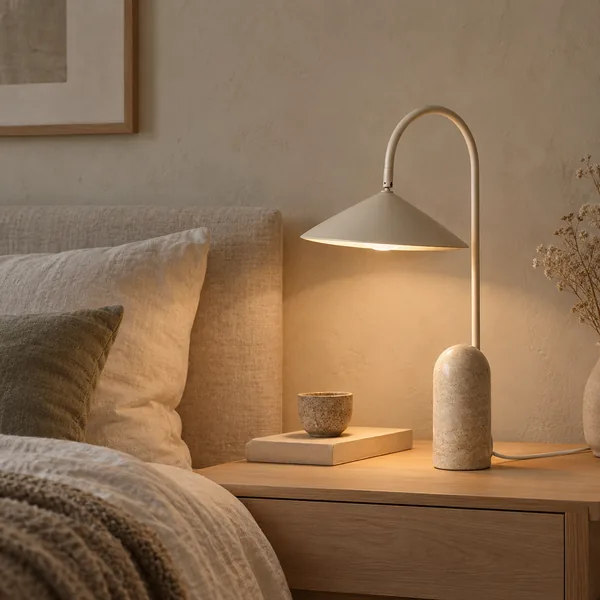
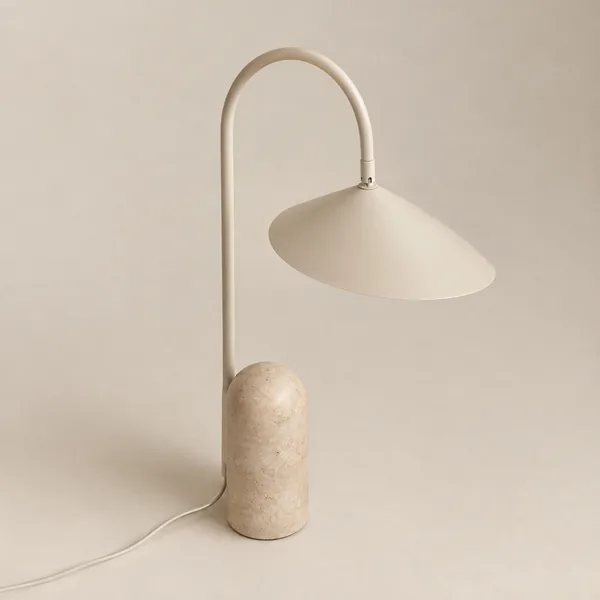
Solvei Danish Minimalist Arc Table Lamp Marble
Practical Steps to Begin Your Sustainable Journey
Transforming your home into an eco-conscious sanctuary needn't happen overnight. Start with these actionable steps, prioritizing changes that offer both environmental impact and immediate aesthetic enhancement.
Audit your lighting first—swapping to LED bulbs in existing fixtures provides instant energy savings. When replacing larger items, prioritize natural materials and versatile designs that adapt to evolving tastes. Consider the U.S. Green Building Council's LEED guidelines for residential spaces, which offer frameworks for sustainable home improvements even without formal certification.
Embrace empty space as part of the design. Resisting the urge to fill every corner prevents overconsumption and allows your carefully chosen sustainable pieces to breathe and command attention. This restraint is quintessentially Scandinavian and fundamentally eco-conscious.
See Sustainable Design in Action
Visual learning offers powerful inspiration for implementing these principles. The following video demonstrates practical applications of sustainable interior design, showing how real homes balance environmental responsibility with stunning aesthetics.
Use these visual strategies as a springboard for your own space, adapting techniques to fit your specific environment and aesthetic preferences. Remember that sustainable design is deeply personal—your home should reflect your values while nurturing your daily life.
Conclusion: The Art of Intentional Living
Interior design and sustainability are not competing interests but complementary paths toward creating homes that nurture both inhabitants and the planet. By embracing natural materials, energy-efficient lighting, and timeless design principles, you craft spaces that tell stories of intentionality and care.
The journey toward eco-conscious decorating is ongoing, evolving with innovations in sustainable materials and deepening understanding of environmental impact. Yet the core remains constant: choose quality over quantity, favor natural over synthetic, and select pieces that resonate on both aesthetic and ethical levels.
At Skonne, we're honored to support your sustainable design journey with lighting and decor that honors these values. Each travertine lamp, ceramic vase, and carefully crafted fixture represents our commitment to Scandinavian principles of beauty, longevity, and environmental respect. Start small, choose wisely, and watch your home transform into a sanctuary that reflects your highest intentions—for yourself and for the world we share.
Related Article
Interior Design Techniques & Principles: The Fundamentals Every Decorator Should KnowMaster essential interior design techniques and principles every decorator should know to create beautifully balanced, harmonious spaces in any home.