
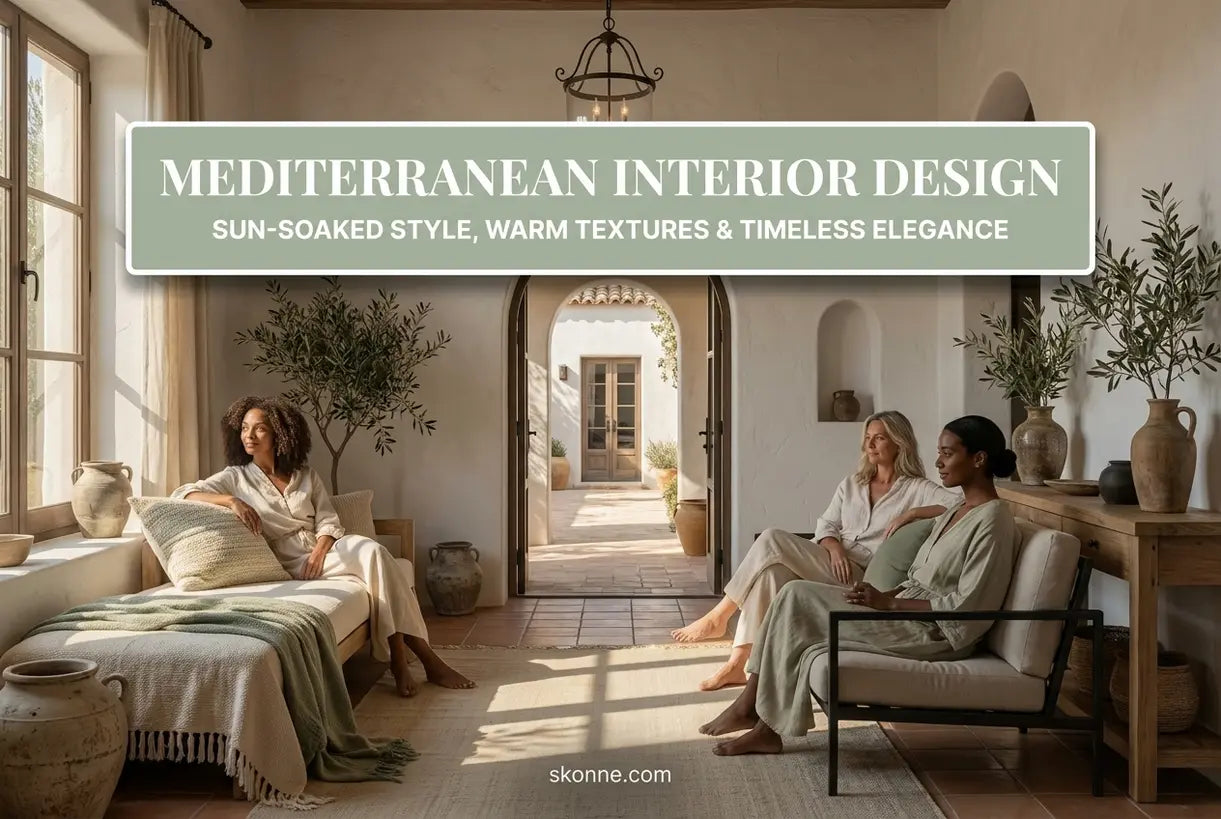
Mediterranean Interior Design: Sun-Soaked Style, Warm Textures & Timeless Elegance
Summary›
- What is Mediterranean Style Interior Design?
- What Are the Characteristics of Mediterranean Interiors?
- The 3-5-7 Rule in Interior Design
- Modern Mediterranean Interior Design: A Contemporary Evolution
- Lighting as the Heart of Mediterranean Ambiance
- Mediterranean Color Palettes: From Coast to Countryside
- Mediterranean Design by Region
- Wall Lighting: Adding Depth and Texture
- Pendant Lighting: Creating Focal Points
- How to Decorate a Mediterranean Style House
- Creating Sun-Soaked Ambiance with Lighting
- Mediterranean Textures and Materials
- Mediterranean Apartment Style: Adapting for Smaller Spaces
- Conclusion
There's something undeniably magnetic about walking into a space that feels sun-drenched—where warm terracotta meets weathered wood, where textures tell stories of coastal villages and ancient landscapes. Mediterranean interior design captures this essence, transforming ordinary rooms into sanctuaries that breathe warmth, history, and relaxed elegance. Whether you're drawn to the rustic charm of a Spanish villa or the refined simplicity of a Greek island retreat, this timeless aesthetic offers a blueprint for creating homes that feel both curated and wonderfully livable.
For homeowners and design enthusiasts aged 28–45 seeking to elevate their spaces, Mediterranean design provides the perfect balance between sophistication and comfort. In this guide, you'll discover the foundational principles of this beloved style—from the earthy color palettes that define sun-soaked interiors to the natural materials that give Mediterranean spaces their soul. We'll also explore how the right lighting choices can make or break your Mediterranean vision, and show you curated pieces that bring authentic warmth to every room.
What is Mediterranean Style Interior Design?
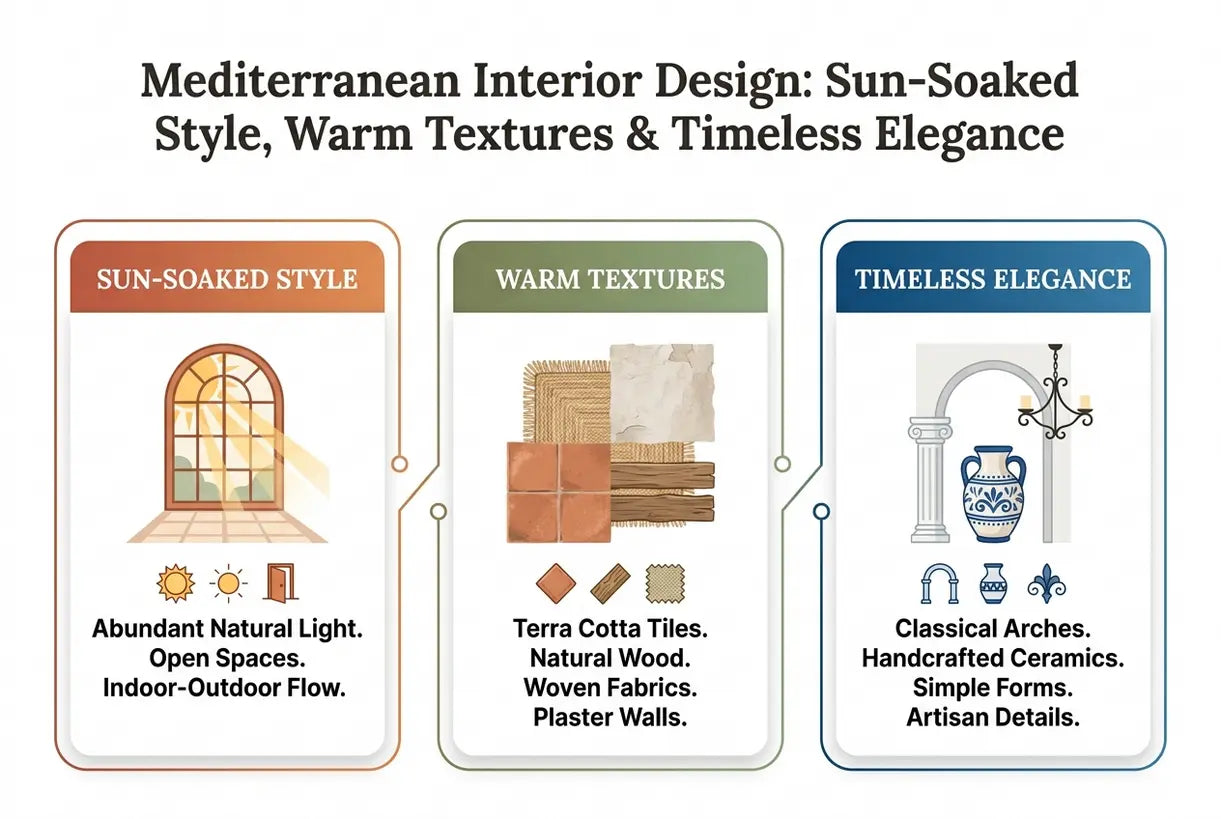
At its core, Mediterranean interior design draws inspiration from the coastal regions bordering the Mediterranean Sea—Spain, Italy, Greece, France, and Morocco. This aesthetic emerged from practical necessity: homes built to withstand hot summers and cool winters, using locally available materials like limestone, terracotta, and timber.
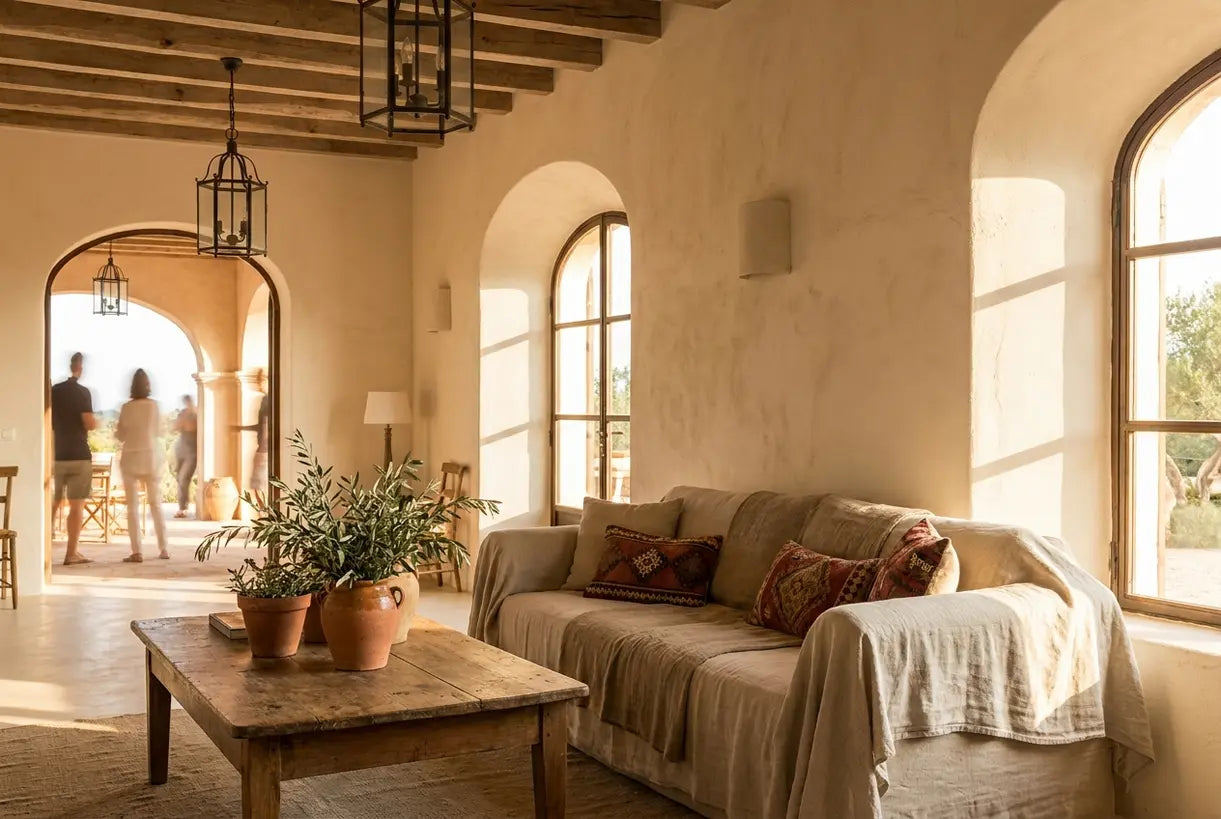
Today, Mediterranean home decor represents a lifestyle as much as a visual style. It's about creating spaces that feel lived-in and welcoming, where imperfections in handmade ceramics are celebrated, where sunlight filters through linen curtains, and where every element serves both form and function. The style rejects rigid minimalism in favor of layered warmth—think textured plaster walls, arched doorways, wrought iron details, and an abundance of natural materials that age beautifully over time.
What Are the Characteristics of Mediterranean Interiors?
Understanding the hallmarks of this aesthetic helps you curate spaces that feel authentic rather than themed. Here are the defining characteristics that separate genuinely beautiful Mediterranean design style spaces from generic interpretations:
Warm, Earthy Color Palettes
Mediterranean interiors embrace nature's palette: terracotta oranges, sandy beiges, olive greens, deep navy blues, and crisp whites inspired by coastal architecture. These colors work together to create environments that feel grounded and serene.
Textural Richness
Smooth surfaces have no place here. Authentic Mediterranean spaces feature textured plaster walls, rough-hewn wooden beams, hand-forged metalwork, and woven natural fibers. This tactile quality invites touch and creates visual interest even in neutral palettes.
Arched Architectural Elements
From doorways to windows to built-in niches, arches are fundamental to Mediterranean architecture. They soften spaces, create elegant sightlines, and reference the region's Roman and Moorish heritage.
Natural Materials Throughout
Stone, wood, clay, linen, and iron appear in abundance. These materials aren't just decorative—they're structural, functional, and chosen for their durability against sun and sea air.
Indoor-Outdoor Flow
Mediterranean living blurs the boundary between interior and exterior spaces. Large windows, courtyard concepts, and materials that transition seamlessly from inside to out define this approach.
The 3-5-7 Rule in Interior Design
You may have encountered the 3-5-7 rule in interior design while researching styling techniques. This guideline suggests arranging decorative objects in odd numbers—specifically groups of 3, 5, or 7—to create visual interest and natural rhythm.
When applied to Mediterranean design living room spaces or any room in your home, this principle proves especially effective:
- Group of 3: Perfect for coffee table vignettes—a ceramic vessel, a stack of books, and a small potted olive tree
- Group of 5: Ideal for shelf styling, mixing heights and textures like terracotta pots, woven baskets, and brass objects
- Group of 7: Works beautifully for gallery walls or dining table centerpieces, creating abundant yet balanced arrangements
The odd number prevents symmetry that might feel too formal for Mediterranean's relaxed ethos, while the progression (3-5-7) gives you flexibility depending on your space size.
Mediterranean Lighting
Shop all Mediterranean Lighting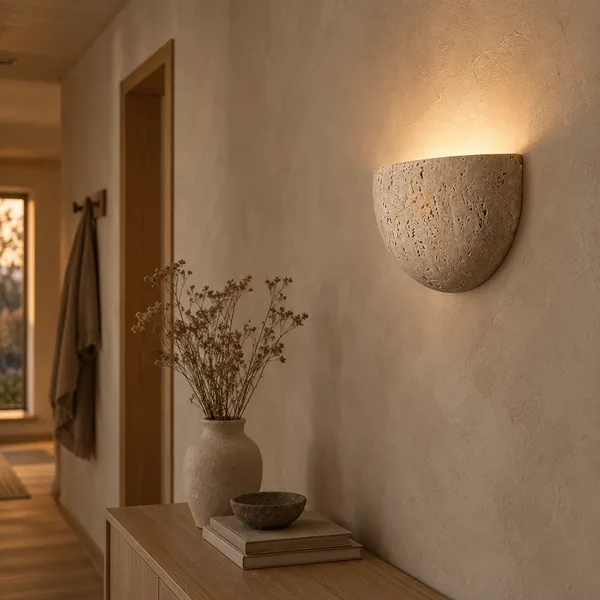
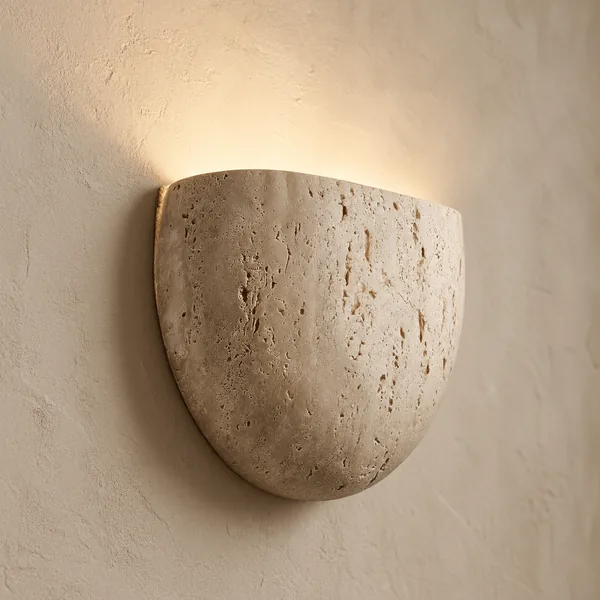
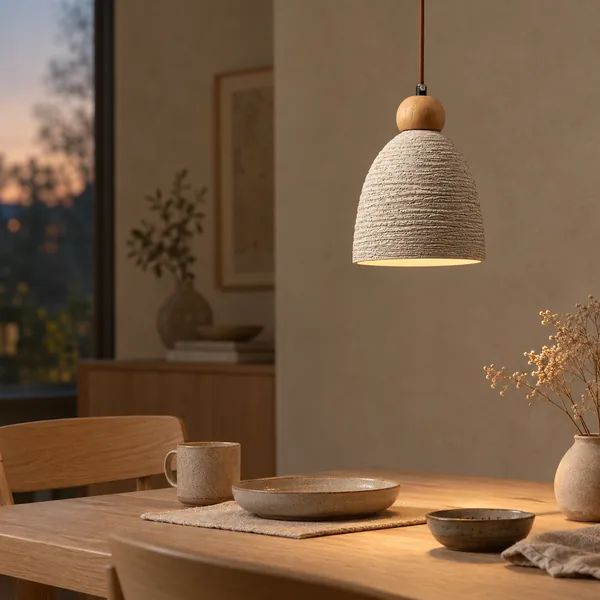
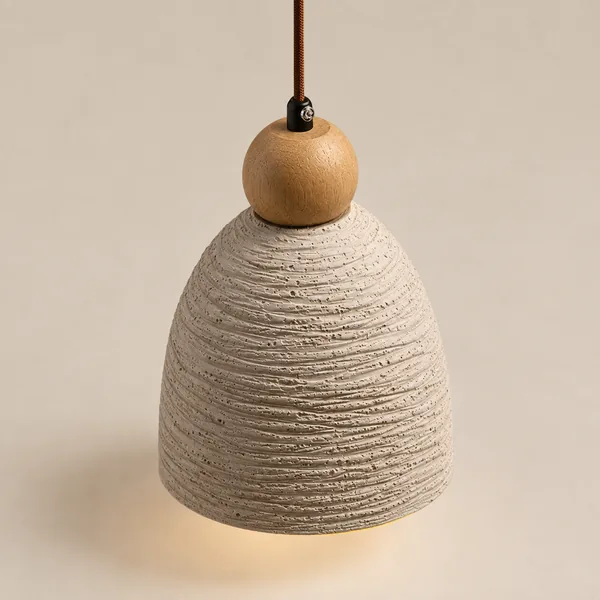 Save $170.00
Steina Raw Microcement Industrial Pendant Light
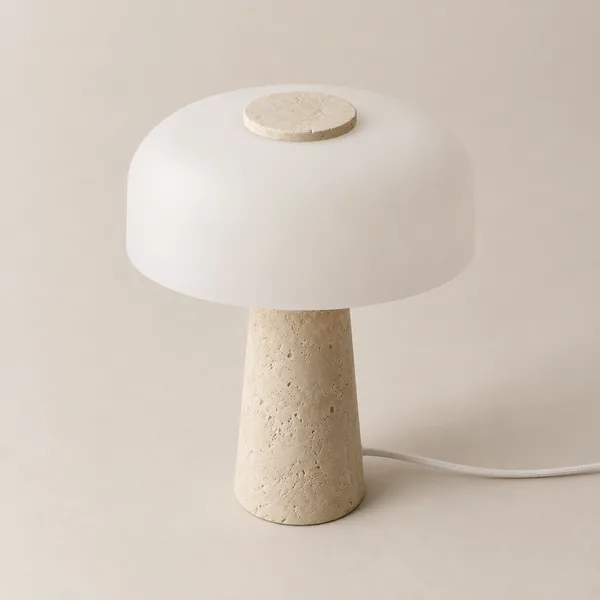
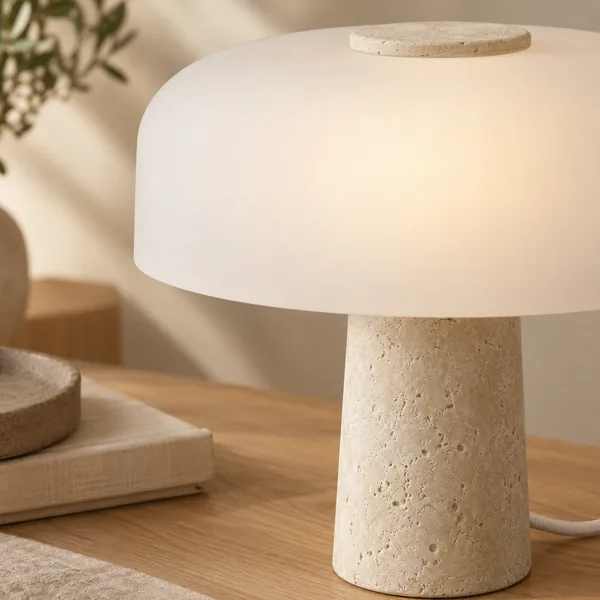 Save $510.00
Svalna Frosted Glass Marble Mushroom Table Lamp
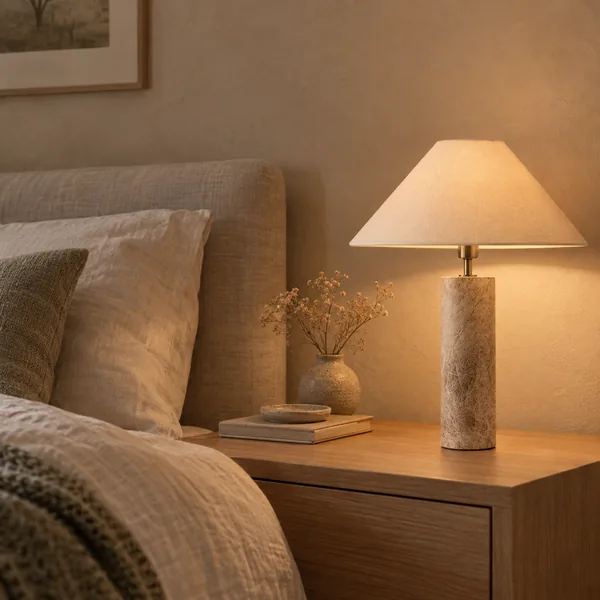
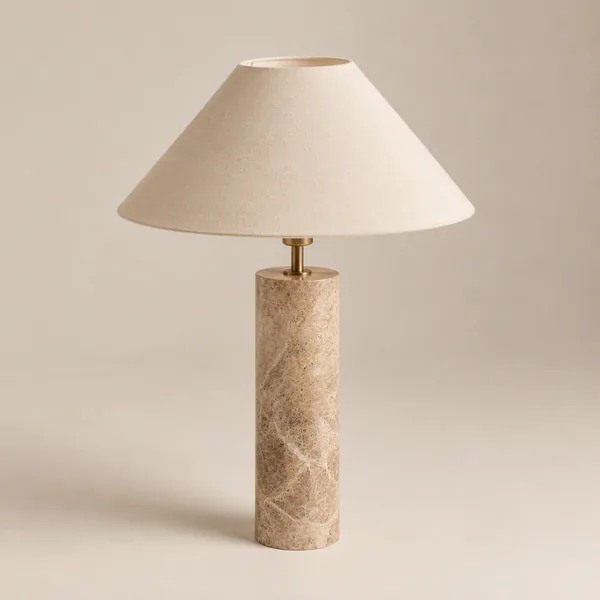 Save $150.00
Steiva Natural Marble Table Lamp Nordic Style
Modern Mediterranean Interior Design: A Contemporary Evolution
While traditional Mediterranean style revels in ornamentation and rustic detail, modern Mediterranean interior design has emerged as a sophisticated interpretation for contemporary living. This evolution maintains the warmth and material honesty of its predecessor while embracing cleaner lines and more restrained palettes.
Modern Mediterranean spaces might feature:
- Simplified arches without heavy molding
- Lighter wood tones alongside traditional dark timber
- Streamlined furniture silhouettes paired with rustic textures
- Monochromatic base palettes with strategic terracotta or olive accents
- Minimal window treatments that maximize natural light
This contemporary approach appeals to younger homeowners who want the feeling of Mediterranean warmth without the potential heaviness of traditional interpretations. The result feels fresh, intentional, and perfectly suited to modern lifestyles.
Lighting as the Heart of Mediterranean Ambiance
Lighting fundamentally shapes how we experience Mediterranean spaces. The style's emphasis on sun-soaked interiors demands thoughtful illumination that mimics the golden glow of Mediterranean afternoons.
For dining rooms and entryways where you want to make a statement, the Gloda Walnut Brass French Style Pendant Light exemplifies perfect Mediterranean lighting. Its natural walnut elements and warm brass finish complement the rustic aesthetics central to this design philosophy.
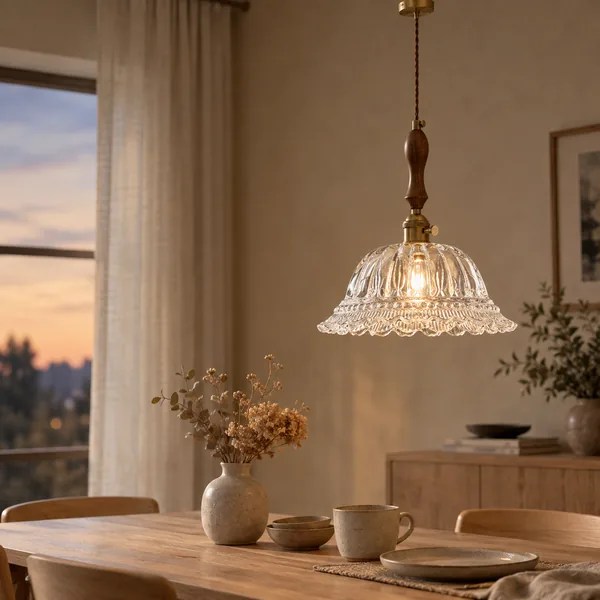 Gloda Walnut Brass French Style Pendant Light$169.00$229.00
Mediterranean Color Palettes: From Coast to Countryside
The colors of Mediterranean home decor tell the story of the landscape itself. Understanding these palettes helps you create cohesive spaces that feel authentic and timeless.
The Coastal Palette
Think Greek island whites, deep Aegean blues, and weathered driftwood grays. This variation feels airy, clean, and distinctly seaside.
The Tuscan Palette
Warm ochres, burnt oranges, sage greens, and cream tones reflect the Italian countryside. This earth-tone Mediterranean approach feels grounded and rustic.
The Moroccan Palette
Terracotta, saffron, deep turquoise, and rich metallics bring North African influence into Mediterranean design. This variation allows for more saturated colors and intricate patterns.
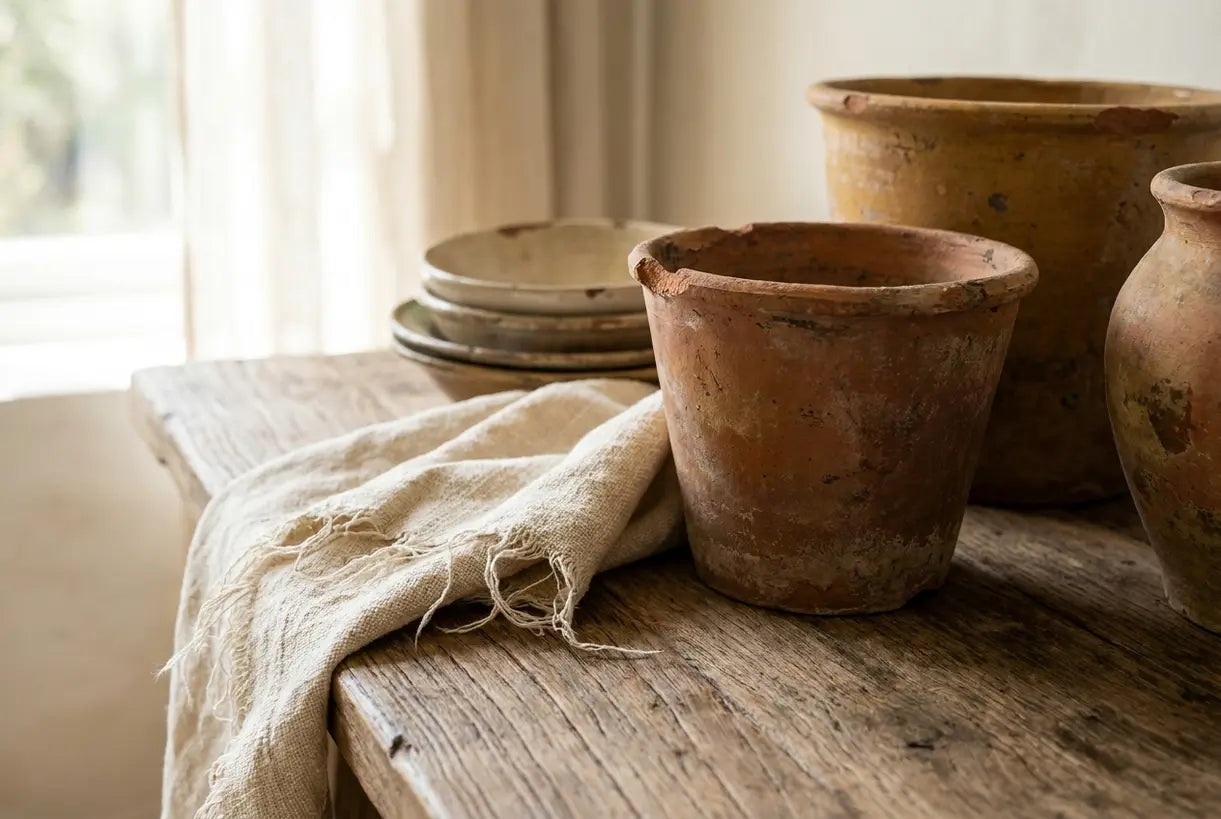
When selecting your palette, consider your home's natural light. North-facing rooms benefit from warmer terracotta and golden tones, while south-facing spaces can handle cooler blue-grey accents alongside warm neutrals.
Mediterranean Design by Region
Mediterranean interior design isn't monolithic—regional variations offer distinct flavors within the broader aesthetic:
Italian Mediterranean Style
Italian Mediterranean style emphasizes grandeur alongside rusticity. Think vaulted ceilings, dramatic iron chandeliers, marble surfaces, and formal symmetry softened by worn textures. This approach suits larger homes and those who appreciate Old World elegance.
Spanish Mediterranean Interior
Spanish Mediterranean interior design embraces darker woods, intricate tilework (particularly Talavera), heavy wrought iron, and vibrant textiles. This variation feels more ornate and colorful than its Italian counterpart, with strong Moorish influences visible in geometric patterns.
French Mediterranean Design
French Mediterranean design (Provencal style) leans lighter and more delicate. Distressed painted furniture, soft lavender and sunflower accents, and graceful ironwork define this approach. It feels distinctly feminine and cottage-like compared to Spanish or Italian interpretations.
Coastal Mediterranean Decor
Coastal Mediterranean decor strips away heavy elements in favor of bleached woods, natural linens, and abundant white. This is the most relaxed variation, perfect for beach homes or spaces where you want maximum light and airiness.
For those looking to layer in additional warmth through smaller lighting pieces, our Table Lamps collection offers curated options that complement Mediterranean aesthetics beautifully.
Wall Lighting: Adding Depth and Texture
Wall sconces in Mediterranean design serve dual purposes—they provide necessary ambient light while acting as sculptural elements that reinforce the style's textural emphasis. Hand-forged iron, in particular, brings authentic character that mass-produced fixtures cannot replicate.
The Eldorm Handcrafted Wabi-Sabi Iron Wall Sconce exemplifies this perfectly, with its artisanal iron construction and fabric shade that casts the warm, diffused light essential to Mediterranean ambiance.
Pendant Lighting: Creating Focal Points
Linear pendant lights and lanterns anchor Mediterranean spaces, particularly over dining tables, kitchen islands, and entryways. Natural materials like linen, rattan, and aged metals dominate this category.
The Driva Linen Lantern Pendant Light Warm Ambiance captures the essence of Mediterranean lighting with its organic linen shade that glows like a lantern at sunset—creating that coveted sun-soaked atmosphere no matter the time of day.
Curated Lighting for Mediterranean Spaces
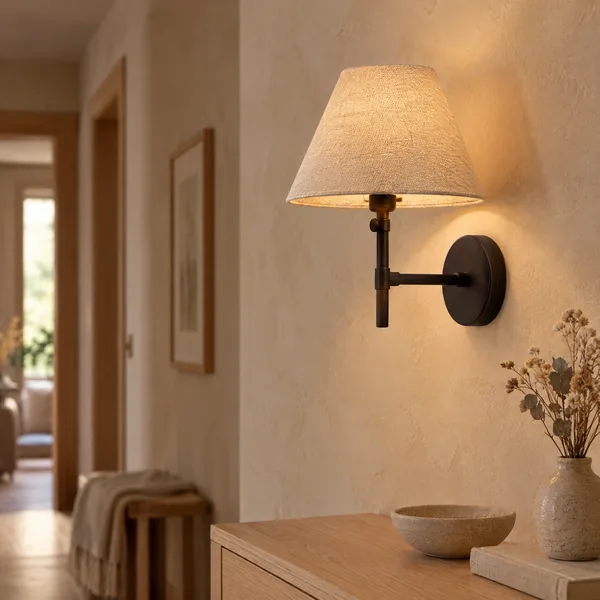 Eldorm Handcrafted Wabi-Sabi Iron Wall Sconce$199.00$259.00
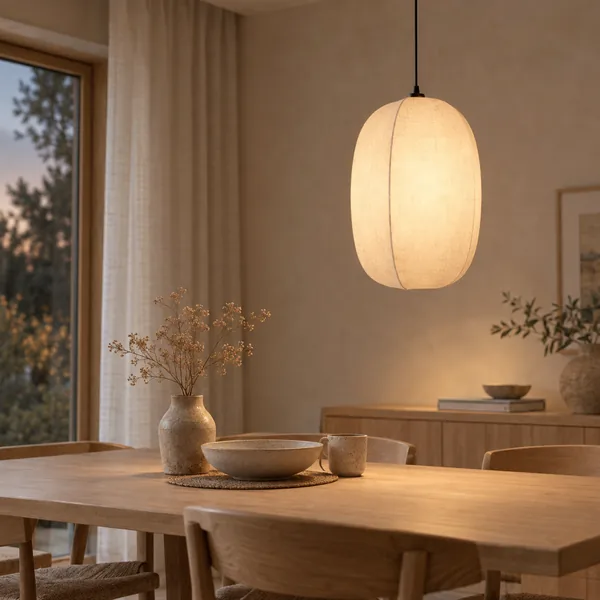 Driva Linen Lantern Pendant Light Warm Ambiance$189.00$299.00
How to Decorate a Mediterranean Style House
Translating inspiration into action requires strategic choices. Here's how to approach how to decorate a Mediterranean style house room by room:
Living Room
Start with a neutral foundation—cream or taupe walls with subtle texture. Layer in a substantial wooden coffee table, perhaps with a distressed finish. Add linen or cotton upholstery in warm whites or soft terracotta. Incorporate iron elements through side tables or lighting fixtures. Finish with ceramic vessels, woven baskets, and plenty of greenery.
Kitchen
Open shelving displays handmade ceramics and copper cookware. Consider terracotta floor tiles or warm wood cabinetry. A large pendant light over the island anchors the space while providing essential task lighting.
Bedroom
Create a sanctuary with linen bedding in natural tones, a wrought iron or carved wood headboard, and ambient lighting that dims to a warm glow. Textured walls and natural fiber rugs complete the retreat-like atmosphere.
Bathroom
Stone or tile in warm tones, possibly with matte finishes. Freestanding tubs feel particularly Mediterranean. Wrought iron towel racks and wooden stools add organic warmth to potentially sterile spaces.
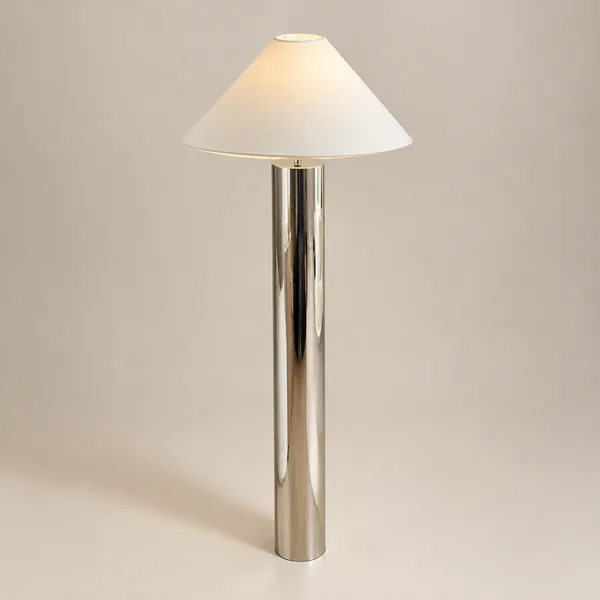
Floor Lamps
Shop all Floor Lamps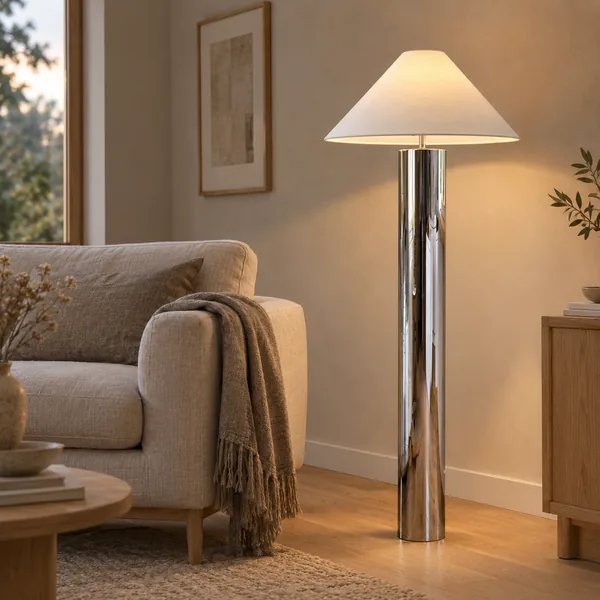
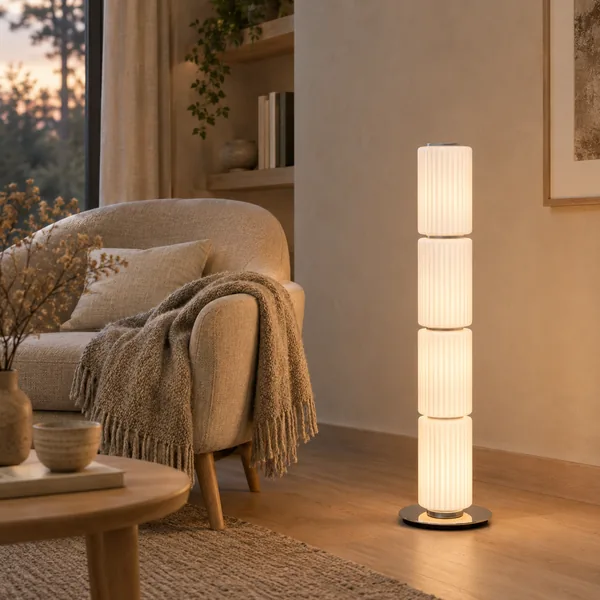
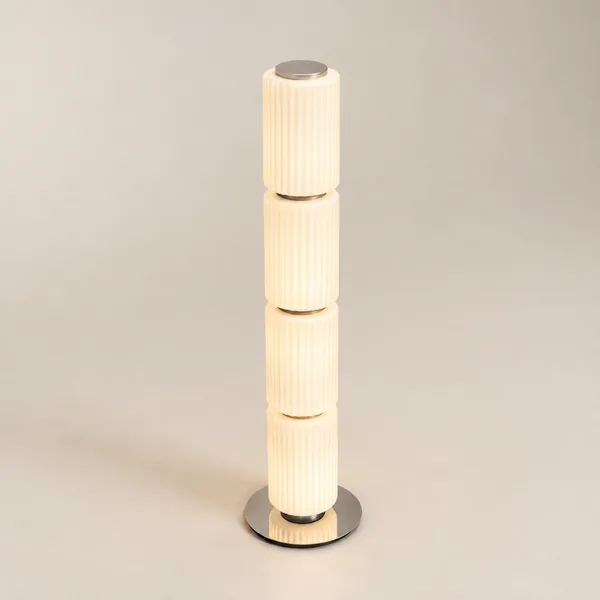
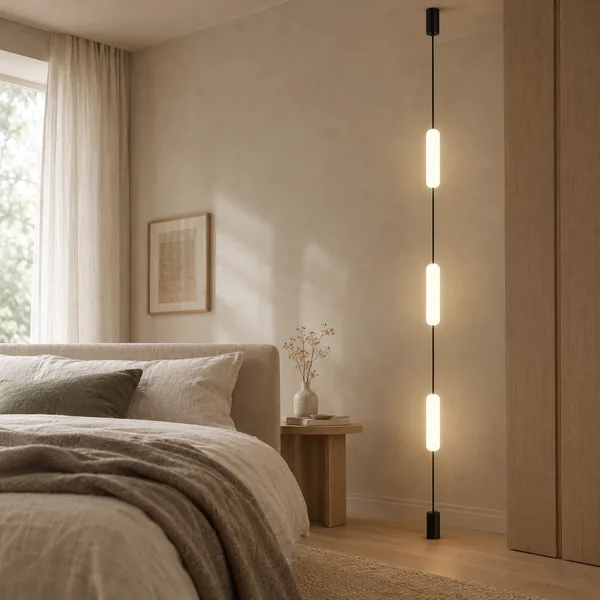
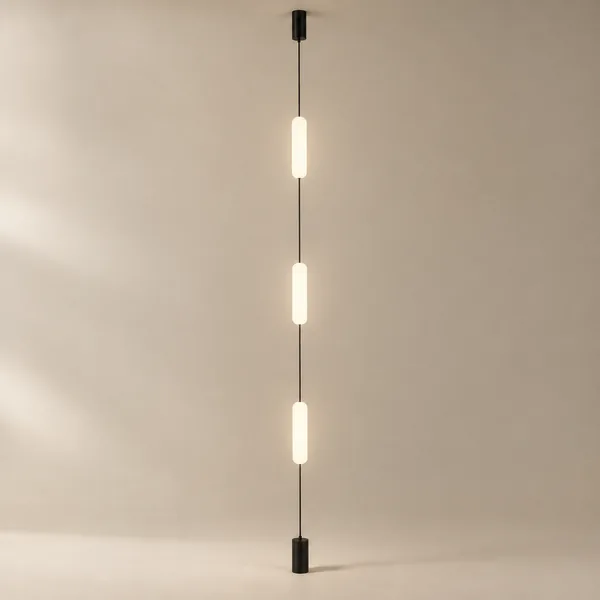
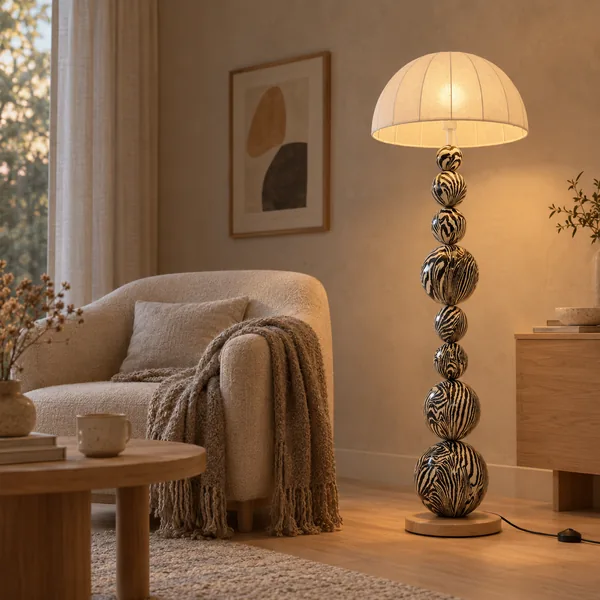
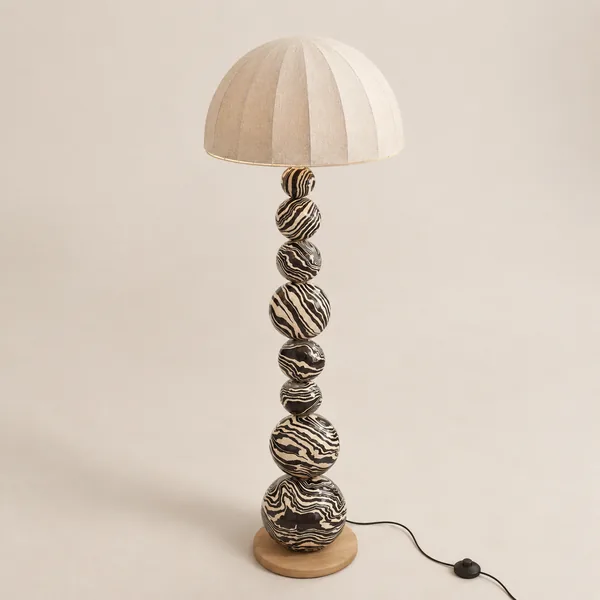
Creating Sun-Soaked Ambiance with Lighting
Lighting transforms Mediterranean spaces from beautiful to breathtaking. The goal is recreating the sun-soaked interiors that define the region's architecture.
Maximize Natural Light
Start with what nature provides. Sheer linen curtains filter harsh midday sun while maintaining privacy. Mirrors placed strategically bounce light deeper into rooms. Keep window treatments minimal to let in as much daylight as possible.
Layer Your Lighting
Ambient lighting provides overall illumination. Task lighting focuses on specific activities. Accent lighting highlights architectural features or artwork. In Mediterranean design, these layers should all contribute warm, golden tones rather than cool white light.
Choose the Right Color Temperature
2700K to 3000K bulbs create the warm glow that makes Mediterranean spaces feel inviting. Anything cooler feels out of place with the style's emphasis on natural warmth.
Mediterranean Textures and Materials
The tactile quality of Mediterranean interiors separates them from other design styles. Understanding these materials helps you make informed choices:
Plaster and Stucco
Textured walls catch light and cast subtle shadows throughout the day. Venetian plaster, lime wash, and traditional stucco all create that lived-in, aged quality central to Mediterranean aesthetics.
Wood
From rough ceiling beams to polished dining tables, wood brings warmth and natural variation. Olive wood, oak, and pine all have their place depending on the specific regional variation you're embracing.
Wrought Iron
Hand-forged metalwork appears in lighting, furniture bases, hardware, and decorative objects. The slight imperfections of artisanal ironwork add character that machined pieces cannot replicate.
Natural Fibers
Jute, sisal, linen, and cotton ground Mediterranean spaces in organic texture. These materials age beautifully, softening and developing patina over time.
Terracotta and Stone
From flooring to pottery to architectural elements, these earthy materials literally ground the style in the Mediterranean landscape. They regulate temperature, add visual weight, and connect interiors to the earth.
Mediterranean Apartment Style: Adapting for Smaller Spaces
You don't need a villa to embrace Mediterranean apartment style. The principles scale beautifully to smaller homes and urban apartments. Focus on:
- Light color palettes that expand visual space
- Multi-functional furniture with Mediterranean materials and styling
- Strategic lighting that creates warmth without overwhelming
- Textiles and ceramics that add character without requiring architectural changes
- Plants that bring life and connect to Mediterranean landscapes
Even a studio apartment can channel Mediterranean warmth through thoughtful material choices and lighting that mimics golden hour throughout the day.
Conclusion
Mediterranean interior design offers more than a visual aesthetic—it provides a blueprint for creating homes that embrace warmth, celebrate natural materials, and prioritize the quality of light and texture over fleeting trends. Whether you're drawn to the rustic charm of Spanish villas, the refined elegance of Italian estates, or the breezy airiness of coastal Greek architecture, the principles remain consistent: embrace imperfection, layer natural textures, and create spaces that feel lived-in and loved.
The journey to Mediterranean warmth begins with understanding these foundations, but it achieves its fullest expression through the details—the specific pendant light that casts golden pools of illumination, the wall sconce that adds artisanal ironwork to your hallway, the lantern that transforms your dining room into a sun-soaked retreat. These aren't merely decorative choices; they're the elements that give Mediterranean spaces their soul.
At Skonne, we believe lighting is the bridge between architectural intention and lived experience. Our curated collection of warm, natural-material fixtures draws from the same principles that guide Mediterranean design—honest materials, thoughtful craftsmanship, and the pursuit of that perfect ambient glow. Explore our collections and discover how the right lighting can transform your space into the Mediterranean sanctuary you've been envisioning.
Related Article
Brutalist Interior Design: How to Embrace Raw, Concrete & Industrial Beauty at HomeLearn how to embrace brutalist interior design at home. Discover tips for incorporating raw concrete, industrial lighting, and bold materials while maintaining warmth.