
Children's Wall Clocks: Fun, Educational & Safe Designs for Kids' Rooms
Summary›
- Why Every Child's Room Deserves a Thoughtfully Chosen Wall Clock
- The Silent Advantage: How Non-Ticking Clocks Support Better Sleep
- Safety First: What Makes a Wall Clock Child-Friendly
- Design Elements That Make Time-Telling Accessible
- Teaching Time: Practical Strategies for Parents
- Scandinavian Design Philosophy in Children's Spaces
- Creating Cohesion: Lighting and Clock Pairings
- Finding the Right Size for Your Space
- Age-Appropriate Clock Selection
- Conclusion: Investing in Timeless Design for Growing Minds
Designing a space for your child is one of the most meaningful decisions you'll make as a parent. Every element needs to balance beauty with function, education with comfort. The children's wall clock often overlooked in nursery and kids' room planning, holds surprising potential to teach, soothe, and delight. At Skonne, we believe Scandinavian-inspired design can transform everyday objects into learning tools while maintaining the clean, calming aesthetic that helps little ones thrive.
This comprehensive guide will walk you through selecting the perfect wall clock for your child's space. You'll discover why silent mechanisms matter for restful sleep, how to choose safe and appropriate sizes, and practical ways to teach time-telling skills using the clock as a visual learning aid. Along the way, we'll share our curated collection of clocks designed specifically with little learners in mind.
Why Every Child's Room Deserves a Thoughtfully Chosen Wall Clock
Time is an abstract concept for young minds. A nursery clock serves as the first introduction to how we measure our days, creating foundational understanding that supports mathematical thinking and daily routines. Unlike digital displays that simply show numbers, traditional wall clocks reveal the relationship between hours and minutes through spatial positioning, making them powerful educational tools.
Beyond education, a thoughtfully selected clock contributes to your child's environment in unexpected ways. The right timepiece becomes a focal point that anchors the room's design while providing practical benefits for the entire family. Parents checking nap times, older children managing homework schedules, and toddlers beginning to understand "five more minutes" all benefit from having a visible, accessible clock in the space.
The Silent Advantage: How Non-Ticking Clocks Support Better Sleep
Perhaps no feature matters more in a kids wall clock than the movement mechanism. Traditional ticking clocks, while nostalgic, create subtle but persistent noise that can disrupt the light, sensitive sleep cycles of children. Research consistently shows that environmental noise affects sleep quality, even when we're not consciously aware of it.
Silent wall clock kids options use sweep movements that glide smoothly rather than ticking in discrete increments. This technology eliminates the rhythmic mechanical sound that can become magnified in the quiet of night. When children depend on quality sleep for healthy development, investing in a silent timepiece becomes less about luxury and more about supporting their wellbeing.
Design Tip: Place the wall clock where your child can see it from their bed, but ensure it's positioned away from direct light sources that might cause glare during nighttime wake periods.
Safety First: What Makes a Wall Clock Child-Friendly
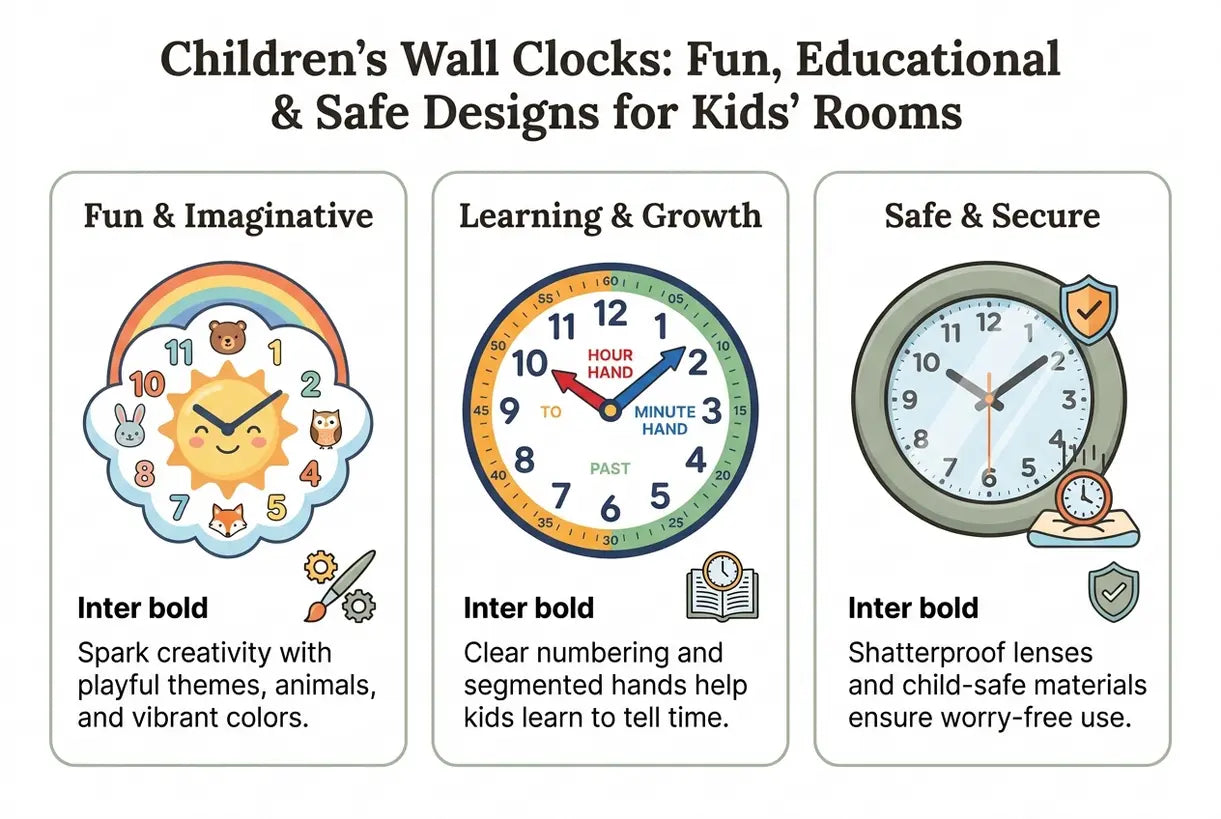
When selecting any item for a child's environment, safety remains paramount. Not all clocks marketed for children's rooms meet the standards parents should expect. Understanding key safety features helps you make informed choices that protect curious little hands and active growing bodies.
Mounting security tops the priority list. Look for clocks with sturdy, well-designed back plates and appropriate mounting hardware. The clock should sit flush against the wall with no gaps where small fingers might explore. For younger children, consider placement height carefully, keeping clocks out of reach until motor skills and understanding develop.
Materials also matter significantly. Quality children's clocks use non-toxic finishes and shatter-resistant glass or acrylic faces rather than traditional glass that could break into dangerous shards. Weight distribution affects both mounting security and the consequences of accidental contact, though a properly mounted clock should never pose a falling risk.
Decorative Wall Clocks
Shop all Wall Clocks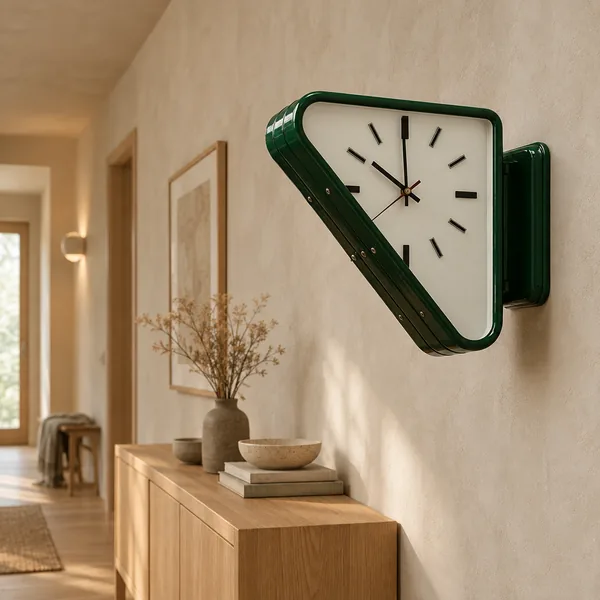
 Save $110.00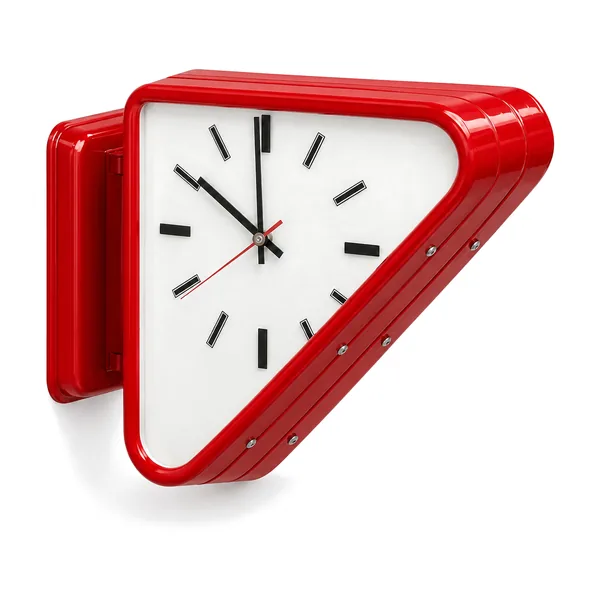
 +15 options
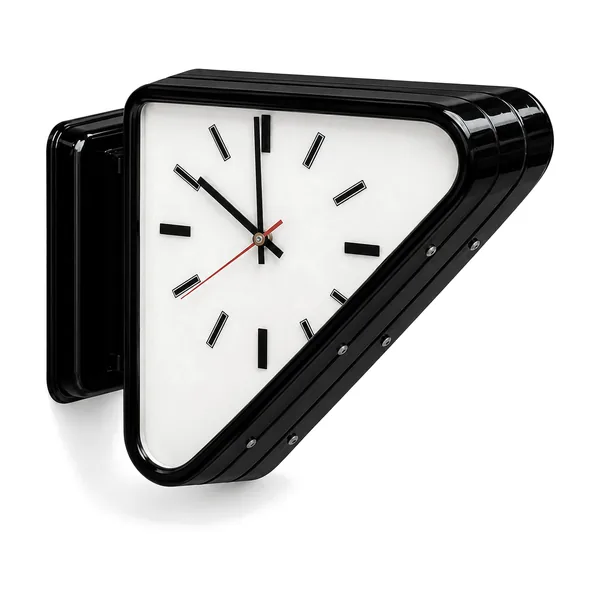
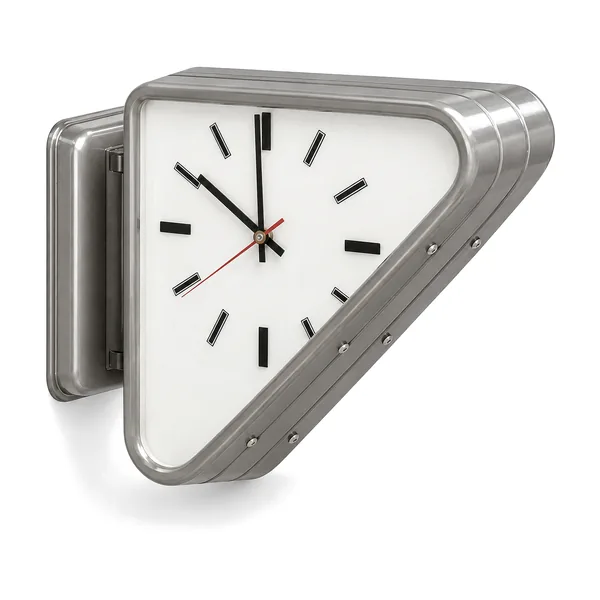
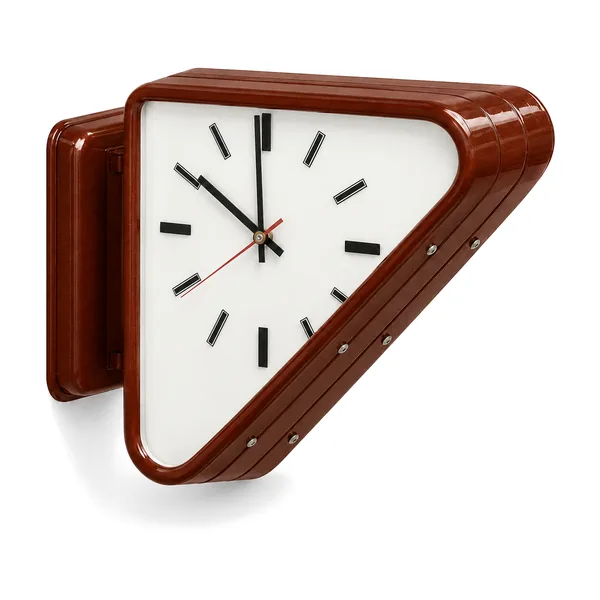
Tvilling Dual-Sided Geometric Metal Wall Clock
 Save $70.00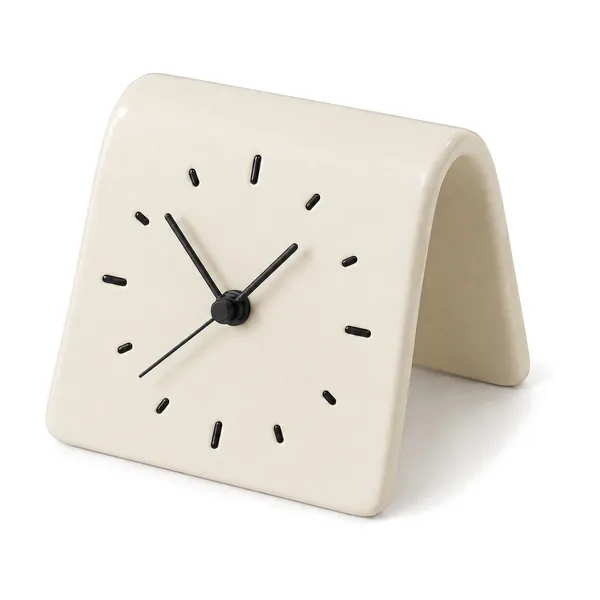
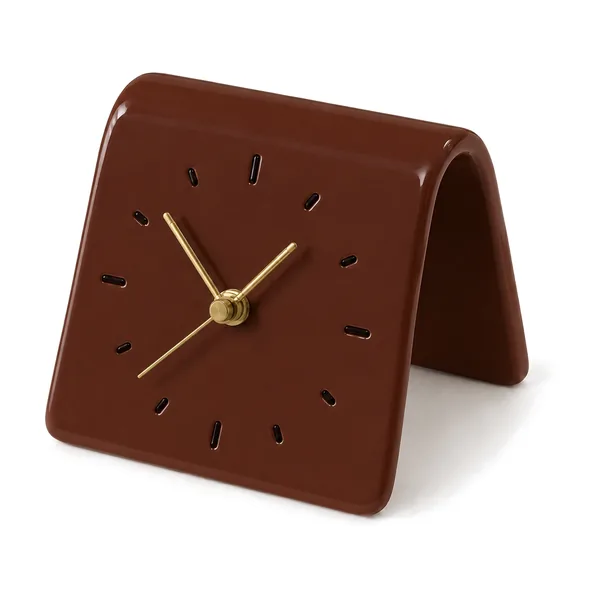
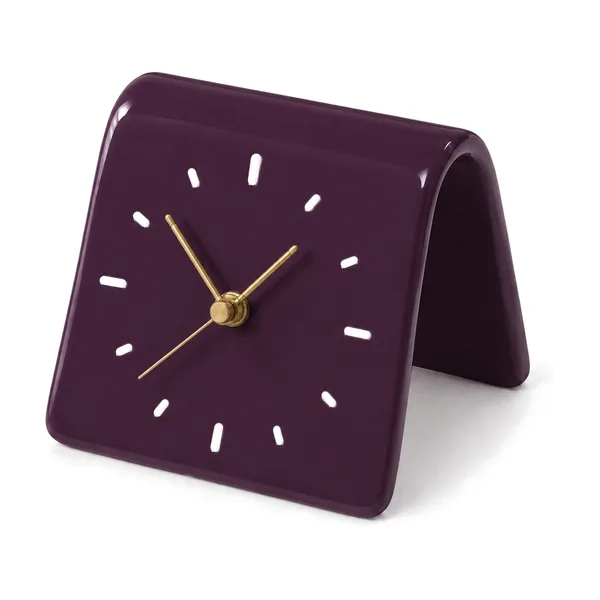 +37 options
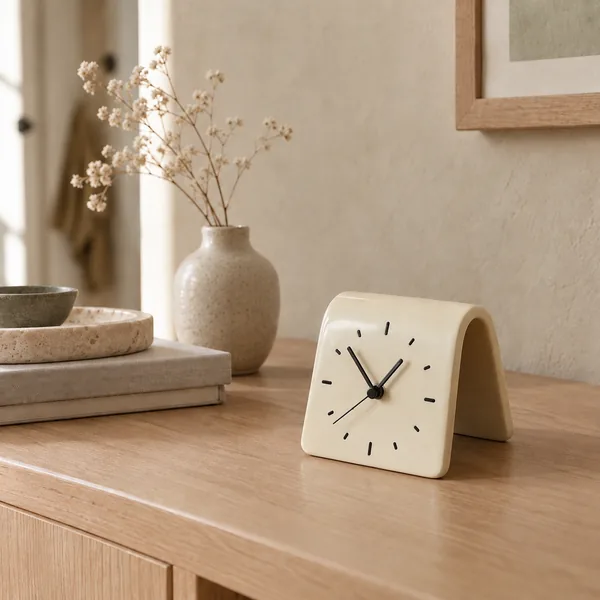
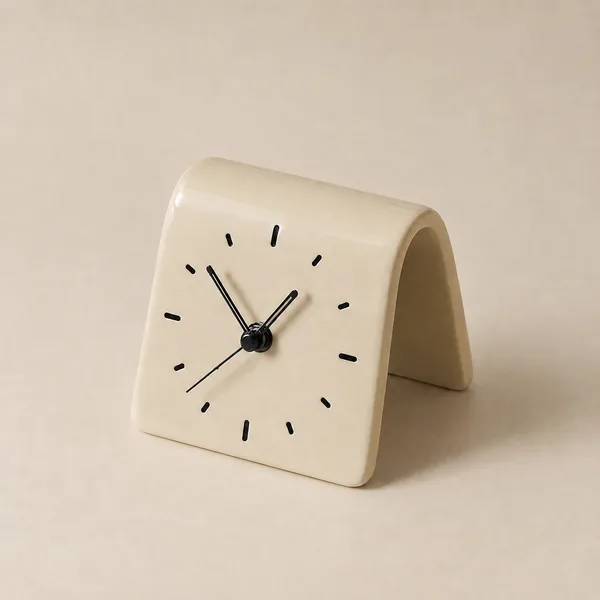
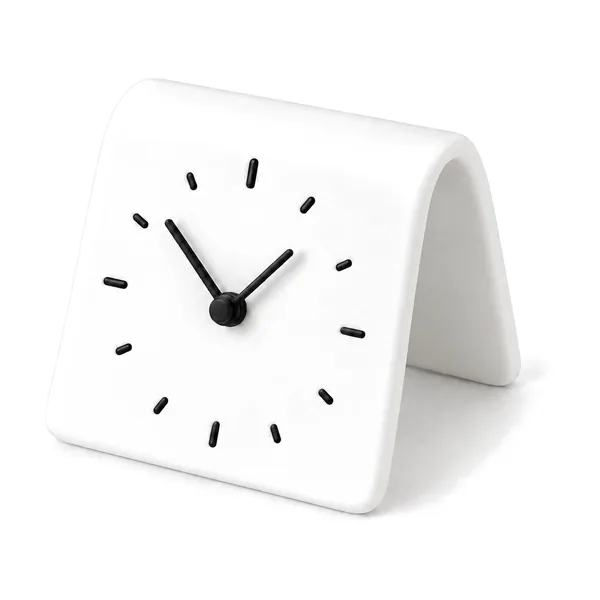
Tilje Silent Ceramic Desk Clock for Modern Homes
 Save $120.00
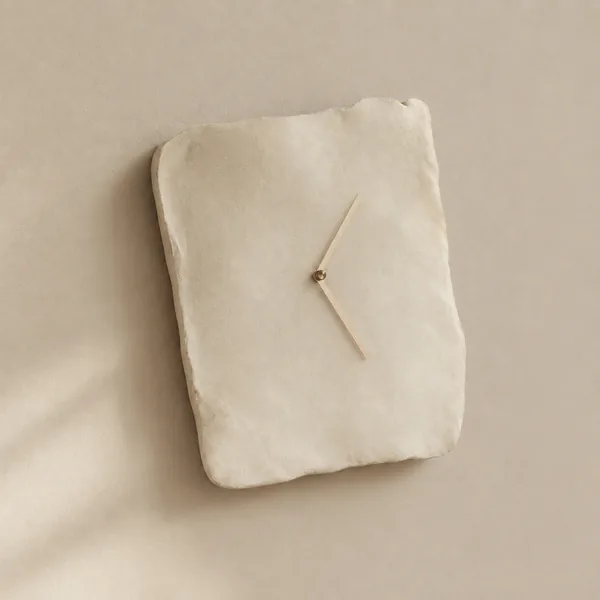
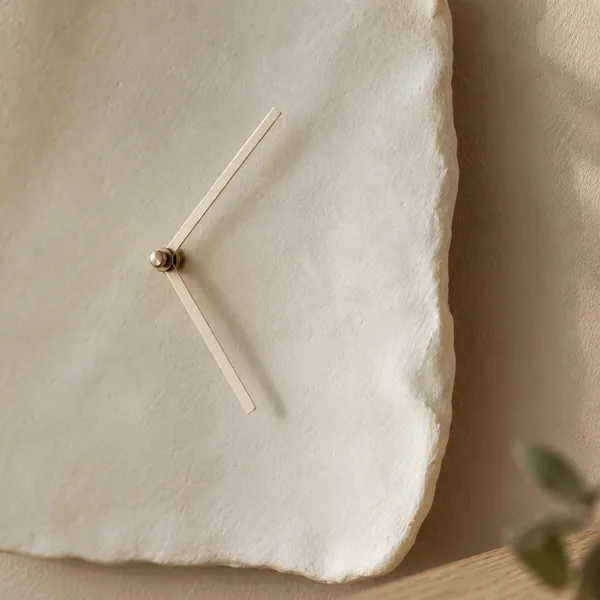
Stilla Silent Resin Wall Clock Nordic Minimalist
Design Elements That Make Time-Telling Accessible
The educational wall clock category has evolved far beyond primary colors and cartoon characters. Today's thoughtfully designed children's timepieces combine aesthetic sophistication with developmental psychology to create tools that genuinely support learning.
Clear number visibility matters most for early learners. High-contrast designs with distinct hour and minute markers help children distinguish between time measurements. Some parents prefer clocks with numbers on all positions, while others find that clocks showing only 12, 3, 6, and 9 create less visual clutter while still providing reference points. The key is matching the complexity to your child's developmental stage.
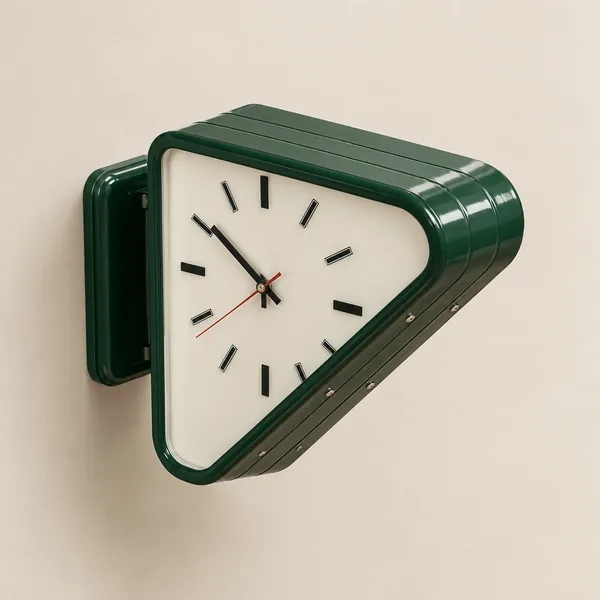
The Tvilling Dual-Sided Geometric Metal Wall Clock exemplifies this balance beautifully. Its striking geometric form captures attention and sparks curiosity, while the clear dial design supports time-telling lessons. The colorful finish options allow parents to coordinate with existing room decor, proving that educational tools need not compromise on style.
Tvilling Dual-Sided Geometric Metal Wall Clock$269.00$379.00Teaching Time: Practical Strategies for Parents
Transforming wall clock exposure into genuine understanding requires intentional interaction. The clock in your child's room becomes infinitely more valuable when you actively use it during daily routines and dedicated learning moments.
Start with concepts rather than precision. Young children first need to understand the passage of time in relatable terms: "When the big hand reaches the bottom, we'll have dinner." As comprehension grows, introduce hours through daily markers they already recognize. "Seven o'clock is when we wake up" creates meaningful associations that make abstract numbers concrete.
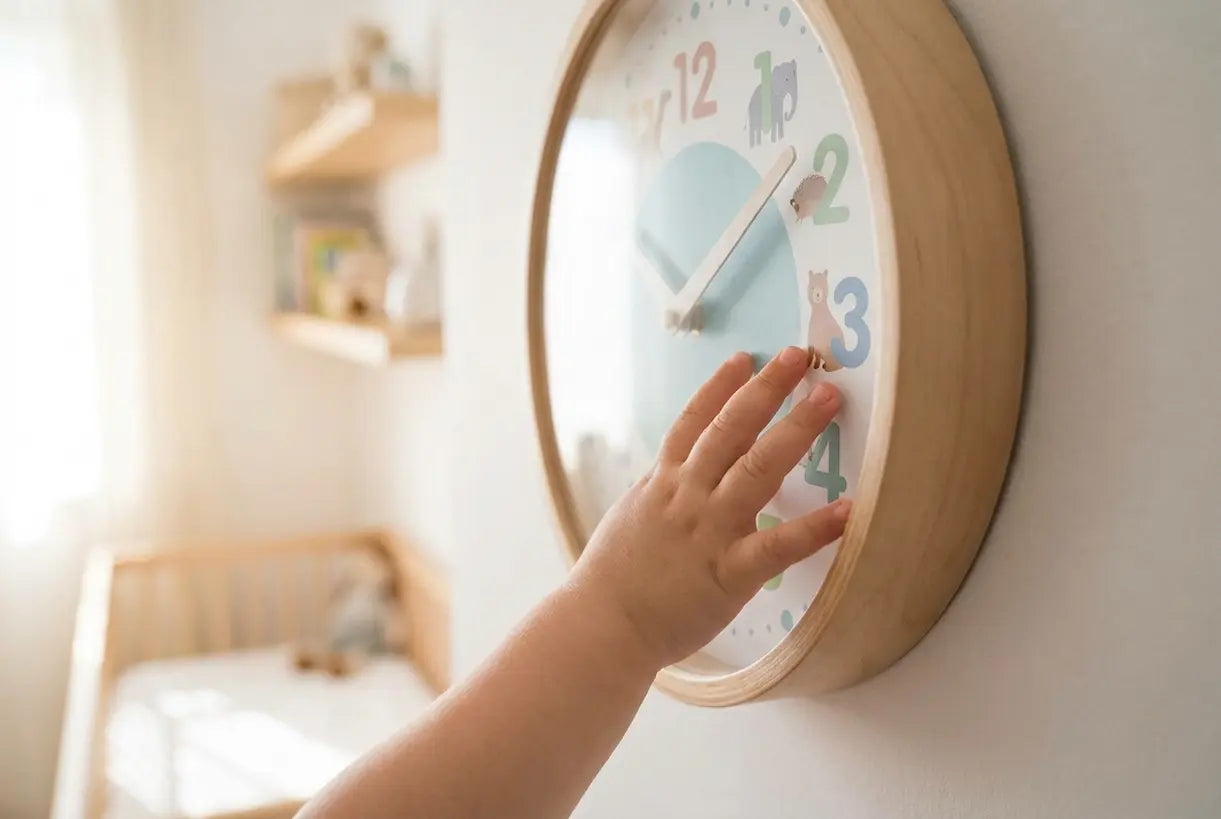
Make learning playful by incorporating the clock into games. "I spy" using the clock face teaches number recognition. Counting exercises using the minutes as intervals builds mathematical foundations. Awarding "clock watcher" status to responsible behaviors reinforces positive associations with time management.
Consistency matters more than intensity. Brief, regular references to the clock throughout the day create familiarity and comfort. Eventually, checking the time becomes second nature, a habit that serves children throughout their academic and professional lives.
Scandinavian Design Philosophy in Children's Spaces
The Scandinavian approach to children's interiors prioritizes calm, intentionality, and natural beauty. Unlike spaces filled with overwhelming stimuli, Nordic-inspired rooms create environments where children can focus, rest, and imagine. A wall clock nursery selection should honor these principles while serving practical functions.
Quality materials form the foundation of Scandinavian-inspired design. Natural wood tones, muted color palettes, and thoughtful craftsmanship create pieces that feel both special and approachable. These aren't disposable decorations but lasting investments that can transition from nursery to big-kid room with grace.
The concept of hygge, that untranslatable Danish word describing cozy contentment, extends beautifully to children's spaces. A well-designed room feels safe and welcoming, a sanctuary from the overwhelming world outside. Every element, including the wall clock, contributes to this atmosphere of warmth and security.
For those looking to explore more options for creating this cozy atmosphere, our Decorative Cushion Covers offer a curated selection of textures and patterns that pair beautifully with minimalist wall clocks to create reading nooks and quiet corners throughout your child's space.
Creating Cohesion: Lighting and Clock Pairings
A thoughtfully designed children's room coordinates key elements to create visual harmony. While the wall clock serves as a functional anchor, complementary lighting establishes the mood and supports the room's activities from playtime to bedtime reading.
Consider how your bedroom clock for kids interacts with other room elements. Natural materials create cohesion when paired deliberately. A wood-toned clock complements similarly finished furniture and lighting fixtures, while metal finishes can echo hardware and decorative accents throughout the space.
Curated Pieces for Scandinavian Children's Rooms
Stilla Silent Resin Wall Clock Nordic Minimalist$259.00$379.00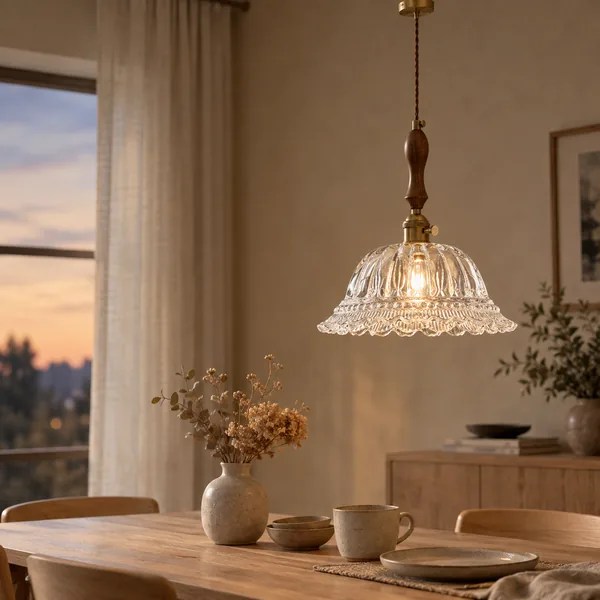 Gloda Walnut Brass French Style Pendant Light$169.00$229.00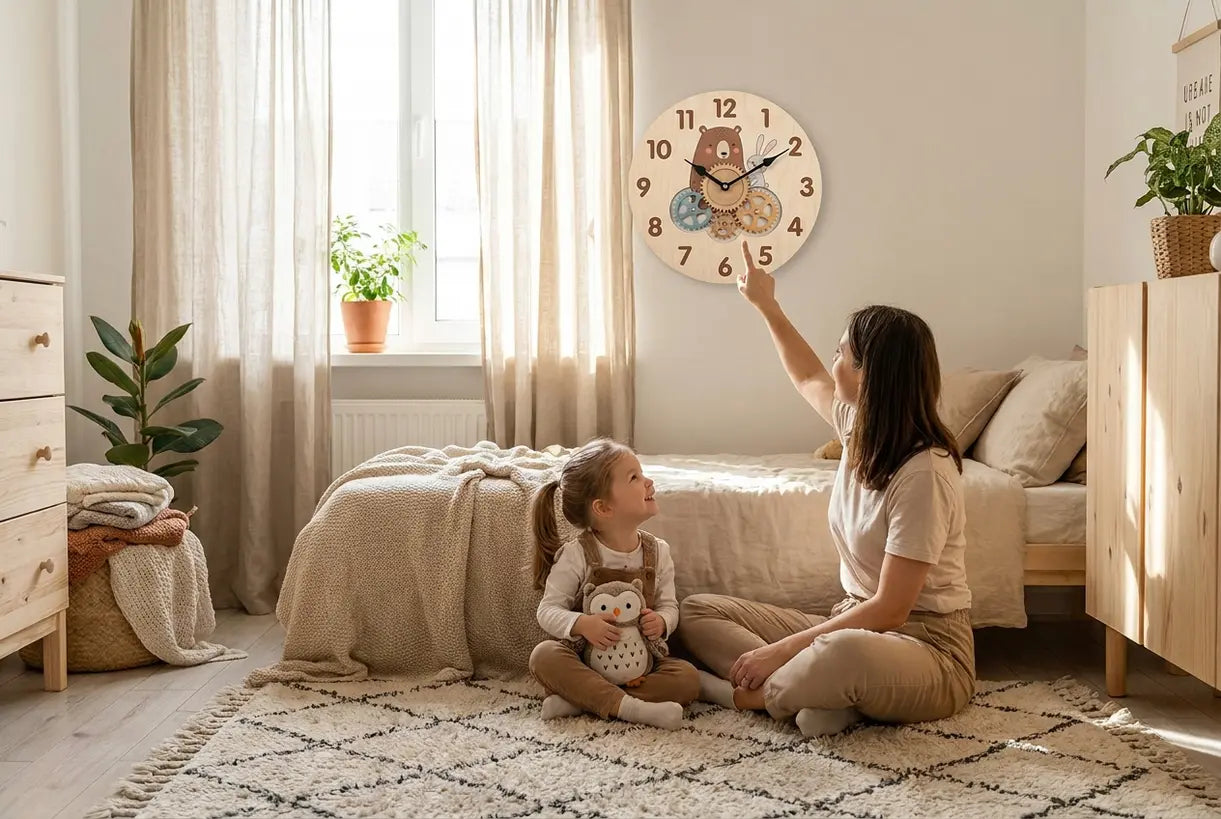
The sculptural quality of Nordic lighting, such as the Gloda Walnut Brass French Style Pendant Light, introduces warmth that balances the functional nature of wall clocks. Natural wood tones create biophilic connections that research shows support children's cognitive development and emotional regulation. Together, these elements create spaces that feel both designed and deeply livable.
Finding the Right Size for Your Space
Scale matters when selecting a playroom wall clock or nursery timepiece. Too small, and the educational value diminishes as children struggle to read the dial from normal viewing distances. Too large, and the clock overwhelms the room's proportions, creating visual stress rather than the calm atmosphere you want to cultivate.
Size Guidelines: For nurseries and small bedrooms, aim for clocks between 10-12 inches in diameter. Larger playrooms or shared spaces can accommodate 14-16 inch clocks. Always test visibility from your child's primary viewing positions before finalizing placement.
Consider the viewing angle from your child's bed, play area, and entry points. The clock should be easily readable from these key positions without requiring awkward neck positions or squinting. This visibility supports both practical time-checking and the incidental learning that happens when children regularly see the clock face during daily activities.
Wall placement also affects perceived size. Clocks positioned at adult eye level may appear different when viewed from a child's perspective. Test positioning by sitting or kneeling at your child's height to ensure the clock face remains fully visible and appropriately proportioned from their vantage point.
Home Decor
Shop all Home Decor
 Save $44.50
 2 options
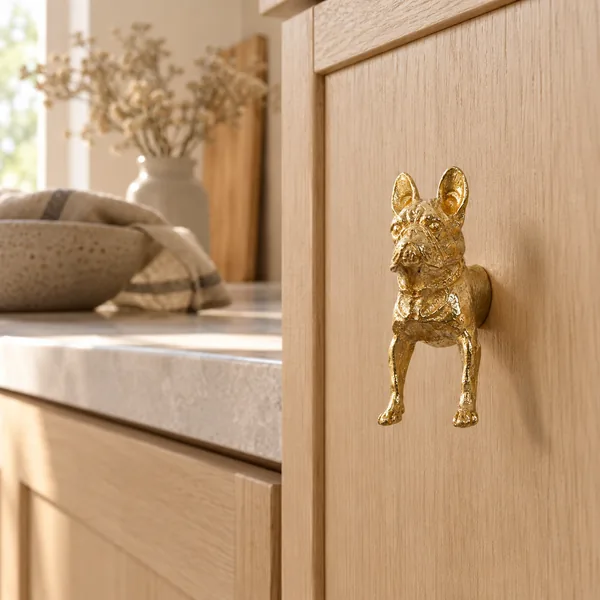
Tassa Polished Brass Dog Cabinet Pull Handle
Save $110.00+15 optionsTvilling Dual-Sided Geometric Metal Wall Clock
Age-Appropriate Clock Selection
Different developmental stages call for different clock features. Understanding your child's current needs and near-future growth helps you select a timepiece that serves your family for years rather than months.
Infants and toddlers benefit most from clocks as room-anchoring design elements and subtle sleep environment supports. At this stage, silent mechanism and appropriate mounting matter most, as direct time-telling interaction remains limited. Choose clocks that complement your nursery aesthetic while establishing the foundation for future learning.
Preschool and early elementary ages represent peak learning clock value. Children at this stage are actively developing time-telling skills and beginning to understand scheduling concepts. Clocks with clear number displays, distinct hour and minute hands, and perhaps learning-focused designs serve educational goals directly. The learning clock for children category specifically addresses these developmental needs.
Older children and tweens appreciate clocks that respect their growing sophistication. Simple, clean designs that wouldn't look out of place in a young adult's space support the transition from childhood to adolescence. These clocks become permanent pieces that evolve with changing room decor rather than items to be replaced.
Conclusion: Investing in Timeless Design for Growing Minds
The perfect toddler wall clock does more than tell time. It teaches, it soothes, it anchors a room's design, and it grows alongside your child. By prioritizing silent mechanisms, child-safe construction, clear educational design, and authentic Scandinavian aesthetics, you select a piece that serves your family through countless developmental stages.
At Skonne, we curate clocks that honor both the practical needs of parenting and the design values of sophisticated interiors. Our collection features timepieces that transform the humble clock into a meaningful addition to your child's environment, each designed with the same attention to quality and beauty that defines the best Scandinavian craftsmanship.
Whether you're preparing a nursery for a new arrival, refreshing a preschooler's space, or creating a study-friendly environment for an older child, the right wall clock elevates the entire room. We invite you to explore our collection and discover how thoughtful design can make everyday objects extraordinary.
Related Article
Wall Clock Shapes: Rectangle, Square, Round & Oval Designs for Every InteriorExplore rectangle, square, round and oval wall clock designs to find the perfect Scandinavian-inspired timepiece for your interior style.