
Scandinavian Living Room Design: Create a Cozy Nordic Space
Summary›
- The Philosophy Behind Scandinavian Living Spaces
- Mastering the 3-5-7 and 2/3 Rules
- Color Palettes That Define Scandinavian Style
- The Art of Layered Lighting in Scandinavian Interiors
- Texture and Natural Materials
- Creating Ambiance with Strategic Lighting
- Statement Pieces and Accent Lighting
- Small Space Scandinavian Solutions
- Conclusion: Your Journey to Nordic Living
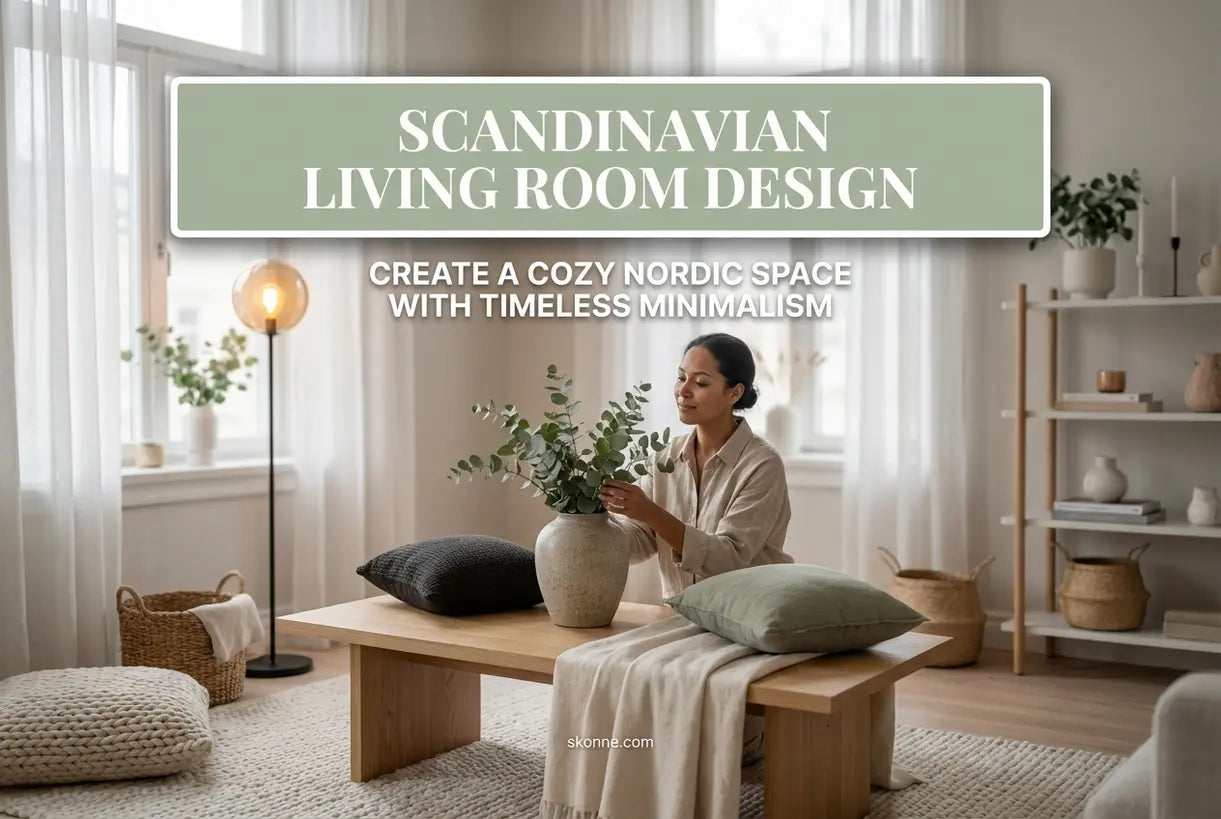
Creating a scandinavian design living room is about more than following trends—it's about crafting a sanctuary that balances beauty with everyday functionality. For homeowners and design enthusiasts seeking that coveted Nordic aesthetic, the journey begins with understanding how simplicity, natural materials, and intentional lighting work together to create spaces that feel both elevated and deeply comfortable. Whether you're starting fresh or refining your existing space, mastering the principles of Scandinavian interiors will help you achieve that perfect harmony between minimalist elegance and warm, inviting atmosphere.
At Skonne, we believe that great design should feel effortless yet intentional. A well-designed scandi living room embraces the Danish concept of hygge—that feeling of cozy contentment—and the Swedish principle of lagom, meaning just the right amount. This guide will walk you through the essential rules, color palettes, and lighting strategies that define authentic Nordic living spaces, helping you transform your home into a serene retreat that welcomes you at the end of each day.
The Philosophy Behind Scandinavian Living Spaces
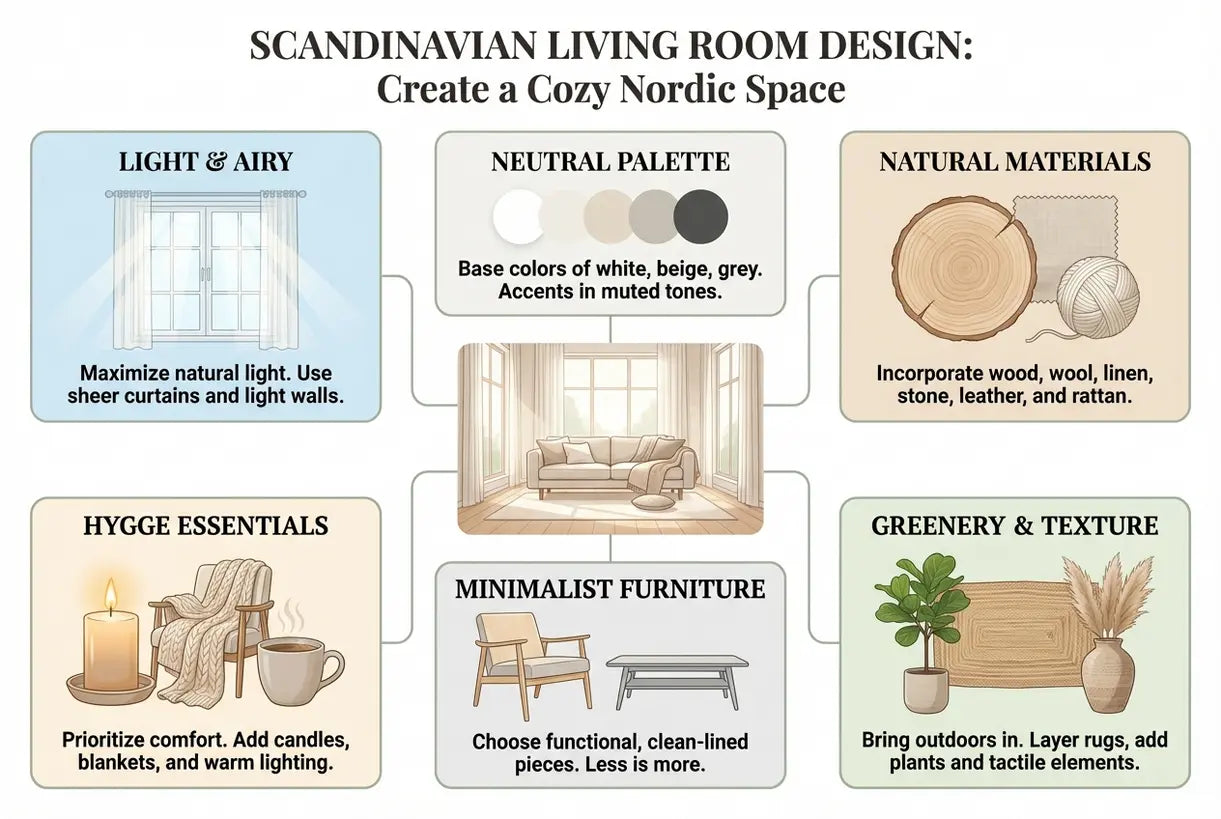
Understanding the foundational rules of scandinavian interior living room design requires looking beyond surface aesthetics to the cultural values that shaped this iconic style. Born from the long, dark winters of Northern Europe, Scandinavian design prioritizes functionality, simplicity, and a profound connection to nature. Every element in your space should serve a purpose while contributing to an overall sense of calm and well-being.
The core philosophy centers on creating light-filled, airy environments that combat the darkness of winter months. This explains the predominance of white walls, large windows, and reflective surfaces in traditional nordic living room design. However, modern interpretations have evolved to embrace warmer tones and richer textures, proving that minimalist scandinavian living room spaces can still feel cozy and inviting rather than cold or sterile.
Mastering the 3-5-7 and 2/3 Rules
When designing your space, professional interior designers often reference two powerful guidelines that help create visual balance and harmony. The 3-5-7 rule in interior design suggests arranging decorative elements in odd numbers—specifically groups of three, five, or seven—to create more natural, dynamic compositions that draw the eye and feel organic rather than forced. In a scandinavian style living room, this might translate to three ceramic vases on a mantel, five throw pillows in varying textures, or seven books stacked artfully on a coffee table.
Similarly, the 2/3 rule for living rooms helps you scale furniture and artwork appropriately to your space. When hanging art, position the center point at approximately two-thirds the height of the wall. For furniture arrangement, choose pieces that occupy about two-thirds of your floor space, leaving breathing room that prevents the room from feeling cramped. This proportion creates that signature airy feel while ensuring the room remains functional and grounded.
Color Palettes That Define Scandinavian Style
What colors work best in a Scandinavian living room? The answer lies in nature's own palette. Traditional Nordic design favors a base of crisp whites, warm grays, and soft beiges, creating a canvas that maximizes natural light reflection. However, contemporary warm scandinavian living room trends have expanded this vocabulary to include sage greens, dusty blues, terracotta, and warm ochres that add depth while maintaining that essential connection to the natural world.
When selecting your color scheme, follow the 60-30-10 rule: 60% dominant neutral (walls and large furniture), 30% secondary color (upholstery and curtains), and 10% accent (decorative objects and artwork). This creates a cohesive, calming environment that feels intentional without being overwhelming. For those working with a small scandinavian living room, lighter palettes on walls and floors will visually expand the space, while strategic darker accents add necessary contrast and visual interest.
The Art of Layered Lighting in Scandinavian Interiors
Lighting represents perhaps the most crucial element in authentic Nordic design, serving both practical and emotional purposes. In regions where winter darkness prevails, lighting becomes a tool for creating atmosphere, defining zones, and supporting daily rituals. A well-lit modern scandinavian living room employs three distinct layers: ambient lighting for overall illumination, task lighting for reading and activities, and accent lighting to highlight architectural features or artwork.
For those looking to explore more options, our Floor Lamps offers a curated selection designed specifically for creating that coveted Nordic ambiance. The right lighting doesn't just illuminate a room—it transforms how you feel within the space, creating pockets of warmth and shadow that evolve throughout the day.
Living Room Lighting
Shop all Living Room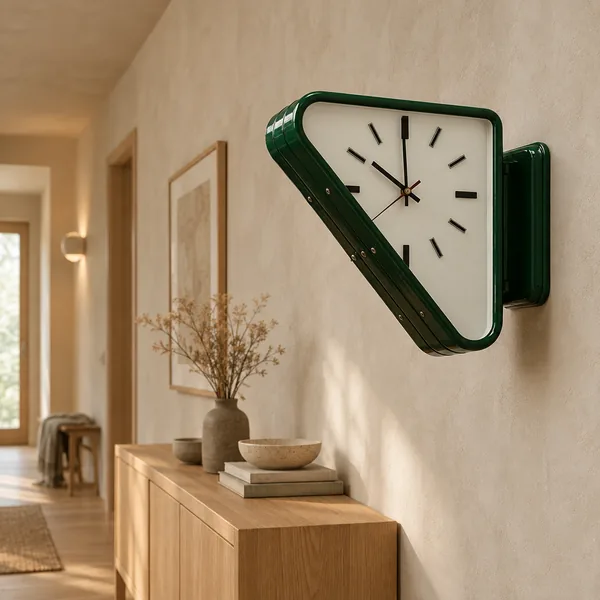
 Save $110.00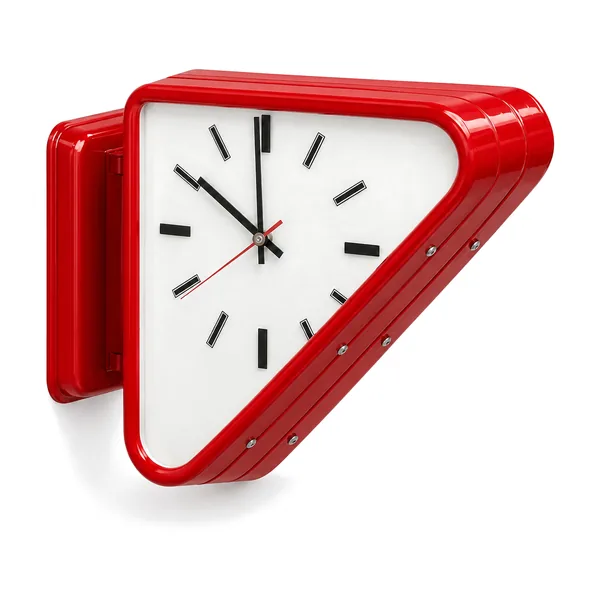
 +15 options
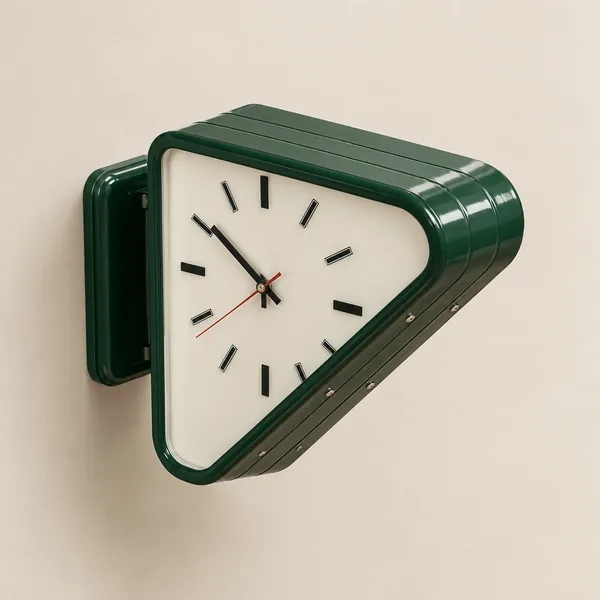
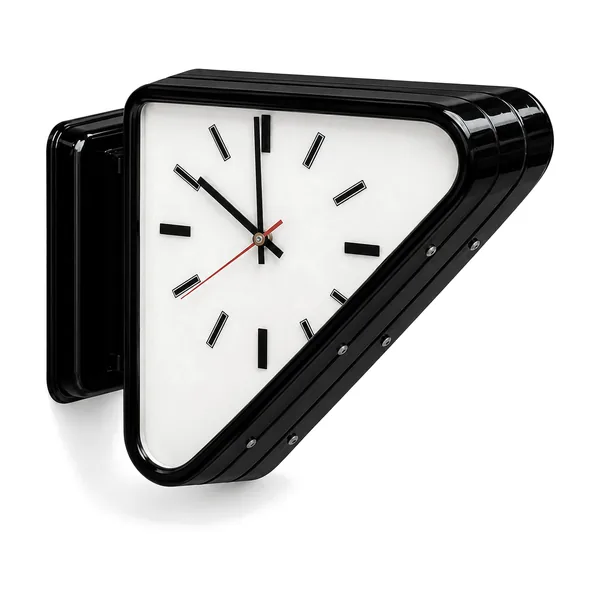
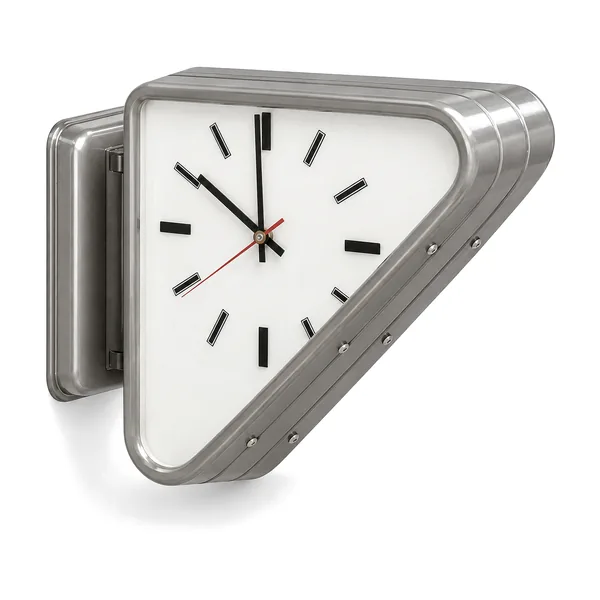
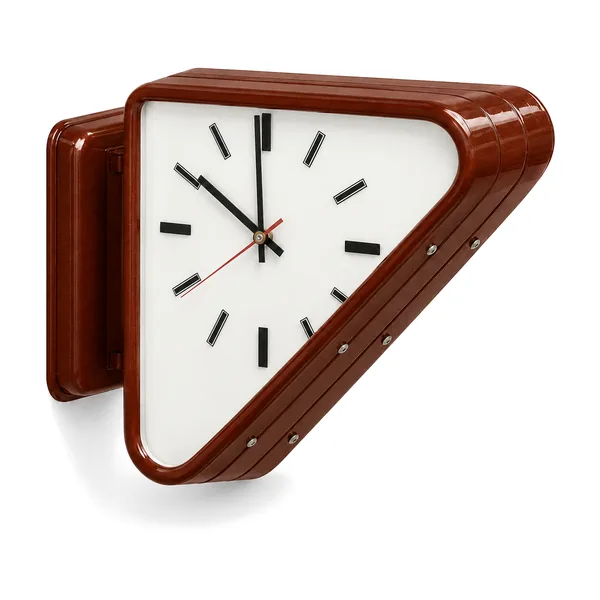
Tvilling Dual-Sided Geometric Metal Wall Clock
 Save $70.00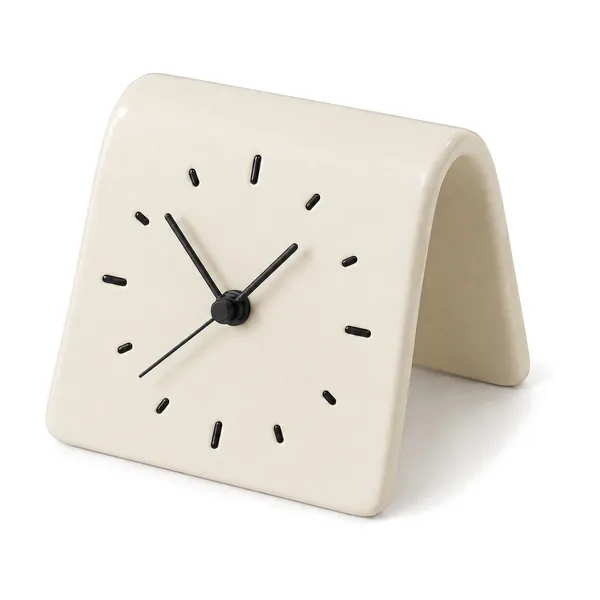
 +37 options
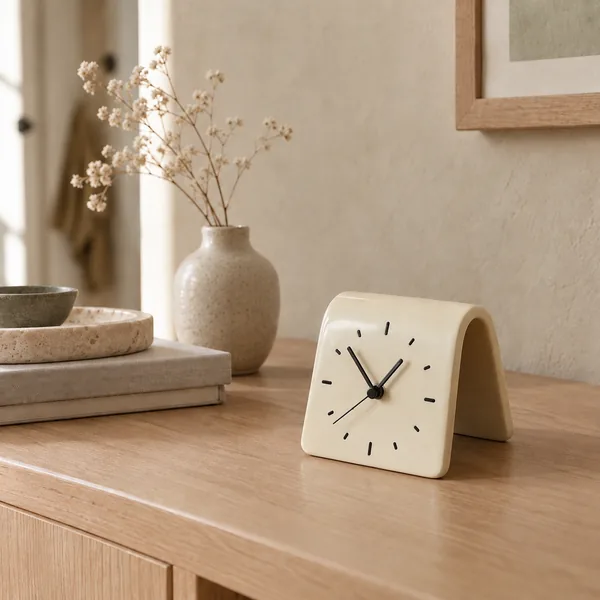
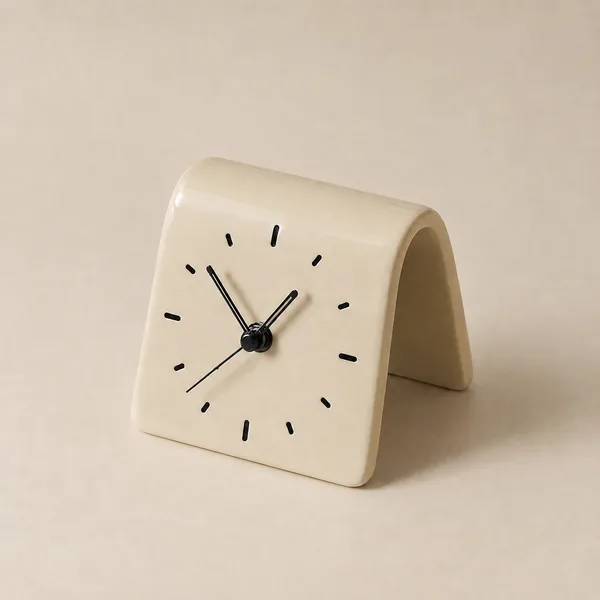
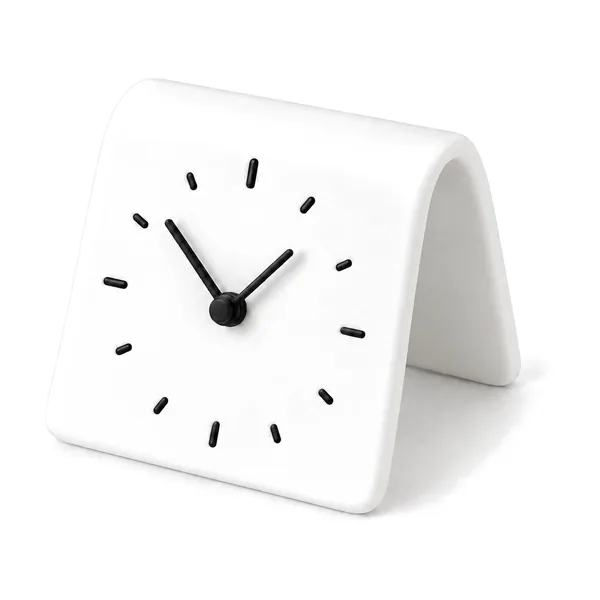
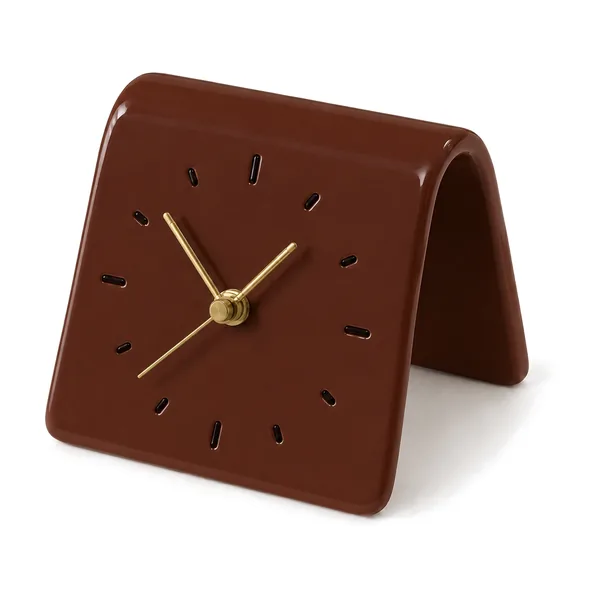
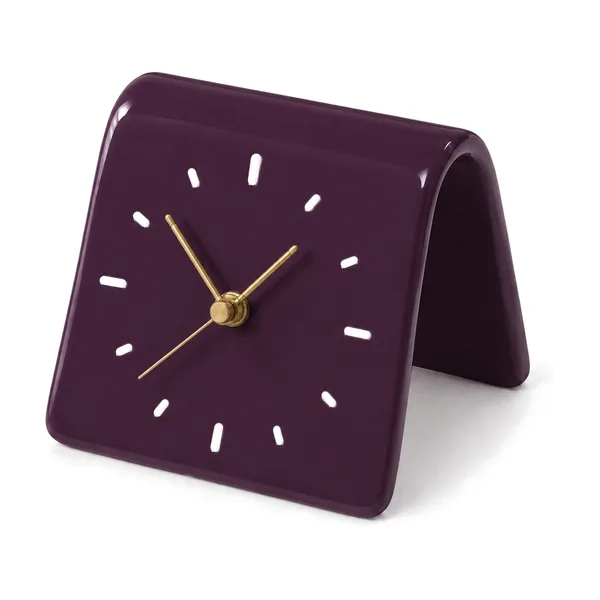
Tilje Silent Ceramic Desk Clock for Modern Homes
Texture and Natural Materials
While color palettes in Scandinavian design tend toward restraint, texture provides the richness and depth that prevent spaces from feeling flat. The Nordic approach celebrates natural materials in their authentic state—light oak and ash woods, untreated wool, soft linen, brushed brass, and hand-thrown ceramics. These materials age beautifully, developing character over time rather than appearing worn.
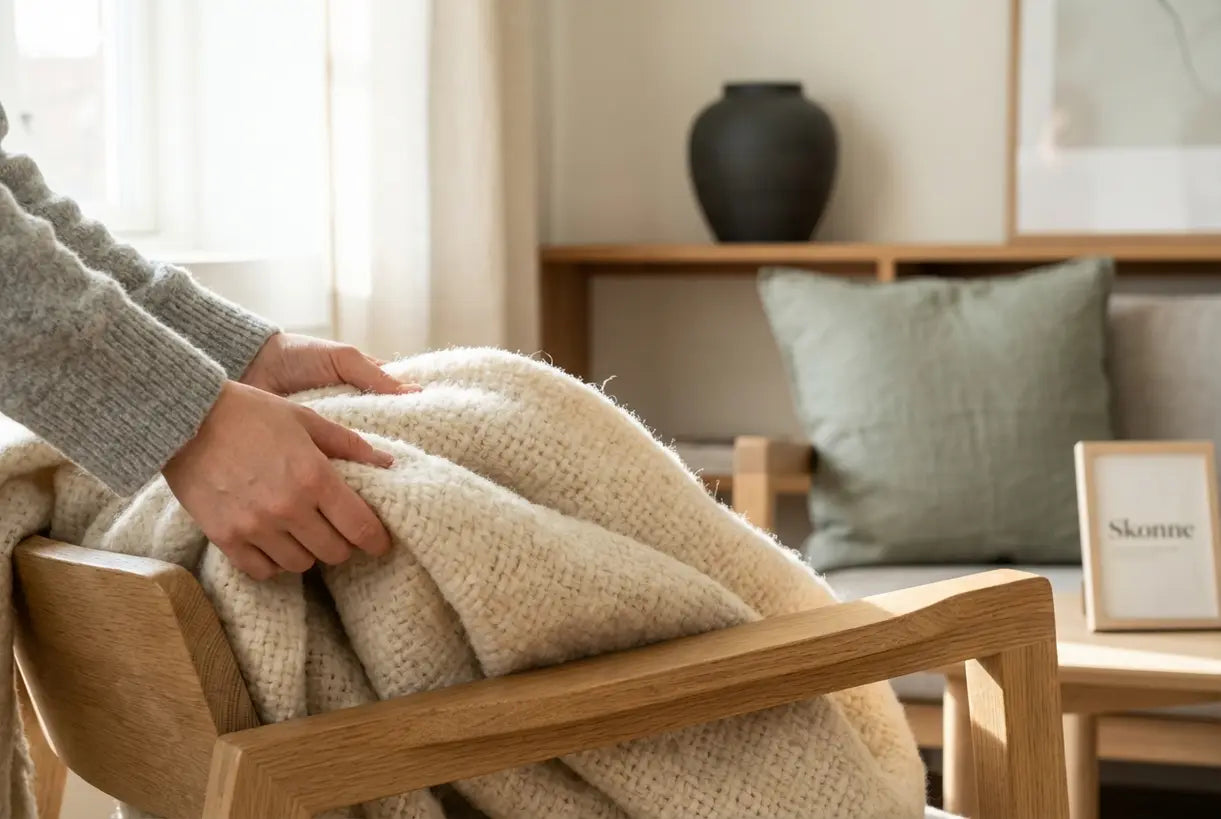
Incorporate texture through scandinavian living room furniture choices—a nubby wool sofa, a chunky knit throw, a jute rug underfoot, or wooden bowls with visible grain patterns. The interplay of smooth and rough, hard and soft, creates visual interest without clutter. Remember that in minimalist spaces, each textural element carries more weight, so choose quality pieces that feel good to the touch and will stand the test of time.
Creating Ambiance with Strategic Lighting
The foundation of any well-designed living room begins with thoughtful ambient lighting that sets the overall mood. Floor lamps serve as essential anchors in scandinavian design living room layouts, providing soft, diffused light that eliminates harsh shadows while creating intimate gathering spaces. The right floor lamp acts as both functional equipment and sculptural art, contributing to the room's aesthetic even when not illuminated.
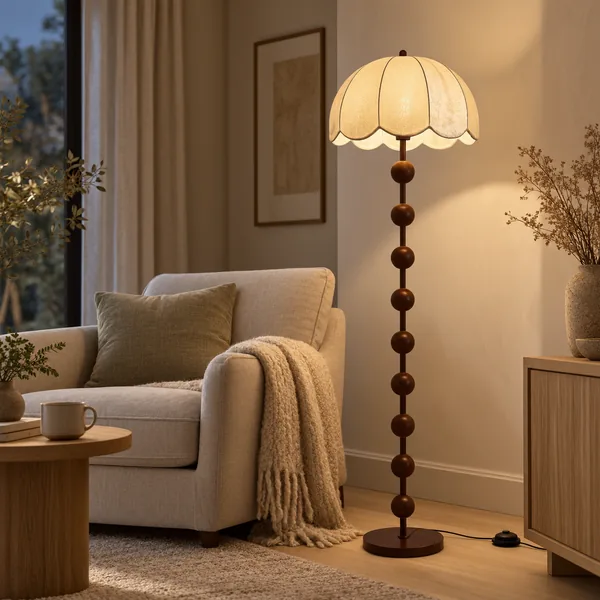 Kveld Scandinavian Mushroom Floor Lamp Walnut$219.00$349.00
The Kveld Scandinavian Mushroom Floor Lamp Walnut exemplifies this dual purpose, offering warm ambient glow through its mushroom-shaped silhouette while the walnut-toned base adds organic warmth to your space. Positioned beside a reading chair or in a dark corner, it creates that essential pool of light that makes a large room feel intimate or a small room feel cozy.
Statement Pieces and Accent Lighting
Beyond ambient foundations, scandinavian living room design relies on statement lighting to create focal points and conversation starters. Pendant lights suspended over seating areas or coffee tables draw the eye upward, emphasizing the vertical space and creating visual drama without adding clutter. Similarly, table lamps on side tables provide intimate task lighting while contributing to the layered, lived-in feeling that defines hygge.
Curated Lighting for Nordic Living
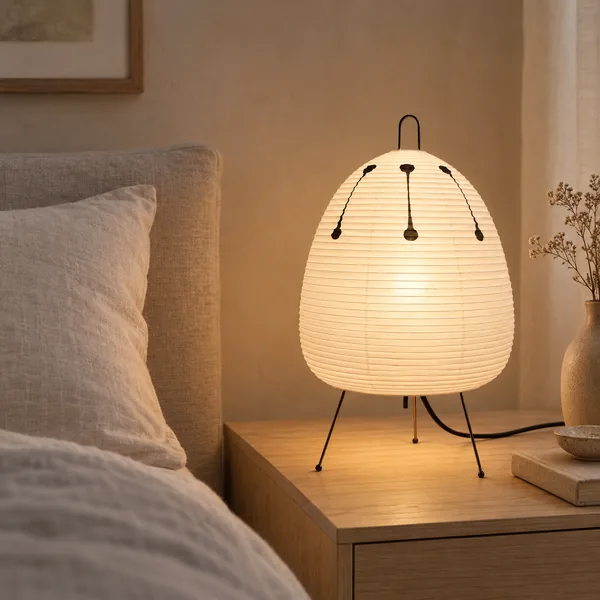 Shiro Rice Paper Table Lamp Nordic Minimalist$119.00$199.00
The Driva Sculptural Cloud Pendant Light in Glass elevates any nordic living room design with its ethereal presence, casting organic patterns of light through its hand-blown smoked gray or clear shade. Suspended over a seating area, it creates an instant focal point that embodies the Scandinavian appreciation for artistry in everyday objects. Complementing this overhead drama, the Shiro Rice Paper Table Lamp Nordic Minimalist provides gentle, diffused warmth perfect for side tables and reading nooks, completing the layered lighting scheme that makes Scandinavian spaces so inviting.
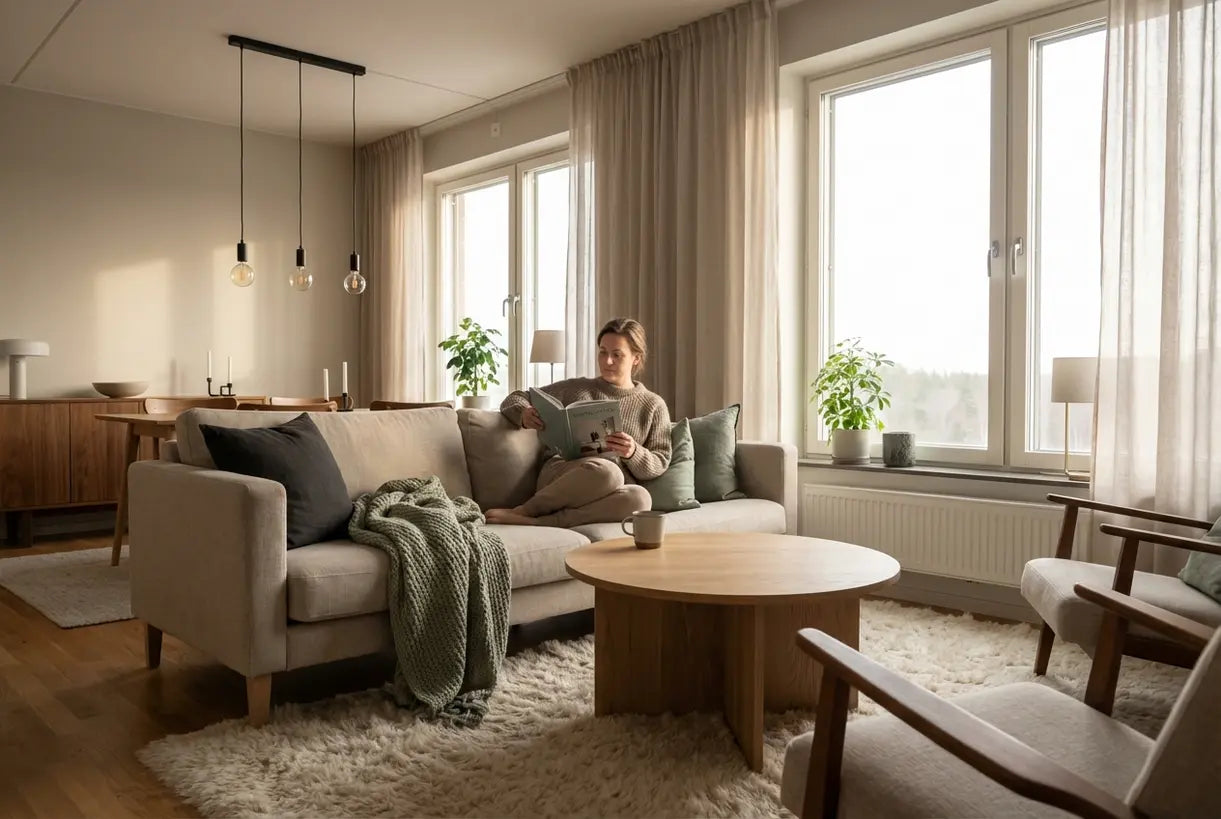
Achieving the perfect scandinavian interior living room requires understanding that every element works in concert. The interplay between your ceiling fixtures, floor lamps, and table lamps creates a dynamic environment that adapts to different times of day and various activities—from bright, energizing light for morning coffee to soft, ambient glow for evening relaxation.
Scandinavian Lighting
Shop all Scandinavian Lighting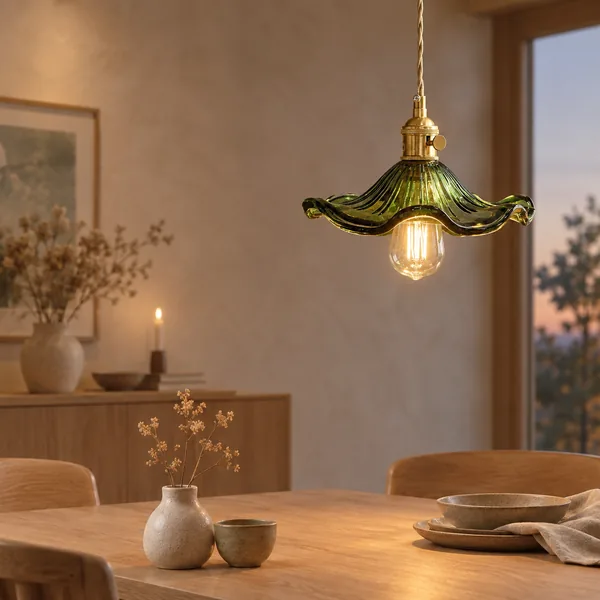
 Save $60.00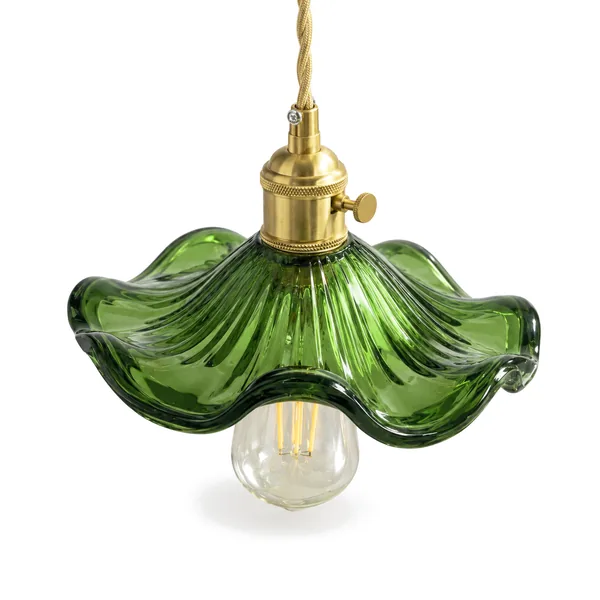
 3 options
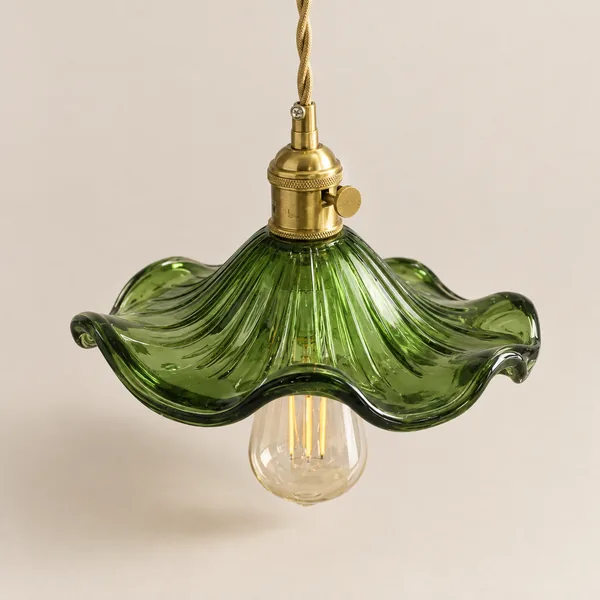
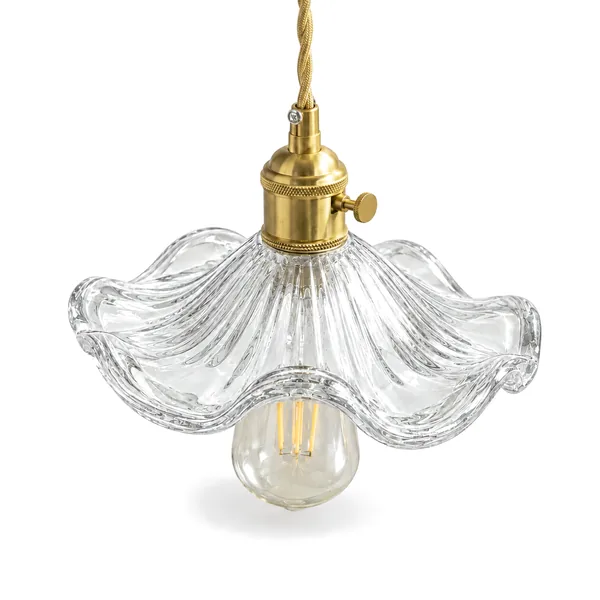
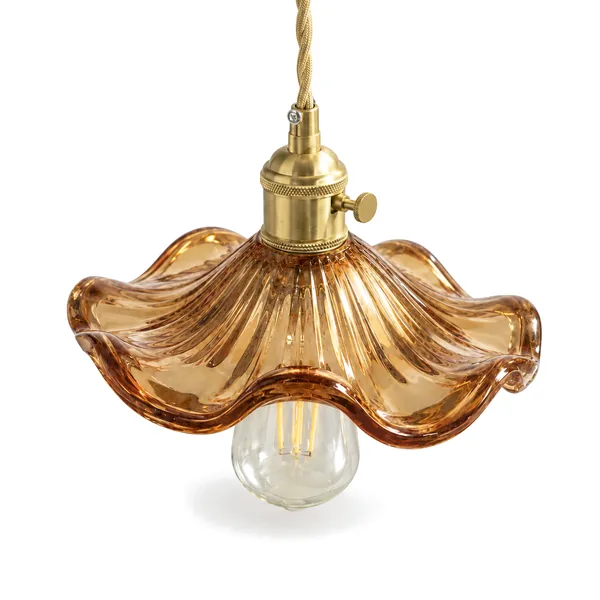
Glora Nordic Glass Pendant Light with Copper
 Save $150.00
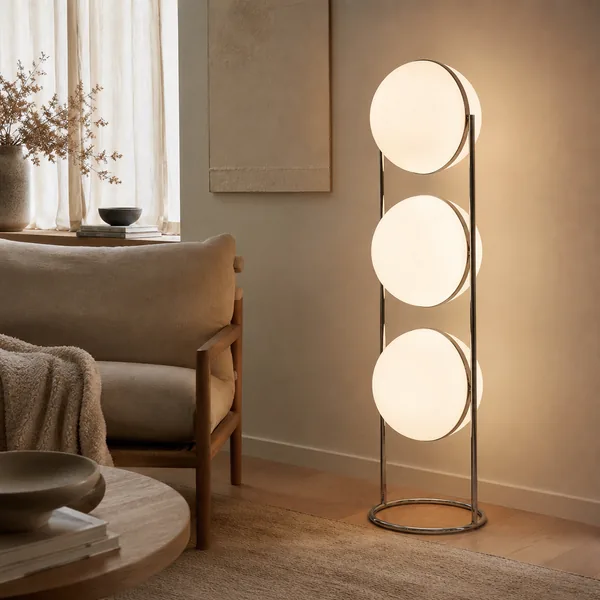
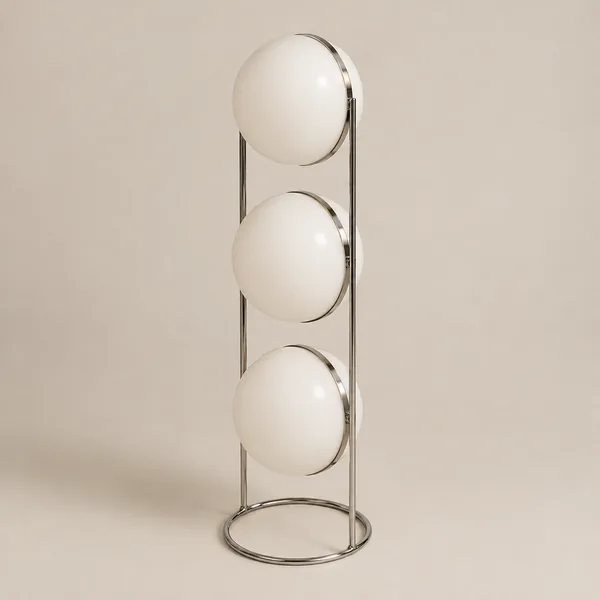
Kulglod Bauhaus Chrome Acrylic Globe Floor Lamp
 Save $230.00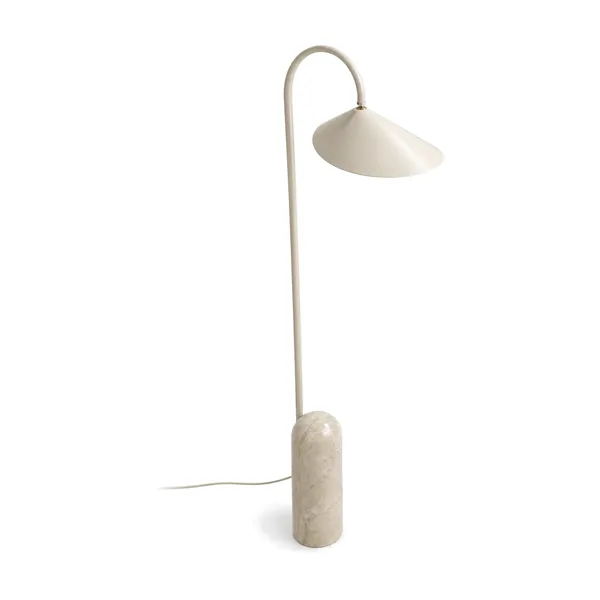
 2 options
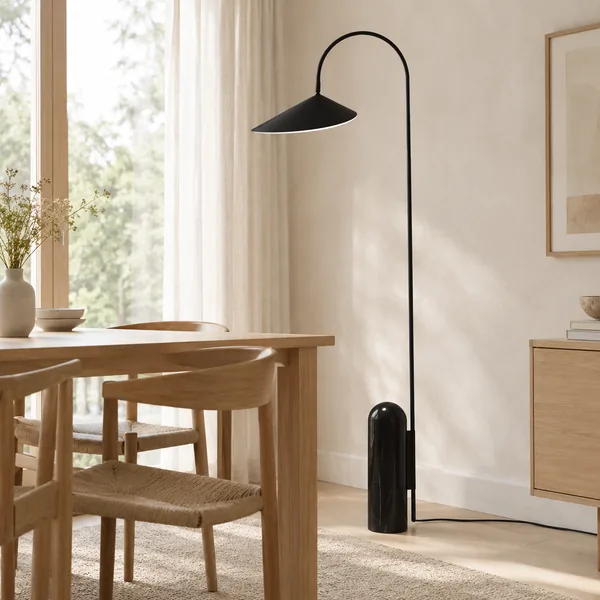
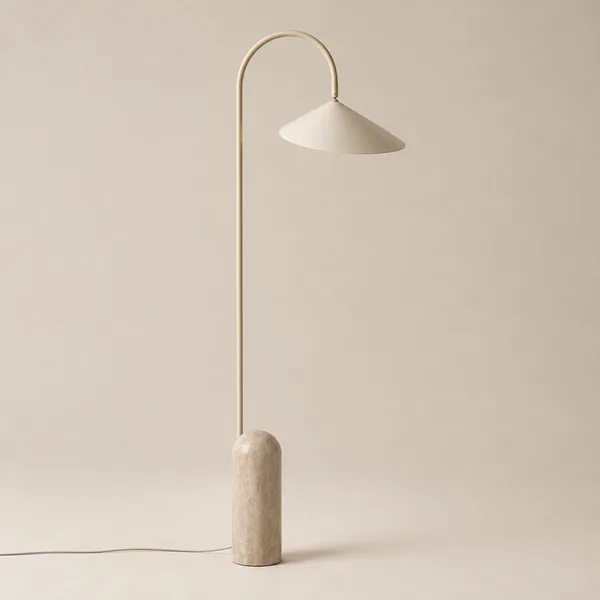
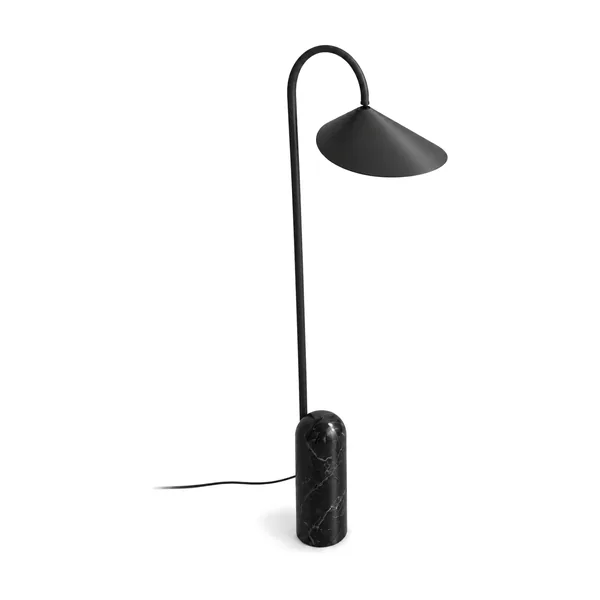
Velbue Marble Base Arc Floor Lamp Danish Design
 Save $210.00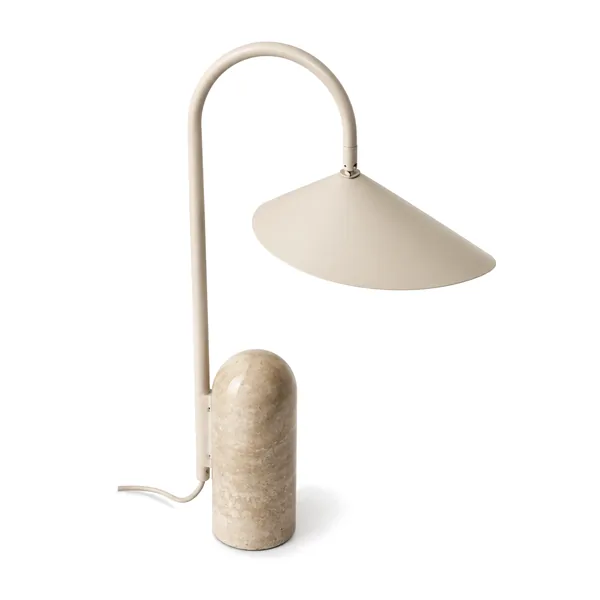
 2 options
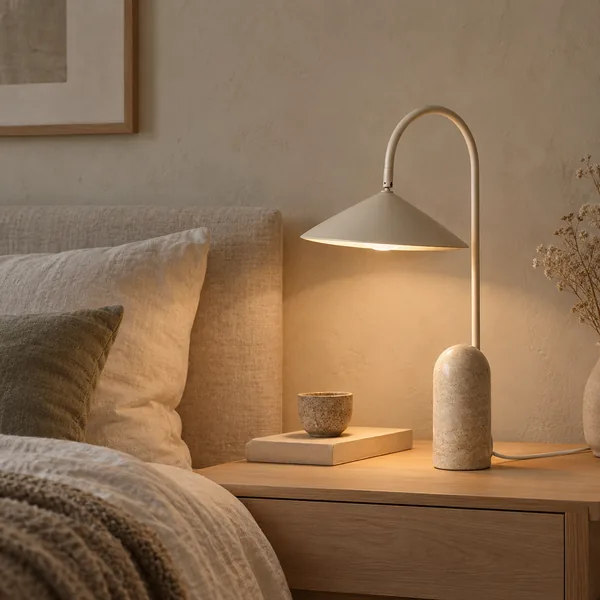
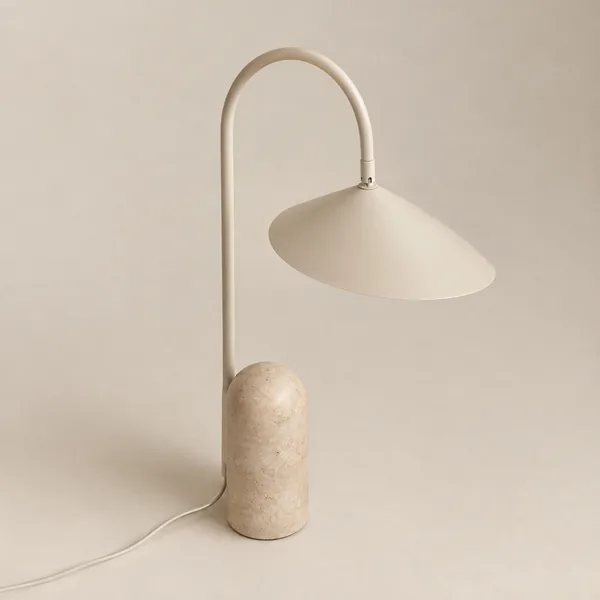
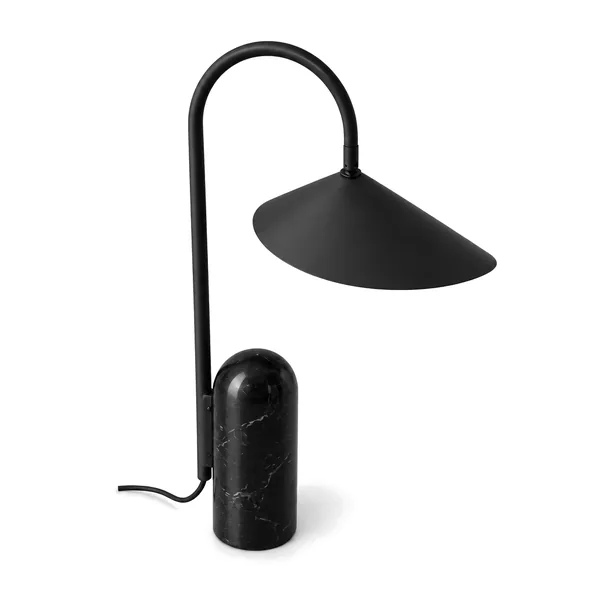
Solvei Danish Minimalist Arc Table Lamp Marble
Small Space Scandinavian Solutions
Designing a small scandinavian living room presents unique opportunities to embrace minimalist principles fully. The Scandinavian approach naturally lends itself to compact spaces, prioritizing multi-functional furniture, visual lightness, and clever storage solutions that maintain the clean lines essential to the aesthetic.
Choose furniture with raised legs to create the illusion of more floor space, and opt for pieces that serve dual purposes—a coffee table with storage, a sofa bed for guests, or nesting tables that tuck away when not needed. Mirrors strategically placed opposite windows amplify natural light and visually double your space. Remember that in smaller rooms, restraint becomes even more important; edit ruthlessly and allow each piece breathing room to shine.
Design Tip: In compact spaces, stick to a cohesive color palette with minimal contrast between walls, trim, and large furniture. This creates visual continuity that makes the room feel significantly larger than it is.
Conclusion: Your Journey to Nordic Living
Creating a scandinavian design living room is ultimately about crafting a space that supports your well-being while reflecting your personal aesthetic. By mastering the foundational rules like the 3-5-7 and 2/3 guidelines, embracing natural materials and textures, and implementing layered lighting strategies, you can transform any space into a Nordic sanctuary that feels both curated and comfortable.
At Skonne, we curate lighting and home decor that honors these timeless principles while meeting the demands of modern living. From statement pendant lights that anchor your space to ambient floor lamps that create cozy corners, our collection helps you achieve that perfect balance of form and function. Your Scandinavian-inspired living room awaits—warm, intentional, and uniquely yours.
Related Article
Nordic vs Scandinavian Design: What's the Difference?A practical guide to selecting pendant lights: get the right size, height, style, and bulbs plus curated product recommendations for every room.