
Interior Design Window Treatments: How to Choose Curtains, Blinds & Drapes for Every Style
Summary›
The windows in your home are more than just sources of natural light—they're the eyes of your interior, framing views and setting the tone for every room. Yet, choosing the right interior design window treatments can feel overwhelming with countless options for curtains, blinds, and drapes available. Whether you're updating a single room or refreshing your entire home, understanding how to select treatments that complement your style while balancing privacy, light control, and aesthetic harmony is essential.
In this guide, we'll explore how to curate window coverings that elevate your space, from Scandinavian simplicity to modern sophistication. You'll discover the nuances between different treatment types, learn layering techniques the pros use, and understand how lighting adjacent to your windows creates a cohesive, intentional atmosphere. By the end, you'll have the confidence to dress your windows with the same care you've applied to every other design decision.
Understanding Your Window Treatment Options
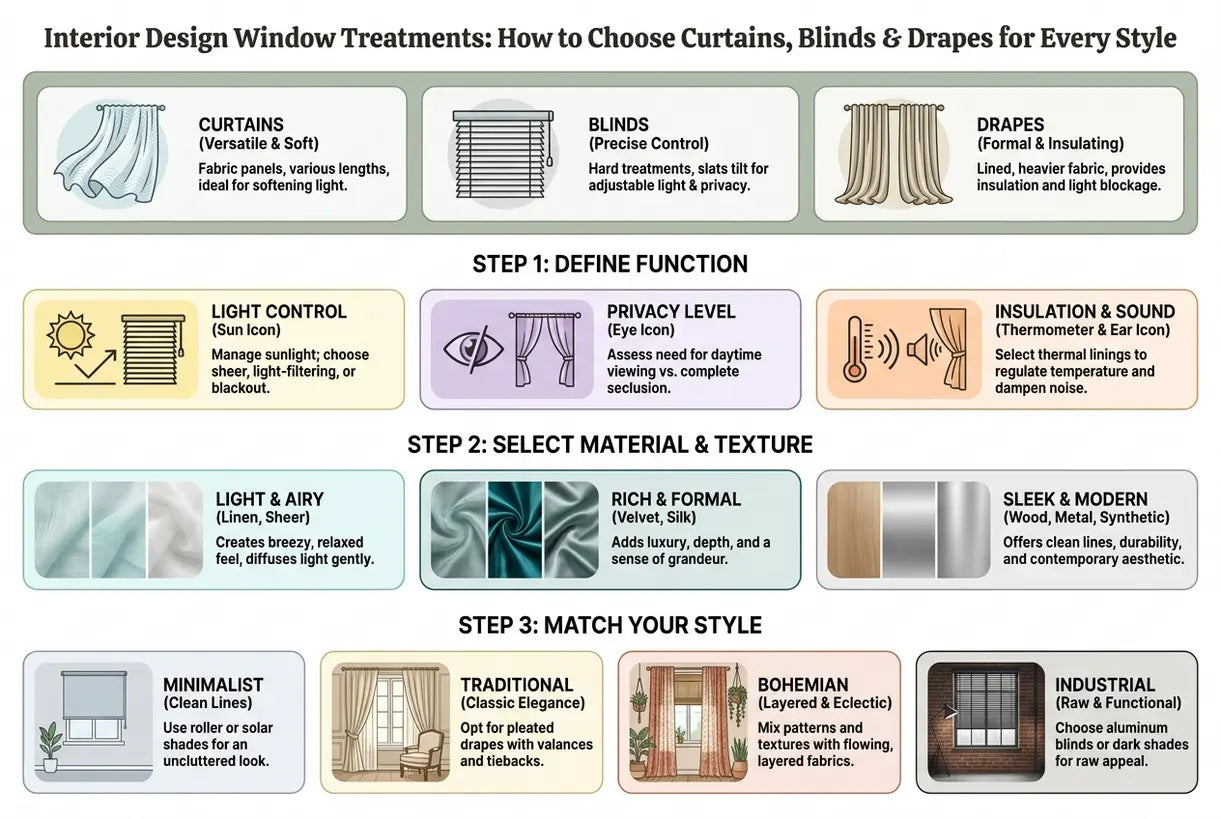
Before diving into style-specific selections, it's important to clarify the terminology and distinct characteristics of each treatment category. While the terms are often used interchangeably, curtains, blinds, and drapes serve different functions and create distinct visual effects in your space.
Curtains: The Versatile Layer
Curtains are typically made from lighter fabrics and hang from rods above windows. They're unlined or lightly lined, allowing diffused light to filter through while providing moderate privacy. Curtains work beautifully in casual spaces, kitchens, and as sheer underlayers in living areas. Their versatility makes them ideal for layering and transitioning between seasons.
Blinds: Precision and Control
Blinds consist of slats or vanes that can be tilted, raised, or lowered to control light and privacy with precision. Available in wood, faux wood, aluminum, and fabric varieties, blinds offer clean lines that complement modern and minimalist interiors. They're particularly effective in spaces where you want maximum control over light levels throughout the day.
Drapes: Drama and Elegance
Drapes are heavier, lined fabric panels that extend from ceiling to floor, creating a formal, luxurious feel. Their substantial weight provides excellent insulation and light blocking, making them perfect for bedrooms and formal living spaces. Drapes add vertical emphasis to rooms and can make ceilings appear higher.
How to Match Treatments to Your Interior Style
The secret to successful window treatments lies in aligning your choices with your overarching design aesthetic. Here's how to approach different styles:
Scandinavian Simplicity
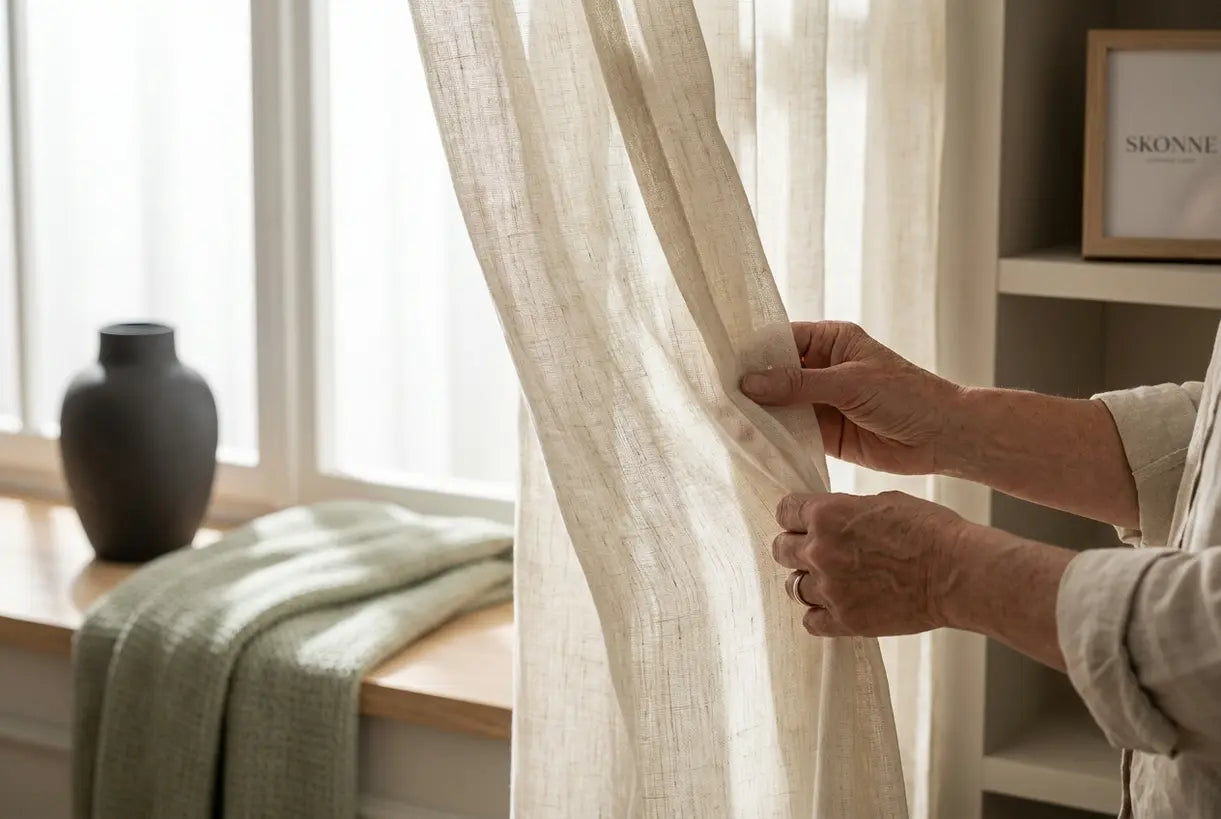
Scandinavian design embraces natural light, clean lines, and organic materials. Opt for sheer linen curtains in white, cream, or soft gray to filter light gently while maintaining an airy feel. Natural wood blinds in light oak or birch tones complement the aesthetic perfectly. For those looking to explore more options in this aesthetic, our Japandi Lighting collection offers pieces that pair beautifully with these window treatments.
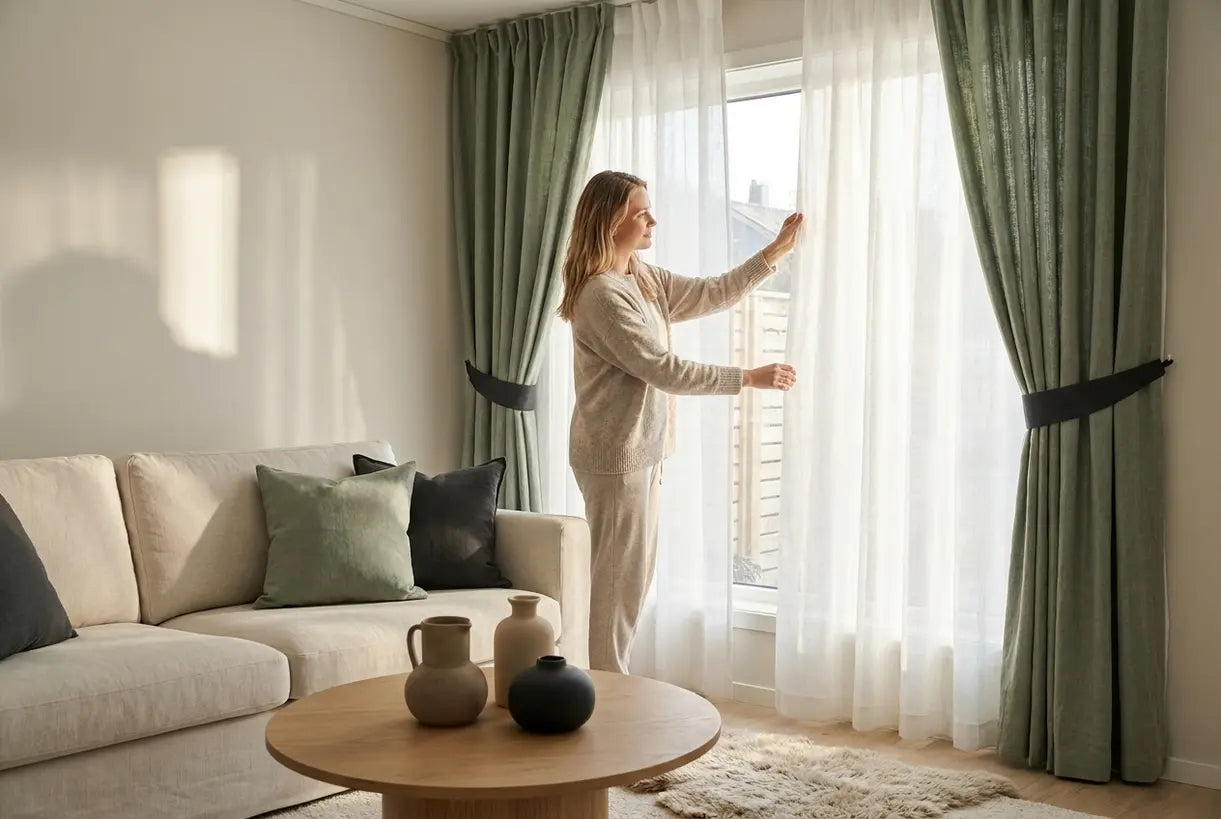
Avoid heavy drapery or ornate hardware in Scandinavian spaces. Instead, choose minimal curtain rods in matte black or brass, and let the fabric itself be the statement. The goal is to enhance natural light while creating that signature hygge feeling of warmth and comfort.
Modern Contemporary
Modern interiors call for sleek, uncluttered window solutions. Roller shades, solar shades, and cellular shades provide clean profiles that disappear when not in use. If using curtains, choose solid colors in luxe fabrics like velvet or heavyweight linen with minimal texture. Panel track blinds work beautifully for large windows and sliding doors in modern homes.
Eclectic and Bohemian
Layering is your friend in eclectic spaces. Combine patterned curtains with natural woven shades, or hang multiple panels in complementary colors for a collected, well-traveled feel. Macramé, textured fabrics, and vintage-inspired prints all find their place here. The key is intentional layering rather than random accumulation.
Bedroom Lighting & Decor
Shop all Bedroom
 Save $60.00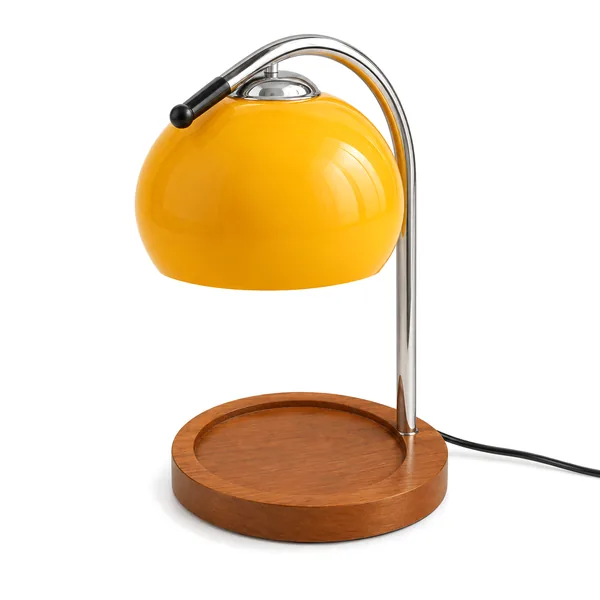
 3 options
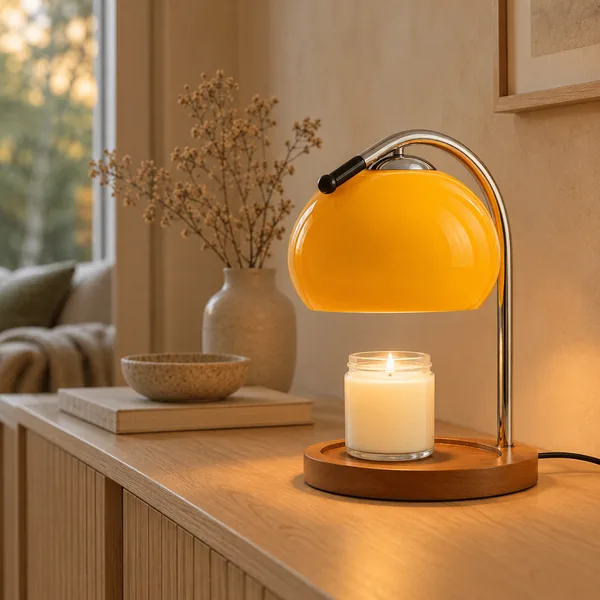
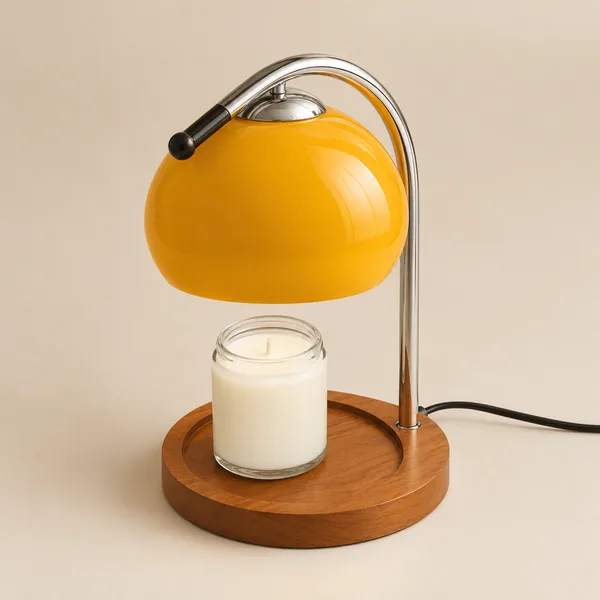
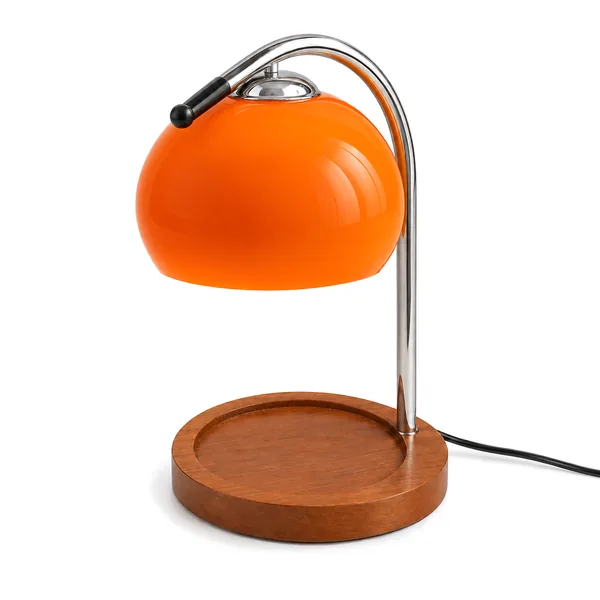
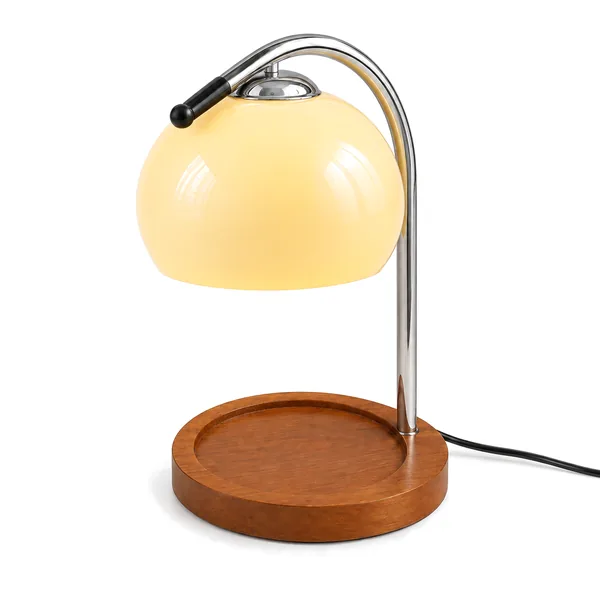
Solvarm Stained Glass Candle Warmer Table Lamp
 Save $120.00
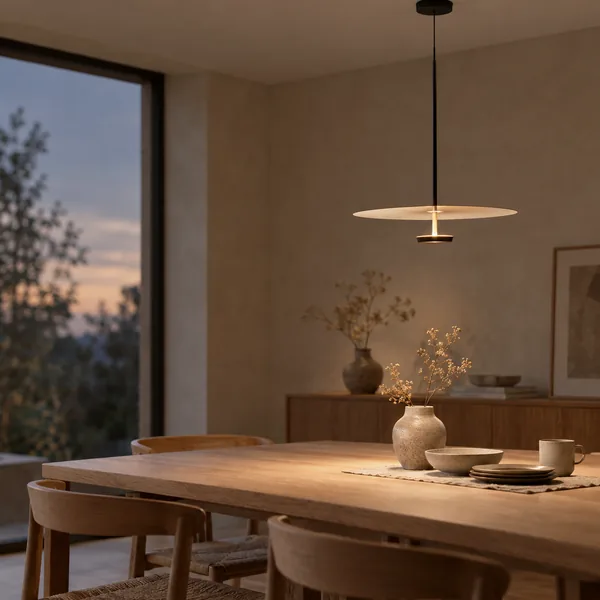
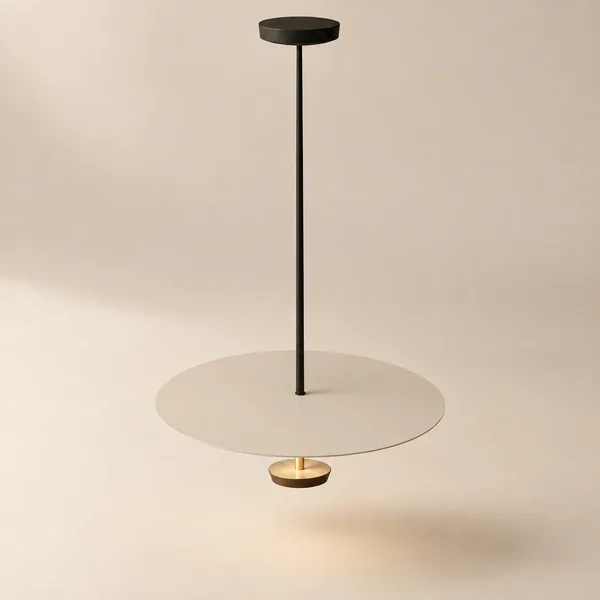
Skiva Nordic Saucer Ceiling Pendant Light LED
The Art of Layering Window Treatments
Professional interior designers rarely use a single window treatment. Instead, they layer multiple elements to achieve depth, dimension, and functional flexibility. Layering allows you to control light throughout the day while adding visual interest to your windows.
A classic layering approach begins with a functional base layer—typically blinds or shades that provide privacy and light control. Over this, you add decorative curtains or drapes that frame the window and add softness. The combination addresses practical needs while creating a finished, intentional look.
Pro Tip: When layering, ensure each layer can operate independently. Your blinds should raise and lower without disturbing your curtain panels, allowing you to adjust throughout the day as light conditions change.
Consider the scale of your layers—sheer curtains work beautifully over cellular shades, while heavier drapes pair well with sleek roller blinds. The contrast between textures creates depth, while coordinating colors maintain cohesion.
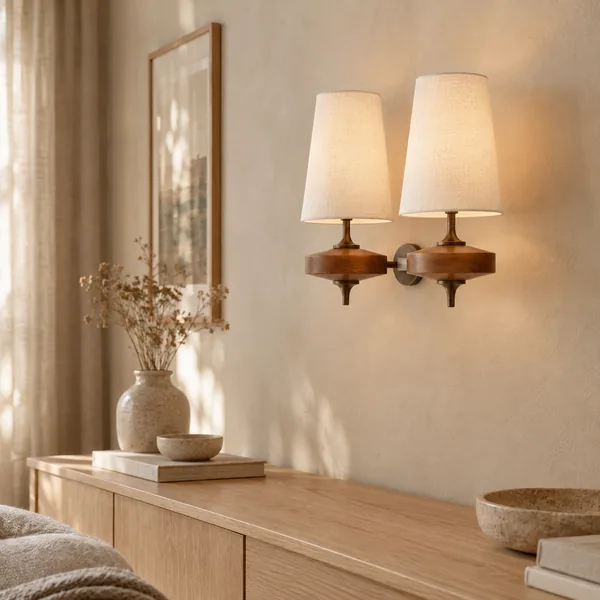 Tviljo Nordic Dual Fabric Wall Lamp Warm Light$469.00$599.00
Lighting Considerations for Window-Adjacent Areas
While selecting the perfect curtains and blinds is crucial, professional designers know that the lighting surrounding your windows completes the design. Wall sconces flanking windows create symmetry, add ambient light for evening hours, and draw the eye to your carefully chosen treatments.
The Tviljo Nordic Dual Fabric Wall Lamp exemplifies how lighting can complement window treatments. Its symmetrical fabric shades echo the softness of drapery while providing warm 3000K LED light that extends your window's glow into evening hours. When positioned beside a layered window treatment, sconces create a cohesive vignette that elevates the entire wall.
2026 Trends in Window Coverings
Staying current with design trends can help you make choices that feel fresh yet timeless. The upcoming year brings several notable shifts in how we approach window treatments:
Sustainable Materials: Natural fibers like organic cotton, linen, and hemp are increasingly popular. Bamboo and sustainably harvested wood blinds appeal to environmentally conscious homeowners who don't want to compromise on style.
Smart Integration: Motorized blinds and curtains that integrate with home automation systems continue to rise in popularity. These solutions offer convenience while maintaining clean, cord-free aesthetics that complement modern interiors.
Textural Neutrals: Rather than bold patterns, designers are gravitating toward neutral tones with rich textures—think nubby weaves, slubbed linens, and natural variations that add depth without overwhelming a space.
Retro Influences: Soft curves, arched windows, and vintage-inspired hardware are making a comeback, offering a counterpoint to the straight lines that have dominated recent years.
Perfect Lighting Companions for Your Windows
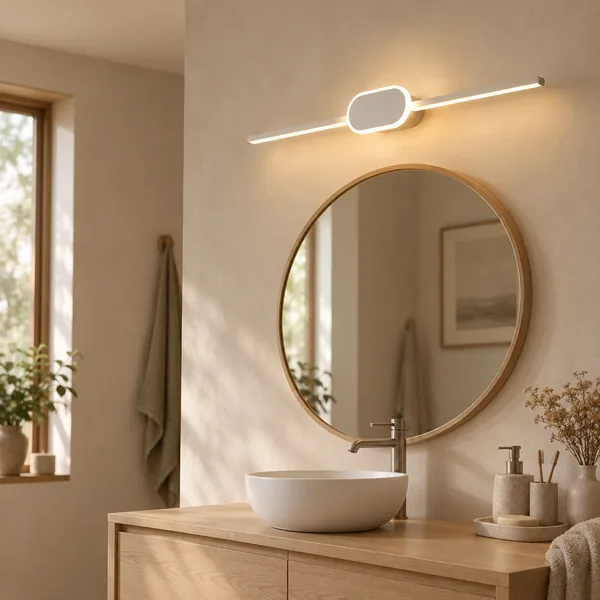 Hvita Modern White Minimalist LED Wall Sconce$79.00$119.00
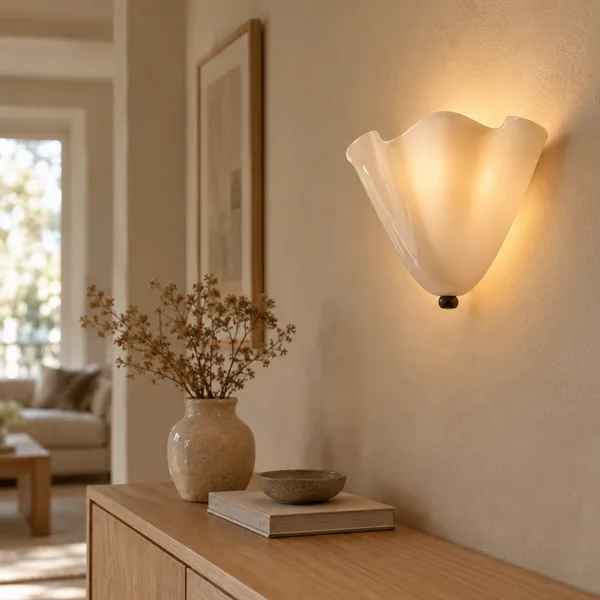 Glodsten Handcrafted Glass Stone LED Wall Light$259.00$319.00
Consider how the Hvita Modern White Minimalist LED Wall Sconce brings clean Scandinavian lines to window-adjacent walls. Its tricolor LED options let you adjust warmth to complement different times of day and varying window light conditions. Similarly, the artisan character of the Glodsten Handcrafted Glass Stone LED Wall Light creates beautiful interplay with natural window light, adding layers of illumination that transform as daylight fades.
Choosing Between Curtains vs. Blinds
Many homeowners find themselves torn between the softness of curtains and the precision of blinds. The right choice depends on your specific needs:
Choose Curtains When: You want to add softness and dimension to a room, frame views with elegance, improve acoustics by absorbing sound, or create a layered look with other treatments. Curtains excel in living rooms and bedrooms where ambiance matters as much as function.
Choose Blinds When: You need precise light control, have limited space around windows, want easy maintenance and durability, or prefer a cleaner, more modern aesthetic. Blinds work wonderfully in kitchens, bathrooms, and home offices.
According to design experts at Houzz, many contemporary spaces benefit from combining both—using blinds for daily function and adding curtains for warmth and visual completion.
A Visual Guide to Window Treatment Selection
Sometimes seeing options in action clarifies what static descriptions cannot. This comprehensive video walks through all major window treatment categories, from curtains and Romans to blinds, shades, and shutters, helping you understand how each functions in real homes.
After watching, you'll better understand how different treatments operate and which might suit your specific window configurations and lifestyle needs. Video resources like this complement the style considerations we've discussed, giving you both practical and aesthetic perspectives.
Living Room Lighting
Shop all Living Room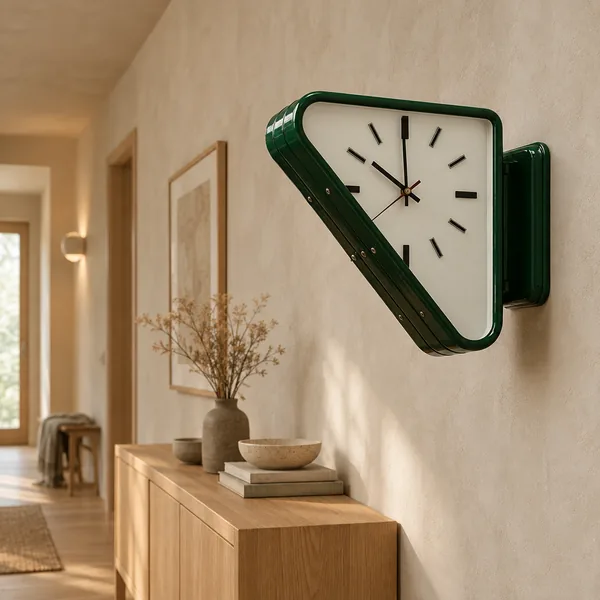
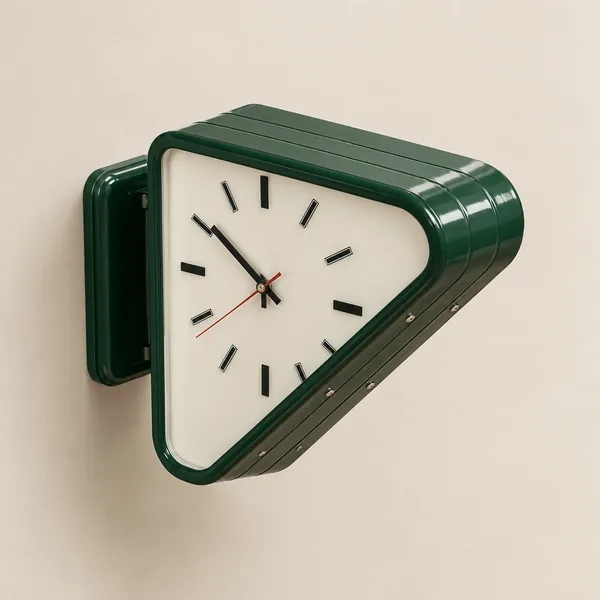 Save $110.00
 +15 options
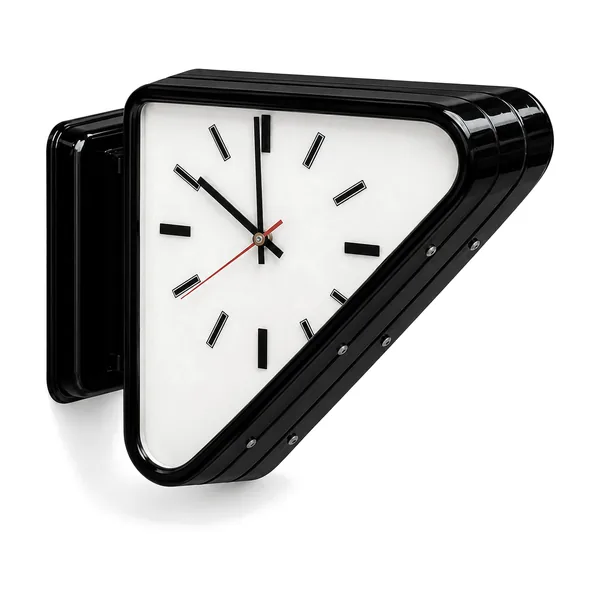
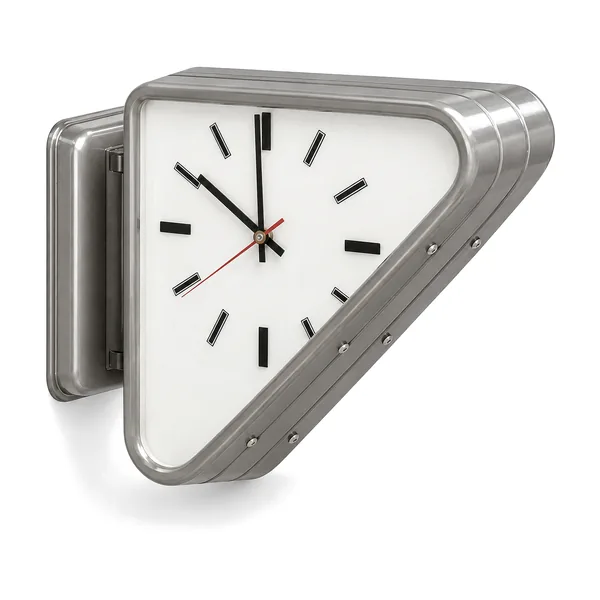
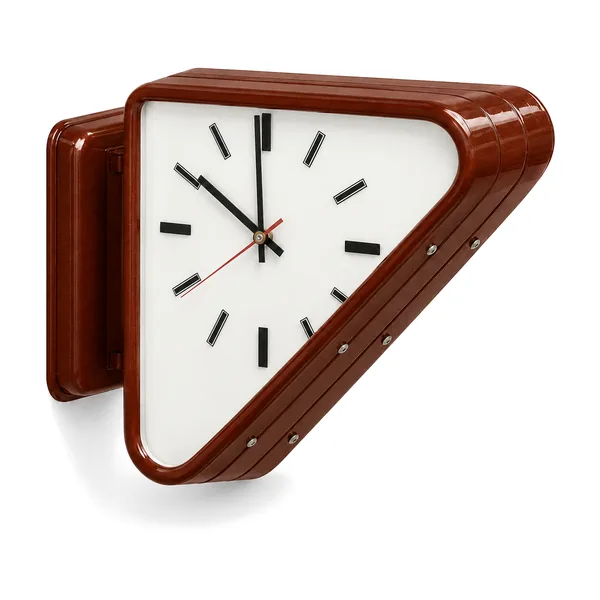
Tvilling Dual-Sided Geometric Metal Wall Clock
 Save $70.00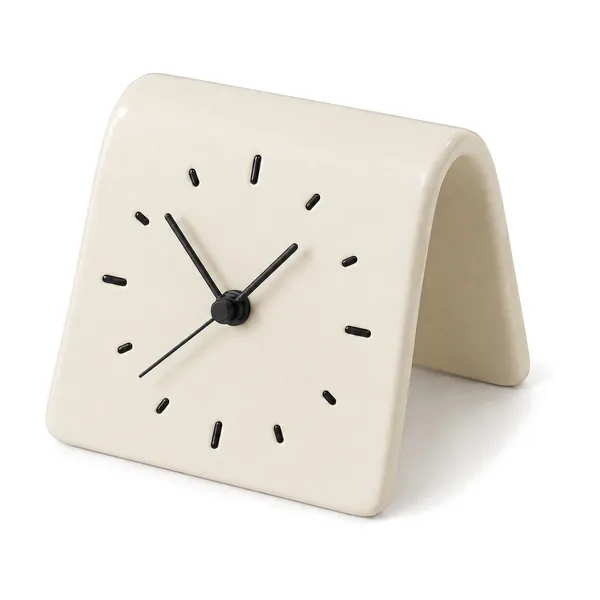
 +37 options
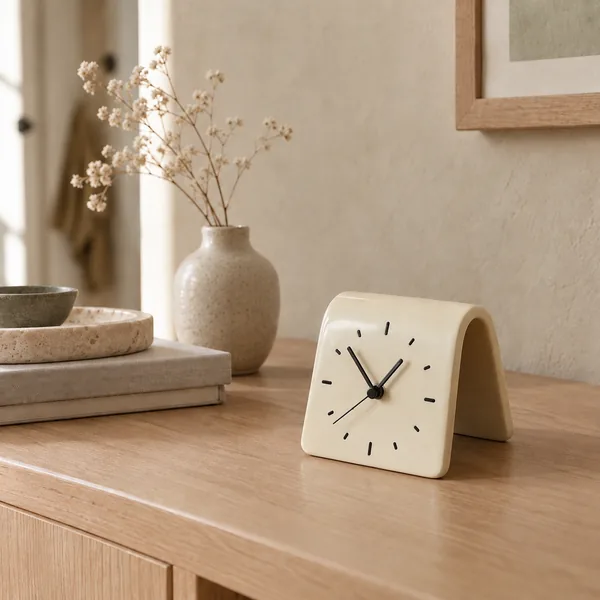
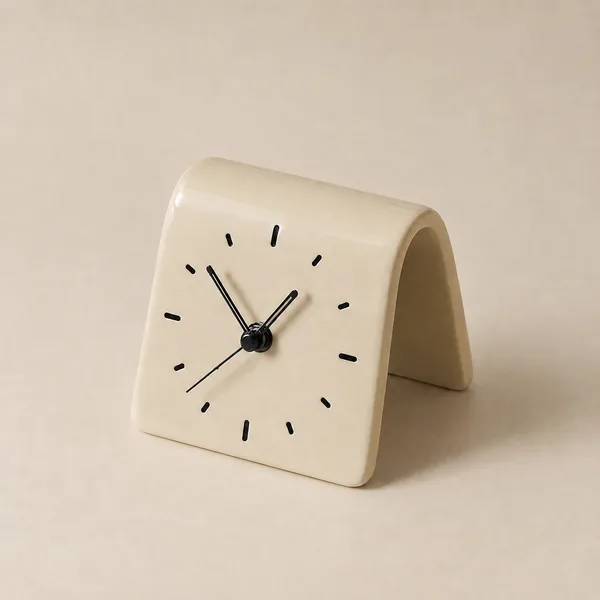
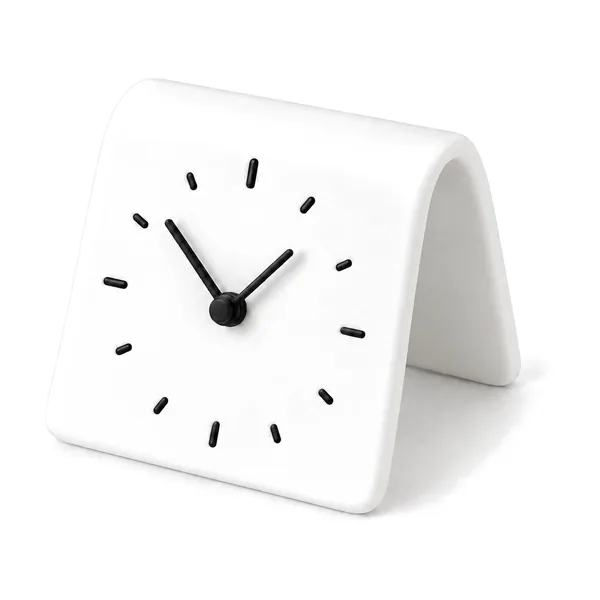
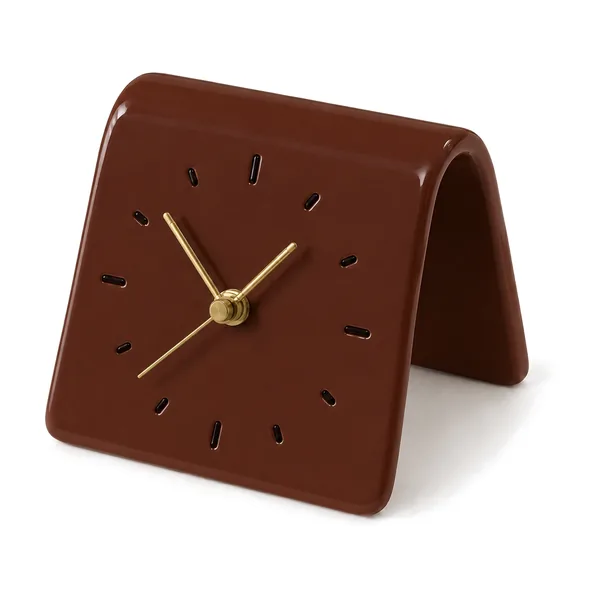
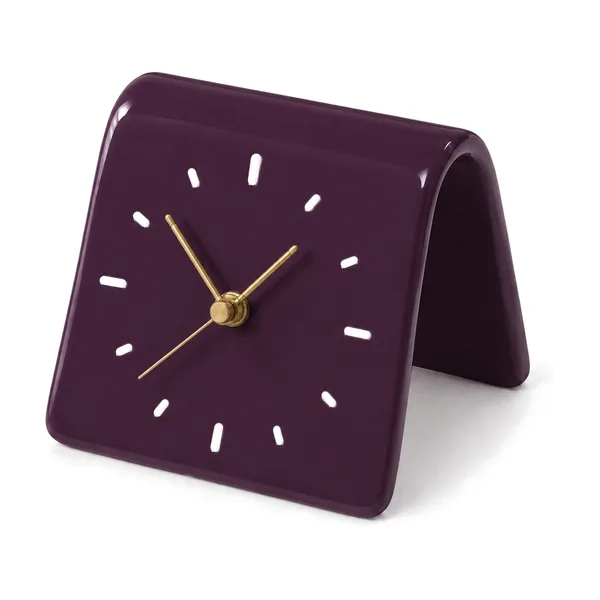
Tilje Silent Ceramic Desk Clock for Modern Homes

Putting It All Together: Your Window Treatment Strategy
Selecting interior design window treatments is ultimately about balance— balancing privacy with natural light, functionality with aesthetics, and current trends with timeless appeal. Start by assessing your room's primary function and light needs, then layer in style considerations.
Remember that your window treatments don't exist in isolation. The lighting, furniture, and color palette surrounding them all contribute to the overall effect. A thoughtfully placed wall sconce can highlight beautiful drapery folds. A minimalist blind paired with clean-lined lighting creates cohesive modern simplicity.
Final Thought: The best window treatments are the ones that make you forget they're there—until you notice how perfectly the light falls, how serene the room feels, and how elevated your everyday environment has become.
At Skonne, we believe every design element should work in harmony to create spaces that feel both intentional and effortlessly livable. Our curated lighting collections complement the window treatments you choose, completing the atmospheric vision you have for your home. Explore how the right lighting can transform your windows from simple openings to stunning focal points.
Related Article
Dark Academia Interior Design: Moody, Scholarly & Atmospheric Style for Your HomeTransform your home into a moody, scholarly retreat with dark academia interior design—featuring vintage lighting, rich jewel tones, and atmospheric warmth.