
Concrete Pendant Lights: Raw, Industrial Fixtures for Modern & Minimalist Spaces
Summary›
- The Raw Industrial Appeal of Modern Concrete Lighting
- Minimalist Aesthetic: Less Is More, More Is Everything
- Understanding the Materials: Cement vs. Concrete
- Artisan Craftsmanship in Every Piece
- Design Versatility: From Industrial Lofts to Scandinavian Sanctuaries
- Sculptural Forms: Beyond the Basic Dome
- Spatial Planning: Scale, Height, and Composition
- Practical Considerations: Installation and Maintenance
- Real-World Styling: Bringing It All Together
- Creating Your Concrete Lighting Story
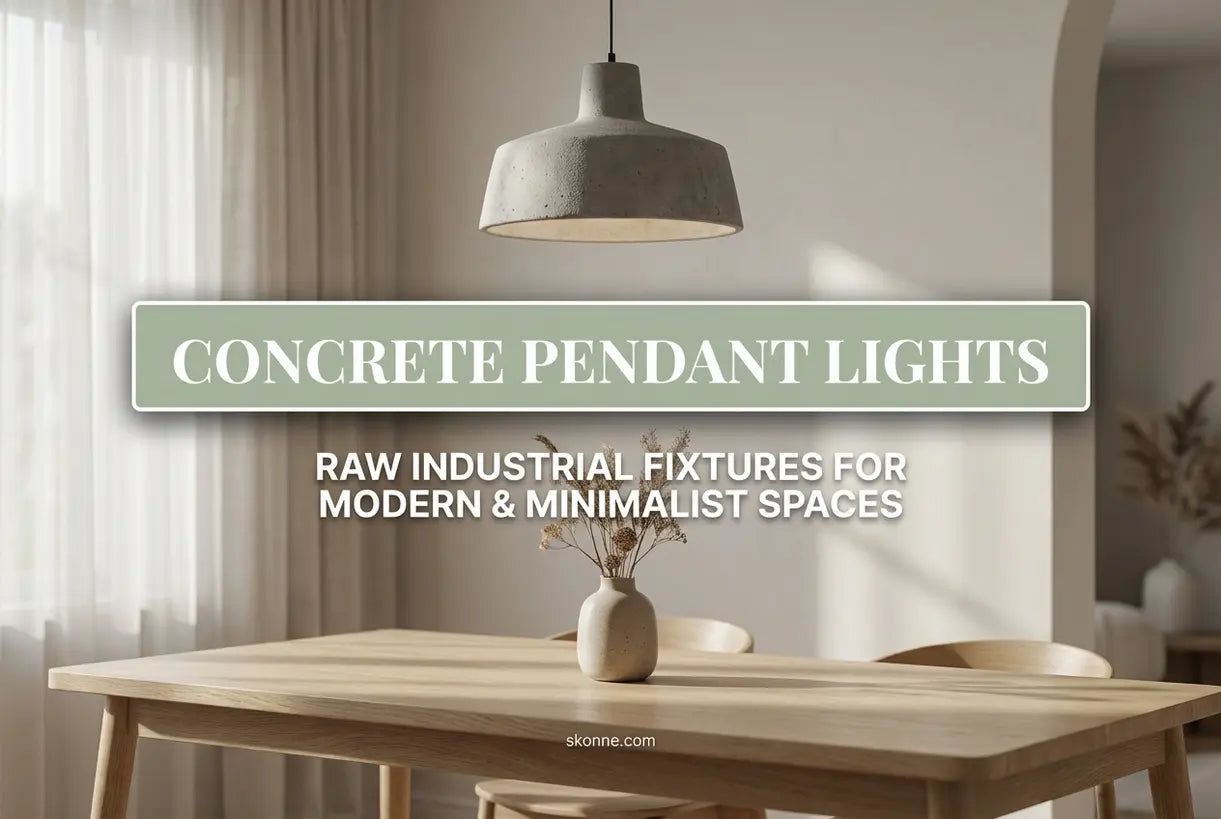
There's something undeniably compelling about bringing raw, elemental materials into our living spaces. A concrete pendant light represents the perfect marriage of industrial grit and refined Scandinavian sensibility—a fixture that commands attention while maintaining a quiet, understated presence. For homeowners seeking to infuse their interiors with authentic character without overwhelming their carefully curated aesthetic, these sculptural pieces offer an ideal solution.
In this guide, we'll explore how cement pendant light fixtures have evolved from purely industrial applications to becoming coveted centerpieces in modern homes. You'll discover why designers are increasingly specifying raw concrete light fixture options for kitchens, dining areas, and living spaces, and how to select the perfect piece for your own sanctuary. Along the way, we'll introduce you to Skonne's carefully curated collection of handcrafted lighting designed to bring that coveted hygge feeling to your home.
The Raw Industrial Appeal of Modern Concrete Lighting
The resurgence of industrial pendant lighting speaks to a broader cultural shift toward authenticity and material honesty. Where once smooth, polished surfaces dominated interior design, today's discerning homeowners are gravitating toward textures that tell a story—surfaces that bear the gentle marks of their creation. Concrete, with its inherent variations and organic warmth, embodies this philosophy perfectly.
Unlike mass-produced alternatives that strive for machine-like uniformity, quality concrete pendant lights celebrate the material's natural character. Subtle grain patterns, gentle color variations, and the occasional air pocket become features rather than flaws. This embrace of imperfection aligns beautifully with Scandinavian design principles, where the handmade and the heartfelt are always preferred over the sterile and synthetic.
Minimalist Aesthetic: Less Is More, More Is Everything
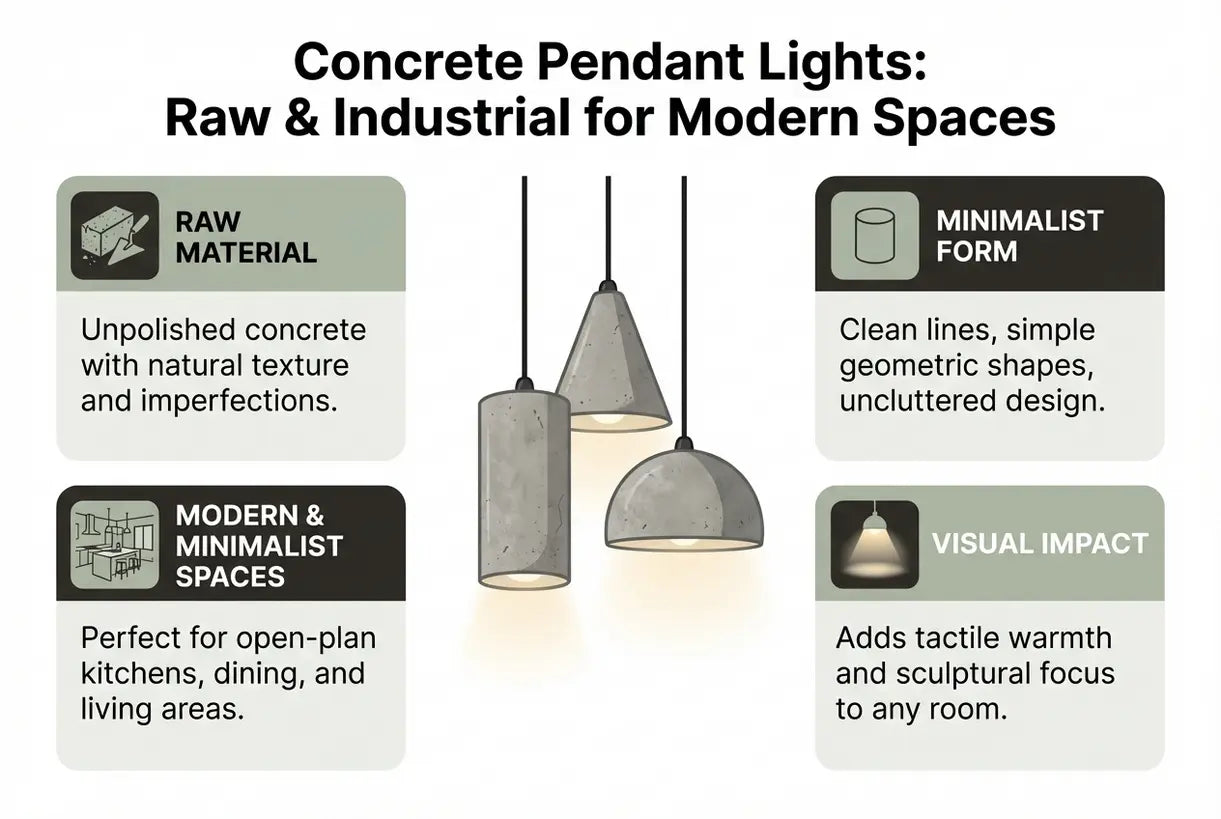
The minimalist pendant light movement has found an unlikely champion in concrete. Despite its substantial physical presence, concrete possesses a remarkable visual lightness when shaped with intention. Clean lines, unadorned surfaces, and geometric precision allow these fixtures to complement rather than compete with surrounding décor.
This versatility makes concrete pendant lights for kitchen islands particularly effective. Whether suspended individually as sculptural statements or arranged in rhythmic clusters, they anchor the space with quiet authority. The material's neutral gray palette harmonizes effortlessly with natural wood, brushed metals, and the organic textiles that define contemporary Scandinavian interiors.
Pendant Lights
Shop all Pendant Lights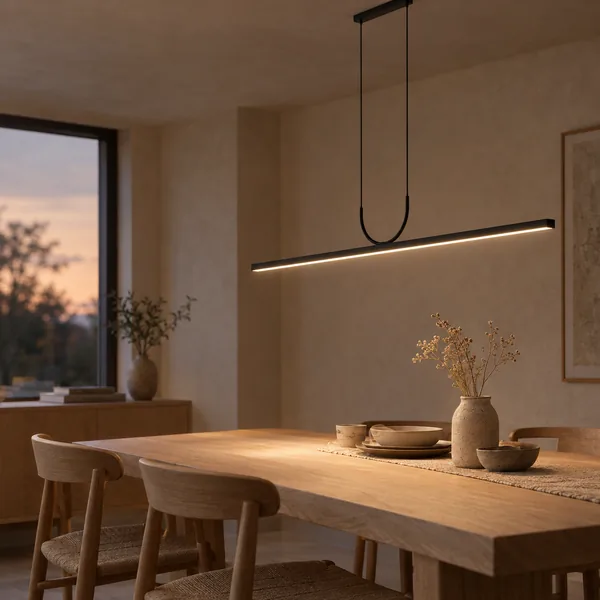
 Save $140.00
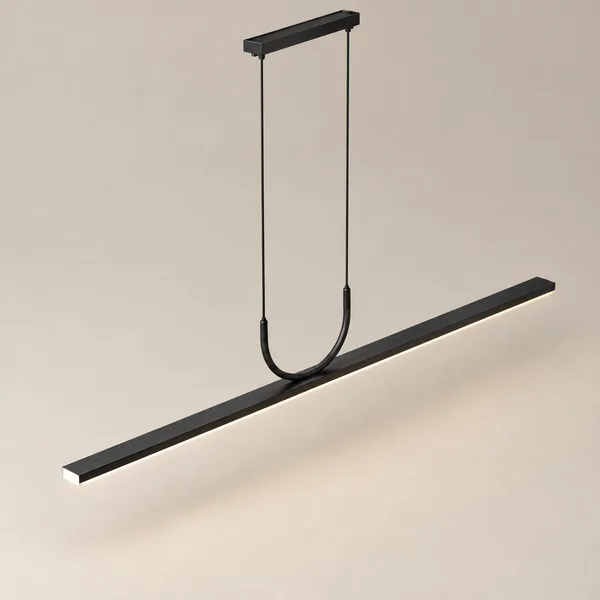
Linné Minimalist Linear Black LED Pendant Light
 Save $60.00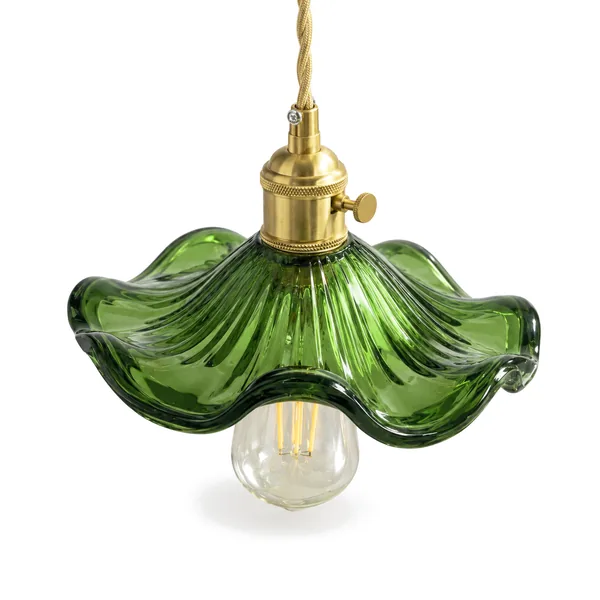
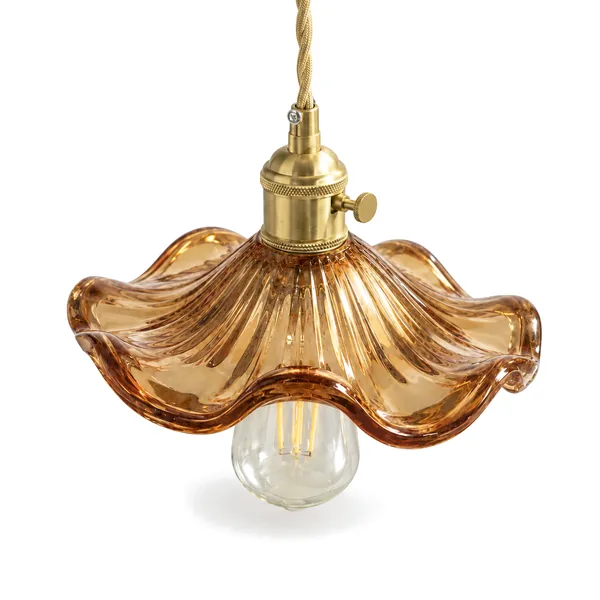 3 options
Glora Nordic Glass Pendant Light with Copper
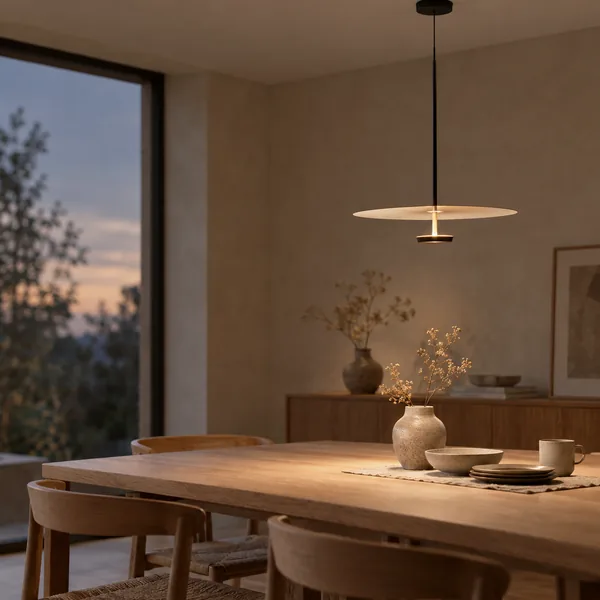
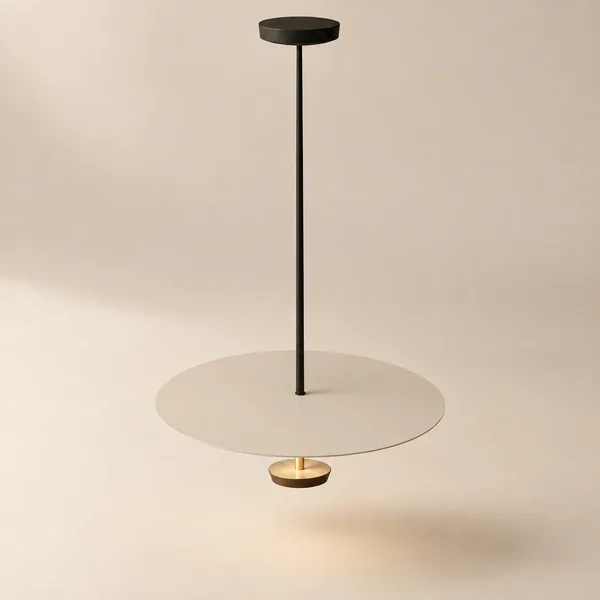 Save $120.00
Skiva Nordic Saucer Ceiling Pendant Light LED
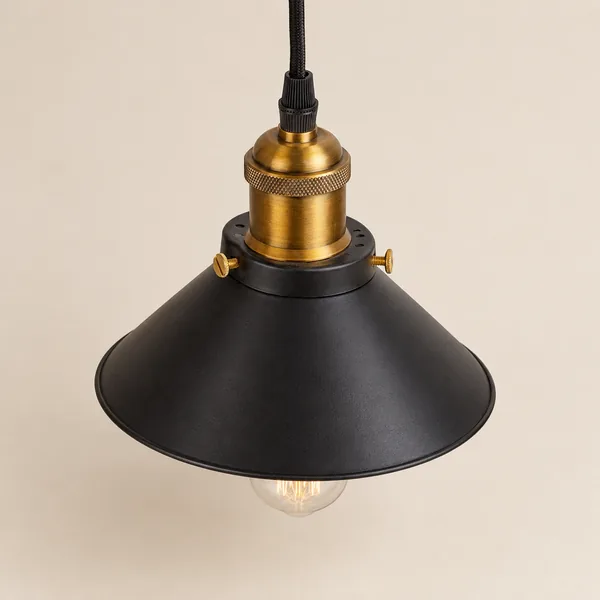
Understanding the Materials: Cement vs. Concrete
A common point of confusion surrounds the distinction between cement and concrete pendant lights. While the terms are often used interchangeably in casual conversation, they refer to materials with subtle differences. Cement is actually an ingredient in concrete—a fine powder that, when mixed with water, aggregate, and sand, creates the durable composite material we know as concrete.
In lighting design, you'll encounter both pure cement fixtures and those incorporating additional aggregates for texture and strength. High-end offerings like our Mounted Ceiling Lights collection feature refined cement blends that achieve exceptional durability while maintaining the raw, tactile quality that makes these fixtures so appealing. The result is lighting that feels substantial yet sophisticated—earthy yet elevated.
Artisan Craftsmanship in Every Piece
The creation of a truly exceptional concrete dome pendant light requires skill, patience, and an intimate understanding of the material. Unlike molded plastic or spun metal, concrete demands a craftsman's touch at every stage—from mixing the perfect blend to achieving the ideal cure time that ensures longevity without sacrificing character.
This handcrafted approach means that no two fixtures are exactly alike. Each piece carries the subtle imprint of its maker, transforming functional lighting into wearable art for your ceiling. The intentional imperfections that result from hand-pouring and finishing create depth and interest that machine manufacturing simply cannot replicate.
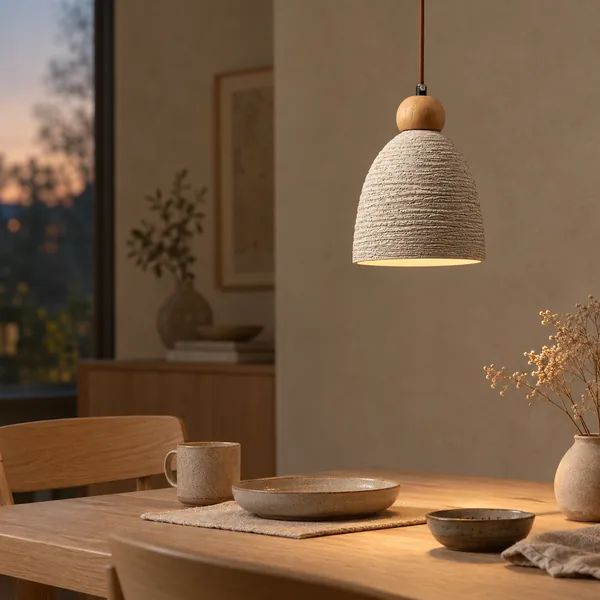 Steina Raw Microcement Industrial Pendant Light$359.00$529.00
Design Versatility: From Industrial Lofts to Scandinavian Sanctuaries
One of the most remarkable qualities of modern concrete pendant fixtures is their chameleon-like ability to adapt to diverse interior styles. In a raw industrial loft, they reinforce the aesthetic narrative with unapologetic authenticity. In a serene Scandinavian bedroom, they introduce a grounding element that prevents the space from feeling overly precious or fragile.
The key to successful integration lies in proportion and context. A substantial cement hanging light can serve as the primary focal point in an open-concept living area, while smaller pendants work beautifully as accent lighting in reading nooks or home offices. The material's inherent neutrality allows it to bridge different design languages—pairing equally well with vintage furniture, contemporary minimalism, or eclectic bohemian collections.
When planning your installation, consider the interplay between your pendant and other lighting layers. Concrete fixtures excel as ambient light sources, often benefiting from dimmer switches that allow you to modulate the atmosphere from bright task lighting to intimate evening glow.

Sculptural Forms: Beyond the Basic Dome
Contemporary designers are pushing the boundaries of what's possible with concrete and cement, creating minimalist concrete fixture designs that challenge our expectations. From elongated cylinders that evoke architectural columns to faceted geometric forms that cast intricate shadows, the material's versatility is being explored in exciting new ways.
The architecture world has long celebrated concrete for its structural and aesthetic possibilities—and lighting design is finally catching up. Organic, free-form shapes inspired by nature sit alongside rigorous geometric constructions, offering options for every sensibility. Some designs incorporate secondary materials like brass accents or fabric cords that soften the overall effect and introduce additional textural contrast.
Curated Concrete & Cement Pendant Selection
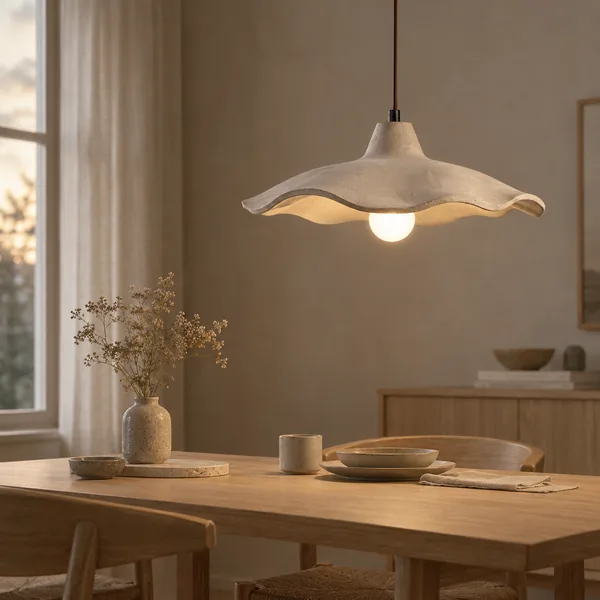 Lilja Minimalist White Lotus LED Pendant Light$269.00$389.00
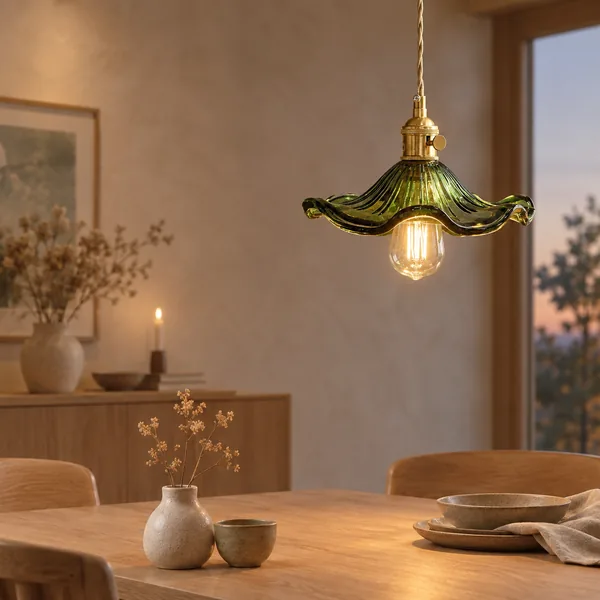
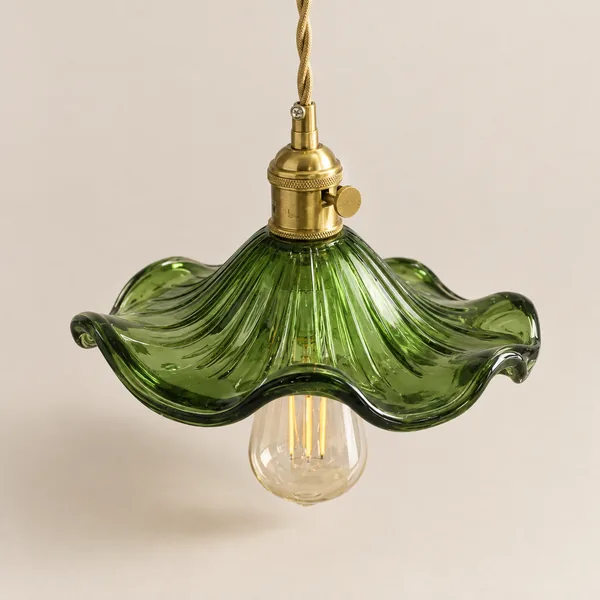
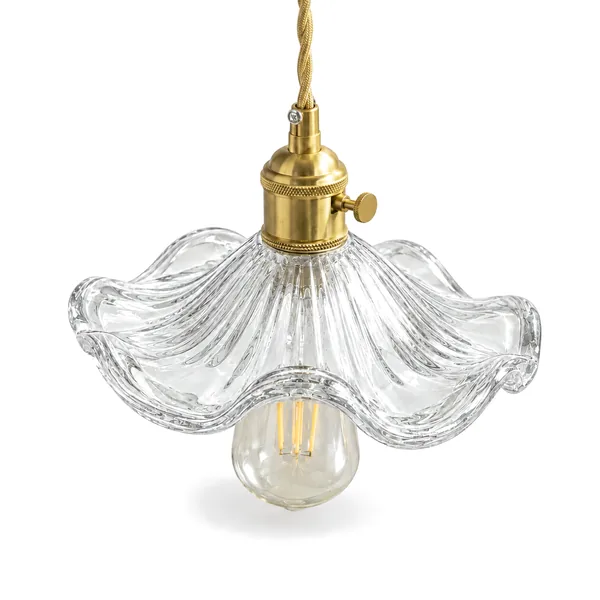
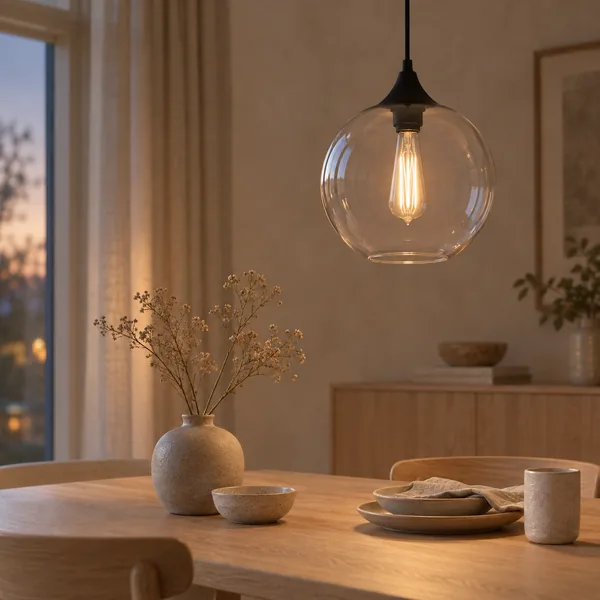 Glora Artisan Mouth-Blown Glass Pendant Light$149.00$219.00
Spatial Planning: Scale, Height, and Composition
Selecting the right concrete pendant lamp involves more than choosing a style you love—it requires thoughtful consideration of scale and spatial relationships. The weight and visual density of concrete fixtures mean they naturally draw the eye, making proper proportion essential to achieving a balanced composition.
For dining applications, the bottom of your pendant should typically hang 30 to 36 inches above the table surface. This placement provides adequate illumination for meals while maintaining clear sightlines across the table. In kitchen settings where task lighting is paramount, you might lower fixtures slightly, while in living areas where ambient glow is the priority, higher placement creates a softer, more diffused effect.
When clustering multiple pendants, maintain consistent spacing between fixtures—typically 24 to 30 inches apart—to create rhythmic visual harmony. Odd numbers generally create more dynamic arrangements than even groupings, and varying heights can add dimensional interest without sacrificing cohesion.
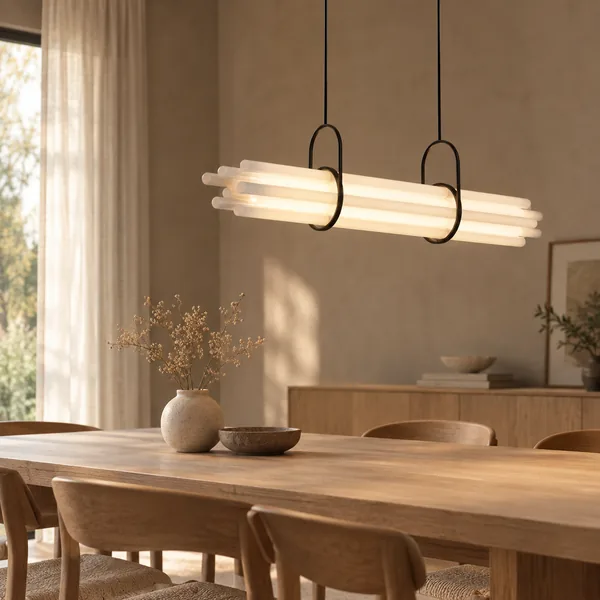
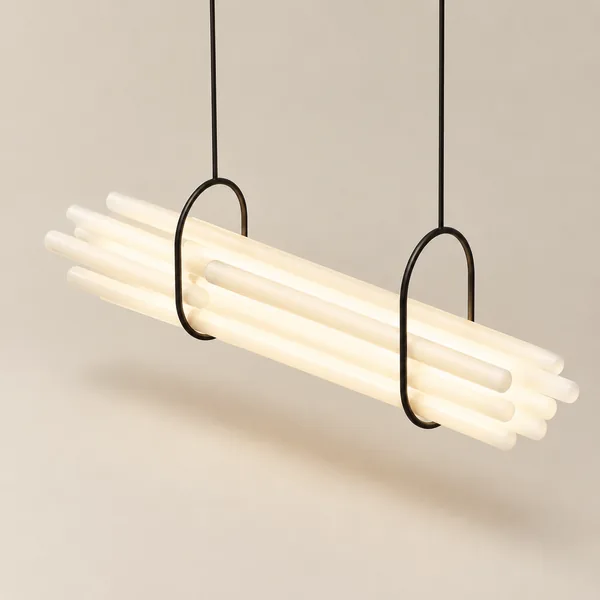
Linear Pendant Lights
Shop all Linear Pendant Lights
Practical Considerations: Installation and Maintenance
Despite their substantial appearance, most residential concrete pendant lights are designed with practical installation in mind. While heavier than typical fixtures, quality pieces are engineered to work with standard ceiling boxes when properly installed. However, always verify weight specifications and consult a professional electrician if you have any concerns about your ceiling's load-bearing capacity.
Once installed, these fixtures require surprisingly little maintenance. The sealed surfaces of quality concrete pendant lights resist dust accumulation and can be gently cleaned with a soft, dry cloth. Unlike fabric shades that trap odors or metal fixtures that show fingerprints, concrete's matte finish maintains its appearance with minimal intervention.
Real-World Styling: Bringing It All Together
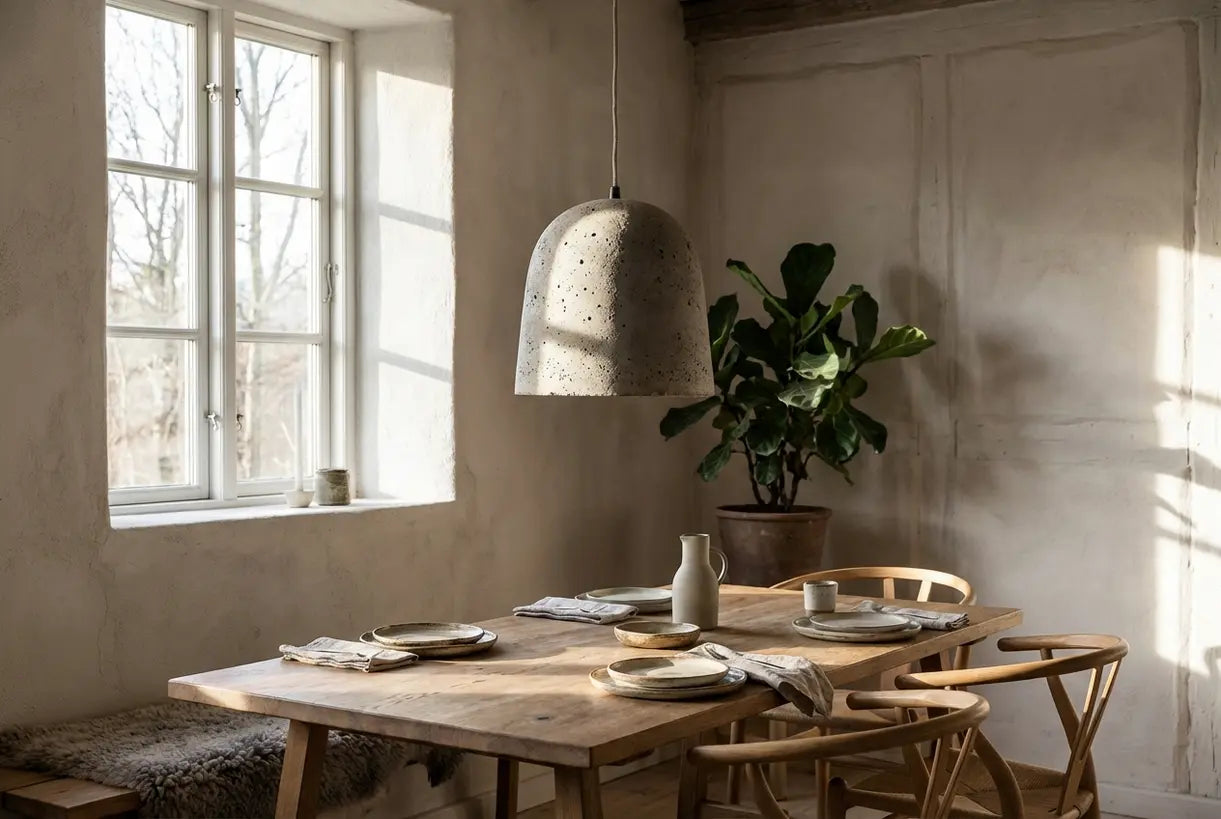
The true magic of industrial cement pendant lighting reveals itself when these fixtures are placed within thoughtfully designed interiors. Imagine a raw concrete light fixture suspended above a weathered oak dining table, its soft glow reflecting off ceramic dishware and linen napkins. The contrast between the industrial material and the organic setting creates a tension that feels both intentional and inviting.
In kitchen applications, concrete pendants provide the perfect counterpoint to sleek cabinetry and stainless steel appliances. They introduce warmth and texture that prevent the space from feeling overly clinical or cold. For living rooms and bedrooms, consider pairing your pendant with natural fiber rugs, wool throws, and potted greenery to create that essential hygge atmosphere that defines Scandinavian living.
Creating Your Concrete Lighting Story
Choosing a concrete pendant light is ultimately an act of self-expression—a declaration that you value authenticity over artifice, craftsmanship over convenience, and character over conformity. These fixtures ask us to slow down, to appreciate the beauty in imperfection, and to surround ourselves with objects that have soul.
At Skonne, we believe that lighting should do more than illuminate—it should inspire. Our curated collection of Scandinavian-inspired concrete and cement pendants has been selected with intention, each piece chosen for its ability to transform a house into a home. Whether you're drawn to the raw industrial edge of our Steina Raw Microcement Industrial Pendant Light or the sculptural poetry of our cement and glass offerings, you'll find fixtures that honor both form and function.
As you embark on your lighting journey, remember that the best spaces are those that evolve gradually, filled with pieces that resonate on a deeper level. A concrete pendant isn't just a purchase—it's an investment in the atmosphere of your daily life, a companion that will cast its gentle glow over countless meals, conversations, and quiet moments for years to come.
Related Article
Hallway Pendant Lights: Narrow-Space Fixtures That Add Style to Transitional AreasTransform your narrow hallway with pendant lights designed for compact spaces. Discover Scandinavian fixtures that add style and warmth to transitional areas.