
How to Decorate with Pendant Lights: Placement, Sizing, and Style Tips
Summary›
- What Are Pendant Lights Used For?
- Kitchen Pendant Lighting: Placement and Height Rules
- Dining Room Pendant Lights: Sizing and Scale
- Can Pendant Lights Be Used in a Living Room?
- How to Choose the Right Bulb and Maximize Energy Efficiency
- Styling Tips for Scandinavian-Inspired Spaces
- Conclusion: Illuminating Your Space with Intention
Pendant lights have become the darling of modern interior design, and for good reason. These versatile fixtures offer the perfect balance of form and function, casting warm pools of light while serving as sculptural centerpieces above kitchen islands, dining tables, and reading nooks. Whether you're renovating your kitchen or simply looking to refresh your dining room ambiance, understanding how to choose, place, and style pendant lighting makes all the difference between a room that feels simply lit and one that radiates intentional Scandinavian hygge.
In this guide, you'll discover practical formulas for sizing, height rules that designers swear by, and styling tips that honor the clean, curated aesthetic Skonne celebrates. From compact mini pendants to statement-making globes, we'll explore how these hanging wonders can transform your everyday spaces into warm, elevated sanctuaries.
What Are Pendant Lights Used For?
Pendant lights are suspended ceiling fixtures that direct light downward through a single shade, making them ideal for task lighting and ambient illumination. Unlike chandeliers that branch outward or flush mounts that sit close to the ceiling, pendant lights hang from a cord, chain, or rod, creating vertical visual interest while focusing light precisely where you need it.
These fixtures excel in zones where you perform specific activities: food prep at kitchen islands, homework at desk nooks, or intimate dinners at dining tables. They're equally at home in entryways, where they welcome guests with a warm glow, or flanking bedsides as space-saving alternatives to table lamps. The beauty of pendant lighting lies in its adaptability—available in scales ranging from delicate mini pendants to substantial oversized drums, there's a silhouette for every spatial need.
Kitchen Pendant Lighting: Placement and Height Rules
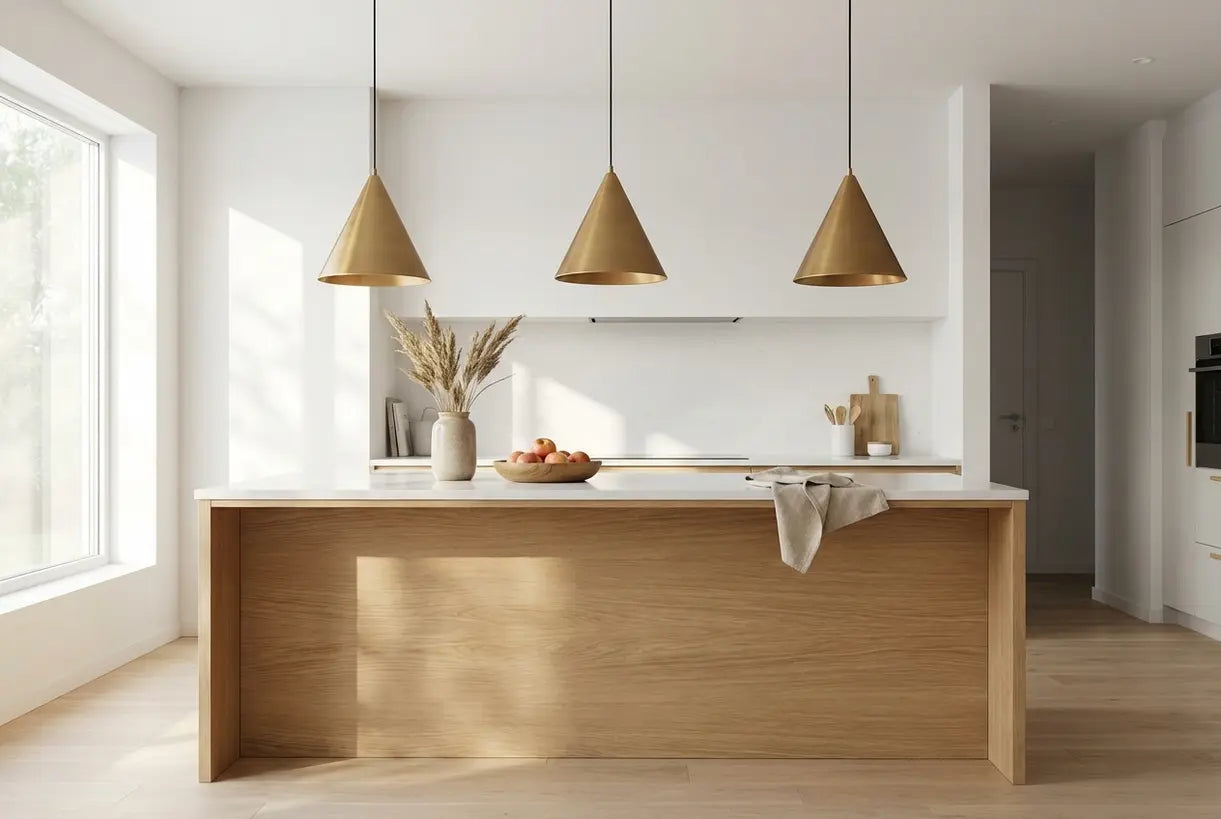
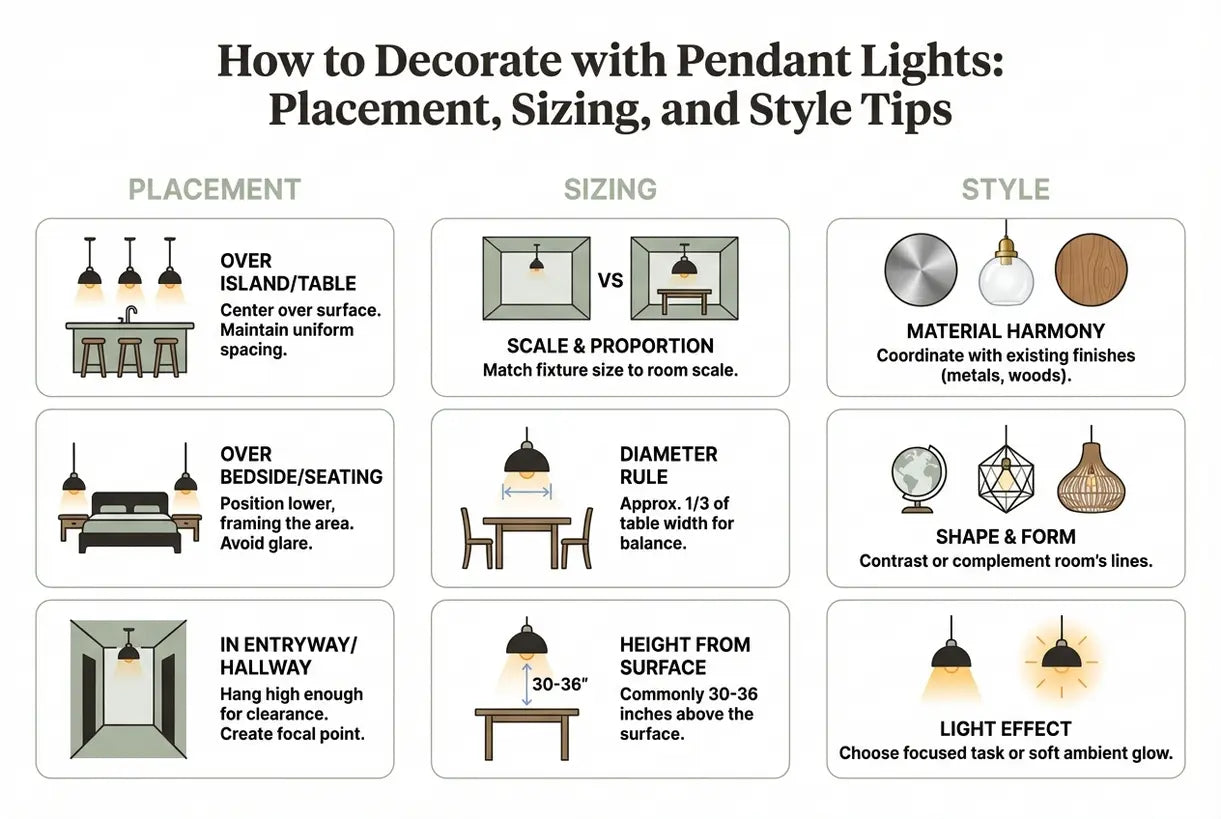
The kitchen island has become the heart of the modern home, and pendant lights serve as its crowning jewelry. Getting the height right ensures your fixtures illuminate your workspace without obstructing sightlines across the counter. The general rule for kitchen pendant lighting is to hang fixtures 30 to 36 inches above the countertop surface. This measurement provides adequate task lighting while allowing standing adults to see across the island without glare in their eyes.
When installing multiple pendants over an island, spacing becomes equally important. For a balanced look, divide your island length by the number of pendants plus one. For example, with a 72-inch island and two pendants, you'd space them 24 inches apart (72 divided by 3), measuring from the center of each fixture. This creates rhythmic visual intervals that feel intentional rather than arbitrary.
If your ceiling soars above nine feet, consider adjusting accordingly—add approximately three inches of drop height for every additional foot of ceiling height. This prevents the fixtures from feeling disconnected from the space below. For those exploring complementary wall lighting options, our Pendant Lights collection offers curated pieces that pair beautifully with various kitchen aesthetics.
Dining Room Pendant Lights: Sizing and Scale
Selecting the right size pendant for your dining table requires a simple but effective formula. Add the length and width of your room in feet, and convert that number to inches—this gives you the ideal diameter for your fixture. For a 10-by-12-foot dining room, look for pendants approximately 22 inches in diameter. If hanging multiple pendants over a rectangular table, each fixture should measure about one-third the width of the table.
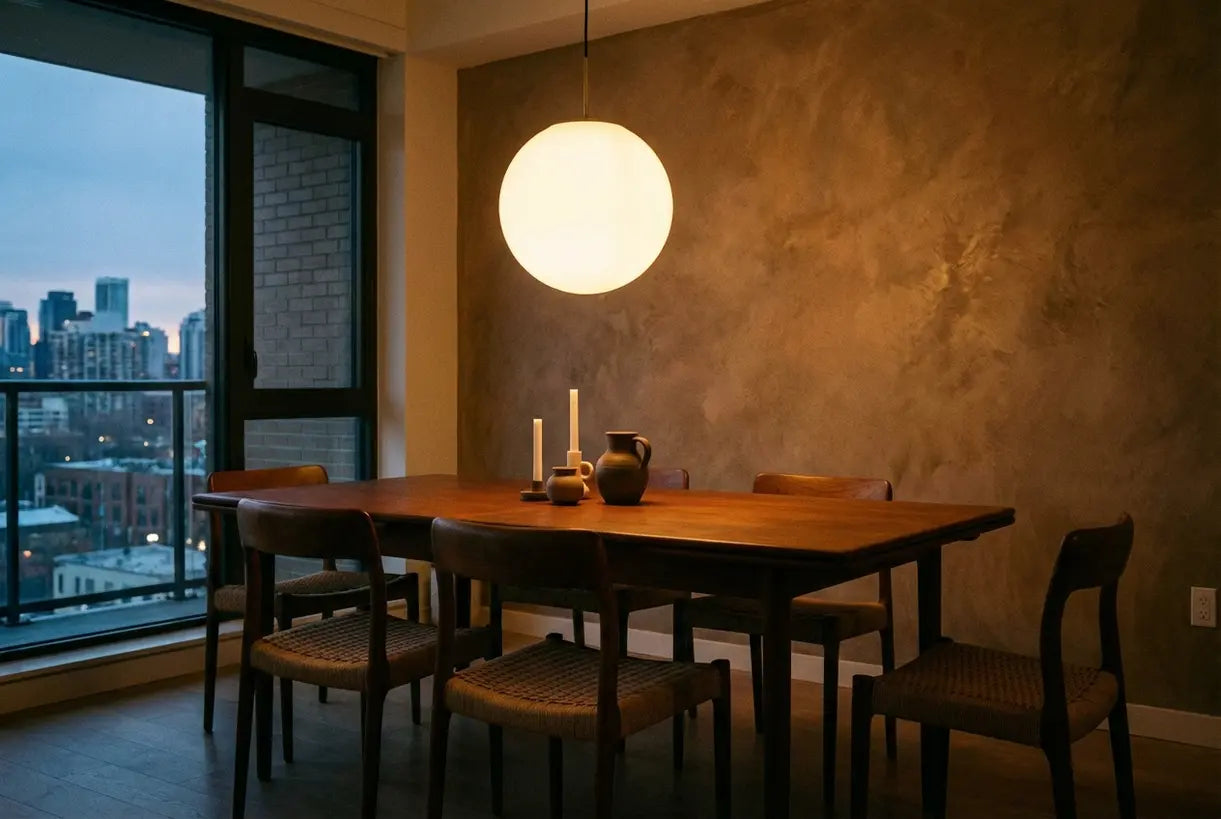
The height above the table matters too. Position your dining pendant lights 30 to 36 inches above the tabletop surface. This low placement creates intimacy and ensures the light pools beautifully across dinner settings without blinding seated guests. For tables that do double duty as workstations, consider installing dimmer switches to transition from bright task lighting to soft ambient glow.
Can Pendant Lights Be Used in a Living Room?
Absolutely. While often associated with kitchens and dining areas, pendant lights bring sophisticated layering to living rooms when deployed thoughtfully. Use pendant lighting to define zones within open-concept spaces—perhaps suspending a drum shade over a reading corner or flanking a sofa with matching pendants instead of traditional floor lamps.
In living rooms, consider the function before the fixture. If you're illuminating a specific seating area, follow the same height guidelines as dining spaces: 30 to 36 inches above the coffee table or seating surface. For ambient lighting that washes the room in gentle illumination, fabric or paper shades diffuse light more softly than metal or glass options. The key is ensuring the pendant doesn't become an obstacle in traffic patterns—maintain at least seven feet of clearance from the floor in walking areas.
How to Choose the Right Bulb and Maximize Energy Efficiency
Modern pendant lighting pairs beautifully with LED technology, offering both aesthetic flexibility and environmental consciousness. When selecting bulbs, consider both color temperature and lumen output. Warm white LEDs (2700K to 3000K) mimic the cozy glow of incandescent bulbs, perfect for residential spaces where you want to cultivate that Scandinavian sense of hygge. Cooler temperatures (4000K+) work better for task-oriented zones but can feel clinical in living areas.
Are pendant lights energy efficient? When equipped with LED bulbs, absolutely. LEDs consume up to 75% less energy than incandescent bulbs and last 25 times longer, making them ideal for hardwired pendants where bulb changes require effort. Look for dimmable LED options to extend energy savings further—reducing brightness by just 25% can quadruple bulb life while creating mood-appropriate lighting levels.
Curated Pendant Lighting for Every Space
Styling Tips for Scandinavian-Inspired Spaces
At Skonne, we believe lighting should feel both intentional and effortless. When incorporating pendant lights into Scandinavian-inspired interiors, embrace the philosophy of lagom—not too much, not too little, just right. Choose fixtures with clean lines and natural materials: matte black metal evokes Nordic minimalism, while opal glass channels the soft diffusion of northern light.
Mixing pendant styles can work beautifully when unified by material or finish. Try pairing the Matte Black Mini Pendant (Set of 3) over your kitchen island with the Industrial Cage Pendant in Aged Brass in an adjacent hallway—both share geometric sensibilities while offering distinct personalities. For dining spaces seeking serene elegance, the Glass Globe Pendant with Opal Finish creates that coveted cloud-like glow that makes everyday meals feel special.
Remember that pendant lights interact with other elements in your space. Consider how they dialogue with complementary wall lighting and natural light sources throughout the day. The goal is creating layers of illumination that adapt to your needs while maintaining the warm, approachable atmosphere that defines Scandinavian design.
Conclusion: Illuminating Your Space with Intention
Mastering pendant lighting transforms your home from merely functional to genuinely nurturing. By following the sizing formulas, height guidelines, and spacing principles outlined here, you create environments that support both practical tasks and meaningful moments of connection. The right pendant doesn't just illuminate—it anchors a space, defines its purpose, and wraps it in warmth.
At Skonne, we curate pendant lighting that honors these principles while celebrating Scandinavian design heritage. From adjustable mini pendants perfect for compact city kitchens to statement globes that command attention in open-concept lofts, each piece in our collection is selected to bring that sense of curated comfort into your home. Explore our full range of Pendant Lights to find the fixtures that will elevate your everyday spaces into illuminated sanctuaries.
Related Article
Outdoor Wall Sconces: Best Exterior Fixtures for Porches, Entryways & FacadesPractical guide to choosing pendant lights for your kitchen island — learn sizing, spacing, height rules and shop top-rated designs.