
Decorative Clocks: The Complete Guide to Styles, Types & How to Choose
Summary›
- Understanding Decorative Clock Types and Styles
- How to Choose the Perfect Decorative Clock for Your Space
- Strategic Placement Ideas for Decorative Clocks
- Exploring Materials and Craftsmanship
- Inspiration and Visual Guidance
- Curating Your Clock Collection
- Creating a Cohesive Look with Your Decorative Clock
- Conclusion: Time Well Invested
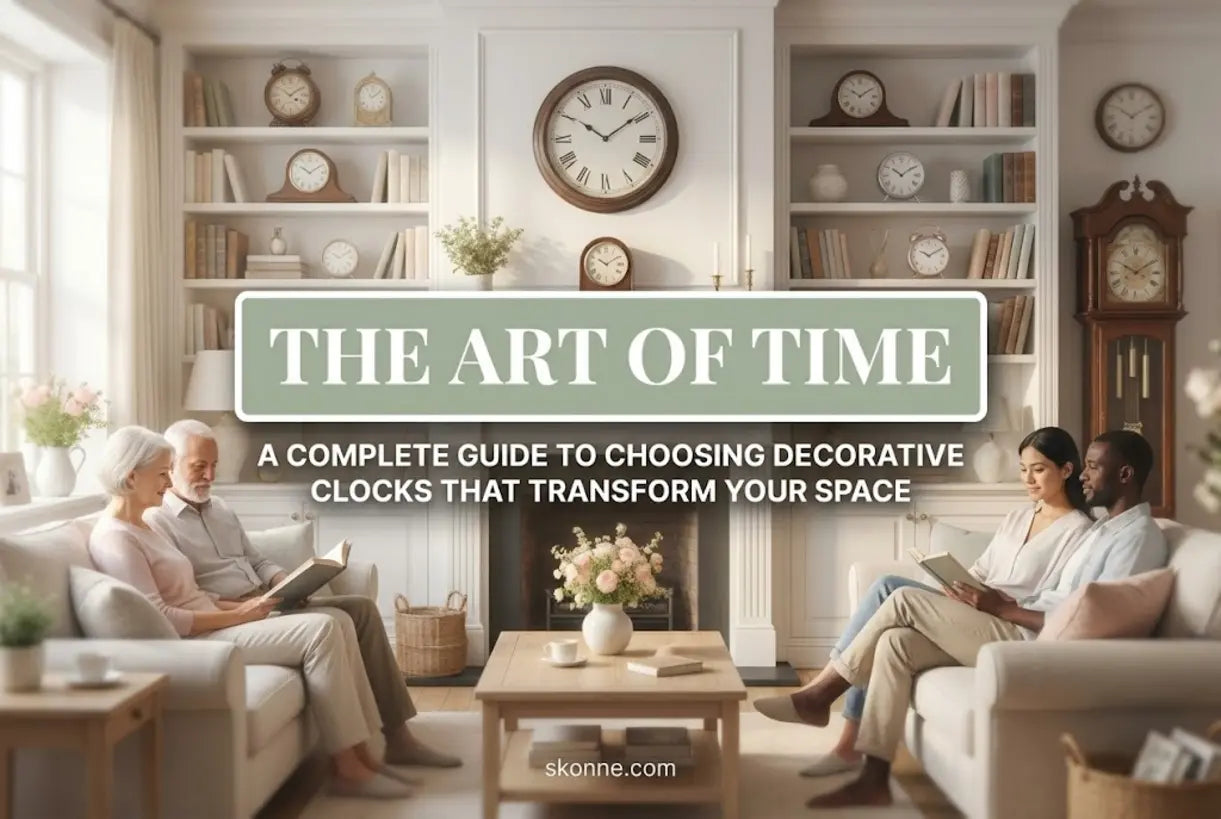
The right decorative clock does more than tell time—it becomes a statement piece that anchors your space, sparks conversation, and reflects your personal aesthetic. Whether you're drawn to the minimalist elegance of Scandinavian design or the bold character of vintage-inspired pieces, understanding how to select and style these timekeeping treasures can transform any room from ordinary to extraordinary.
At Skonne, we believe that every element in your home should serve both function and beauty. In this comprehensive guide, we'll walk you through everything you need to know about choosing the perfect decorative wall clocks and table clocks for your space—from sizing and placement to materials and style considerations. By the end, you'll have the confidence to select a timepiece that harmonizes with your Scandinavian-inspired home while keeping you punctually grounded.
Understanding Decorative Clock Types and Styles
Before diving into specific designs, it's essential to understand the landscape of decorative clock styles available today. From wall-mounted statement pieces to intimate table accents, each type serves a unique purpose in your home's design narrative.
The most common categories include wall clocks, table clocks, mantel clocks, and floor-standing grandfather styles. For contemporary homes, wall clocks dominate as the preferred choice, offering visual impact while conserving valuable surface space. These range from oversized gallery pieces spanning 36 inches or more to modest statement clocks around 18-24 inches.
Table clocks and desk timepieces, on the other hand, provide intimate scale and versatility. They work beautifully on nightstands, console tables, and home office desks—bringing functional art to eye level. For those looking to explore more options, our Decorative Vases collection offers complementary pieces that pair beautifully with table clocks.
Beyond form, clock styles vary dramatically from mid-century modern sunbursts to industrial factory-style metal frames, and from rustic farmhouse designs to sleek contemporary ceramic finishes. Understanding these distinctions helps you choose a piece that speaks your design language.
How to Choose the Perfect Decorative Clock for Your Space
Selecting the ideal decorative clock involves balancing proportions, aesthetics, and function. Here's how to make an informed decision that elevates your interior.
Sizing Your Clock Correctly
One of the most common questions we hear is: "How do I know what size clock to buy?" The answer lies in the relationship between your clock and its surrounding space. A general rule of thumb suggests that wall clocks should occupy approximately two-thirds to three-quarters of the available wall space if serving as a solo focal point. For instance, above a fireplace or console table, measure the width of the furniture piece and choose a clock that spans 50-70% of that width.
For gallery walls or arrangements with multiple pieces, smaller clocks between 12-18 inches work best alongside artwork and photographs. In expansive spaces with high ceilings, don't hesitate to embrace large decorative clocks measuring 30 inches or more—they create proportional harmony while making a bold design statement.
Clock Styles for Modern Interiors
The best decorative clock style for modern interiors tends toward clean lines, natural materials, and restrained color palettes. Scandinavian wall clocks epitomize this approach, featuring organic shapes, muted tones, and an emphasis on craftsmanship over ornamentation.
Northwest-inspired minimalism pairs beautifully with ceramic finishes, brushed metals, and neutral tones like cream, sage, and soft grey. Look for designs that incorporate natural textures—handcrafted ceramic faces, wooden elements, or stone accents—that bring warmth to contemporary spaces without overwhelming them.
Decorative Wall Clocks
Shop all Wall Clocks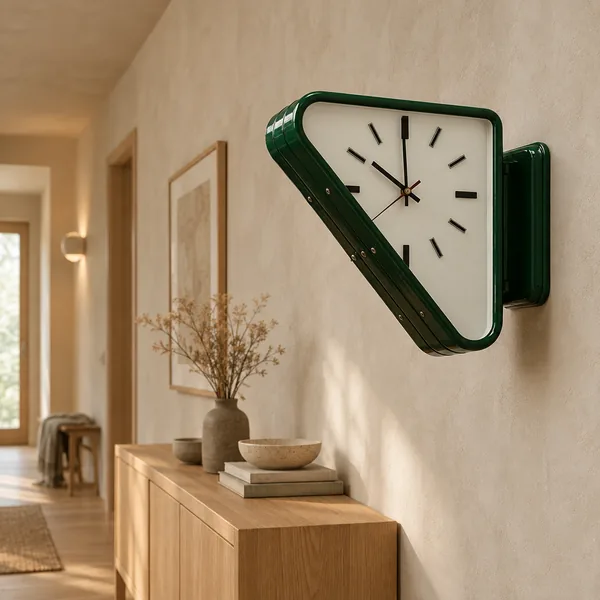
 Save $110.00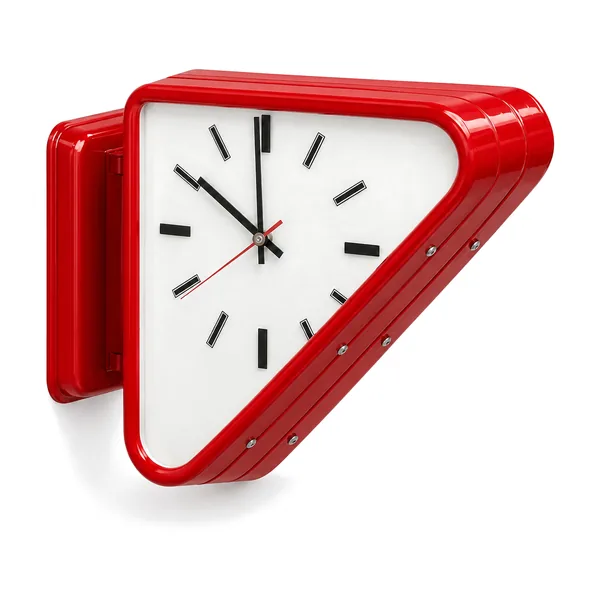
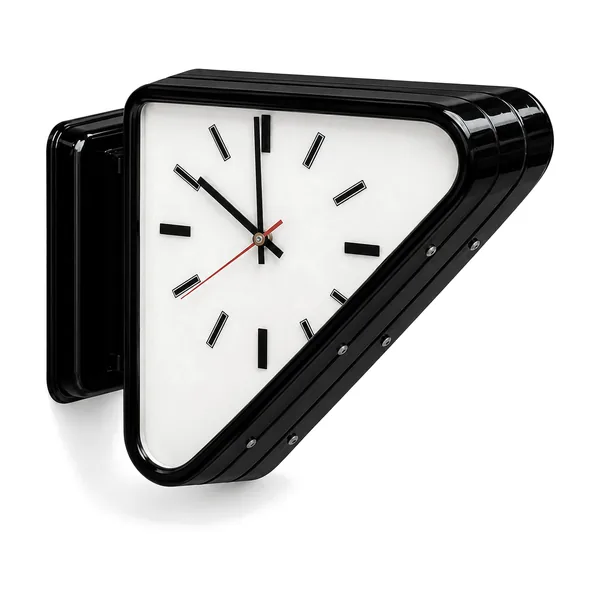
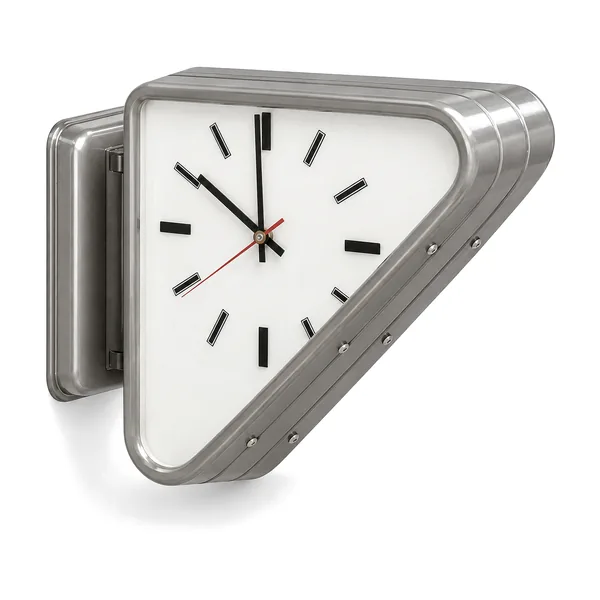
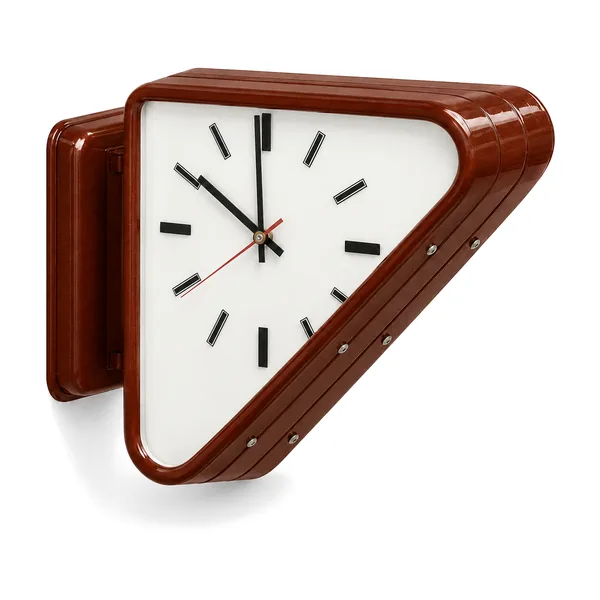 +15 options
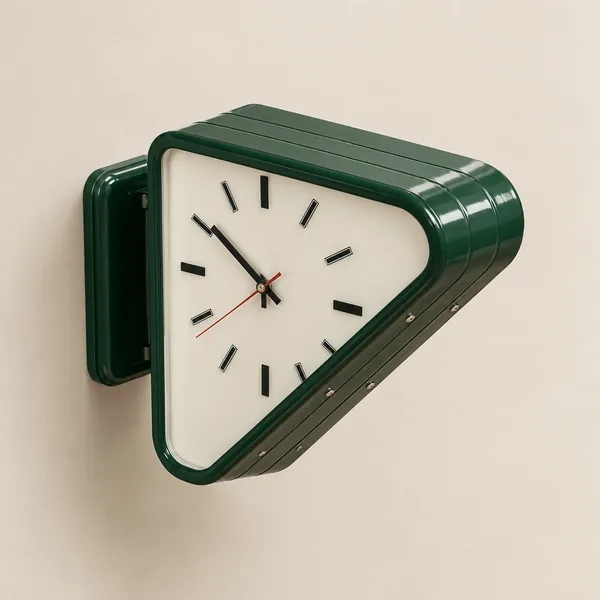
Tvilling Dual-Sided Geometric Metal Wall Clock
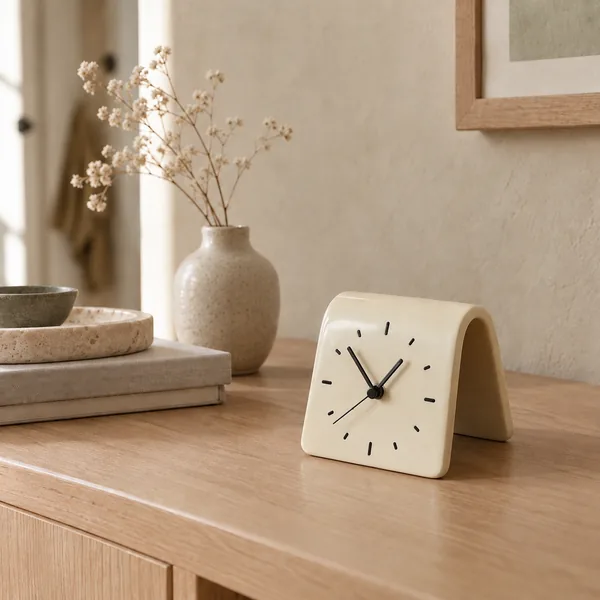
 Save $70.00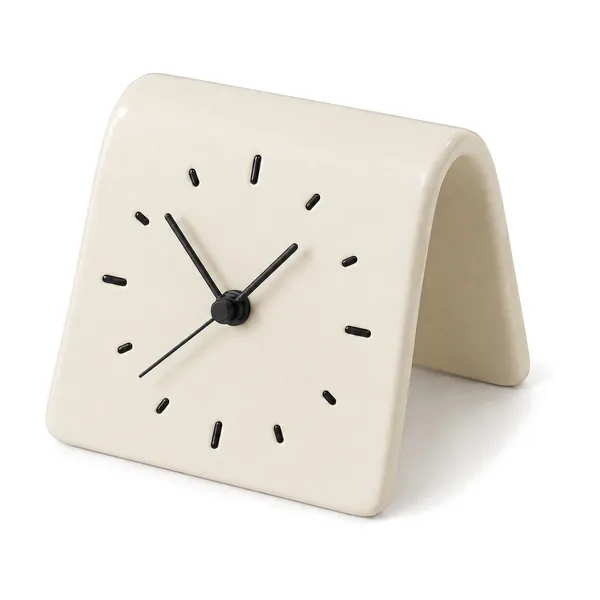
 +37 options
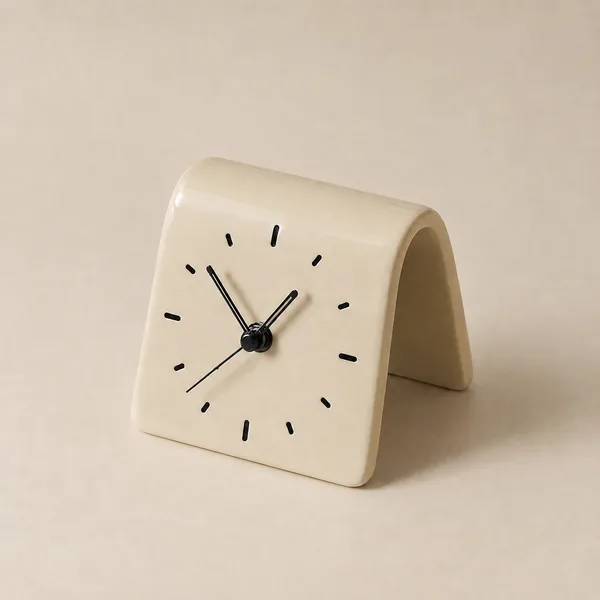
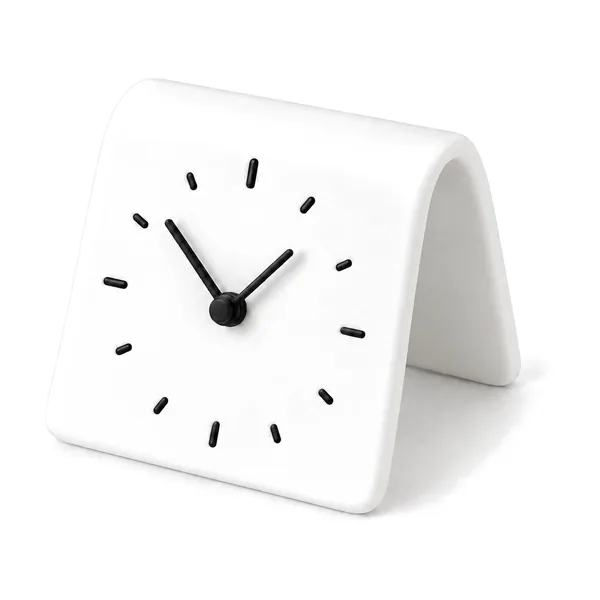
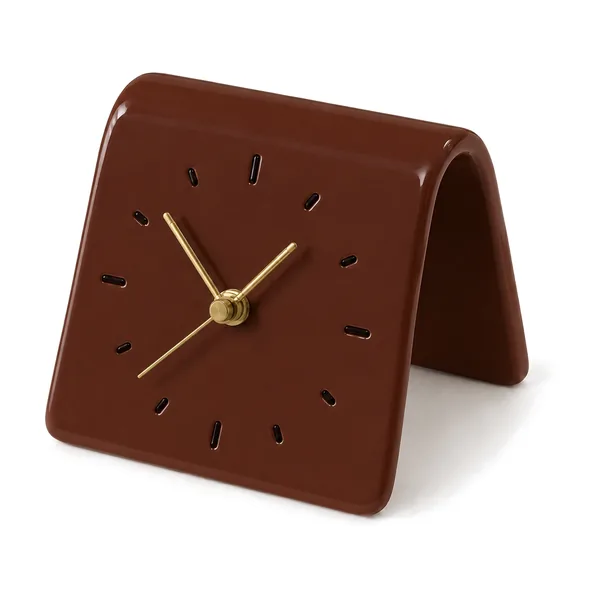
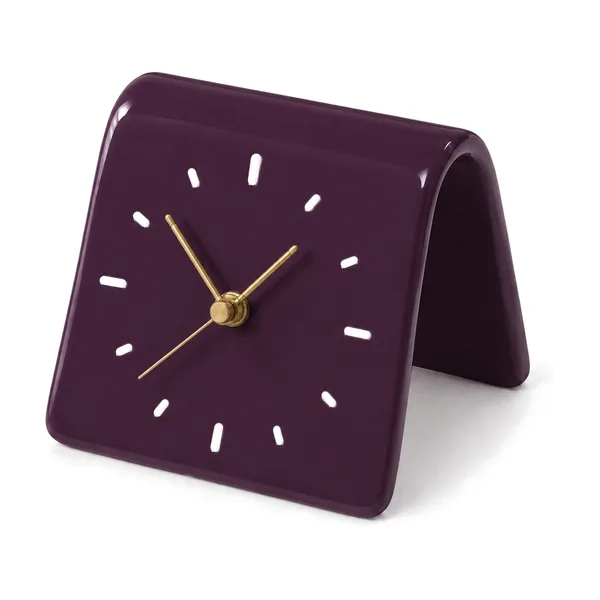
Tilje Silent Ceramic Desk Clock for Modern Homes
 Save $120.00
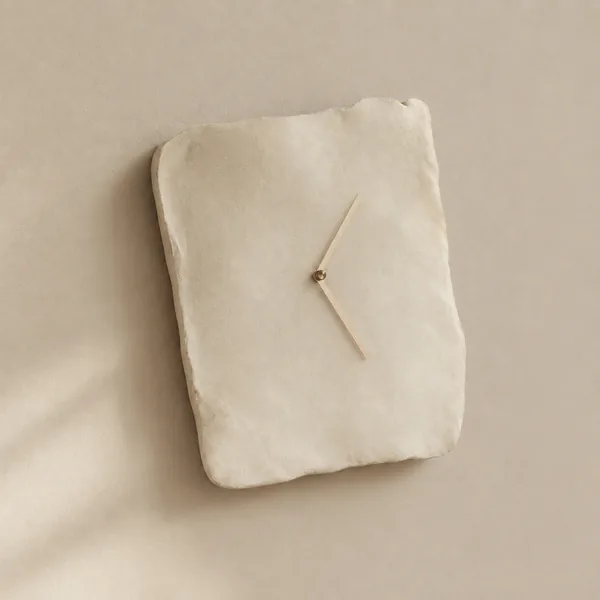
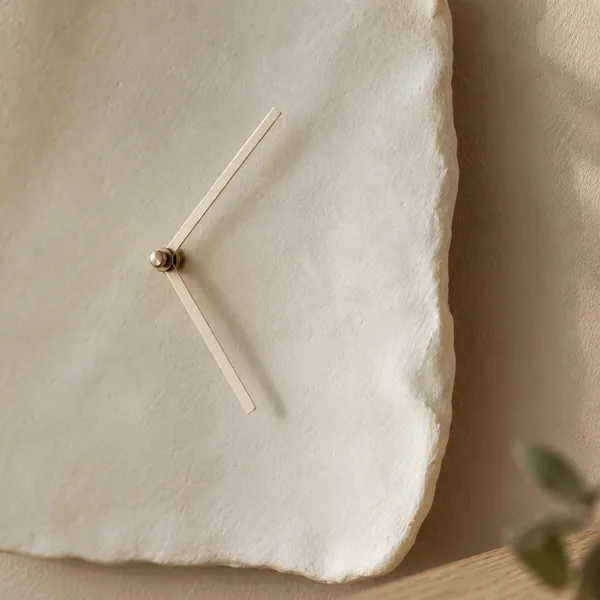
Stilla Silent Resin Wall Clock Nordic Minimalist
Strategic Placement Ideas for Decorative Clocks
Placement determines whether your decorative clock becomes a harmonious accent or an awkward afterthought. Understanding spatial dynamics ensures your timepiece enhances rather than competes with your existing decor.
Living Room Clock Placement
The living room typically offers the most prominent real estate for statement clocks. Ideal locations include the wall above a fireplace, centered over a sofa, or as part of a gallery wall arrangement. When positioning above furniture, maintain 8-12 inches of clearance between the bottom of the clock and the top of the piece below to create visual breathing room.
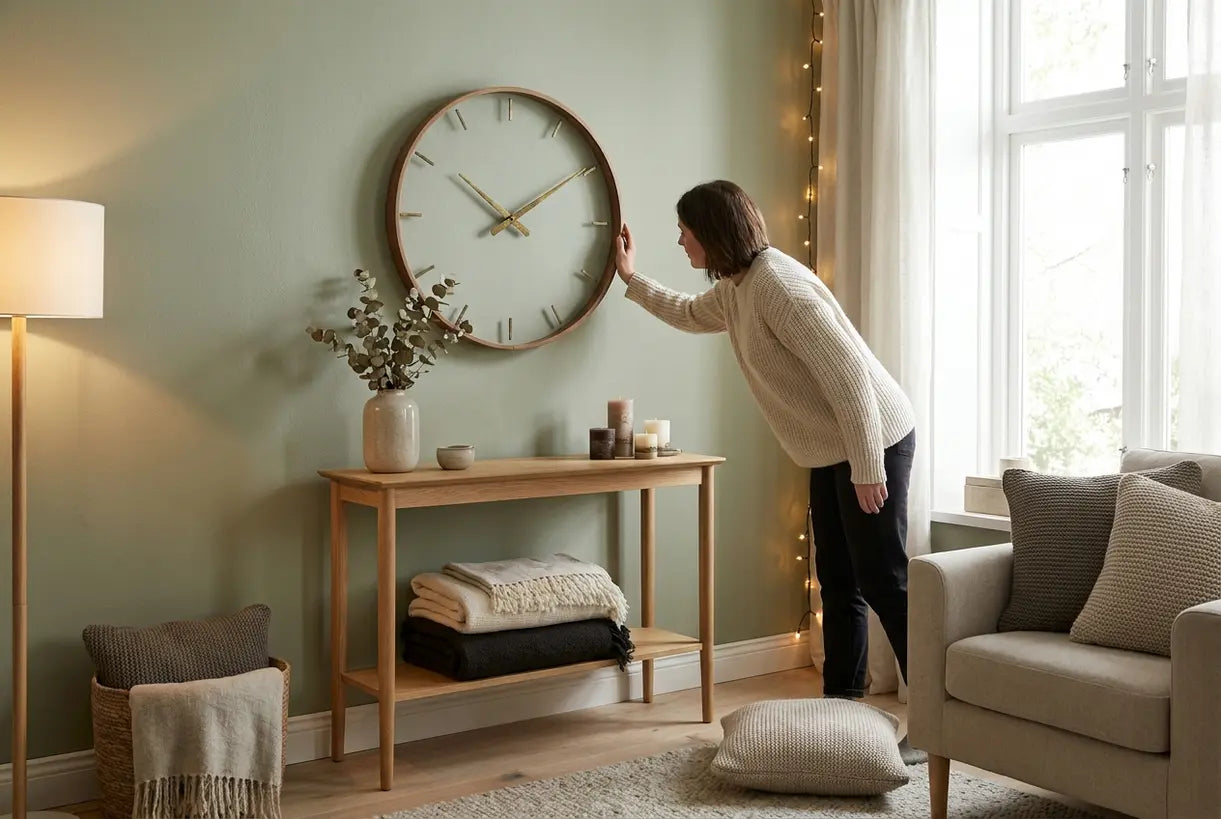
Decorative clocks for living rooms work exceptionally well when they echo existing design elements. Consider echoing the materials in your coffee table, the curve of your sofa, or the finish of your pendant lights. This intentional coordination creates a curated, designer feel that Scandinavian interiors are famous for.
Bedroom Considerations and Silent Clocks
Bedrooms present unique considerations for clock placement and function. Nightstand clocks should feature soft, non-disruptive designs—and most importantly, silent operation. The rhythmic ticking of traditional mechanical clocks can disrupt sleep, making silent wall clocks and quartz timepieces ideal for rest-intensive spaces.
For wall placement in bedrooms, position clocks where they're visible from the bed without requiring you to crane your neck. A clock positioned at eye level when sitting up in bed offers optimal functionality. Avoid placing large reflective clocks directly opposite windows where glare might disturb morning or evening routines.
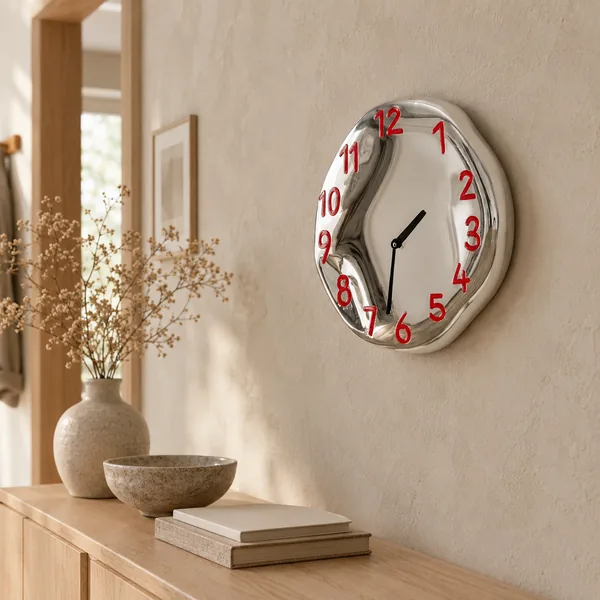 Glansa Chrome Ceramic Wall Clock Silent Quartz$329.00$479.00
Exploring Materials and Craftsmanship
The materials used in your decorative clock speak volumes about quality and aesthetic intention. Today's market offers everything from mass-produced plastic pieces to artisan-crafted ceramic and metal works. Understanding these material distinctions helps you invest in pieces that age gracefully and maintain their beauty over years.
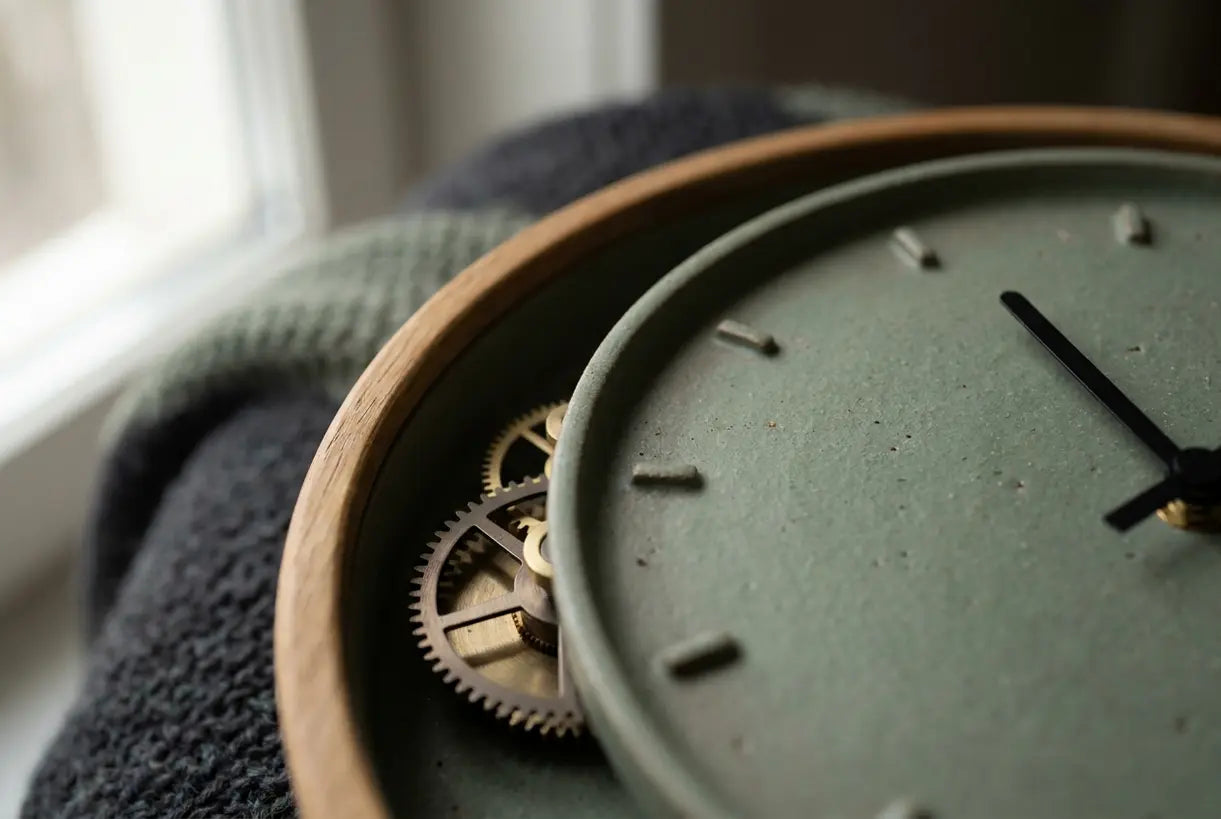
Ceramic clocks have experienced a renaissance in modern Scandinavian design. Handcrafted ceramic faces offer organic texture and subtle variation that manufactured materials cannot replicate. Each piece carries slight imperfections that celebrate human craft—a cornerstone of the Scandinavian hygge philosophy that values authenticity.
Metal finishes, from brushed brass to chrome electroplating, provide durability and reflectivity. Chrome finishes particularly excel in capturing and playing with natural light, shifting in appearance throughout the day as morning sun transitions to evening amber. This dynamic quality keeps your decor feeling alive and responsive to its environment.
Wooden cases bring warmth and organic continuity, particularly effective in spaces featuring natural wood furniture or flooring. The grain patterns and patina that develop over time tell a story of presence and permanence.
Inspiration and Visual Guidance
Visual learning remains one of the most effective ways to understand how decorative clocks function within broader interior schemes. Understanding placement principles, scale relationships, and styling techniques can accelerate your design confidence.
This comprehensive guide to wall decor covers essential principles that directly apply to clock selection and placement. Notice how the video emphasizes the importance of scale, balance, and creating focal points—concepts that translate perfectly to modern home decor clock styling.
Home Decor
Shop all Home Decor
 Save $44.50
 2 options
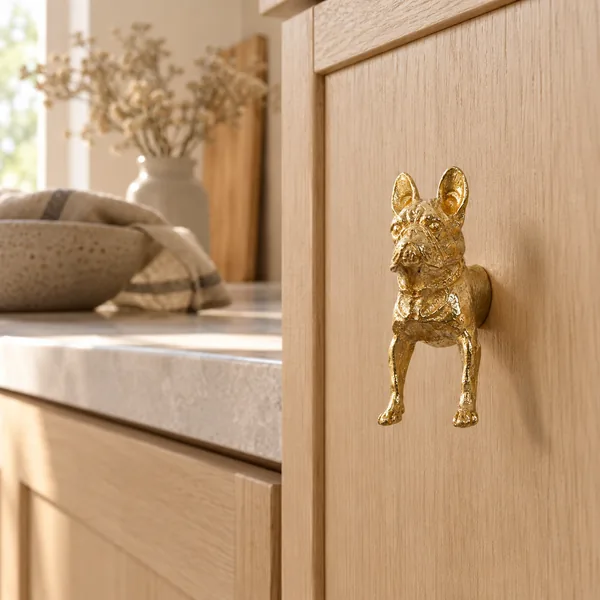
Tassa Polished Brass Dog Cabinet Pull Handle
Save $110.00+15 optionsTvilling Dual-Sided Geometric Metal Wall Clock
Curating Your Clock Collection
While a single statement clock often suffices in most rooms, some homes benefit from a thoughtful collection of timepieces displayed across multiple spaces. The key lies in maintaining thematic continuity—perhaps through consistent materials, complementary color palettes, or recurring design motifs—while varying scale and form to maintain visual interest.
Consider pairing a large decorative wall clock in your living room with a smaller ceramic desk clock in your home office, and perhaps a minimal silent piece in your bedroom. This approach creates a subtle thread that connects your spaces while respecting the unique function and mood of each room.
Scandinavian Silent Clocks for Every Room
Tilje Silent Ceramic Desk Clock for Modern Homes$89.00$159.00Glansa Chrome Ceramic Wall Clock Silent Quartz$329.00$479.00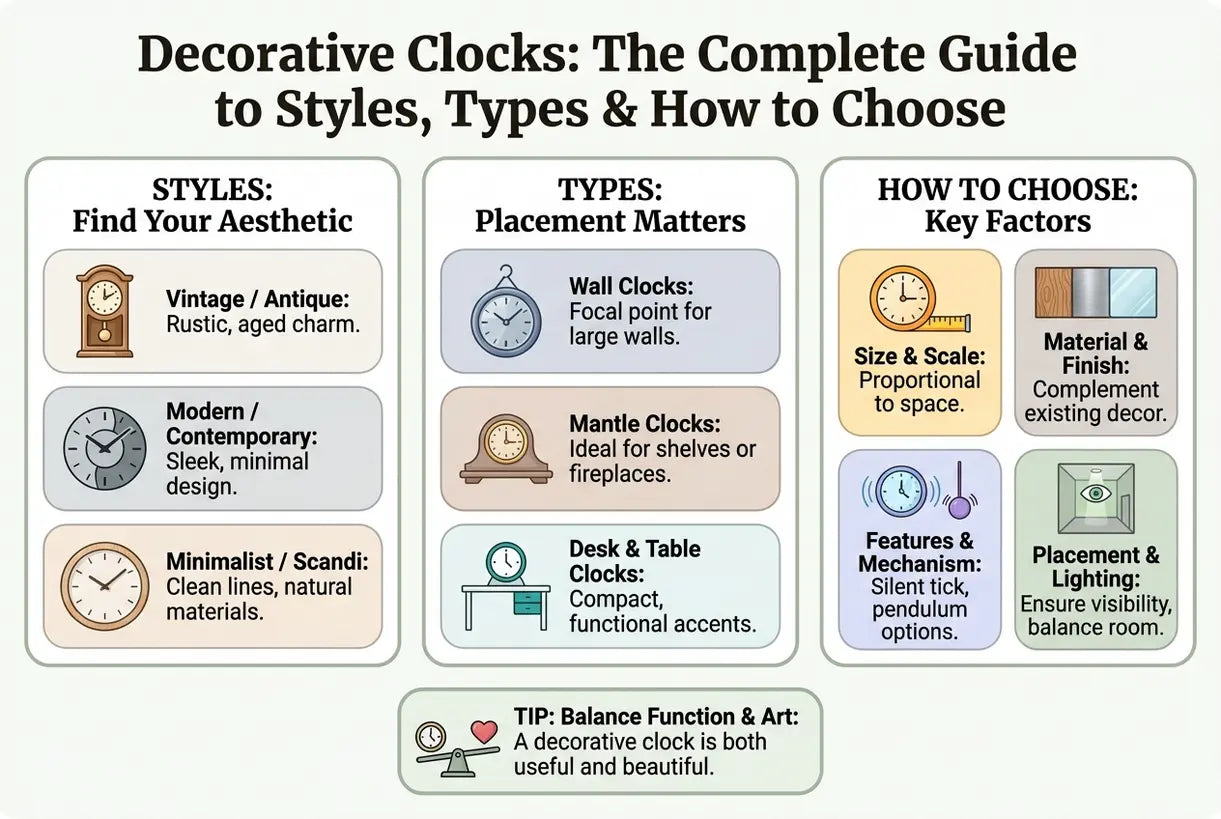
Creating a Cohesive Look with Your Decorative Clock
Integrating a new decorative clock into your existing decor requires thoughtful consideration of your established aesthetic. The most successful integrations feel inevitable—like the piece was always meant to occupy that space.
Start by auditing your current color palette. Does your room feature warm neutrals, cool greys, or bold saturated tones? A clock with a ceramic finish in a complementary tone can bridge existing elements. For example, the Tilje Silent Ceramic Desk Clock offers seven curated colorways, making it easy to find a shade that harmonizes with your specific palette.
Consider your room's textural landscape as well. If your space features smooth surfaces like leather sofas and glass coffee tables, a textured ceramic clock introduces needed variation. Conversely, if your room already contains abundant texture through woven textiles and rustic wood, a smooth chrome-finished piece like the Glansa Chrome Ceramic Wall Clock provides sophisticated contrast.
Finally, think about your timepiece's role in your daily rituals. A kitchen clock checked during morning routines might prioritize readability and easy cleaning. A bedroom clock should emphasize silent operation and soft aesthetics. Living room pieces can prioritize artistic statement and conversation value. Matching function to context ensures long-term satisfaction.
Conclusion: Time Well Invested
The perfect decorative clock transcends mere functionality—it becomes an integral part of your home's story, marking not just hours and minutes, but the moments that make up your life. Whether you gravitate toward the sculptural presence of a large wall clock or the intimate charm of a ceramic desk piece, the key lies in choosing quality craftsmanship that aligns with your aesthetic vision.
At Skonne, we curate Scandinavian-inspired timepieces that honor both form and function. From silent quartz mechanisms that preserve peaceful environments to handcrafted ceramic finishes that celebrate artisan tradition, our collection reflects the intentional, warm, and elevated approach to home design that defines the Scandinavian spirit. When you choose a decorative clock from Skonne, you're investing in more than timekeeping—you're welcoming a piece of curated art into your daily experience.
Explore our complete collection of decorative wall clocks and decorative table clocks to find the perfect timepiece for your space. Whether you're creating a focal point in your living room, adding functionality to your home office, or curating a peaceful bedroom retreat, the right clock awaits—designed to bring beauty to every passing moment.
Related Article
Modern Wall Clocks for the Living Room: How to Choose the Perfect Statement TimepieceDiscover how to choose the perfect modern wall clock for your living room. From sizing and placement to Scandinavian statement pieces, elevate your wall decor.