
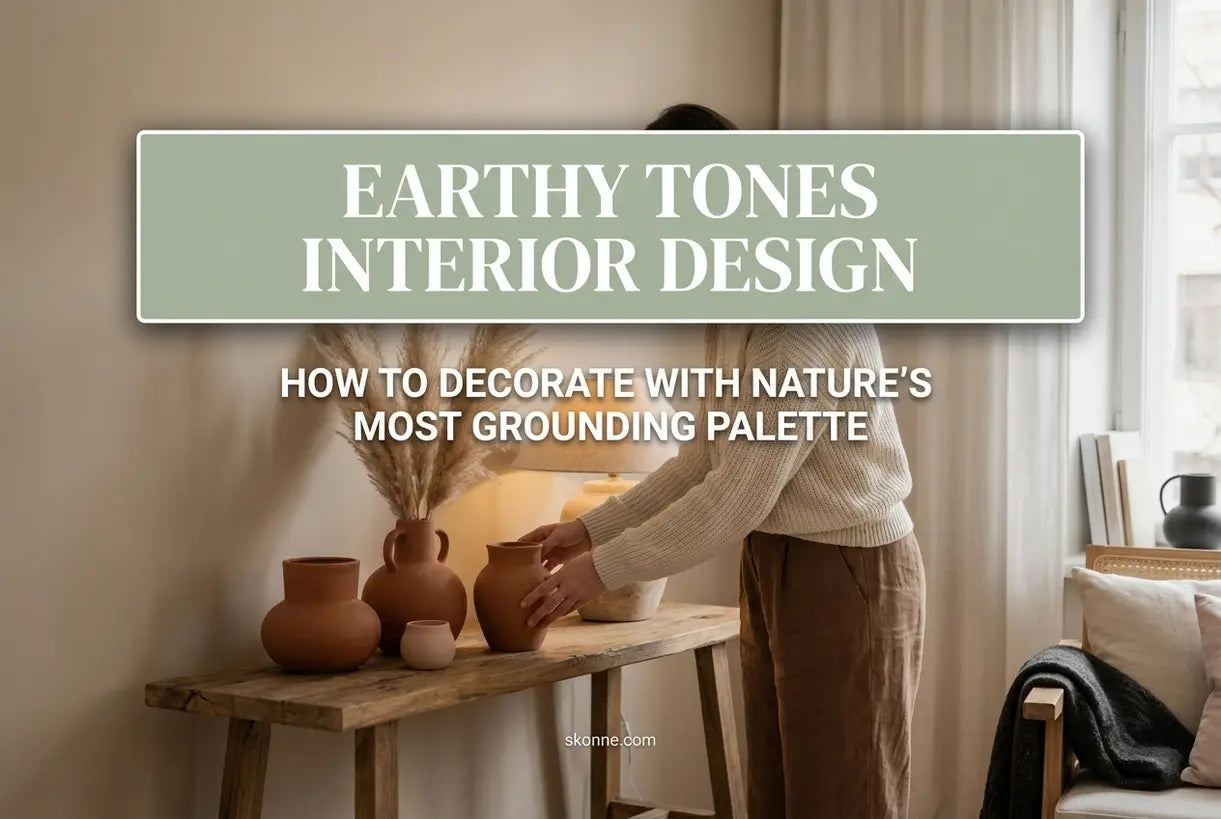
Earthy Tones Interior Design: How to Decorate with Nature's Most Grounding Palette
Summary›
- Understanding the Foundation of Earthy Interior Design
- The Essential Earthy Color Palette for Your Home
- Layering Natural Materials for Authentic Texture
- Practical Tips for Decorating with Warm Earth Tones
- Scandinavian and Japandi Influences in Earthy Design
- Room-by-Room Guide to Earthy Tones
- Maintaining Balance and Avoiding Common Pitfalls
- Conclusion: Creating Your Grounding Sanctuary
There's something inherently calming about spaces that draw inspiration from the natural world. Earthy tones interior design has emerged as one of the most enduring trends in contemporary home decor, offering a grounding alternative to the stark whites and cool grays that have dominated interiors for years. This approach celebrates the rich, warm hues found in soil, stone, sand, and clay—colors that make us feel connected to something larger than ourselves.
Whether you're refreshing a single room or reimagining your entire home, understanding how to work with earth tones interior design principles can transform your space into a sanctuary of warmth and intention. In this guide, we'll explore how to decorate with nature's most grounding palette, from selecting the perfect warm neutrals to layering natural materials that add depth and authenticity to your Scandinavian-inspired home.
Understanding the Foundation of Earthy Interior Design
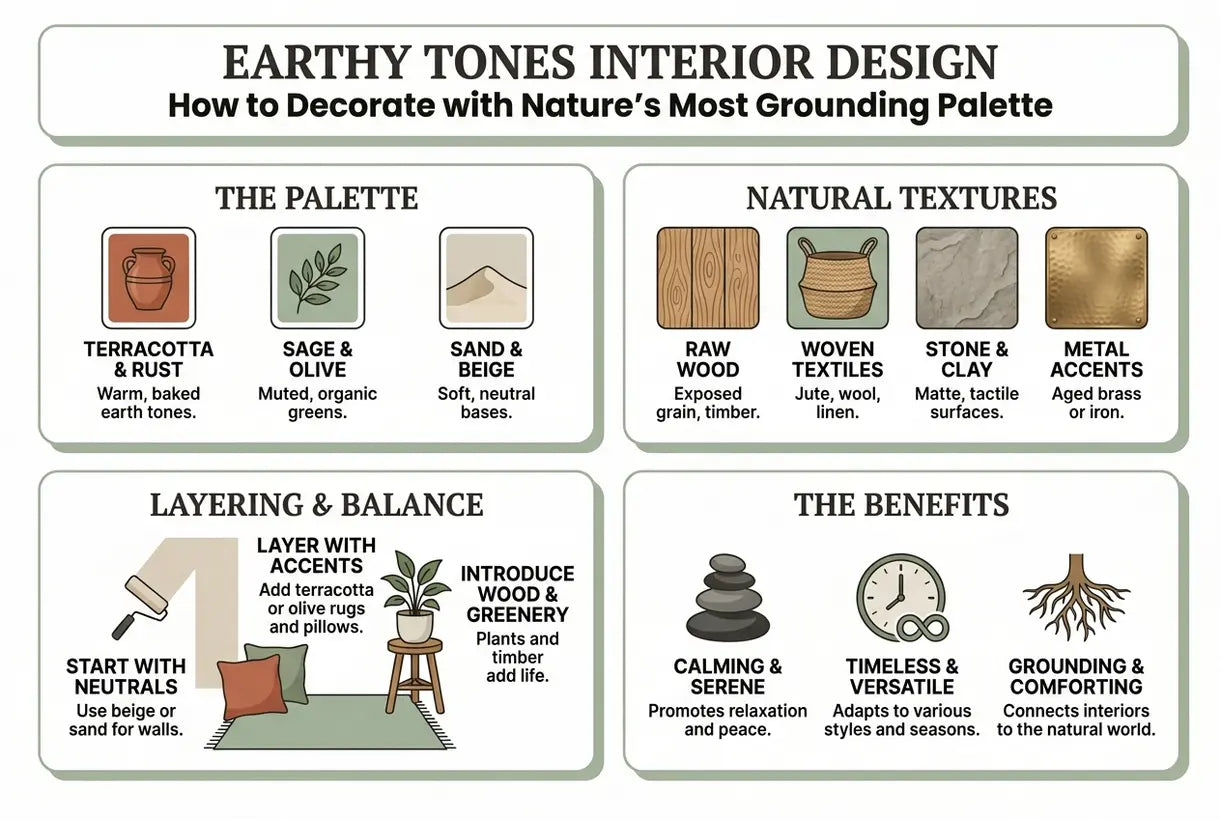
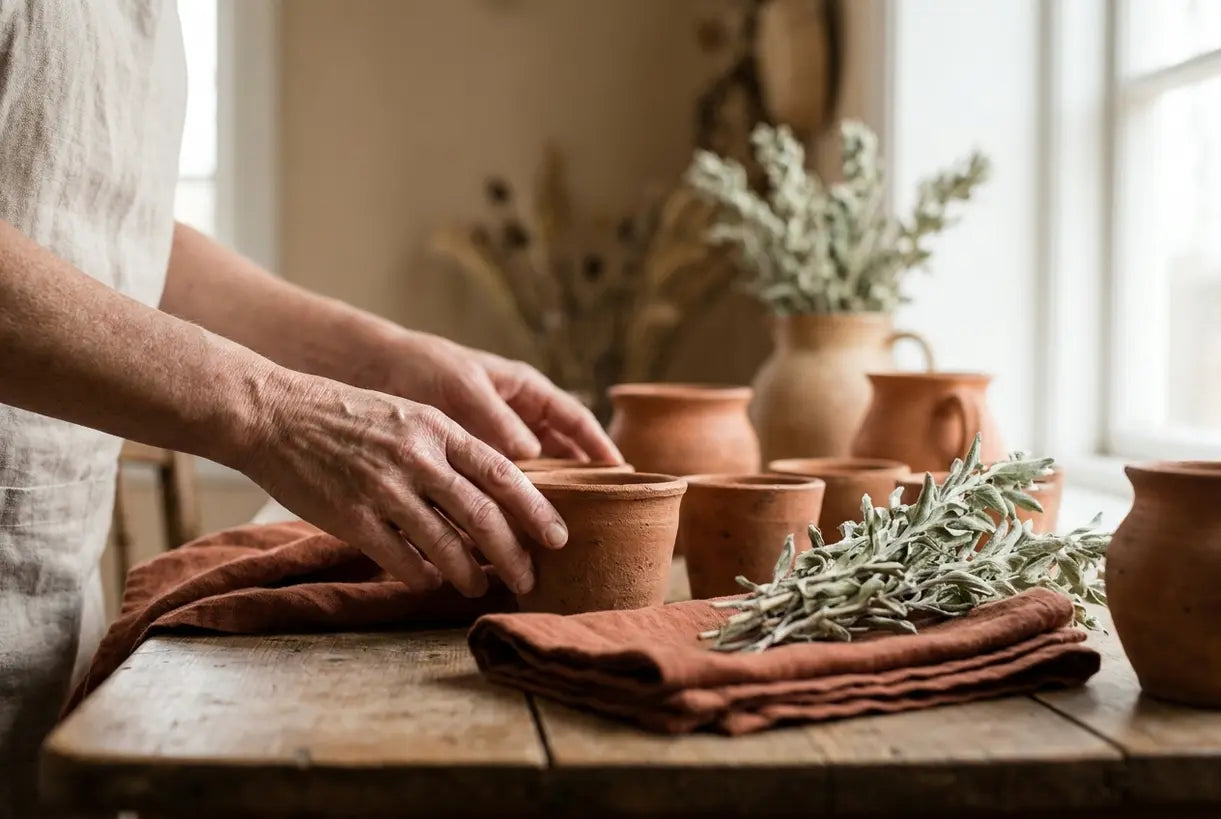
At its core, earthy interior design is about creating spaces that feel organic, lived-in, and inherently comfortable. This aesthetic draws from the natural color palette of the environment—think terracotta pots baking in the sun, weathered driftwood washed ashore, and the soft beige of windswept sand dunes. These colors don't shout for attention; instead, they whisper tranquility and timelessness.
The shift toward earth tones living room design reflects a broader cultural movement toward mindfulness and sustainability. Homeowners are increasingly seeking spaces that feel authentic rather than manufactured, choosing materials and hues that age gracefully and tell a story. This approach aligns perfectly with Scandinavian design principles, where the connection between indoor and outdoor living has always been paramount.
What makes this palette so versatile is its ability to adapt to various substyles. From the rustic warmth of Japandi Lighting aesthetics to the refined simplicity of Scandinavian minimalism, earthy tones provide a flexible foundation that honors craftsmanship and natural beauty.
The Essential Earthy Color Palette for Your Home
When curating an earthy color palette, think beyond basic brown. The spectrum of warm neutral decor encompasses a rich array of hues that can be mixed and matched to create sophisticated, layered interiors. The key is understanding how these colors interact and complement one another.
Primary Earth Tones to Consider
- Terracotta and Clay: These reddish-orange hues bring warmth and Mediterranean charm
- Sage and Olive Green: Muted greens that echo moss, leaves, and forest floors
- Warm Beige and Sand: The new neutrals, replacing cool grays with sun-kissed warmth
- Ochre and Amber: Golden yellows reminiscent of autumn leaves and honey
- Charcoal and Warm Brown: Grounding dark tones that add depth and contrast
The beauty of working with these hues lies in their inherent compatibility. Unlike stark primary colors that require careful balancing, earth tones naturally harmonize because they exist together in nature. A sage green wall pairs effortlessly with a terracotta accent, while warm wood tones bridge the gap between lighter and darker elements in the room.
Travertine Lighting
Shop all Travertine Lighting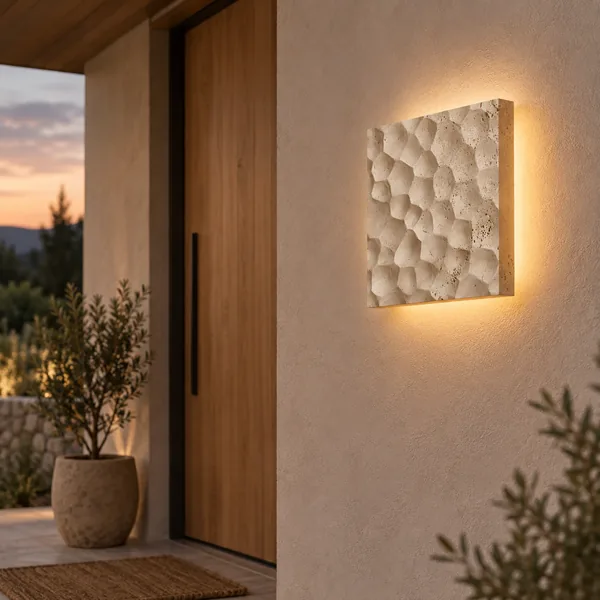
 Save $170.00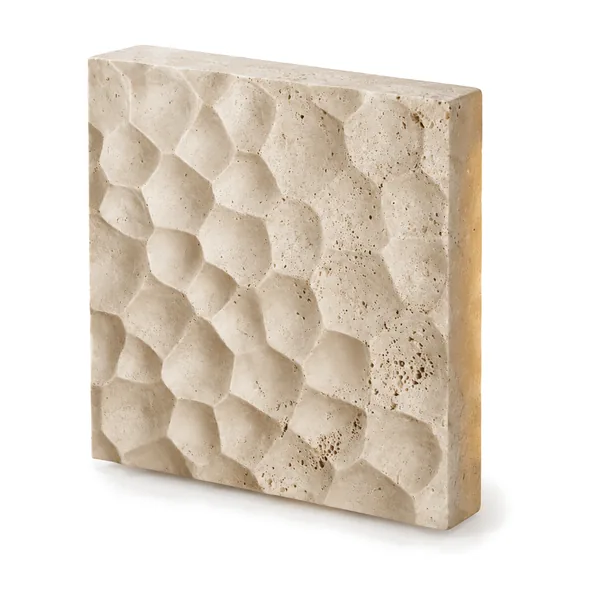
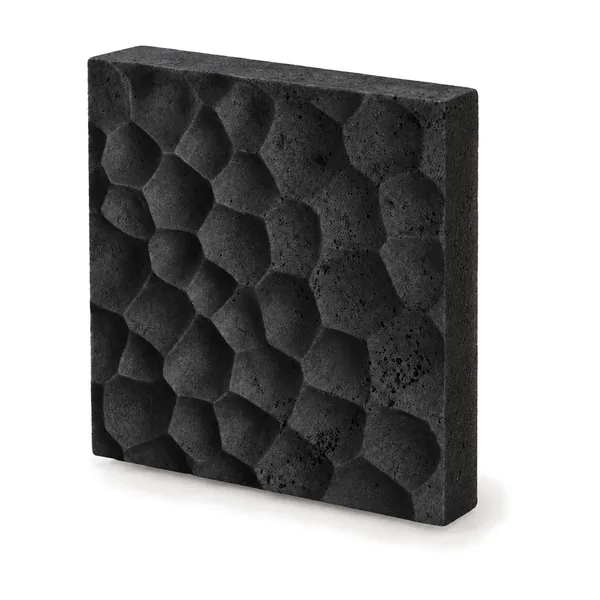 2 options
Stenvei Natural Stone IP65 LED Outdoor Sconce
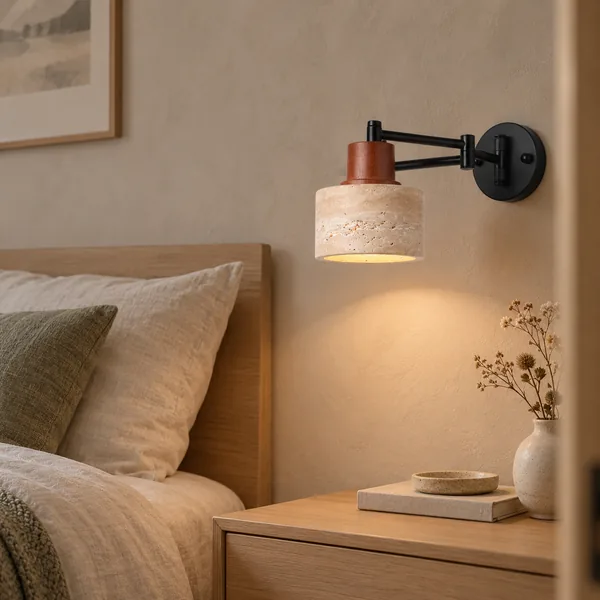
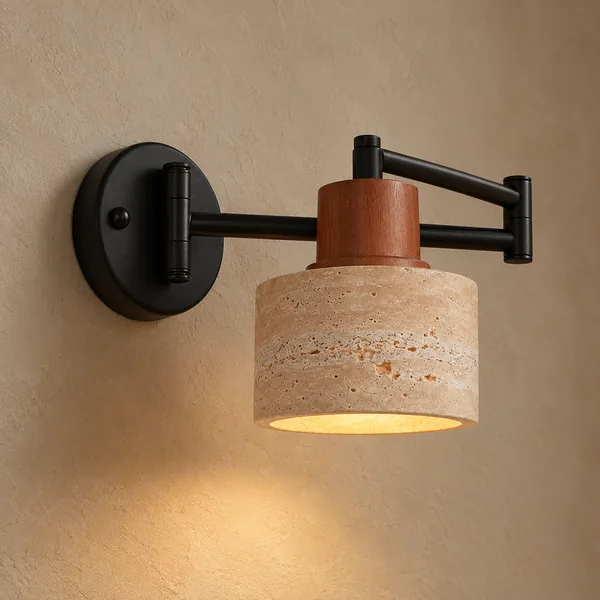
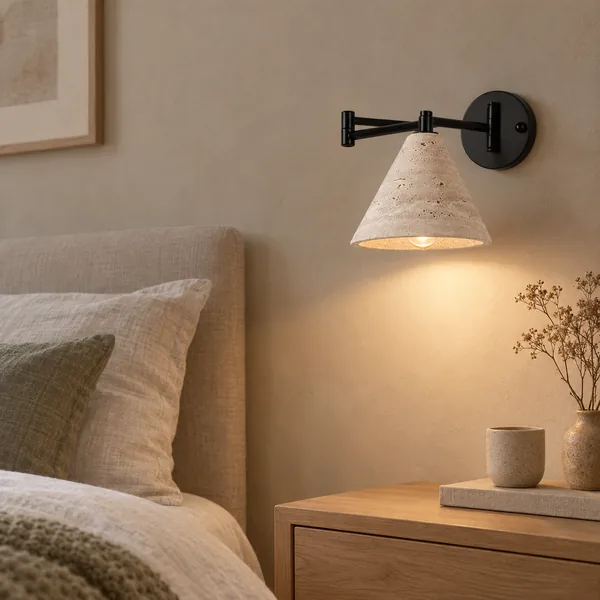
 Save $130.00
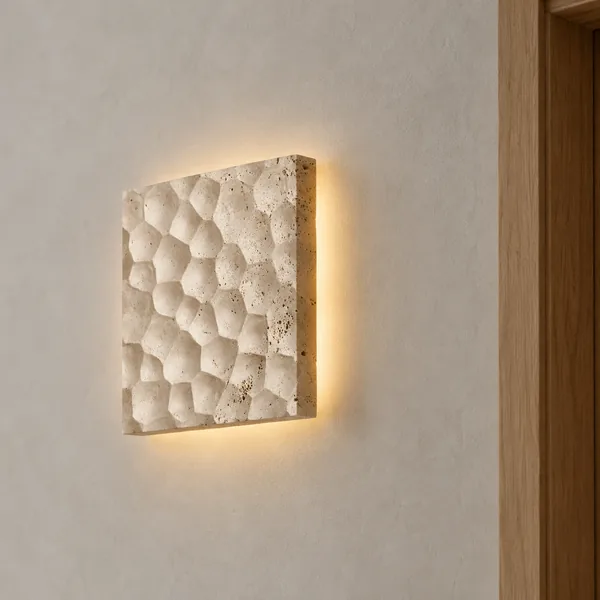
Fjella Natural Travertine Adjustable Wall Lamp
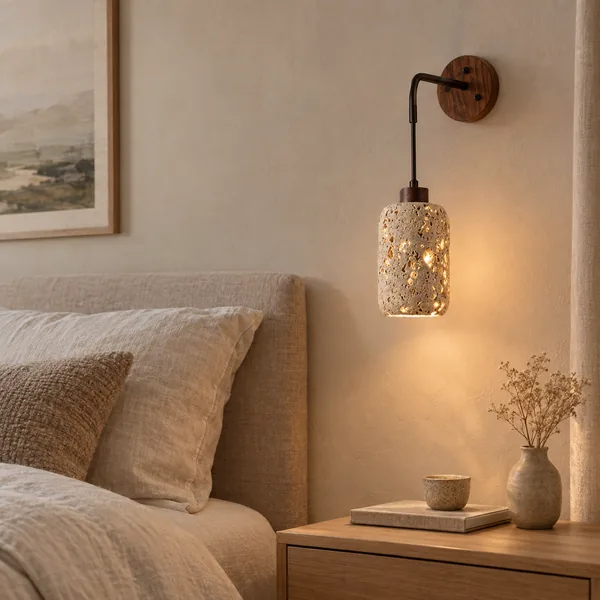
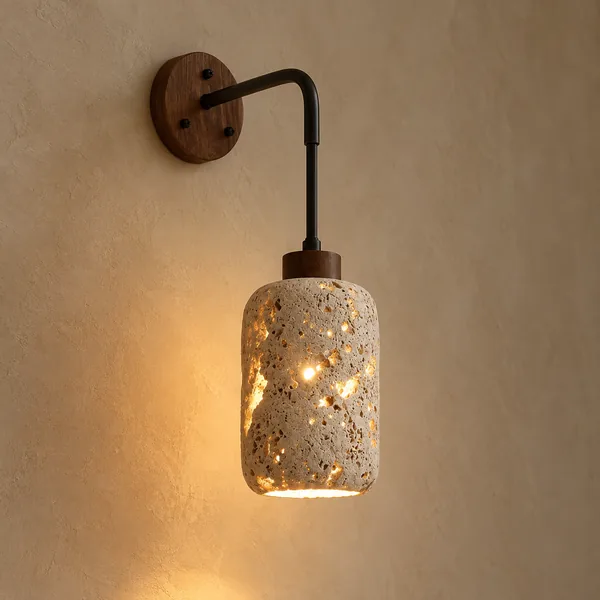
Layering Natural Materials for Authentic Texture
Color is only one component of successful earthy interiors. The true magic happens when you introduce natural material interiors that engage the senses through texture and tactility. This is where Scandinavian design philosophy truly shines—celebrating materials in their honest, unadorned state.
Consider the interplay of rough and smooth surfaces. A travertine stone table beside a soft linen sofa. Raw wooden beams contrasted against plaster walls. Woven jute rugs underfoot that ground the space literally and figuratively. These textural layers create visual interest without relying on bold patterns or artificial colors.
Lighting plays a crucial role in highlighting these material qualities. The right fixtures can emphasize the organic veining in stone, the slubby texture of linen, or the grain patterns in wood. For accent lighting that truly celebrates natural materials, the Stenvarm Travertine Natural Stone Accent Lamp offers an exquisite example of how functional objects can double as sculptural art pieces.
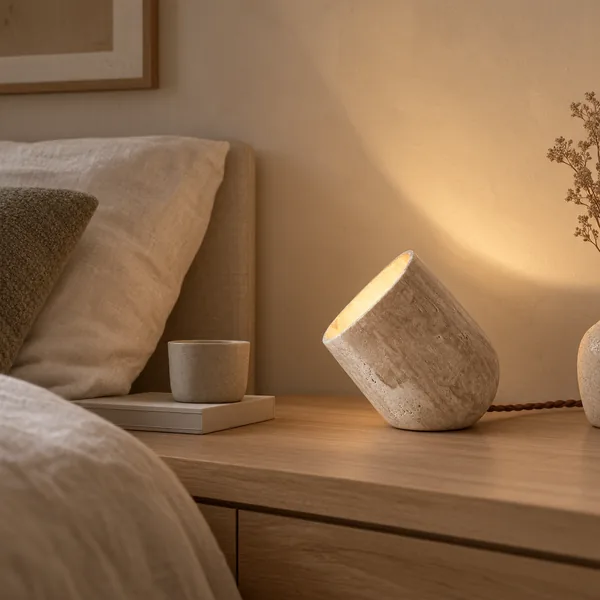 Stenvarm Travertine Natural Stone Accent Lamp$239.00$299.00
Practical Tips for Decorating with Warm Earth Tones
Transitioning to an earthy aesthetic doesn't require a complete home overhaul. Start with intention, making thoughtful choices that build upon your existing foundation. The goal is to create a space that feels collected over time rather than purchased in a single weekend.
Begin by assessing your current pieces. Many existing furniture items in wood tones, cream fabrics, or leather can serve as anchors for your new palette. Then, introduce earthy elements through smaller updates: swap cool-toned throw pillows for ones in rust or mustard, replace synthetic rugs with natural fiber alternatives, or add ceramic vases in organic shapes.
The 60-30-10 rule offers a helpful framework for balancing your color scheme. Allow 60% of the room to feature your dominant neutral—perhaps a warm beige or soft white. Dedicate 30% to a secondary earth tone like sage green or terracotta. Reserve the final 10% for accent colors that add personality and depth, such as ochre or deep charcoal.
Creating Focal Points with Intention
Every room benefits from a focal point that draws the eye and anchors the space. In earthy interiors, this might be a fireplace clad in natural stone, a statement piece of furniture in warm leather, or—particularly effective—a sculptural lighting fixture that casts a warm, ambient glow.
The key is selecting pieces that feel authentic to the organic modern design aesthetic. Avoid anything too polished or synthetic. Instead, embrace the beauty of imperfection found in handcrafted ceramics, live-edge wood, or naturally occurring stone variations. These elements bring soul to your space and create conversation-worthy moments.
Scandinavian and Japandi Influences in Earthy Design
The intersection of Scandinavian earth tones with Japanese design principles—often called Japandi—represents the pinnacle of warm, intentional interior styling. This hybrid aesthetic strips away the unnecessary, focusing instead on quality materials, clean lines, and the celebration of natural imperfection central to wabi sabi interiors.
In a Japandi-influenced space, every object earns its place through utility and beauty. The color palette remains restrained: warm whites, soft grays with brown undertones, and muted greens. Furniture features low profiles and natural wood finishes. Textiles are minimal but textural—think raw linen, organic cotton, and handwoven wool.
Lighting within this aesthetic serves both practical and atmospheric purposes. Fixtures should enhance the sense of warmth without overwhelming the minimalist sensibility. Consider how the soft diffusion of light through natural materials can transform the mood of an entire room, creating that coveted hygge feeling that makes Scandinavian design so appealing.
Illuminate Your Earthy Interior with Natural Materials
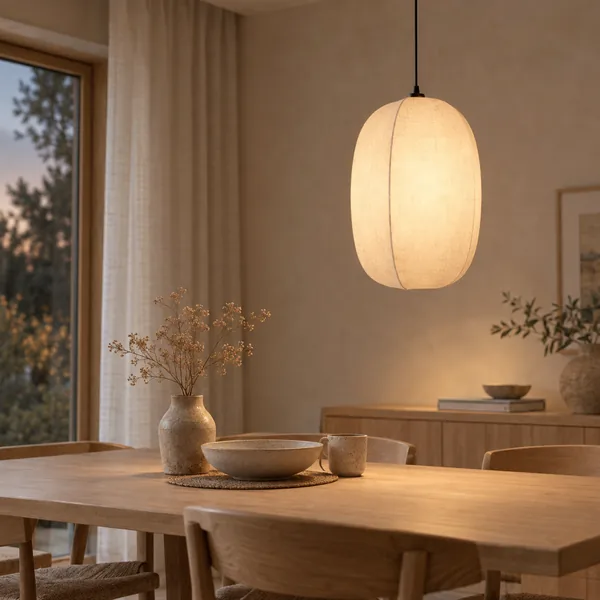 Driva Linen Lantern Pendant Light Warm Ambiance$189.00$299.00
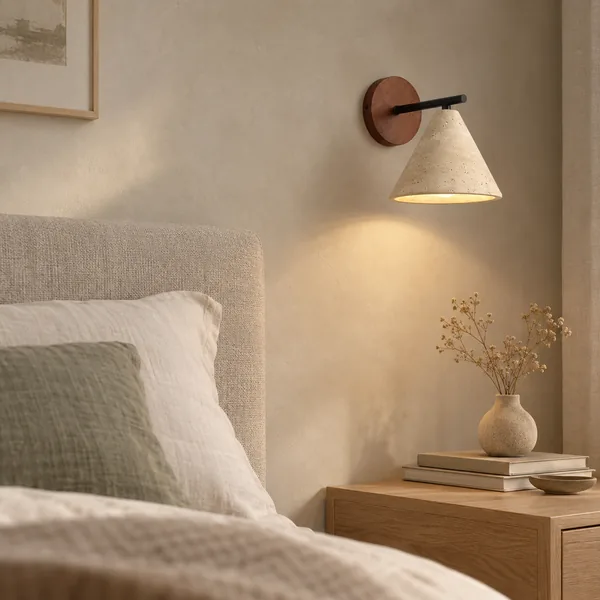 Torva Yellow Travertine Natural Stone Wall Sconce$129.00$239.00
Scandinavian Lighting
Shop all Scandinavian Lighting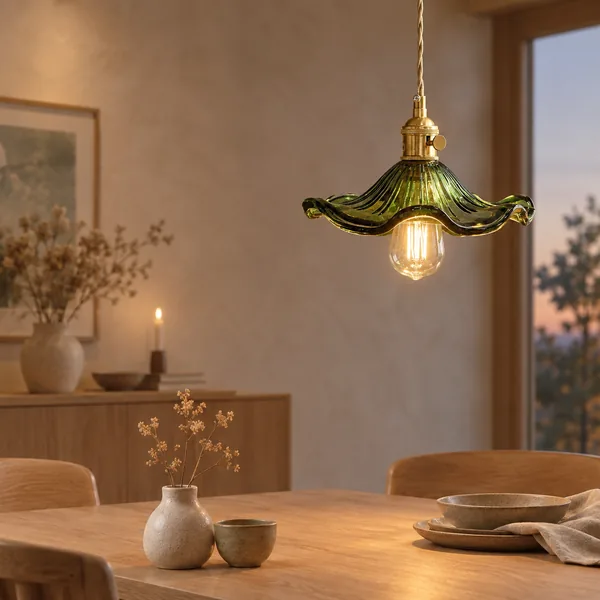
 Save $60.00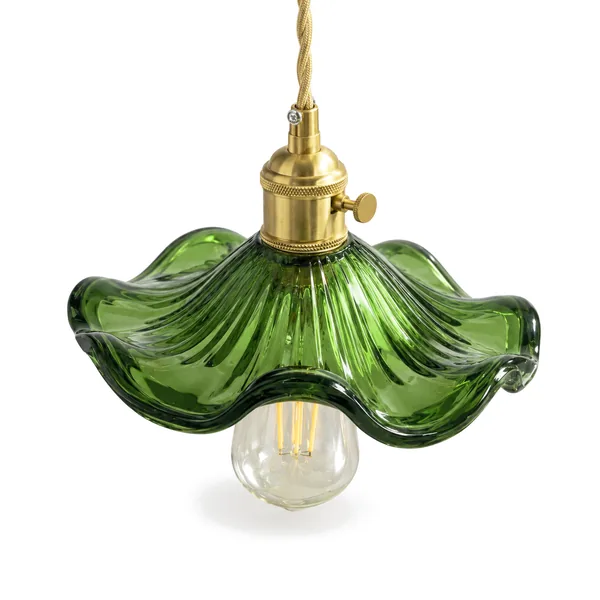
 3 options
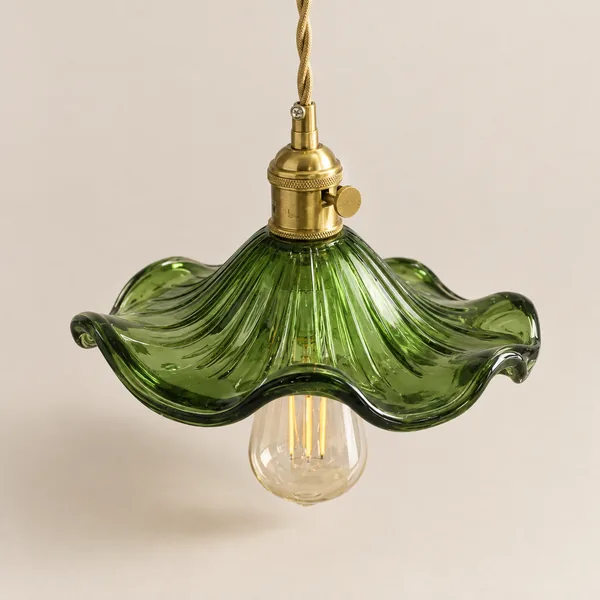
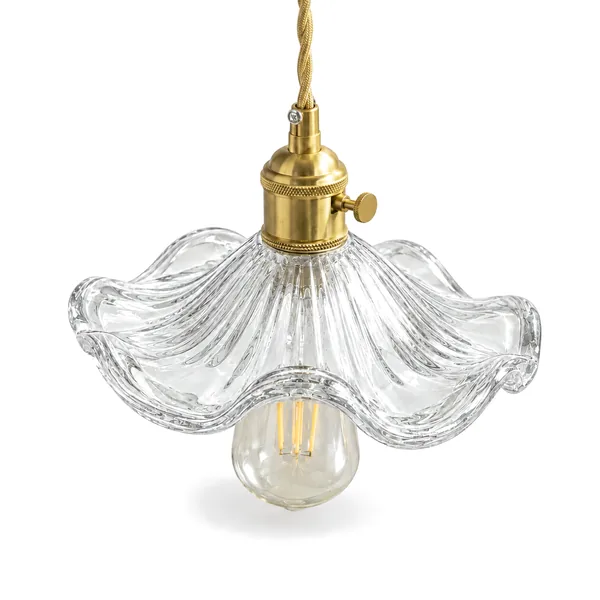
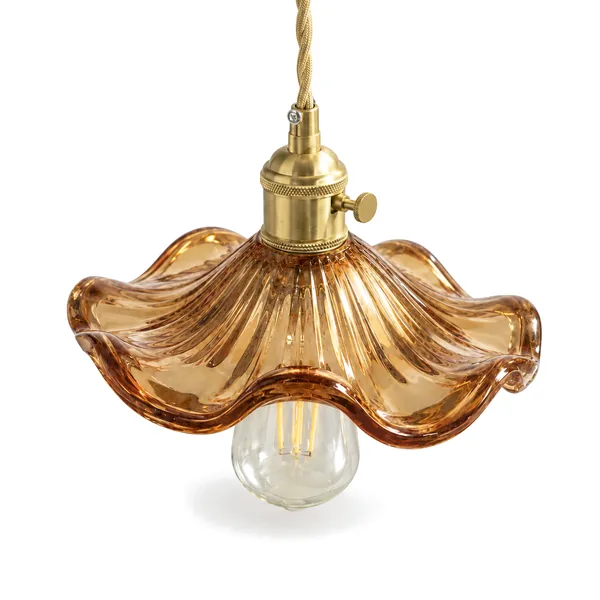
Glora Nordic Glass Pendant Light with Copper
 Save $150.00
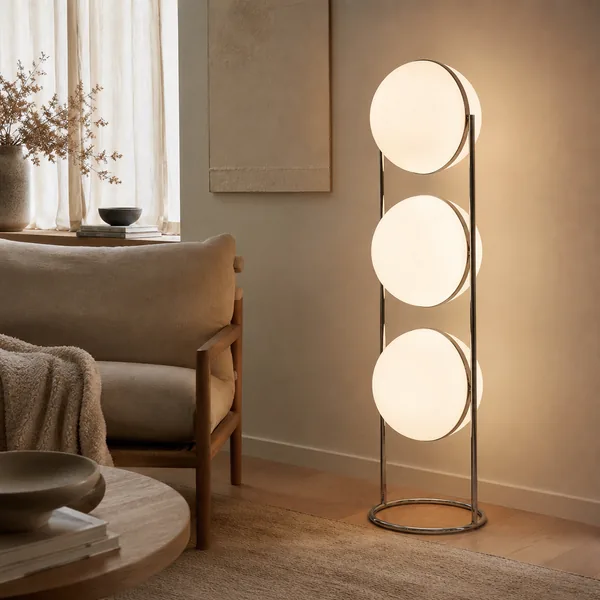
Kulglod Bauhaus Chrome Acrylic Globe Floor Lamp
 Save $230.00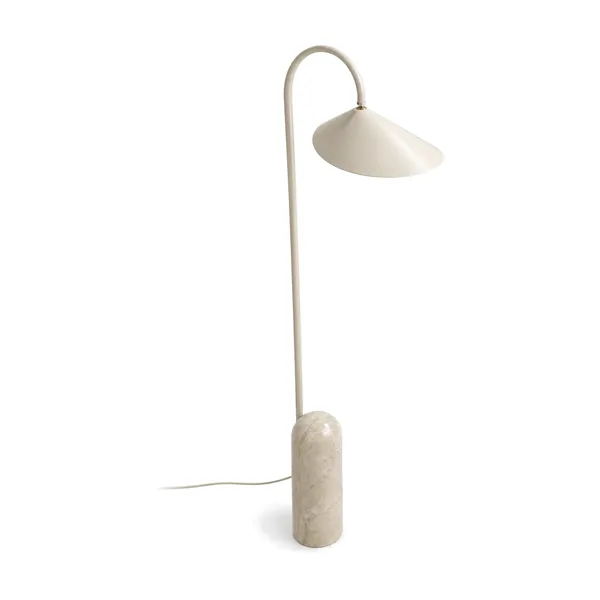
 2 options
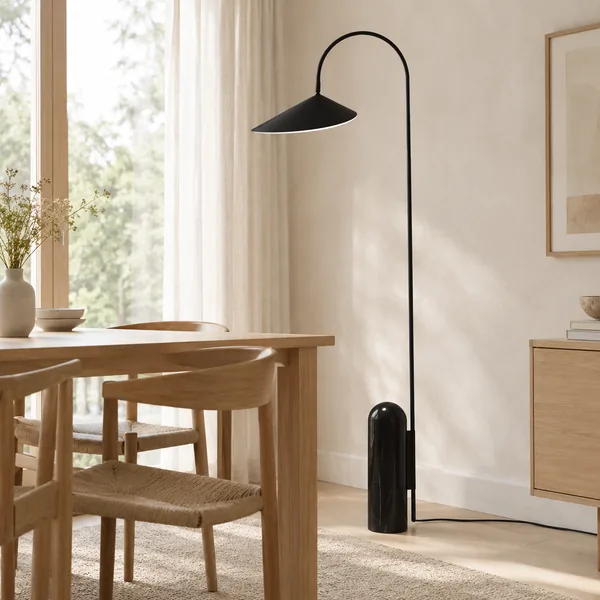
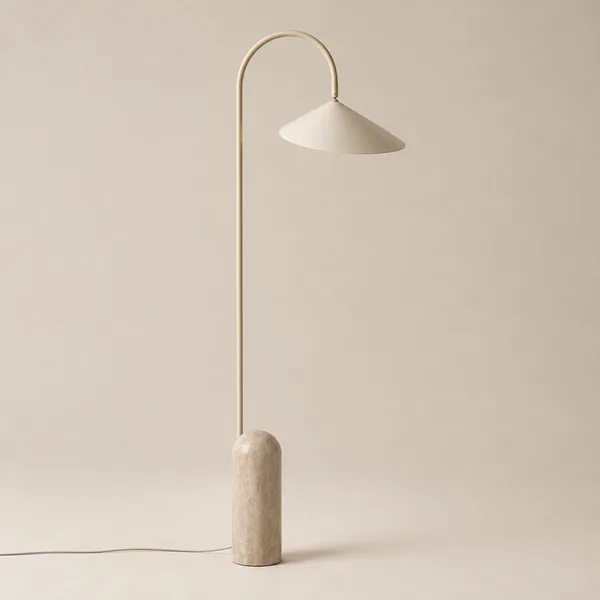
Velbue Marble Base Arc Floor Lamp Danish Design
 Save $210.00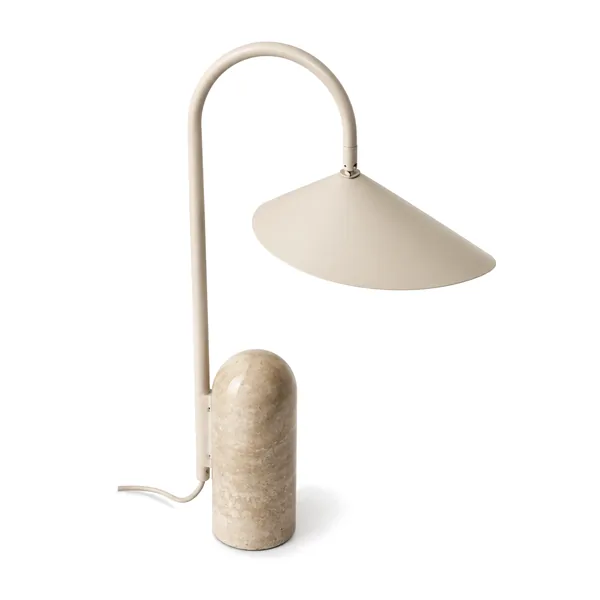
 2 options
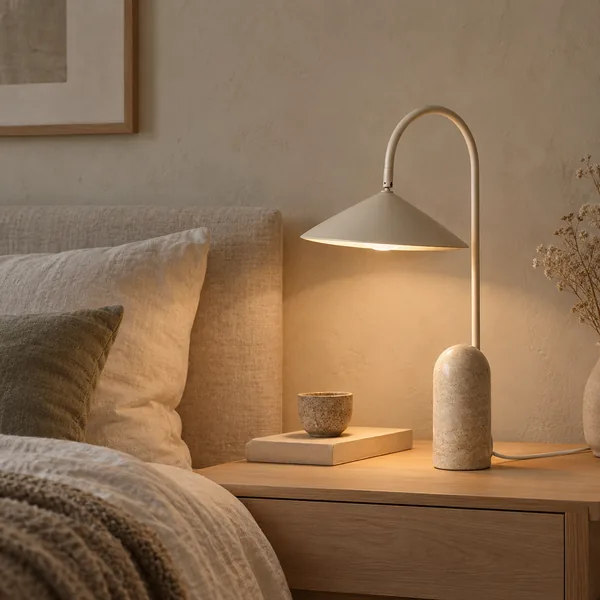
Solvei Danish Minimalist Arc Table Lamp Marble
Room-by-Room Guide to Earthy Tones
Implementing beige interior styling and earth tones throughout your home requires slightly different approaches depending on the room's function and natural light. However, maintaining consistency in your material choices will ensure the spaces flow harmoniously from one to the next.
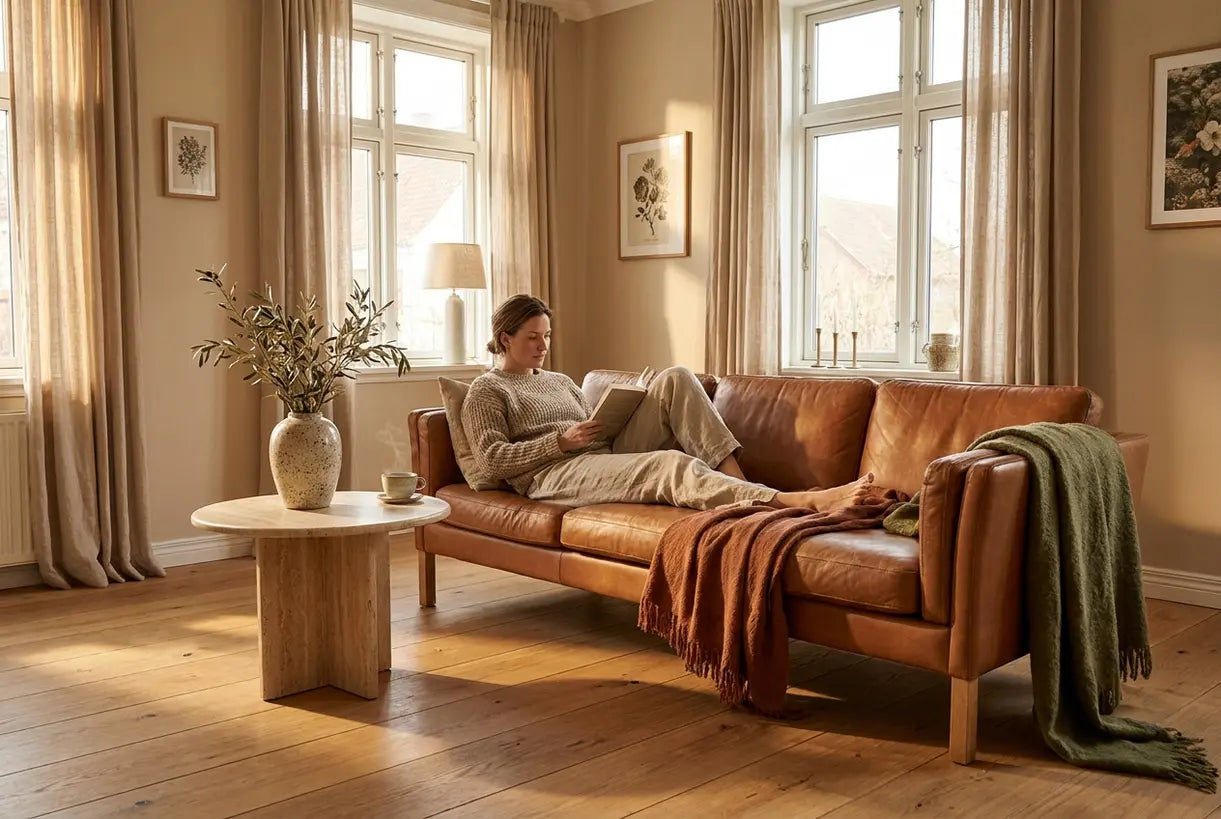
In the living room, prioritize comfort and conversation. Layer a natural fiber rug over hardwood floors, arrange seating in warm leather or textured linen, and incorporate wooden side tables with live edges. The Driva Linen Lantern Pendant Light offers an ideal overhead solution, casting a warm 3000K glow through its organic linen shade that perfectly complements the earthy palette.
Bedrooms benefit from the grounding quality of darker earth tones. Consider a feature wall in warm terracotta or sage green, balanced by crisp linen bedding in cream or sand. Wall sconces like the Torva Yellow Travertine Natural Stone Wall Sconce provide perfect bedside illumination while adding sculptural interest through its natural stone composition and warm amber glow.
Kitchens and dining areas offer opportunities to introduce earthy elements through terracotta home decor accessories, wooden serving pieces, and stone countertops. Open shelving displaying ceramic dishware in complementary tones extends the palette while keeping essentials accessible. Even small spaces like bathrooms can embrace this aesthetic through the use of natural stone tiles, wooden vanity elements, and woven storage baskets.
Maintaining Balance and Avoiding Common Pitfalls
While earthy tones interior design offers remarkable flexibility, there are pitfalls to avoid. The most common mistake is allowing the palette to become too heavy or monochromatic. Without adequate contrast and variation in texture, earth tones can make a space feel dull rather than grounding.
Combat this by ensuring plenty of natural light permeates your spaces. Use mirrors strategically to reflect light and expand visual space. Incorporate white or cream elements to provide visual breathing room. And don't shy away from black accents—they provide necessary contrast that makes warm tones pop.
Another consideration is the quality of materials. Because this aesthetic celebrates natural authenticity, synthetic imitations can undermine your efforts. Invest in genuine stone, solid wood, natural fibers, and quality ceramics. These materials not only look better but also age beautifully, developing patina and character over time.
Conclusion: Creating Your Grounding Sanctuary
Embracing earthy tones interior design is ultimately about creating a home that nurtures and restores. By drawing from nature's time-tested palette of warm neutrals, terracottas, and organic greens, you create spaces that feel both timeless and deeply personal. The key lies in thoughtful layering—combining colors, textures, and natural materials in ways that engage the senses and promote wellbeing.
At Skonne, we believe that the right lighting and decor choices can transform a house into a sanctuary. Our curated collection of Scandinavian-inspired pieces celebrates the same principles that make earthy interiors so compelling: authenticity, craftsmanship, and a deep respect for natural materials. Whether you're drawn to the warm glow of travertine stone, the soft diffusion of linen, or the organic beauty of handcrafted ceramics, we're here to help you create spaces that feel intentionally and beautifully yours.
As you embark on your journey toward warmer, more grounded interiors, remember that the best spaces evolve gradually. Start with what speaks to you, prioritize quality over quantity, and trust that nature's palette will guide you toward a home that feels unmistakably like your own.
Related Article
Warm Colors in Interior Design: How to Use Rich, Inviting Tones in Every RoomLearn how to transform your home with warm colors. From terracotta and amber to cognac and caramel, discover expert tips for creating inviting, cozy spaces.